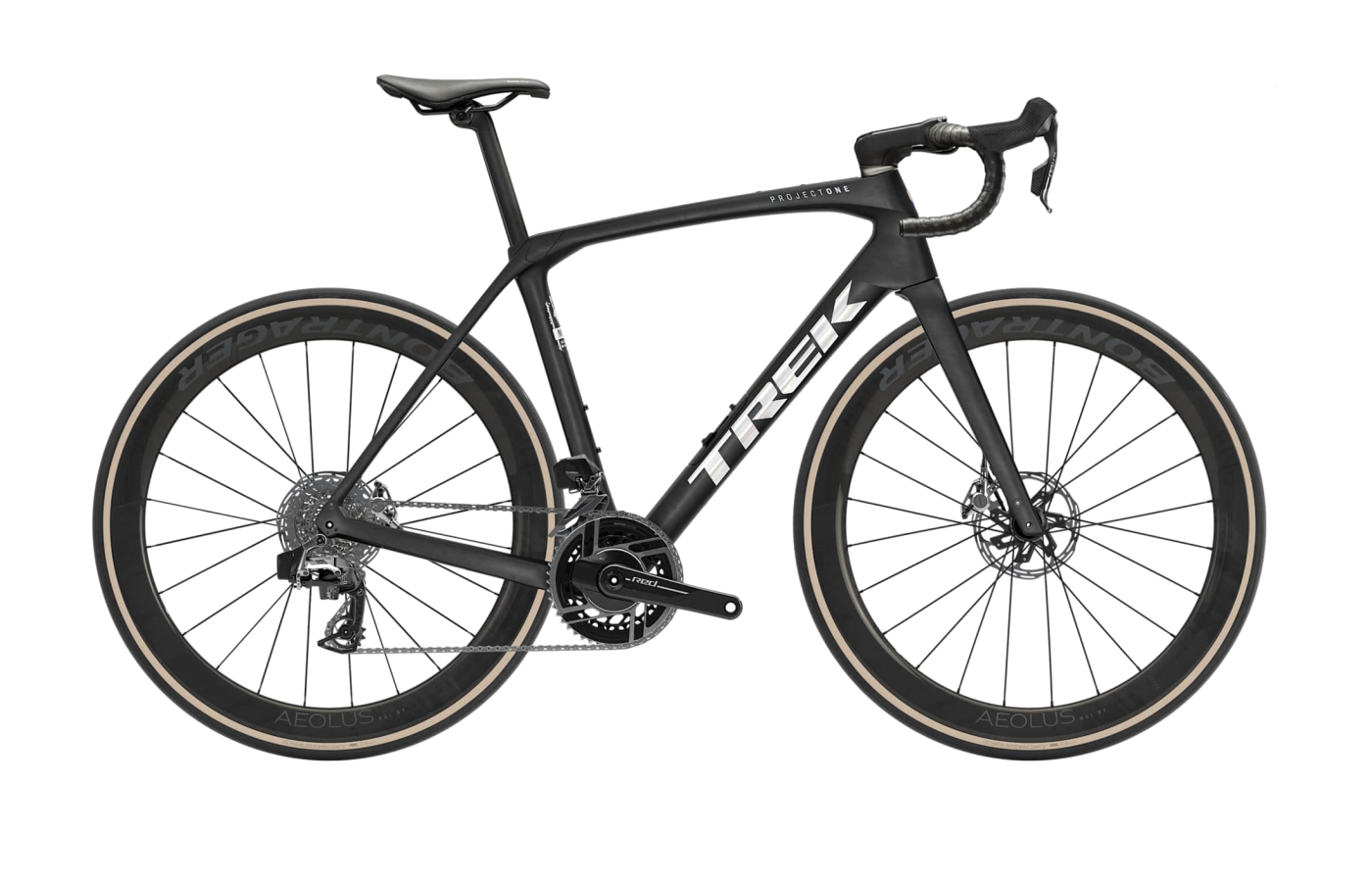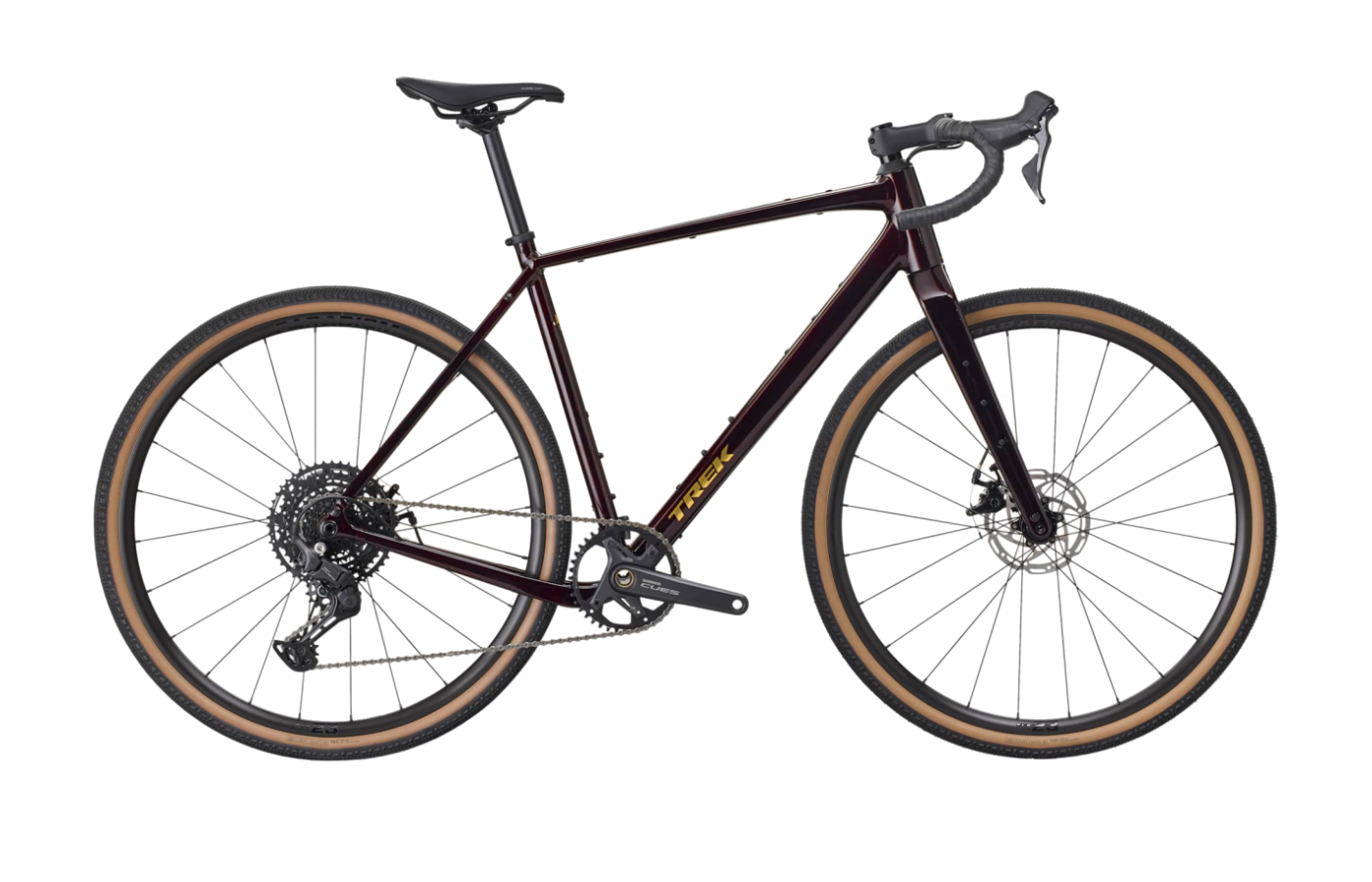
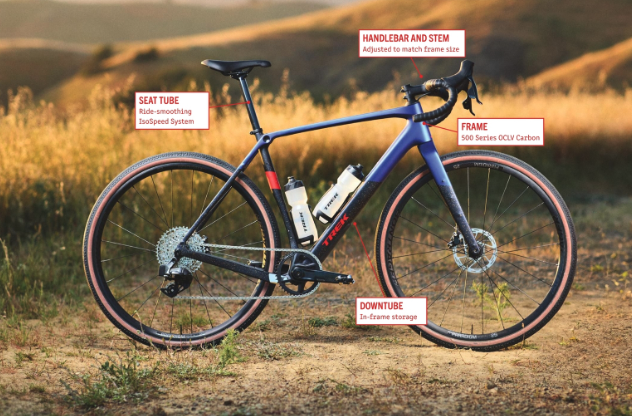
The third-generation Trek Checkpoint is a clear repositioning of the model from broad-spectrum gravel racer toward endurance and adventure bike. With the Checkmate SLR now handling Trek’s pure race brief, the Checkpoint SL Gen 3 adopts what Trek calls “Gravel Endurance” geometry: a shorter, taller fit intended to reduce fatigue on long gravel rides, mixed-surface centuries, and loaded bikepacking trips. The platform also becomes notably more capable, with measured clearance for 700x50mm tires, compatibility with short-travel gravel suspension forks up to 40mm on most sizes, and expanded frame and rack mounts. In practice, this places the Checkpoint closer to the versatile, one-bike-for-many-jobs end of the gravel market than to the aggressive race end.
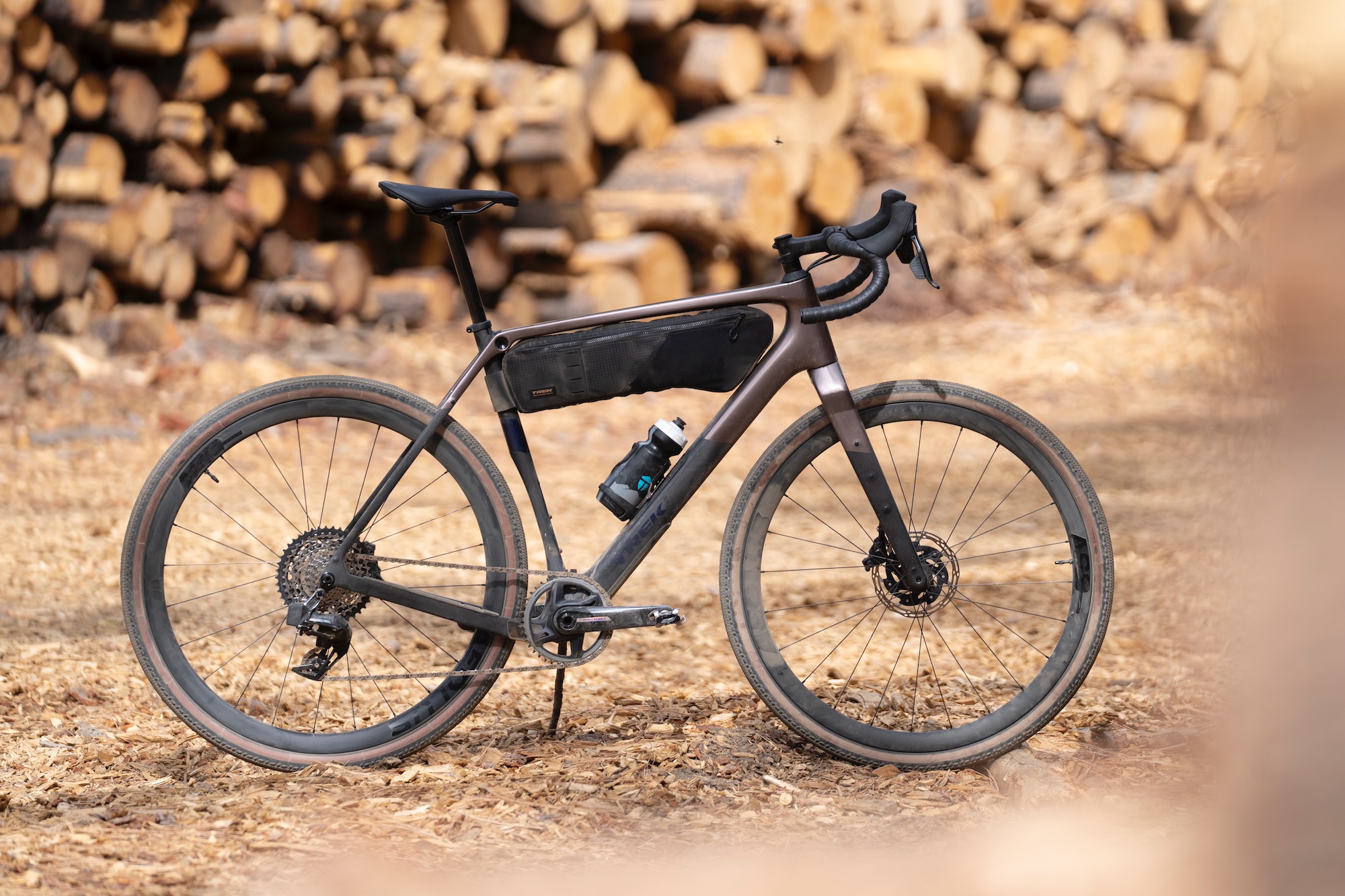
What distinguishes the Gen 3 Checkpoint is that Trek has not simply made it more upright; it has paired that fit shift with practical, service-oriented updates. The carbon SL retains the rear IsoSpeed decoupler and enlarged downtube internal storage, while the platform also moves to UDH compatibility and Trek’s RCS headset system. The aluminum Checkpoint ALR Gen 3 carries over the same overall geometry concept, tire clearance, cargo mounts, and suspension-fork compatibility, but omits the SL’s internal storage and IsoSpeed. Across both versions, the emphasis is on comfort, cargo flexibility, and long-term adaptability rather than minimal weight or race-first handling.
Where to get it.
1 retailer · size S.
Spec sheet.
Every component shipped with this build.
Geometry & fit.
6 sizes published.
Trek’s current Checkpoint generation is the “Checkpoint SL Gen 3” platform, introduced alongside Trek’s new gravel-race bike (the Checkmate SLR) as Trek repositioned the Checkpoint toward more endurance/adventure use. Compared to the prior Checkpoint SL, Trek calls the new fit and handling “Gravel Endurance” geometry, with a shorter and higher reach intended to be more comfortable and capable for long, all-day gravel and bikepacking rides. (bikeradar.com)
Gen 3 increases capability and cargo options: tire clearance grows to 700×50mm (as measured), the downtube internal storage is enlarged (more volume, bigger door, updated BITS bag), and the frame adds mounts for a front rack while retaining many of the prior generation’s bag/bottle/fender/rear rack-related mounts. Gen 3 also adds/standardizes modern standards and serviceability details like UDH and Trek’s RCS headset system, and it’s designed to accept a short-travel gravel suspension fork up to 40mm (all sizes except XS). (trekbikes.com)
Within the broader “Checkpoint” family, Trek has also brought the Gen 3 ethos to aluminum with Checkpoint ALR Gen 3: it shares the Gen 3 Gravel Endurance geometry concept and the up-to-50mm tire clearance and 40mm suspension fork compatibility, but (unlike the carbon SL) it does not have internal frame storage. (trekbikes.com)
Where the handlebar sits relative to the bottom bracket — the single most important fit pair.
01Fit geometry6 values
02Component geometry5 values
03Handling geometry8 values
Which size should I buy?
Slide your height to see the recommended size. GearWise's fit algorithm works from the published stack, reach, and ETT — the brand's own recommendation may differ.
→Calculated from GearWise's own stack / reach / ETT algorithm — the brand's size chart may recommend a different size, and a proper bike fit beats any calculator.
The lineup.
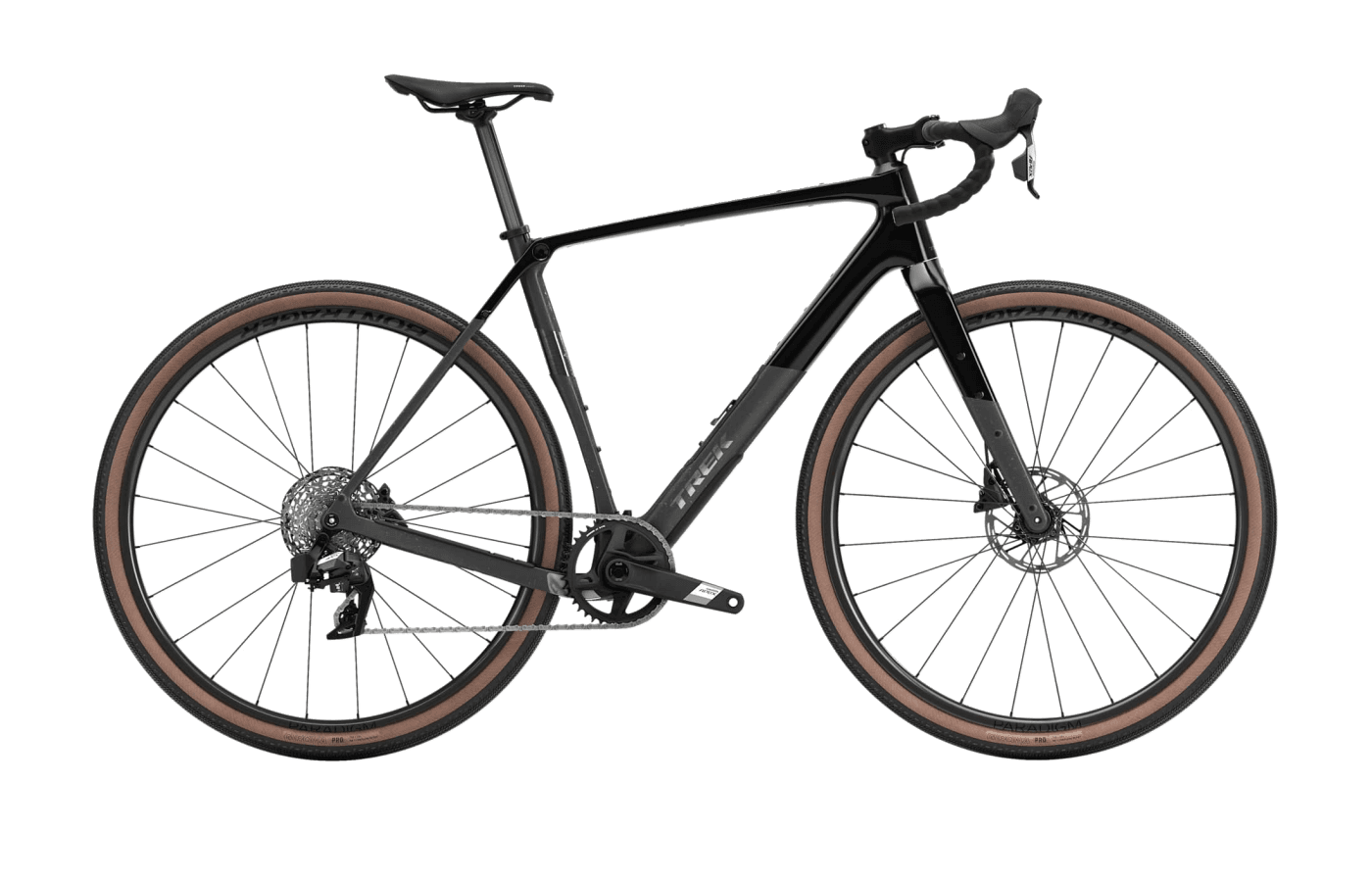
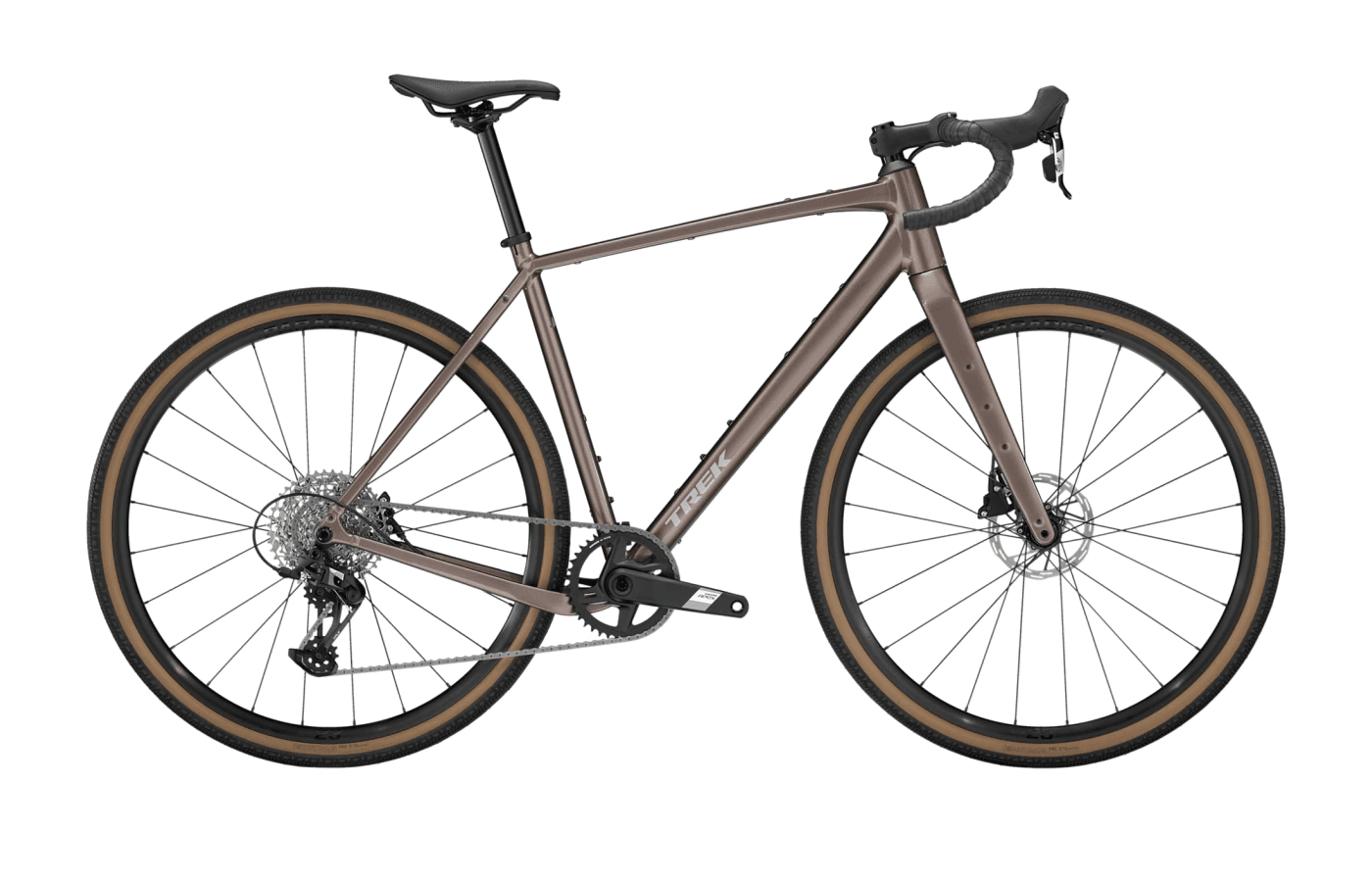
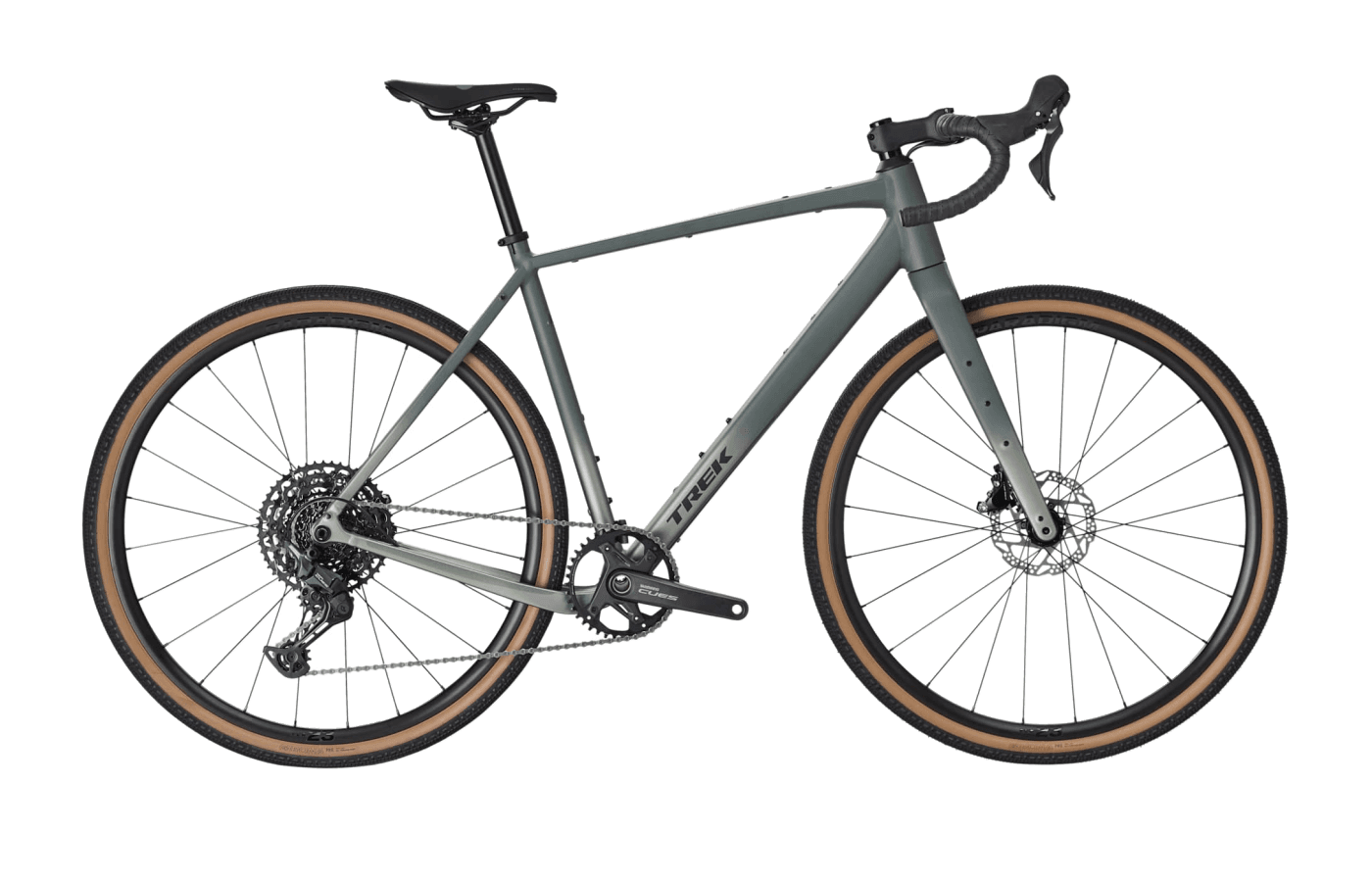
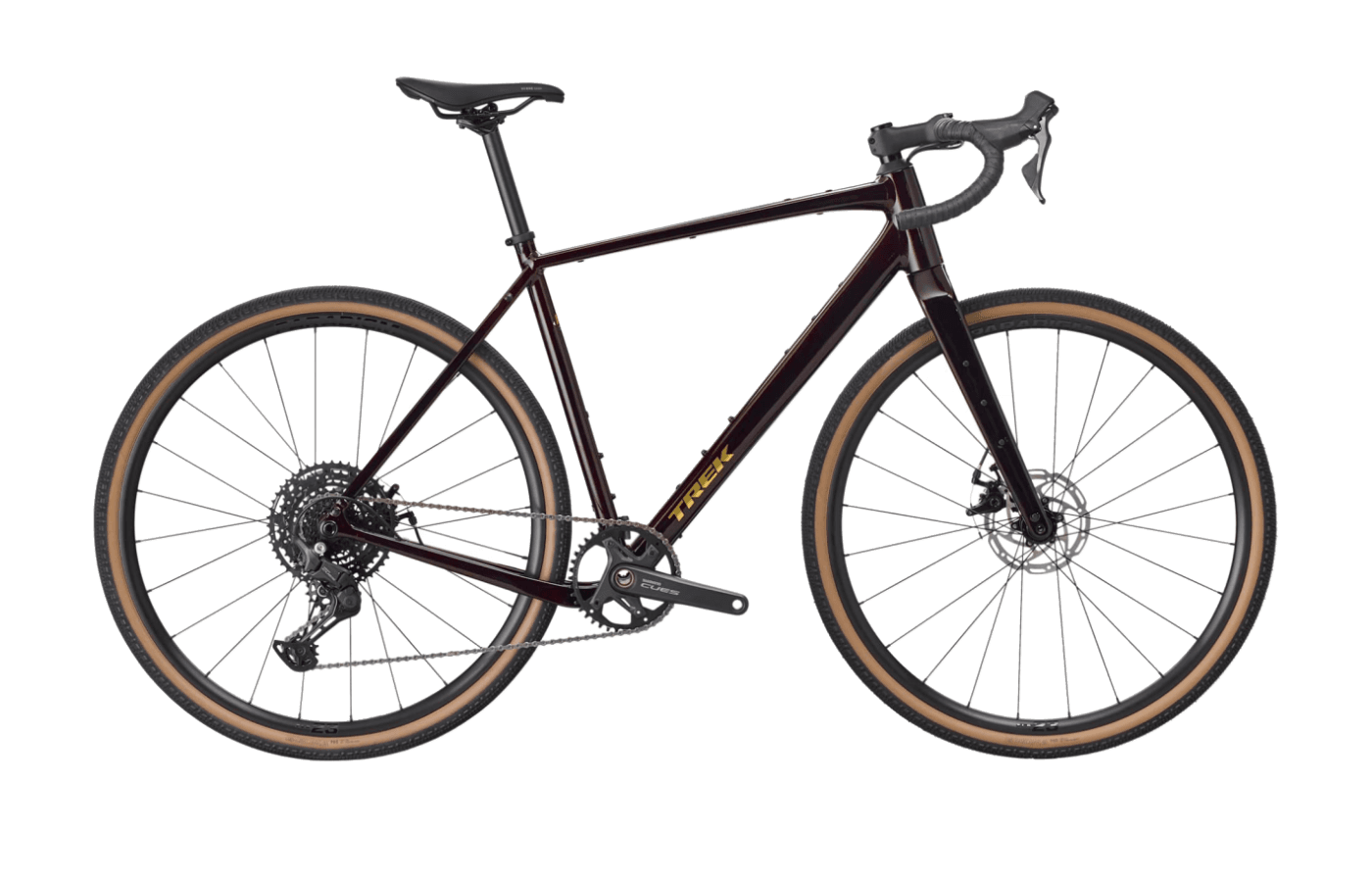
6 builds, ranging $1,600 – $6,500.
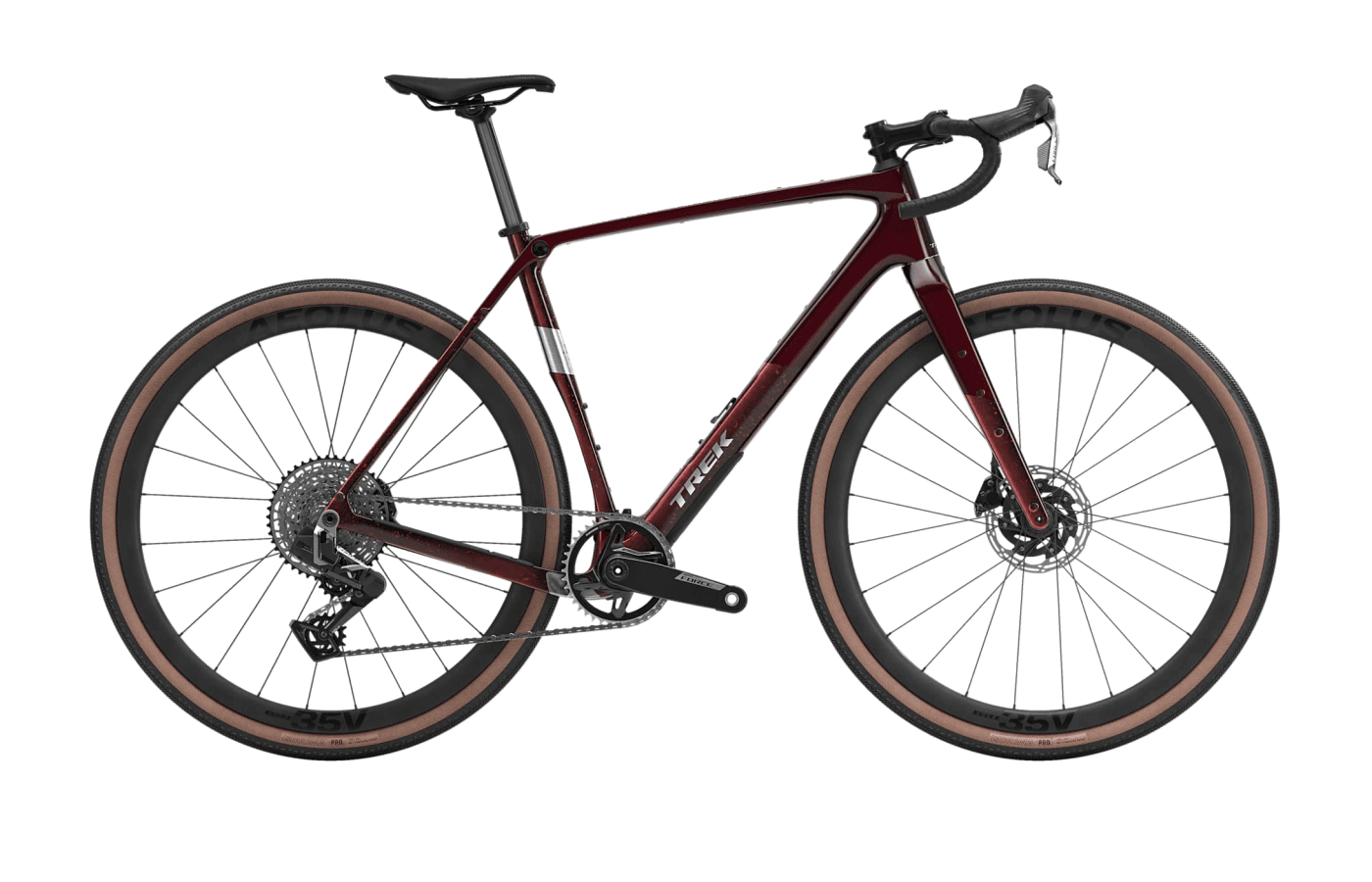
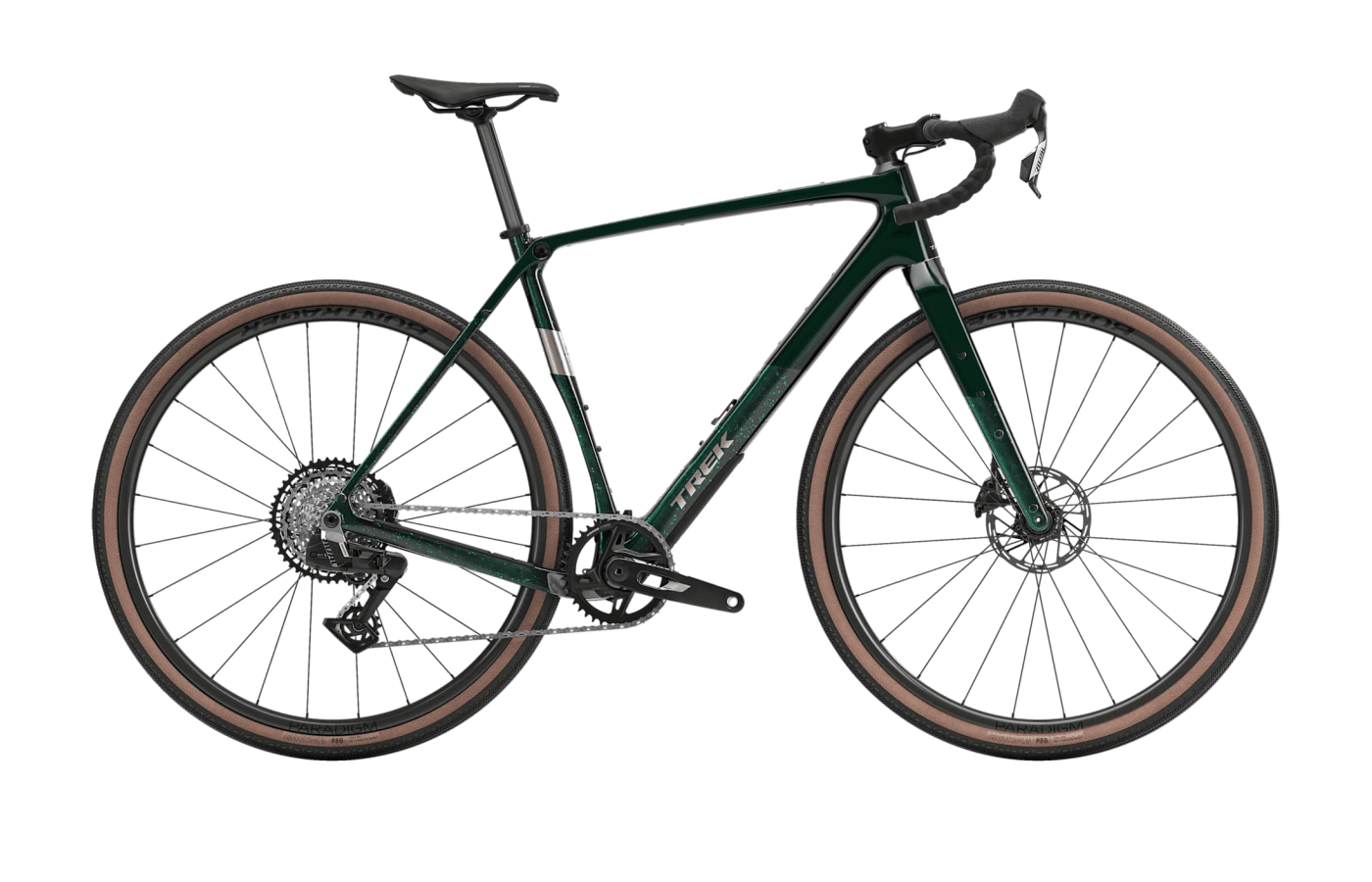
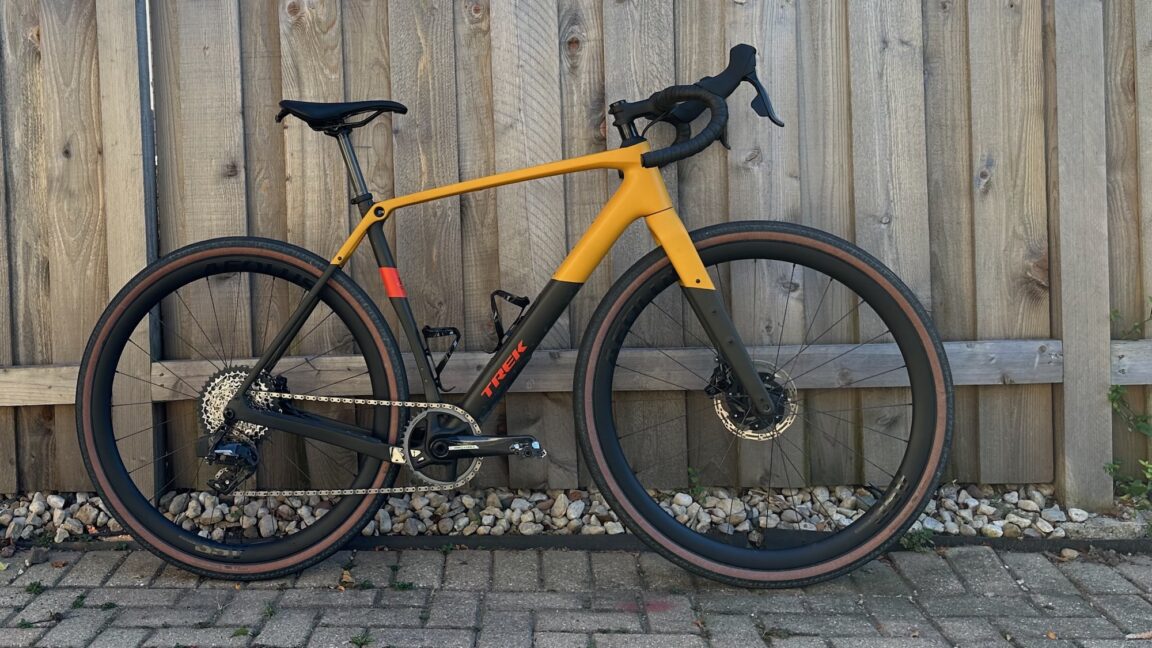
The Checkpoint Gen 3 range spans from value-focused aluminum builds to well-equipped carbon models, with a clear divide in both features and pricing. On the carbon side, the SL lineup includes the SL 5 at $3,200, SL 6 at $4,000, and SL 7 AXS at $5,700. The headline SL build is the SL 7 AXS, which reviewers noted pairs a SRAM Force AXS drivetrain with Bontrager Aeolus Elite 35V carbon wheels, giving it a stronger spec sheet than some similarly priced rivals. Reviewers generally saw it as a competitive premium build, though not especially light for the money at roughly 9 kg, and some questioned whether riders primarily chasing performance might prefer to spend the same budget on a racier platform.
The standout value option is the aluminum Checkpoint ALR 5 Gen 3, listed in reviews at $2,099 / £1,700 / €1,999, with another review citing $2,499 depending on market. It keeps much of what matters from the new platform—50 mm tire clearance, updated endurance geometry, carbon fork, UDH, T47 threaded bottom bracket, rack and bag mounts, and suspension-fork compatibility—while giving up the SL’s IsoSpeed decoupler and internal frame storage. Reviewers consistently framed it as an upgrade-friendly bike with a strong frame at a relatively accessible price, while also noting that stock wheels and especially the stock tires are sensible early upgrade targets for riders in rougher or wetter conditions.
From the press.
13 reviews from the cycling press.
Reviewers are broadly aligned that the Gen 3 Checkpoint succeeds because it feels calmer and less fatiguing than the previous generation without becoming dull. Across outlets, the revised fit and rear IsoSpeed system on SL models were repeatedly cited as the core of the bike’s character. Testers described the compliance as subtle rather than dramatic: it does not feel like active suspension, but it noticeably removes the harshness of washboard and rough chatter while preserving useful feedback from the rear tire. Several reviewers also praised the more upright position for reducing neck, shoulder, and lower-back strain on long rides, with some saying the bike left them feeling fresher after four-hour rides, 100 km loops, and back-to-back adventure days.
Handling impressions were mostly positive, though with some nuance. Many reviewers found the bike planted, predictable, and stable at speed, while still responsive enough for winding gravel and light singletrack. Bicycling and Velo in particular highlighted the reduced front-wheel flop and more manageable low-speed behavior on steep, loose climbs. At the same time, not every tester agreed on the descending balance: Off.road.cc-style feedback in the review synthesis noted a more weight-forward sensation on steep, chunky descents, where careful braking and rider positioning were needed. There were also recurring criticisms of stock tires, which several reviewers said worked well on hardpack and dry conditions but were quickly outmatched in mud or looser terrain.
The ALR models drew especially strong praise for value. BikeRadar called the ALR 5 one of the best sub-£2,000 gravel bikes available, citing its modern frame design, strong ride quality, and sharp handling. Reviewers generally agreed that the aluminum frame avoids the harsh, budget-bike feel often associated with alloy gravel bikes, helped by the carbon fork and updated geometry. On the downside, some noted that the ALR’s pricing edges toward entry-level carbon territory, and service-minded reviewers raised concerns about the headset-entry cable routing on mechanical builds, which may complicate maintenance and increase labor costs over time.
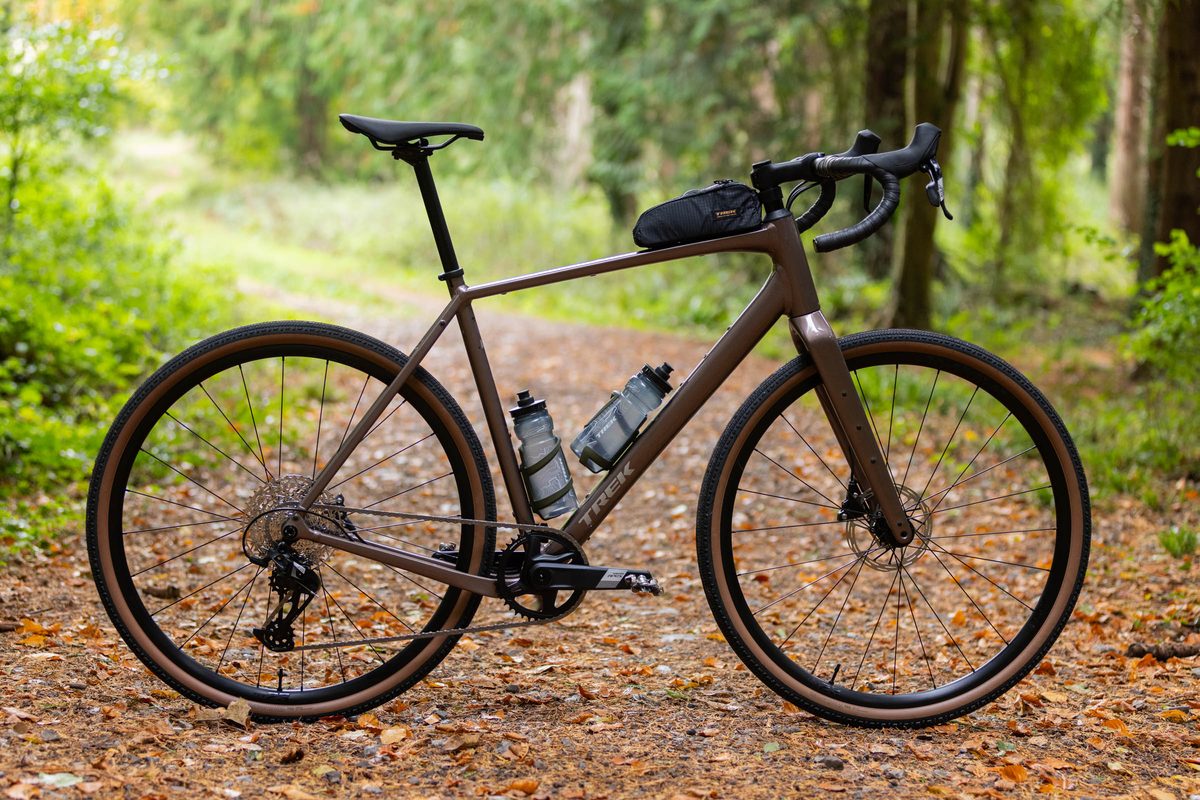
Trek Checkpoint ALR 5 Gen 3 review: great gravel bikes don't have to cost a fortune – but I'd make one upgrade

Trek Checkpoint Gen 3 – First Look & Ride | Is this the ...
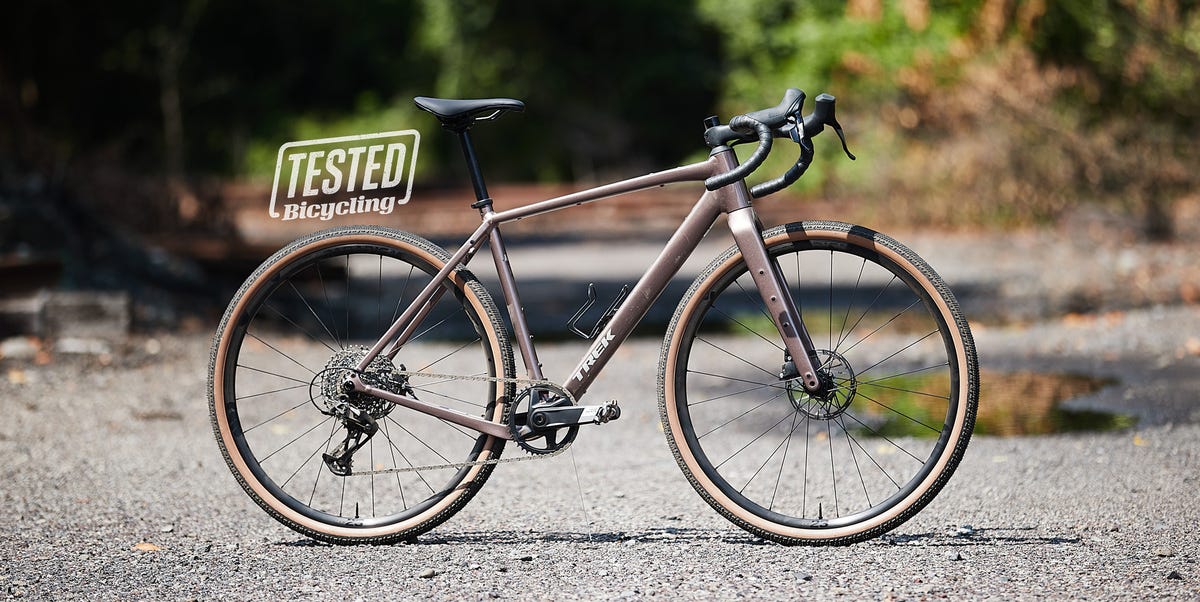
Trek Checkpoint ALR Review: The Best Value Gravel Bike ...
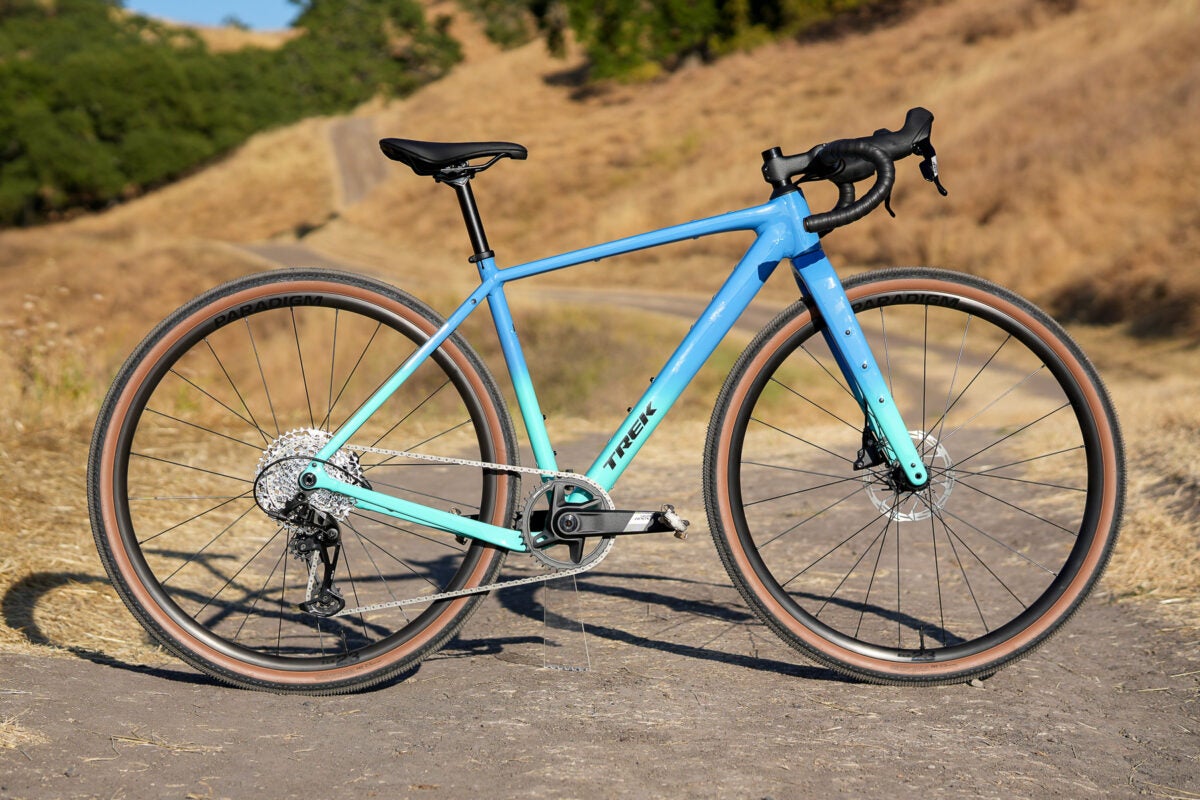
First Ride: The Updated Trek Checkpoint ALR Might Be All the Gravel Bike You’ll Ever Need
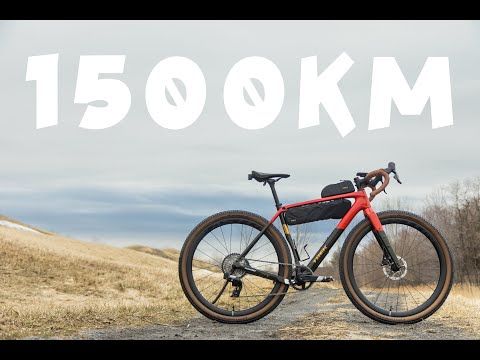
Trek Checkpoint Gen3 1500km review. Is it any good?
Trek Checkpoint SL AXS Gen 3
Trek Checkpoint SL Generation 3 Review
Trek Checkpoint SL7 AXS Gen 3 Review - Gravel

Trek Checkpoint SL 7 AXS Gen 3 gravel bike review
The Trek Checkpoint SL 7 AXS Gen 3 may be the perfect ...
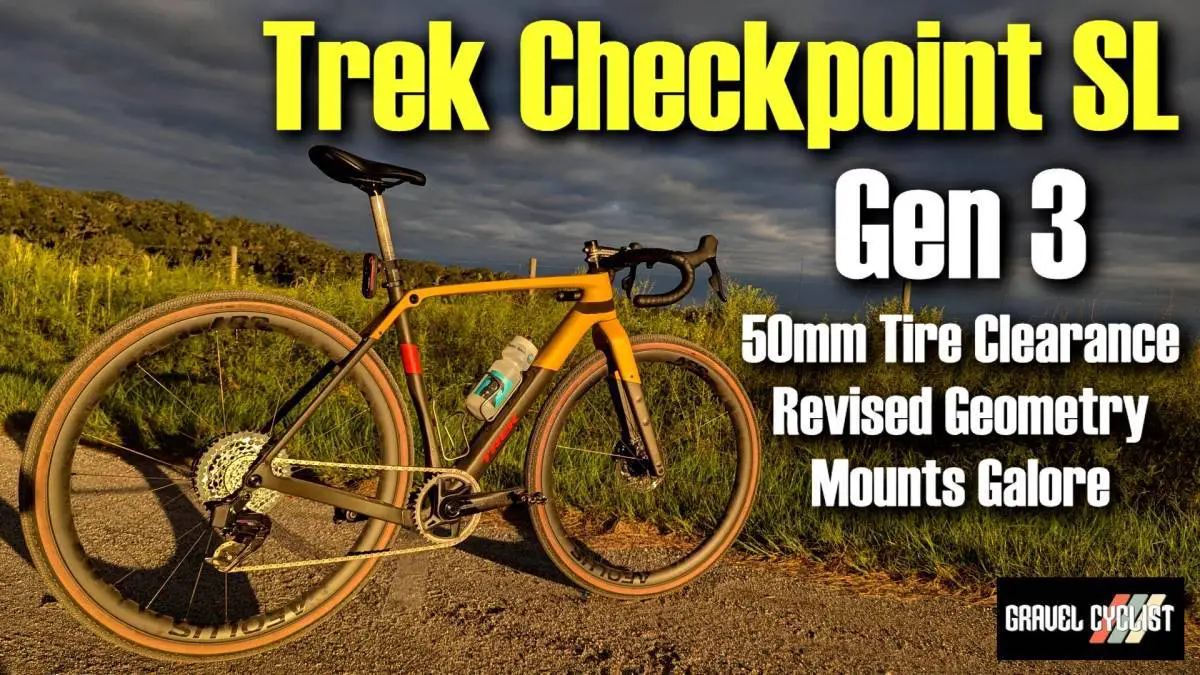
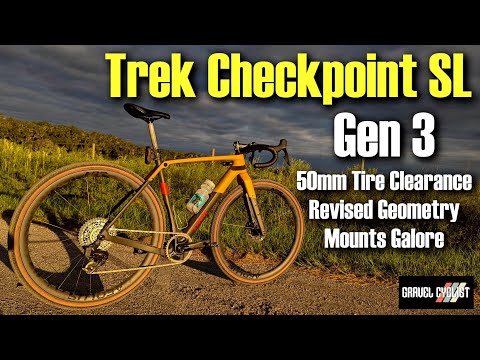
Trek Checkpoint SL Generation 3 Review: 50mm Tire Clearance, Revised Geometry, Mounts Galore
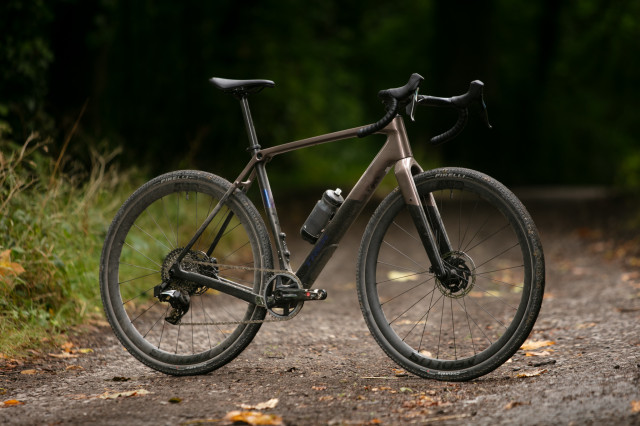
Trek Checkpoint SL 7 Gen 3 first ride review - Fast, refined and comfortable
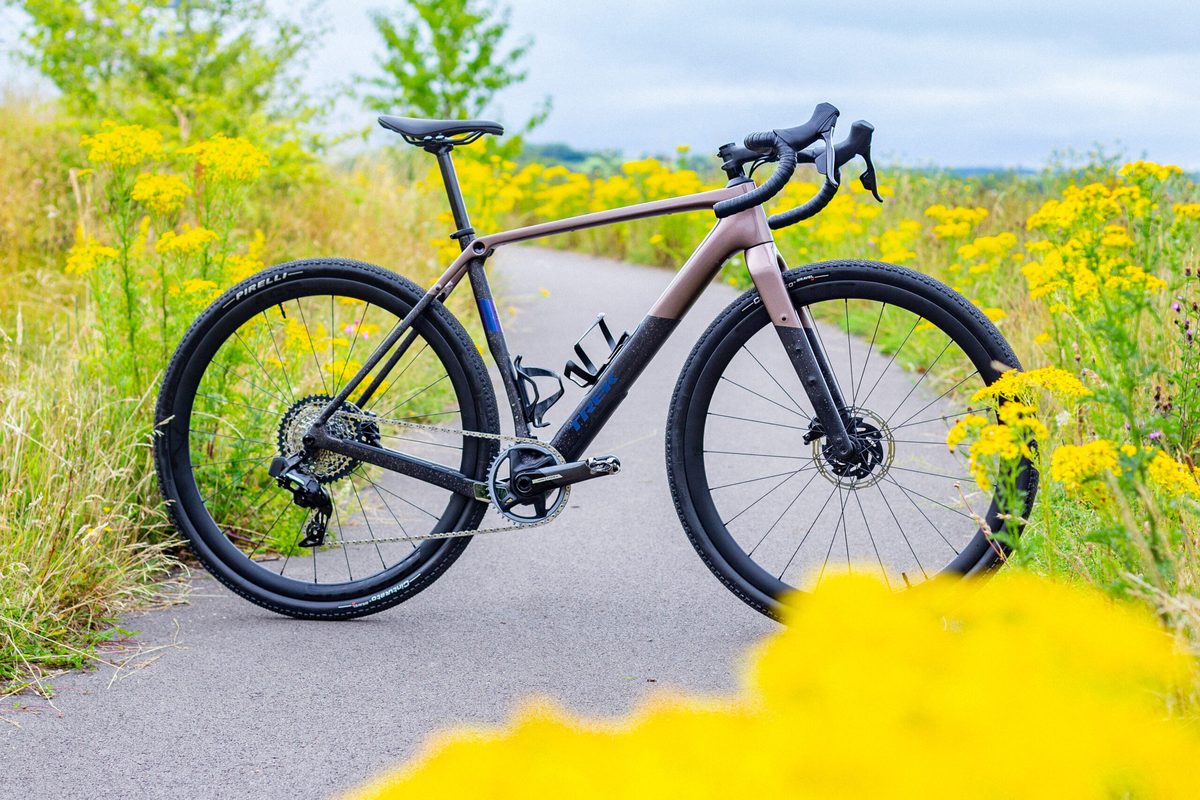
Trek Checkpoint SL 7 AXS Gen 3 first ride review
Compared to.
Most-viewed comparisons.
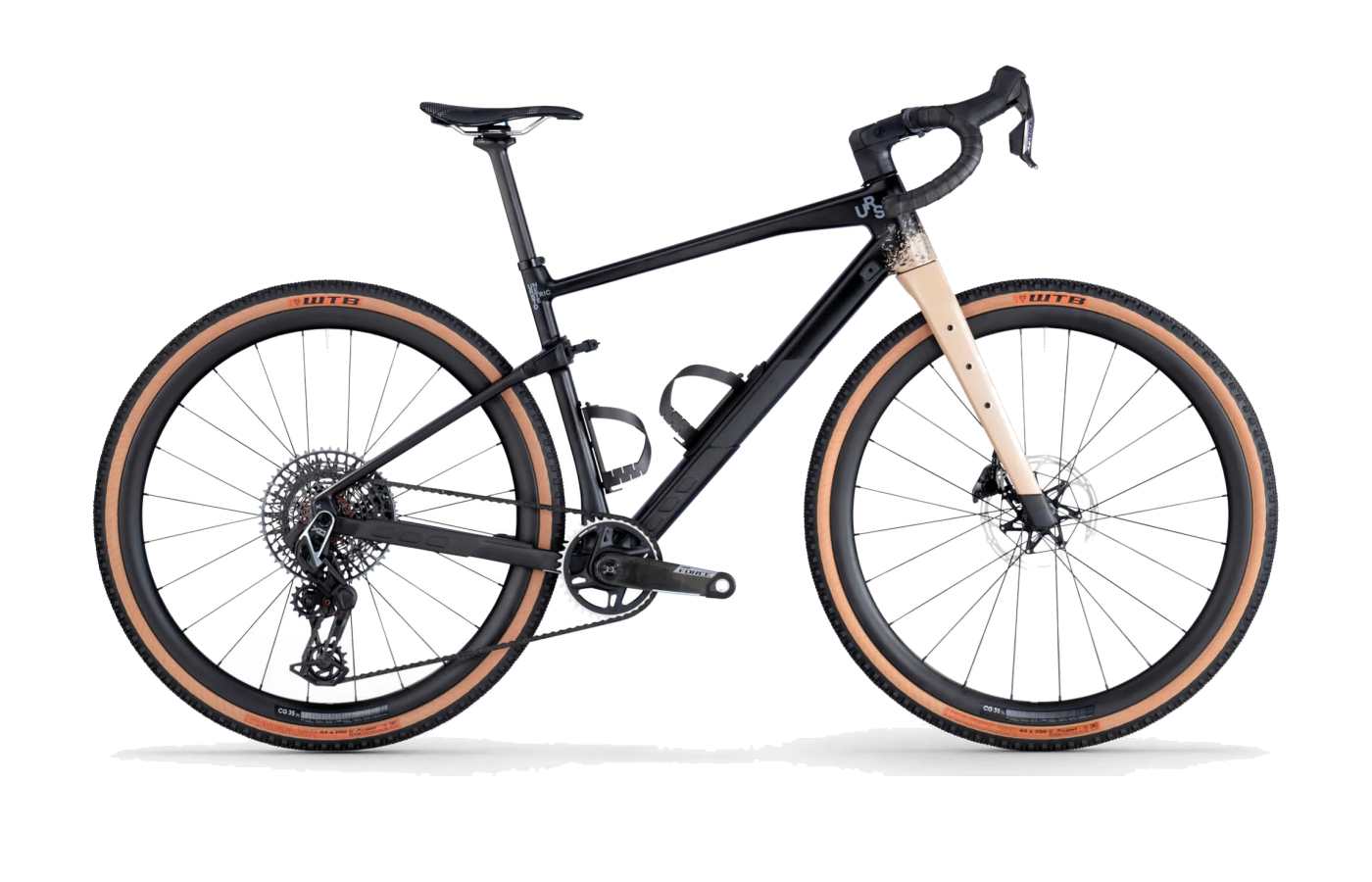
BMC URS vs Trek Checkpoint
Read comparison→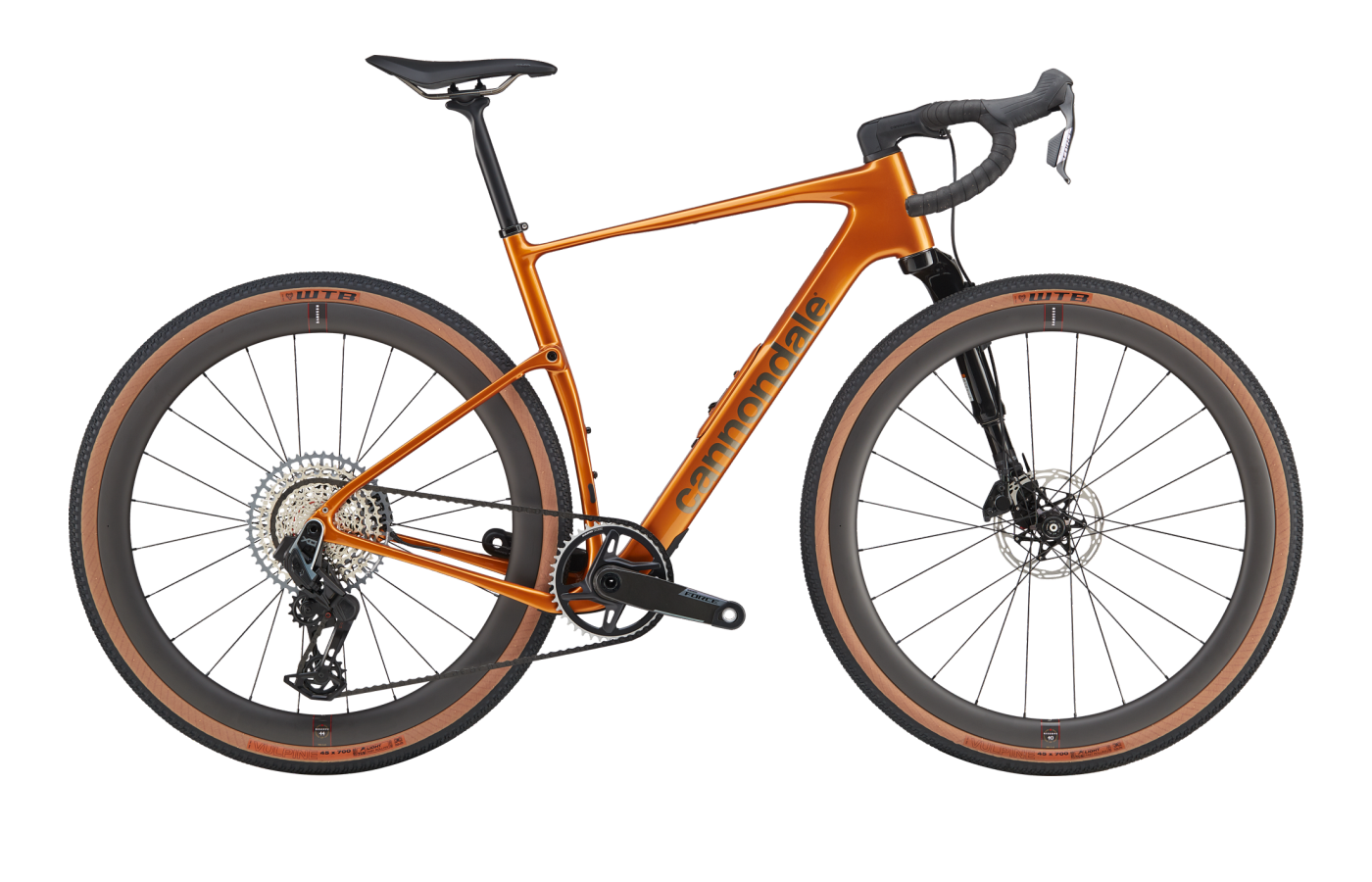
Cannondale Topstone Carbon vs Trek Checkpoint
Read comparison→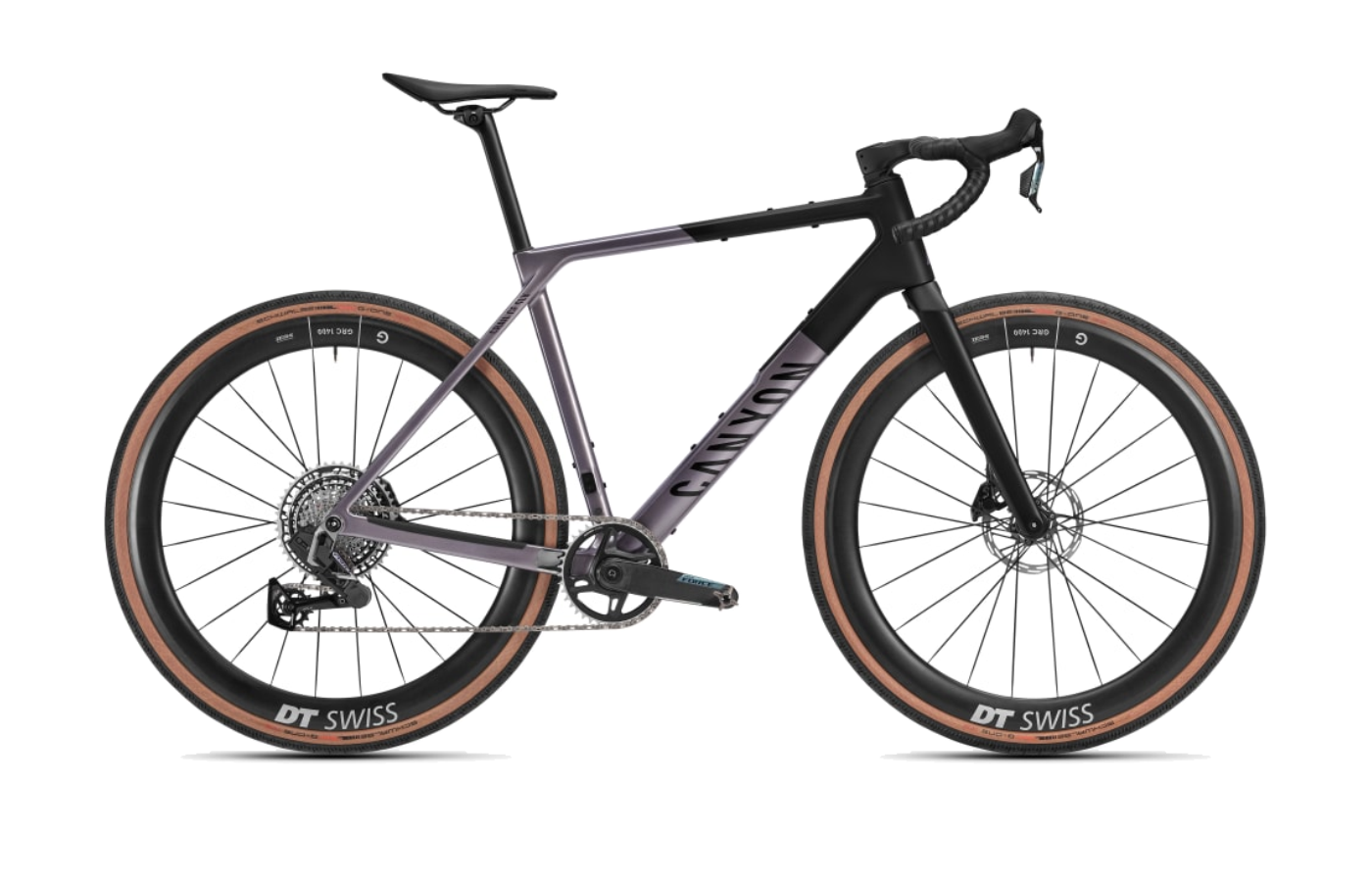
Canyon Grail vs Trek Checkpoint
Read comparison→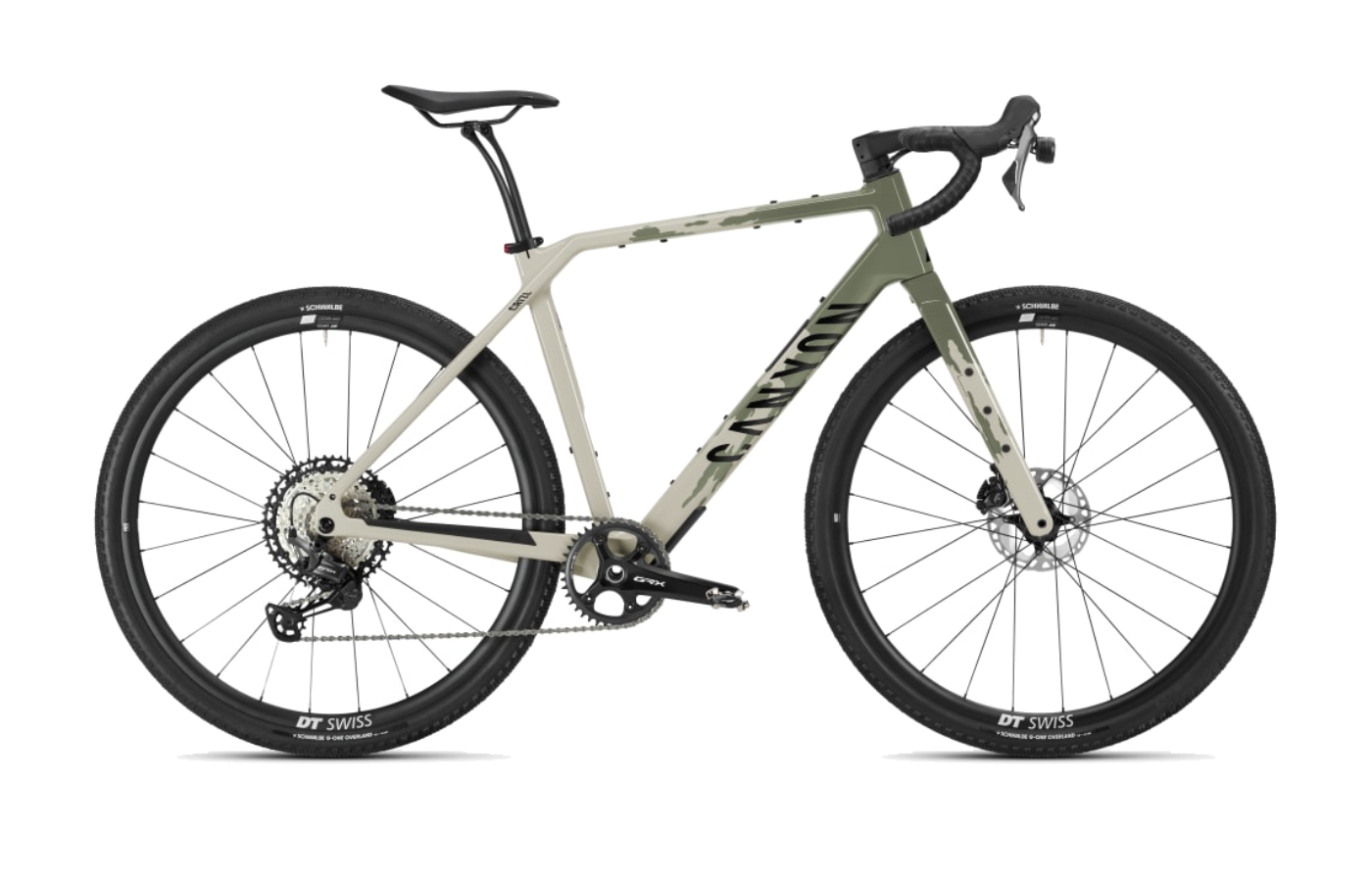
Canyon Grizl vs Trek Checkpoint
Read comparison→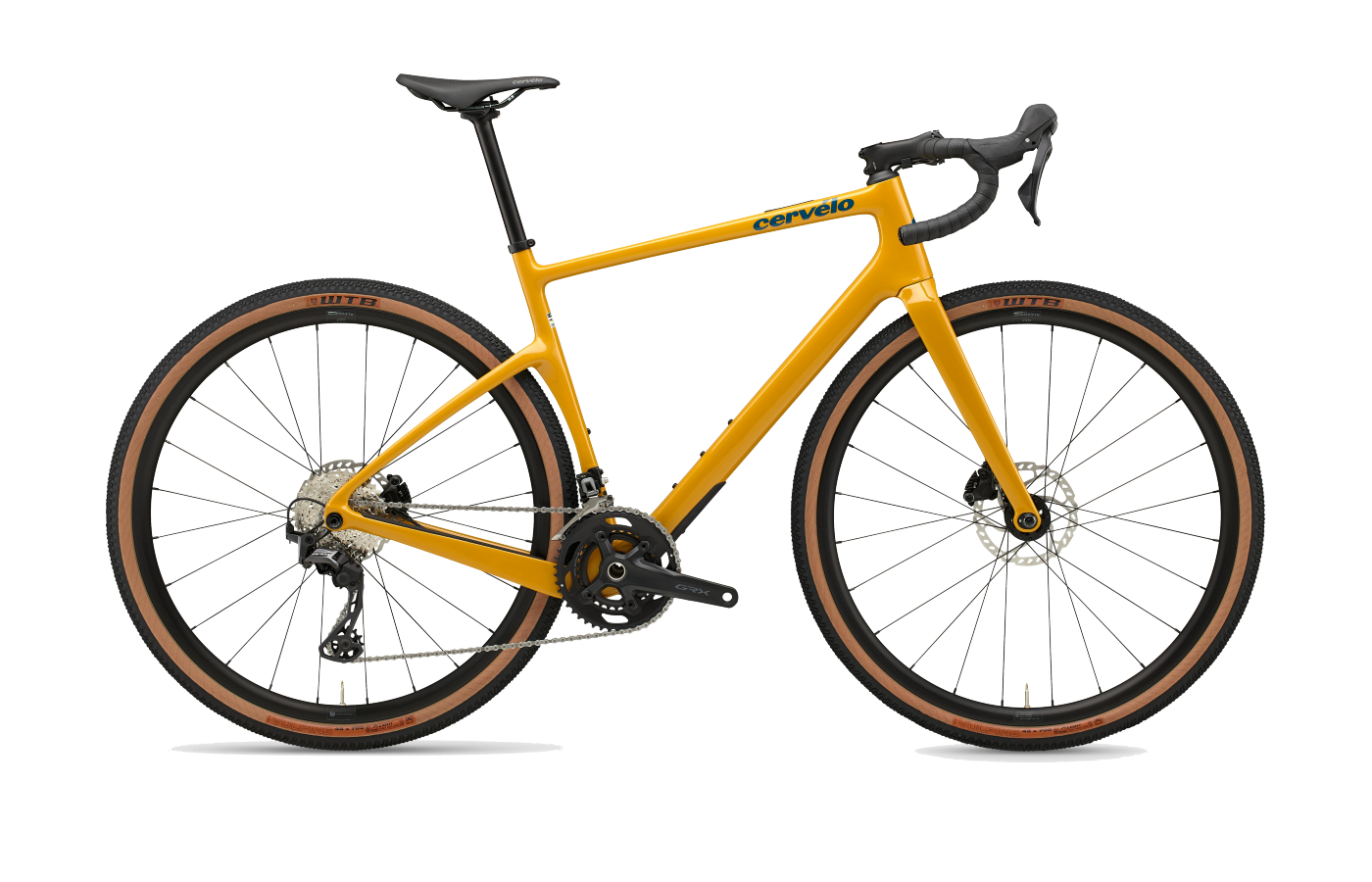
Cervelo Aspero vs Trek Checkpoint
Read comparison→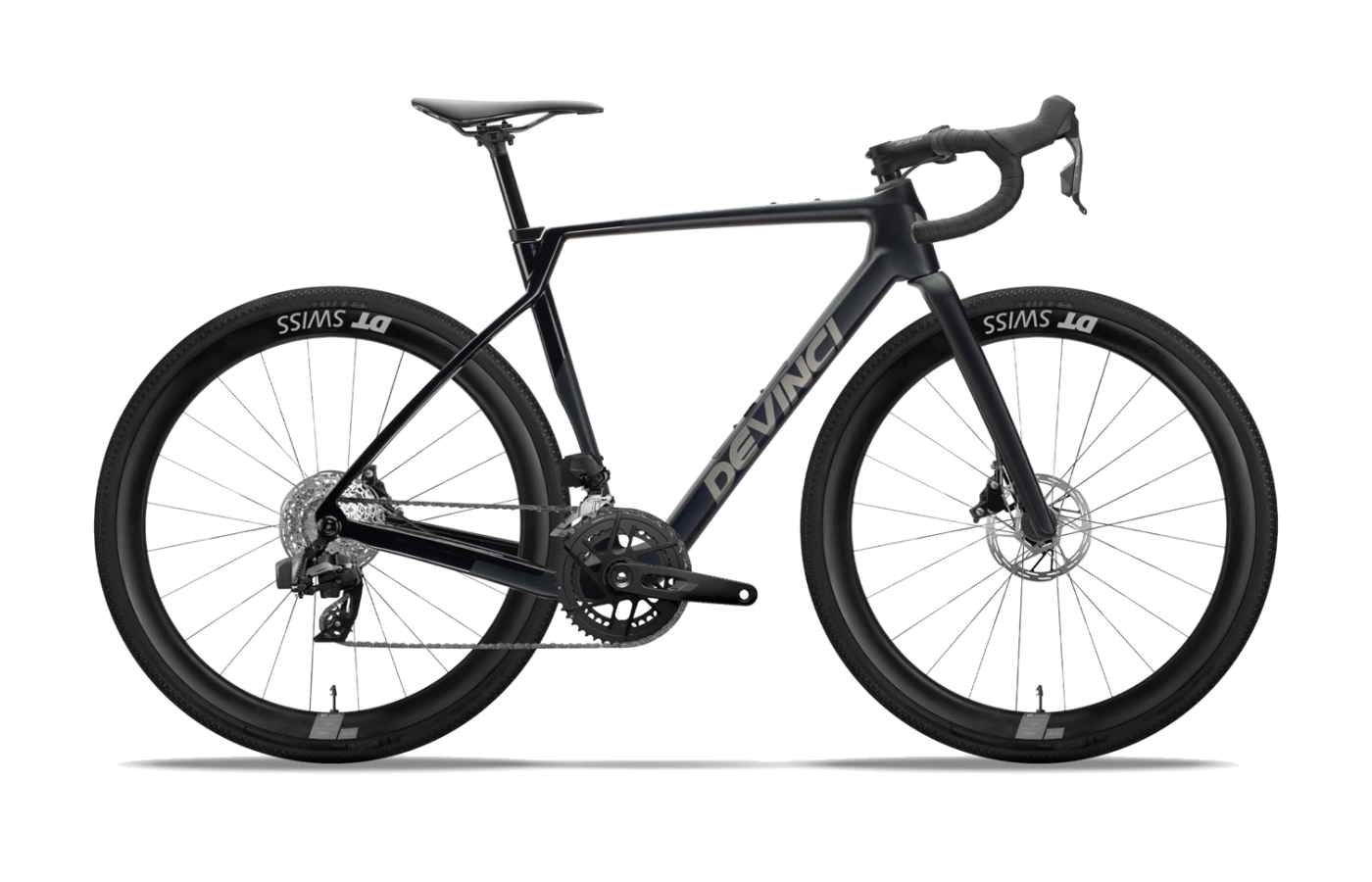
Devinci Hatchet vs Trek Checkpoint
Read comparison→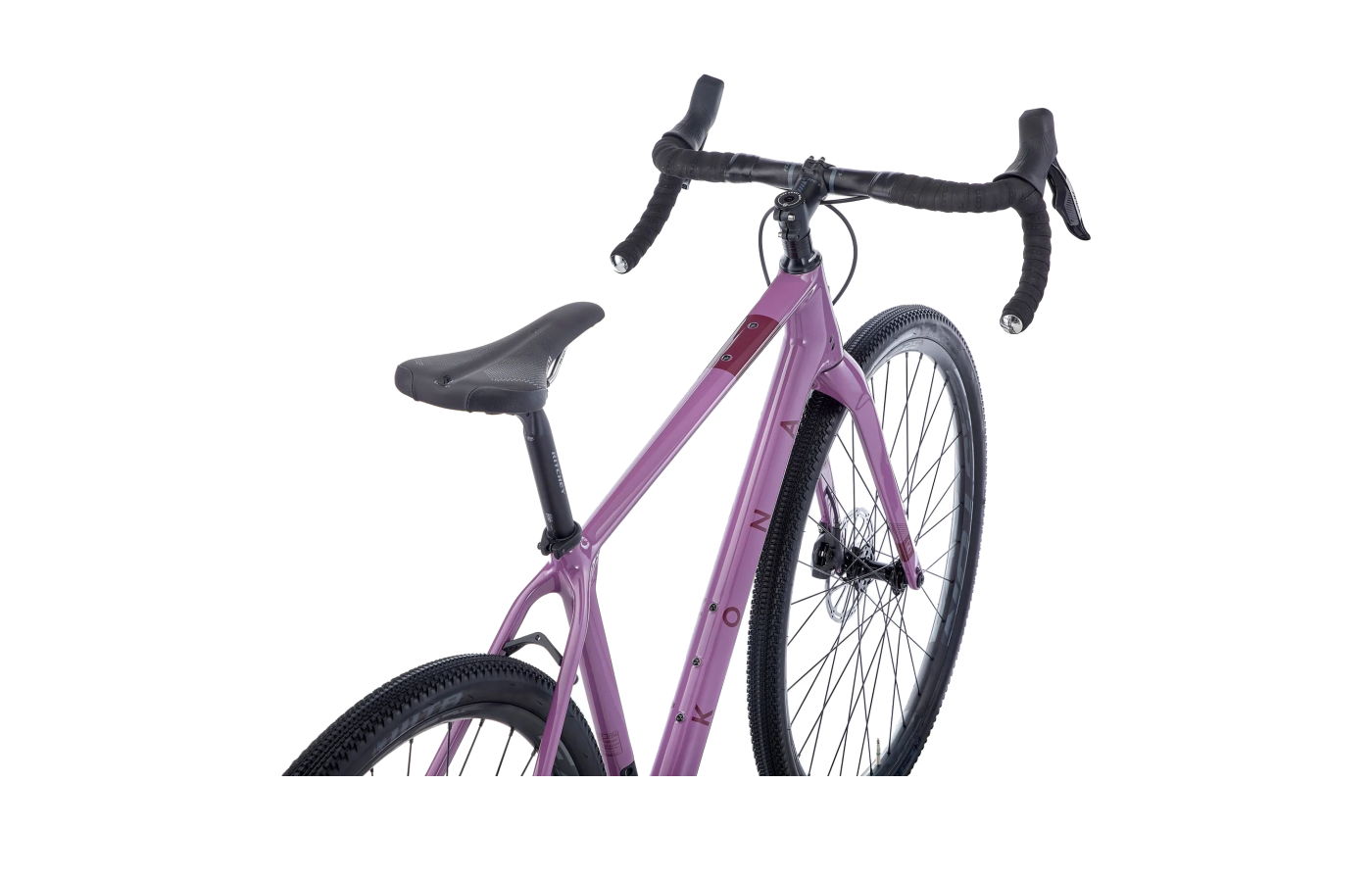
Kona Libre vs Trek Checkpoint
Read comparison→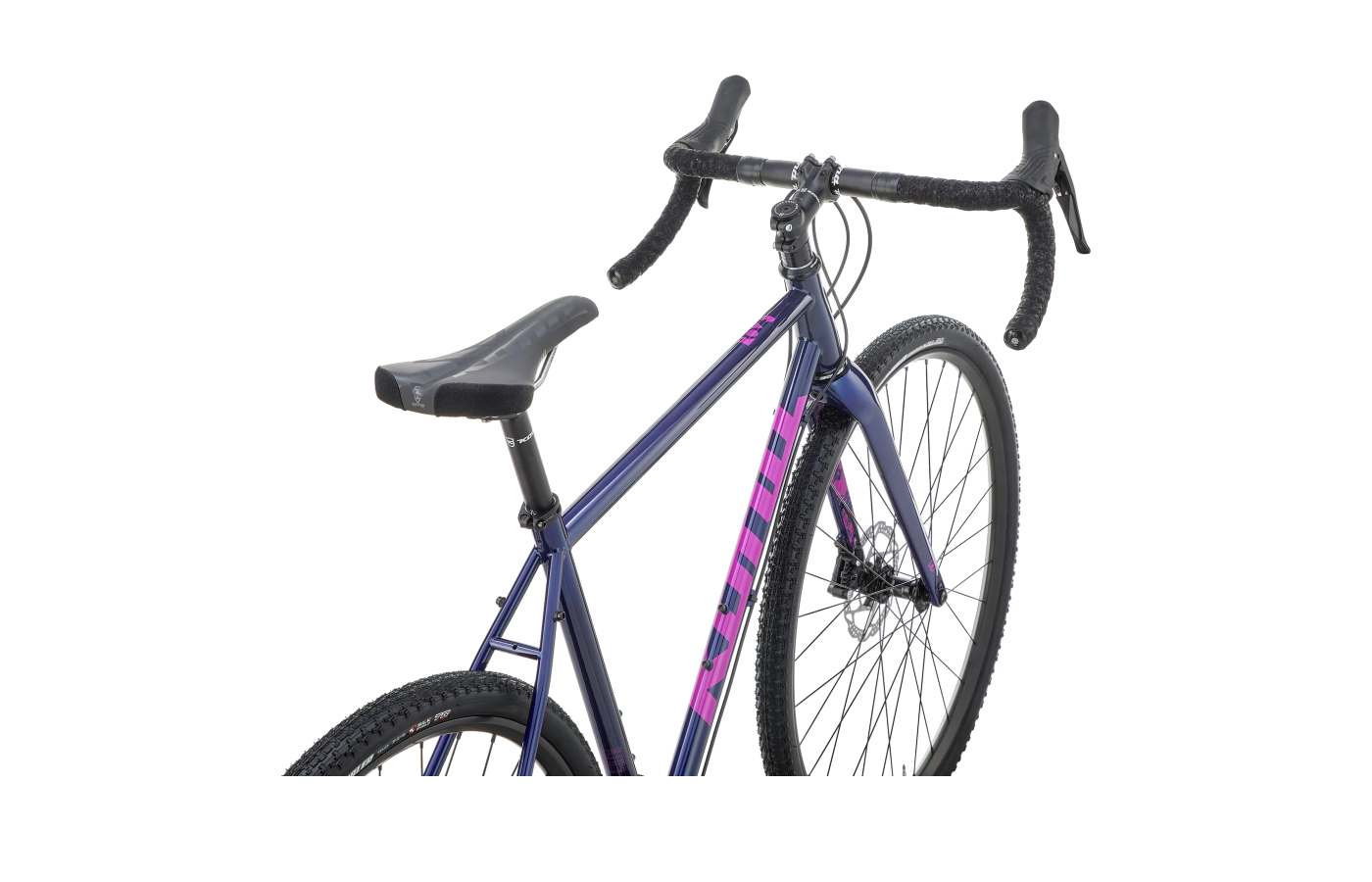
Kona Rove vs Trek Checkpoint
Read comparison→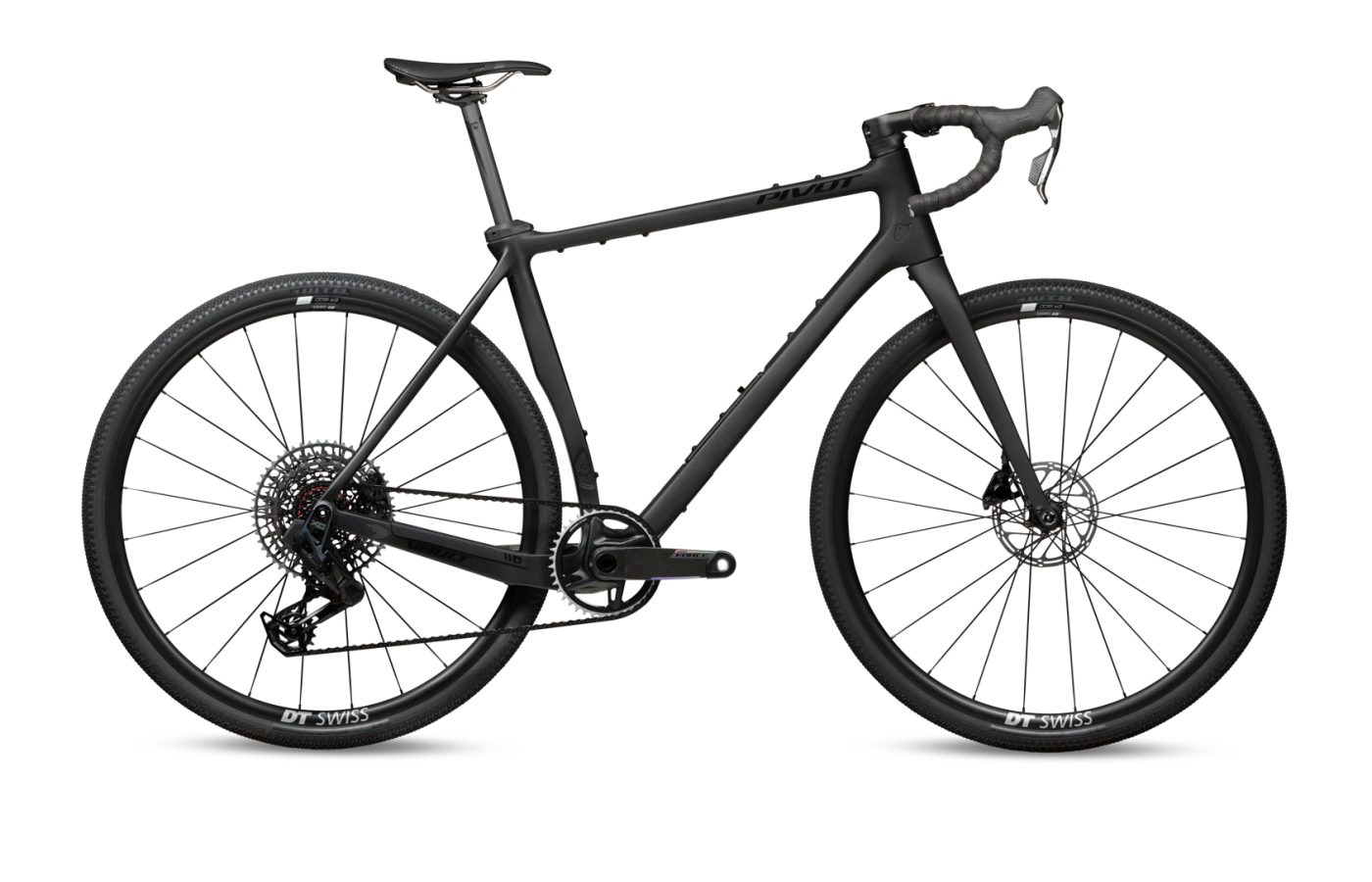
Pivot Vault vs Trek Checkpoint
Read comparison→
Rocky Mountain Solo vs Trek Checkpoint
Read comparison→
Salsa Cutthroat vs Trek Checkpoint
Read comparison→
Salsa Journeyer vs Trek Checkpoint
Read comparison→
Salsa Warbird vs Trek Checkpoint
Read comparison→
Santa Cruz Stigmata vs Trek Checkpoint
Read comparison→
Specialized Crux vs Trek Checkpoint
Read comparison→
Specialized Diverge vs Trek Checkpoint
Read comparison→
Trek Checkmate vs Checkpoint
Read comparison→