Journeyer
vsCheckpoint
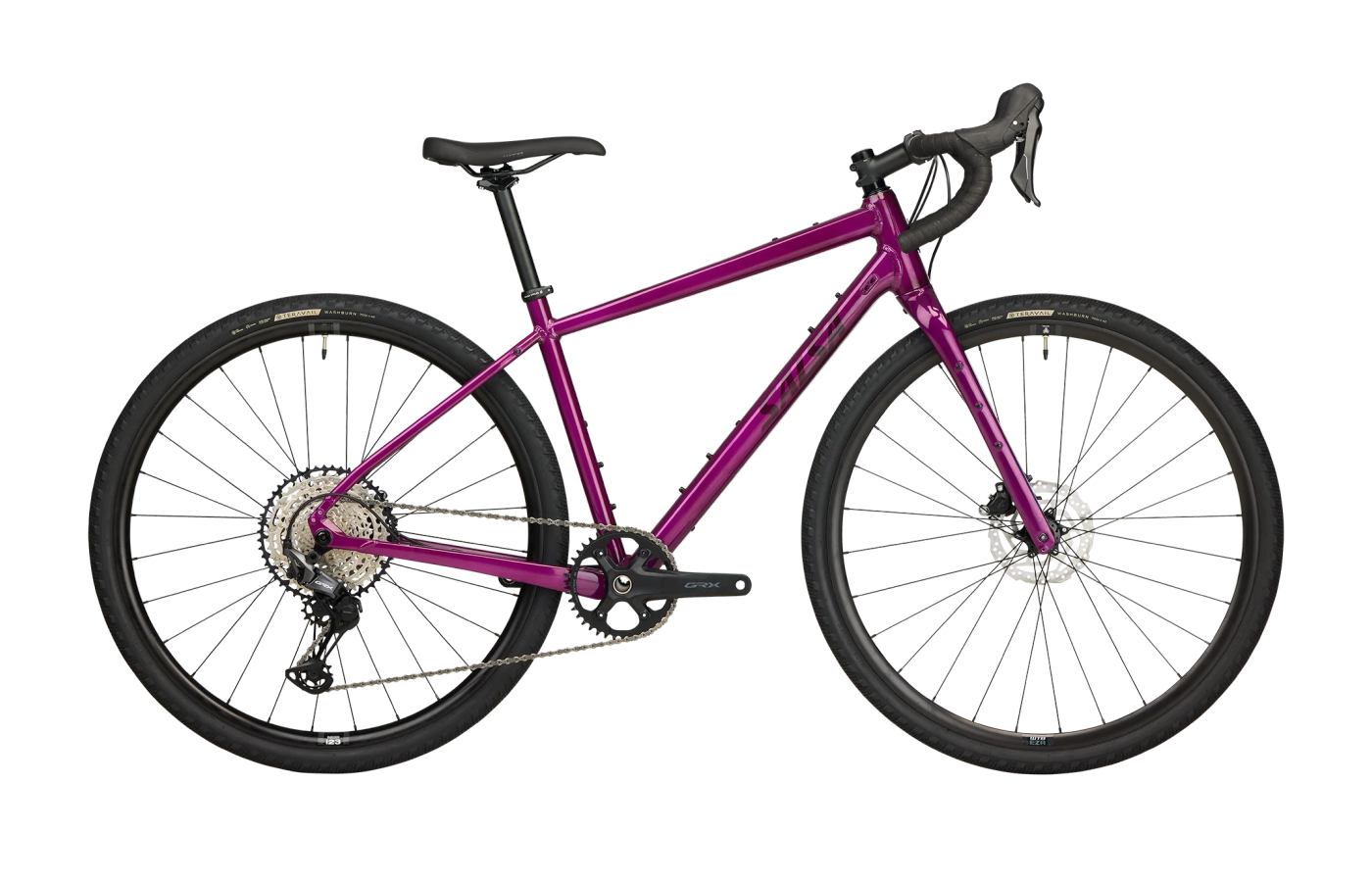
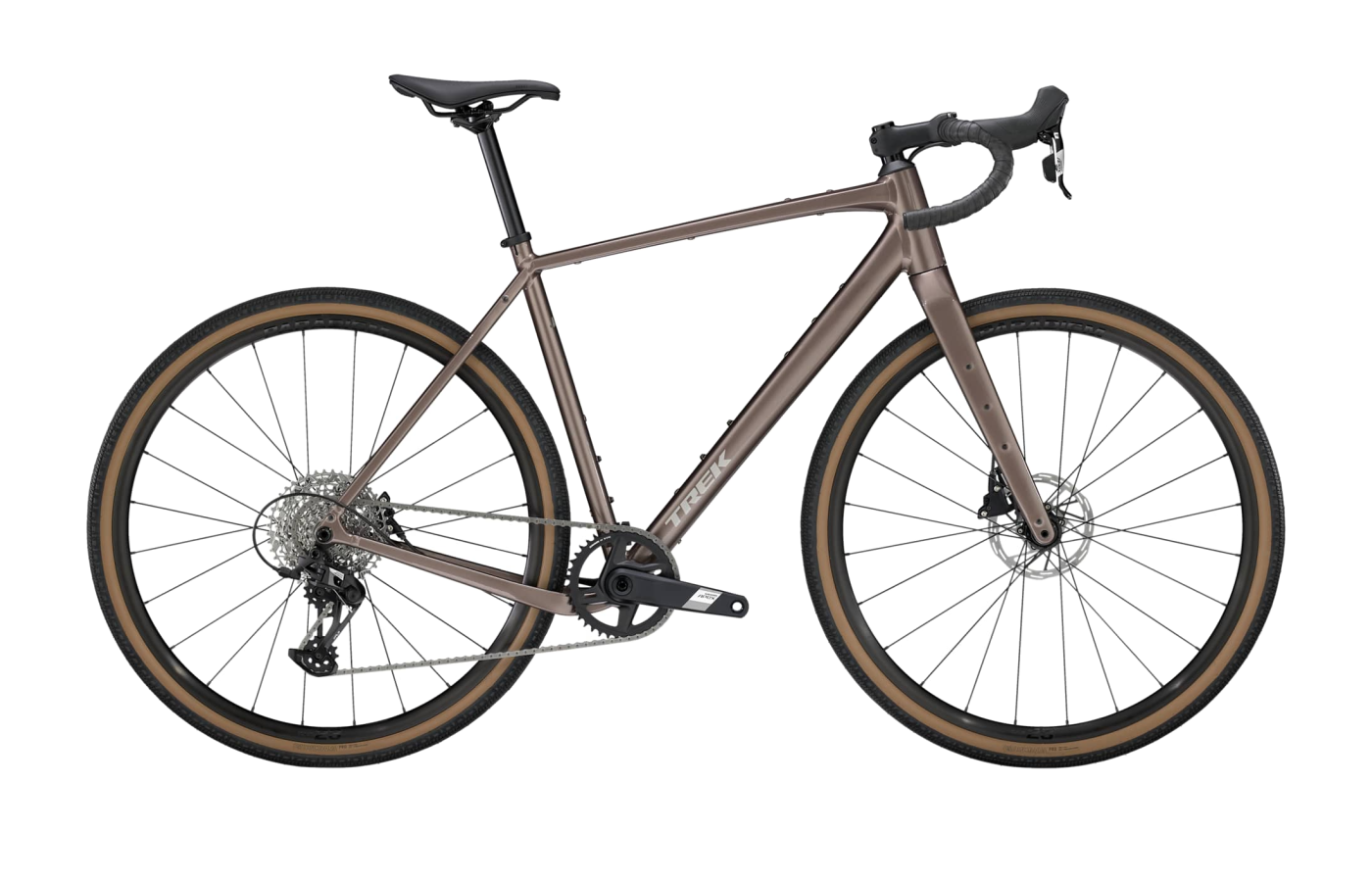
Two adventure platforms, two budget philosophies.
The Journeyer is a 15-build aluminum buffet starting at $629. The Checkpoint Gen 3 is a tighter, more modern lineup with IsoSpeed and a $1,599 floor.
Journeyer
- True budget on-ramp — starts at $629, with usable drop-bar builds from $749 (Claris) and a credible Apex 1 build at $1,439.
- Unmatched configurability — 15 builds across drop-bar/flat-bar and 700c/650b means you can spec exactly what you want.
- Confidence-first geometry — 69.5° HTA and 440 mm stays make it exceptionally planted under bikepacking loads.
- Aluminum-only — no carbon-frame option even at the top of the range.
- Stable geometry trades sharpness; understeers in fast sweepers and wants rider input to turn.
Checkpoint
- Modern frame tech across the range — even the $1,599 ALR 3 gets T47 BB, UDH, integrated frame-bag mounts, and a carbon fork.
- IsoSpeed compliance on SL models — a rear-only decoupler that reviewers call "subtle but effective" without bobbing under power.
- Sharper Gravel Endurance geometry — steeper 71.4° HTA at size S and shorter chainstays than the Journeyer make low-speed climbs more cooperative.
- Floor price is more than 2.5× the Journeyer's — no entry-level escape hatch.
- Mechanical ALR builds route shift cables through the headset; reviewers warn cable replacement can run $200 in labor.
Editor’s analysis
Both want to be your one gravel bike — but one starts at the price of a nice helmet, and the other starts where the first one tops out.
The Salsa Journeyer and Trek Checkpoint sit in the same do-it-all gravel bracket on paper. Both clear 50 mm tires. Both bristle with rack, fender, and bag mounts. Both prize stability over twitch. But the philosophies behind them — and the price ladders — pull them in genuinely different directions.
The Journeyer is the wider net. Salsa sells fifteen builds spanning $629 to $2,499, in drop-bar and flat-bar, in 700c and 650b, with everything from Claris to GRX 610. The frame is 6061-T6 aluminum across the board, the geometry is deliberately slack — 69.5° head tube, 440 mm chainstays, 1,051 mm wheelbase at 55cm — and reviewers nicknamed it "The Happy Bike." It understeers a touch in fast sweepers and wants more rider input to turn, but on loose, loaded, all-day terrain it feels planted in a way few sub-$2k bikes do.
The Checkpoint Gen 3 is the more modern, more refined platform. Trek tightened the lineup to six builds, started the price at $1,599, and pushed every model — even the cheapest aluminum ALR — onto T47 threaded BB, UDH, internal frame-bag mounts, and a carbon Bontrager fork. The carbon SL builds add IsoSpeed and downtube storage; the new "Gravel Endurance" geometry puts the rider 11 mm taller and 9 mm shorter at the cockpit than Gen 2, with a steeper 71.4° head angle at size S. It's more nimble, more upright, and more future-proof — but you can't get into it under $1,600.
Put another way: the Journeyer is the bike you buy when you want to try gravel, or want a flat-bar option, or have $700 to spend. The Checkpoint is the bike you buy when you want a single platform that scales from a $2,300 alloy starter to a $6,500 carbon endurance racer without changing frame DNA.
Where the builds differ.
Comparing our editor's-pick builds side-by-side. Winners highlighted row-by-row — lower price and weight, and the better-spec component, each mark a point.
Build variants & pricing
The Journeyer spans $629–$2,499 across 15 builds; the Checkpoint Gen 3 spans $1,599–$6,499 across six. Their lineups overlap only at the top of the Journeyer's range.
Prices are current US MSRP. The picks above are both top-of-aluminum builds with hydraulic discs and carbon forks, chosen to keep the spec table apples-to-apples. If you're shopping under $1,500, the Journeyer is your only choice here; the Checkpoint doesn't compete in that bracket.
How they fit, how they steer.
Journeyer 55cm vs Checkpoint size S — the fit-picked sizes for a 5'8" rider on each. The Checkpoint sits 14 mm lower at the bars with 10 mm more reach and a much steeper 71.4° head tube; the Journeyer's 69.5° HTA and 10 mm longer chainstays make it the more planted, less reactive of the two.
Which size should I buy?
Sizing recommendations based on stack, reach, and effective top tube. Salsa uses cm labels (49–60); Trek uses XS–XL. They overlap closely in the middle, but the Journeyer's intentionally short seat tubes mean a lot of exposed post — sizing can feel unusual.
→These are starting points. Flexibility, riding style, and preferred position all shift the answer — if you’re between sizes, a professional fit beats a chart.
What the magazines said.
Published reviews from trusted cycling outlets. Click through for the full write-up.
Which one should you buy?
If your budget is under $2k or you want flat bars, get the Journeyer. If you want a modern, future-proof gravel platform that scales to carbon and IsoSpeed, get the Checkpoint.
Journeyer
If you're new to gravel, want a flat-bar option, or just don't want to spend $2,000 to get rolling, the Journeyer is the obvious pick. The slack geometry forgives mistakes, the mounts handle a full bikepacking load, and the spec ladder lets you start at Claris and work up.
Checkpoint
If you can clear $2,300 and you want a frame platform that won't feel dated in five years — UDH, T47, internal storage, IsoSpeed on the carbon builds — the Checkpoint Gen 3 is the smarter long-term buy. It's nimbler at low speeds, more upright on long days, and there's a clear upgrade path through the SL range.
Questions buyers actually ask.
Short answers to the things we get emailed about most often.
01Which is cheaper to get into?
The Salsa Journeyer, by a wide margin. The cheapest Journeyer is the Flat Bar Altus at $629; the cheapest drop-bar build is the Claris 650b at $699. The Trek Checkpoint Gen 3 starts at $1,599 with the ALR 3 (Shimano CUES 10-speed).
If your budget is under $1,500, the Checkpoint isn't in the conversation — Trek doesn't sell one in that range. The Journeyer has six builds under $1,500.
02Does the Checkpoint's IsoSpeed actually do anything?
Yes, but subtly. IsoSpeed is a rear seat-tube decoupler — it lets the seat tube flex slightly fore/aft over bumps without the wheel moving. Reviewers consistently describe it as "intentional" rather than dramatic: you don't feel it bouncing, but you notice the lack of "unforgiving battering" on washboard.
Note: only the carbon SL models get IsoSpeed. The aluminum ALR models do not — they rely on the carbon fork and tire volume for compliance. If IsoSpeed is what you want, you're looking at the SL 5 ($3,499) or up.
03What's the maximum tire clearance?
Both clear 50 mm in 700c. The Journeyer also officially clears 55 mm in 650b (and reviewers report fitting 2.4” 650b tires in practice). The Checkpoint Gen 3 is 700c-only.
This matters if you want a true 2-bike-in-1 setup: the Journeyer can run a 700c x 38 mm gravel wheelset and a 650b x 47 mm adventure wheelset on the same frame. The Checkpoint can run wide gravel rubber but won't shrink to a smaller wheel.
04Can either run a dropper post?
Both, yes. The Journeyer has internal routing specifically for a dropper seatpost across the lineup — reviewers call it out as a thoughtful inclusion at this price. The Checkpoint Gen 3 also supports droppers and additionally lists short-travel suspension fork compatibility on the new ALR.
Neither ships with a dropper stock. Budget around $200–$400 for a decent gravel-spec dropper if you want one.
05How does the cable routing affect long-term maintenance?
This is a real difference. The Journeyer uses conventional internal routing with full-length housing — replacing an inner cable is a simple shop job.
The Checkpoint Gen 3 uses semi-integrated routing where cables run under the stem and into the headset. On the electronic SL builds (Apex AXS and up), this is mostly cosmetic. On the mechanical ALR 4 (CUES) it's a real concern: one tester quoted up to $200 in labor for a shift-cable replacement that would cost $25 on an externally routed bike. If you're shopping the ALR and want low-cost long-term service, that's worth weighing.
06Which one climbs better?
Closer than the geometry sheet suggests, but the Checkpoint has a small edge once you compare like trims. The Checkpoint ALR 5 weighs ~9.87 kg vs the Journeyer GRX 610 in similar trim (Salsa publishes 22 lb / 10.0 kg for the lighter Apex 1 build) — call it a wash on weight. The Checkpoint's steeper head angle and shorter chainstays make it more cooperative on tight, technical climbs, while the Journeyer's slacker front end "requires more input from the rider to get it to turn," per Velo.
For seated grinding under load, both are excellent — reviewers praised both for stable, planted seated climbing.
07Are flat-bar builds available?
Only on the Journeyer. Salsa offers two flat-bar Journeyer builds — the $629 Flat Bar Altus and the $1,299 Flat Bar Deore — both built on the QR (quick-release) version of the frame. Reviewers found the flat bar feels "snappier" and more comfortable on chunky terrain, at the cost of fewer hand positions and worse aero on road sections.
The Trek Checkpoint Gen 3 is drop-bar only. If you want a Trek flat-bar gravel bike, that's the FX Sport or Dual Sport line, not the Checkpoint.
08What's the warranty situation?
Trek offers a lifetime frame warranty on all OCLV carbon and Alpha Aluminum frames to the original owner — a longstanding feature of the brand. Salsa offers a lifetime warranty on the aluminum frame and a 5-year warranty on the carbon Waxwing fork to the original owner.
Dealer support is broader for Trek — most cities have a Trek-authorized shop. Salsa is QBP-distributed and sold through smaller IBDs; coverage is more uneven by region.
Similar bikes
If your priorities don’t map cleanly onto either of these, one of these adjacent bikes probably fits better.
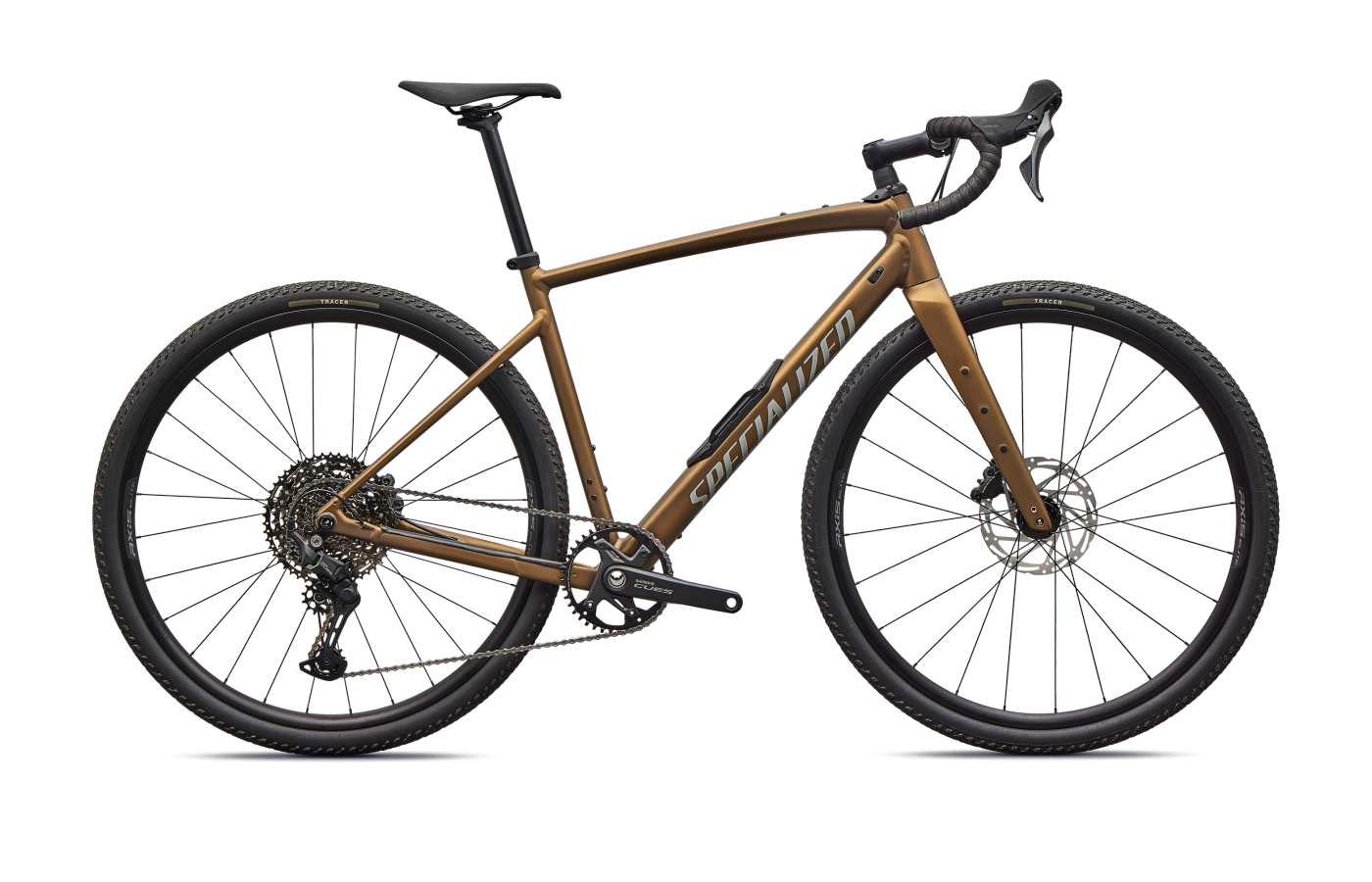
Diverge
Specialized's adventure-gravel answer, with Future Shock front-end suspension instead of Trek's rear IsoSpeed. The most direct compliance-tech rival to the Checkpoint, with similar tire clearance and a comparable price ladder.
Compare →Grizl
Canyon's adventure platform — direct-to-consumer pricing means you get a meaningfully better spec at every tier. The catch is no local dealer and no demos. Best if you already know your fit.
Compare →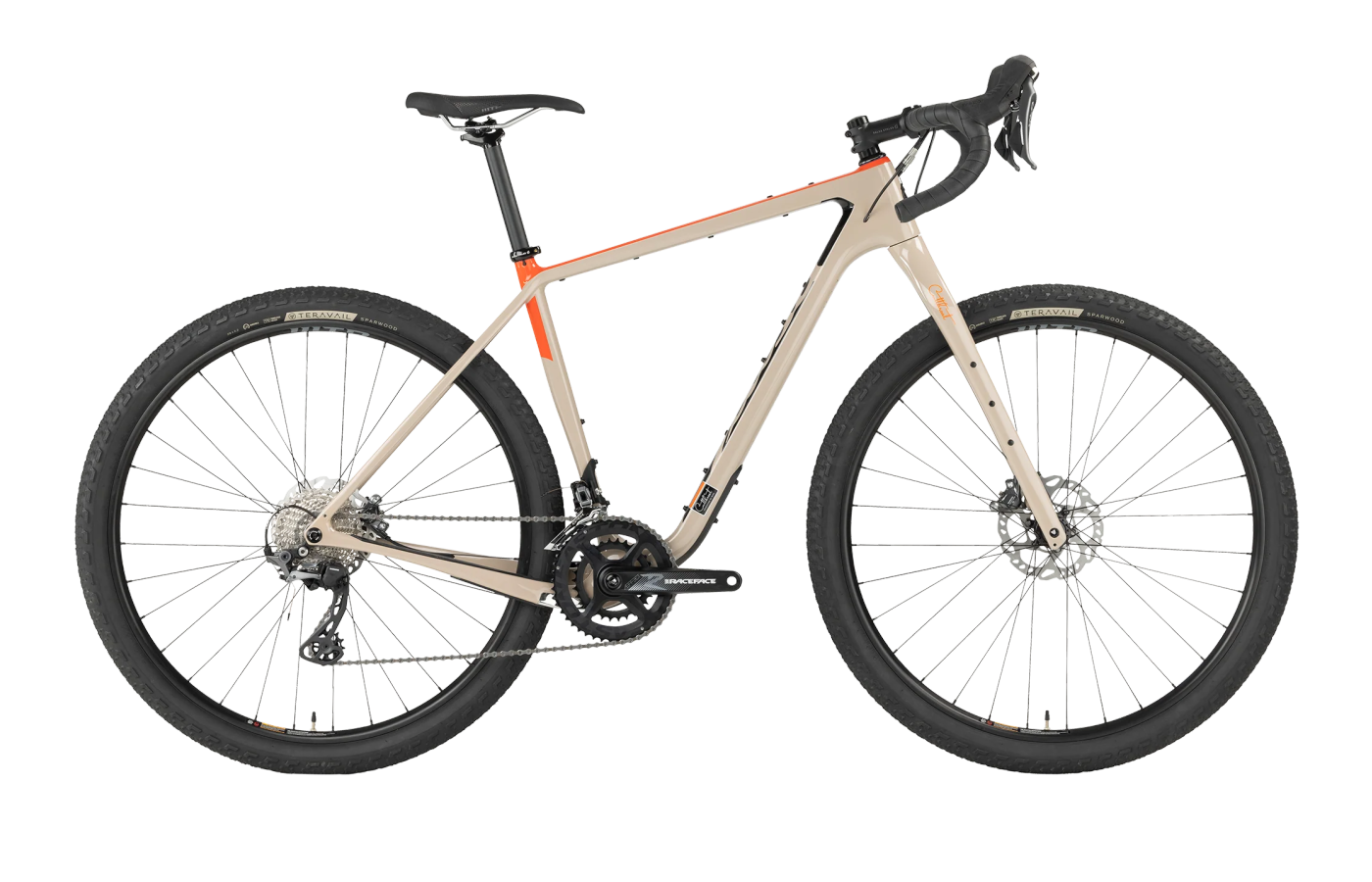
Cutthroat
Salsa's bigger, more capable bikepacker — closer to a drop-bar mountain bike than a gravel race rig. Worth a look if your idea of "adventure" includes the Tour Divide rather than a Sunday gravel loop.
Compare →