Stigmata
vsCheckpoint
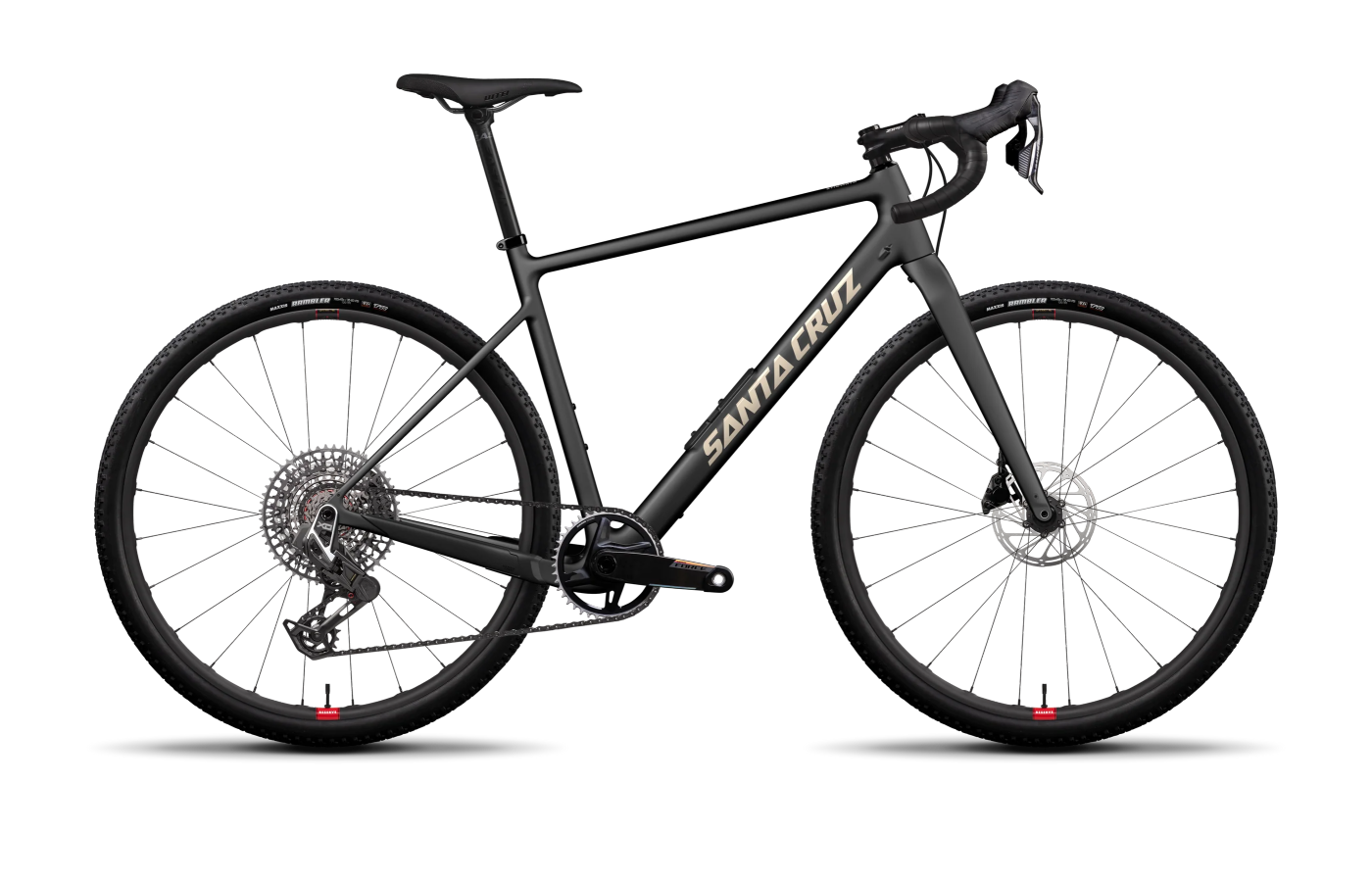
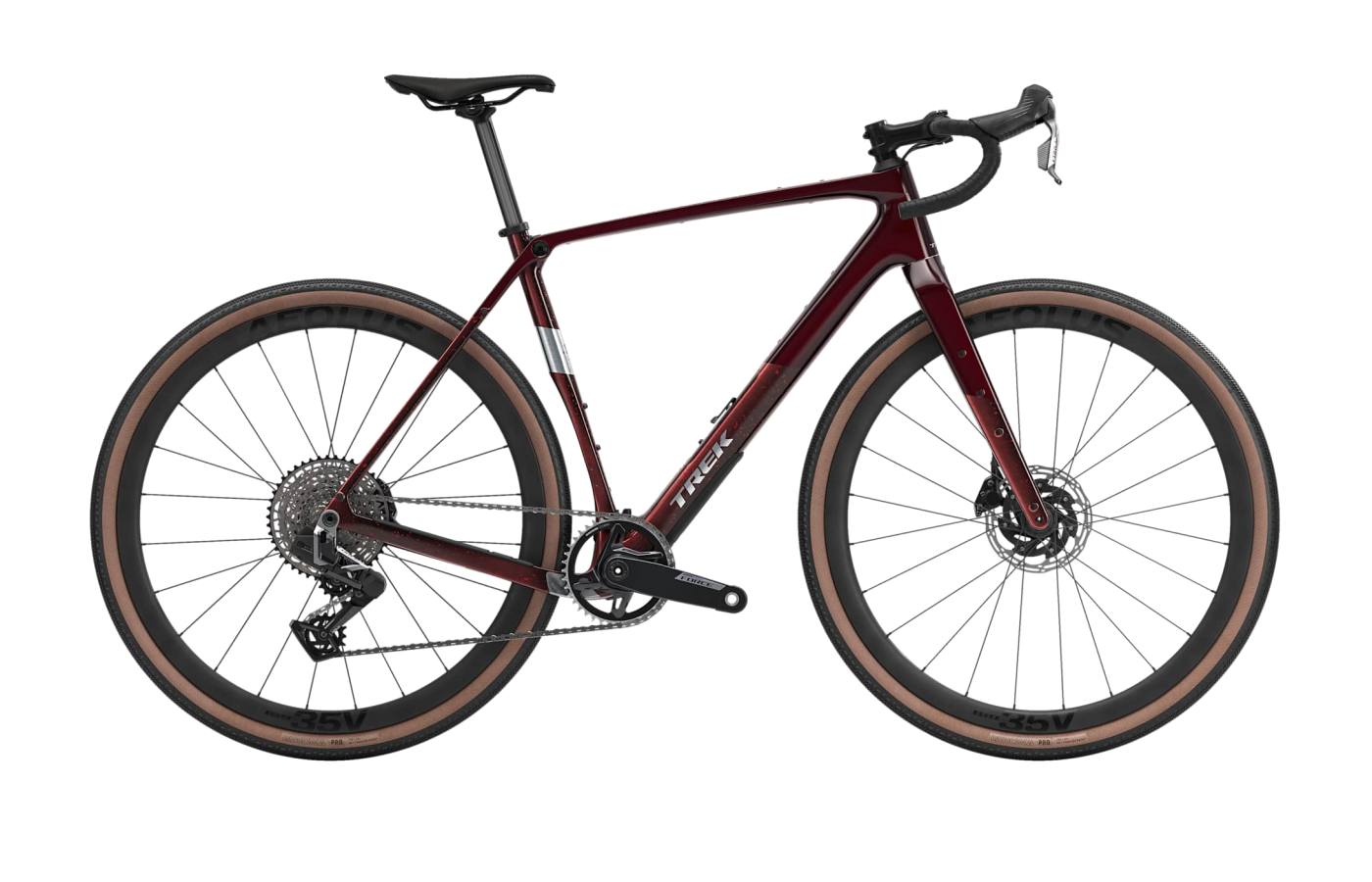
Two gravel bikes, two definitions of "capable."
The Stigmata is a mountain biker's gravel bike — long, slack, suspension-corrected. The Checkpoint is an endurance machine — upright, IsoSpeed-damped, mount-loaded for the long haul.
Stigmata
- Suspension-corrected geometry — bolt on a 40 mm Rudy fork later without ruining the handling.
- Mechanic-friendly build — external cable routing at the headset, T47 BSA bottom bracket, 27.2 mm round seatpost.
- CC carbon on every build — Santa Cruz's top-tier layup ships on the $4,149 Apex, not just the flagship.
- Heavier than a pure race frame at a claimed 1,380 g for a medium.
- No rack mounts and no entry below $4,149 — not the bikepacker's first pick or the budget pick.
Checkpoint
- IsoSpeed decoupler — rear-only, subtle, takes the sting out of washboard without sapping power.
- Real entry point at $1,599 — the ALR aluminum range starts where the Stigmata's lineup ends.
- Mounts for everything — front and rear racks, fenders, three bottles, and integrated frame-bag tabs.
- Cables route through the headset cap — a $200 shift-cable job on the mechanical ALR builds, per one shop quote cited in reviews.
- Slacker, weight-forward feel can be hair-raising on steep, technical descents.
Editor’s analysis
Both promise to do everything. The question is which kind of everything — singletrack and Scandi-flicks, or 100-mile washboard and a fully-loaded handlebar bag.
On paper they read the same — carbon gravel bike, 50 mm tire clearance, in-frame downtube storage, UDH, 1x Force AXS at the top spec. Look at the geometry charts and the philosophies split immediately. The Santa Cruz Stigmata runs a 69.5-degree head tube across every size; the Trek Checkpoint sits at 71.4 on a Small and 72.1 on a Large. That's a 2-to-3-degree gap, which in gravel-bike terms is a different category of bike.
The Stigmata is suspension-corrected for a 40 mm fork and built around the idea that you'll go looking for singletrack. Santa Cruz cut frame stiffness 10–12% versus the previous generation, stretched the reach, and bolted on a stubby 70 mm stem at every size to keep the steering quick despite the slack front. Reviewers describe it as a bike you can Scandi-flick into corners and brake later than you'd dare on anything else with drop bars. It is, as one tester put it, "as aero as a Jeep" — and Santa Cruz makes no claims otherwise.
The Trek Checkpoint took the opposite turn when Trek launched the race-focused Checkmate alongside it. Reach got shorter, stack got taller, and the rear-only IsoSpeed decoupler was kept and refined to take the buzz out of high-frequency chatter without bobbing under power. Mounts proliferated — racks, fenders, three bottle cages, integrated frame-bag tabs. It's the bike Trek wants you to load up for a four-day bikepack or grind through a 200-mile washboard event without arriving wrecked.
Put another way: the Stigmata is what you buy when your gravel bike is also your trail bike. The Checkpoint is what you buy when your gravel bike is also your touring bike. Either is a good answer to a different question.
Where the builds differ.
Comparing our editor's-pick builds side-by-side. Winners highlighted row-by-row — lower price and weight, and the better-spec component, each mark a point.
Build variants & pricing
The Checkpoint range spans $1,599 to $6,499 across alloy and carbon. The Stigmata is carbon-only and starts at $4,149.
Prices are current US MSRP. The Stigmata Force 1x AXS RSV ($6,849) and Checkpoint SL 7 AXS Gen 3 ($6,499) sit within $350 of each other and share groupset, drivetrain config, and carbon-frame tier — that's the apples-to-apples pairing in the spec table above.
How they fit, how they steer.
Both at the fit-picked size for a 5'8" rider — SM on the Stigmata, S on the Checkpoint. The Stigmata sits 8 mm taller in stack with 4 mm more reach, runs a 69.5° head tube against the Checkpoint's 71.4°, and stretches the wheelbase by 21 mm. Stigmata chainstays are 7 mm shorter despite the longer wheelbase — the difference is all up front.
Which size should I buy?
Size recommendations based on stack, reach, and effective top tube. Both ranges run XS through XL with broadly comparable fits in the middle; the Checkpoint adds an ML option, the Stigmata extends to XXL.
→These are starting points. Flexibility, riding style, and preferred position all shift the answer — if you’re between sizes, a professional fit beats a chart.
What the magazines said.
Published reviews from trusted cycling outlets. Click through for the full write-up.
Which one should you buy?
If you want a gravel bike that's secretly a trail bike, get the Stigmata. If you want a gravel bike that's secretly a touring bike, get the Checkpoint.
Stigmata
If your favorite rides string together fire roads and singletrack connectors — the kind of terrain where a mountain bike is overkill and a road-leaning gravel bike is hellish — the Stigmata is the tool. Slack, stable, suspension-ready, and mechanic-friendly enough to live with for a decade.
Checkpoint
If your idea of a great weekend is a 100-mile washboard loop or a four-day bikepack with bags strapped everywhere, the Checkpoint is built for it. IsoSpeed keeps you fresh, the mounts hold the gear, and the ALR builds put serious gravel capability inside almost any budget.
Questions buyers actually ask.
Short answers to the things we get emailed about most often.
01Which is more capable on technical singletrack?
The Santa Cruz Stigmata, by a clear margin. Its 69.5° head tube angle (vs. 71.4–72.1° on the Checkpoint) and longer wheelbase produce what reviewers describe as "effortlessly stable" handling on rocky descents, and the frame is suspension-corrected for a 40 mm Rudy or Fox 32 Taper-Cast fork that further smooths chunky terrain.
The Checkpoint is faster on smooth, fast gravel and easier in tight switchbacks, but multiple reviewers flagged it as "hair-raising" on steep, technical descents where the shorter reach pushes weight forward.
02Which is better for bikepacking and long-haul comfort?
The Trek Checkpoint. Trek built it around three bottle mounts, front and rear rack mounts, fender mounts, and integrated tabs for their Adventure Bag system — the Stigmata has none of those rack mounts and expects you to use strap-on bags.
The IsoSpeed decoupler also helps. Reviewers consistently described the Checkpoint as a bike that leaves you "fresh" after long days in the saddle, where the Stigmata is more dependent on its 45 mm tires (and an optional suspension fork) for compliance.
03What's the maximum tire clearance?
Both clear 50 mm tires (700c). That's near the top of the gravel category and the same number on each side.
In practice, both ship from the factory with 700×42–45 mm tires (Bontrager Girona Pro on the Checkpoint, Maxxis Rambler on the Stigmata). The room above stock is there if you want to run a true XC tire for the rough stuff.
04How do they handle on pavement?
The Checkpoint is the better road bike of the two. Its steeper head tube, shorter wheelbase, and more upright endurance-road position transition smoothly to tarmac for road sections or to-and-from the dirt.
The Stigmata's slack 69.5° head tube and 70 mm stem feel deliberate but slow on tarmac — reviewers noted it takes "a fair bit of work" and deliberate weight shifts to navigate fast road descents on it. Neither is a road bike, but the Checkpoint pretends better.
05Can I put a suspension fork on either?
Yes on both, but only the Stigmata is designed for it. Santa Cruz suspension-corrected the frame for a 40 mm-travel fork (430 mm axle-to-crown), and one trim ships with the RockShox Rudy Ultimate XPLR from the factory. Reviewers described the suspended build as "transformative" and not just for comfort — the front wheel tracks better and you can brake later.
Trek's Checkpoint Gen 3 ALR is also dropper- and short-travel-fork-compatible per Trek, but the geometry was drawn around a rigid carbon fork — adding suspension changes the front-end height more than on the Stigmata.
06How serviceable are they at home?
The Stigmata is one of the most home-mechanic-friendly carbon gravel bikes on the market. External cable routing at the head tube (no through-the-headset nonsense), a T47 threaded BB, and a standard 27.2 mm round seatpost mean swaps don't require a brake bleed and a hex-wrench library.
The Checkpoint uses semi-integrated routing — cables run under the stem but enter through the headset cap. On the electronic Force AXS builds, that's mostly an aesthetic detail. On the mechanical ALR 3 and 4 (Shimano CUES), it's a real headache: one shop reportedly quoted $200 in labor for a shift-cable replacement, against $25 for an externally routed bike.
07Which is the better value?
It depends on your price ceiling. The Checkpoint owns the under-$3,500 conversation outright — the Stigmata simply doesn't sell there. The aluminum ALR 5 at $2,299 was called by one reviewer a contender for "best sub-$2,000 gravel bike available right now" (UK pricing).
At the $4,000–$7,000 range it's closer. The Stigmata's pitch is that every build gets the top-tier CC carbon layup and a lifetime warranty on both frame and Reserve wheels. The Checkpoint's pitch is that you get IsoSpeed and Trek's dealer network. Both are defensible — neither bike is the spec-sheet winner that direct-to-consumer brands like Canyon offer at similar money.
08What warranty do they come with?
Both frames come with a lifetime frame warranty to the original owner. Santa Cruz extends this to Reserve carbon wheels, which is unusual in the wheel category and meaningful if you ride hard off-road.
Trek's lifetime warranty applies to all OCLV carbon frames (the SL builds) and to the 300-series aluminum ALR frames. Both brands offer crash-replacement programs if you damage a frame in a wreck.
Similar bikes
If your priorities don’t map cleanly onto either of these, one of these adjacent bikes probably fits better.
Diverge
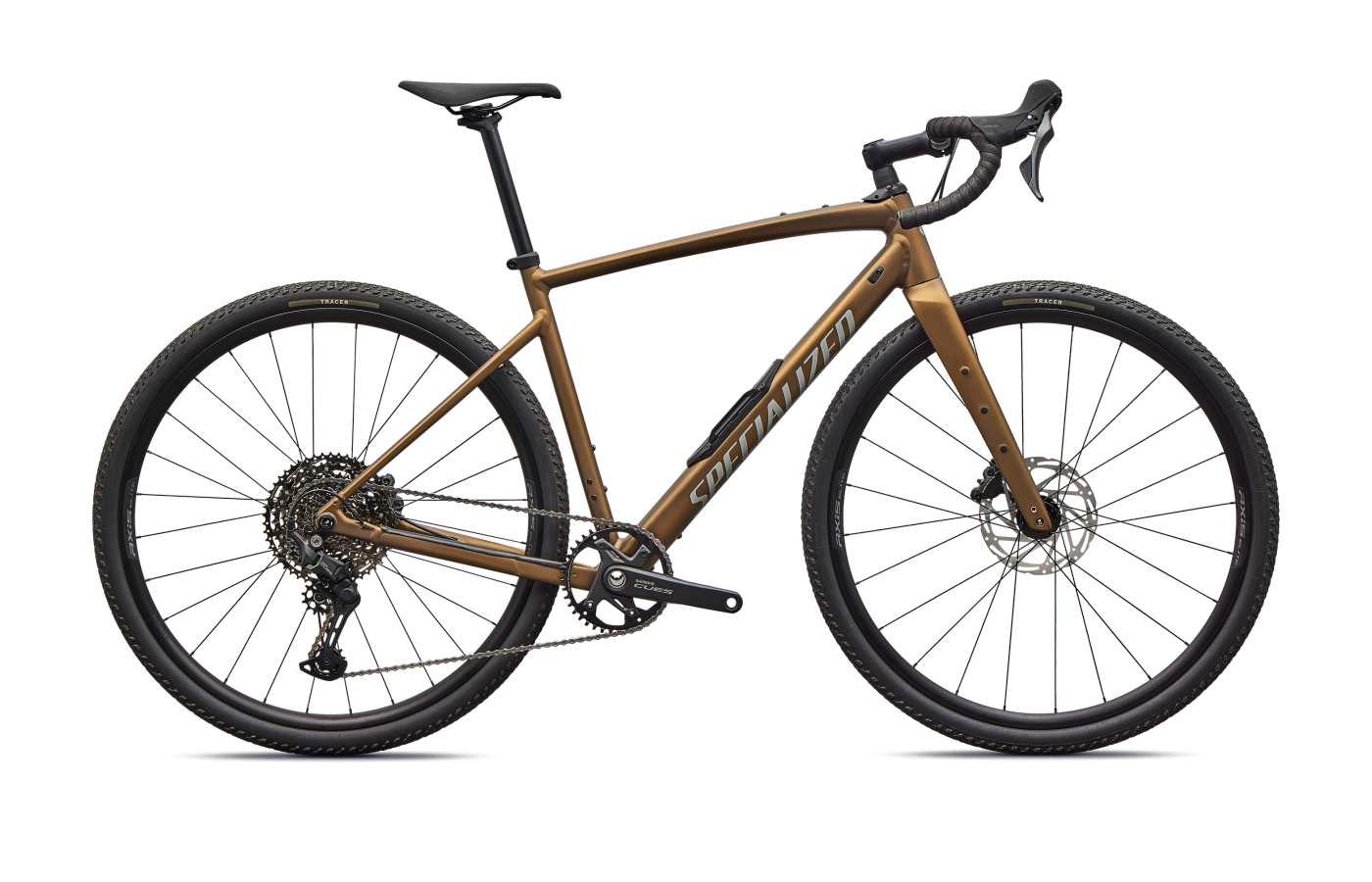
Specialized's answer to the comfort question — the Diverge uses the Future Shock damper at the stem instead of a rear decoupler. Same all-road brief as the Checkpoint, different tool for the same job.
Compare →Grizl
Canyon's adventure-leaning gravel bike with the same 50 mm clearance and trail-bike attitude as the Stigmata, but at direct-to-consumer pricing — roughly 30% less for similar componentry. The catch is no local dealer.
Compare →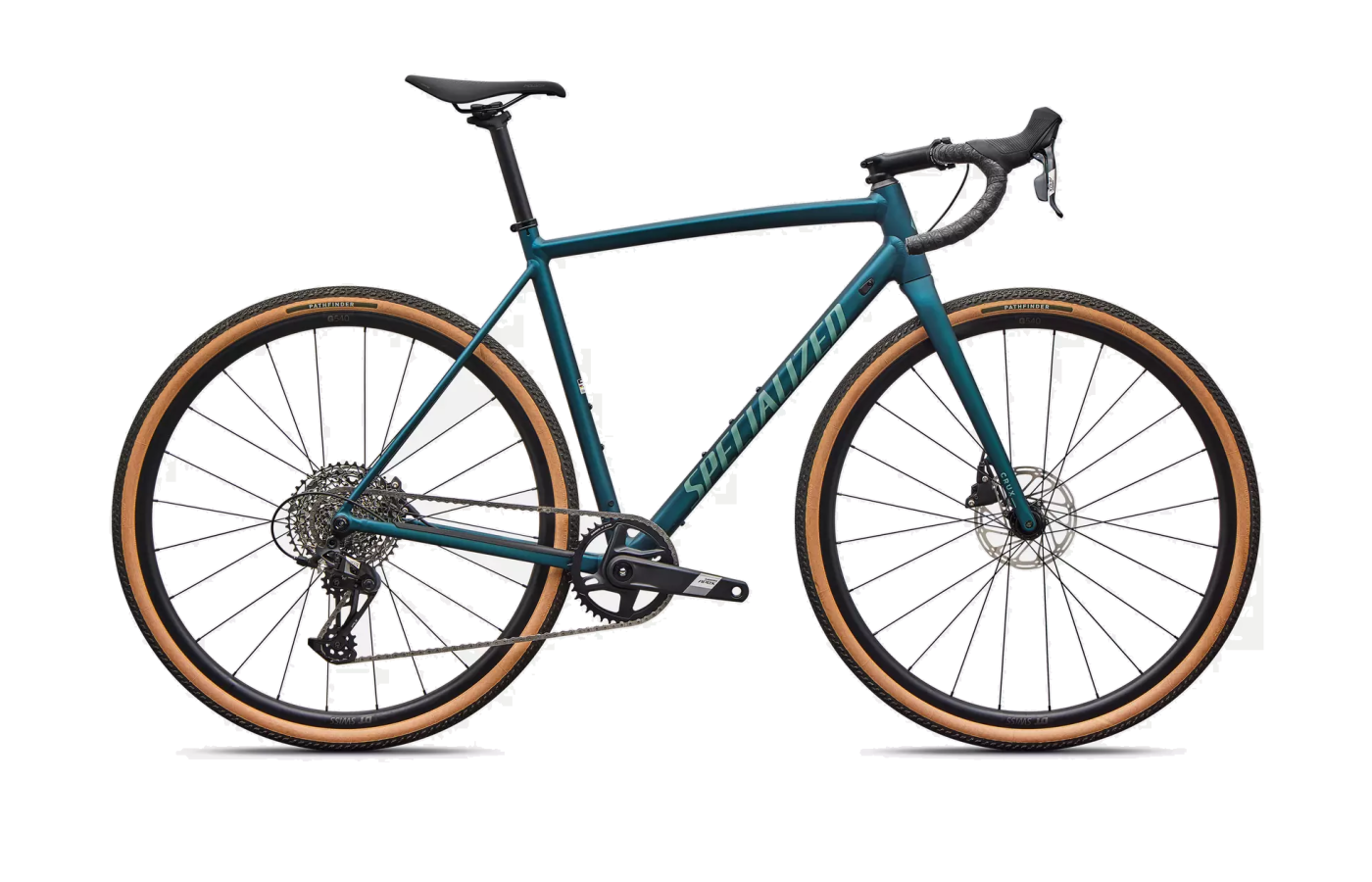
Crux
If you find both of these bikes too heavy, the Specialized Crux is the other end of the spectrum — a sub-800 g race frame that scrubs every gram out of gravel. Climbs better than either; carries less.
Compare →