Hatchet
vsCheckpoint
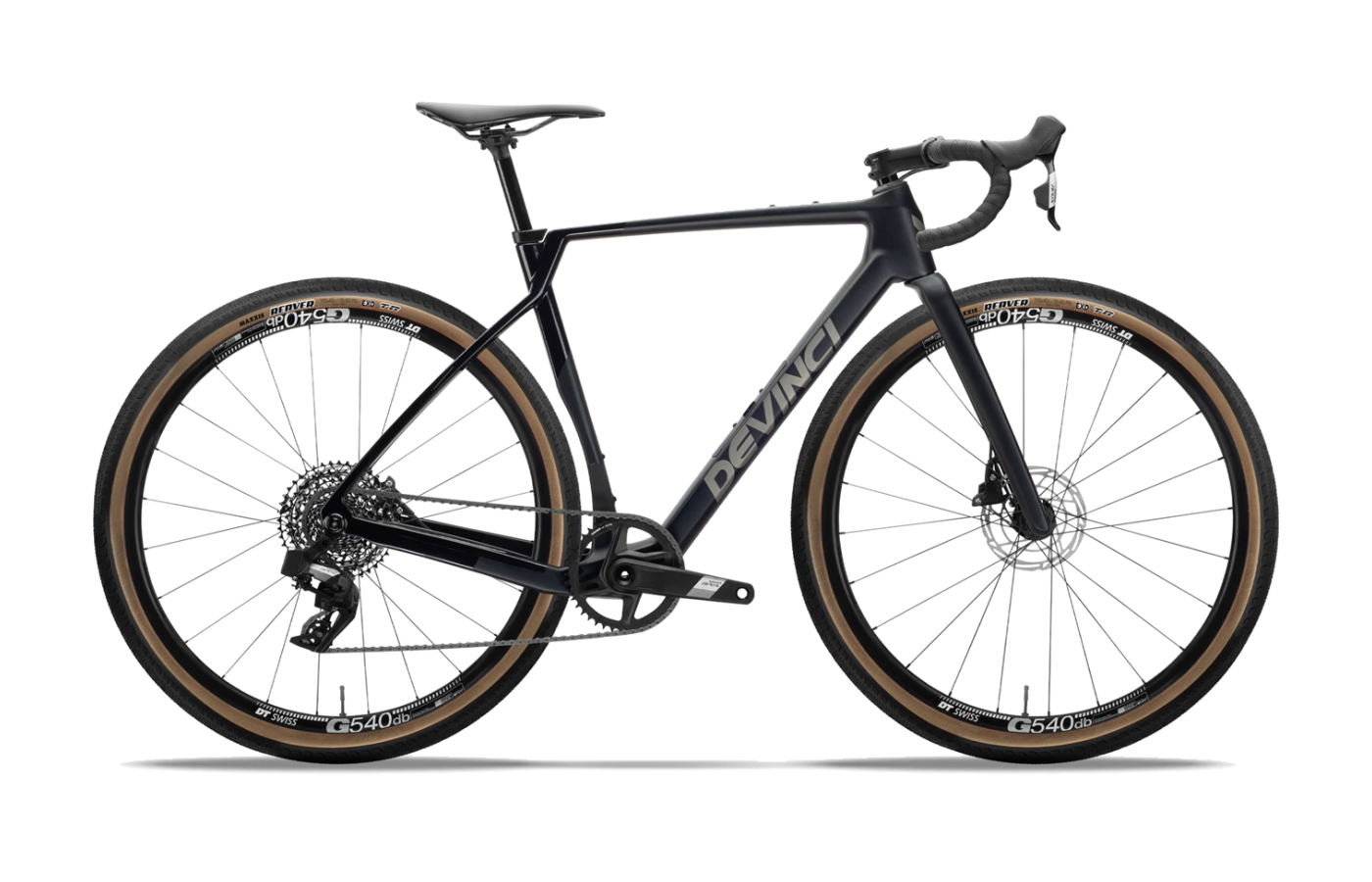
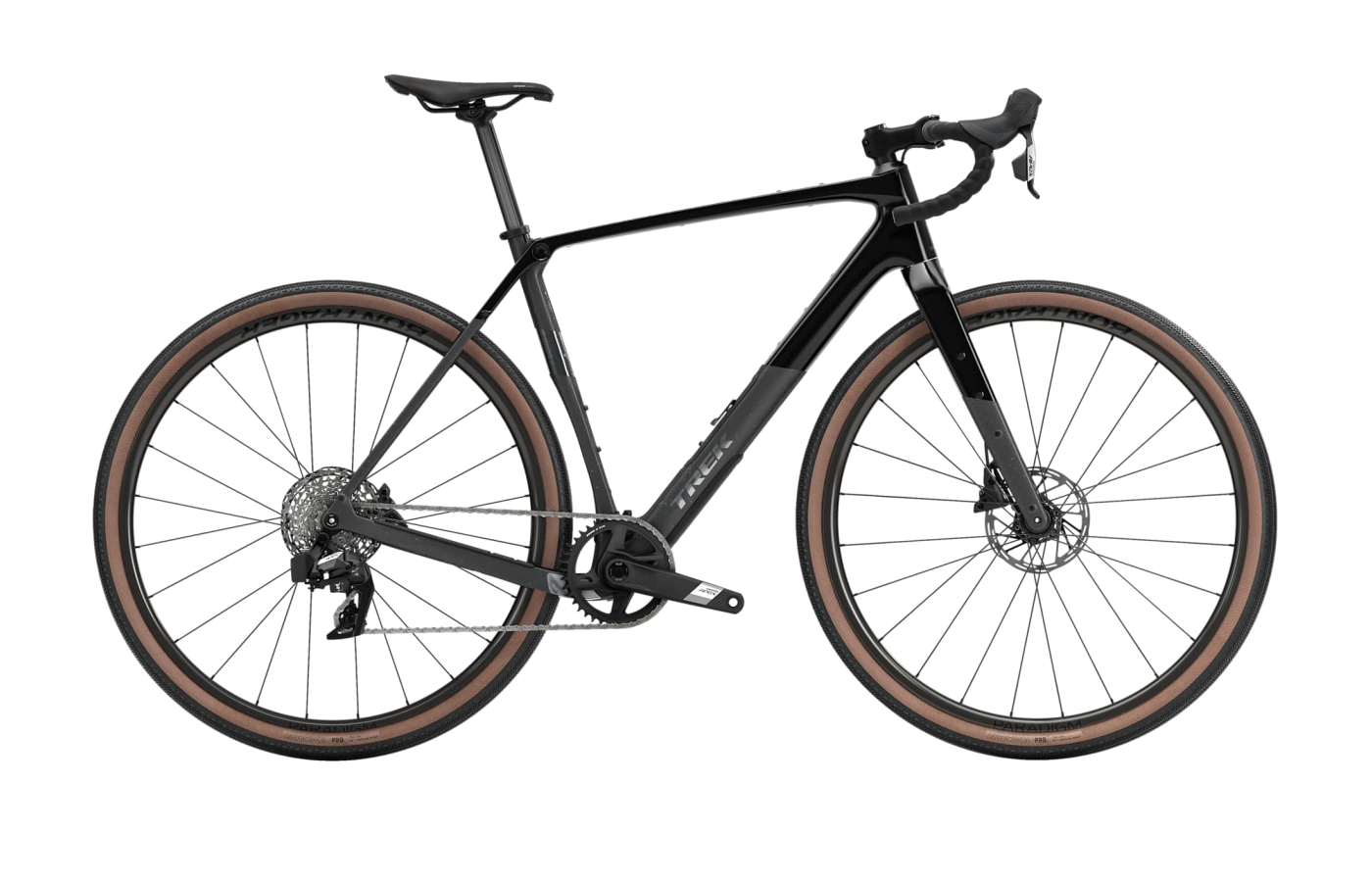
Two carbon gravel bikes, two different jobs.
The Devinci Hatchet Pro is a stiff, road-bike-fast race weapon. The Trek Checkpoint Gen 3 is the comfortable do-everything endurance machine.
Hatchet
- Sharp, road-bike-like handling — a quick 62 mm trail and steeper head tube reward riders who want pace on smooth dirt and tarmac.
- Stiff, race-tuned carbon frame — a reported 30% stiffer than the previous Hatchet, with snappy out-of-saddle response.
- Standard cockpit and 27.2 mm seatpost — round bar, round stem, round post means easy fit tweaks despite the integrated routing.
- Carbon-only lineup starts at $3,499 — no aluminum entry point.
- Stiff ride and 45 mm clearance limit it on truly rough or technical gravel.
Checkpoint
- IsoSpeed rear decoupler — a subtle but real compliance system that takes the sting out of washboard and long days.
- 50 mm tire clearance and full mount kit — racks, fenders, integrated frame bag mounts, and downtube storage.
- Spans $1,599 to $6,499 across alloy and carbon — the broadest build range in this comparison, by a wide margin.
- Endurance geometry is less aggressive — racers will find it calm rather than urgent.
- Through-the-headset cable routing makes shop-level service slower and pricier.
Editor’s analysis
This is the rare matchup where the question isn't which is better — it's which kind of gravel rider are you.
The Devinci Hatchet and the Trek Checkpoint live on opposite ends of what "carbon gravel" can mean. Devinci's Hatchet Pro is the only carbon frame in the line — a stiff, race-tuned platform that Velo described as feeling "almost road bike-like," with truncated airfoil tubes and a 30% stiffness bump over the previous Hatchet. The Checkpoint Gen 3 went the other direction: Trek pushed the racy energy off to the new Checkmate and rebuilt the Checkpoint around "Gravel Endurance" geometry, IsoSpeed compliance, and a 50 mm tire ceiling.
Geometry tells the story. At the fit-picked sizes, the Hatchet's medium runs a 72° head tube and the Checkpoint's small runs 71.4° — slacker on the Trek, with 68 mm of trail vs the Hatchet's quicker number (Velo measured 62 mm with a 40 mm tire). The Checkpoint's chainstays are 5 mm longer (430 vs 425), and its wheelbase comes out a few millimeters longer too. That's a more planted bike. The Hatchet is sharper at the bar and quicker into corners; the Checkpoint stays calm at 30 mph and over washboard.
Tire clearance is the other big split. The Devinci tops out at 45 mm — "cavernous for an all-road bike" per Velo, but a hard cap if you want to bring real volume to chunky terrain. The Checkpoint goes to 50 mm and ships on 42 mm Bontrager Gironas with room to grow. Add Trek's IsoSpeed decoupler, which reviewers consistently described as "subtle" but genuinely effective at killing high-frequency vibration, and the Checkpoint becomes the obvious pick for long days, loaded bikepacking, or anything beyond hardpack.
Pricing makes the philosophical gap concrete. The Hatchet is carbon-only — entry is $3,499 for the GRX build. The Checkpoint spans $1,599 (ALR 3, alloy) to $6,499 (SL 7 AXS, Force AXS), giving Trek a four-thousand-dollar lead on accessibility and a top-end build the Hatchet can't match. If you want a Force AXS gravel bike from this comparison, only Trek sells one.
Where the builds differ.
Comparing our editor's-pick builds side-by-side. Winners highlighted row-by-row — lower price and weight, and the better-spec component, each mark a point.
Build variants & pricing
Trek's range starts at $1,599 in aluminum and tops out at $6,499 in Force AXS carbon. Devinci's Hatchet is carbon-only — three builds from $3,499 to $5,799.
Prices are current US MSRP. The Devinci Hatchet does not offer an aluminum frame in this lineup — the Vista and E-Hatchet Tour aluminum models are tracked as separate generations. If a budget alloy build matters, only the Trek delivers it here.
How they fit, how they steer.
The fit-picked sizes show the design split clearly: the Trek Checkpoint sits 7 mm taller in stack with a 71.4° head tube, while the Devinci Hatchet runs steeper at 72° with quicker steering and 5 mm shorter chainstays.
Which size should I buy?
Size recommendations based on stack, reach, and effective top tube. The Checkpoint offers six sizes (XS–XL with an extra ML); the Hatchet runs four (S–XL).
→These are starting points. Flexibility, riding style, and preferred position all shift the answer — if you’re between sizes, a professional fit beats a chart.
What the magazines said.
Published reviews from trusted cycling outlets. Click through for the full write-up.
Which one should you buy?
If you want a stiff, fast, race-leaning gravel bike for hardpack and tarmac, get the Devinci Hatchet. If you want one bike for long days, loaded bikepacking, and any surface, get the Trek Checkpoint.
Hatchet
If your local roads are smooth dirt, hardpack, and pavement linkers — and you want to hold road-bike pace on group rides — the Hatchet Pro's stiffness and sharp handling deliver. Velo called it "the racey gravel bike we didn't expect." Skip it if your terrain is rough or technical.
Checkpoint
If you want one bike for fast Saturdays, multi-day bikepacks, the occasional commute, and rough gravel that the Hatchet would punish you on — the Checkpoint's IsoSpeed, 50 mm clearance, and mount kit make it the more versatile platform. The endurance geometry keeps you fresh past hour four.
Questions buyers actually ask.
Short answers to the things we get emailed about most often.
01Which is faster on smooth gravel and pavement?
The Devinci Hatchet Pro, by a clear margin. Velo's reviewer reported being able to "keep up with my road bike times set on local segments without needing to expend much more power." The Hatchet's stiffer frame, truncated airfoil tubes, and quicker steering geometry make it feel road-like on hardpack and tarmac.
The Checkpoint is no slouch — reviewers called it "light, flickable, nimble and fast" — but its taller stack, shorter reach, and IsoSpeed-tuned compliance prioritize all-day comfort over top-end pace.
02Which is more comfortable on long, rough rides?
The Trek Checkpoint, decisively. Two things drive this: the IsoSpeed decoupler at the seat tube (a "subtle" but real compliance system, per multiple reviewers) and the 50 mm tire clearance that lets you run higher-volume rubber at lower pressure.
The Hatchet Pro is described by Velo as "some of the firmest ride on test with a 32 mm tire" and as becoming "a handful" on rough doubletrack. Its 45 mm clearance ceiling caps how much you can soften the ride with tires.
03What's the maximum tire clearance on each?
Devinci Hatchet Pro: 45 mm (700c), claimed.
Trek Checkpoint Gen 3: 50 mm (700c), claimed — applies to both the carbon SL and aluminum ALR frames.
For most fast-gravel use a 40–42 mm tire is the sweet spot, which both bikes ship with. If you regularly ride chunky or muddy terrain, the Checkpoint's extra 5 mm gives you more cushion and float.
04Does either bike support 2x drivetrains?
Yes, both. The Devinci Hatchet Pro offers the Pro Rival AXS 24s ($5,799) with a SRAM Rival 48/35T 2x setup. Velo noted those rings might feel "too big for the average gravel bike rider" and would prefer a 46/33T pairing for steep off-road climbs.
The Trek Checkpoint ships 1x on every current build, but the frame still supports 2x — UDH and a removable front derailleur hanger make conversion straightforward if you want a wider gear range.
05How serviceable is the cable routing?
This is the biggest practical knock against both bikes — and it's worse on the Trek for mechanical builds.
The Hatchet Pro routes cables through the headset but guides hoses into the headset cover rather than through the stem, which Velo called a deliberate compromise that makes home-mechanic work easier than fully integrated systems.
The Checkpoint Gen 3 also routes through the headset. On electronic builds (Apex/Rival/Force AXS) this is a one-time setup. On the mechanical CUES-equipped ALR 3 and ALR 4, BikeRadar warned that tight routing bends can cost up to ~$200 in shop labor for a cable replacement.
06Can I bikepack on these?
Both can carry gear, but the Trek Checkpoint is purpose-built for it. The frame includes integrated frame-bag mounts, hidden fender mounts, three bottle mounts, rack mounts front and rear, and a downtube storage door — and Trek sells a coordinated Adventure Bags lineup designed around the frame.
The Devinci Hatchet Pro is more spartan: standard bottle mounts and "The Shed" downtube storage, but no rack mounts and a tighter tire ceiling. It's a fast all-road bike that will tolerate a saddle bag and frame bag, not a loaded bikepacking platform. The aluminum Hatchet Vista (separate model) is Devinci's bikepacking answer.
07Which has the better warranty and dealer support?
Trek has the larger US dealer network by an order of magnitude, and Trek frames carry a lifetime warranty to the original owner. That's a real factor for service convenience and resale.
Devinci is a Canadian brand with much sparser US distribution. The carbon Hatchet Pro frame is covered under Devinci's standard frame warranty, but you'll likely be ordering parts and crash-replacement through a smaller dealer or direct from Devinci's distributor.
08Which should I pick if I only want one bike for everything?
The Trek Checkpoint, almost without exception. Its endurance geometry, IsoSpeed compliance, 50 mm clearance, and full mount kit make it the more adaptable platform — fast group rides, light singletrack, commuting, multi-day touring, and the occasional gravel race all sit comfortably inside its envelope.
The Devinci Hatchet Pro is the better choice if you already own a separate adventure bike (or want one), and you want a dedicated speed-focused gravel bike for hardpack, all-road days, and shorter race-format events.
Similar bikes
If your priorities don’t map cleanly onto either of these, one of these adjacent bikes probably fits better.
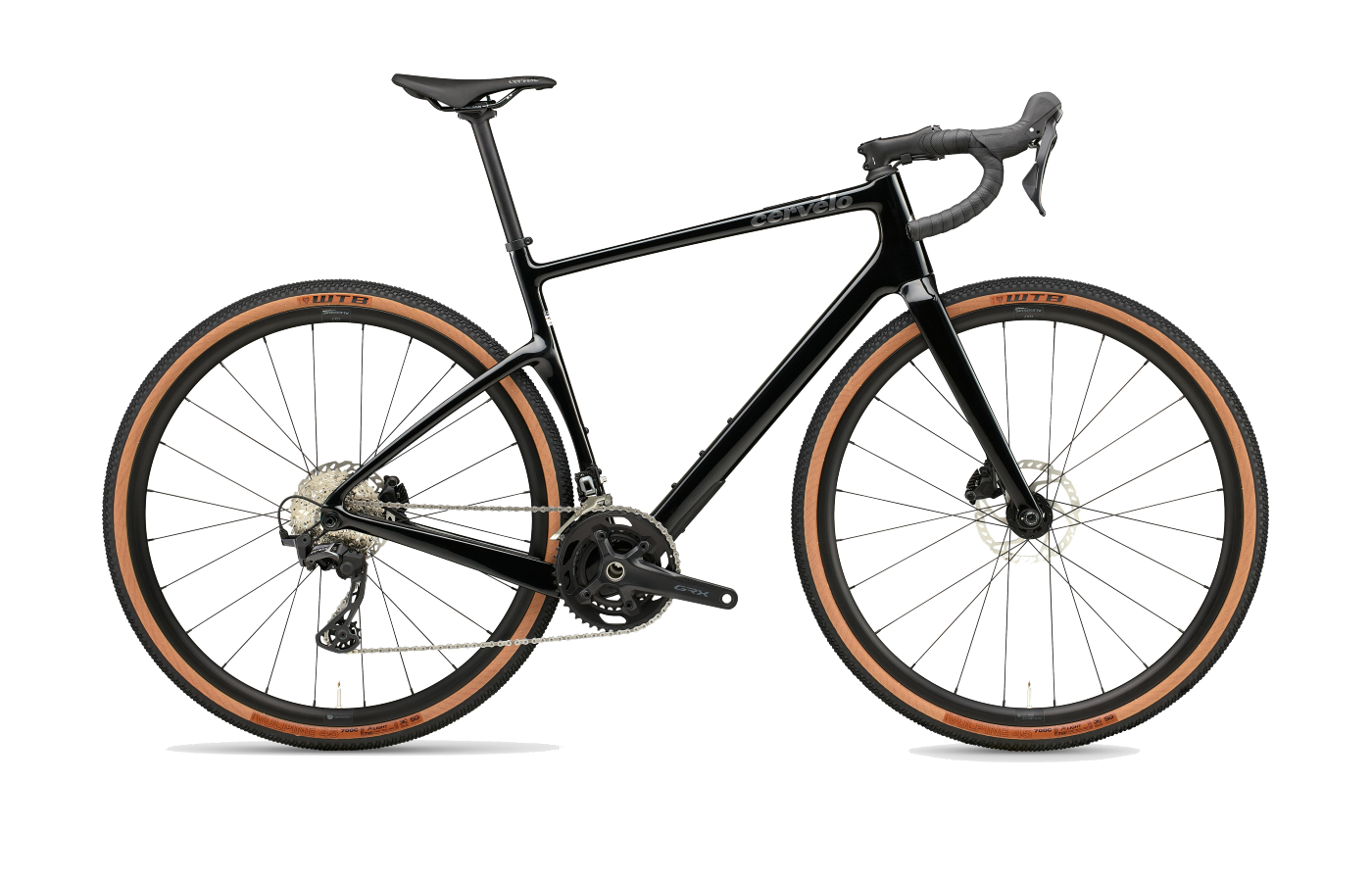
Aspero
Cervélo's pure gravel race bike — even sharper handling and stiffer than the Hatchet Pro, with the same hardpack-and-pavement bias. The Aspero is the bike to look at if the Hatchet feels right but you want a more proven race pedigree.
Compare →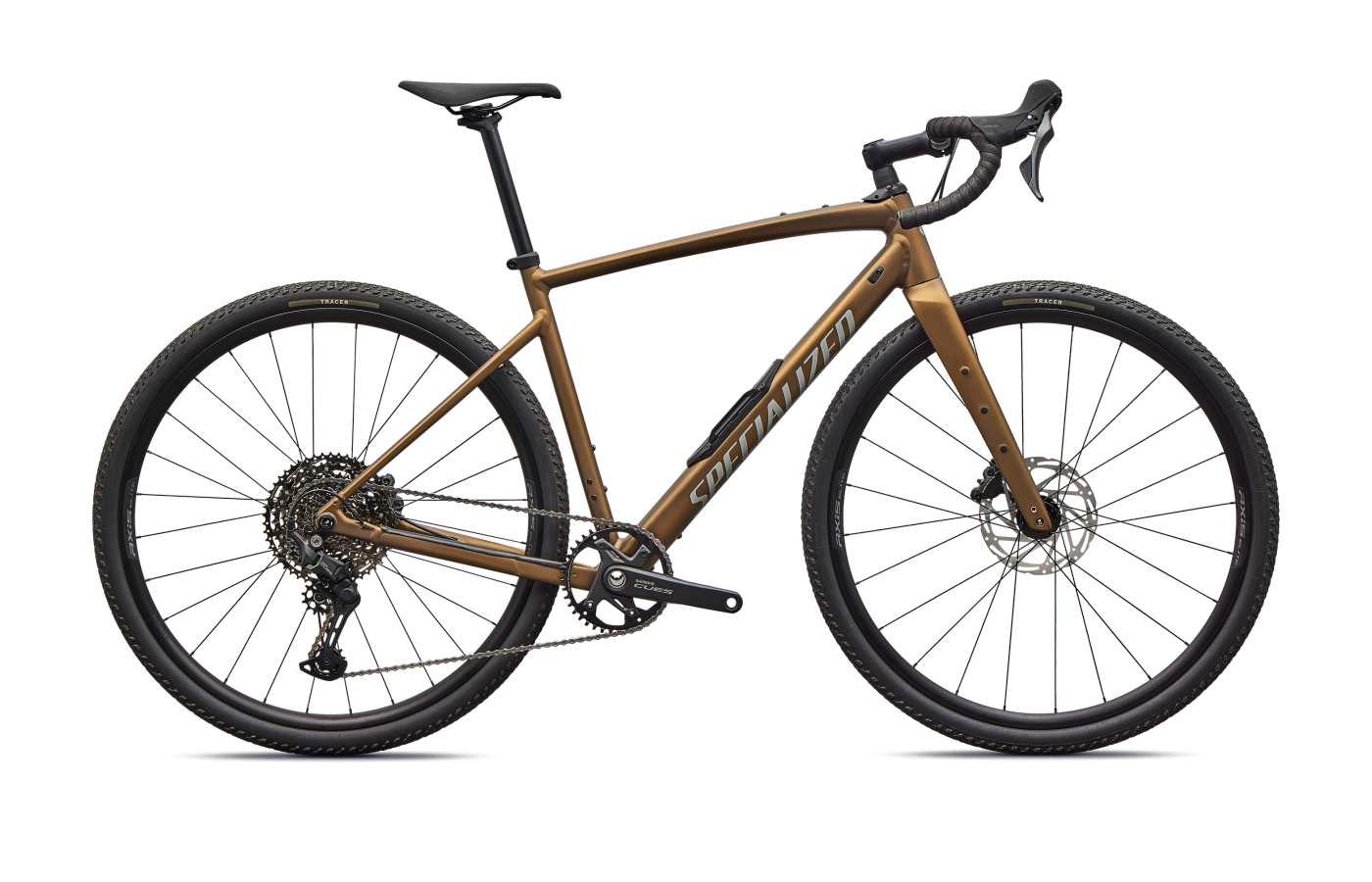
Diverge
Specialized's do-everything gravel bike, with the Future Shock micro-suspension on STR builds. Cross-shop against the Checkpoint when comfort and one-bike versatility are the priority — the two are direct philosophical rivals.
Compare →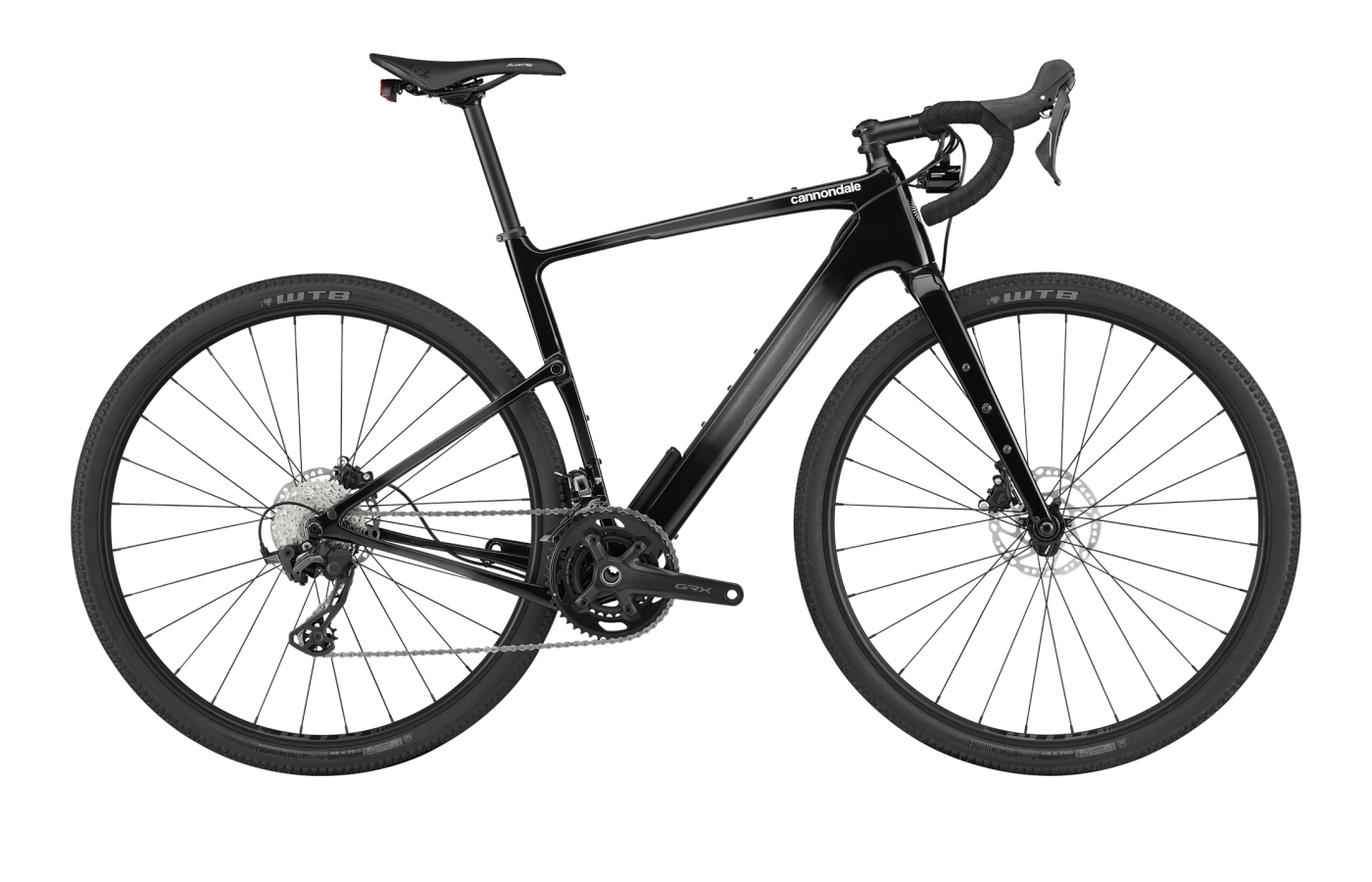
Topstone Carbon
Cannondale's Kingpin pivot at the seat stays gives the Topstone Carbon up to 30 mm of rear-end travel — a more visible compliance solution than IsoSpeed. Best if you ride genuinely rough gravel and want the cushiest carbon platform of the three.
Compare →