Devinci
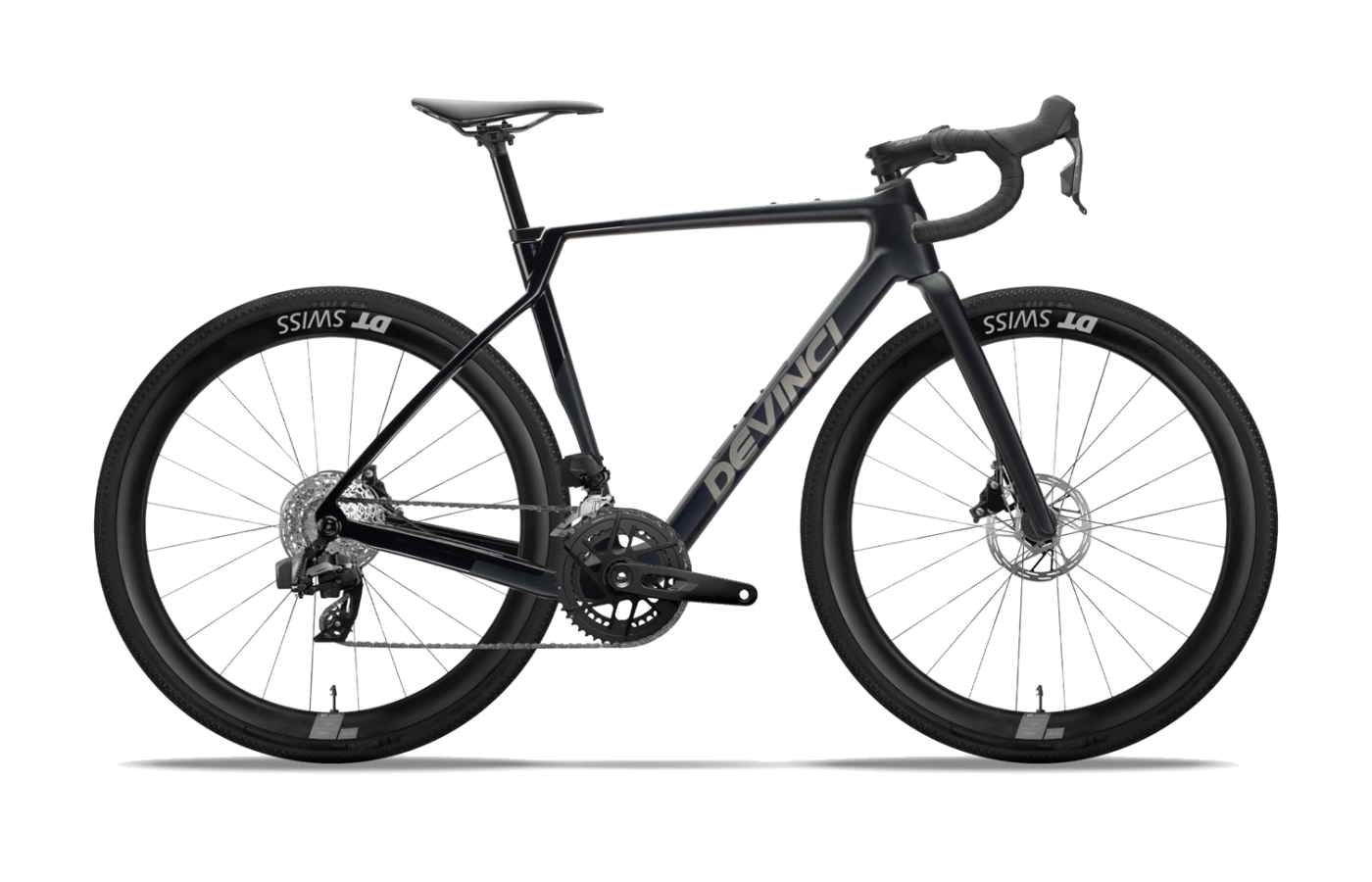
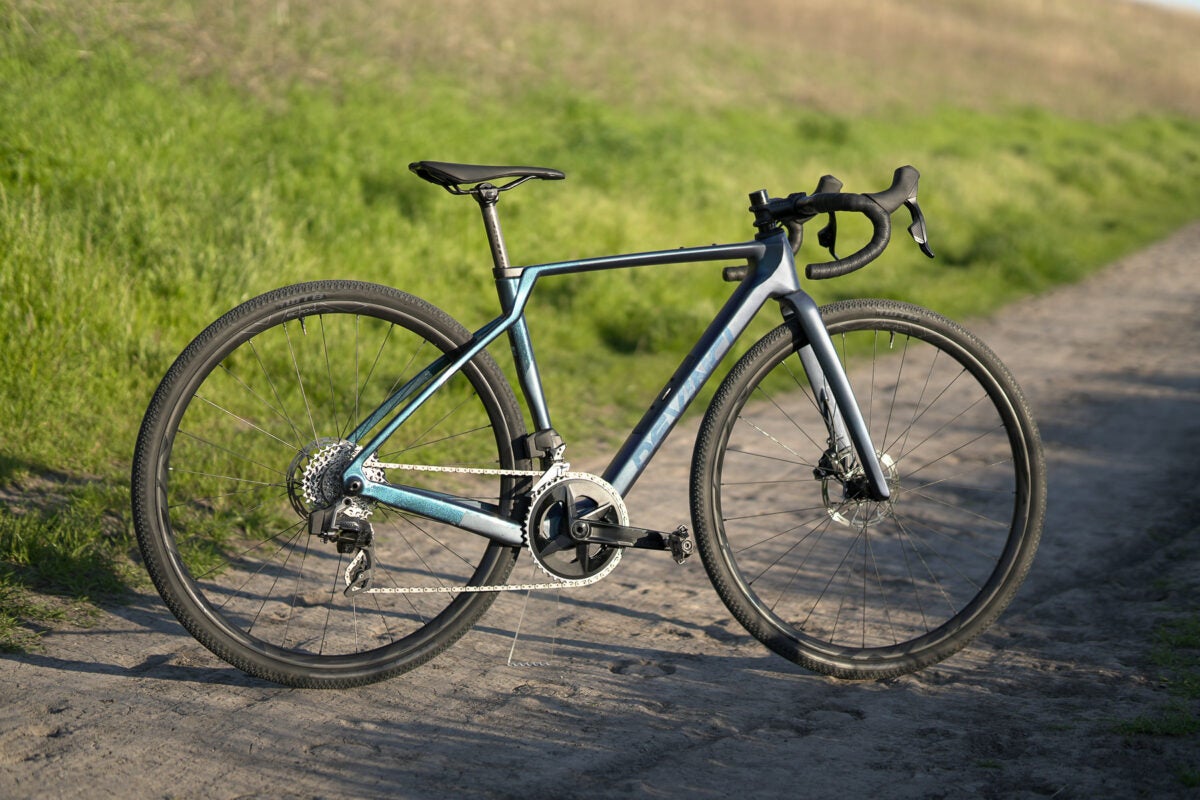
HatchetPro Rival AXS 24s
The 2025 Devinci Hatchet marks a complete structural reset for the Canadian brand’s gravel platform. Rather than forcing one frame to cover every off-road discipline, Devinci split the Hatchet into three distinct silhouettes: the carbon Hatchet Pro for fast all-road and gravel racing, the aluminum Hatchet Vista for utilitarian adventure, and the E-Hatchet Tour for assisted riding.
This generation moves away from the mountain-bike-inspired roots of its predecessor. The carbon Pro model adopts truncated airfoil tube shapes, fully internal headset cable routing, and a UDH-compatible rear end, alongside a new in-frame downtube storage compartment. By dividing the lineup, Devinci allows the Hatchet Pro to lean heavily into aggressive, high-speed efficiency, while leaving the cargo mounts and relaxed touring duties to the aluminum Vista. It is a specialized approach aimed at riders who know exactly what kind of unpaved riding they want to do.
Spec sheet.
Every component shipped with this build.
Geometry & fit.
4 sizes published.
The Hatchet family’s geometry reflects its divided intentions. The carbon Hatchet Pro utilizes a steepened head tube angle—ranging from 71.5 to 72.5 degrees depending on size—and shortened 425mm chainstays to prioritize agility. Combined with a generous 75mm bottom bracket drop, this creates a quick, responsive handling dynamic that feels closely aligned with modern endurance road bikes. The rider is positioned aggressively forward, aided by a steep seat tube angle and a zero-offset seatpost, which encourages a powerful, seated pedaling rhythm.
The aluminum Vista and E-Hatchet Tour utilize a more relaxed approach to fit and handling. These models feature taller stack heights that place the rider in a more upright, comfortable posture suited for long days in the saddle or navigating urban commutes. While the Pro model demands attentive steering inputs and rewards precise line choices at speed, the aluminum frames offer a stable, predictable platform that remains steady even when loaded with bikepacking gear. Across all models, the reach numbers remain relatively moderate, allowing for straightforward fit adjustments using standard stems.
Where the handlebar sits relative to the bottom bracket — the single most important fit pair.
01Fit geometry6 values
02Component geometry2 values
03Handling geometry6 values
Which size should I buy?
Slide your height to see the recommended size. GearWise's fit algorithm works from the published stack, reach, and ETT — the brand's own recommendation may differ.
→Calculated from GearWise's own stack / reach / ETT algorithm — the brand's size chart may recommend a different size, and a proper bike fit beats any calculator.
The lineup.
4 builds, ranging $3,499 – $5,799.
The Hatchet Pro build ladder is entirely focused on performance gravel and all-road applications, utilizing SRAM and Shimano drivetrains. The entry point is the Pro GRX 610 24s, which pairs a mechanical 2x12 Shimano drivetrain with aluminum V2 Comp wheels. From there, the lineup moves to wireless electronic shifting with the Pro Apex AXS 12s, offering a 1x12 setup and DT Swiss G540 aluminum wheels.
The upper tier introduces significant component upgrades, specifically carbon wheels and cockpits. The Pro Rival AXS 24s features a 2x12 drivetrain with a 48/35T crankset and 10-36T cassette—gearing that leans heavily toward fast, road-like speeds rather than steep off-road crawling. The flagship Pro Rival AXS XPLR 13s shifts to a 1x13 configuration with a wider 10-46T cassette for better off-road versatility. Both Rival builds roll on DT Swiss GRC 1600 carbon wheels and utilize Zipp SL70 carbon handlebars. While the premium builds offer high-end finishing kit, reviewers noted that the mid-tier Apex AXS model often represents the strongest value for riders looking to secure the carbon frame and electronic shifting without the premium wheelset markup.


From the press.
7 reviews from the cycling press.
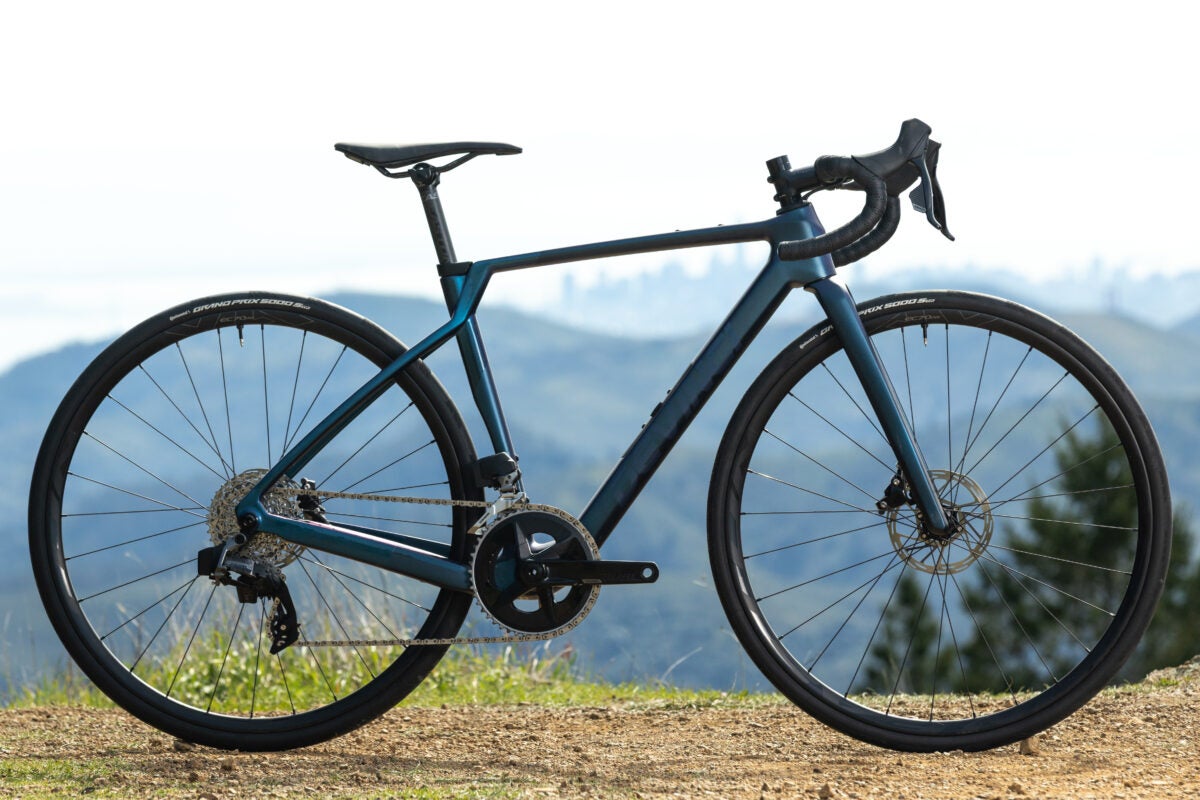
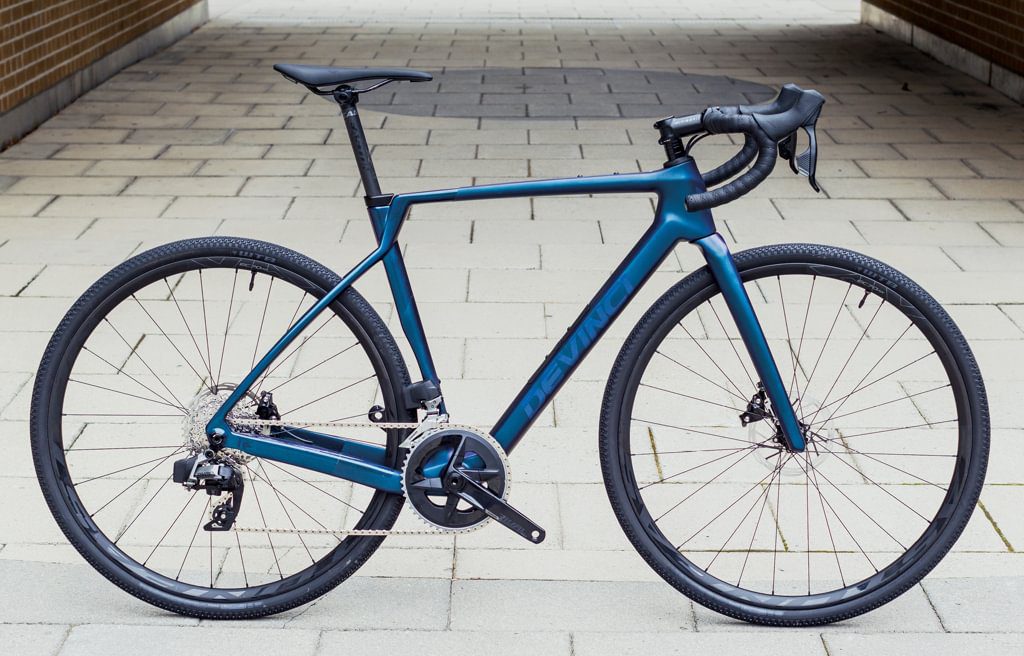
Across the lineup, reviewers noted that each Hatchet model carries a distinct personality, though the carbon Pro model drew the most attention for its uncompromising rigidity. Testers consistently highlighted the Pro's immediate power transfer on smooth dirt and tarmac, describing it as a "deeply stout-feeling bike" (Velo) that accelerates with road-like efficiency. This represents a deliberate departure from the previous carbon generation, which one brand representative admitted was a "noodle" (Cycling Magazine).
However, that race-bred stiffness comes with a clear tradeoff in compliance. On rough, technical double track, the Hatchet Pro can become "a handful" (Velo), transmitting significant feedback through the frame. Testers suggested it is not ideal for riders who enjoy underbiking on rugged trails, especially given the strict 45mm maximum tire clearance.
Conversely, the aluminum Hatchet Vista earned praise for its balanced, utilitarian ride quality. Despite its metal construction, reviewers found the Vista "efficient, smooth, and flawless" (Theradavist) over long desert miles, avoiding the harshness often associated with alloy frames. While the Pro demands a rider focused on speed and smooth lines, the Vista is viewed as a highly capable, comfortable workhorse for loaded touring and casual exploration.

Devinci Hatchet Vista Review
The Devinci Hatchet Pro Thrives Beyond Gravel Roads

First Ride on the new DeVinci E-Hatchet | @CyclesDevinci ...
Devinci Hatchet Pro review
First Ride: The Devinci Hatchet Pro Is The Racey Gravel Bike We Didn't Expect - Velo | Shantou Road Bikes Group Co.,Ltd
First Ride: The Devinci Hatchet Pro Is The Racey Gravel Bike We Didn’t Expect
First Ride: The Devinci Hatchet Pro Is The Racey Gravel ...
Compared to.
Most-viewed comparisons.