Aspero
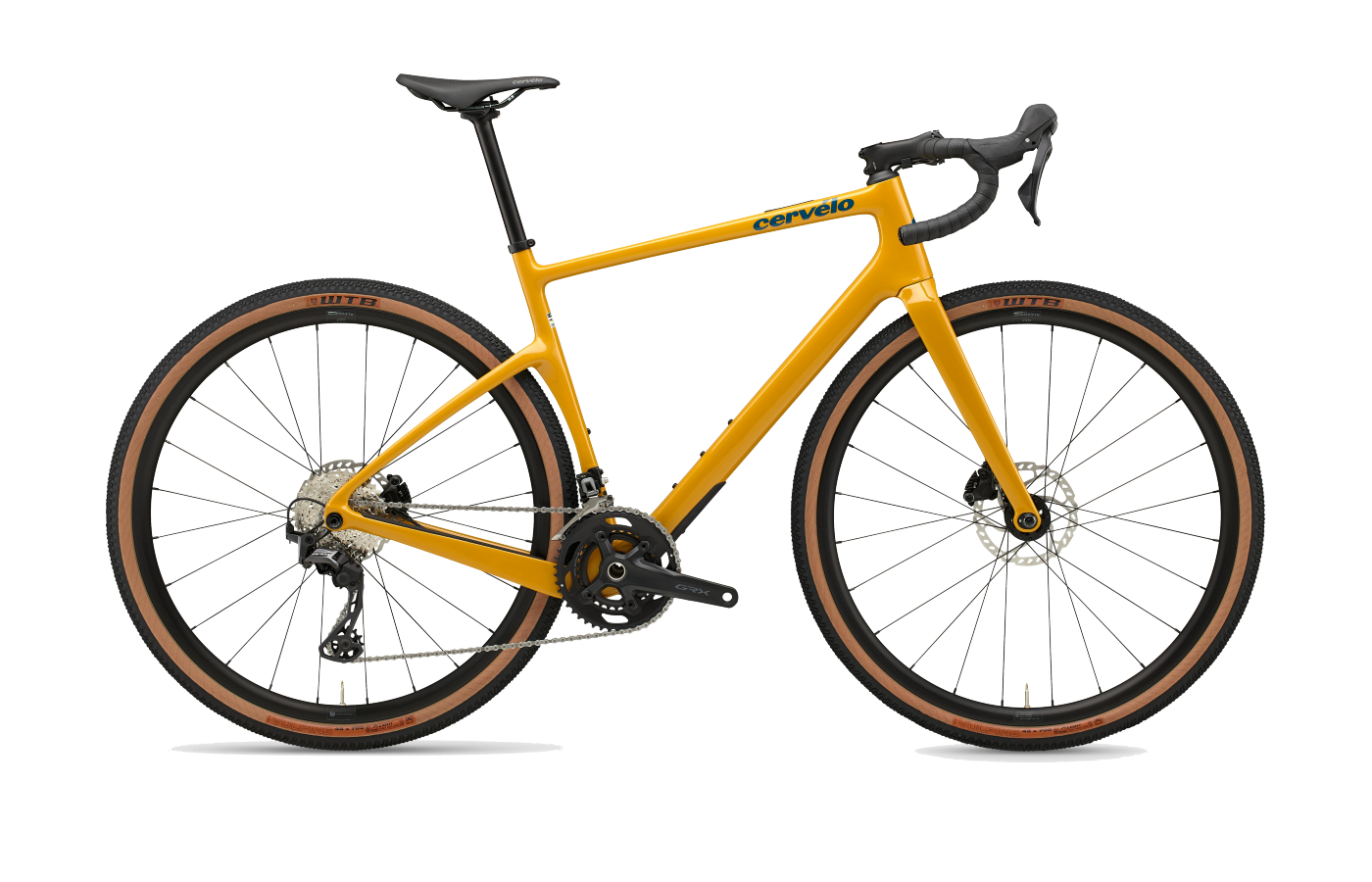
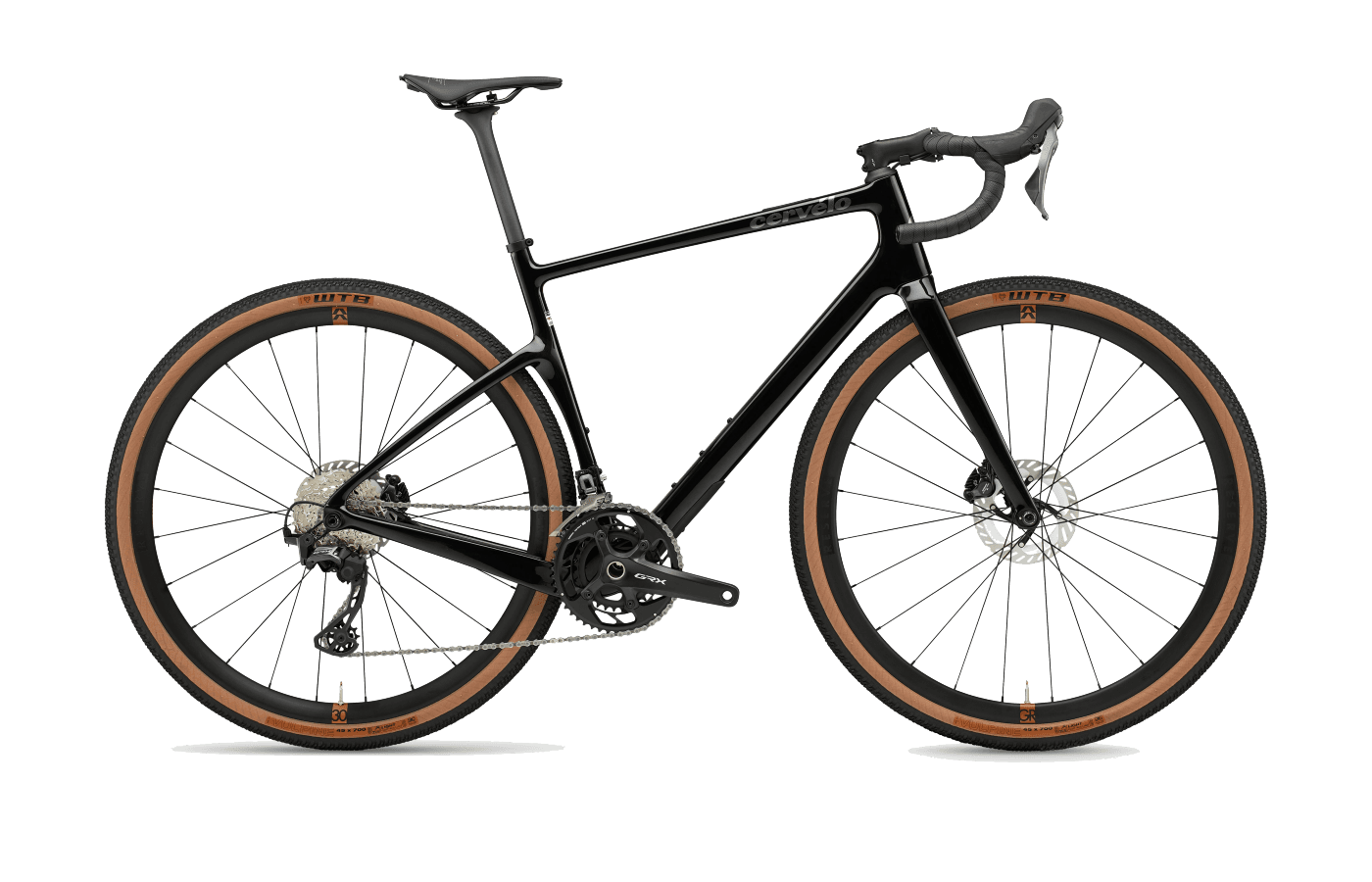
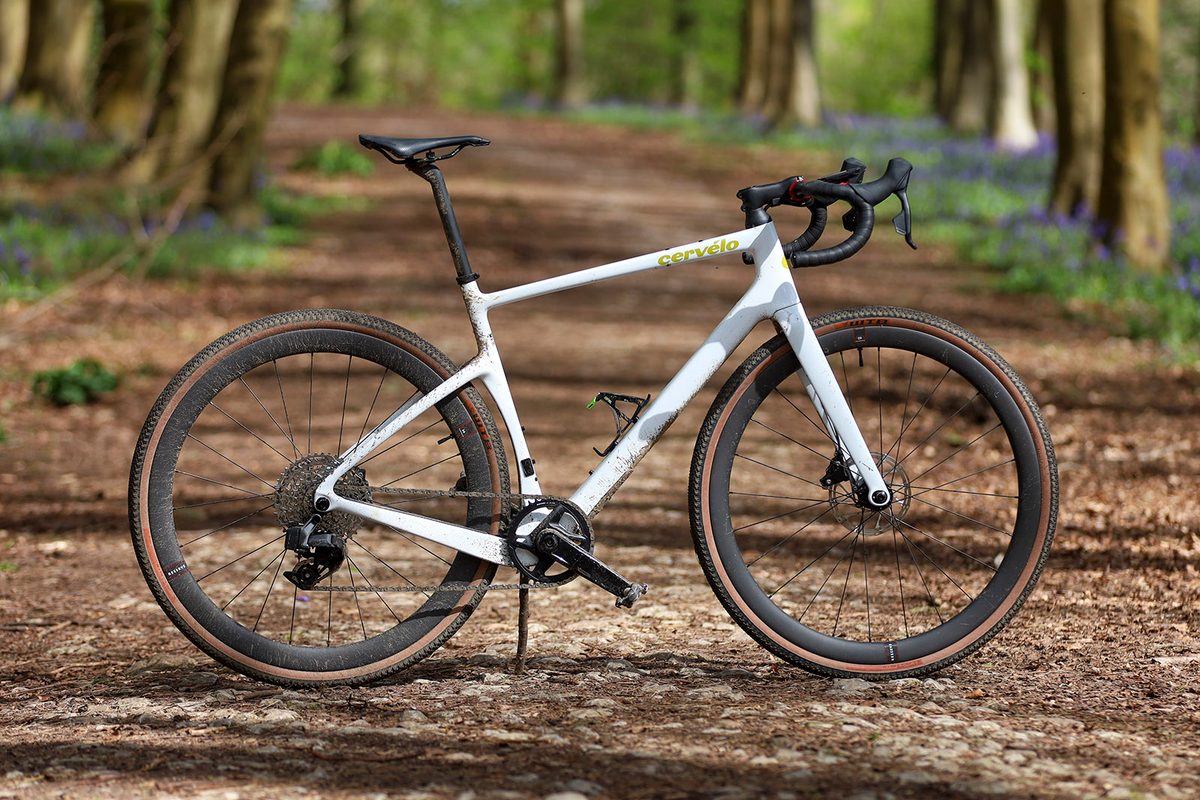
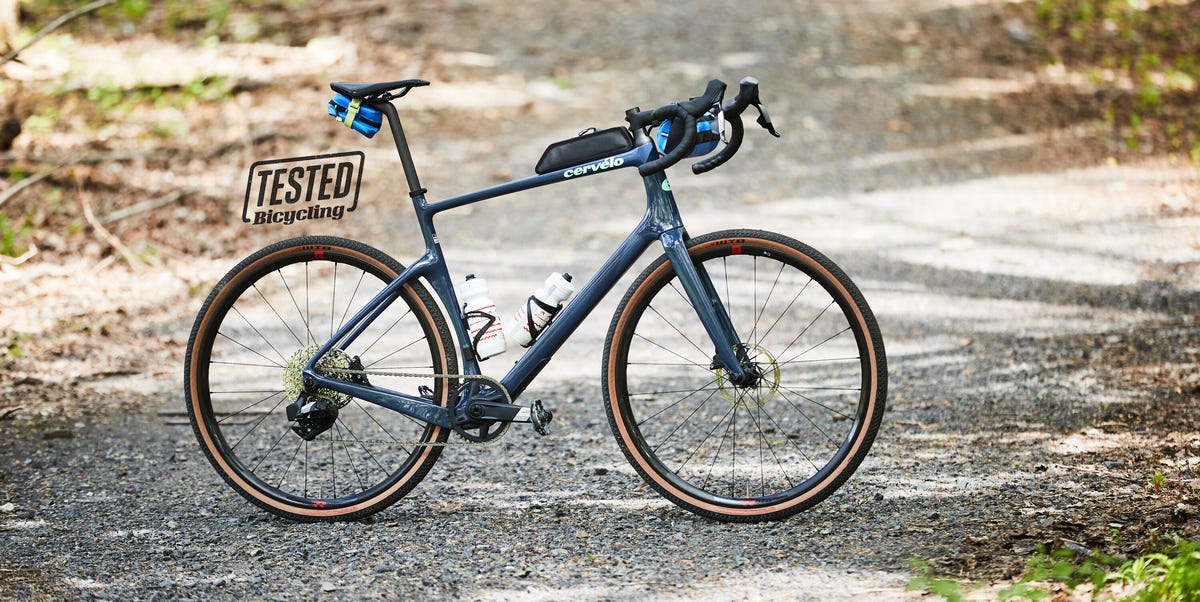
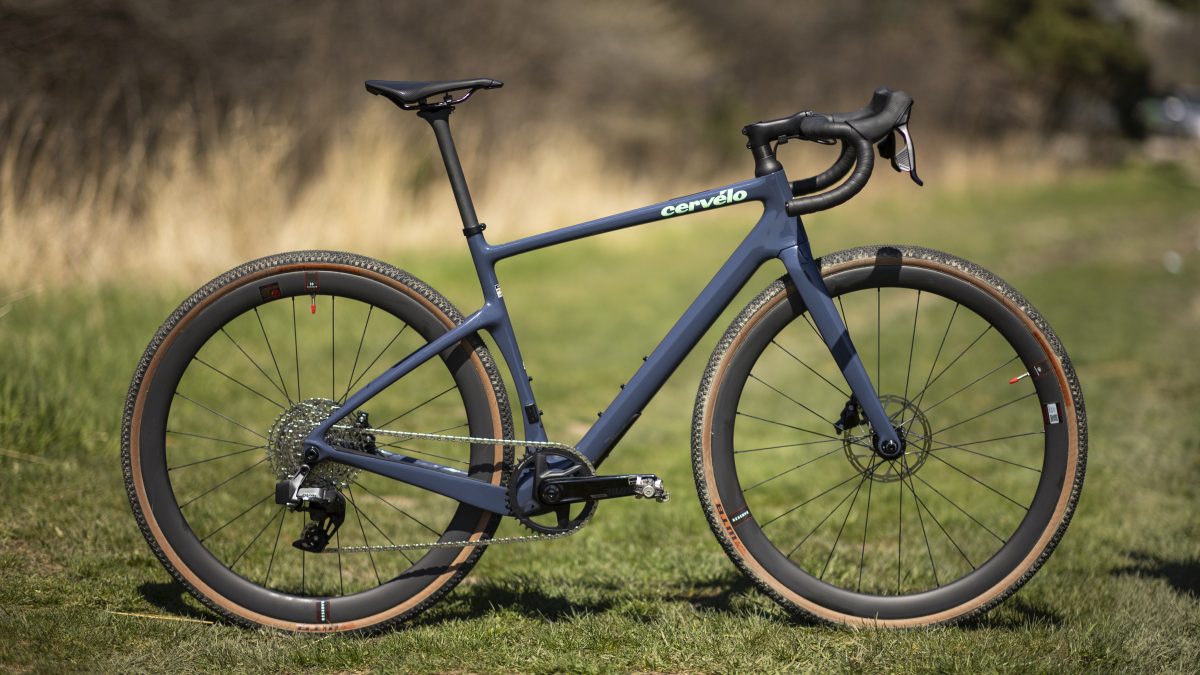
The second-generation Cervelo Aspero remains a dedicated gravel race bike, built for riders who prioritize speed and efficiency over bikepacking utility. Rather than reinventing the platform with suspension or mountain-bike-inspired geometry, Cervelo refined the original chassis to be slightly more forgiving and aerodynamically cleaner. The updated frame features a slimmer down tube and significantly dropped seatstays to help dissipate vibration, while modernizing key hardware standards like a threaded bottom bracket and a universal derailleur hanger. It is a bike designed for fast, mixed-surface riding, favoring groomed dirt roads and tarmac transitions over technical singletrack. By retaining its aggressive posture and sharp handling, the Aspero appeals to road cyclists transitioning to dirt or gravel racers looking for a highly responsive, stripped-down machine.
Geometry & fit.
6 sizes published.
The Aspero utilizes a road-centric geometry that places the rider in a low, stretched-out posture optimized for aerodynamic efficiency and power transfer. With a steep head tube angle and a relatively short wheelbase, the bike delivers quick, reactive steering that feels familiar to riders coming from traditional road racing frames. This setup ensures the bike feels agile on pavement and hardpack, though it requires a more attentive pilot when navigating loose, low-speed descents.
To help riders tune the handling, Cervelo retains the Trail Mixer flip-chip in the fork dropouts. This insert alters the fork offset, allowing riders to adjust the trail figure to maintain consistent steering dynamics when swapping between different tire sizes, or to slightly slow down the handling for added stability on rougher courses. The cockpit features a semi-integrated design, routing hoses under the alloy stem and through the upper headset bearing. This cleans up the front end for handlebar bags and aerodynamics while preserving the ability to easily swap stem lengths to dial in the reach.
Where the handlebar sits relative to the bottom bracket — the single most important fit pair.
01Fit geometry5 values
03Handling geometry5 values
Which size should I buy?
Slide your height to see the recommended size. GearWise's fit algorithm works from the published stack, reach, and ETT — the brand's own recommendation may differ.
→Calculated from GearWise's own stack / reach / ETT algorithm — the brand's size chart may recommend a different size, and a proper bike fit beats any calculator.
The lineup.
6 builds, ranging $3,550 – $7,050.
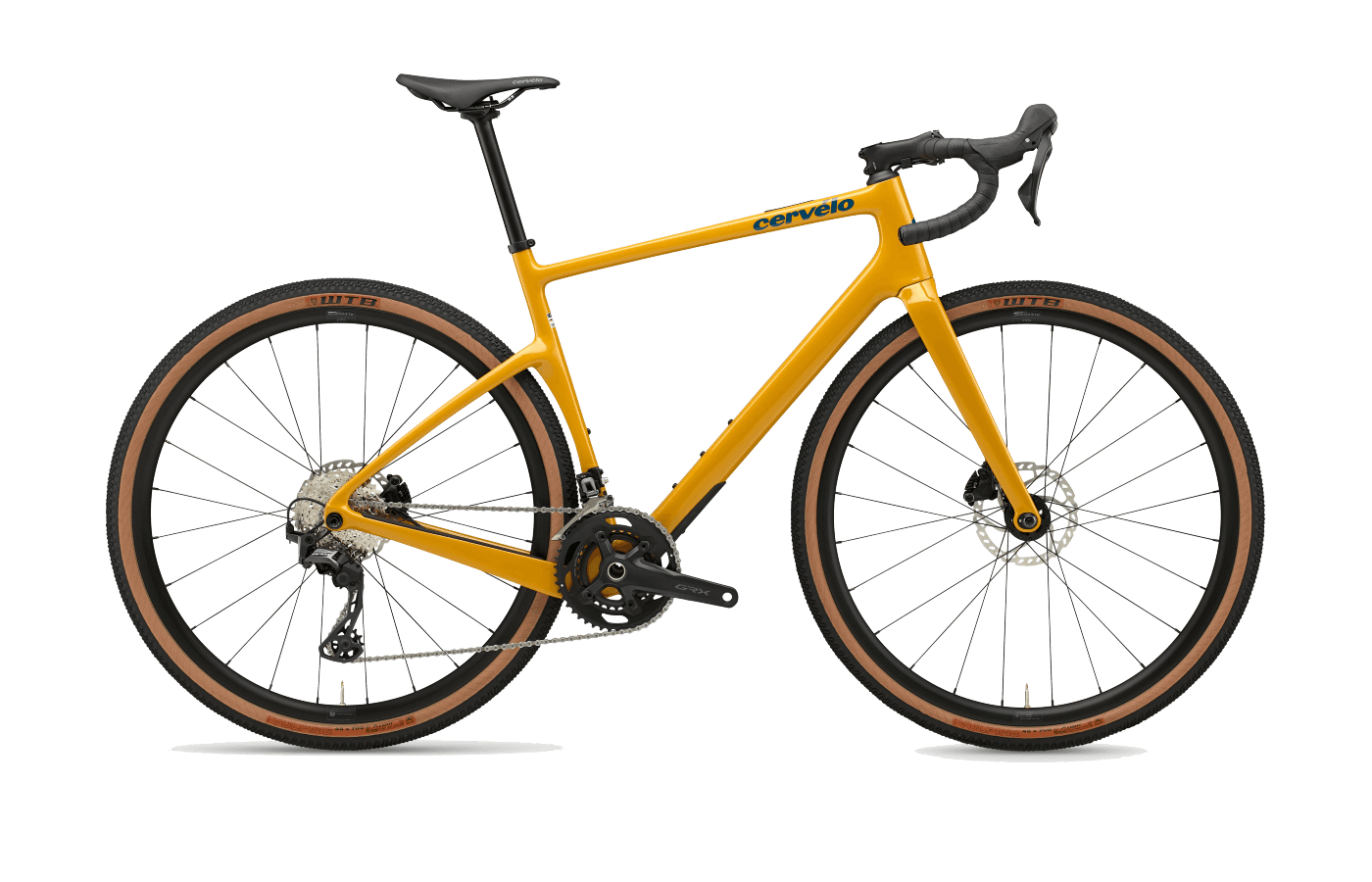
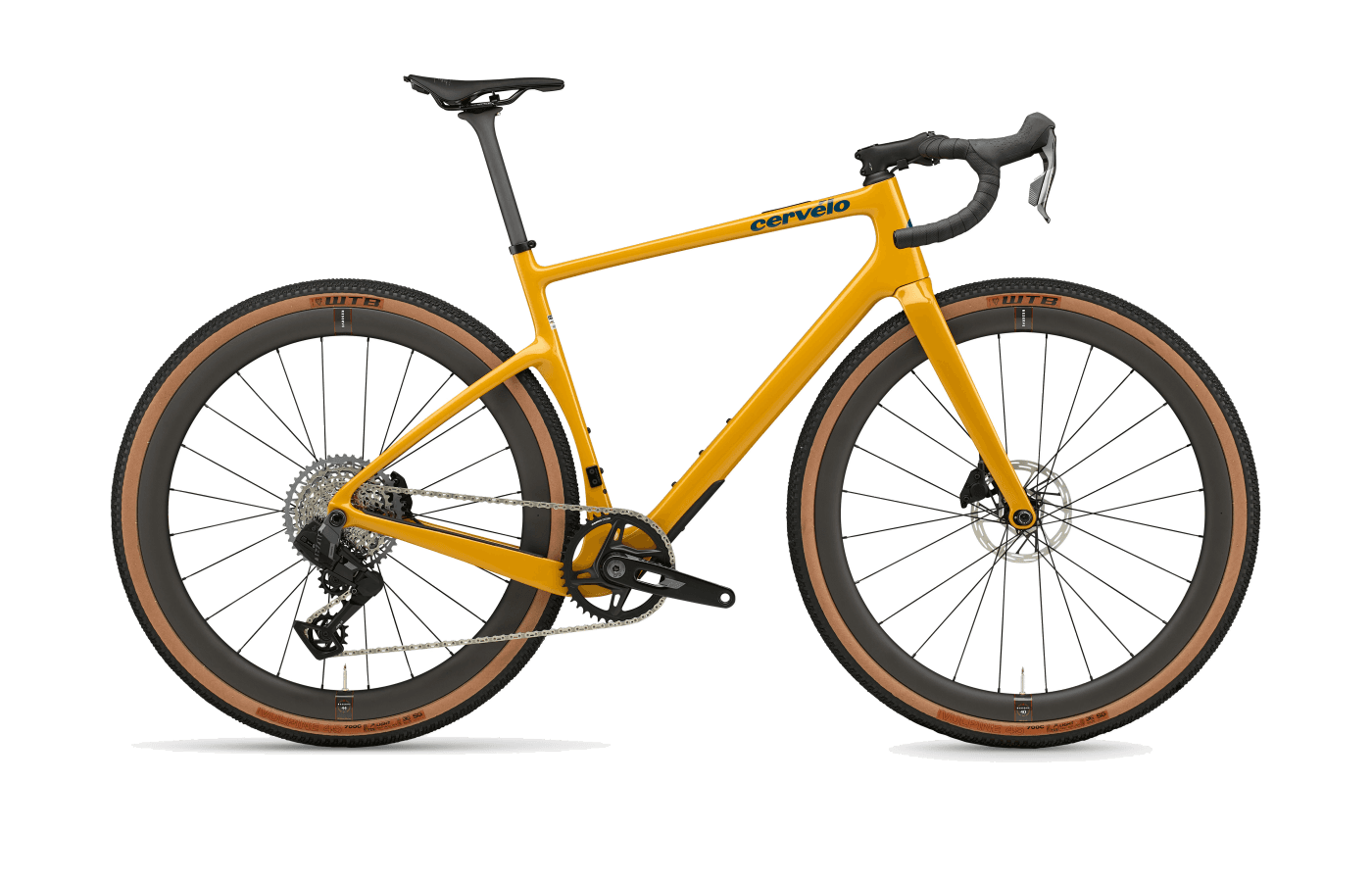
The Aspero lineup spans six builds, split between SRAM and Shimano drivetrains, catering to both 1x and 2x preferences. The entry points feature mechanical shifting, starting with Shimano GRX RX610 and SRAM Apex XPLR, paired with alloy Alexrims or Fulcrum Rapid Red 300 wheelsets and standard alloy handlebars. Moving up the ladder introduces electronic shifting via SRAM Apex AXS or Shimano GRX RX820, though these mid-tier options largely retain the alloy rolling stock.
The most significant material upgrades occur at the top of the range with the SRAM Rival XPLR AXS and Shimano GRX RX825 Di2 builds. These premium models swap the alloy hoops for Reserve carbon wheelsets, substantially reducing rotational weight and improving aerodynamic performance. They also upgrade the cockpit to Cervelo’s AB09 carbon handlebar, which features a flared drop and flattened tops to help damp front-end vibration. Across all builds, Cervelo utilizes a threaded T47-A bottom bracket for easier servicing and equips the frame with a SRAM UDH rear dropout, simplifying derailleur hanger replacement and ensuring compatibility with direct-mount transmission systems.



From the press.
13 reviews from the cycling press.
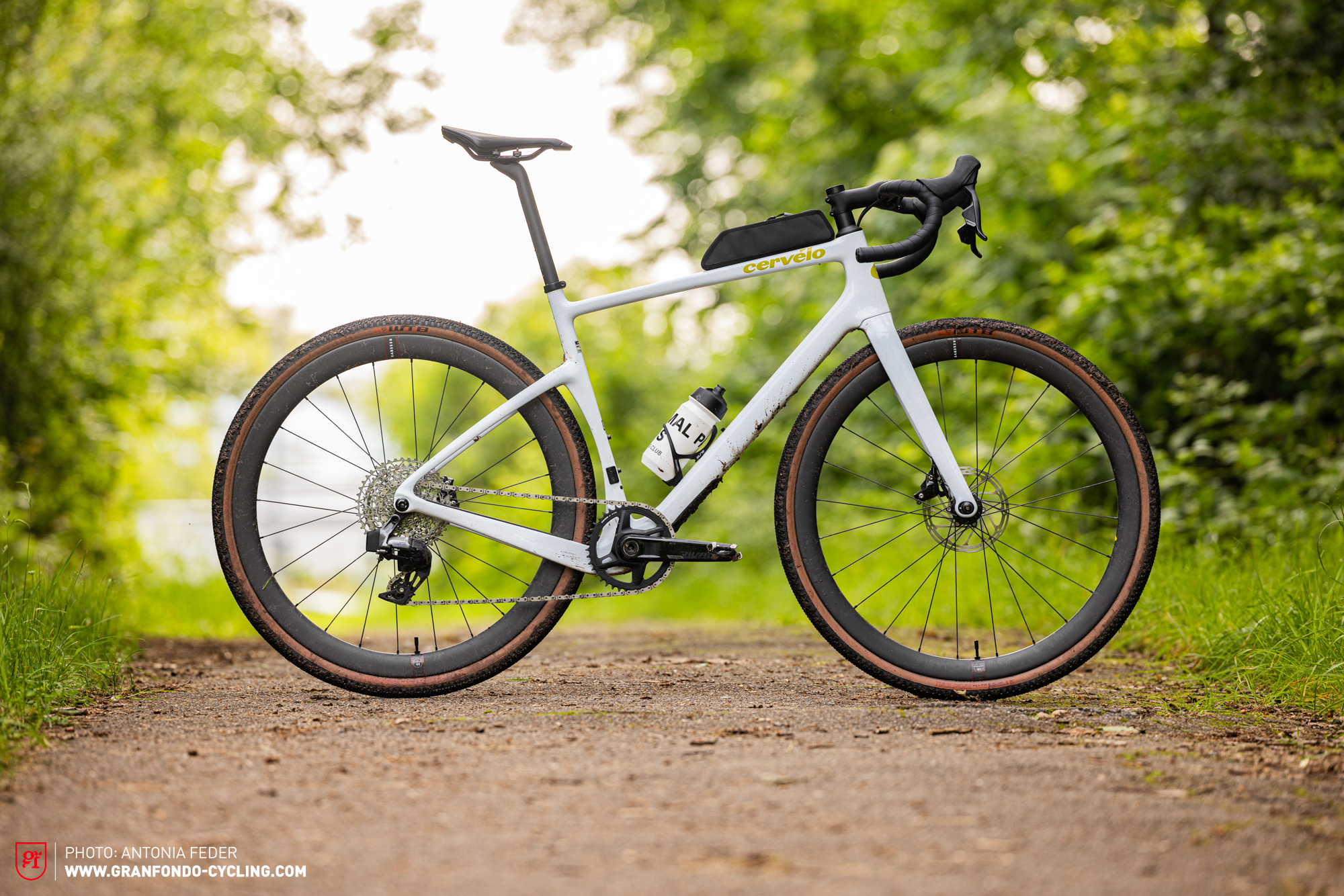
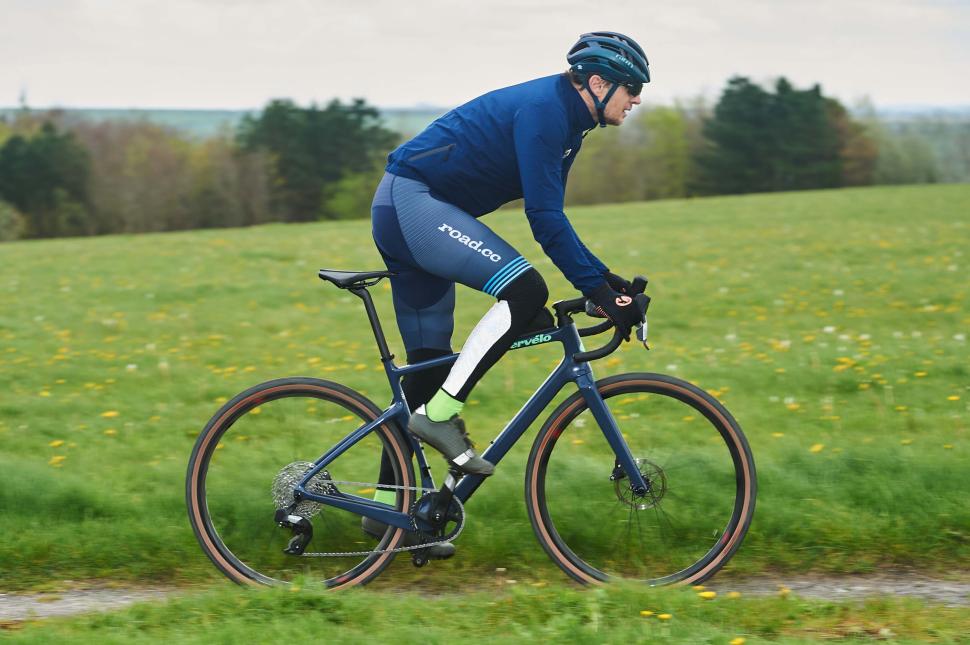
Critics widely agree that the updated Aspero successfully tempers the harshness of the original frame without losing its aggressive, race-focused character. Reviewers note that the revised carbon layup and dropped seatstays provide tangible relief on long rides, with one tester observing an "improved ride smoothness that won’t punish the rider eight hours into a ride" (Velo) compared to the unforgiving first generation. Driven hard over washboard or embedded rocks, the chassis remains composed and "skips over objects that may otherwise encourage you to look twice" (Cyclist).
However, this road-oriented DNA presents clear tradeoffs. The steep head angle and low front end excel on fast, sweeping dirt roads, but testers point out that on steep, technical singletrack, the "steering doesn't feel quite as nimble as bikes with more progressive geometry" (BikeRadar).
Additionally, while Cervelo increased tire clearance to accommodate modern gravel rubber, the frame's capacity remains conservative compared to adventure-oriented models. For riders in wet or exceptionally rocky regions, this limitation is a sticking point, with one reviewer stating that "42mm tyre clearance isn't big enough" (Road.cc) for a true do-it-all setup. Ultimately, the consensus frames the Aspero as a highly efficient, tarmac-friendly gravel bike that rewards a heavy pedal stroke.
First Ride Review: Cervélo Áspero 2024 – Trailblazer or ...
Review: Cervelo Aspero Apex XPLR AXS 1
Is the brand new Cervelo Aspero the ideal gravel / all road ...

NEW Cervelo Aspero Review: More Comfort = Faster?
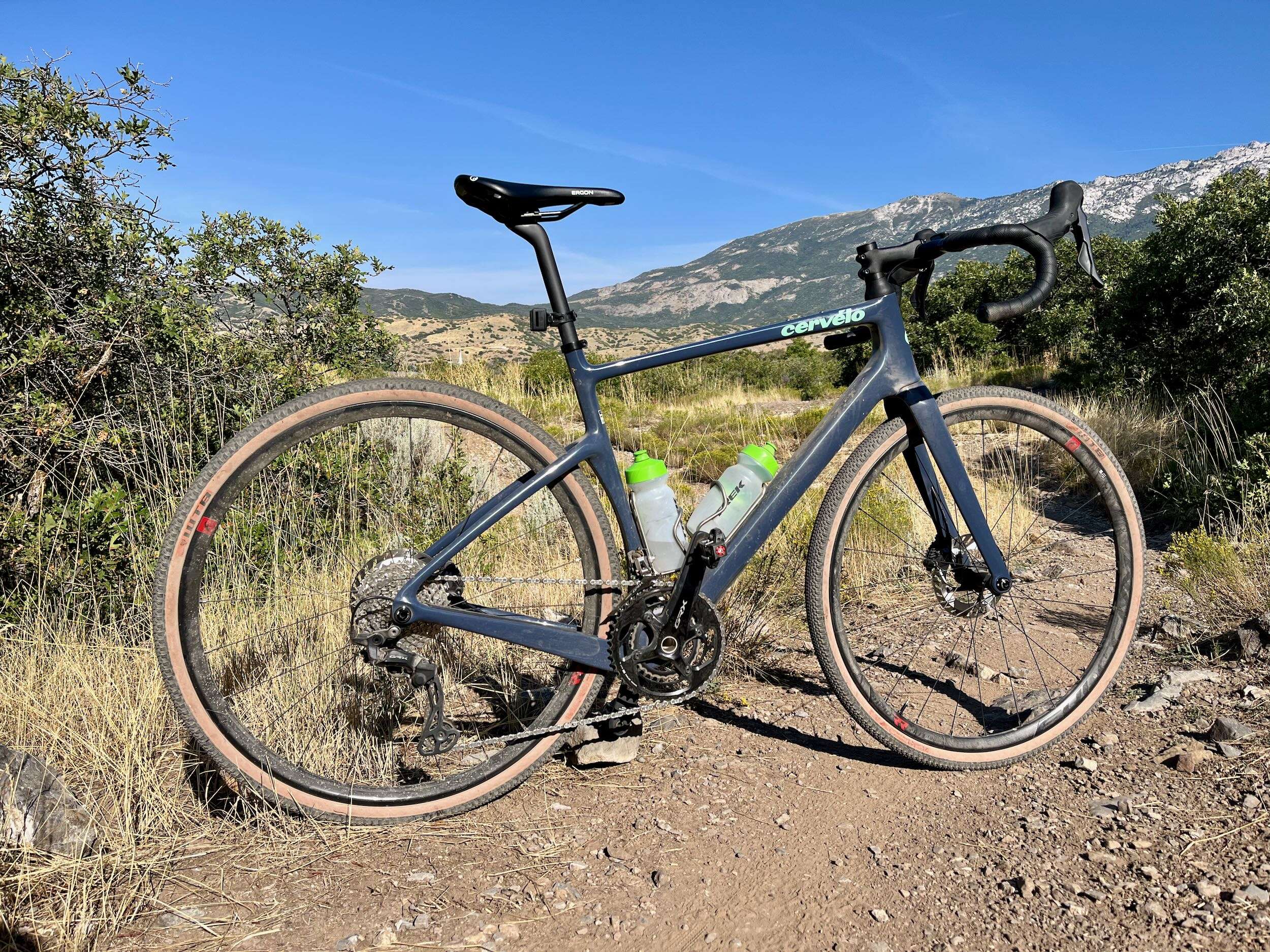
Cervélo Áspero Review — Fast Gets Faster?

Review: Cervélo Áspero - Cyclist Australia/NZ
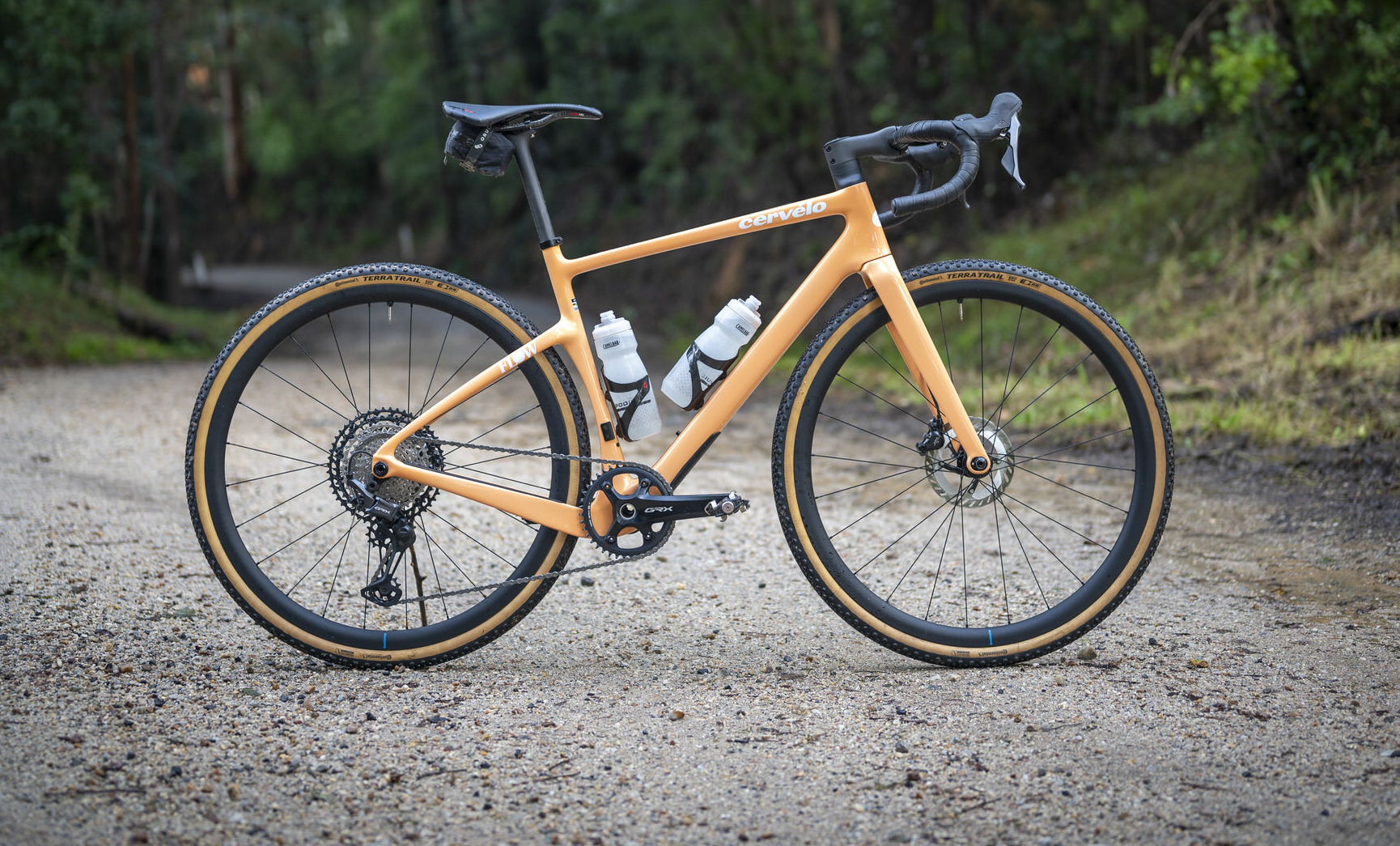
2024 Cervelo Aspero Review | Cervelo's new gravel racer ...
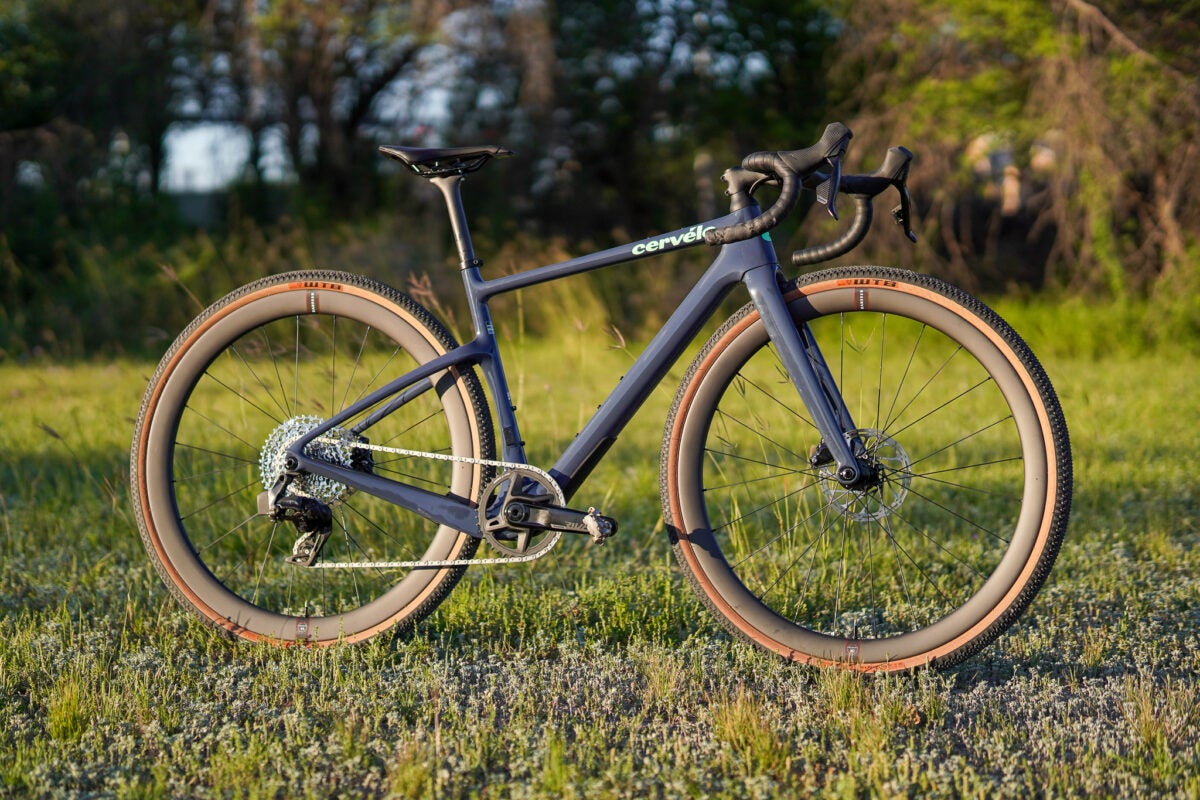
Review: The Cervelo Aspero Smooths Its Rough Edges
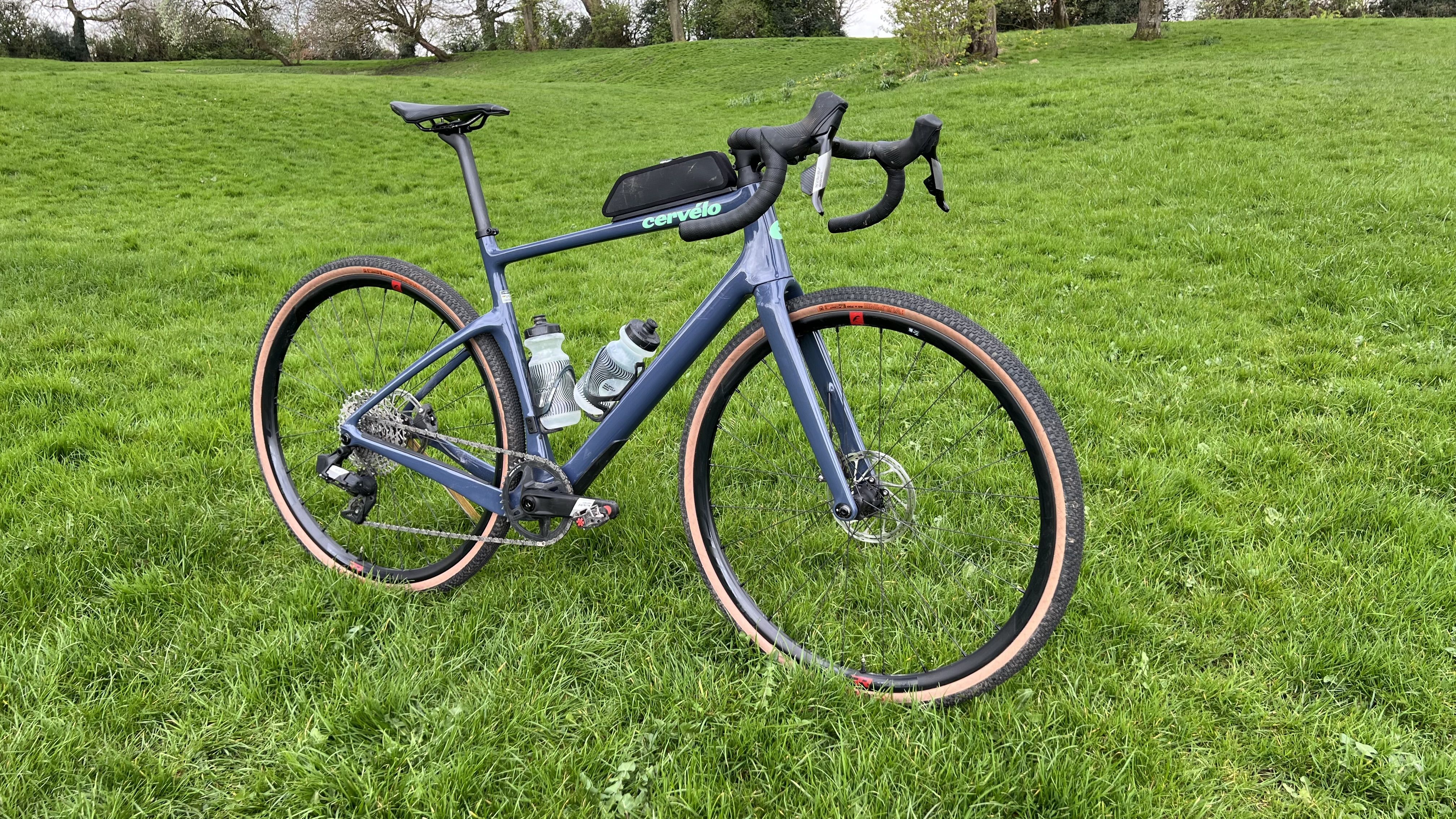
I tested Cervelo’s new Aspero gravel bike. It still definitely hauls ass, but doesn’t kick it as much in the process
Cervélo Áspero Rival XPLR AXS review | BikeRadar
First Ride: Cervélo Polishes Its Áspero Gravel Bike
Review: The Cervelo Aspero Smooths Its Rough Edges
First look at the new Cervélo Áspero
Compared to.
Most-viewed comparisons.
3T RaceMax vs Cervelo Aspero
Read comparison→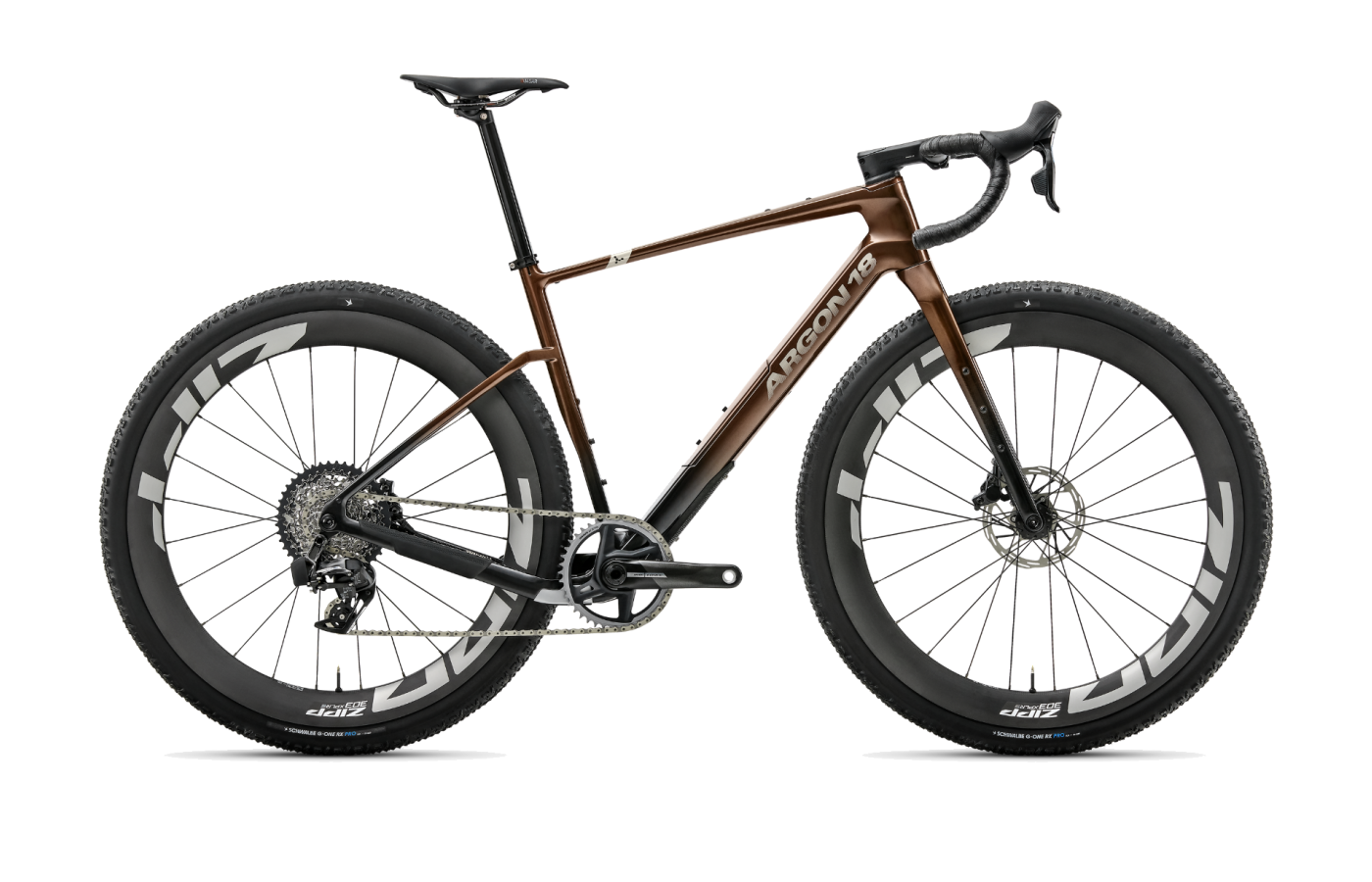
Argon 18 Dark Matter vs Cervelo Aspero
Read comparison→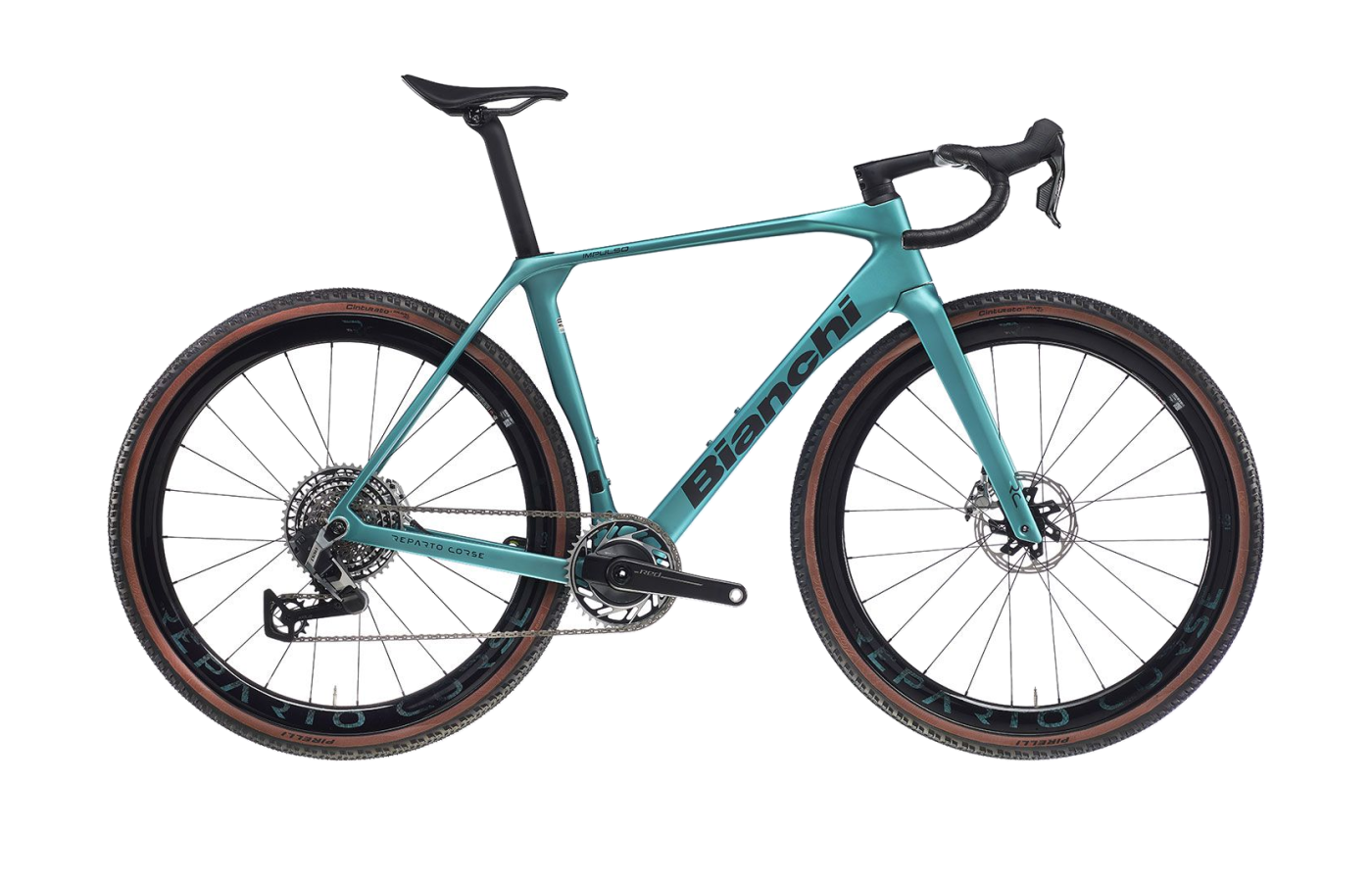
Bianchi Impulso vs Cervelo Aspero
Read comparison→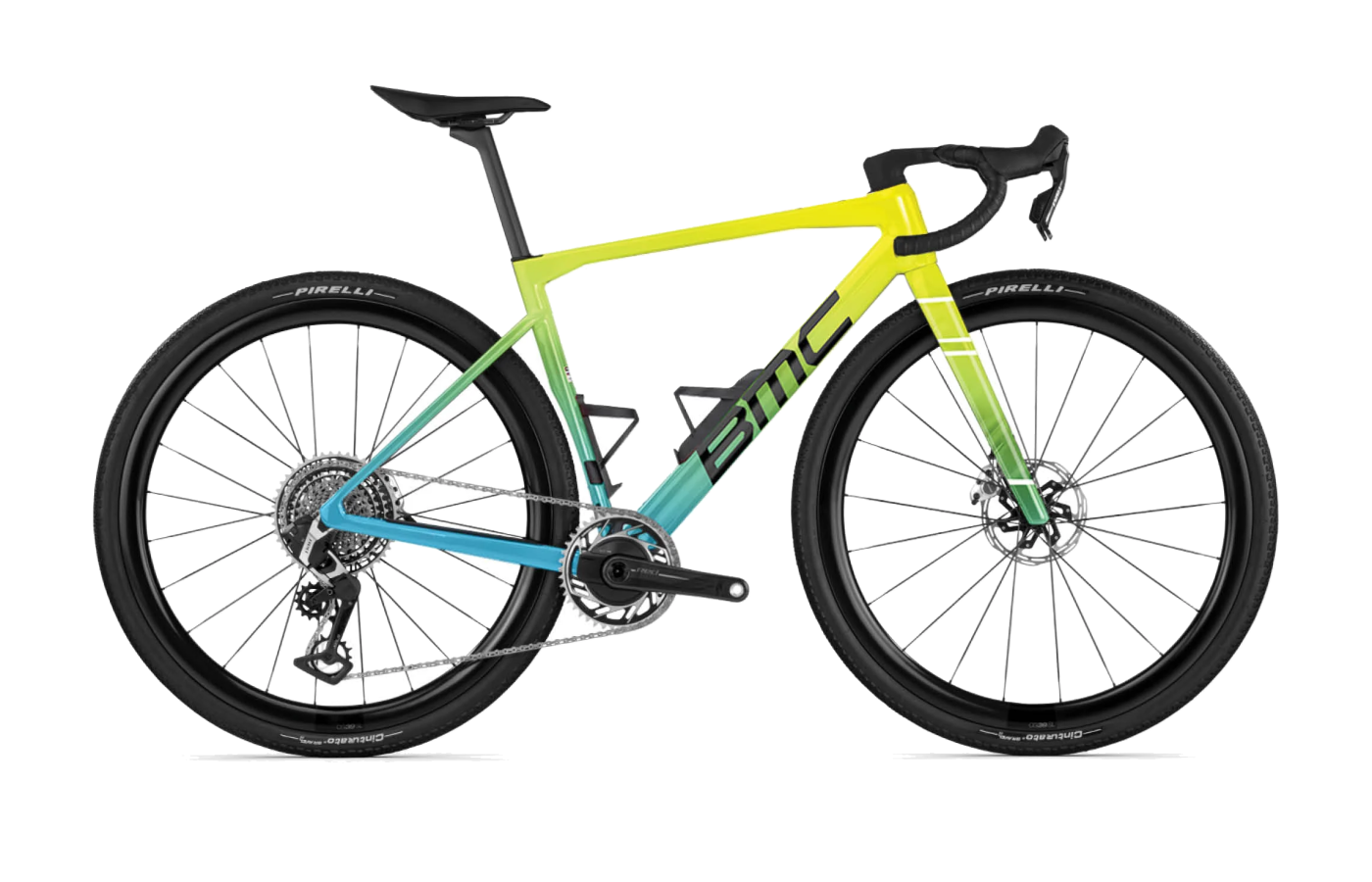
BMC Kaius vs Cervelo Aspero
Read comparison→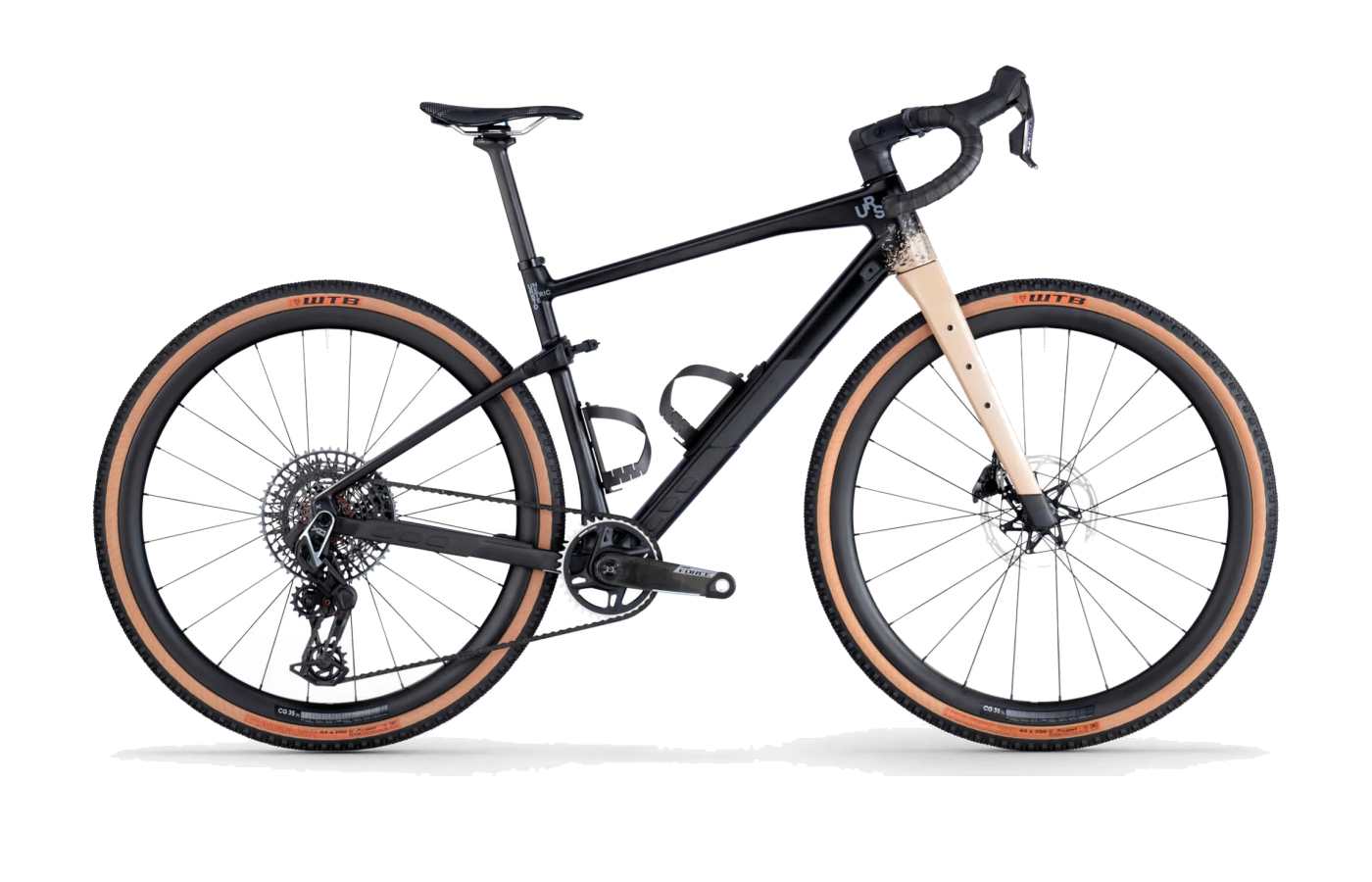
BMC URS vs Cervelo Aspero
Read comparison→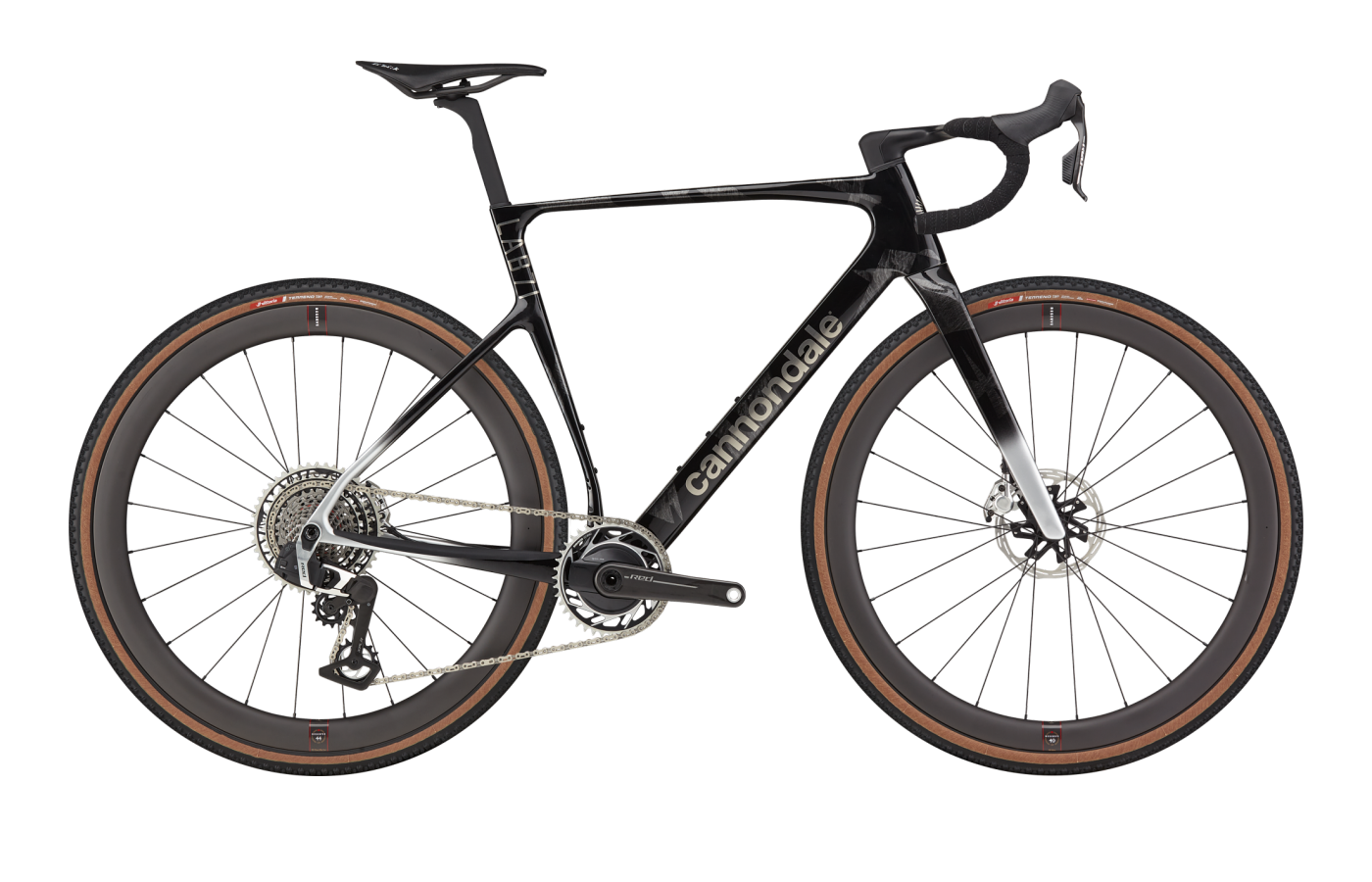
Cannondale SuperX vs Cervelo Aspero
Read comparison→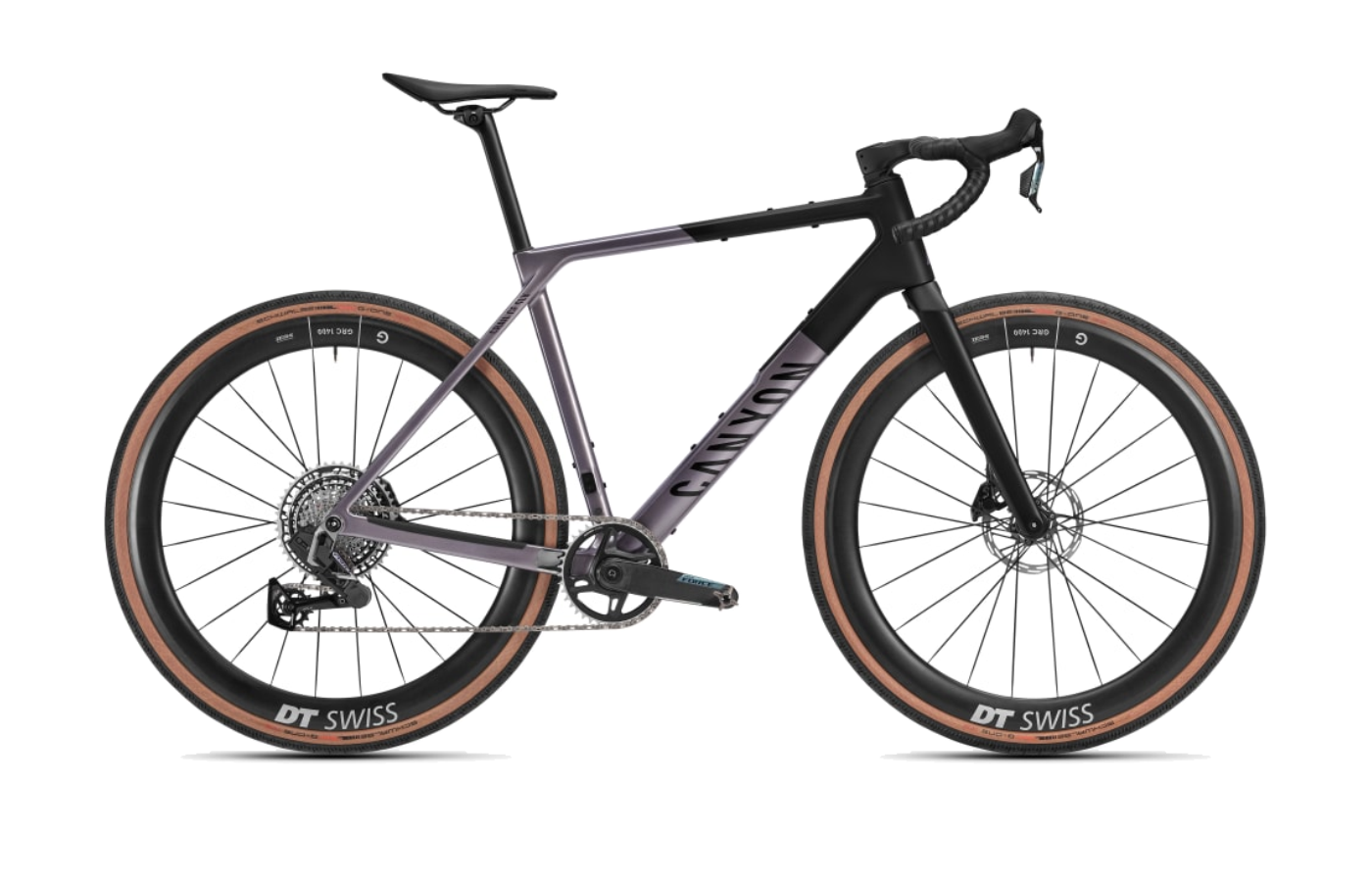
Canyon Grail vs Cervelo Aspero
Read comparison→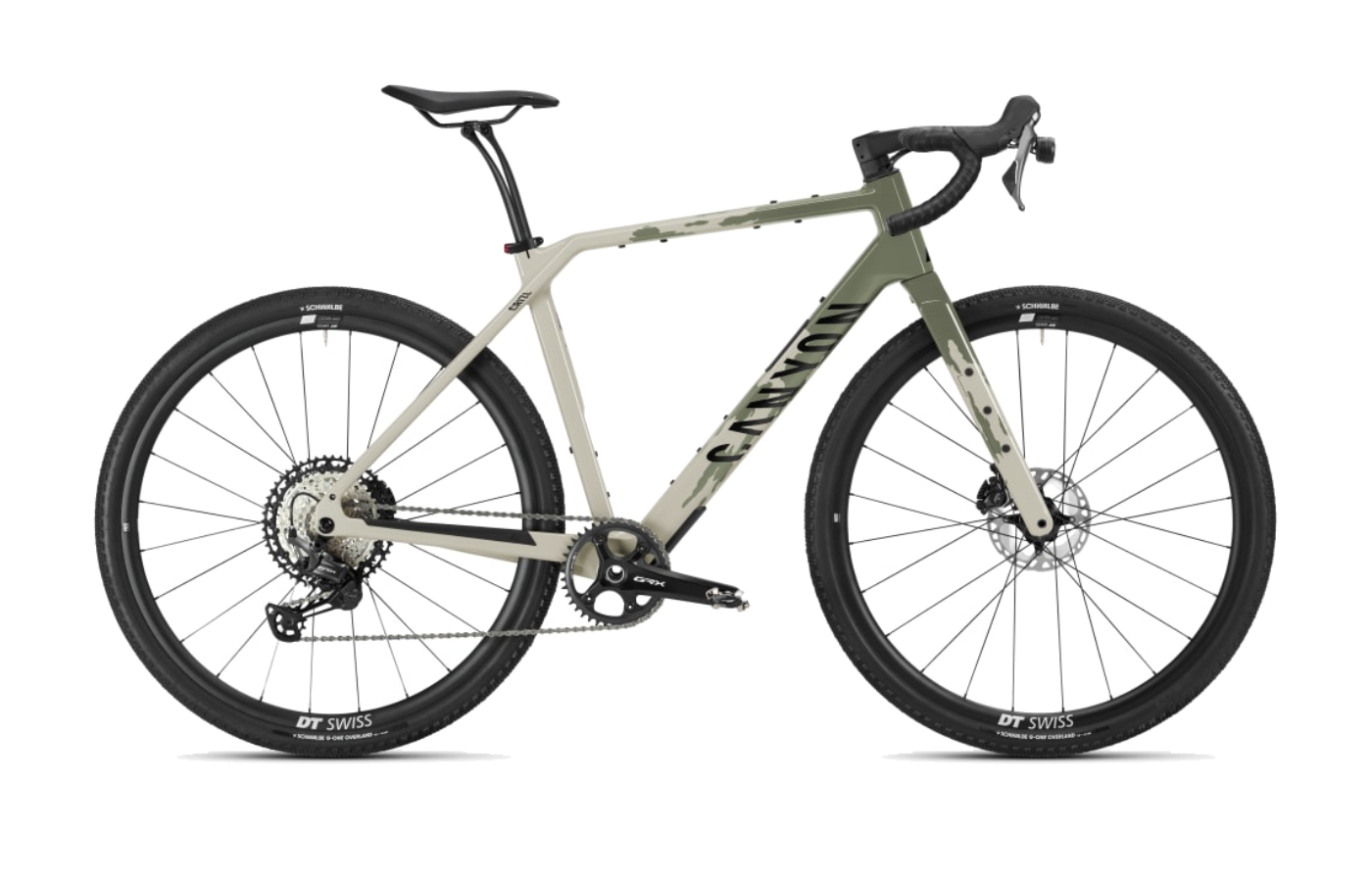
Canyon Grizl vs Cervelo Aspero
Read comparison→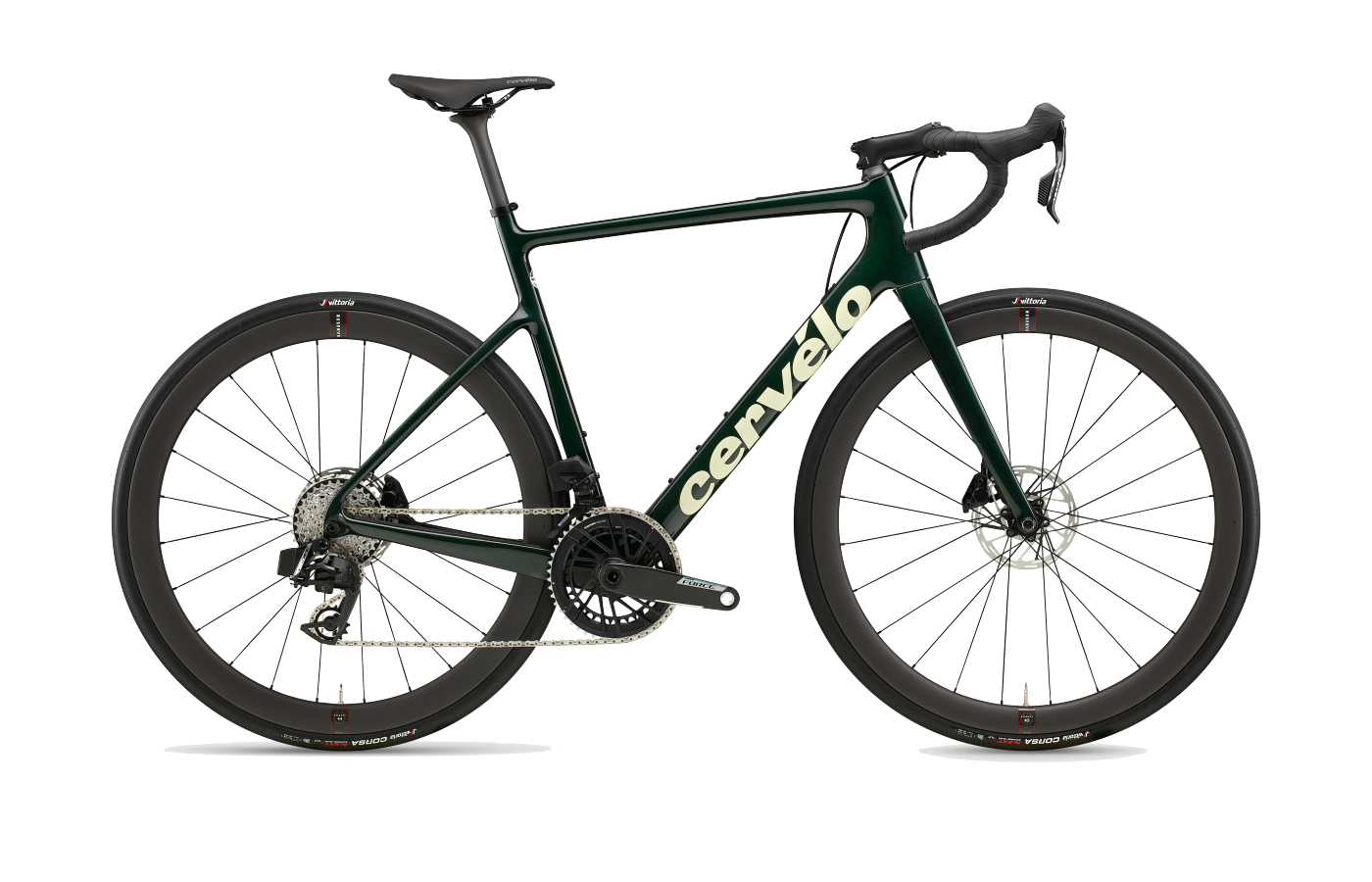
Cervelo Aspero vs Caledonia
Read comparison→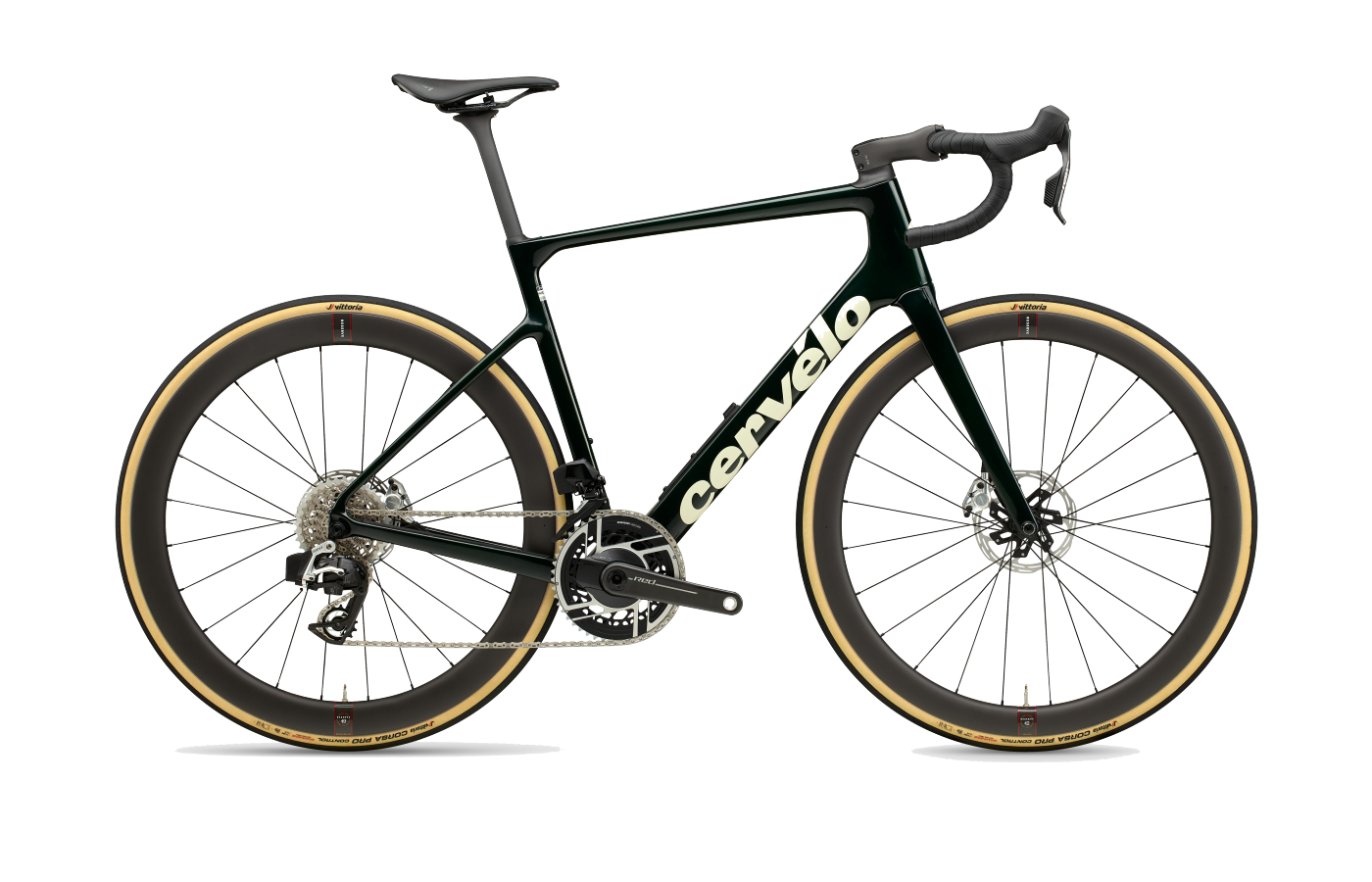
Cervelo Aspero vs Caledonia-5
Read comparison→Cervelo Aspero vs Factor LS
Read comparison→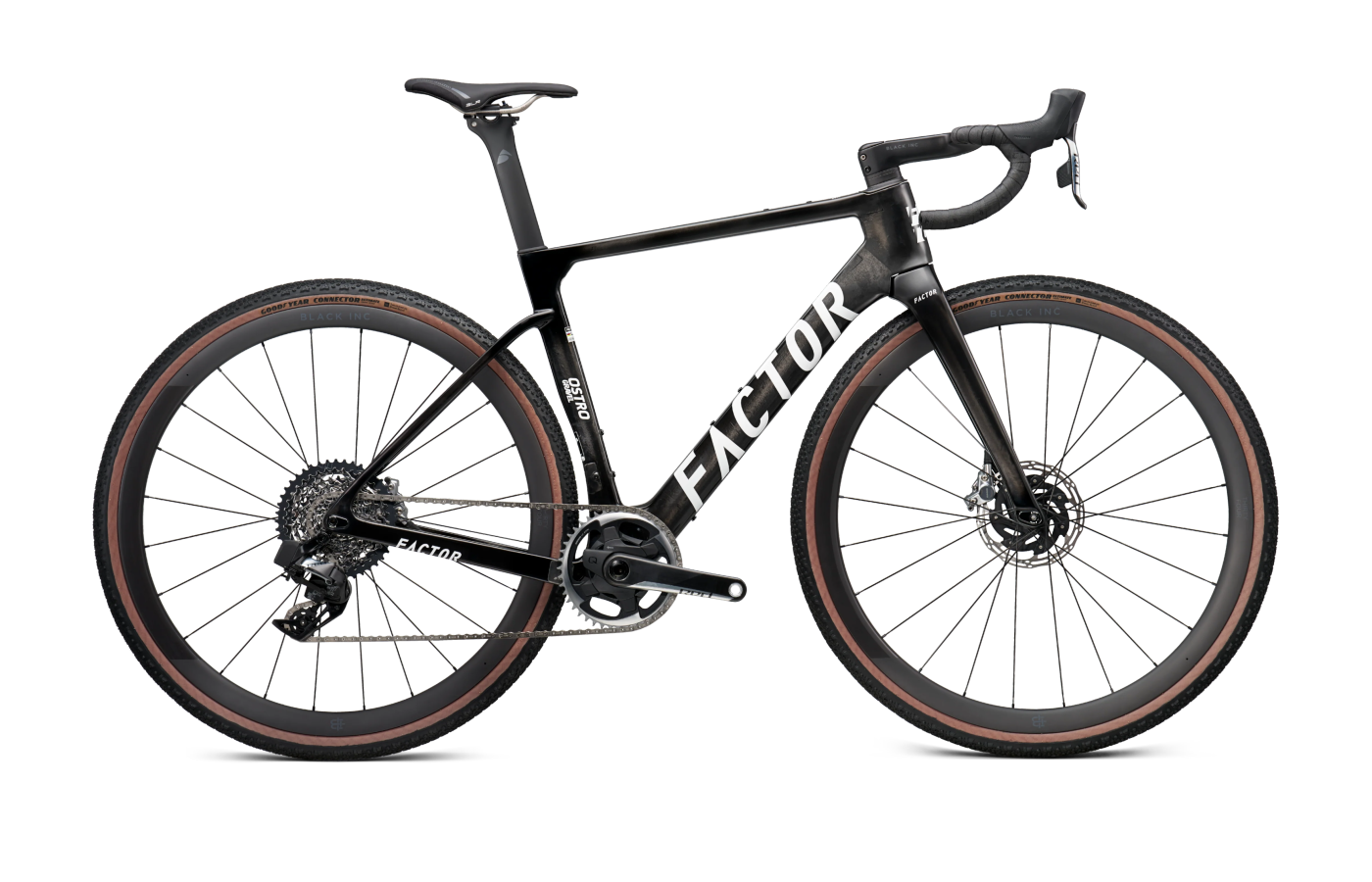
Cervelo Aspero vs Factor Ostro Gravel
Read comparison→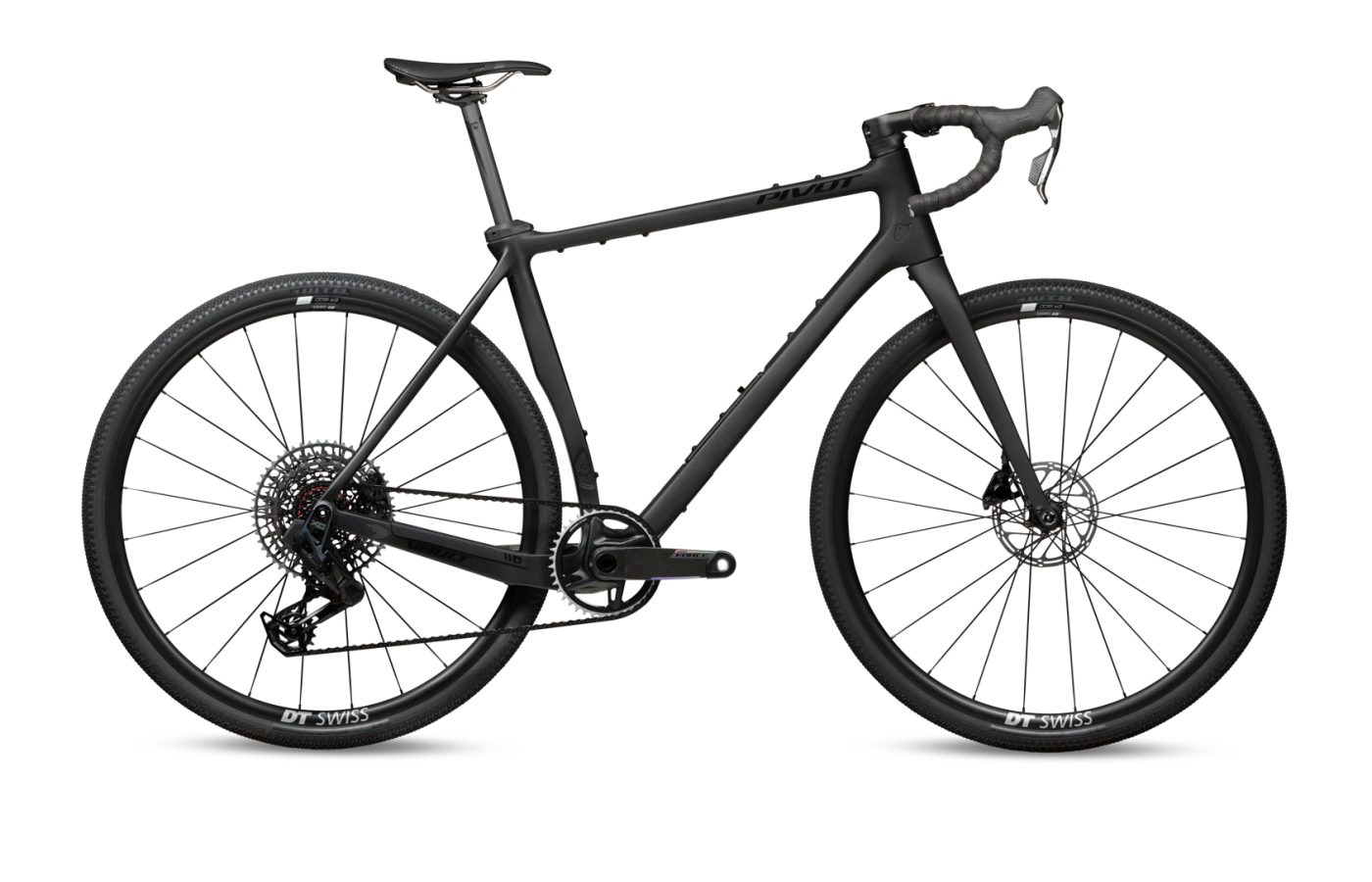
Cervelo Aspero vs Pivot Vault
Read comparison→Cervelo Aspero vs Ridley Kanzo Fast
Read comparison→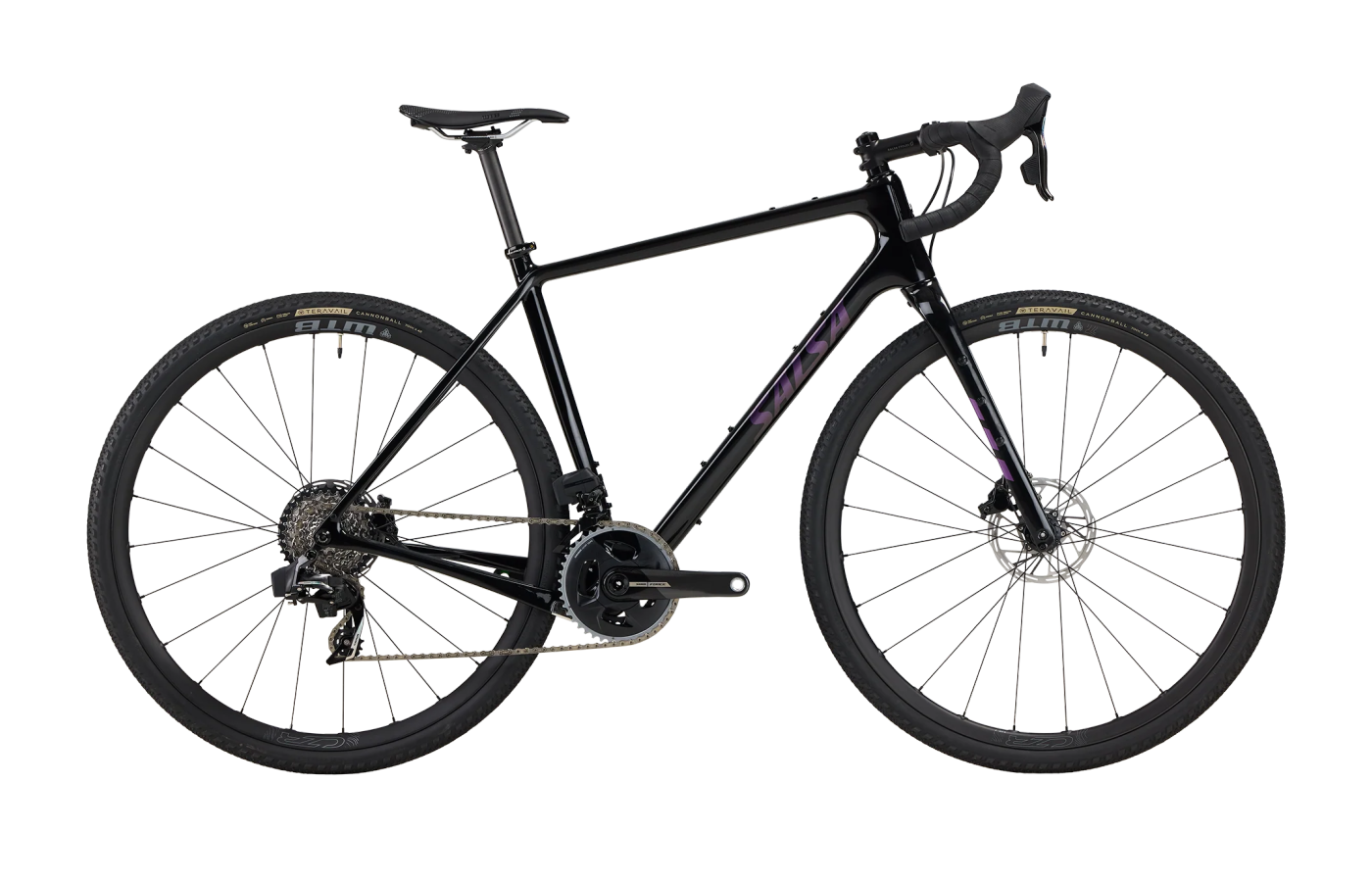
Cervelo Aspero vs Salsa Warbird
Read comparison→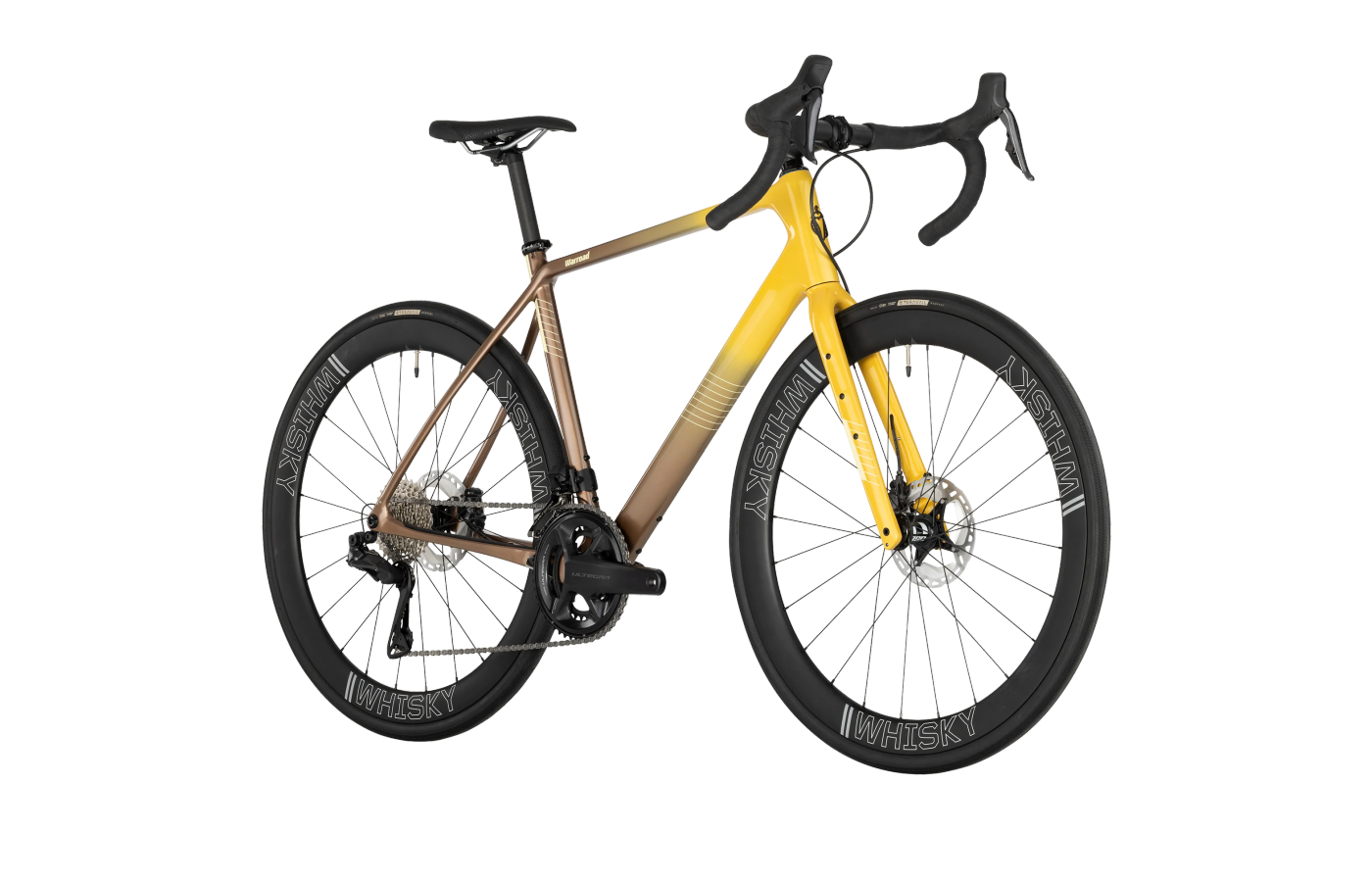
Cervelo Aspero vs Salsa Warroad
Read comparison→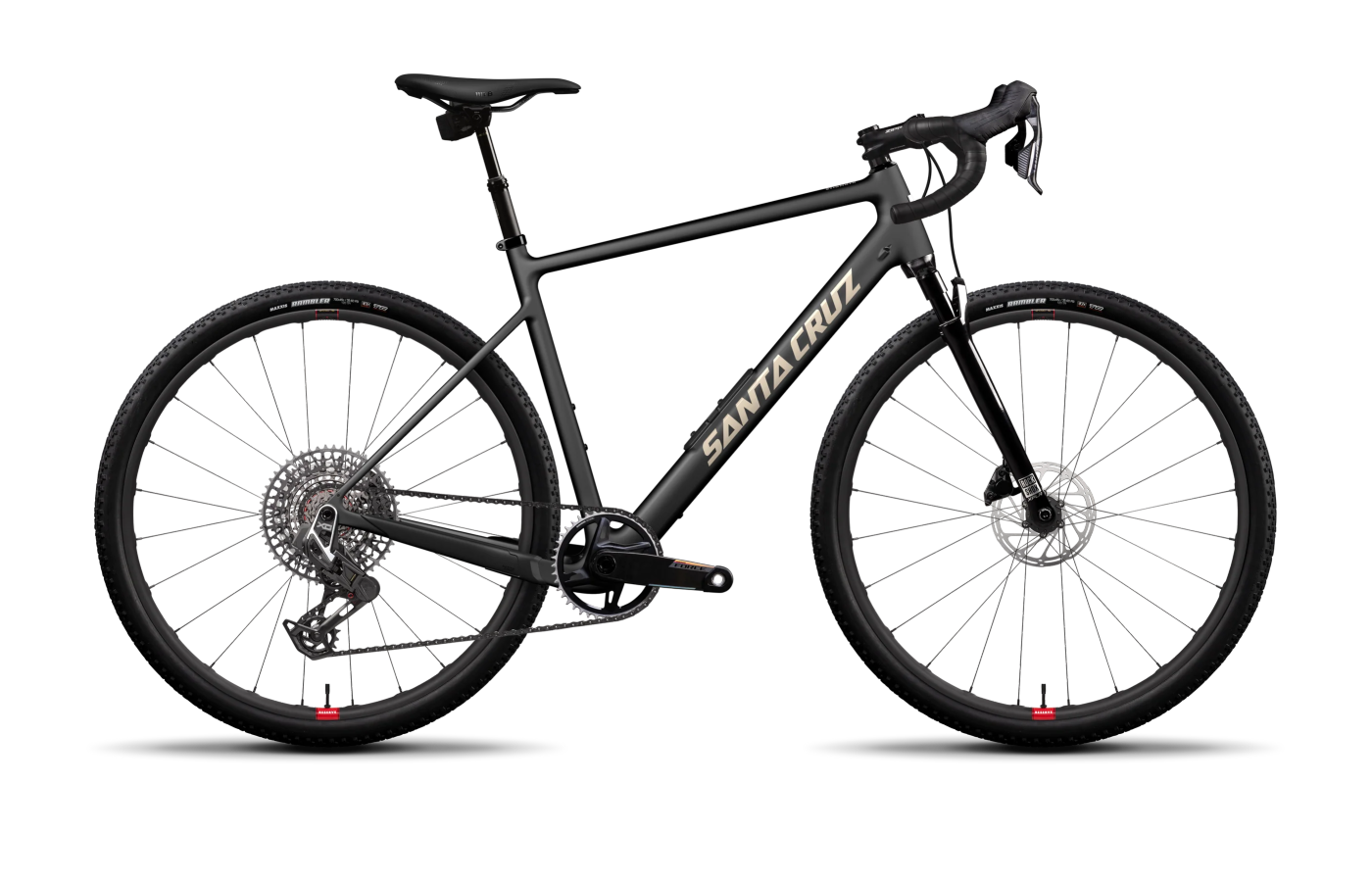
Cervelo Aspero vs Santa Cruz Stigmata
Read comparison→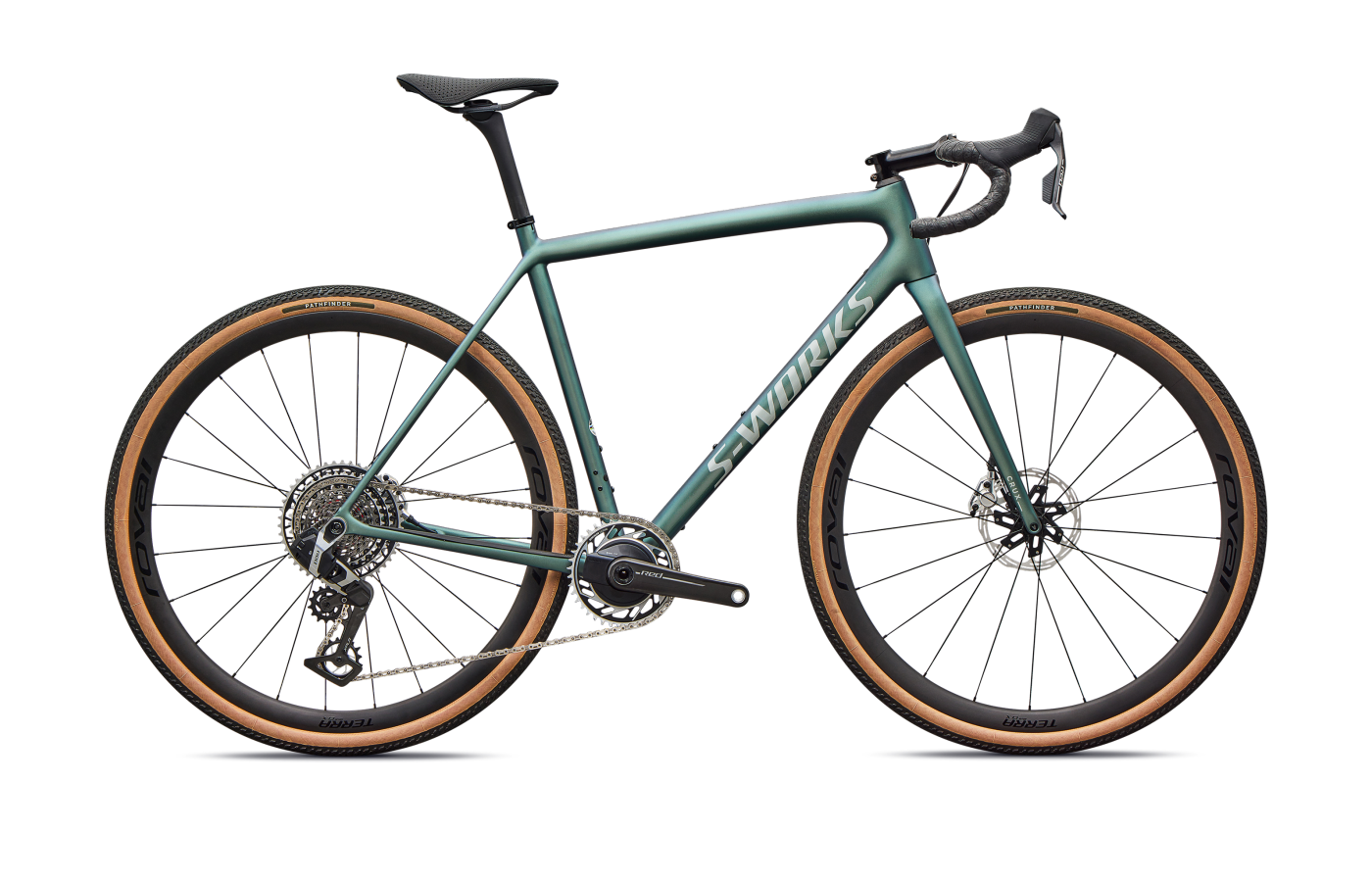
Cervelo Aspero vs Specialized Crux
Read comparison→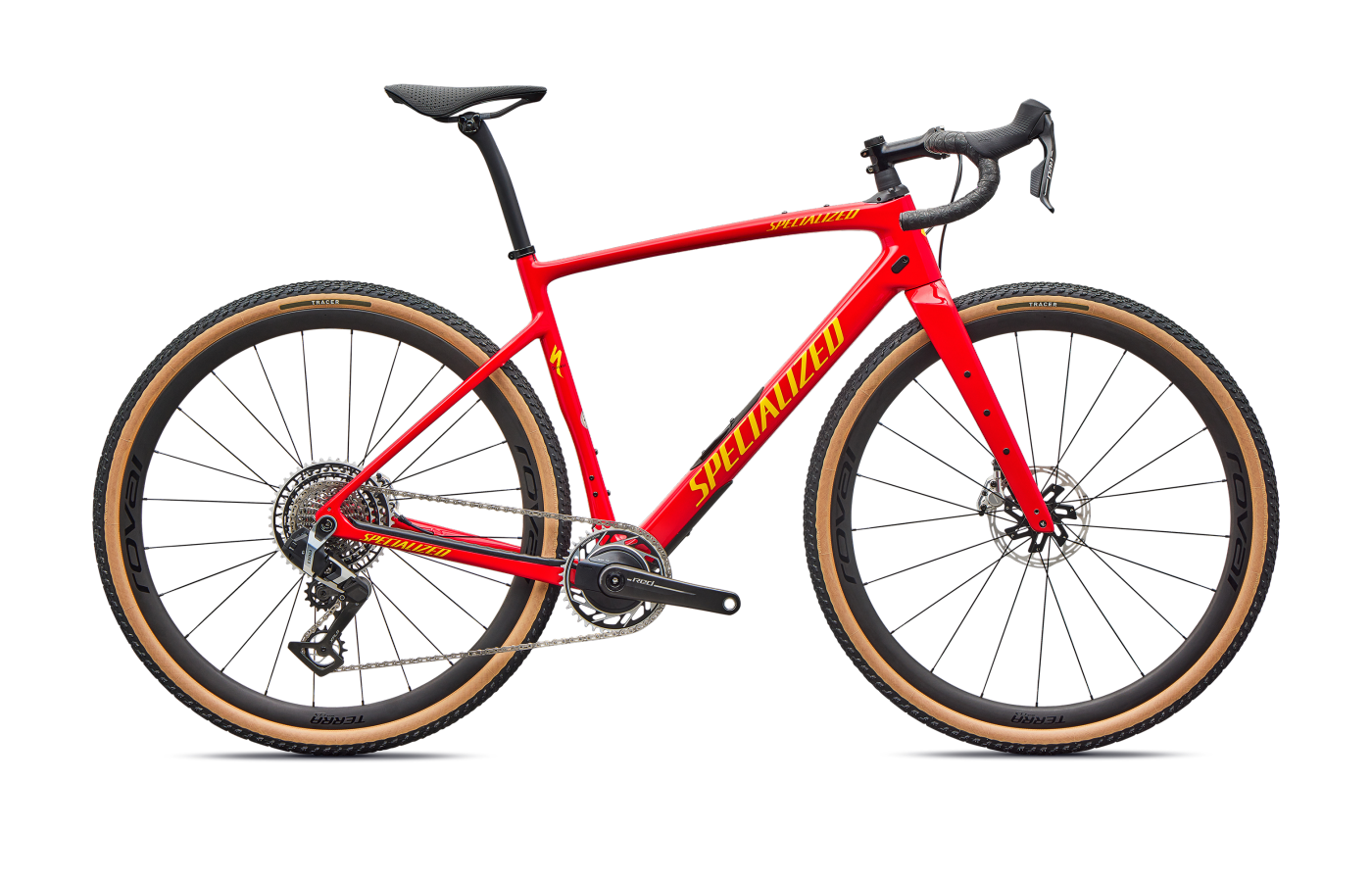
Cervelo Aspero vs Specialized Diverge
Read comparison→