Kaius
vsAspero
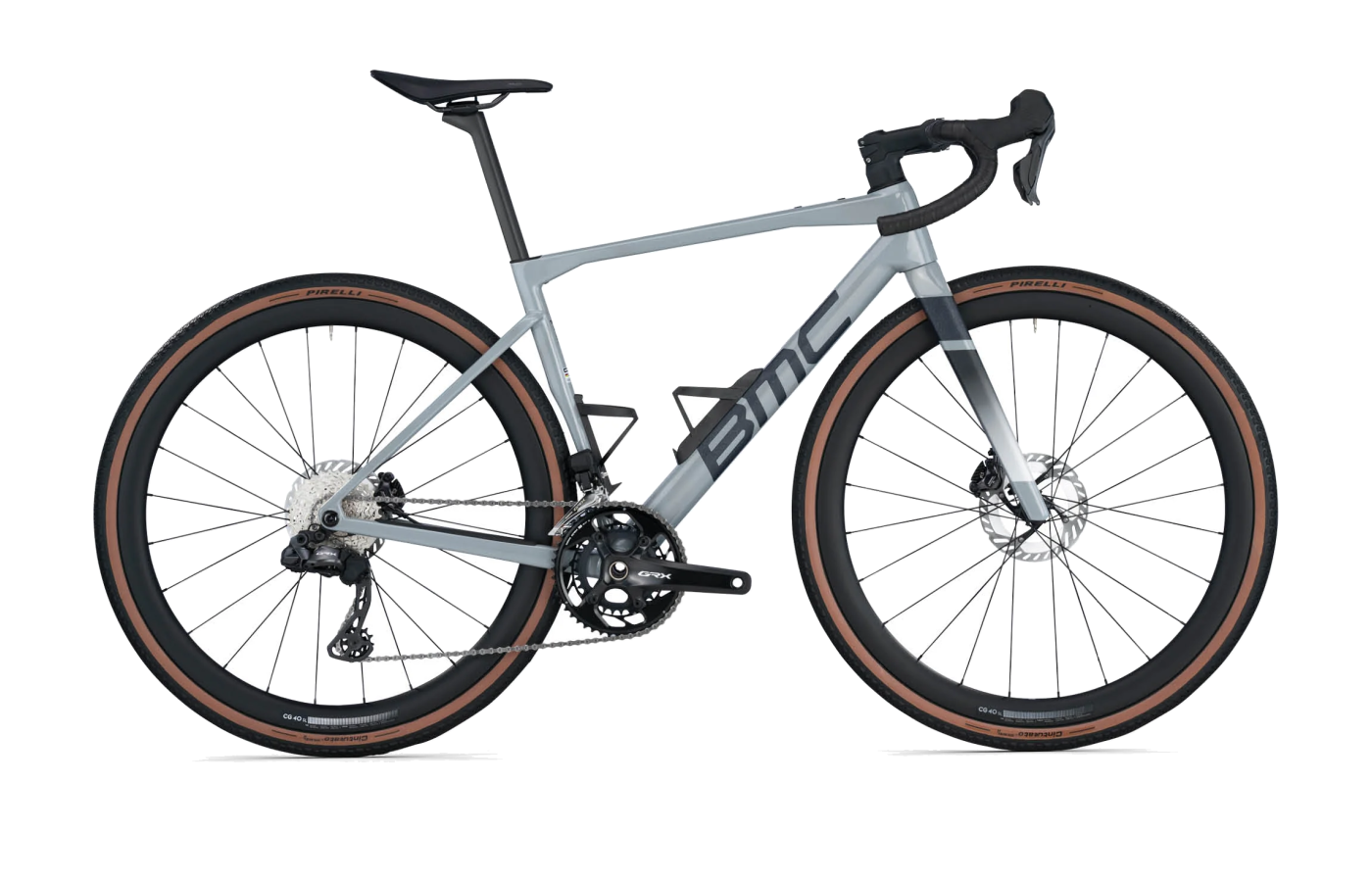
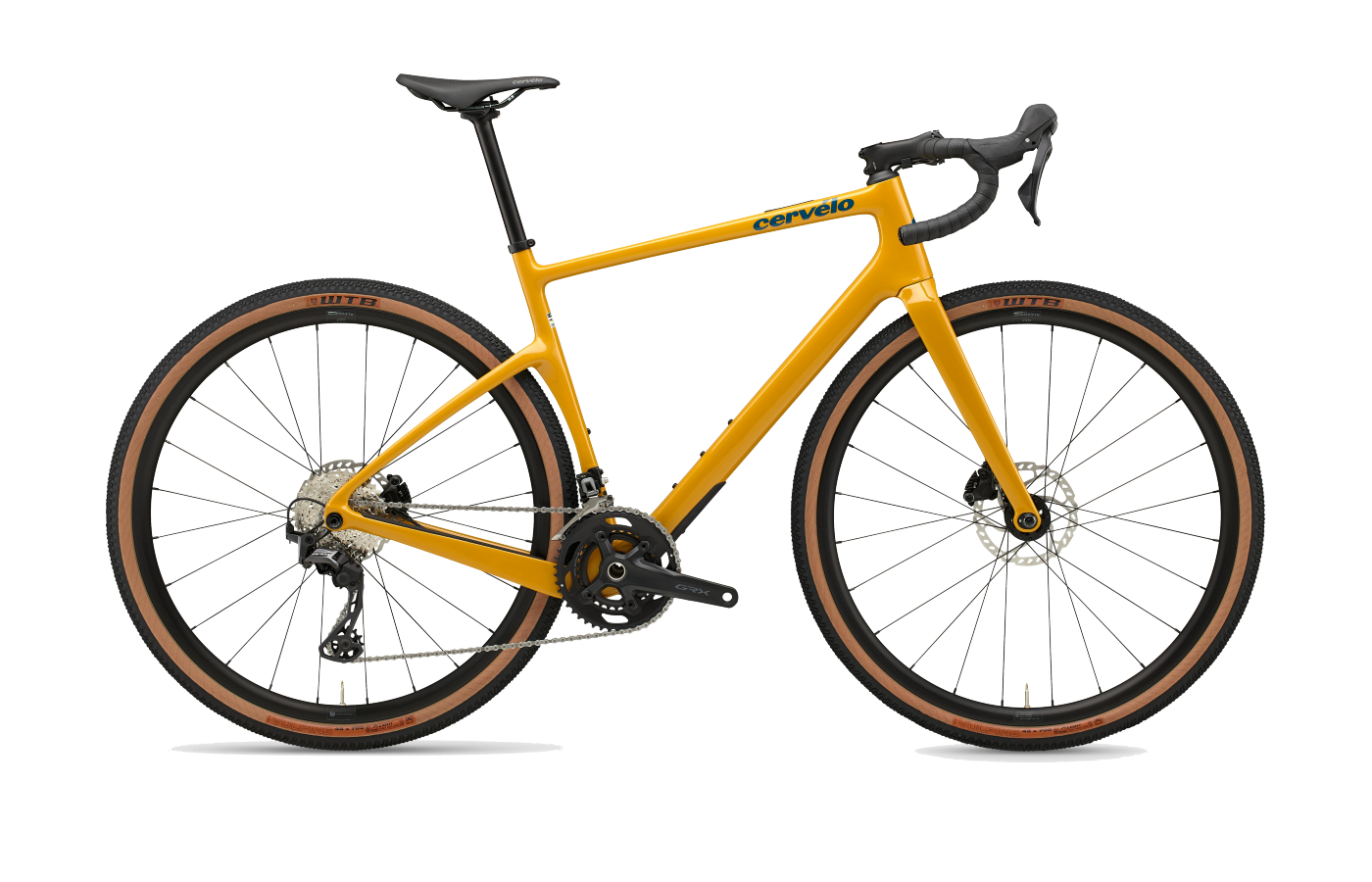
Two gravel racers, two different verdicts on comfort.
The BMC Kaius is the road-bike-on-knobbies extremist. The Cervelo Aspero is its more livable, less expensive cousin.
Kaius
- Race-bred efficiency — stiff bottom bracket, 7.5 kg flagship weight, and an ICS cockpit tuned for an aero tuck above 35 km/h.
- Aggressive race geometry with a long 401 mm reach and slammed 550 mm stack at 54 — "sitting in" the bike rather than on it.
- Top-tier integration — Aerocore frame, integrated bottle cages, stealth thru-axles, and one of the cleanest aero gravel silhouettes on the market.
- Firm ride that reviewers call "bone-shaking" on rough or technical terrain.
- Narrow 360 mm ICS bars and full internal routing make adjustment costly and limit handling leverage off-road.
Aspero
- Refined ride quality — ~10% softer front end, dropped seatstays, and exposed 27.2 mm seatpost smooth out the harshness of the gen-one Aspero.
- Six-build range from $3,550 to $7,050 — the only one of the two with a sub-$5k entry, and the only one with mechanical Shimano GRX.
- Home-mechanic friendly — threaded T47 bottom bracket, UDH dropout, semi-integrated routing, standard 27.2 mm round seatpost.
- Quick 72° head angle with short wheelbase can feel nervous on technical singletrack.
- Stock 40 mm WTB Vulpine tires fall short of the 45 mm clearance — most reviewers immediately upsize.
Editor’s analysis
Both bikes share the same mission — haul ass, not cargo — but only one of them remembers that hauling ass for eight hours requires a frame that isn't trying to break you.
On paper the BMC Kaius and Cervelo Aspero look like the same bike: gravel race geometry borrowed from each brand's road flagship, 1x or 2x Shimano/SRAM builds, deep-section carbon options, sub-8 kg flagship weights, tire clearance in the mid-40s. Both lean hard on the idea that a fast gravel bike should feel like a slightly wider road bike. That's where the agreement ends.
The Kaius commits to that thesis with no exit ramp. Stiff carbon layup, a slammed 550 mm stack at size 54, a long 401 mm reach, and an integrated ICS cockpit with 360 mm-wide bars at the hoods — the whole bike is engineered for a tucked aero position and direct power transfer. Reviewers consistently call it "intoxicatingly fast" on smooth dirt and tarmac, and just as consistently call it "bone-shaking" the moment surfaces turn rocky or rooty. It is, by Granfondo's own line, a bike that "doesn't pretend to be for everyone."
The Cervelo Aspero takes the opposite lesson from gen one. Cervelo deliberately reduced front-end stiffness by ~10%, dropped the seatstays, exposed more of the 27.2 mm seatpost, and switched to a threaded T47 bottom bracket — all in service of taking the harshness out of the original Aspero without losing its sharpness. At size 54 it sits 5 mm taller in stack than the Kaius and runs 5 mm longer chainstays (425 vs 420 mm), a small concession that buys real comfort and mud clearance. It's still a race bike, just one you can ride for ten hours.
Pricing reinforces the personalities. The Kaius starts at $5,199 and tops out at $9,199 — there is no entry-level Aspero-killer here. The Cervelo Aspero starts at $3,550 with mechanical GRX, climbs through Apex, GRX Di2, and Rival AXS builds, and tops out at $7,050. Cervelo built a ladder; BMC built a podium.
Where the builds differ.
Comparing our editor's-pick builds side-by-side. Winners highlighted row-by-row — lower price and weight, and the better-spec component, each mark a point.
Build variants & pricing
Cervélo offers the wider ladder — six builds from $3,550 to $7,050. BMC concentrates four builds in a tighter $5,199–$9,199 range and skips the sub-$5k entry entirely.
Prices are current US MSRP. The Kaius 01 Three is the only mid-tier Kaius build that swaps the polarizing ICS Carbon Aero cockpit for a more conventional integrated bar/stem and adds a 4iiii power meter — both reasons it tends to win the spec-sheet argument over the flagship 01 One.
How they fit, how they steer.
Sizing labels diverge across the two brands — the Kaius 47 and the Aspero 54 are the fit-picked equivalents for the same rider. At those sizes both run a 71–72° head tube and similar reach, but the Kaius sits 45 mm lower in stack and 5 mm shorter in the chainstays — a substantially more aggressive cockpit.
Which size should I buy?
BMC's Kaius uses traditional centimeter sizes that read small relative to most brands; Cervélo's Aspero numbering aligns more closely with road-bike convention.
→These are starting points. Flexibility, riding style, and preferred position all shift the answer — if you’re between sizes, a professional fit beats a chart.
What the magazines said.
Published reviews from trusted cycling outlets. Click through for the full write-up.
Which one should you buy?
If you race gravel above all else and want the most aero, most aggressive frame in the segment, get the Kaius. If you want a fast gravel bike you can also ride for eight hours, get the Aspero.
Kaius
If your calendar is built around Unbound, SBT GRVL, and Lil Sugar — and your idea of a great gravel bike is a Teammachine SLR with 40 mm tires — the Kaius is the most committed expression of that thesis. Just bring the fitness, the flexibility, and a tolerance for the firm ride.
Aspero
If you want a fast gravel bike that also makes it through a 200 km mixed-surface day without wrecking your hands and back, the refined gen-two Aspero is the more sensible tool. It still races; it just doesn't punish you for choosing it on the flat days too.
Questions buyers actually ask.
Short answers to the things we get emailed about most often.
01Which is the more comfortable bike on rough gravel?
The Cervélo Aspero, by a clear margin. Cervélo's gen-two update was specifically aimed at comfort: front-end stiffness reduced ~10%, dropped seatstays to flex more freely, and a more sloped top tube that exposes more of the 27.2 mm carbon seatpost. Reviewers describe an "impressively quiet ride" with high-frequency vibration filtered out before reaching the contact points.
The BMC Kaius is the opposite philosophy. Multiple reviews call it "bone-shaking" or a "bone rattler" on choppy surfaces, with comfort relying "heavily on the tires." If you ride a lot of rocky or rooty gravel, the Aspero is the obvious choice.
02Which is faster?
It depends on the terrain. The BMC Kaius is the more aero package — narrow ICS bars (360 mm at the hoods, flaring to 420 mm in the drops), Aerocore-integrated bottle cages, and a slammed riding position that reviewers say motors "along at road bike speeds with ease" on smooth dirt and tarmac. Top-spec it weighs 7.5 kg.
The Aspero is no slouch — Cervélo claims 4.2 W of aero savings over gen one — but the Kaius is the more committed aero platform. On flat, smooth, fast courses the Kaius should be measurably quicker. On rougher, longer events where comfort buys watts at hour six, the Aspero closes the gap.
03What's the maximum tire clearance on each?
BMC Kaius: 44 mm officially. Reviewers note the stock 40 mm Pirelli Cinturato Gravel H tires already look tight between the stays, so mud clearance with anything wider is limited.
Cervélo Aspero: 45 mm officially for 700c (47–48 mm for 650b), with a claimed 6 mm of mud clearance at the stock 44 mm width.
Neither is a singletrack rig — for chunkier terrain, look at a Cervelo Aspero 5, BMC URS, or a dedicated dropper-equipped gravel bike.
04Are the integrated cockpits a problem?
On the Kaius 01 One, yes — the ICS Carbon Aero one-piece cockpit has 360 mm-wide bars at the hoods, full internal routing, and changing stem length or bar width means a new unit and a brake bleed. Reviewers call it both polarizing and beautiful. The lower-tier Kaius 01 Two and 01 Three ship with a more conventional integrated bar/stem instead, which most buyers find easier to live with.
The Aspero uses a semi-integrated setup — Cervélo's ST36 alloy stem with the AB09 carbon bar, hoses external under the stem before entering the frame. Reviewers describe it as "home mechanic-friendly," with stem swaps possible without re-routing.
05Which has better build options at a real-world price?
The Aspero has the wider ladder and the lower entry point. Six builds from $3,550 (Shimano GRX RX610 mechanical) to $7,050 (GRX Di2 RX825), with three meaningful mid-tier options: Apex XPLR at $4,550, Rival XPLR AXS at $5,800, and the GRX Di2 at $7,050.
The Kaius lineup is shorter and pricier: four builds from $5,199 (Rival AXS) to $9,199 (Red AXS), all on the same Kaius 01 Premium Carbon frame. There is no sub-$5k Kaius. If your budget is under $5,000, the comparison ends here.
06Which is more serviceable long-term?
The Aspero. The 2024 update brought a threaded T47 bottom bracket (no more press-fit creak), a SRAM UDH derailleur hanger (universally available), a standard 27.2 mm round seatpost (dropper-compatible), and semi-integrated routing that doesn't require pulling hoses to swap a stem.
The Kaius uses a PF86 press-fit bottom bracket and full internal routing through the ICS cockpit — both work fine but cost more time at the shop. Velo describes the routing as "a massive hassle to swap" if you want a different bar width.
07Can I bikepack on either?
Not really, by design. Both brands explicitly skip extensive bikepacking provisions — neither has fender mounts, and mounting points are limited to the basics. Cervélo includes a top-tube bag and three bottle cages stock, which helps, but the "haul ass, not cargo" tagline tells you what these bikes are for.
For multi-day or fully-loaded gravel touring, look at a BMC URS, a Specialized Diverge, or a dedicated adventure platform like the Salsa Cutthroat instead.
08Is the Kaius worth the premium over the Aspero?
Only if you're racing. The Kaius is lighter (7.5 kg vs ~7.9 kg at top spec), more aero, and more aggressively positioned — and reviewers agree it's a genuine race weapon for windy, fast courses. But the Aspero is consistently described as offering "surprisingly good value" within the premium gravel set, often undercutting BMC, Specialized, and 3T at equivalent component levels.
For 90% of buyers, the Aspero gets you most of the speed at a meaningful discount with a noticeably more livable ride. The Kaius is the right answer if you've already done the math on your race calendar and decided the marginal gains are worth it.
Similar bikes
If your priorities don’t map cleanly onto either of these, one of these adjacent bikes probably fits better.
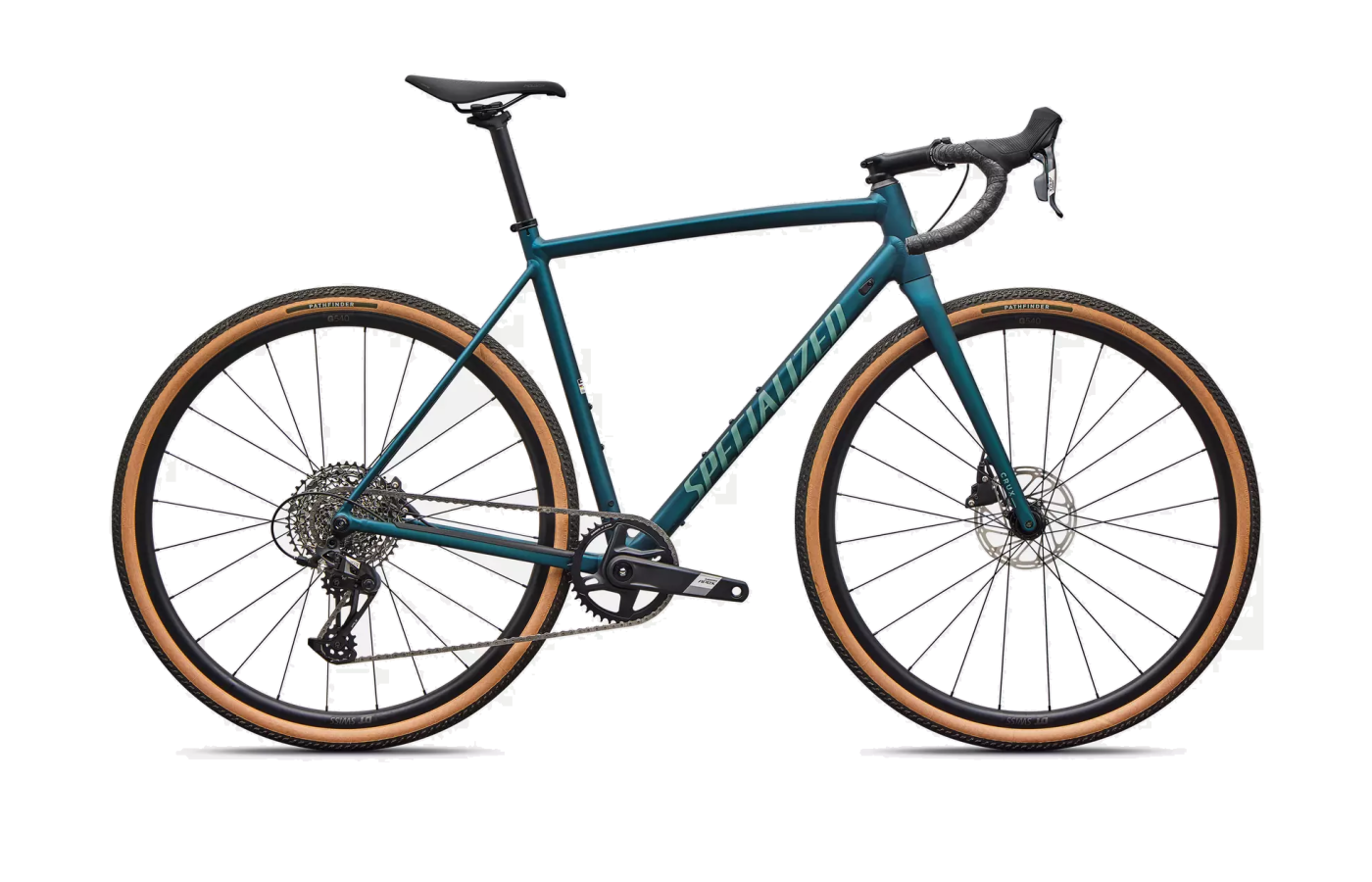
Crux
The lightweight gravel-racer benchmark — round tubes, no aero theater, and a frame that rewards climbing over flat-out aero. If you want a Kaius-rivalling race bike that gives up the integration in exchange for grams, the Crux is the alternative everyone considers.
Compare →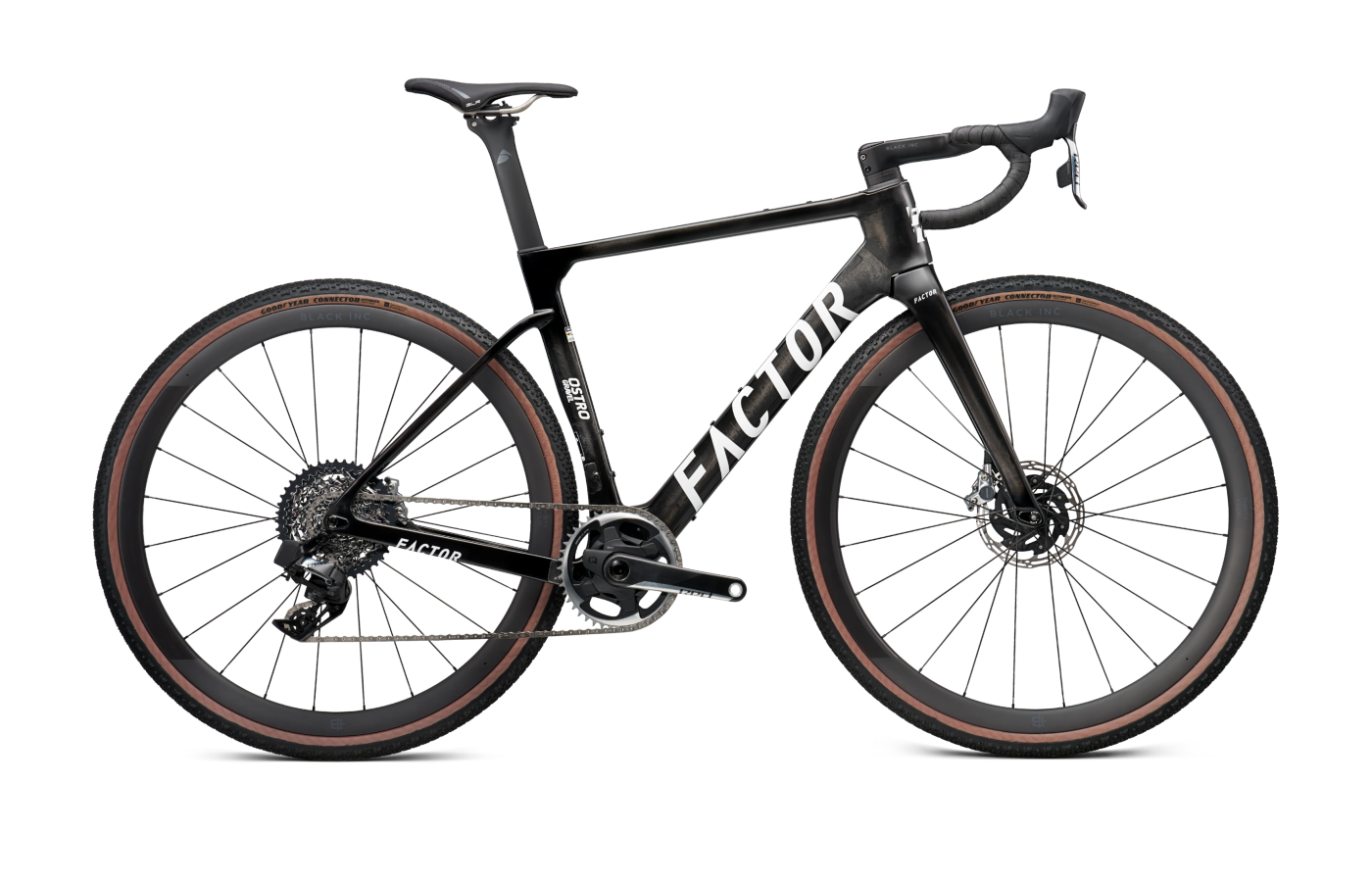
Ostro Gravel
Factor's aero-gravel answer with a similarly aggressive position and deep tube shapes — closer in philosophy to the Kaius than the Aspero, with a boutique price and pro-team pedigree to match.
Compare →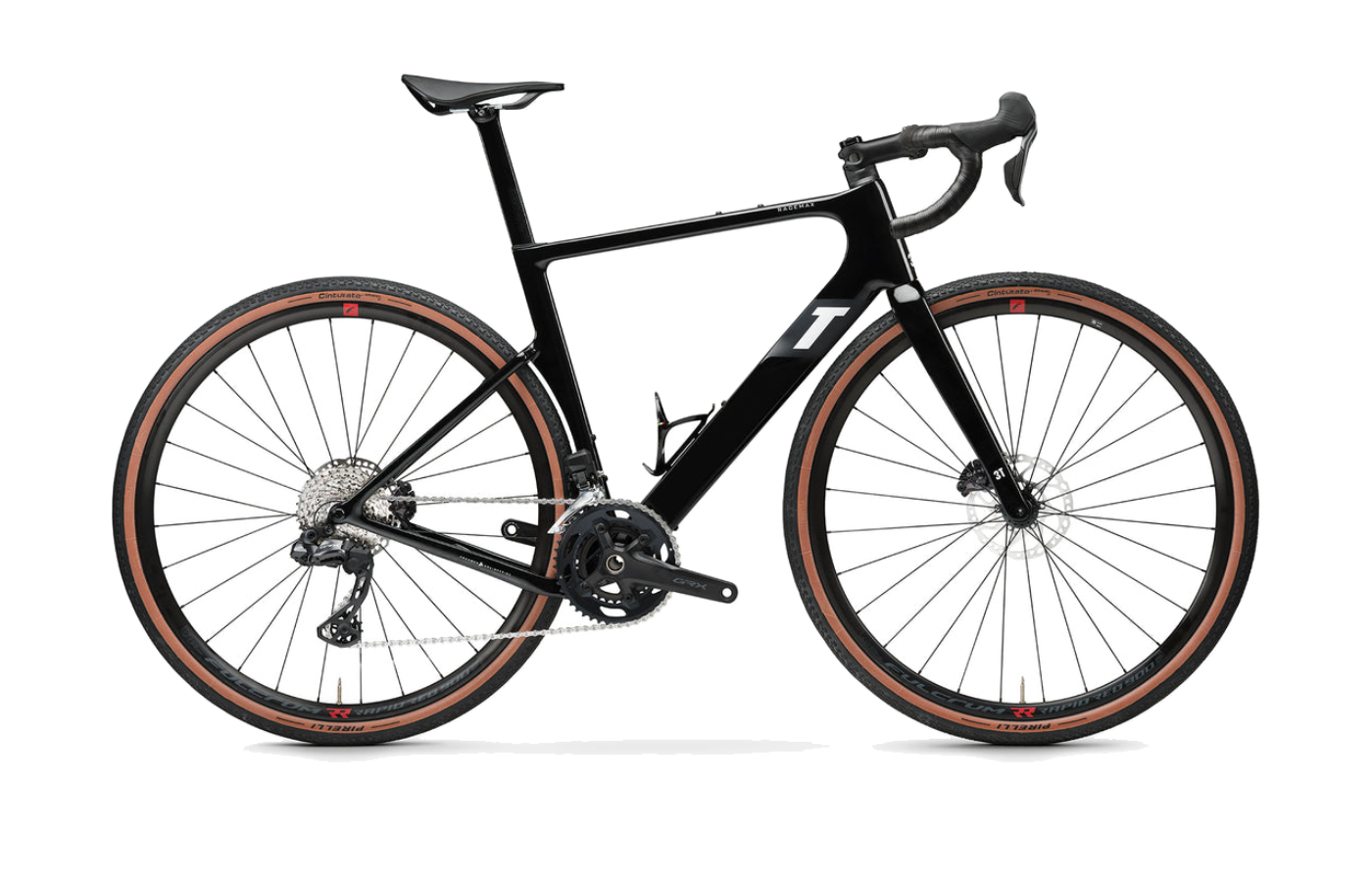
RaceMax
The original aero gravel bike. 3T designed the geometry around wider tires from day one, prioritizing speed on mixed surfaces with a road-like position. A direct philosophical neighbor of both bikes here.
Compare →