Kaius
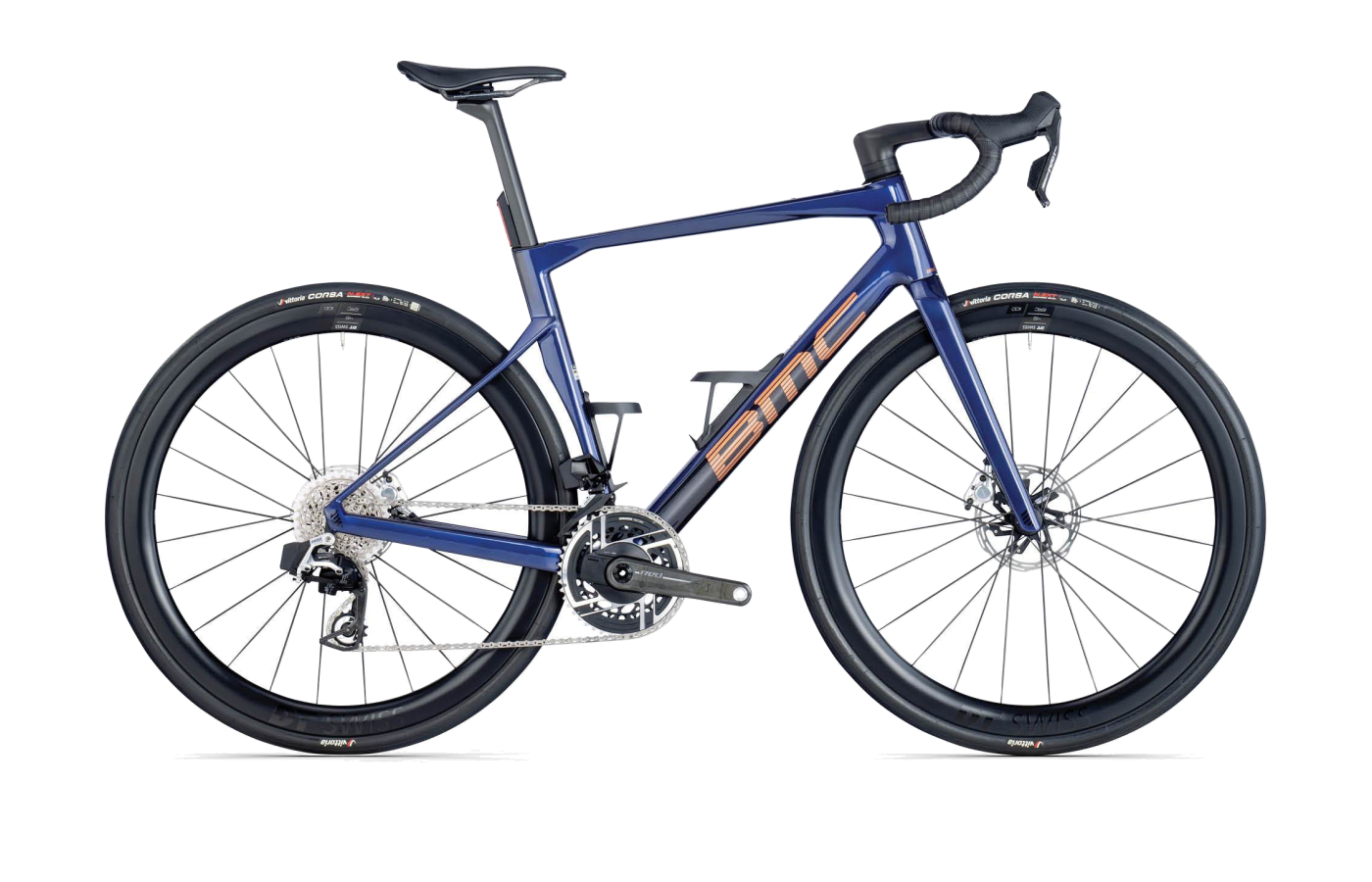
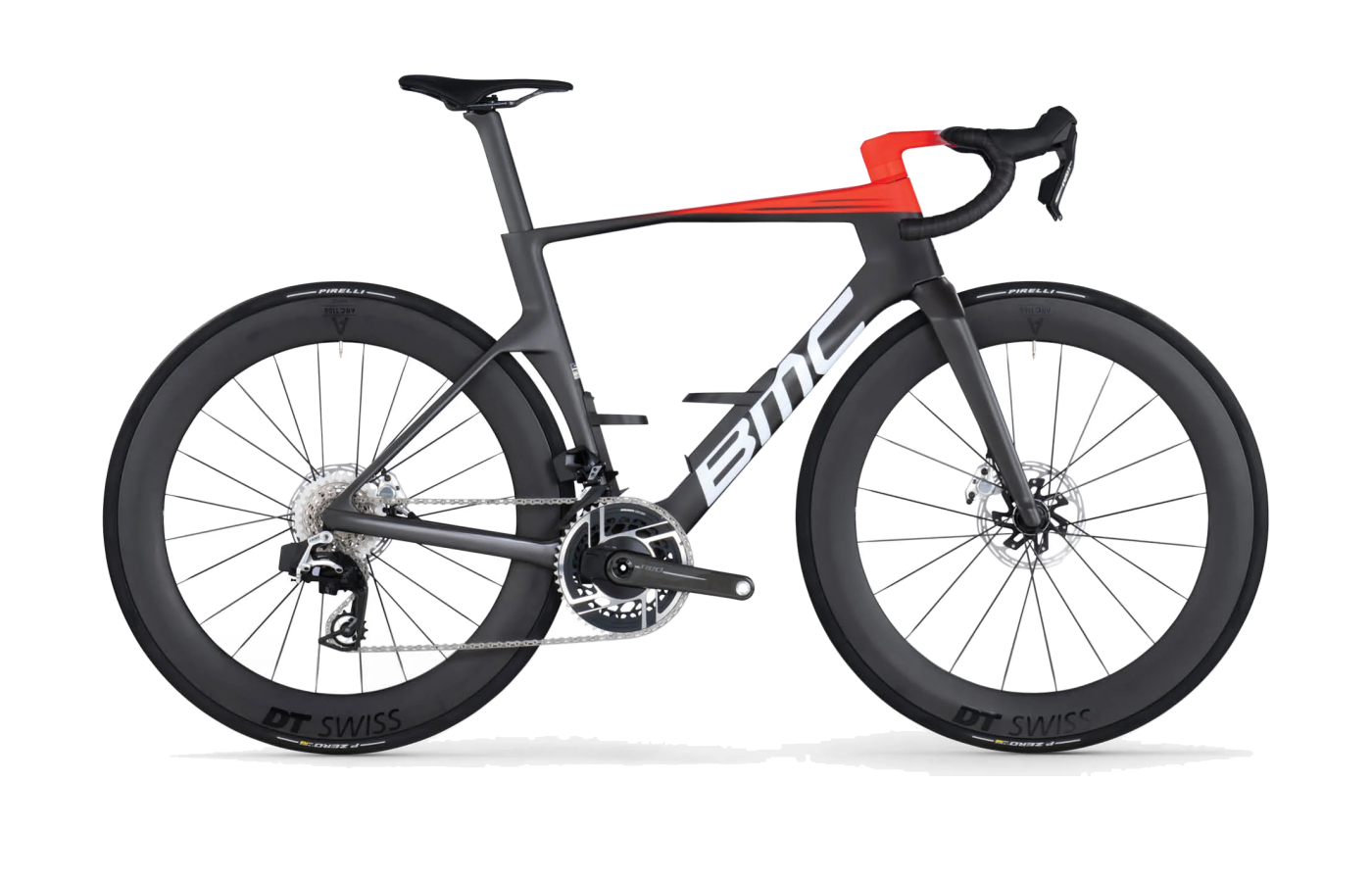
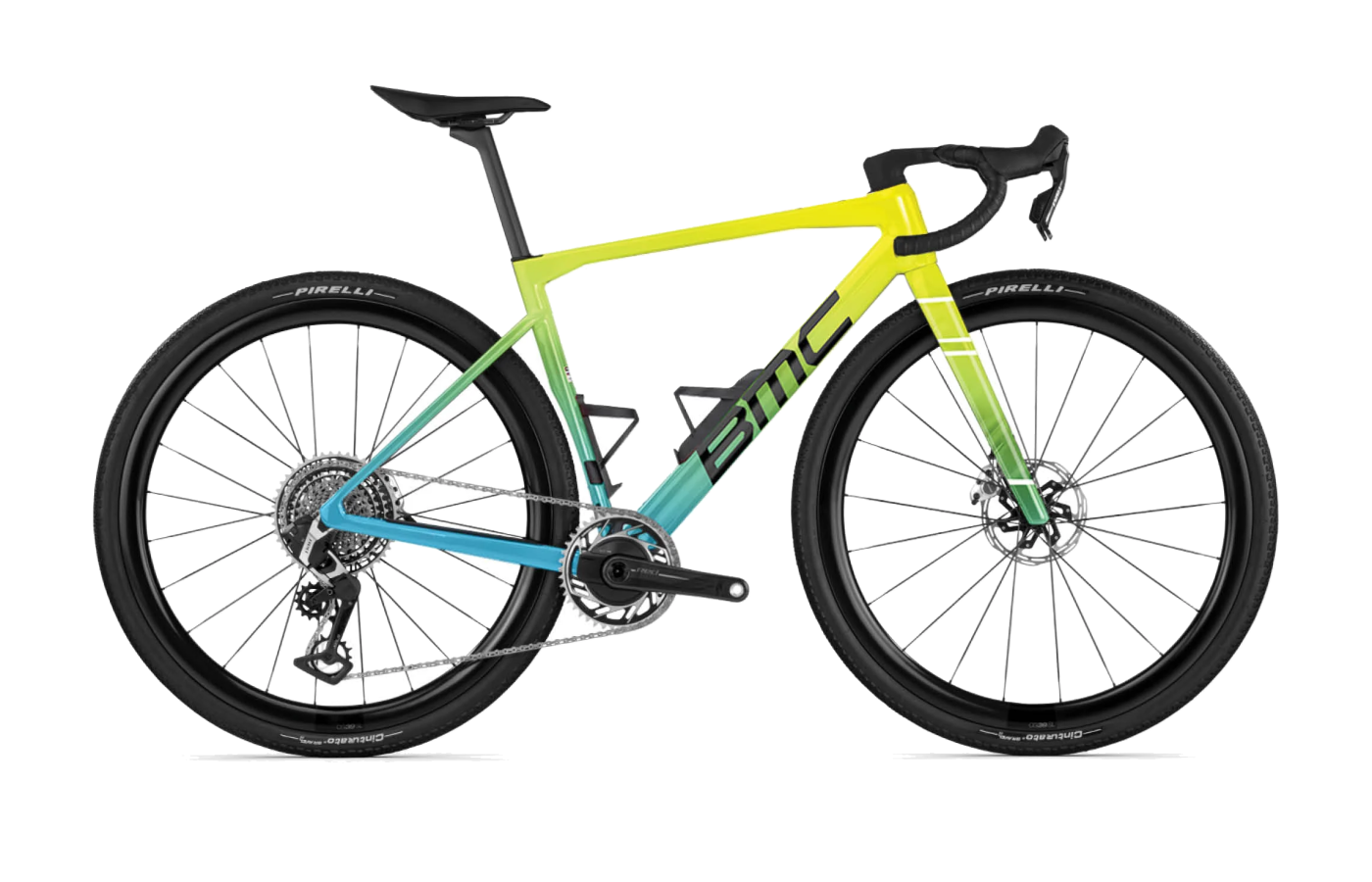
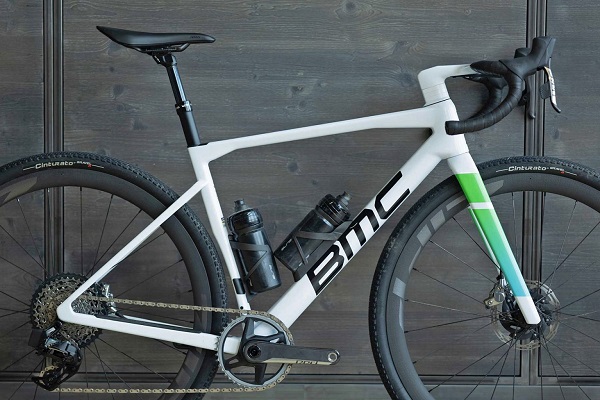
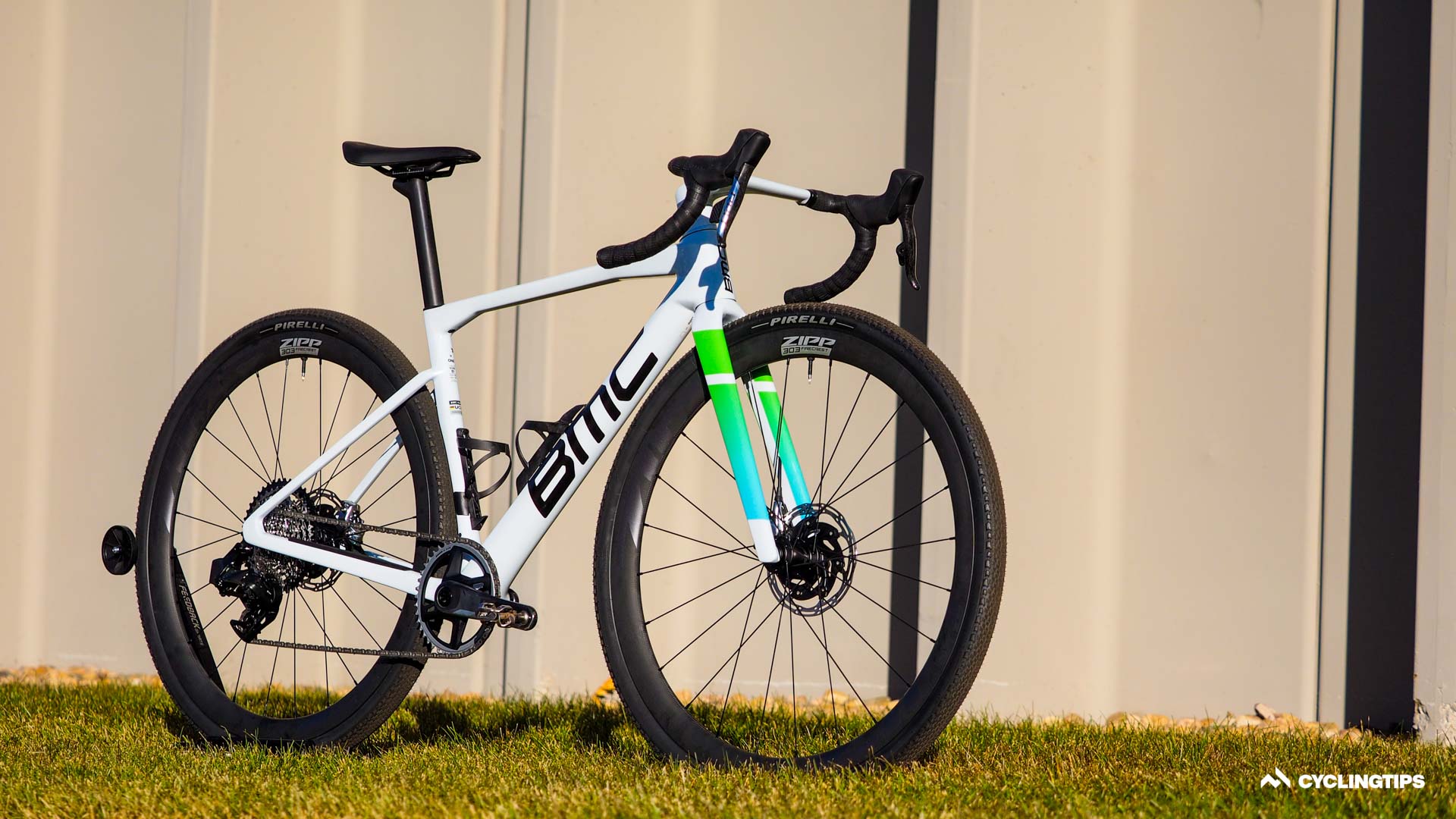
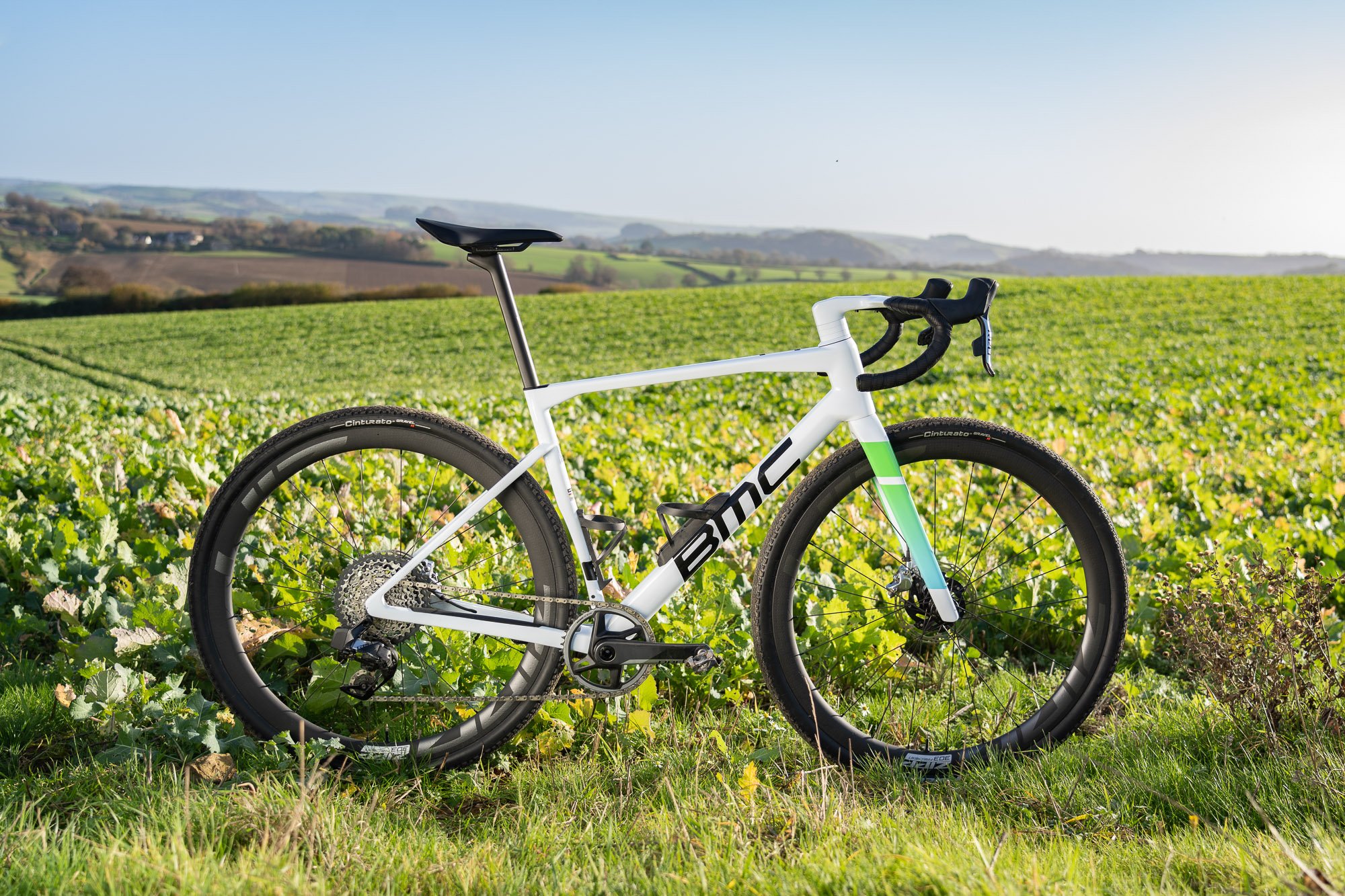
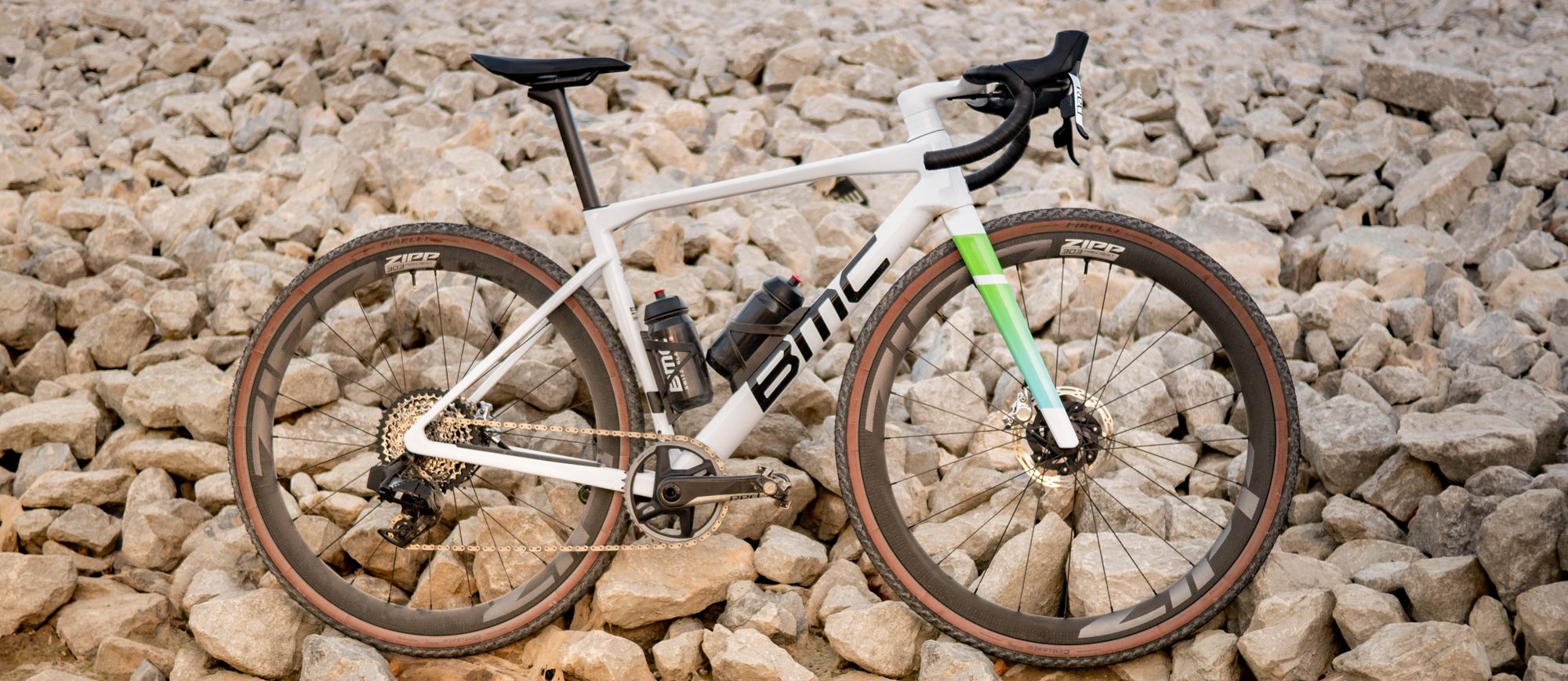
The BMC Kaius is a dedicated gravel race platform built for high-speed efficiency on unpaved roads. Introduced in late 2022, it sits apart from BMC’s exploration-focused URS line, drawing heavily on the brand's road racing heritage. The frame utilizes aerodynamic tube shaping, fully hidden cable routing, and integrated bottle cages to minimize drag, while maintaining clearance for tires up to 44mm.
Designed strictly for competitive efforts and fast-paced riding, the Kaius prioritizes power transfer and low weight over plush comfort or bikepacking utility. It suits experienced riders who want a highly responsive, aggressive machine for smooth dirt, fire roads, and mixed-surface events. While it incorporates subtle compliance features like a D-shaped carbon seatpost, the platform remains fundamentally rigid, demanding a skilled pilot when the terrain turns technical.
Geometry & fit.
6 sizes published.
The Kaius utilizes a progressive, race-oriented geometry that stretches the rider out and keeps their center of gravity low. BMC pairs a notably long reach with a shorter stem, a design intended to push the front wheel forward for high-speed stability while maintaining quick steering inputs. Combined with a low stack height and a steep head tube angle, the setup forces an aggressive, aerodynamic posture similar to a dedicated road bike.
A defining and polarizing element of the fit is the ICS Carbon Aero cockpit, equipped on the higher-end builds. The integrated bar measures an exceptionally narrow 360mm at the hoods across all frame sizes, flaring out to 420mm in the drops. This forces the rider's shoulders inward to reduce aerodynamic drag, which benefits sustained efforts on open roads but noticeably limits steering leverage on technical descents. A low 80mm bottom bracket drop helps counteract the quick front end by keeping the rider seated deep within the bike, fostering a stable sensation through sweeping corners.
Where the handlebar sits relative to the bottom bracket — the single most important fit pair.
01Fit geometry6 values
03Handling geometry8 values
Which size should I buy?
Slide your height to see the recommended size. GearWise's fit algorithm works from the published stack, reach, and ETT — the brand's own recommendation may differ.
→Calculated from GearWise's own stack / reach / ETT algorithm — the brand's size chart may recommend a different size, and a proper bike fit beats any calculator.
The lineup.
4 builds, ranging $5,199 – $9,199.
The Kaius lineup is built entirely around the same premium carbon frameset, meaning the core ride characteristics remain consistent across the range. The primary differences between tiers lie in the drivetrain components, wheelsets, and cockpit configurations.
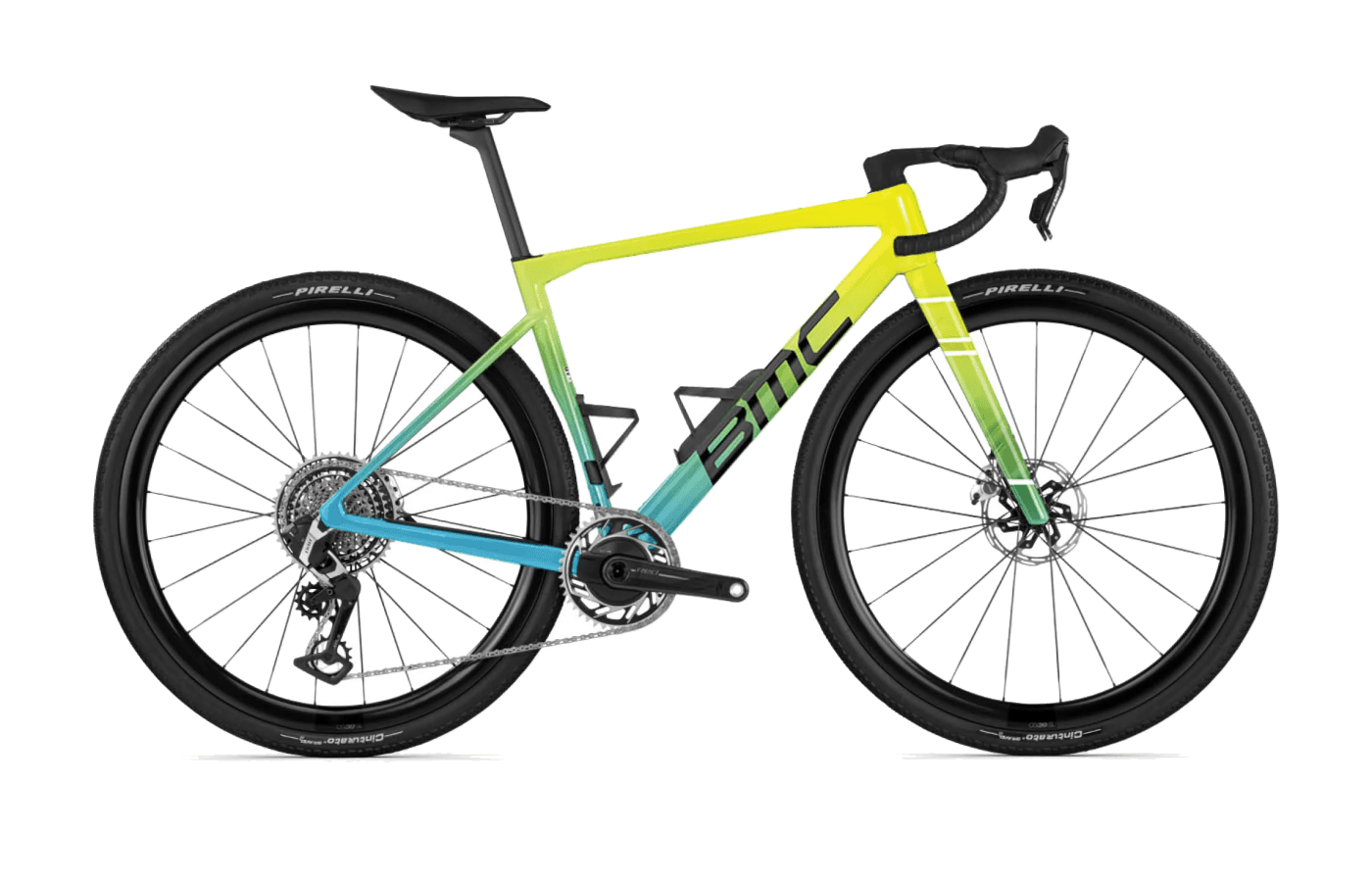
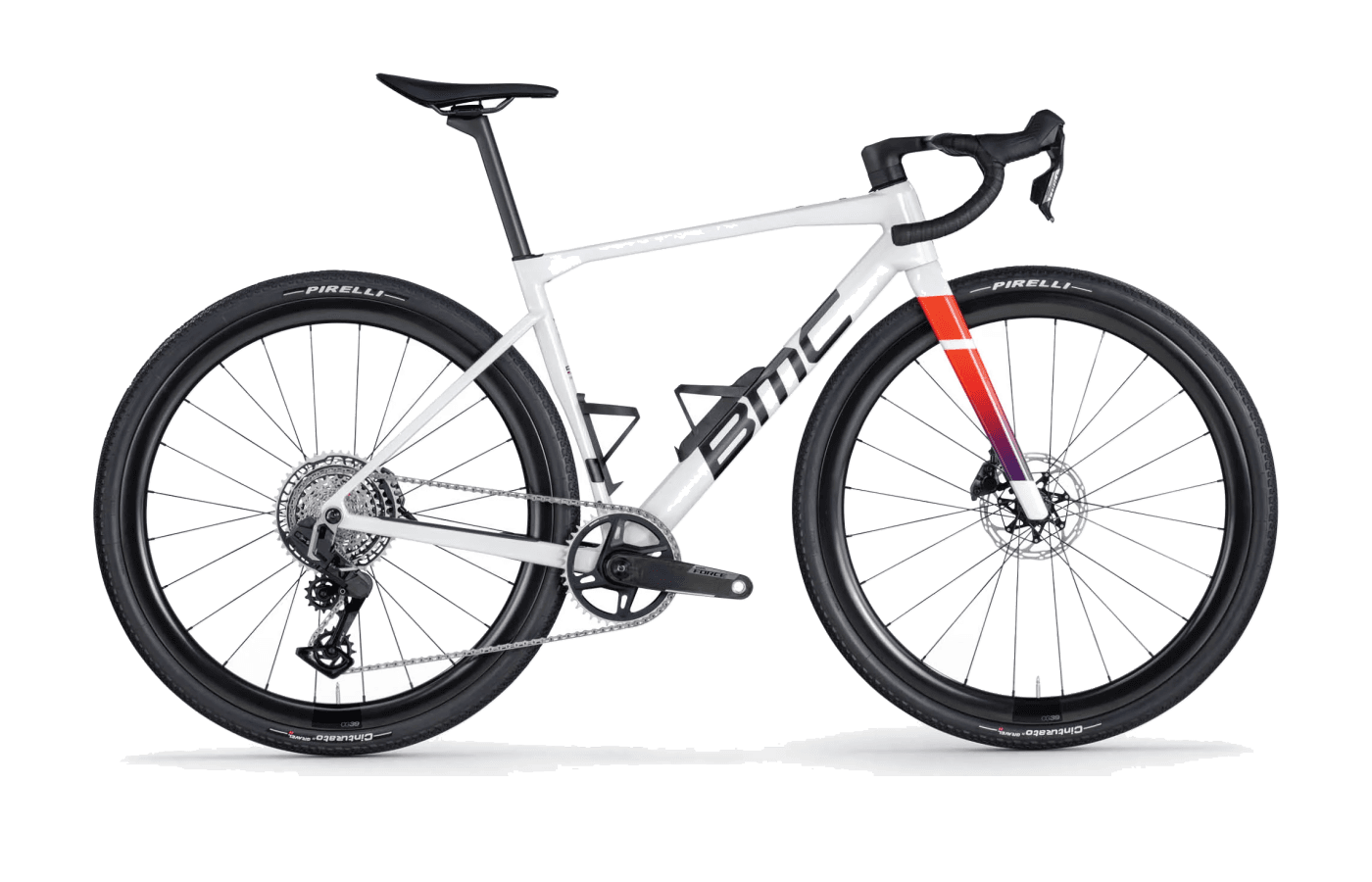
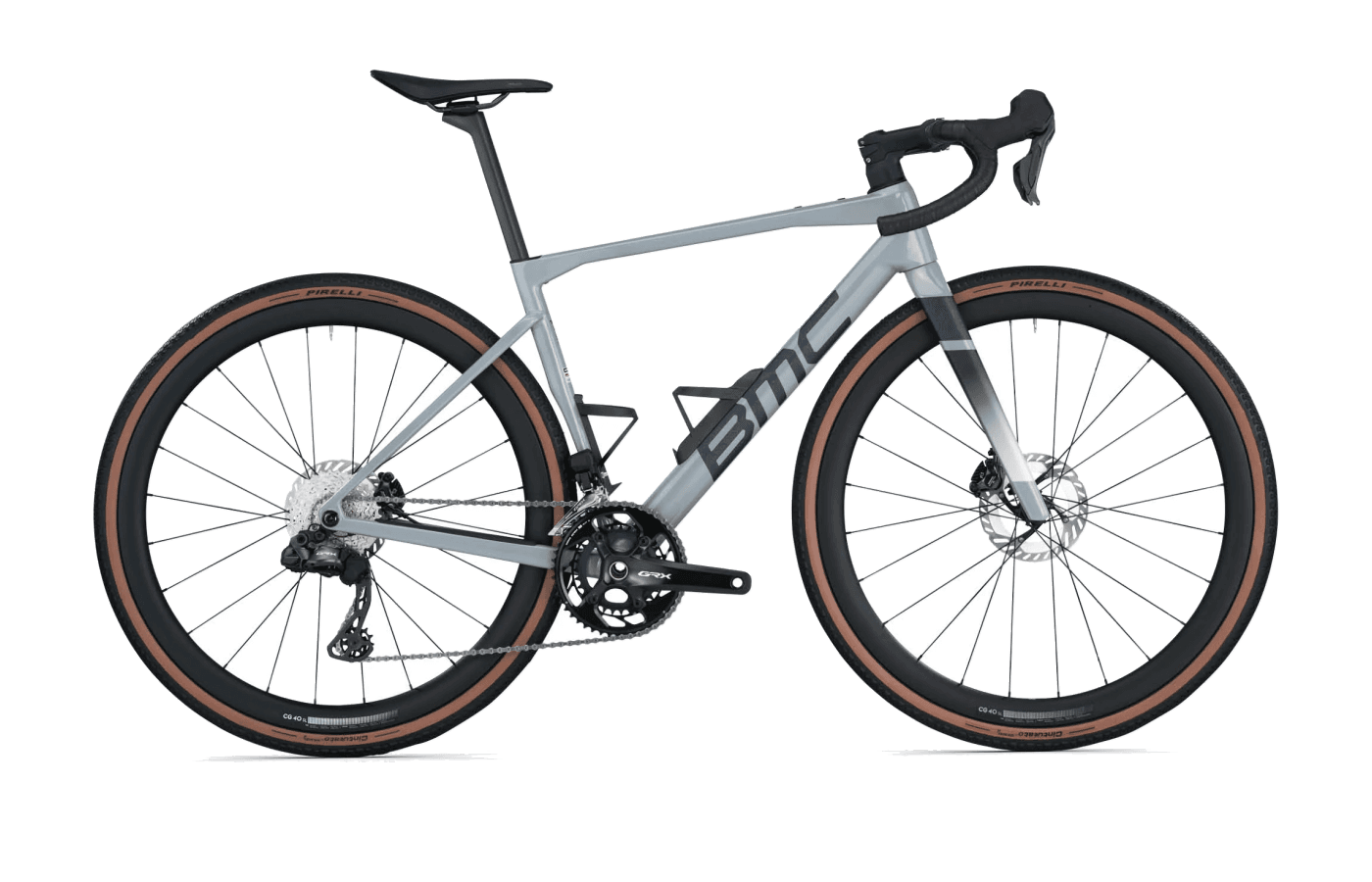
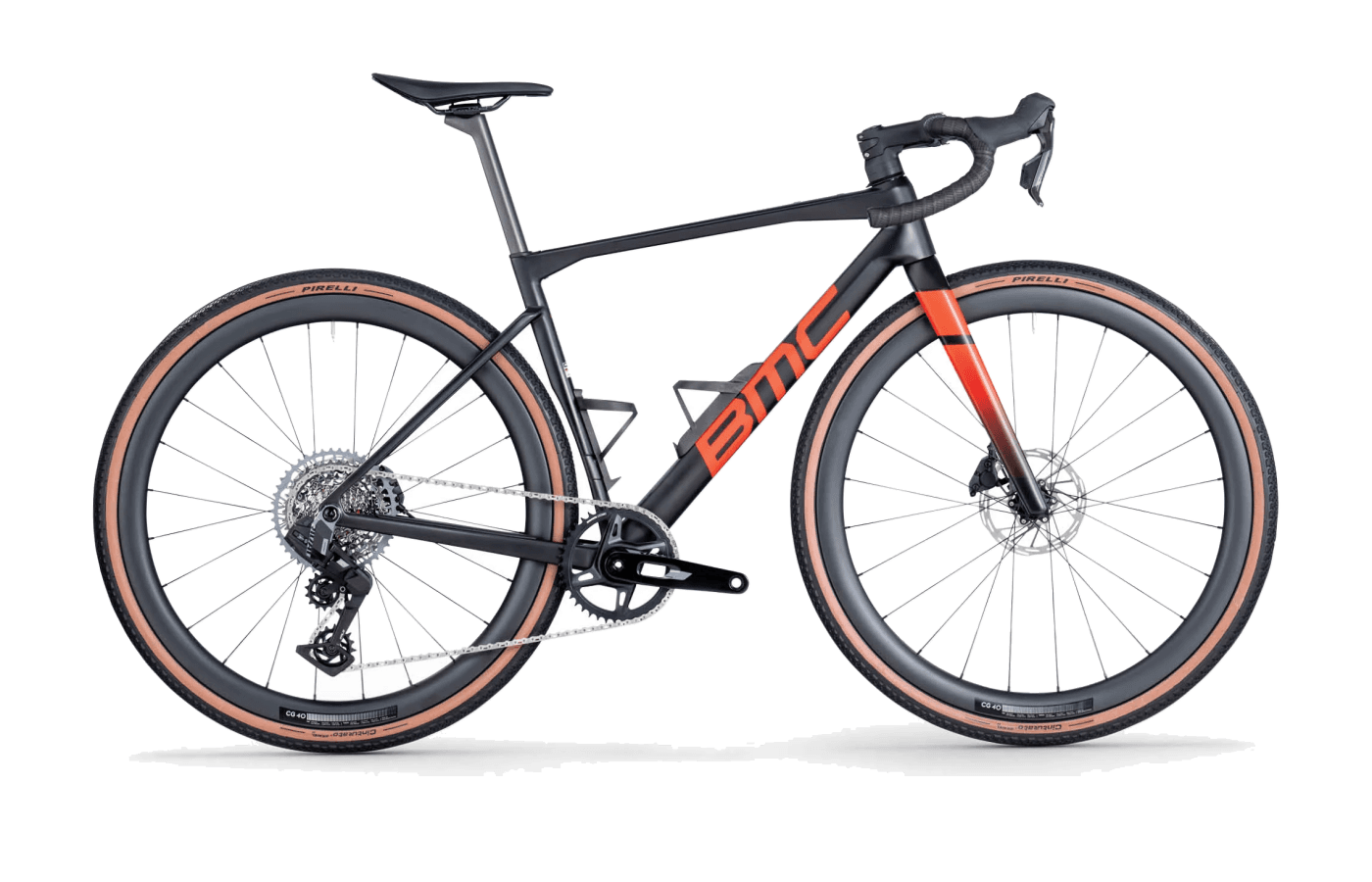
At the top of the ladder, the 01 One features a SRAM Red XPLR AXS 1x drivetrain with an integrated power meter, paired with BMC's proprietary one-piece ICS Carbon Aero cockpit and lightweight carbon wheels. The 01 Two steps down to a SRAM Force XPLR AXS 1x group, retaining the integrated aero cockpit and carbon wheels but at a slightly higher overall weight.
The 01 Three and 01 Four models represent a significant shift in the build approach by swapping the polarizing one-piece aero bar for a conventional two-piece aluminum handlebar and stem. This provides standard width options and easier fit adjustments. The 01 Three is the only model in the current lineup to feature a 2x drivetrain, utilizing Shimano GRX Di2 alongside a 4iiii power meter. The entry-level 01 Four returns to a 1x setup with SRAM Rival XPLR AXS. All builds roll on 40mm Pirelli Cinturato Gravel H tires, emphasizing the platform's focus on fast, hard-packed surfaces.
From the press.
15 reviews from the cycling press.
Reviewers consistently characterize the Kaius as a highly specialized machine that excels on smooth gravel and tarmac but punishes riders on rougher trails. The frame’s immense bottom bracket stiffness delivers exceptional acceleration, with testers noting that "every watt of power leaving your legs is translated directly into forward motion" (Boundlessmag). On hard-packed dirt and rolling fire roads, the bike easily maintains high speeds, feeling "intoxicatingly fast" (BikeRadar) when the rider settles into an aerodynamic position.
However, that rigid efficiency comes with a distinct tradeoff in comfort. While the carbon seatpost and wide tubeless tires absorb minor chatter, the bike transmits significant feedback on rocky or root-heavy tracks. When pushed beyond light gravel, the ride quality can degrade into "bone-shaking, finger-numbing harshness up-front" (BikeRadar).
Handling is similarly polarized, heavily influenced by the narrow integrated cockpit found on the upper-tier models. While the reduced frontal area aids straight-line speed, the narrow stance reduces leverage. Testers found the steering quick and precise, but cautioned that the bike demands high rider skill in tight corners or steep descents. Ultimately, the consensus points to a platform that "doesn't pretend to be for everyone" (Magazinebike), rewarding fit, aggressive racers while proving overly demanding for casual exploration.
First ride on the BMC Kaius 01 One – a gravel bike that doesn't pretend to be for everyone
![Is BMC Kaius 01 THREE A Perfect Selection? – [BMC Kaius 01 THREE Review]](https://paklmrfyhygqlkyhjcnf.supabase.co/storage/v1/object/public/storage/review-images/bmc/kaius/2023/review-e007a9ae6e09.jpg)
Is BMC Kaius 01 THREE A Perfect Selection? – [BMC Kaius 01 THREE Review]
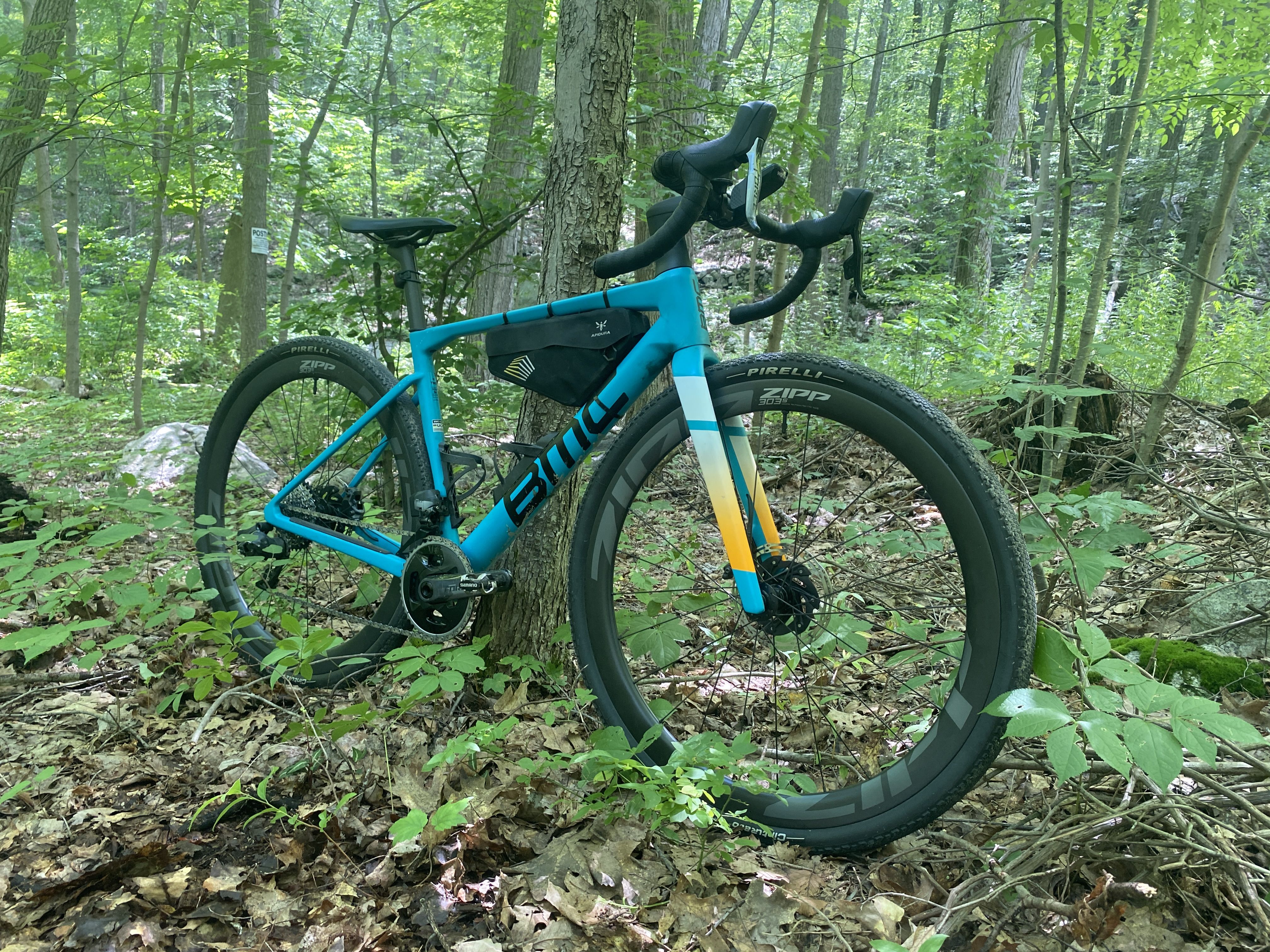
BMC Kaius 01 TWO Review: This Swiss Gravel Ace Hits a ...
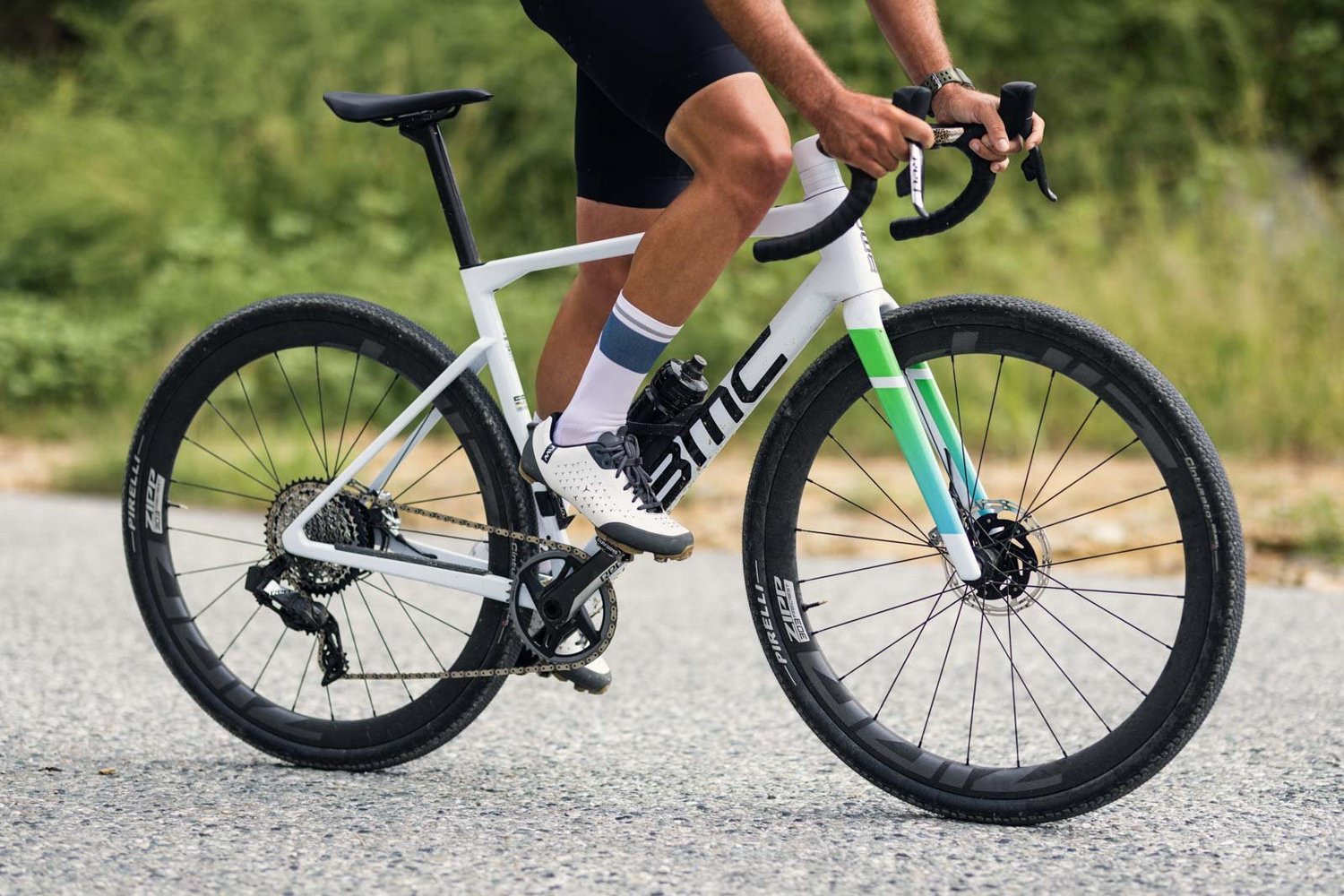
BMC Kaius 01 Review - Boundless
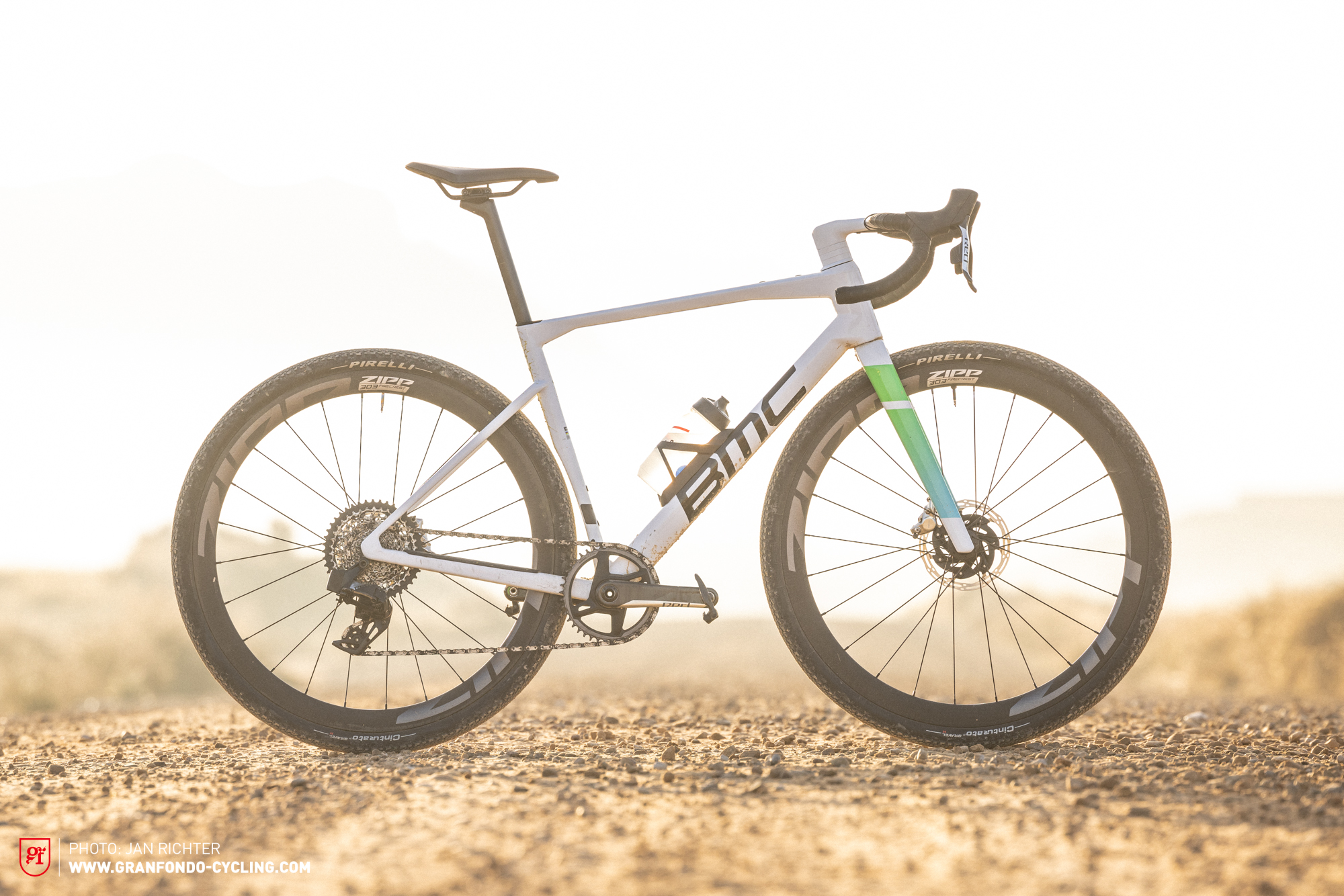
The 2023 BMC Kaius 01 ONE in review – Our big gravel ...

Bmc kaius 01 three
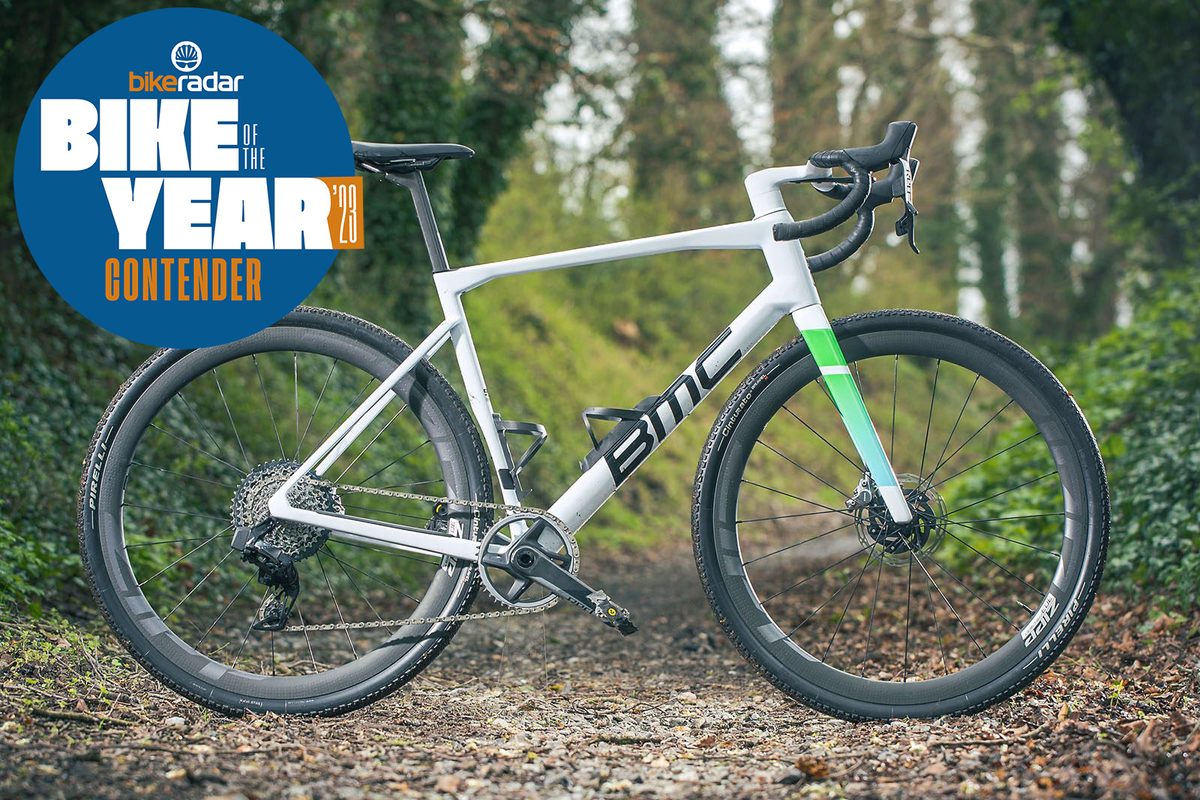
BMC Kaius 01 One review
BMC Gravel Kaius 2023 road test ride review
BMC Kaius 01 One review: A truly novel take on mixing old ...
BMC Kaius 01 One review
Gravel racer without compromise
The BMC Kaius 01 One gravel bike is more than just a pair of narrow bars
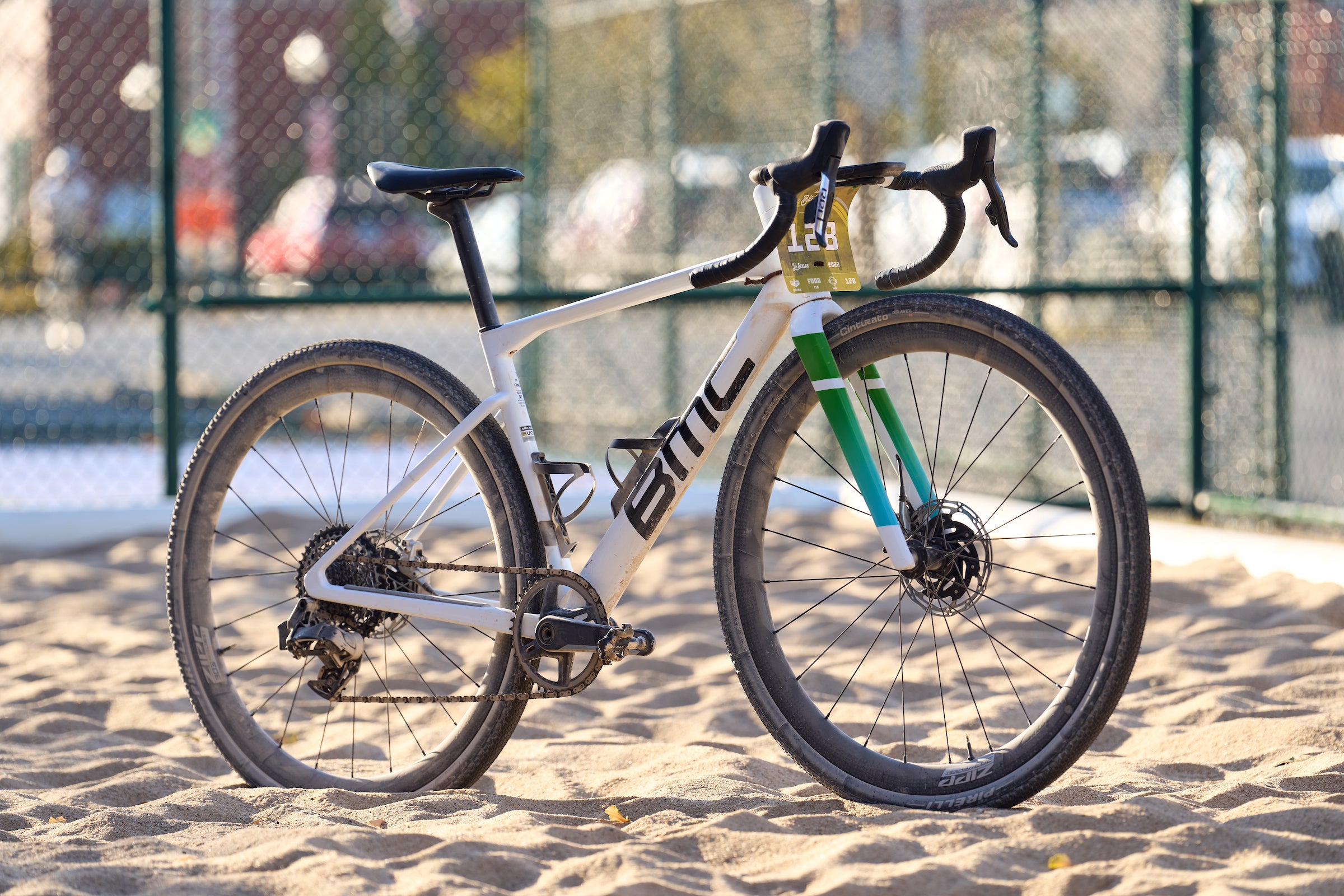
First ride review: BMC Kaius at Big Sugar Gravel

BMC Kaius 01 ONE gravel bike review: We road test the new model
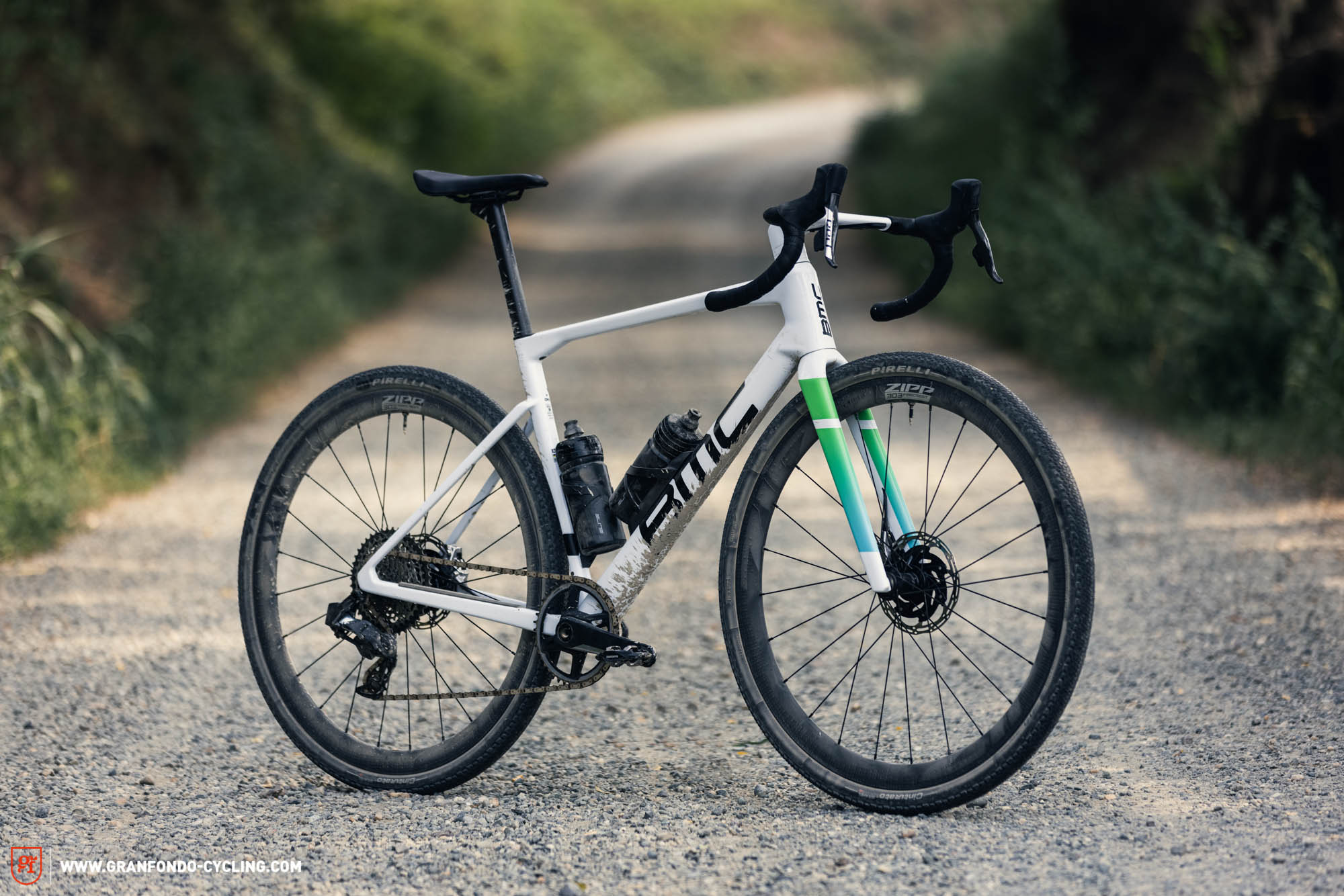
New BMC Kaius 01 ONE 2023 first ride review
Compared to.
Most-viewed comparisons.