Kaius
vsRoadmachine
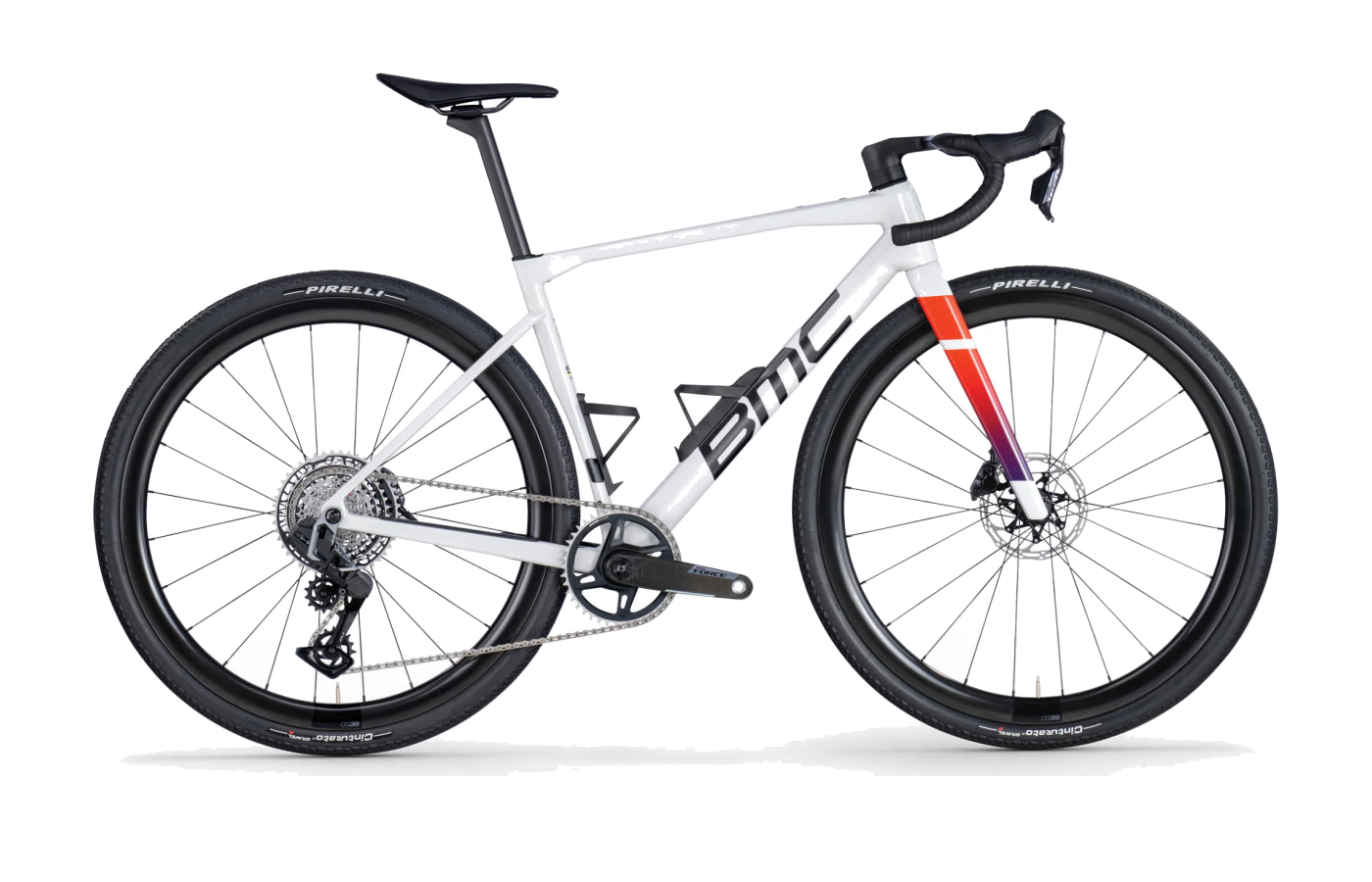
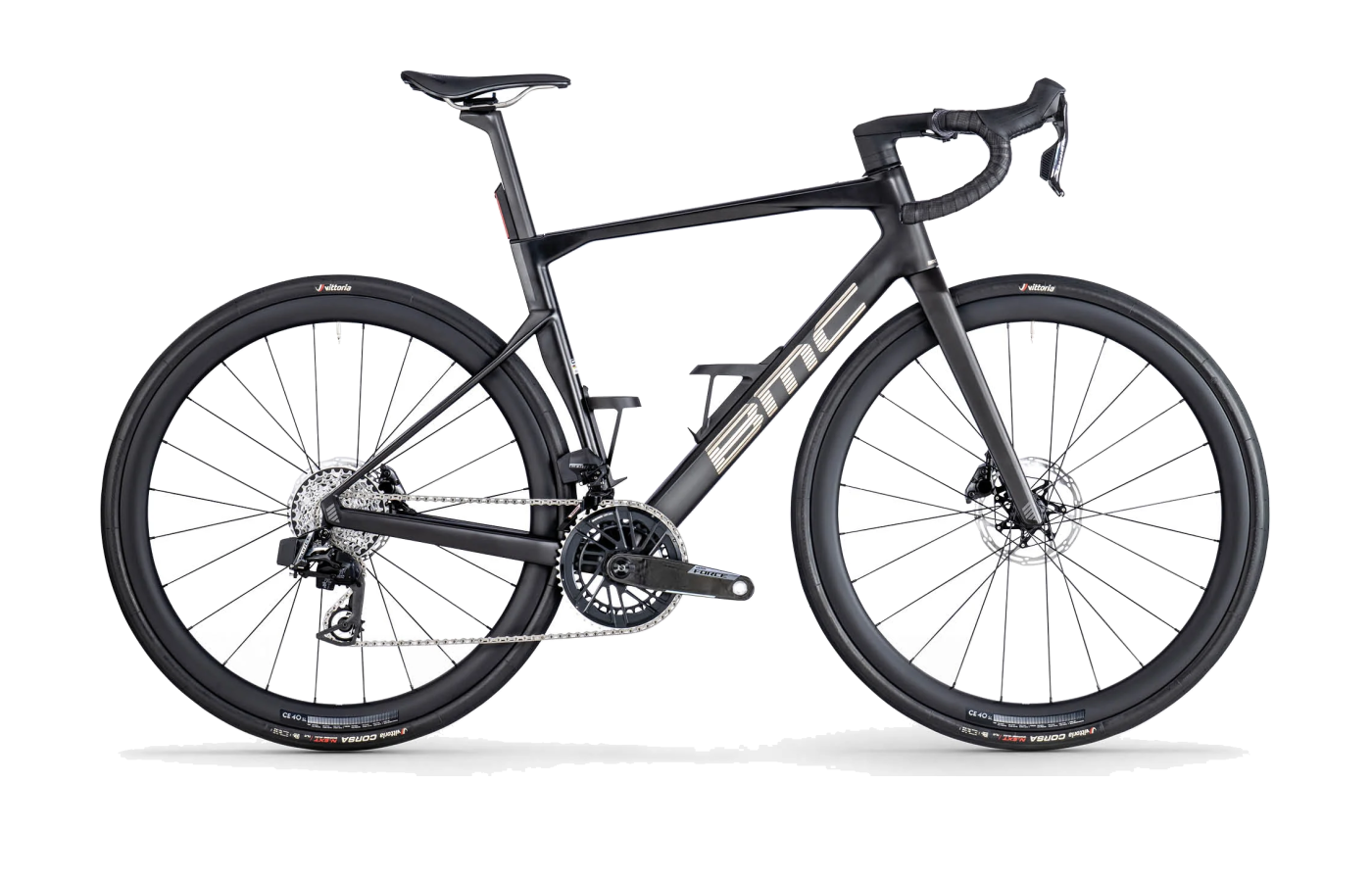
Same brand, opposite jobs.
The BMC Kaius is a Teammachine that grew gravel tires for racing. The BMC Roadmachine is an endurance bike that grew gravel-grade tire clearance for everything else.
Kaius
- 44 mm tire clearance — enough rubber for hardpack racing without losing the road-bike geometry feel.
- Aggressive race position with long reach, low stack, and short 420 mm chainstays — direct power transfer on smooth gravel.
- Single Premium Carbon frame across all four builds, so even the entry $5,199 01 Four gets the race-grade chassis.
- Race-stiff frame relies on the tires for compliance — reviewers call it brutal on rocky terrain.
- Top-tier 01 ONE skips a power meter at $9,199, which stings at that price.
Roadmachine
- Genuinely compliant frame — BMC claims 27% more vertical compliance than the prior Roadmachine, with up to 20 mm of seatpost deflection.
- Practical integration — integrated downtube storage, an integrated rear light, and fender mounts on the lower-tier carbon frames.
- Wide build ladder from $3,299 (Shimano 105) to $12,999 (Dura-Ace Di2 or Red AXS) — a real entry-level option exists.
- Tire clearance tops out at 36 mm — fine for light gravel, not for a real gravel race.
- Heavier frame than its all-out race-bike rivals — the price tag buys comfort and storage, not a 6.8 kg climbing weapon.
Editor’s analysis
These aren't direct competitors — they're the two ends of BMC's drop-bar lineup, and the question isn't which is better but which problem are you solving.
On paper, both bikes share BMC's design vocabulary: dropped, kinked seatstays, a D-shaped seatpost, the ICS integrated cockpit, and a price ladder that climbs into five figures. But spend any time with the geometry charts and the use cases diverge immediately. The BMC Kaius is a 44 mm-clearance gravel race bike with road-bike DNA — a Teammachine SLR that learned to handle dirt. The BMC Roadmachine is a 36 mm-clearance endurance road bike with all-road tendencies — a stable, plush platform that prioritizes the third hour of a long ride.
Look at the size 54 frame on each. The Kaius gives you a 401 mm reach paired with a 550 mm stack — long, low, race-position aggressive. The Roadmachine at the same size sits 20 mm taller in stack with an 18 mm shorter reach — relaxed, central, built for repeat hours in the saddle. The Kaius's 80 mm BB drop and short 420 mm chainstays (with a steep 72-degree head angle) make it feel planted-but-eager on hardpack. The Roadmachine's 415 mm chainstays and 63 mm trail give it a quieter, more predictable hand at speed.
The compliance story is the cleanest tell. BMC claims 27% more frame compliance on the latest Roadmachine versus its predecessor, with up to 20 mm of seatpost deflection — reviewers describe an initial "flat tire" sensation as the rear triangle deflects under load. The Kaius takes the opposite approach: the carbon layup is tuned for stiffness and direct power transfer, and BikeRadar called it "brutal" when surfaces turn rocky. Comfort on the Kaius comes from the 40 mm Pirelli tires and the D-shaped post, not the frame.
The components tell the same story in a different language. The Kaius's flagship 01 ONE skips a power meter at $9,199 — a notable omission — but commits hard to a 1x SRAM Red XPLR drivetrain for chain security on dirt. The Roadmachine's 01 builds run 2x road groupsets and add downtube storage, an integrated rear light, and fender mounts on the lower-tier frames. One bike was designed to win a gravel race; the other was designed to finish a 100-mile ride without needing a chiropractor.
Where the builds differ.
Comparing our editor's-pick builds side-by-side. Winners highlighted row-by-row — lower price and weight, and the better-spec component, each mark a point.
Build variants & pricing
The Kaius runs four builds on a single Premium Carbon frame from $5,199 to $9,199. The Roadmachine spans seven builds across two carbon grades, from $3,299 to $12,999.
Prices are current US MSRP. The Roadmachine's lower-tier (non-01) builds use a different carbon layup than the flagship 01 series — still carbon, still endurance-tuned, but heavier than the 01 frame. The Kaius has no such split: every build gets the race-grade 01 Premium Carbon chassis.
How they fit, how they steer.
The fit-picked sizes differ by label — Kaius 47 vs Roadmachine 51 — but reach lands within 7 mm. The Roadmachine sits 20 mm taller in stack and 5 mm shorter in chainstay, with 5 mm less trail. Long story short: more upright, more compliant, similar wheelbase.
Which size should I buy?
Size recommendations are computed from each platform's stack, reach, and effective top tube. Both ranges are wide — the Kaius offers six sizes from 47 to 61, the Roadmachine the same.
→These are starting points. Flexibility, riding style, and preferred position all shift the answer — if you’re between sizes, a professional fit beats a chart.
What the magazines said.
Published reviews from trusted cycling outlets. Click through for the full write-up.
Which one should you buy?
If you race gravel and chase aero gains on hardpack, get the Kaius. If you ride long road days and want one bike that handles light gravel detours, get the Roadmachine.
Kaius
If your A-events are Unbound, SBT GRVL, Mid South, or any flat-to-rolling gravel race where the surface is mostly hardpack and the bars matter more than the bottle cage, the Kaius is the sharper tool. Its 44 mm clearance, race geometry, and aero-focused cockpit are designed to maintain road-bike speeds on dirt.
Roadmachine
If your weekly ride looks like 80 to 120 miles of mixed pavement with the occasional gravel detour or rough farm road, the Roadmachine is the more honest answer. The compliant frame, integrated storage, and 36 mm clearance are designed for long days where comfort and predictability matter more than chasing watts.
Questions buyers actually ask.
Short answers to the things we get emailed about most often.
01Are the Kaius and Roadmachine direct competitors?
No — they're cross-category. The BMC Kaius is a gravel race bike (44 mm tire clearance, aggressive race geometry); the BMC Roadmachine is an endurance road bike (36 mm clearance, comfort-tuned compliance).
They share BMC's design vocabulary — the dropped seatstays, the D-post, the ICS cockpit family — but they're aimed at different riders. The cross-shop case is mostly "I want one BMC drop-bar bike — which one?" rather than "which is faster."
02Can the Roadmachine handle gravel?
Yes, but with limits. The frame clears 40 mm tires (the build ships with 32 mm Vittoria Corsa N.EXT), which is enough for hardpack, light gravel, and crumbling backroads. BikeRadar and Granfondo both reported the Roadmachine X (with 34 mm WTB Byways) "excels at light gravel."
For anything rougher — chunky fire roads, technical doubletrack, a real gravel race — you're underbiked. The Roadmachine's 72.2-degree head angle is tuned for road manners, not loose-surface stability. That's where the Kaius takes over.
03How much faster is the Kaius on gravel?
Significantly, on the right surface. Reviewers consistently called the Kaius "intoxicatingly fast" and "unstoppable" once moving on hardpack and forest fire roads — the long reach, narrow ICS Carbon Aero cockpit (360 mm at the hoods), and dedicated 40 mm gravel tires all add up.
On rough or technical gravel the gap closes, because the Kaius's stiffness becomes a liability and the narrow bars hurt control. The Kaius's advantage is specifically on flat-to-rolling, smooth-to-medium gravel — the surface profile of a U.S. gravel race.
04Why is the Kaius so much stiffer than the Roadmachine?
Different design briefs. BMC tuned the Kaius's carbon layup for race-bike-grade power transfer — Boundlessmag noted "no discernible flex means it feels like every watt of power leaving your legs is translated directly into forward motion."
The new Roadmachine went the other way. BMC claims the frame is 27% more compliant than the previous generation, with up to 20 mm of seatpost deflection via a redesigned seat tube/seatstay junction. Reviewers describe an initial "flat tire" sensation as the rear deflects under load. Same brand, opposite philosophies.
05What's the cheapest way into each platform?
BMC Kaius: the 01 Four at $5,199 (SRAM Rival AXS XPLR). Notably, every Kaius build uses the same 01 Premium Carbon frame, so the entry price still gets the race-grade chassis.
BMC Roadmachine: the Three at $3,299 (Shimano 105 mechanical). The lower-tier builds (One, Two, Three) use a different, heavier carbon layup than the 01 series — still carbon, but a clear step down from the flagship frame.
06Are the integrated cockpits a maintenance headache?
Both use BMC's ICS family with internal cable routing. Adjusting stem length or bar width requires shop time on both bikes.
The Kaius's ICS Carbon Aero is a one-piece bar/stem with an unusually narrow 360 mm hood width — Velo called swapping it "highly inconvenient" and "a massive hassle." The lower-tier Kaius 01 Three and 01 Four use a more conventional two-piece BMC RSM cockpit, which is much easier to live with.
The Roadmachine 01's ICS Carbon Evo allows a 10 mm stem-length change and one spacer of height adjustment without re-routing hoses — BikeRadar called it "one of the easier systems to work on."
07Does the Roadmachine really have downtube storage?
Yes — and reviewers consistently call it out as one of the platform's best features. A dial-operated hatch on the underside of the downtube opens into a sealed compartment with a stash bag and a bespoke bottle cage; it'll hold tubes, CO2, a multitool, and a few essentials.
The Roadmachine 01 also includes an integrated 20-lumen StVZO-compliant rear light. The Kaius has neither — its frame is single-mindedly optimized for race weight.
08Which has the better warranty?
Both BMC frames carry the same standard BMC warranty: lifetime against manufacturing defects to the original owner, with crash-replacement pricing available on damaged frames. Crash-replacement details vary by region and dealer — confirm with your local BMC retailer before buying.
Similar bikes
If your priorities don’t map cleanly onto either of these, one of these adjacent bikes probably fits better.
Crux
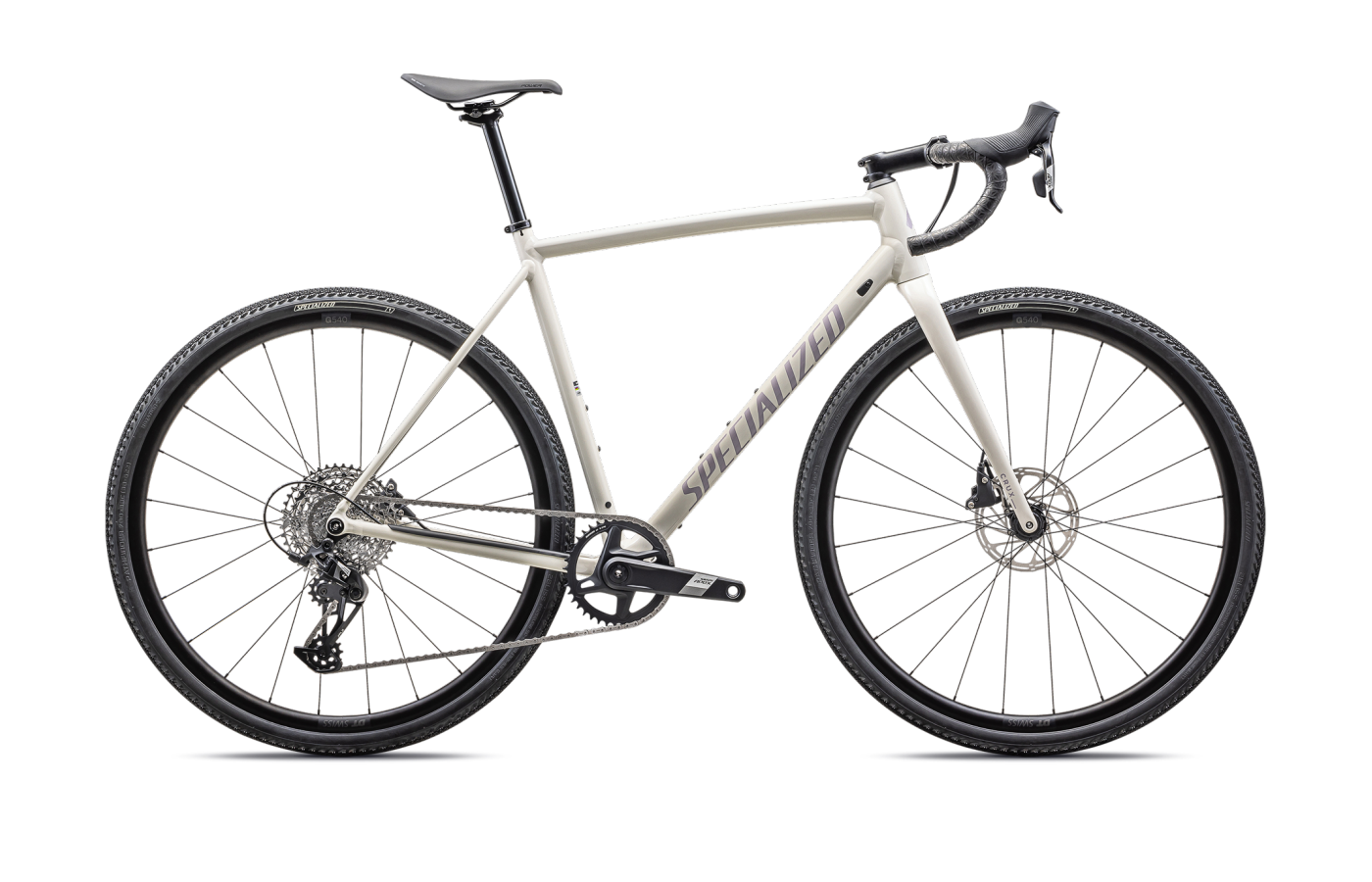
If the Kaius's narrow integrated cockpit gives you pause, the Specialized Crux delivers the same lightweight, race-stiff gravel chassis with a conventional two-piece bar — easier to live with, easier to fit.
Compare →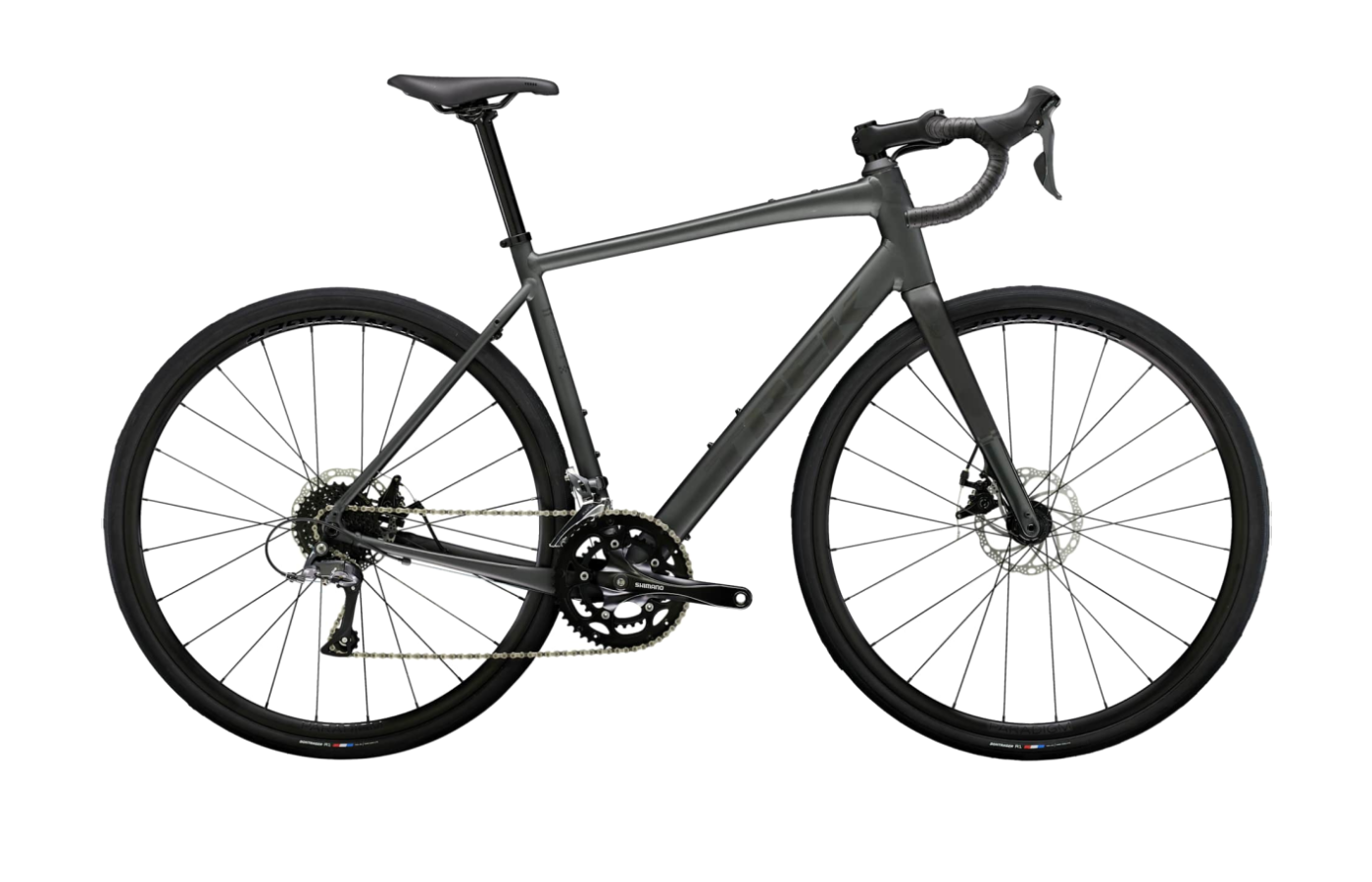
Domane
The Trek Domane is the closest direct rival to the Roadmachine — also offers downtube storage, also targets the long-day endurance rider, and uses Trek's IsoSpeed decoupler (mechanical compliance) instead of the Roadmachine's tuned seat tube layup.
Compare →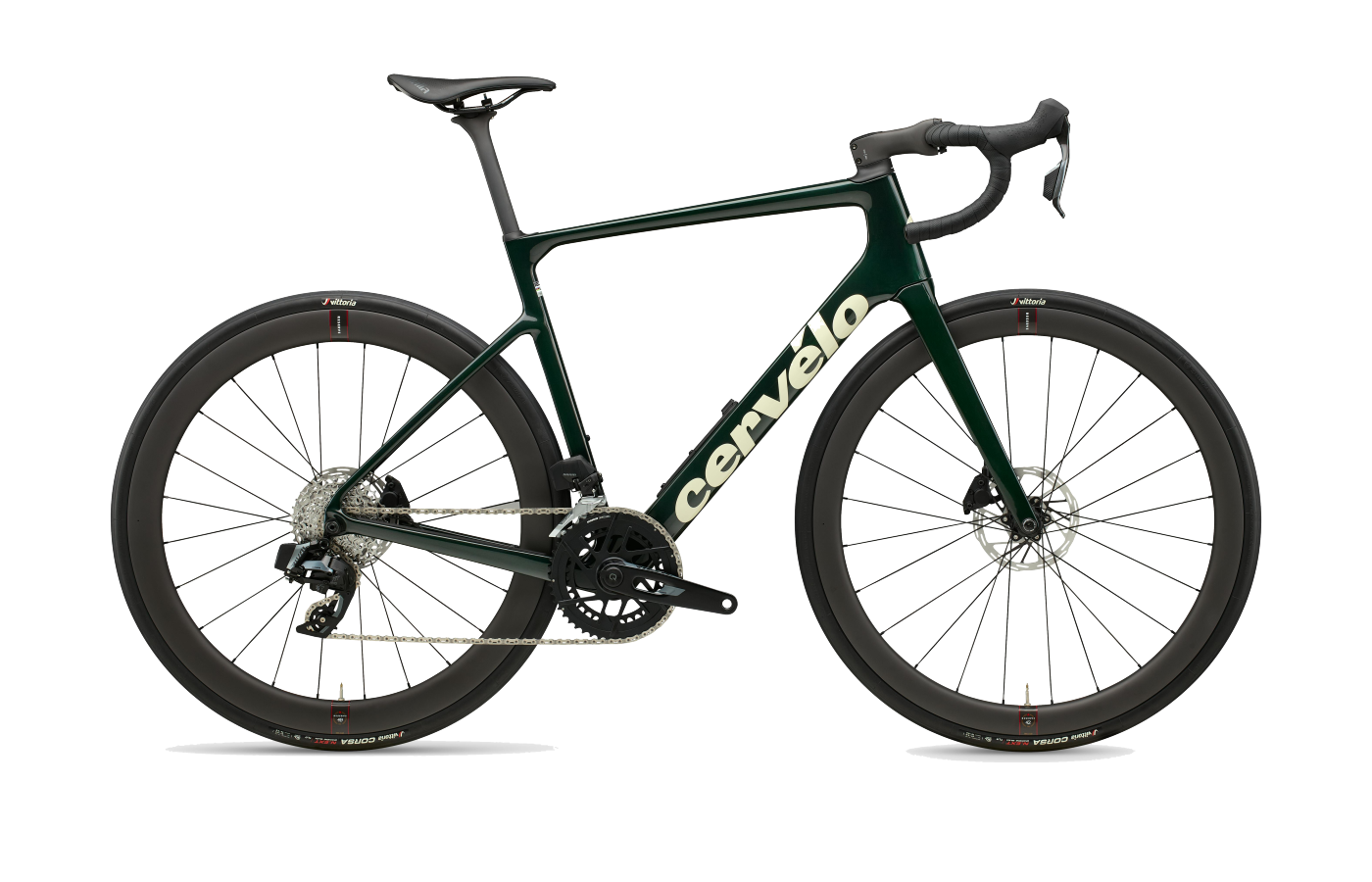
Caledonia-5
The Cervélo Caledonia-5 is a faster, more race-leaning take on the all-road brief than the Roadmachine — a touch sharper handling, slightly less compliance, and the Cervélo aero cockpit pedigree.
Compare →