Roadmachine
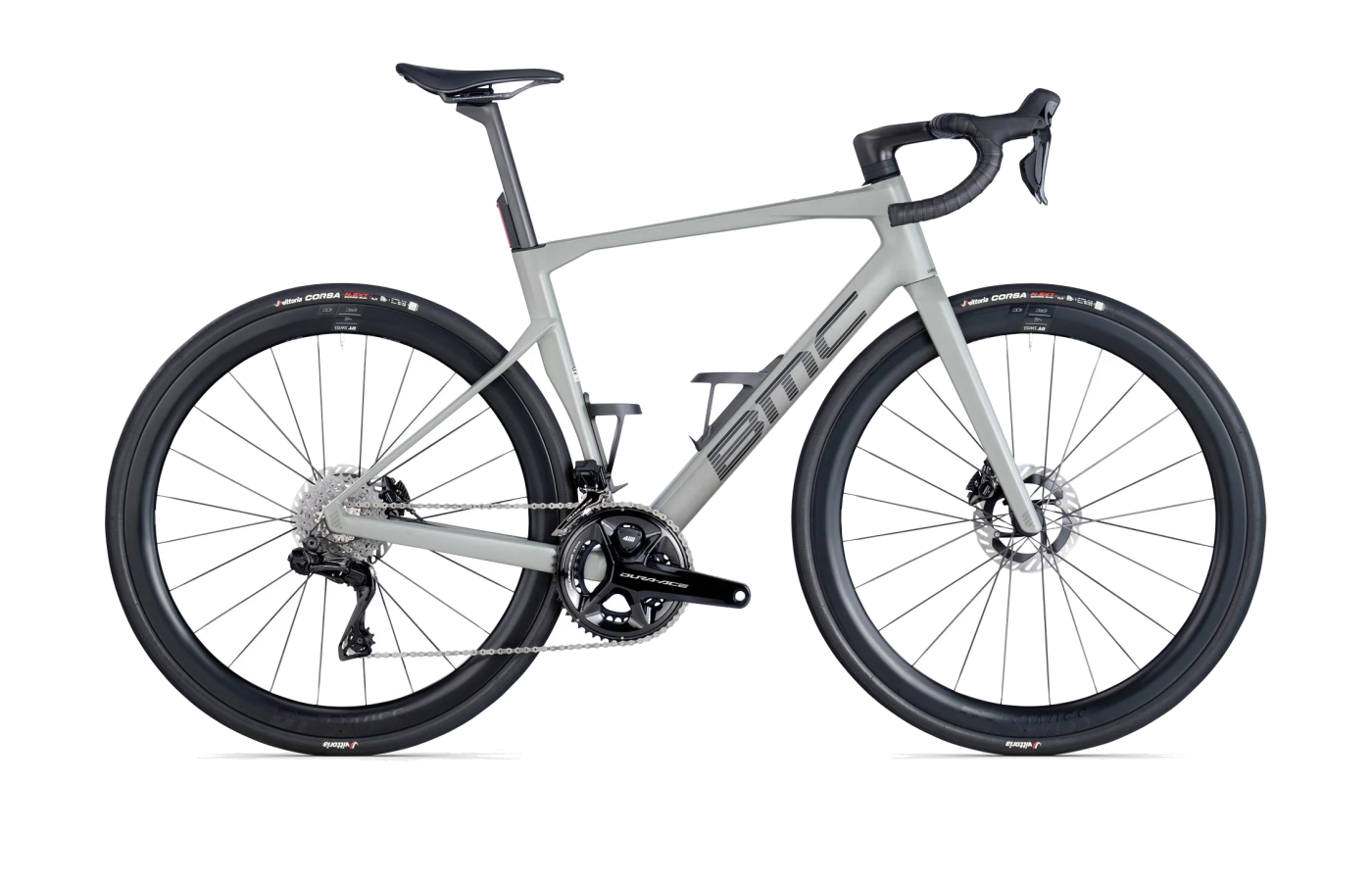
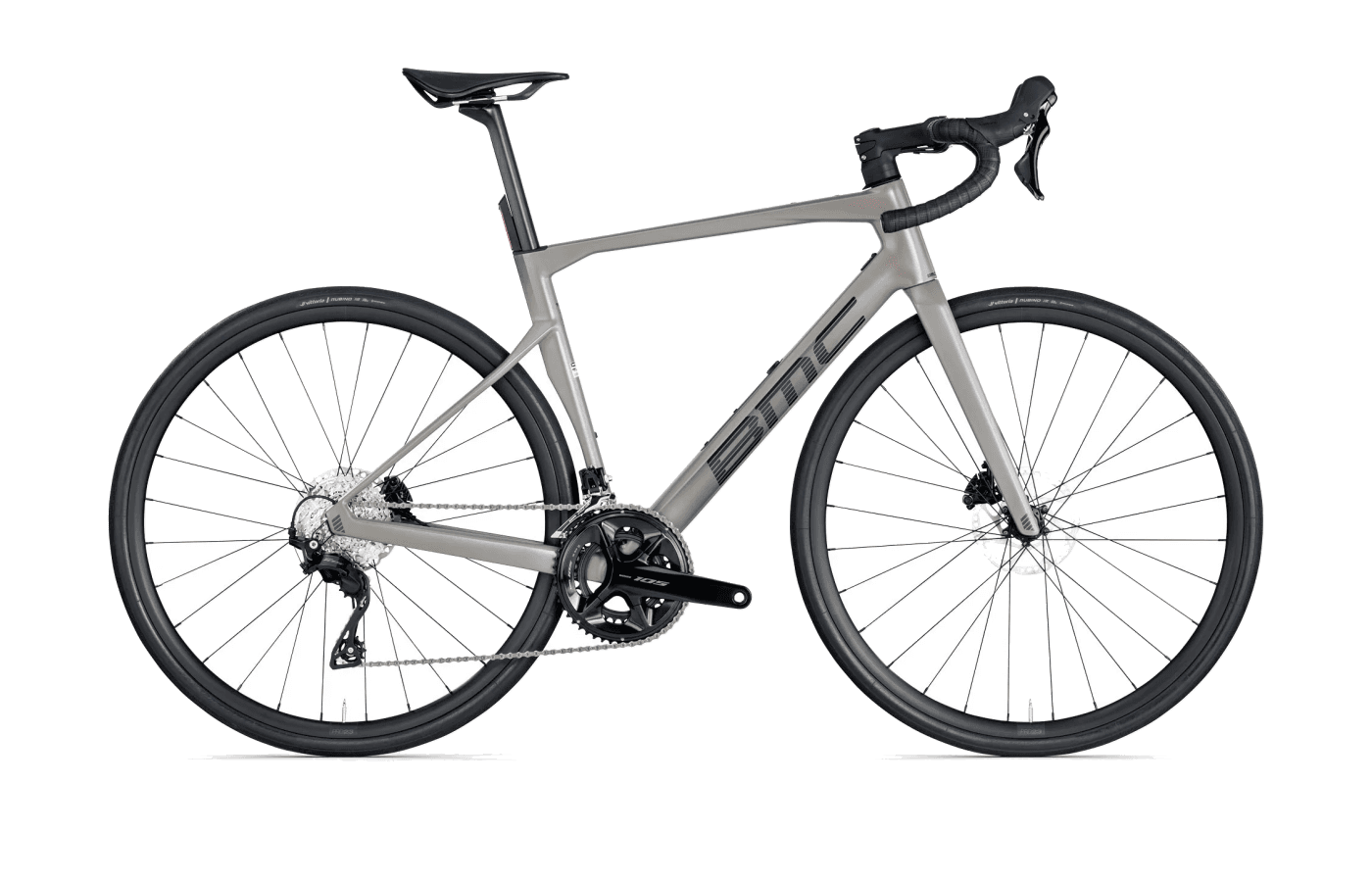
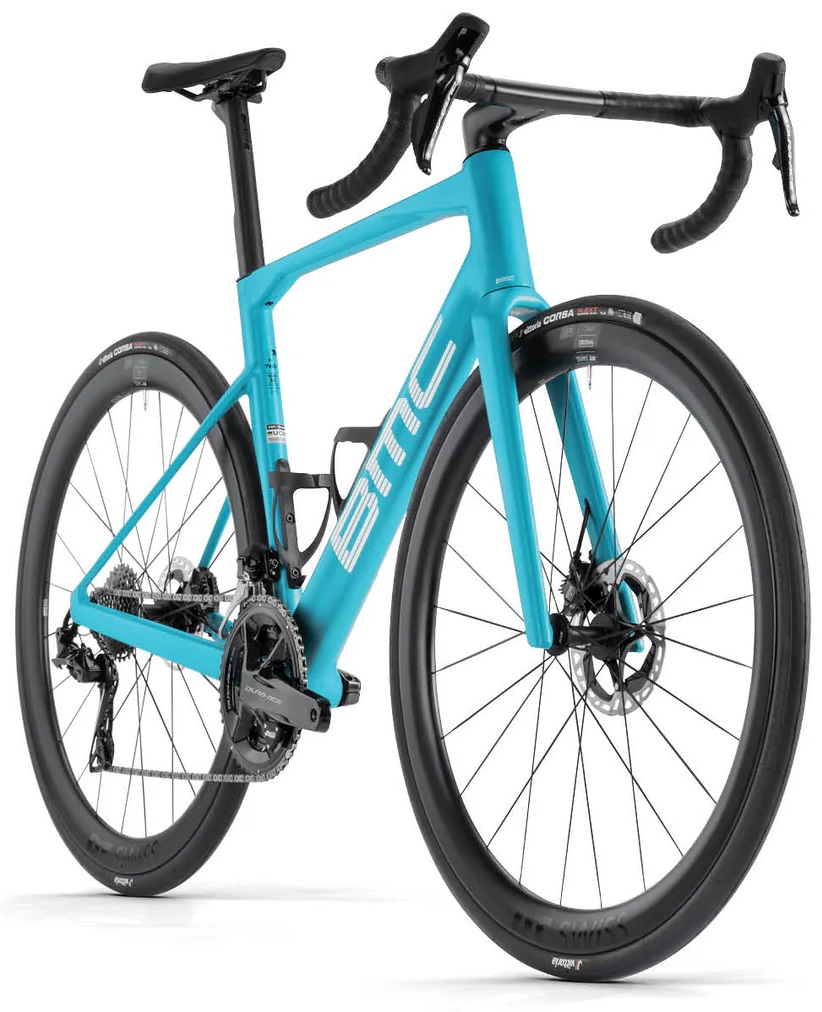
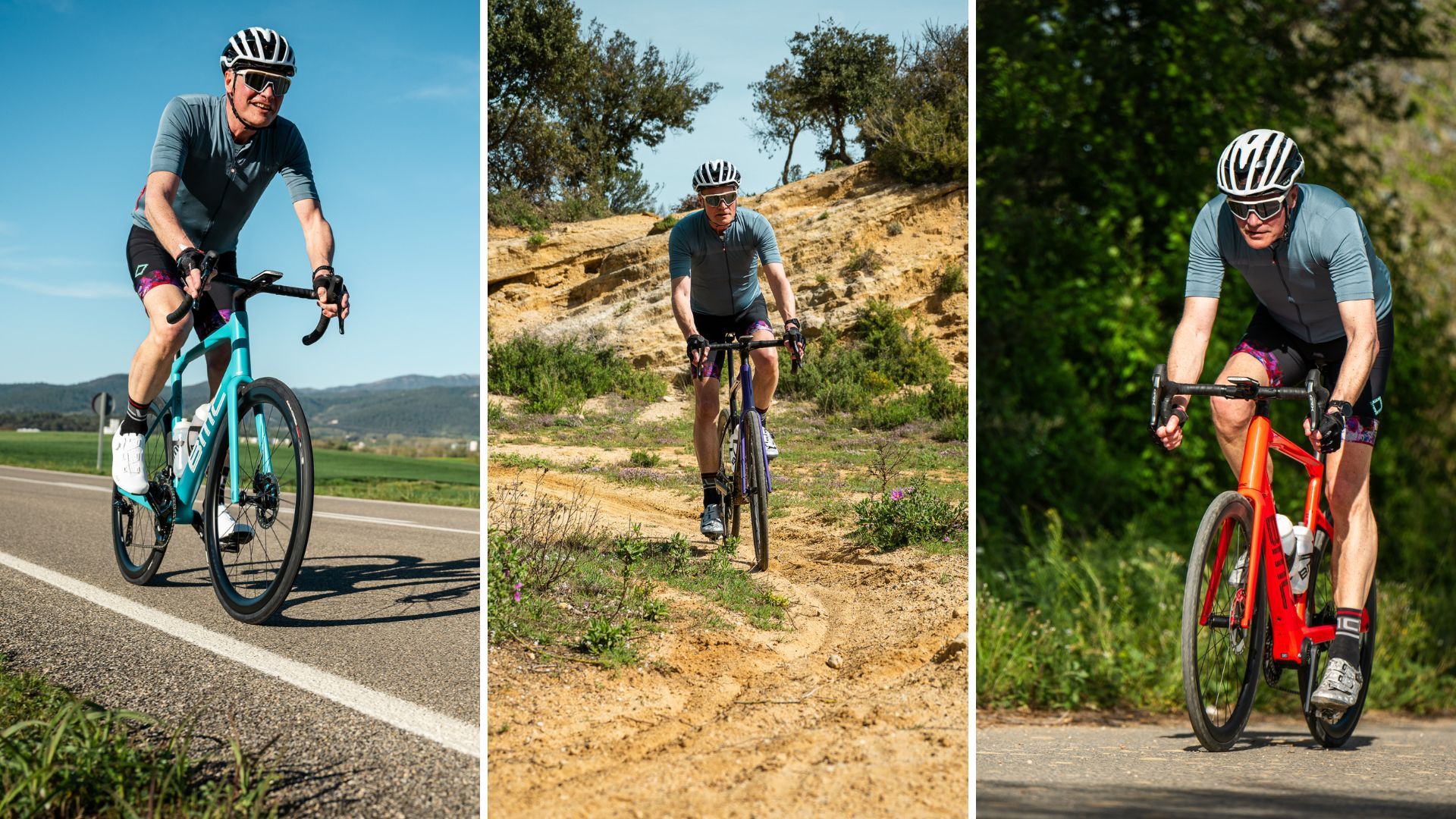
Introduced in 2024, the third-generation BMC Roadmachine shifts the platform further into all-road territory while retaining its core identity as a fast endurance road bike. The defining update is a substantial increase in tire clearance, now accommodating up to 40mm rubber. This pushes the bike's capability well beyond smooth tarmac, allowing riders to tackle rough roads and light gravel without transitioning to a dedicated off-road frame. BMC achieved this packaging alongside a redesigned rear triangle engineered to flex under load, significantly increasing seated compliance. The frame also introduces practical integration, including a downtube storage hatch concealed beneath the bottle cage and a removable rear light slotted behind the seatpost. Designed for riders who want race-bike efficiency paired with long-distance comfort, the Roadmachine balances structural stiffness with a forgiving ride, making it a versatile choice for varied surfaces.
Geometry & fit.
6 sizes published.
The Roadmachine’s geometry is tailored for long days in the saddle, placing the rider in a central, balanced position. Compared to the previous generation, BMC increased the stack height and slightly reduced the reach, allowing for a more upright posture that reduces strain on the lower back and hands. Despite the massive increase in tire clearance, the chainstays remain short at 415mm across all sizes, preserving the bike's responsive acceleration.
A low 75mm bottom bracket drop positions the rider deep between the wheels, contributing to a planted, stable feel on fast descents and uneven surfaces. The head tube angle sits at a moderately steep 72.2 degrees for most sizes, paired with a consistent 63mm trail figure. This combination yields steering that is predictable and steady rather than overly aggressive, favoring sweeping corners and straight-line tracking.
Fit customization depends heavily on the build tier. The flagship 01 models feature the proprietary ICS Carbon Evo one-piece cockpit. While praised for its ergonomics and eight-degree flare in the drops, it comes in a single width per frame size, complicating fit adjustments for riders with specific handlebar preferences. Lower-tier models use a traditional two-piece bar and stem, offering much easier customization.
Where the handlebar sits relative to the bottom bracket — the single most important fit pair.
01Fit geometry6 values
03Handling geometry8 values
Which size should I buy?
Slide your height to see the recommended size. GearWise's fit algorithm works from the published stack, reach, and ETT — the brand's own recommendation may differ.
→Calculated from GearWise's own stack / reach / ETT algorithm — the brand's size chart may recommend a different size, and a proper bike fit beats any calculator.
The lineup.
7 builds, ranging $3,299 – $12,999.
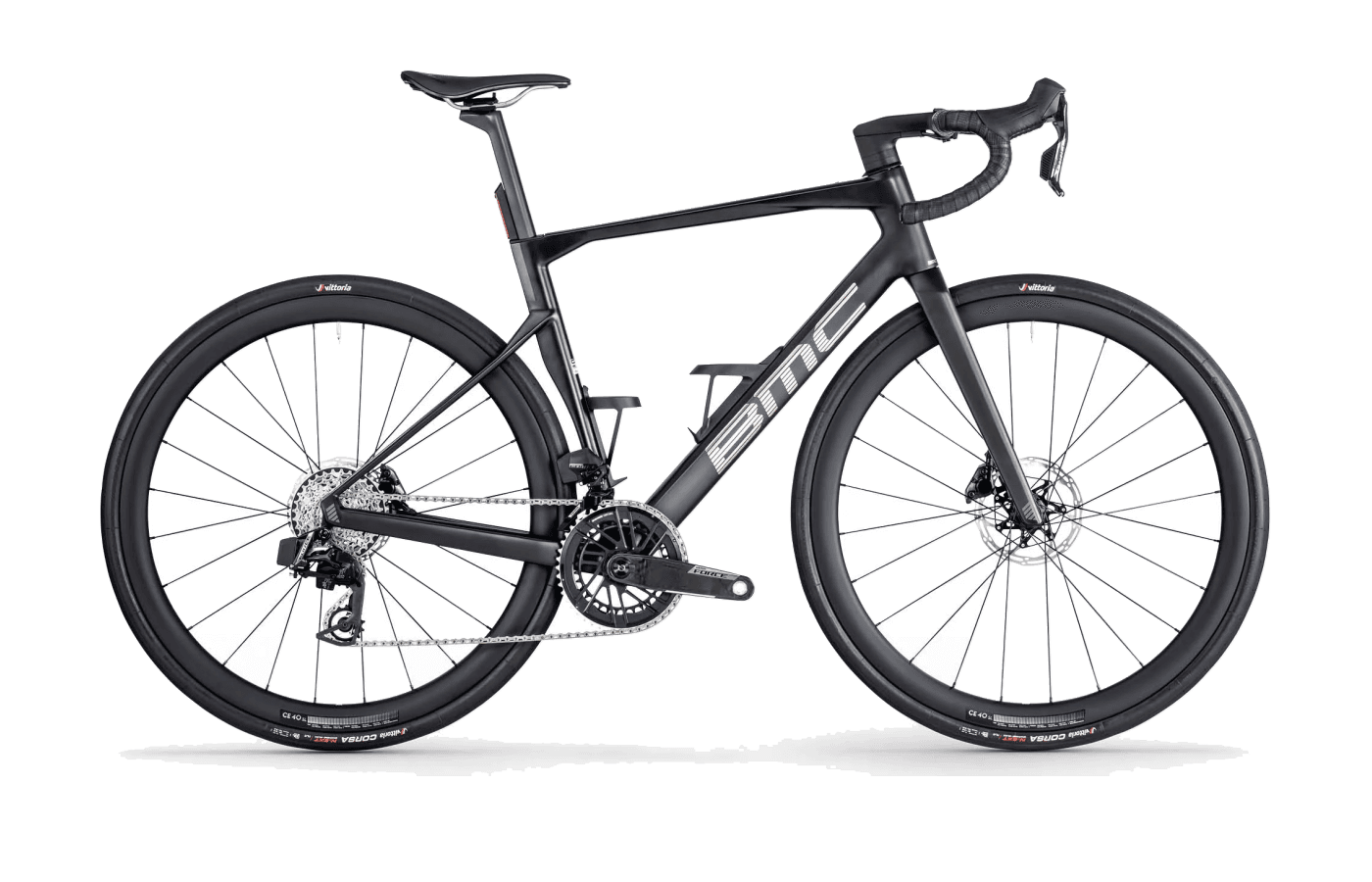
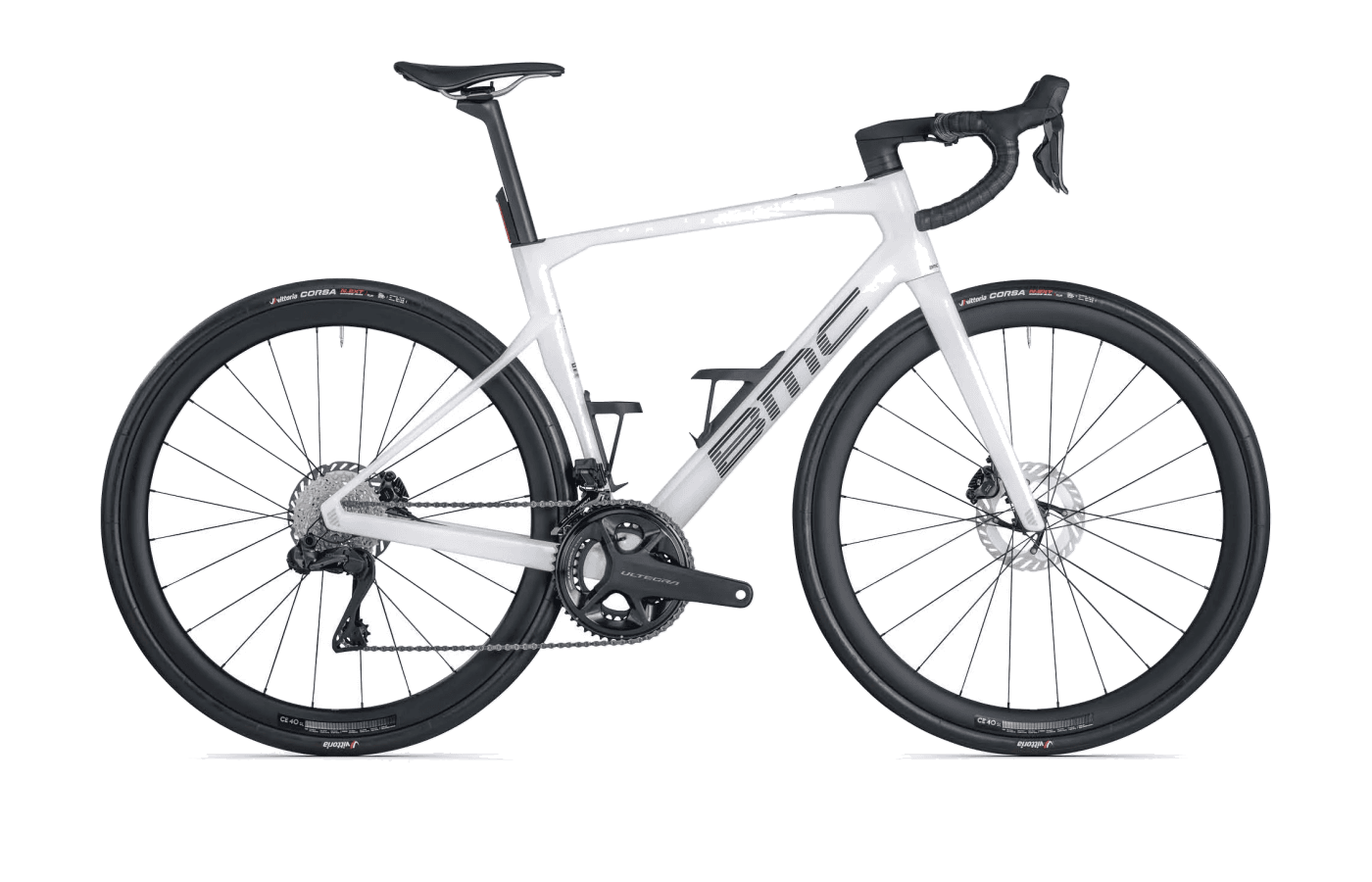
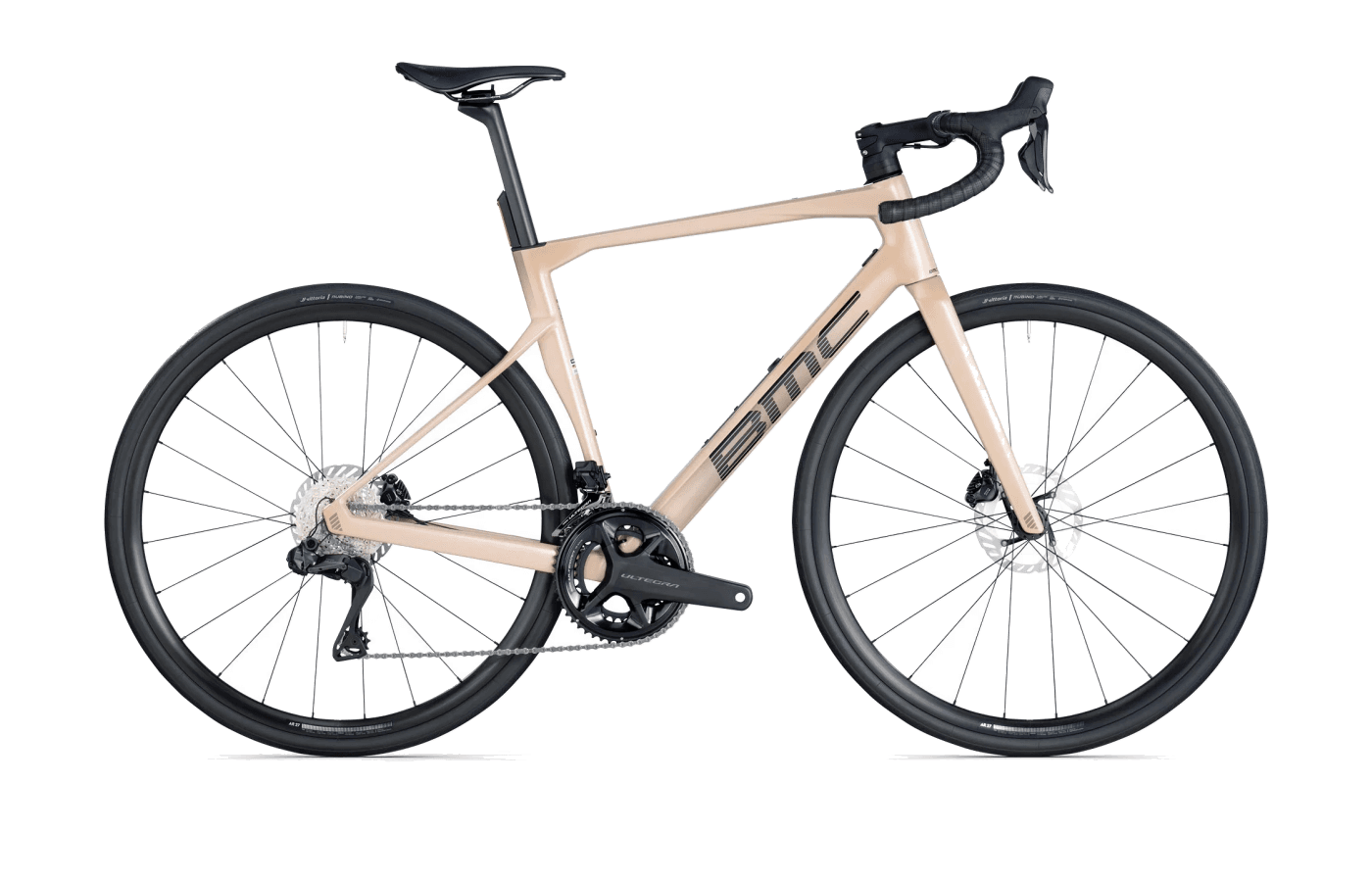
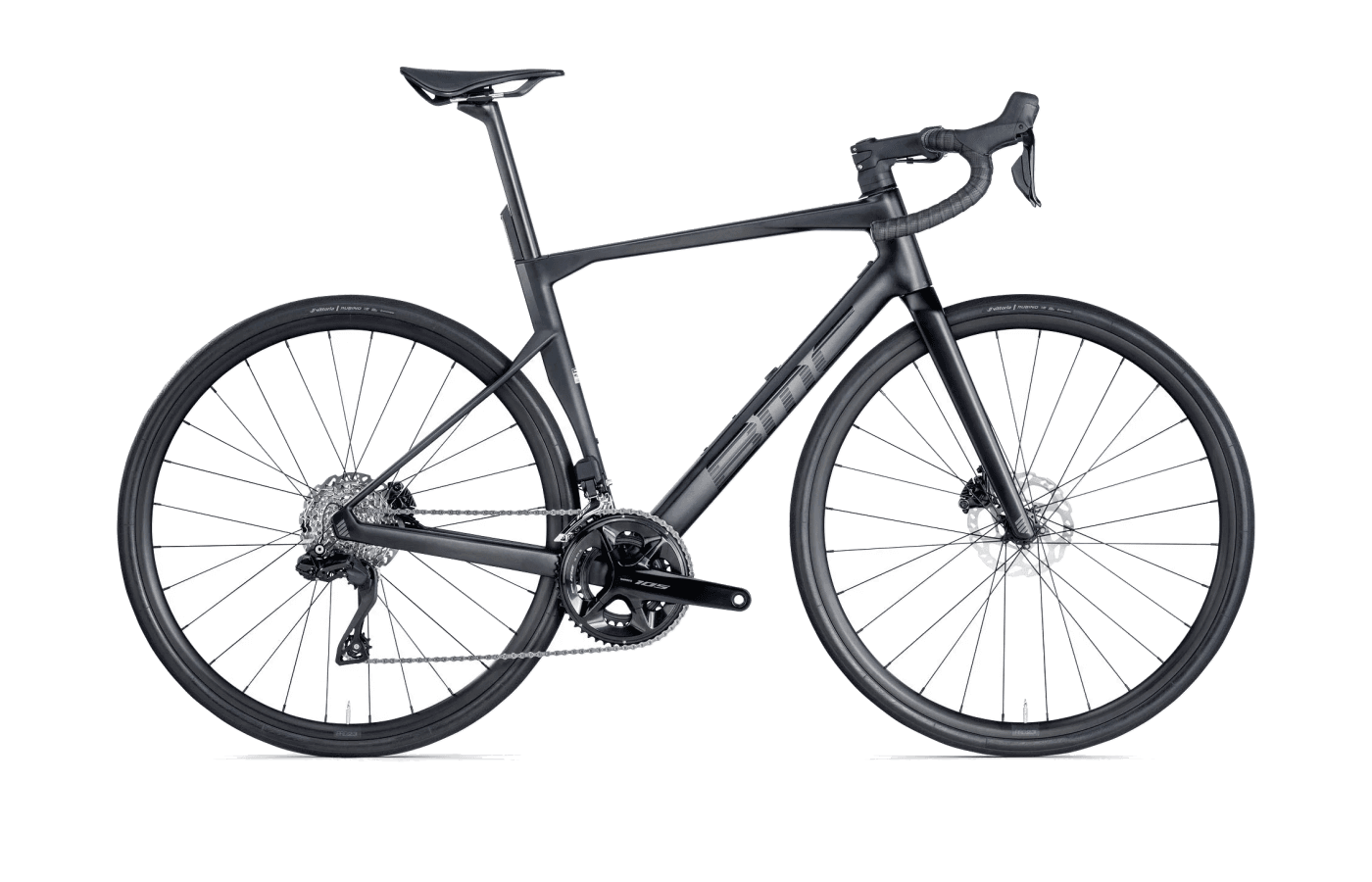
The Roadmachine lineup is split into two frame tiers: the premium 01 series and the standard carbon models. The 01 frames utilize a lighter carbon layup and feature the fully integrated ICS Carbon Evo one-piece cockpit, while the standard frames use a slightly heavier carbon blend and a two-piece bar and stem with cables routed under the stem. Both tiers share the same geometry, 40mm tire clearance, and downtube storage.
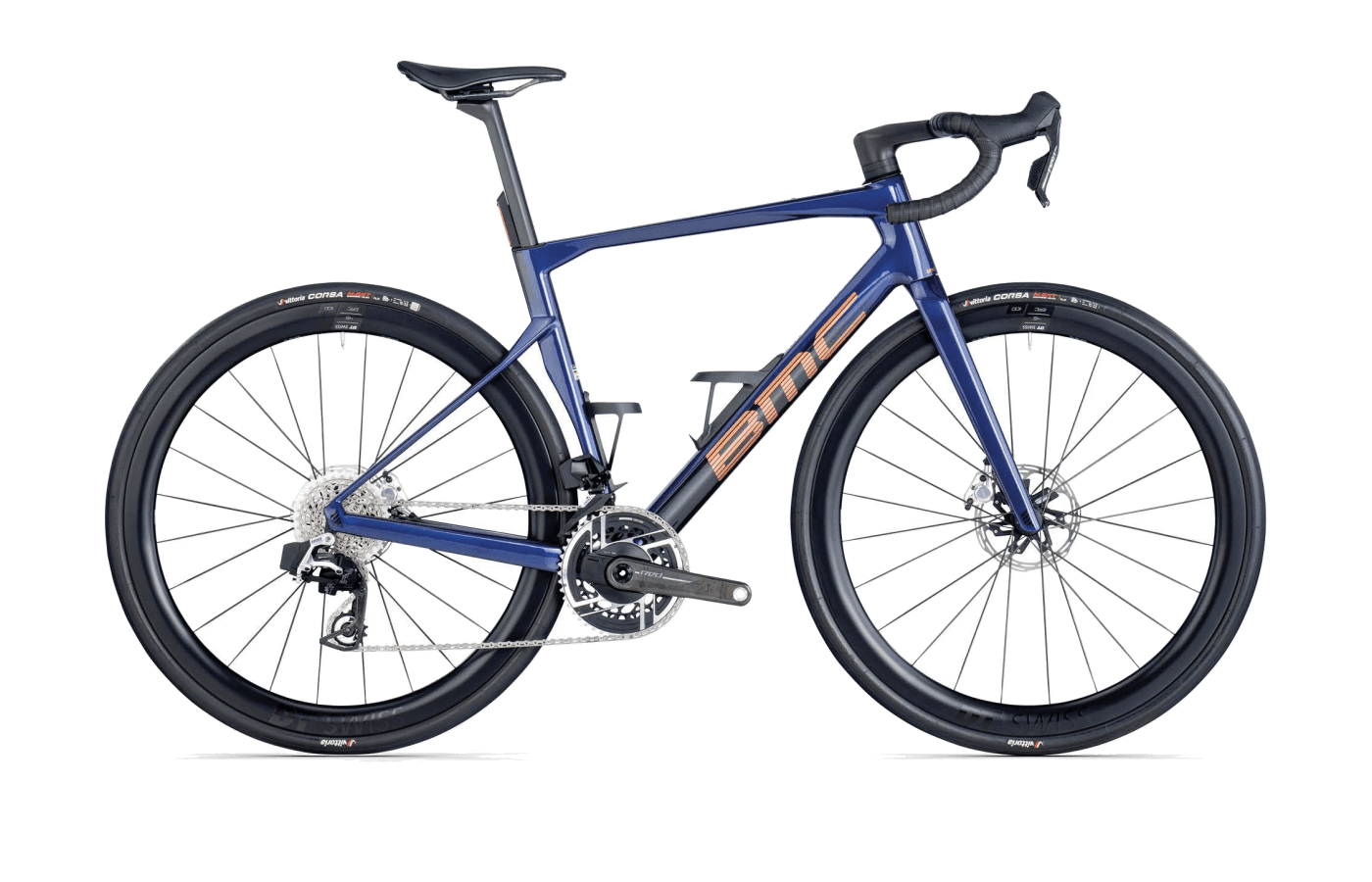
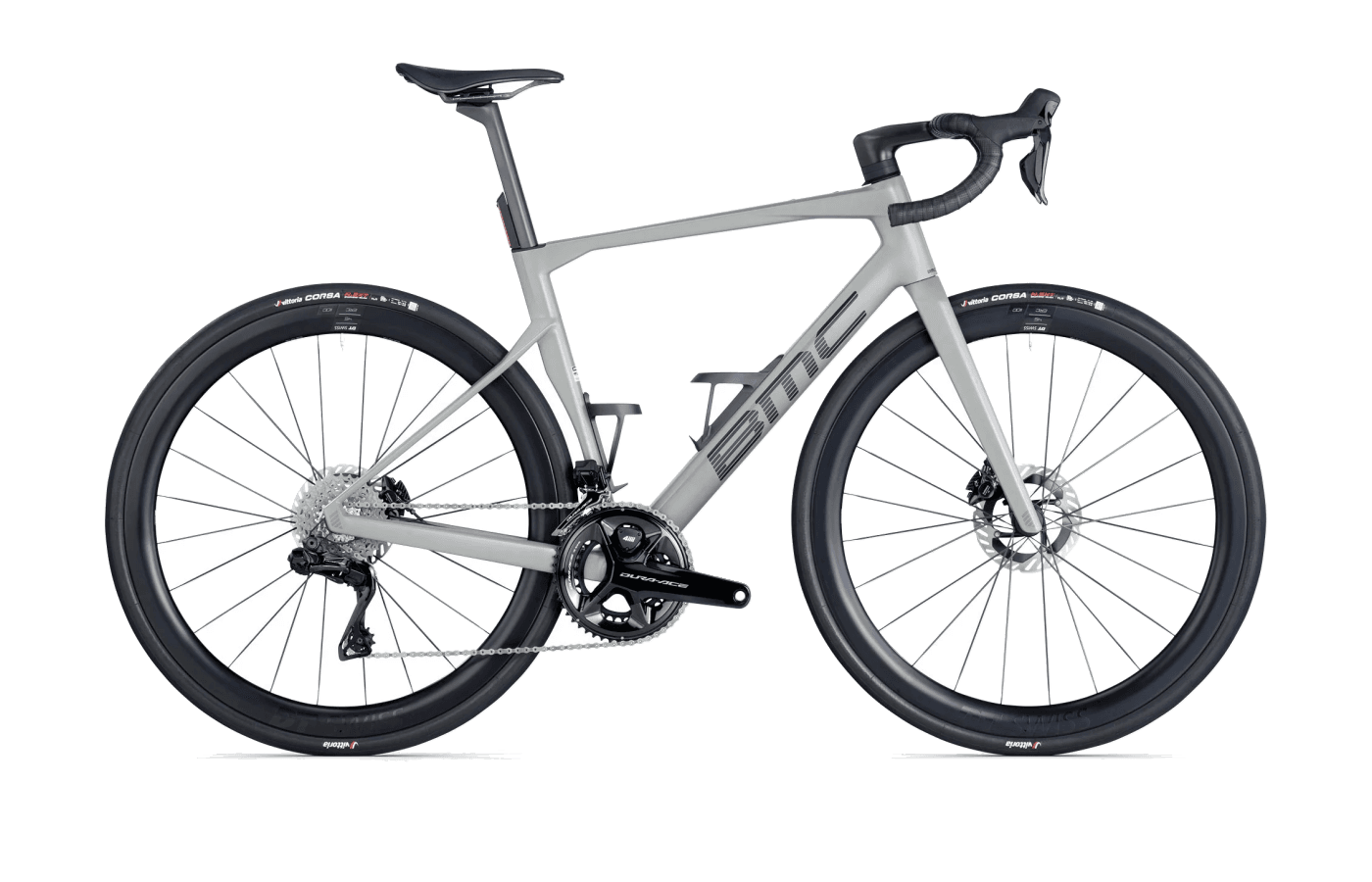
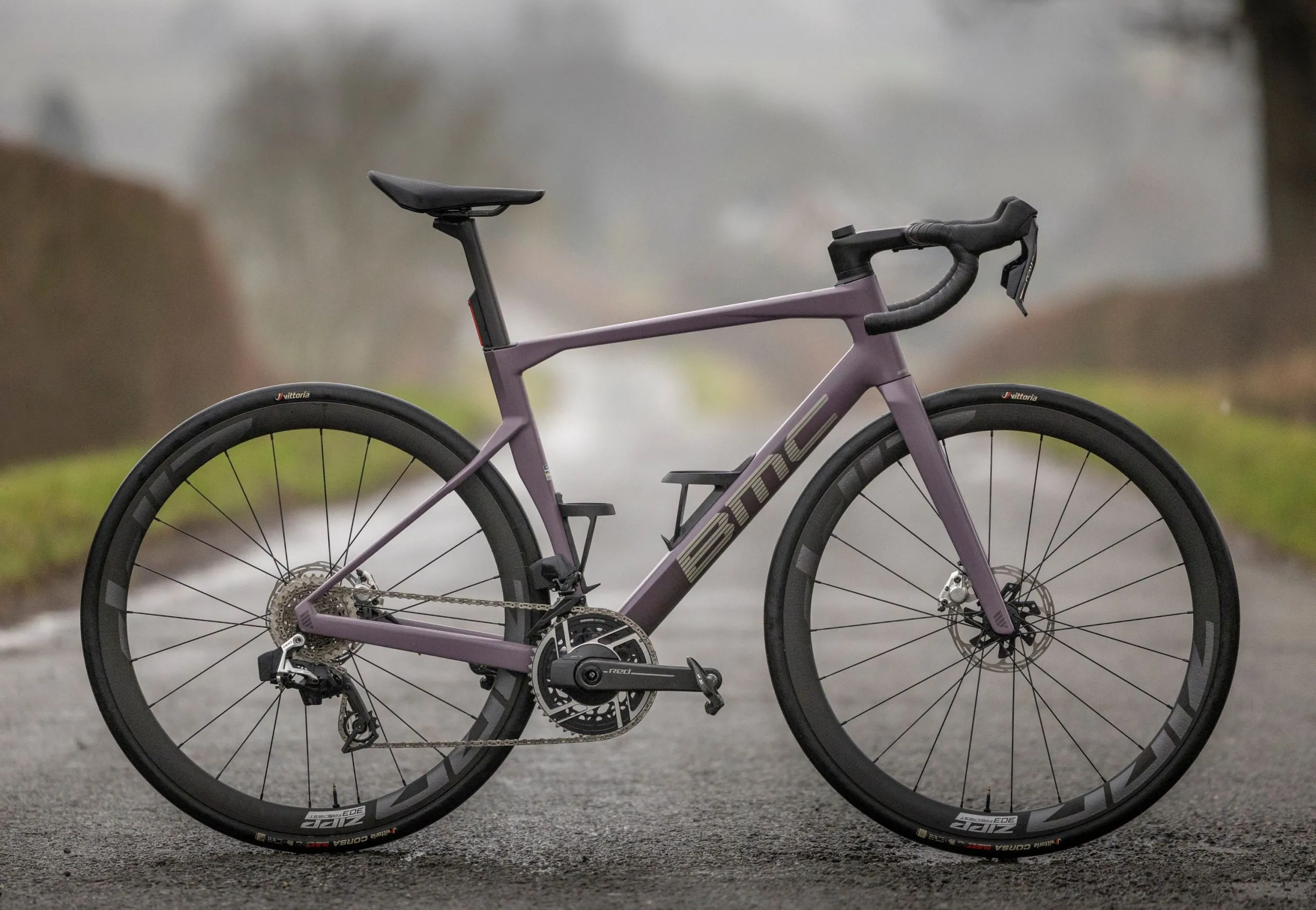
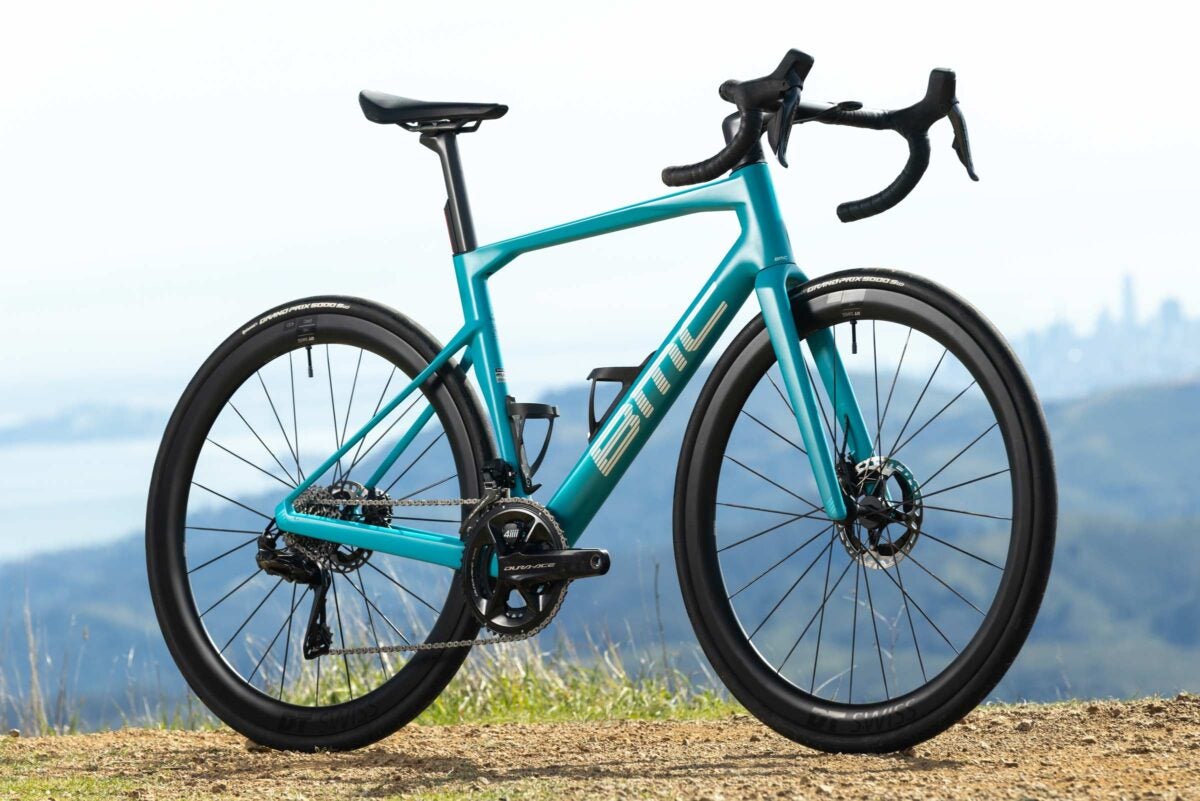
Pricing spans a wide spectrum, from $3,299 for the entry-level Three up to $12,999 for the flagship 01 One and 01 Two. The top-tier 01 builds are lavishly equipped with either SRAM Red AXS or Shimano Dura-Ace Di2, integrated power meters, and deep-section DT Swiss ERC 1100 Dicut carbon wheels. Mid-range 01 models step down to Ultegra Di2 or Force AXS and use BMC’s house-brand CRD carbon wheels.
The standard carbon builds offer a more accessible entry point. The Two and One models feature Shimano 105 Di2 and Ultegra Di2 respectively, paired with alloy wheels or entry-level carbon hoops. While the standard frames lack the seamless front-end integration of the 01 series, they retain the core features and ride quality, representing the strongest value for riders who do not need professional-level componentry.
From the press.
11 reviews from the cycling press.
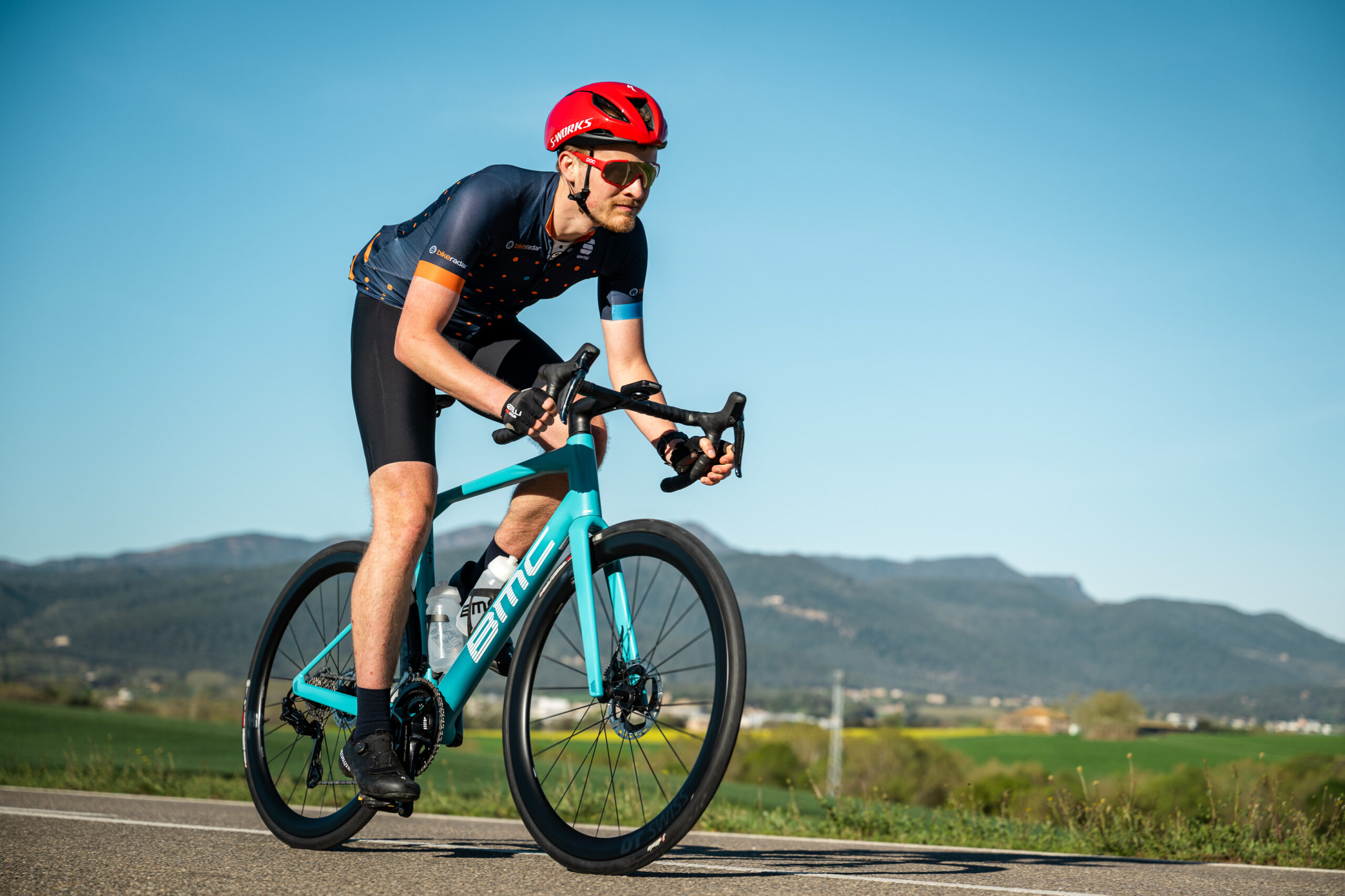
Reviewers consistently praise the Roadmachine for delivering a highly compliant ride that filters out road chatter without feeling disconnected from the tarmac. The frame's engineered flex is highly effective, with testers noting that the bike "glides over divots or speed bumps" (BikeRadar) while maintaining the lateral stiffness needed for quick accelerations. Rather than relying on complex suspension systems, the comfort comes from the carbon architecture itself, which testers appreciate for keeping the pedaling response direct and efficient.
On fast descents, the bike earns high marks for its composed demeanor. The steering leans toward straight-line stability rather than twitchy reactivity, making it "unflustered at speeds in excess of 40mph" (BikeRadar). While the generous tire clearance invites off-pavement detours, testers caution that the bike is still fundamentally road-first. When pushed onto rocky or technical trails, the rigid frame and road-oriented handling can feel out of its depth. For those venturing off pristine tarmac, the bike "excels at light gravel" (Cycling Weekly) but reaches its limits on truly rough terrain.
A recurring criticism centers on value and weight. The top-tier models carry a premium price tag, and the added features like downtube storage contribute to a frame weight that some feel is "not an especially inspiring statistic considering the steep price" (BikeRadar). Furthermore, the highly integrated front end on premium builds limits adjustability, meaning owners should "expect to talk to the retailer about getting it right at time of purchase" (Velo).
BMC Roadmachine road bike review | Cyclist
Review: The BMC Roadmachine Hits the High Notes
Review: The BMC Roadmachine Hits the High Notes

My favorite endurance/allroad bike this year: BMC ...
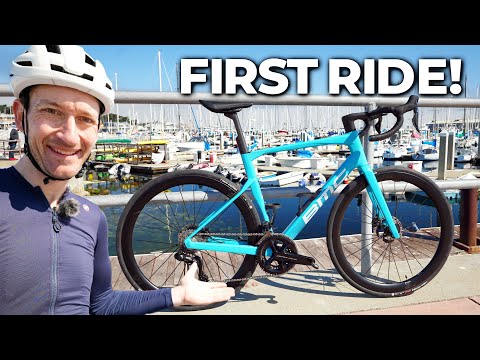
The 2024 BMC RoadMachine Got Huge Updates!
BMC RoadMachine 01 Two Shimano Dura Ace Di2 2024 road test review pros and cons everything you need to know (really)
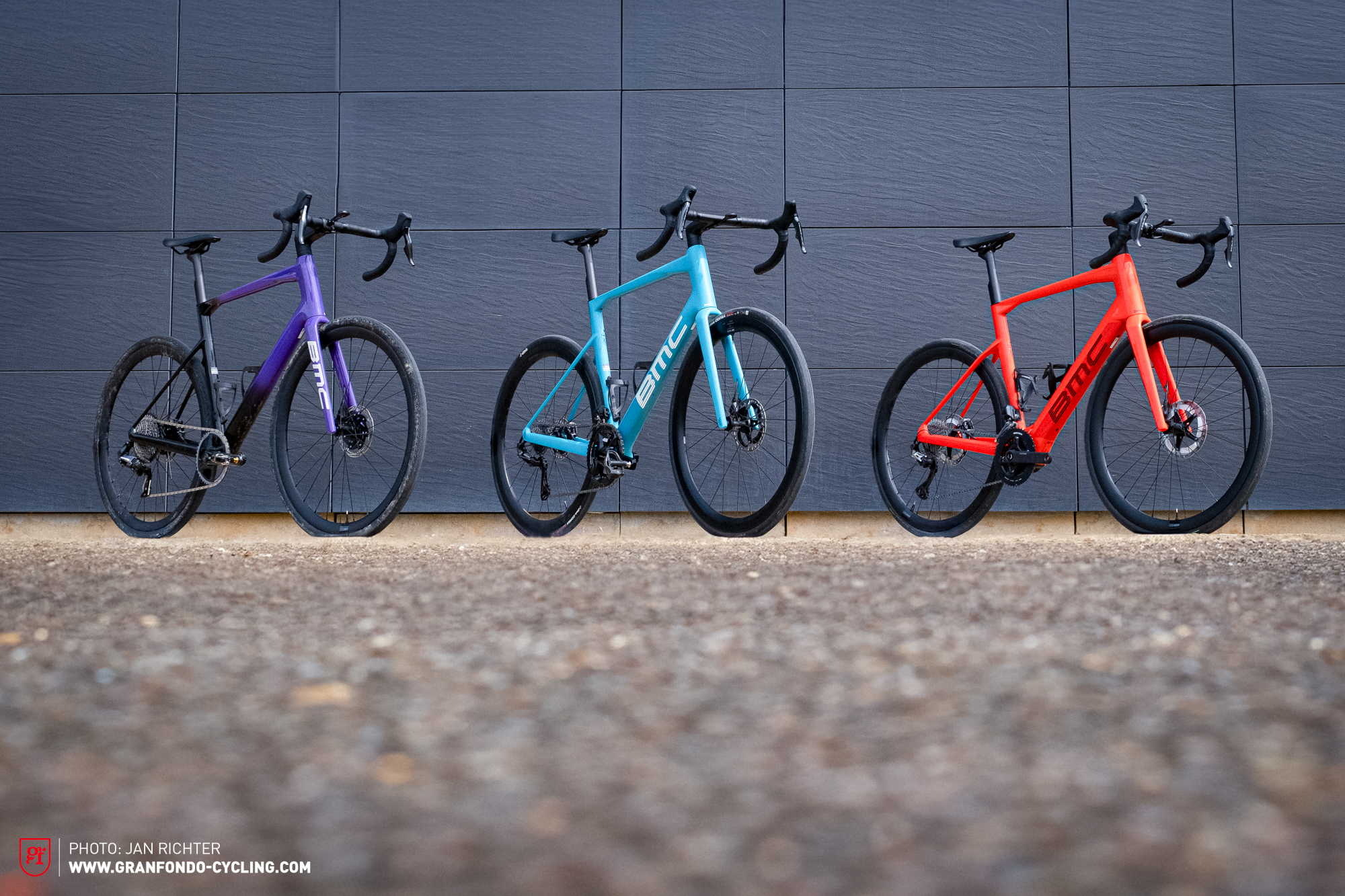
First Test of the BMC Roadmachine Line-Up 2024
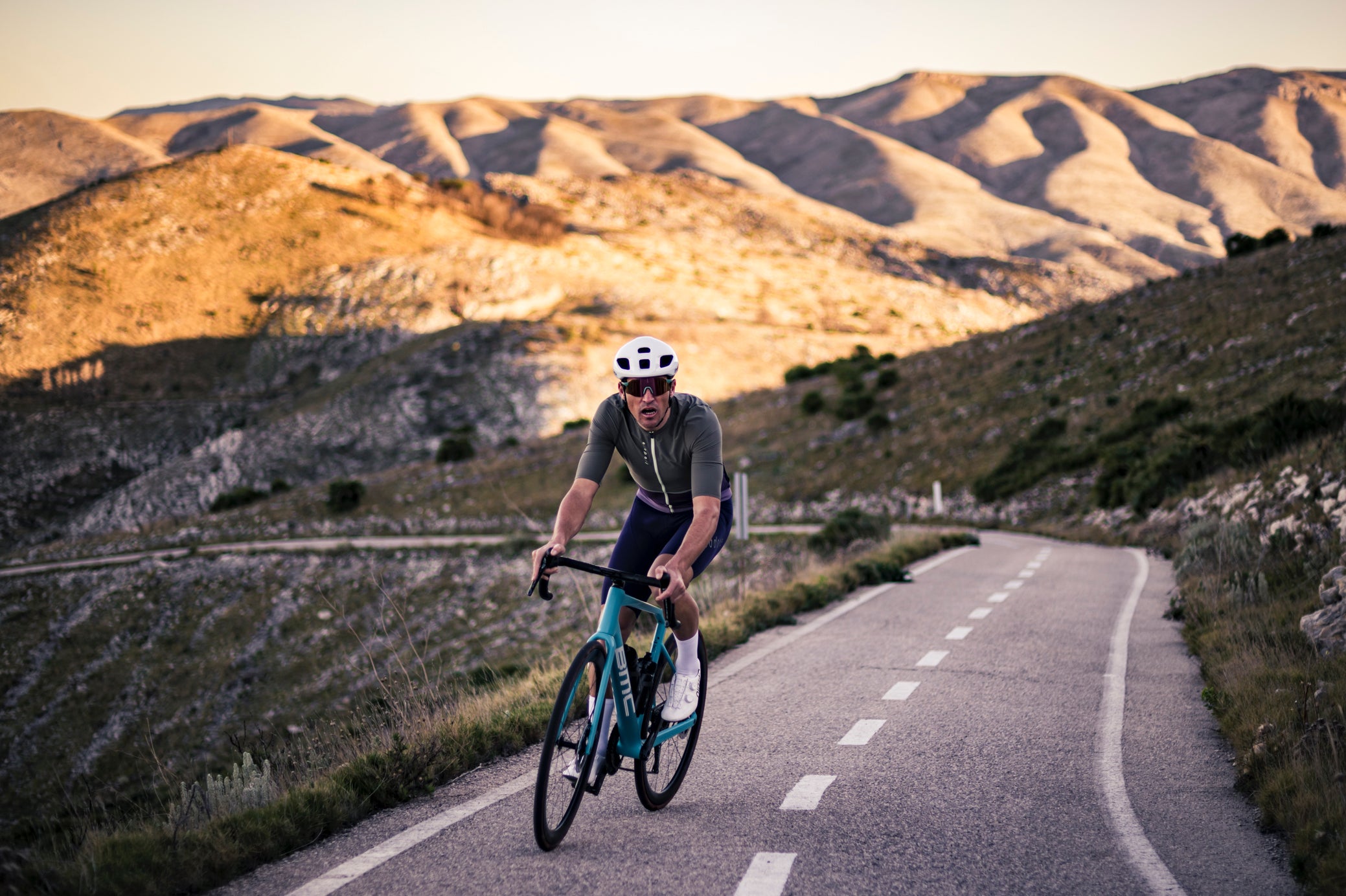
New BMC Roadmachine gen 3: Swiss precision and a ride as sweet as Toblerone
Can one bike do it all? BMC unveils next gen ...
BMC Roadmachine 01 Two review
Compared to.
Most-viewed comparisons.
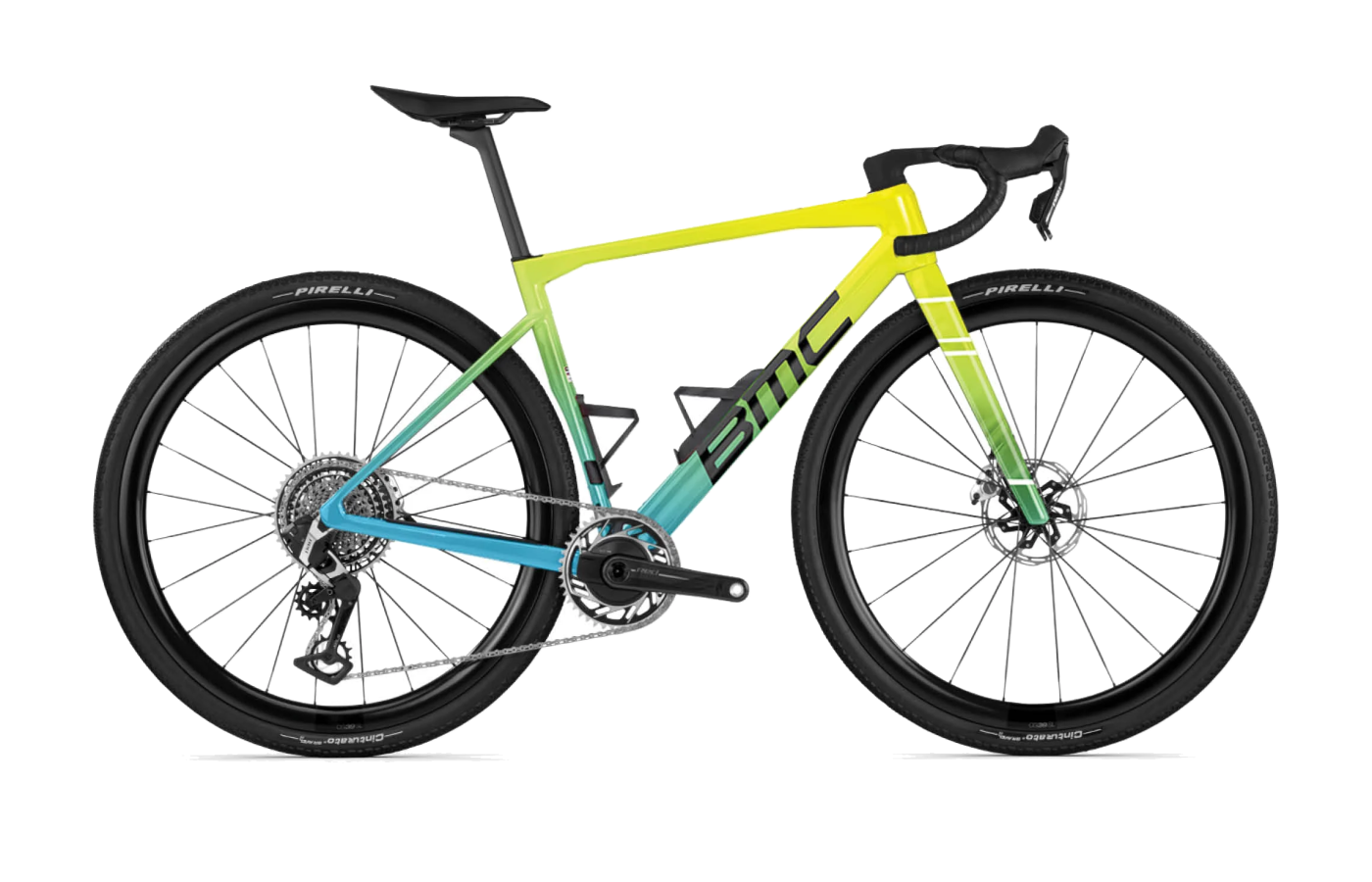
BMC Kaius vs Roadmachine
Read comparison→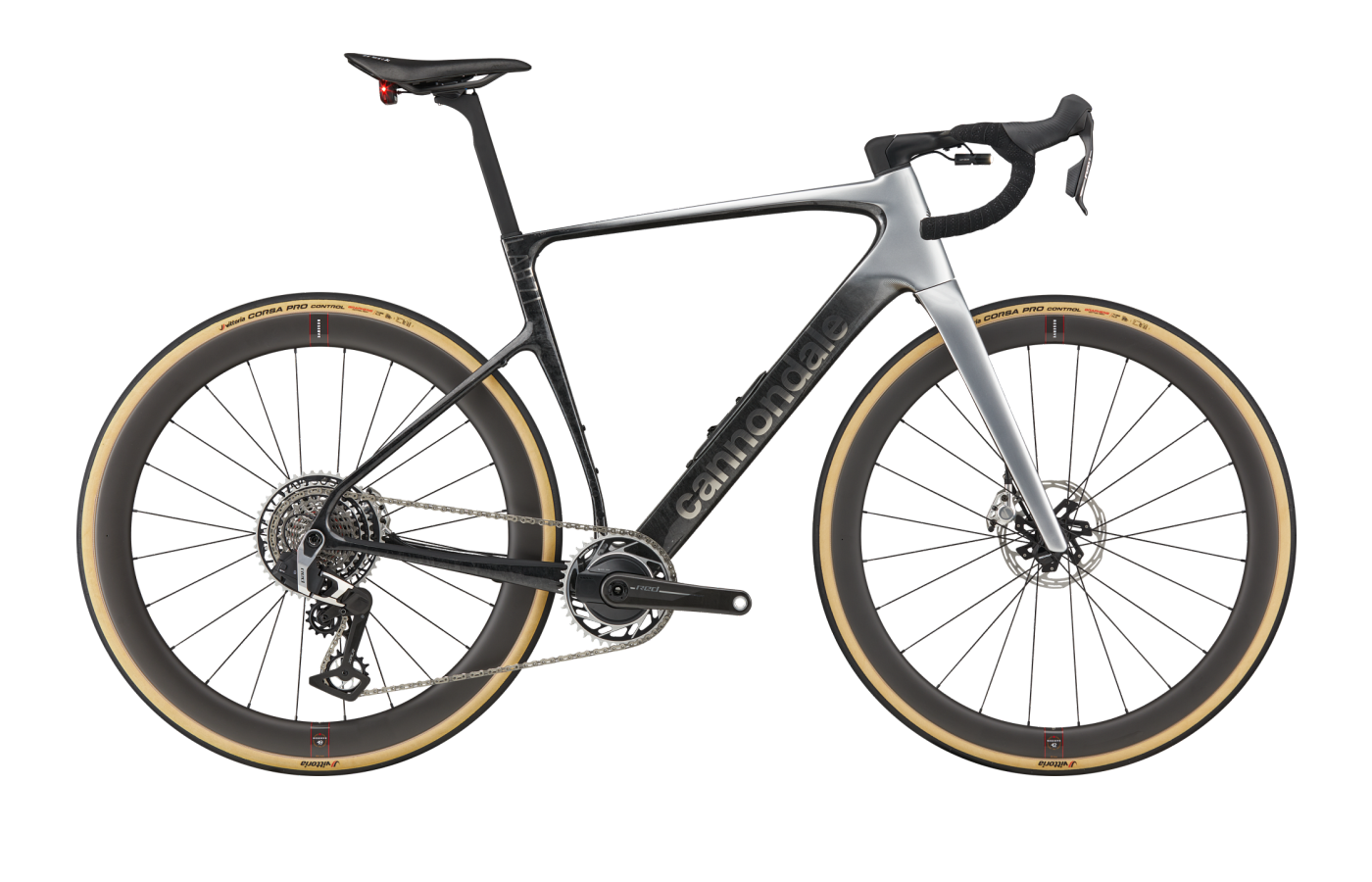
BMC Roadmachine vs Cannondale Synapse
Read comparison→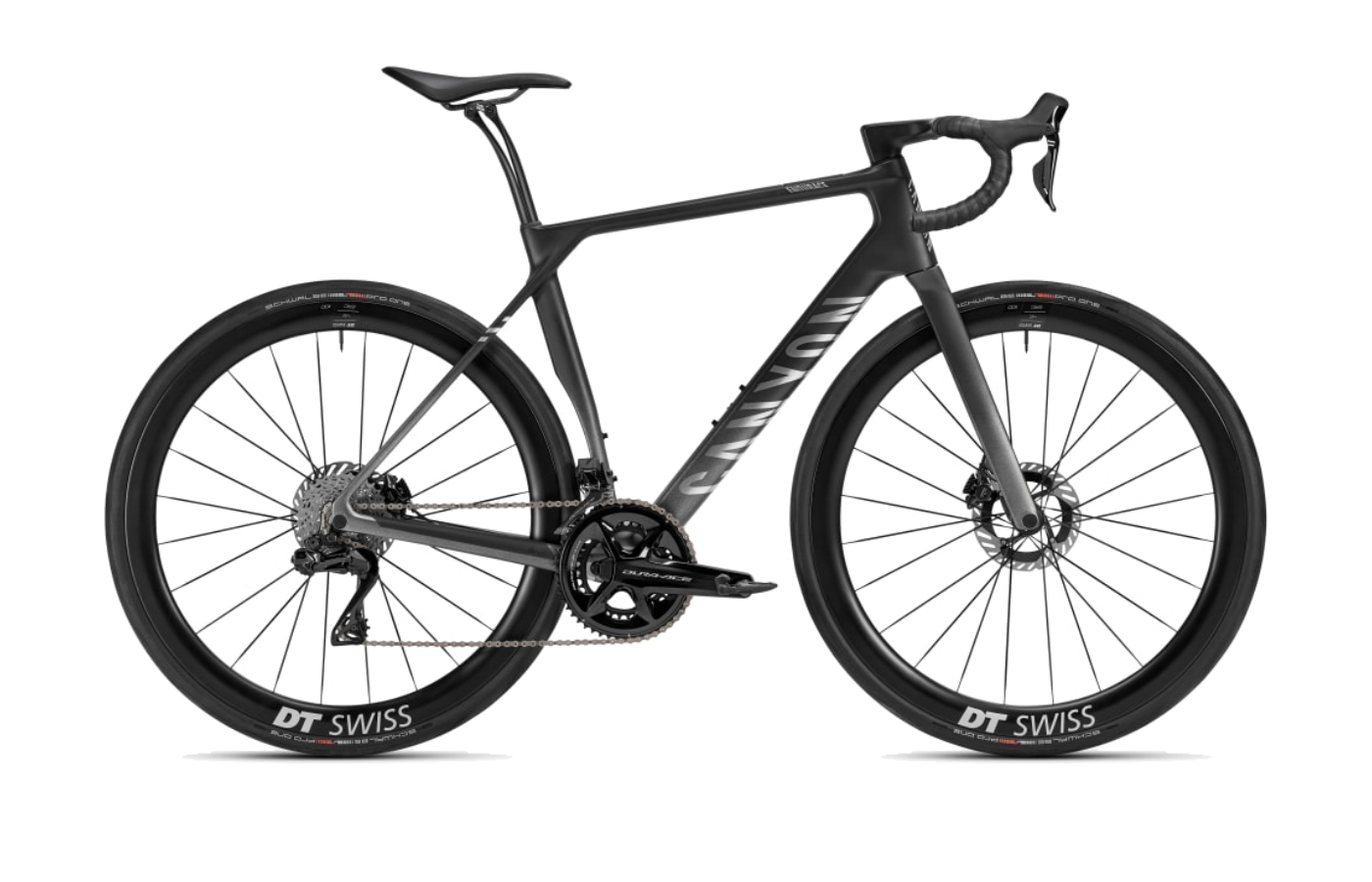
BMC Roadmachine vs Canyon Endurace
Read comparison→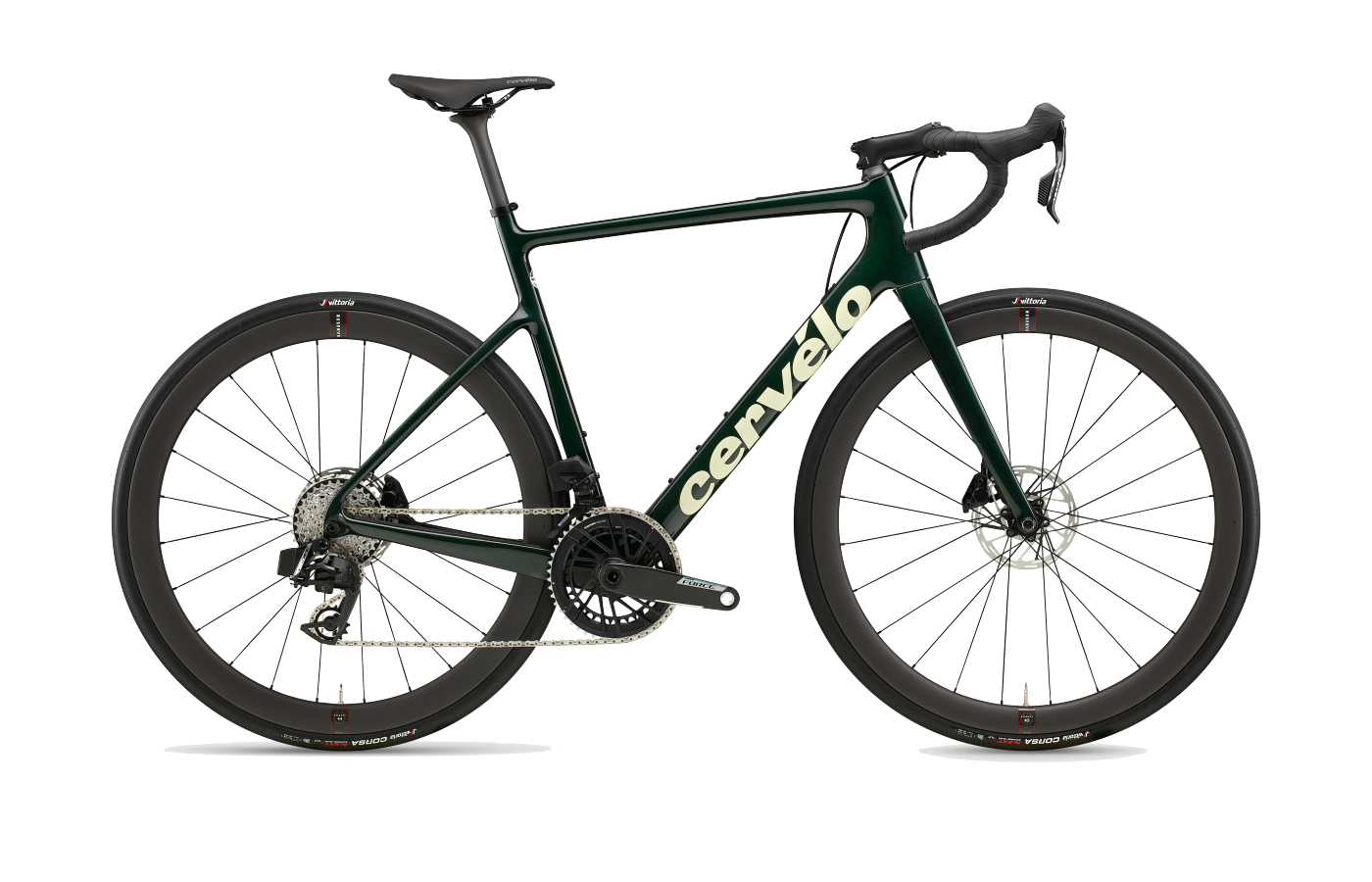
BMC Roadmachine vs Cervelo Caledonia
Read comparison→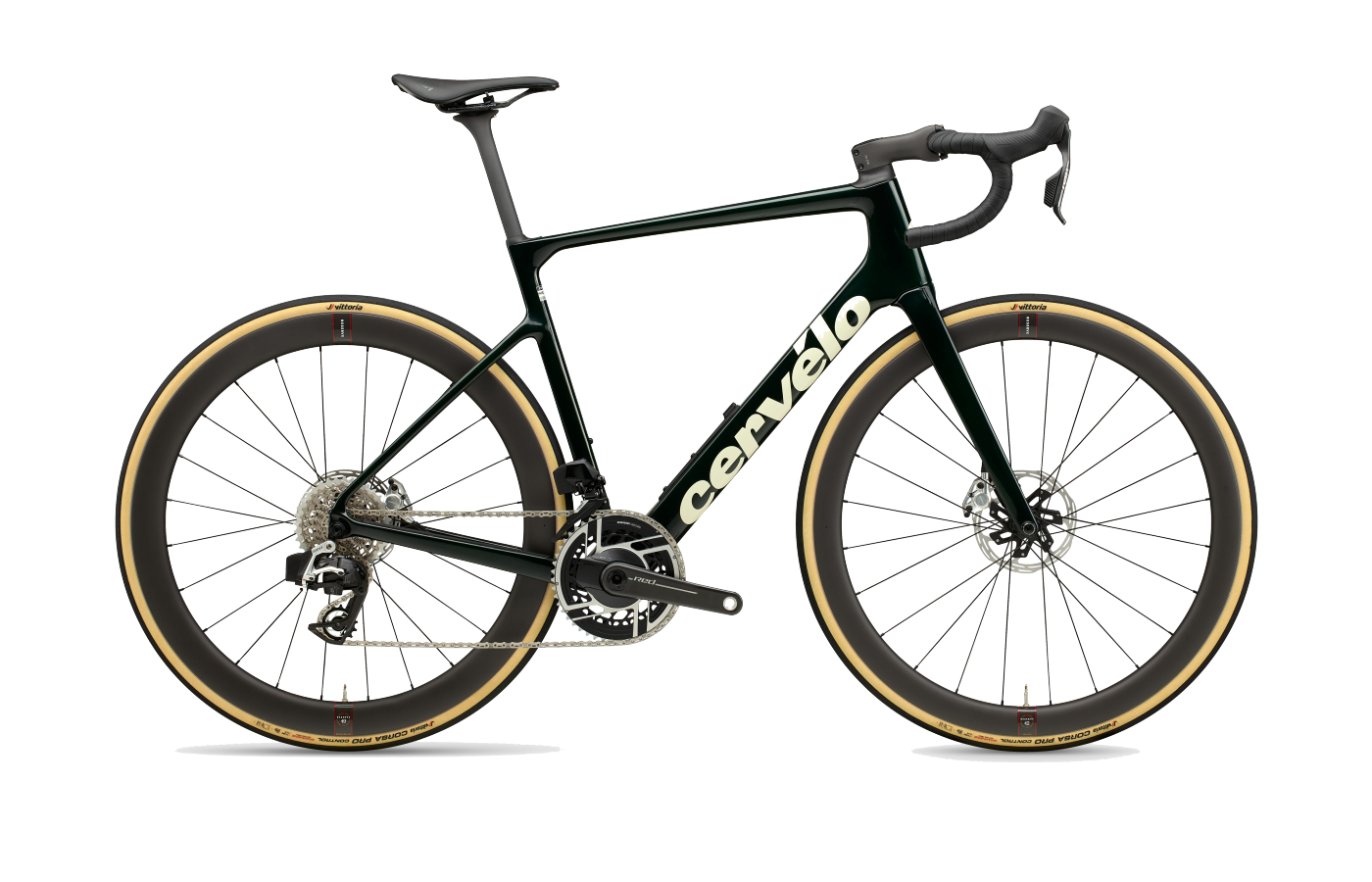
BMC Roadmachine vs Cervelo Caledonia-5
Read comparison→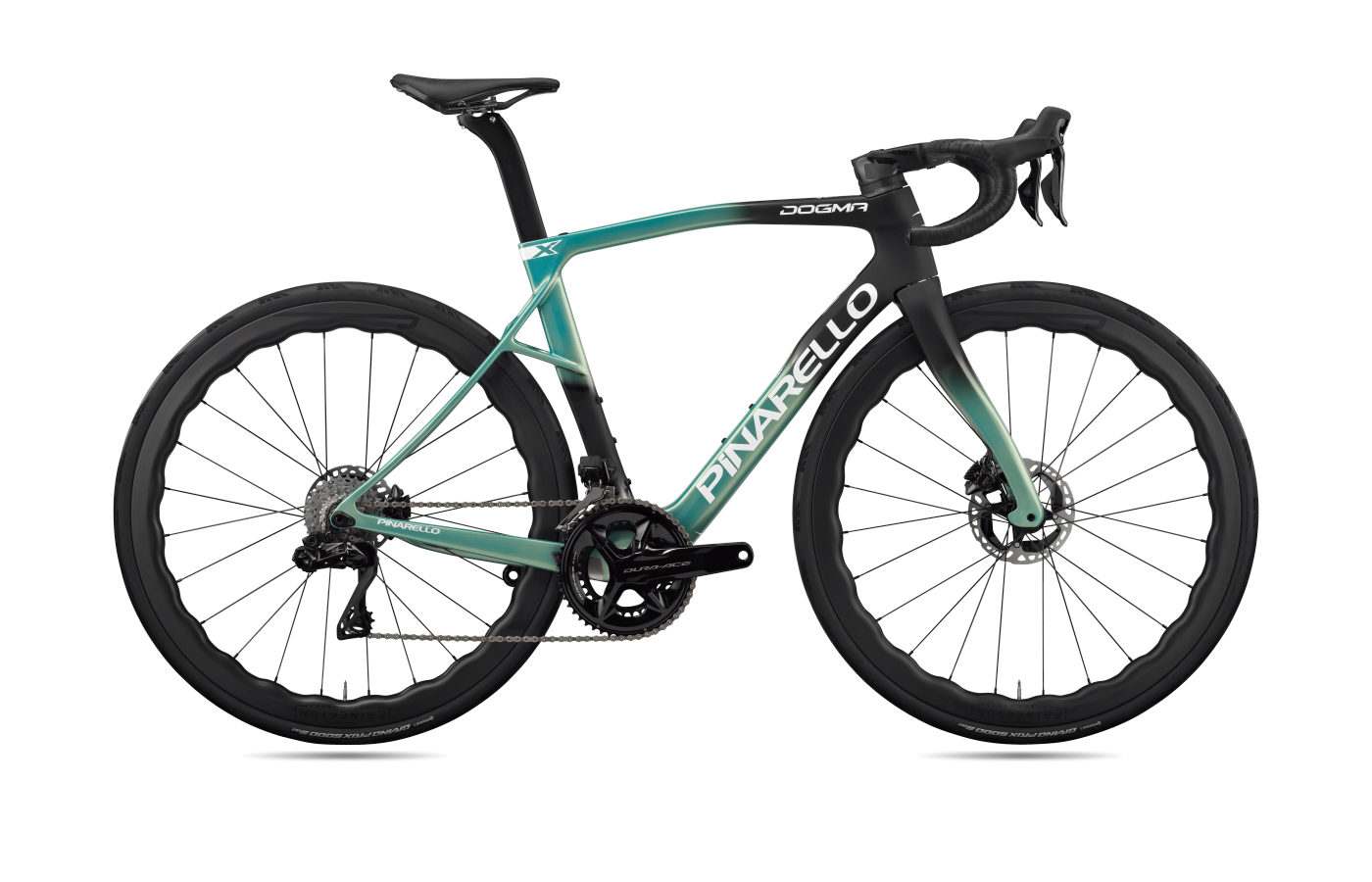
BMC Roadmachine vs Pinarello Dogma X
Read comparison→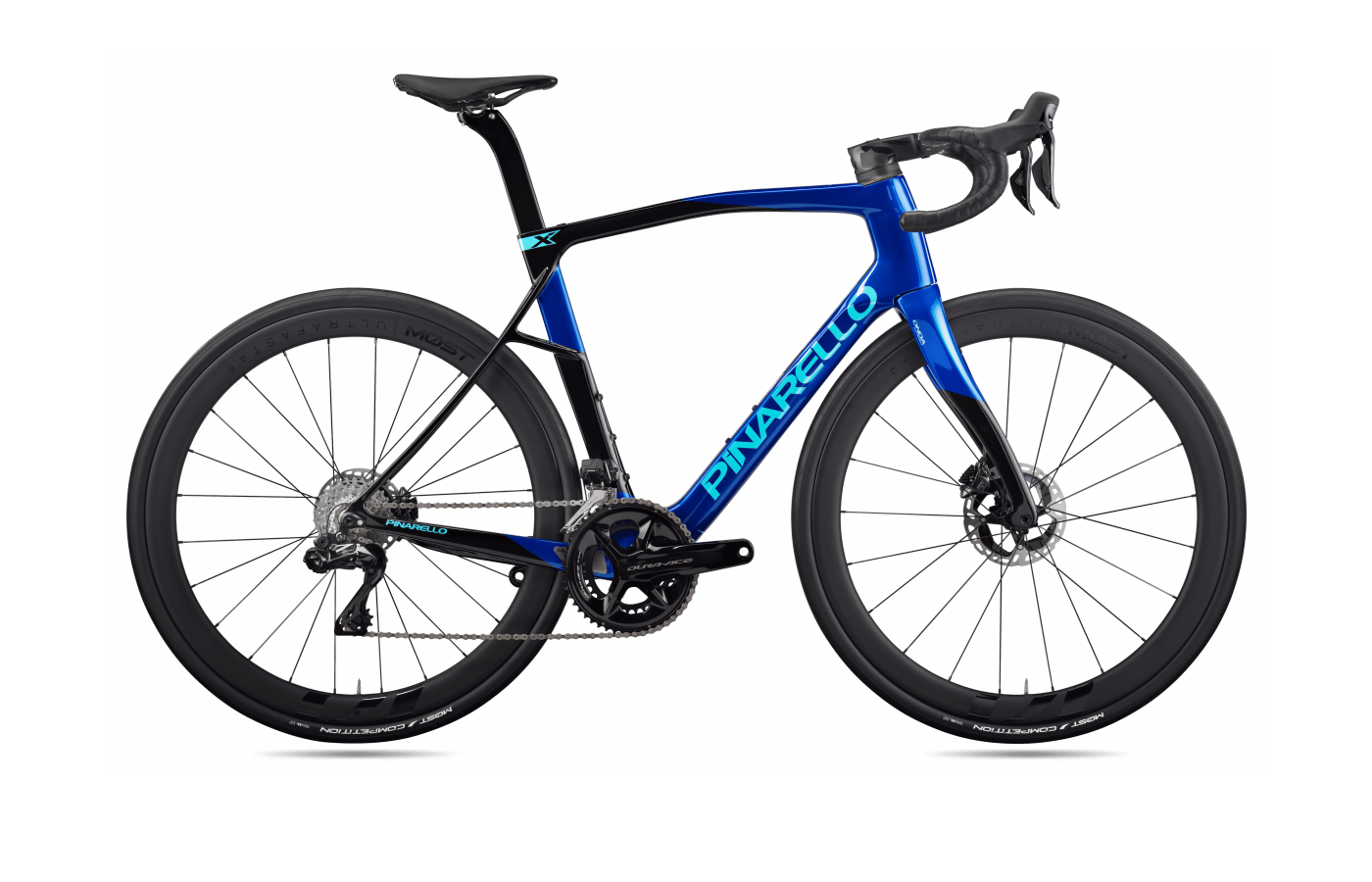
BMC Roadmachine vs Pinarello Pinarello X
Read comparison→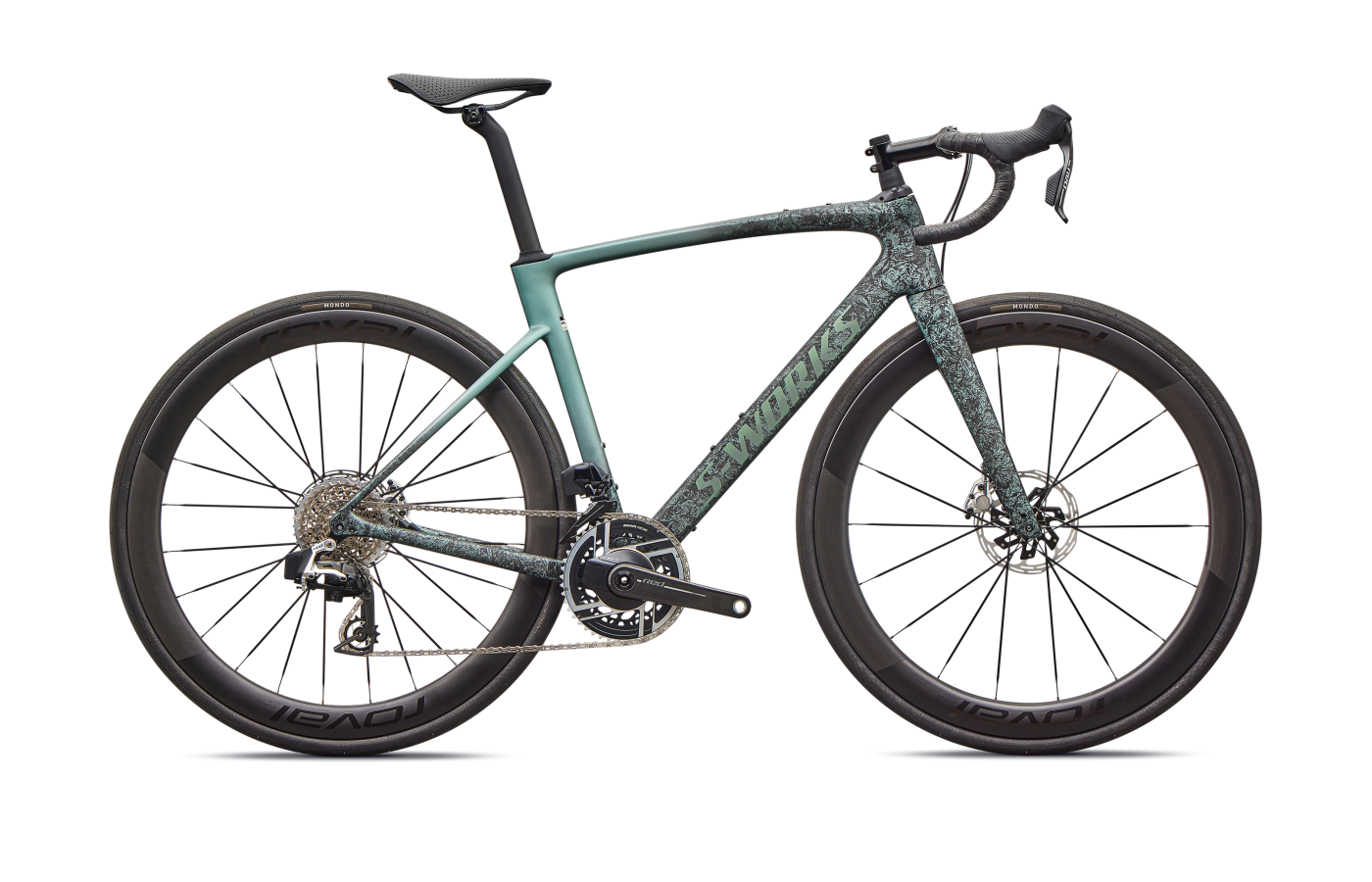
BMC Roadmachine vs Specialized Roubaix
Read comparison→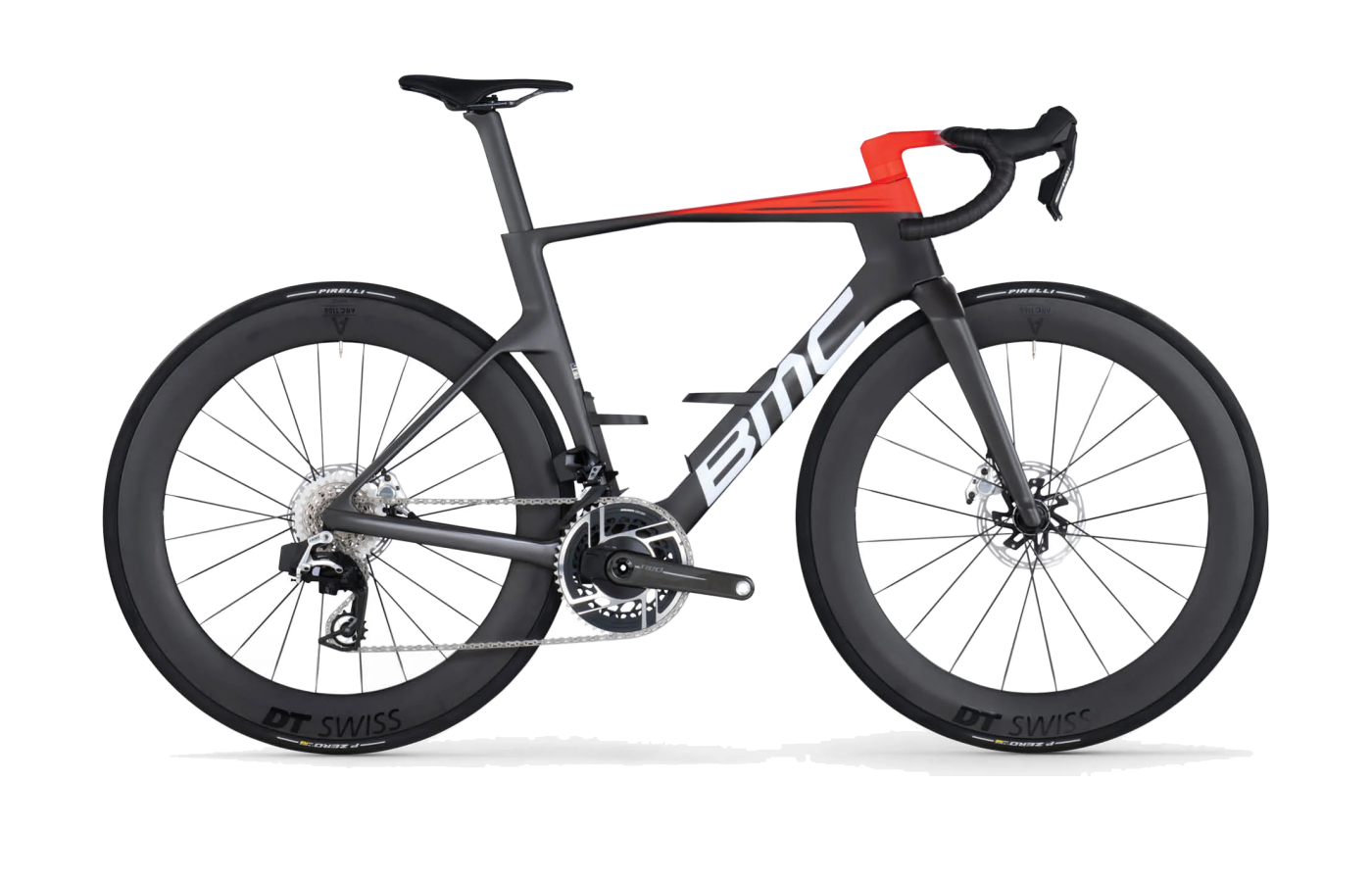
BMC Roadmachine vs Teammachine
Read comparison→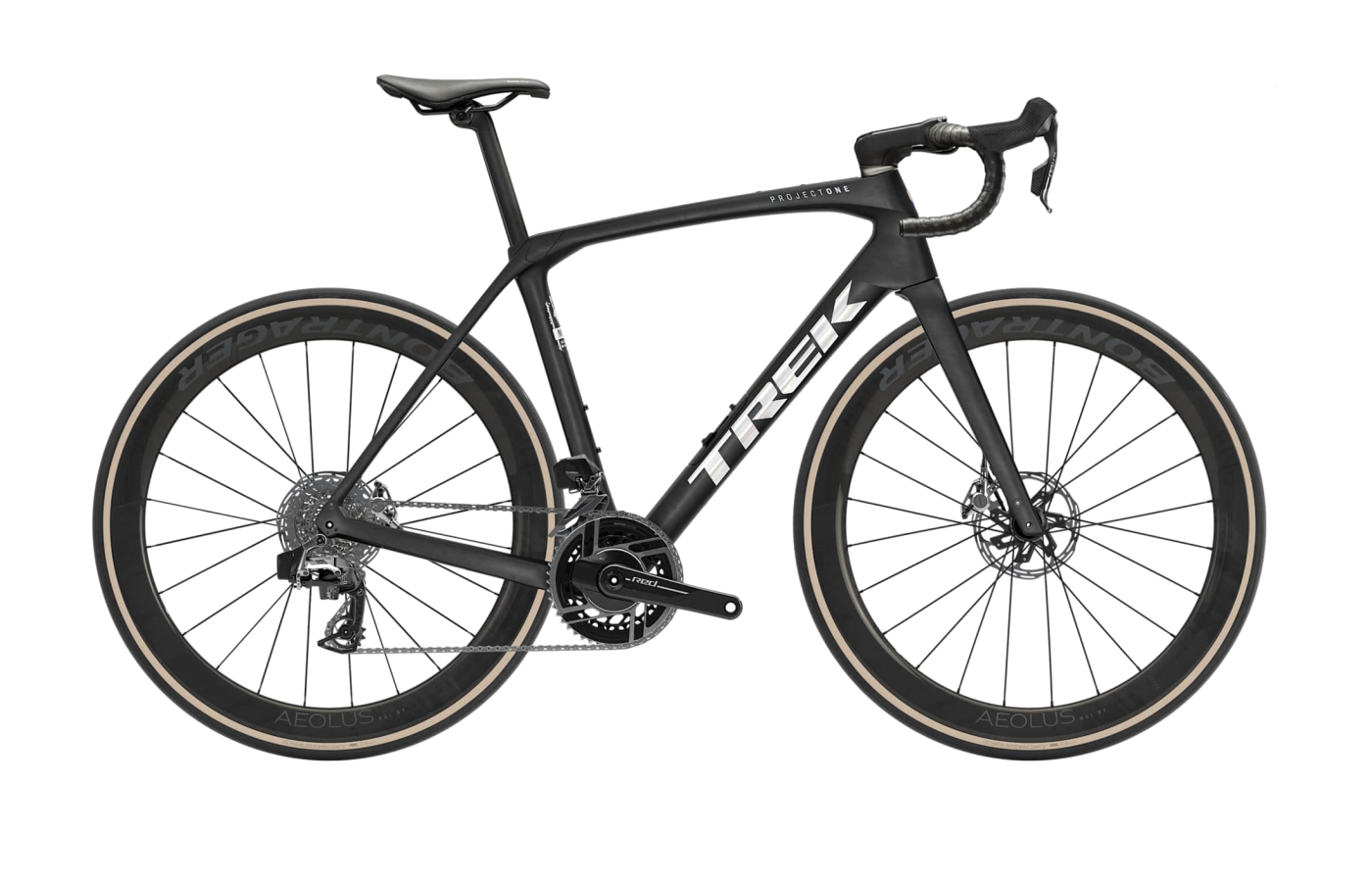
BMC Roadmachine vs Trek Domane
Read comparison→