Kaius
vsURS
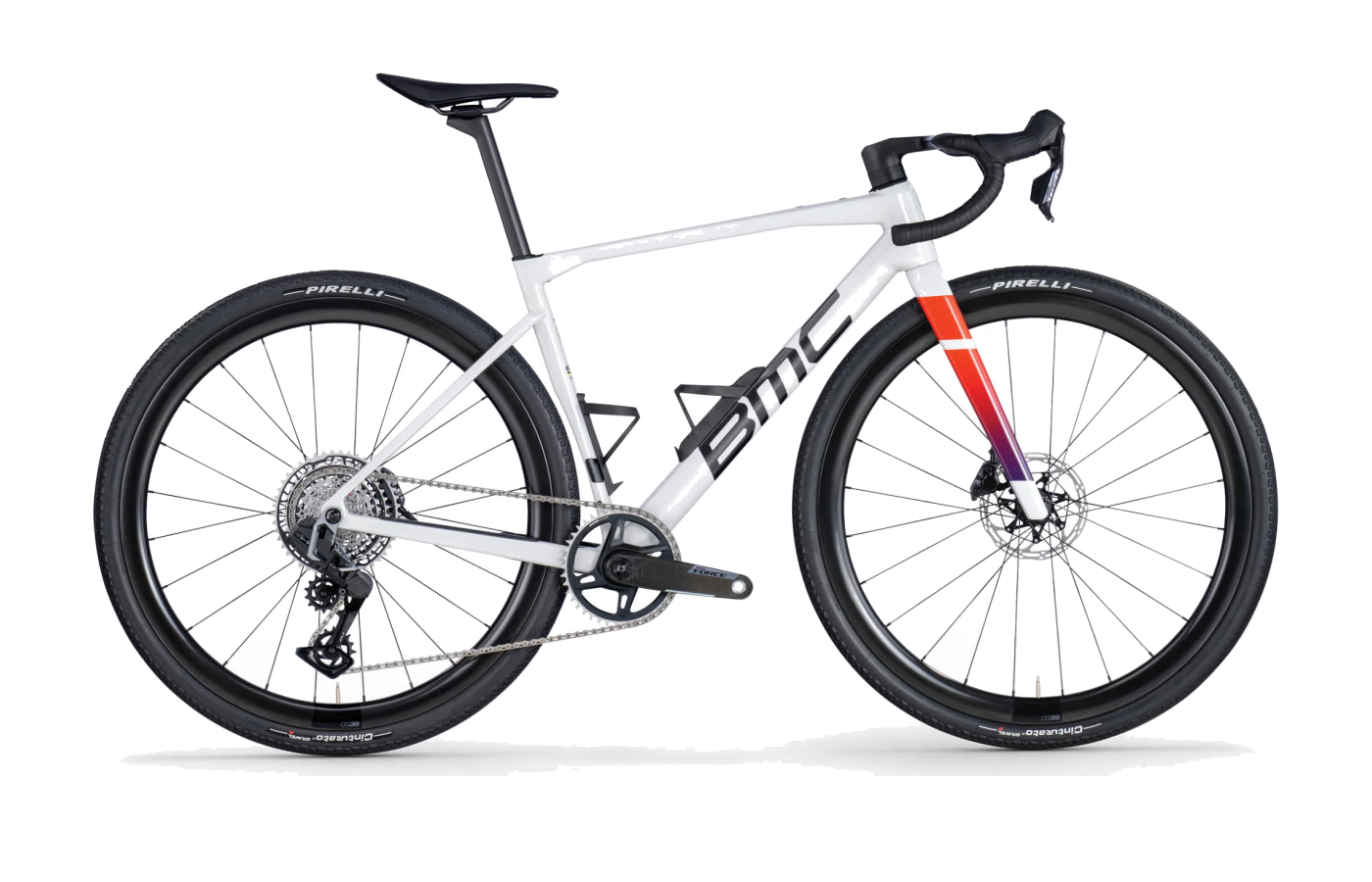
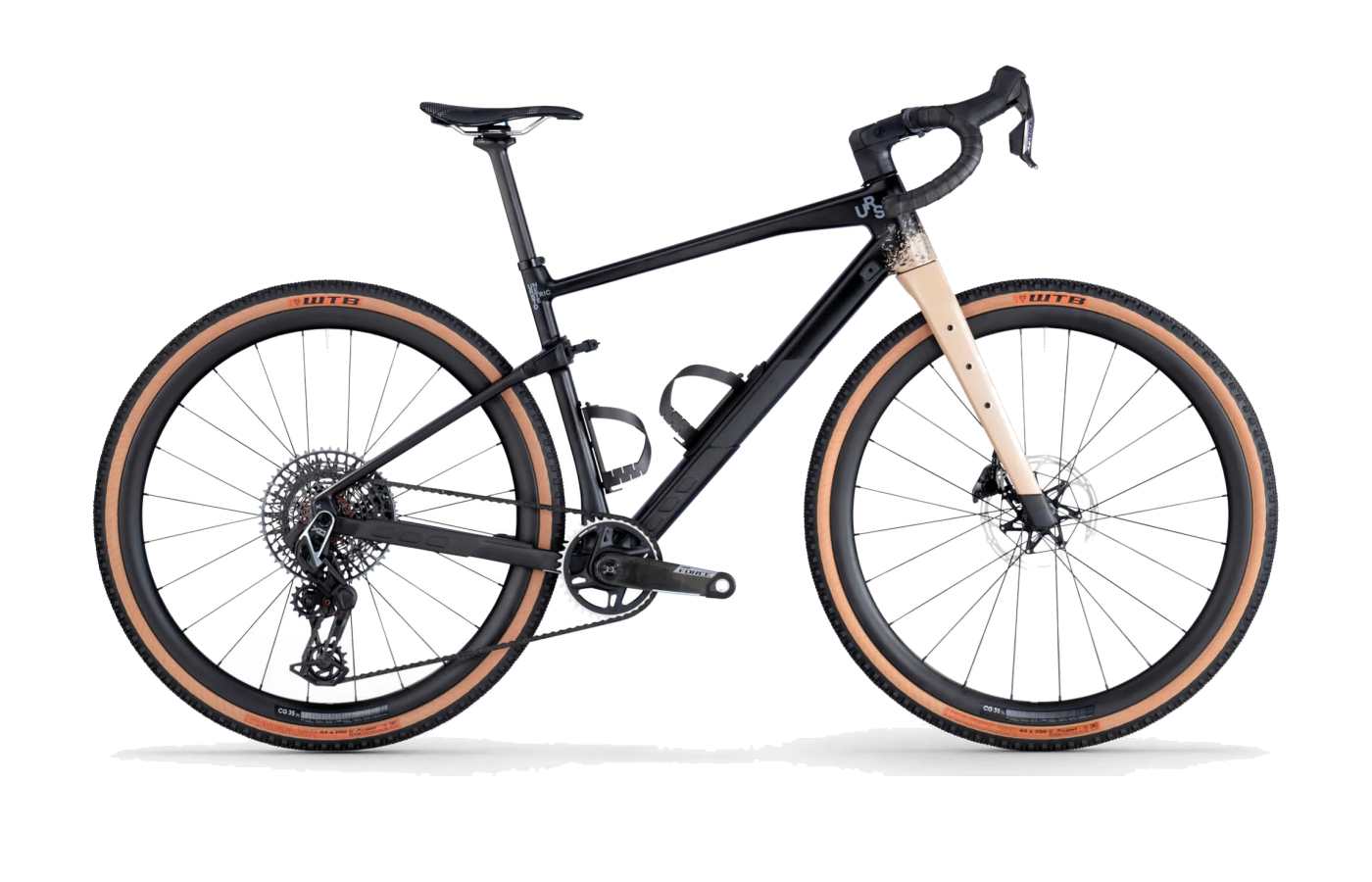
Same head badge, opposite ends of gravel.
The Kaius is a Teammachine in disguise built to win Unbound. The URS is a drop-bar XC hardtail that wants to find out where the road ends.
Kaius
- Road-bike speed on hardpack — shares tube shapes with the Teammachine SLR and rolls like it.
- Light at 7.5 kg flagship — climbs and accelerates like a race bike, not a gravel rig.
- Genuine aero gains from the integrated cockpit, narrow bars, D-shape post, and Aerocore bottle cages.
- 44 mm tire ceiling and minimal mounts — not built for bikepacking or chunky terrain.
- Narrow ICS cockpit (360 mm hoods, 420 mm drops) is polarizing and reduces leverage in tight, technical turns.
URS
- MTB-grade off-road capability — 69.5 degree HTA, 47 mm tire clearance, and MTT suspension front and rear.
- Half the entry price of the Kaius — the rigid base URS lands at $2,799 with the same Gravel+ geometry.
- Integrated downtube storage , multi-position cargo mounts, and rubberized frame protection — true adventure rig.
- Heavier and slower on tarmac — the rear MTT compliance and 9 kg-plus weight are felt the moment the surface smooths out.
- The pivoting MTT suspension stem on the 01 One is divisive — Velo and 99spokes both flagged a "weird" or "loose" feel under hard out-of-saddle efforts.
Editor’s analysis
BMC stocks both ends of the gravel barbell — and refuses to build the bike in the middle. The question isn't which is better, it's which gravel are you riding.
Look at the price tags first. The BMC Kaius starts at $5,199 and tops out at $9,199; the BMC URS starts at $2,799 and tops out at $5,999. They barely overlap. That's not an accident — these are sold as complementary bikes, not competitors. Pick the wrong one and you'll spend the next three seasons trying to make the bike act like the other one.
The Kaius is a thoroughbred. 7.5 kg in flagship trim, a 72-degree head angle, 420 mm chainstays, and an integrated ICS Carbon Aero cockpit so narrow (360 mm at the hoods) that BikeRadar called it "a handful on rough technical terrain." Tube shapes lifted directly from the Teammachine SLR road bike. Tire clearance stops at 44 mm. It's an aero road bike that grew slightly bigger tires — built for hardpack, fire roads, and Strade Bianche pace, where every watt matters and nothing else does.
The URS goes the other way. A slack 69.5-degree head angle, a 76 mm bottom bracket drop, 430 mm chainstays, 47 mm tire clearance, and BMC's MicroTravel Technology — 10 mm of rear elastomer travel on the 01 builds, plus a 20 mm Redshift-developed suspension stem on the 01 One. Velo's first-ride headline called it a "drop bar XC bike" and meant it. It's heavier (9.0 kg on the 01 One), slower on tarmac, and unbothered by rocks the Kaius would hate.
Put another way: if you already own a road bike and want a second bike for fast gravel, the Kaius is the right tool. If you don't own a mountain bike and want one bike that handles bikepacking, broken doubletrack, and the occasional XC trail, the URS is the right tool. Buying one expecting the other's character is the most common mistake at this fork in the road.
Where the builds differ.
Comparing our editor's-pick builds side-by-side. Winners highlighted row-by-row — lower price and weight, and the better-spec component, each mark a point.
Build variants & pricing
The Kaius lineup runs $5,199-$9,199 across four builds. The URS spans $2,799-$5,999 across five builds, with the 01 tier adding MTT suspension and the LT swapping the stem for a 20 mm fork.
Prices are current US MSRP. The Kaius and URS share no overlap below ~$5k, so the comparison table is the realistic tier-matched pairing rather than a like-for-like price match.
How they fit, how they steer.
Same 390 mm reach, but that's where it ends. The URS XS sits 50 mm taller in stack, runs a 69 degree head angle (vs 71 on the Kaius), and adds 16 mm of trail and 49 mm of wheelbase — a much more upright, planted, MTB-ish posture.
Which size should I buy?
Sizing recommendations are based on stack, reach, and effective top tube. BMC uses numeric sizing (47/51/54...) on the Kaius and lettered sizing (XS/S/M...) on the URS — the labels differ but both ranges cover the same rider heights.
→These are starting points. Flexibility, riding style, and preferred position all shift the answer — if you’re between sizes, a professional fit beats a chart.
What the magazines said.
Published reviews from trusted cycling outlets. Click through for the full write-up.
Which one should you buy?
If you race gravel on hardpack and want a road bike with bigger tires, get the Kaius. If you'd rather have a drop-bar XC bike that's happy on singletrack, get the URS.
Kaius
If your weekends are Unbound, BWR, Strade Bianche-style hardpack, or sustained group rides on dirt roads where average speed is the only metric — the Kaius is one of the fastest gravel bikes made. Just accept that the narrow bars and the 44 mm tire ceiling are not negotiable parts of the deal.
URS
If your rides are bikepacking trips, mixed-surface backcountry routes, or local MTB trails you'd like to ride on drops, the URS is purpose-built for it. The 47 mm clearance, integrated storage, MTT suspension, and slack geometry make it the rare gravel bike that actually replaces a hardtail.
Questions buyers actually ask.
Short answers to the things we get emailed about most often.
01Which is faster on smooth gravel and tarmac?
The BMC Kaius, by a clear margin. It's roughly 1.5 kg lighter than the URS in equivalent trim, has a much more aggressive aero package (narrow 360 mm bars, integrated cockpit, D-shaped seatpost, Aerocore bottle cages), and runs faster-rolling 40 mm Pirelli Cinturato Gravel H tires versus the URS's 44 mm WTB Raddlers.
BikeRadar called the Kaius "intoxicatingly fast" on hardpack and Cyclist Magazine noted it "makes gravel rides feel like road rides." The URS, by contrast, is built around a slack 69.5 degree head angle and rear-end compliance — both of which cost speed when the surface is smooth.
02Which is more capable on technical terrain?
The BMC URS, decisively. Its 69.5 degree head angle, 76 mm bottom bracket drop, 430 mm chainstays, and 1,052 mm-plus wheelbase are closer to a modern XC hardtail than to a traditional gravel bike. Add 10 mm of rear MTT elastomer suspension and (on the 01 One) a 20 mm Redshift suspension stem and it shrugs off rocks and roots that would beat up a Kaius rider.
Reviewers across Velo, Cycling Weekly, and Blister all framed the URS as a "drop-bar XC bike." Blister specifically called the AMP LT one of the "more capable Gravel bikes I've ridden downhill on legitimately tricky singletrack."
03What's the maximum tire clearance on each?
Kaius: 44 mm officially (700c), though Velo's tester noted real-world clearance is a bit tighter than claimed.
URS: 47 mm in 700c, 50 mm in 650b — wide enough for plus-size adventure tires.
Both ship with 40-44 mm Pirelli or WTB rubber stock. Neither is a true mountain-bike platform, but the URS is the one that can actually fit a meaningful XC tire.
04Does the Kaius's narrow integrated cockpit work for everyone?
No, and BMC knows it. The flagship Kaius 01 One uses an ICS Carbon Aero one-piece bar that's just 360 mm wide at the hoods, flaring to 420 mm in the drops. BikeRadar and Granfondo both flagged it as "a handful" in slow technical turns; Velo called it "polarizing." Riders with broad shoulders or those who do a lot of low-speed steering should test-ride before committing.
If you want the Kaius frame without the narrow integrated cockpit, the 01 Two and 01 Three ship with a more conventional two-piece bar and stem — same frame, same geometry, normal cockpit.
05What is BMC's MicroTravel Technology and how much does it actually do?
MTT is BMC's term for two separate systems that only appear on the URS lineup:
- Rear: 10 mm of travel via an elastomer-damped flex zone built into the seatstays. Tunable by swapping elastomer densities. Reviewers consistently described it as effective for muting washboard chatter and improving climbing traction with "essentially zero" pedaling-efficiency penalty (per the YouTube/99spokes review).
- Front (01 One): 20 mm of travel via a Redshift-co-developed pivoting suspension stem.
- Front (01 LT One): 20 mm of travel via a Hi-Ride telescopic suspension fork — generally preferred by reviewers for technical riding because it feels more like conventional suspension.
It's not a replacement for a real fork or shock, but on rough gravel it noticeably reduces fatigue. The Kaius has none of this.
06Why is the URS so much cheaper than the Kaius?
Mostly because the URS lineup goes deeper down the price ladder. The URS starts at $2,799 for a Shimano GRX-equipped rigid carbon build (still on the Premium Carbon URS frame); the Kaius doesn't offer anything below $5,199 because every Kaius is built around the integrated aero cockpit and high-tier carbon wheels.
If you compare like-for-like — both at the SRAM Force AXS tier — the gap shrinks to $6,799 (Kaius 01 Two) vs $5,999 (URS 01 One), an $800 difference largely accounted for by the Kaius's lighter frame layup, integrated cockpit, and faster carbon wheels.
07Which one fits better for a 5'8" rider?
Our fit algorithm puts a 173 cm rider on the Kaius size 47 (510 mm stack, 390 mm reach) and the URS size XS (560 mm stack, 390 mm reach).
Reach is identical, but the URS sits 50 mm taller in stack — which is the URS's whole personality on display. The Kaius wants you stretched and low for aero; the URS wants you upright and balanced for technical control. Both are correct for what their bikes are trying to do.
08Can I bikepack on either?
The URS, easily. Multiple cargo mounts on the fork, top tube, and downtube; integrated downtube storage hatch on every non-AMP build; rear and fender mounts; molded frame protection on the 01 builds. It's designed for it.
The Kaius, not really. BMC stripped mounts in the name of clean aero lines and weight — Aerocore bottle cages are integrated into the frame for aero, not for adventure carrying. There are no top-tube or fork-cargo mounts. Use a Kaius for fast day rides; use the URS for trips.
Similar bikes
If your priorities don’t map cleanly onto either of these, one of these adjacent bikes probably fits better.
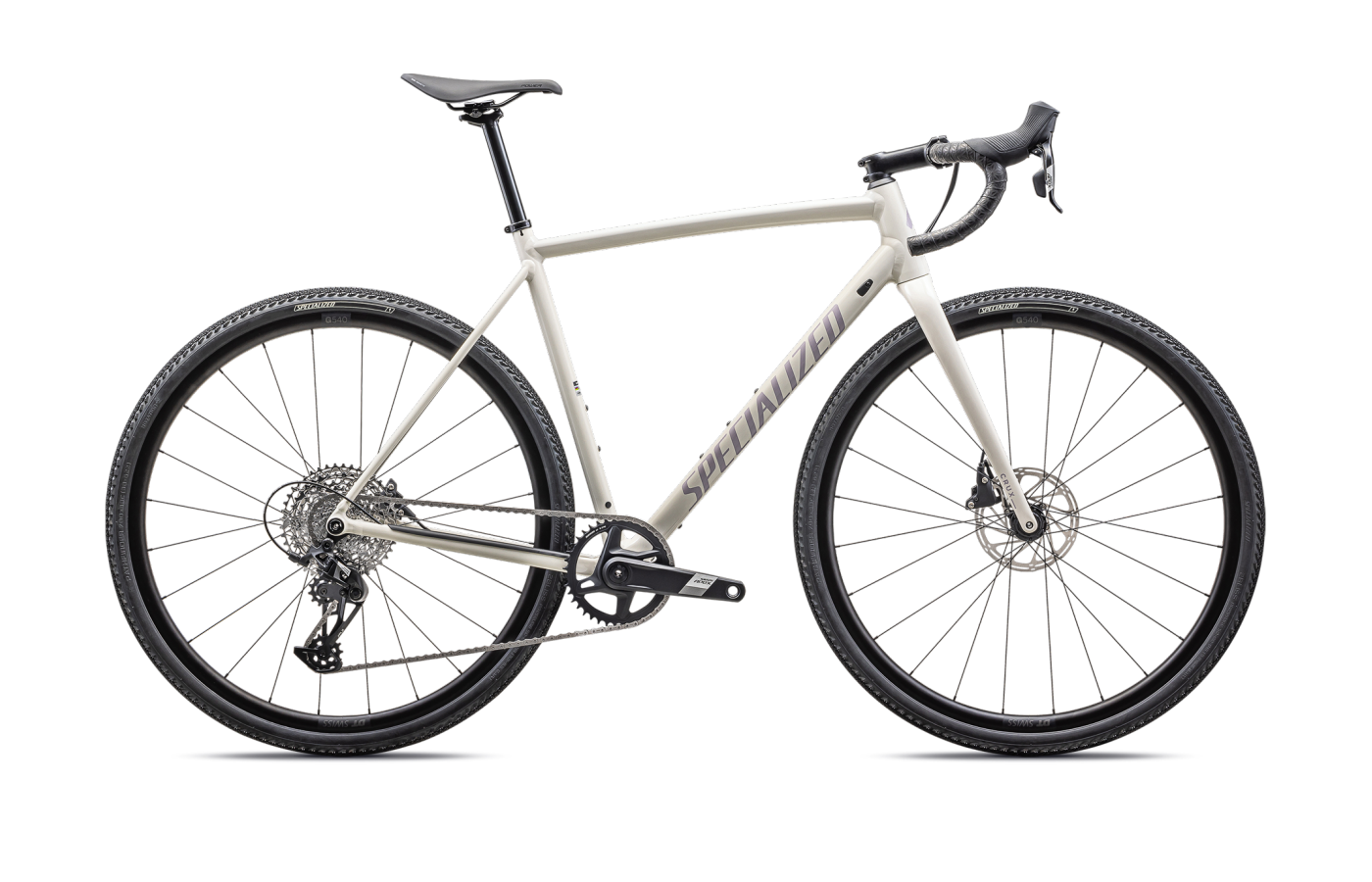
Crux
The Kaius's most obvious cross-shop — an even lighter, even more stripped-down race rig with the same minimalist mounts-and-integration philosophy. If aero is less important than weight, the Crux is the comparison to make.
Compare →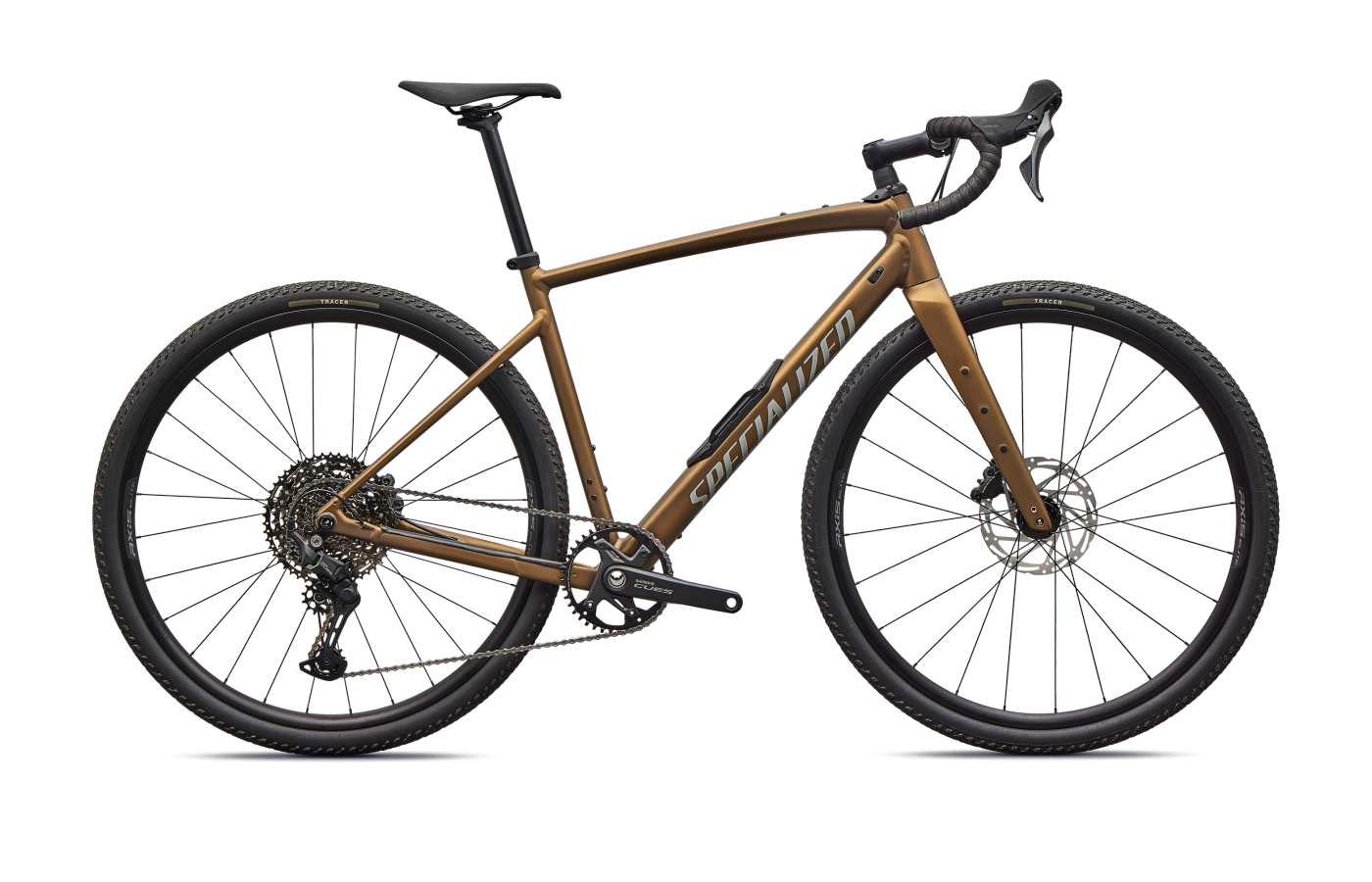
Diverge
The URS's natural rival on the comfort axis. Specialized's Future Shock front suspension and Roubaix-derived rear compliance attack the same problem the URS solves with MTT — different mechanism, similar mission.
Compare →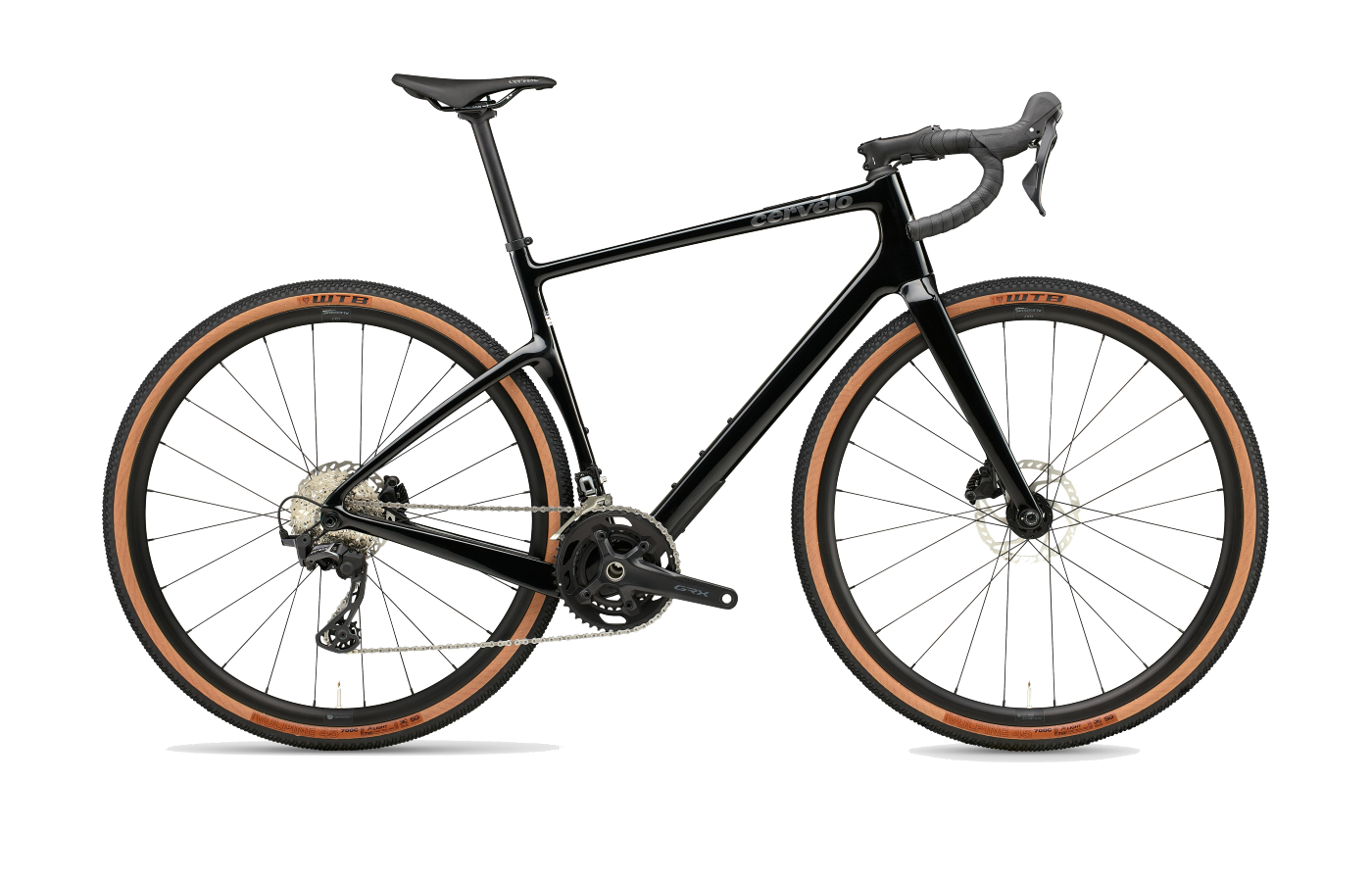
Aspero
Bridges the gap between these two BMCs — Cervelo's race-focused gravel bike runs slacker than the Kaius and lighter than the URS, a useful middle ground if neither extreme fits.
Compare →