URS
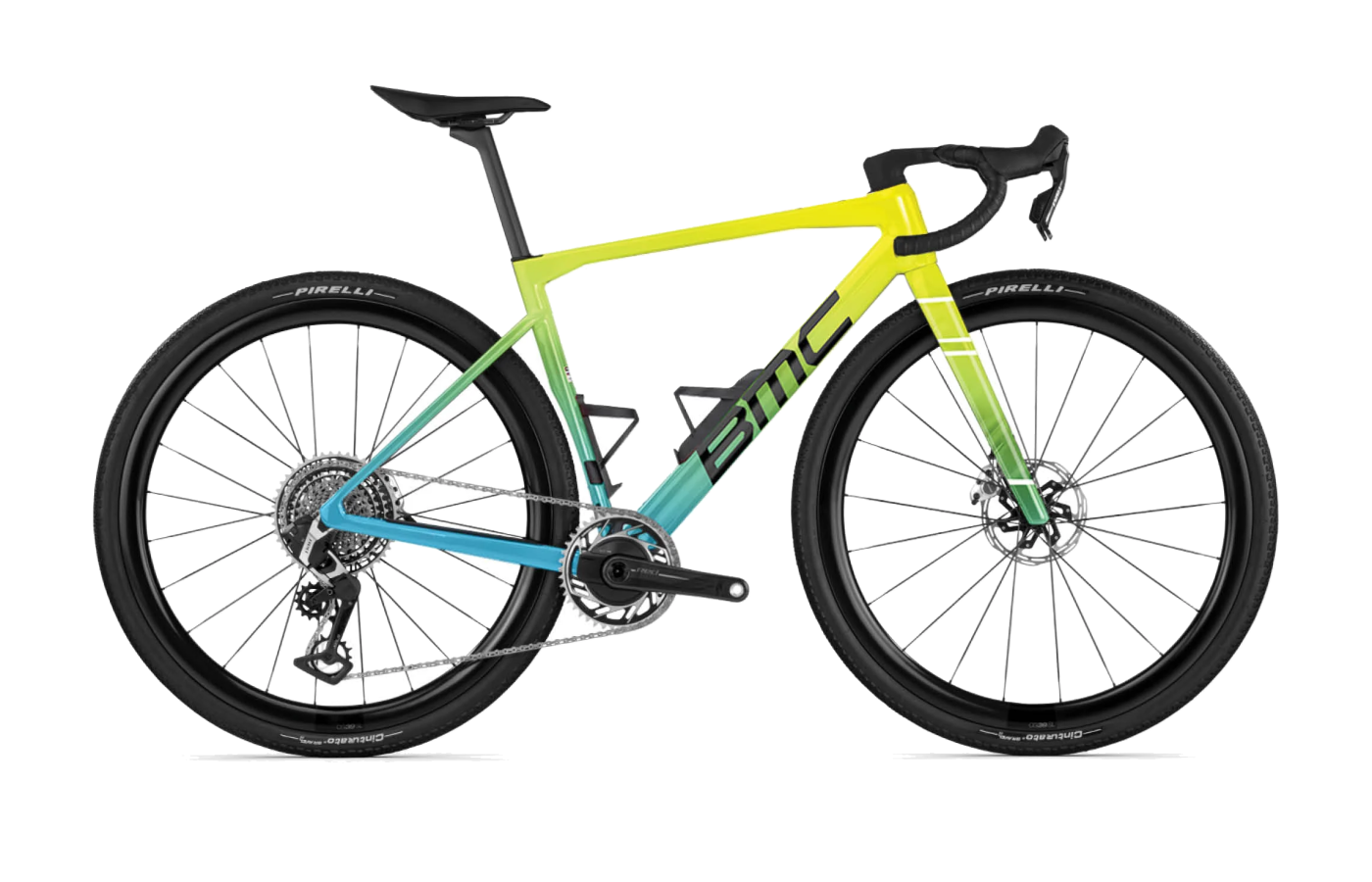
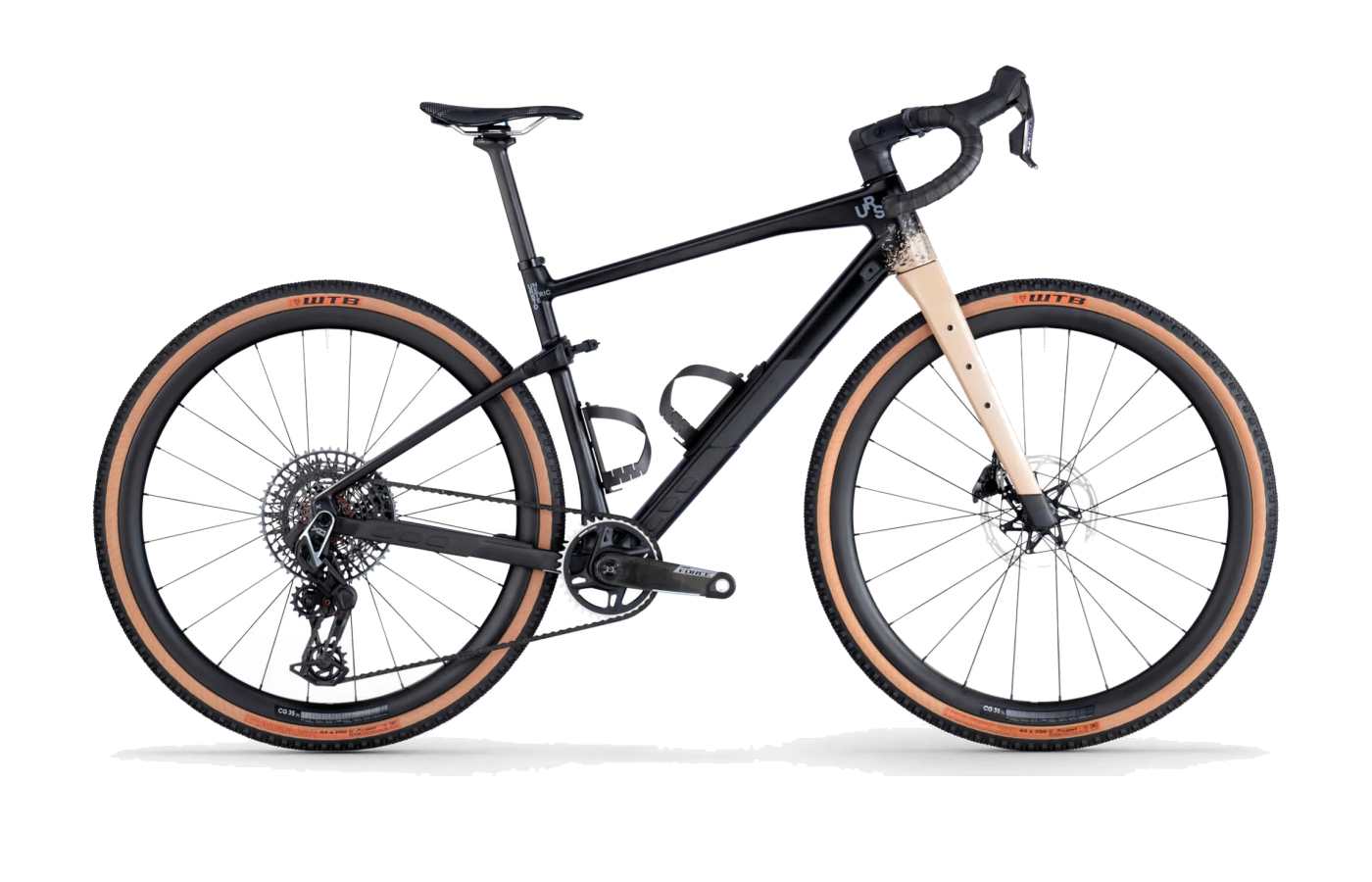
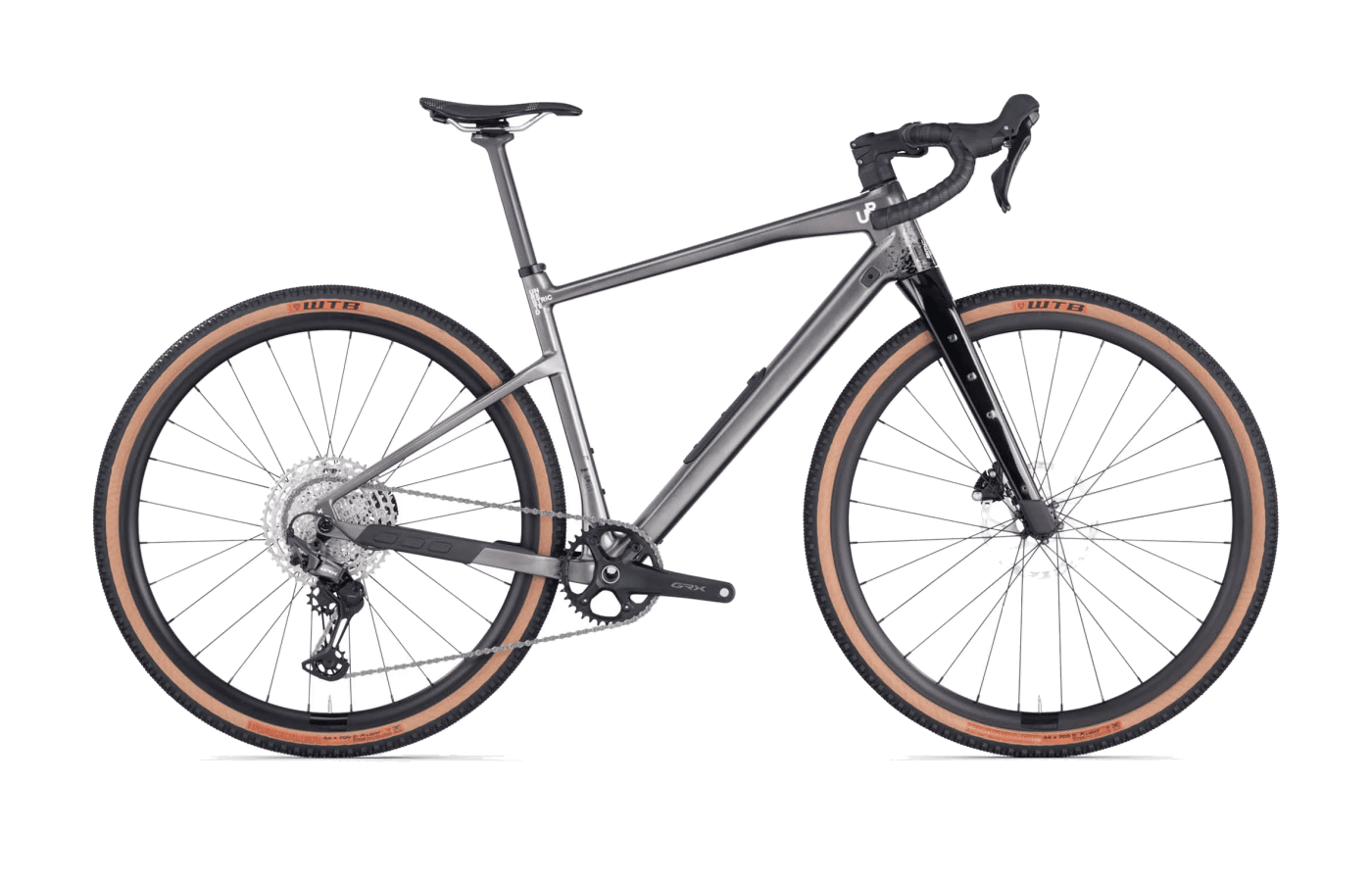
The second-generation BMC URS pushes the boundaries of adventure gravel, leaning heavily into mountain bike territory to tackle terrain that typically overwhelms drop-bar bikes. Designed for riders who prioritize off-road exploration and technical capability over pure tarmac speed, the platform is defined by its progressive geometry and integrated bump-management systems. Rather than acting as a versatile all-road machine, the URS is a specialized tool for rough, unpredictable routes and loaded bikepacking. The lineup splits distinctly based on suspension approaches, offering a fully rigid base model alongside premium tiers equipped with rear micro-travel and a choice between an elastomer-damped stem or a dedicated short-travel suspension fork. Across the range, the frame adopts modern standards like a Universal Derailleur Hanger and integrated downtube storage, cementing its status as a rugged, forward-looking expedition platform.
Geometry & fit.
5 sizes published.
The URS utilizes a mountain bike-inspired geometry concept that pairs a long frame reach with a short stem. This setup pushes the front wheel far ahead of the rider, creating a highly stable platform that resists deflection on steep, loose descents. To keep the steering direct despite the long wheelbase, the short stem ensures the handling remains responsive at lower speeds.
Rider posture is relatively upright, aided by a generous stack height that reduces lower back strain during long days in the saddle and provides better leverage when navigating technical trail features. A steep seat tube angle centers the rider's weight over the bottom bracket, which helps maintain front-wheel tracking and rear-wheel grip on punchy climbs. The bottom bracket sits notably low, anchoring the bike's center of gravity for secure cornering, though riders will need to be mindful of pedal clearance when pedaling through deep ruts or over rocky obstacles.
Where the handlebar sits relative to the bottom bracket — the single most important fit pair.
01Fit geometry6 values
03Handling geometry8 values
Which size should I buy?
Slide your height to see the recommended size. GearWise's fit algorithm works from the published stack, reach, and ETT — the brand's own recommendation may differ.
→Calculated from GearWise's own stack / reach / ETT algorithm — the brand's size chart may recommend a different size, and a proper bike fit beats any calculator.
The lineup.
5 builds, ranging $2,799 – $5,999.
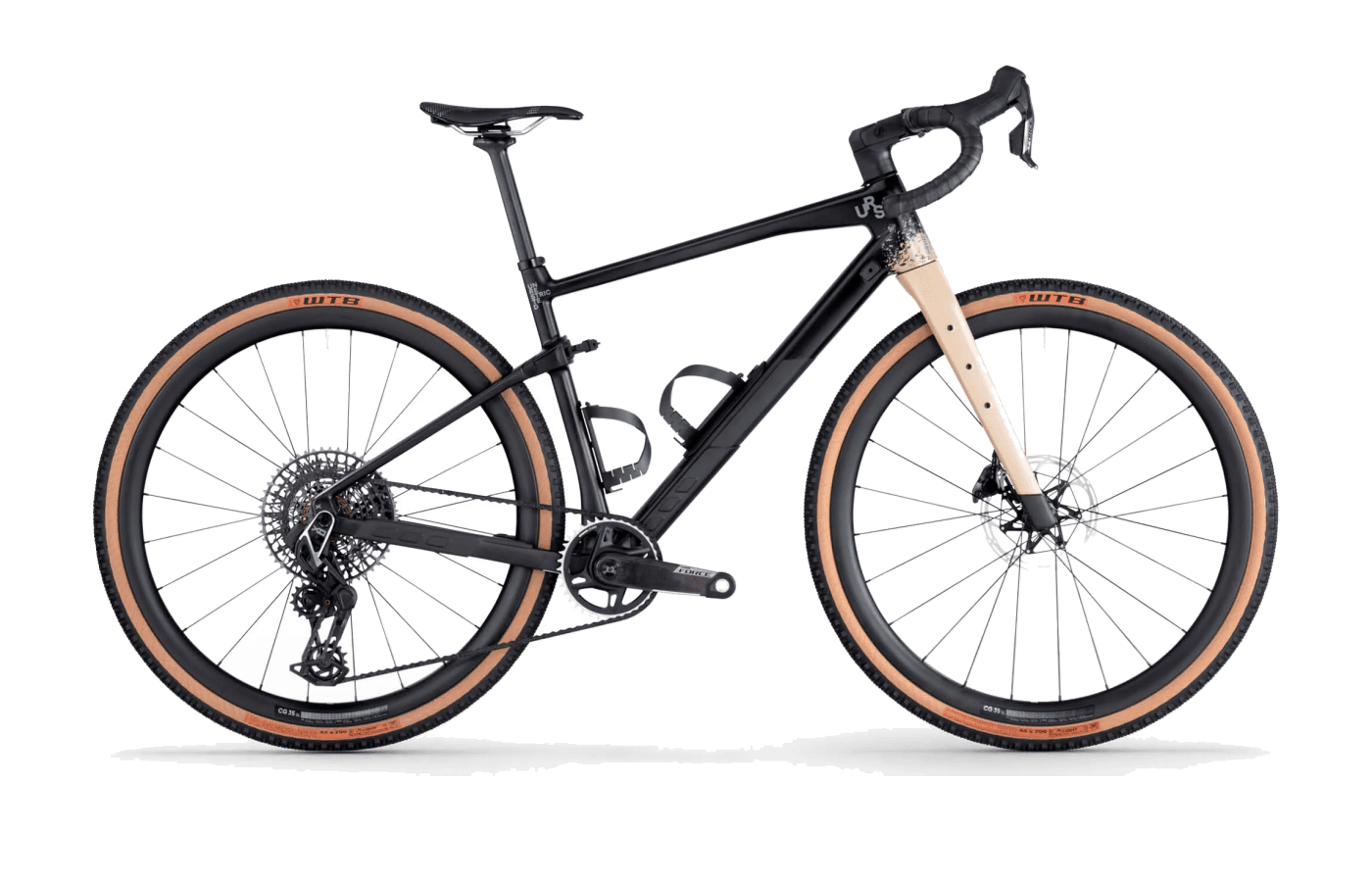
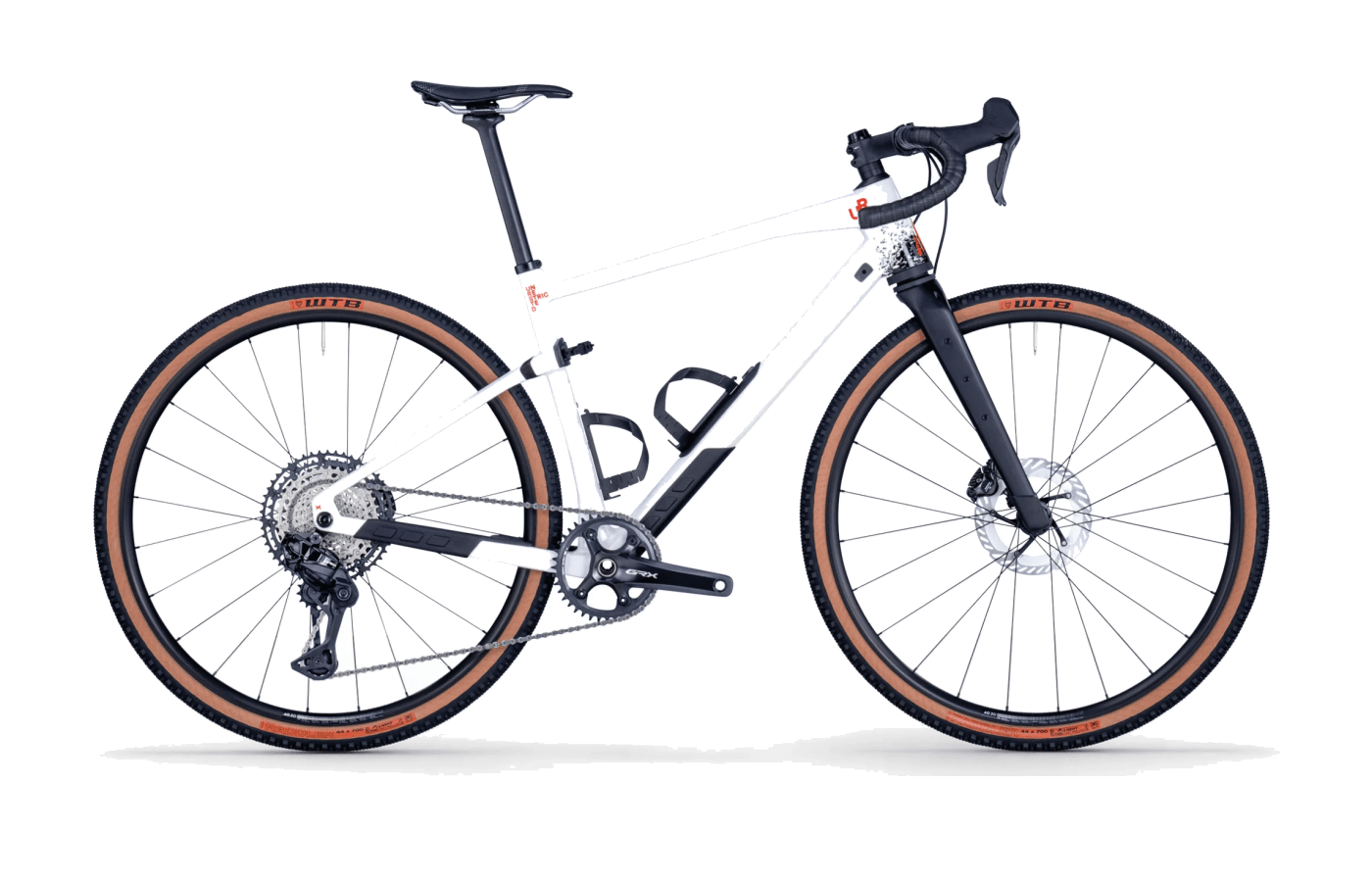
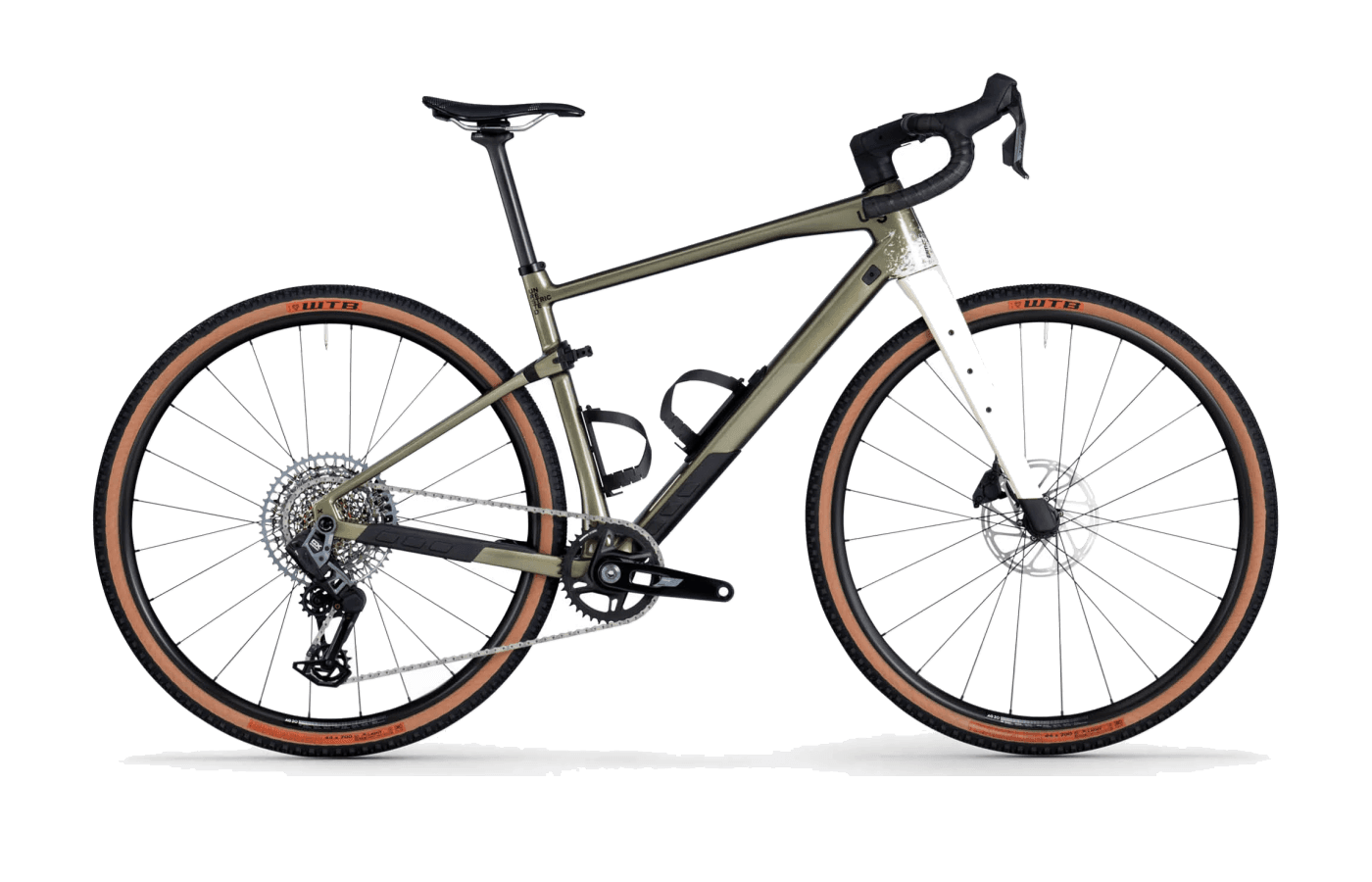
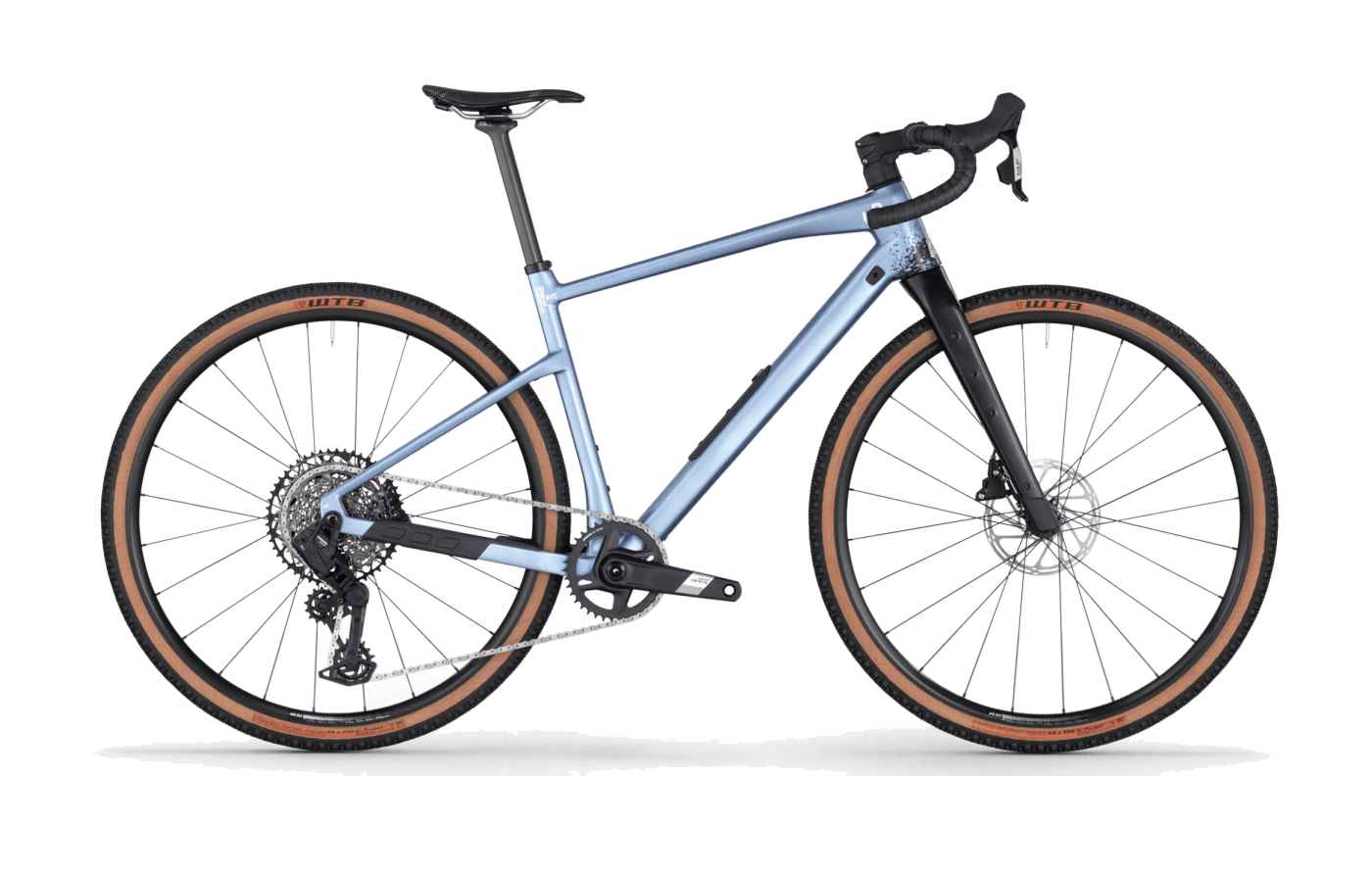
The URS lineup is structured around its suspension technology and drivetrain tiers, with all models utilizing SRAM 1x groupsets and a Universal Derailleur Hanger. The entry point is the standard URS, which features a fully rigid carbon frame and fork paired with Apex components. This base tier includes the downtube storage hatch but skips the integrated frame protection found on higher models.
Stepping up to the URS 01 introduces the 10mm rear elastomer suspension and the 20mm suspension stem, alongside extensive molded frame guards. These builds scale from Rival AXS up to premium Red AXS mullet configurations, often upgrading from alloy DT Swiss wheels to carbon wheelsets. The URS 01 LT variants swap the suspension stem for a dedicated 20mm hydraulic suspension fork, catering to riders who want a more conventional front-end feel. While the pricing sits firmly at the premium end of the market, the value is concentrated in the proprietary frame engineering, integrated cargo solutions, and the ability to fine-tune the elastomer suspension to match rider weight and terrain.
From the press.
10 reviews from the cycling press.
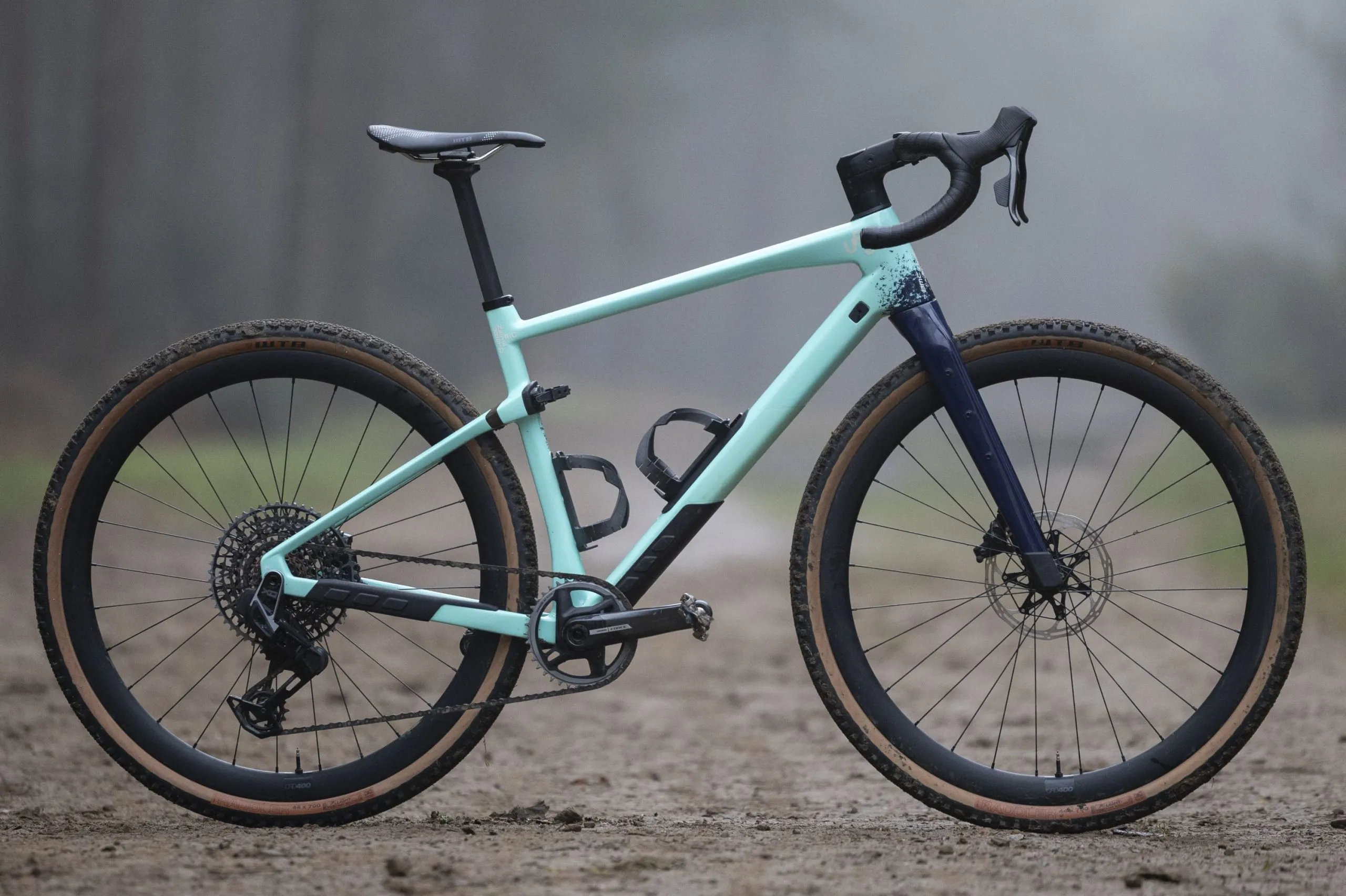
Reviewers consistently praise the URS for its exceptional stability on steep descents and rough tracks, noting that the progressive geometry rewards riders who push hard on technical terrain. The rear MicroTravel Technology seatstays earn high marks for muting chatter and maintaining rear-wheel traction on loose climbs without feeling overly bouncy. However, the front suspension options divide opinion. The suspension stem effectively manages high-frequency chatter to "calm down vibrations at the bars over washboard dirt and gravel roads" (Velo), but its pivoting motion can feel disconnected during aggressive efforts. Riders accustomed to lifting the front wheel over obstacles found the stem "zapped" (YouTube) their upper-body inputs, making technical maneuvers unpredictable.
In contrast, the traditional telescopic movement of the suspension fork on the LT models is widely preferred for aggressive riding. Testers reported that the fork allowed them to maintain speed and control, with one noting it had them "floating across the rocky sections" (Cycling Weekly) that would otherwise be intimidating. The fully rigid base model offers a more direct feel that is "fast, accurate and quick to accelerate" (Cycling Weekly) on smoother surfaces, though it transmits noticeably more fatigue over long, rocky stretches. A recurring caveat across the suspended models is the lowered bottom bracket, which enhances high-speed cornering but requires careful pedal timing to avoid rock strikes on tight singletrack.
BMC URS 01 Three gravel bike review
BMC URS AMP LT
BMC URS: Modern Gravel Bike With a Retro Twist
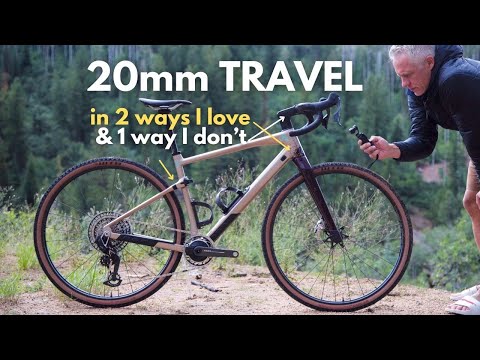
New BMC URS suspension gravel bikes tested
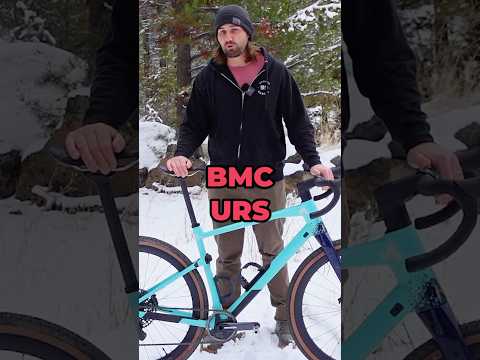
2025 BMC URS 01 Review #gravelbike #shorts

BMC URS range first ride review
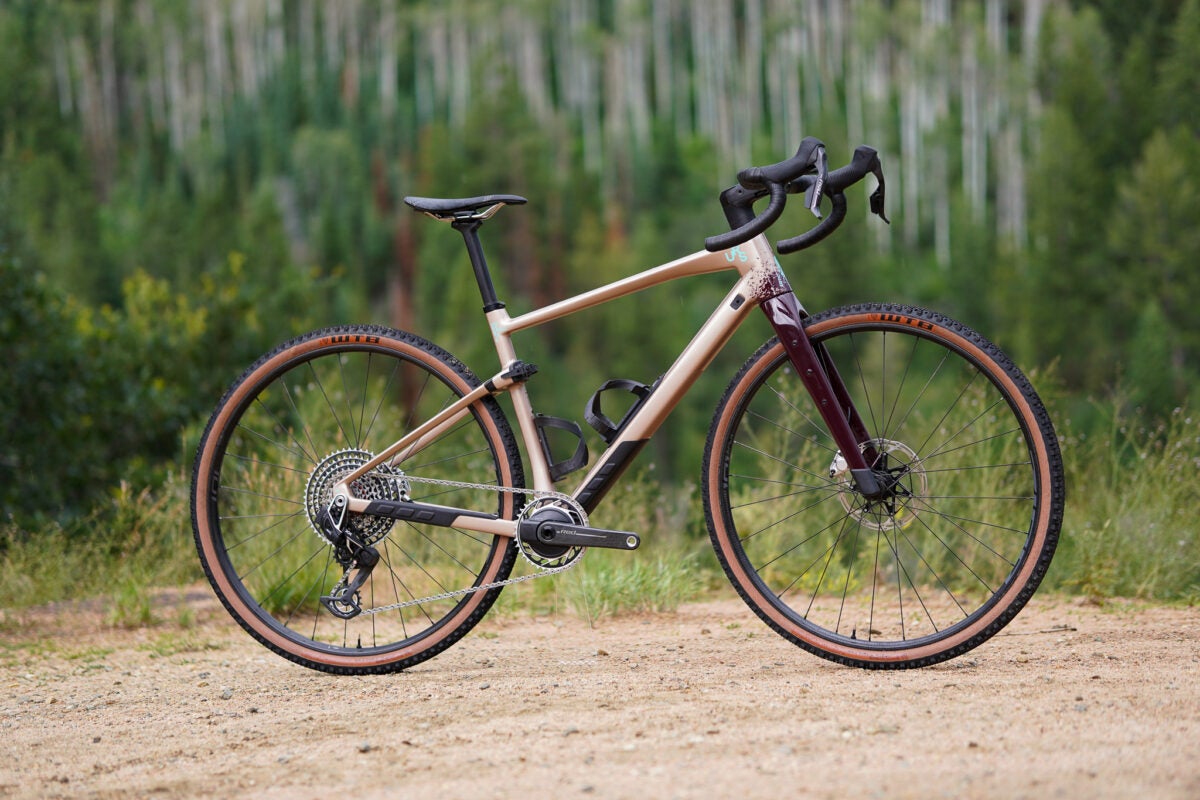
First Ride: The BMC URS Doubles Down on Being a Drop Bar XC Bike
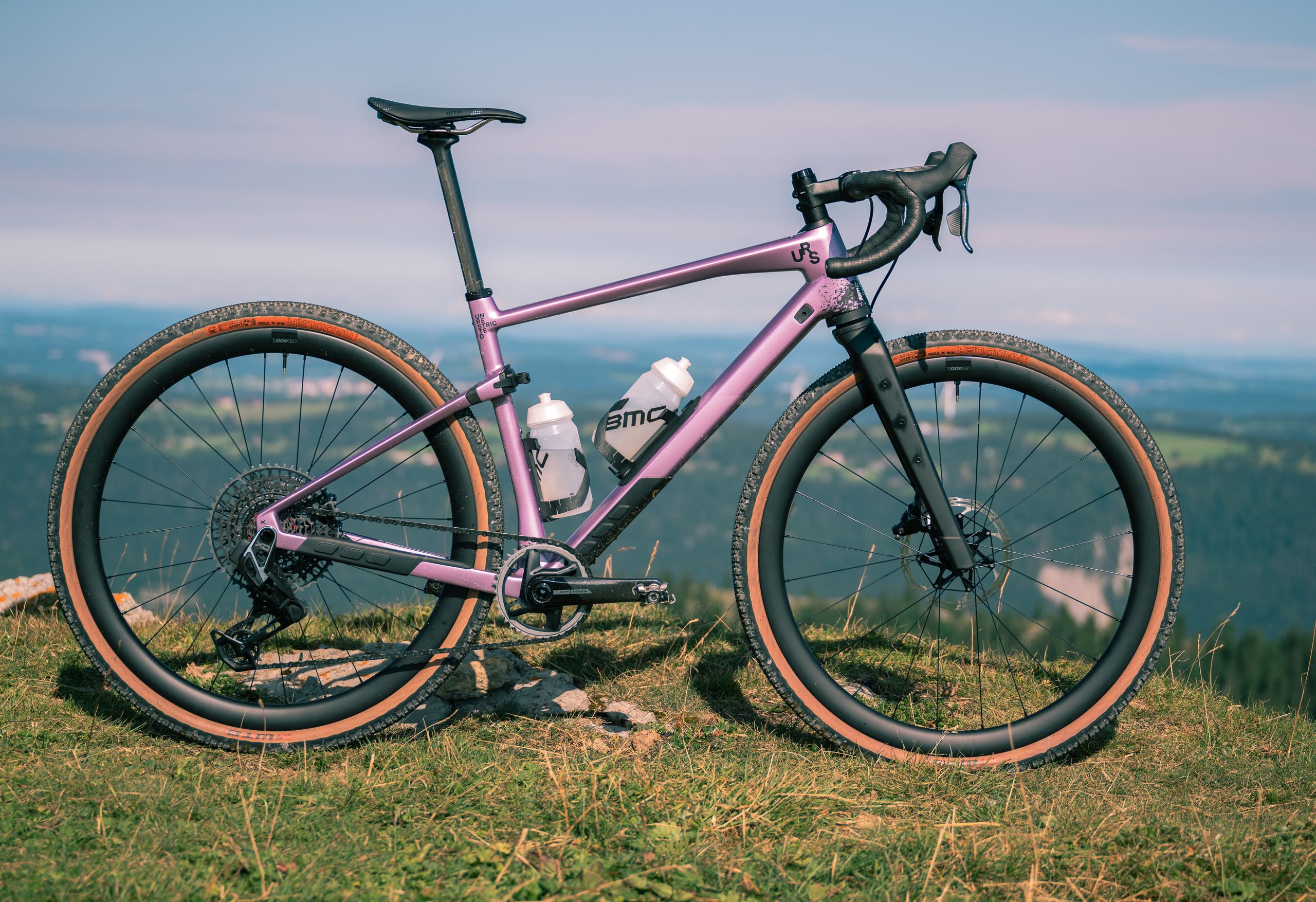
Refreshed BMC URS blurs the line between gravel and ...
The BMC URS Doubles Down on Being a Drop Bar XC Bike
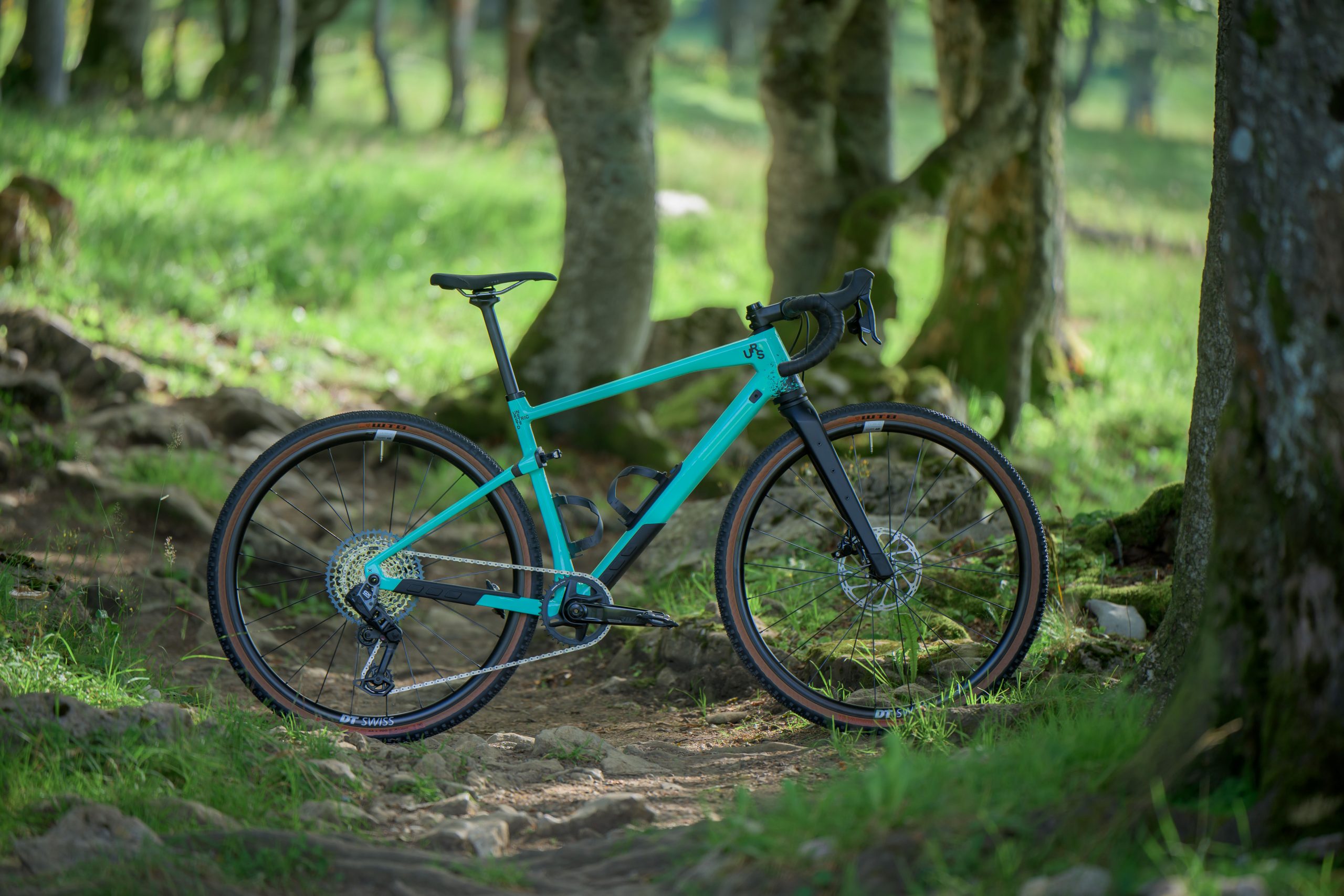
BMC URS: Unrestricted spirit of adventure
Compared to.
Most-viewed comparisons.