URS
vsGrizl
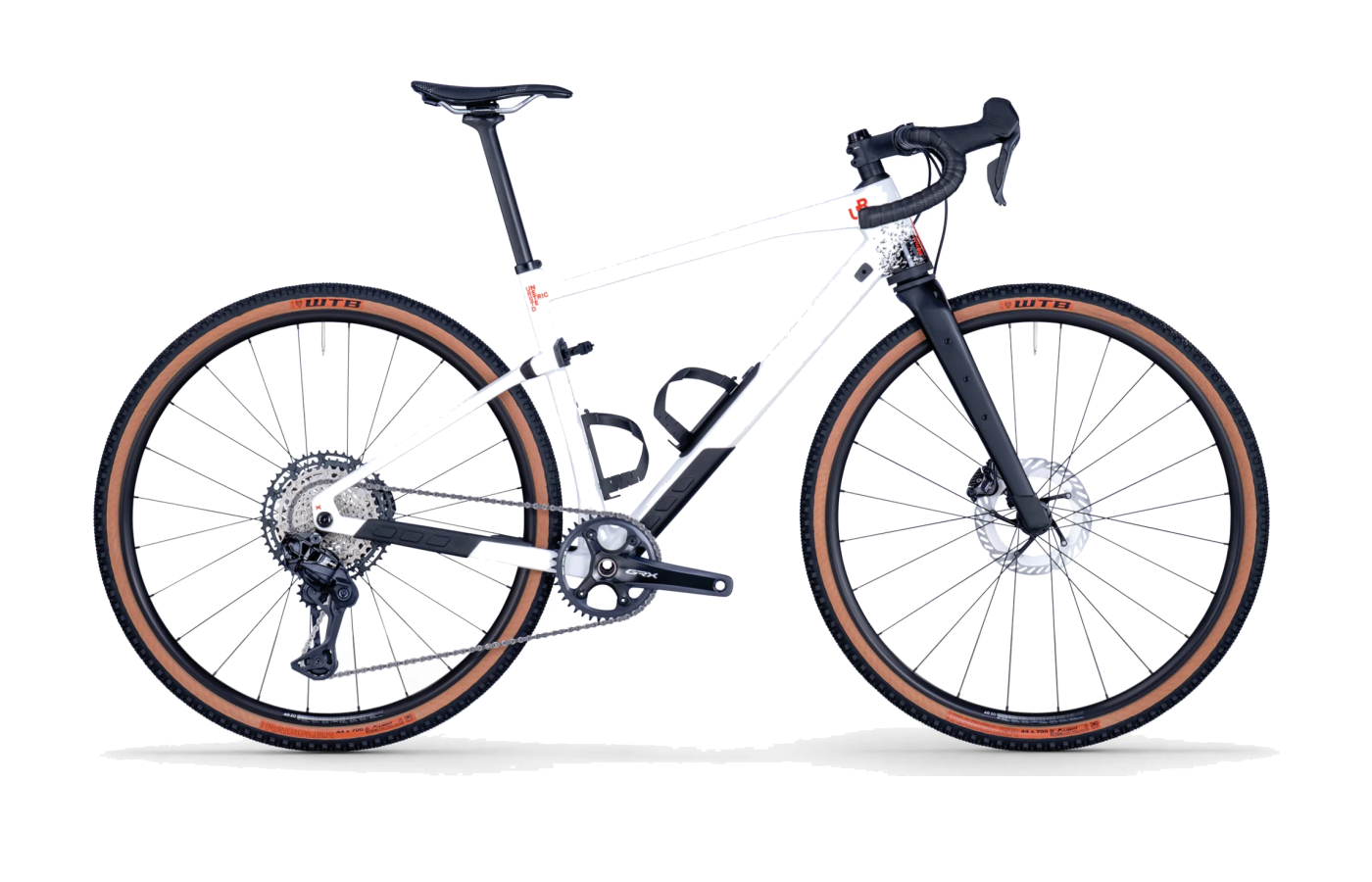
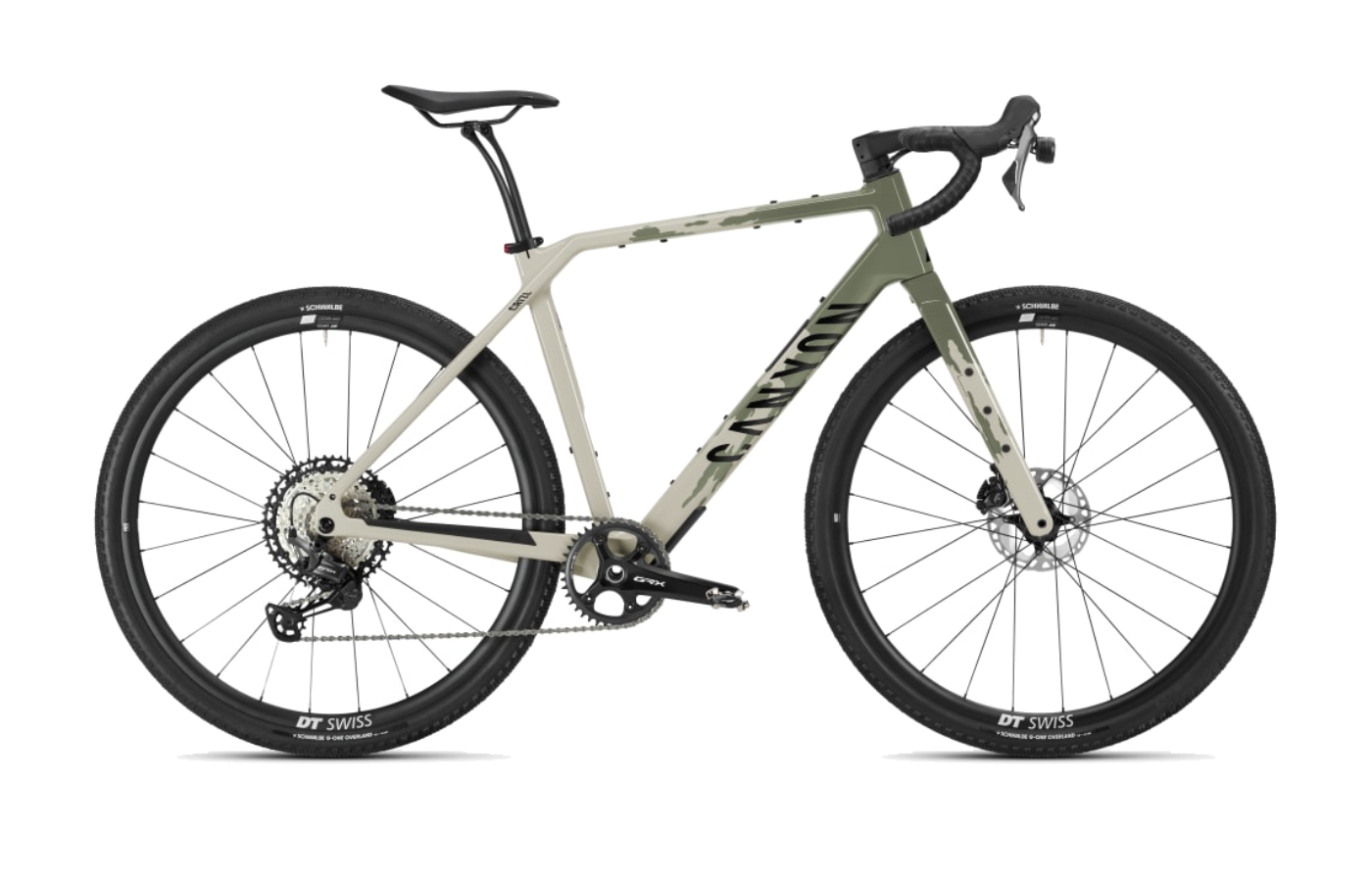
Drop-bar XC hardtail meets bikepacking power station.
The BMC URS chases technical singletrack with built-in suspension. The Canyon Grizl hauls gear across continents with an integrated dynamo.
URS
- Real off-road suspension — 10 mm rear MTT plus 20 mm fork on LT builds is closer to a hardtail than to a gravel bike.
- Slack, mountain-bike-inspired geometry — a 69° head angle and long front center make loose descents feel composed.
- Adventure-grade frame protection — molded downtube and chainstay guards on every 01 model.
- Premium pricing — no carbon build under $3,499, and the high-end LT lands at $4,699.
- Low 76 mm bottom bracket drop produces noticeable pedal strikes on technical singletrack.
Grizl
- Direct-to-consumer pricing — a full carbon frame with Shimano GRX 12-speed lands at $3,399, well below most rivals.
- Best-in-class tire clearance (54 mm) lets you run real mountain-bike rubber for comfort or grip.
- ECLIPS dynamo on top builds — SON hub, Lupine lights, internal battery, and USB-C charging built in.
- No frame-integrated suspension — relies on the VCLS seatpost and tire volume for compliance.
- Slow steering and high-stability geometry feels 'like a boat' when unloaded for short rides.
Editor’s analysis
Both bikes have given up on pavement — but they disagree completely about what off-road actually means.
On the surface, the BMC URS and Canyon Grizl land in the same adventure-gravel bracket. Both run carbon frames, both sit on 44–45 mm tires from the factory, both promise to take you well past where a normal gravel bike would tap out. Spend an hour reading reviews of either, though, and the philosophies pull apart fast.
The BMC URS is a drop-bar XC hardtail, full stop. A 69° head tube angle on the XS, a 76 mm bottom bracket drop, BMC's MicroTravel Technology giving 10 mm of rear-stay travel on every model except the cheapest — and on the LT builds, a 20 mm telescopic suspension fork co-developed with Hi-Ride. Velo called it a 'drop bar XC bike' and BMC didn't argue. It's purpose-built for riders who keep finding themselves under-biked on local singletrack.
The Canyon Grizl picks a different fight. It's a bikepacking platform first: 54 mm tire clearance (the most in this class), a S15 VCLS leaf-spring seatpost that everyone praises, and the ECLIPS dynamo system on top builds — a SON hub, Lupine lights, and an internal Smartcore battery that turns the bike into an off-grid power station. Reviewers describe it as 'planted but predictable,' 'a boat' when unloaded, and 'in its element' under 15 kg of gear. The Grizl is for the rider whose dream weekend involves crossing two state lines.
Then there's the price gap. Canyon's direct-to-consumer model starts the Grizl at $1,799 in alloy and tops out at $4,699 fully integrated with ECLIPS. The BMC URS starts at $2,799 and runs to $5,999, with the 01 carbon frames not appearing until $3,499. Same money buys you significantly more component on the Canyon — but the BMC's MTT suspension and progressive geometry are genuinely unique, and you're paying for engineering you can't get elsewhere.
Where the builds differ.
Comparing our editor's-pick builds side-by-side. Winners highlighted row-by-row — lower price and weight, and the better-spec component, each mark a point.
Build variants & pricing
The Grizl undercuts the URS at every overlapping price point — but the URS is the only one selling integrated suspension.
Editor's picks are tier-aligned at the GRX 800-series level and priced identically at $4,699 — but with a meaningful divergence in flavor: the URS 01 LT One ships with electronic Di2 shifting and a 20 mm MTT suspension fork, while the Canyon CF 8 Escape ECLIPS is mechanical-shift but adds the integrated ECLIPS dynamo lighting/charging system. Each captures the platform it represents.
How they fit, how they steer.
Sizes don't line up cleanly — the URS in XS pairs against the Grizl in S for a 5'8" rider. The URS sits 4 mm taller and 7 mm shorter in reach, with a 1.25° slacker head angle and 5 mm shorter chainstays.
Which size should I buy?
Use stack and reach to pick across these sizing conventions; the URS runs an XS–XL range, the Grizl spans 3XS–2XL.
→These are starting points. Flexibility, riding style, and preferred position all shift the answer — if you’re between sizes, a professional fit beats a chart.
What the magazines said.
Published reviews from trusted cycling outlets. Click through for the full write-up.
Which one should you buy?
If you want to ride drop-bar singletrack, get the URS. If you want to bikepack the Great Divide, get the Grizl.
URS
If your local 'gravel ride' actually means picking lines through rock gardens and root webs, the URS is the only bike here with the geometry and the suspension hardware to back it up. It's a hardtail in a drop-bar disguise.
Grizl
If your weekends look like multi-day mixed-surface tours with a frame bag and a saddle pack, the Grizl was designed for you. The ECLIPS dynamo, 54 mm clearance, and stable geometry add up to a self-sufficient long-haul tool — at a price BMC can't touch.
Questions buyers actually ask.
Short answers to the things we get emailed about most often.
01Which has more tire clearance?
The Canyon Grizl wins clearly here — 54 mm officially on the carbon CF frame, versus 47 mm on the BMC URS (700c). That 7 mm gap matters: the Grizl will swallow a 2.1" mountain-bike tire, while the URS taps out around a 45 mm gravel knob.
In practical terms, the Grizl can swap into near-MTB tires for genuinely rough terrain, while the URS leans on its suspension to compensate for the narrower rubber.
02How much suspension does the URS actually have?
Depends on the build. All URS models except the entry-level Two include 10 mm of rear-wheel travel via BMC's MicroTravel Technology — an elastomer damper integrated into the seat stays.
On the LT builds, you also get 20 mm of front travel via the Hi-Ride MTT suspension fork, with a lockout. On the standard 01 builds, the front compliance comes from the ICS MTT stem (also 20 mm), which pivots downward rather than telescoping. Reviewers tend to prefer the fork to the stem for technical riding.
03Does the Grizl have any suspension?
No frame-integrated suspension on the builds compared here. The Grizl relies on its S15 VCLS 2.0 leaf-spring carbon seatpost for ~20 mm of vertical compliance at the saddle, plus tire volume.
Canyon does offer Grizl Rift builds with a 40 mm DT Swiss F132 One suspension fork, but those aren't part of the lineup we're comparing here. If you want a suspension fork on a Canyon gravel bike, the Rift is the path.
04Which is the better value?
The Canyon Grizl, by a wide margin — and it's not a close call. Direct-to-consumer pricing means the Grizl CF 8 ESC w/ ECLIPS lands at $4,699 with a SON dynamo system that would cost over $1,200 to build aftermarket. The BMC URS at the same price ($4,699 for the 01 LT One) gives you GRX Di2 and an MTT suspension fork instead.
Both are fair for what they offer. But dollar-for-dollar component spec, the Grizl is consistently ahead.
05Which climbs better?
The BMC URS has a steeper 74.5° seat tube angle that puts the rider over the cranks for seated climbing efficiency, and reviewers report that the rear MTT suspension actually improves traction on loose, steep climbs by keeping the tire planted.
The Grizl has a slightly slacker 73.5° seat tube angle and a heavier overall build (around 10 kg in the mid-range carbon trims), which makes it less snappy on punchy climbs. But the difference shrinks as soon as you load the bike — the Grizl's stability becomes an asset under bikepacking weight, where the URS is more aggressive than most riders need.
06What's the deal with the ECLIPS dynamo system?
ECLIPS is Canyon's integrated lighting and charging system on Escape builds. It pairs a SON dynamo front hub with Lupine lights and a 3,500 mAh internal Smartcore battery, plus a USB-C port to charge a phone or GPS off the bike.
Reviewers describe it as 'a love letter to bikepacking' — the cleanest dynamo integration on the market. The pieces would cost well over $1,200 to assemble aftermarket. The downside: you're carrying the weight of that system on every ride, even when you don't need lights.
07Are these gravel race bikes?
No. Neither bike is built for gravel racing. BMC sells the Kaius for that. Canyon sells the Grail. The URS and Grizl are both deliberately stable, comfort-biased, and slower-handling than their racier siblings.
If you're showing up to UnPaved or BWR, both of these will hold you back. Pick a Grail, a Kaius, or a 3T RaceMax instead.
08How serviceable are they on a long tour?
The Grizl is more standard. Canyon reverted to a 1 1/8" steerer and external seatpost clamp on the 2025 platform, both of which simplify field service. The press-fit bottom bracket gets mixed feelings, but Canyon claims tightened tolerances. ECLIPS has more electronics to fail, but the underlying SON hub and Lupine lights are well-proven gear.
The URS has more proprietary hardware: the ICS integrated cockpit, the MTT elastomers, and (on LT builds) the Hi-Ride fork. The MTT seat-stay elastomer is dead simple and trouble-free, but the fork has scheduled service intervals and the integrated cockpit means stem swaps are a workshop job.
For remote bikepacking, the Grizl is the safer choice. For weekend technical riding closer to home, the URS's complexity is fine.
Similar bikes
If your priorities don’t map cleanly onto either of these, one of these adjacent bikes probably fits better.
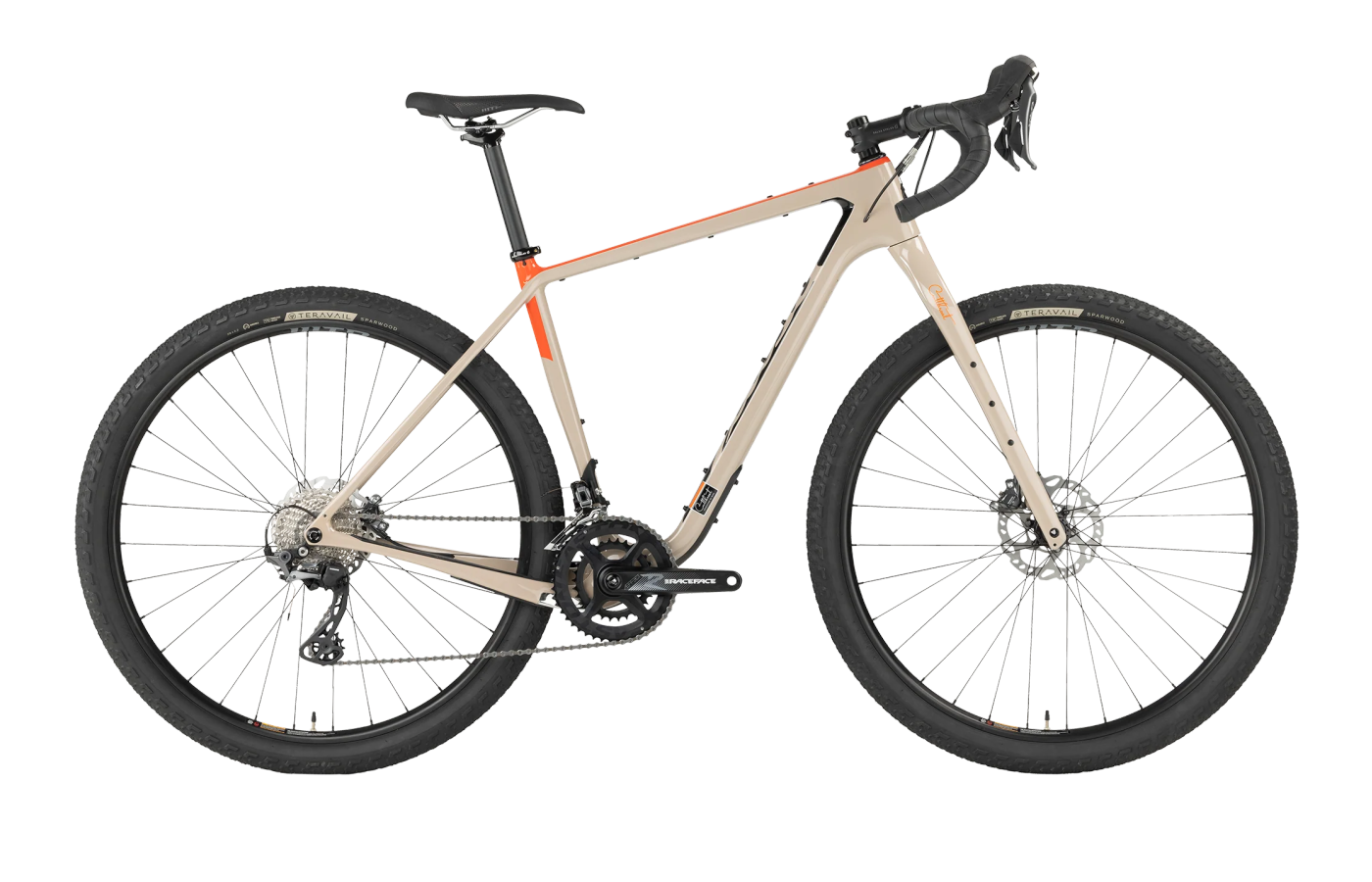
Cutthroat
The original drop-bar XC bike, with even more tire clearance than the BMC and a frame designed around the Tour Divide. If you want the URS's ethos but pushed further toward bikepacking, this is it.
Compare →Szepter
A direct rival to the URS 01 LT — built-in suspension fork, mountain-bike-influenced geometry, and a similarly aggressive off-road brief. Lighter on price than the BMC if you want the suspension-fork experience.
Compare →
Grail
Canyon's racier sibling to the Grizl — same direct-to-consumer pricing, but lighter, more aerodynamic, and far more agile. Pick this if you found the Grizl's stability too 'boat-like' for your typical ride.
Compare →