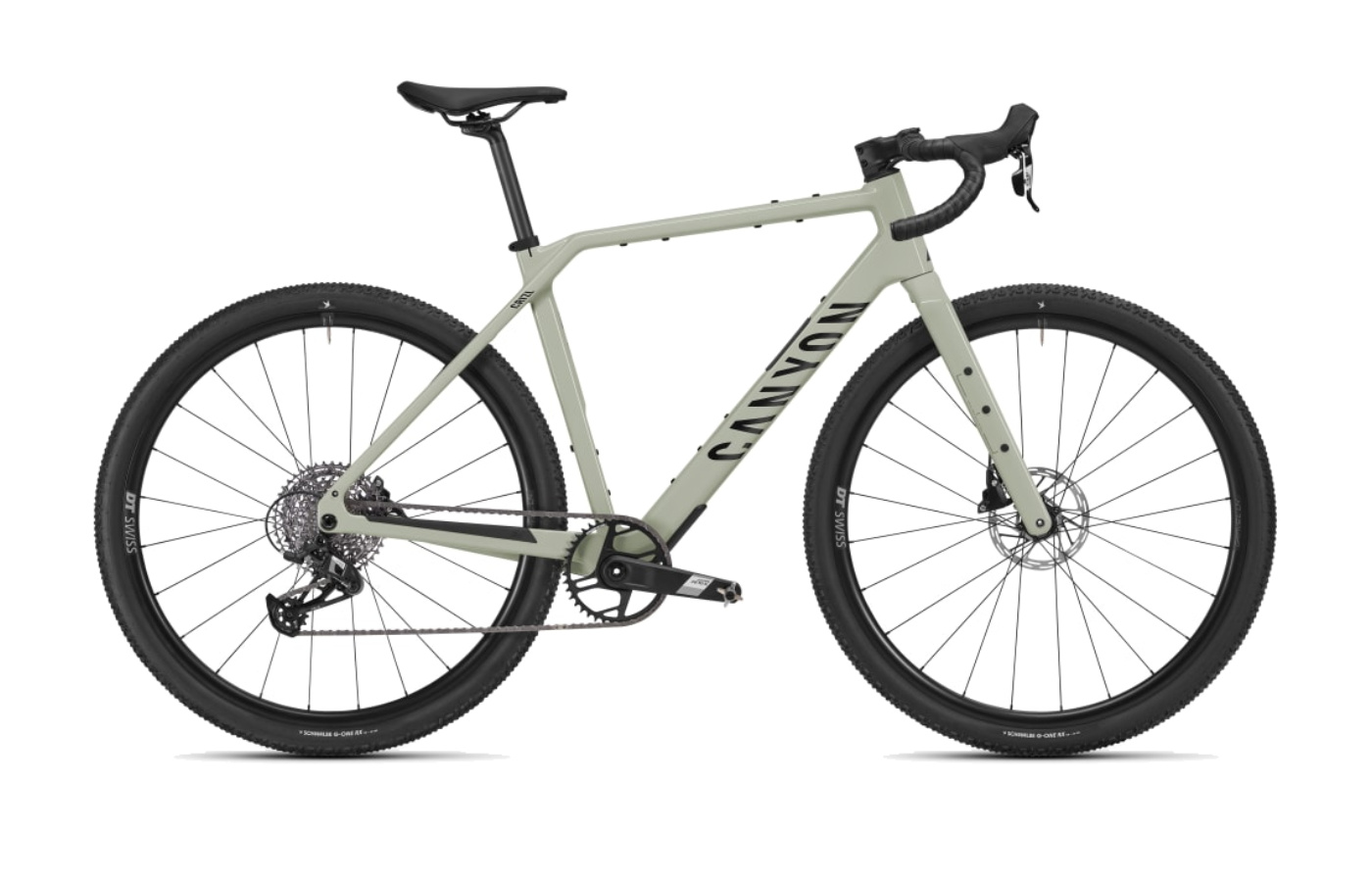
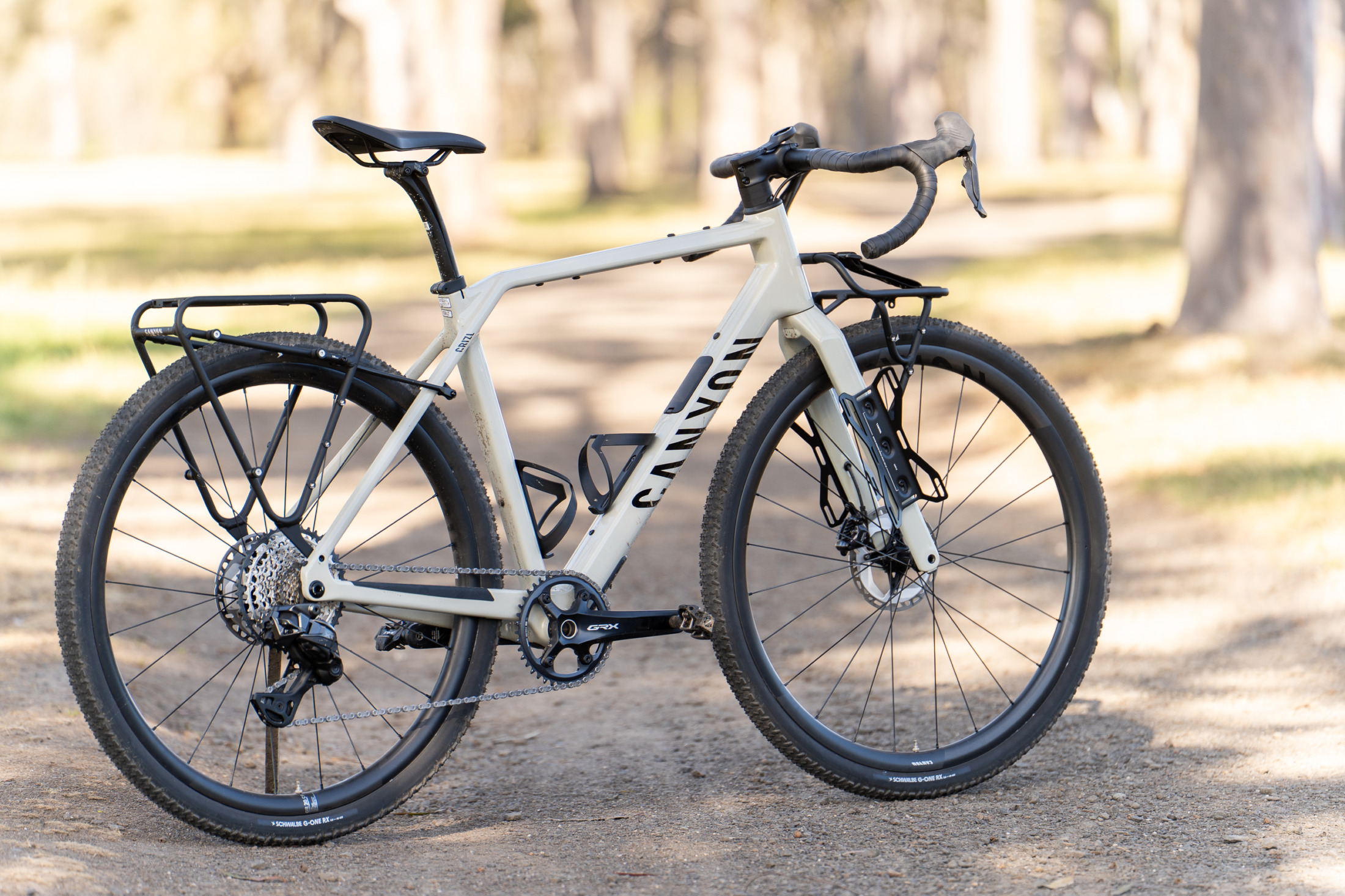
The 2026 Canyon Grizl shifts away from the blurred lines of general-purpose gravel to focus strictly on off-grid adventure and loaded bikepacking. Built around a single, heavily revised carbon frame, the platform splits into two distinct approaches. The Grizl OG line caters to traditional mixed-surface riding with standard drop bars and conventional gearing, while the Grizl Escape series targets expedition riders with mullet drivetrains, integrated dynamo lighting, and modular cockpits.
Across the board, Canyon prioritized field serviceability and durability, moving to a standard round steerer tube and an external seatpost clamp while expanding tire clearance to a massive 54 millimeters. It is a bike built for riders who value self-sufficiency and long-haul comfort over race-day aerodynamics, offering a highly adaptable foundation for everything from weekend overnighters to transcontinental routes.
Where to get it.
1 retailer · size XS.
Spec sheet.
Every component shipped with this build.
Geometry & fit.
8 sizes published.
The Grizl’s geometry is explicitly tuned for endurance and stability. Canyon lengthened the chainstays to 440 millimeters across all sizes and slackened the head tube angle to 71 degrees on a medium frame. Combined with a taller stack height, this pushes the rider into a more upright, relaxed posture that reduces upper body fatigue during long days in the saddle. The extended front center and increased trail prioritize straight-line tracking and descending composure over quick steering corrections.
Cockpit configurations heavily influence the fit depending on the chosen build. Standard OG models use a conventional flared drop bar and a short stem, offering a familiar, predictable interface. Escape models introduce the proprietary Full Mounty cockpit, which integrates the stem, drop bar, and a forward aero-extension loop into a single carbon piece. While this provides multiple hand positions to relieve pressure on extended tours, the one-piece design eliminates the ability to adjust stem length or bar roll, requiring riders to adapt to Canyon’s fixed ergonomic parameters.
Where the handlebar sits relative to the bottom bracket — the single most important fit pair.
01Fit geometry6 values
02Component geometry4 values
03Handling geometry5 values
Which size should I buy?
Slide your height to see the recommended size. GearWise's fit algorithm works from the published stack, reach, and ETT — the brand's own recommendation may differ.
→Calculated from GearWise's own stack / reach / ETT algorithm — the brand's size chart may recommend a different size, and a proper bike fit beats any calculator.
The lineup.
5 builds, ranging $1,799 – $4,699.
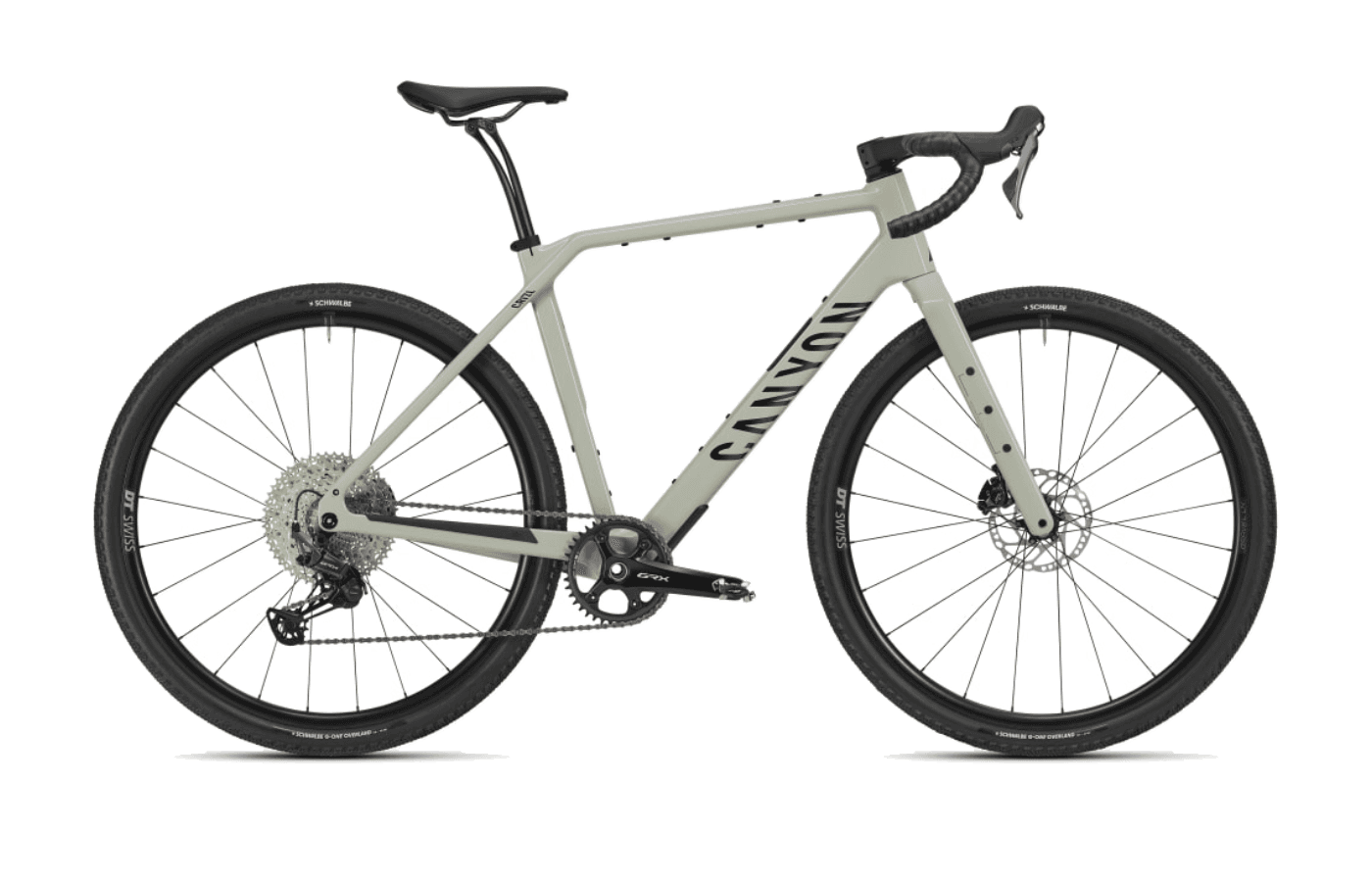
The Grizl lineup is divided by intent, with prices reflecting Canyon’s direct-to-consumer value. The range starts with aluminum-framed RAW builds featuring 10- or 12-speed Shimano GRX mechanical groupsets, offering an accessible entry point for daily riding. Moving to the carbon CF models, the split between OG and Escape builds dictates the component strategy.
OG builds stick to traditional gravel gearing with 1x drivetrains and 45-millimeter fast-rolling tires, suited for mixed-surface day rides. Escape builds pivot to expedition specs, utilizing mullet drivetrains with wide-range mountain bike cassettes to handle steep climbs while fully loaded. The premium CF 8 Escape ECLIPS model introduces Canyon’s integrated power system, pairing a SON dynamo hub with an internal battery to run hardwired Lupine lights and a USB-C charging port.
Across the carbon range, Canyon utilizes a press-fit bottom bracket and standardizes around 700c wheels for all sizes. While the proprietary cockpit and lighting systems on upper-tier Escape models offer immense out-of-the-box utility for bikepackers, they limit aftermarket customization. Conversely, the lower-tier builds provide a highly standardized, easily serviceable foundation that riders can upgrade over time.



From the press.
13 reviews from the cycling press.
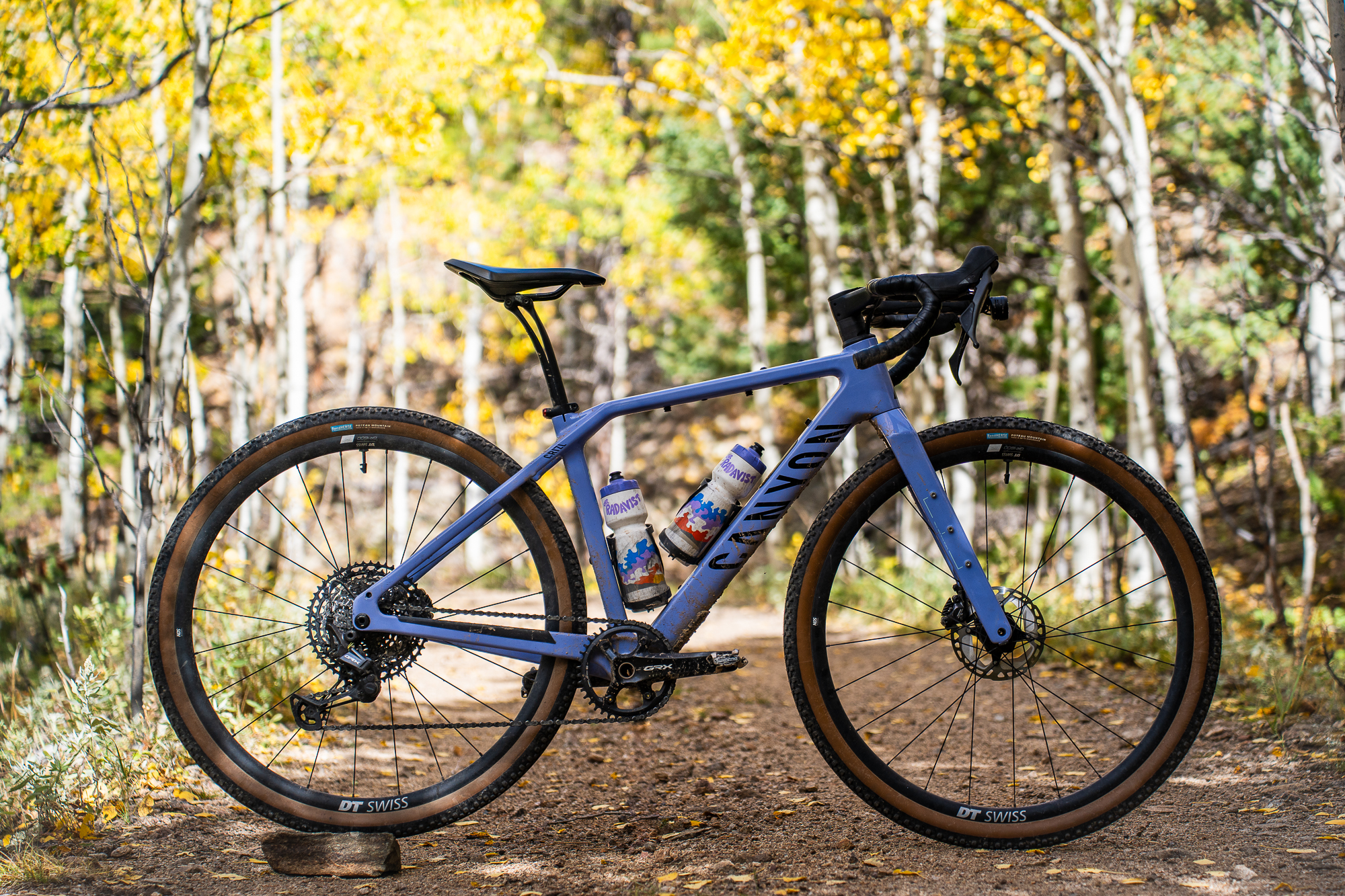
Reviewers consistently characterize the redesigned Grizl as a highly stable, composed machine that excels on rough descents and fully loaded tours, though it sacrifices low-speed agility to get there. The lengthened wheelbase and slacker front end create a ride that feels "planted but predictable" (Theradavist) when carrying speed through sweeping corners or navigating loose, rocky doubletrack. This inherent stability makes it an excellent companion for hauling heavy bags, with testers noting the chassis feels remarkably calm under load.
However, that long footprint means the bike requires more deliberate input in tight singletrack. The steering is noticeably slower than its predecessor, and one tester observed that the revised geometry makes it feel "like more of a boat than before" (Velo) when riding unloaded. It is not a reactive, snappy race bike, but rather a steady platform designed to maintain momentum.
Comfort is a universal highlight, driven largely by the massive tire volume and Canyon's leaf-spring seatpost. The VCLS post effectively isolates the rider from washboard chatter, while the stiff carbon frame ensures the bike "doesn't feel sluggish while pedaling uphill" (Theradavist). For riders tackling technical terrain, the optional 40-millimeter suspension fork provides a distinct advantage, offering "control and more speed when riding down techy trails" (YouTube) without feeling obtrusive.
The Radavist
Canyon Grizl CF 8 Di2 Review | Go-anywhere daily driver levels up for adventure touring

Is This Canyon's BEST Gravel Bike Yet?
Review: Canyon Grizl. The ideal gravel bike for adventure and ...
Canyon Grizl 2026, the most configurable gravel bike on the ...

Canyon Grizl CF 7 gravel bike review
Canyon Grizl Escape ECLIPS Review - A Love Letter ...
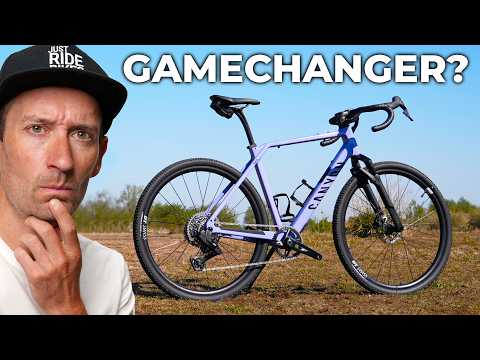
NEW Canyon Grizl First Ride – Versatile, Adaptable, and a ...
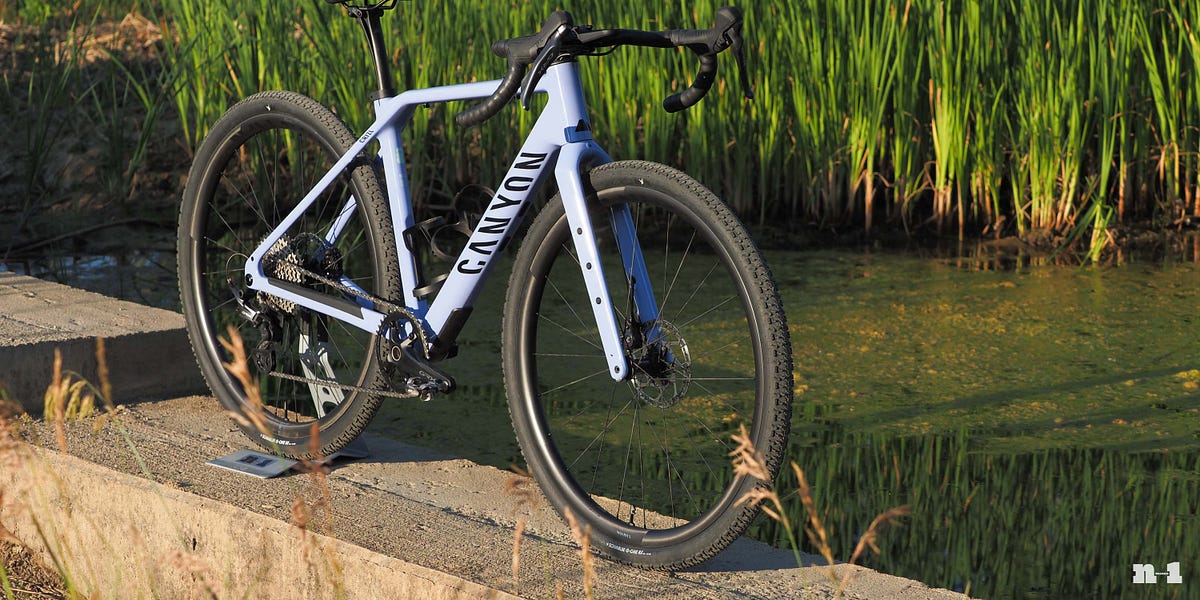
2026 Canyon Grizl CF gravel bike review: Embracing do-it-all versatility
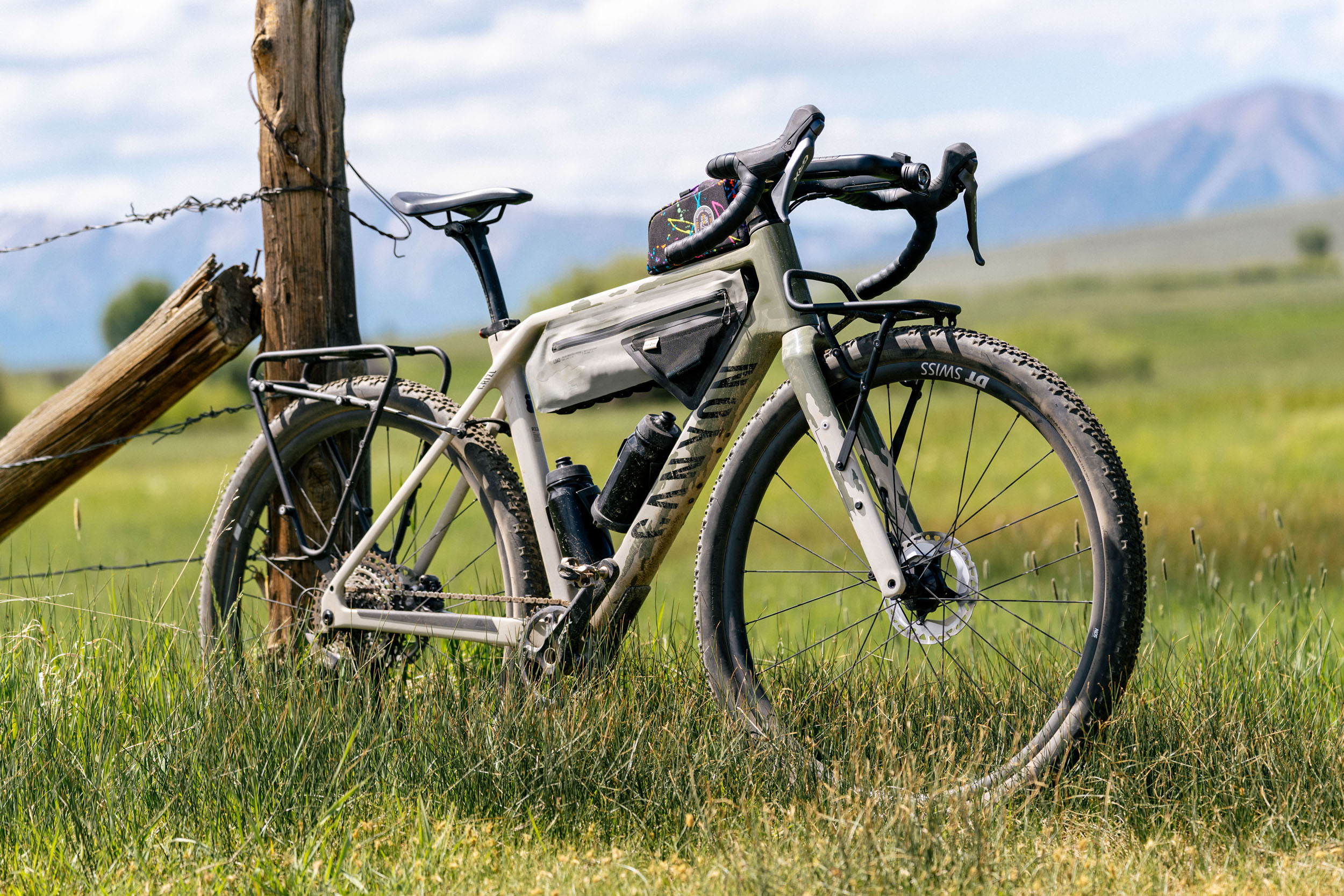
Canyon Grizl Escape ECLIPS Review

Canyon Grizl CF 7 first ride review: a pure adventure gravel ...
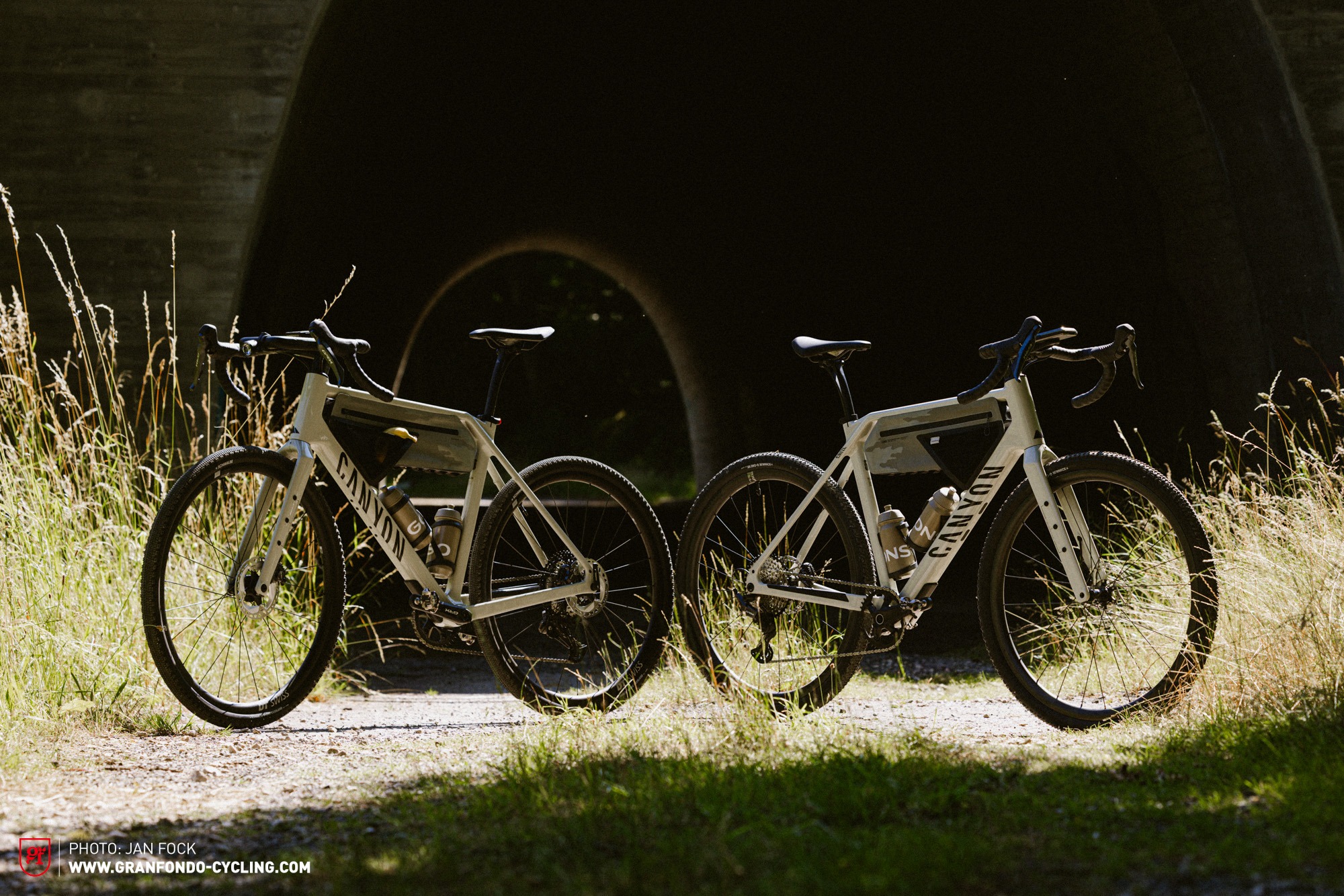
Adventure Everything! – Canyon GRIZL CF 2025 on Review
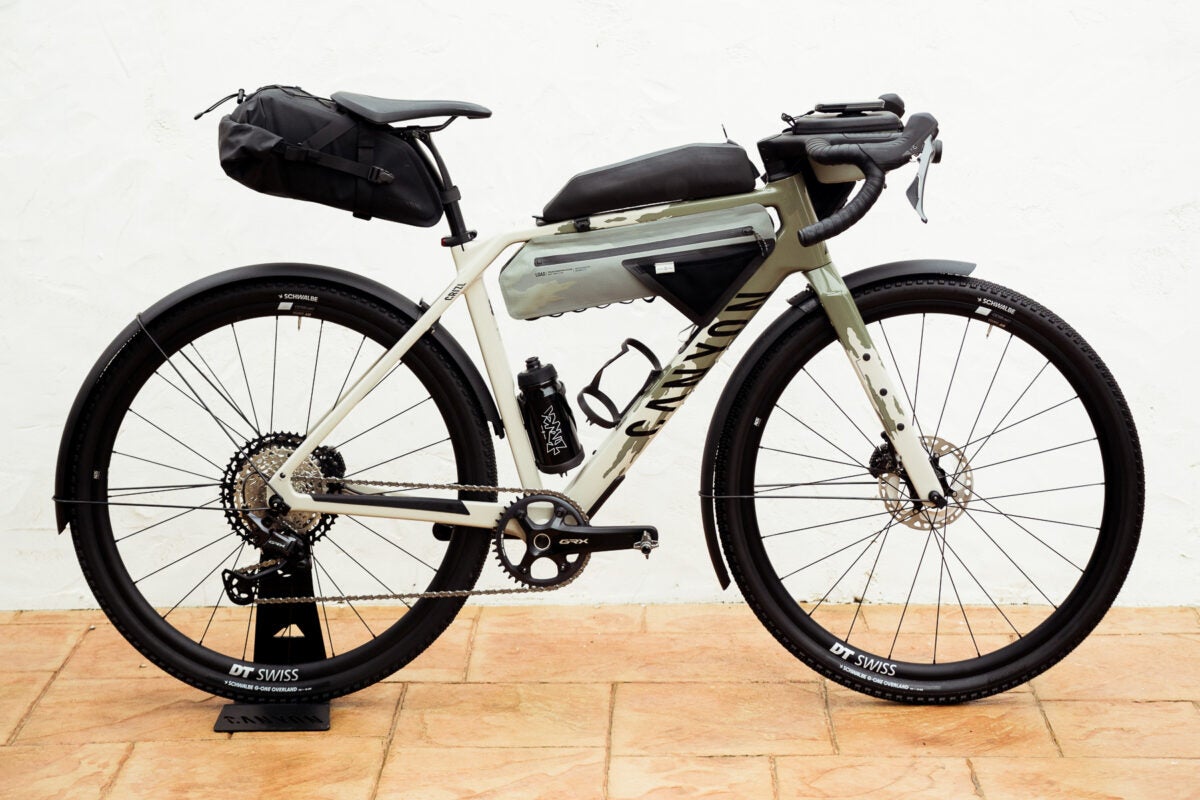
First Ride: The Canyon Grizl Gravel Bike Charges ...
Compared to.
Most-viewed comparisons.
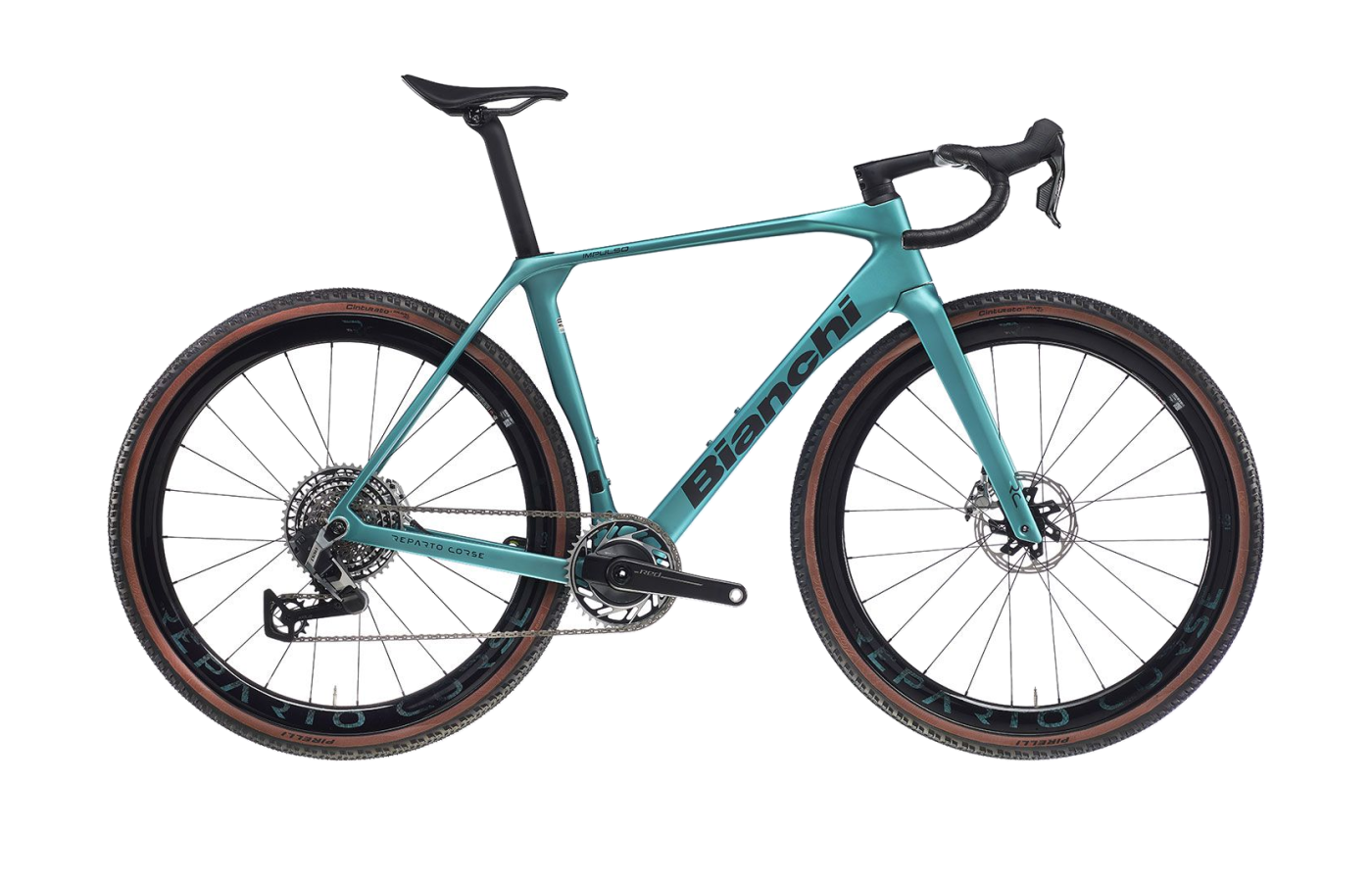
Bianchi Impulso vs Canyon Grizl
Read comparison→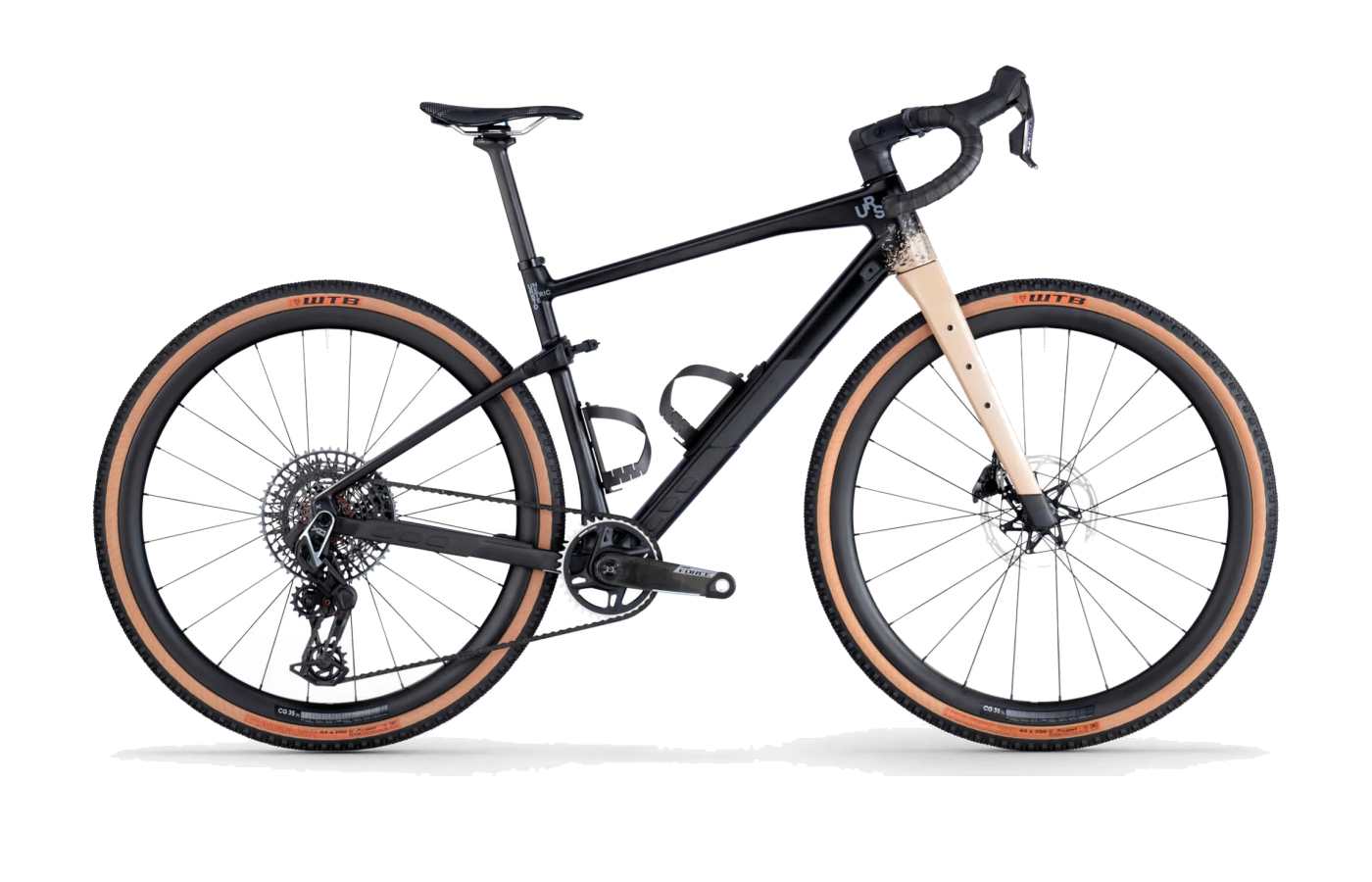
BMC URS vs Canyon Grizl
Read comparison→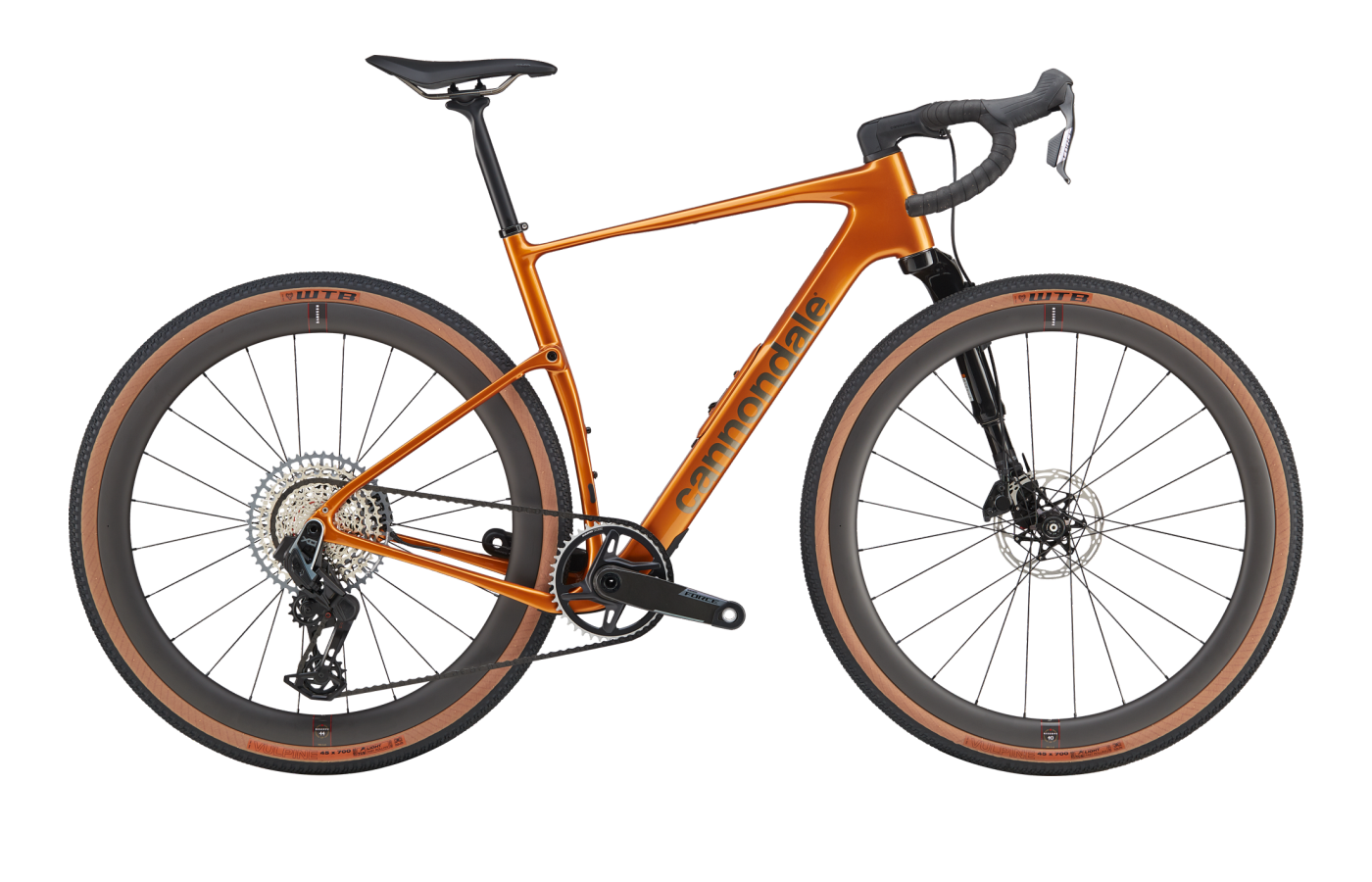
Cannondale Topstone Carbon vs Canyon Grizl
Read comparison→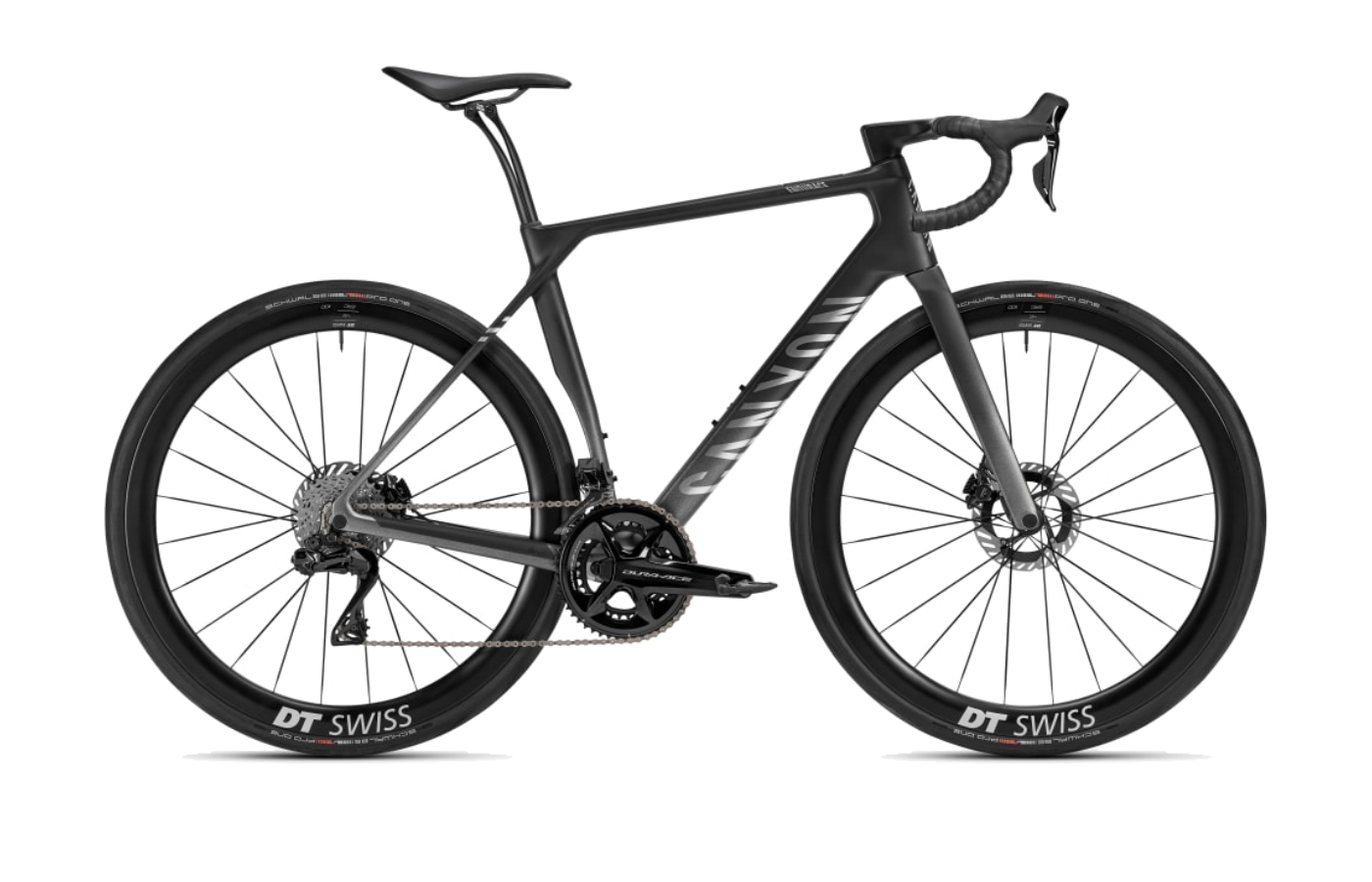
Canyon Endurace vs Grizl
Read comparison→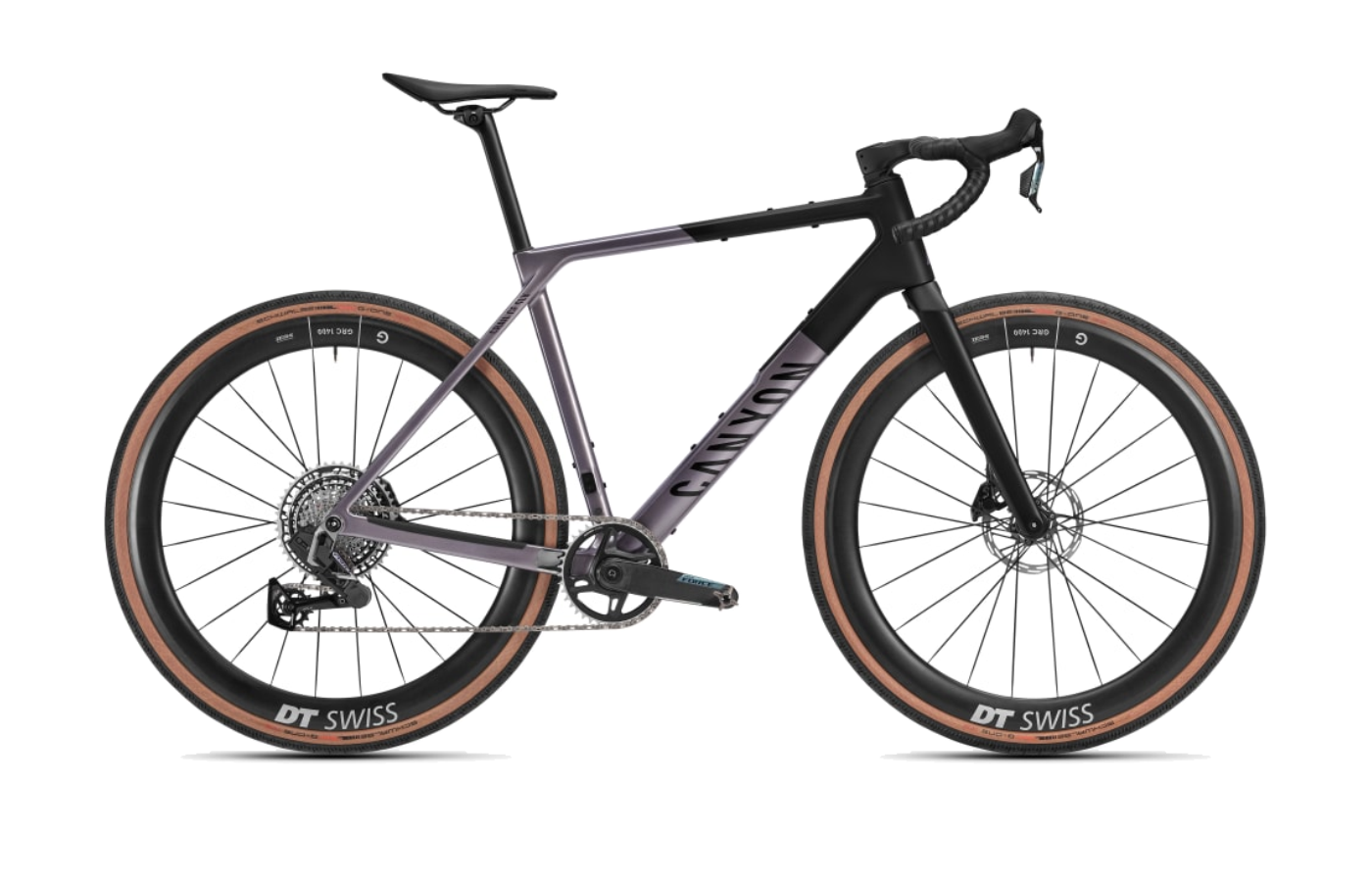
Canyon Grail vs Grizl
Read comparison→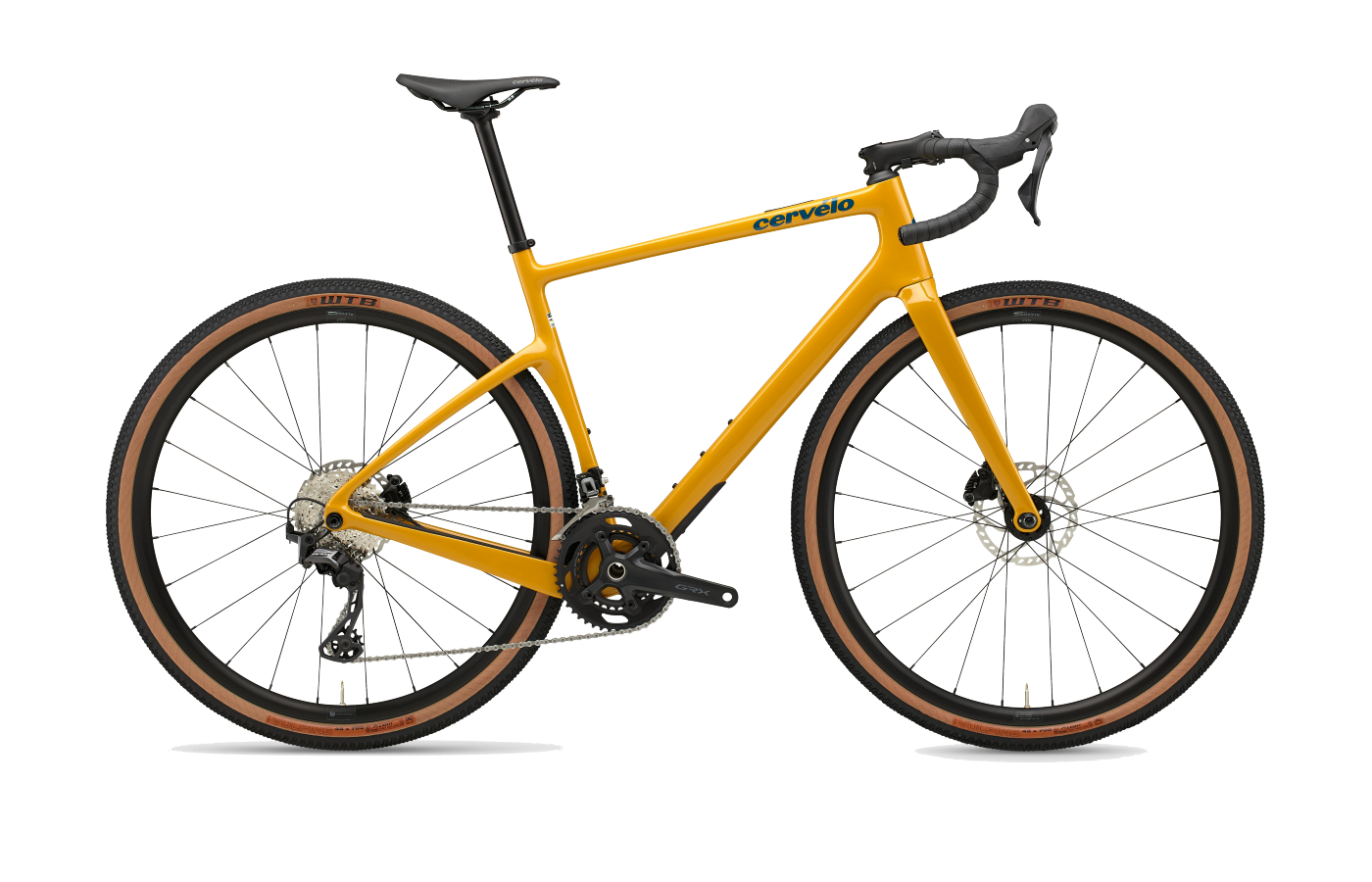
Canyon Grizl vs Cervelo Aspero
Read comparison→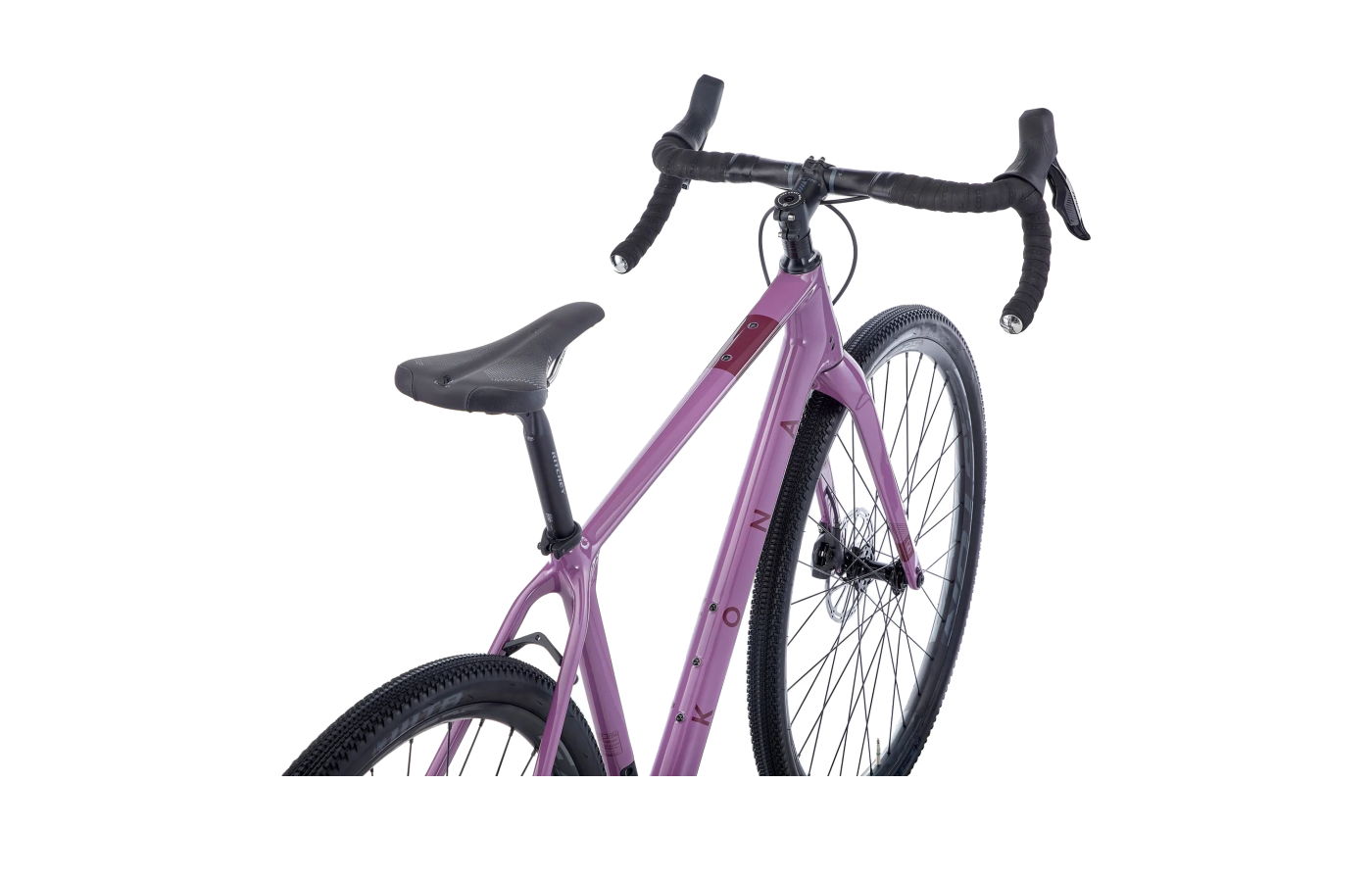
Canyon Grizl vs Kona Libre
Read comparison→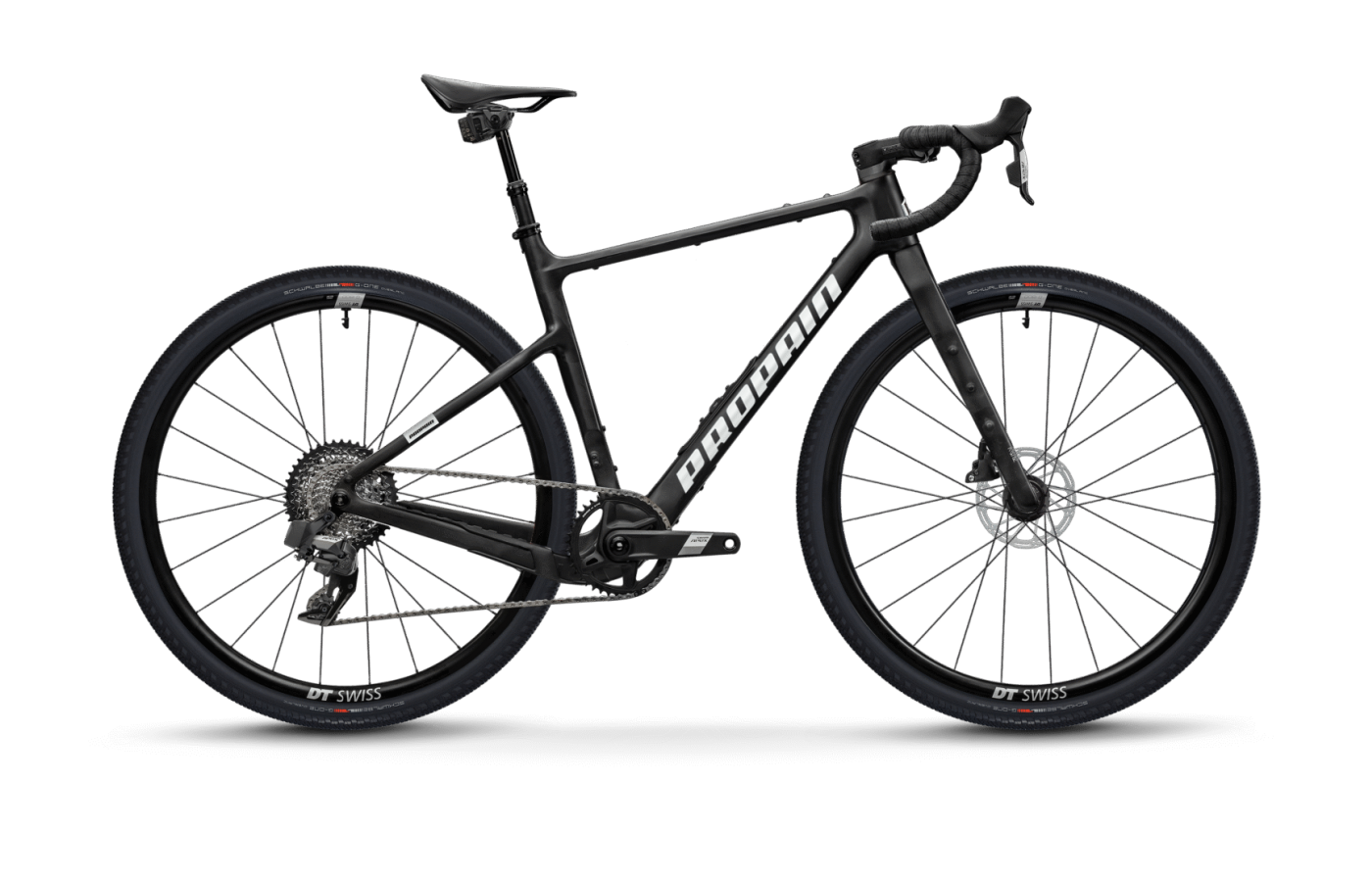
Canyon Grizl vs Propain Terrel
Read comparison→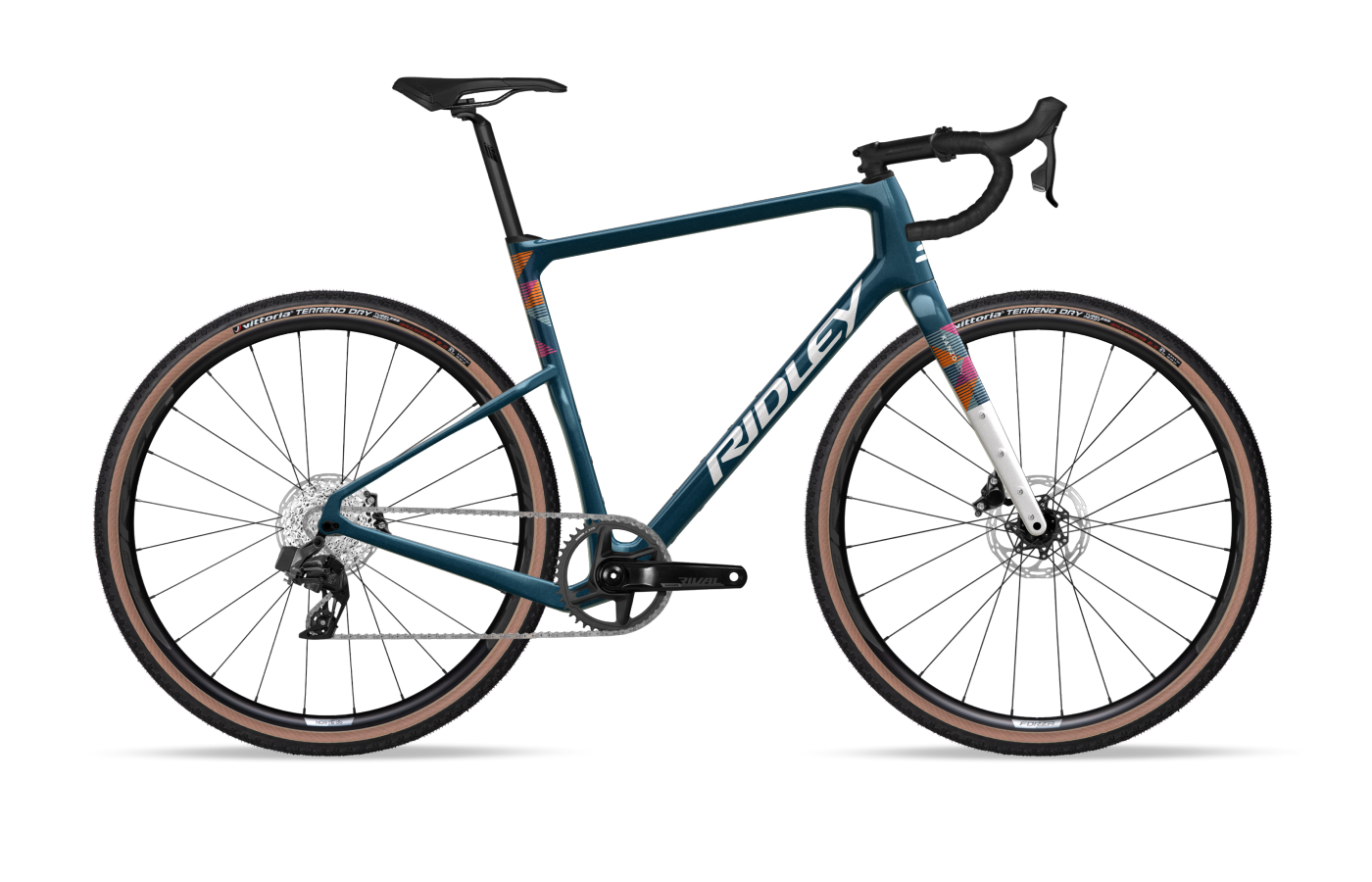
Canyon Grizl vs Ridley Kanzo Adventure
Read comparison→
Canyon Grizl vs Salsa Cutthroat
Read comparison→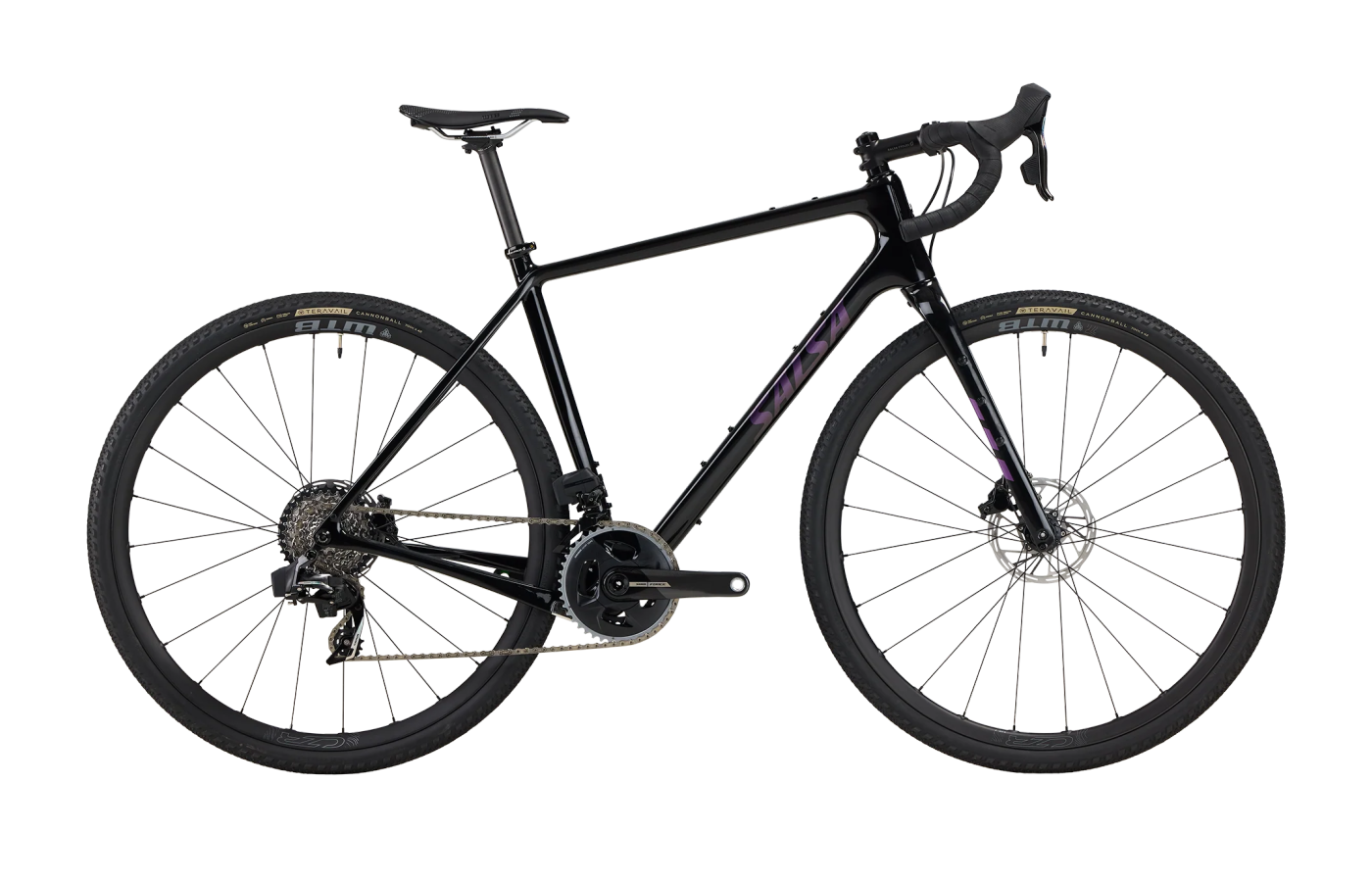
Canyon Grizl vs Salsa Warbird
Read comparison→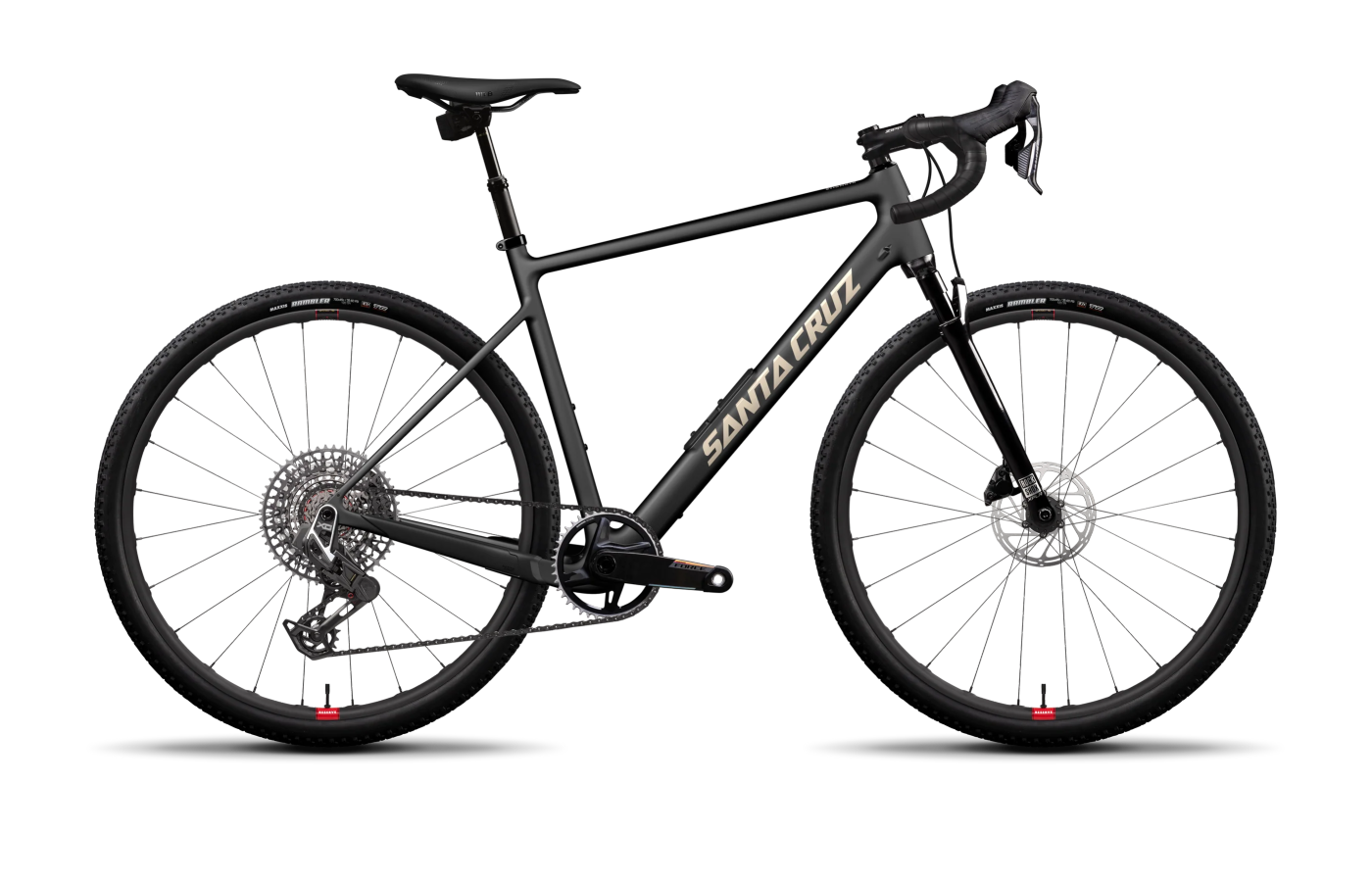
Canyon Grizl vs Santa Cruz Stigmata
Read comparison→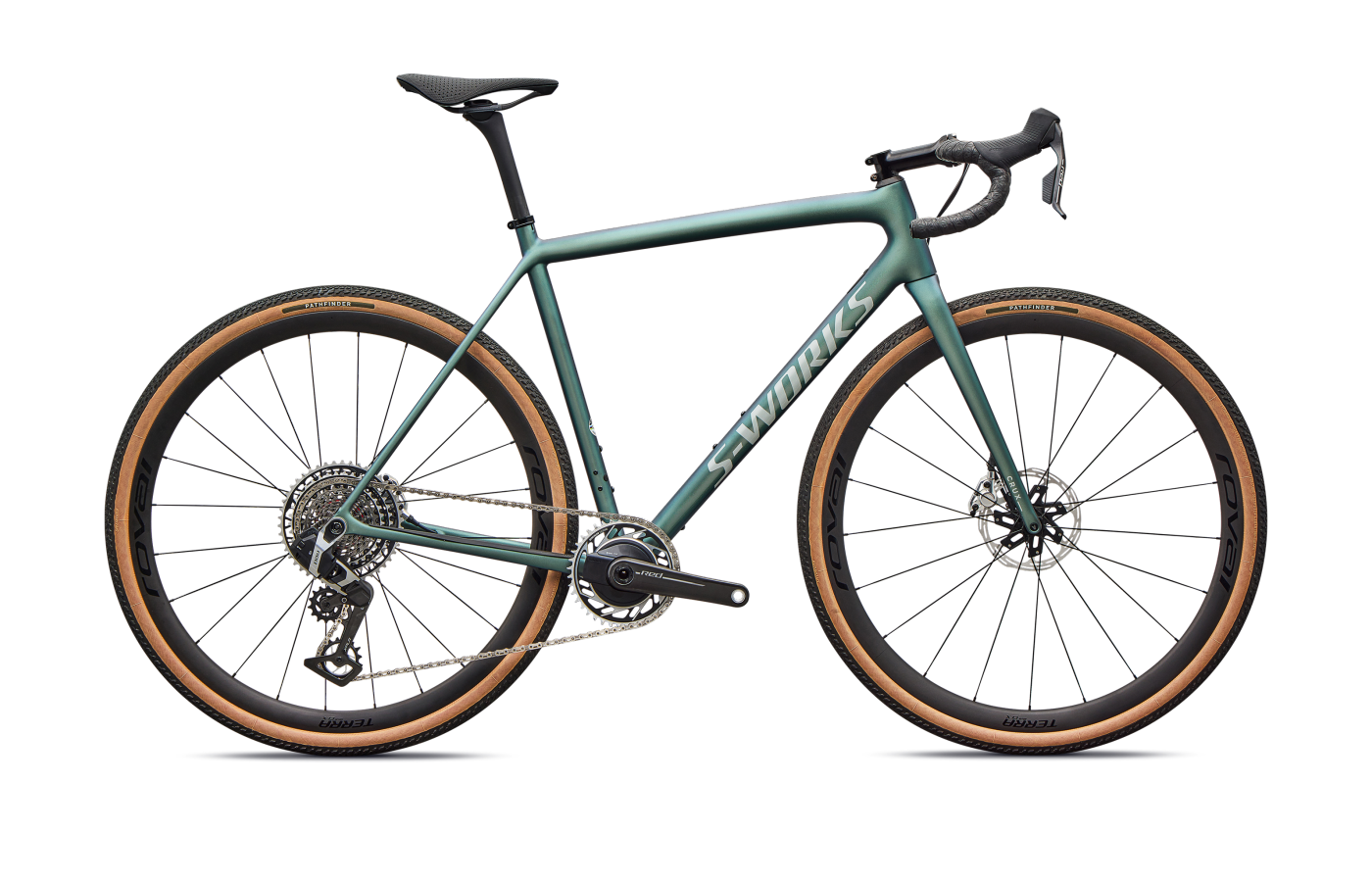
Canyon Grizl vs Specialized Crux
Read comparison→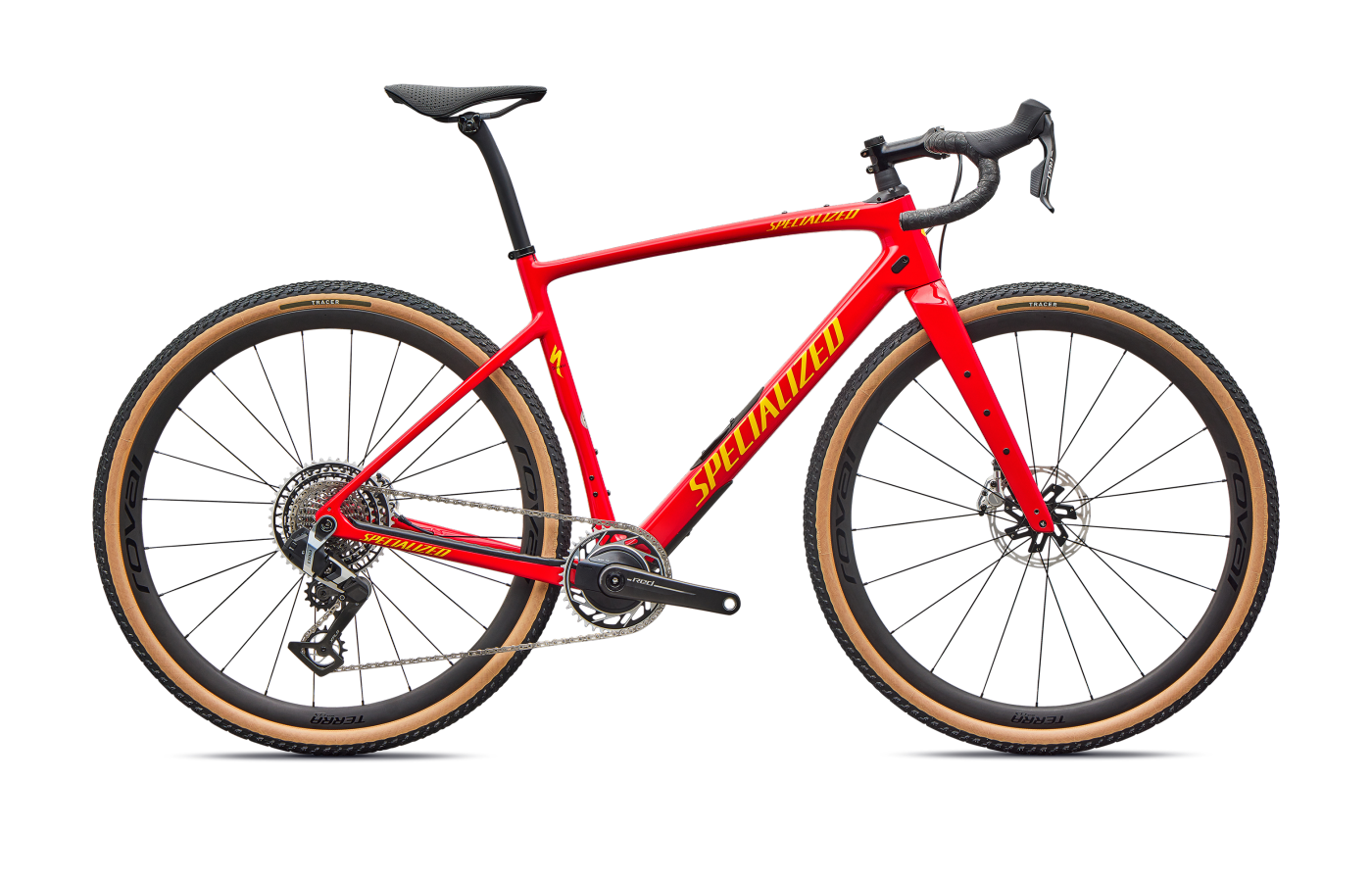
Canyon Grizl vs Specialized Diverge
Read comparison→