Aspero
vsKanzo Fast
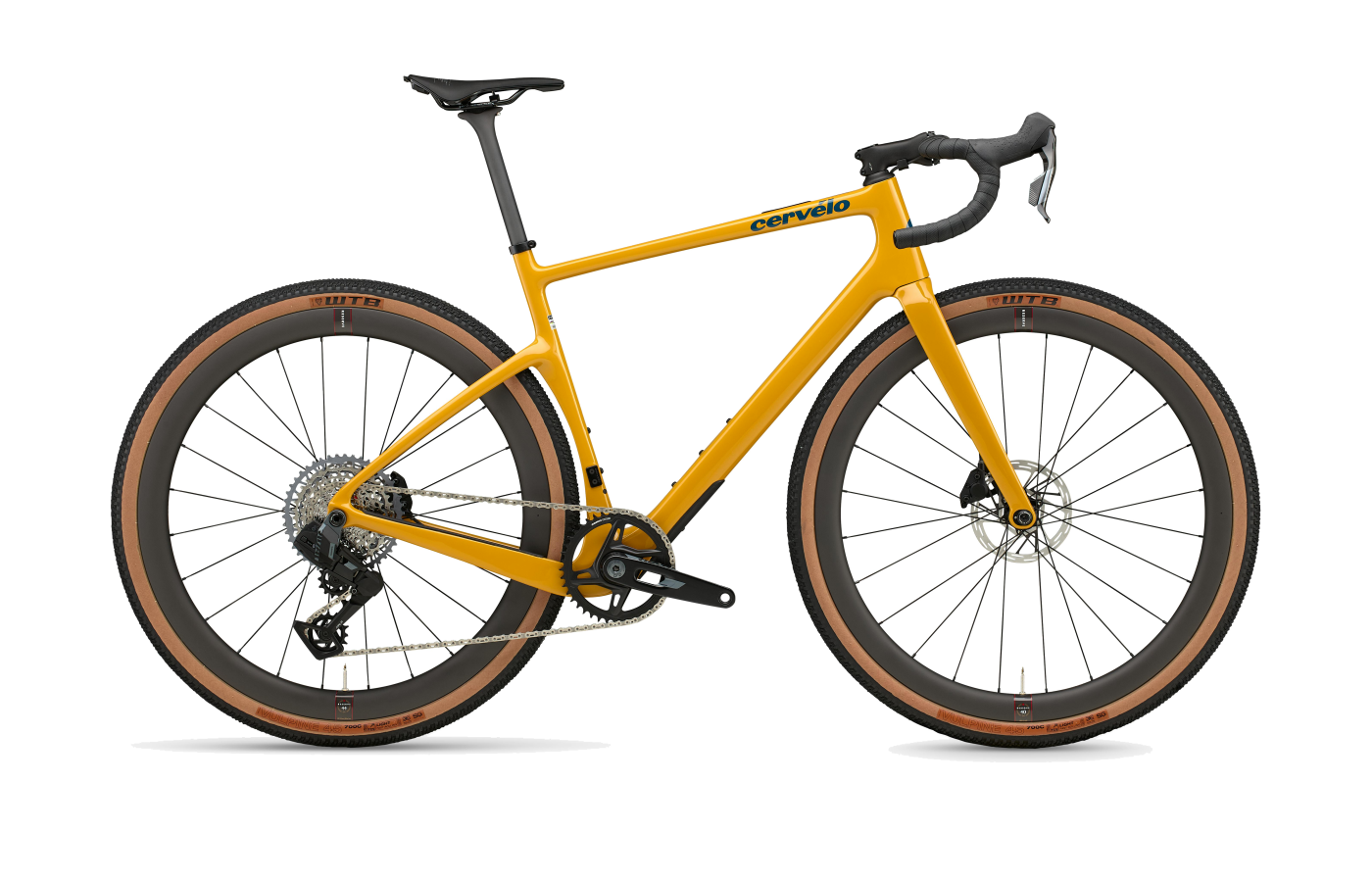
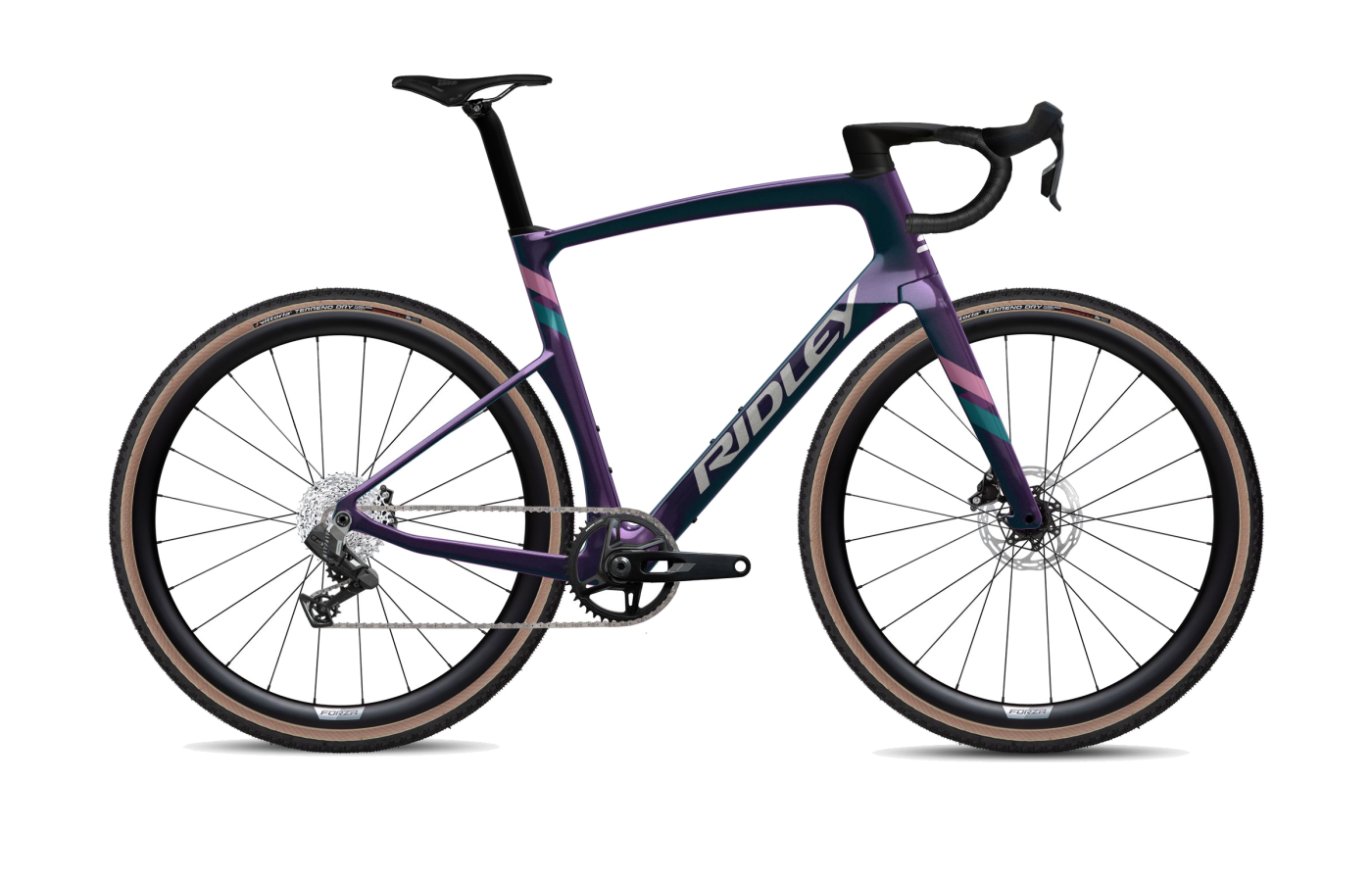
Two aero gravel racers, two dialects of fast.
The Cervelo Aspero wants to race gravel and still survive a rough day. The Ridley Kanzo Fast is a Belgian aero weapon that barely concedes it isn't a road bike.
Aspero
- Wider 45 mm tire clearance — enough for chunkier routes without giving up race handling.
- Softened second-gen ride — ~10% less front-end stiffness, dropped stays, exposed 27.2 mm seatpost all cut fatigue late in long efforts.
- Home-mechanic friendly — threaded T47 BB, SRAM UDH hanger, round 27.2 mm (dropper-ready) seatpost, semi-internal routing.
- 72 deg HTA and short wheelbase favor flexible, aggressive riders — not the pick for technical singletrack.
- No fender mounts or heavy bikepacking provisions; three bottle mounts and a top-tube bag are the limit.
Kanzo Fast
- Ridley's claimed 17 W aero savings — NACA tube shapes, fork F-Wings, D-shaped seatpost and fully integrated one-piece cockpit, borrowed from the Noah Fast.
- Deep Customizer configuration — 42 colors, multiple designs, and groupset paths from Rival XPLR up to Red XPLR and Classified hubs.
- Purpose-built for flat, fast gravel — composed at high speed on hardpack, carries momentum with noticeably less effort than most race-gravels.
- 42 mm max tire clearance is tight by modern standards — rough or muddy courses will expose it.
- 1x-only frame: any double-ring range requires the premium Classified Powershift hub, not a front derailleur.
Editor’s analysis
Both bikes take the same premise — a road racer with clearance for knobbies — and answer the question how much road DNA is too much? in very different ways.
On paper, the Cervelo Aspero and Ridley Kanzo Fast look like near-siblings. Both run 425 mm chainstays — short for a gravel bike — both drop the seatstays for vertical compliance, both push the rider into an aggressive, road-style position. Both descend from an aero road bike's tube shapes. But the numbers diverge where it matters: tire clearance, stiffness, and how hard they let you push before the frame starts talking back.
The Cervelo Aspero is the more evolved idea. Cervelo spent the second generation dialing stiffness down — a claimed 10% softer front end, re-tuned carbon layups, more exposed 27.2 mm round seatpost for flex. Clearance grows to 45 mm, the bottom bracket becomes a serviceable threaded T47, and the derailleur hanger switches to SRAM UDH. It still turns in race numbers — 72 deg HTA at size 54, 62 mm trail locked in by the Trail Mixer fork chip — but it has softened enough to stop punishing a rider eight hours into a race.
The Ridley Kanzo Fast doubles down on the opposite instinct. It's harder, stiffer, narrower — 42 mm max tire clearance, a one-piece Forza Cirrus Pro aero cockpit with fully integrated cable routing, a D-shaped aero seatpost, and a frame that refuses a front-derailleur mount. Ridley's claimed 17-watt aero saving over a generic gravel bike is the whole pitch. On flat, compact surfaces it's ferocious — one reviewer said it 'goads you into pushing hard constantly.' On rough terrain or tight singletrack, the same stiffness starts biting back.
Put plainly: the Cervelo Aspero is for the gravel racer whose races aren't always on easy gravel. The Ridley Kanzo Fast is for the rider who mostly runs hardpack or paved approaches and wants the most aero-watt return on a platform that'll also credibly play road bike with a wheel swap.
Where the builds differ.
Comparing our editor's-pick builds side-by-side. Winners highlighted row-by-row — lower price and weight, and the better-spec component, each mark a point.
Build variants & pricing
Cervelo lists six Aspero builds from $3,550 to $7,050. Ridley sells the Kanzo Fast primarily through its European Customizer, so most builds don't carry a published US MSRP.
Aspero prices are current US MSRP. Ridley pricing varies heavily by configuration and region — reviewed Kanzo Fast builds have historically landed around €5,400–€6,800 for comparable GRX Di2 and Rival AXS specs. Check Ridley's Customizer for a firm quote.
How they fit, how they steer.
Aspero size 54 (555 mm stack / 388 mm reach, 72 deg HTA) sits lower and slightly longer than Kanzo Fast size S (563 mm stack / 380 mm reach, 71 deg HTA). Same 425 mm chainstay on both — the Aspero's head angle is a touch steeper; the Ridley is a touch more upright.
Which size should I buy?
Size recommendations based on stack, reach, and effective top tube. Aspero runs numeric sizes (48–61); Kanzo Fast runs XS–XL.
→These are starting points. Flexibility, riding style, and preferred position all shift the answer — if you’re between sizes, a professional fit beats a chart.
What the magazines said.
Published reviews from trusted cycling outlets. Click through for the full write-up.
Which one should you buy?
If your gravel days mix tarmac, chunk, and the occasional trail, get the Cervelo Aspero. If most of your miles are flat hardpack or pavement and you chase every aero watt, get the Ridley Kanzo Fast.
Aspero
If you race gravel where conditions aren't guaranteed — rooty New England, Midwest farm-chunk, an occasional singletrack transfer — the Aspero lets you keep race geometry without getting beaten up. The softer second-gen layup, 45 mm clearance, and serviceable frame are the edges that matter over the long haul.
Kanzo Fast
If your events are fast, flat, and compact — champagne gravel, farm roads, and gravel highways — the Kanzo Fast rewards watts better than almost anything else in this class. It's also the one that turns into a credible aero road bike with a wheel swap.
Questions buyers actually ask.
Short answers to the things we get emailed about most often.
01Which has more tire clearance?
The Cervelo Aspero, by 3 mm. Cervelo officially rates the second-gen Aspero at 45 mm for 700c (47–48 mm for 650b), up from 42 mm on the first generation. The Ridley Kanzo Fast tops out at 42 mm — Granfondo specifically flagged the seat-tube-to-tire gap as a limiter.
Practically, that's the difference between fitting a true 45c Schwalbe G-One or Rene Herse on the Aspero versus being capped at a 40–42c on the Kanzo Fast. On firm gravel neither rider will notice. On mud, chunk, or washboard, the Aspero's extra room matters.
02Is the Ridley actually faster than the Aspero?
On flat, compact surfaces — yes, measurably. Ridley claims a 17-watt aero saving over a generic gravel bike, driven by NACA tube shapes, F-Wings on the fork, the D-shaped seatpost, and the fully integrated Forza Cirrus Pro cockpit. Cervelo by contrast claims only about 4.2 watts saved over the first-gen Aspero.
That gap shrinks as soon as the surface gets rough or the tires get wider. The Aspero's softer frame and 45 mm clearance let you run lower pressures with less rolling-resistance penalty — on chunky terrain, that can outweigh the Ridley's tunnel-tested drag numbers.
03Can I run a 2x drivetrain on either bike?
Aspero: yes. Cervelo's updated chainring clearance fits 46T 1x or 52/36T 2x setups, and the top-tier GRX RX825 Di2 build ships as a 2x — pick whichever you prefer.
Kanzo Fast: no — or sort of. The frame has no front-derailleur mount, so a traditional 2x is physically impossible. The workaround is the Classified Powershift two-speed rear hub offered on select Kanzo Fast builds, which delivers 2x-equivalent range without a front mech. It works well. It's also a significant price adder.
04Which is easier to live with as a home mechanic?
The Cervelo Aspero, clearly. Threaded T47 bottom bracket, SRAM UDH derailleur hanger, standard round 27.2 mm seatpost (dropper-compatible), and semi-internal cable routing under the ST36 stem — all of it boringly conventional in the best sense. Cycling Magazine called it a 'home mechanic-friendly setup.'
The Kanzo Fast runs cables fully internally through the F-Steerer head tube with a one-piece aero cockpit. That's a cleaner look and an aero win, but stem swaps, bar swaps, and hose bleeds become real workshop jobs. If you service your own bikes, the Aspero saves hours every year.
05What geometry differences will I feel at these sizes?
Comparing the Aspero at size 54 to the Kanzo Fast at size S (both fit-picked for a ~5'8" rider):
- Head tube angle: 72 deg (Aspero) vs 71 deg (Ridley) — the Aspero is a touch steeper and quicker to initiate turns.
- Stack/reach: 555/388 (Aspero) vs 563/380 (Ridley) — the Ridley sits you slightly more upright and slightly shorter.
- Chainstay: 425 mm on both — short for gravel, which keeps the rear end snappy under power.
On the road both feel fast and composed. Off-road, the Aspero's steeper head angle and softer frame make it more willing to change line over rough terrain; the Ridley wants bigger, smoother inputs.
06Which wheelset is better on the mid-tier builds?
The Aspero Rival XPLR AXS gets real carbon: Reserve 40|44 TA GR (40 mm front, 44 mm rear) on Zipp ZR1 hubs. Multiple reviewers flagged these as the single biggest reason the Aspero undercuts rivals at similar prices — BikeRadar said they 'vastly outperform' the Roval Terra wheels on a similarly priced Specialized Crux.
The Kanzo Fast Rival XPLR 1x13 ships with DT Swiss G 1800 Spline alloy wheels — 24 mm internal width, 25 mm deep. Reliable and well-built, but alloy at a price point where the Aspero gives you carbon. It's one of the clearer value deltas between these two.
07How aggressive is the riding position on each?
Both are race bikes, but the Aspero is the more aggressive of the two. A 72 deg HTA at size 54 with a 555 mm stack places the rider squarely over the crankset — BikeRadar specifically called out its 'maximum pedalling-efficiency' posture. It's a slammed, road-racer stance.
The Kanzo Fast is almost as aero, but Granfondo noted that the head tube on size M (one up from S) 'offers a bit of relief,' and the one-piece aero cockpit has a 16-degree flare in the drops for off-road control. Either bike will punish inflexible riders after a few hours; the Ridley is slightly more forgiving.
08Could I run either as a fast road bike with a wheel swap?
Both can, but the Ridley Kanzo Fast is the more credible conversion. Multiple reviewers noted that swapping to road wheels and narrower slicks turns it into 'a formidable and fast road bike' — unsurprising given the frame descends directly from the Noah Fast aero road platform.
The Aspero works as a road bike too, but the 72 deg HTA, 62 mm trail, and gravel-tuned fork keep the feel closer to 'endurance road' than 'race road.' It's a fine winter bike on narrow tires; it's not going to replace a Soloist or S5.
Similar bikes
If your priorities don’t map cleanly onto either of these, one of these adjacent bikes probably fits better.
RaceMax
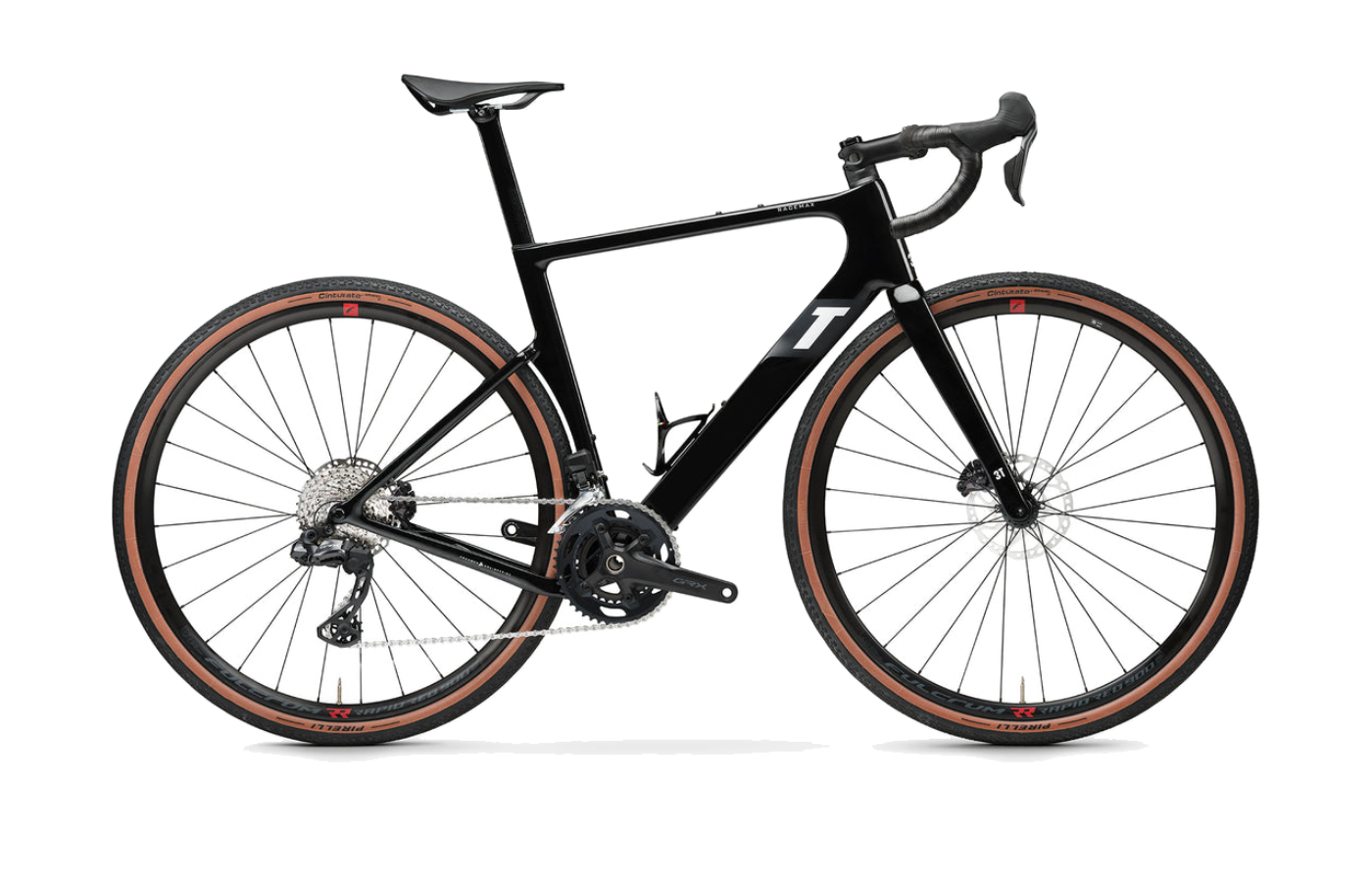
The 3T RaceMax shares the Ridley's aero-first instincts but uses unique frame shaping — a scooped downtube, widely flared fork legs — to shield the tires from the wind. Clearance runs wider than either bike here, and the 2x-capable Exploro RaceMax variant makes a stronger multi-day case.
Compare →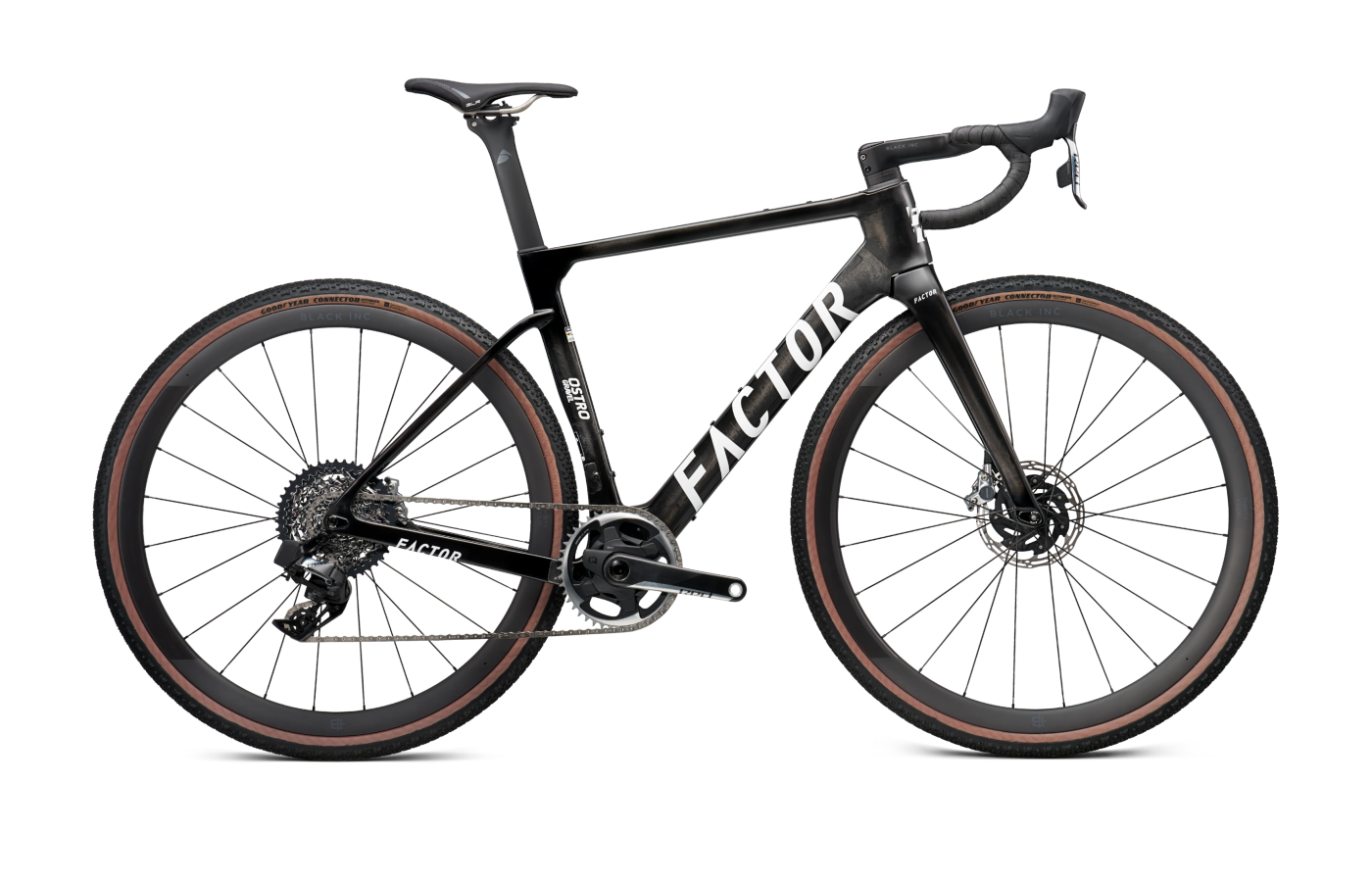
Ostro Gravel
The Factor Ostro Gravel is the modern aero-gravel answer — lighter frame, more contemporary geometry, and a more bikepacking-friendly layout than the Kanzo Fast. If the Ridley feels a generation behind in design language, the Ostro is what comes next.
Compare →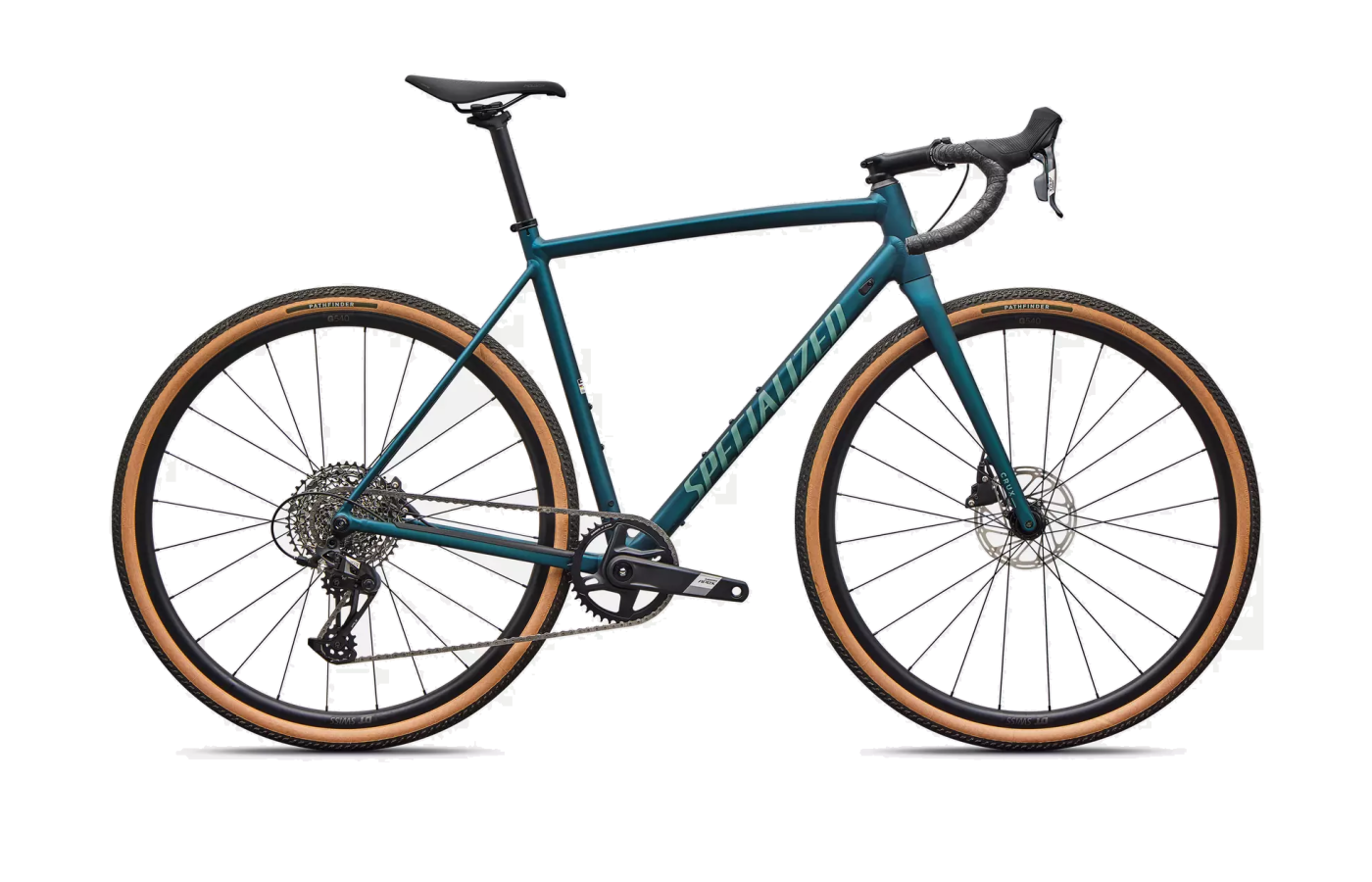
Crux
The Specialized Crux goes the opposite way — no aero pretense, just one of the lightest production gravel frames made and classical tube shapes. If the Aspero and Kanzo Fast feel heavy on your climbing days, the Crux is the minimalist, ultra-light race alternative.
Compare →