Nomad
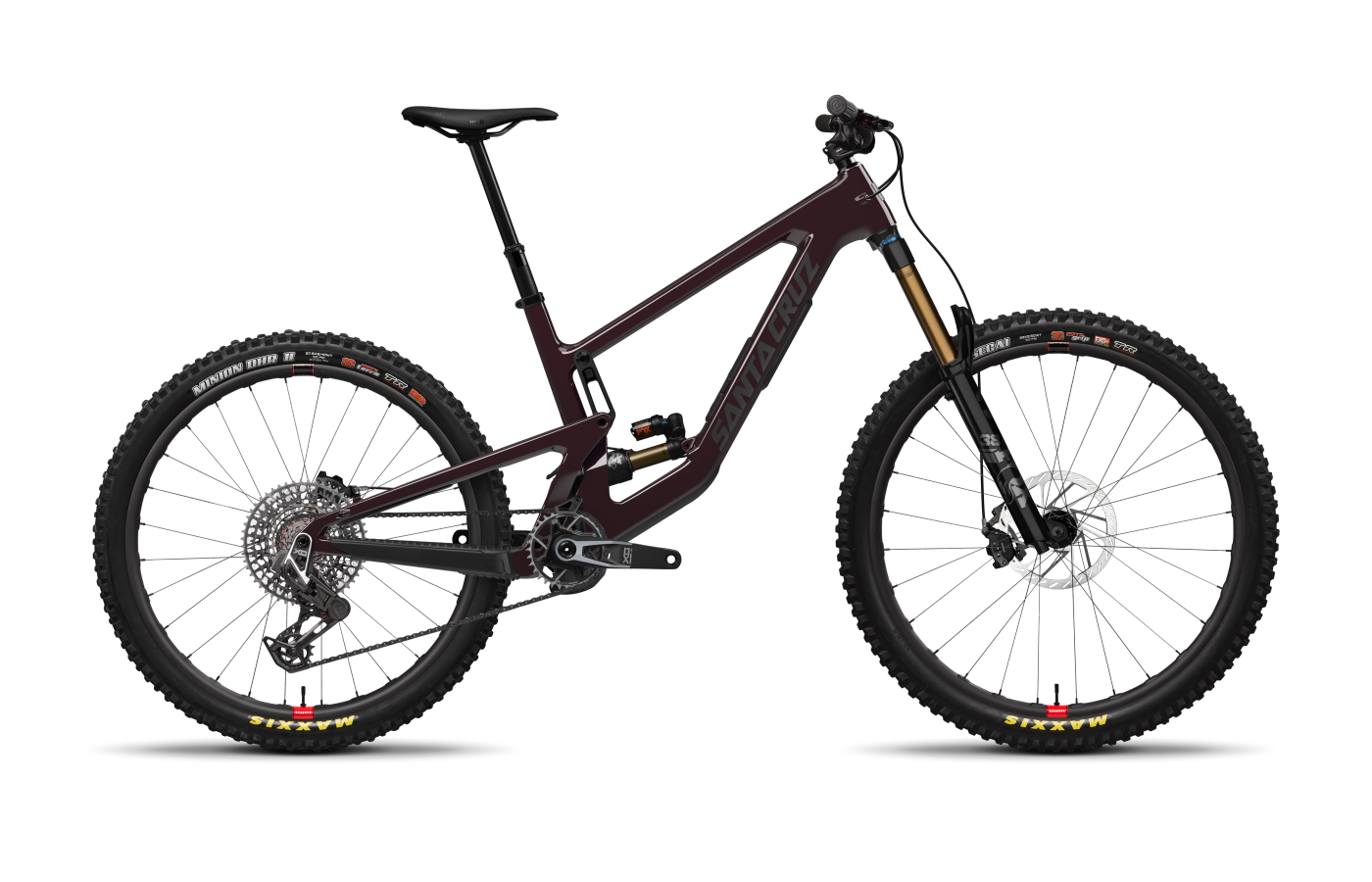
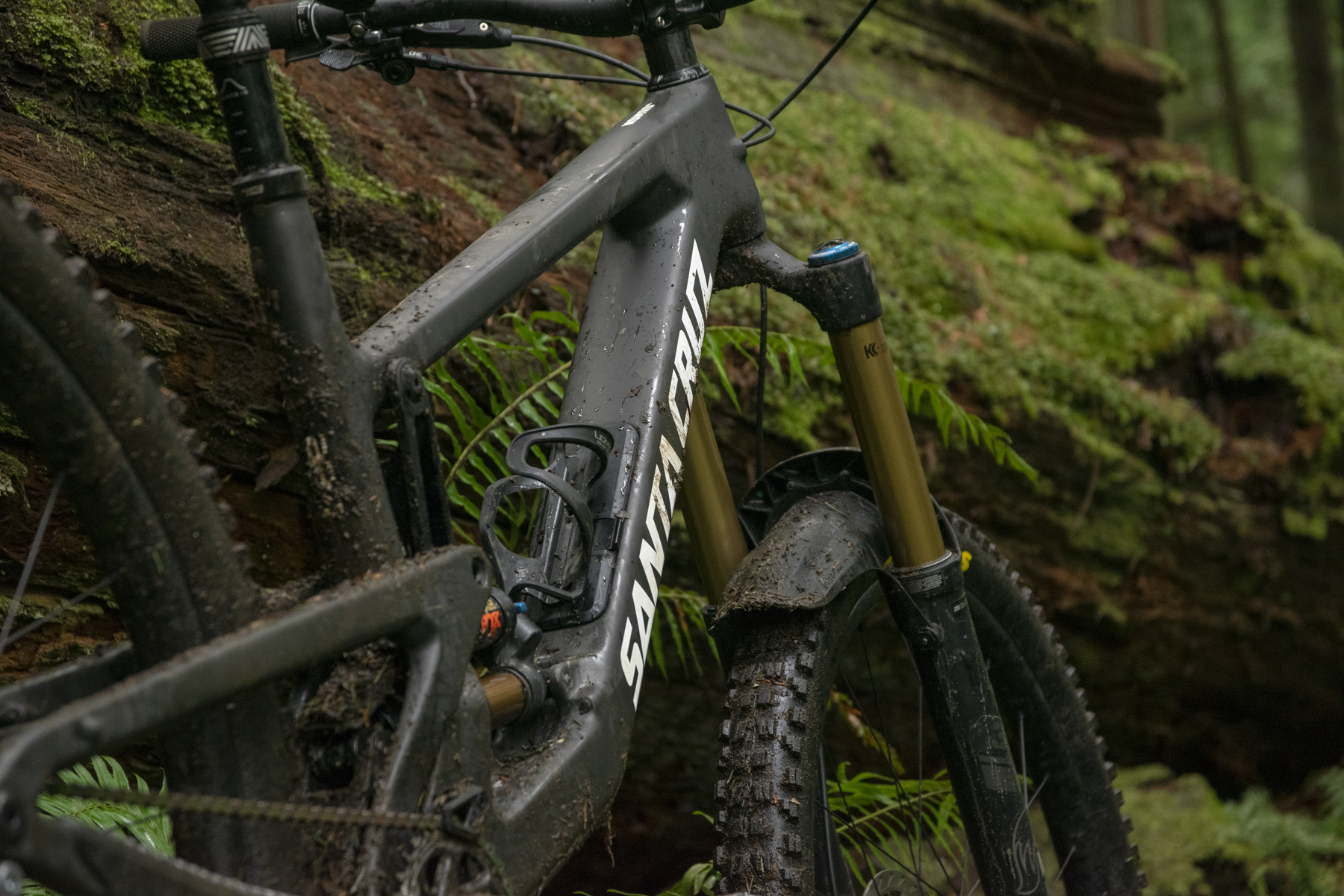
The sixth-generation Santa Cruz Nomad remains a dedicated 170mm enduro bike, but it marks a significant shift in the model's lineage by moving to a mixed-wheel configuration. Pairing a 29-inch front wheel with a 27.5-inch rear, the V6 aims to balance high-speed rollover with cornering agility. Santa Cruz continues to offer the Nomad exclusively in carbon, utilizing their lower-link VPP suspension design. This generation introduces practical frame updates, most notably the Glovebox downtube storage compartment, while refining the suspension kinematics to improve square-edge compliance. Positioned as a versatile bruiser, the Nomad is built for riders who frequent steep, rough terrain and bike parks but still want a platform capable of pedaling to the top. It sits alongside the Megatower in the brand's long-travel lineup, trading some of that bike's flat-out race focus for a more maneuverable, freeride-leaning character.
Geometry & fit.
5 sizes published.
The Nomad V6 geometry is built around a slack head tube angle and a steep seat tube angle, creating a modern enduro posture that centers the rider efficiently between the wheels. A defining feature of this generation is the use of size-specific chainstays, which grow proportionally from the Small through the XXL frames. This design choice helps maintain consistent weight distribution across the size range, preventing the smaller rear wheel from feeling unbalanced or overly light at high speeds.
A flip chip located on the lower link allows for minor geometry adjustments, slightly altering the head angle and bottom bracket height to suit rider preference. On the trail, the Nomad's geometry favors a relatively upright, neutral riding stance. Unlike some dedicated race sleds that demand aggressive forward weighting to maintain front-wheel traction, the Nomad is forgiving of a centered posture. This balanced fit reduces rider fatigue on long descents and makes the bike easier to maneuver through tight, low-speed sections without sacrificing high-speed stability.
Where the handlebar sits relative to the bottom bracket — the single most important fit pair.
01Fit geometry6 values
03Handling geometry6 values
Which size should I buy?
Slide your height to see the recommended size. GearWise's fit algorithm works from the published stack, reach, and ETT — the brand's own recommendation may differ.
→Calculated from GearWise's own stack / reach / ETT algorithm — the brand's size chart may recommend a different size, and a proper bike fit beats any calculator.
The lineup.
5 builds, ranging $5,149 – $9,749.
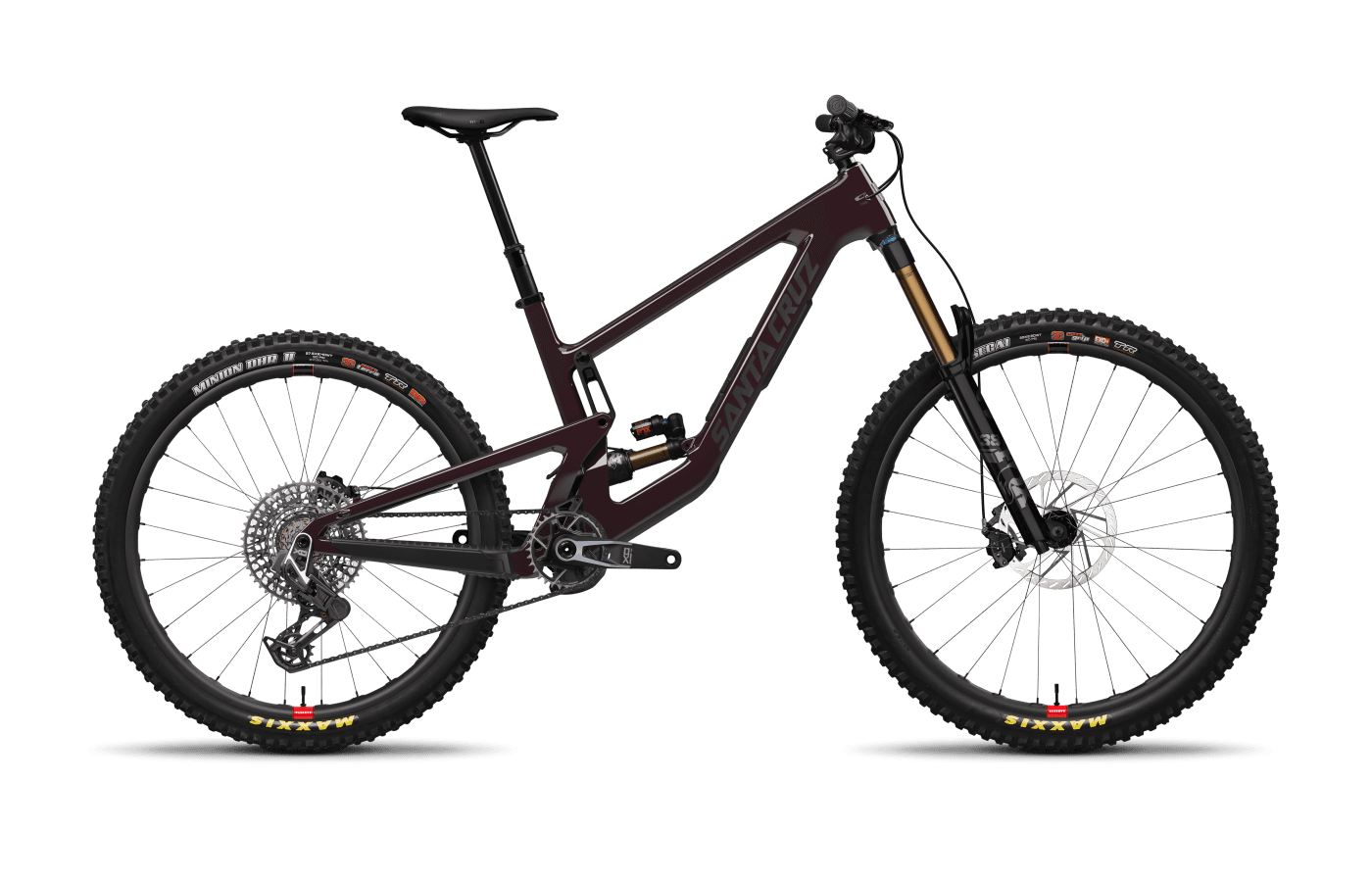
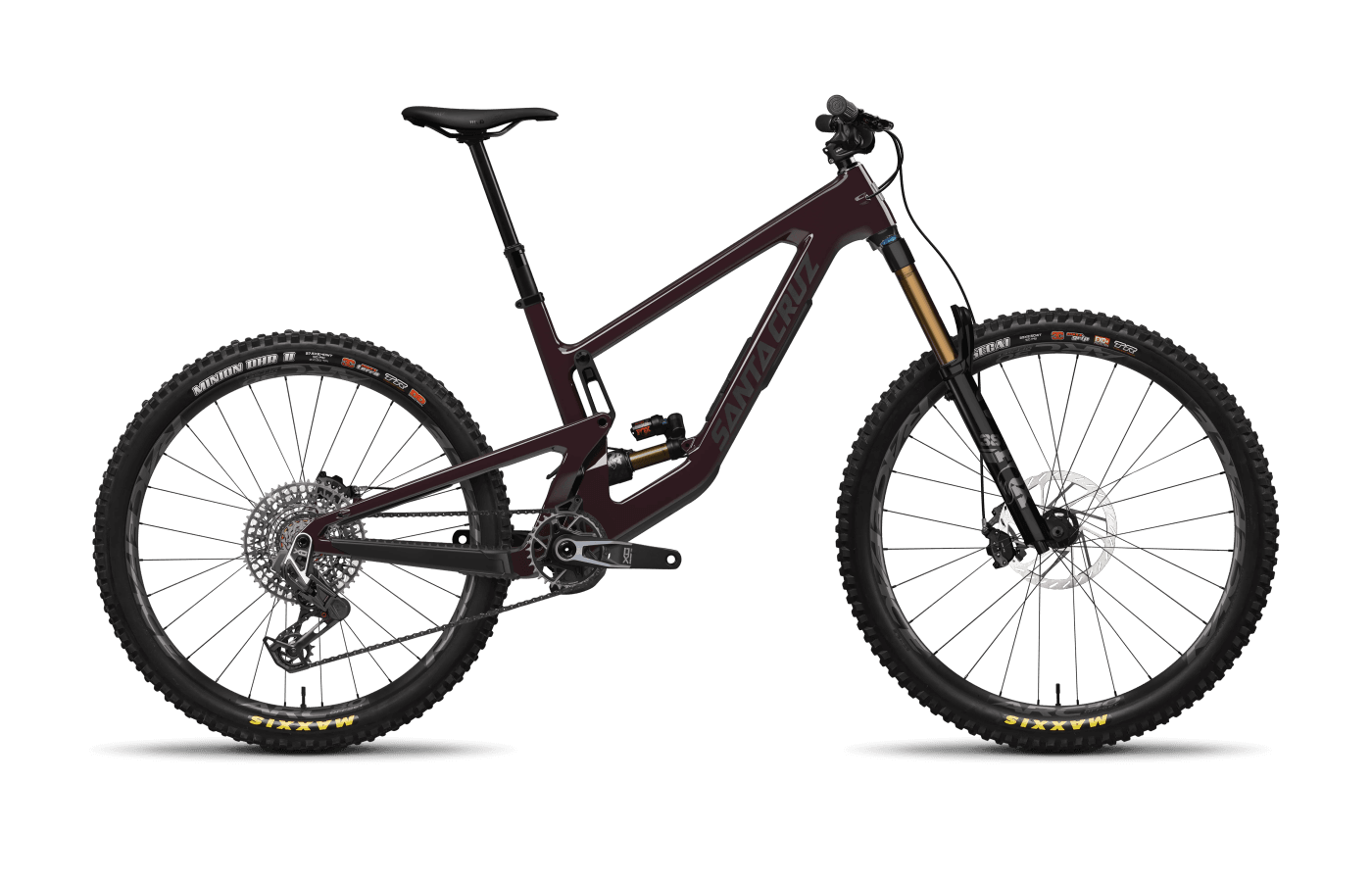
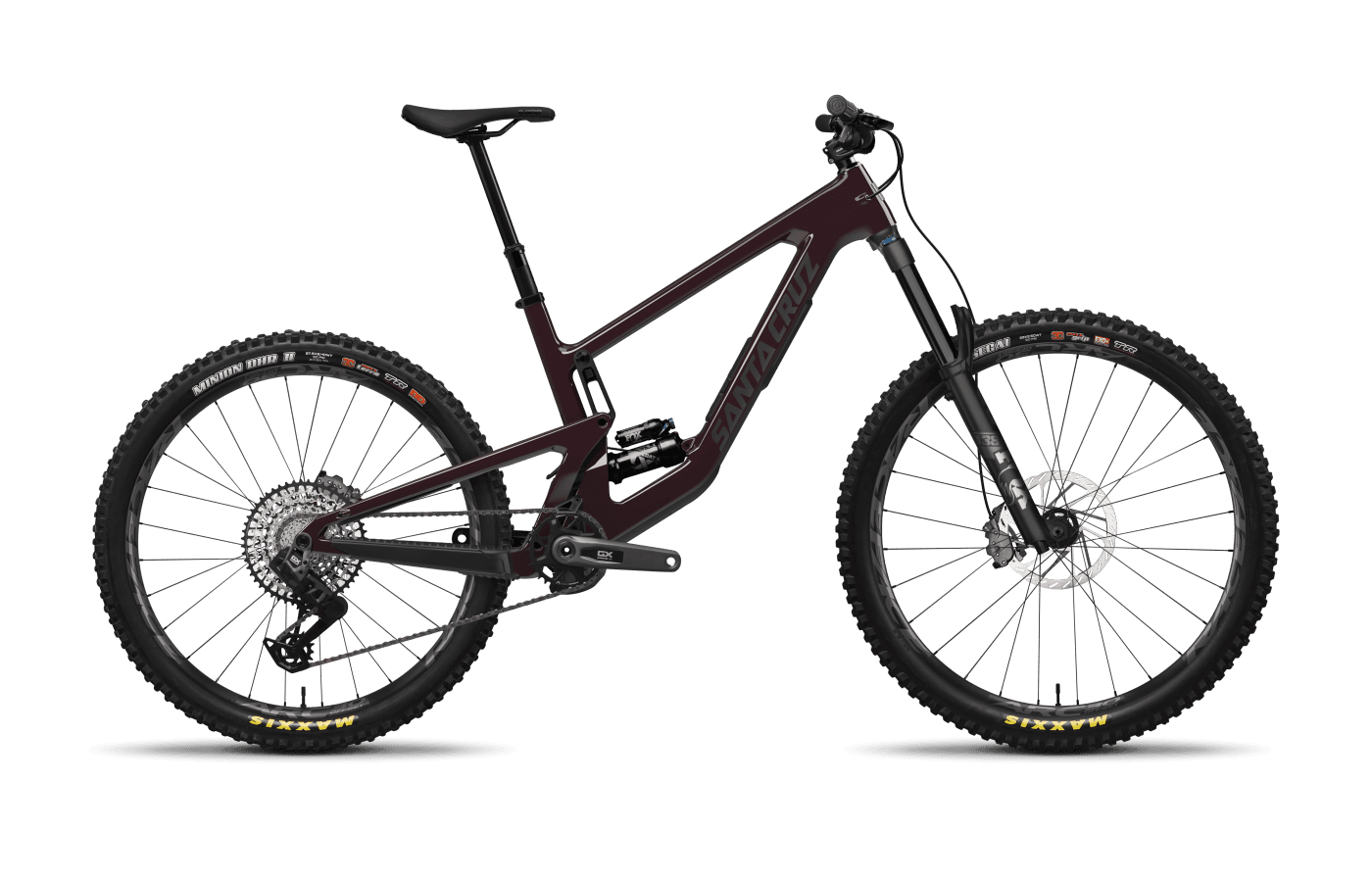
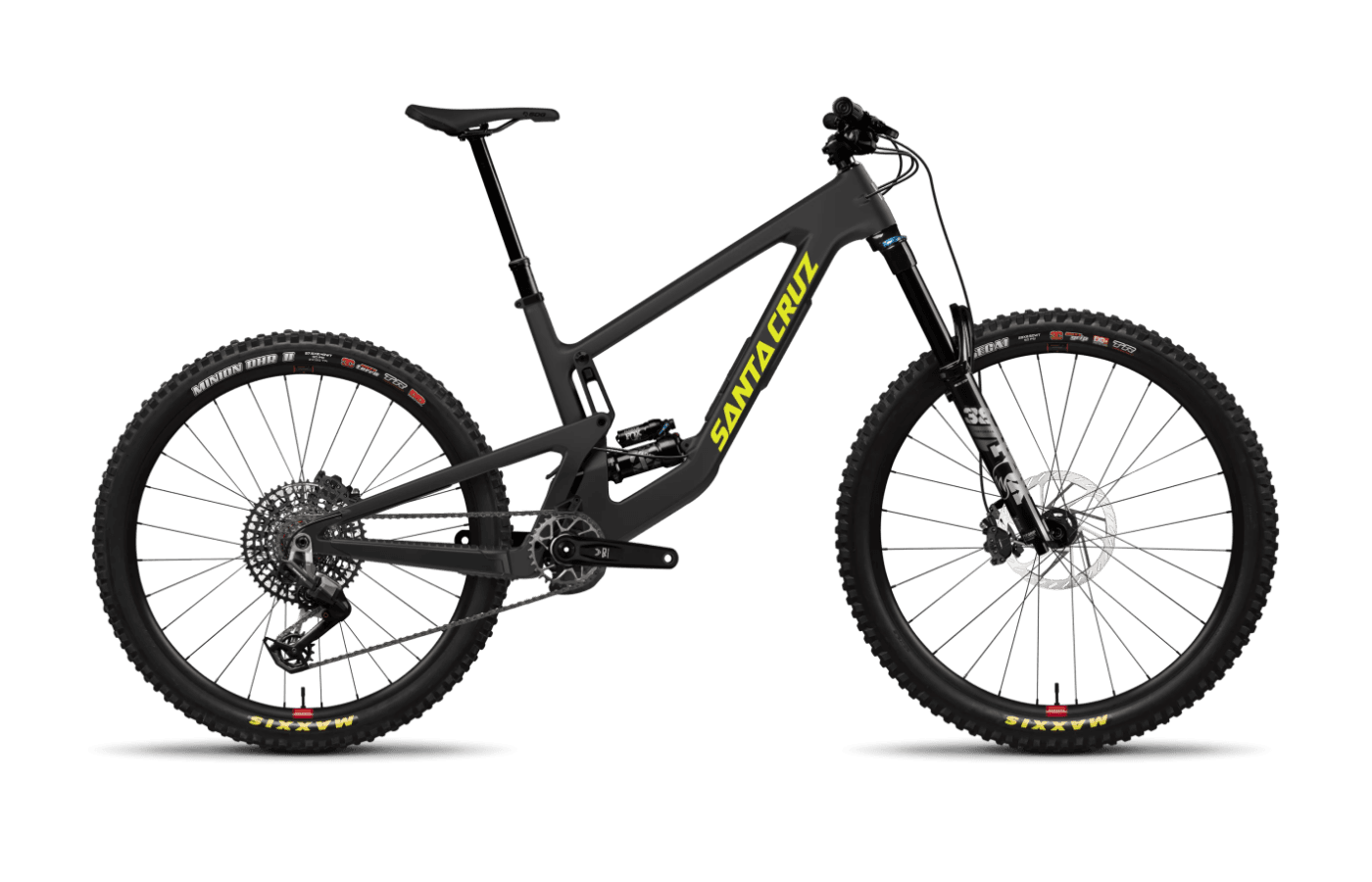
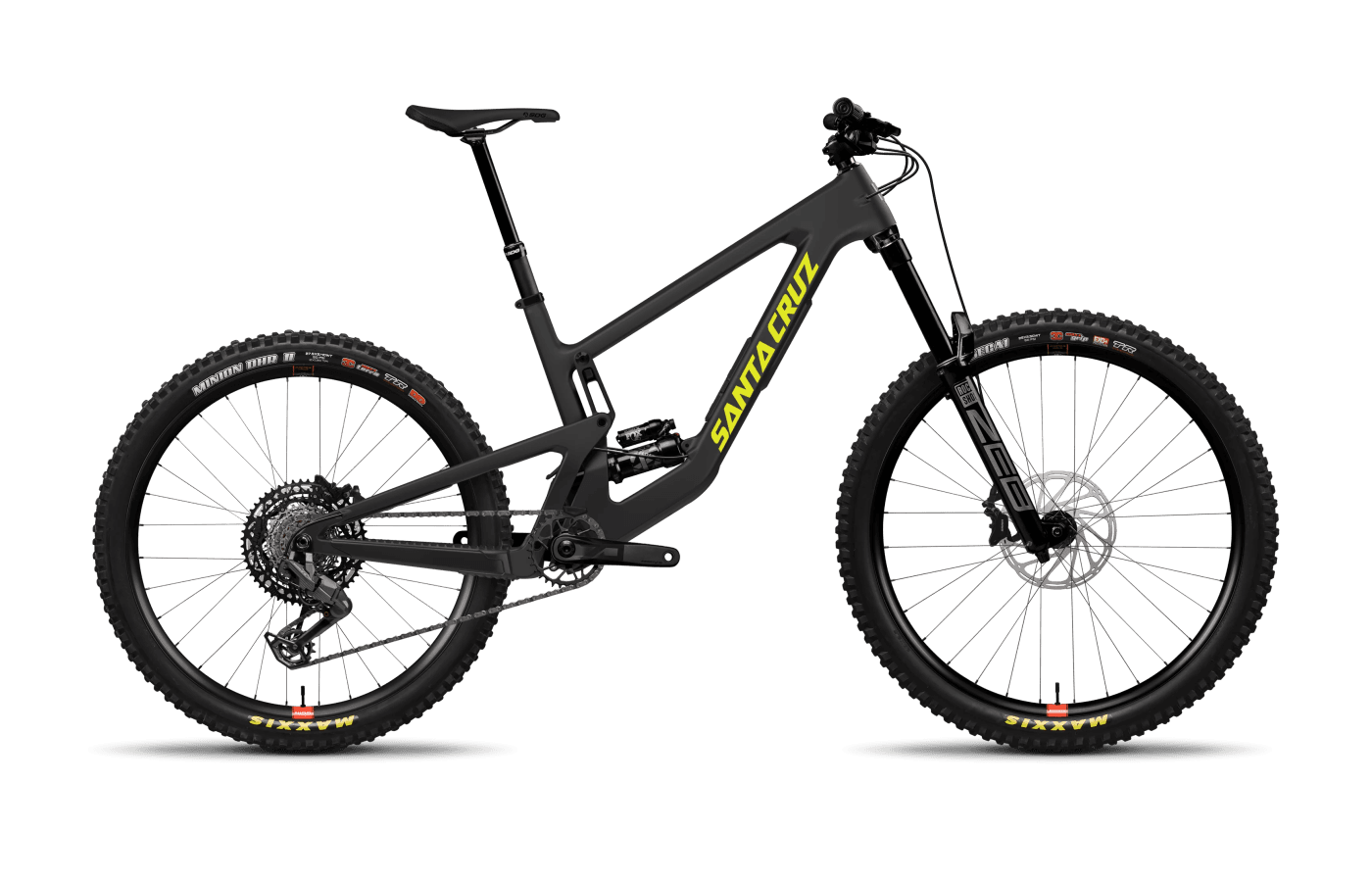
The Nomad V6 lineup spans five primary build kits, all utilizing carbon frames. The entry-level 70 and 90 builds, along with the mid-tier GX AXS, use Santa Cruz’s standard Carbon C frame. Moving up to the X0 AXS and flagship X0 AXS RSV builds upgrades the chassis to the lighter Carbon CC layup.
Suspension specification shifts significantly across the price points. Base models feature RockShox ZEB Base or Fox 38 Float Performance forks paired with Fox Float X Performance shocks. Higher-tier builds upgrade to Fox 38 Float Factory Elite or RockShox ZEB Ultimate forks, alongside Fox Float X2 Factory rear shocks. Drivetrains follow a clear SRAM progression, starting with mechanical Eagle components on the 70 and 90 builds, before moving to wireless GX AXS and X0 AXS T-Type transmissions on the premium models.
Braking is handled entirely by SRAM, scaling from DB8 and Maven Base up to Maven Silver Stealth on the top builds. Wheelsets transition from alloy Reserve or Race Face rims on DT Swiss or SRAM hubs to premium Reserve carbon rims laced to Industry Nine hubs on the RSV model. Across the board, the high barrier to entry means the Nomad carries a premium price tag compared to direct-to-consumer alternatives.
From the press.
9 reviews from the cycling press.
Reviewers consistently praise the Nomad V6 for its exceptional cornering and composure in rough terrain. The mixed-wheel setup is widely regarded as a success, with testers noting that the bike avoids the twitchy front-end feel that can plague other mixed-wheel designs. On steep descents, the suspension platform remains highly active and isolated from trail chatter. One tester noted that the bike's handling is "shifter-kart-like" (Vital MTB), allowing riders to initiate leans with minimal input. Another reviewer found it to be the "best handling mullet bike" (Blisterreview) they had tested, highlighting its balance of straight-line stability and quick direction changes.
When pointed downhill, the bike encourages riders to push their limits. The suspension kinematics provide a supportive mid-stroke, and testers observed that "the faster you go, the more alive the Nomad feels" (PinkBike). Climbing performance is generally viewed as highly efficient for a long-travel bike, provided the rider stays seated and spins.
However, reviewers pointed out a few distinct tradeoffs. The low bottom bracket height led to frequent pedal strikes on technical climbs. Additionally, multiple testers criticized the stock tire specification on the air-sprung builds, noting that the lighter casings were inadequate for the bike's aggressive descending capabilities and prone to punctures.
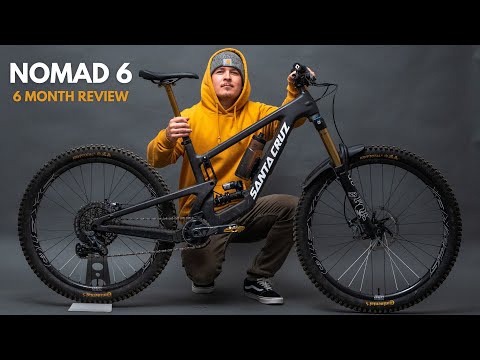
2023 Santa Cruz Nomad 6 | 6 Month Review
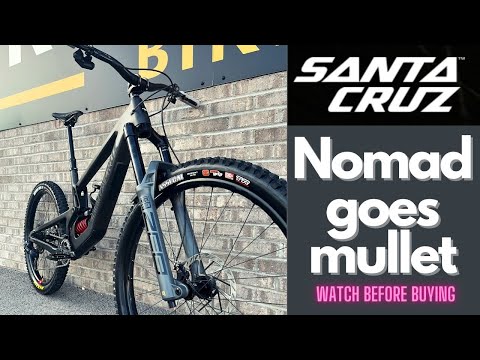
Is the new Santa Cruz Nomad V6 what its cracked up to be ...

2023 Santa Cruz Nomad Review
2023 Santa Cruz Nomad - Blister Review
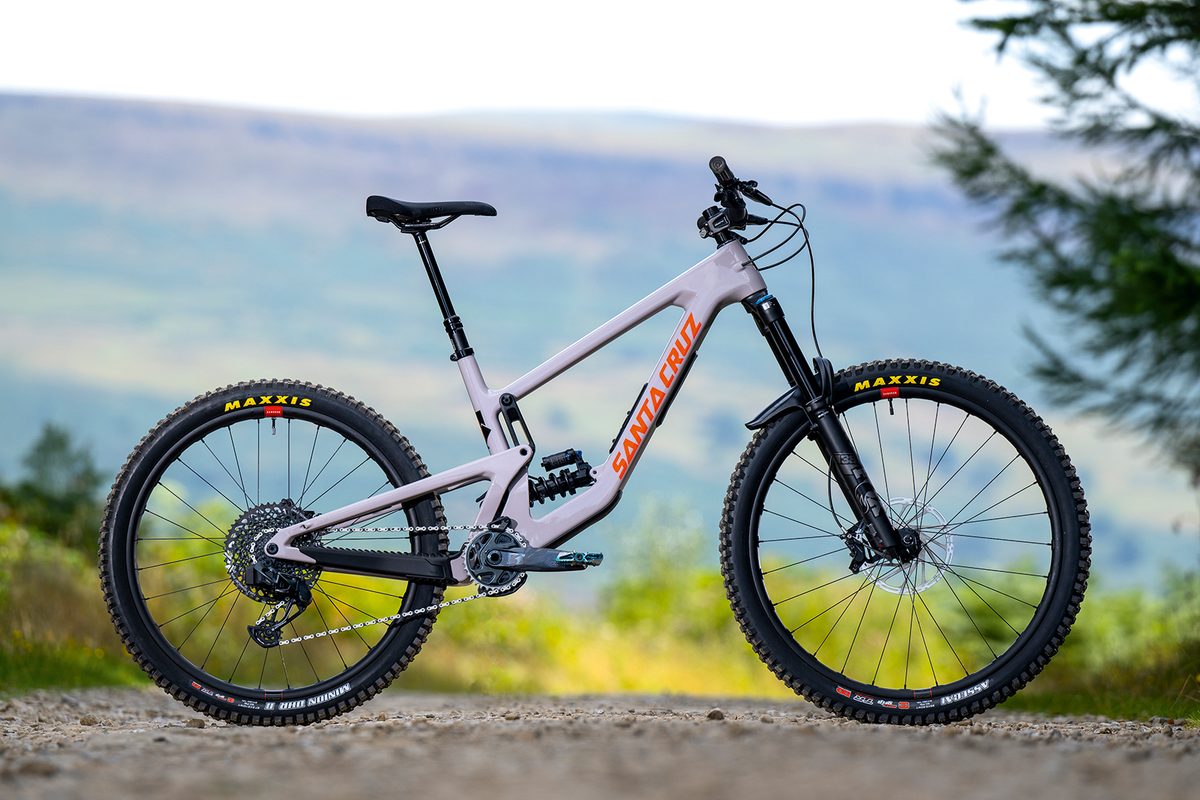
Santa Cruz Nomad C GX AXS RSV Coil review | BikeRadar
Review: 2023 Santa Cruz Nomad - Yes, It's Very Good
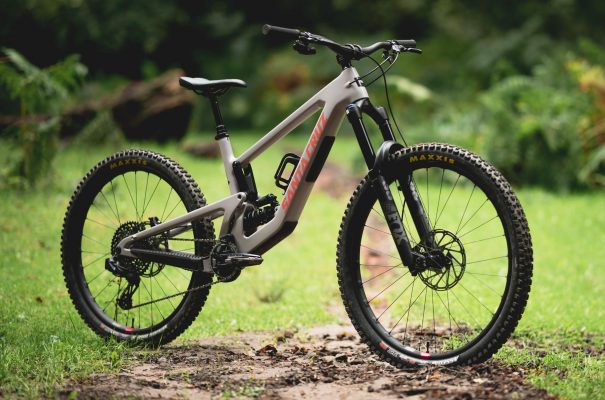
Santa Cruz Nomad first ride review - MBR
TESTED - 2023 Santa Cruz Nomad V6 21
Compared to.
Most-viewed comparisons.
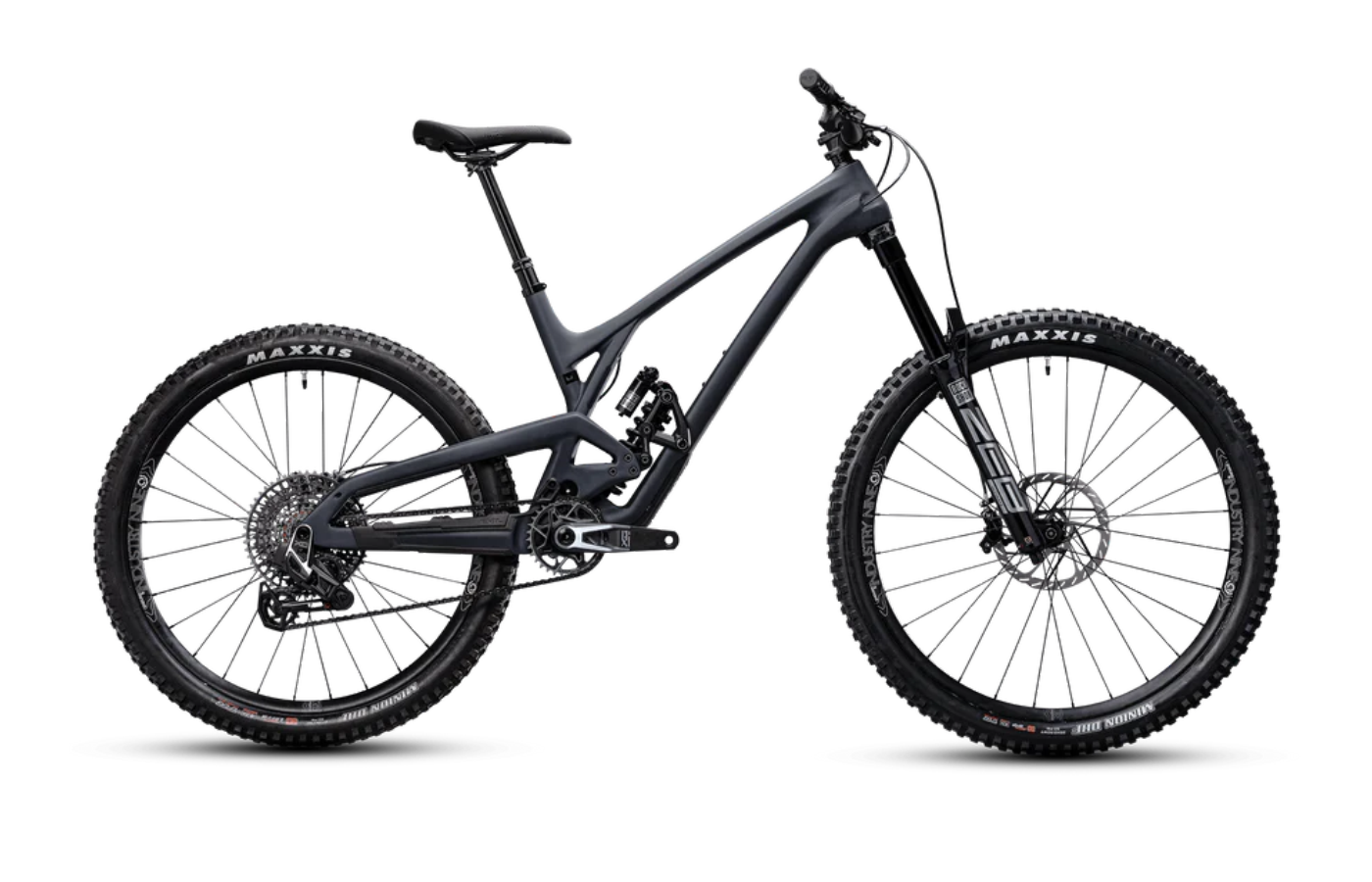
Evil Insurgent vs Santa Cruz Nomad
Read comparison→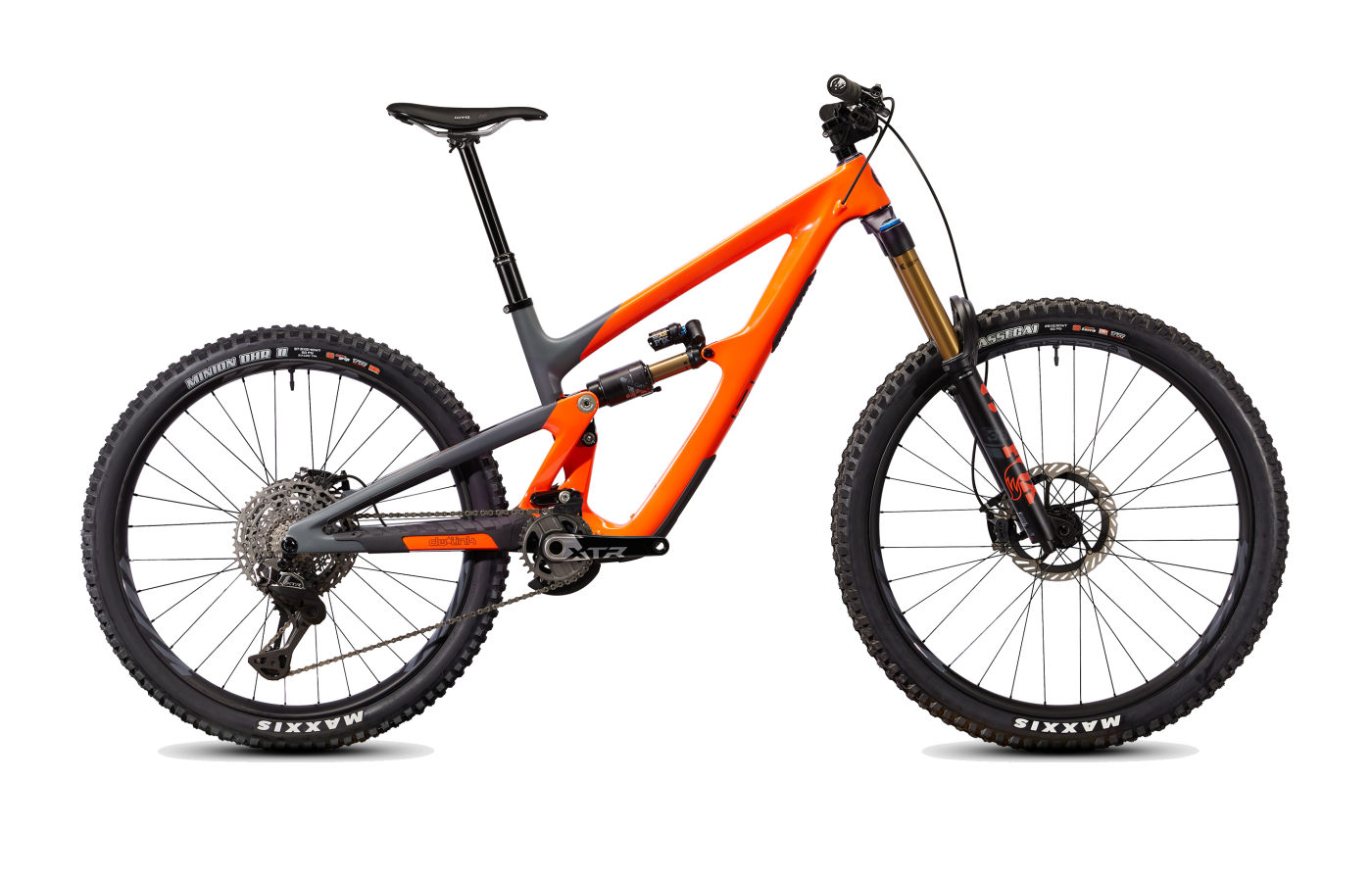
Ibis HD6 vs Santa Cruz Nomad
Read comparison→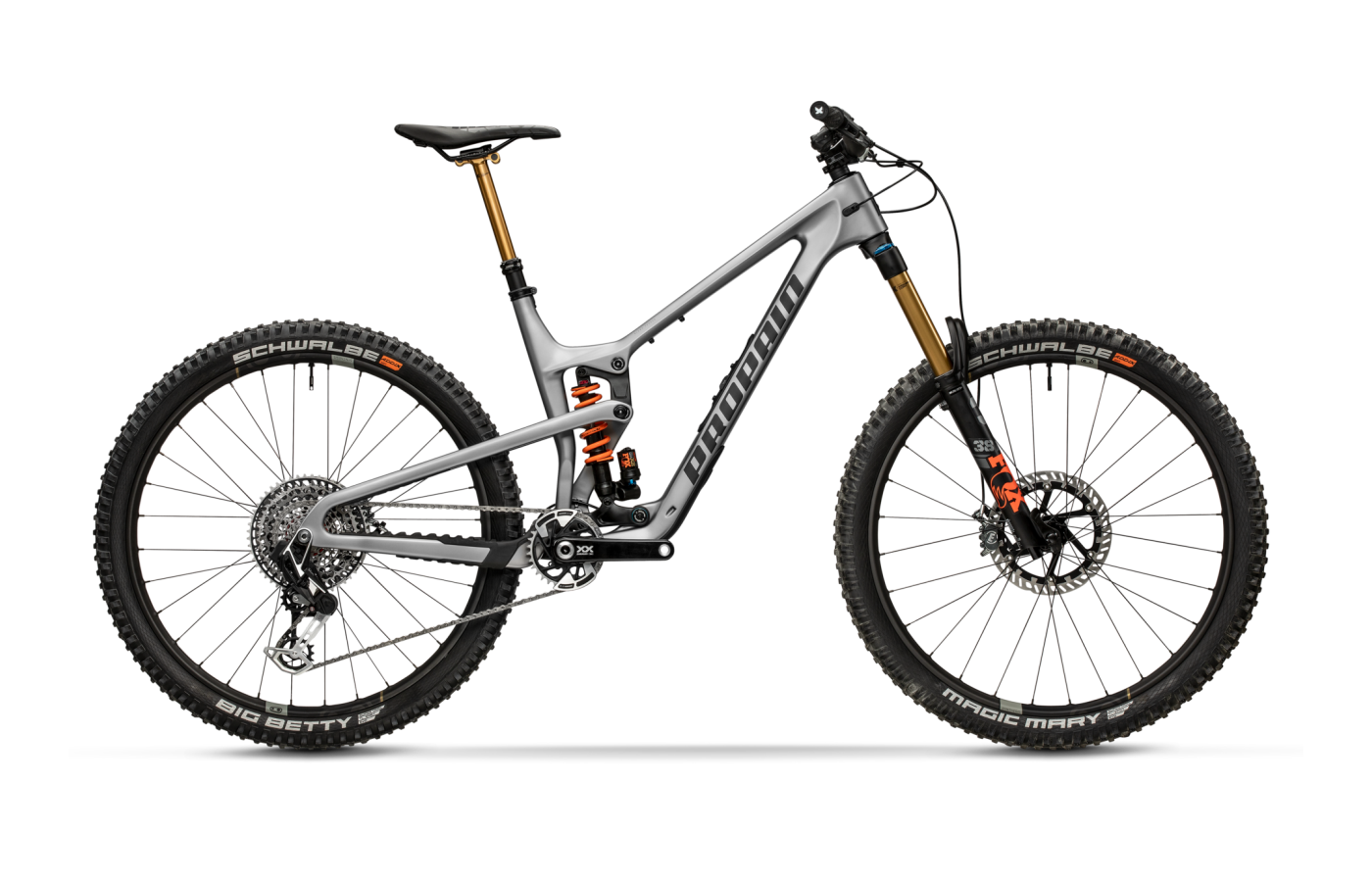
Propain Spindrift vs Santa Cruz Nomad
Read comparison→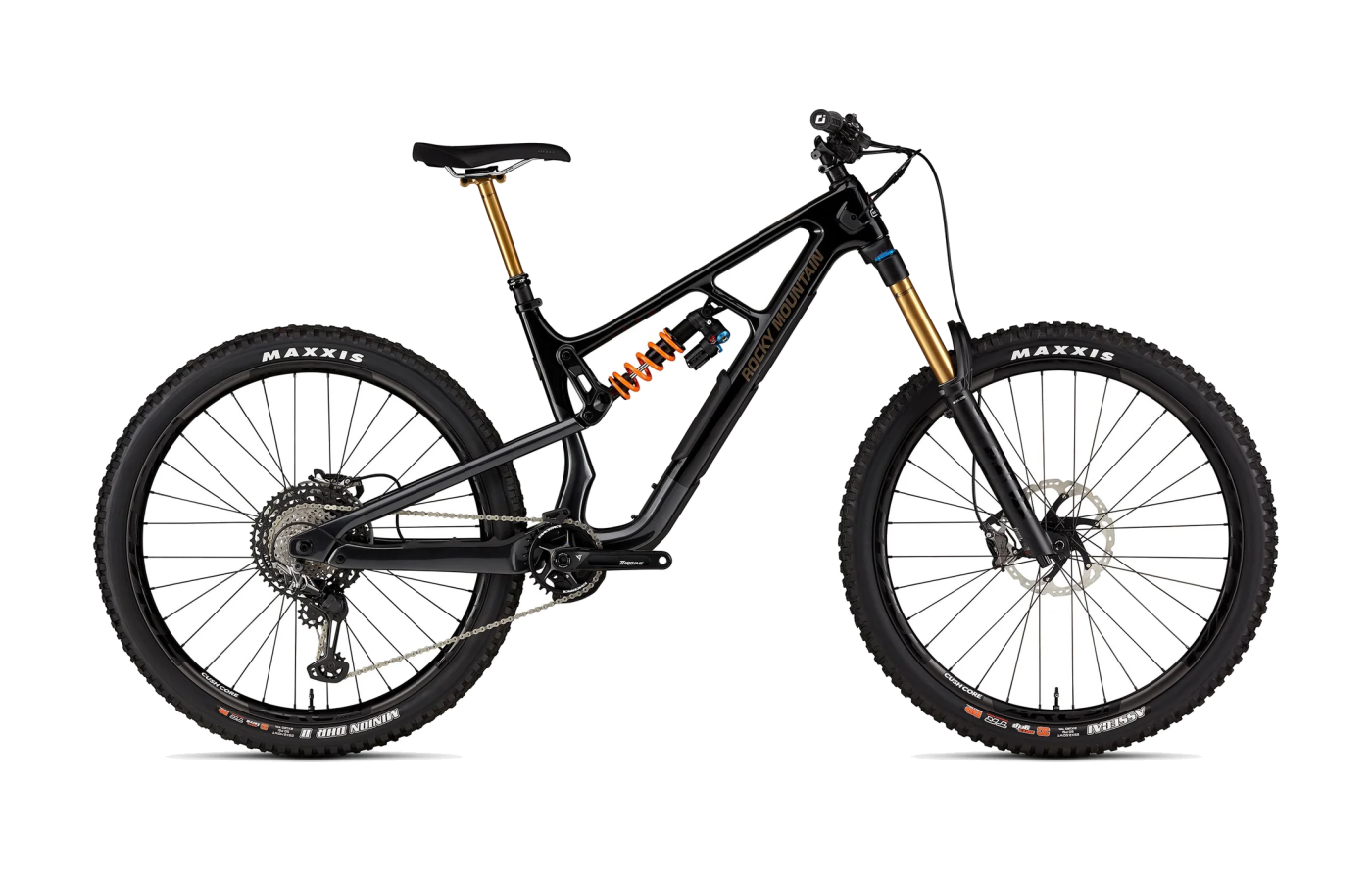
Rocky Mountain Slayer vs Santa Cruz Nomad
Read comparison→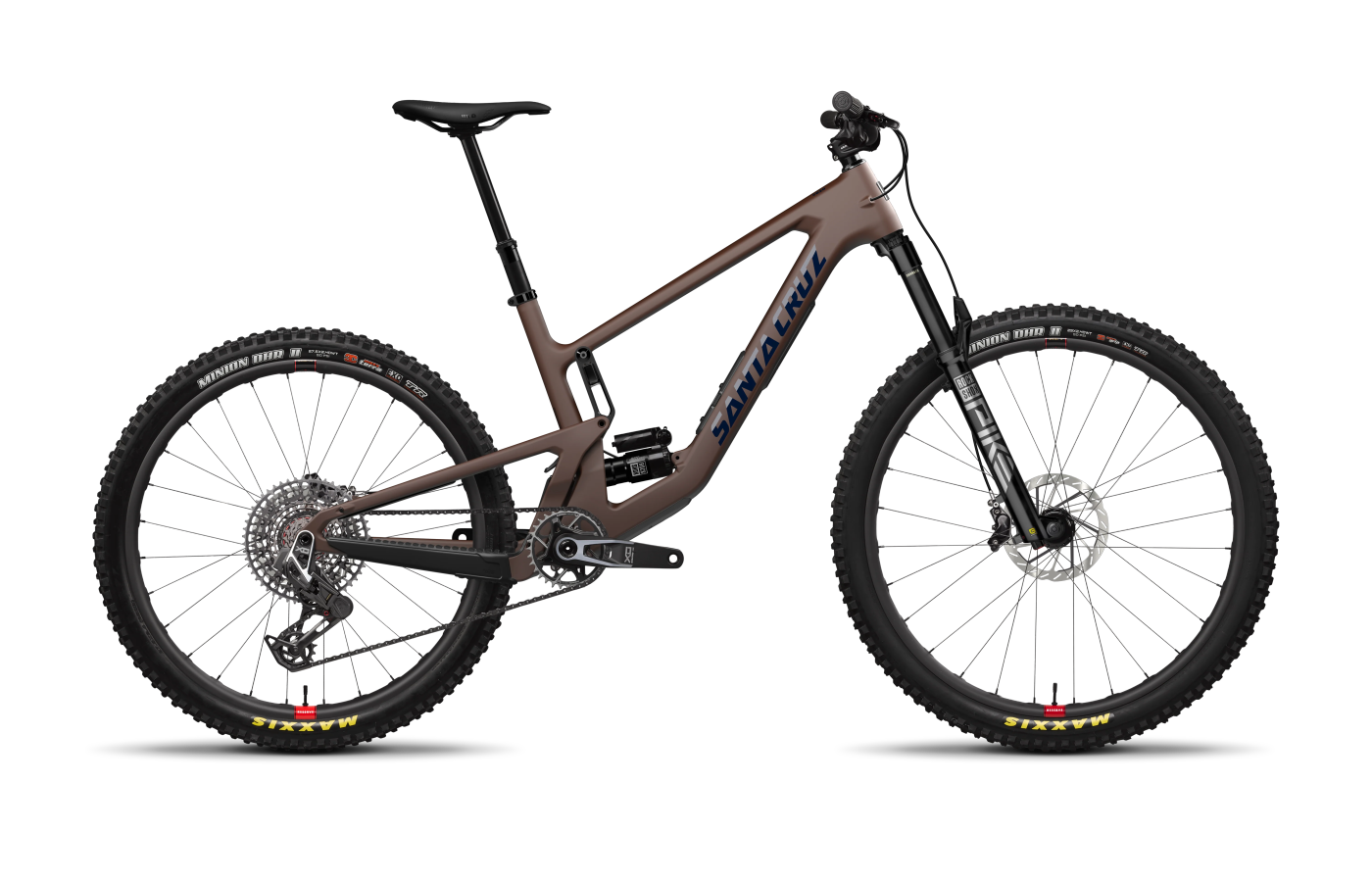
Santa Cruz 5010 vs Nomad
Read comparison→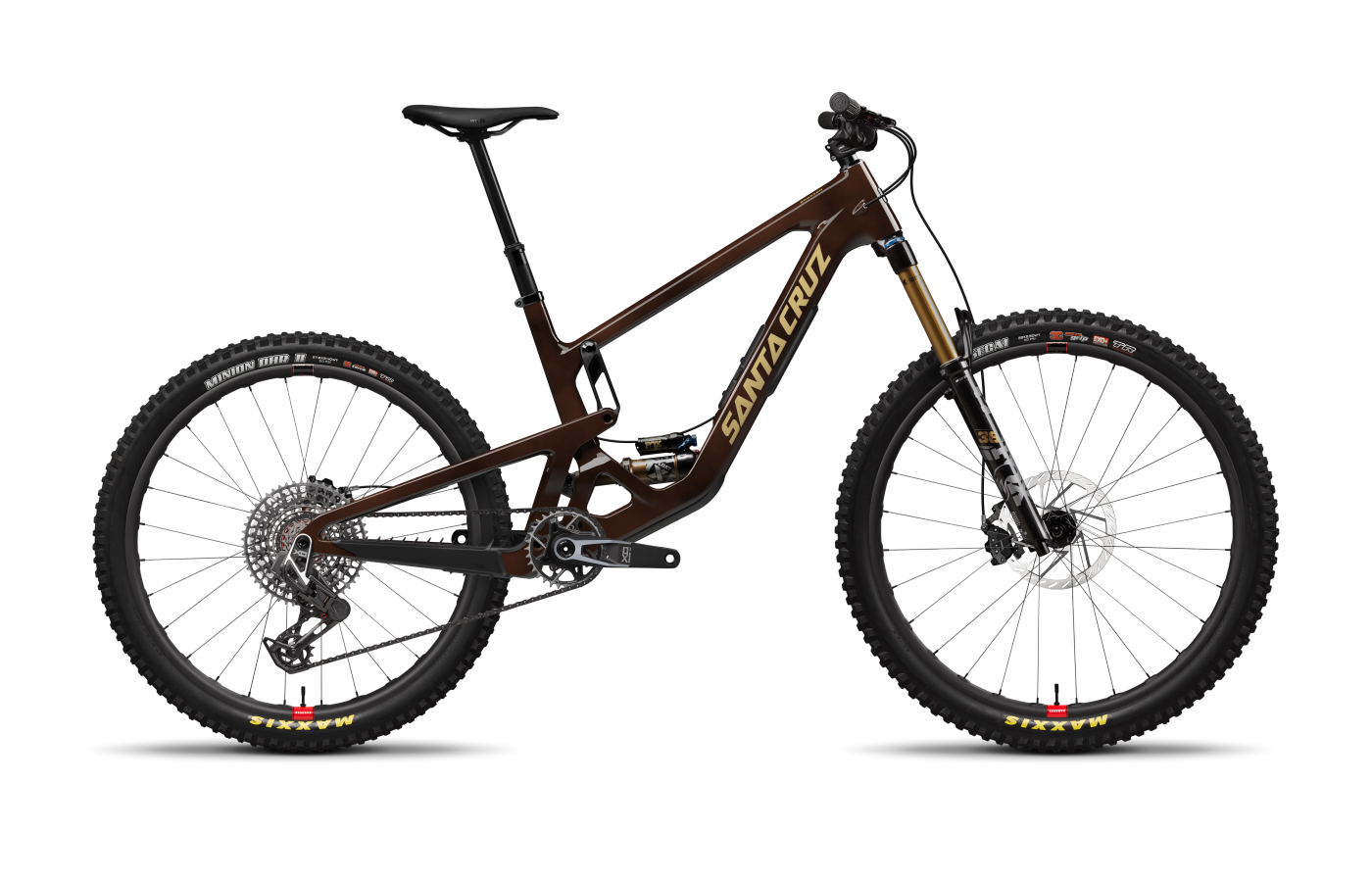
Santa Cruz Bronson vs Nomad
Read comparison→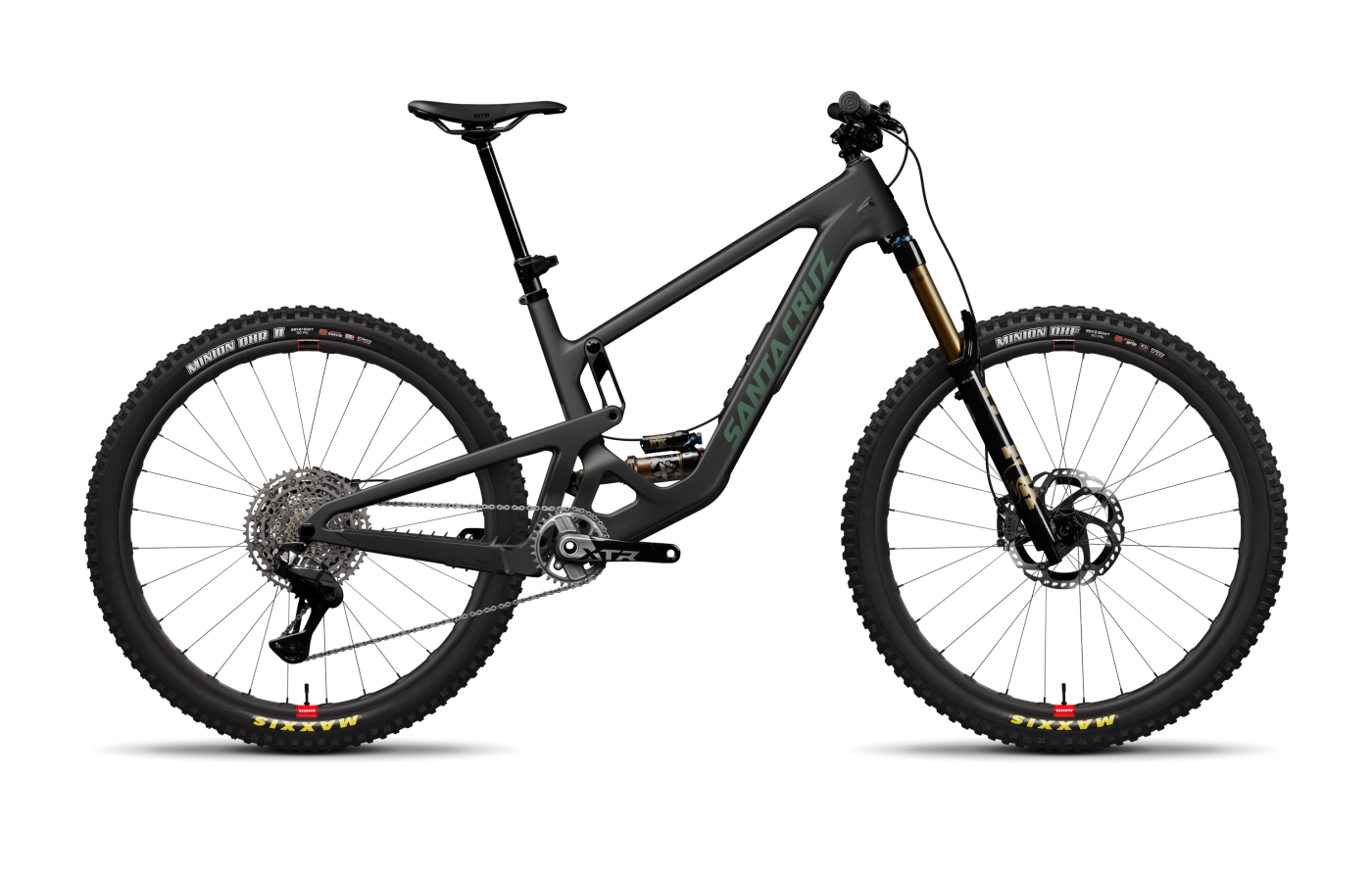
Santa Cruz Hightower vs Nomad
Read comparison→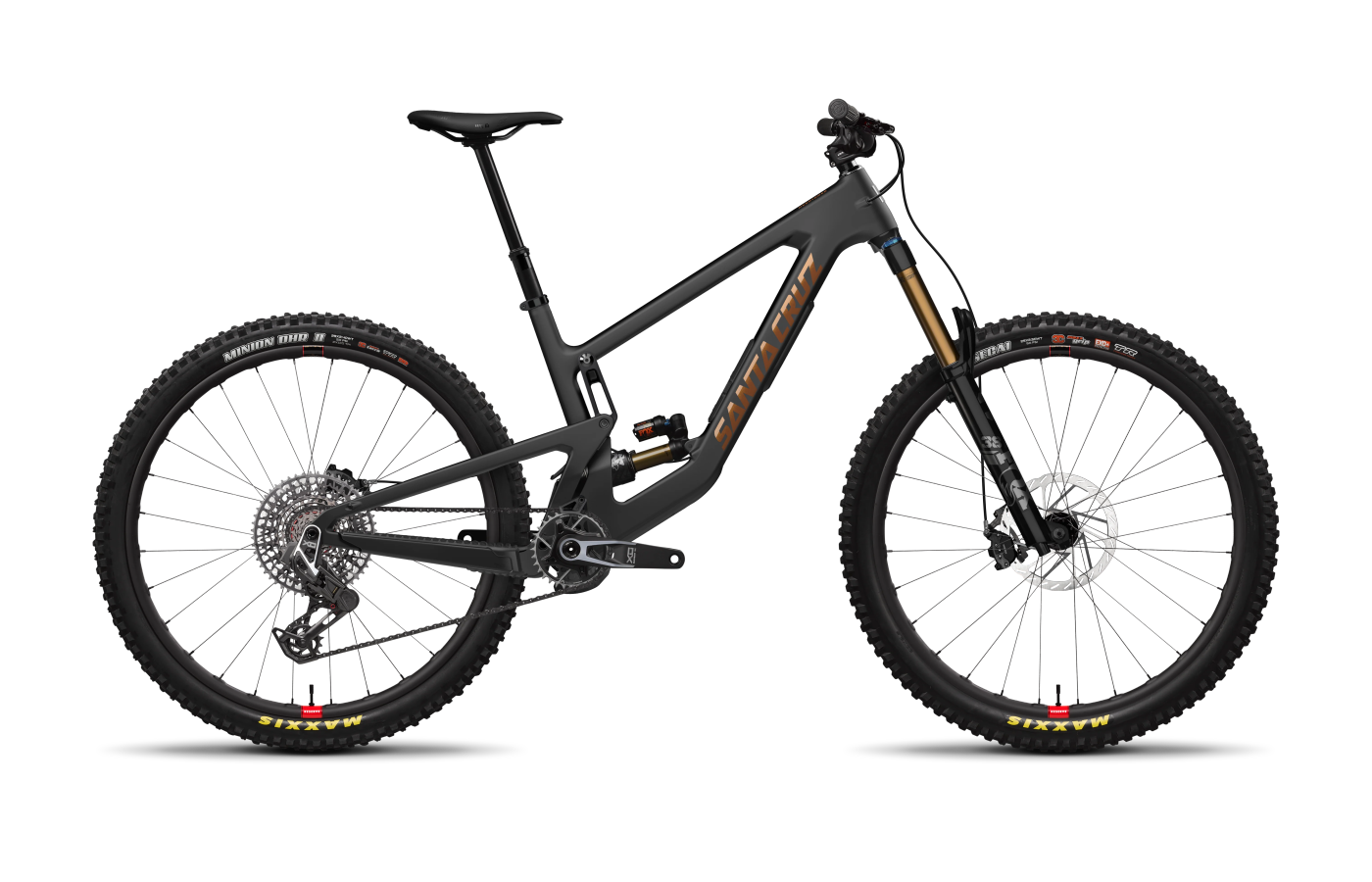
Santa Cruz Megatower vs Nomad
Read comparison→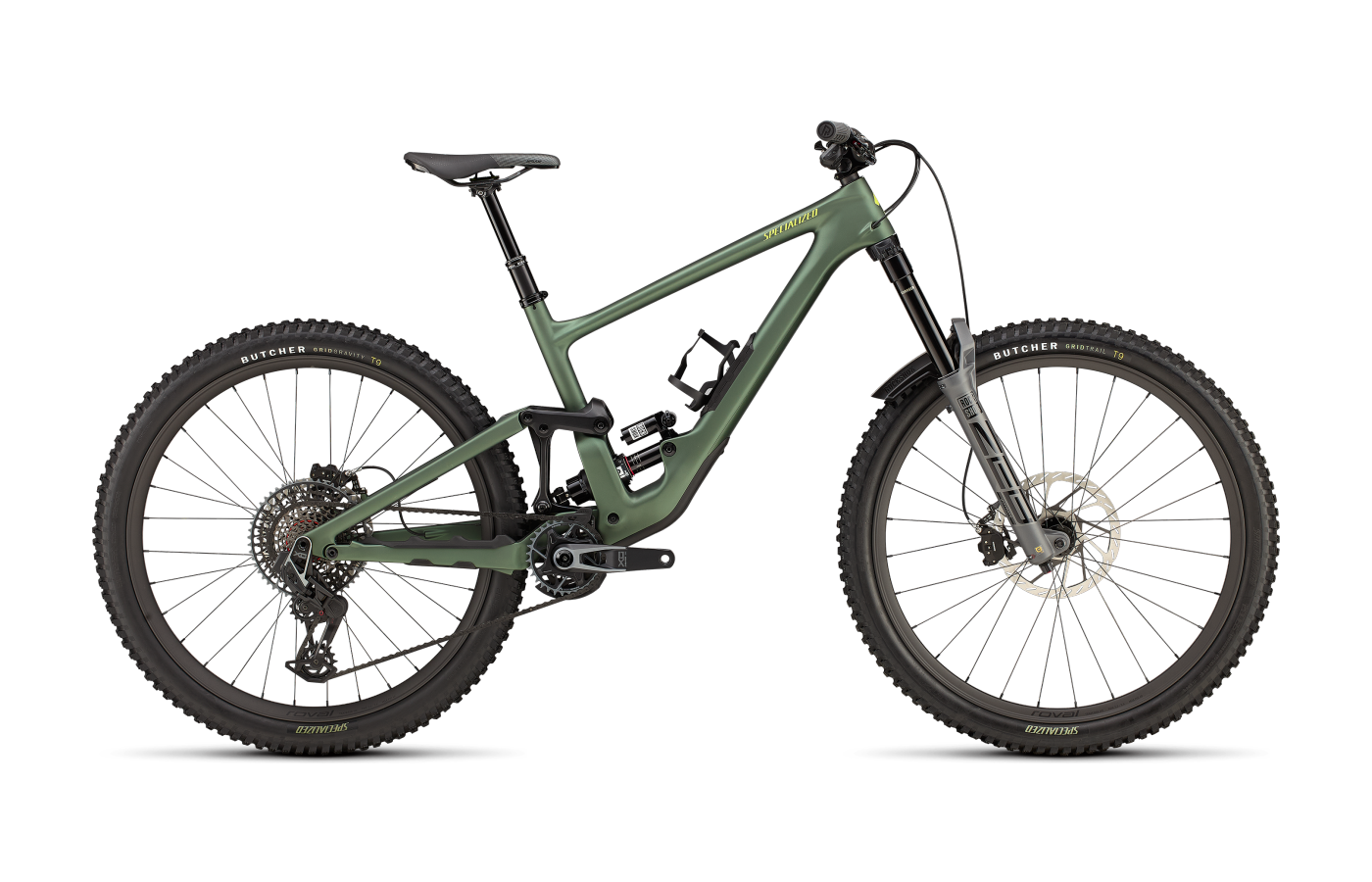
Santa Cruz Nomad vs Specialized Enduro
Read comparison→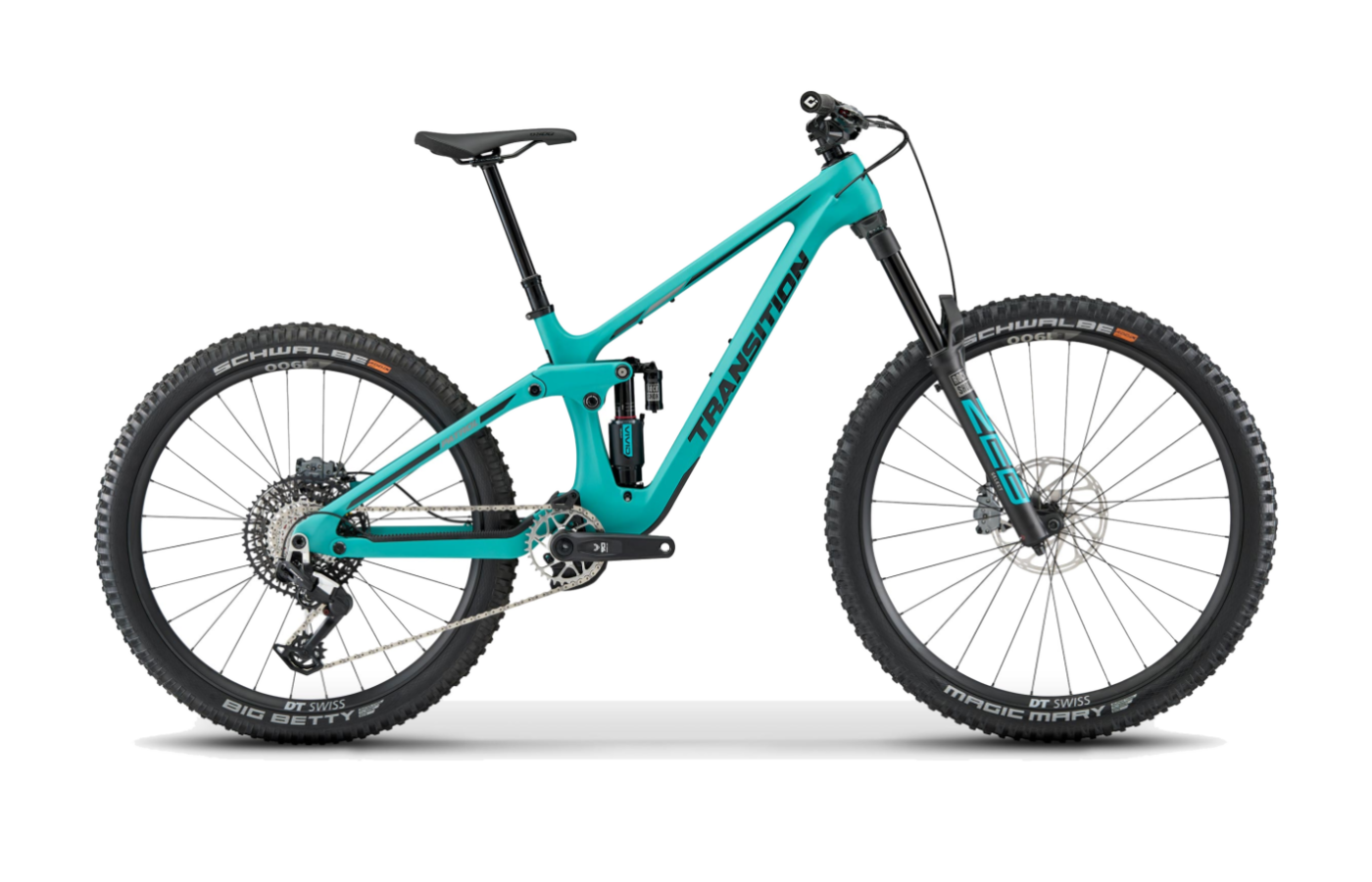
Santa Cruz Nomad vs Transition Patrol
Read comparison→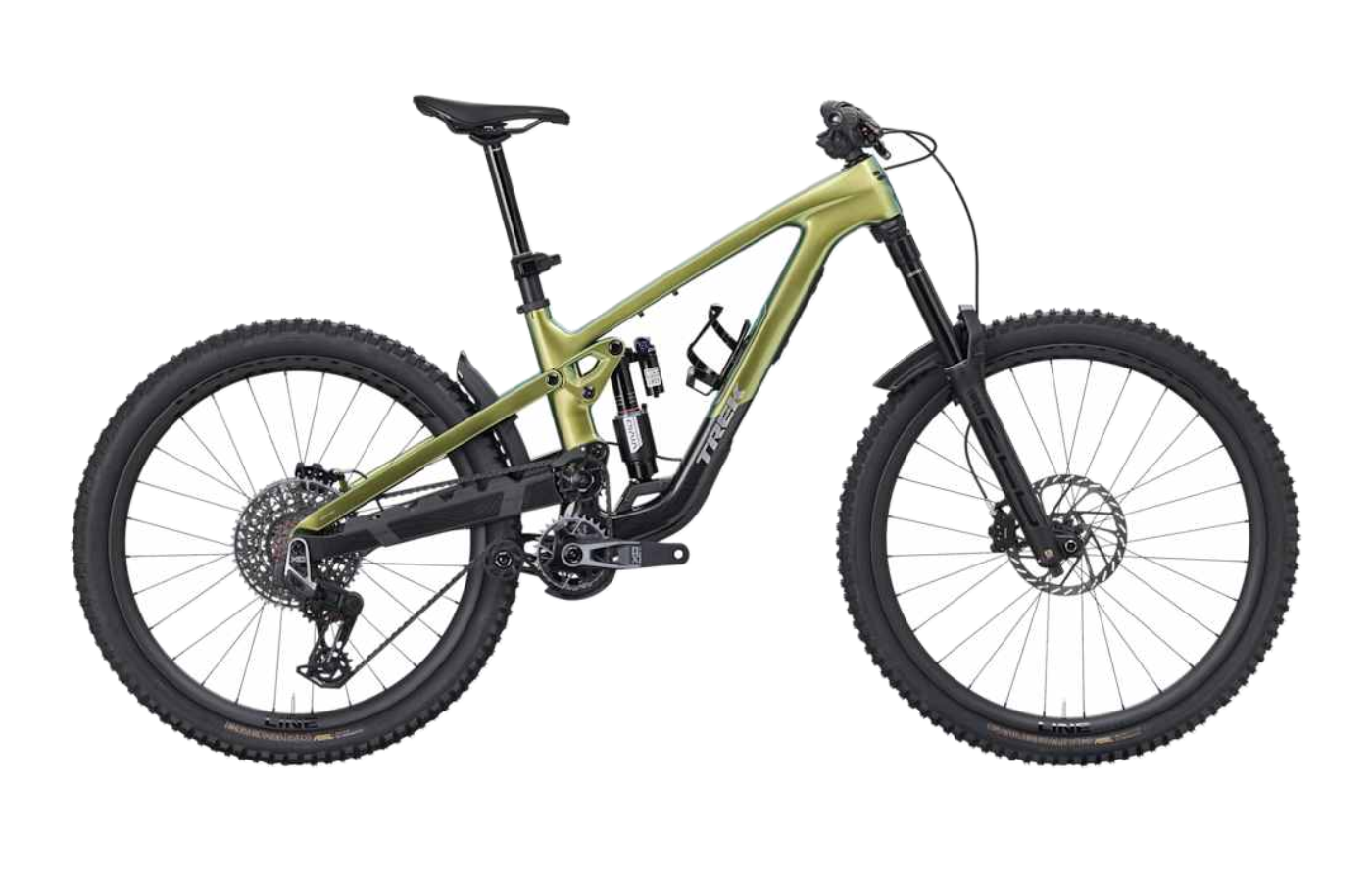
Santa Cruz Nomad vs Trek Slash
Read comparison→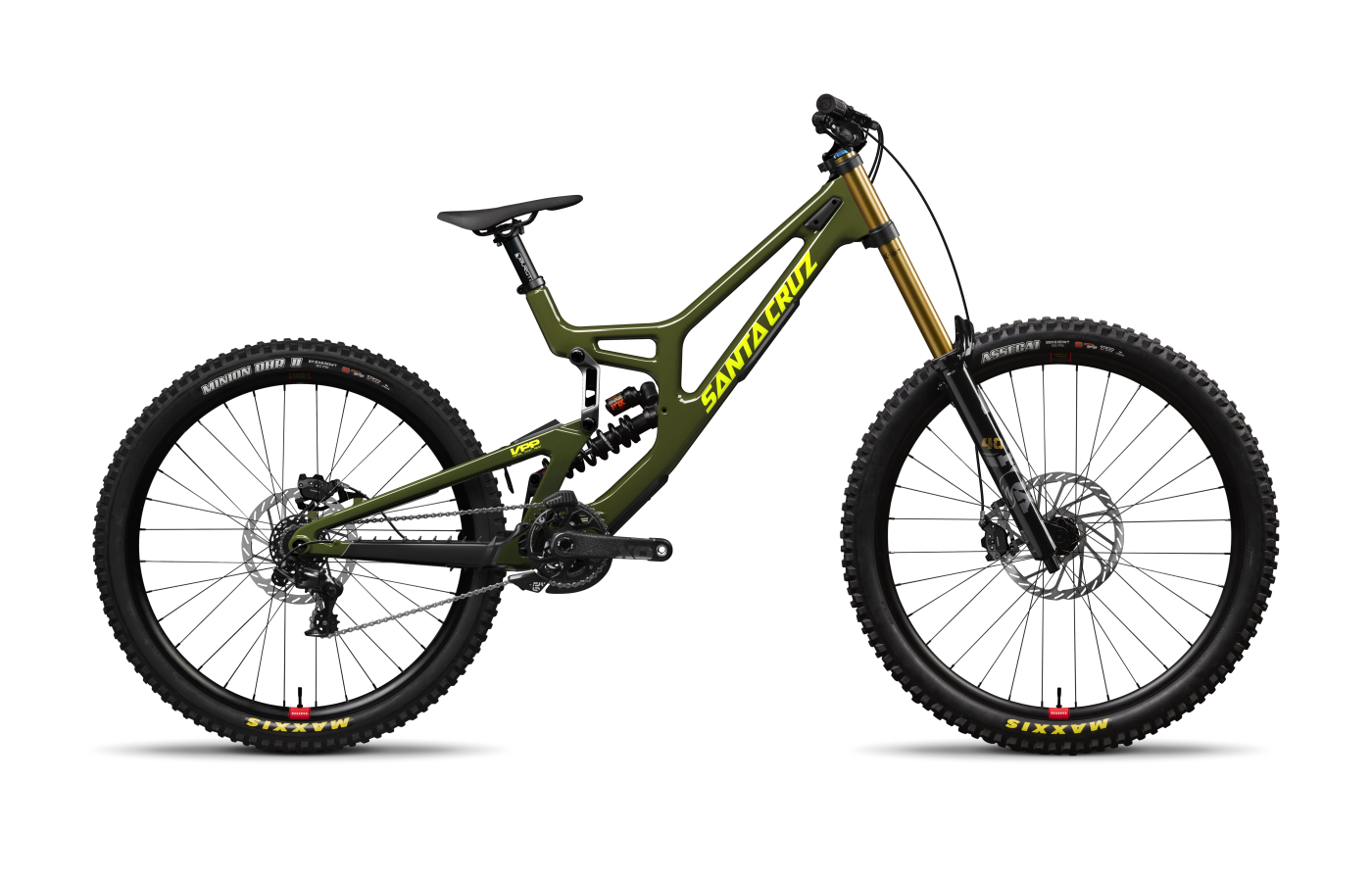
Santa Cruz Nomad vs V10
Read comparison→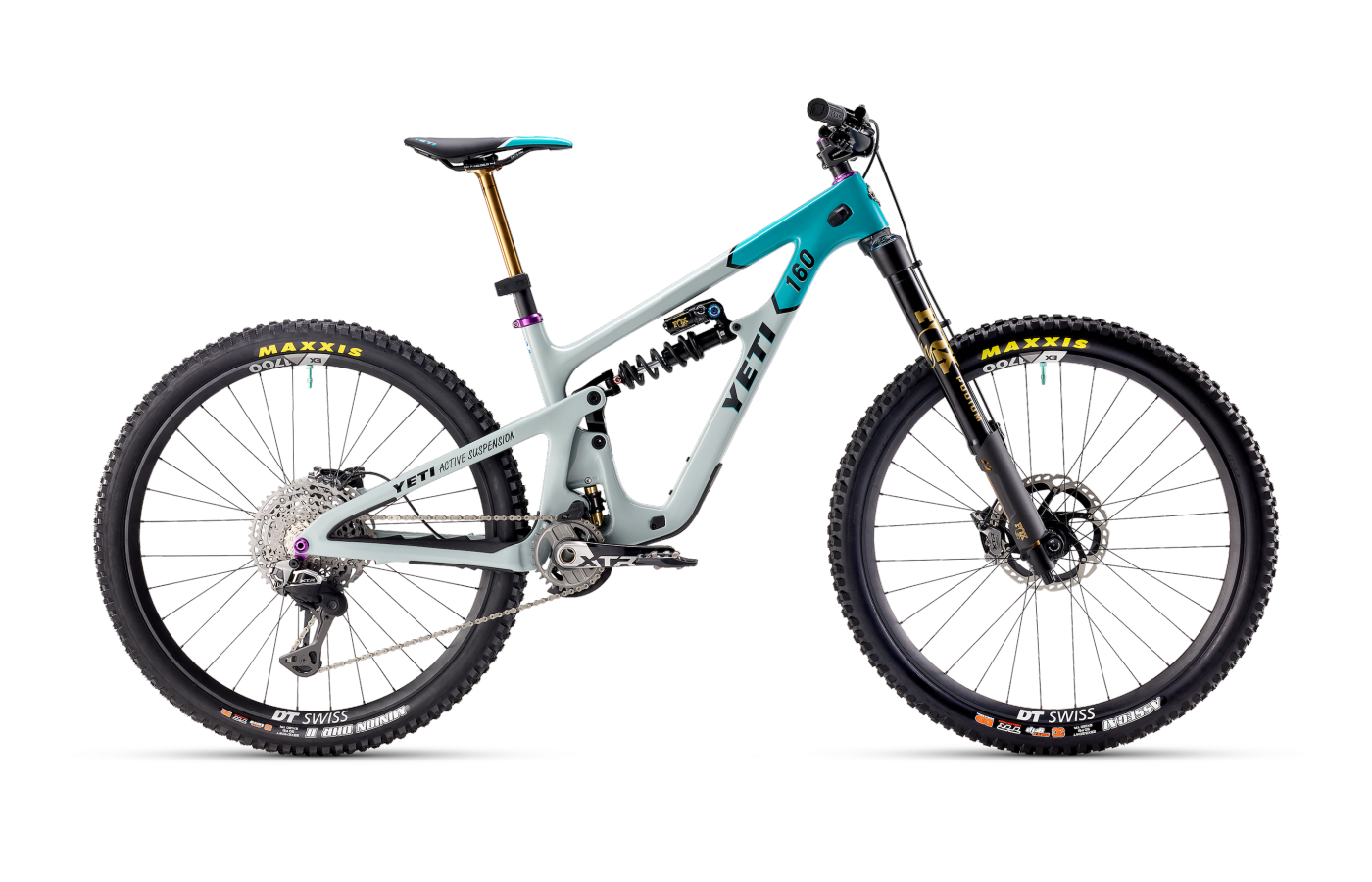
Santa Cruz Nomad vs Yeti SB160
Read comparison→