Nomad
vsSB160
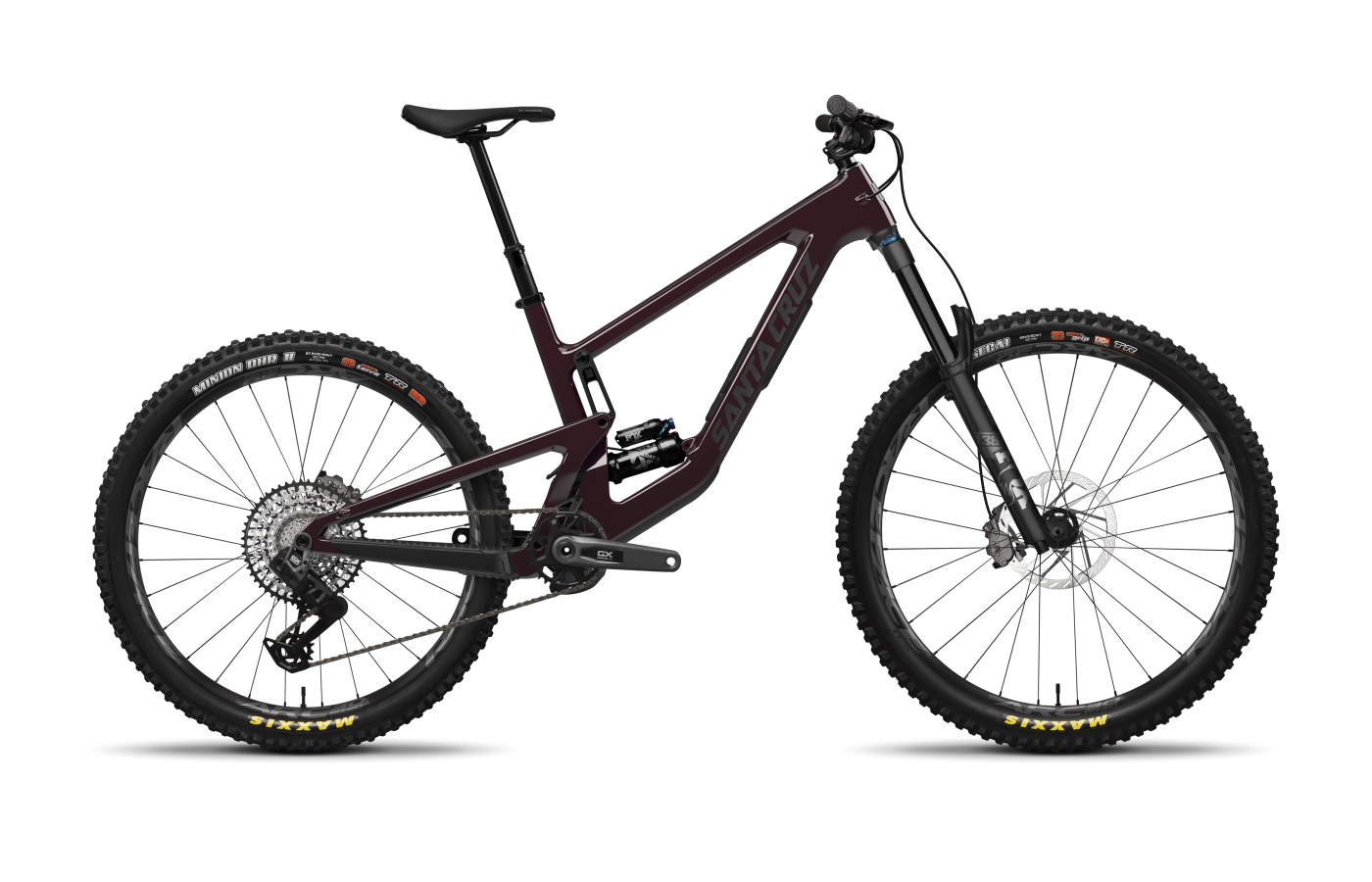
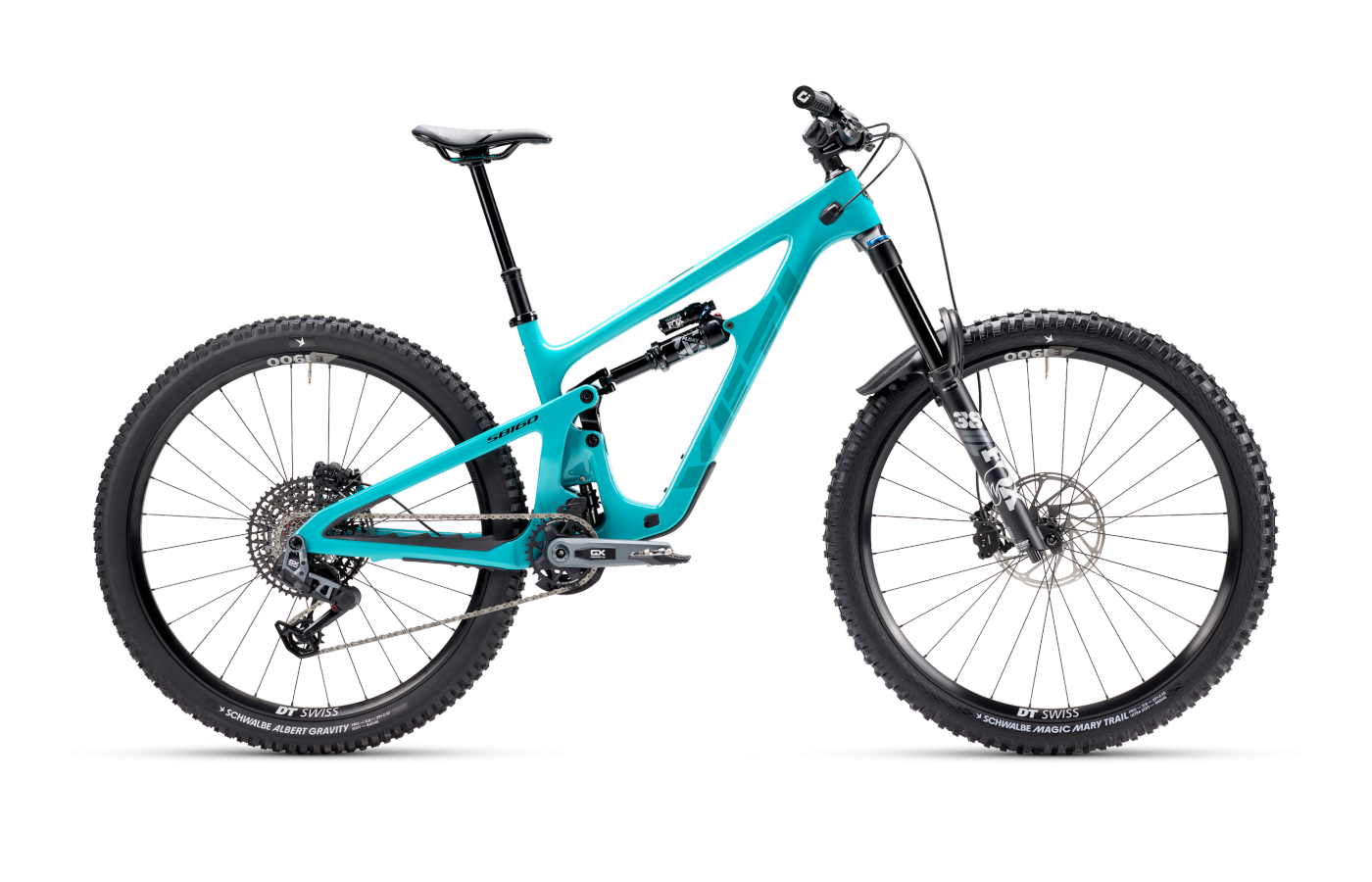
Two 170mm enduro bikes, two completely different jobs.
The Nomad is a mullet park rat that loves to corner. The SB160 is a 29er race weapon that loves a stopwatch.
Nomad
- Best-in-class cornering — low CG plus 27.5" rear plus long mullet-tuned chainstays make tight turns nearly effortless.
- Forgiving at slow speeds — happy at park-rat pace and on technical climbs, not just at race speed.
- In-frame Glovebox storage with included tool pouches, plus lifetime free bearing replacement on top of the lifetime frame warranty.
- 343mm bottom bracket strikes pedals constantly in chunky terrain — some testers run 160mm cranks.
- Stock air-build tires (EXO+ casing) are widely considered too light for a 170mm bruiser; expect to swap to DoubleDown.
SB160
- Surgical high-speed precision — 64° HTA, low 619.8mm stack on size M, and Switch Infinity's supportive platform keep it composed at race pace.
- Pedals like a shorter-travel bike — high anti-squat and 17% leverage progression let it 'jolt forward under power' and climb above its travel class.
- Best-in-class refinement — co-molded threaded BB, bolt-on internal cable clamps, and DT Swiss EX1700 wheels that survive enduro abuse.
- No in-frame storage and no V2 Switch Infinity link on the C-series builds — that's reserved for the pricier Turq frames.
- Punishes a passive rider; the front end goes 'vague' at slow speeds and demands an aggressive, forward-weighted stance.
Editor’s analysis
Same travel bracket, same money, opposite personalities — one is a bike-park bruiser, the other is a blind-racing missile.
On paper these two read like twins: 170mm forks, lifetime frame warranties, premium carbon, prices that overlap heavily through the middle of each lineup. Spend any time inside the geometry and the kinematics, though, and they pull apart fast. The Santa Cruz Nomad is a 170/170mm mullet (29" front, 27.5" rear) on Santa Cruz's lower-link VPP. The Yeti SB160 is a 170/160mm full 29er on the second-gen Switch Infinity translating-pivot — a 17% progression rate that reviewers consistently describe as 'supportive' rather than plush.
The Santa Cruz Nomad is the playful one. The smaller rear wheel and low-slung VPP linkage drop the center of gravity, and Santa Cruz lengthened the chainstays (439–450mm depending on size) specifically to keep the 27.5" rear from going twitchy. Reviewers at Vital MTB called the cornering 'shifter-kart-like'; Blister called it the 'best handling mullet bike' they've tested. It rewards a centered, upright stance and is forgiving at slower speeds — which is exactly why it doubles as a self-shuttle bike park rig. The downside is a 343mm bottom bracket that strikes pedals constantly in chunky terrain, plus a frame that bobs noticeably when you stand up to sprint.
The Yeti SB160 is the racer. A degree steeper at the head tube (64° vs 63.8°), 10mm of stack lower (a fairly low 619.8mm in size M), 10mm longer in reach for the same nominal size, and a higher 353mm bottom bracket. Switch Infinity's high anti-squat makes it 'jolt forward under power' (Mountain Bike Rider), and reviewers across NSMB, Blister, and PinkBike use the same word for the bike: 'scalpel.' It demands a forward-weighted, aggressive stance — ride it from the back seat at slow speeds and the front end goes vague. But push the speed and 'the faster you go, the more the bike dulls the sensation of speed.'
The cleanest way to think about it: the Santa Cruz Nomad is the bike for a rider whose calendar is bike-park days, after-work shuttles, and the occasional steep alpine enduro. The Yeti SB160 is the bike for a rider whose calendar has race-tape on it, plus 3,000-foot pedal climbs to reach the descent. Both are excellent. They are not interchangeable.
Where the builds differ.
Comparing our editor's-pick builds side-by-side. Winners highlighted row-by-row — lower price and weight, and the better-spec component, each mark a point.
Build variants & pricing
The lineups overlap from roughly $6.4k–$9.7k. Santa Cruz starts $750 cheaper at the bottom; Yeti scales $3.7k higher at the top with XTR Di2 and SRAM XX Transmission options.
Prices are current US MSRP. Both editor's picks are GX AXS Transmission builds on the brand's lower-tier carbon (Santa Cruz Carbon C, Yeti C-Series). Note that on the SB160, only the pricier TURQ-series frames receive the V2 Switch Infinity link with upgraded seals and bearings — the C-series uses the older V1 hardware.
How they fit, how they steer.
Both at size M, the fit-picked size for a 5'8" rider on each bike. The SB160 is 9.8mm longer in reach and 5.2mm lower in stack — a flatter, more racy cockpit. Chainstays are within a millimeter, but head angles diverge slightly (Nomad 63.8° vs SB160 64°) and the SB160 sits about 10mm higher at the bottom bracket.
Which size should I buy?
Size recommendations based on stack, reach, and effective top tube. The two ranges overlap closely through M and L; the Nomad runs slightly taller in stack across the range, the SB160 slightly longer in reach.
→These are starting points. Flexibility, riding style, and preferred position all shift the answer — if you’re between sizes, a professional fit beats a chart.
What the magazines said.
Published reviews from trusted cycling outlets. Click through for the full write-up.
Which one should you buy?
If your weekends are bike-park laps and self-shuttled steeps, get the Nomad. If your weekends have race-tape and 3,000-foot climbs, get the SB160.
Nomad
If you live for cornering, treat the local park as a second home, and want a 170mm bike that's still happy on a technical climb or a slow chunky chute — this is it. The mullet plus long chainstays plus low CG add up to a cornering experience nothing in this travel class matches.
SB160
If you race, ride at race-pace recreationally, and reach descents under your own power, the SB160 is the sharper tool. Switch Infinity's supportive platform climbs above its travel class and lets you carry speed through chunder that would slow a softer bike. Just know it punishes lazy riding.
Questions buyers actually ask.
Short answers to the things we get emailed about most often.
01Mullet versus full 29er — which actually corners better?
The Santa Cruz Nomad, by a wide margin in tight terrain. The 27.5" rear wheel drops the center of gravity, gives you more clearance to weight the inside of a 'bucket' turn, and lets the bike pivot under you — Vital MTB called the handling 'shifter-kart-like.' Santa Cruz spec'd unusually long, size-specific chainstays (440mm on the M) specifically to keep the small rear from going twitchy at speed.
The SB160's 29" rear wheel rolls faster and tracks straighter, but it doesn't carve tight inside lines the way the Nomad does. Reviewers consistently describe its cornering as 'precise' rather than 'playful.'
02Which one climbs better?
The Yeti SB160, clearly. Reviewers across the board (NSMB, Blister, MBR, GearJunkie) describe its pedaling efficiency as among the best in the 160mm-travel class — Switch Infinity's high anti-squat keeps the rear end propped up and the bike 'jolts forward under power.' The 77.5° effective seat tube angle and 353mm bottom bracket help on steep, technical climbs.
The Nomad is a respectable climber for a 170mm bike — its lower anti-squat trades pedaling firmness for traction and small-bump compliance. Reviewers describe it as a 'spin-and-win' climber that will get you to the top, but it bobs noticeably when you stand up to hammer.
03Are pedal strikes really that bad on the Nomad?
Yes — multiple reviewers call them out as the most frequent complaint about the bike. The Nomad sits at a 343mm bottom bracket height in the Low flip-chip setting, which is low even by modern enduro standards. In chunky technical terrain or undulating rock gardens, you will clip rocks. Some testers (including Vital MTB) resorted to 160mm cranks to mitigate it.
The SB160 sits 10mm higher at 353mm, which Yeti claims is a 25% increase in obstacle clearance over the SB150. You'll still strike pedals occasionally — especially on the XL with its 30% recommended sag — but it's a noticeably better experience in technical climbs.
04What's the deal with the SB160's V1 vs V2 Switch Infinity link?
It depends on which build you buy. The premium TURQ-series frames (T1 and up) get the V2 Switch Infinity link with upgraded seals, bearings, and hardware designed for longer service intervals (40–75 hours on the Kashima stanchions, depending on conditions).
The more affordable C-series frames — including our editor's pick — ship with the older V1 hardware. Multiple reviewers (NSMB, Singletrack World) flagged this as a value complaint: you're still spending over $6k and not getting the upgraded mechanism. In wet climates the V1 has a history of premature Kashima wear if not meticulously maintained.
05Air shock or coil — does it matter on the Nomad?
It significantly changes the bike's character. Stock builds with the Fox Float X2 (air) are 'plush and cushy' (Blister) but tend to settle deep in the travel through high-speed chatter and feel underdamped on jump lines.
Reviewers consistently preferred the coil-shock builds (Fox DHX2 / RockShox Super Deluxe Coil) for the bike's mid-stroke support and 'poppy' return — both BikeRadar and MBR called the coil setup the more honest match to the Nomad's bruiser identity. Coil builds also ship with heavier-casing DoubleDown tires instead of the maligned EXO+ rubber on air builds. Worth noting our editor's pick is an air build — budget a tire and shock swap if you ride bike parks regularly.
06Does the SB160 really have no in-frame storage?
Correct — and reviewers were vocal about it. Despite a complete frame redesign over the SB150, Yeti chose not to include an in-frame storage compartment. There's a bolt-on, dual-compound downtube guard but no cargo door behind it.
The Nomad has Santa Cruz's well-executed Glovebox with included neoprene tool pouches — BikeRadar specifically praised the implementation. One caveat: long-term reviewers noted the hatch isn't fully watertight, so the contents can get wet during bike washes.
07Which has the better warranty and long-term support?
Both come with lifetime frame warranties to the original owner, and both include the suspension link in that coverage (Santa Cruz the VPP linkage, Yeti the Switch Infinity).
Santa Cruz edges ahead with free lifetime bearing replacement on the original owner — a substantial value over a 5-7 year ownership window since pivot bearings on a 170mm bike take a beating. Yeti has no equivalent program.
08Which one should a first-time enduro buyer get?
Probably the Nomad. It's more forgiving of a centered, upright stance, more fun at the lower speeds where most riders actually spend their time, and the cornering character builds confidence quickly. Santa Cruz's lifetime bearing program also softens the long-term cost of ownership.
The SB160 is the better bike if you already know you ride aggressively — it rewards skill and punishes hesitation. Reviewers were nearly unanimous that ridden tentatively, the Yeti feels 'sluggish' or 'ponderous,' and only comes alive at race pace.
Similar bikes
If your priorities don’t map cleanly onto either of these, one of these adjacent bikes probably fits better.
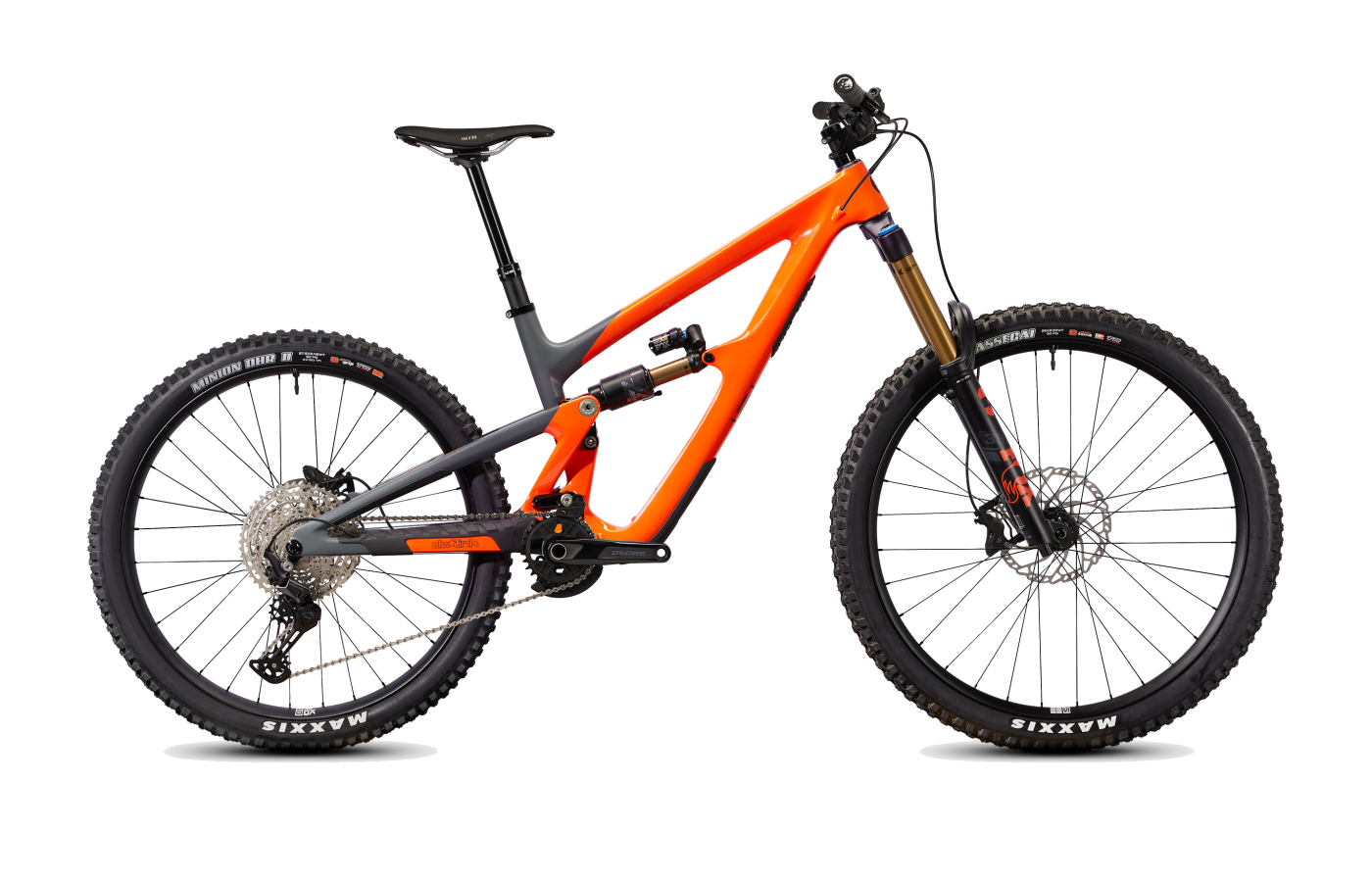
HD6
The Ibis HD6 is the climber's pick — spry, efficient, and slightly more pedal-friendly than either bike here, while still bringing big-bike capability when the trail points down.
Compare →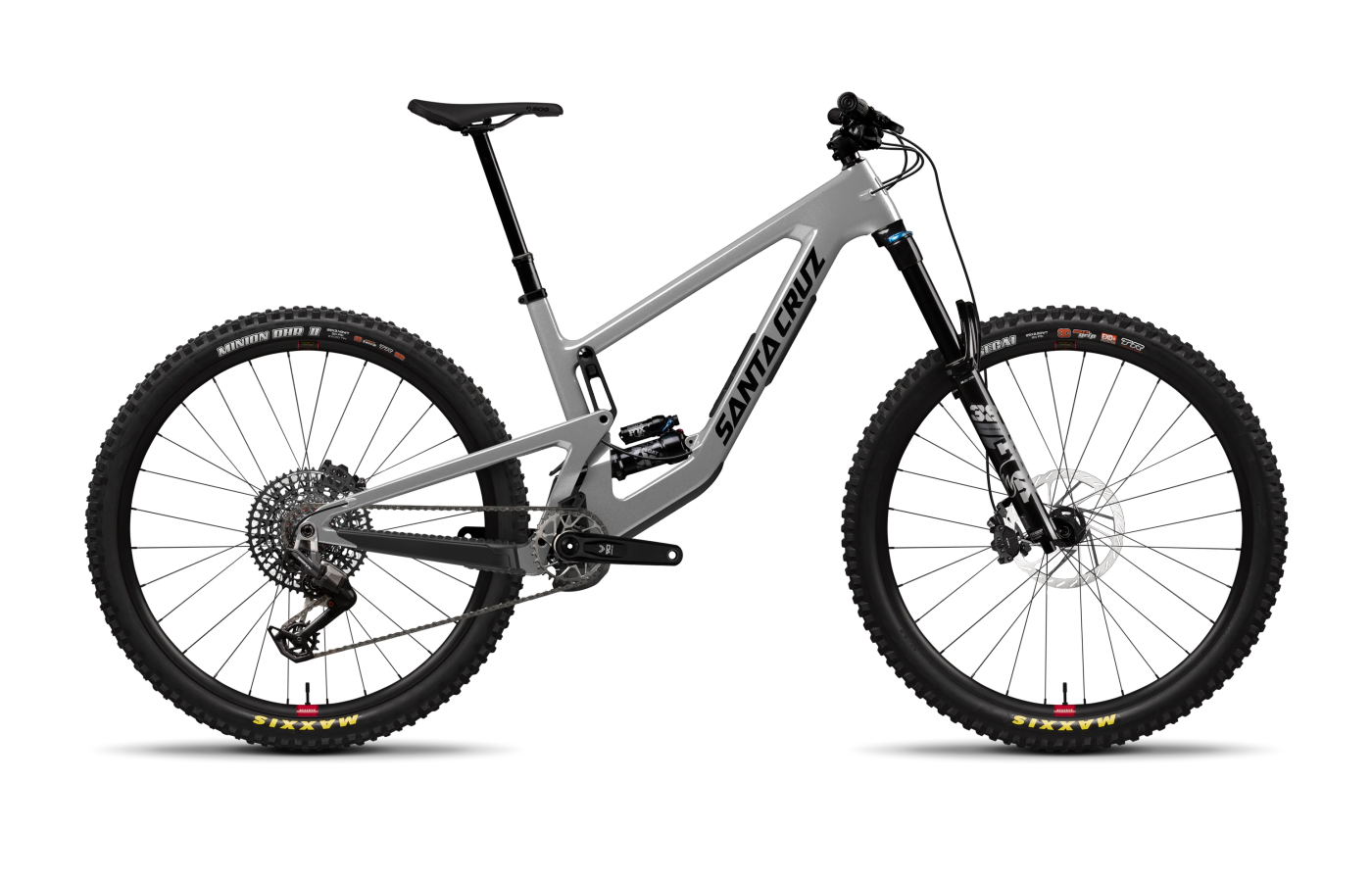
Megatower
Santa Cruz's other 170mm bike. The Megatower keeps the VPP feel but goes full 29" — straighter-line stability over the Nomad's cornering flickability. The 'plow' to the Nomad's 'scalpel.'
Compare →Capra
The YT Capra is the value play — direct-to-consumer pricing puts a high-end build at thousands less than either Yeti or Santa Cruz, with the catch of no local dealer support.
Compare →