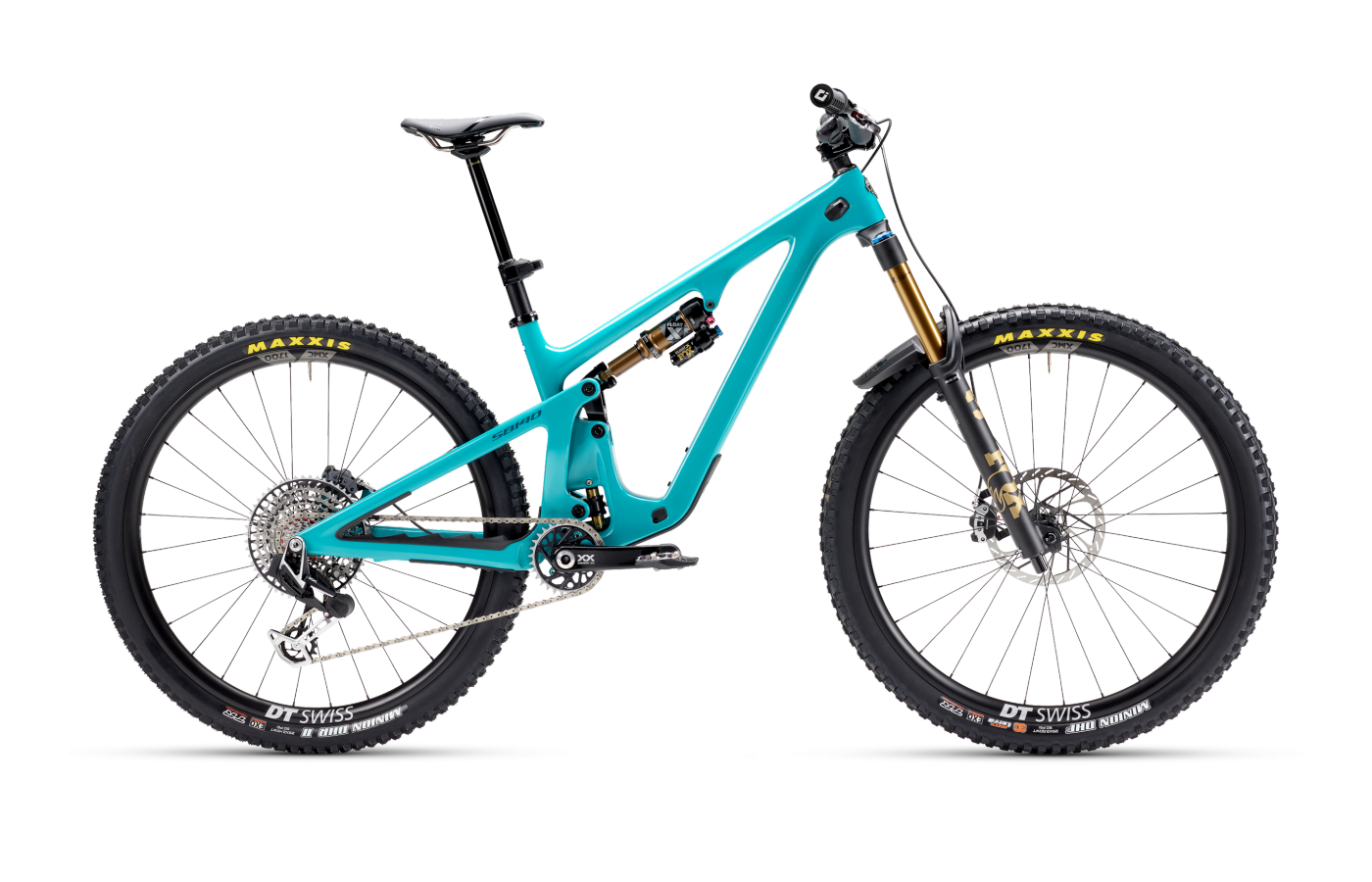
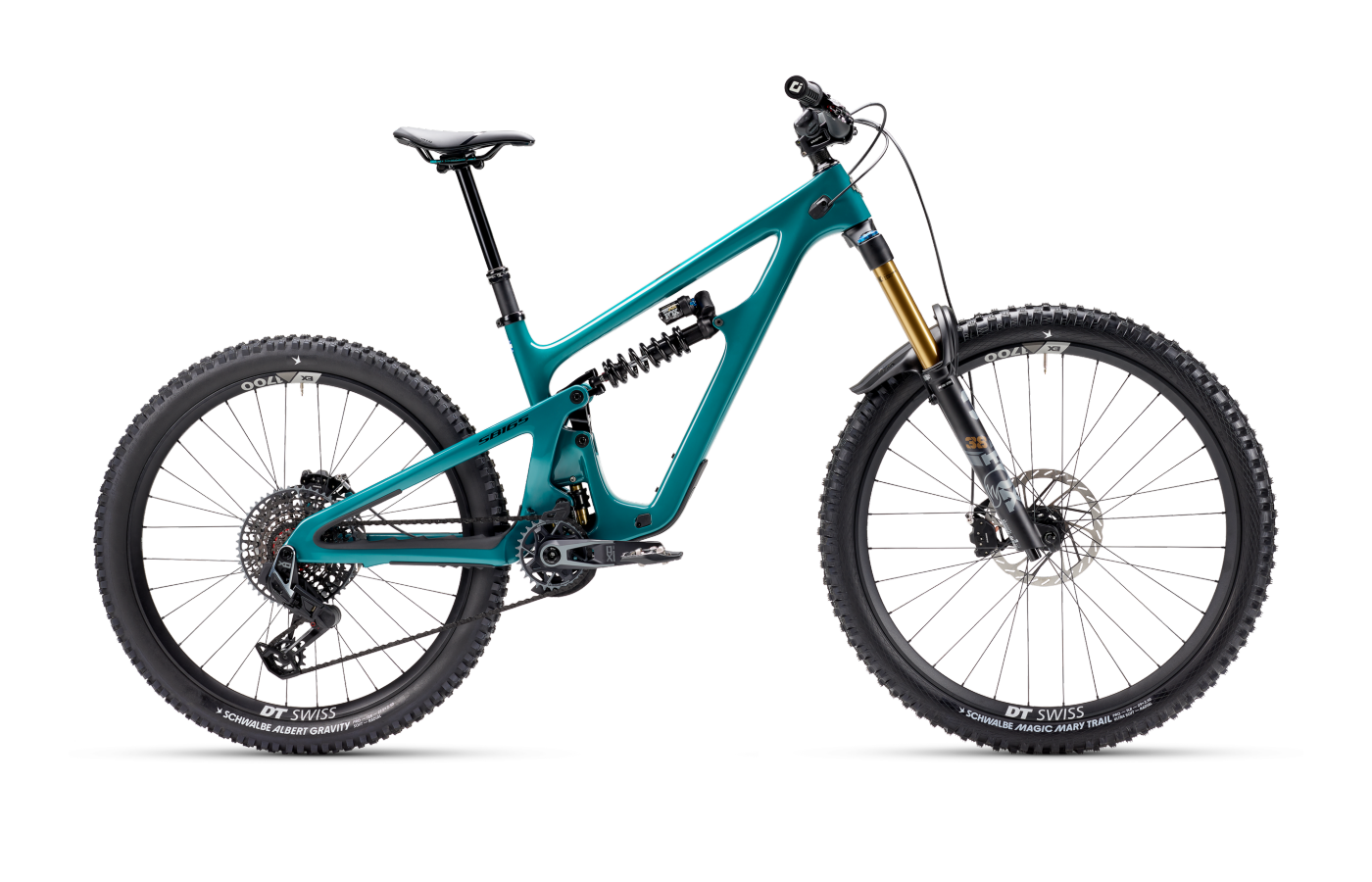
SB160
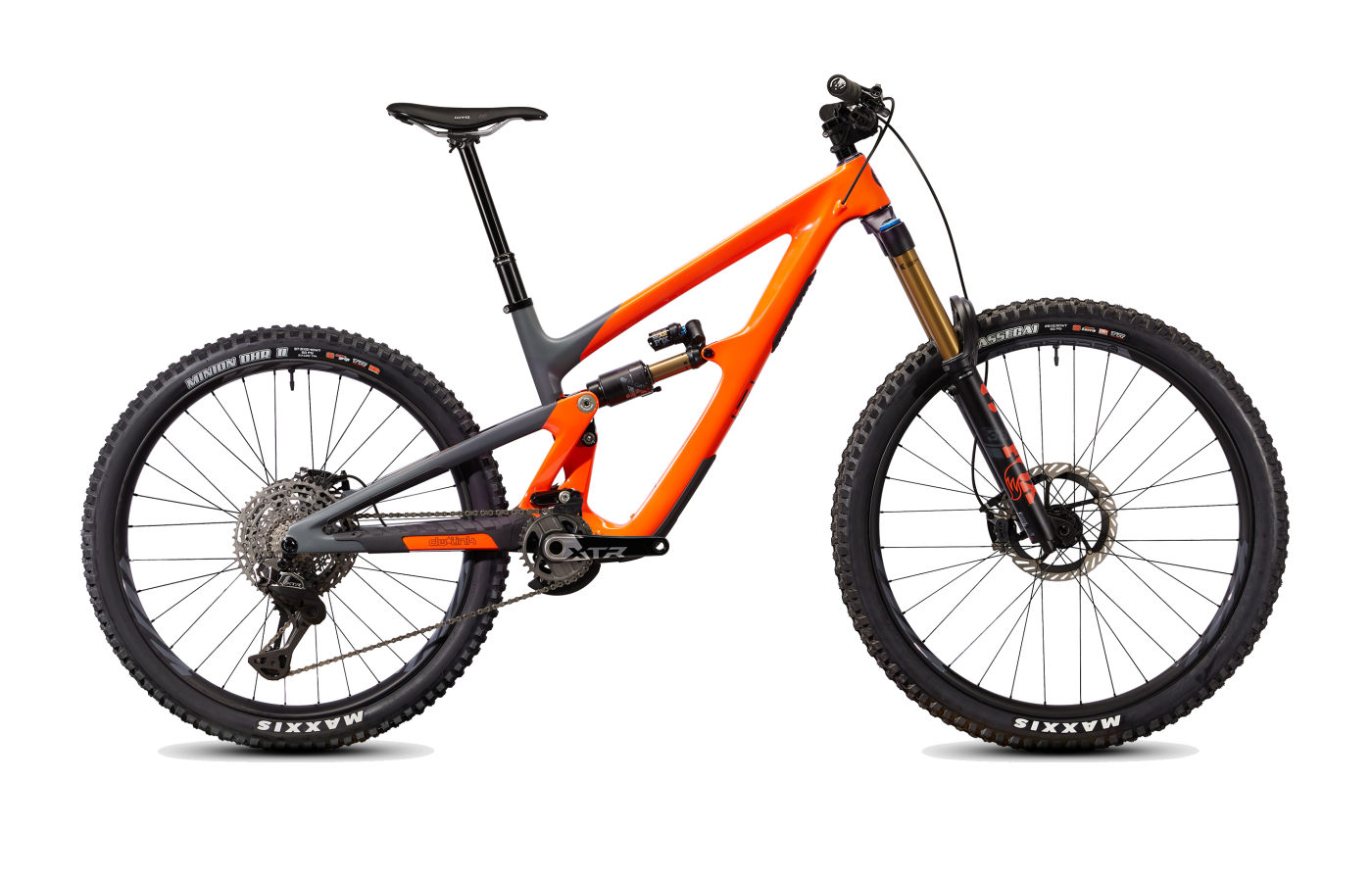
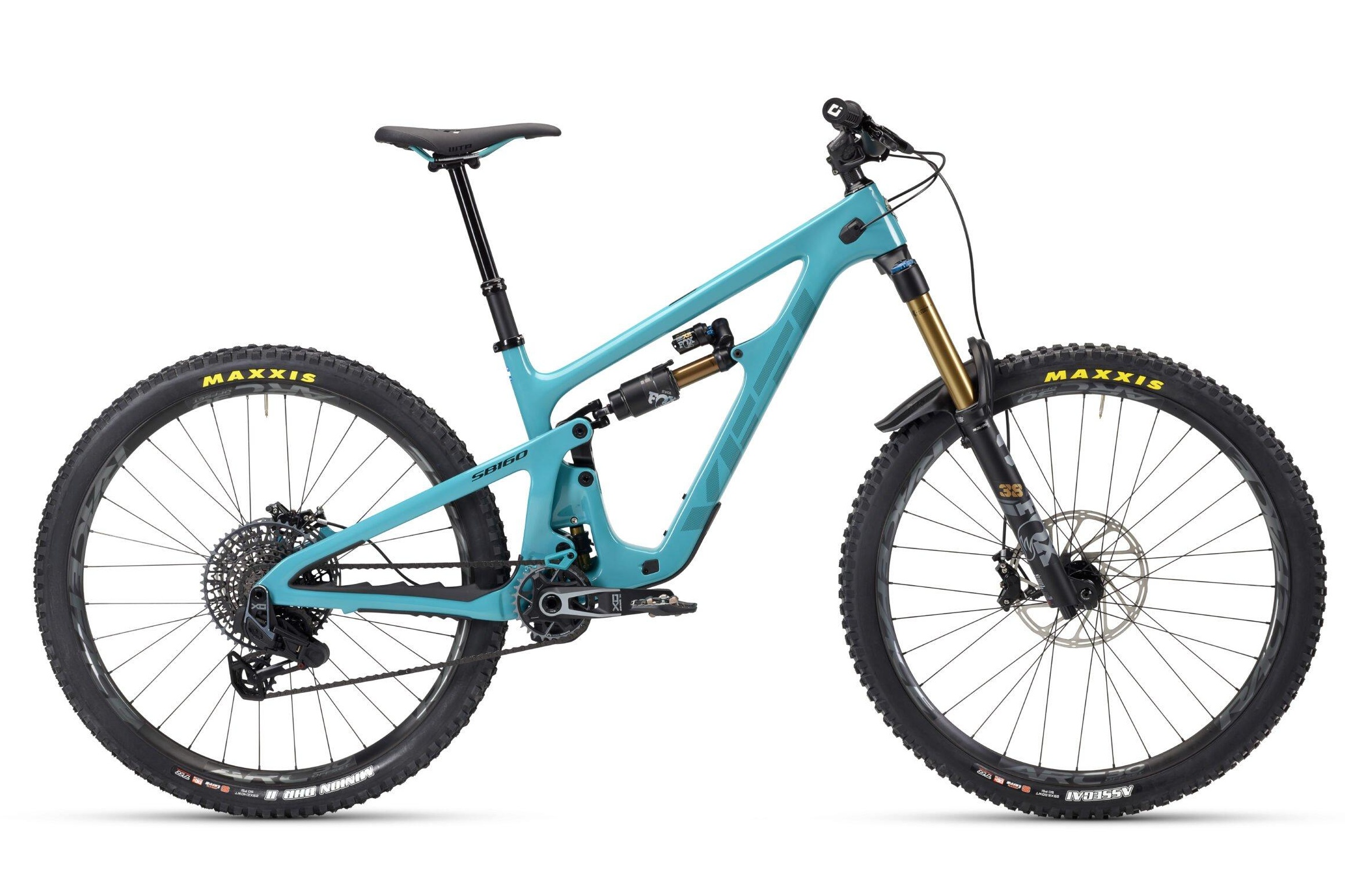
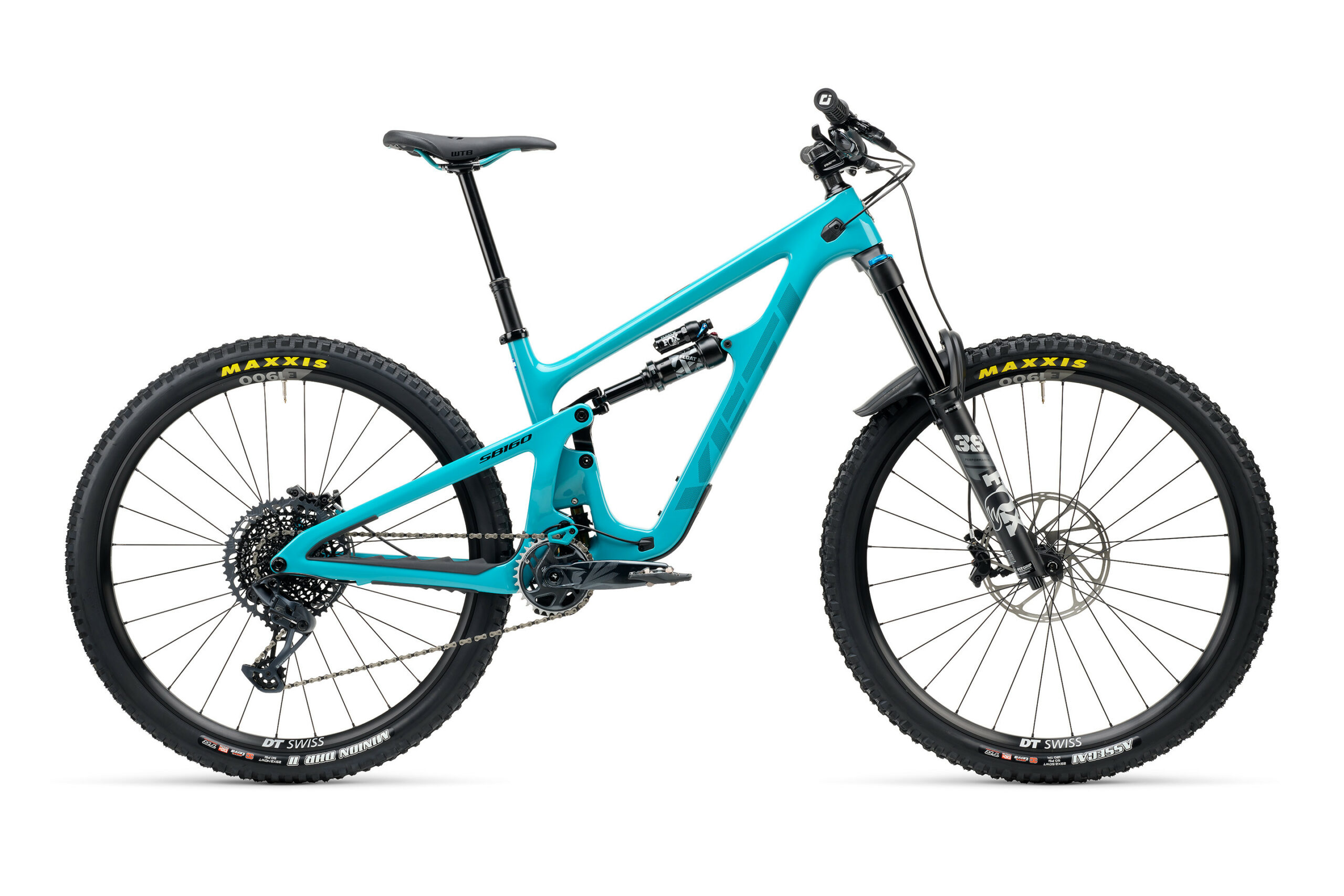
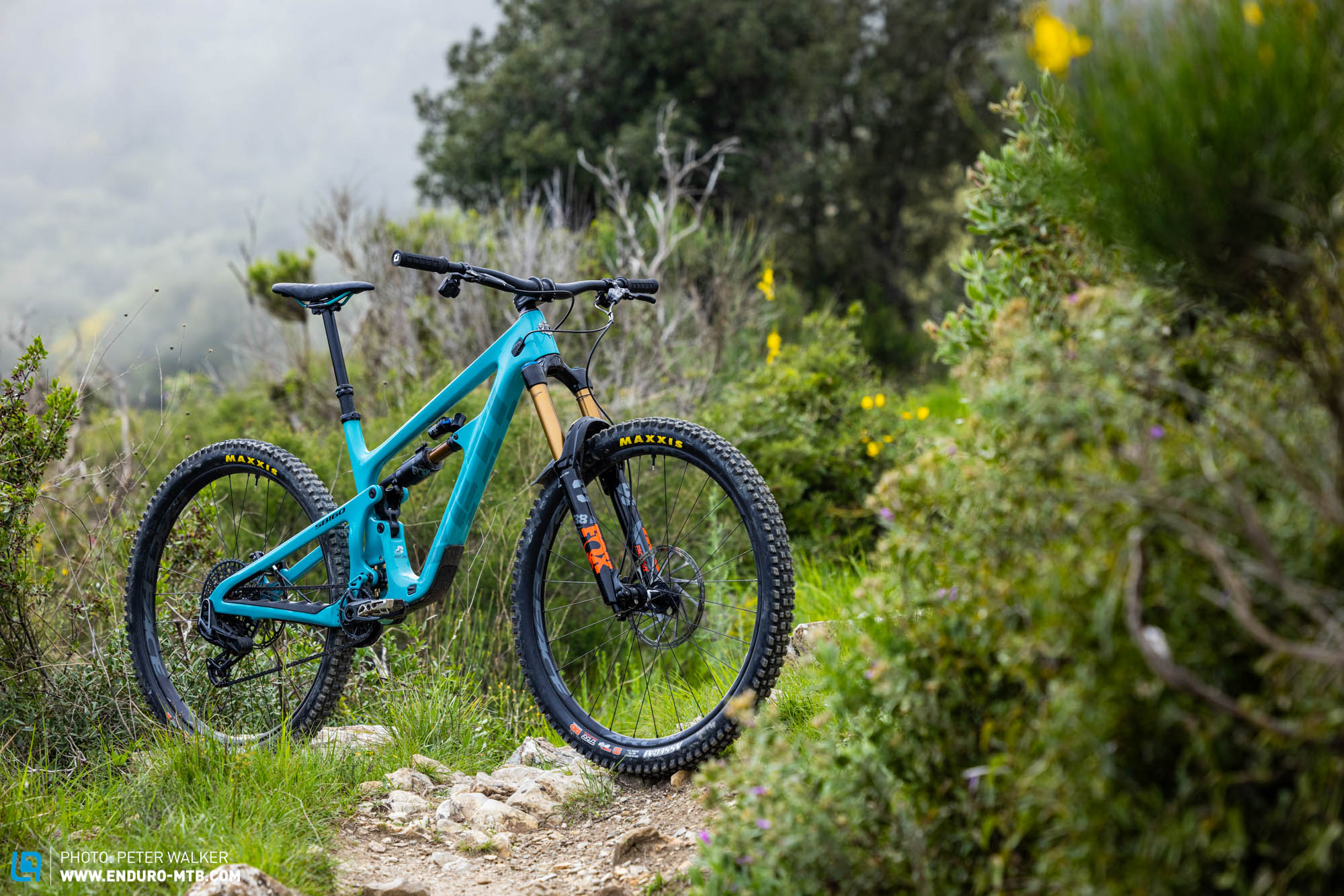
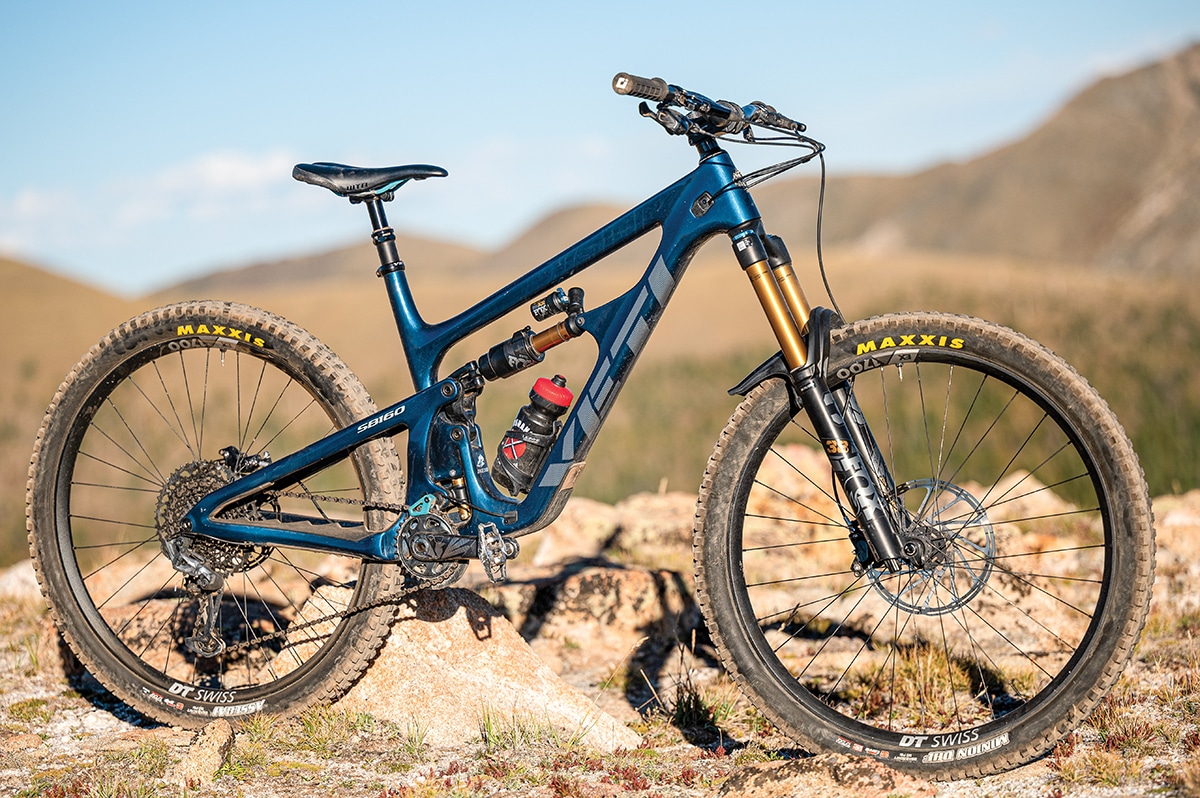
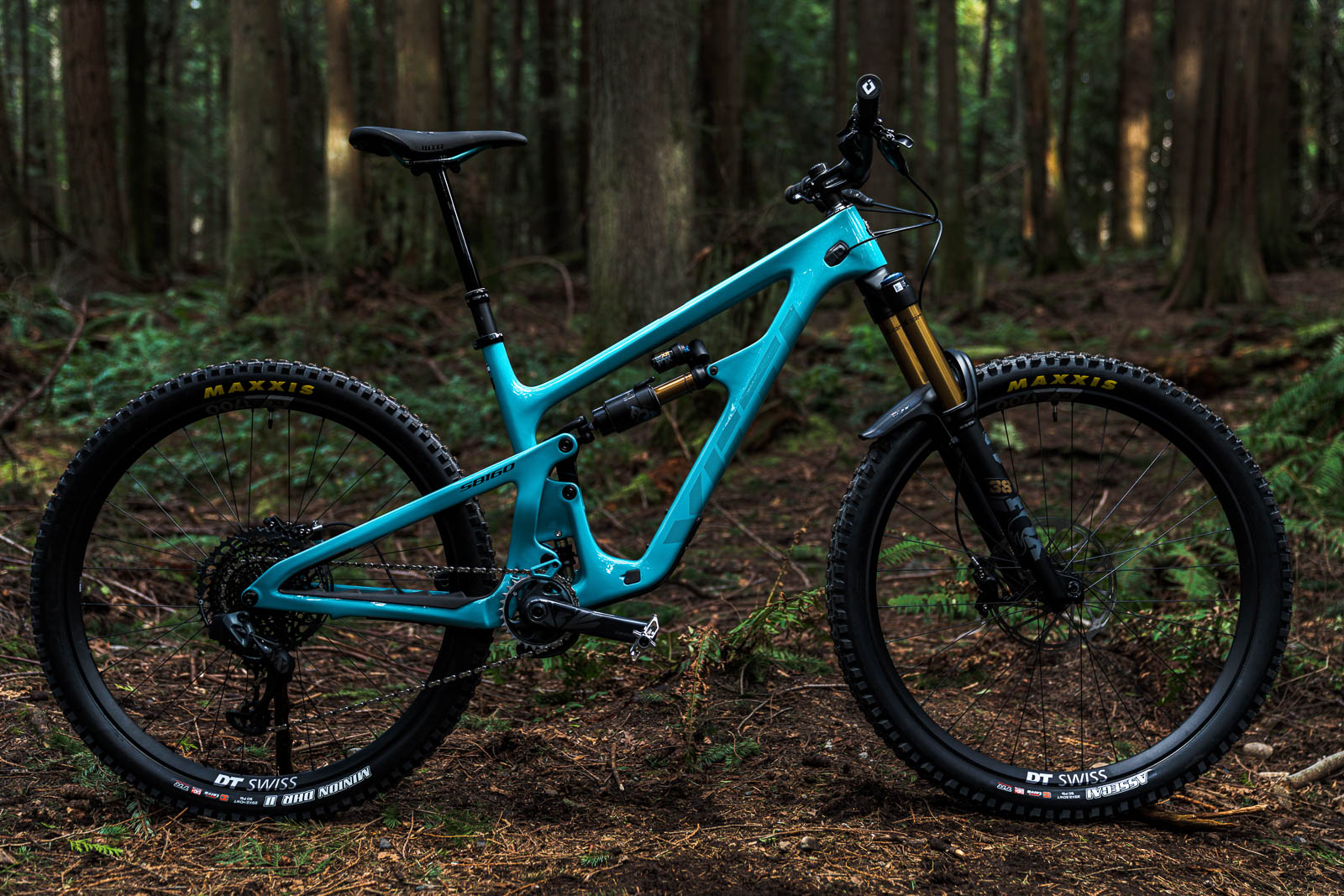
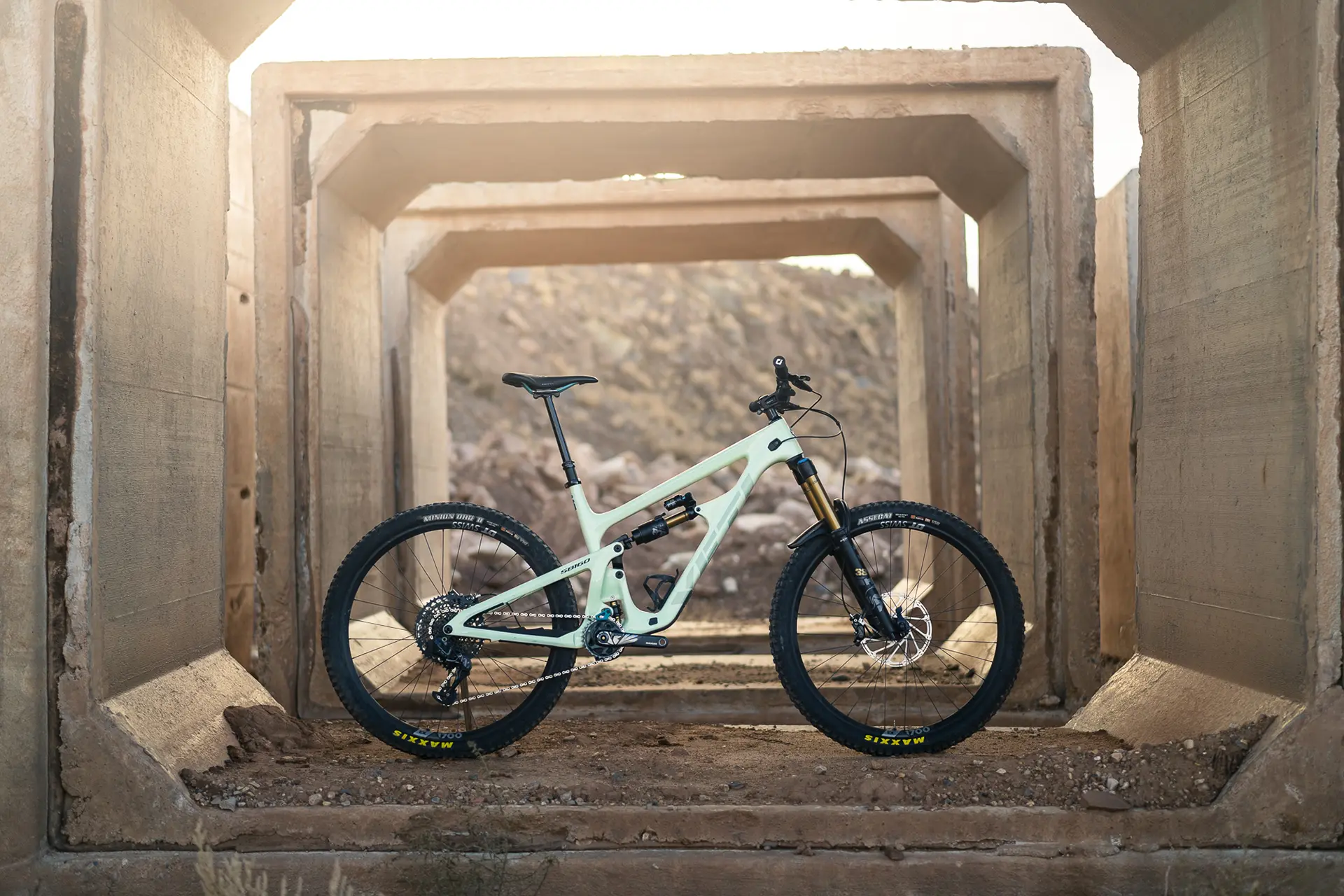
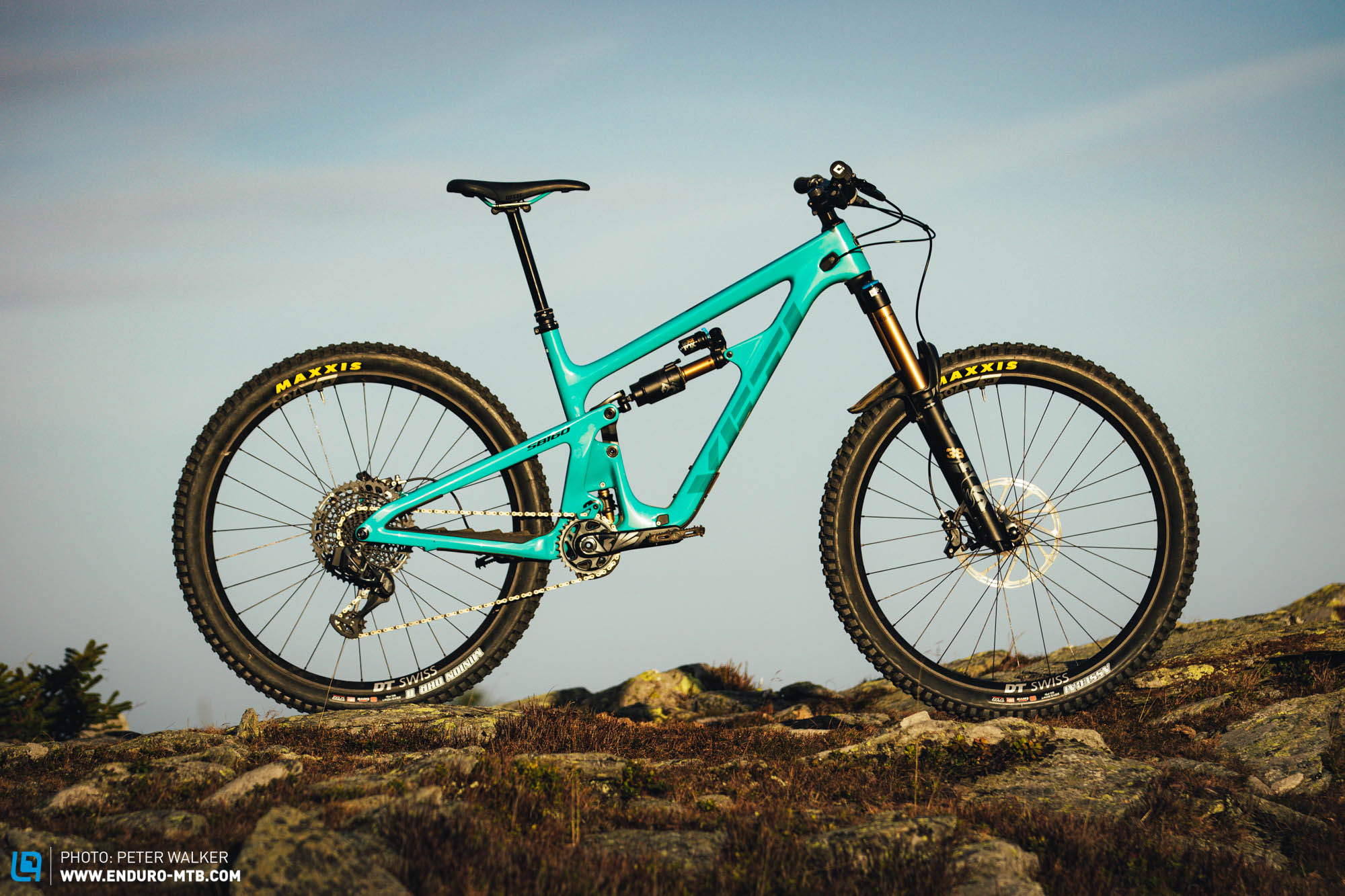
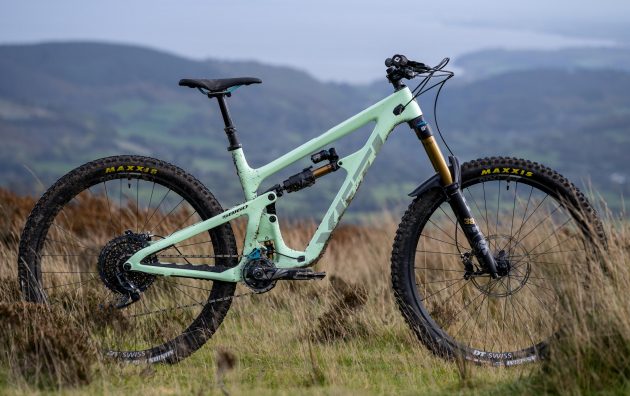
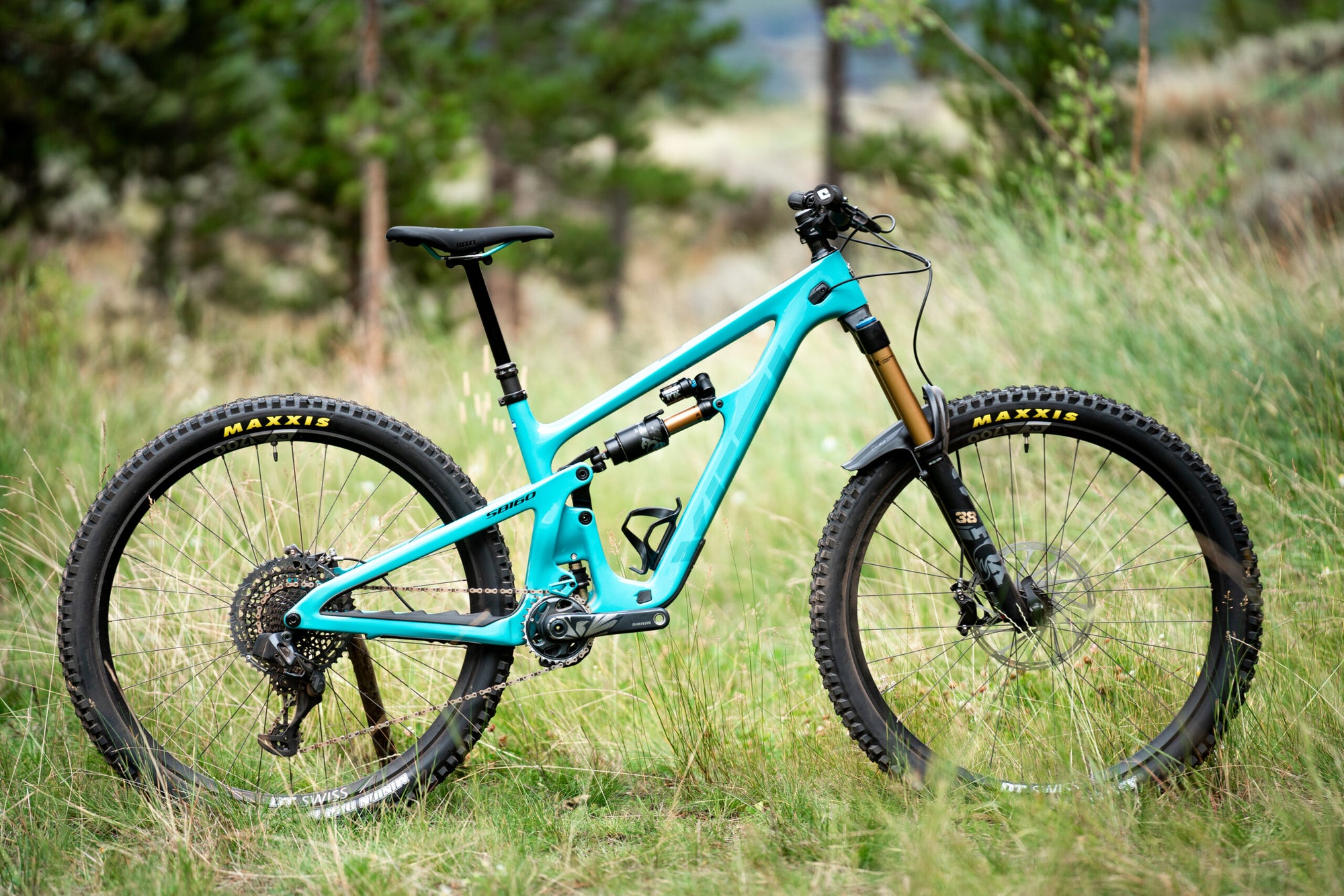
The Yeti SB160 is the company’s current 29in enduro platform, introduced for 2023 as the successor to the SB150. While the silhouette stayed recognizably Yeti, the redesign was substantial in the areas that matter most for a modern race bike: rear travel increased to 160mm, geometry moved further toward speed and front-end confidence with a 64° head angle and a steeper 77.5° effective seat angle, and the frame adopted size-specific rear-center lengths to keep balance more consistent across the size range. It remains built around Yeti’s Switch Infinity suspension layout, but with a revised chassis package that includes a more compact shock extender, easier shock packaging including coil compatibility, and a stated 17% progression rate that points to a supportive, relatively linear suspension character rather than an ultra-ramped feel.
Just as important, the SB160 marked a meaningful shift in Yeti’s mechanical priorities. The frame moved to a threaded BSA 73mm bottom bracket, SRAM UDH compatibility, improved internal routing and frame protection, and pivot hardware based around standard-sized bearings and floating collet axles. Those changes place the SB160 firmly in the premium enduro-race segment, but with more attention to long-term serviceability than earlier Yetis often received credit for. In the market, it sits as a high-end, carbon-only enduro bike aimed less at riders seeking a plush mini-downhill sled and more at those who want a fast, precise, pedal-efficient race chassis that still has the composure for genuinely rough terrain.
Geometry & fit.
5 sizes published.
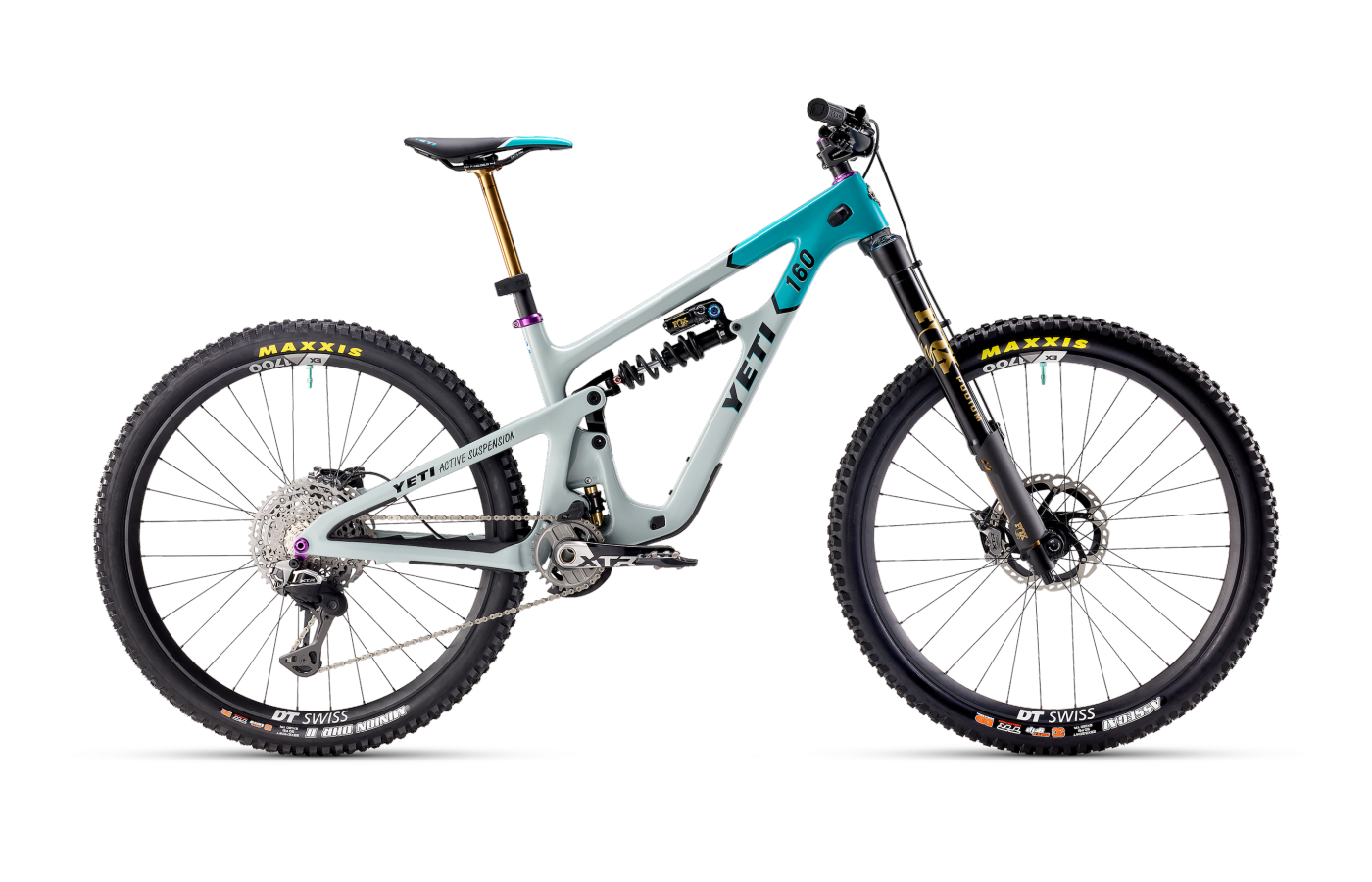
The SB160’s geometry is firmly contemporary enduro race geometry, but its numbers show why it feels more precise than many ultra-plush competitors. On a Large, the bike combines a 485.1mm reach with a 624.8mm stack, a 64° head angle, a 77.5° effective seat angle, 442mm chainstays, and a 1270mm wheelbase. That produces a long, stable chassis with strong front-wheel confidence at speed, but the relatively modest stack height helps explain why many testers felt the bike naturally encourages a forward, aggressive stance. Riders who like a lower front end will likely appreciate the weighting and cornering accuracy; others may want more bar rise to avoid feeling pitched too far over the front in steep terrain.
Yeti’s size-specific rear-center approach is a notable part of the fit and handling story. Chainstay length grows from 436.9mm on a Small to 444.5mm on an XXL, helping preserve front/rear balance as reach and wheelbase increase. Wheelbase grows from 1211.6mm in Small to 1328.4mm in XXL, reinforcing the bike’s high-speed composure, while the steep seat angle keeps seated climbing position centered rather than stretched out over the rear axle. In practice, that geometry points to a bike that is stable and planted at pace, climbs with less wandering than many long-travel bikes, and corners best when the rider commits to loading the front end rather than hanging back.
Where the handlebar sits relative to the bottom bracket — the single most important fit pair.
01Fit geometry6 values
03Handling geometry7 values
Which size should I buy?
Slide your height to see the recommended size. GearWise's fit algorithm works from the published stack, reach, and ETT — the brand's own recommendation may differ.
→Calculated from GearWise's own stack / reach / ETT algorithm — the brand's size chart may recommend a different size, and a proper bike fit beats any calculator.
The lineup.
7 builds, ranging $6,400 – $13,500.
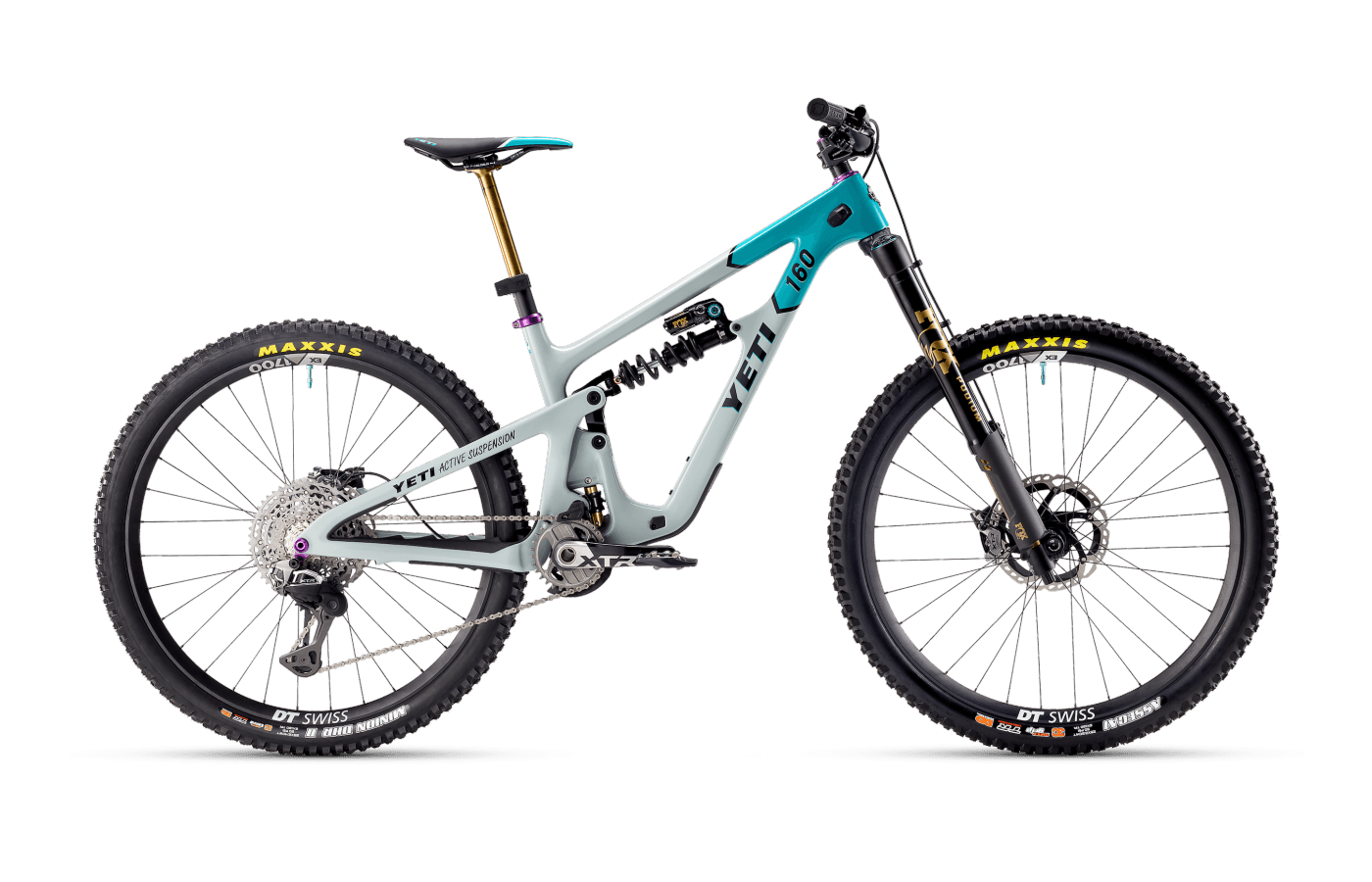
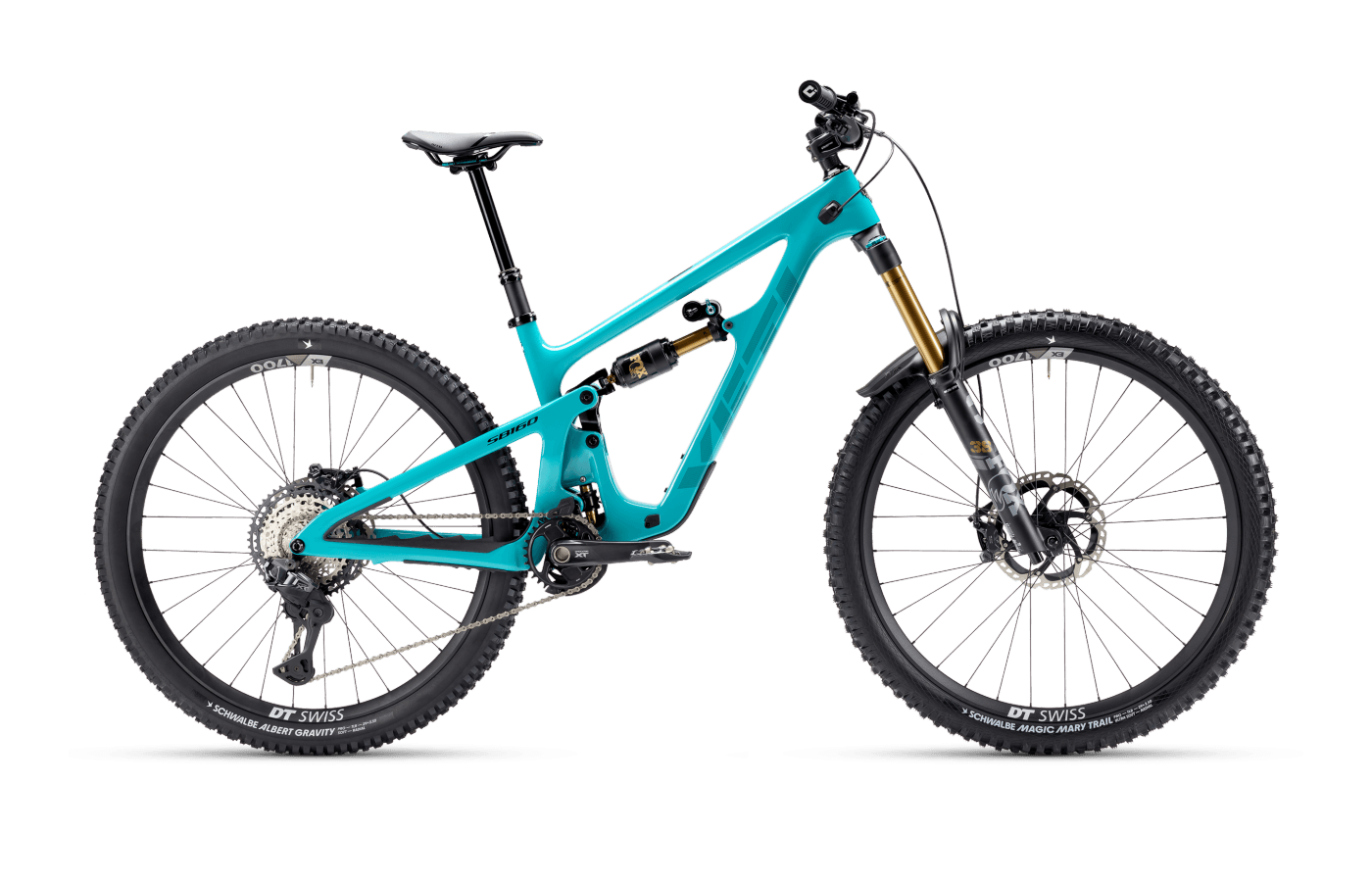
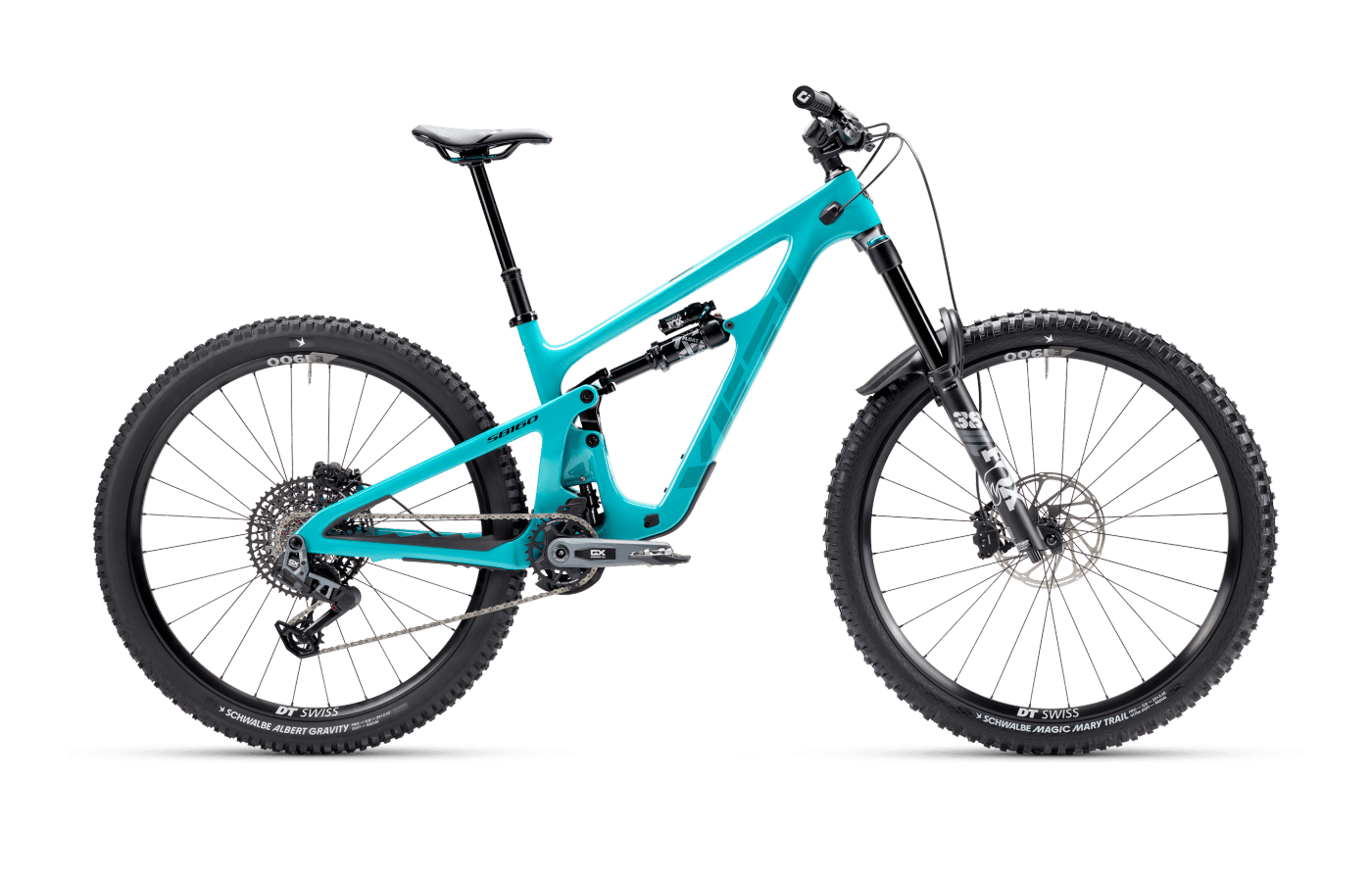
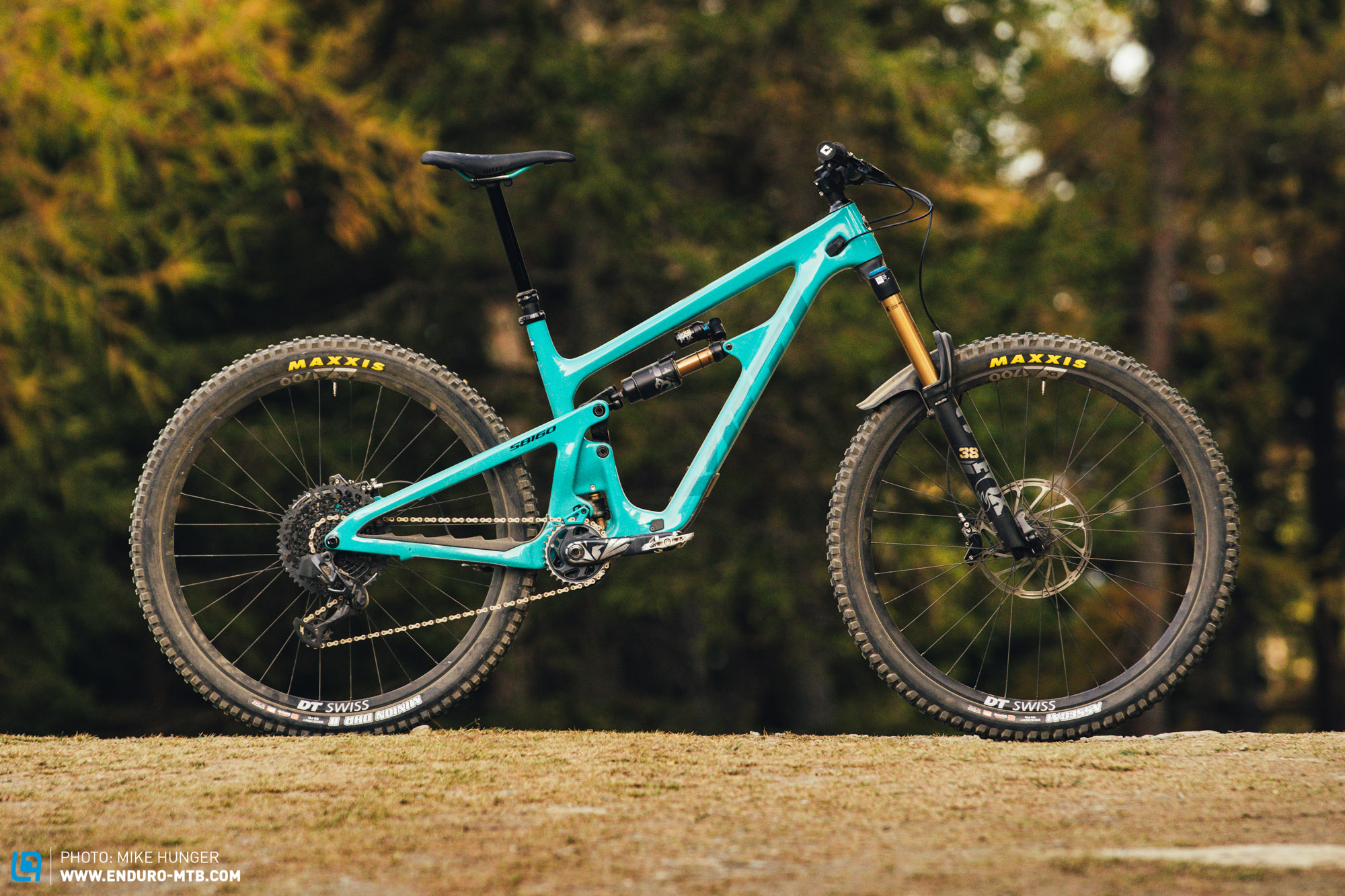
The SB160 has been offered in a broad range of carbon-only builds, spanning from more affordable C-Series models to lighter Turq-frame bikes. Available builds listed for this generation include C3 GX AXS Transmission, C2 90 Transmission, T1 XT Di2, T2 X0/90 Transmission, T3 X0 AXS Transmission, T4 XX AXS Transmission, and a Team Issue XTR Di2 option. At launch, complete-bike pricing was stated as ranging from $6,700 to $12,000, with the Turq frame and shock at $5,000. Mountain Flyer also noted five launch builds, with the upper-tier Turq bikes using Fox Factory 38 forks and Fox Float X2 shocks, Fox Transfer droppers, DT Swiss EX wheels, four-piston brakes, 220/200mm rotors, and Maxxis Assegai/Minion DHR II tires, while the less expensive C-Series bikes used Fox Performance-level suspension and mechanical drivetrains on slightly heavier frames.
Review coverage consistently framed the lineup as premium-priced, with the main distinction being not just weight but hardware level between C-Series and Turq models. The Turq frame saves roughly 150–225g depending on source, and reviewers highlighted that the updated Switch Infinity hardware was initially reserved for top-tier Turq bikes, which made those models more appealing for riders prioritizing long-term refinement and service life. The downside is that value was one of the SB160’s most criticized areas: reviewers repeatedly pointed to expensive builds that still used GX-level wear parts or alloy wheels, making the frame and ride quality easier to justify than the parts-for-money equation.




From the press.
23 reviews from the cycling press.
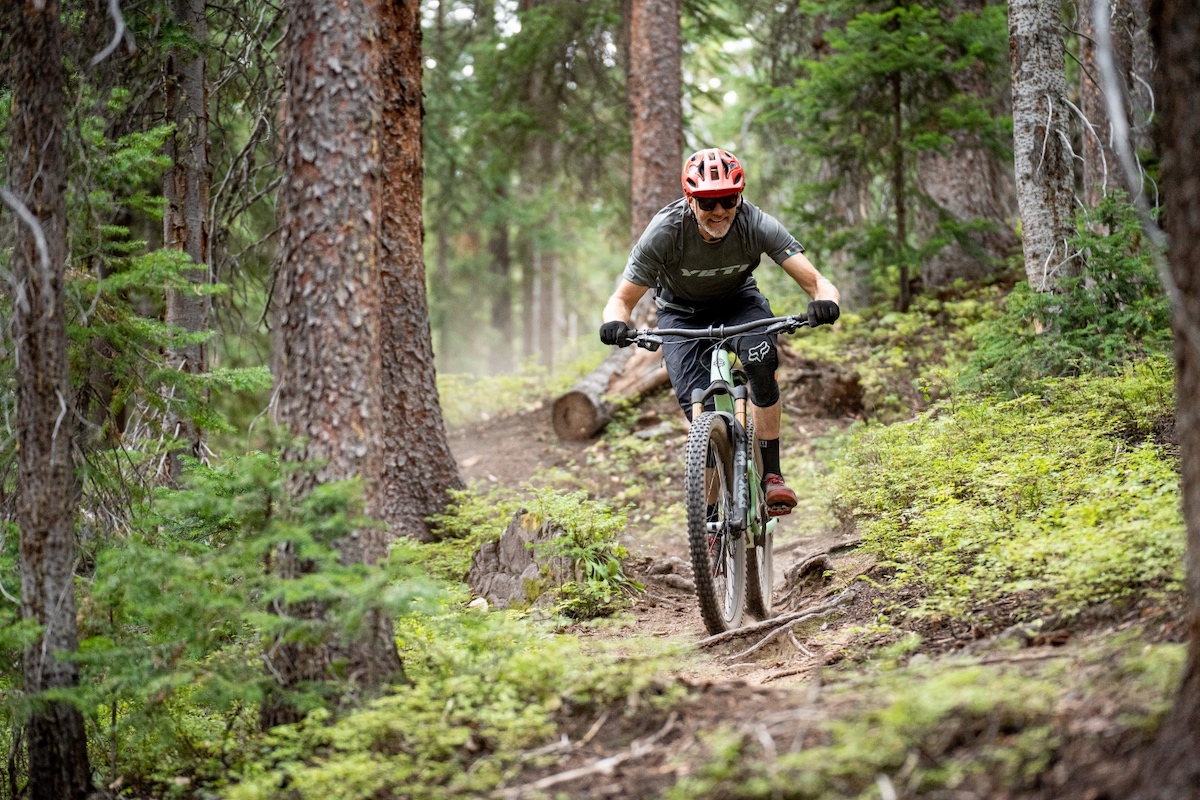
Reviewers were unusually aligned on the SB160’s core personality: this is a fast, precise enduro race bike that behaves more like a “scalpel than a mallet.” NSMB described it as a bike that rewards finesse and active riding rather than brute-force plowing, and that theme runs through the broader test feedback. Across outlets, the Switch Infinity suspension was praised for taking the edge off square hits and chatter without turning the bike vague or wallowy. Testers repeatedly noted that the SB160 stays supportive in compressions and G-outs, carries speed extremely well, and climbs better than most 160mm bikes thanks to its firm pedaling platform and steep, centered seated position. Several reviewers went as far as to call it one of the best-climbing bikes in the category despite its 170/160mm travel.
The tradeoff is that the SB160 is not universally easygoing. Multiple reviewers said it comes alive at higher speeds and under an aggressive, forward-weighted stance, but can feel sluggish, ponderous, or less engaging when ridden casually. The relatively low front end was a recurring point of criticism: with a 625mm stack on a Large and stock 20mm-rise bars on some builds, testers from outlets including Vital MTB and Freehub felt too far “on top of” the bike and often preferred taller 35mm or 38mm bars. Reviewers also questioned value, citing premium pricing alongside conservative spec choices such as GX-level cassette and chain use on expensive builds, alloy wheels on high-tier models, and lighter EXO+ tires where many expected DoubleDown or DH casings. Even so, the consensus was that the frame and suspension performance are outstanding, especially for skilled riders who prioritize speed, support, and precision over plushness or playfulness.
First Impressions: Yeti's New SB160 « Mountain Flyer Magazine

Yeti SB160 Review & Build
Yeti SB160 Ride Review (the most super superbike?)
Yeti SB160 2024 Review
Yeti SB 160 C2 2024 Review
Yeti SB160 T3 – In our big 2024 enduro comparison test
YETI SB160 LONG TERM REVIEW - TO (SWITCH) ...
2023 Yeti SB160 T1 Full Review

2023 Yeti SB160 | First Ride

Yeti SB160 // Bike Review
Yeti SB160 review
NSMB.com - 2023 Yeti SB160 T1 First Impressions
Yeti SB160 | Blister
YETI SB160 Bike Review
Yeti SB160 Review: Worth the upgrade?
The Yeti SB160 T3 – In our big 2023 enduro group test
Yeti SB160 T1 first ride review - MBR
Yeti’s New SB160 Doesn’t Mess With Success
Yeti Cycles SB160 Review: Climbs and Descends Better ...
Review: 2023 Yeti SB160 - The Revised Racer
The new Yeti SB160 T3 2023 – Faster than an orthodontist’s drill!
TGR Tested: The 2023 Yeti SB160 Is A Refined Race Machine | Teton Gravity Research
2023 Yeti SB160 Review
Compared to.
Most-viewed comparisons.