Enduro
vsSB160
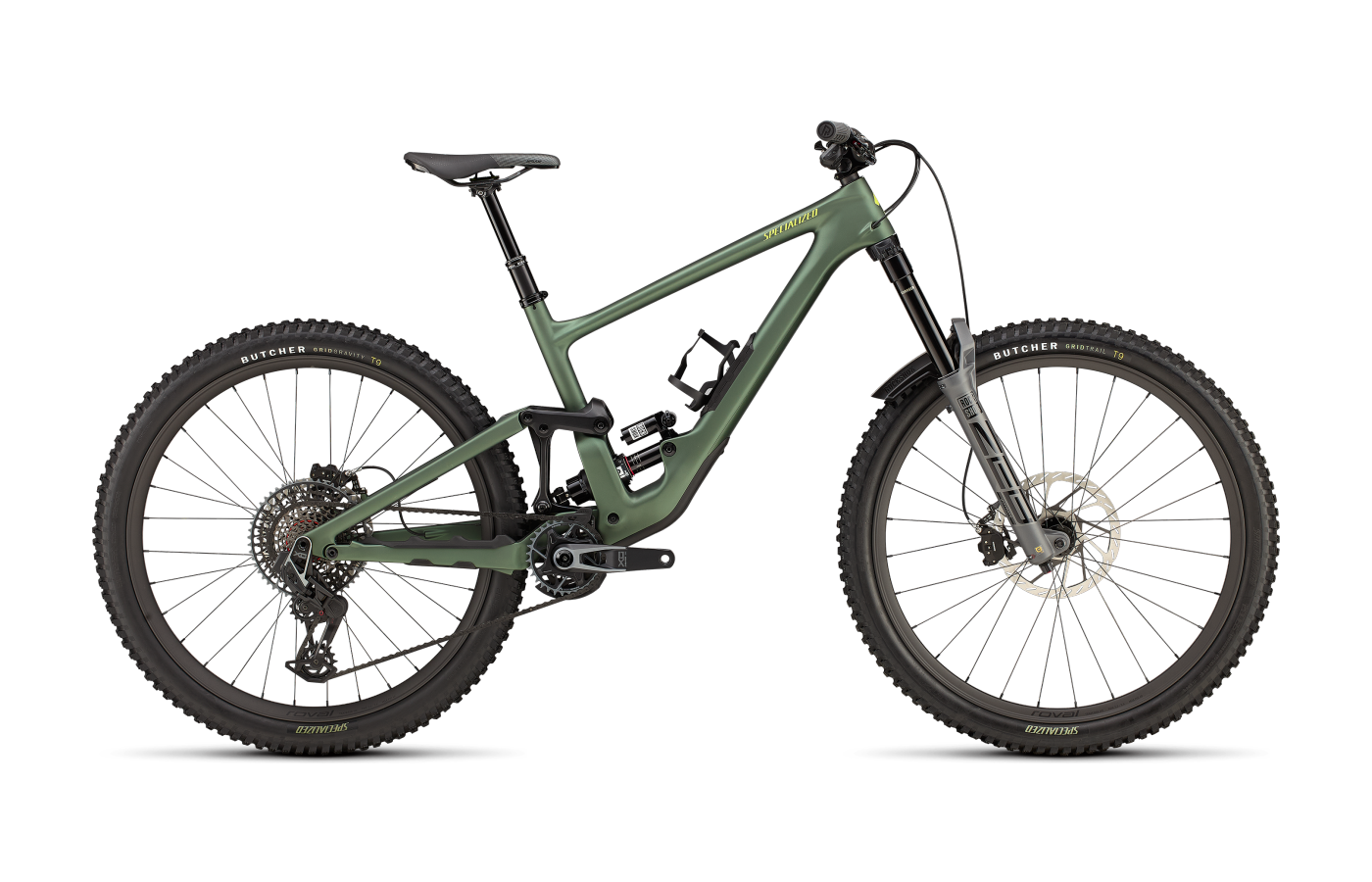
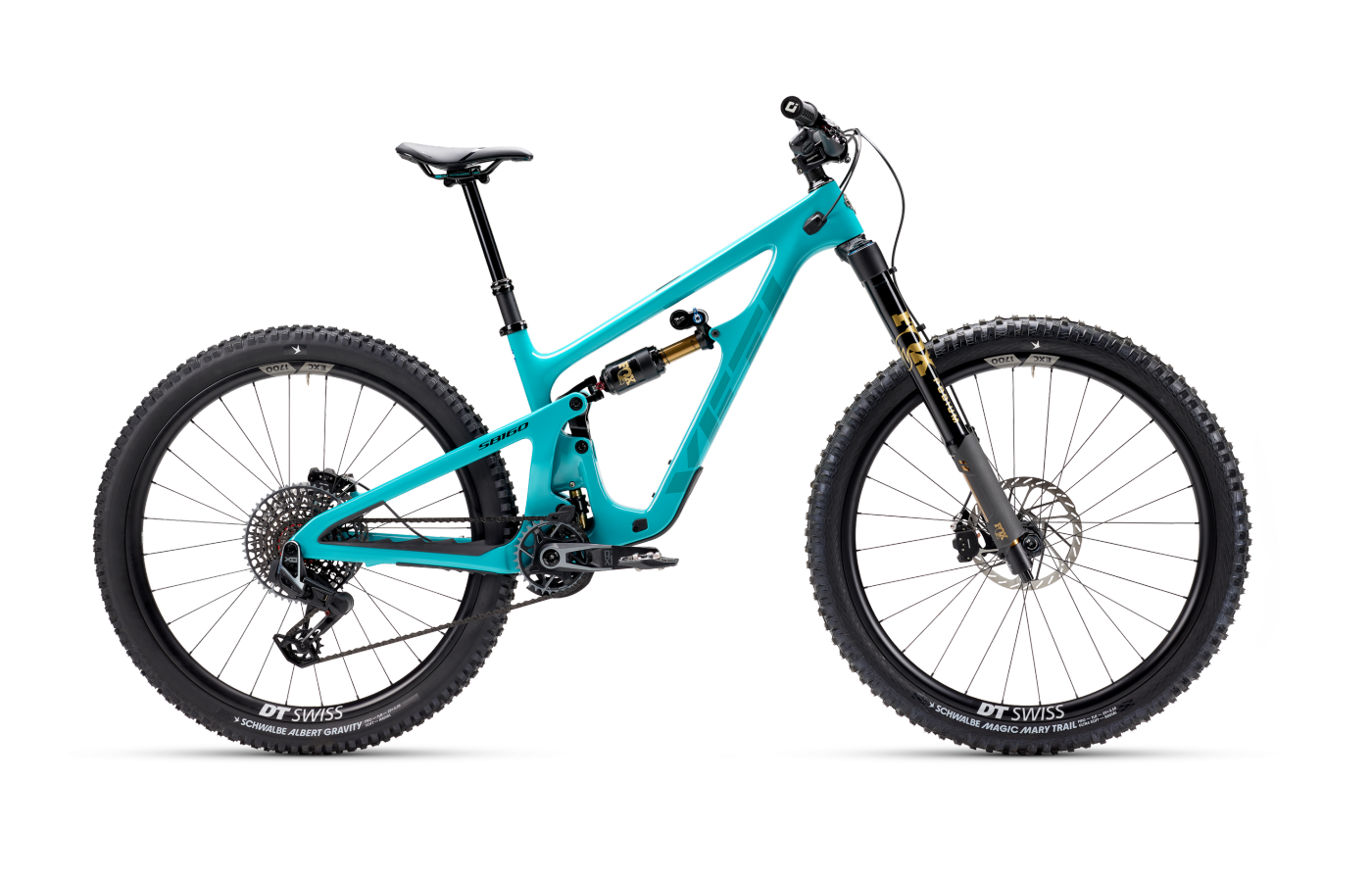
Two 170mm enduro bikes, two opposite philosophies.
The Specialized Enduro is a mini-DH bike that erases your line-choice mistakes. The Yeti SB160 is a race scalpel that punishes you for not paying attention.
Enduro
- Bottomless on chunky descents — rearward axle path and end-stroke progression genuinely 'calm the chaos' on square-edge hits.
- SWAT downtube storage — integrated tool and gummy-bear box on every build, all-day rides without a pack.
- Cheaper entry into the platform — Comp at $4,999 with the same FACT 11m frame as the $8,499 Pro.
- Ground-hugging suspension can feel 'boring' on mellower, flatter trails.
- Only 4 sizes (S2-S5) and a fixed 442mm chainstay — less tailored fit than Yeti's size-specific approach.
SB160
- Race-bred pedaling efficiency — Switch Infinity V2 platform and 77.5-degree seat tube angle make 34-lb of bike climb like something lighter.
- Size-specific chainstays (437-445mm across S-XXL) keep the bike balanced for short and tall riders alike.
- Sharper, more communicative handling — supportive mid-stroke and 17% progression reward pumping, popping, and active line choice.
- Eye-watering price floor — $6,400 to start, $13,500 at the top, with no alloy option.
- No internal frame storage and a low 625mm stack on the Large that many riders fix with taller bars.
Editor’s analysis
This isn't a fight about who's faster downhill — it's about how you want to go fast: by plowing through, or by carving over.
On paper these are nearly identical bikes — 170mm front, 160-170mm rear, 29-inch wheels, 64-degree head angles, ~442mm chainstays, both pure carbon. But ride them back to back and the Specialized Enduro and Yeti SB160 sit at opposite ends of the same category. The Enduro is the 'mini-DH bike' Specialized borrowed wholesale from the Demo. The SB160 is, in NSMB's words, 'more scalpel than mallet.'
The Enduro plows. Its rearward axle path and Demo-derived linkage are tuned to swallow square-edge hits and carry momentum — reviewers consistently use the phrase 'magic carpet ride' and call it 'next level' on rough, fast descents. It's the bike for the rider who wants to point downhill and let the suspension cover for line-choice mistakes. On mellower trails it can feel ground-hugging, even boring; on truly rough terrain it's hard to beat.
The Yeti goes the other way. Switch Infinity V2 with its 17% progression is supportive rather than plush — Blister called it 'on rather than in,' and Pinkbike said it rewards an 'aggressive, forward-weighted stance.' It pedals harder, accelerates harder, and corners with more precision than the Enduro. But ride it from the back seat at half-pace and it feels sluggish. It is unapologetic about wanting a fit, attentive pilot.
Put another way: the Enduro is the bike you buy to make hard descents feel easier. The SB160 is the bike you buy to make every descent into a timed stage. Both will get you to an EWS podium — they just don't agree on how.
Where the builds differ.
Comparing our editor's-pick builds side-by-side. Winners highlighted row-by-row — lower price and weight, and the better-spec component, each mark a point.
Build variants & pricing
The Enduro spans $4,999-$8,499 across two carbon builds. The SB160 starts at $6,400 and stretches to $13,500 across seven, but every build is carbon and there's no alloy or budget entry.
Editor's picks are matched to SRAM X0 AXS Transmission so the spec table compares like with like: the Enduro Pro is the top of its line ($8,499), while the SB160 T3 ($10,800) is the third-priciest of seven — Yeti's lineup runs further upmarket. If your budget tops out at $7k, the Enduro Comp ($4,999) is the only carbon choice between these two; the SB160 doesn't go below $6,400.
How they fit, how they steer.
Enduro at S2, SB160 at size M — the fit-picked size for a 5'8" rider on each. Reach is within 28mm (437 vs 465); the Yeti is 4mm taller in stack and 0.3 degrees slacker at the head tube. Chainstays come out near-identical (442 vs 439).
Which size should I buy?
The Enduro's S-sizing decouples seat tube from frame length — pick by reach, not by fit-bracket. The Yeti uses traditional S-XXL with size-specific chainstays.
→These are starting points. Flexibility, riding style, and preferred position all shift the answer — if you’re between sizes, a professional fit beats a chart.
What the magazines said.
Published reviews from trusted cycling outlets. Click through for the full write-up.
Which one should you buy?
If you want the bike to disappear under you on the gnarliest descents, get the Enduro. If you want a sharper, more communicative ride that demands you stay forward and on it, get the SB160.
Enduro
If your local trails are a minefield of square-edged rocks, you ride lifts as often as you climb, and you'd rather let the suspension cover for tired-leg line choices, the Enduro is the easier weapon. The SWAT box is the cherry on top — all-day rides, no pack.
SB160
If you treat every descent like a timed stage, value precision over plushness, and have the fitness to maintain a forward, aggressive stance, the SB160 is the sharper tool. The pedaling efficiency makes the long backcountry climbs feel less like a tax.
Questions buyers actually ask.
Short answers to the things we get emailed about most often.
01Which one descends faster on rough, technical terrain?
The Specialized Enduro has the edge when the trail gets genuinely rough and chunky. Its Demo-derived linkage delivers a more rearward axle path and 40% more anti-squat than the previous generation, which helps the rear wheel move up and out of square-edged hits instead of hanging up. Reviewers across Pinkbike, Bike Magazine, and Singletracks consistently used phrases like 'magic carpet,' 'calms the chaos,' and 'mini-downhill bike' to describe the feel.
The SB160 is no slouch — Switch Infinity V2 with 17% progression keeps it composed at race pace and through G-outs. But it's tuned for support rather than plushness, and several reviewers explicitly framed it as the 'scalpel' opposite the Enduro's 'mallet.' At very high speeds on truly rough terrain, the Enduro wins for raw composure; at any speed where you're working the bike actively, the SB160 holds its own.
02Which climbs better?
The Yeti SB160, clearly. Despite both being roughly 34-35 lb, the Yeti's 77.5-degree effective seat tube angle (vs 76 on the Enduro) and the supportive Switch Infinity platform give it a noticeably 'peppier' pedaling feel. Reviewers from Freehub, MBR, and TGR all called out its acceleration and ability to 'billy-goat up steep technical terrain.' It's been compared favorably to bikes like the Scott Ransom and Ibis HD6 in the climbing category.
The Enduro climbs surprisingly well for a 170mm bike — Bike Magazine called it the first Specialized FSR ever made that could be ridden uphill without a lockout — but it still feels its weight on technical climbs, and taller riders often complain that the actual seat tube angle slackens at full extension, requiring saddle-forward adjustments.
03What's the deal with Yeti's two carbon tiers?
The SB160 comes in Turq-series (T1-T4) and C-series (C2-C3) carbon. The Turq frame saves around 225g over the C-series. More importantly, only Turq frames get the second-generation Switch Infinity link with improved seals, bearings, and hardware. C-series frames ship with the older V1 hardware, which several reviewers (NSMB, Singletrack World) flagged as a value disappointment given C-series builds still start at $6,400.
If you're buying an SB160 for the long haul in wet climates, the Turq frame is the smarter long-term play. The editor's-pick T3 ($10,800) is Turq.
The Specialized Enduro, by contrast, uses the same FACT 11m carbon frame on every build — the $4,999 Comp gets the same chassis as the $8,499 Pro. That's a real value story for the Enduro's frame.
04How much travel are we actually talking about?
Specialized Enduro: 170mm front and 170mm rear. The fork is a RockShox Zeb (Ultimate on the Pro, Select on the Comp); the rear shock is a RockShox Vivid (Ultimate or Select Plus).
Yeti SB160: 170mm front and 160mm rear. The fork is a Fox 38 (or Podium on the top builds); rear shock is a Fox Float X2 (DHX coil on the TEAM ISSUE).
The 10mm of extra rear travel on the Enduro is part of why it feels more 'DH-like' — but the bigger character difference comes from kinematic tuning, not raw mm.
05Is the SWAT downtube storage actually useful?
Yes — and it's one of the few features reviewers consistently called out as a real differentiator. The SWAT door on the Enduro's downtube fits a tube, plug kit, CO2, and a small tool roll. Combined with the SWAT multi-tool hidden in the steerer, it's enough to do a normal day's ride without a hip pack.
The SB160 has no internal storage — Yeti's downtube is solid carbon (with a bolt-on guard). You wear a pack or strap a tube to the frame. For some riders this is a dealbreaker; for most racers, it's a non-issue.
06How serviceable are the suspension linkages long-term?
The Enduro's Horst-link has 14 bearings across the linkage. Reviewers (notably Pinkbike's Mike Kazimer) flagged that bearing replacement over the bike's lifespan 'isn't going to be cheap,' and the dense web of links is 'a chore to clean.' Specialized did move to a threaded BSA bottom bracket, which is a win.
The SB160's Switch Infinity V2 uses a translating-pivot mechanism with grease ports for easier maintenance. Yeti specifies a 40-75 hour service interval for the Kashima-coated stanchions. All pivot bearings now press into aluminum links rather than the carbon frame itself — a meaningful long-term reliability improvement. There's a lifetime warranty on the frame and the SI link to the original owner.
07Will the stock tires hold up to hard riding?
Probably not on either bike. The Enduro's stock Specialized Butcher tires (GRID Trail front, GRID Gravity rear) drew near-universal criticism — Singletracks reported a 'double snake bite' on the third ride, and most reviewers recommended an immediate swap to a heavier DH casing.
The SB160 ships with Schwalbe Magic Mary front and Albert rear (Trail Pro / Gravity Pro casings on the editor's-pick T3). Several reviewers argued an enduro race bike should ship with full DH or DoubleDown casings out of the box at this price.
Budget $150-200 for a tire upgrade on either bike if you're riding aggressively in rocky terrain.
08Is there a budget version of either bike?
Specialized: yes-ish. The Enduro Comp at $4,999 is the same FACT 11m carbon frame as the Pro, with Shimano SLX drivetrain, RockShox Zeb Select fork, and alloy wheels. It's the cheapest way into a modern 170mm carbon enduro platform from a major brand.
Yeti: no. The cheapest SB160 is the C2 90 Transmission at $6,400, which uses the C-series carbon frame with the older V1 Switch Infinity link. There is no alloy SB160 and no sub-$6k complete. If your budget is under $6k, this comparison effectively ends at the Enduro Comp.
Similar bikes
If your priorities don’t map cleanly onto either of these, one of these adjacent bikes probably fits better.
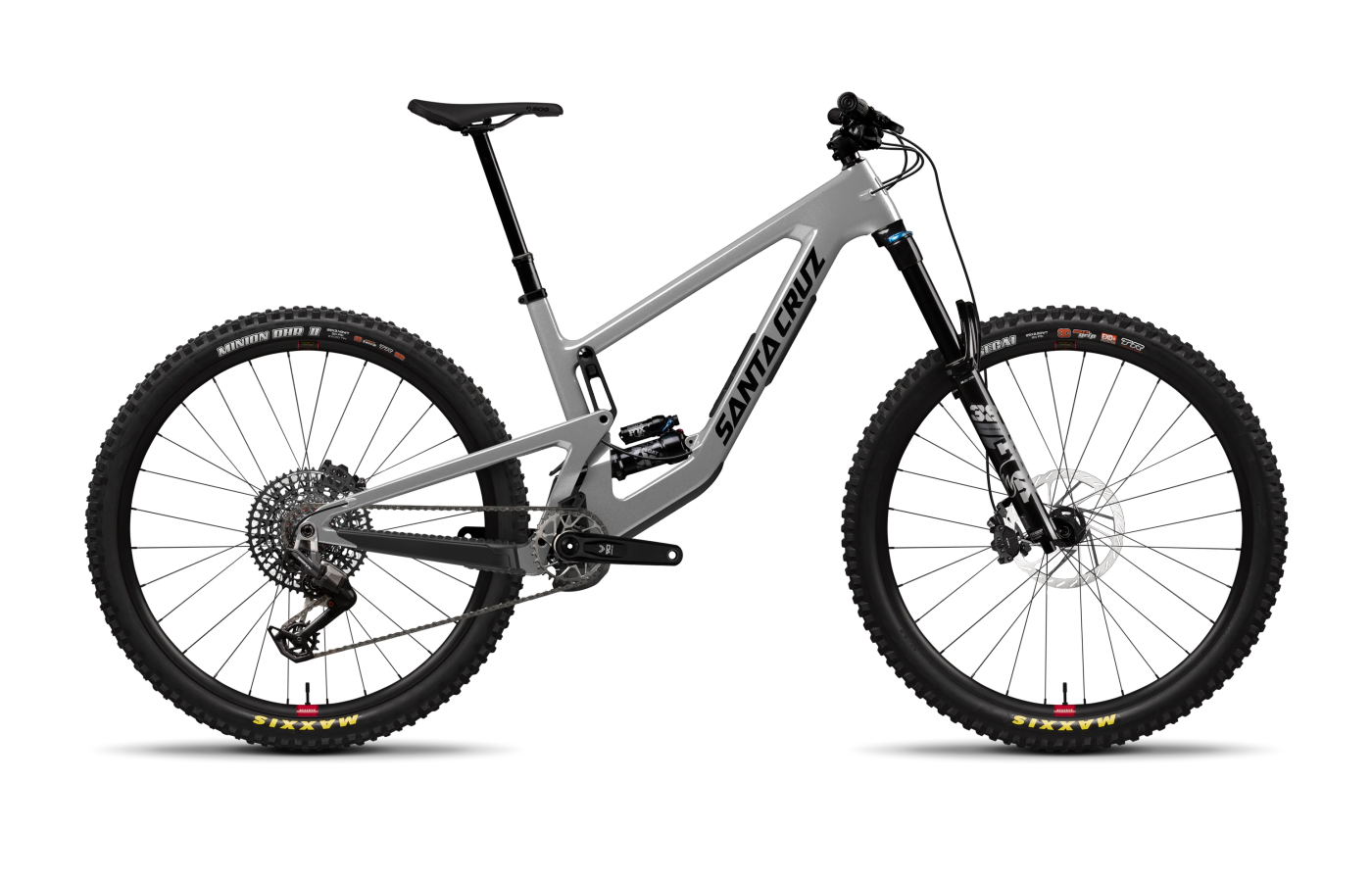
Megatower
The Megatower splits the difference — Specialized-style internal storage with a VPP suspension feel that's more balanced between plowing and popping than either of these. Worth a look if you can't decide.
Compare →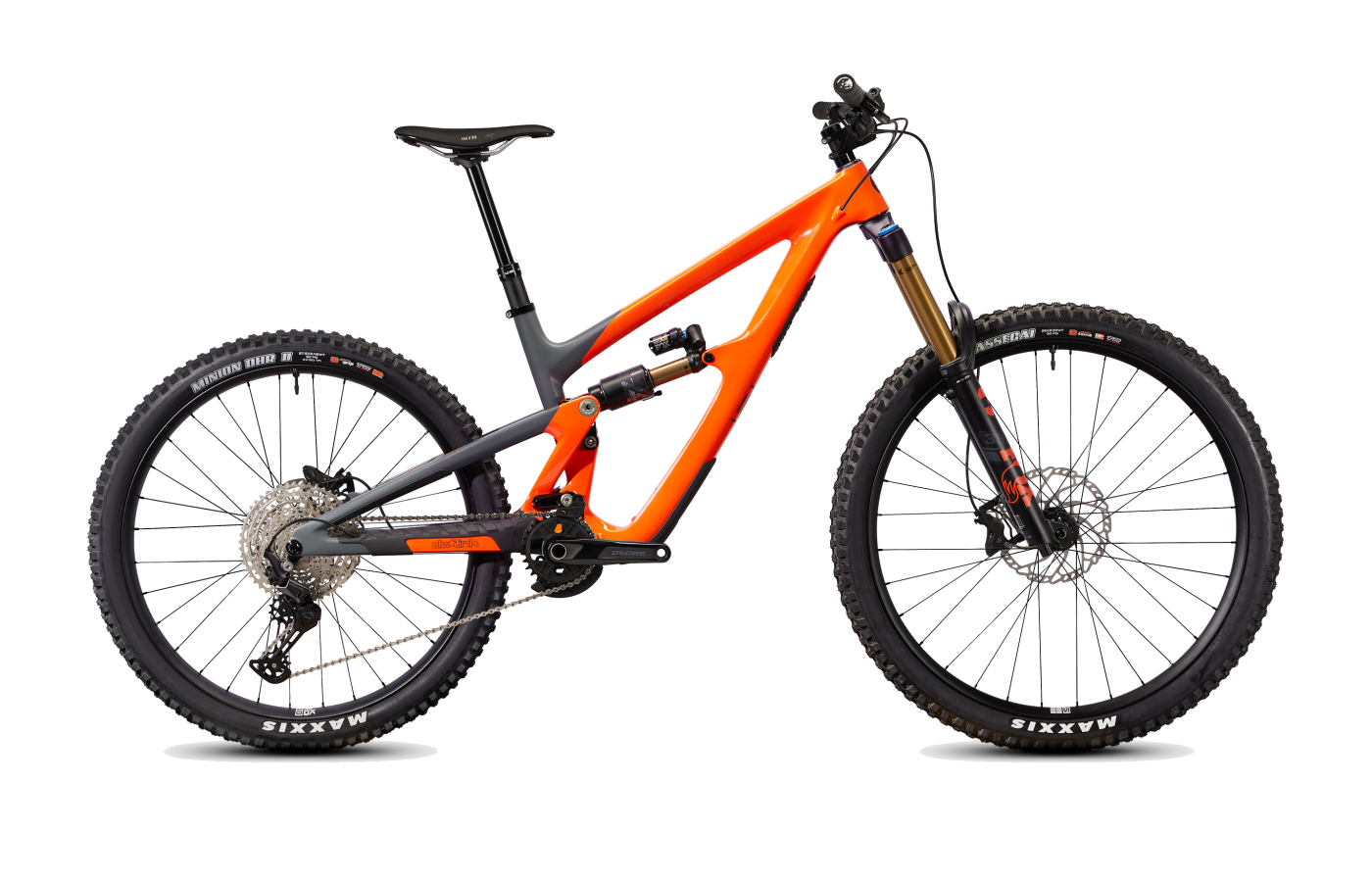
HD6
Ibis HD6 is a notably better climber than either, and its mixed-wheel (mullet) setup makes it more agile in tight, janky terrain where the Enduro and SB160 both feel long.
Compare →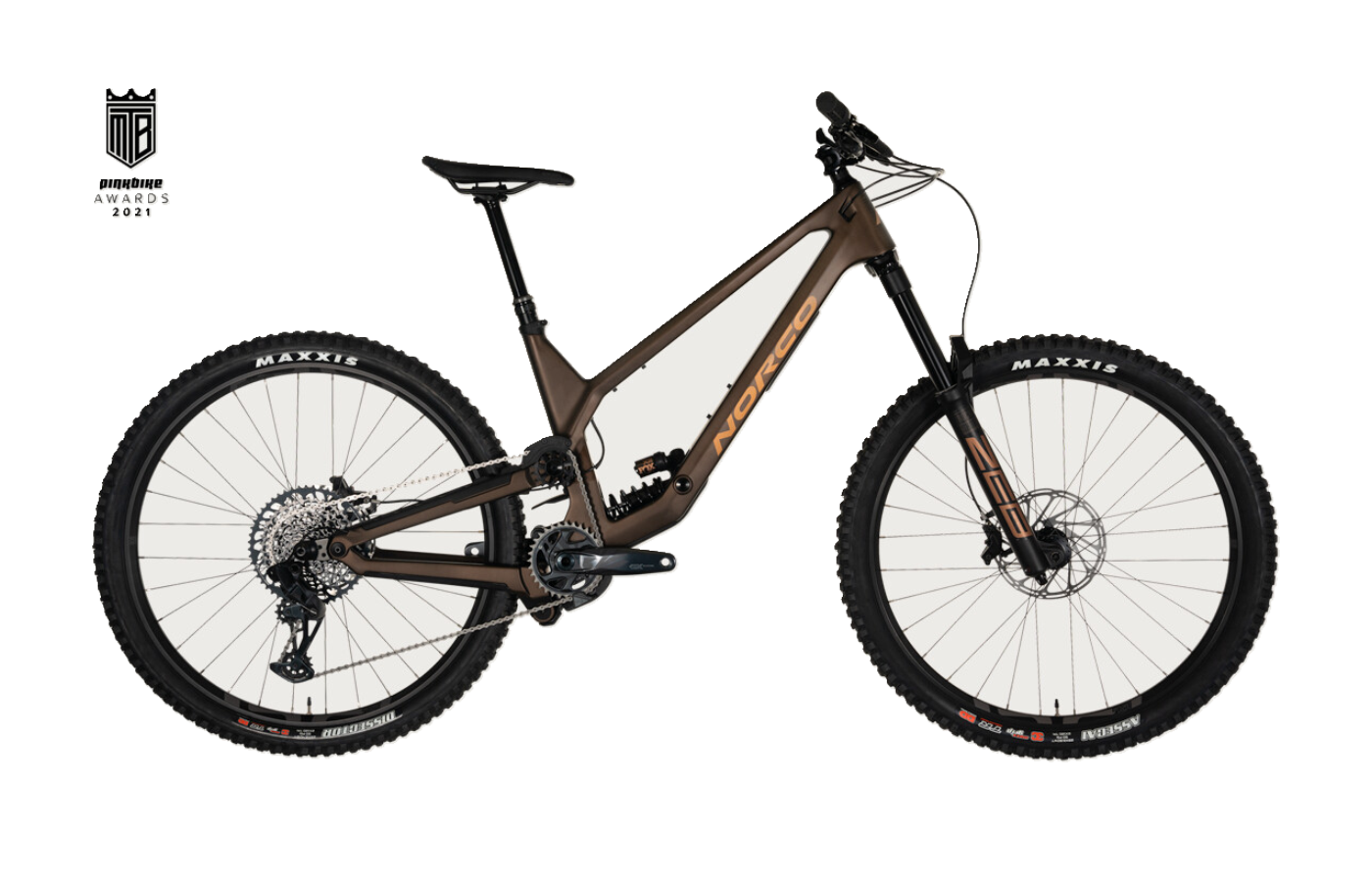
Range
Norco Range — for anyone who thinks the Enduro still isn't 'DH enough.' Its high-pivot design pushes the rearward axle path further and trades pedaling efficiency for absolute traction in the roughest terrain.
Compare →