Megatower
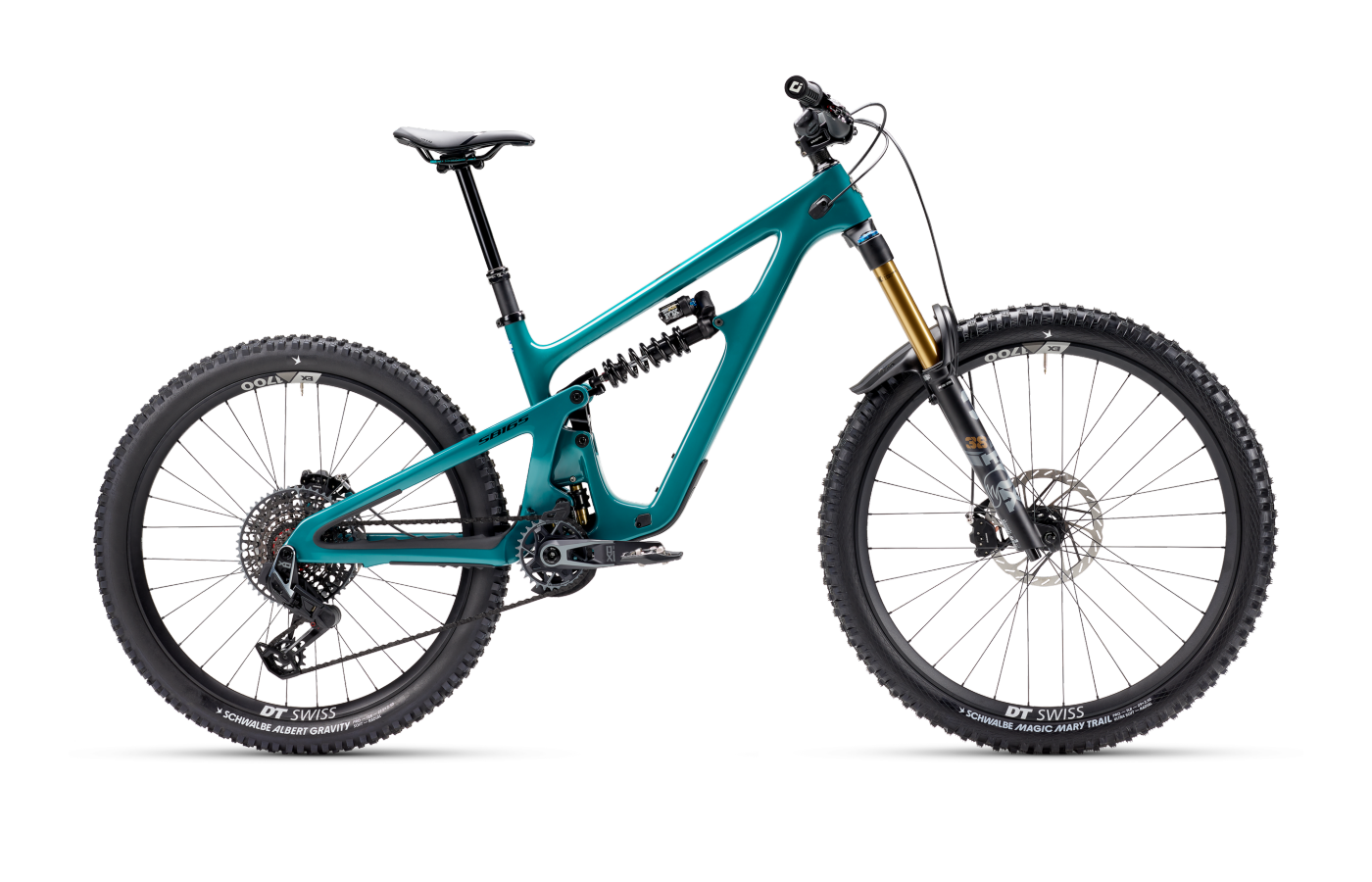
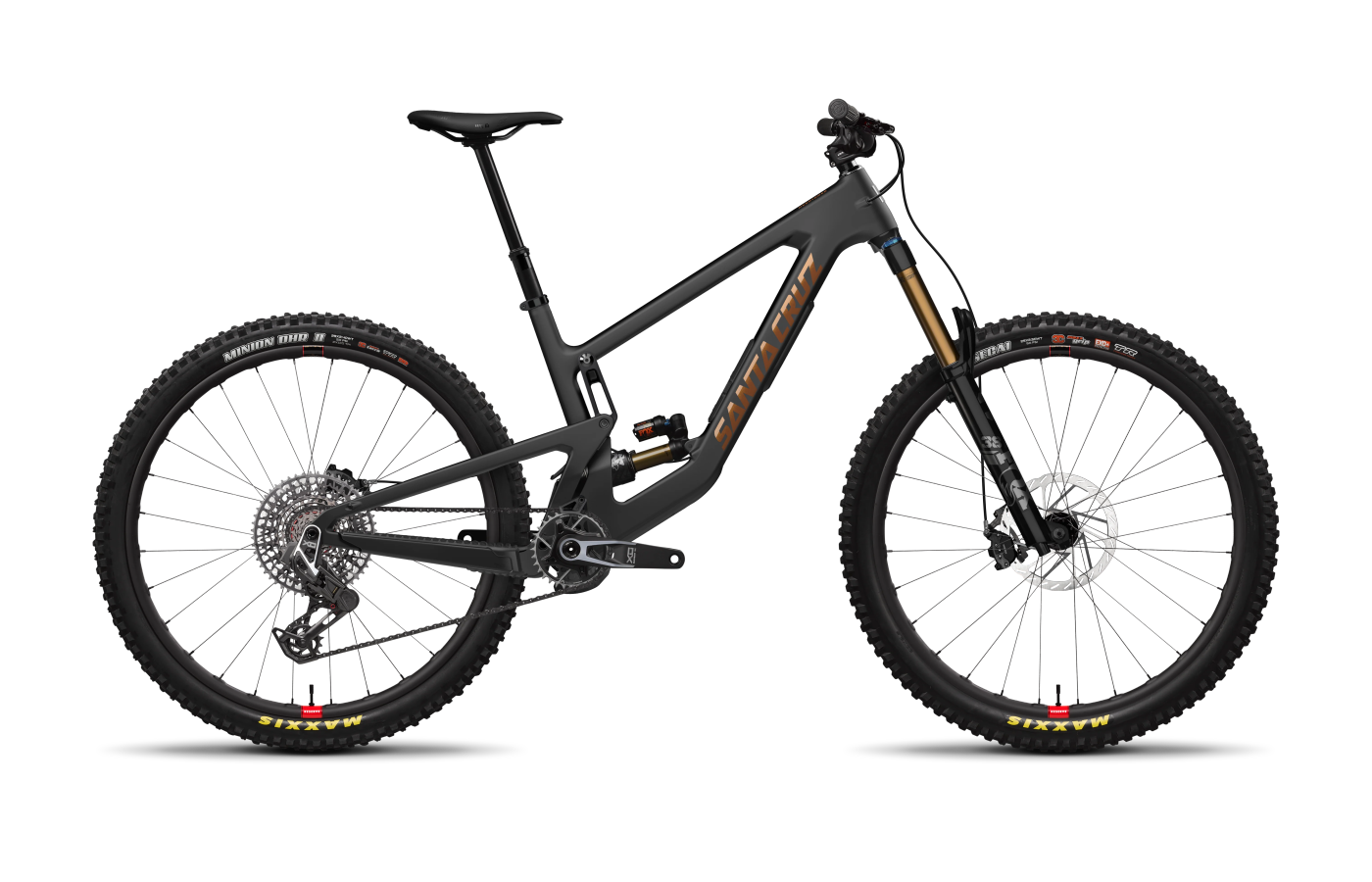
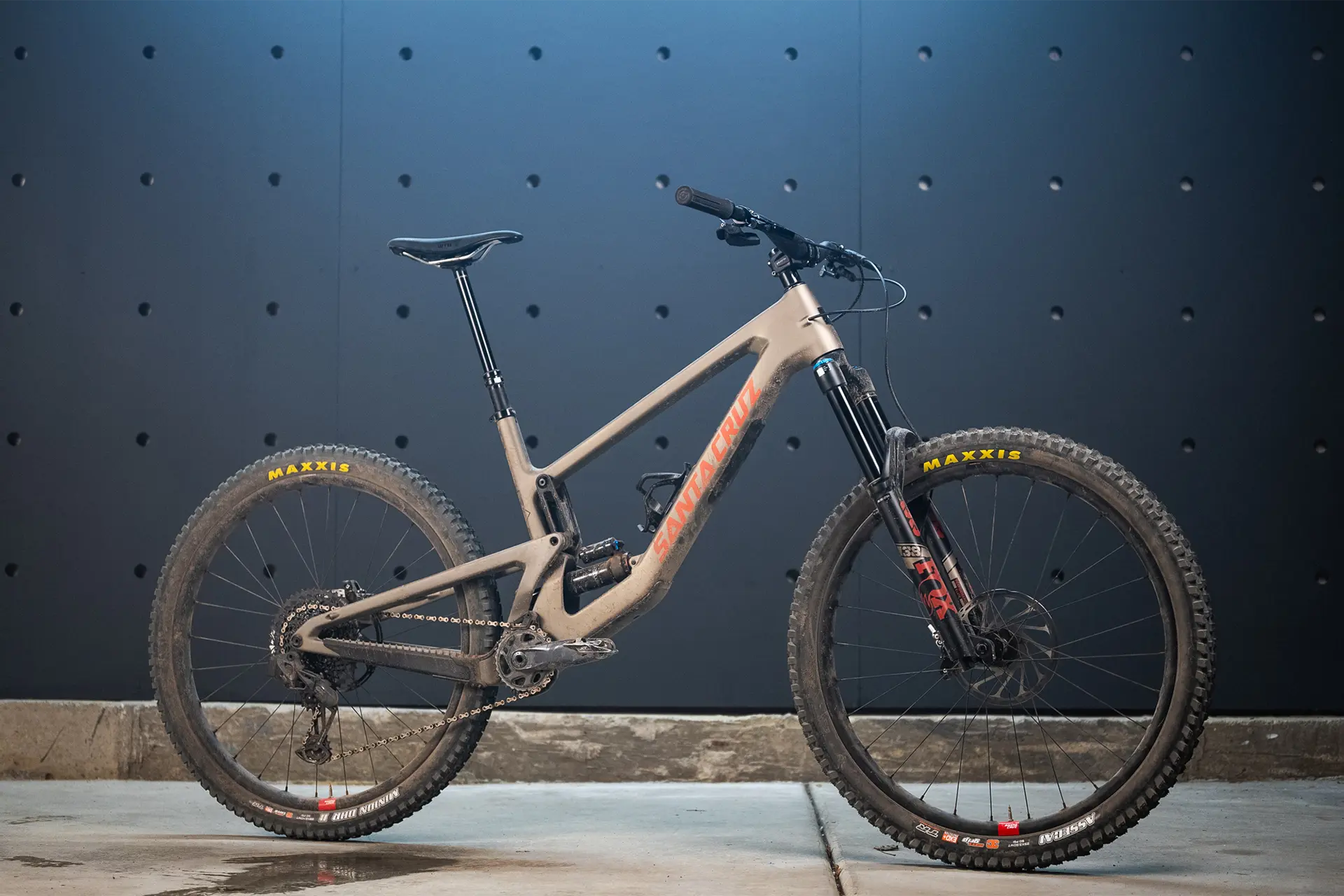
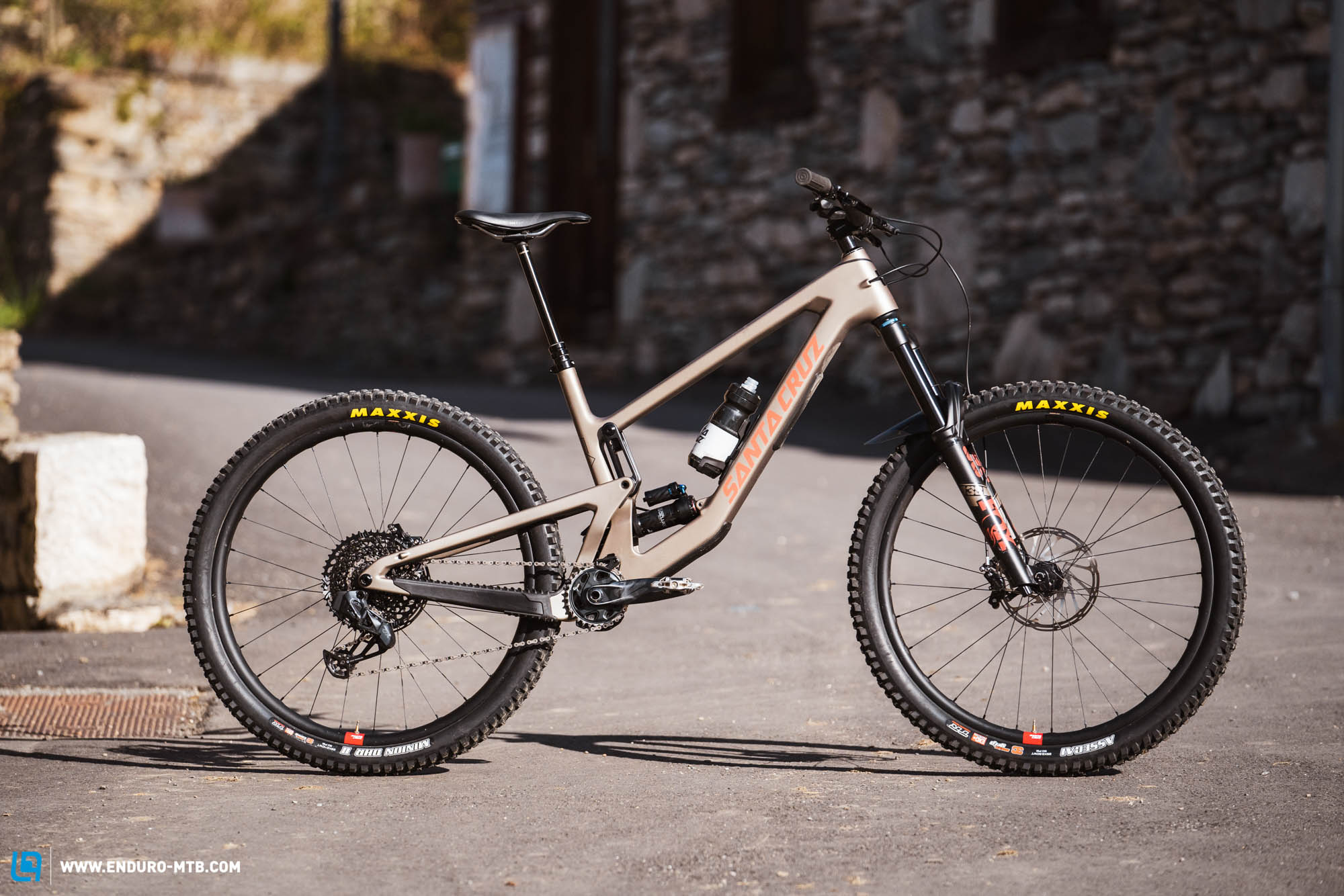
Santa Cruz’s second-generation Megatower is a dedicated 29-inch enduro race bike built to manage high speeds and steep, demanding terrain. Moving away from the slightly more versatile trail-bike overlap of its predecessor, this iteration is a pure gravity-focused machine. It utilizes the brand’s lower-link-driven VPP suspension to deliver 165mm of rear travel, paired with a 170mm fork. The chassis introduces a modernized layout featuring the Glovebox, a downtube storage hatch for carrying tools and spares internally. Designed for riders who prioritize descending stability and bottom-out resistance, the Megatower requires aggressive input and momentum to reach its potential. It is a substantial, purpose-built tool for enduro racers and bike park regulars who need a chassis capable of absorbing massive impacts without losing composure.
Geometry & fit.
5 sizes published.
The Megatower’s geometry is optimized for stability and a centered rider weight distribution. A key update for this generation is the implementation of size-specific chainstays, which grow proportionally with the reach across the size run. This ensures that riders of varying heights experience the same balanced posture, keeping the front wheel weighted without requiring extreme body shifts.
A steep seat tube angle, hovering around 77.5 degrees depending on the size, places the rider in an upright, efficient pedaling position that prevents the front end from wandering on steep climbs. Up front, the slack 63.5-degree head tube angle pushes the front wheel far ahead, prioritizing high-speed tracking over low-speed agility. A flip-chip in the lower link allows for minor adjustments, altering the head and seat angles by a fraction of a degree and shifting the bottom bracket height slightly. In the lower setting, riders report feeling positioned deeply inside the bike rather than perched on top of it, enhancing cornering grip and overall control on steep gradients.
Where the handlebar sits relative to the bottom bracket — the single most important fit pair.
01Fit geometry6 values
03Handling geometry7 values
Which size should I buy?
Slide your height to see the recommended size. GearWise's fit algorithm works from the published stack, reach, and ETT — the brand's own recommendation may differ.
→Calculated from GearWise's own stack / reach / ETT algorithm — the brand's size chart may recommend a different size, and a proper bike fit beats any calculator.
The lineup.
4 builds, ranging $6,099 – $9,749.
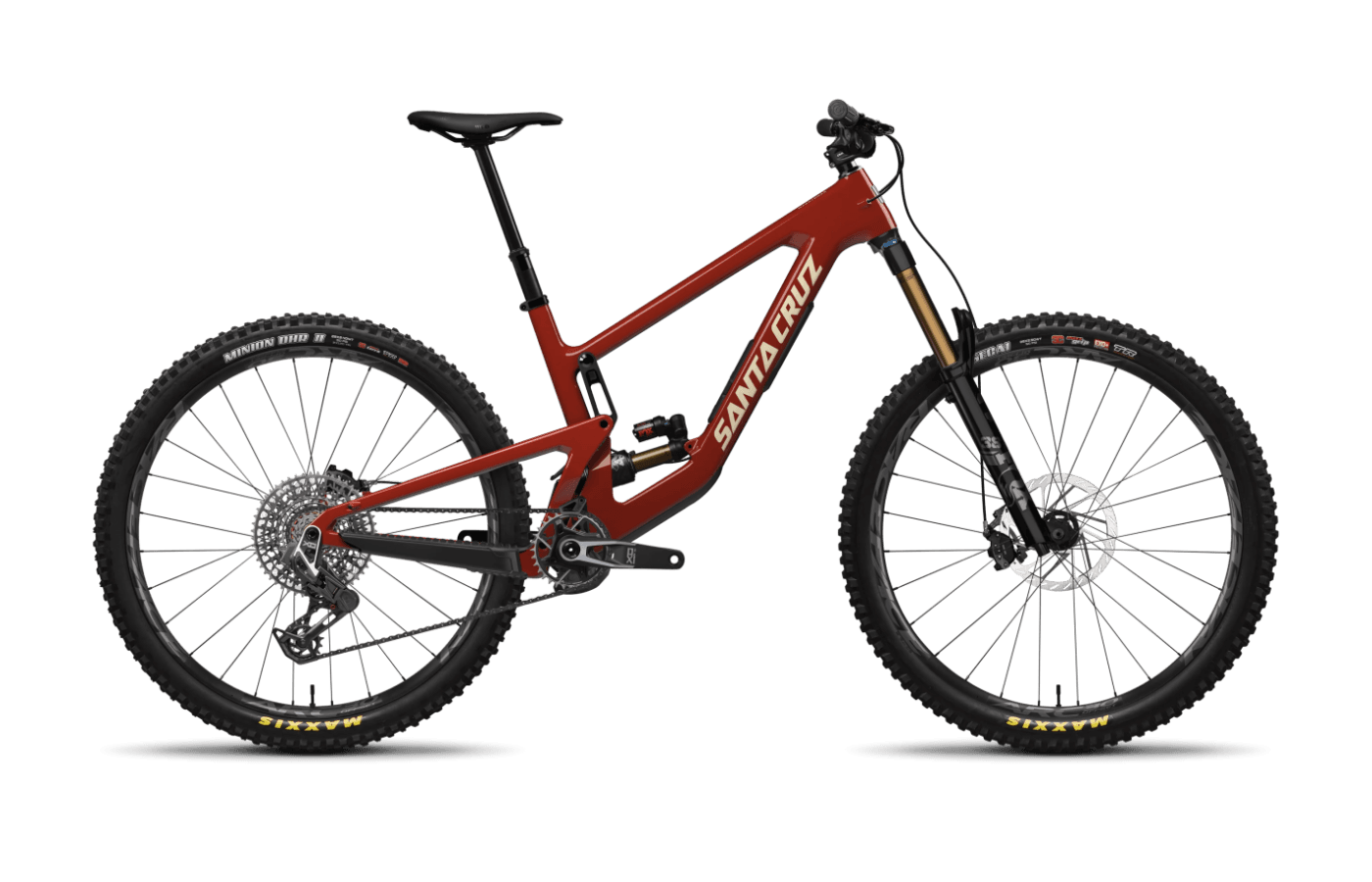
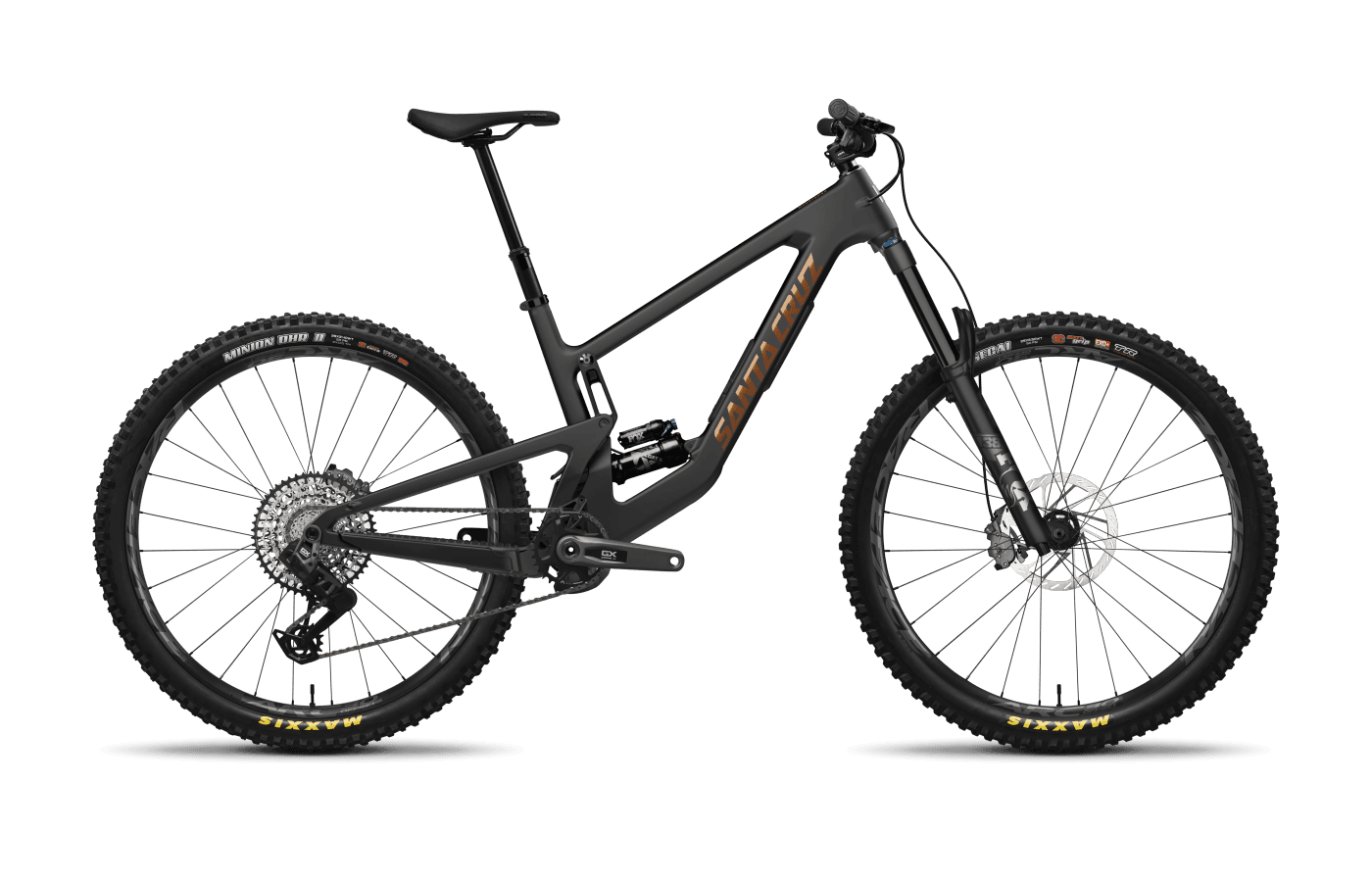
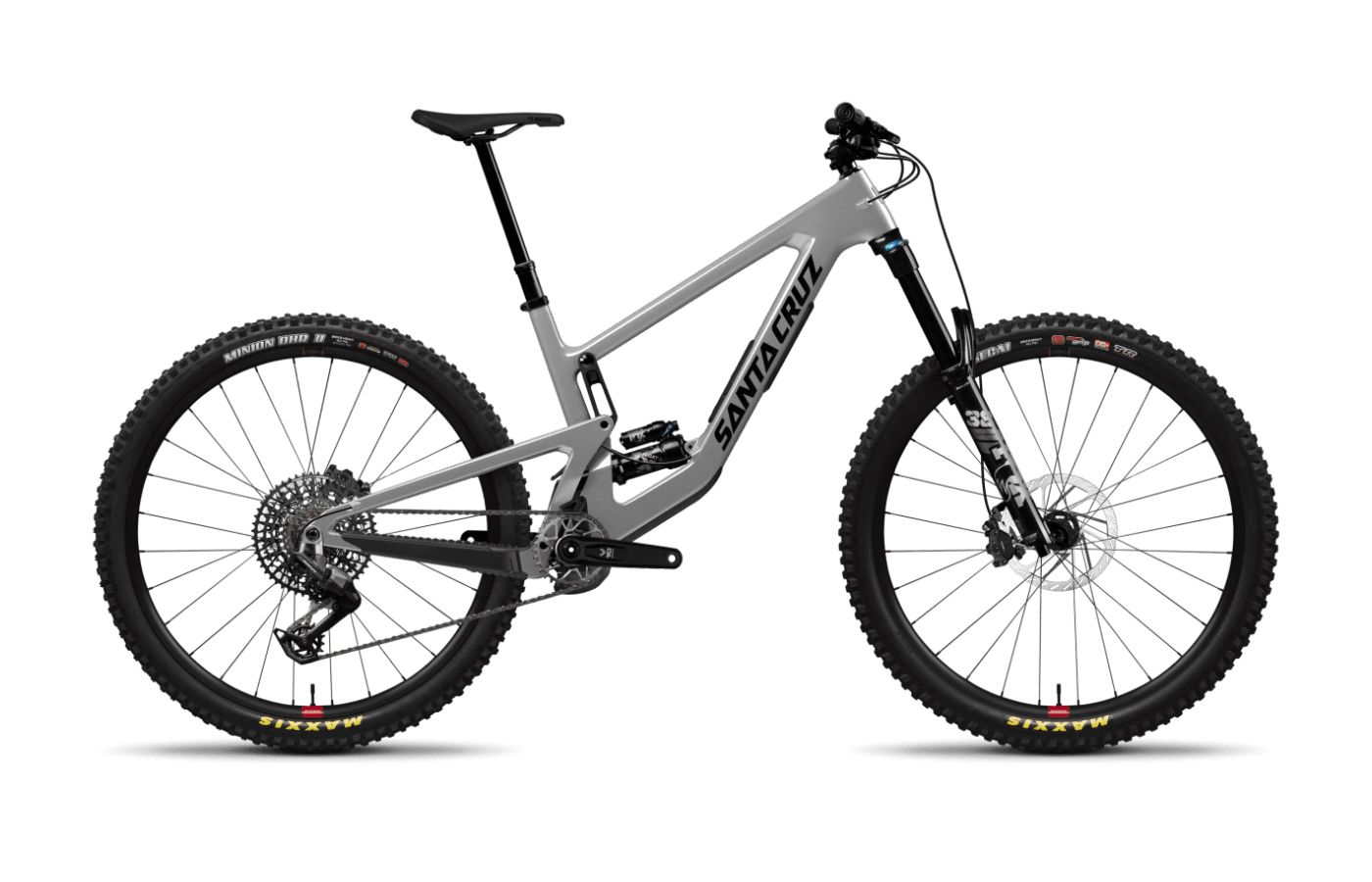
Santa Cruz splits the Megatower lineup across two carbon frame tiers: the standard C carbon and the lighter, premium CC carbon. The build ladder starts at a high entry price, reflecting the bike's positioning as a premium enduro machine.
The entry-level 90 build utilizes the C frame, pairing a Fox Float Performance fork and shock with a SRAM 90 Eagle transmission and SRAM Maven Base brakes. Stepping up to the GX AXS build retains the C frame but upgrades the suspension to Fox Performance Elite dampers and introduces SRAM's wireless GX AXS drivetrain alongside Maven Bronze brakes.
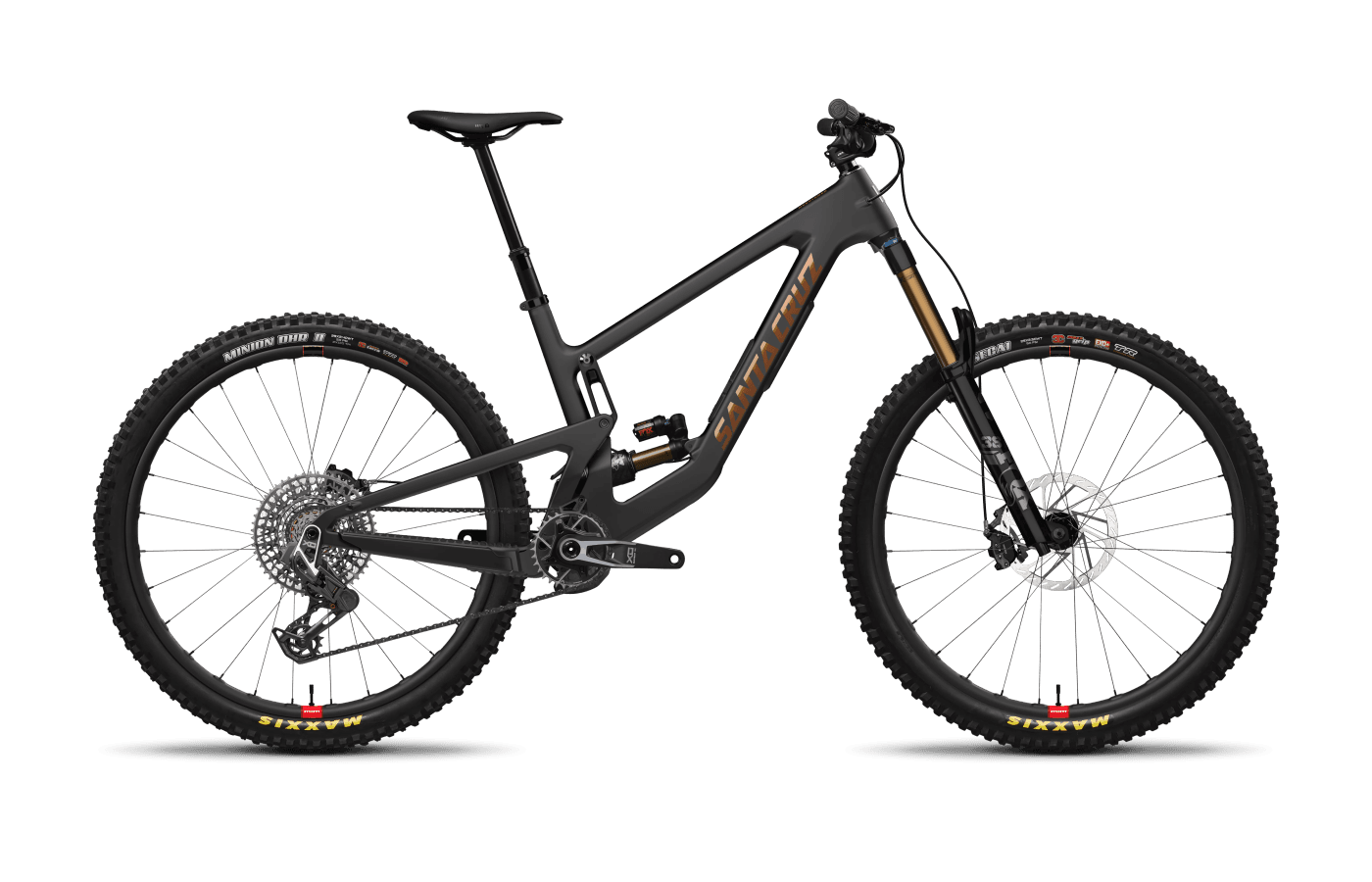
The top two builds move to the lighter CC carbon frame and feature Fox Factory Elite suspension. The X0 AXS build includes a SRAM X0 Eagle transmission and Maven Silver brakes, rolling on aluminum rims laced to Industry Nine hubs. The flagship X0 AXS RSV build shares this exact drivetrain and braking specification but upgrades the rolling stock to Santa Cruz’s proprietary Reserve carbon wheels. Across all builds, Santa Cruz specs aggressive Maxxis tires, typically pairing an Assegai up front with a Minion DHR II in the rear.
From the press.
16 reviews from the cycling press.
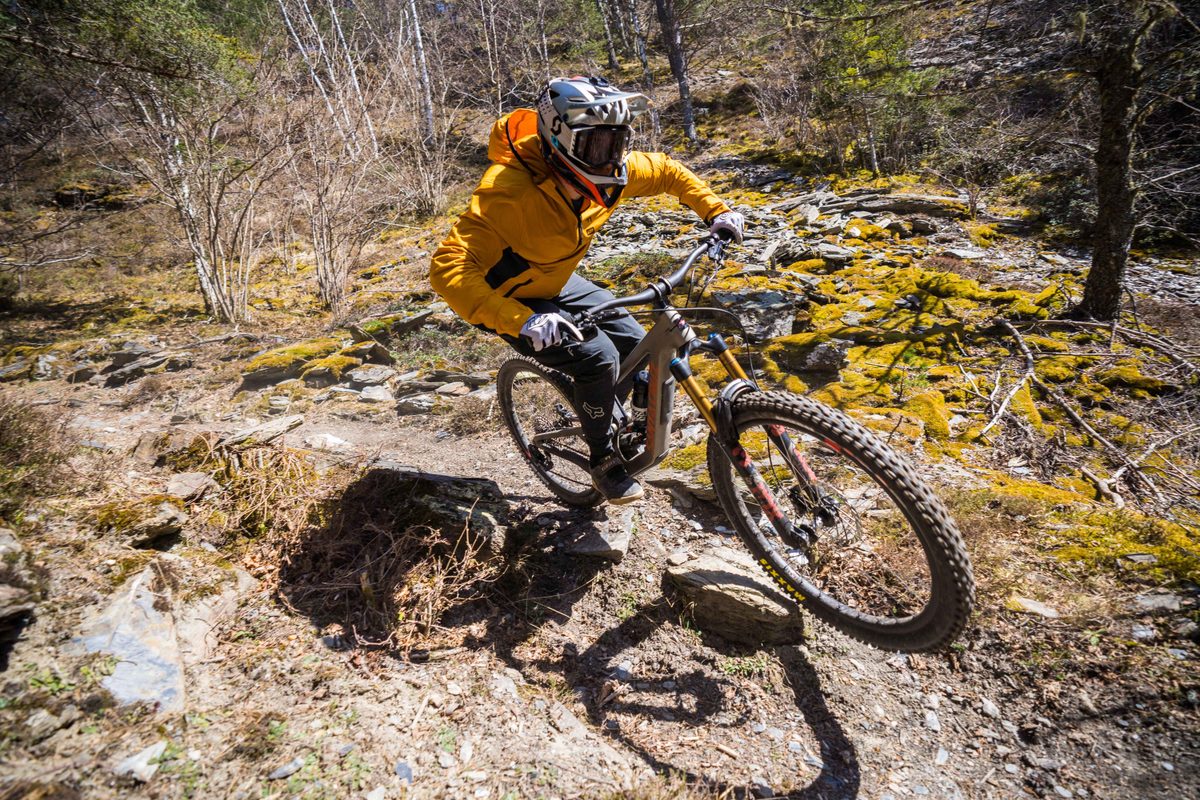
Critics generally agree that the Megatower is a highly capable descender that rewards an aggressive riding style, though it requires momentum to truly wake up. At lower speeds, the handling can feel sluggish, but once pointed down a steep grade, the bike stabilizes and tracks predictably. Testers frequently praised the revised suspension kinematics for providing excellent mid-stroke support and bottom-out resistance.
There is a notable split among reviewers regarding the bike's compliance over high-frequency trail noise. While some testers found the suspension highly sensitive, others noted that the stiff carbon chassis transmits feedback on rough, chattery sections. One reviewer observed that the bike "skims through the chatter" (BikeRadar) rather than completely isolating the rider, which can lead to fatigue on long descents. Another tester highlighted this rigid character, noting a "chargey, easy-to-push feel" (Pinkbike) that occasionally translates to harshness.
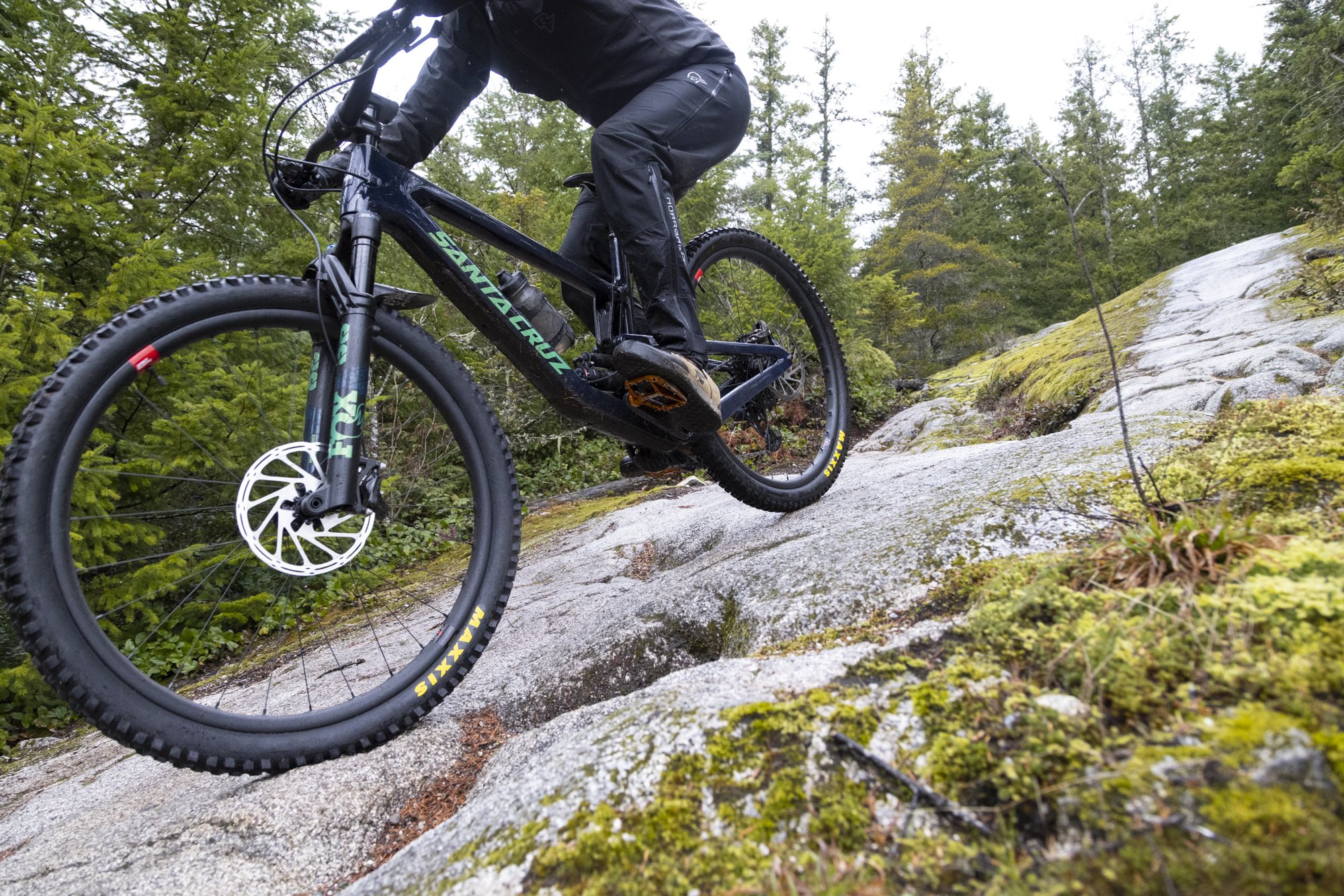
Despite the stiff frame, the bike remains highly maneuverable when pushed hard. Reviewers found it easy to break the rear wheel loose intentionally, giving it a "slappy feel in the corners" (Pinkbike) that adds a layer of agility to an otherwise steadfast platform. Climbing is widely considered efficient for the category, with the VPP platform offering a "calm, planted feeling" (Blisterreview) that maintains traction over technical uphill roots and rocks.
Santa Cruz Megatower Long Term Review
Santa Cruz Megatower Review
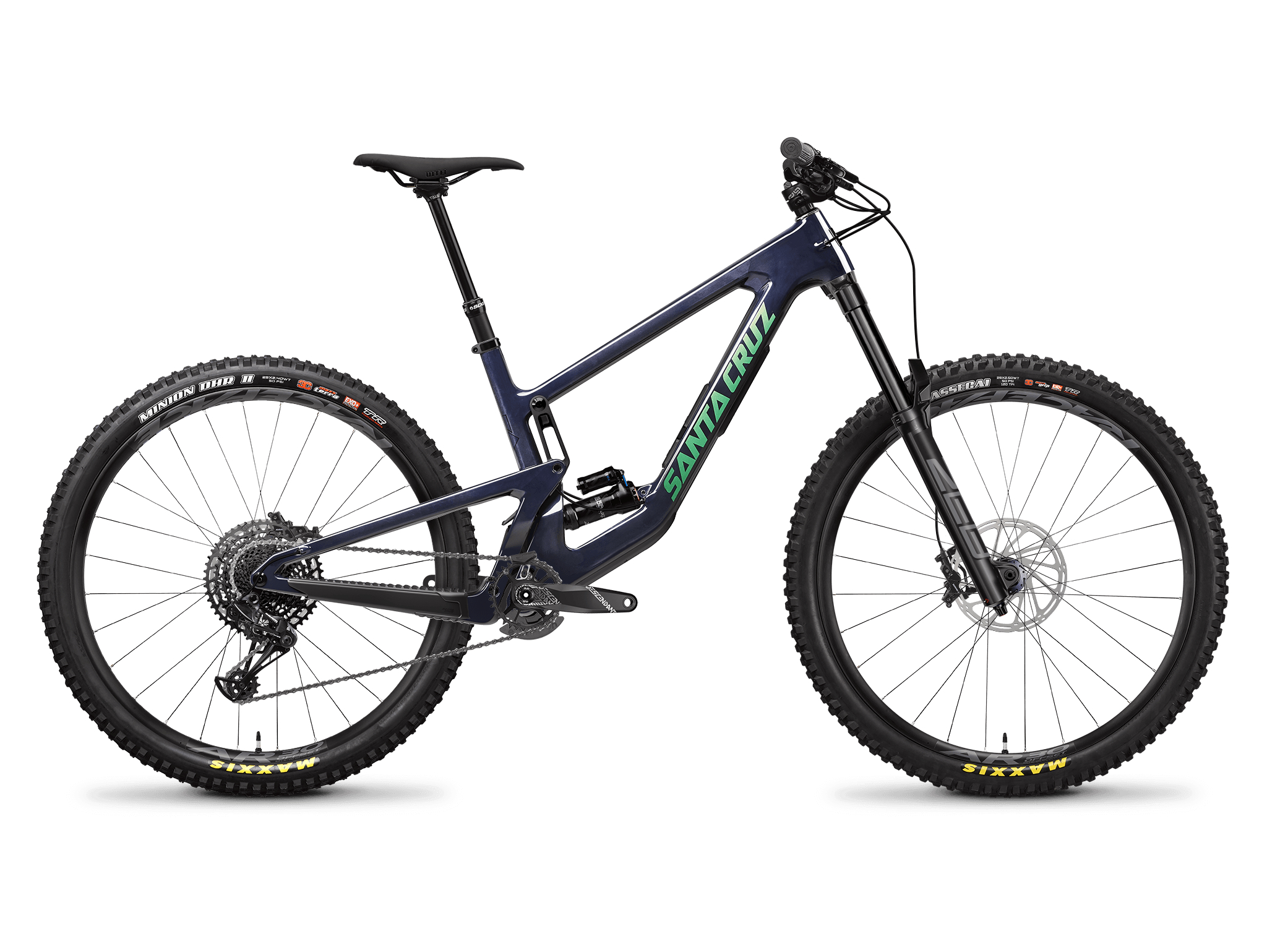
Santa Cruz Megatower R 2022 Review
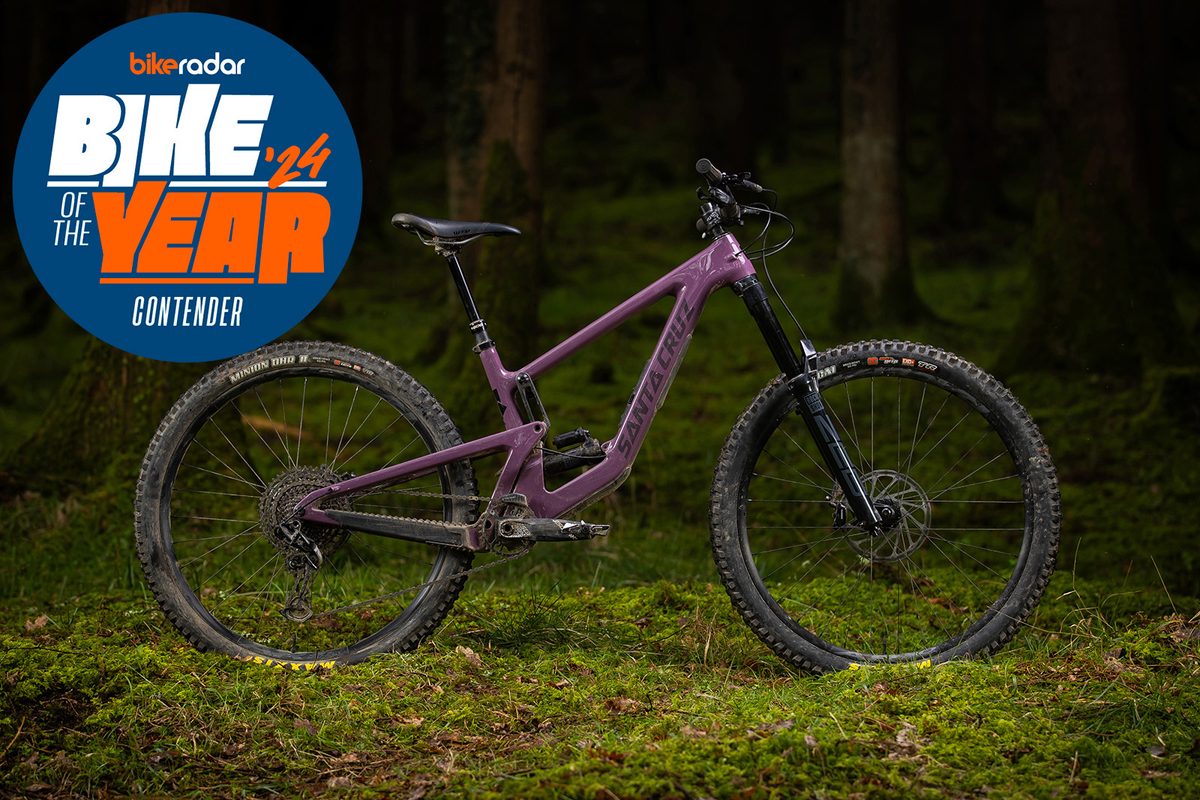
Santa Cruz Megatower C R review | Enduro Bike of the Year contender
Santa Cruz Megatower Review: Even More Mega | 2022 ...
2022 Santa Cruz Megatower V2 | Test Ride and Review ...
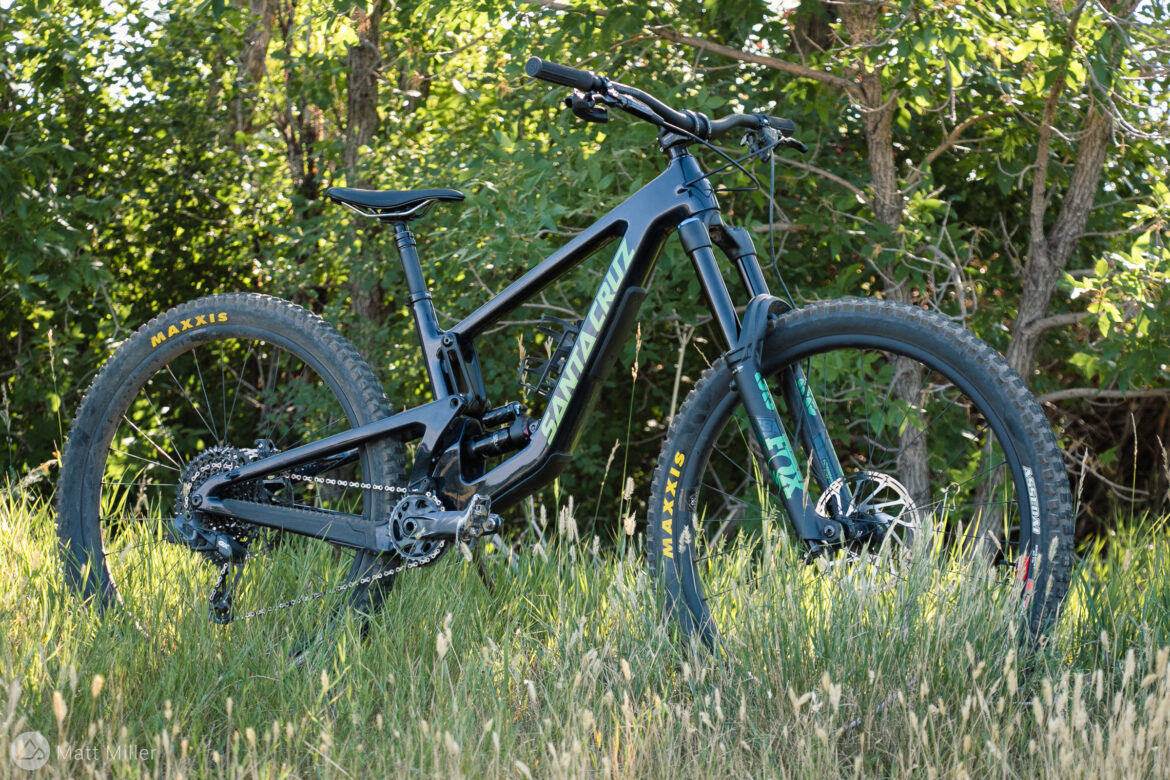
2023 Santa Cruz Megatower Review: Cooking with Fire
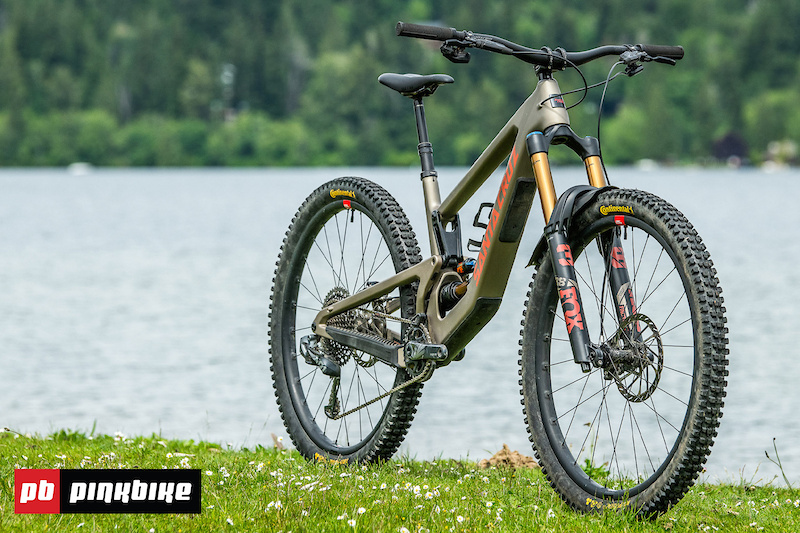
Field Test: 2022 Santa Cruz Megatower - Even More Mega
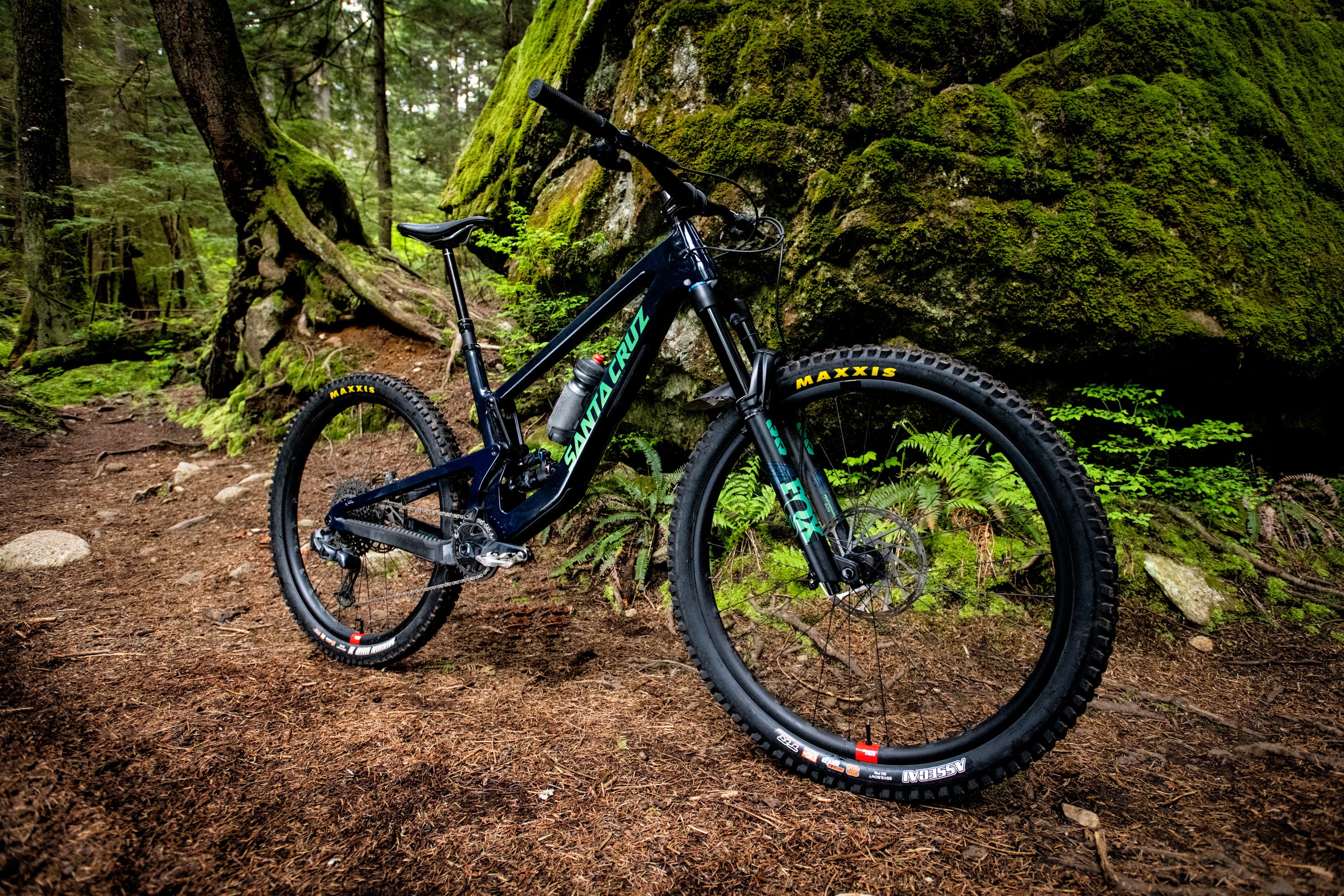
2022 Santa Cruz Megatower Review
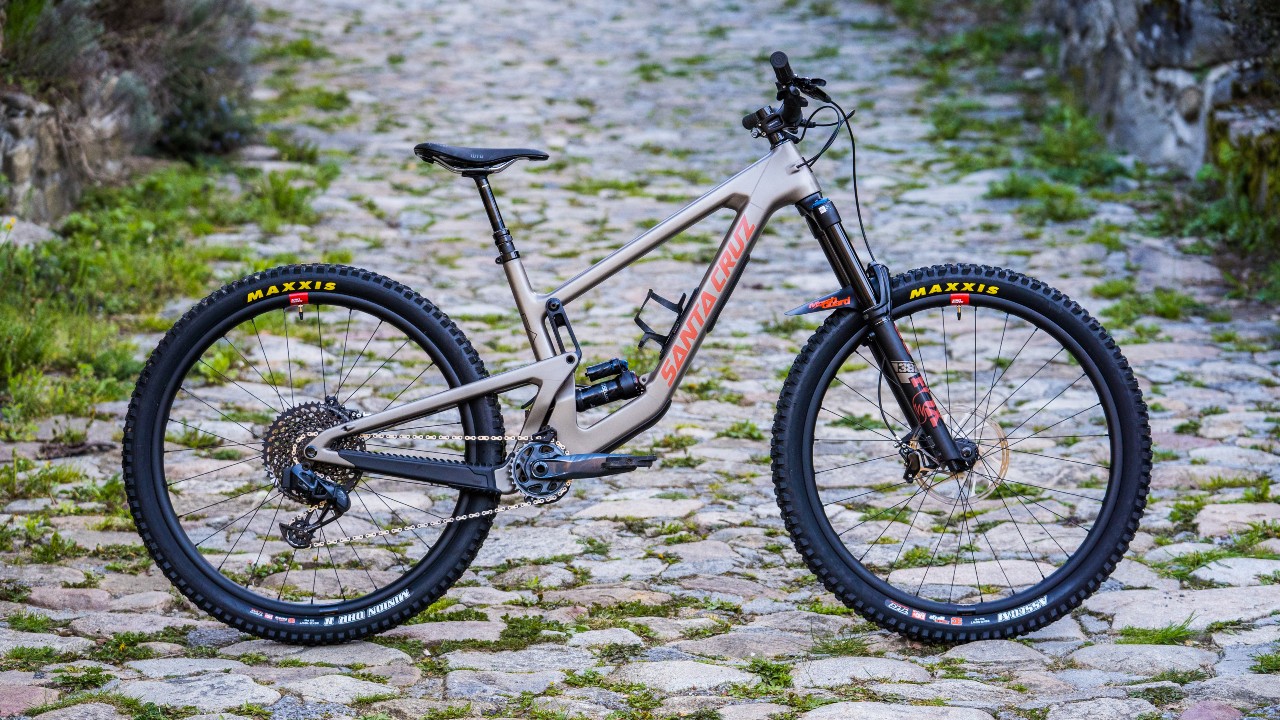
Santa Cruz Megatower C GX AXS RSV first ride review - MBR
Santa Cruz Megatower Review
2022 Santa Cruz Megatower Review
2022 Santa Cruz Megatower CC X01 AXS RSV first ride ...
New Santa Cruz Megatower GX AXS RSV 2022 first ride ...
Santa Cruz Megatower V2 Review
Compared to.
Most-viewed comparisons.
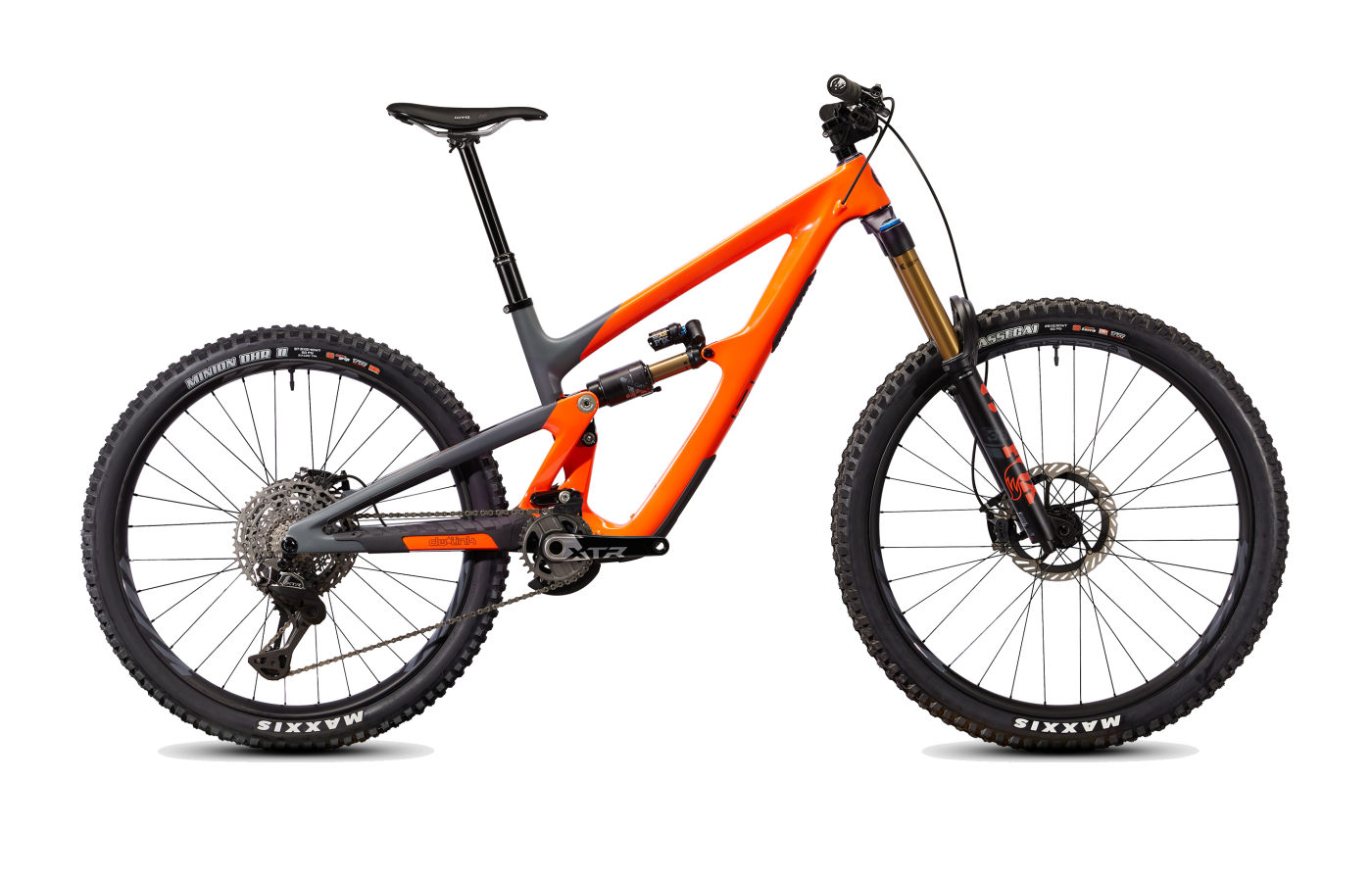
Ibis HD6 vs Santa Cruz Megatower
Read comparison→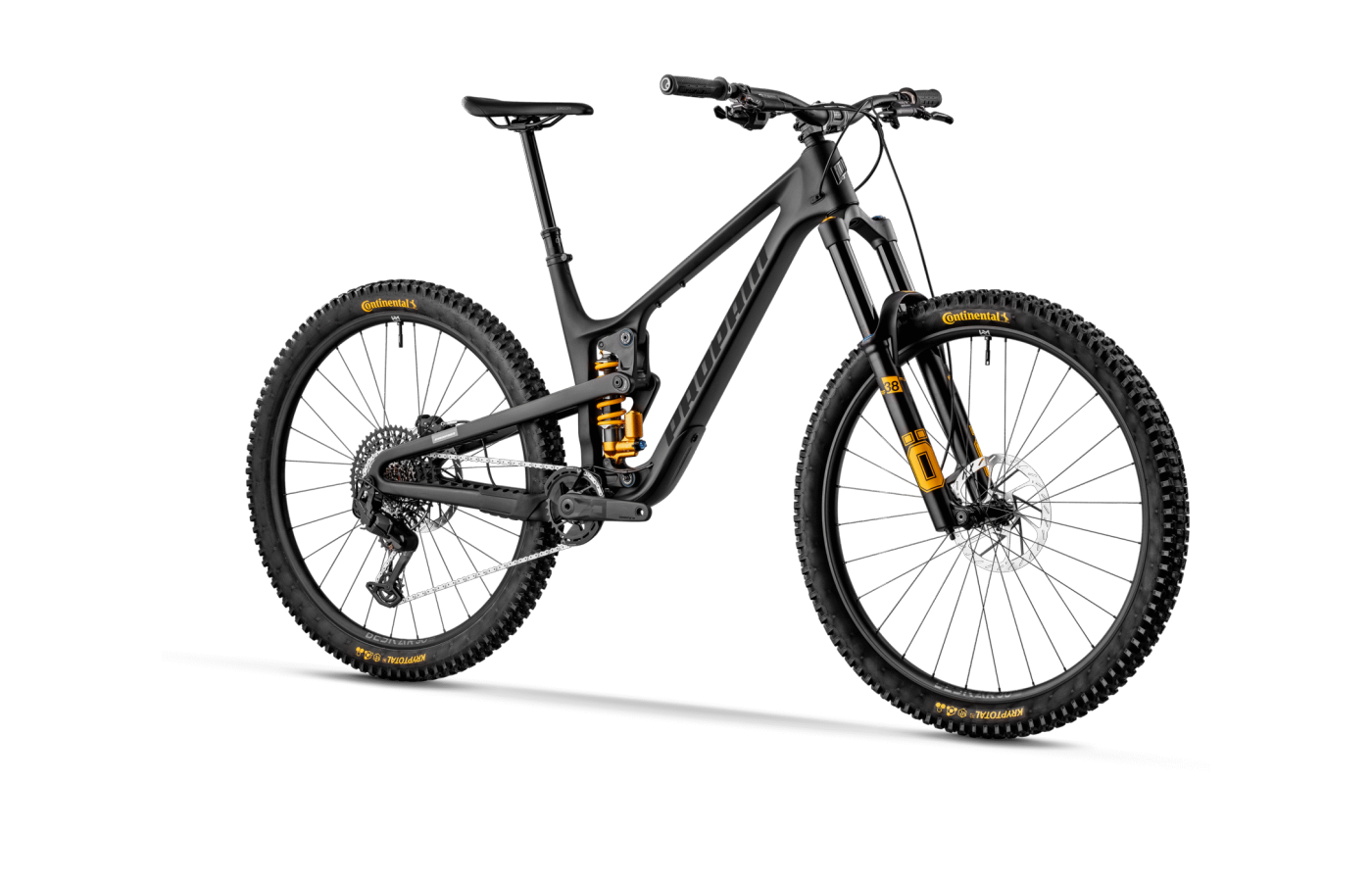
Propain Tyee vs Santa Cruz Megatower
Read comparison→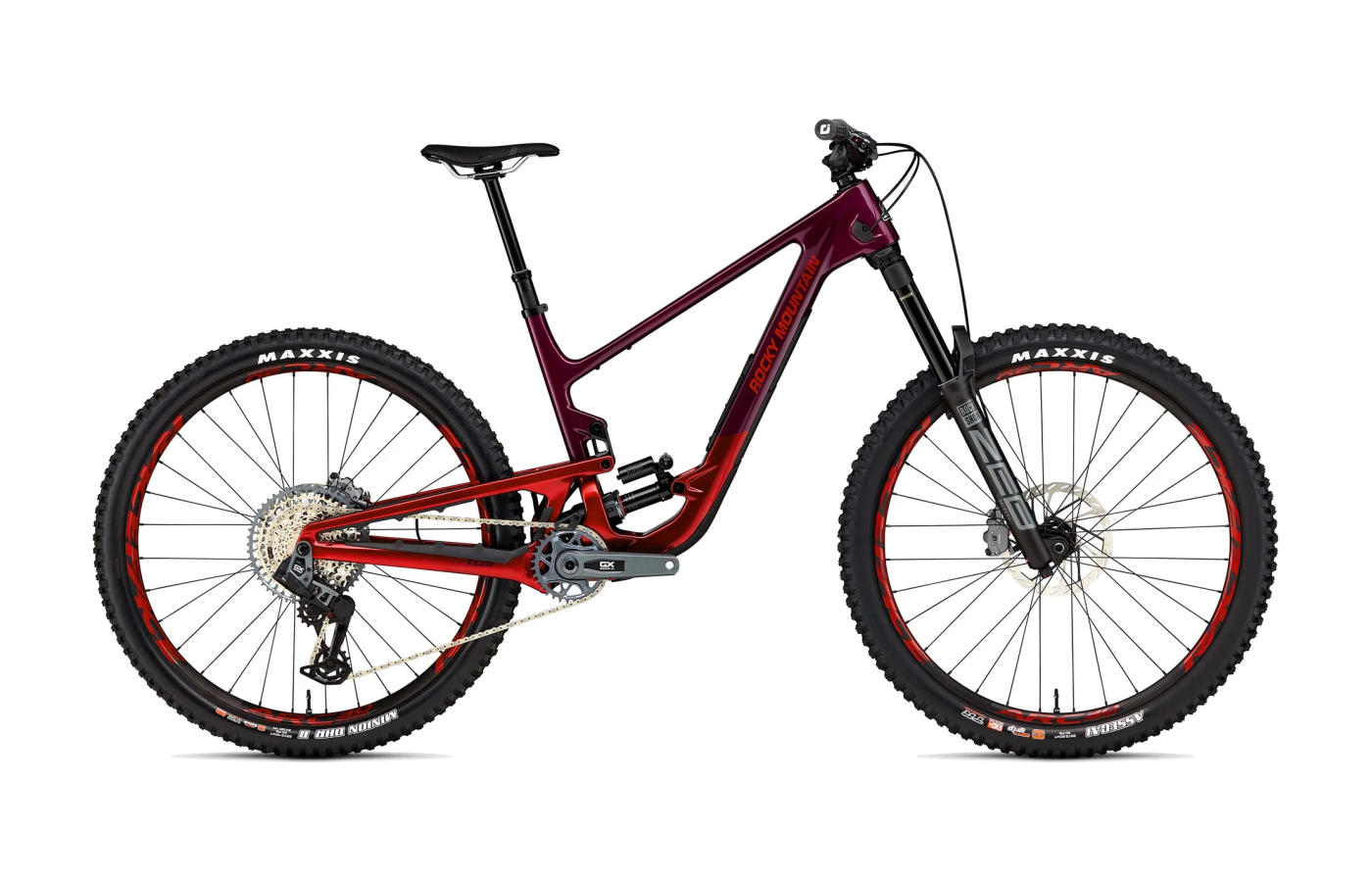
Rocky Mountain Altitude vs Santa Cruz Megatower
Read comparison→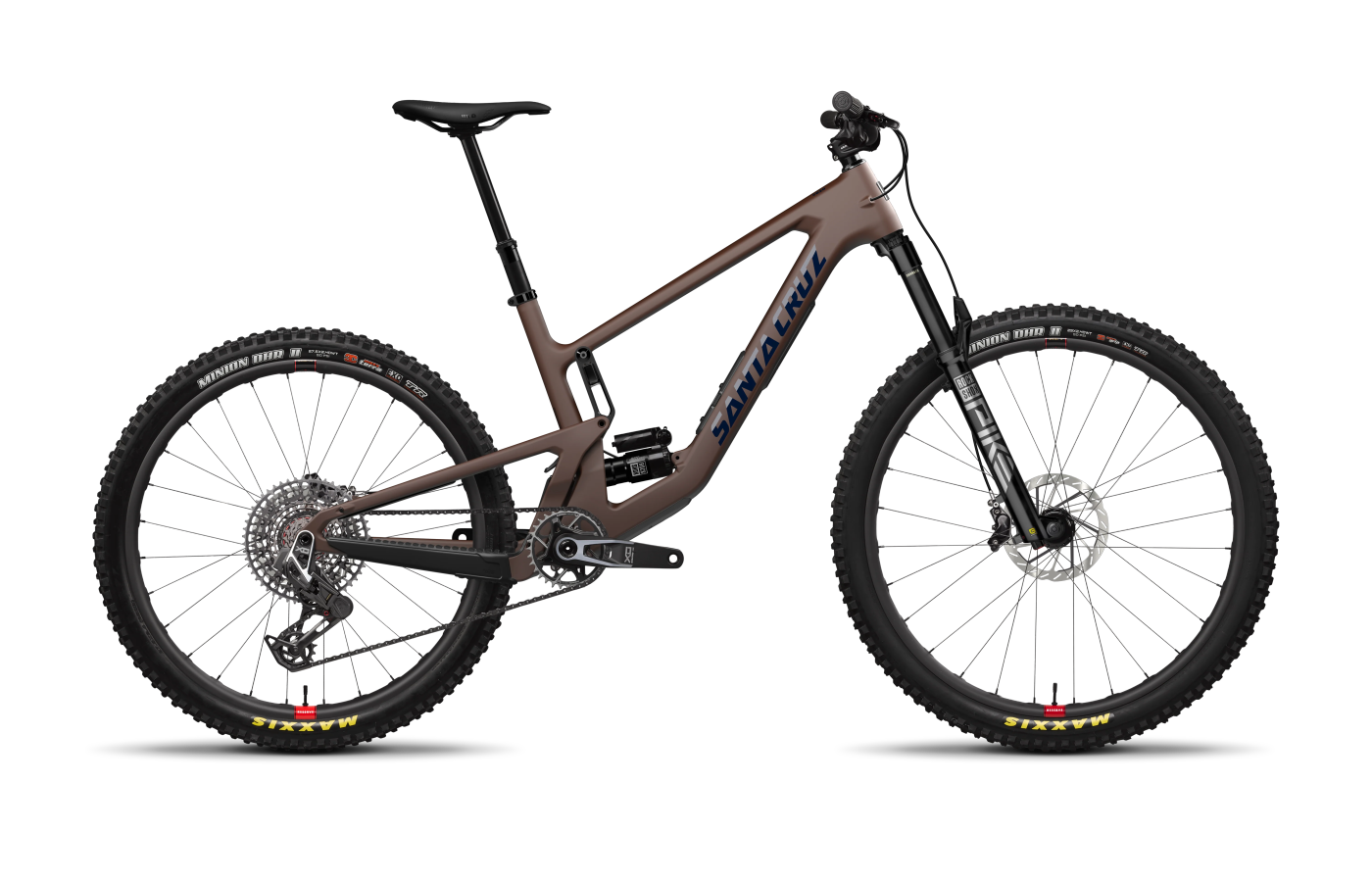
Santa Cruz 5010 vs Megatower
Read comparison→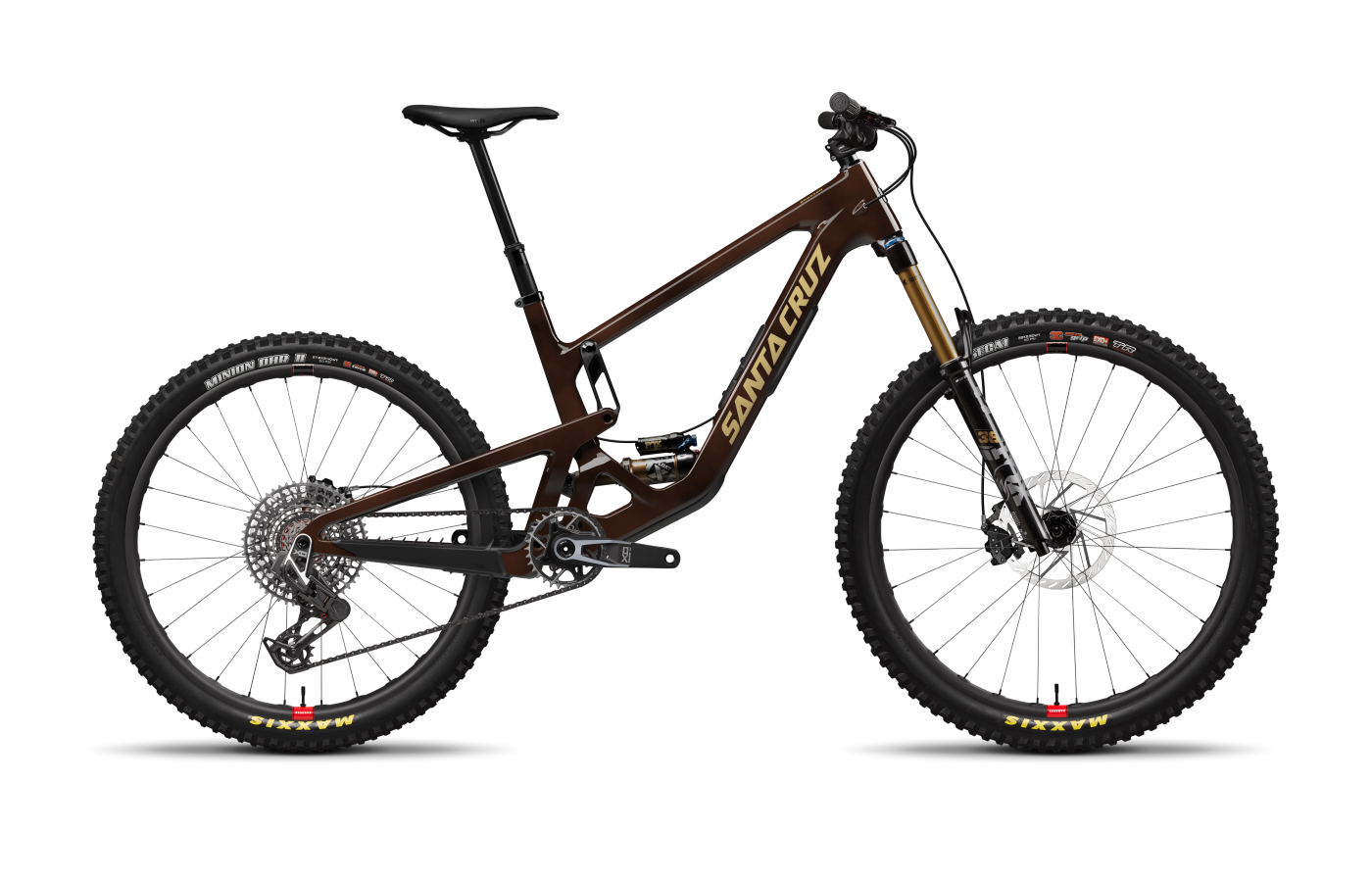
Santa Cruz Bronson vs Megatower
Read comparison→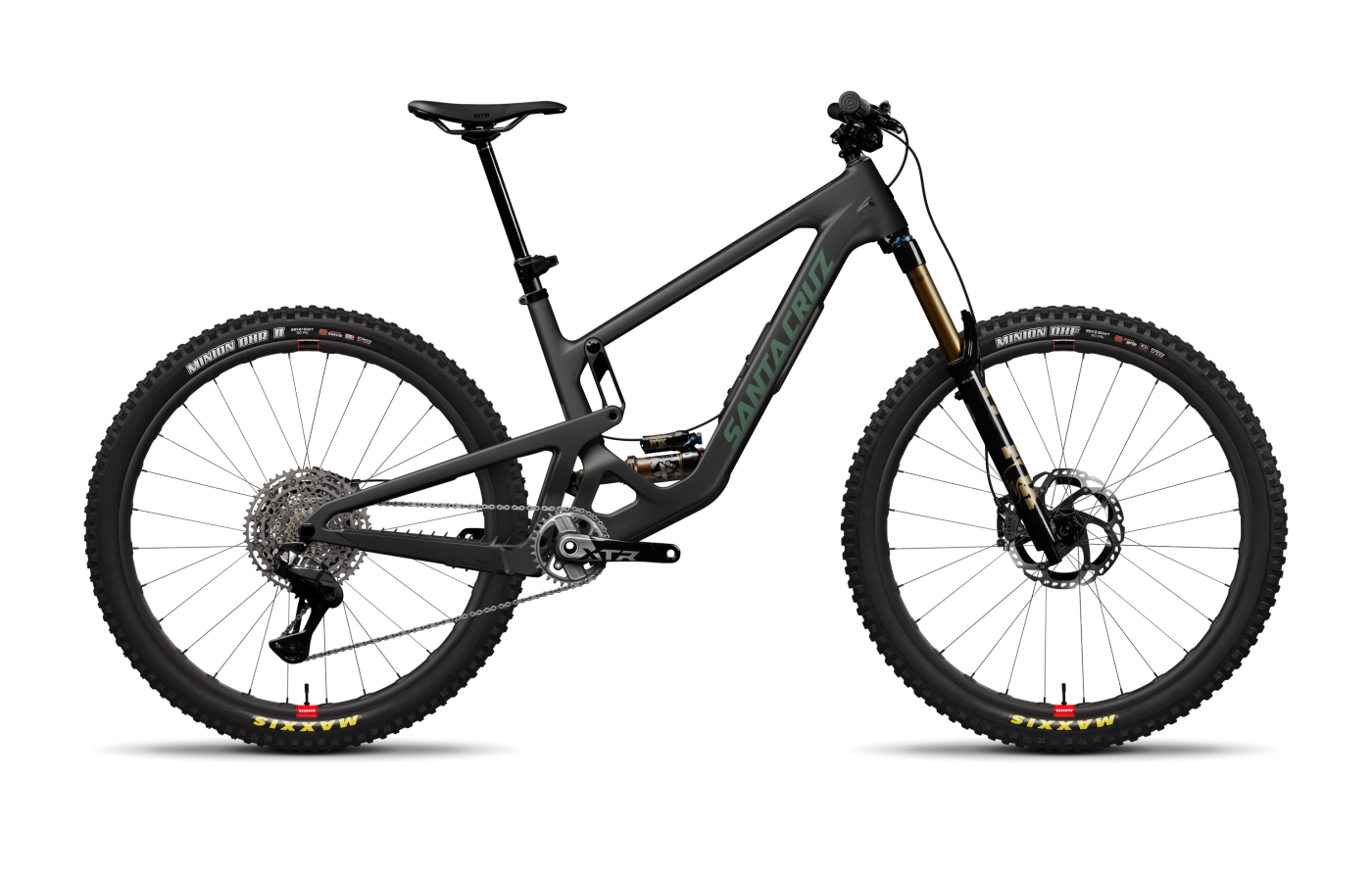
Santa Cruz Hightower vs Megatower
Read comparison→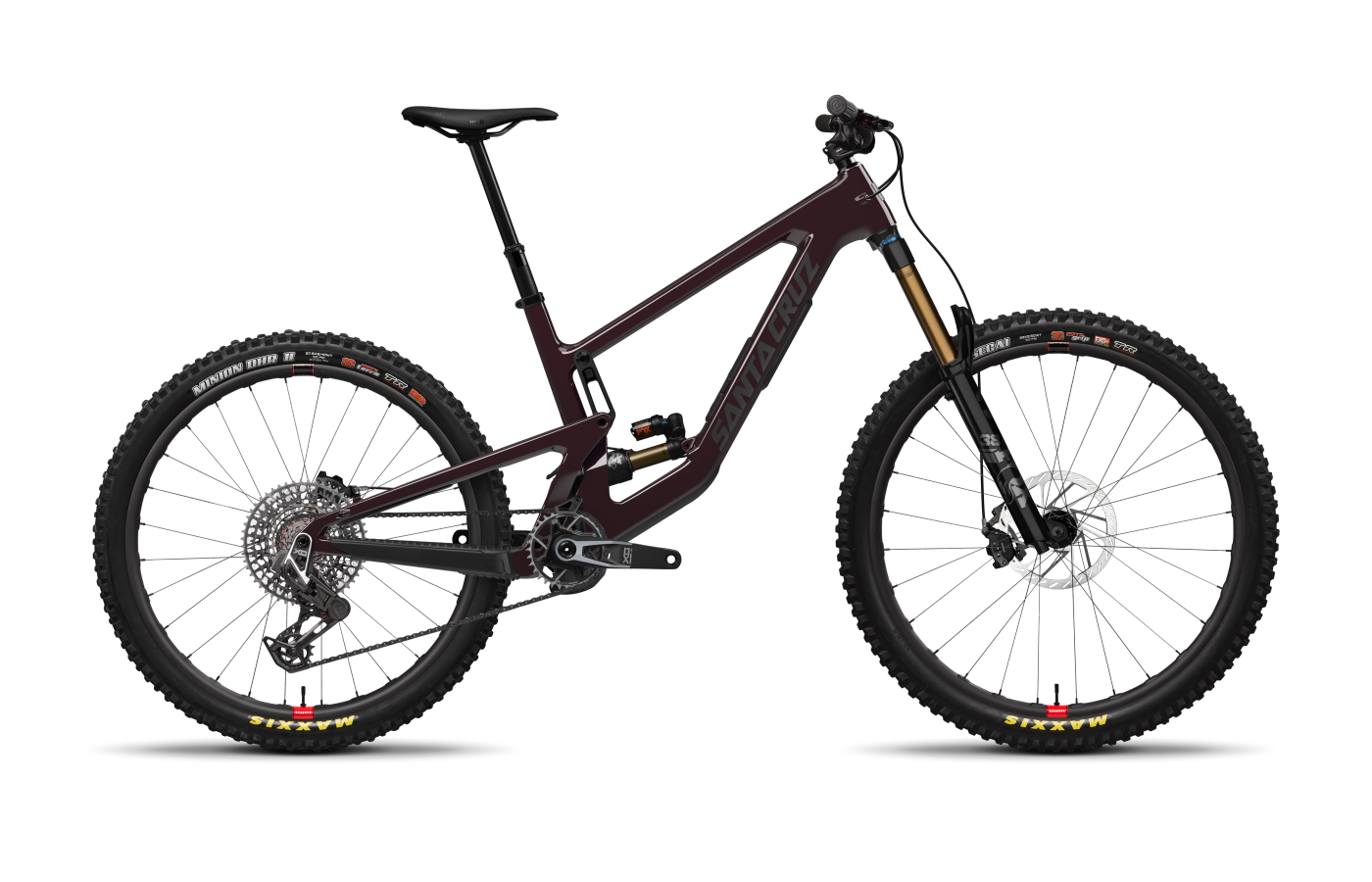
Santa Cruz Megatower vs Nomad
Read comparison→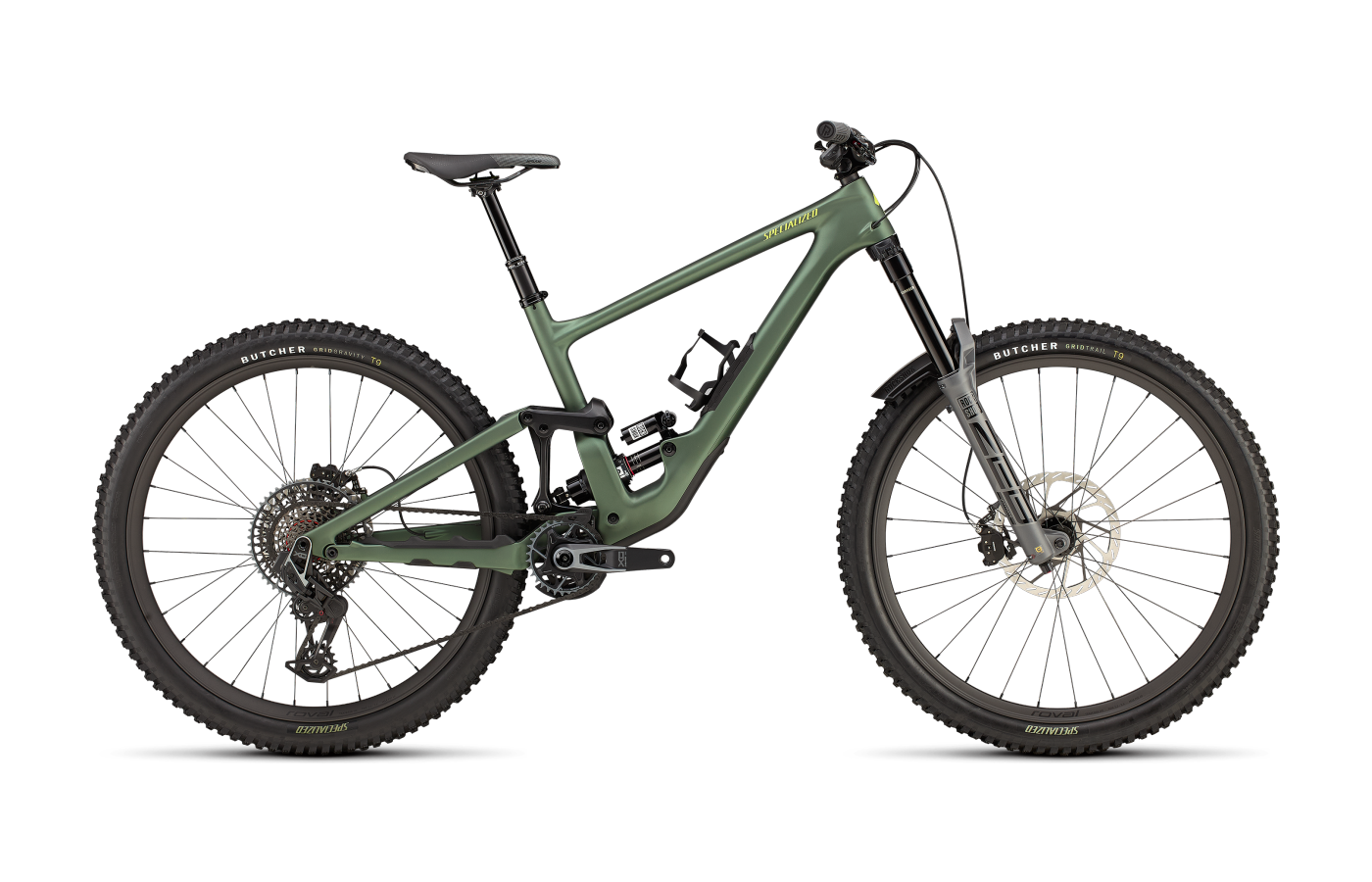
Santa Cruz Megatower vs Specialized Enduro
Read comparison→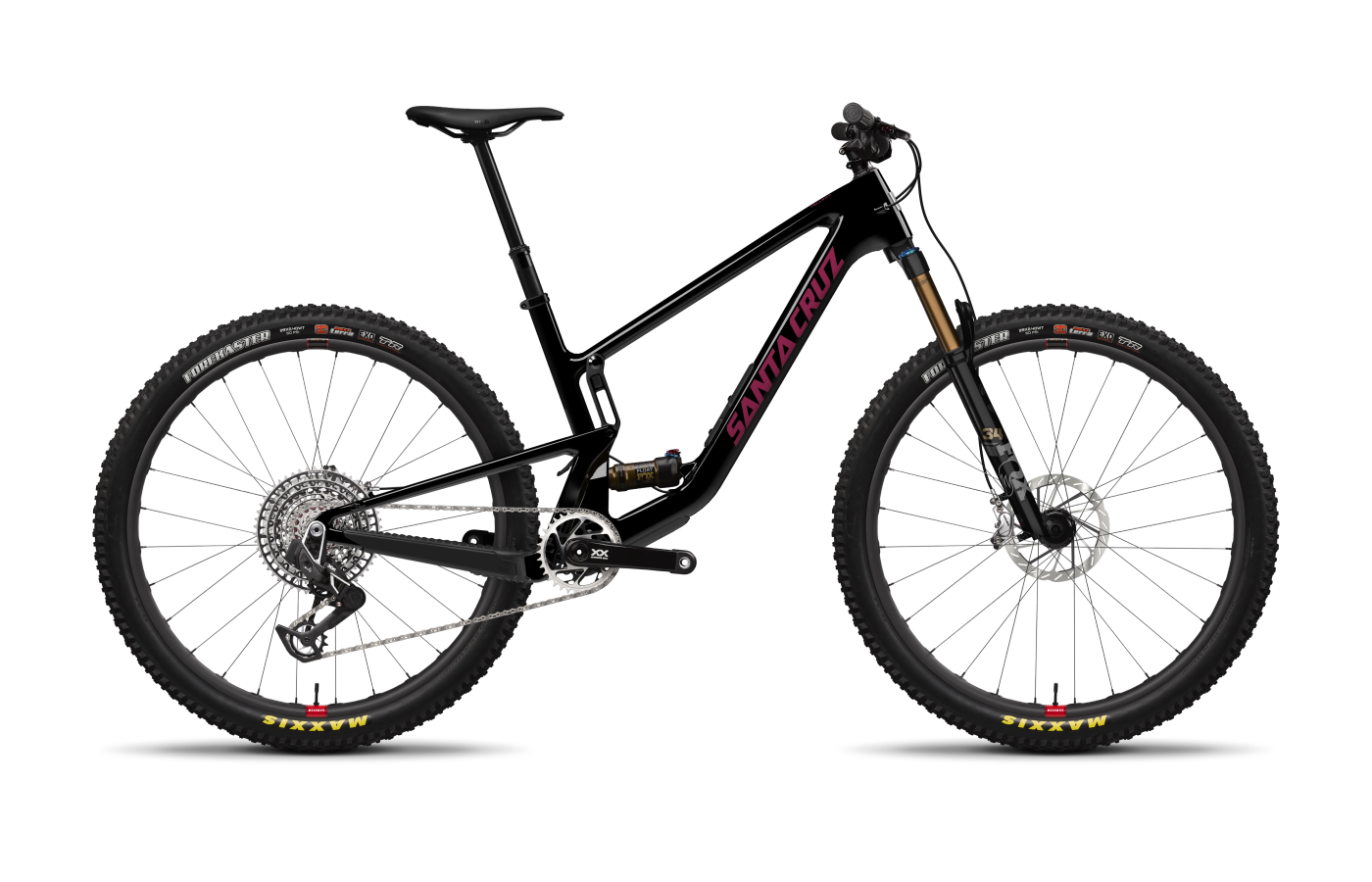
Santa Cruz Megatower vs Tallboy
Read comparison→Santa Cruz Megatower vs Transition Spire
Read comparison→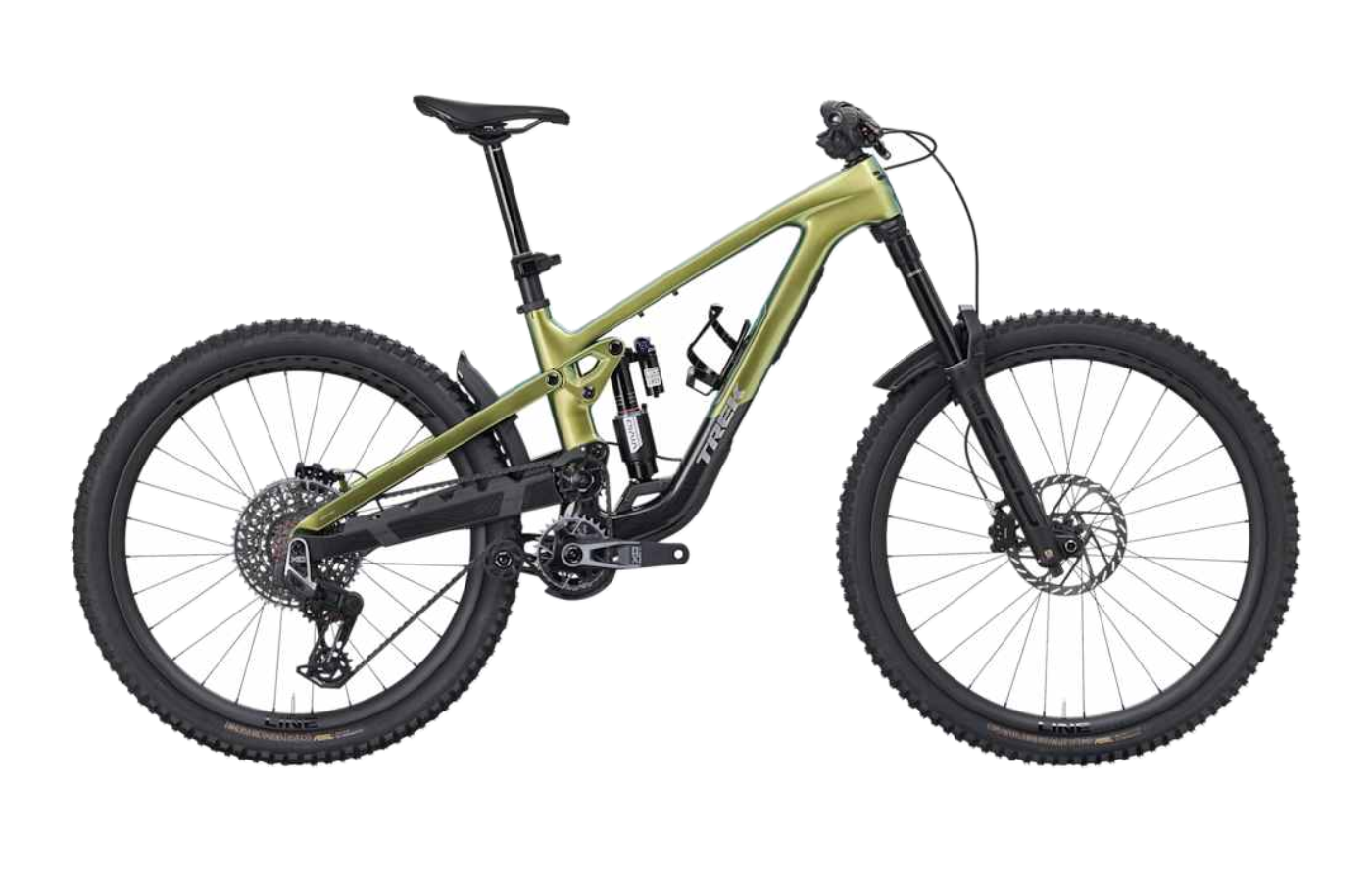
Santa Cruz Megatower vs Trek Slash
Read comparison→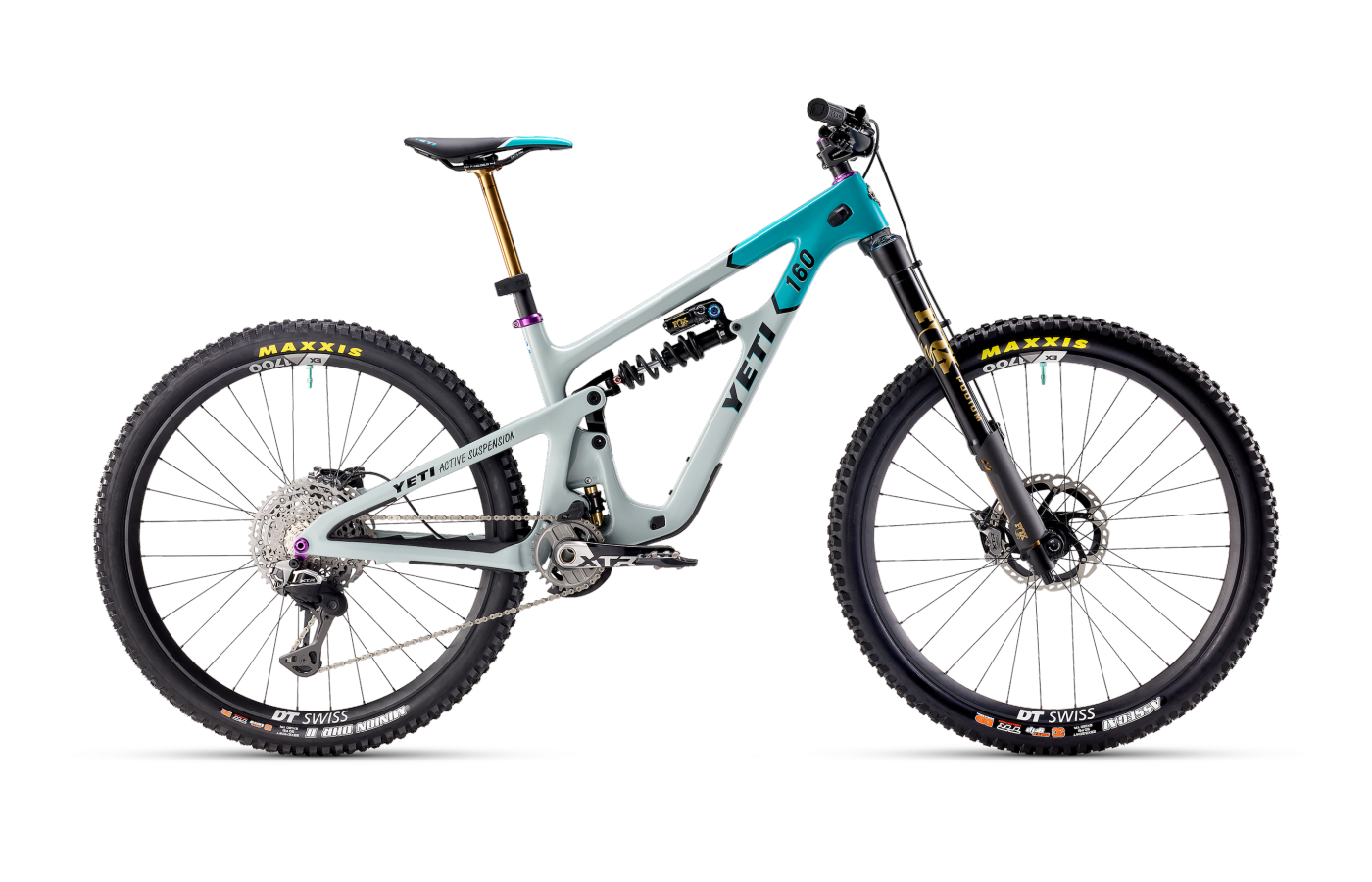
Santa Cruz Megatower vs Yeti SB160
Read comparison→