Hightower
vsMegatower
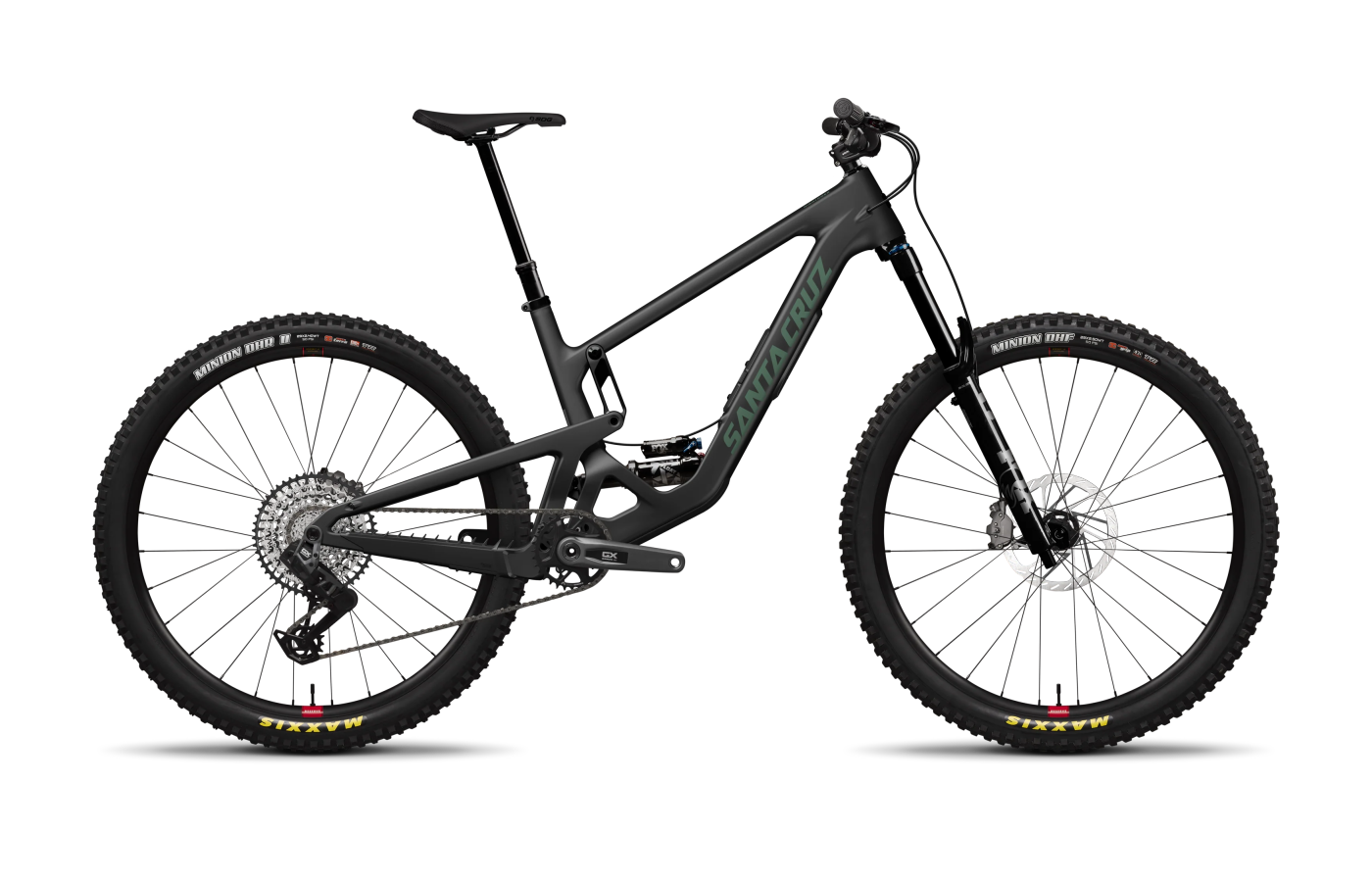
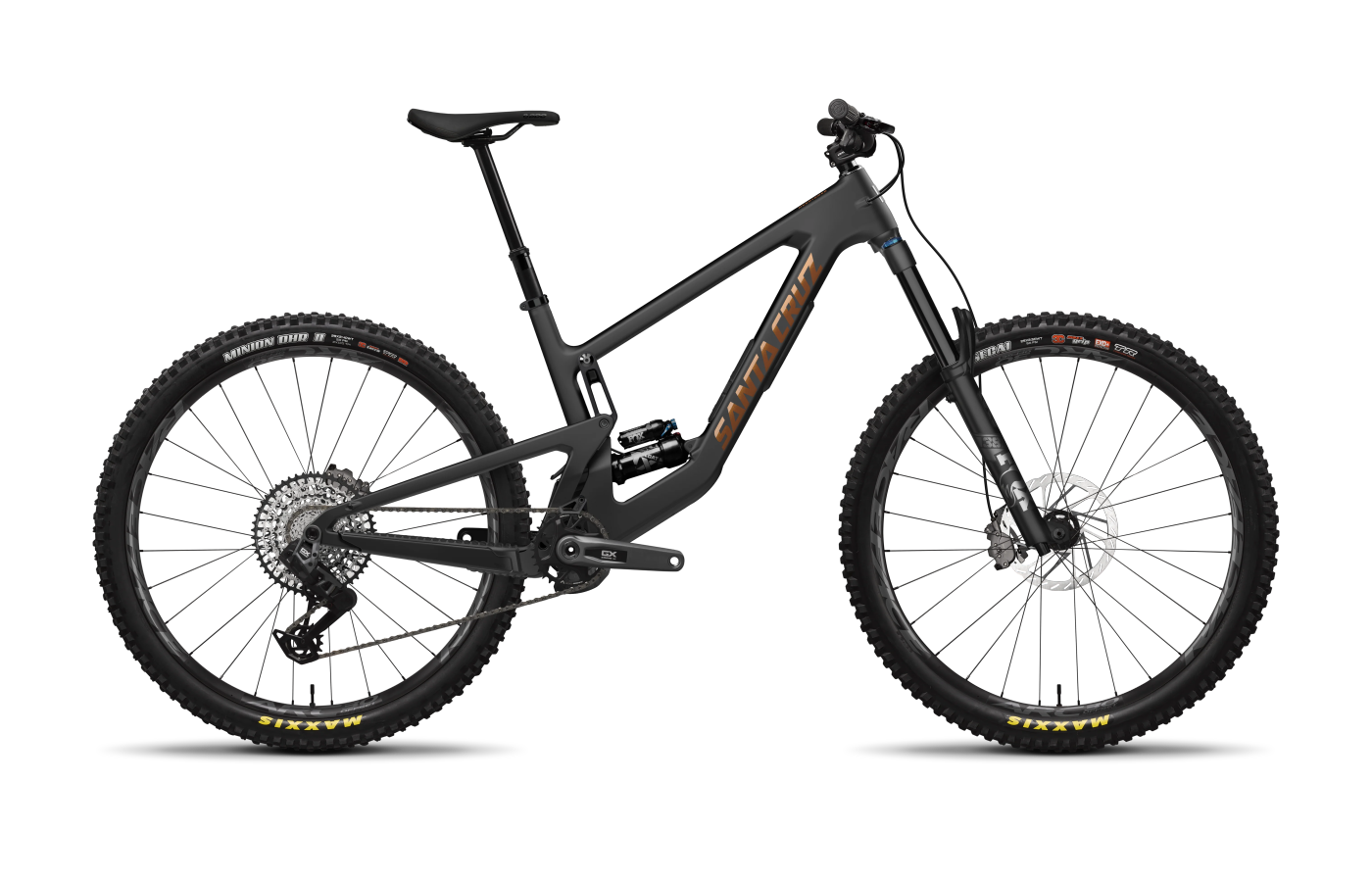
Same family, different mountains.
The Hightower V4 is the do-most trail bike that grew teeth. The Megatower 2 is the dedicated enduro charger that doesn't pretend otherwise.
Hightower
- Earns its descents — 14.8 kg GX AXS build climbs willingly thanks to the 77.9 deg seat angle and active VPP traction.
- Wider build range — $4,999 R build to $11,399 XTR RSV gives buyers a real entry point the Megatower lacks.
- More confidence than the V3 — slacker geometry and 10 mm more travel without giving up the all-day character.
- Tall 632 mm stack on size M can feel wandery on steep climbs without lower-rise bars or stem spacers.
- Stock Maxxis EXO casings are widely flagged as undergunned for the bike's enduro-leaning capability.
Megatower
- Genuinely composed at speed — 170/170 mm travel and 63.8 deg HTA flatten terrain that would have the Hightower hunting for lines.
- Beefier suspension out of the box — Fox 38 fork and Float X (or Float X2) shock are tuned for sustained abuse, not just spec-sheet weight.
- Stock tires actually match the bike — Maxxis Assegai EXO+ front and Minion DHR II DoubleDown rear, the casings the Hightower should ship with.
- Carbon-only frame and $6,099 entry price exclude the budget buyers the Hightower welcomes.
- At ~15.9 kg in GX AXS trim, every non-technical climb is meaningfully more work than on the Hightower.
Editor’s analysis
Same brand, same VPP DNA, same Glovebox storage — but what kind of descent you point them at decides everything.
On paper the Santa Cruz Hightower and Santa Cruz Megatower live one cell apart in the same lineup: both 29ers, both Santa Cruz VPP, both with size-specific chainstays and Glovebox internal storage. The fourth-gen Hightower runs 150 mm rear / 160 mm front; the Megatower 2 stretches that to 170 mm rear / 170 mm front. That 20 mm gap sounds small, but it lands the bikes in genuinely different segments.
The Hightower V4 is the do-most-things bike that just got more aggressive. Reviewers across Flow Mountain Bike, Bebikes, and Evo describe it as a "mini-enduro" — slacker than the V3 at 63.9 deg HTA in low, longer wheelbase, more active rear end. It still climbs willingly thanks to a 77.9 deg seat angle and a reasonable 14.8 kg weight on the GX AXS build. It just rewards aggressive descending more than the V3 ever did.
The Megatower 2 picks one job and finishes it. The Fox 38 fork, longer-stroke shock with a flatter leverage curve, and 63.8 deg head angle exist to flatten chunder at speed. Reviewers from Blister and BikeRadar consistently call it "mini-DH" — a bike that rewards commitment, comes alive above 30 km/h, and feels muted on mellow trails. Climbing is surprisingly tolerable for 170 mm of travel, but at ~15.9 kg in the GX AXS build, the Megatower asks more of you on every fire-road grind.
Put another way: the Santa Cruz Hightower is the bike for the rider whose home loop has both 1,500 ft of climbing AND a black-diamond descent. The Santa Cruz Megatower is the bike for the rider who shuttles, races EWS-style stages, or rides terrain steep enough that every meter of travel earns its keep.
Where the builds differ.
Comparing our editor's-pick builds side-by-side. Winners highlighted row-by-row — lower price and weight, and the better-spec component, each mark a point.
Build variants & pricing
The Hightower spans $4,999 to $11,399 across nine builds. The Megatower starts at $6,099 and tops out at $9,749 across four — no aluminum, no entry-level option.
The two GX AXS builds match at $7,249 — same drivetrain tier, same Fox Performance Elite suspension level, same wheel option. The Hightower GX AXS uses the lighter Carbon CC frame; the Megatower GX AXS uses the heavier Carbon C layup (Santa Cruz reserves CC on the Megatower for the X0 AXS builds and up). Prices are current US MSRP.
How they fit, how they steer.
Both at size M. Reach within 5 mm (460 vs 455), stacks within 7 mm (632 vs 625). The Megatower runs 0.4 deg slacker at the head tube and 0.5 deg slacker at the seat tube — small numbers that show up as more descending composure and slightly less aggressive climbing posture.
Which size should I buy?
Sizing is conservative on both — pick by reach and effective top tube; the size ranges overlap closely from S through XXL.
→These are starting points. Flexibility, riding style, and preferred position all shift the answer — if you’re between sizes, a professional fit beats a chart.
What the magazines said.
Published reviews from trusted cycling outlets. Click through for the full write-up.
Which one should you buy?
If your trail day is half climb, half descent, get the Hightower. If your trail day is shuttle laps and gnar, get the Megatower.
Hightower
If your local loop mixes sustained climbing with steep, technical descents — and you want one bike for all of it — the Hightower V4 is the answer. Aggressive enough for rowdy descents, light enough to earn them.
Megatower
If your weekends are bike-park laps, shuttled chunder, or EWS-style stages, the Megatower flattens what the Hightower has to pick lines through. It asks for commitment on the climbs and rewards it on every descent.
Questions buyers actually ask.
Short answers to the things we get emailed about most often.
01How much travel difference is there really?
Hightower V4: 150 mm rear, 160 mm front.
Megatower 2: 170 mm rear, 170 mm front.
That's 20 mm at the rear and 10 mm at the front. It sounds incremental, but combined with the Megatower's burlier Fox 38 fork (vs the Hightower's Fox 36), longer-stroke rear shock, and slacker geometry, the on-trail difference is closer to a full segment shift — trail-bike-with-attitude vs dedicated enduro rig.
02Which climbs better?
The Hightower, comfortably. The GX AXS Hightower comes in around 14.8 kg vs ~15.9 kg for the GX AXS Megatower — about 1.1 kg, or roughly 1.5% of a 70 kg rider's system weight. It also sits 0.5 deg steeper at the seat tube (77.9 vs 77.4 on size M), giving a more upright, weight-forward position on steep grinds.
That said, multiple reviewers (Bebikes, NSMB, Evo) note the Megatower climbs better than its travel suggests — the steep seat angle and active VPP traction help it cope with technical ups. It's just measurably more work on smooth fire-road climbs.
03Which descends better?
The Megatower, by design. The Fox 38 fork, longer-stroke rear shock with a flatter leverage curve, and 63.8 deg head angle let it stay composed in terrain where the Hightower starts asking the rider to pick lines. Blister and BikeRadar both compare it to a "mini-DH" bike at speed.
The Hightower V4 isn't a slouch — at 63.9 deg in low, with 150/160 mm of travel, it descends much harder than the V3 did. But on truly steep, sustained, high-speed terrain, the Megatower's extra suspension and more aggressive front end pull ahead clearly.
04Are the geometries actually that different?
Less than you'd think. On size M, reach is 460 mm (Hightower) vs 455 mm (Megatower). Stack is 632 vs 625. Wheelbase is 1237 vs 1236. Chainstays are 436 vs 437.
The two meaningful deltas are the head tube angle (64.2 vs 63.8 in stock setting — 0.4 deg slacker on the Megatower) and the seat tube angle (77.9 vs 77.4 — 0.5 deg slacker on the Megatower). Both bikes use size-specific chainstays. Both have flip chips that adjust angles by ~0.3 deg.
05What's the best-value build on each bike?
On the Hightower, reviewers consistently single out the GX AXS at $7,249 as the value sweet spot — it pairs the Carbon CC frame with Fox Performance Elite suspension and the SRAM GX AXS Transmission drivetrain.
On the Megatower, the GX AXS at $7,249 is the analogous pick — same drivetrain tier, same Performance Elite suspension level, same price. The catch is that the Megatower GX AXS uses the heavier Carbon C frame; you have to step up to the X0 AXS at $8,699 to get the lighter CC layup.
06Why does Santa Cruz make both?
They serve different riders. The Hightower is built around the rider who wants one capable bike — the kind who'll climb 1,500 ft to ride a black-diamond descent and then climb back up. The Megatower exists for the rider who's already past that and wants a bike that prioritizes the descent over everything else: bike-park days, EWS-style enduro stages, big terrain like the North Shore or the Alps.
If you have to ask which one you are, you're almost certainly the Hightower buyer.
07Should I upgrade tires immediately?
On the Hightower, yes — multiple reviewers (Enduro MTB, PinkBike) flag the stock Maxxis EXO casings as too light for the bike's 160 mm front travel and enduro-leaning intent. EXO+ front and DoubleDown rear is the common recommendation.
On the Megatower, the stock spec is already Maxxis Assegai EXO+ front and Minion DHR II DoubleDown rear — closer to the right answer out of the box.
08What warranty do they come with?
Both come with Santa Cruz's lifetime frame warranty and lifetime pivot bearing replacement to the original owner. Reserve carbon wheels (RSV builds) carry a lifetime rim warranty as well. This is one of the most comprehensive support packages in mountain biking and is consistently cited as a major part of the Santa Cruz value proposition, partially offsetting the brand's premium pricing.
Similar bikes
If your priorities don’t map cleanly onto either of these, one of these adjacent bikes probably fits better.
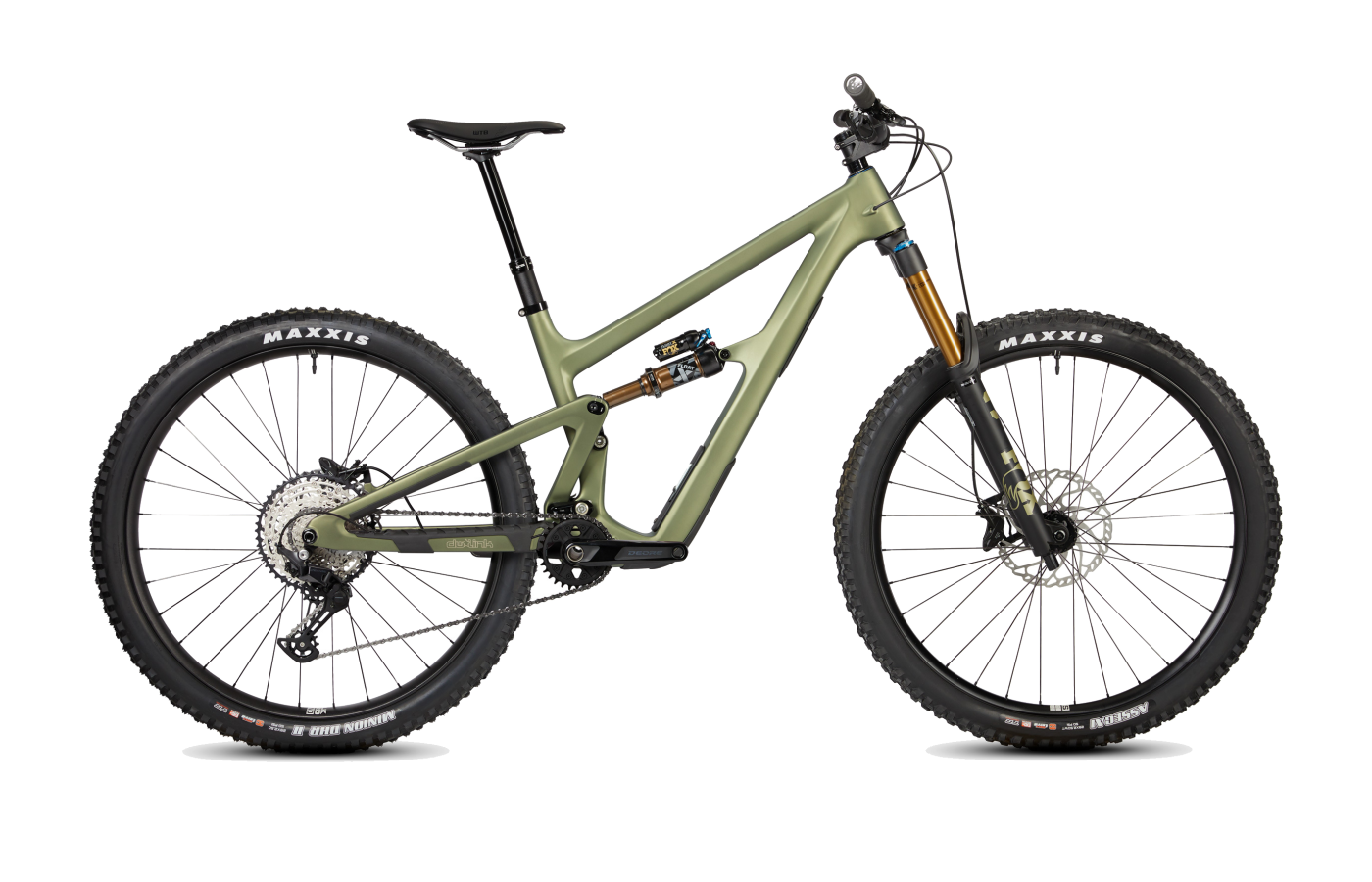
Ripmo
The closest cross-shop to the Hightower — similar travel, similar all-mountain ambition, but with a livelier, snappier reputation that some Hightower reviewers call out as the V4's main rival on technical climbing efficiency.
Compare →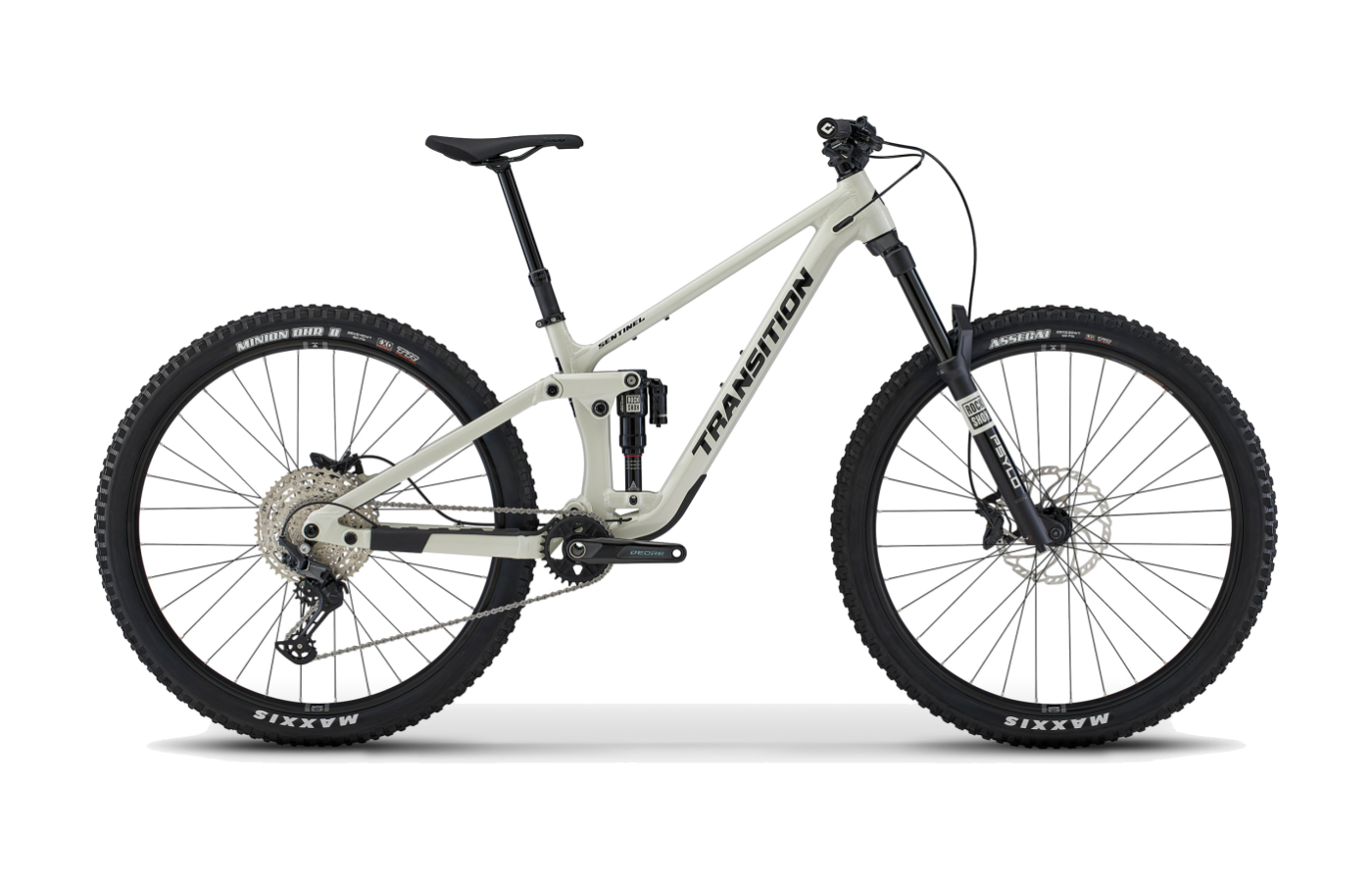
Sentinel
Another aggressive 29er trail-to-enduro platform that lands between the Hightower and Megatower in character. Worth a look if you want the Hightower's all-day pedaling but with a more grounded, planted descending feel.
Compare →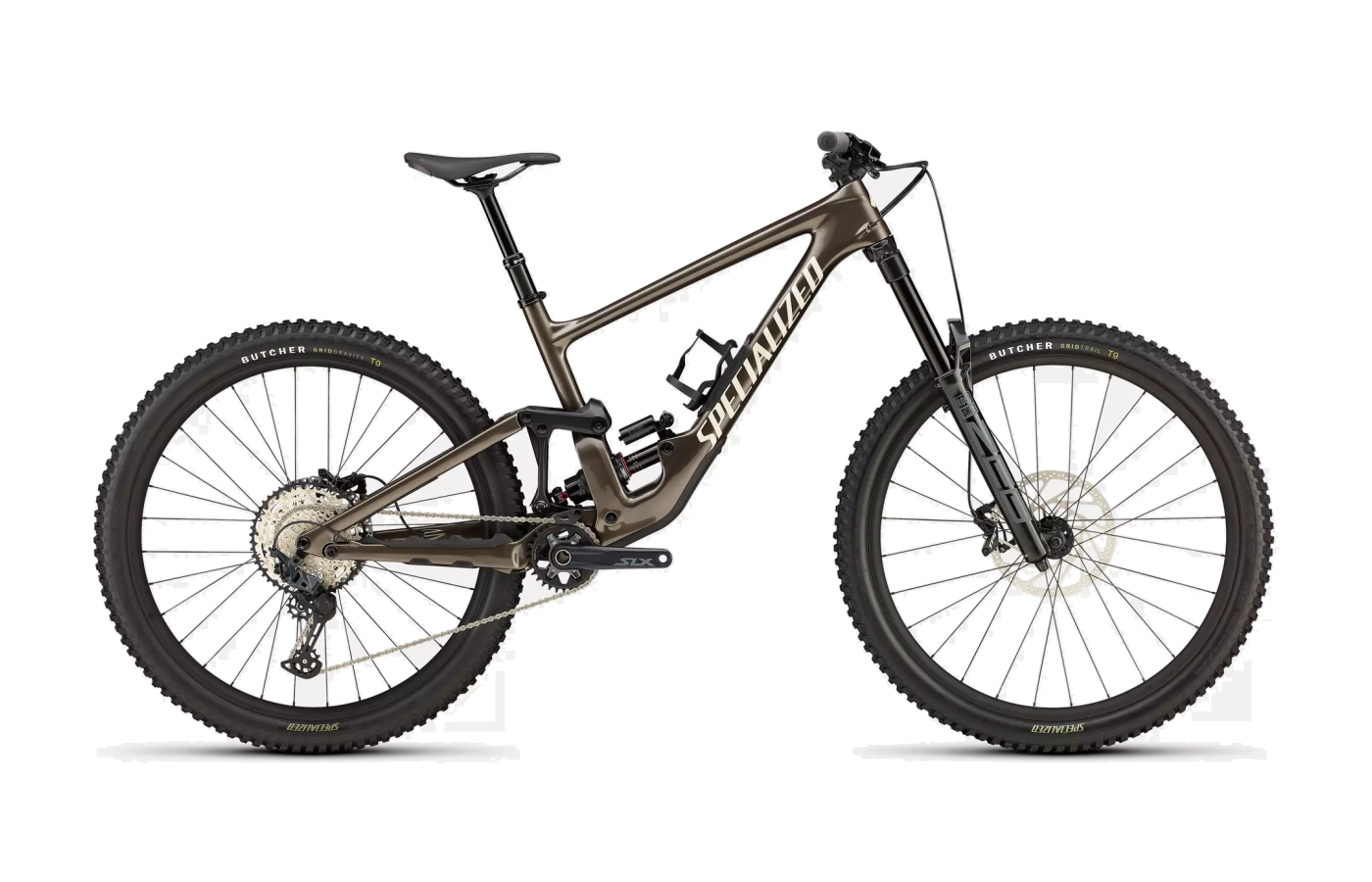
Enduro
If you're seriously considering the Megatower, the Specialized Enduro is the obvious other answer — same long-travel 29er enduro brief, with Specialized's FSR suspension layout and a generally lower entry price across the build range.
Compare →