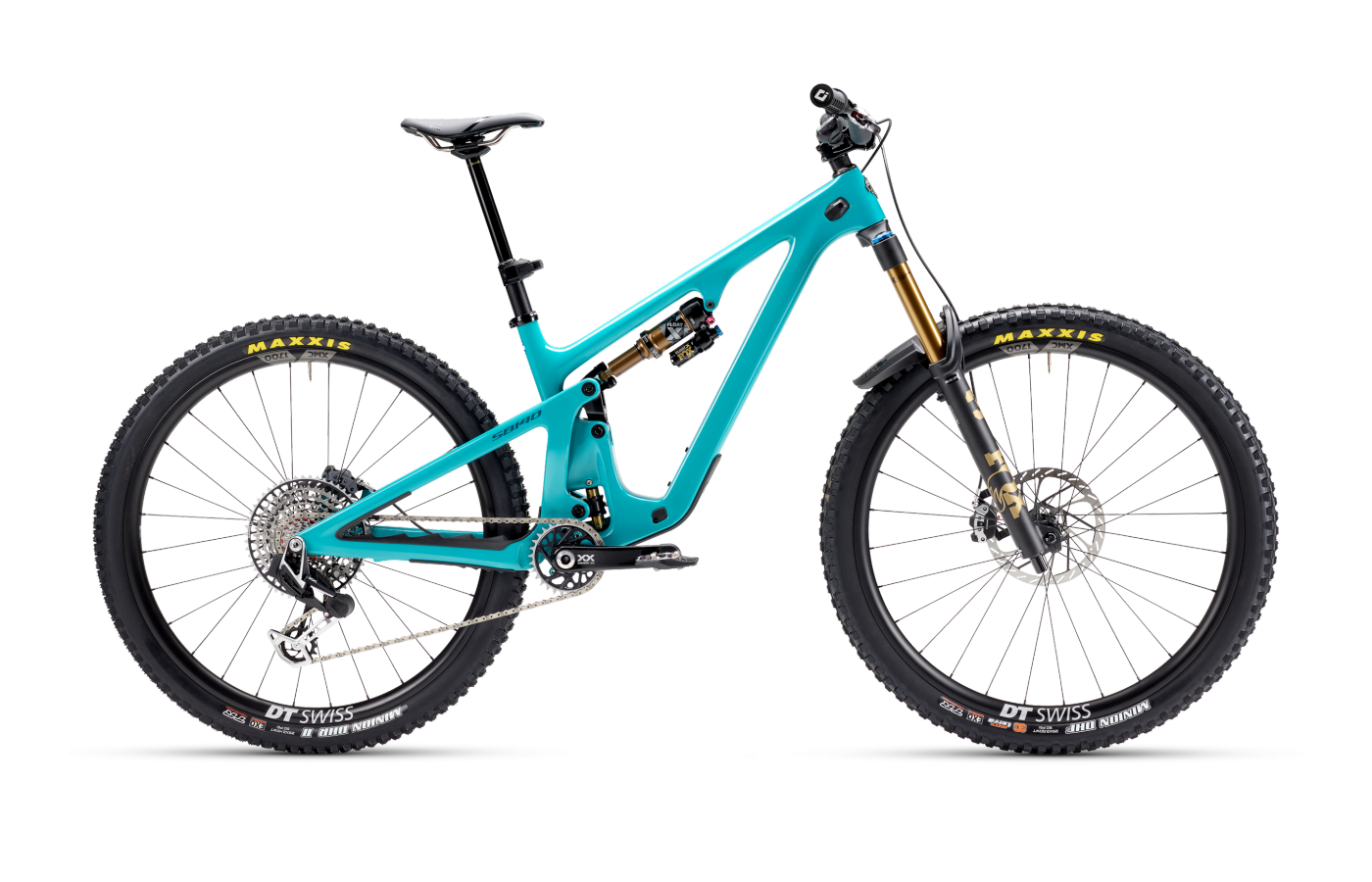
Ripmo
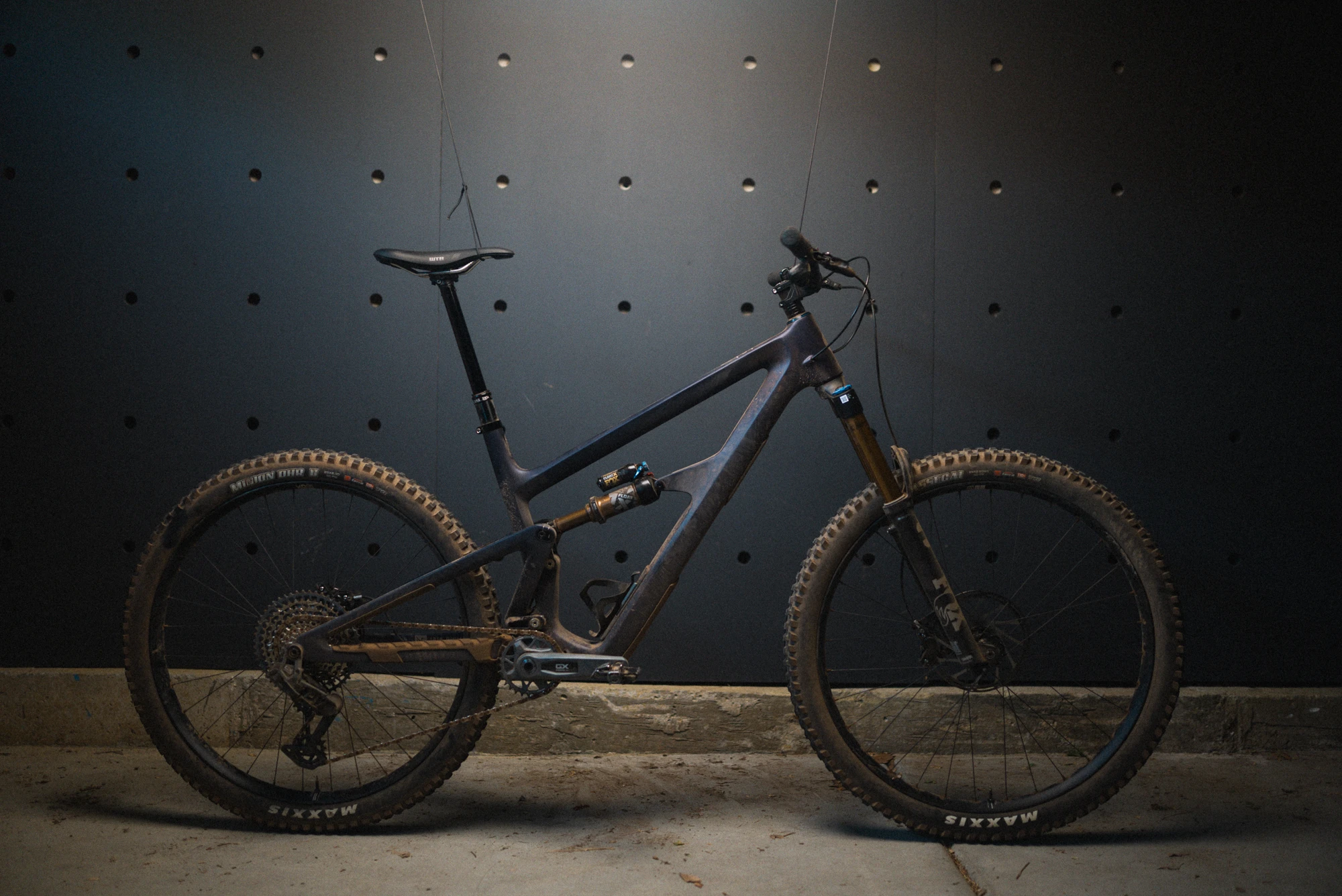
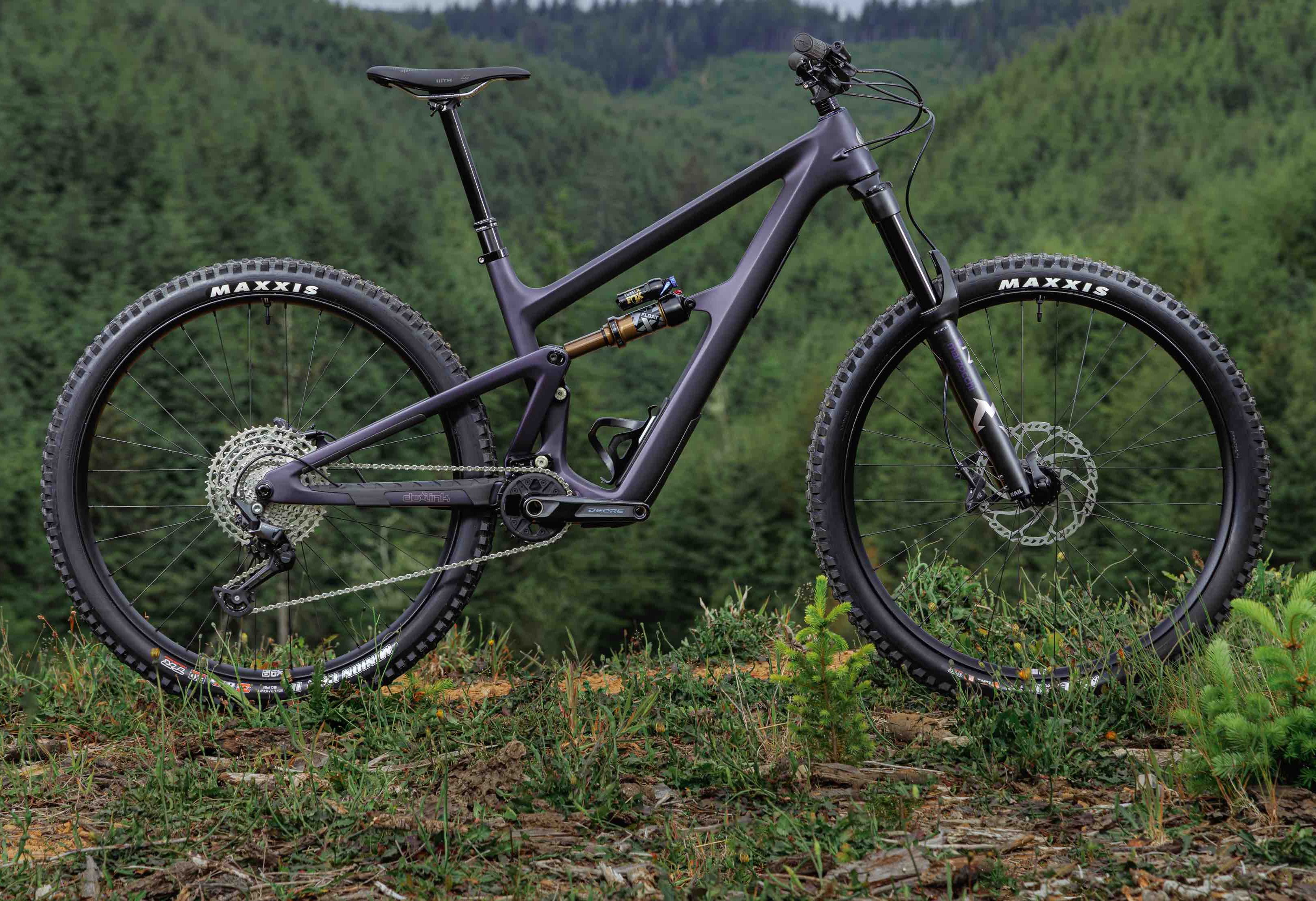
The Ibis Ripmo V3 marks a comprehensive redesign of the brand's popular long-travel platform. Moving away from the curved tubes of its predecessors, the V3 adopts a straight-line aesthetic and introduces modern practicalities like internal downtube storage. Positioned as an aggressive trail and all-mountain bike, it pairs a 160mm fork with 150mm of DW-Link rear travel. Ibis designed this generation to be highly adaptable, incorporating a flip chip that allows riders to run either dual 29-inch wheels or a mixed setup without compromising the frame's kinematics. The platform also introduces an Extra Medium size to better accommodate riders caught between traditional medium and large frames. While it retains the pedaling efficiency the Ripmo name is known for, the V3 leans slightly more toward versatile trail riding than pure enduro racing, making it a strong candidate for riders who want a single long-travel bike for varied terrain.
Geometry & fit.
5 sizes published.
Ibis takes a highly granular approach to the Ripmo V3’s geometry, implementing size-specific dimensions across the five-frame run. Beyond the standard reach adjustments—which span from 436mm on the Small to 540mm on the Extra Large—the brand scales the chainstay length, seat tube angle, and bottom bracket height for each size. The chainstays grow subtly to maintain balance, while the seat tube angles steepen on larger frames to keep taller riders centered over the pedals.
Uniquely, the bottom bracket height increases as frame size goes up. This design aims to give taller riders, who use longer cranks and have longer wheelbases, better clearance over trail obstacles to prevent pedal strikes. The head tube angle sits at a moderate 64.5 degrees across the board, balancing downhill composure with responsive steering. Out of the box, the Small and Medium frames ship with a mixed-wheel setup, while the Extra Medium, Large, and Extra Large come with dual 29-inch wheels. A larger 34.9mm seat tube diameter accommodates robust, long-travel dropper posts.
Where the handlebar sits relative to the bottom bracket — the single most important fit pair.
01Fit geometry5 values
03Handling geometry6 values
Which size should I buy?
Slide your height to see the recommended size. GearWise's fit algorithm works from the published stack, reach, and ETT — the brand's own recommendation may differ.
→Calculated from GearWise's own stack / reach / ETT algorithm — the brand's size chart may recommend a different size, and a proper bike fit beats any calculator.
The lineup.
5 builds, ranging $5,199 – $9,999.
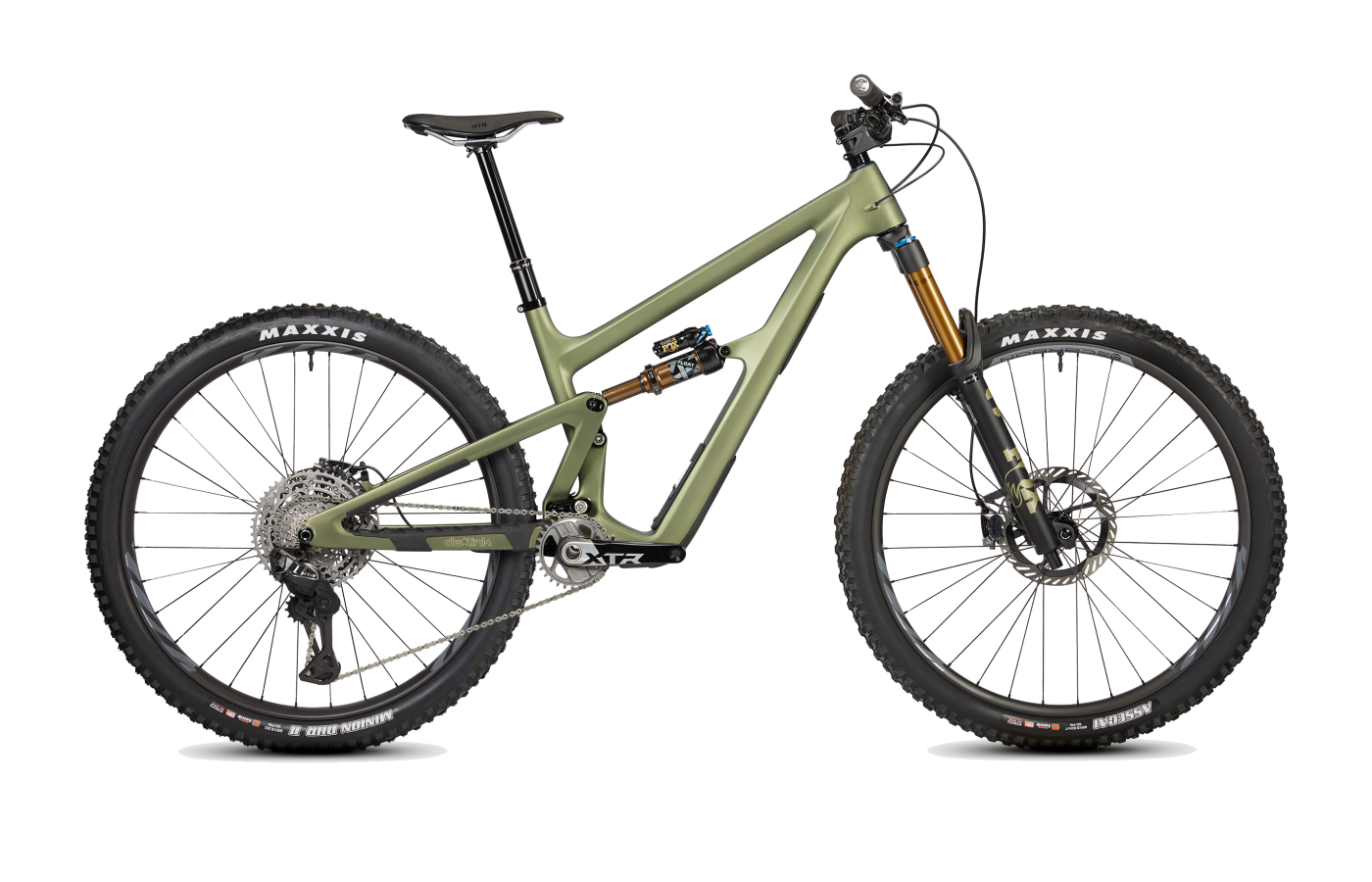
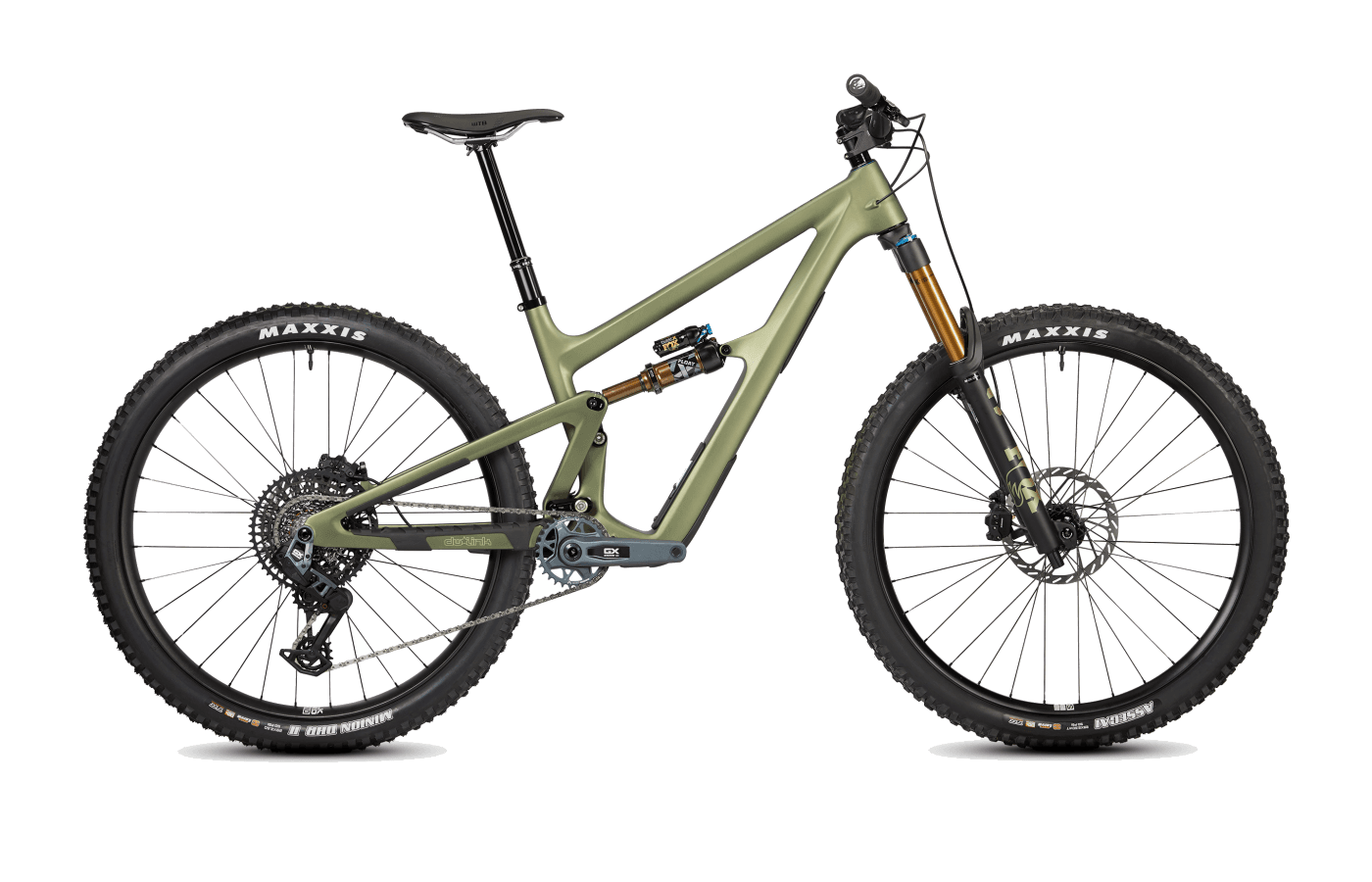
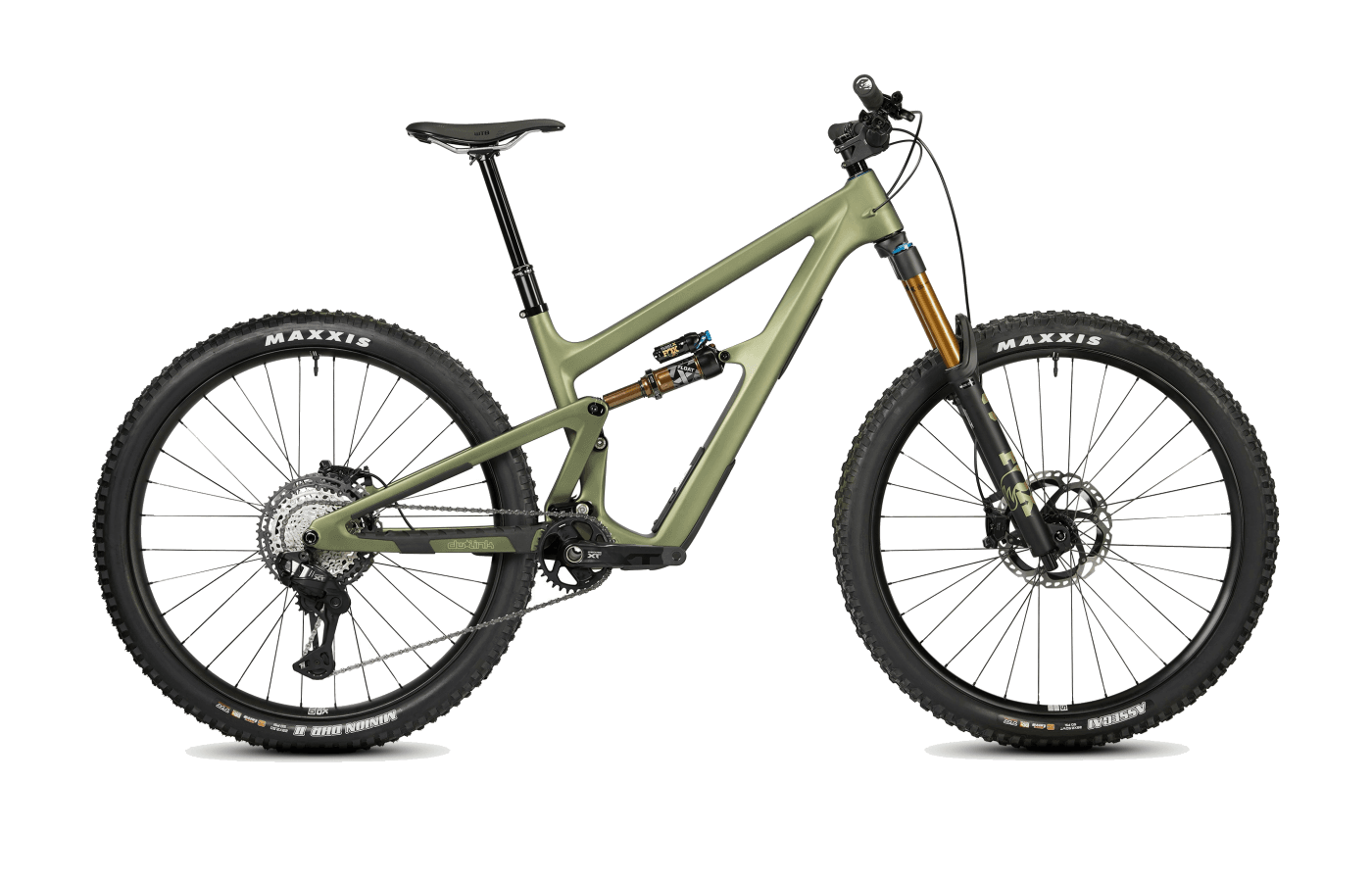
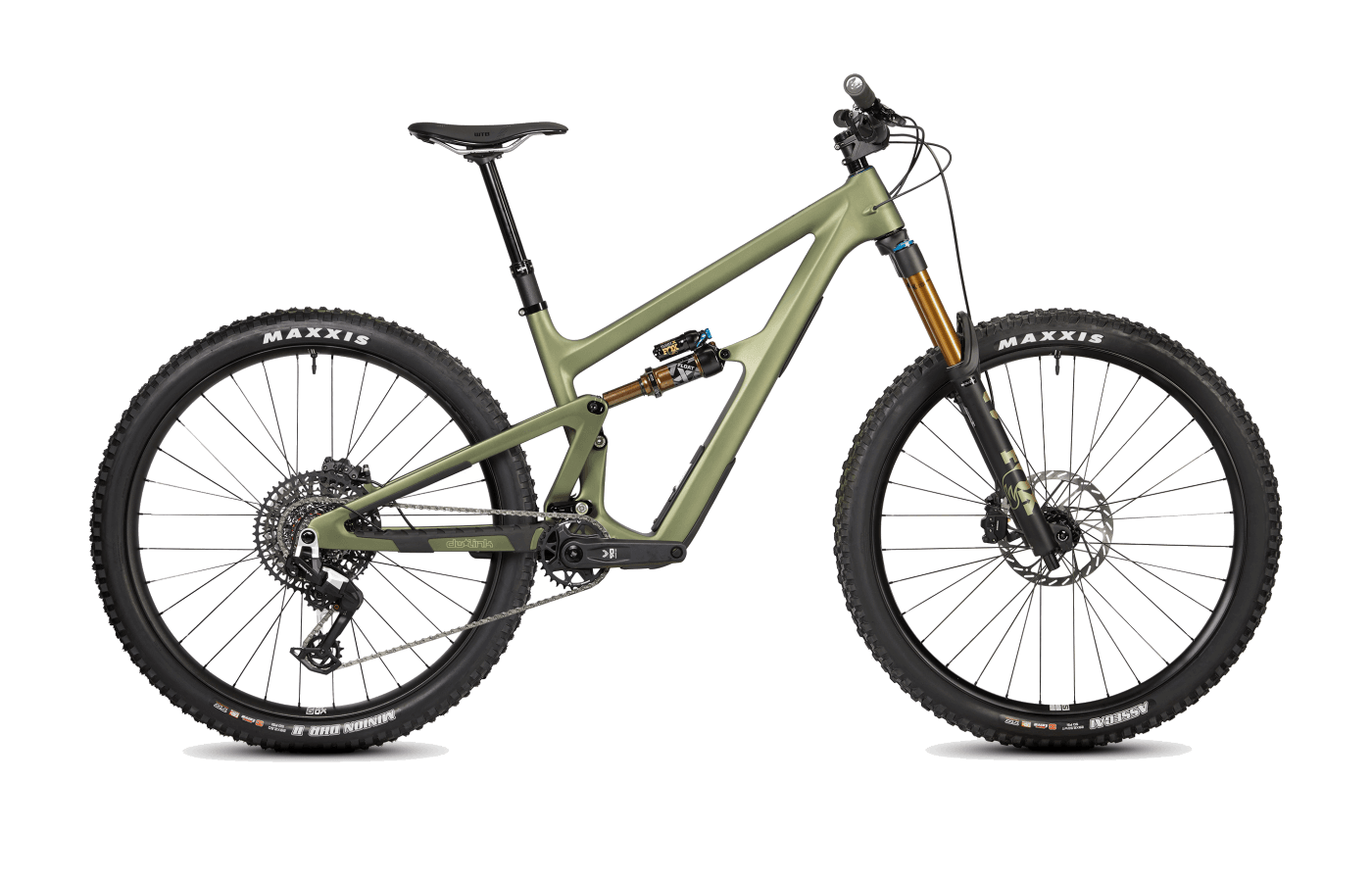
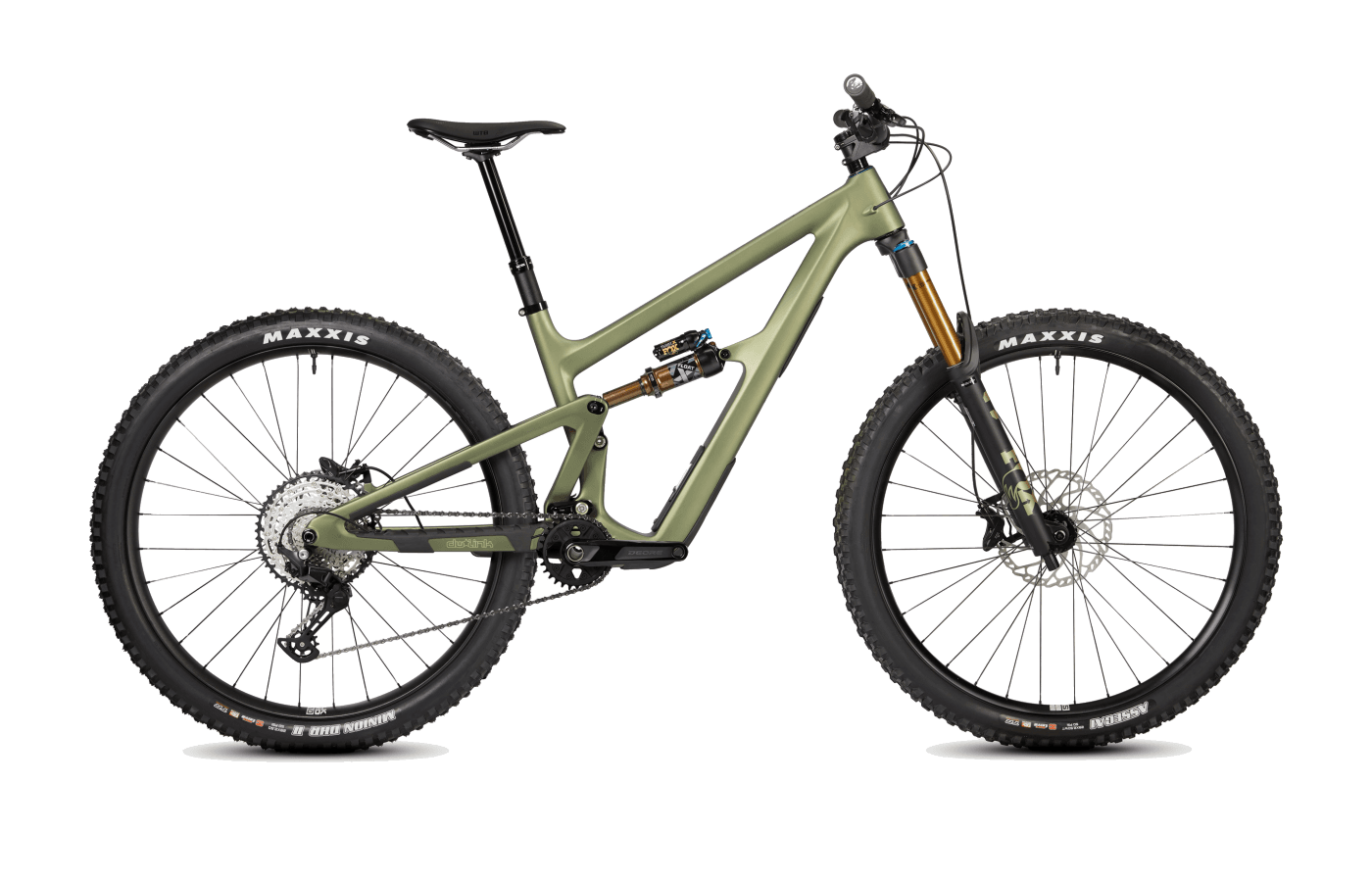
The Ripmo V3 lineup spans five complete builds, starting with a Shimano Deore package and topping out with a premium Shimano XTR option. The mid-range XT and SRAM GX Transmission builds sit at the same price point, offering riders a choice between high-end mechanical shifting and wireless electronic drivetrains.
Suspension is handled by Fox across the board, with most builds featuring a Float 36 fork and a Float X rear shock. Ibis equips the majority of the range with its own Blackbird Send aluminum wheels, which are well-regarded for their durability and wide profile, though the top-tier XTR build upgrades to Ibis carbon rims laced to Industry Nine hubs.
Braking is handled by four-piston calipers from either Shimano or SRAM, depending on the drivetrain family. Several reviewers noted that the stock 180mm rear rotors found on some builds can feel underpowered on long, steep descents, making a 200mm rotor a recommended upgrade for heavier or more aggressive riders. Maxxis Assegai and Minion DHR II tires in the EXO+ casing come standard, providing a reliable tread pattern for varied trail conditions.

From the press.
17 reviews from the cycling press.
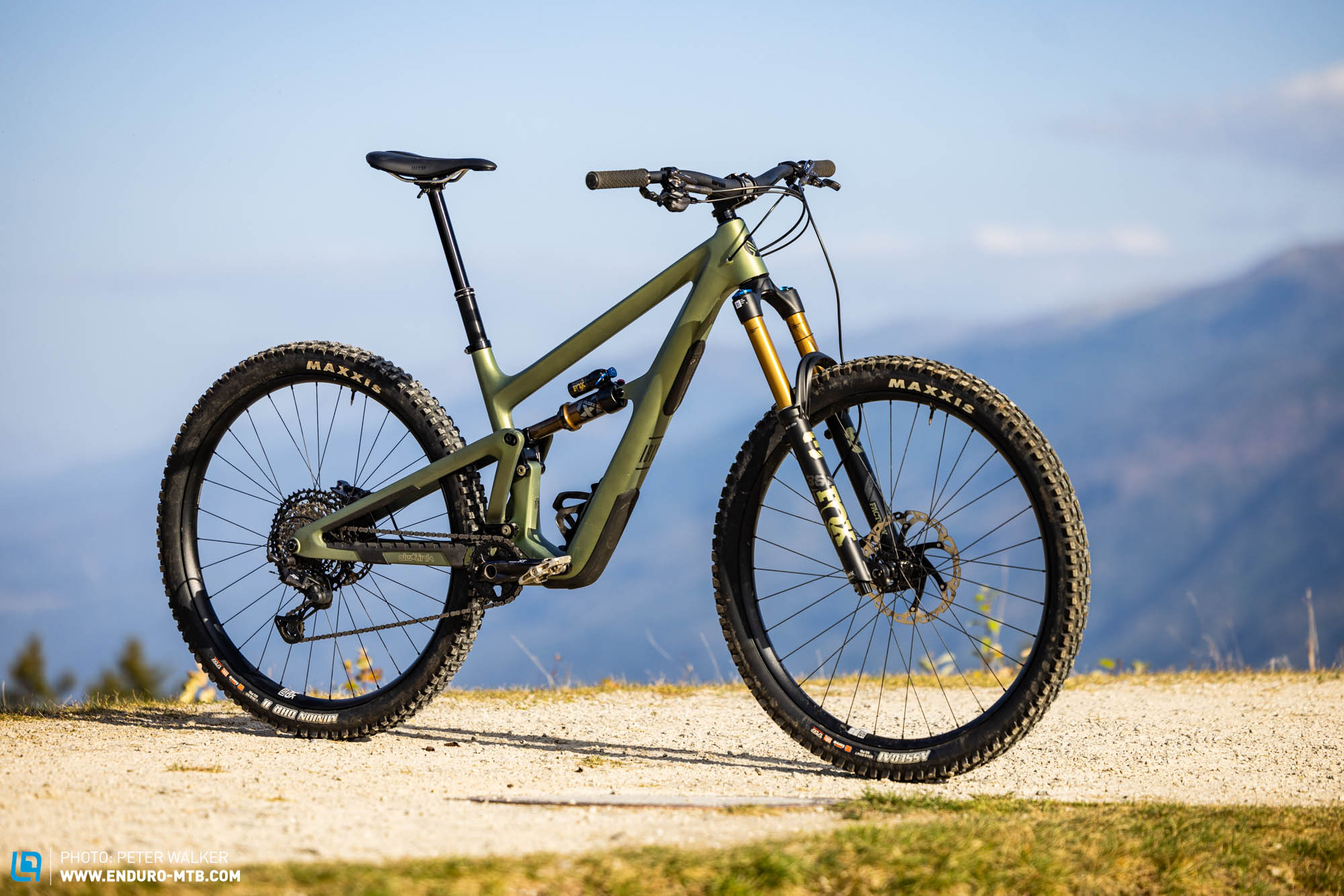
Reviewers consistently praise the Ripmo V3 for its exceptional climbing efficiency and energetic character. The DW-Link suspension provides a firm pedaling platform that rewards rider input, with one tester noting it has a distinct "pep in its step" (Awesomemtb) on ascents. On technical climbs, the active initial stroke generates impressive traction, leading another reviewer to compare the smooth ride to a "hoverbike" (Theradavist).
When pointed downhill, the bike favors agility and pop over sheer plowability. It is frequently described as a "total fun machine" (Enduro MTB) that encourages riders to jump, pump, and flick the rear end through tight corners. The mid-stroke support makes it easy to get airborne, though this lively nature comes with a tradeoff in high-speed stability.
In rough, chaotic terrain, opinions diverge. While many testers found the bike highly capable, a few felt the suspension was overly active. One review characterized the handling on steep, chunky descents as "nervous" (PinkBike), suggesting the bike requires a more attentive riding style than a dedicated enduro sled. Additionally, while most found the frame stout, a minority of aggressive riders perceived slight torsional flex when pushing hard. Overall, the consensus points to a highly engaging, versatile trail bike that prioritizes maneuverability and pedaling performance.

Ibis Ripmo v3: One Year Later

Bike Check: Neil's Ibis Ripmo V3

All New 2025 Ibis Ripmo V3 Review (Is this peak trail bike?)
Ibis Ripmo XT – In our big 2025 trail bike comparison test
Ibis Ripmo V3 Review! (Better In Every Way)
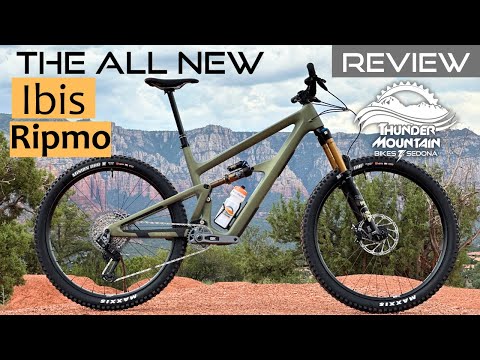
First Ride: 2025 IBIS Ripmo V3 Bike Review

The Revised Classic: Ibis Ripmo Review | 2025 Pinkbike Field ...

Deep Dive: Ibis Ripmo V3

Ibis Ripmo V3 Review! (The Best Ibis Ripmo Yet, So Why ...
Field Test Review: 2024 Ibis Ripmo - The Revised Classic - Pinkbike

Ibis Ripmo 3 Review
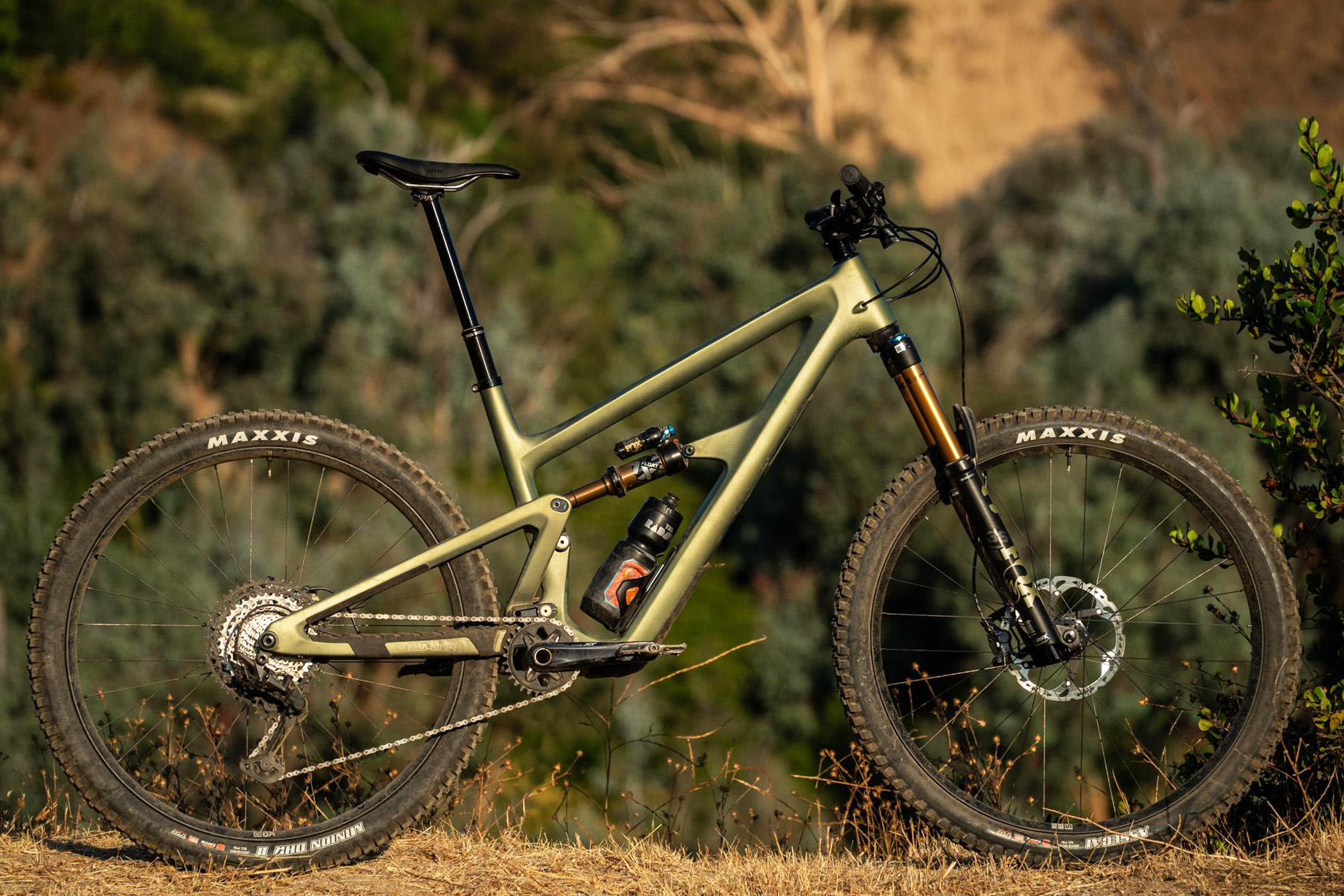
Ibis Ripmo V3 First-Ride Review – Travis Engel

First Ride Review: The New Ibis Ripmo V3
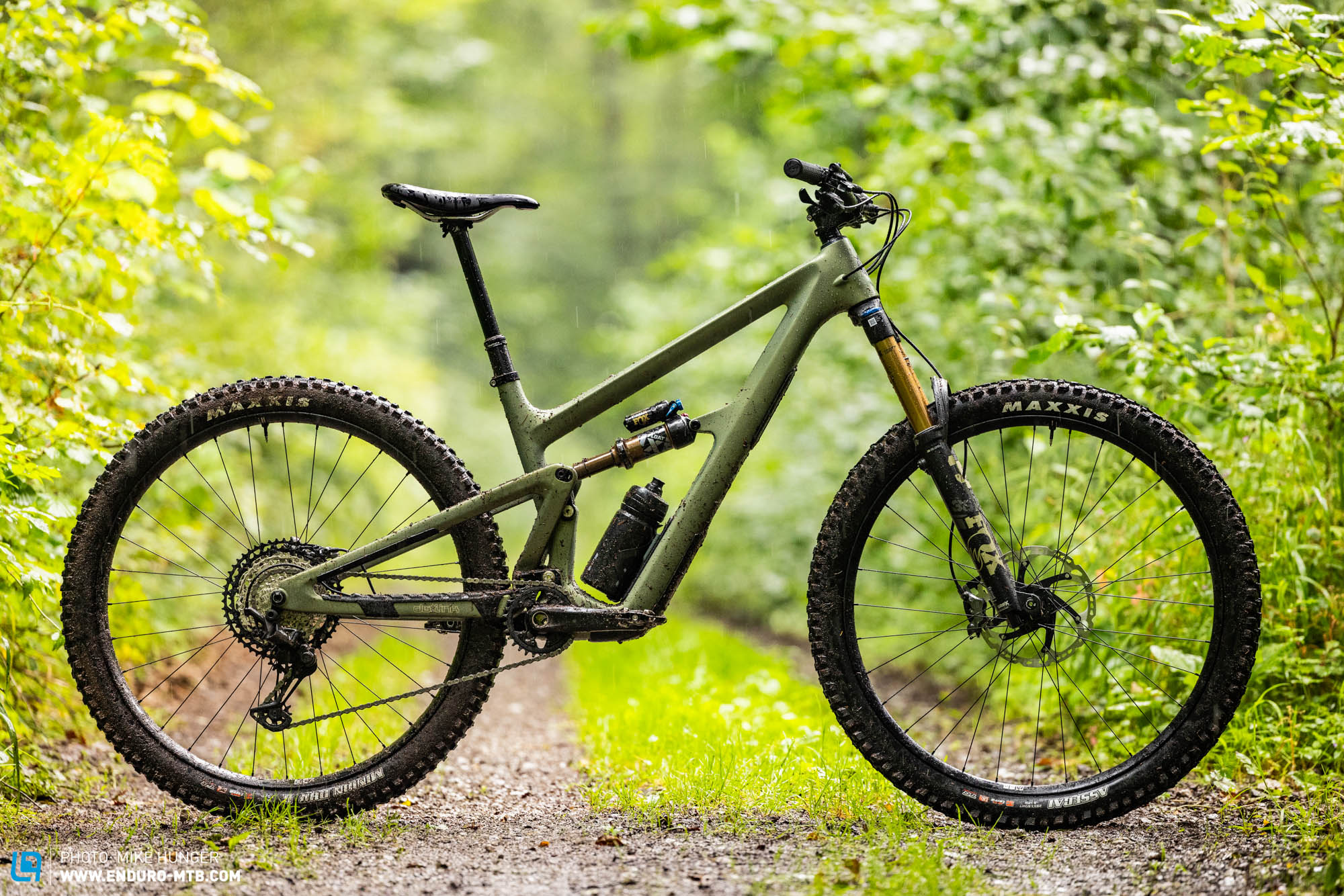
2024 Ibis Ripmo on test – Our Best in Test’s little brother
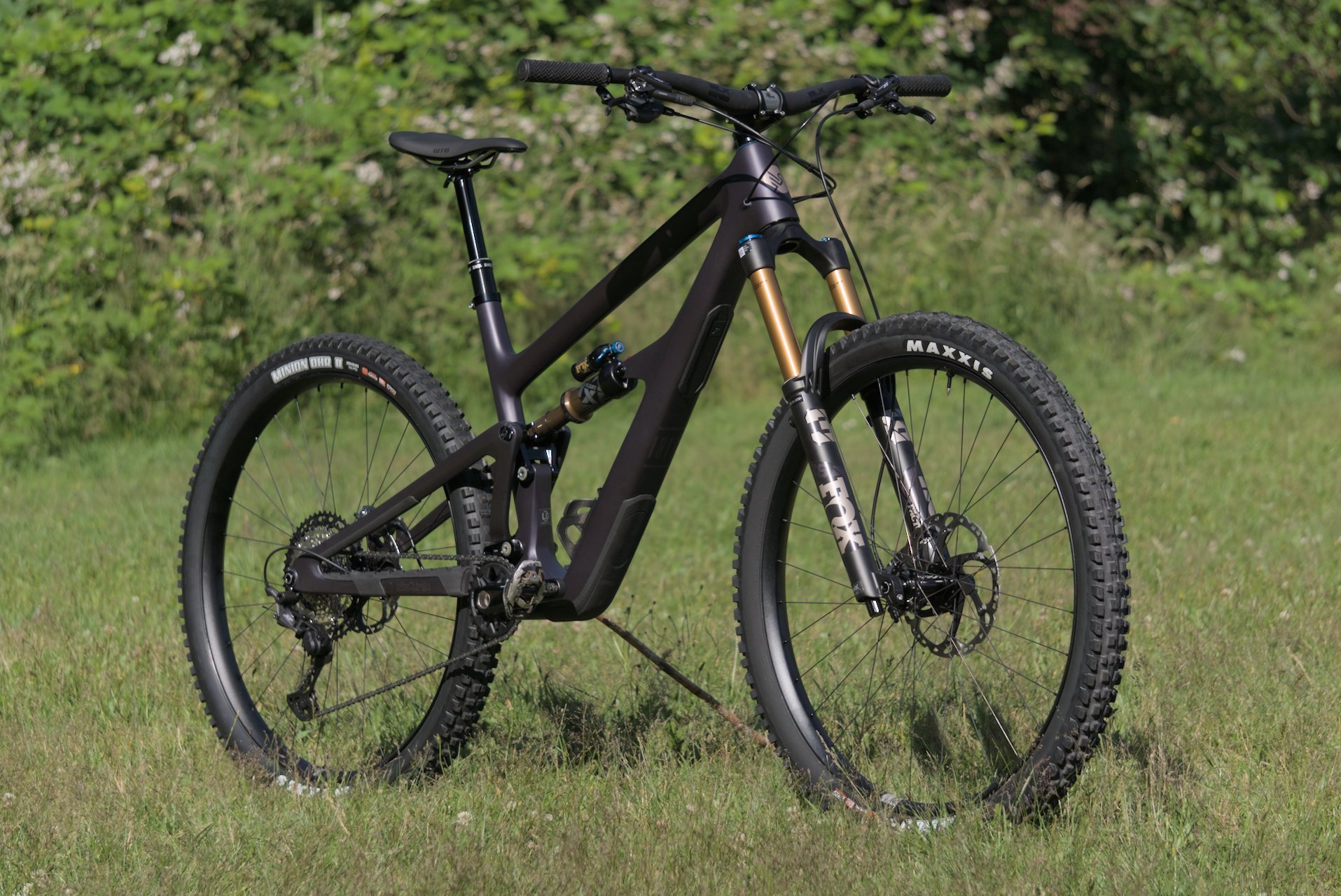
NSMB.com - Ibis Ripmo 3
Ibis Ripmo V3 Review: How much better can it actually get?
REVIEW: THE ALL NEW IBIS RIPMO V3
Compared to.
Most-viewed comparisons.
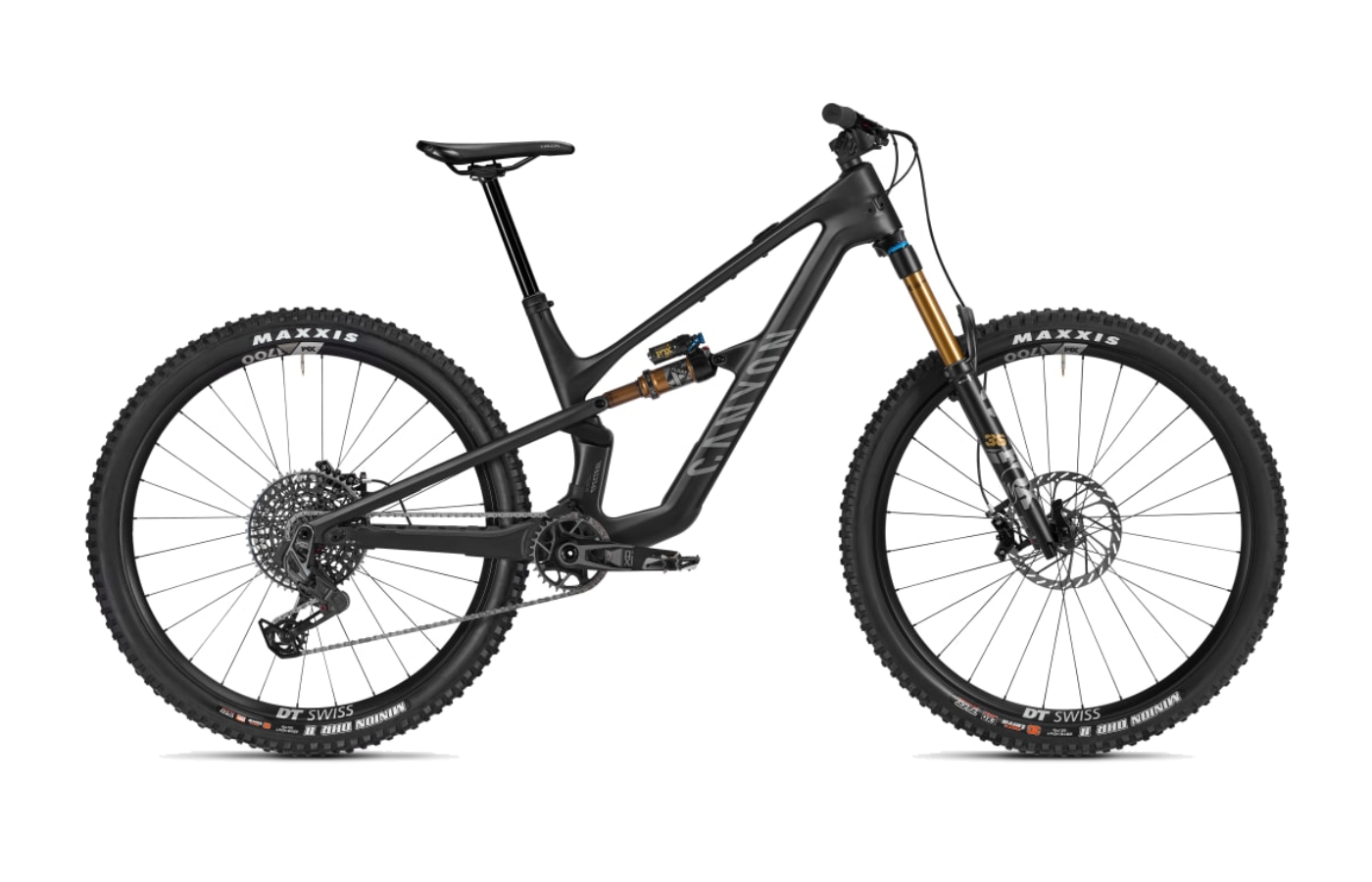
Canyon Spectral vs Ibis Ripmo
Read comparison→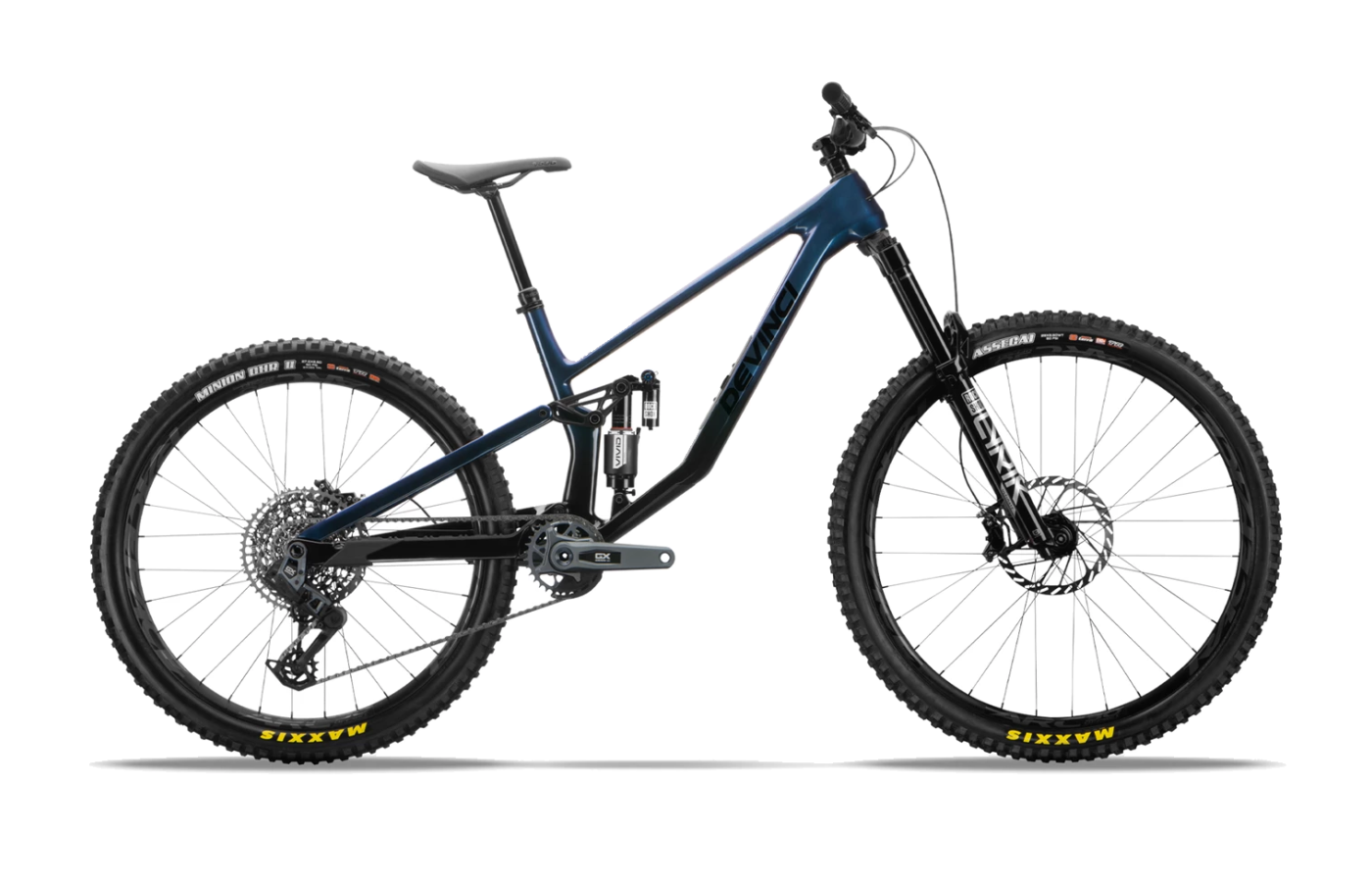
Devinci Troy vs Ibis Ripmo
Read comparison→
Evil Offering vs Ibis Ripmo
Read comparison→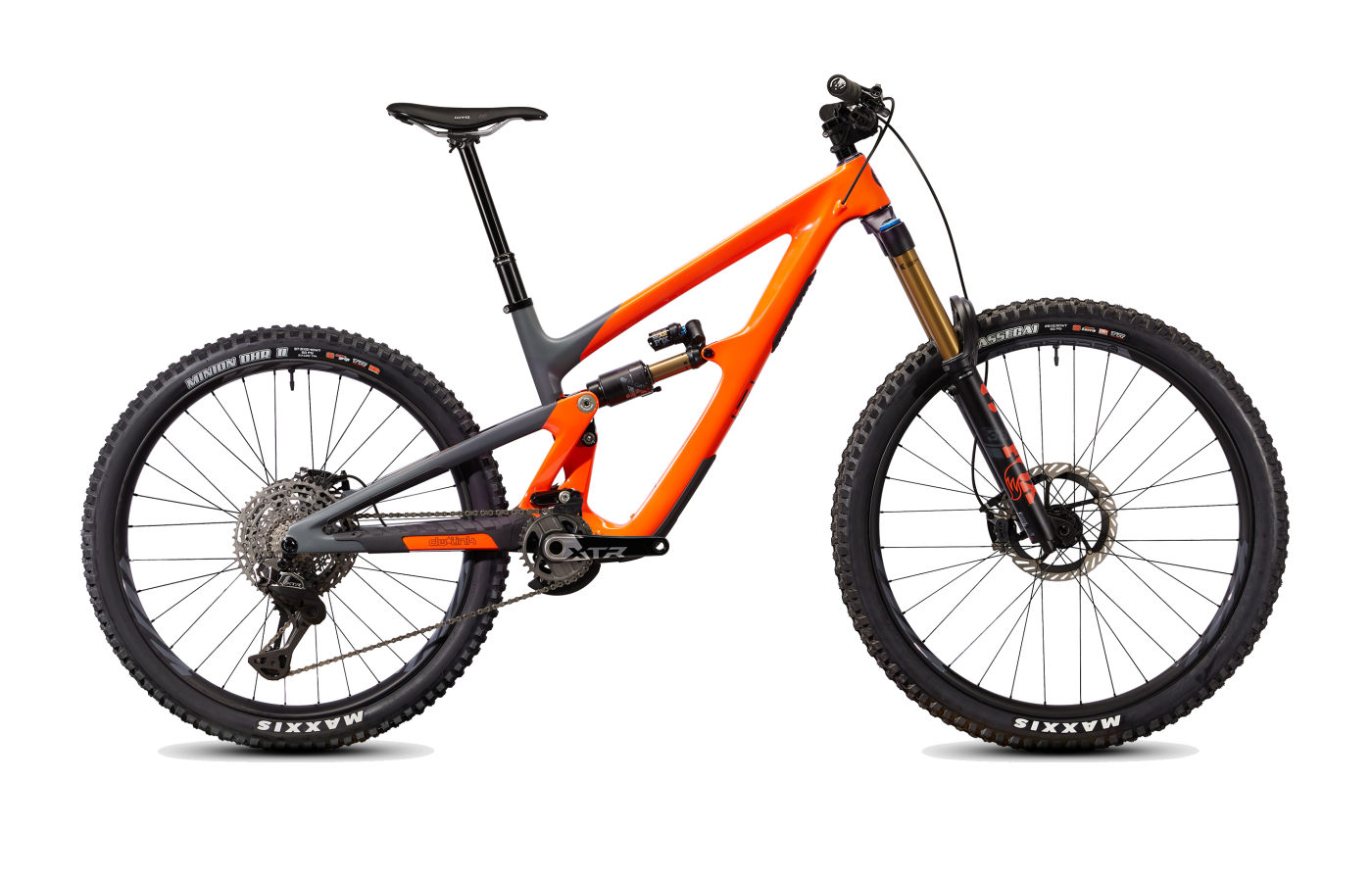
Ibis HD6 vs Ripmo
Read comparison→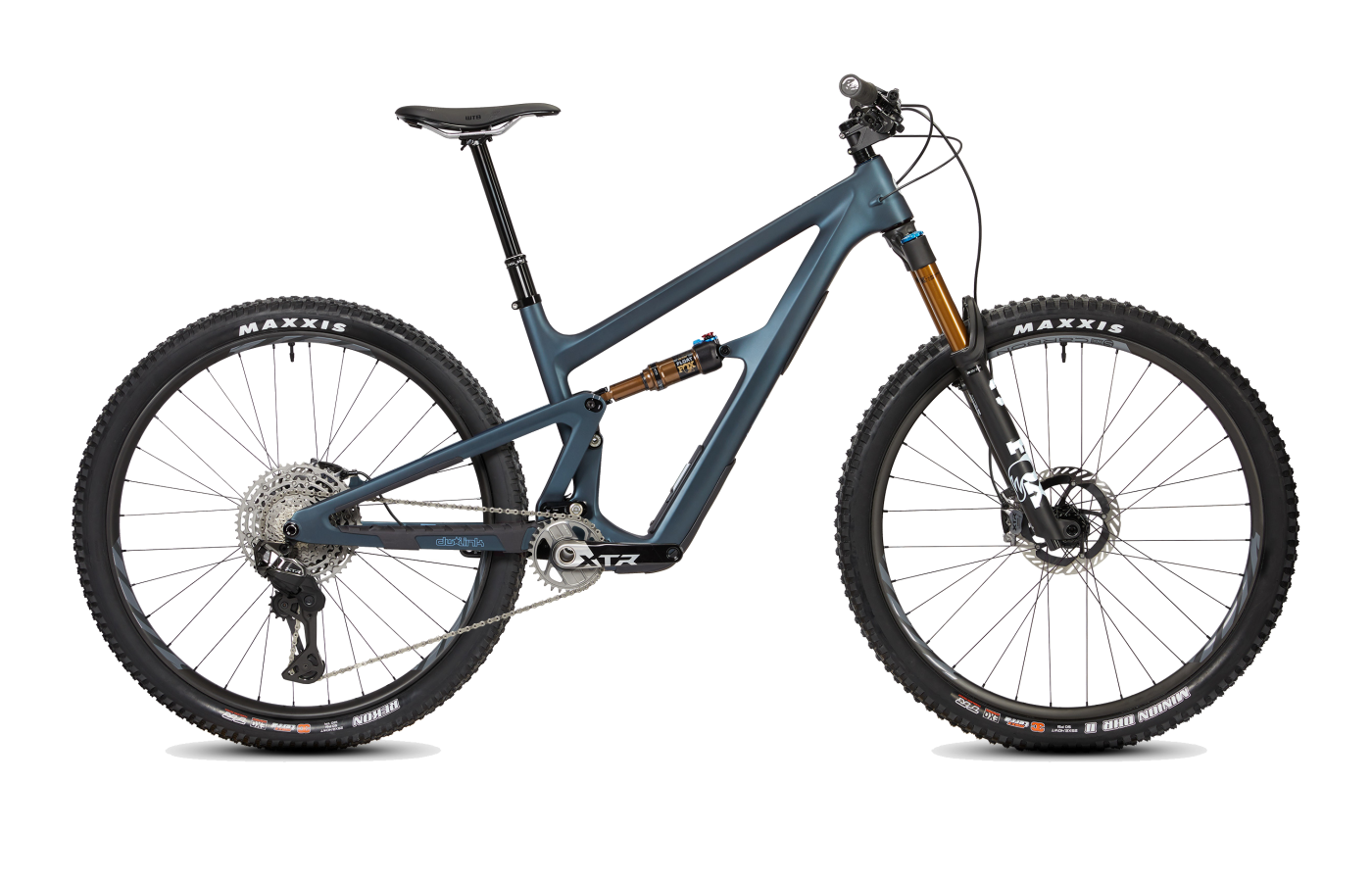
Ibis Ripley vs Ripmo
Read comparison→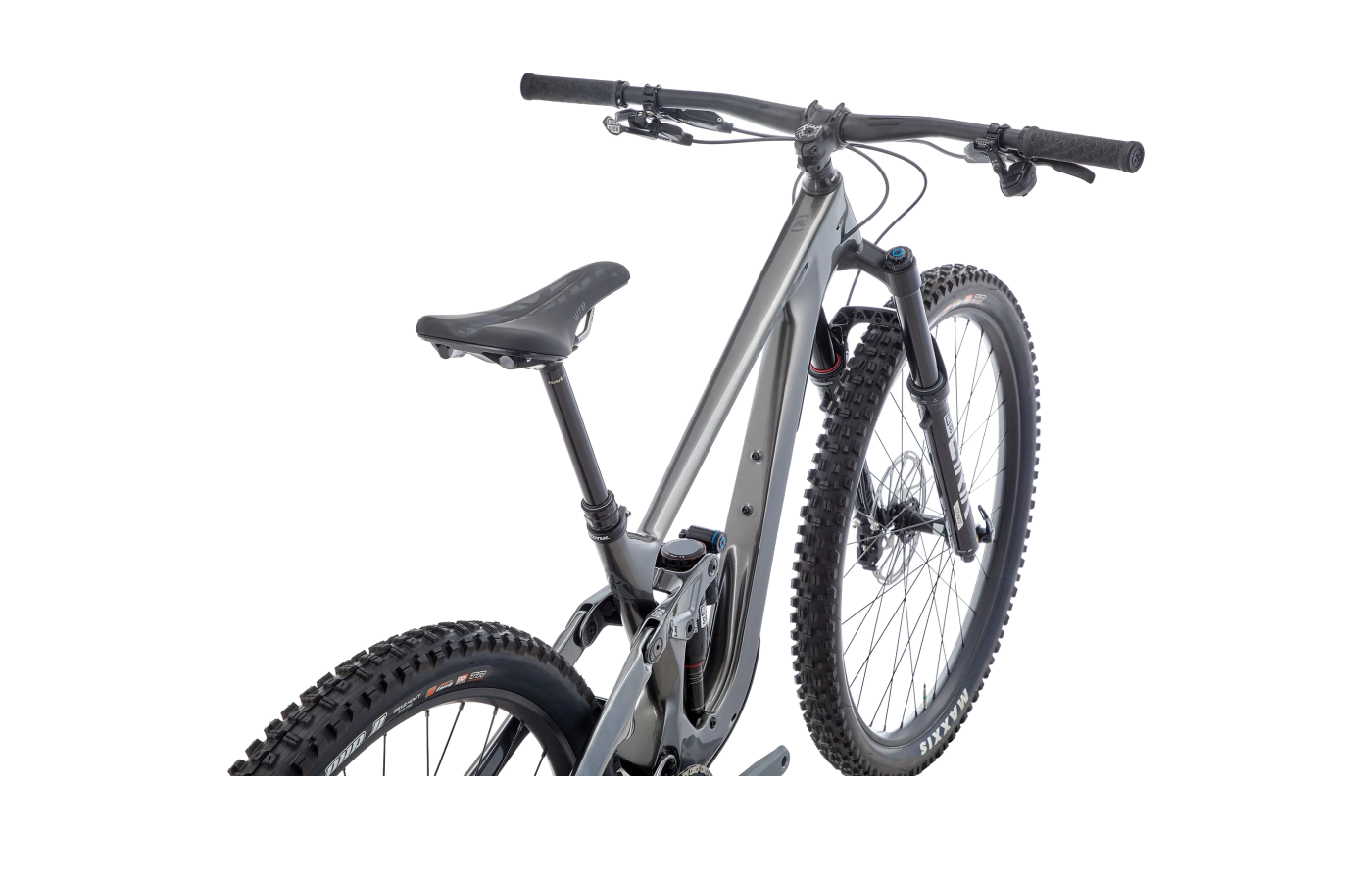
Ibis Ripmo vs Kona Process 153
Read comparison→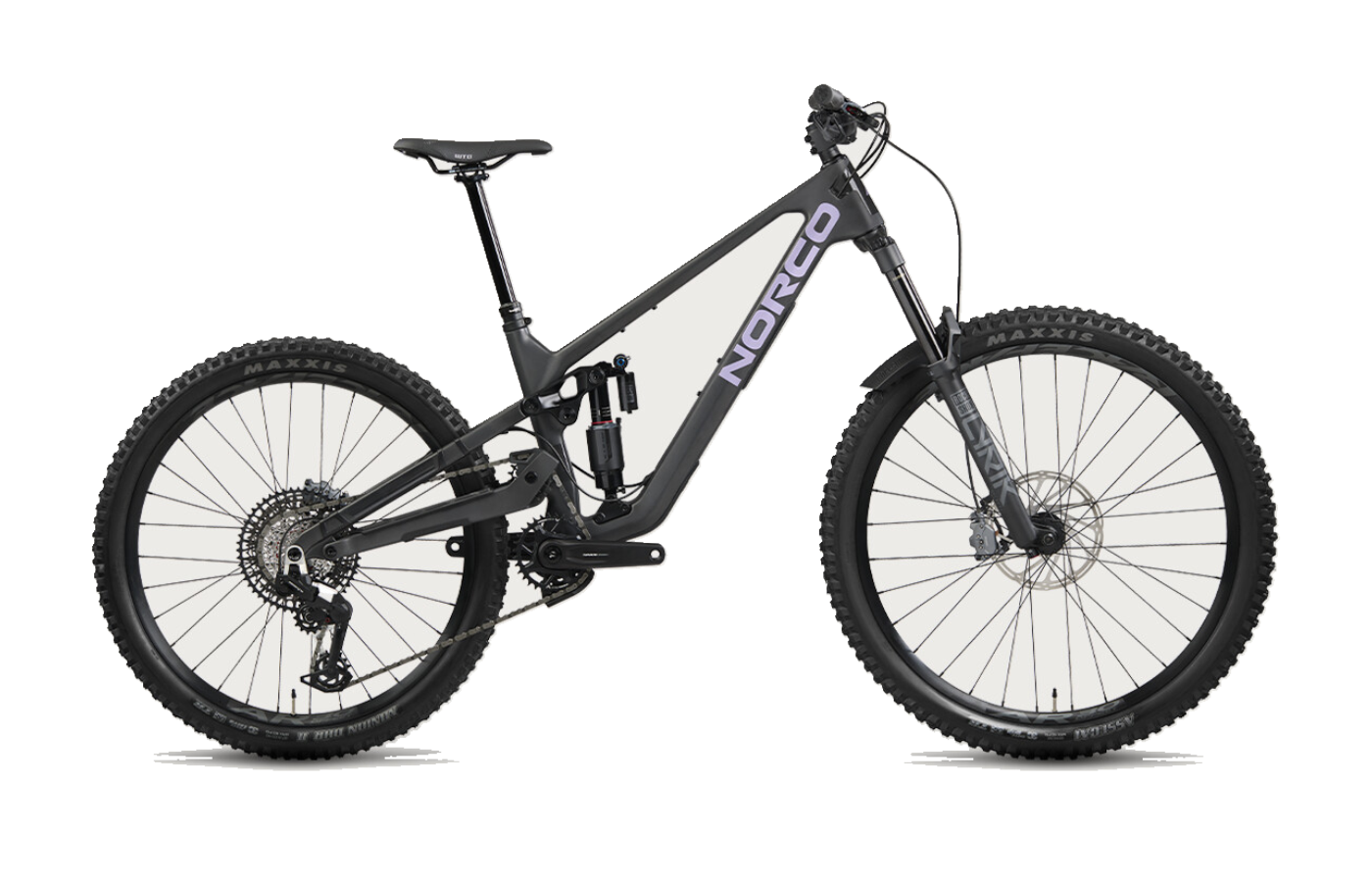
Ibis Ripmo vs Norco Sight
Read comparison→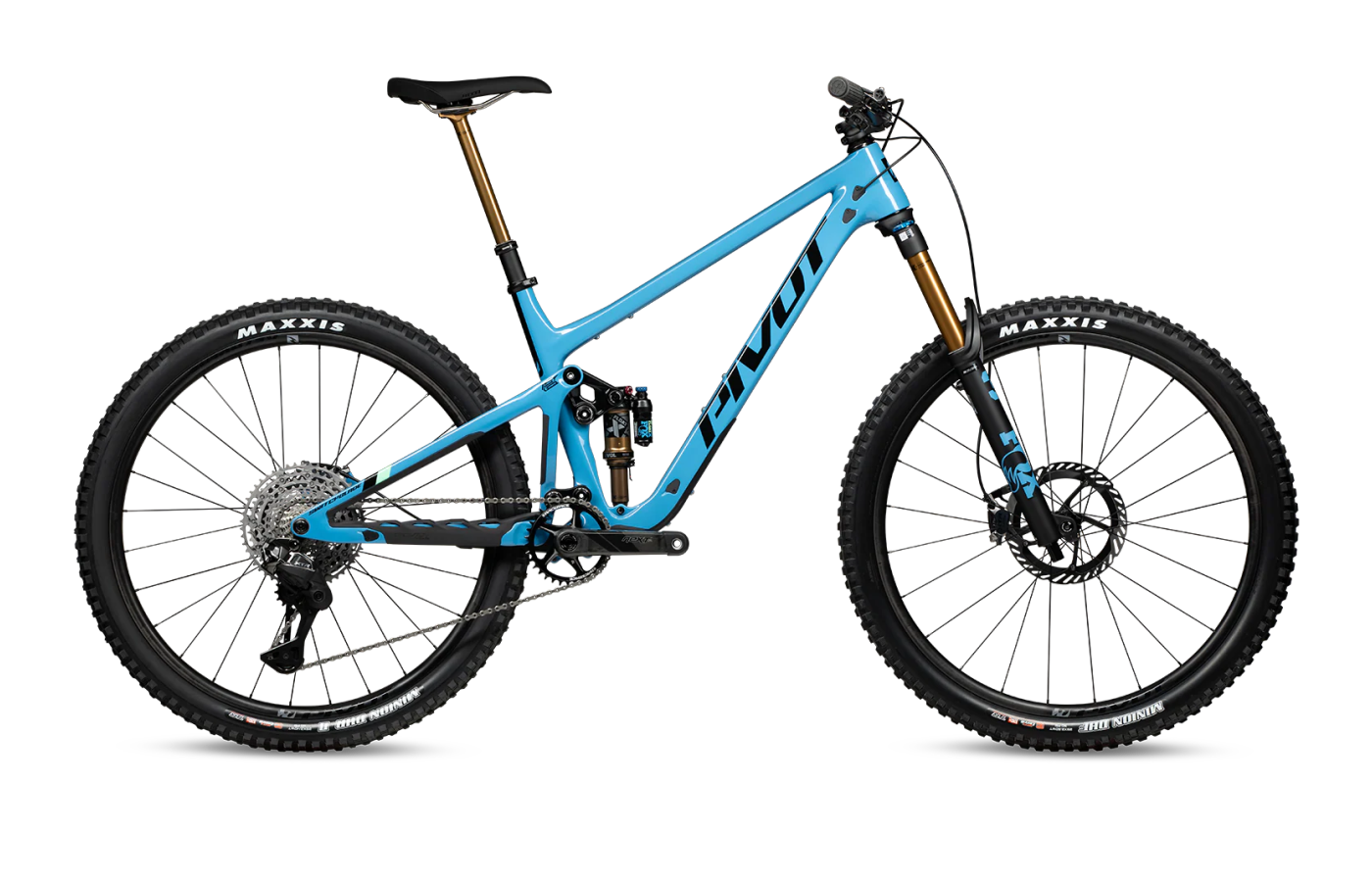
Ibis Ripmo vs Pivot Switchblade
Read comparison→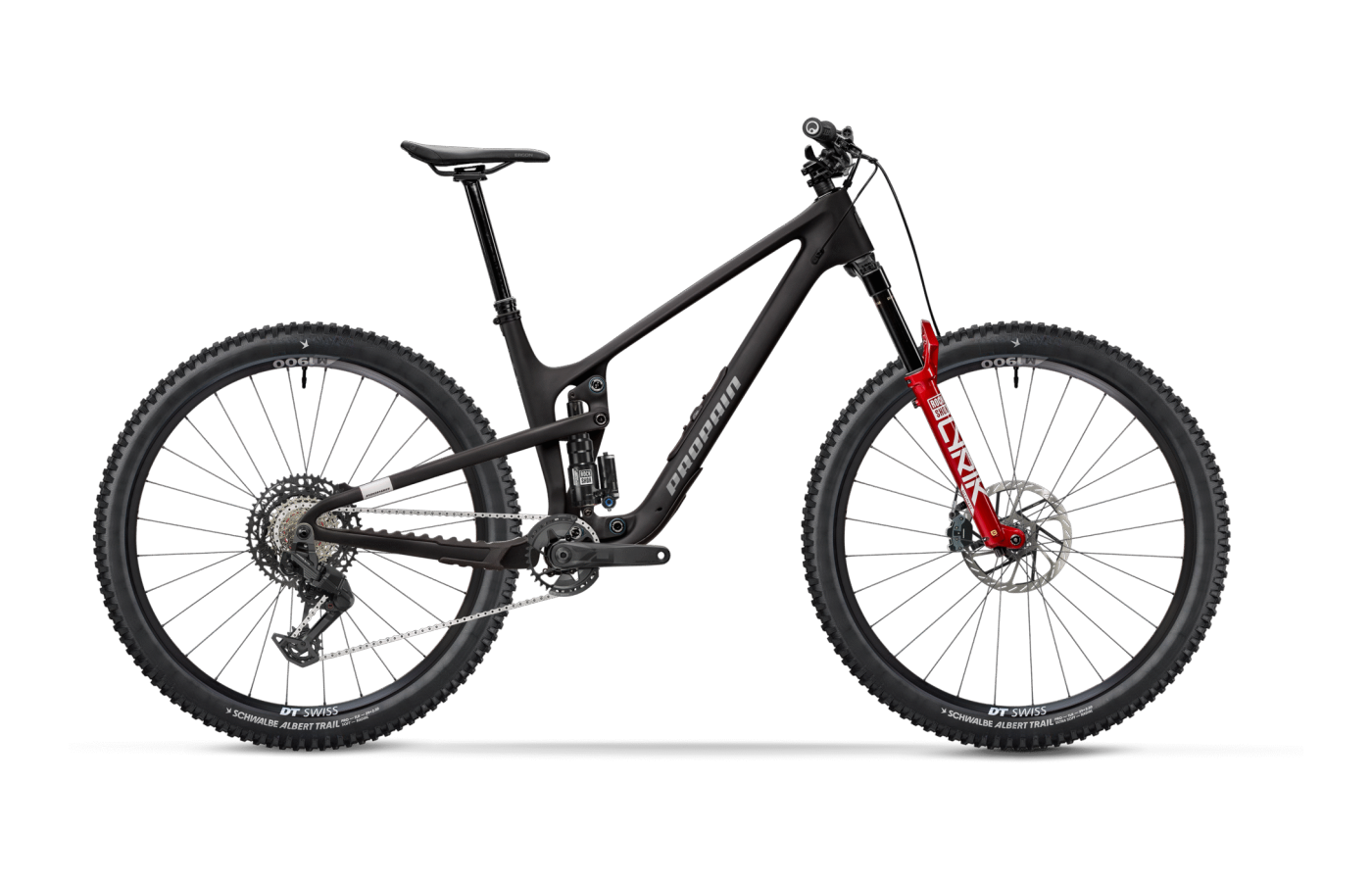
Ibis Ripmo vs Propain Hugene
Read comparison→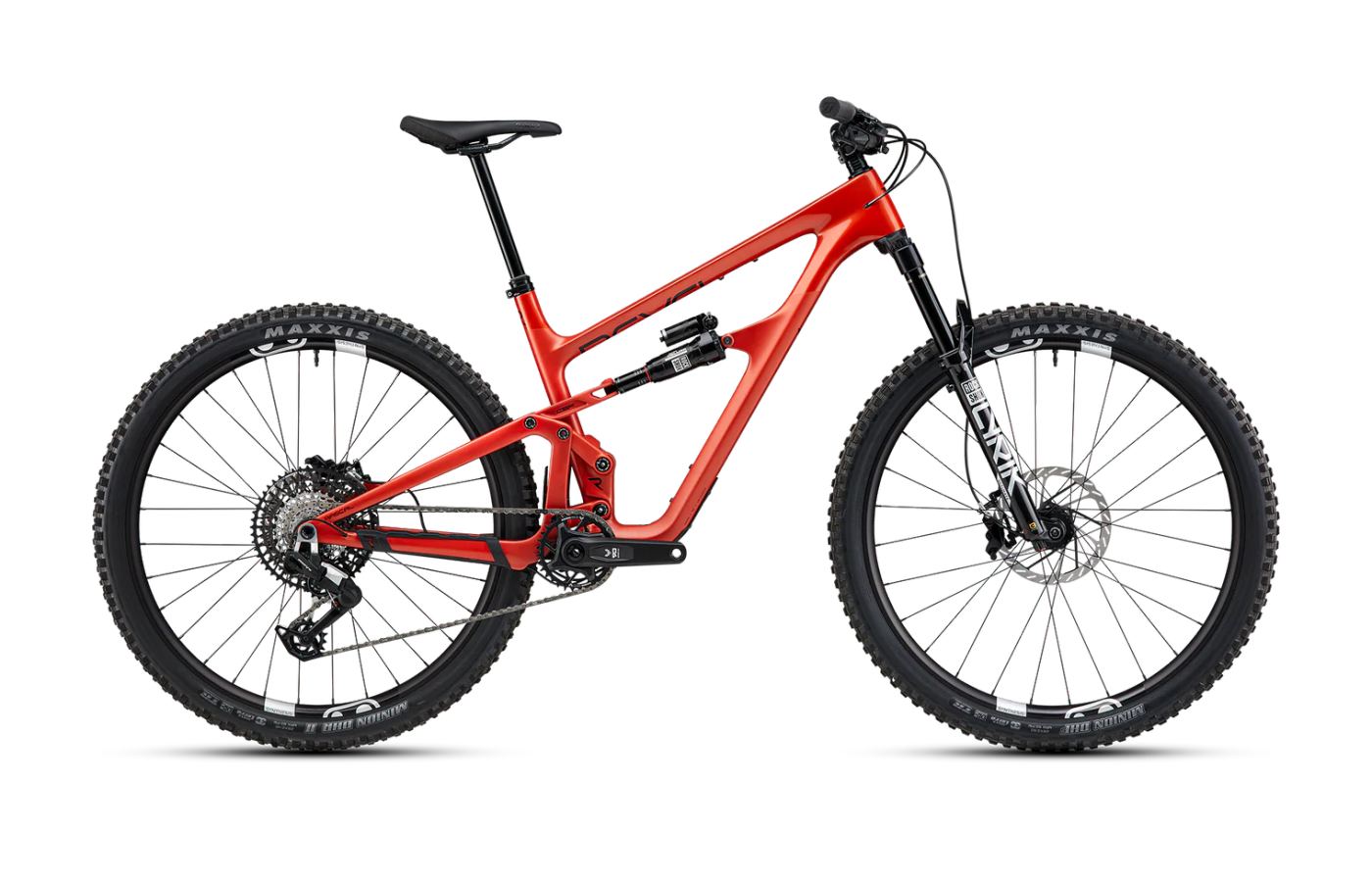
Ibis Ripmo vs Revel Rascal
Read comparison→
Ibis Ripmo vs Rocky Mountain Altitude
Read comparison→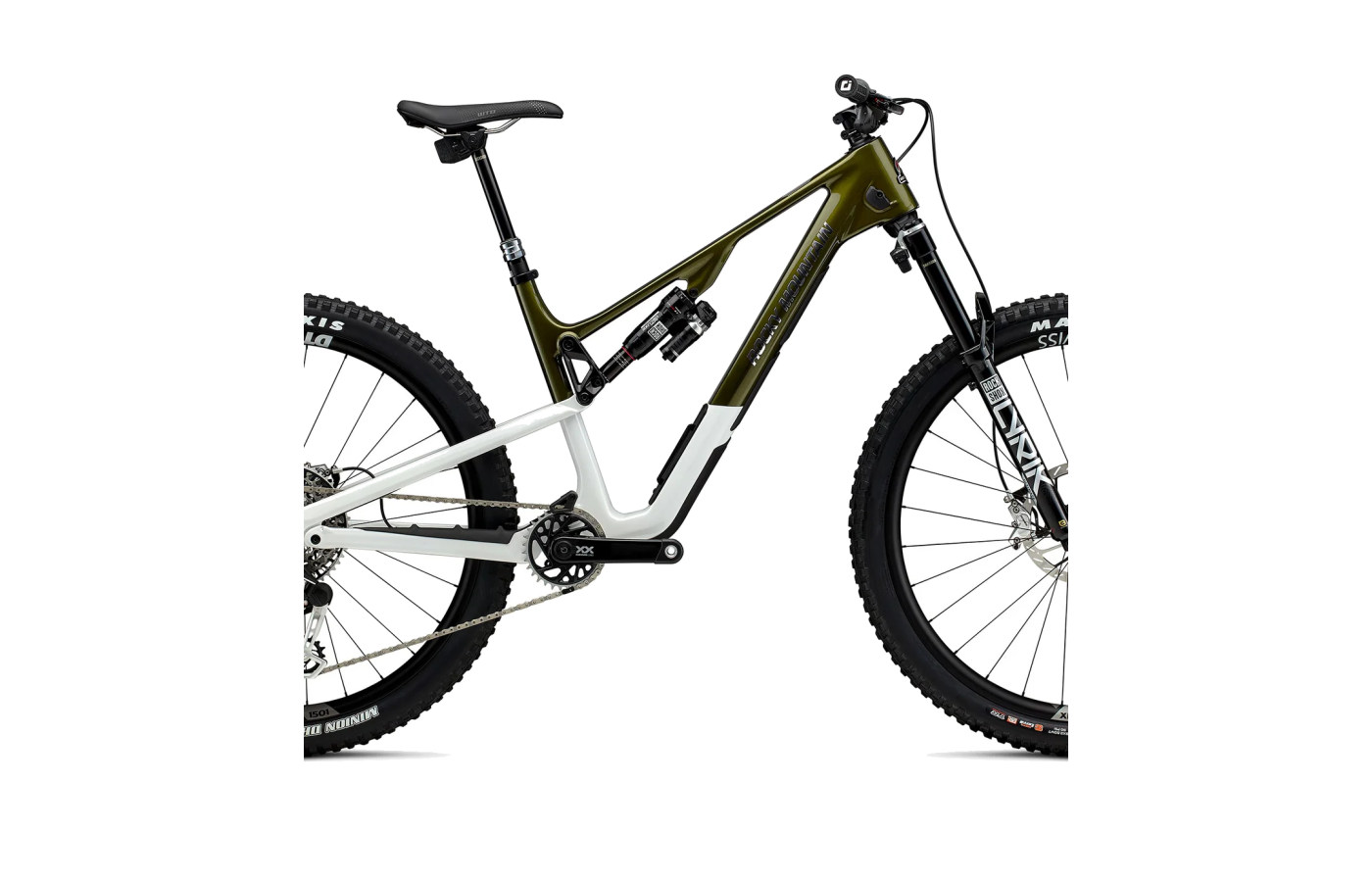
Ibis Ripmo vs Rocky Mountain Instinct
Read comparison→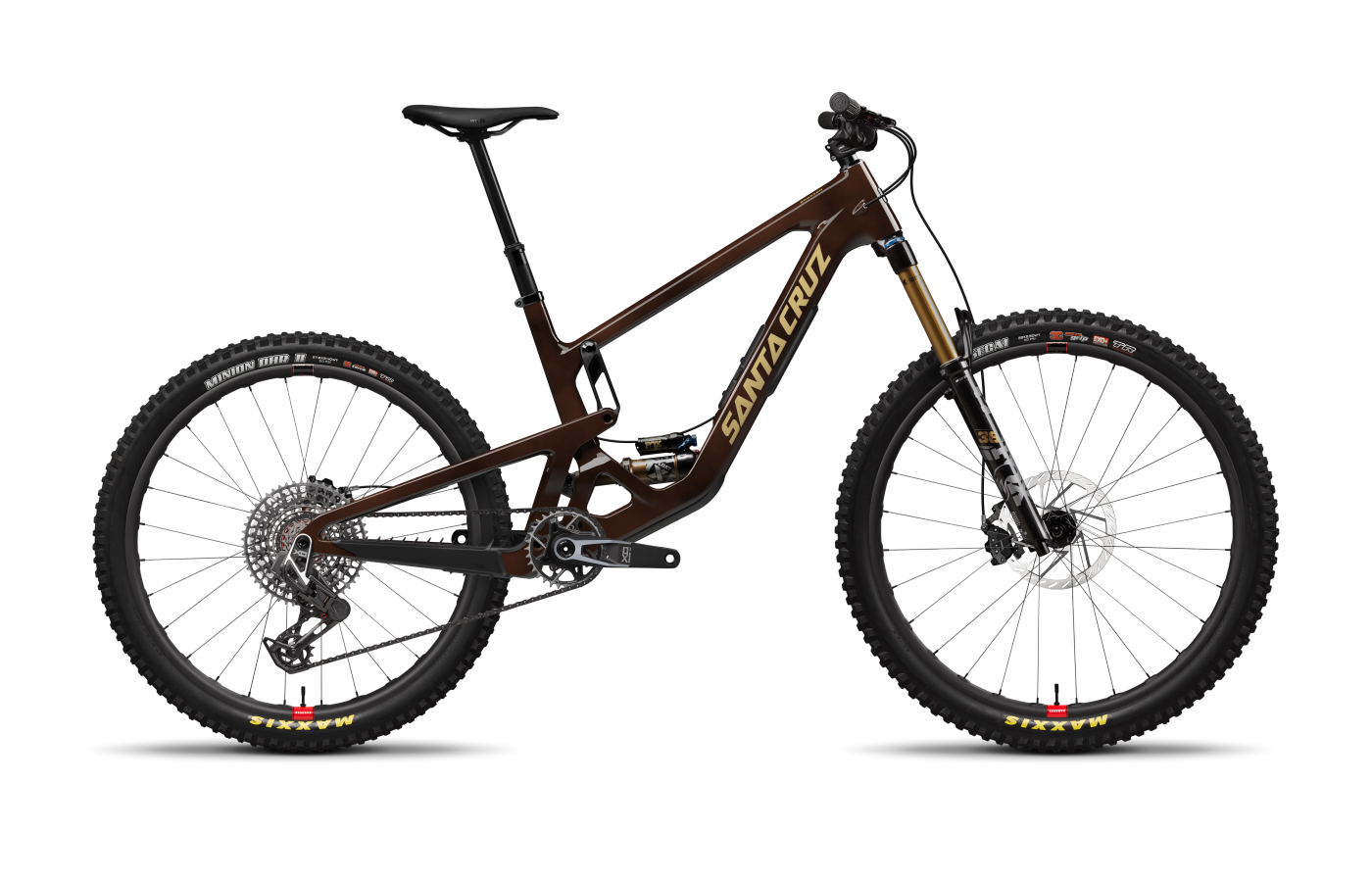
Ibis Ripmo vs Santa Cruz Bronson
Read comparison→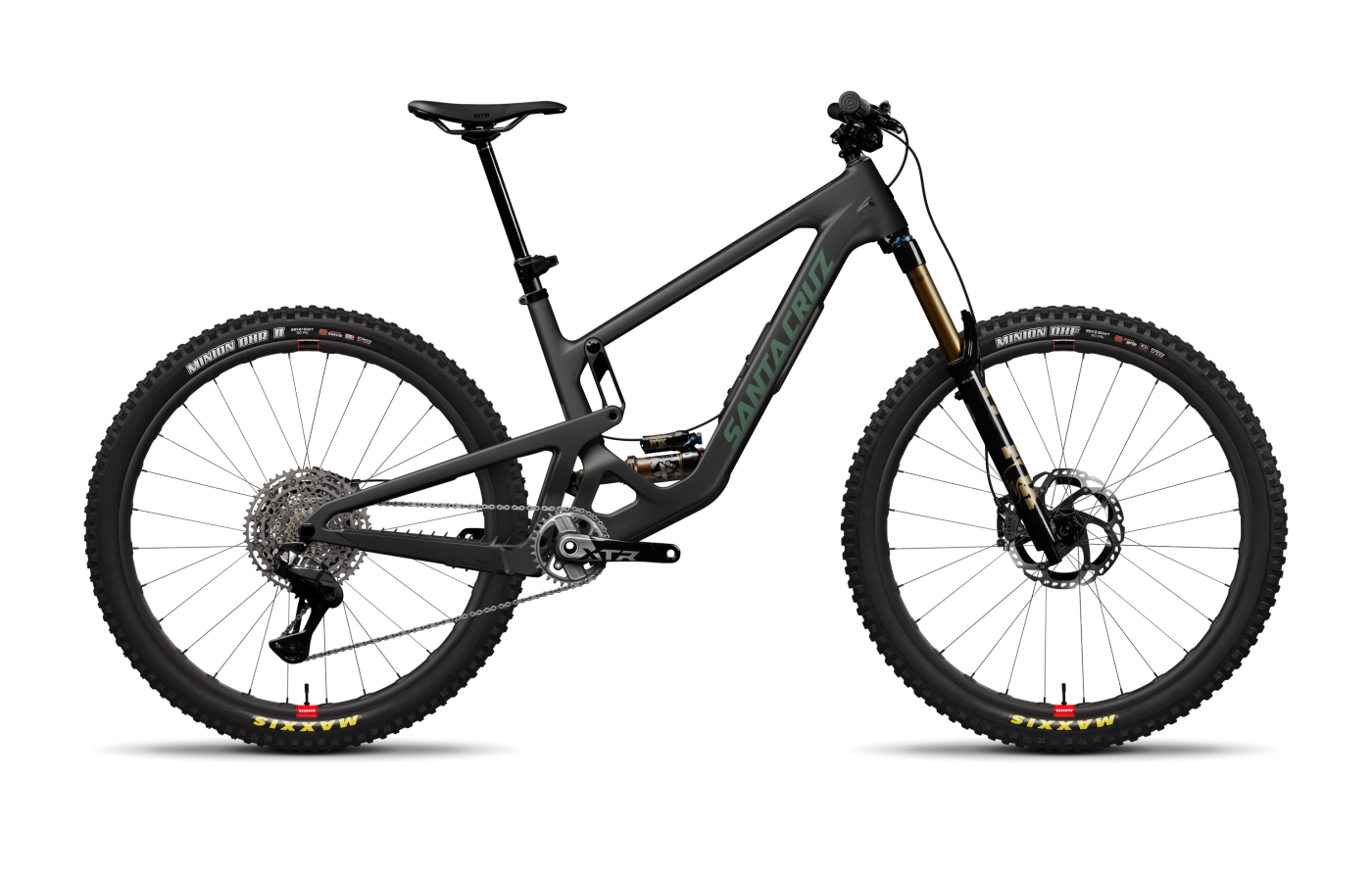
Ibis Ripmo vs Santa Cruz Hightower
Read comparison→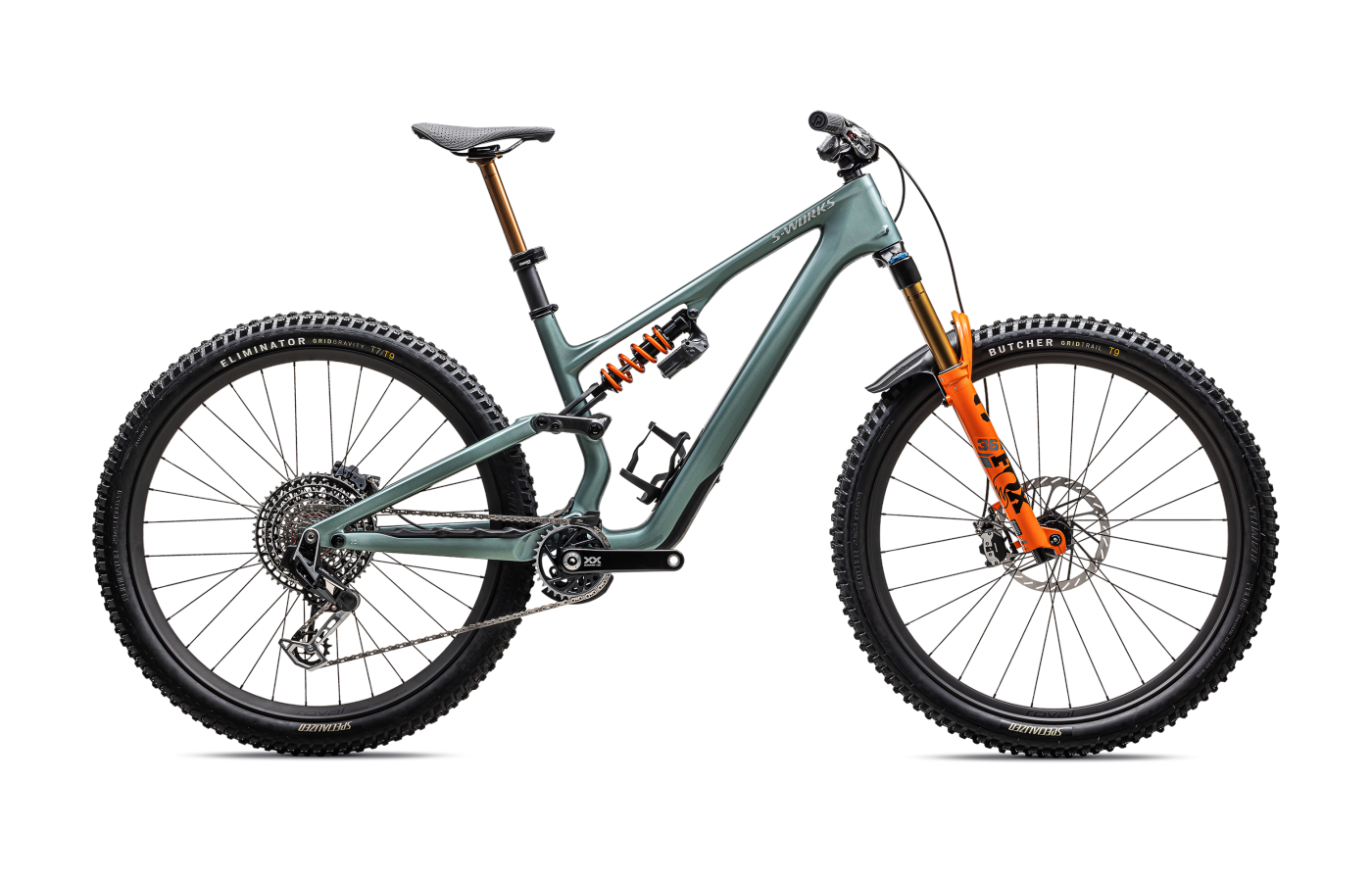
Ibis Ripmo vs Specialized Stumpjumper
Read comparison→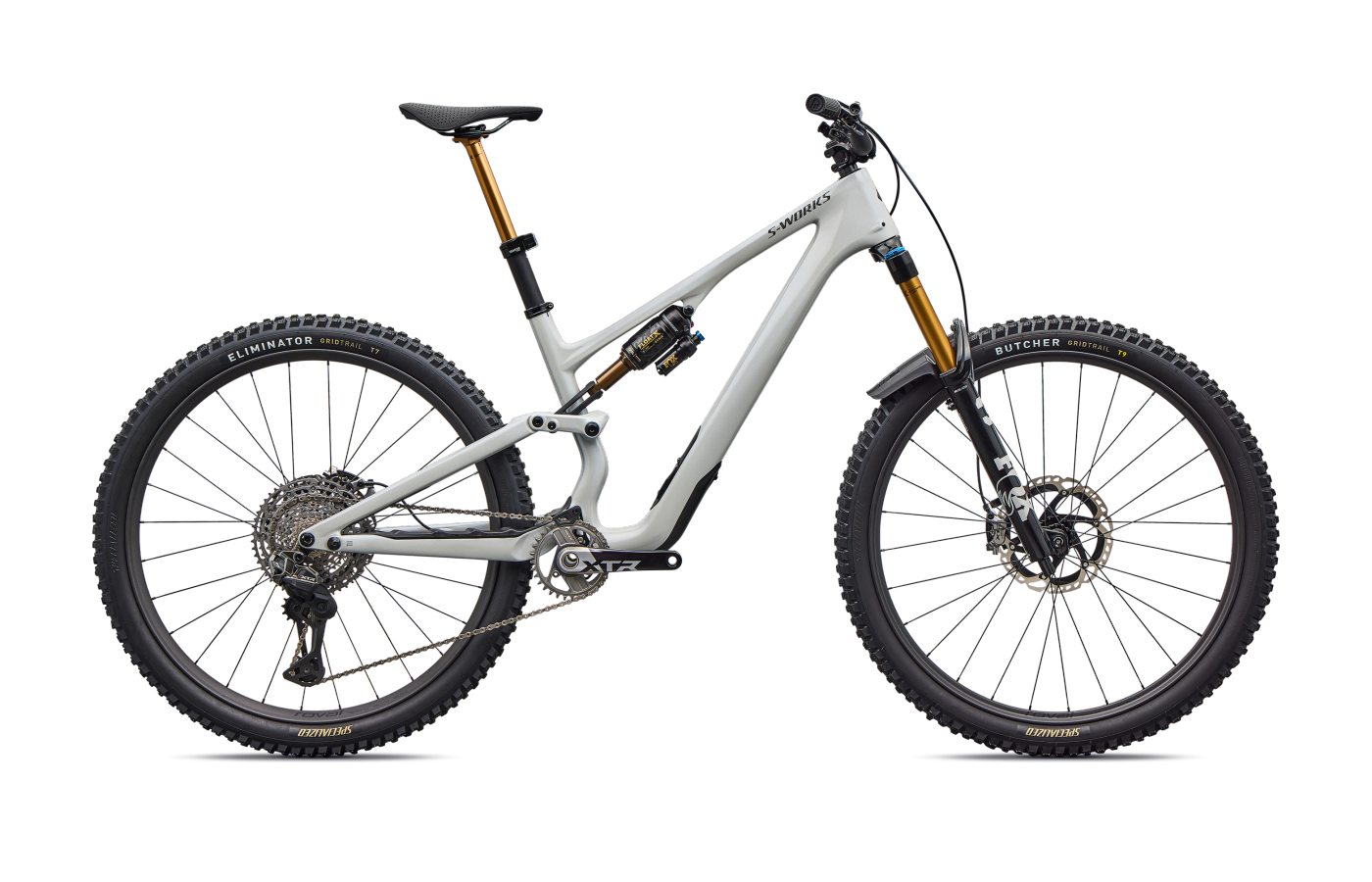
Ibis Ripmo vs Specialized Stumpjumper Evo
Read comparison→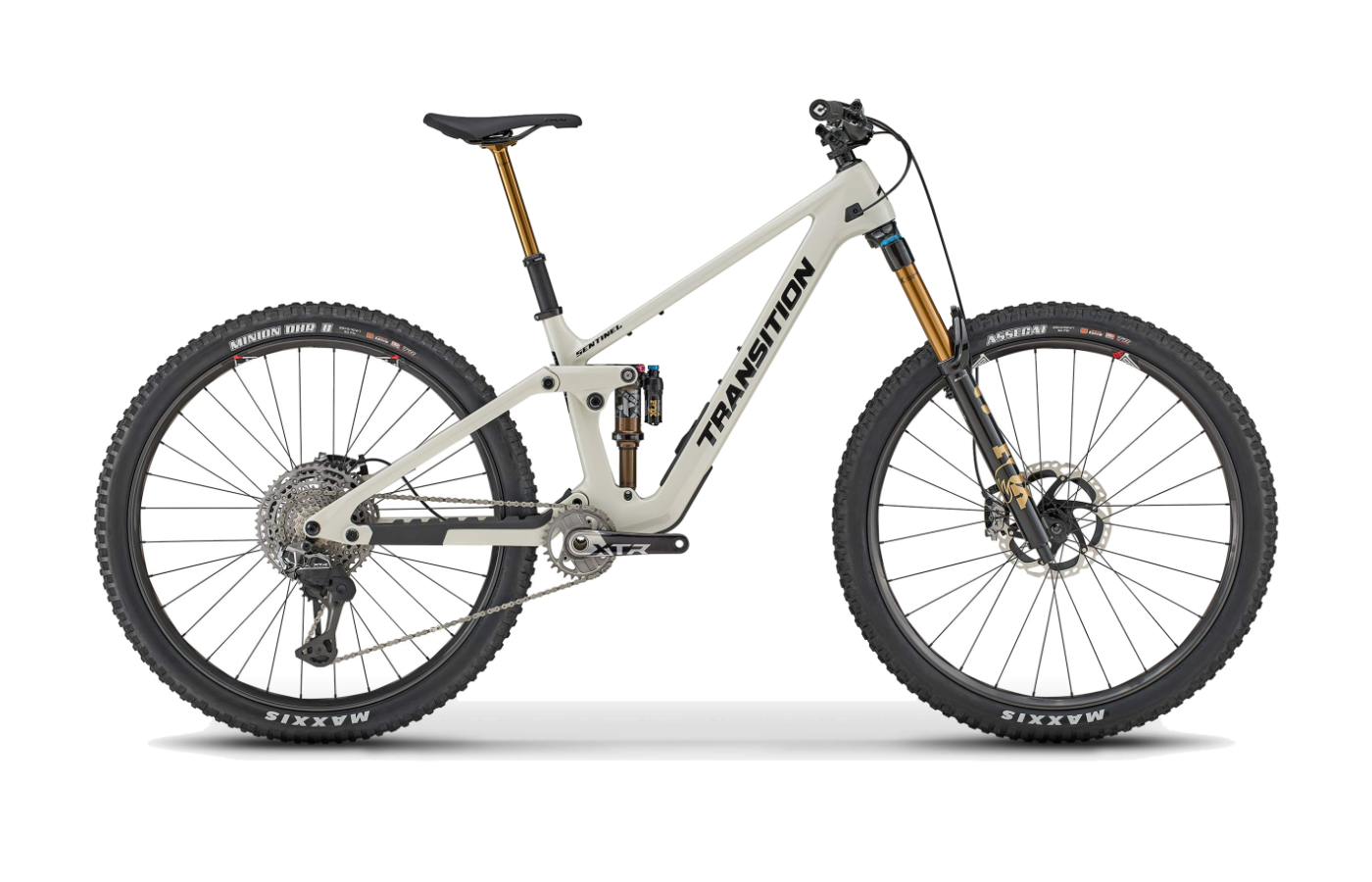
Ibis Ripmo vs Transition Sentinel
Read comparison→