Ripmo
vsSight
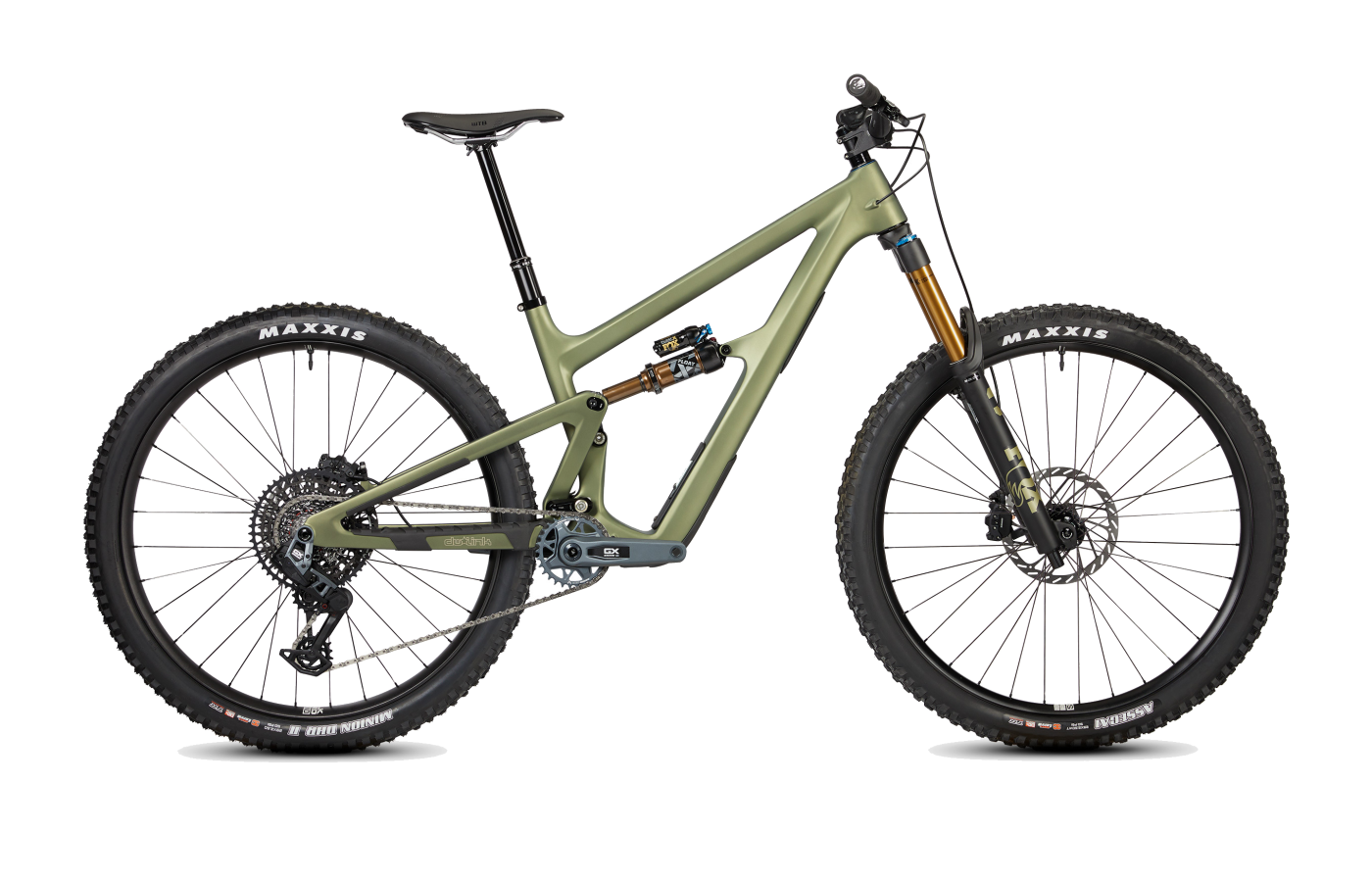
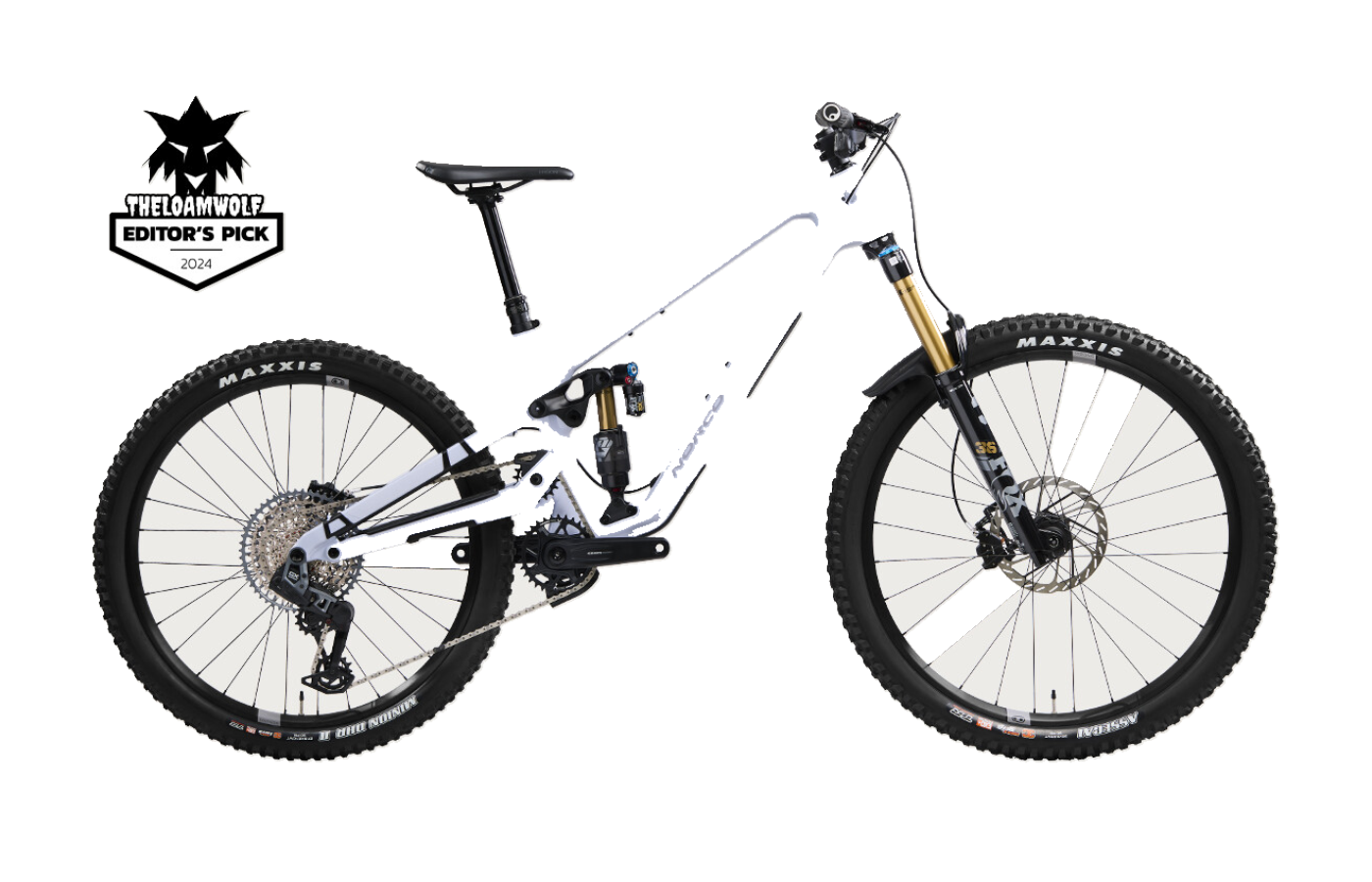
Two 150 mm trail bikes, two suspension philosophies.
The Ibis Ripmo V3 chases an active, poppy DW-Link feel. The Norco Sight goes high-pivot and full enduro composure.
Ripmo
- Active DW-Link climber — "pep in its step" pedaling, no climb switch needed.
- Playful, poppy descender — supportive mid-stroke rewards pumping and unweighting.
- Size-specific everything — chainstays, BB height, and shock tune scale with frame size.
- Pinkbike noted a more nervous high-speed feel vs. dedicated enduro bikes.
- Stock 180 mm rear rotor under-specced for heavier riders or long descents.
Sight
- High-pivot bump absorption — rearward axle path "gets the rear wheel out of the way" of square edges.
- Exceptional high-speed stability — 1247 mm S3 wheelbase plus 64-degree HTA carry speed through chunder.
- More progressive 28% suspension curve — accepts coil or air, supports bigger hits without blowing through travel.
- ~35 lb at the C1 build makes it work harder on long climbs.
- Long wheelbase is "a handful" on tight technical switchbacks.
Editor’s analysis
Same travel, same wheels, same intent on paper — but the way each bike gets you down the hill could not be more different.
Both the Ibis Ripmo and Norco Sight run 150 mm rear / 160 mm front, both ship in mullet-compatible carbon, and both target the same all-mountain rider. That's where the agreement ends. Ibis stuck with its DW-Link platform and refined it; Norco threw out four-bar entirely and committed to a high-pivot idler design. The trail feel that comes out of those choices is the entire story of this comparison.
The Ibis Ripmo is the lively one. Reviewers across NSMB, Theradavist, and Enduro MTB describe a 64.5-degree head angle bike that climbs like a hoverbike, accelerates from pumping, and rewards riders who actively shape the trail. Size-specific chainstays stay short across the range (435-440 mm), bottom bracket grows with frame size, and the DW-Link's mid-stroke support keeps the rear wheel responsive rather than glued. It's a bike you ride; not one that rides you.
The Norco Sight is the planted one. The high-pivot's rearward axle path means the rear wheel moves up and back when it hits something, swallowing square-edge hits in a way no four-bar can match. Combined with a 64-degree head angle, a 1247 mm wheelbase at S3, and a 28% progression rate, the Sight rides bigger than its travel and carries speed through chunder "like nothing else," per the YouTube long-term review. The trade is on the way up: at roughly 35 lb (C1, S3), it asks more of you on technical climbs than the Ibis does.
Put another way: the Ripmo is the trail bike that goes enduro when you ask it. The Sight is the enduro bike that pedals back to the trailhead. If you spend most rides looking for poppable lips and quick line changes, take the Ibis. If most of your rides end with a long, rough descent and you'd rather brake later than pedal harder, take the Norco.
Where the builds differ.
Comparing our editor's-pick builds side-by-side. Winners highlighted row-by-row — lower price and weight, and the better-spec component, each mark a point.
Build variants & pricing
The Ripmo opens at $5,199 and tops out at $9,999. The Sight stretches lower — $2,799 for the alloy A3 — but its carbon C1 lands at $6,149.
Prices are current US MSRP. The picks above are tier-matched: SRAM GX AXS Transmission on a carbon frame with Fox Factory 36 suspension on both sides — what serious buyers actually compare.
How they fit, how they steer.
Comparing the Ripmo MD against the equivalent Sight frame for a 5'8" rider. Both run 64-64.5-degree head angles, but the Sight is half a degree slacker, slightly steeper at the seat (77.5 vs. 76.5 deg), and 9 mm lower in stack. Chainstays differ by ~7 mm — Ibis runs longer to balance the higher BB.
Which size should I buy?
Ibis sizes by top tube (SM/MD/XM/LG/XL); Norco uses reach-based S1-S5. Both have five sizes that overlap closely in the middle of the range.
→These are starting points. Flexibility, riding style, and preferred position all shift the answer — if you’re between sizes, a professional fit beats a chart.
What the magazines said.
Published reviews from trusted cycling outlets. Click through for the full write-up.
Which one should you buy?
If you ride trail and want a bike that rewards active input, get the Ripmo. If you ride enduro-grade descents and want unflappable composure, get the Sight.
Ripmo
If your rides mix sustained climbs with technical, flowy descents and you'd rather pop off lips than plow through them, the Ripmo is the more engaging bike. The DW-Link rewards pumping, the geometry stays balanced, and you still get 150/160 mm of travel for when things get rough.
Sight
If most of your rides end on rough, fast descents — bike park laps, enduro stages, steep chunder — the Sight's high-pivot suspension and long, slack geometry let you brake later and charge harder. The climb up is the price you pay for the way it rides down.
Questions buyers actually ask.
Short answers to the things we get emailed about most often.
01Which one descends better in the gnarliest terrain?
The Norco Sight, by most measures. Its high-pivot suspension with rearward axle path lets the rear wheel move up and back through square-edge hits, and the longer wheelbase (1247 mm at S3 vs. 1219 mm on a Ripmo MD) plus 0.5-degree slacker head angle add up to genuinely more high-speed composure.
Reviewers consistently call the Sight "ultra stable, ultra capable" on demanding descents. The Ripmo V3 is the most capable descending Ripmo to date, but Pinkbike specifically noted a more nervous feel at the absolute limit compared to longer-travel enduro bikes.
02Which one climbs better?
The Ibis Ripmo, comfortably. The DW-Link platform is famously efficient — most reviewers ride it without ever touching the climb switch — and at roughly 32-33 lb depending on build, the Ripmo is several pounds lighter than the Sight (about 35 lb for the Sight C1, 38 lb for the alloy A1).
The Sight isn't a bad climber for a high-pivot bike — Norco's idler placement nearly eliminates pedal kickback, and anti-squat increases in easier gears to reduce bob — but the wheelbase length and weight make tight, technical switchbacks more work than they are on the Ripmo.
03What's the suspension travel on each?
Identical on paper: 150 mm rear, 160 mm front on both bikes. Both ship with a Fox 36 fork (Factory GRIP X2 on the higher builds) and a 230 x 60 mm shock — Fox Float X on the Ripmo, RockShox Vivid 2 or Fox Float X2 on the Sight depending on build.
The difference is kinematics, not numbers. The Sight's high-pivot leverage curve is 28% progressive (up from 18% on the Gen-4) and accepts coil or air shocks well; the Ripmo's DW-Link is more linear with strong mid-stroke support. Same travel, very different feel.
04Are both compatible with a mullet (mixed-wheel) setup?
Yes. The Ripmo V3 ships full 29 on most builds but flips to mullet via a flip chip — Ibis spec'd the small and medium with a 27.5 rear from the factory.
The Norco Sight is sold as mullet (29 front / 27.5 rear) in most markets and can be converted to full 29 without losing geometry or kinematics — Norco engineered both wheel sizes to maintain the same handling. Multiple reviewers said the mullet is the "winning combo" on the Sight.
05Which has wider tire clearance?
Both clear roughly 2.5-inch tires at 29" and 2.6" at 27.5" — well in line with the all-mountain category. Database figures put the Ripmo V3 at 63.5 mm and the Sight at 61 mm of measured clearance.
Neither is a meaningful constraint for normal trail use; both ship with Maxxis Assegai / DHR II combos in EXO+ casing. Heavier or more aggressive riders should plan to upgrade to Doubledown casing on either bike — that's a category-wide recommendation, not a knock against either platform.
06Which frame is built for serviceability?
Both score well, with different strengths. The Ripmo V3 has a threaded bottom bracket, internal cable tunnels (no rattle), UDH compatibility, IGUS bushings in the lower link with a lifetime replacement warranty, and a 34.9 mm seatpost diameter for stronger droppers. Pinkbike noted accessing certain frame hardware can be fiddly.
The Sight Gen-5 has fully ported cable routing, capped bearings, extensive frame protection, UDH, and Eagle Transmission compatibility. The high-pivot idler is the one extra moving part to maintain — Norco's 18-tooth idler is reportedly silent and durable, but it's still a wear item the Ripmo doesn't have.
07What's the price spread between the two ranges?
The Ripmo V3 runs from $5,199 (Deore) to $9,999 (XTR Di2) — five builds, all carbon. There's no alloy option in the Ripmo V3 lineup; for that, Ibis points buyers to the separate Ripmo AF.
The Norco Sight Gen-5 runs from $2,799 (alloy A3) to $6,299 (carbon C2) across five builds — both carbon and alloy frames, and the carbon entry sits at $3,999. If your budget is under $5,000 and you want a 150 mm trail bike, the Sight has options the Ripmo doesn't.
08Which is better for bike park days?
The Norco Sight, but it depends what kind of park rider you are. The high-pivot composure, longer wheelbase, and more progressive suspension all reward charging hard on chunky lift-served terrain — the Sight ships several builds with a coil shock for exactly this reason.
The Ripmo V3 can do park days, and reviewers explicitly call it more park-capable than the V2. But if your typical day is laps of black-diamond DH trails, the Sight is the more confidence-inspiring tool. The Ripmo is the better choice if your park days are the exception, not the rule.
Similar bikes
If your priorities don’t map cleanly onto either of these, one of these adjacent bikes probably fits better.
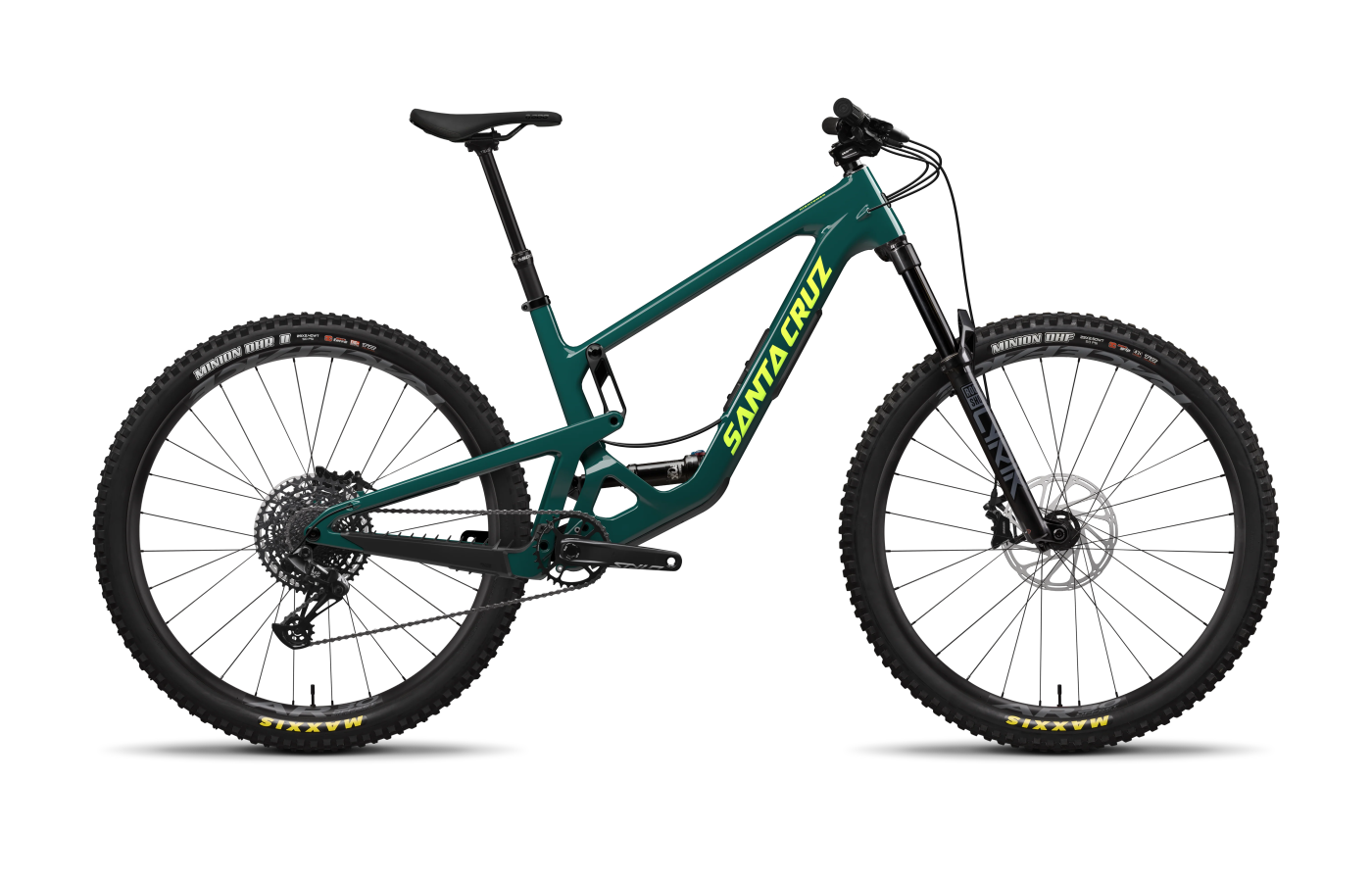
Hightower
The all-mountain default — VPP suspension, similar travel, similar intent. Sits between the Ripmo's poppiness and the Sight's plushness; a sensible middle if you can't decide.
Compare →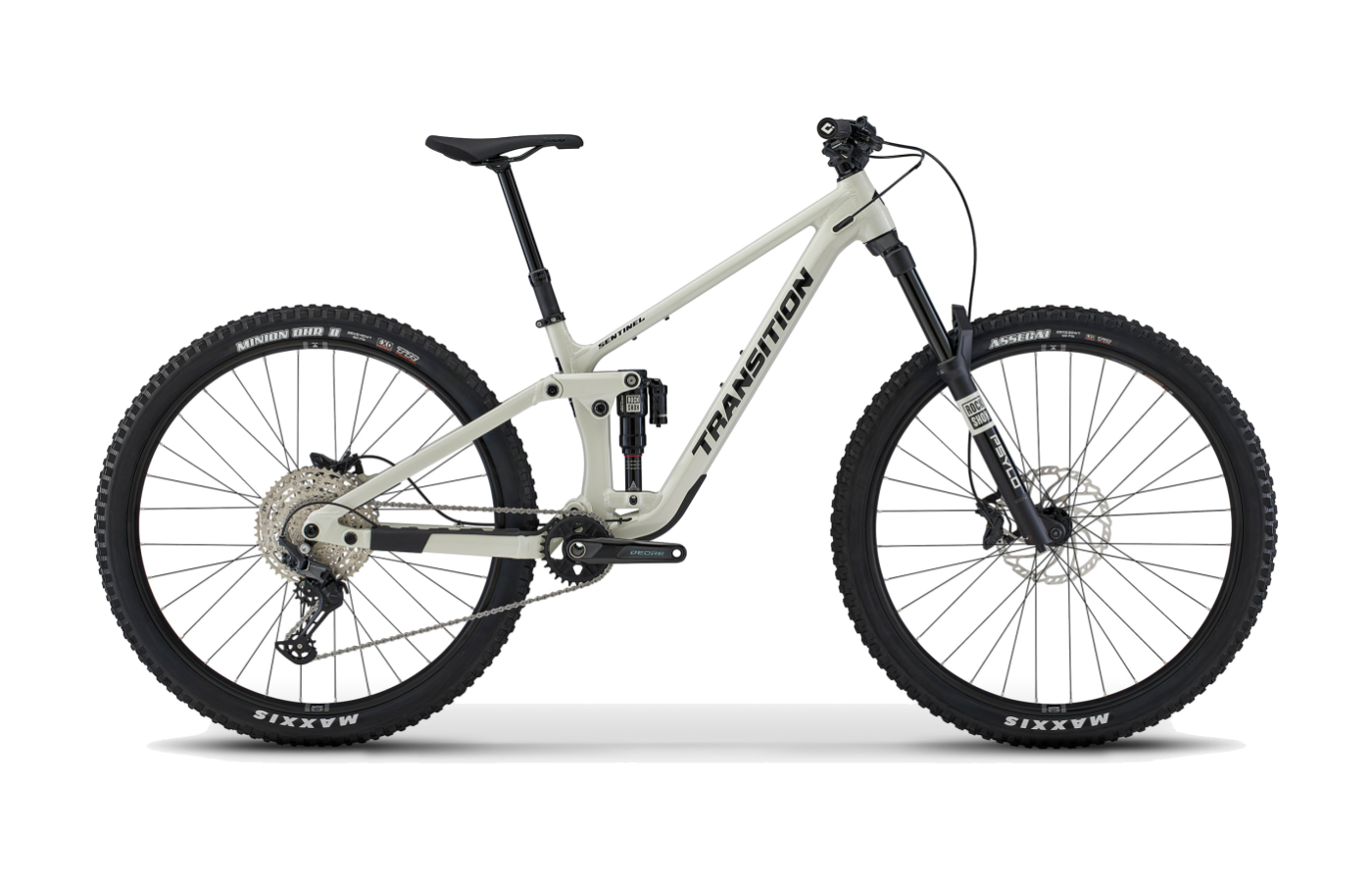
Sentinel
Transition's enduro-leaning trail bike — slacker, longer-travel, and built for fast and chunky terrain. A direct alternative if you'd otherwise pick the Sight but want a four-bar feel.
Compare →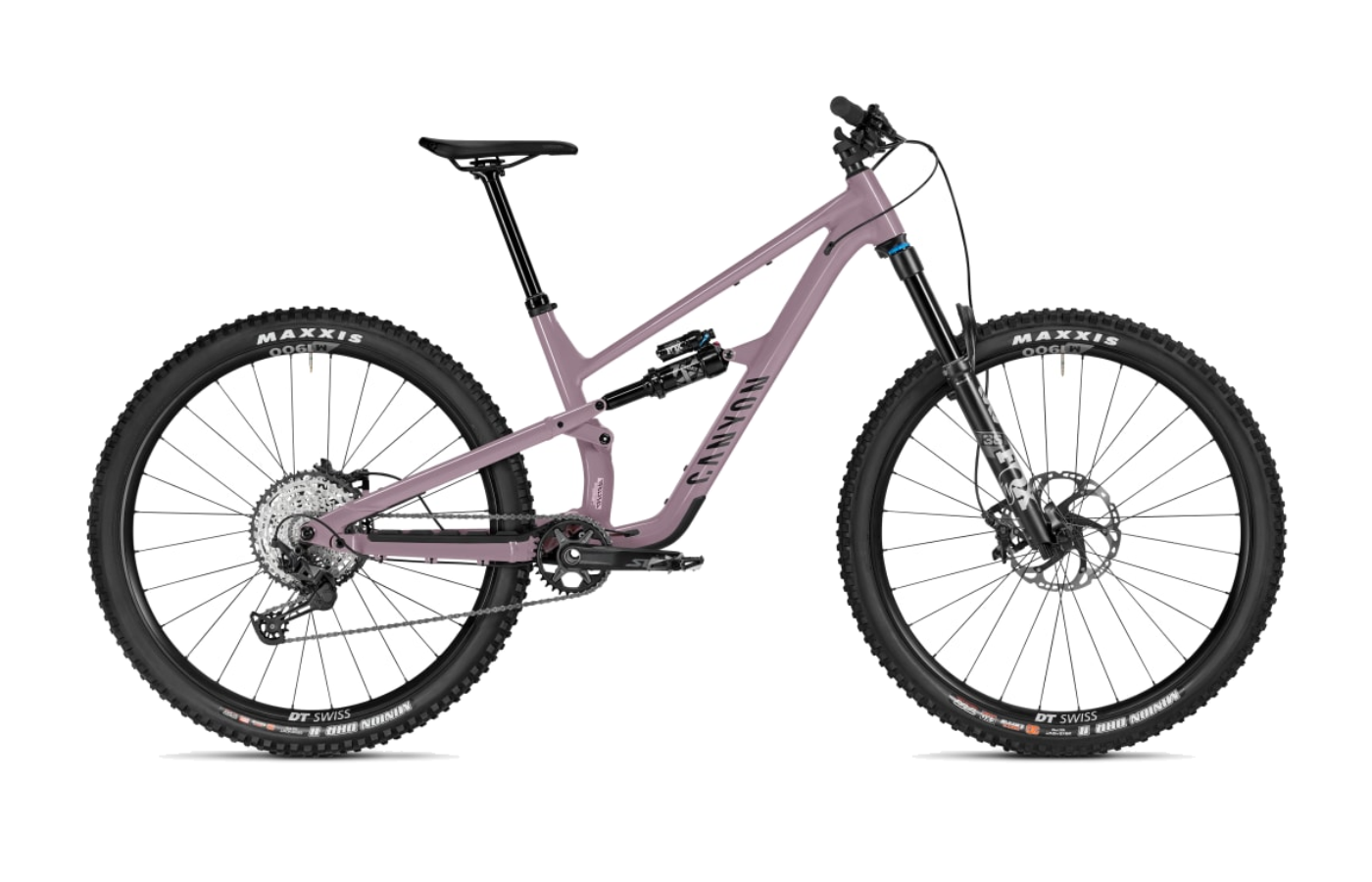
Spectral
Direct-to-consumer pricing on a 150 mm trail platform that rivals the Ripmo on capability. The Canyon catch is no local dealer; best if you know your fit and don't need test rides.
Compare →