Ripley
vsRipmo
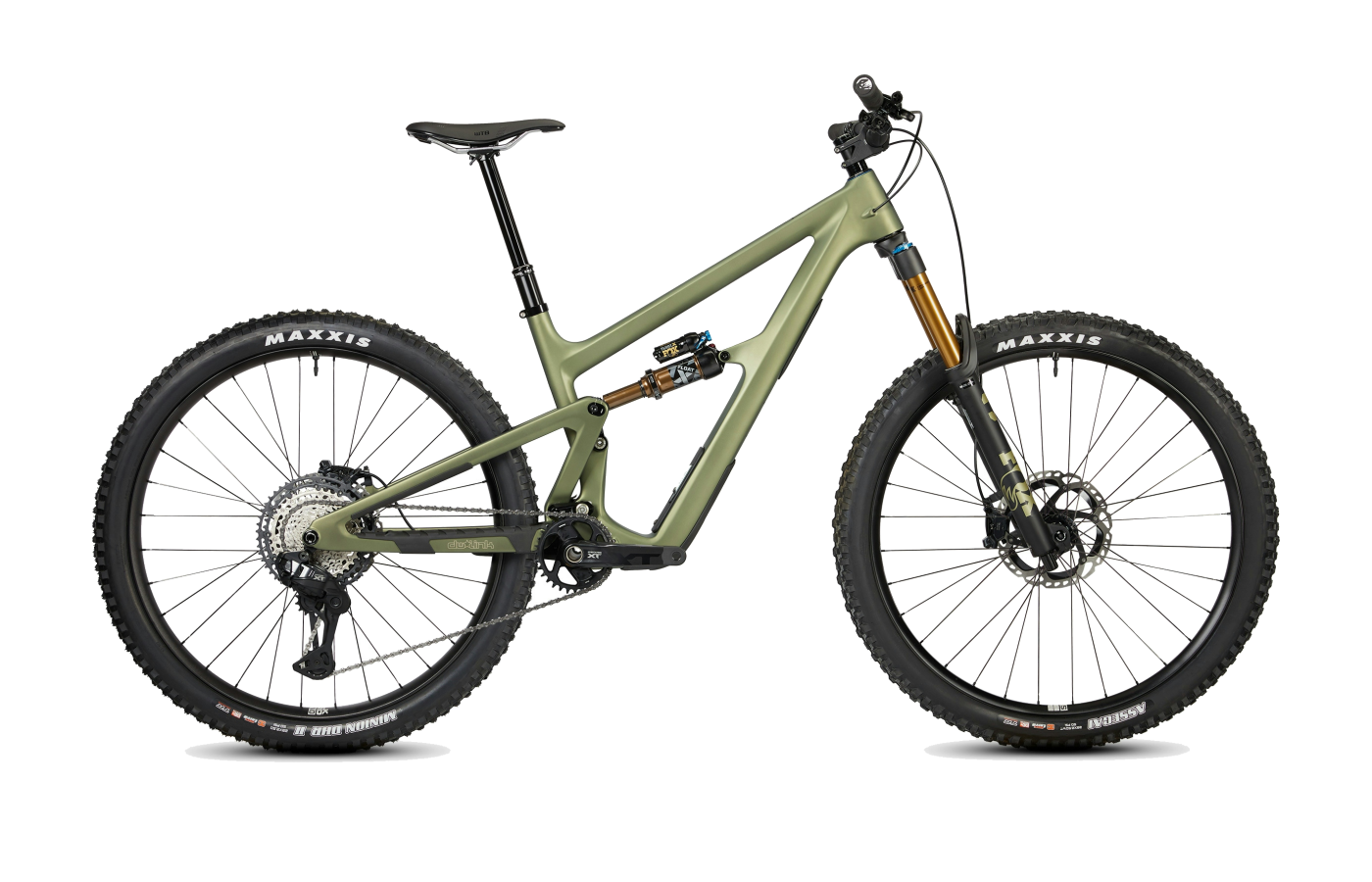
Same frame, two travel kits, two missions.
The Ibis Ripley is the trail-bike sibling at 140/130 mm. The Ibis Ripmo is the all-mountain sibling at 160/150 mm. Pick the one that matches your trails.
Ripley
- Lighter and livelier around 29-30 lb on the XT medium — climbs better than anything in this travel class with comparable descending chops.
- Pedal-friendly DW-Link — testers report dropping faster riders on climbs without touching the lockout.
- Convertible to a Ripmo by swapping the fork, shock, and rocker link — one frame, two bikes over time.
- Fox 36 SL stanchions can flex on bigger riders pushing rough, high-speed terrain.
- Rekon rear tire rolls fast but undersells the frame's descending capability — most reviewers swap it.
Ripmo
- Most capable descending Ripmo yet — 160/150 mm of travel, slacker 64.5 degree HTA, longer wheelbase, all in service of high-speed composure.
- Burlier Fox 36 GRIP X2 fork and Float X shock handle hard charging without feeling overgunned on mellower trails.
- Wider 63.5 mm tire clearance and stock Assegai/DHR II EXO+ tires ready for steep, loose, technical riding straight off the floor.
- Heavier (~32 lb on medium XT) and busier on smooth climbs than the Ripley.
- Higher BB drop (30 mm vs. Ripley's 42 mm) trades carving feel for pedal clearance — preference splits among reviewers.
Editor’s analysis
These bikes share the same carbon front triangle and swingarm — what changes is the amount of bike, not the kind.
Ibis built the Ripley V5 and Ripmo V3 around a single shared chassis. Same molds, same DW-Link kinematics, same STOW downtube storage, same flip-chip mullet option. What differs is the suspension package — the Ripley runs a 140 mm Fox 36 SL fork over 130 mm of rear travel, the Ripmo gets a burlier 160 mm Fox 36 paired with 150 mm out back. Linkage, shock, and fork can be swapped to convert one into the other, which is unusual and worth saying out loud: you're really choosing a build, not a platform.
On the Ripley, the geometry sits a touch steeper (64.9 degree HTA, 76.9 degree STA on the medium) and a touch shorter in wheelbase (1,211 mm). Reviewers consistently call it the better climber — Ibis's pedal-friendly DNA carried over from the V4, but with a slacker front and more travel than the old downcountry version. The Maxxis Rekon rear tire is a tell: this bike is built to roll fast on hardpack and reward riders who like to pump and pop their way down.
The Ripmo trades that lightness for composure. A half-degree slacker (64.5 HTA), 8 mm longer wheelbase, 30 mm extra travel front and rear, and an Assegai/DHR II tire combo that wants steeper, looser, faster terrain. Reviewers describe it as the most capable descending Ripmo to date — confidence at speed without losing the brand's signature poppy DW-Link character. The trade-off is weight (around 32 lb on the medium XT) and a slightly more upright climb that some testers found busier on rough ground.
The honest answer: if your local trails feature long climbs, hardpack flow, and the occasional rocky descent you ride for fun, the Ripley is more bike than you probably realize. If you spend weekends shuttling, hitting bike park laps, or chasing enduro lines, the Ripmo is the safer call. Anything in between, the Ripley wins on versatility — but you can always swap the link kit later.
Where the builds differ.
Comparing our editor's-pick builds side-by-side. Winners highlighted row-by-row — lower price and weight, and the better-spec component, each mark a point.
Build variants & pricing
Both lineups span five builds from Deore to XTR Di2, and at every matched tier the Ripmo runs about $500 more for the burlier suspension and tire kit.
Prices are current US MSRP. Editor's-pick column shows the XT Di2 build on each side — same drivetrain, same cockpit, so the differences in the table are pure platform character.
How they fit, how they steer.
Both at size MD. The Ripley sits 3 mm lower in stack with 4 mm more reach, a half-degree steeper head and seat tube, and an 8 mm shorter wheelbase — the lighter, quicker bike. The Ripmo is the slacker, longer-travel sibling.
Which size should I buy?
Both lineups run S / M / XM / L / XL with closely matched stack and reach at every size. Sizing applies the same on either platform.
→These are starting points. Flexibility, riding style, and preferred position all shift the answer — if you’re between sizes, a professional fit beats a chart.
What the magazines said.
Published reviews from trusted cycling outlets. Click through for the full write-up.
Which one should you buy?
If you climb as much as you descend and value efficiency, get the Ripley. If you live for descents and shuttle laps, get the Ripmo.
Ripley
If your week is mostly pedal access, mixed terrain, and the occasional bike-park weekend, the Ripley is the smarter buy. It climbs like a downcountry bike and descends well past where 130 mm of travel has any right to.
Ripmo
If your favorite trails are steep, loose, or shuttle-served — and you want a bike that still pedals back to the top — the Ripmo is the call. 150 mm of well-tuned DW-Link rear travel and a 160 mm Fox 36 absorb the kind of terrain the Ripley starts protesting on.
Questions buyers actually ask.
Short answers to the things we get emailed about most often.
01Is the Ripley really just a Ripmo with less travel?
Effectively, yes. They share the same carbon front triangle and swingarm — the only differences are the rear shock (210x52.5 mm on the Ripley vs. 230x60 mm on the Ripmo), the rocker link, and the fork. Ibis says you can swap those three parts to convert one into the other, and reviewers (Duffy Rides, 99 Spokes) have confirmed it works.
That means buying a Ripley today and the link/shock/fork kit later isn't crazy — it's a real upgrade path.
02Which one climbs better?
The Ripley, but the gap is smaller than you'd expect. Both run the same DW-Link platform that Ibis is famous for. The Ripley's edge comes from less travel, lighter overall weight (~29-30 lb medium XT vs. ~32 lb for the Ripmo XM/L), a steeper 76.9-degree seat tube, and faster-rolling Maxxis Rekon rear tire.
Reviewers (Theradavist, MTB yumyum) consistently describe both as among the best climbers in their respective categories — the Ripmo just carries more bike up the hill.
03Which is more capable on descents?
The Ripmo, clearly. 30 mm more travel front and rear, a half-degree slacker head angle (64.5 vs. 64.9), longer wheelbase, burlier Fox 36 fork with the GRIP X2 damper, and Maxxis Assegai front tire all add up to a meaningfully more confident descender.
That said, multiple reviewers (Mountain Bike Action, Theradavist) note the Ripley V5 punches well above its travel class — the previous-gen Ripmo and the new Ripley overlap in capability more than the spec sheets suggest.
04What's the difference in tire clearance?
Ripley V5: 61 mm of stated clearance, comfortably running 29x2.4 tires (Maxxis DHR II / Forekaster / Rekon stock).
Ripmo V3: 63.5 mm of clearance, designed around 29x2.5 EXO+ tires (Assegai / Minion DHR II stock).
Neither is a plus-tire bike, and both run mixed-wheel (29F / 27.5R mullet) via the rocker-link flip chip — note that swapping wheel sizes on either model requires removing the shock to access the chip.
05Why are both 'XT' builds in the comparison table different prices?
The Ripley XT is $7,249 and the Ripmo XT is $7,799 — about $550 apart. Same Shimano XT Di2 drivetrain on both, but the Ripmo gets the burlier Fox 36 (GRIP X2 damper) vs. Fox 36 SL (GRIP X) on the Ripley, a larger Float X rear shock, and more aggressive tires (Assegai EXO+ vs. Minion DHR II EXO).
That $550 buys real performance for hard descending. If your trails don't ask for it, the savings are real too.
06Do they both have internal frame storage?
Yes. Both use Ibis's STOW downtube system — a single quick-release latch, two Cotopaxi-made fabric bags included, and rubberized surfaces that keep things rattle-free. Reviewers (Bike Rumor, Theradavist) consistently call it one of the best-executed in-frame storage systems on the market.
The storage compartment is identical on both bikes since they share the front triangle.
07Which has better warranty and support?
Both come with Ibis's lifetime frame warranty and a lifetime replacement on the lower-link IGUS bushings. Both ship through Ibis's dealer network in the US (no direct-to-consumer), so service and crash support runs through your local shop. There's no warranty difference between the two models.
08What about the Ripmo AF or an alloy Ripley?
Ibis offers an alloy Ripmo AF at a meaningfully lower entry price for riders who want the platform character without the carbon premium — worth considering if budget is the main constraint. There's currently no alloy version of the V5 Ripley; if you want that bike at a lower price, the Deore-build carbon at $4,999 is the floor.
Similar bikes
If your priorities don’t map cleanly onto either of these, one of these adjacent bikes probably fits better.
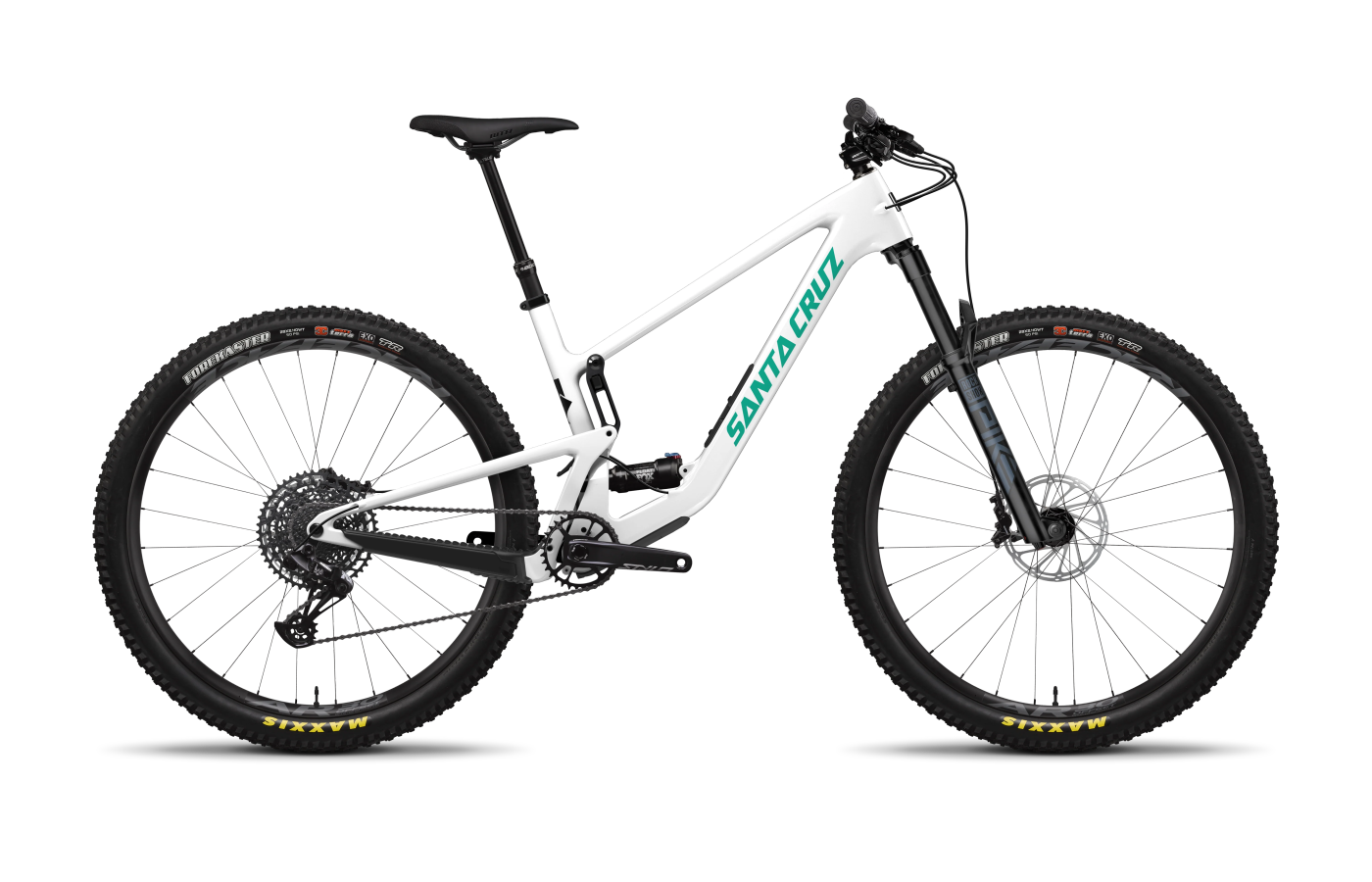
Tallboy
The Ripley's most direct cross-shop — another short-travel 29er that grew up out of XC roots into a real trail bike, with a similarly playful character and Santa Cruz's lower-link VPP feel.
Compare →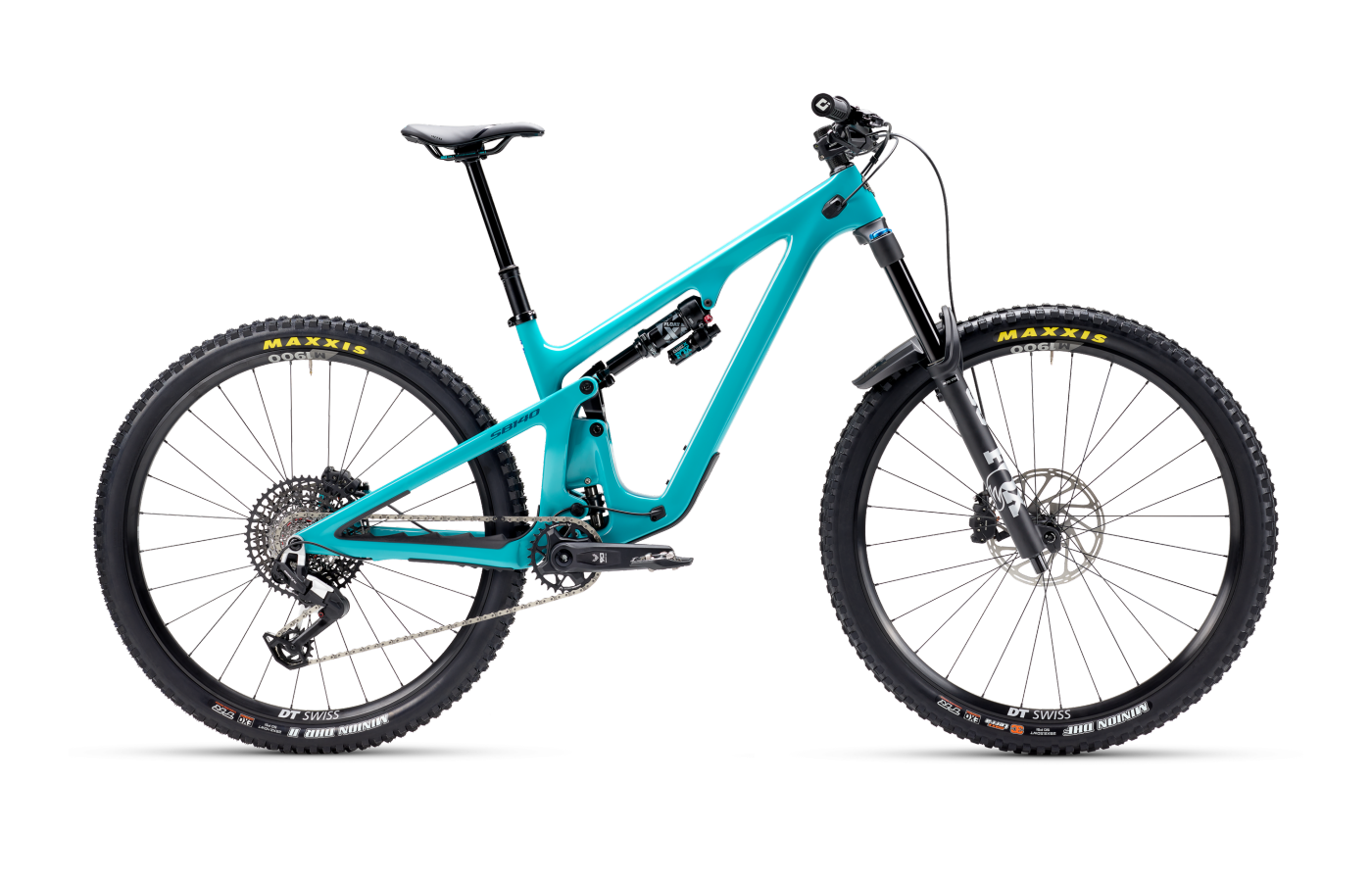
SB140
Yeti's 140 mm trail bike sits between the Ripley and Ripmo on travel, with the Switch Infinity rear end that feels more planted than DW-Link on chunky descents — a strong alt for riders torn between the two.
Compare →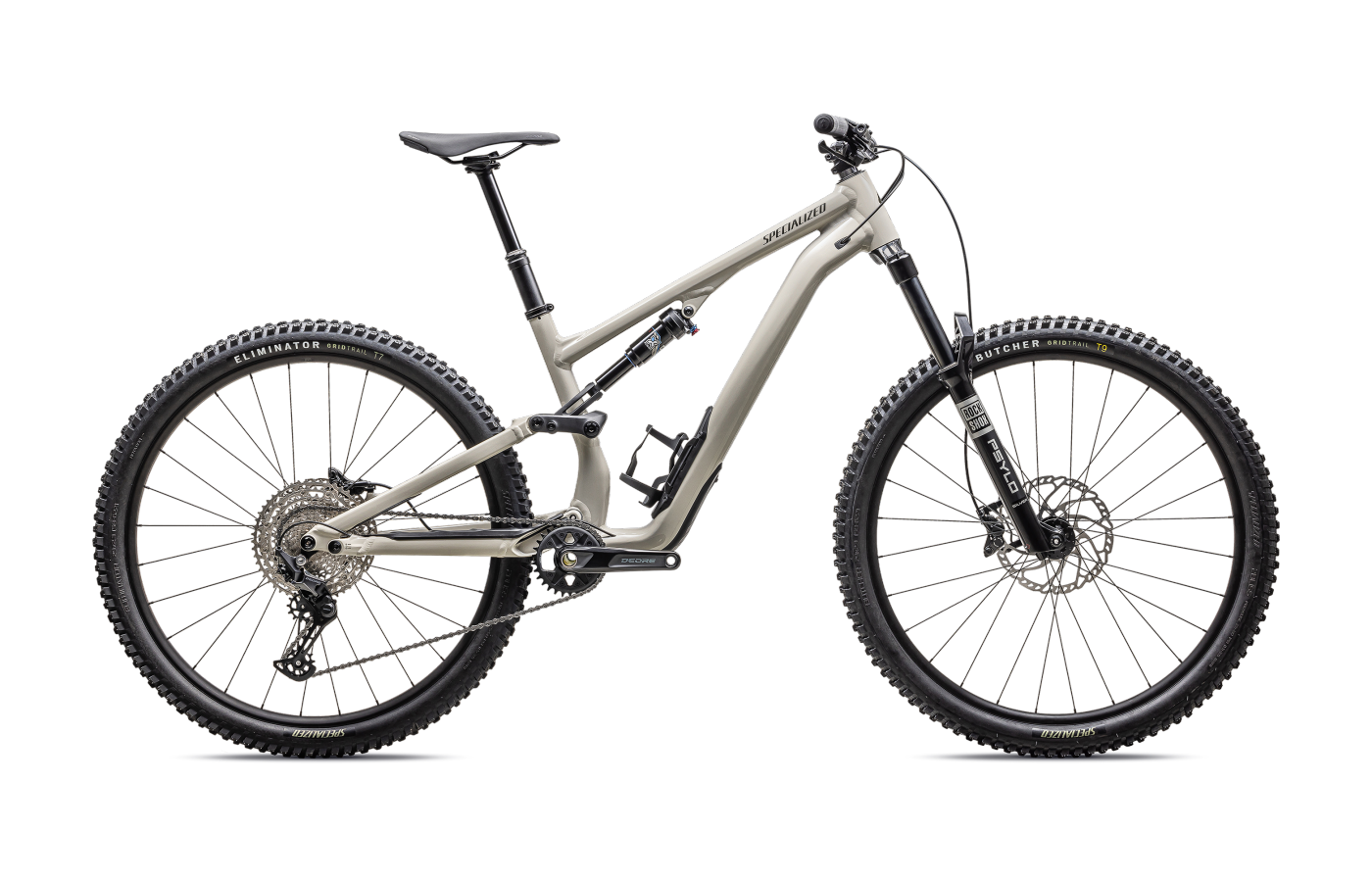
Stumpjumper
Specialized's quiver-killer trail bike, available in alloy and carbon at meaningfully lower entry prices than either Ibis. Less of a climber than the Ripley, less of a descender than the Ripmo, but probably the easiest one to live with day-to-day.
Compare →