Ripmo
vsJeffsy
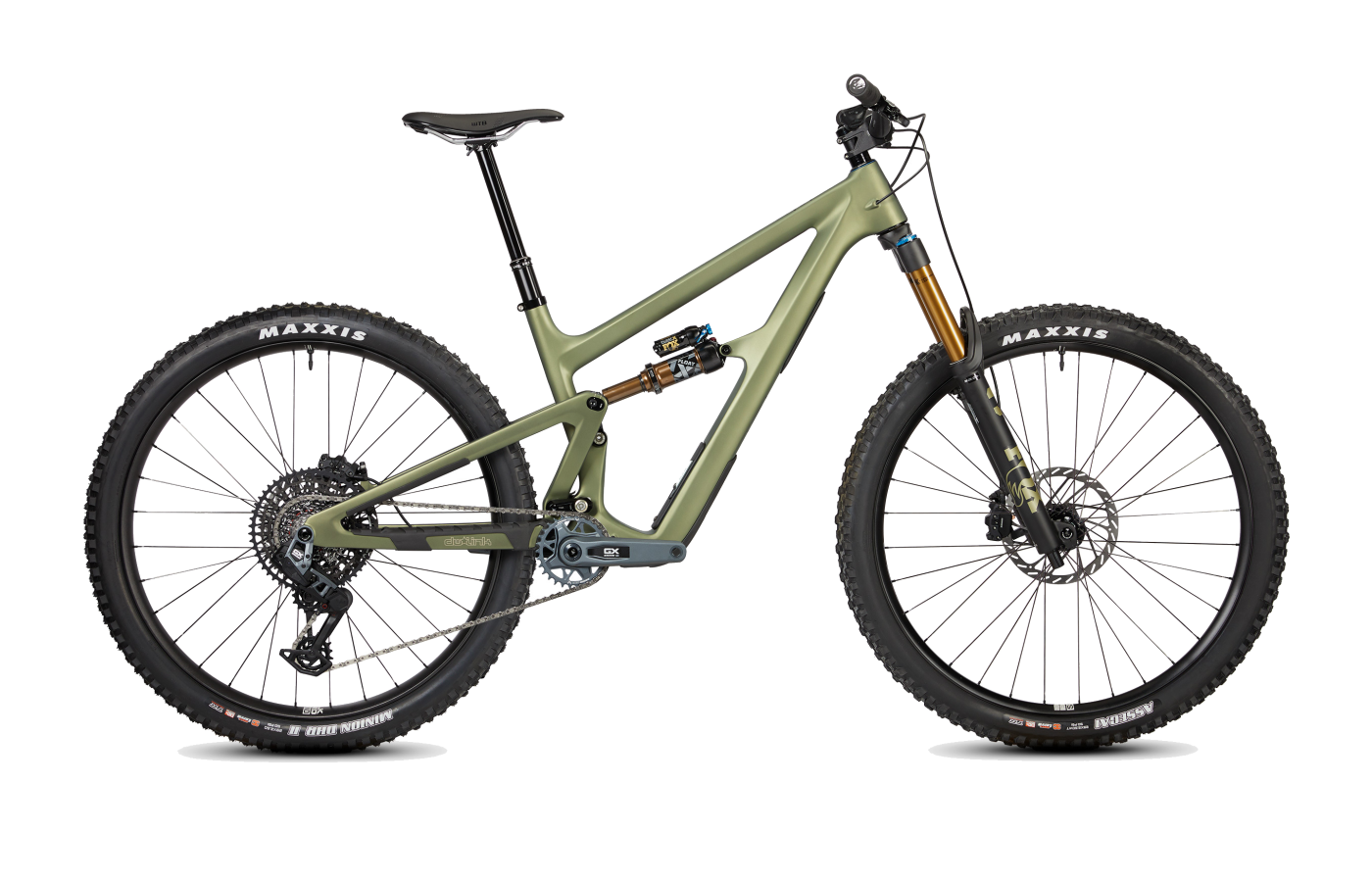
Two 29ers, two business models.
The Ibis Ripmo V3 is the premium DW-link trail benchmark. The YT Jeffsy Mk III is the direct-to-consumer all-rounder that undercuts it by thousands.
Ripmo
- Elite DW-link pedaling — reviewers consistently rank the Ripmo among the best-climbing 150 mm bikes, with or without the lockout.
- Size-specific geometry — chainstays, BB height, and shock tune all scale with frame size, not just reach and stack.
- Lifetime bushing warranty — Ibis backs the IGUS lower-link bushings for life, a rare durability guarantee at this price.
- Price floor is $5,199 — no true entry-level build exists on the carbon frame.
- Stock 180 mm rear rotors drew criticism from heavier reviewers on long descents.
Jeffsy
- Direct-to-consumer pricing — the Core 4 CF at $6,299 undercuts comparable dealer-sold carbon bikes by $1,500 or more.
- Stop-short braking spec — 200 mm rotors and Code-tier brakes standard on nearly every build, no upgrade needed.
- Integrated STASH storage on carbon frames — double-sealed hatch with included neoprene tool bags.
- No local dealer network — sizing, demos, and warranty work run through YT Mill or mail.
- 65 degree head angle feels nervy at the edges; some reviewers ran angle-adjust headsets to slacken it.
Editor’s analysis
Both bikes land in the 145-150 mm travel sweet spot, but they're selling very different things — one sells the frame, the other sells the parts hanging off it.
On paper, the Ibis Ripmo V3 and YT Jeffsy Mk III are neighbors: 29-inch wheels, ~150 mm rear travel, 160/150 mm forks, similar head angles, similar chainstays. Spec them both to X0-tier Transmission with carbon frames and Fox Float X shocks and the trail map gets clearer — but the price tags don't. The Ripmo GX Transmission is $7,799. The Jeffsy Core 4 CF with an arguably better SRAM X0 build is $6,299. That's a $1,500 gap for what rides like the same category of bike.
The Ripmo is the precision tool. DW-link suspension delivers the brand's signature pedaling response — reviewers describe a 'hoverbike' feel on bumpy climbs, the kind of energetic pep that rewards riders who stay active and pump the trail. A 64.5 degree head angle, size-specific chainstays that stay short (435-440 mm), and a size-specific rising BB height give it a distinctly playful, flickable character. It climbs as well as almost anything in the 150 mm class, and it's the bike reviewers most often cite as a genuine 'quiver killer'.
The Jeffsy plays a different game. The V4L suspension is tuned around a softer initial stroke (Pinkbike and The Radavist both used words like 'pillowy' and 'isolated') that blurs trail chatter into a manageable hum. The 65 degree head angle is a touch steeper, the chainstays match the Ripmo at 437 mm, and the seat tube angle is steeper still (77.5-78.6 degrees) — pointing to a bike designed to keep intermediate riders upright and comfortable rather than to reward expert-level input. The stock 200 mm rotors and big Code-tier brakes on most builds back that up.
Put bluntly: the Ripmo is the bike you buy when you've ridden enough to know what pedaling efficiency and pivot durability feel like, and you're ready to pay for both. The Jeffsy is the bike you buy when you want 90% of that performance at 65% of the price, and you're fine dealing with a direct-to-consumer shipping box instead of a local dealer.
Where the builds differ.
Comparing our editor's-pick builds side-by-side. Winners highlighted row-by-row — lower price and weight, and the better-spec component, each mark a point.
Build variants & pricing
The Ripmo starts at $5,199 and tops out near $10k. The Jeffsy runs from $2,999 to $6,299 — no build overlap above $6.3k, no Ibis build below $5.2k.
Prices are current US MSRP. Tier-matching the editor's picks means accepting a real platform price gap: the Ripmo GX Transmission is ~$1,500 more than the Jeffsy Core 4 CF despite similar carbon frames and Transmission drivetrains. That gap is the point, not an error.
How they fit, how they steer.
Ibis MD (456 mm reach, 622 mm stack) vs YT M (455 mm reach, 620 mm stack) — the two bikes land essentially on top of each other at the fit-picked size, with the Jeffsy 0.5 degrees steeper at the head tube and 1 degree steeper at the seat tube.
Which size should I buy?
Both brands run five sizes with closely overlapping ranges; Ibis uses two-letter labels (SM/MD/XM/LG/XL), YT uses single-letter (S/M/L/XL/XXL).
→These are starting points. Flexibility, riding style, and preferred position all shift the answer — if you’re between sizes, a professional fit beats a chart.
What the magazines said.
Published reviews from trusted cycling outlets. Click through for the full write-up.
Which one should you buy?
If you treat every ride as a workout and reward for precision, get the Ripmo. If you want 90% of the capability with $1,500+ left in your bank account, get the Jeffsy.
Ripmo
If your local loops involve big technical climbs followed by flowy, poppy descents, and you'd rather pay once for premium pivots than deal with creaking bushings down the road, the Ripmo rewards the effort. It's a bike that asks for rider input and gives speed back when you provide it.
Jeffsy
If you want one bike that does local trails, occasional bike-park laps, and long shuttle days without requiring expert-level input to feel fast, the Jeffsy delivers. The aggressive DTC price gap means you can buy a Core 4 CF and still have money left for a second wheelset or a weekend trip.
Questions buyers actually ask.
Short answers to the things we get emailed about most often.
01Which is the better climber?
The Ibis Ripmo V3, and it's not particularly close at the top of the climb-bike pecking order. DW-link suspension gives the Ripmo an energetic, pedal-responsive platform that reviewers describe as having 'pep' and 'hoverbike' traction on technical ascents, even without the climb switch engaged.
The Jeffsy is no slouch — its 77.5-78.6 degree seat tube angle keeps the rider centered and powerful — but reviewers (Pinkbike, Bike Perfect) consistently noted the softer V4L platform can sit deep in its travel on smooth climbs, occasionally requiring the lockout to stay efficient. The Ripmo pedals eagerly out of the box.
02Which descends better?
This depends on what 'better' means. The Ripmo has a 0.5 degree slacker head angle (64.5 vs 65), a slightly longer wheelbase at matched sizes, and its DW-link kinematic provides strong mid-stroke support that rewards riders who stay active and pump the trail.
The Jeffsy is more forgiving — its 'isolated' suspension feel averages out chatter and masks mistakes, which makes it the safer pick for intermediate riders or for anyone prioritizing long-day comfort over outright precision. If you're pushing at race pace, multiple reviewers (Off-Road.cc, Singletrackworld) noted the Jeffsy can feel 'skittish' on the steepest, fastest lines — the Ripmo stays composed further up the speed range.
03How much does the DTC price gap actually matter?
At tier-matched builds it's substantial. The Ripmo GX Transmission is $7,799; the Jeffsy Core 4 CF (with a superior SRAM X0 Transmission and DT Swiss carbon wheels) is $6,299 — a $1,500 gap for roughly equivalent capability.
That gap widens at the entry level: the cheapest carbon Jeffsy is $4,199 (Core 2 CF), while the cheapest Ripmo is the $5,199 Deore build. If a sub-$5k carbon 150 mm trail bike is what you want, Ibis simply doesn't sell one.
04Are the frames actually comparable in quality?
Mostly yes, with a few caveats. Both use modern full-carbon construction with downtube storage, UDH rear dropouts, and internal cable tunnels. The Ripmo uses a threaded bottom bracket on all builds — a durability win that multiple reviewers called out. The carbon Jeffsy uses a press-fit BB89/92, though Pinkbike's long-term test reported zero issues.
The Ripmo backs its IGUS lower-link bushings with a lifetime warranty and the whole frame with a lifetime warranty to the original owner. YT offers a 5-year frame warranty and has recently expanded US/UK support via 'YT Mill' service points, but it's still not a local dealer network.
05What about tire clearance and wheel-size options?
Ripmo V3: 2.5-inch clearance front and rear, 29er default with a flip chip for mullet conversion (29/27.5 mixed). Size SM and MD ship with a 27.5 rear tire stock.
Jeffsy Mk III: similar 2.4-2.5 inch clearance, 29er across all sizes with a high/low flip chip for geometry adjustment but no stock mullet option. If mullet compatibility matters to you, the Ripmo is the more flexible platform.
06Which brakes should I plan to upgrade?
On the Ripmo, plan to upgrade the rear rotor. Enduro-MTB, NSMB, and Pinkbike all flagged the stock 180 mm rear rotor as undersized for long, steep descents — a 200 mm rotor is a simple, effective fix (~$50) and a common first upgrade.
On the Jeffsy, there's less to upgrade out of the gate. Most builds (Core 2 CF and up) ship with 200 mm rotors and SRAM Code-tier or Dominion brakes stock, which multiple reviewers specifically called out as a DTC advantage. It's rare at any price point to get proper 4-piston stoppers already dialed.
07Is the Jeffsy frame as durable as the Ripmo?
Probably, with one noted exception. Both carbon frames have extensive protection — chunky downtube plates, chainstay armor, and rattle-free internal routing. The Jeffsy's matte-black carbon finish, however, drew repeated criticism (Bike Perfect, Singletrackworld) for scuffing easily from knee and heel rub. Several reviewers recommended budgeting for a frame protection wrap.
On the suspension side, Ibis's lifetime bushing warranty is a harder guarantee to beat — YT doesn't publish equivalent lower-link coverage. For riders planning to keep the bike 5+ years, the Ripmo's longer support commitment is a real factor.
08Which is easier to demo before buying?
The Ripmo. Ibis sells through a full dealer network; most US markets have at least one shop that'll let you swing a leg over one or arrange a demo day.
The Jeffsy is direct-to-consumer only. YT runs a growing number of 'YT Mill' service centers in the US and UK, but walk-in demos are not the norm. You buy mostly on specs, reviews, and YT's sizing guide — which is why their 30-day return policy and the shipped 'Me First' torque-wrench kit matter more than they would for a dealer-sold bike.
Similar bikes
If your priorities don’t map cleanly onto either of these, one of these adjacent bikes probably fits better.
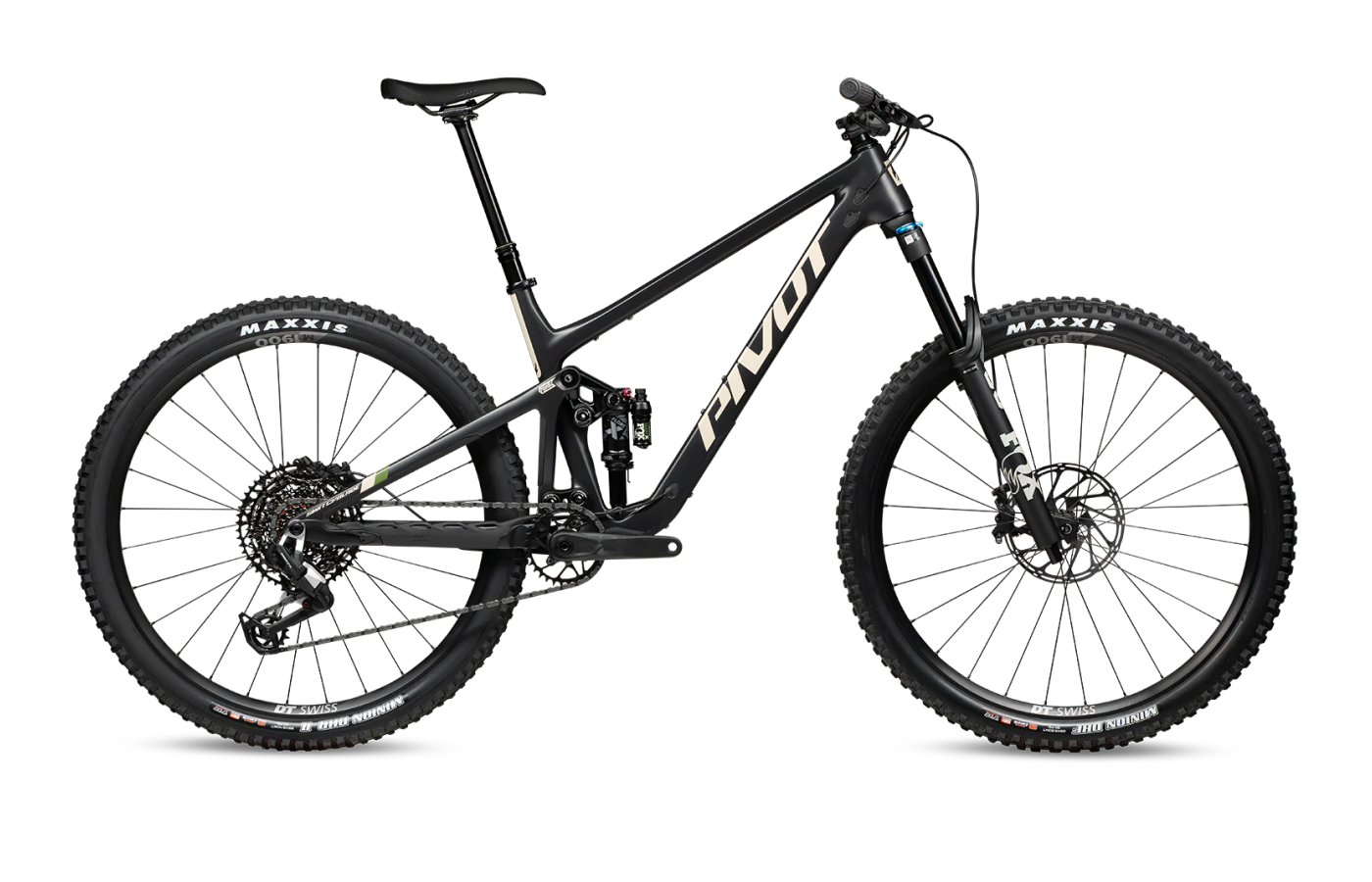
Switchblade
Pivot's take on the DW-link formula — similar pedaling response to the Ripmo but with a torsionally stiffer frame. The pick for riders who tested a Ripmo and wished it felt less flexy under hard cornering loads.
Compare →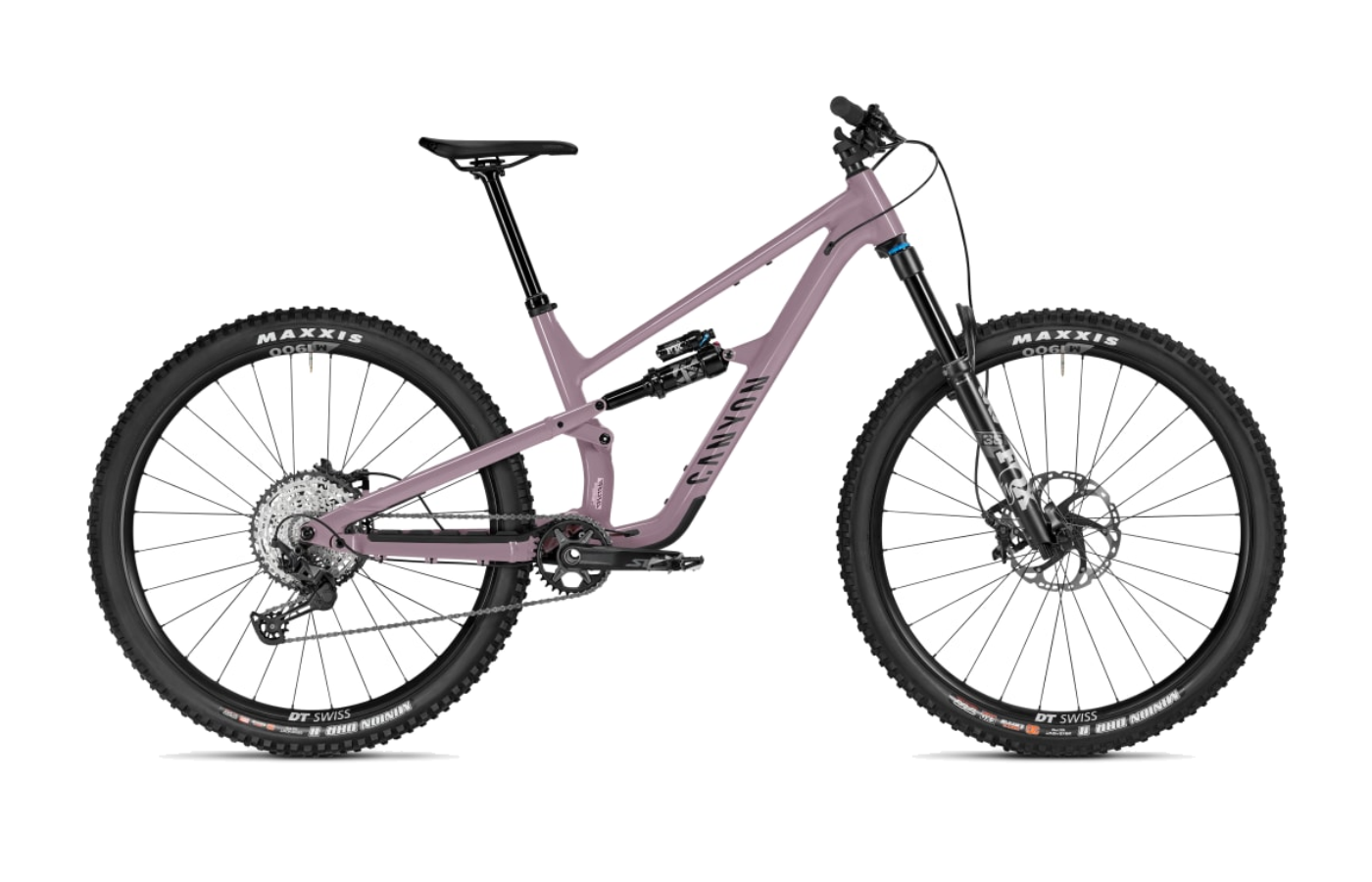
Spectral
The Jeffsy's closest DTC rival — Canyon offers more aggressive geometry and longer reach numbers at similar pricing. Worth a look if the Jeffsy's 65 degree head angle feels too conservative for the terrain you actually ride.
Compare →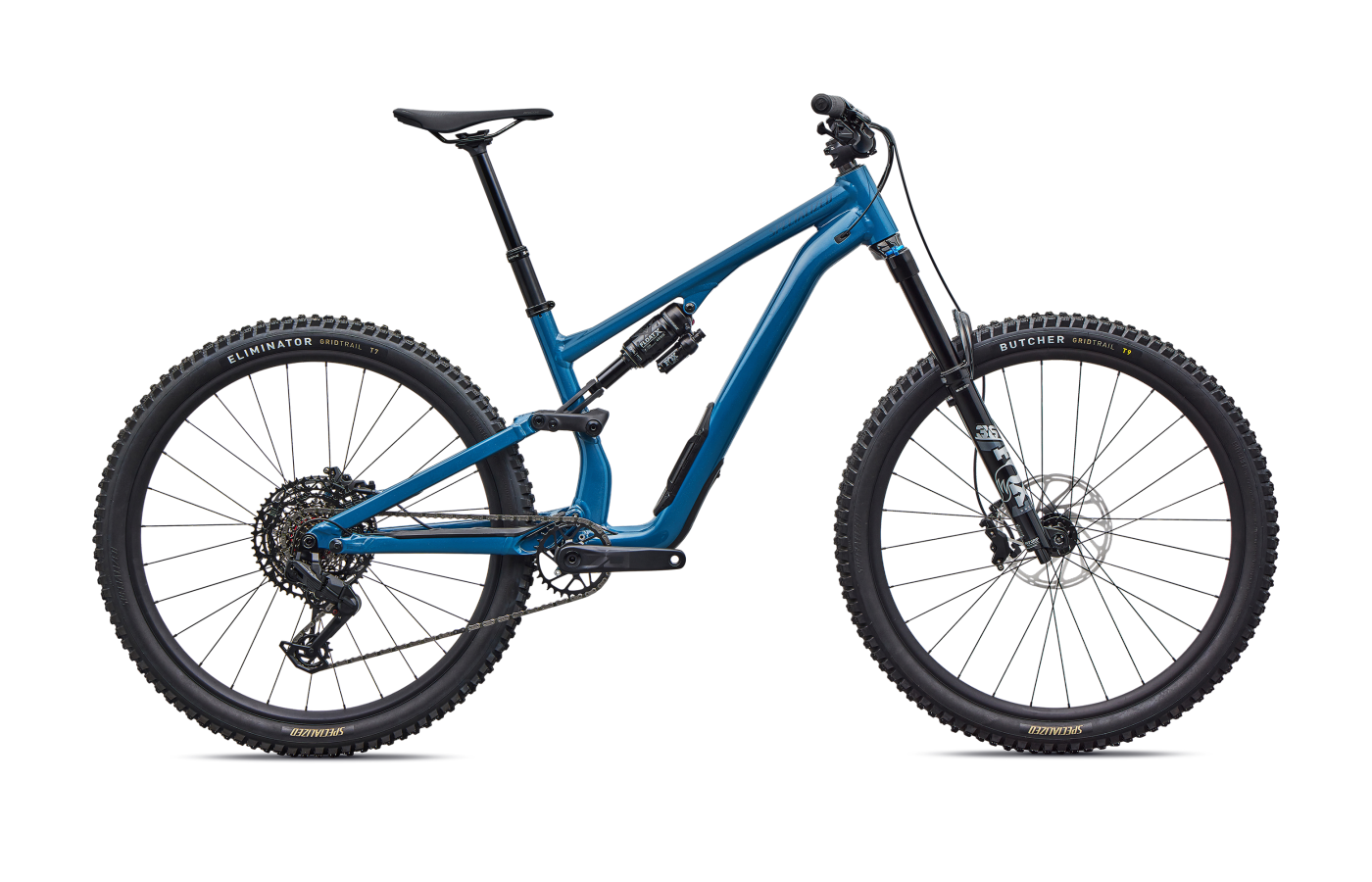
Stumpjumper Evo
For riders who want fine-grained geometry control, the Stumpjumper Evo offers adjustable head angle and BB height neither the Ripmo nor Jeffsy provide. The dealer-supported alternative to the YT with more setup flexibility than the Ibis.
Compare →