Ripmo
vsSB140
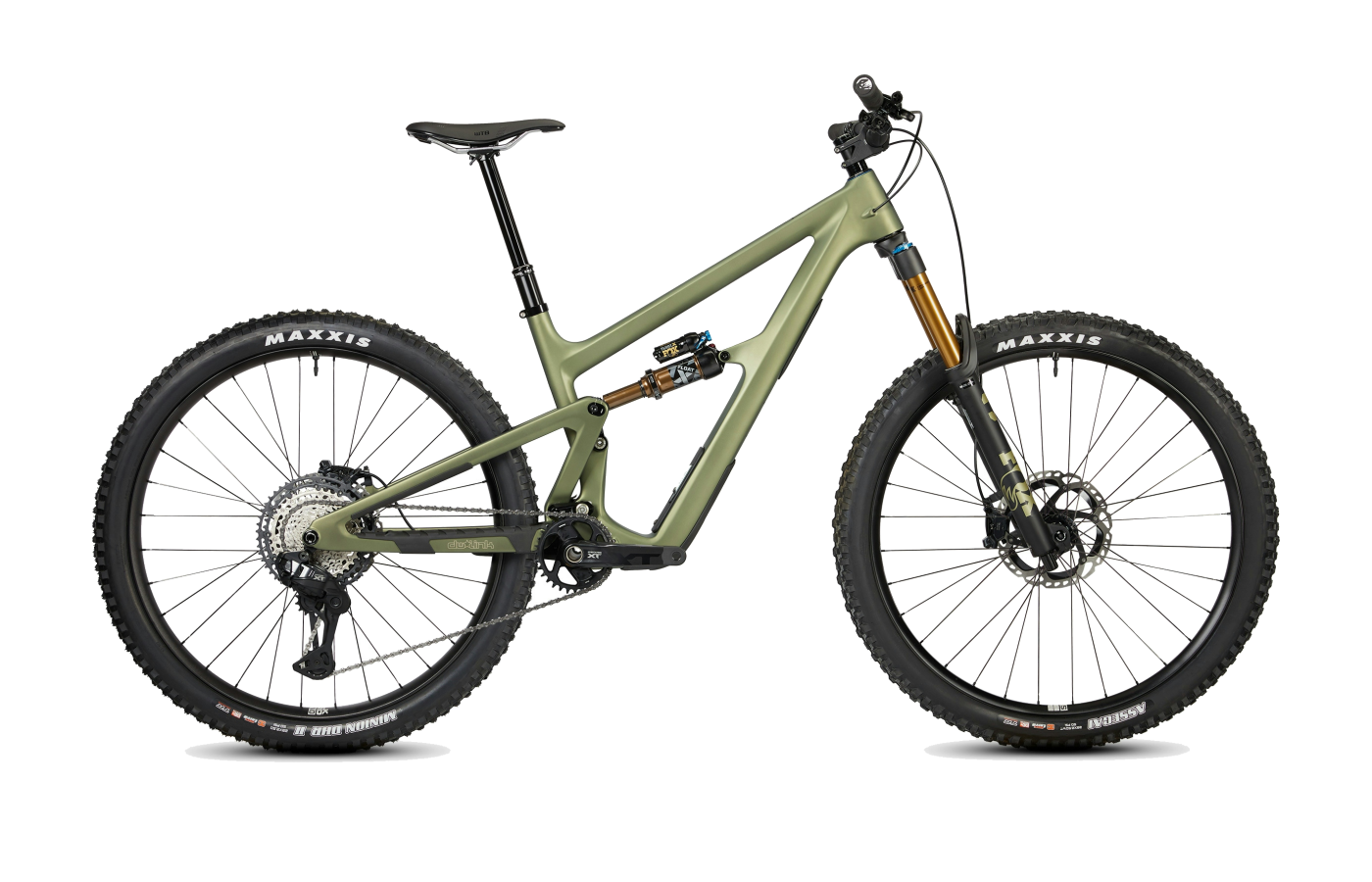
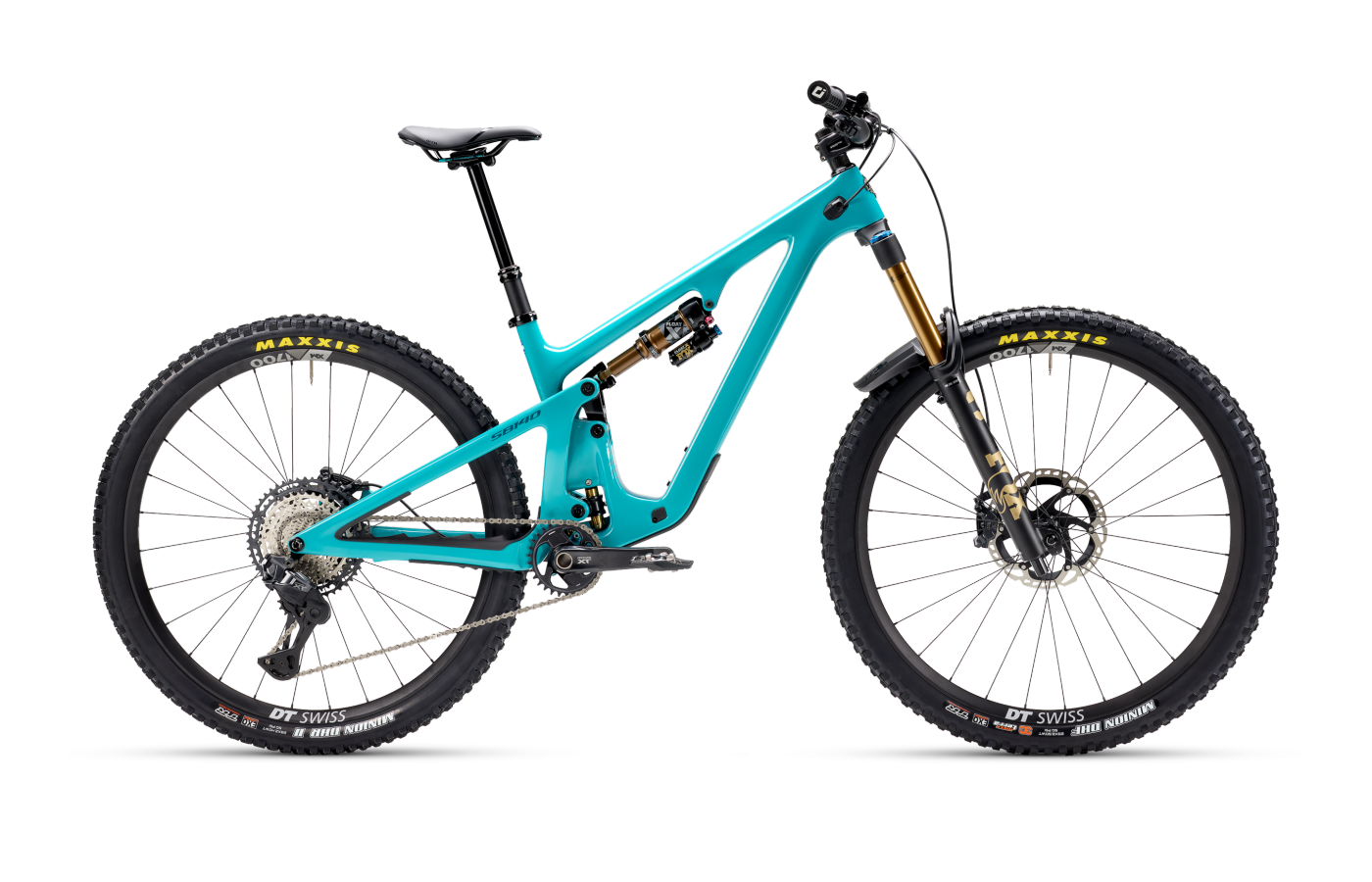
Two trail bikes, two suspension philosophies.
The Ibis Ripmo V3 is the playful DW-Link all-rounder with 150 mm out back. The Yeti SB140 is the Switch Infinity scalpel that punches above its 140 mm.
Ripmo
- Playful, poppy DW-Link — 150 mm rear travel that rewards manuals, jumps, and active line choice.
- Internal downtube storage with Cotopaxi-designed pouches; consistently called one of the best storage solutions on the market.
- Lower price floor — Ripmo starts at $5,199 (Deore), undercutting the SB140's $6,200 entry by $1,000 at the cheap end.
- Some reviewers describe the rear suspension as 'busy' or 'fluttery' on rough chunky climbs.
- Mixed feedback on torsional stiffness — heavier or more aggressive riders sometimes report the V3 feels less rigid than the V2.
SB140
- Switch Infinity efficiency — a benchmark pedaling platform; reviewers report fastest-in-years climb times without touching the lockout.
- Sophisticated, quiet frame — size-specific carbon layups and meticulous internal routing earn 'top-tier' build-quality marks.
- Composed at speed — 'gets better the faster you go,' generating speed out of corners in a way the shorter-travel number doesn't predict.
- No internal frame storage and no flip-chip geometry adjust — feature set lags newer competitors.
- Even high-end builds ship with alloy wheels (DT Swiss XM1700) at prices where carbon is increasingly standard.
Editor’s analysis
Same fork travel, same race-bred pedigree, same ~$8k spot in the lineup — but two completely different ideas of what a trail bike should feel like.
Both bikes pair a 160 mm Fox 36 with a Fox Float X out back, and both target the same aggressive-trail rider who wants one bike for everything from techy climbs to bike-park laps. Spec the editor's-pick builds — Ripmo XT at $7,799, SB140 T1 XT Di2 at $8,400 — and you get nearly identical drivetrain, fork, and shock. The differences live in the frame, the kinematics, and the geometry.
The Ibis Ripmo is the looser, more playful one. 150 mm of DW-Link rear travel, a 64.5° head angle, size-specific chainstays as short as 435 mm on the MD, and a frame designed to pop, manual, and snap from corner to corner. Reviewers consistently call it a 'total fun machine' that 'flicks the rear end from one corner into the next.' It also has integrated downtube storage and a lifetime warranty on the lower-link bushings — small things that add up over years of ownership.
The Yeti SB140 is the more surgical one. Just 140 mm of rear travel through Switch Infinity V2, a steeper 65° head angle, and a frame that reviewers describe as a 'scalpel rather than a sledgehammer.' It's the bike that 'gets better the faster you go' — exceptionally efficient on the climbs (Yeti's signature anti-squat-heavy tune), composed on flat-out descents, but more demanding of a forward-biased, active riding stance. The trade is real: lower stack (619.8 mm at size M vs. the Ripmo's 622 at MD), no internal frame storage, no flip-chip storage tricks, and a price floor that starts $1,000 higher.
Put another way: the Ripmo is the bike you buy when you want to ride lots of different trails and have fun on all of them. The SB140 is the bike you buy when you want to ride the same trails faster than you did last year — and you're willing to work for it.
Where the builds differ.
Comparing our editor's-pick builds side-by-side. Winners highlighted row-by-row — lower price and weight, and the better-spec component, each mark a point.
Build variants & pricing
Ripmo spans $5,199–$9,999 across five builds; SB140 spans $6,200–$11,000 across six. Both pair XT Di2 with a top-carbon frame at the editor's-pick tier.
Prices are current US MSRP. The Yeti's price ladder runs higher at every tier, but its mid-range C-series carbon (C2/C3) keeps the entry point in the same ballpark as the Ripmo's mid-range alloy-wheel builds.
How they fit, how they steer.
Compared at Ripmo MD vs. SB140 M — the fit-picked sizes for the same rider on each bike. Reach is within 4 mm (456 vs. 459.7), wheelbase within 3 mm. The SB140 sits at a half-degree steeper head angle (65° vs. 64.5°) and runs a half-degree steeper seat tube (77° vs. 76.5°).
Which size should I buy?
Both ranges cover S through XL/XXL. Ibis adds an in-between 'XM' size; Yeti extends further at the tall end with an XXL.
→These are starting points. Flexibility, riding style, and preferred position all shift the answer — if you’re between sizes, a professional fit beats a chart.
What the magazines said.
Published reviews from trusted cycling outlets. Click through for the full write-up.
Which one should you buy?
If you want a playful do-everything trail bike that climbs efficiently and rewards active riding, get the Ripmo. If you want a surgical, speed-generating scalpel and don't mind paying for it, get the SB140.
Ripmo
If you want a single bike for everything from after-work singletrack to enduro-adjacent terrain, with downtube storage and a frame that pops and manuals naturally — the Ripmo V3 is hard to argue with. The DW-Link climbs efficiently, the geometry is balanced, and the entry price is the lowest in this comparison.
SB140
If you ride the same trails repeatedly and want to keep getting faster on them, and you value frame refinement and suspension sophistication over feature checklists — the SB140 is the bike. The Switch Infinity platform is a class benchmark for pedaling efficiency, and the chassis only sharpens with speed.
Questions buyers actually ask.
Short answers to the things we get emailed about most often.
01Which one climbs better?
Both are unusually good climbers for 140–150 mm trail bikes — Ibis's DW-Link and Yeti's Switch Infinity are two of the most efficient suspension platforms in the category, and reviewers regularly comment that neither needs the climb-switch on most rides.
The Yeti SB140 edges it for raw pedaling efficiency. Its anti-squat-heavy Switch Infinity tune feels firmer under power and is the more 'planted' climber on smooth fire-road grinds. Reviewers report KOMs and personal-best climb times.
The Ibis Ripmo wins for technical climbing comfort. The DW-Link's more active initial stroke gives it the 'hoverbike' feel reviewers describe over chunky uphill tech, and the slacker seat tube combined with size-specific BB heights helps clear pedal strikes. If your climbs are smooth and pedally, lean Yeti. If they're rocky and slow, lean Ibis.
02Is the SB140's 140 mm of rear travel really enough?
Reviewers near-universally say yes. Yeti's 14% progression rate gives the SB140 what testers call a 'bottomless' feel — it 'punches well above its weight,' often compared to 150 mm or even 160 mm bikes in how it handles big hits.
That said, in real enduro-territory G-outs and chunky high-speed compressions, a few reviewers noted the rear can blow through travel and recommended adding volume spacers. Both bikes ship with the same 160 mm Fox 36 fork, so the fork side of the equation is identical.
The Ripmo's extra 10 mm of rear travel (150 mm) plus its more progressive linkage gives it a slightly bigger margin for error on bigger hits.
03How do the geometries actually compare on the trail?
On paper they're remarkably close at the editor's-pick sizes. Ripmo MD vs. SB140 M:
- Reach: 456 mm (Ripmo) vs. 459.7 mm (SB140) — 4 mm apart
- Stack: 622 mm vs. 619.8 mm — Ripmo sits 2 mm taller
- Head angle: 64.5° vs. 65° — Ripmo is half a degree slacker
- Chainstay: 435 mm vs. 436.9 mm — essentially identical
- Seat tube angle: 76.5° vs. 77° — Yeti is half a degree steeper
In feel, the Ripmo plays slightly more 'playful and snappy' (helped by the slacker HTA and shorter front center than its reach number predicts). The SB140 plays more 'forward and committed' — reviewers consistently flag the lower stack and recommend higher-rise bars for steep terrain.
04What's the price gap, really?
At the editor's-pick tier (matched XT Di2 builds), the SB140 T1 XT Di2 is $8,400 vs. the Ripmo XT at $7,799 — a $601 premium for the Yeti.
At the cheap end, the gap widens: Ripmo Deore starts at $5,199, SB140 C2 90 starts at $6,200 — a $1,001 gap.
At the top, the Ripmo XTR is $9,999, SB140 T4 XX AXS is $11,000 — $1,001.
Across every tier, the Yeti is roughly $600–$1,000 more for similar-tier components. That's the Switch Infinity / TURQ / Yeti-badge premium.
05Mixed-wheel (mullet) compatibility?
Both support mullet setups.
The Ripmo V3 uses a flip-chip to convert from full 29" to MX (29 front / 27.5 rear) without affecting key geometry numbers. Pinkbike noted that the conversion requires removing the shock and several bolts, so it's a workshop job, not a trailside swap.
The SB140 29 is the 29" version of Yeti's platform — Yeti also sells a separate SB135 for 27.5 rear-wheel buyers. The 29 model can run mixed wheels with a different shock yoke, but it's not the bike's primary configuration the way it is on the Ripmo.
06Which has better long-term durability?
Both come with lifetime frame warranties to the original owner. Both use threaded BSA bottom brackets and SRAM UDH derailleur hangers (so replacement parts are universal).
The Ripmo adds a lifetime warranty on the lower-link bushings (IGUS bushings, replaceable for free) — a meaningful long-term value-add given how often pivot bearings need attention on full-suspension trail bikes.
The SB140's Switch Infinity is a more complex linkage — two Kashima-coated stanchions with a translating pivot. The V2 update improved seals and added a grease injection port, but reviewers consistently note it 'needs a little more looking after than some designs,' especially in muddy climates. The Ripmo's DW-Link, by comparison, is a simpler four-bar that most owners can service themselves.
07Does either have internal frame storage?
Only the Ripmo V3 does. It has an integrated downtube compartment with two Cotopaxi-designed pouches, accessed via a flush-mount door on the underside of the downtube. Reviewers nearly unanimously call it one of the best-executed storage systems on the market.
The SB140 has no internal storage. This is one of the more frequent criticisms in reviews — the SB140 frame design predates the storage trend that Specialized, Trek, and Santa Cruz now ship as standard. If carrying a tube and tools inside the frame matters to you, this is a meaningful gap.
08Which would I buy if I had one bike to do everything?
For most riders, the Ripmo V3. Lower entry price, internal storage, the more playful character that makes regular trails more fun, and a feature set that's clearly newer-generation. The DW-Link platform is a known-good quantity, and the lifetime bushing warranty meaningfully reduces ownership cost.
The SB140 is the bike for a specific kind of buyer: someone who already knows they value Yeti's particular ride feel, who rides aggressive high-speed terrain regularly, and who isn't shopping on spec-per-dollar. If that's you, it's a near-perfect tool. If it isn't, the Ripmo is the easier recommendation.
Similar bikes
If your priorities don’t map cleanly onto either of these, one of these adjacent bikes probably fits better.
Hightower
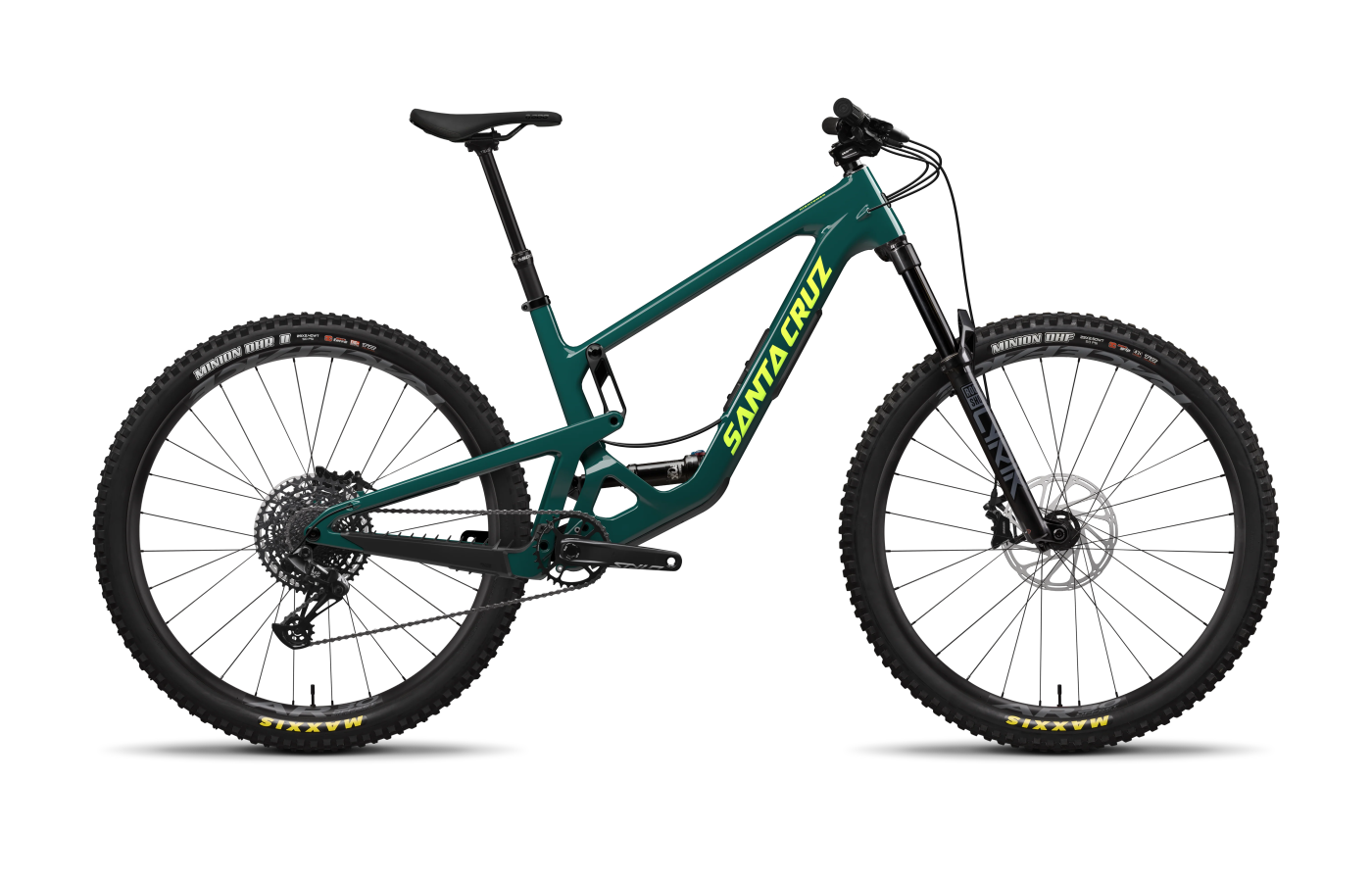
The Santa Cruz Hightower is the more planted, ground-hugging alternative — VPP suspension that feels glued down where the Ripmo plays poppy. If both these bikes feel a touch nervous to you at speed, the Hightower is the answer.
Compare →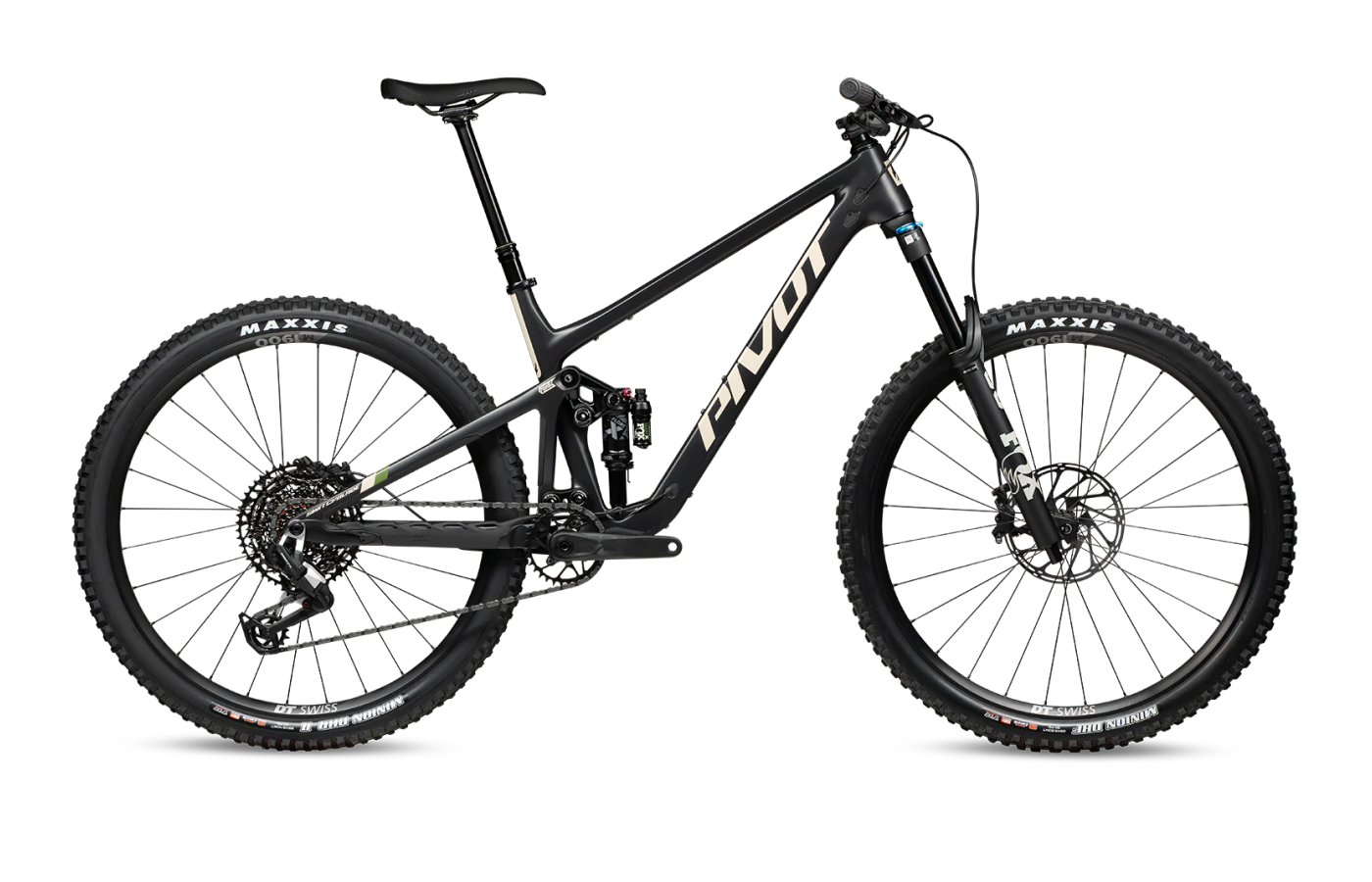
Switchblade
The Pivot Switchblade is another DW-Link, but with a burlier chassis aimed at riders who want Ibis-like efficiency with more high-speed composure. A good middle path between the Ripmo and a full enduro bike.
Compare →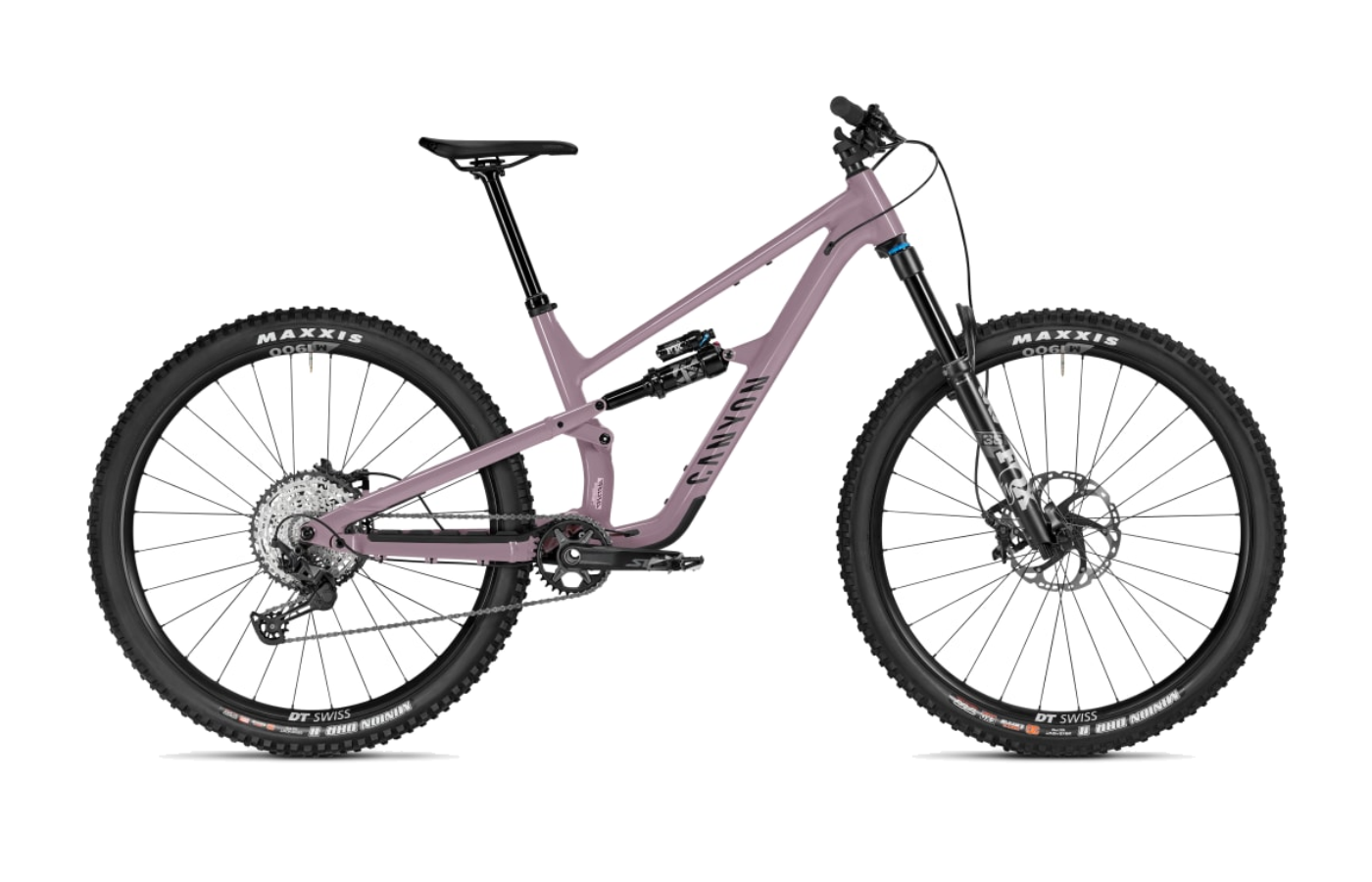
Spectral
The Canyon Spectral is the consumer-direct value play — similar travel and aggressive-trail intent at notably lower prices. The catch is no dealer network and no demos, so you need to know your fit.
Compare →