Ripmo
vsHugene
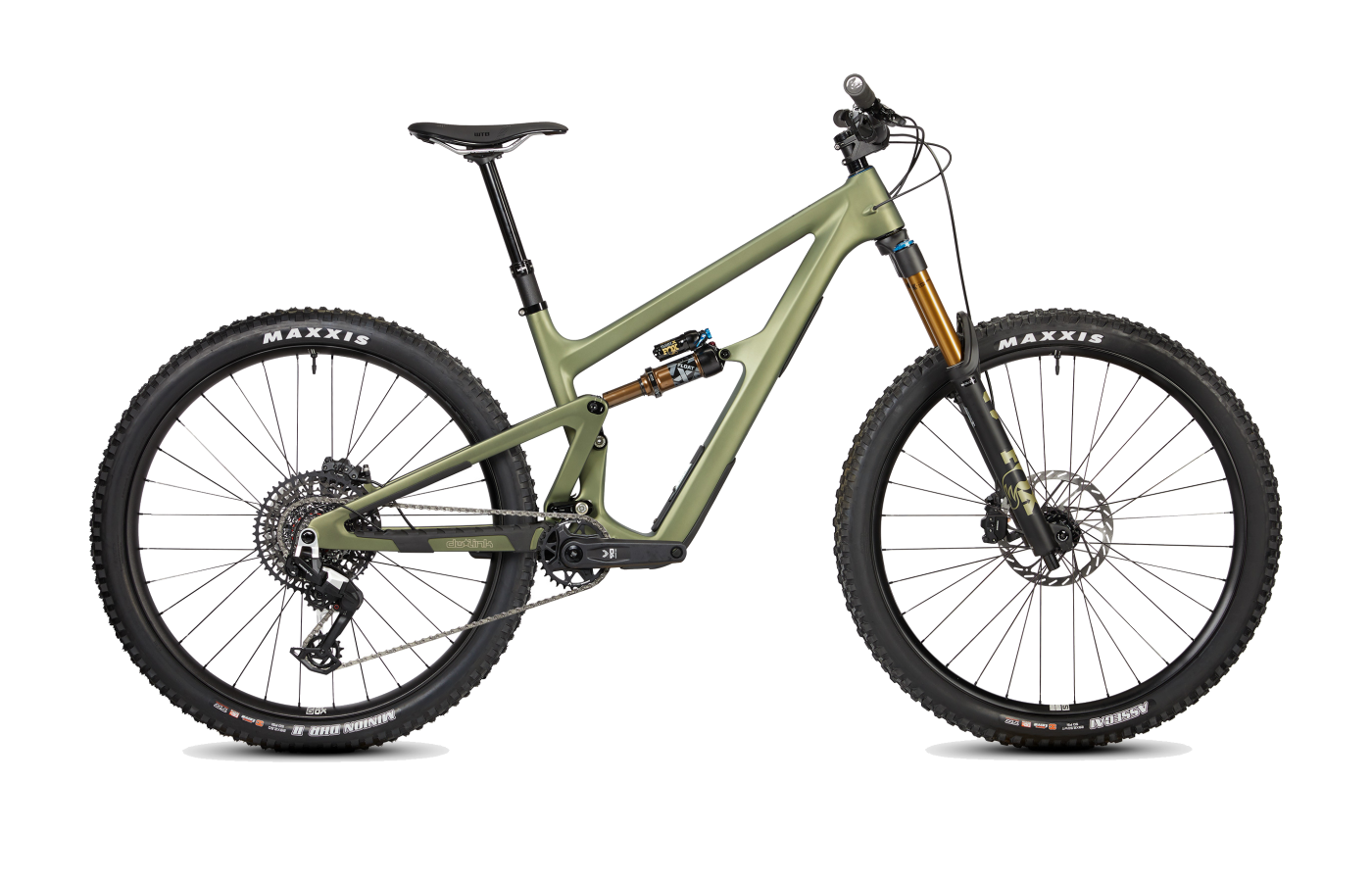
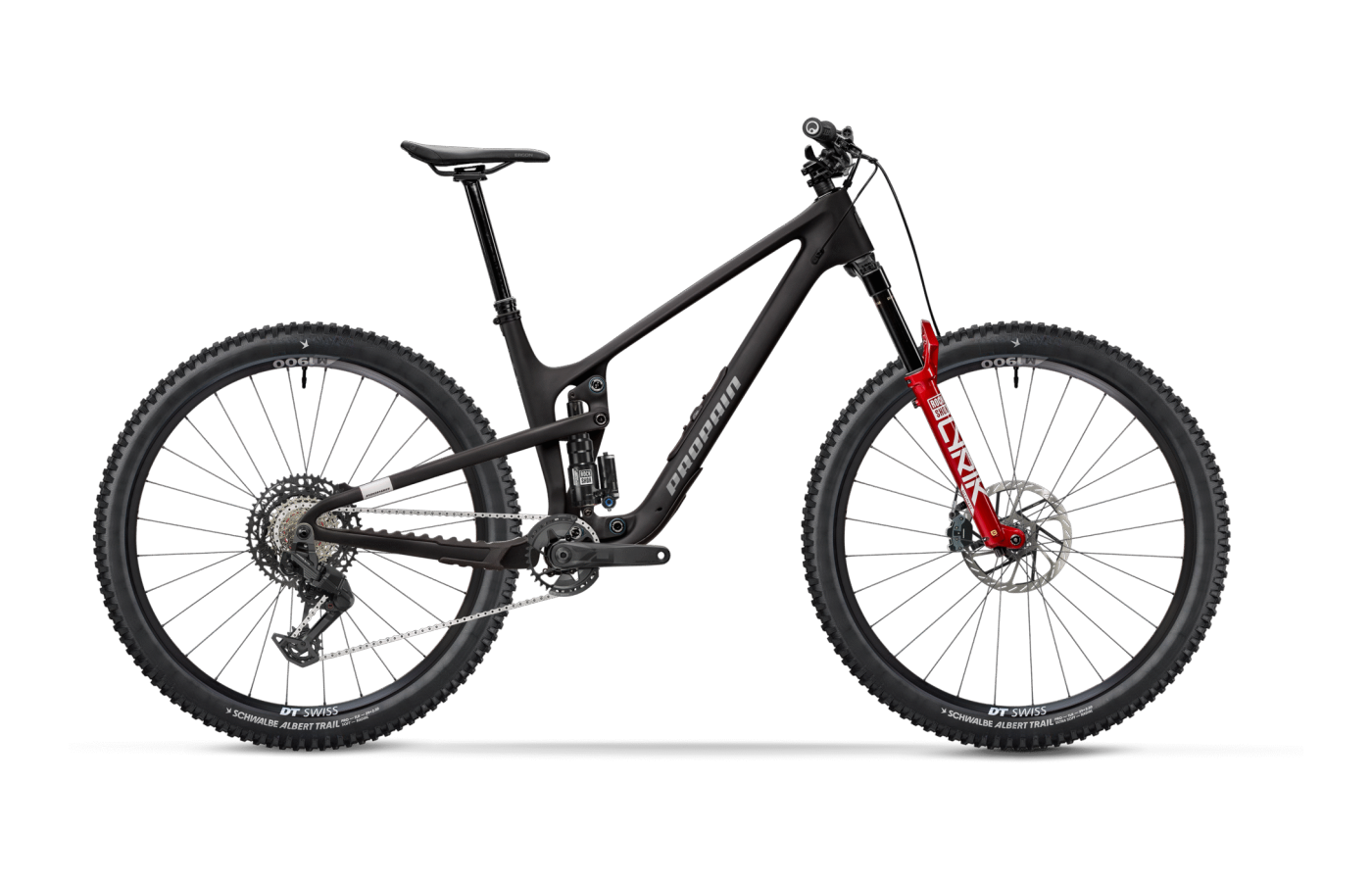
Two carbon trail bikes, two takes on travel.
The Ripmo V3 is a 160/150 mm all-mountain do-it-all. The Hugene 3 is a 140/130 mm short-travel ripper that punches above its numbers.
Ripmo
- True quiver-killer travel — 160 mm front / 150 mm rear handles everything from XC pedals to enduro tracks.
- DW-Link climbs exceptionally — reviewers call it a "hoverbike" on chunky technical ascents.
- Size-specific everything — chainstays, BB height, seat angle, and shock tune all change across the five sizes.
- Frame floor of $5,199 is a steep ask for the cheapest build.
- Some reviewers find the Fox 36 GRIP X damper outclassed at race pace — the frame deserves better.
Hugene
- Snappy, poppy ride feel — high anti-squat Pro10 suspension rewards pumping and active riders.
- Aggressive carbon entry price at $3,999 — direct-to-consumer pricing well below comparable carbon trail bikes.
- Configurator flexibility — spec your suspension, drivetrain, brakes, and wheels to your weight, terrain, and budget.
- 130 mm rear travel finds its limit on sustained rough descents — "juddery" and the rear kicks under braking.
- Low front end loads the hands on steep, gnarly trails — better suited to flow than enduro.
Editor’s analysis
This isn't more-travel-vs-less. It's engineered overkill vs engineered restraint — and which one you want depends on how often your trails actually need 150 mm.
On paper the Ibis Ripmo and the Propain Hugene look like they're playing different sports. The Ripmo runs a 160 mm Fox 36 up front and 150 mm of DW-Link in the rear; the Hugene packs a 140 mm RockShox Lyrik and 130 mm of Pro10 out back. That's 20 mm at each end — enough that on a chunky enduro track, the Ripmo will simply have more bike under you. Geometry is closer than the travel numbers suggest: 64.5 vs 64.8 degree head angles, 77 vs 77.5 degree effective seat angles, reaches within 5 mm at the fit-picked sizes.
The Ripmo's pitch is that DW-Link climbs like a shorter-travel bike and descends like a longer one. Reviewers consistently call it a "hoverbike" on technical climbs and the "most capable descending Ripmo to date" — it's the one-bike answer for riders whose week includes a 4,000-foot pedal-up Saturday and a bike-park lap Sunday. Size-specific chainstays, BB heights, and shock tuning across all five sizes are unusually thorough; the threaded BB, lifetime lower-link bushing warranty, and Cotopaxi-collab downtube storage round out a frame designed to be lived with for years.
The Hugene takes the opposite bet. Propain trimmed 10 mm of travel from the previous Hugene rather than adding it, and the Pro10 suspension runs high anti-squat with a strongly progressive curve — the result is a bike that pedals "snappy and responsive," generates speed by pumping rather than gravity, and stays composed through more chunder than its 130 mm has any right to handle. The compromise is real: on sustained rough descents reviewers note the rear can feel "juddery" and the low front end loads up the hands. This is a bike for the rider whose trails reward agility, not for someone shuttling enduro tracks.
Pricing tells the same story. The Hugene starts at $3,999 and tops out at $5,299 — Propain's direct-to-consumer model and configurator are central to the value. The Ripmo runs $5,199 to $9,999, and the carbon frame, lifetime bushing warranty, and dealer network are part of what you're paying for. If you ride mid-travel terrain and want a customizable, agile carbon bike for less than the Ripmo's Deore build, the Hugene is genuinely hard to beat on dollars per gram. If you want one bike that climbs all day and descends like an enduro, the Ripmo is still the benchmark.
Where the builds differ.
Comparing our editor's-pick builds side-by-side. Winners highlighted row-by-row — lower price and weight, and the better-spec component, each mark a point.
Build variants & pricing
The Ripmo runs five builds from $5,199 to $9,999. The Hugene offers two pre-configured Signature Specs from $3,999 to $5,299, with the configurator opening up everything in between and beyond.
Editor's picks pair the Ripmo Eagle 90 Transmission ($5,699) against the Hugene Signature Spec 2 ($5,299) — the closest apples-to-apples match on drivetrain tier and price. The Hugene lineup tops out where the Ripmo's middle starts; if you want a sub-$5k carbon trail bike, the Hugene is the only option here.
How they fit, how they steer.
Ripmo MD vs Hugene M — fit-picked for a 5'8" rider on each. Reach is within 2 mm (456 vs 458), stack within 1 mm (622 vs 621). The Ripmo runs a 0.3 degree slacker head angle and 10 mm shorter chainstays; the Hugene a 1 degree steeper effective seat angle.
Which size should I buy?
Sizing recommendations based on stack, reach, and effective top tube. The Ripmo offers five sizes (SM through XL, with an Extra Medium between MD and L); the Hugene has four (S through XL).
→These are starting points. Flexibility, riding style, and preferred position all shift the answer — if you’re between sizes, a professional fit beats a chart.
What the magazines said.
Published reviews from trusted cycling outlets. Click through for the full write-up.
Which one should you buy?
If you want one bike for everything from XC epics to bike-park days, get the Ripmo. If your trails are flow, jumps, and pumping for speed — and you want carbon for under $5k — get the Hugene.
Ripmo
If your week mixes long pedaly climbs with technical descents — and the occasional bike-park lap — the Ripmo V3 still sets the bar for what one carbon trail bike can do. The DW-Link climbs like a 130 mm bike and the 160/150 mm travel descends like an enduro. Frame details (lifetime bushing warranty, threaded BB, integrated storage) make it a bike to keep for years.
Hugene
If you live for berms, jumps, and pumping terrain for speed, the Hugene's 130 mm of high-anti-squat Pro10 suspension will reward every input. It's the cheapest way into a modern carbon trail bike, and the configurator lets you spec it for exactly your weight and terrain. Just don't ask it to shuttle enduro tracks — it'll do them, but the longer-travel bikes will be more comfortable.
Questions buyers actually ask.
Short answers to the things we get emailed about most often.
01How much travel difference is there between these bikes?
The Ibis Ripmo runs 160 mm front (Fox 36) and 150 mm rear (Fox Float X). The Propain Hugene runs 140 mm front (RockShox Lyrik or Pike depending on build) and 130 mm rear (RockShox Super Deluxe or Deluxe).
That's 20 mm at each end — meaningful on truly rough descents, where the Ripmo will absorb hits the Hugene has to work around. On flow trails and moderate singletrack, you'll feel it less than the spec sheet suggests.
02Which climbs more efficiently?
Both are praised as efficient climbers, but they get there differently. The Ripmo's DW-Link is described by reviewers as a "hoverbike" on chunky technical climbs — active in the initial stroke for traction, firm enough deeper to resist bob.
The Hugene's Pro10 design uses very high anti-squat — over 100% across most of the travel — which makes it "snappy and responsive" out of the saddle but can feel "juddery" with pedal feedback on bumpy seated climbs. If you climb mostly fire road or smooth singletrack, the Hugene feels quicker. If your climbs are technical, the Ripmo is more composed.
03Which is faster on flow trails?
The Hugene, on most trails. Reviewers consistently describe it as "carvalicious" and "dynamic and snappy" — the high anti-squat and progressive Pro10 leverage curve reward pumping for speed in a way the Ripmo's plusher rear end doesn't quite match.
The Ripmo isn't slow on flow — it's described as a "total fun machine" with a poppy character — but it carries more travel and weight, so it asks for slightly more rider input to generate the same speed.
04What's the price difference, really?
Hugene: $3,999 (Signature Spec 1) to $5,299 (Signature Spec 2), with the online configurator allowing further customization above and below.
Ripmo: $5,199 (Deore) to $9,999 (XTR Di2), with five complete builds in between.
The Hugene's top build costs less than the Ripmo's cheapest. If your hard ceiling is $5k, the Hugene is the only carbon option here. Above $6k, both are in play and the choice is about character, not budget.
05Are these bikes mullet-compatible?
The Ripmo V3 has a flip chip that lets you run mixed wheels (29" front, 27.5" rear) without geometry penalty. Reviewers call this useful for tighter, steeper trails and more maneuverability. Note that the smaller Ripmo sizes (S, M) ship as mullets stock; XM-XL ship full 29.
The Hugene 3 is a dedicated 29er — no mullet option. Propain reserves mixed wheels for the longer-travel Spindrift in their lineup.
06How does direct-to-consumer (Propain) compare to dealer purchase (Ibis)?
Propain sells direct from Germany — you order through their configurator, the bike ships to your door, and you handle assembly (or pay a local shop). Pricing is aggressive because there's no dealer margin, but you don't get a fitting, demo rides, or a local first-stop for warranty work.
Ibis sells through dealers. You can demo before buying, get a professional fit and build, and lean on the local shop for service. The price reflects the dealer network — and for many riders, that's worth real money.
07Which has better integrated storage?
Both have downtube storage compartments. The Ripmo's uses a flush latch with two Cotopaxi-designed pouches and is consistently praised by reviewers as one of the best-executed in the segment.
The Hugene's "Frame Pocket" uses a cross-slider beneath the bottle cage. Most reviewers found it secure and rattle-free, though one (Mtb-news) noted slight play in the lid and that the slider can be fiddly to operate with a bottle in the cage.
08What about warranty and long-term support?
Ibis carries a lifetime warranty on the frame and a notable lifetime replacement warranty on the lower-link IGUS bushings — they're confident those bushings will outlast you, and if not they'll send new ones. Crash replacement is available through dealers.
Propain offers a standard frame warranty (terms on their site), and direct-to-consumer service runs through email support. Configurator-spec'd parts come with their respective component warranties (RockShox, SRAM, etc.).
Similar bikes
If your priorities don’t map cleanly onto either of these, one of these adjacent bikes probably fits better.
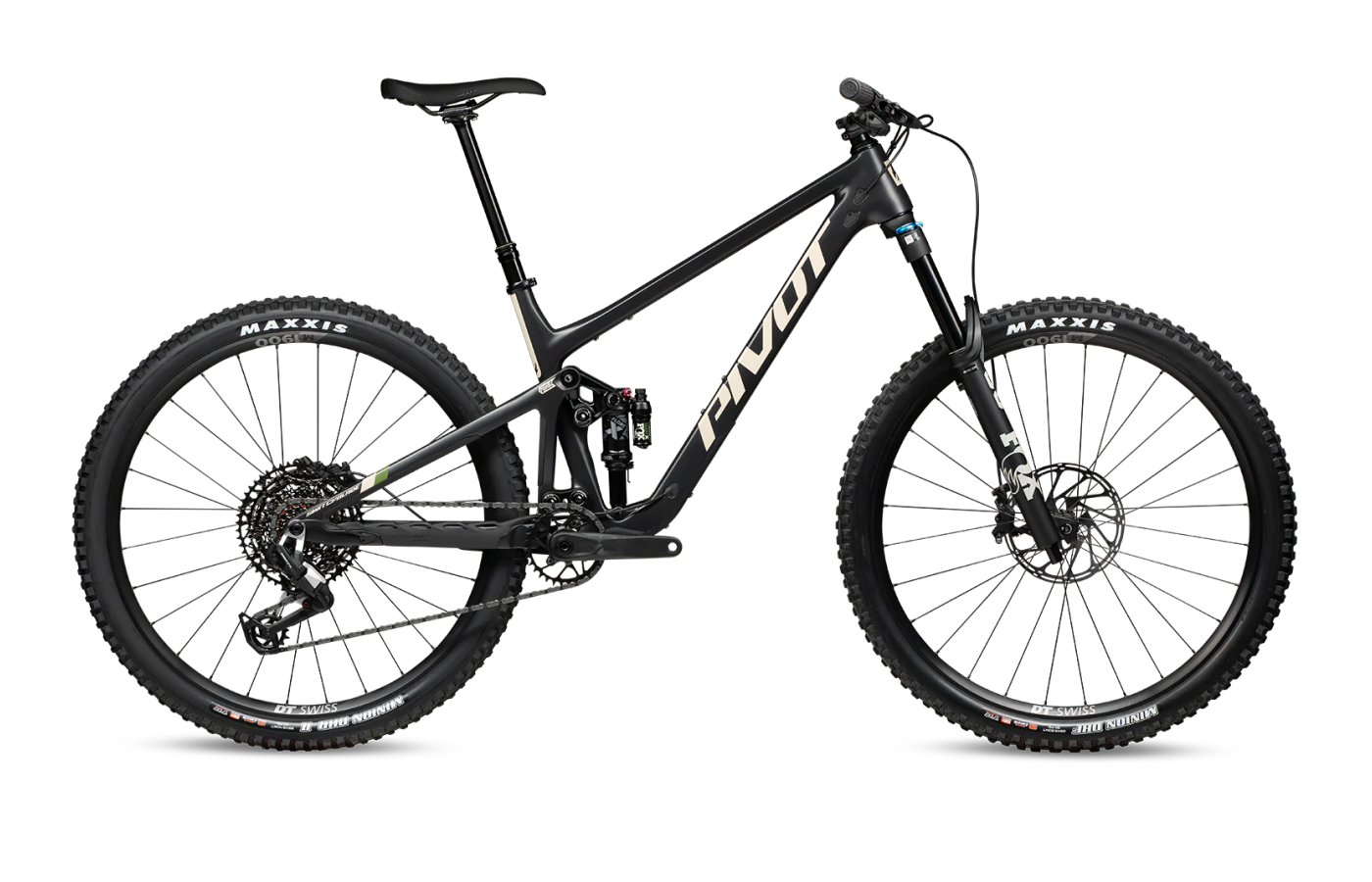
Switchblade
The Pivot Switchblade is the closest direct alternative to the Ripmo — another DW-Link platform with similar all-mountain travel and a reputation for efficient pedaling. If you like the suspension philosophy but want a different brand experience, this is the one.
Compare →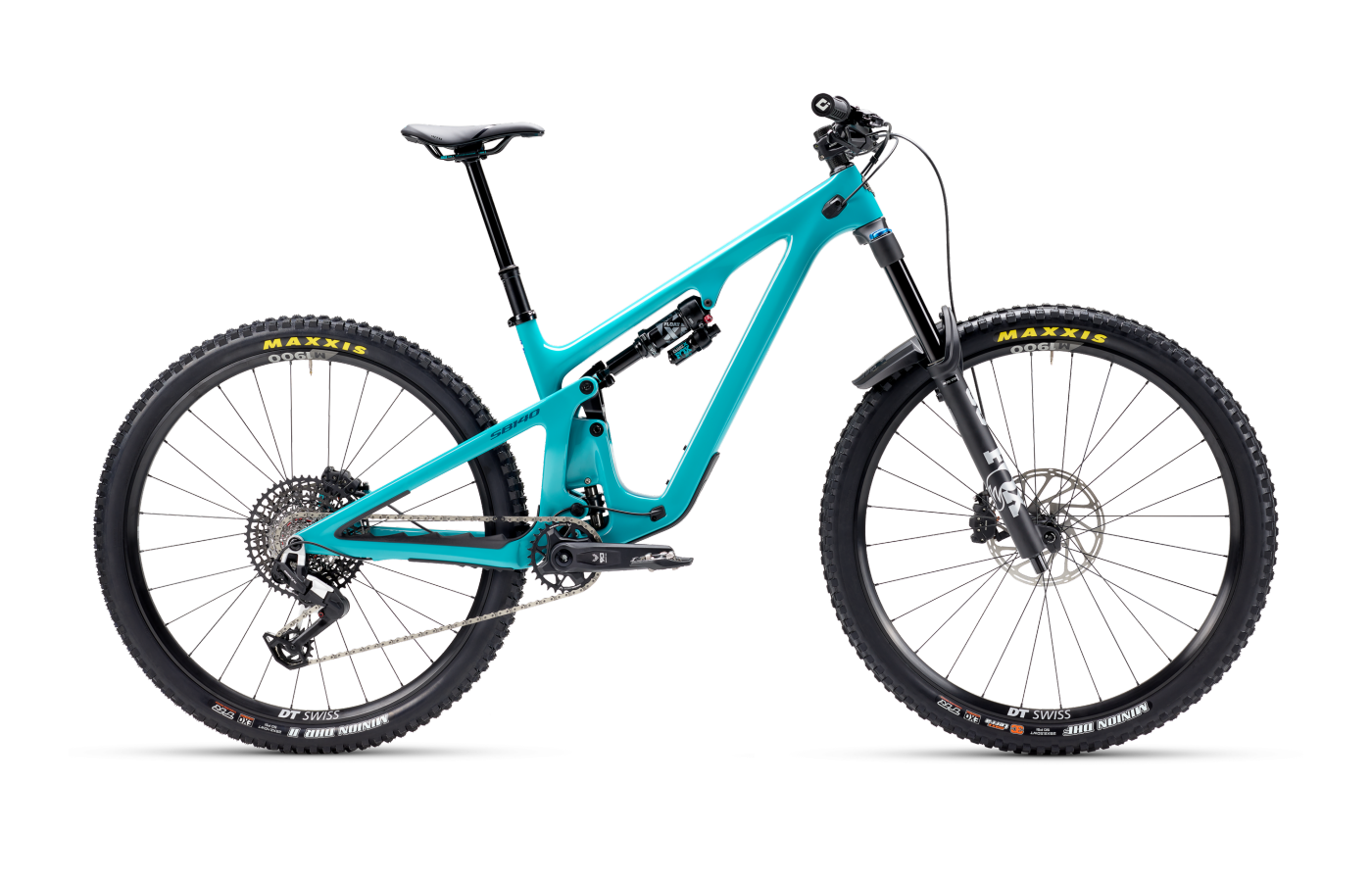
SB140
The Yeti SB140 splits the difference between these two — 140 mm rear travel, Switch Infinity suspension, and a playful character that lives in the same flow-and-jumps lane as the Hugene with a touch more cushion for rough sections.
Compare →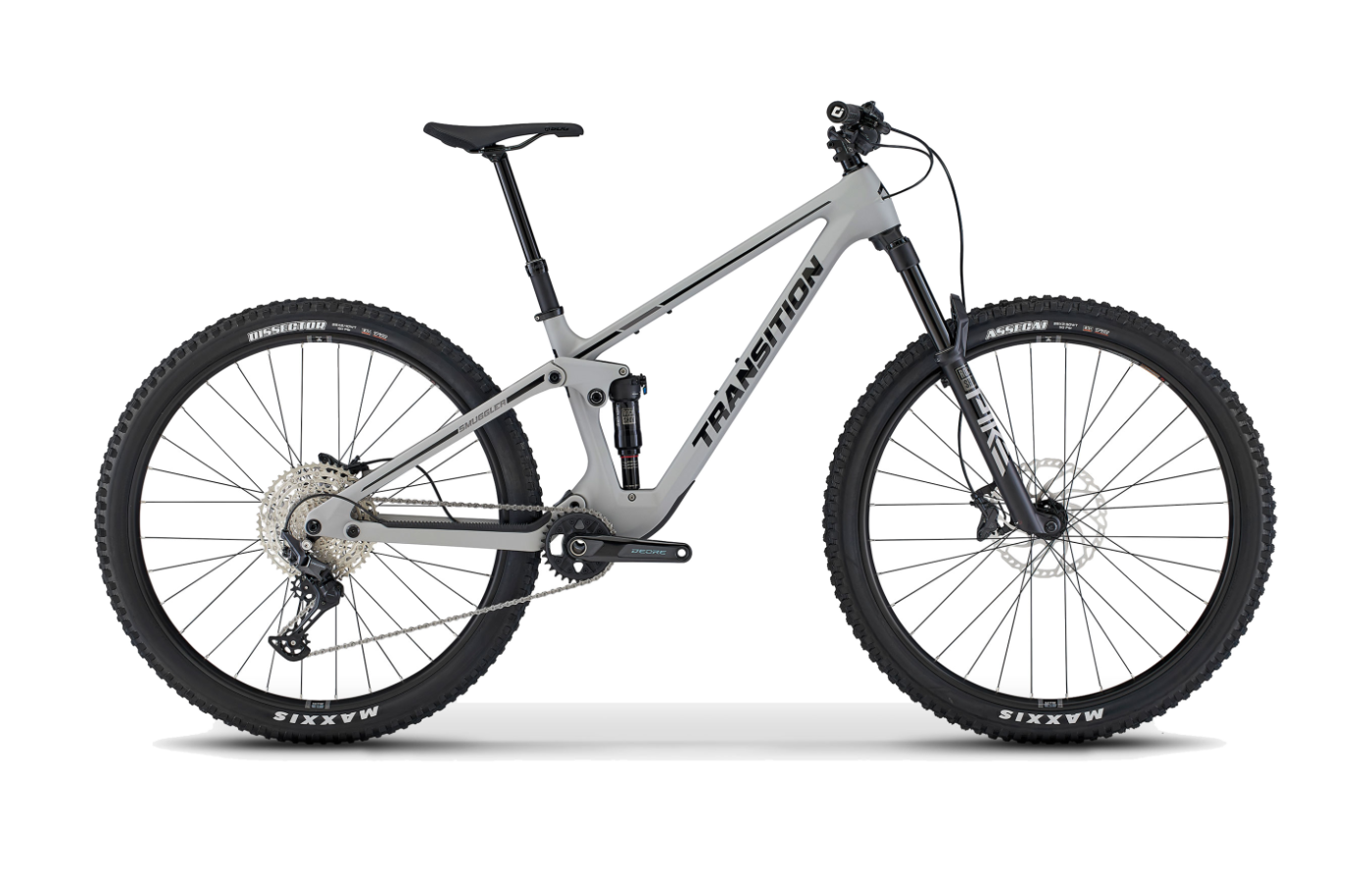
Smuggler
The Transition Smuggler is the spiritual cousin to the Hugene — 130 mm rear, punches well above its weight, beloved for being the short-travel bike that doesn't feel short-travel. Worth a look if the Hugene's direct-to-consumer model isn't for you.
Compare →