Ripmo
vsHightower
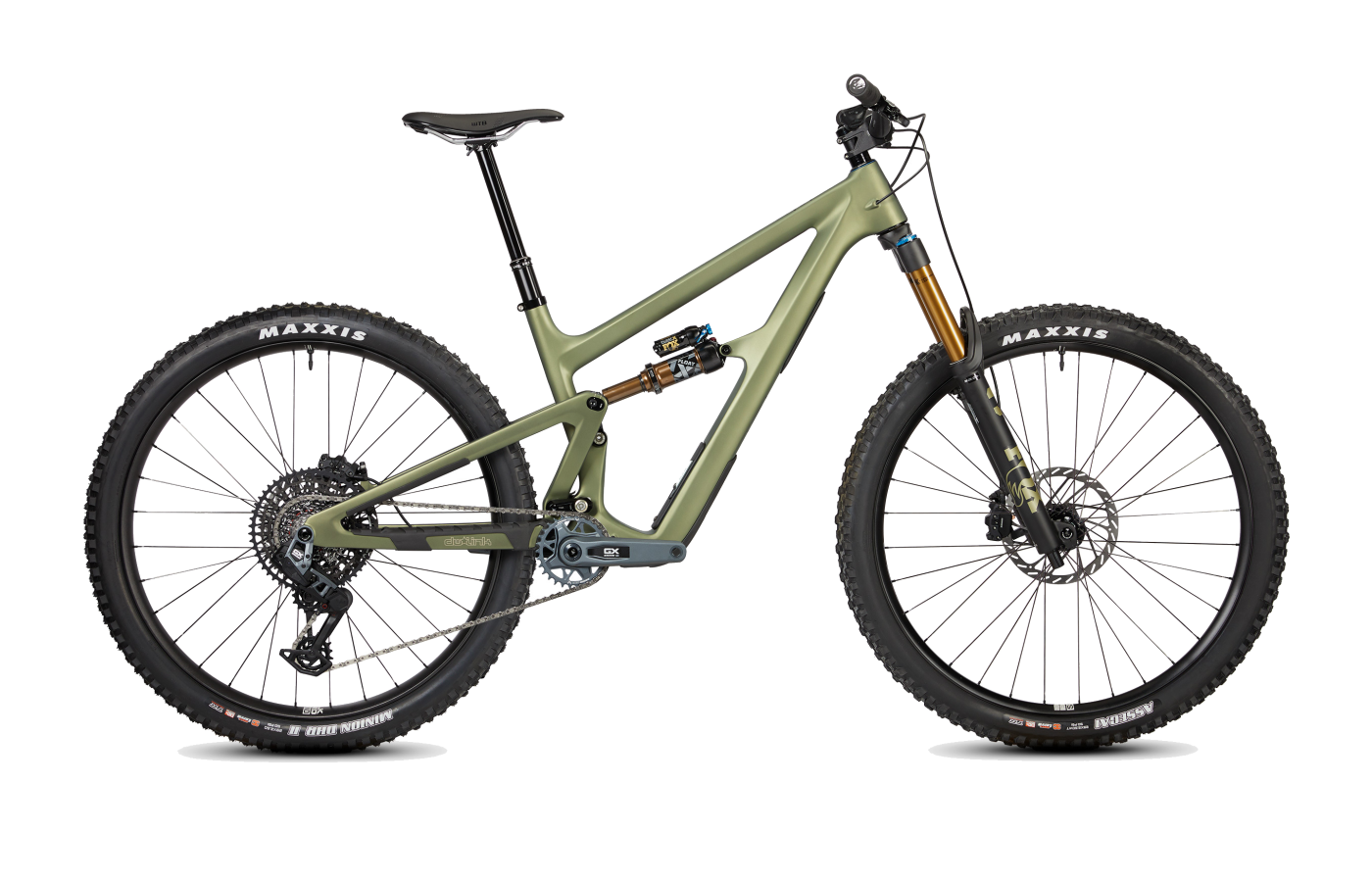
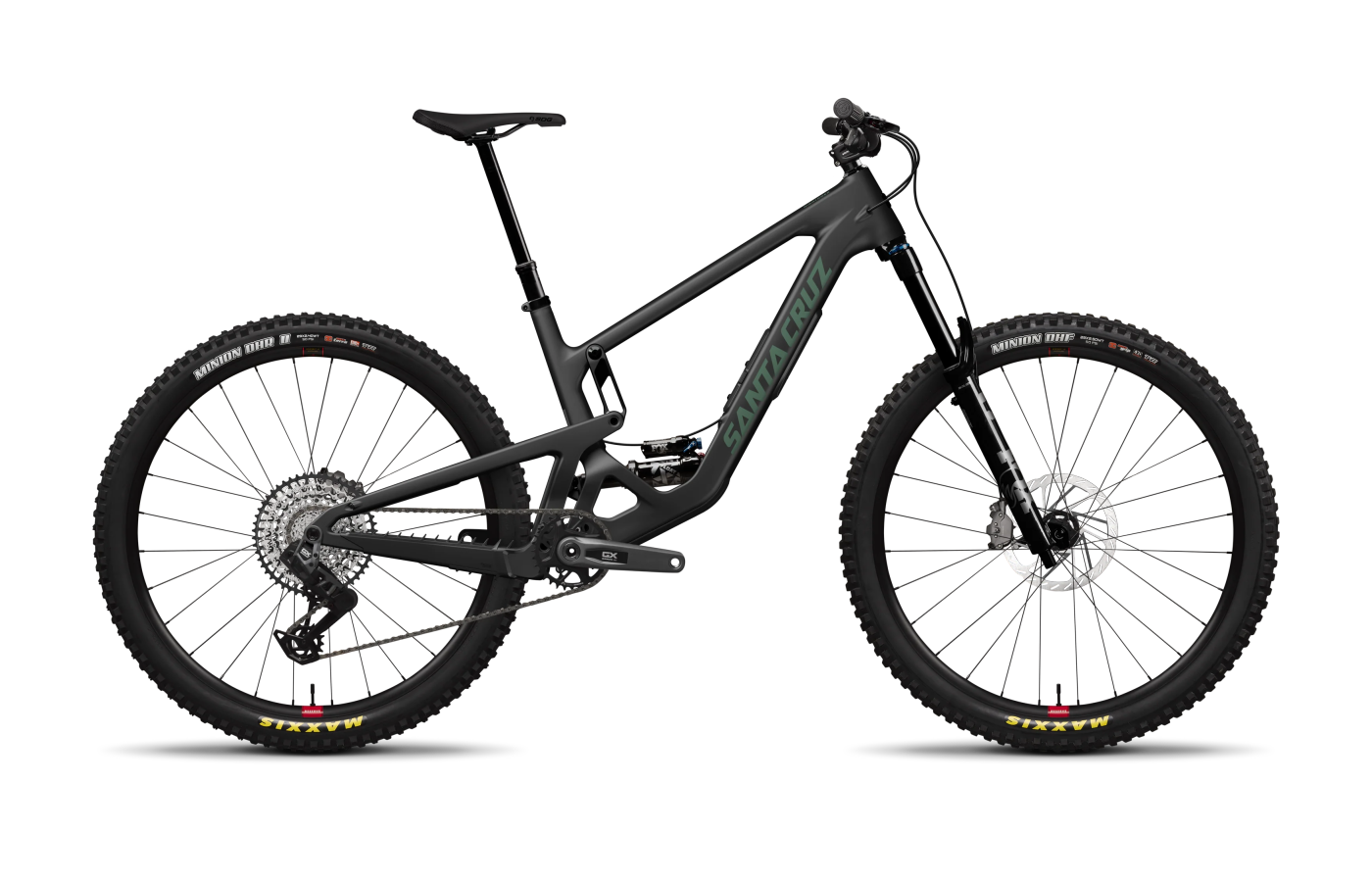
Two 150 mm trail bikes, two opposite priorities.
The Ripmo V3 is the playful, pop-happy DW-Link climber. The Hightower V4 is a planted mini-enduro that keeps its head when the trail gets ugly.
Ripmo
- Best-in-class climber — DW-Link is famously efficient and traction-rich, with a 76.5–77.5 deg seat tube to keep you over the cranks.
- Lighter and livelier — mid-builds land around 14.5–14.8 kg, and the short 435 mm chainstays make it pop and manual easily.
- Well-priced for carbon — the Deore build starts at $5,199, several thousand below comparable boutique-brand entry points.
- Stock Fox 36 GRIP X damper drew 'fluttery' criticism from Pinkbike — pushing the bike hard may invite a damper or fork upgrade.
- Less composed than the Hightower at very high speed in chunder; the playful character cuts both ways.
Hightower
- Class-leading high-speed composure — the longer wheelbase, slacker 64.2 deg HTA, and lower-anti-squat VPP mute chatter and plant the bike on rough descents.
- Lifetime warranty on the frame, pivot bearings, and Reserve carbon rims — one of the strongest support packages in the industry.
- Steepest seat tube in the comparison at 77.9 deg on size m, putting the rider centered over the cranks for technical climbing traction.
- Heavier than the Ripmo at any matched build tier — the GX AXS build comes in around 14.8 kg.
- Long and reluctant in tight, low-speed switchbacks; multiple reviewers note it needs to be 'manhandled' at slow speeds.
Editor’s analysis
On paper they're twins — 150 mm rear, 160 mm fork, 29-inch wheels, threaded BB, frame storage. On trail, they're opposite-personality takes on the same recipe.
Both bikes land in the same 150/160 mm bracket and both target the rider who wants one mountain bike for everything. But Ibis and Santa Cruz drew the line in different places. The Ibis Ripmo leans into agility and pedaling pep — DW-Link suspension, a 64.5 deg head tube, and chainstays that grow only 5 mm across the size range. The Santa Cruz Hightower leans into composure — a slacker 64.2 deg head tube, a longer wheelbase at every size, and a revised VPP layout with reduced anti-squat that prioritizes plushness over snap.
The Ripmo is the climber. Reviewers across Enduro MTB, Theradavist, and NSMB describe DW-Link as a near-perfect pedaling platform, with one calling bumpy ascents on it a 'hoverbike' experience. The Ibis is also lighter — sub-15 kg in the mid-builds — and the size MD's relatively short 435 mm chainstays make it easy to manual, easy to flick, easy to throw sideways. If your trails reward an active rider, the Ripmo gives more back per unit of input.
The Hightower is the descender. Bebikes calls it 'unrivaled in the category' for charging rough terrain. The longer 1237 mm wheelbase at size m, lower anti-squat, and higher 632 mm stack put the rider in a planted, dominant position that erases small mistakes at speed. The trade-off is honest: it's heavier (the GX AXS build hits 14.8 kg), the suspension is less snappy out of the gate, and it can feel long and reluctant in tight, slow switchbacks.
Put another way: the Ripmo is the bike you buy when you want to feel involved in the ride. The Hightower is the bike you buy when you want the bike to handle the chaos so you don't have to.
Where the builds differ.
Comparing our editor's-pick builds side-by-side. Winners highlighted row-by-row — lower price and weight, and the better-spec component, each mark a point.
Build variants & pricing
Both lineups span ~$5k of range. The Hightower starts $200 cheaper at $4,999 (alloy-wheel R build) and tops out higher at $11,399 in carbon CC trim.
Prices are current US MSRP. The Hightower's two carbon grades — CC (lighter, wireless-only) and C (heavier, accepts mechanical) — split its range at the GX AXS / X0 AXS boundary. The Ripmo offers a single carbon frame grade across all builds.
How they fit, how they steer.
Ripmo MD vs Hightower m — the fit-picked sizes for a 5'8" rider on each bike. Reach is essentially identical (456 vs 460 mm), but the Hightower sits 10 mm taller in stack, runs a 1.4 deg steeper seat tube, and has an 18 mm longer wheelbase — the planted, descent-biased geometry shows up clearly in the numbers.
Which size should I buy?
Size recommendations based on stack, reach, and effective top tube. The Ripmo splits the middle of the range with its unique XM 'Extra Medium' size; the Hightower runs a more conventional S–XXL ladder.
→These are starting points. Flexibility, riding style, and preferred position all shift the answer — if you’re between sizes, a professional fit beats a chart.
What the magazines said.
Published reviews from trusted cycling outlets. Click through for the full write-up.
Which one should you buy?
If you want a lively, do-everything climber that rewards rider input, get the Ripmo. If you live for rough descents and want the bike to do the heavy lifting, get the Hightower.
Ripmo
If you ride mixed terrain, value climbing efficiency, and like to pop, manual, and rear-wheel-steer through corners, this is still the do-it-all benchmark. The DW-Link platform climbs as well as anything in the 150 mm category, and the playful chassis pays you back for working the trail.
Hightower
If your local trails are rough, fast, and steep, the Hightower's planted geometry and plush VPP rear end will let you charge harder with less penalty. It's still a competent climber thanks to the steep seat tube — just don't expect snappy acceleration or quick switchback flicks.
Questions buyers actually ask.
Short answers to the things we get emailed about most often.
01Which one climbs better?
The Ibis Ripmo, by clear consensus. DW-Link is one of the most pedaling-efficient suspension platforms in the 150 mm class — Enduro MTB ranks the Ripmo among the best climbing trail bikes in its category, and Theradavist describes bumpy ascents on it as a 'hoverbike' experience.
The Hightower is no slouch — its 77.9 deg seat tube and active VPP rear end deliver excellent technical-climbing traction — but Bebikes explicitly scored it below average for snappy climbing acceleration relative to the Ripmo and Transition Sentinel. If your rides involve a lot of pedaling, the Ripmo gives you more back per watt.
02Which one descends better?
The Santa Cruz Hightower, especially when the trail gets rough or fast. Bebikes calls it 'unrivaled in the category' for high-speed composure, and the slacker 64.2 deg head tube, longer 1237 mm wheelbase (size m), and reduced-anti-squat VPP create a planted, plush feel that mutes chatter.
The Ripmo isn't a poor descender — it's the most capable Ripmo to date — but it has a livelier, more reactive feel that asks the rider to stay engaged. Pinkbike found it 'nervous' at the absolute upper edge of its pace; most other reviewers liked the engagement.
03How much travel does each have?
Both are 150 mm rear / 160 mm front. The Ripmo runs a Fox Float 36 fork and Fox Float X shock across all builds; the Hightower runs the same fork and shock spec, with the lower builds dropping from Factory to Performance / Performance Elite damping.
Despite the matching numbers, the bikes don't ride the same — the Hightower's revised VPP layout with reduced anti-squat feels noticeably plusher off the top, while the Ripmo's DW-Link feels more supportive and 'poppy' through the mid-stroke.
04Can I run a mullet (mixed-wheel) setup?
Ripmo: yes, via a flip chip. Several reviewers (NSMB, Bebikes, Theradavist) ran the V3 in MX trim and praised the added agility in tight terrain. Worth noting: Pinkbike flagged that converting requires removing the shock and several bolts — not a trailside swap.
Hightower: no. Santa Cruz deliberately keeps the Hightower 29-only and reserves the mullet setup for the otherwise-identical Bronson V5, which shares the front triangle but uses a 27.5 in rear wheel. If you want mixed wheels in the Santa Cruz lineup, the Bronson is the answer.
05What's the wheel-size and tire situation?
Both ship as full 29" with 2.4–2.5" Maxxis tires (Assegai or DHF front, DHR II rear) in EXO+ or EXO casing. Reviewers across both bikes flagged the same upgrade path for aggressive riders: tougher casings (DoubleDown) and a stickier MaxxGrip front compound.
On the Hightower specifically, multiple reviewers also recommended swapping the stock 180 mm rear rotor for a 200 mm — the bike's enduro-leaning geometry justifies more brake than it ships with.
06How serviceable are the frames?
Both are about as owner-friendly as modern carbon trail bikes get: threaded bottom brackets, fully tubed internal cable routing (no rattles, easier reroutes), UDH derailleur hangers, and integrated downtube storage.
The Ripmo uses Cotopaxi-designed storage pouches and includes a lifetime warranty on the lower-link IGUS bushings. The Hightower uses Santa Cruz's Glovebox with grease-port pivots and carries a lifetime warranty on the frame, pivot bearings, and Reserve carbon rims — the broader guarantee. Bebikes did note that small loose items can slip past the Glovebox shock bolts and rattle near the BB.
07Which is the better value at the mid-tier?
Both lineups land their 'sweet spot' build right around the $7k–$8k mark with SRAM GX Transmission and Fox suspension. The Ripmo GX Transmission at $7,799 ships Fox Factory suspension; the Hightower GX AXS at $7,249 ships Fox Performance Elite (the next damper grade down) but adds Santa Cruz's lifetime bearing-and-rim warranty.
The Hightower edges out on warranty depth; the Ripmo edges out on damper grade for the money. Neither is a clear win — it's a real coin-flip at this tier.
08Why does the size on each side look different?
Ibis sizes the Ripmo by top-tube length (S / M / XM / L / XL — yes, 'XM' is an extra-medium between M and L). Santa Cruz sizes the Hightower by a more conventional reach-driven S / M / L / XL / XXL ladder.
The size labels look different, but the fit math comes out close: a 5'8" rider lands on the Ripmo MD (456 mm reach, 622 mm stack) and the Hightower m (460 mm reach, 632 mm stack). Reach is nearly identical; the Hightower simply sits 10 mm taller in stack.
Similar bikes
If your priorities don’t map cleanly onto either of these, one of these adjacent bikes probably fits better.
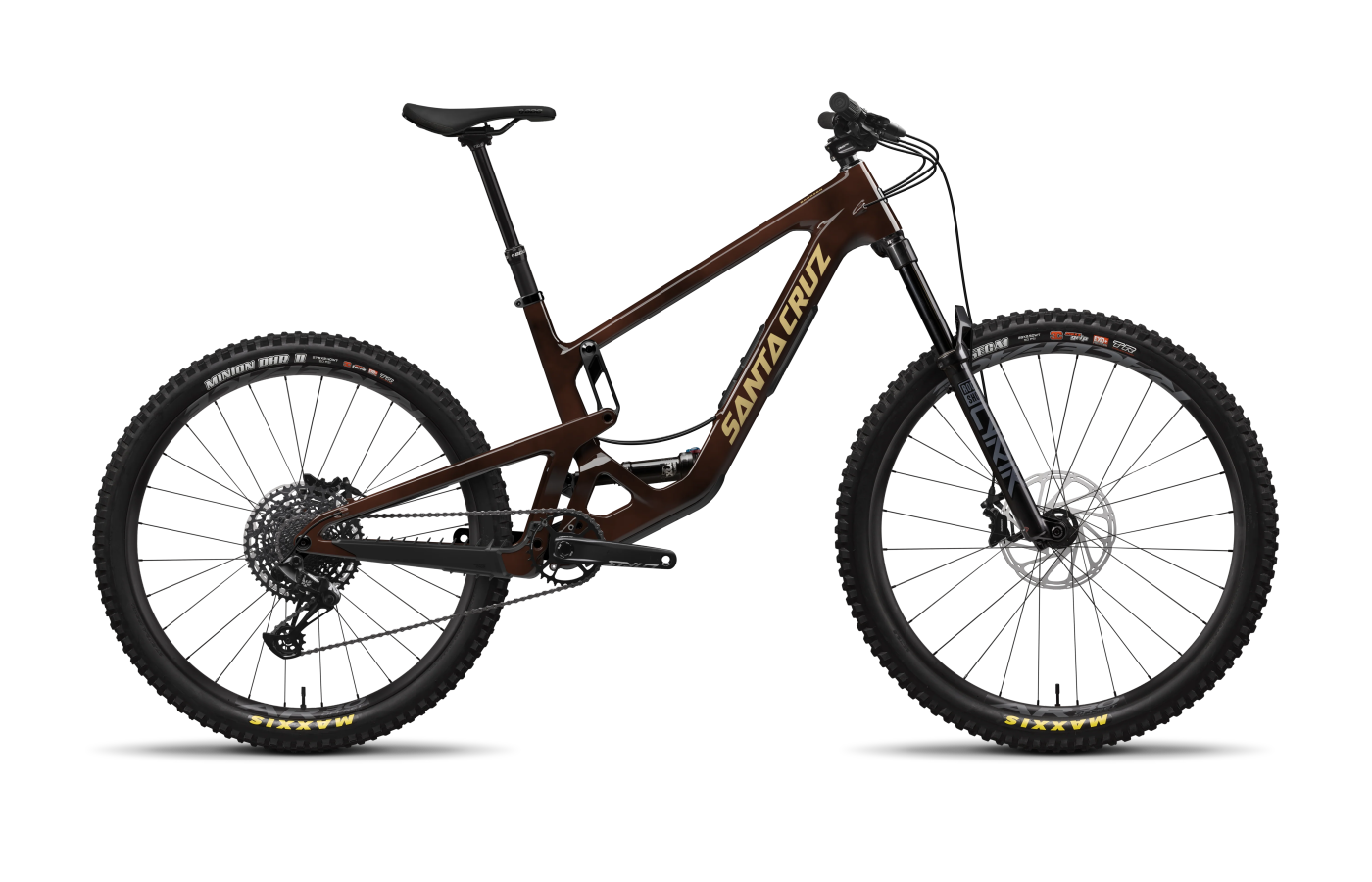
Bronson
Same updated frame and VPP suspension as the Hightower V4 but with a 27.5 in rear wheel — Santa Cruz's answer for riders who want the platform's composure with more flick and a shorter rear end. The mullet pick when the Hightower feels too long.
Compare →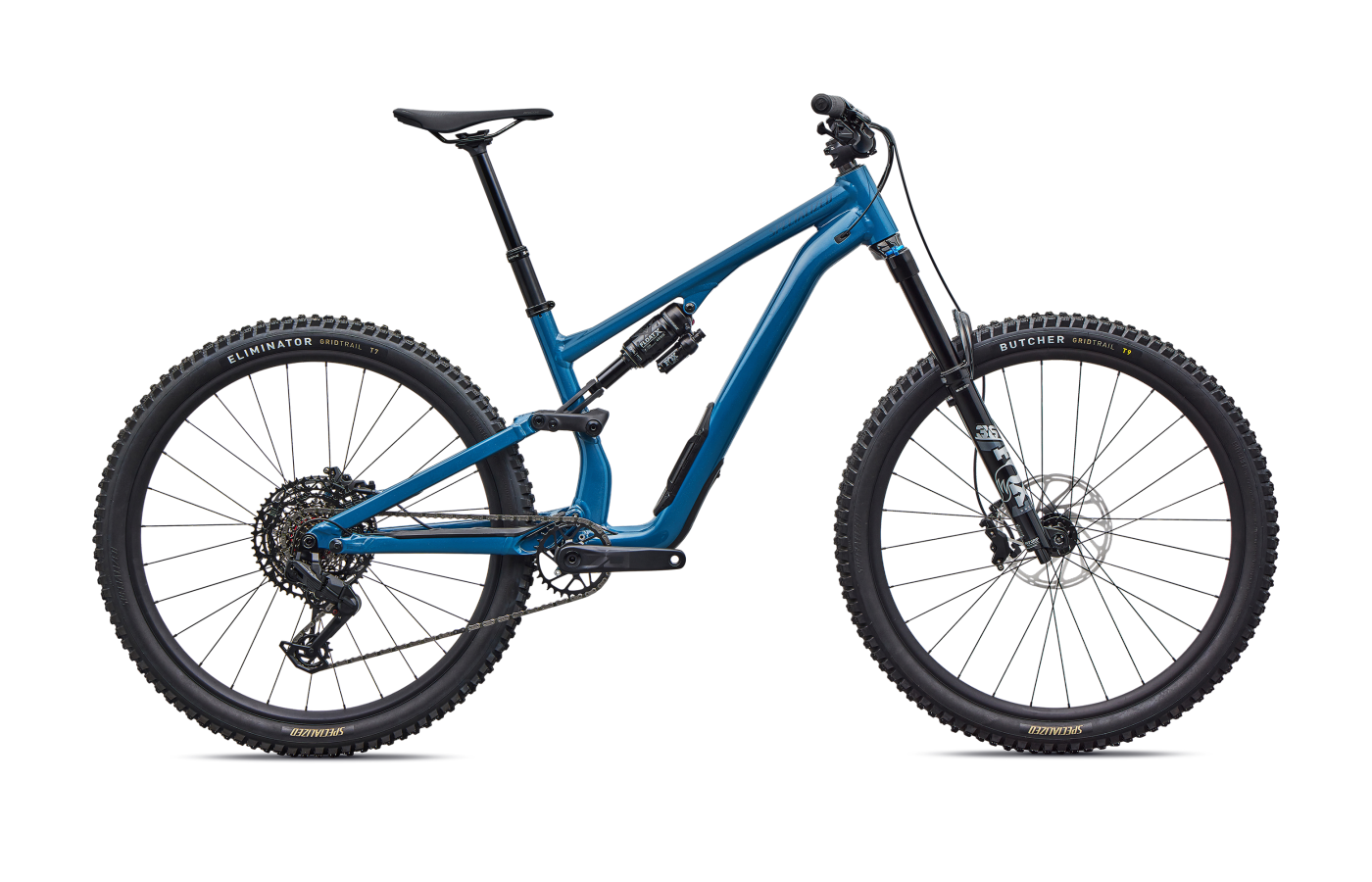
Stumpjumper Evo
Specialized's adjustable-geometry trail-or-enduro shapeshifter — flip-chip and headset-cup tuning let you slide between Ripmo-like agility and Hightower-like stability on the same bike. The most configurable option in this bracket.
Compare →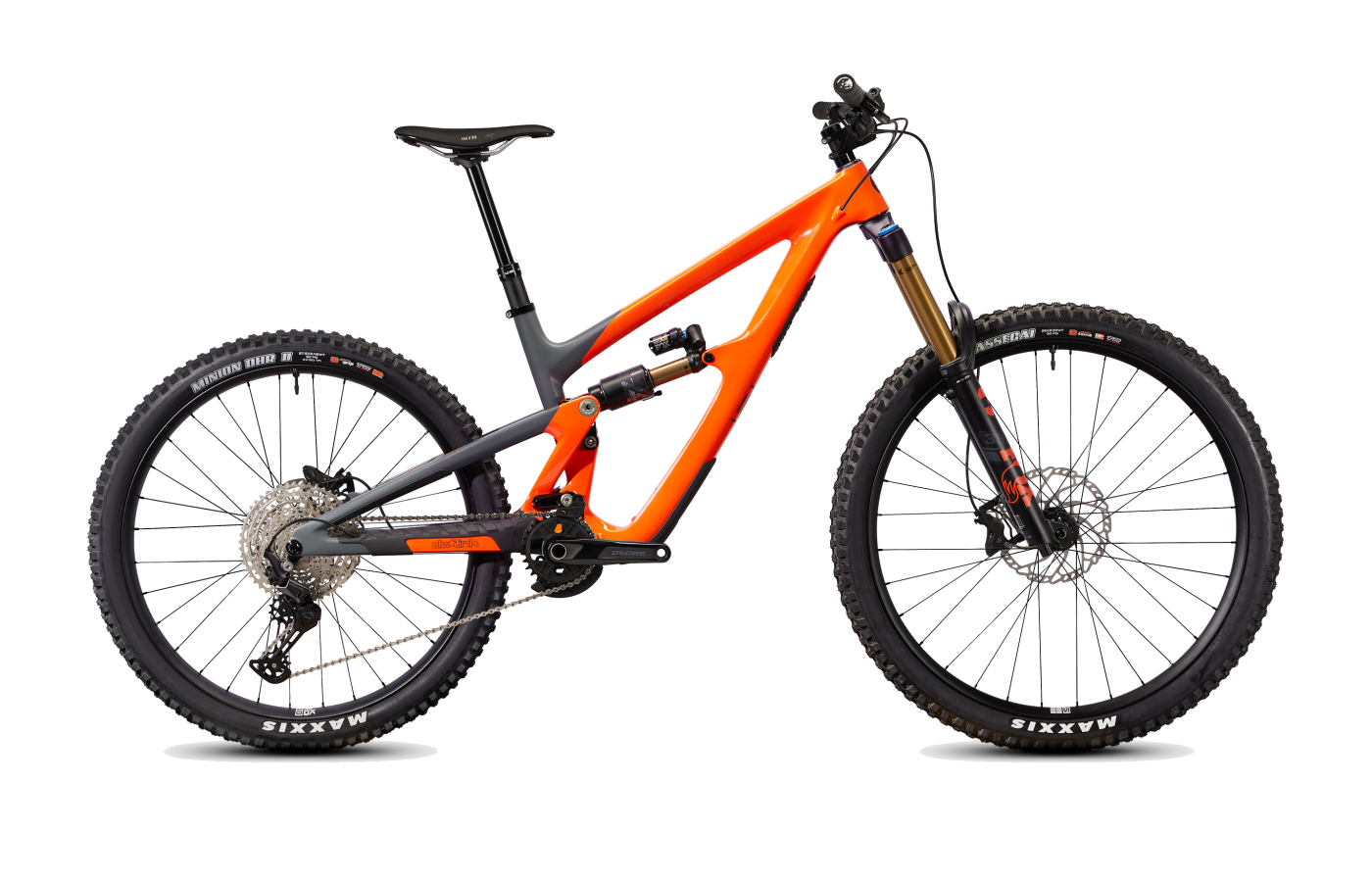
HD6
Ibis's dedicated enduro sled — more travel, slacker geometry, and notably more composed at the top end of the speed range than the Ripmo. Pick this if the Ripmo's lively character is exactly what you don't want.
Compare →