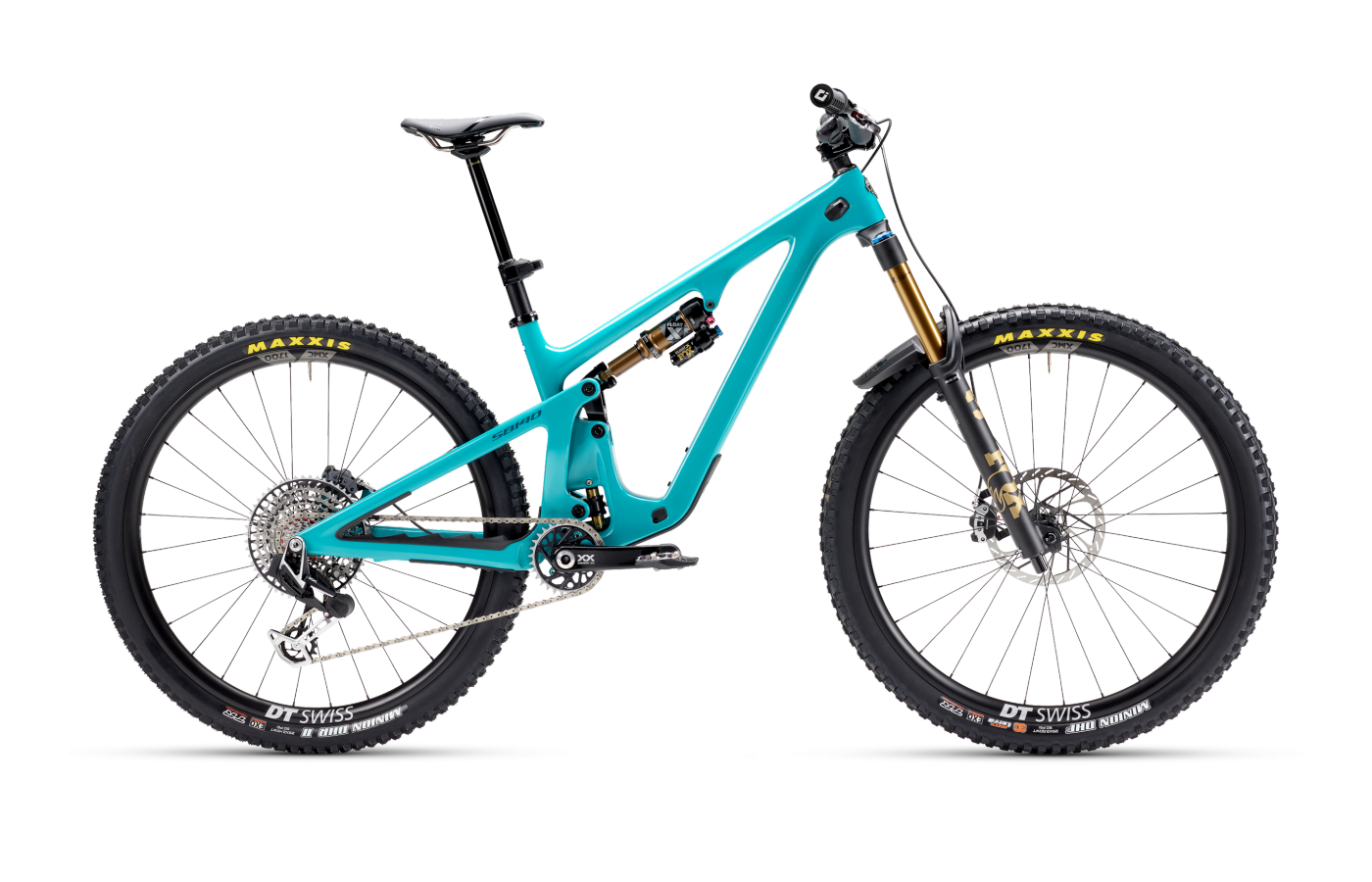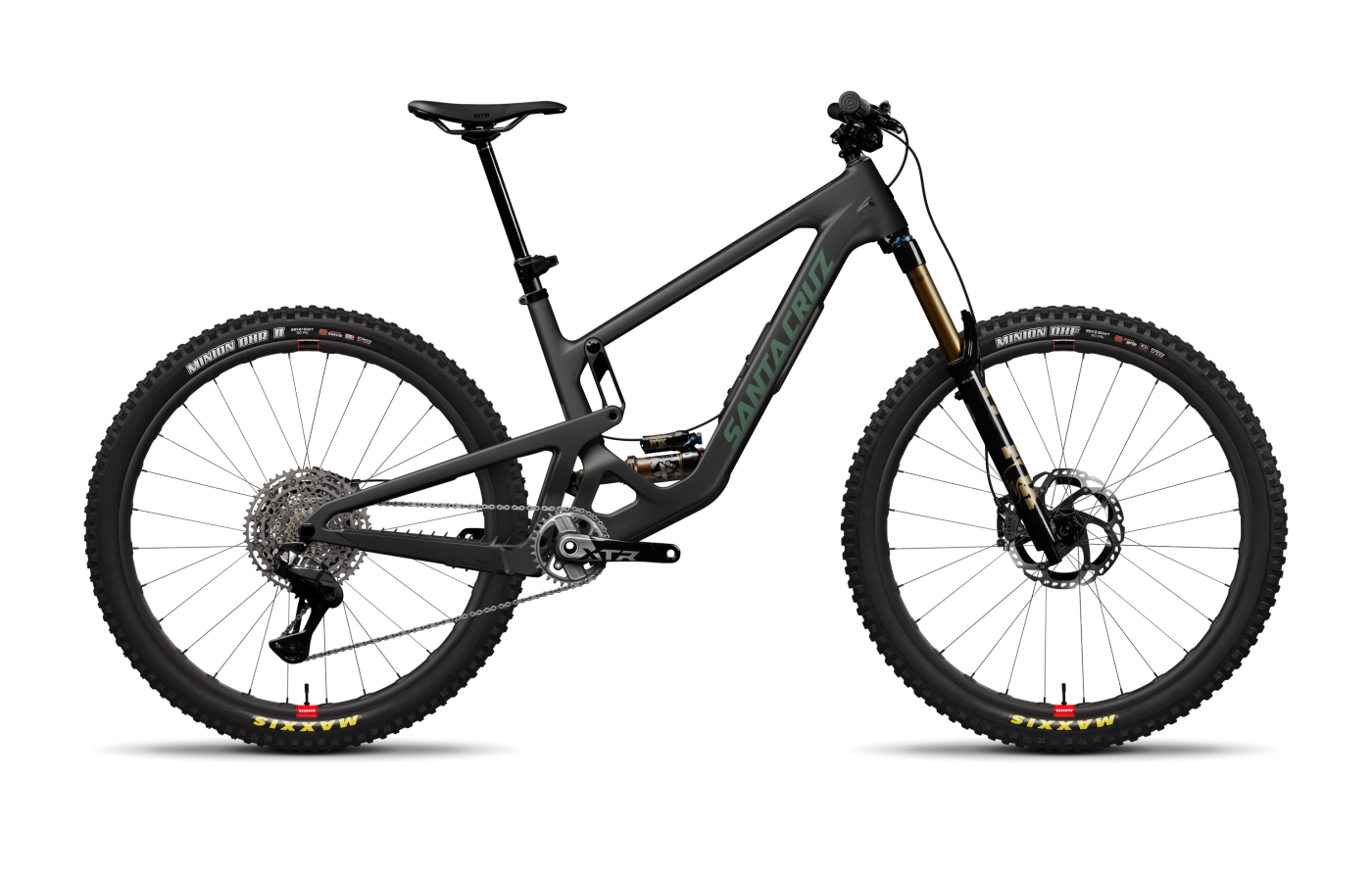
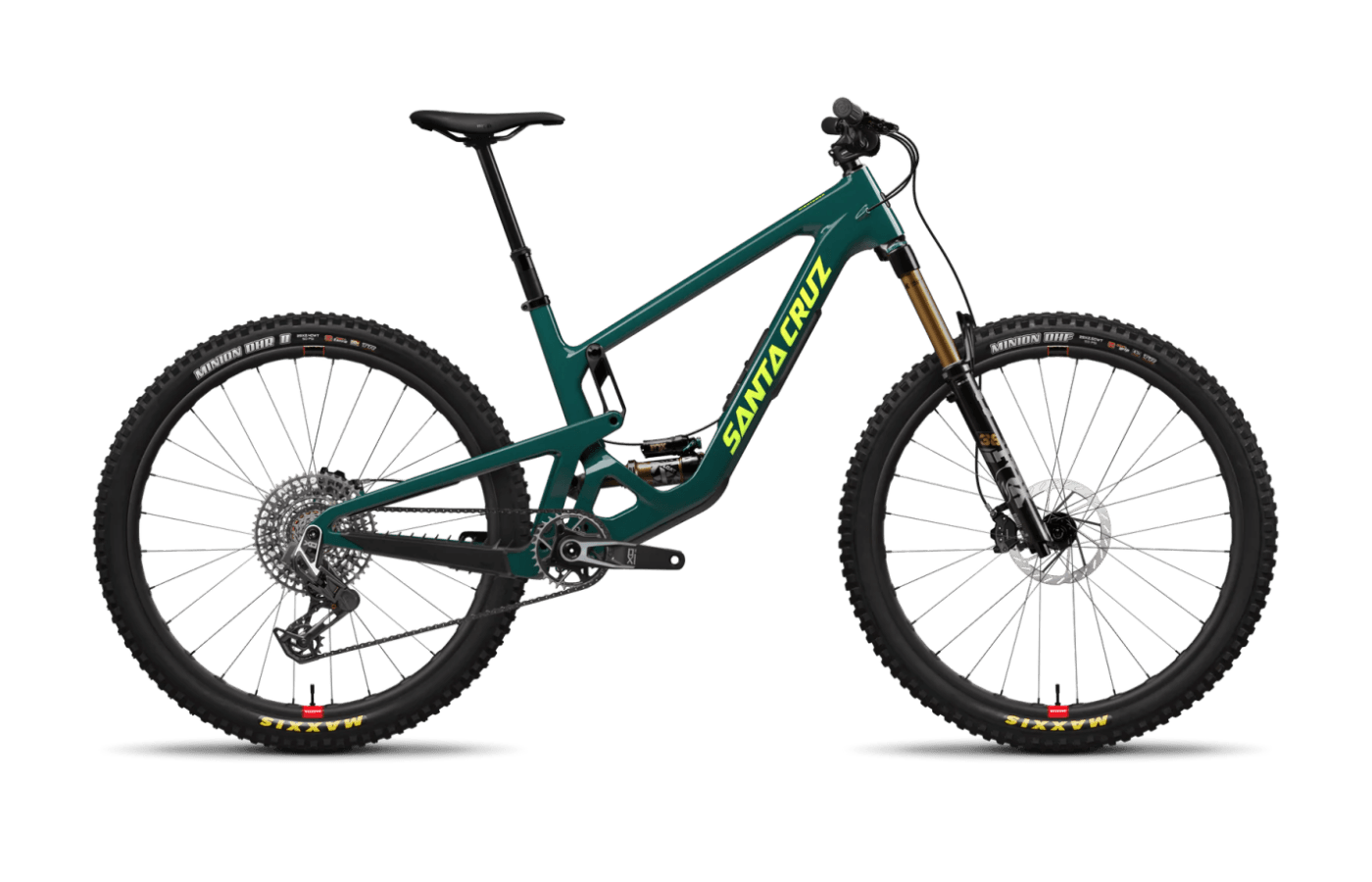
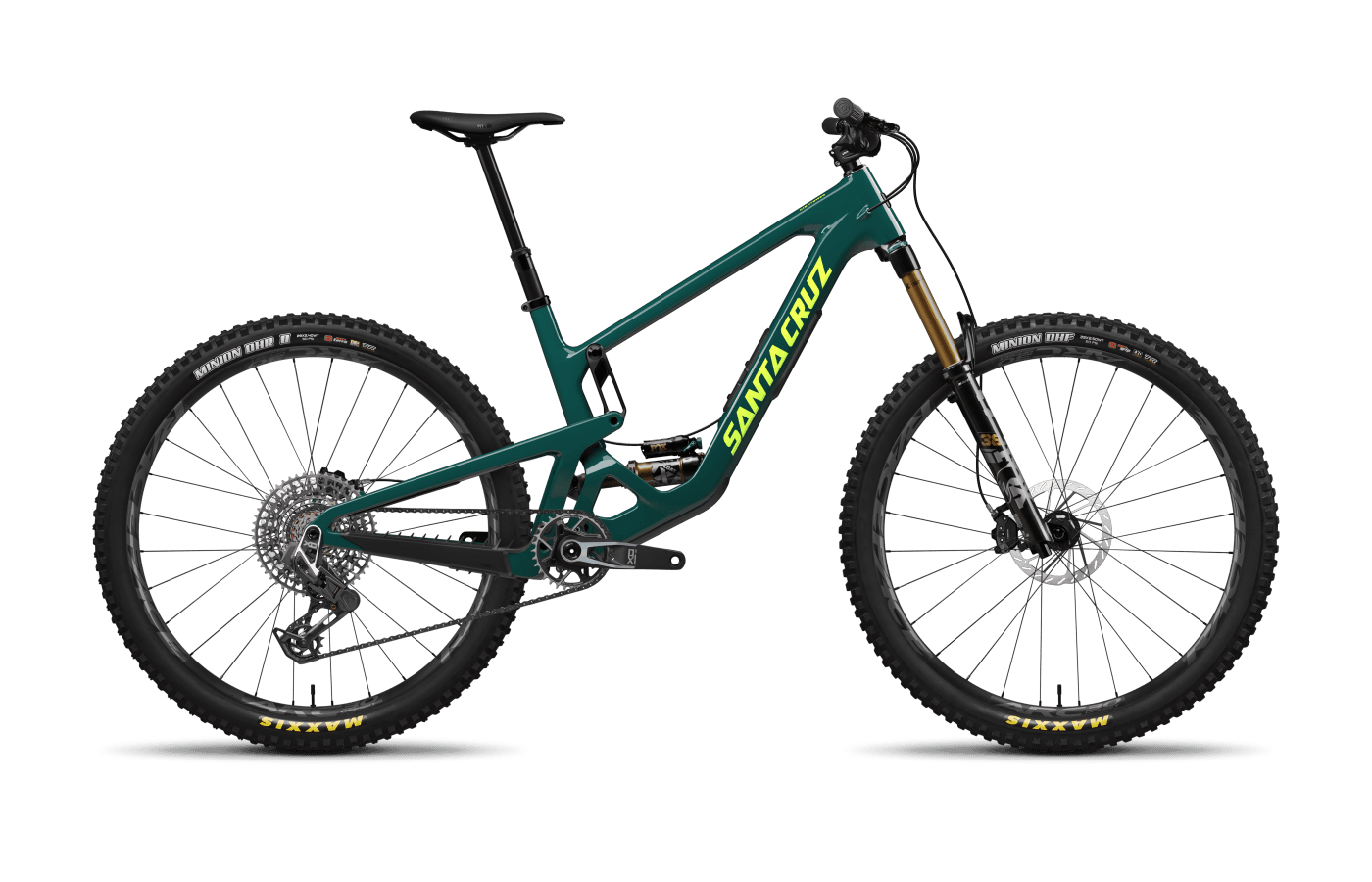
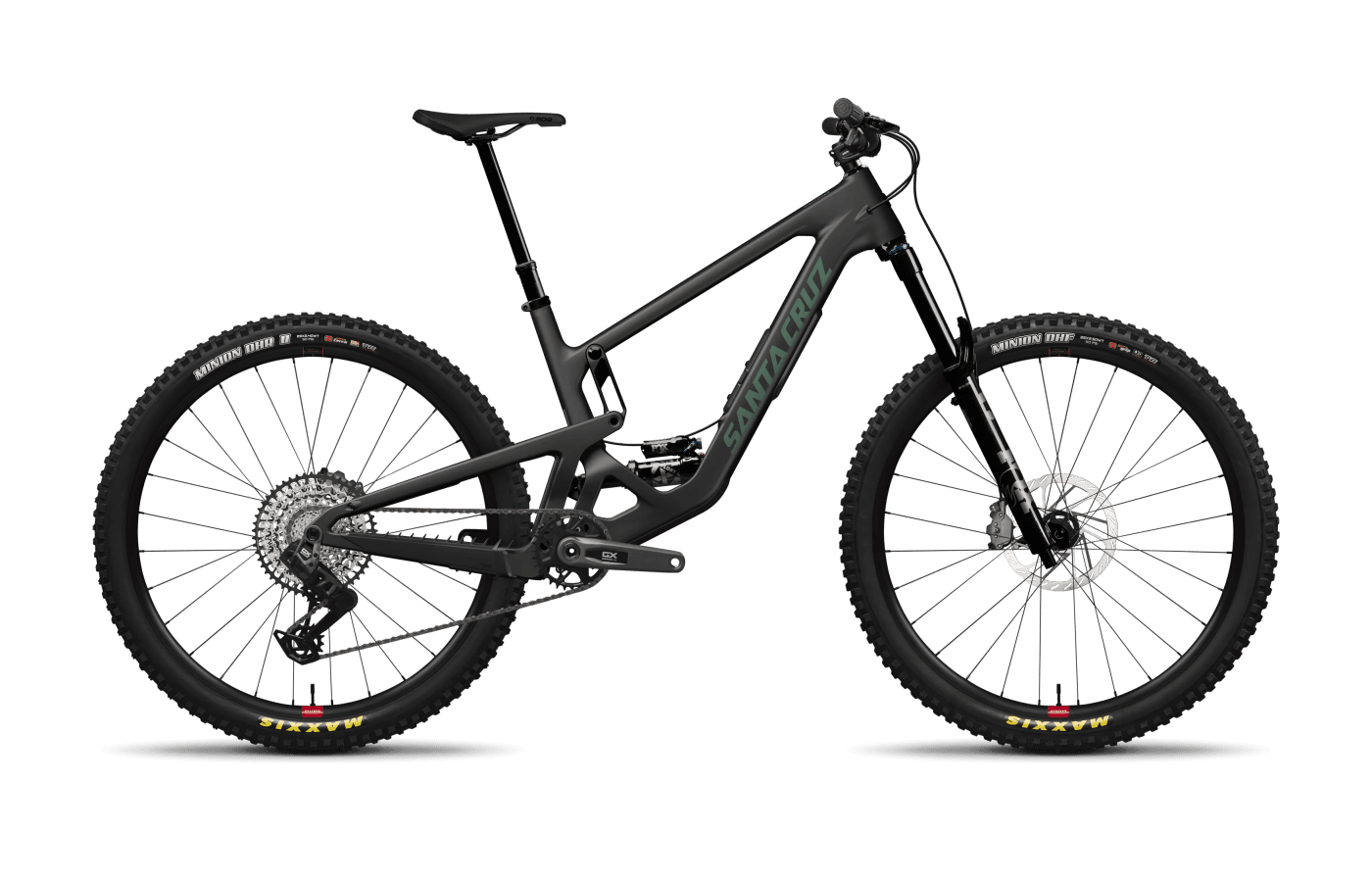
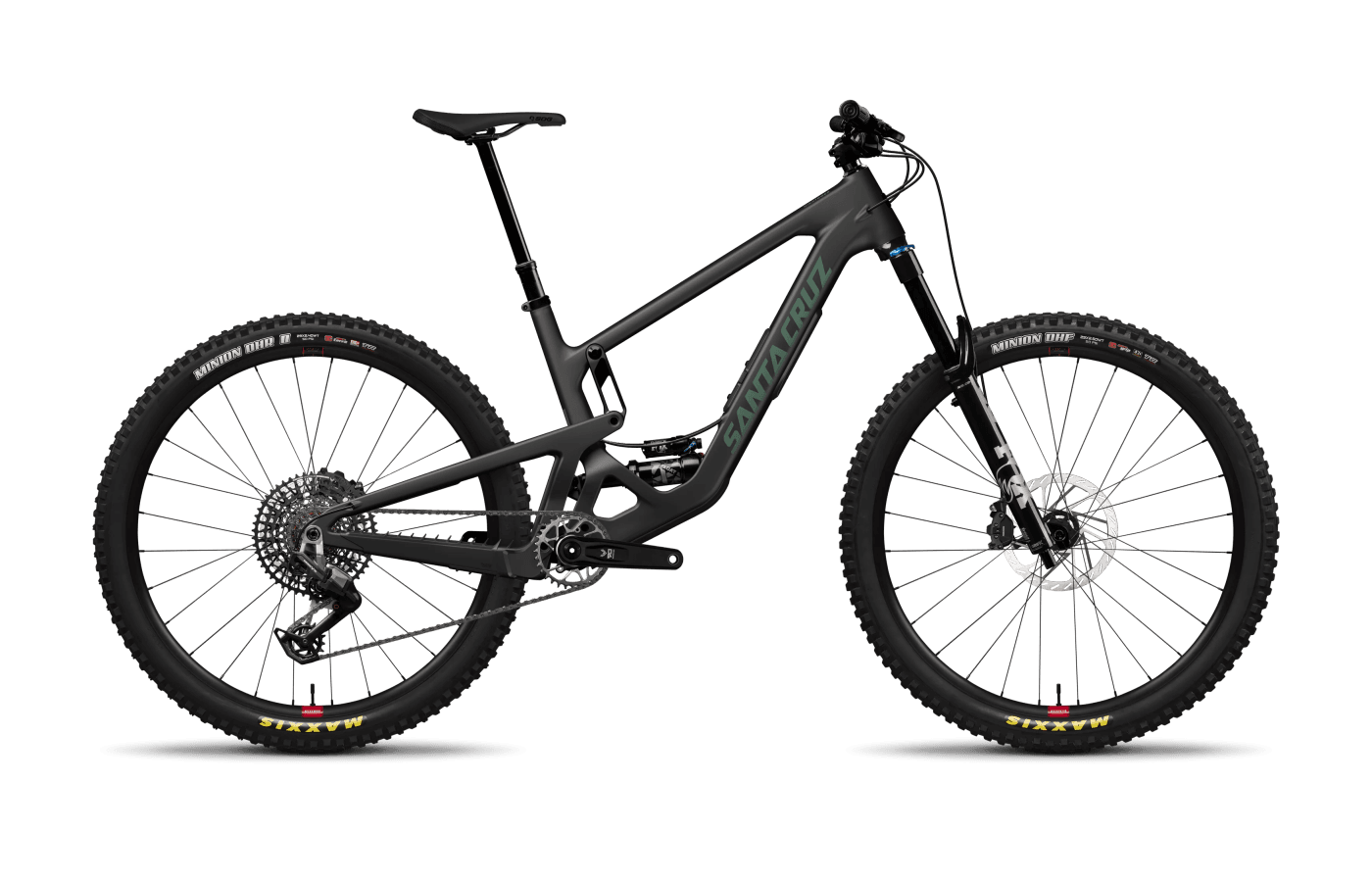
The fourth-generation Santa Cruz Hightower shifts the platform away from its versatile trail roots and closer to a dedicated all-mountain machine. Rolling on 29-inch wheels, the V4 frame bumps rear travel to 150 millimeters and pairs it with a 160-millimeter fork. Santa Cruz also revised the VPP suspension layout, dropping the shock lower into the front triangle to reduce anti-squat and minimize pedal kickback.
This evolution targets riders who prioritize descending composure over snappy acceleration. While it remains capable of long days in the saddle, the Hightower now leans heavily toward steep, rough terrain. It suits aggressive pilots who want the high-speed stability of an enduro sled but prefer a slightly more manageable footprint for everyday trail riding.
Where to get it.
No retailers stocking size m.
No retailers carrying size m right now.
Spec sheet.
Every component shipped with this build.
Geometry & fit.
5 sizes published.
The Hightower’s geometry reflects its aggressive intentions, placing the rider in a centered, upright position for climbing while stretching out the wheelbase for descending stability. A steep effective seat tube angle, hovering around 78 degrees depending on the size and flip-chip setting, keeps rider weight forward on steep pitches.
At the front, the head tube angle slackens to roughly 64 degrees, paired with a notably tall stack height. While this high front end offers security on steep descents, several reviewers found it could make the steering feel vague on flat corners or steep climbs. To compensate, testers frequently recommended lowering the stem or running lower-rise bars to keep adequate weight on the front tire.
Santa Cruz utilizes size-scaled chainstays across the size run, ensuring the bike's balance remains consistent for riders of different heights. The frame also includes a flip-chip at the lower shock mount, allowing riders to slightly tweak the bottom bracket height and angles to suit their local terrain.
Where the handlebar sits relative to the bottom bracket — the single most important fit pair.
01Fit geometry6 values
02Component geometry4 values
03Handling geometry7 values
Which size should I buy?
Slide your height to see the recommended size. GearWise's fit algorithm works from the published stack, reach, and ETT — the brand's own recommendation may differ.
→Calculated from GearWise's own stack / reach / ETT algorithm — the brand's size chart may recommend a different size, and a proper bike fit beats any calculator.
The lineup.
9 builds, ranging $4,999 – $11,399.
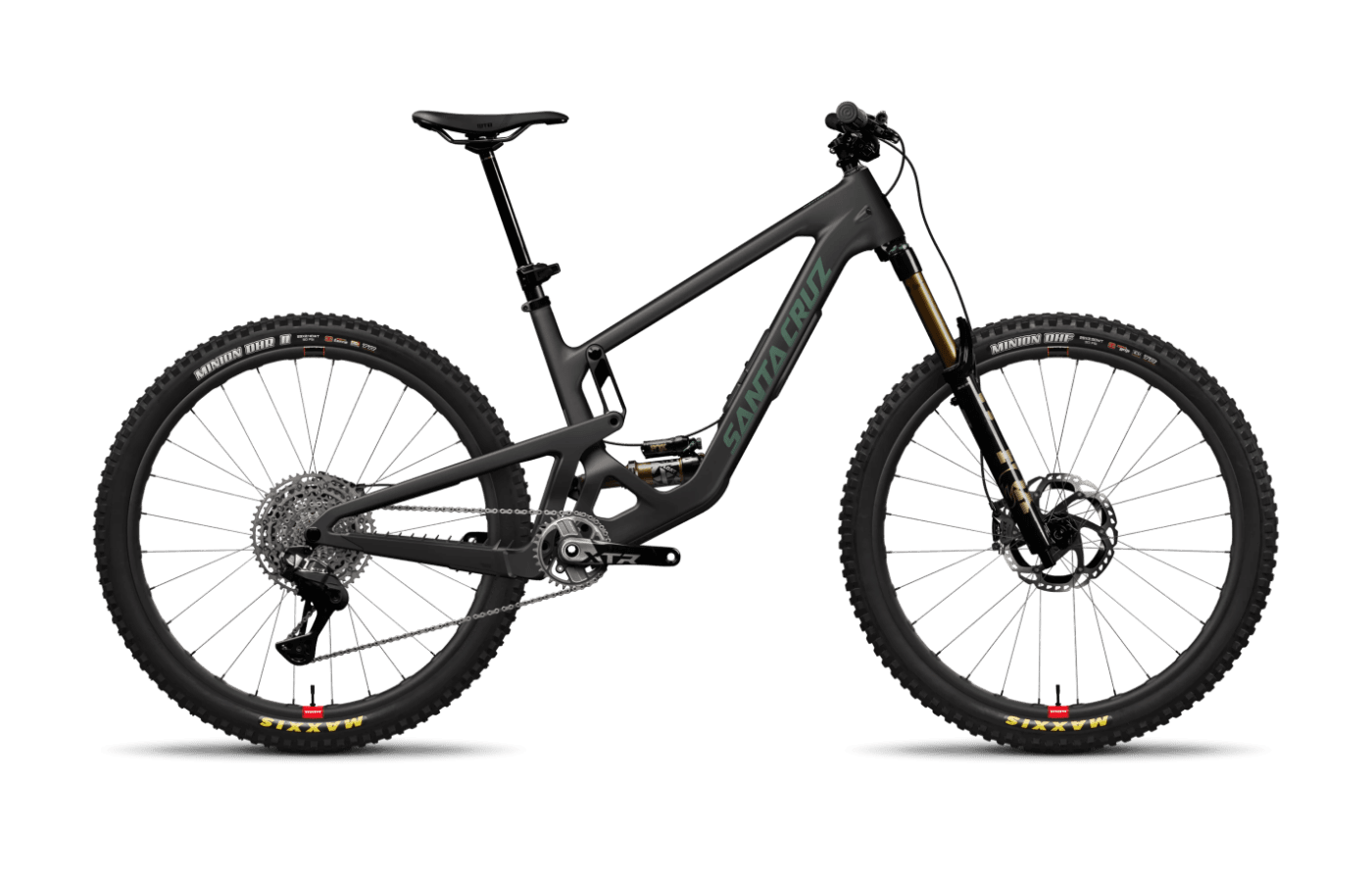
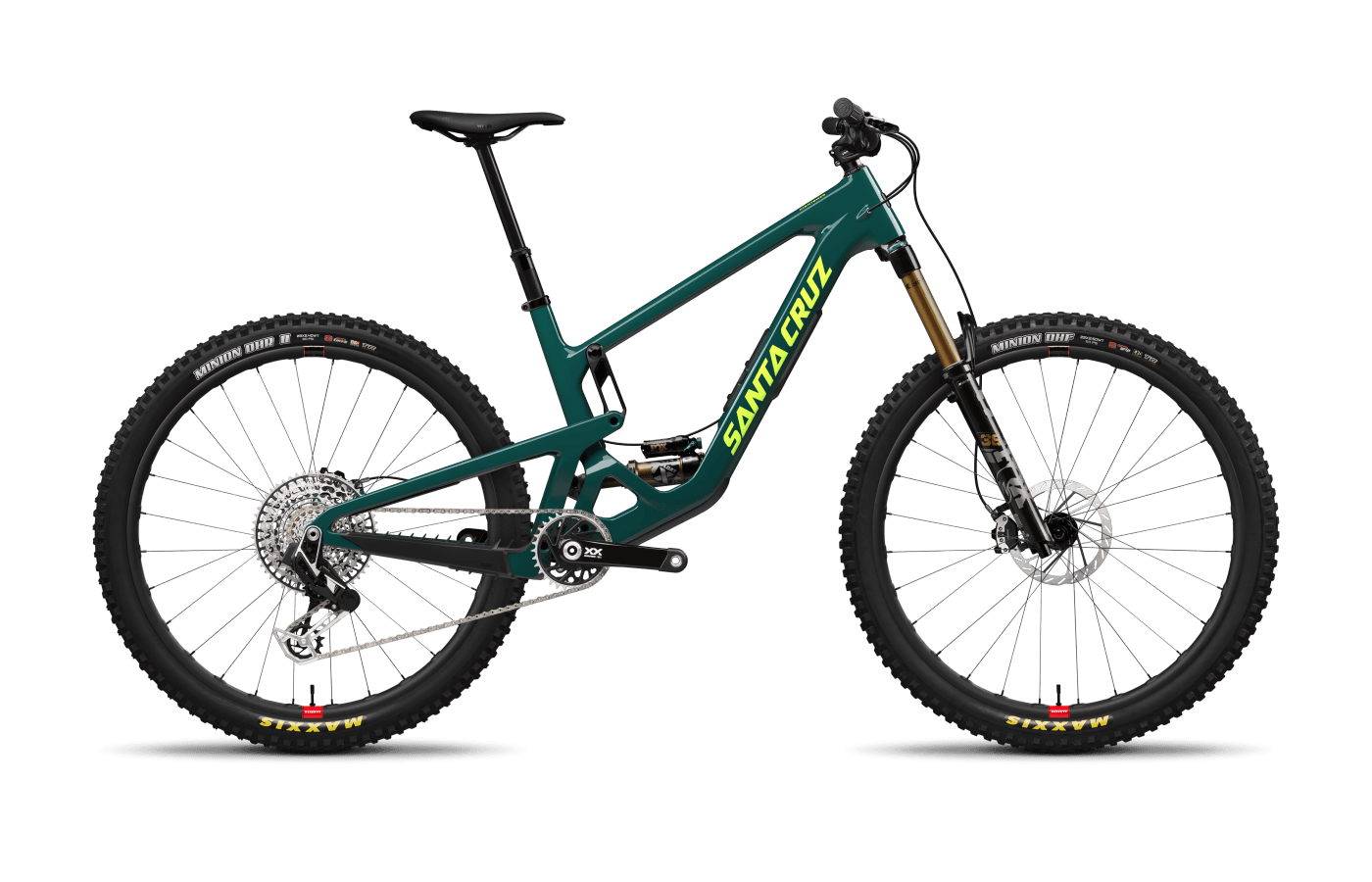
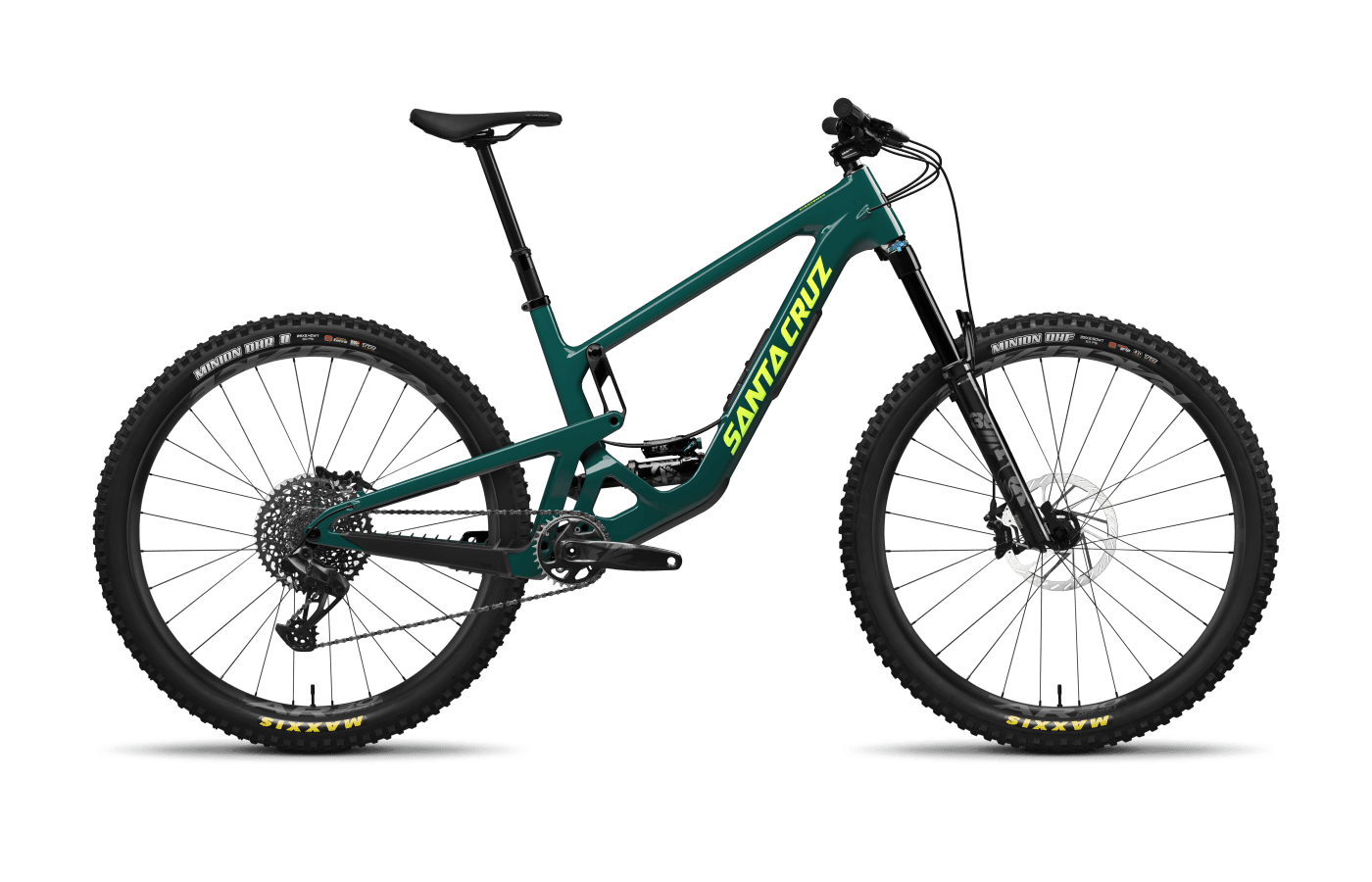
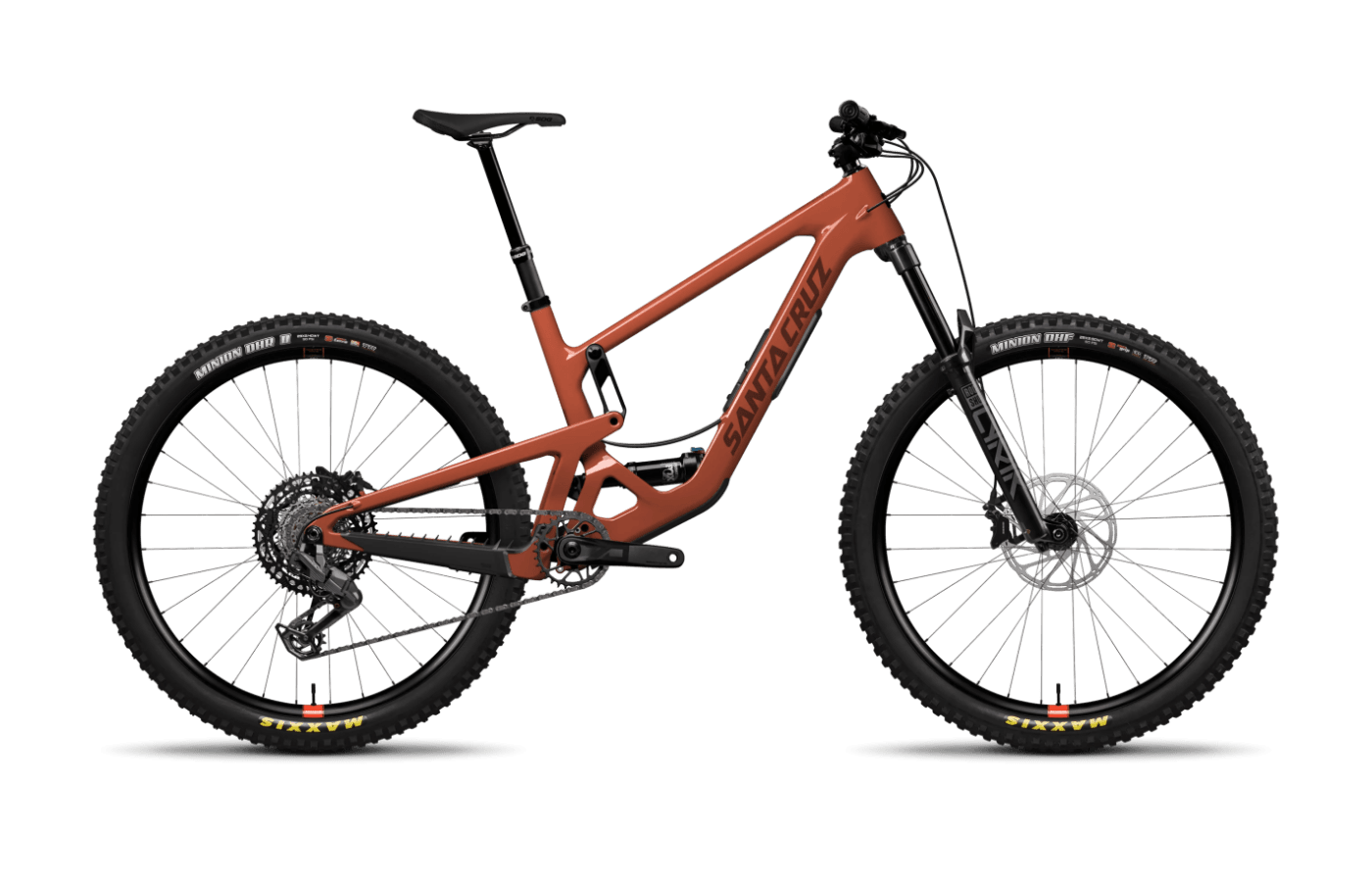
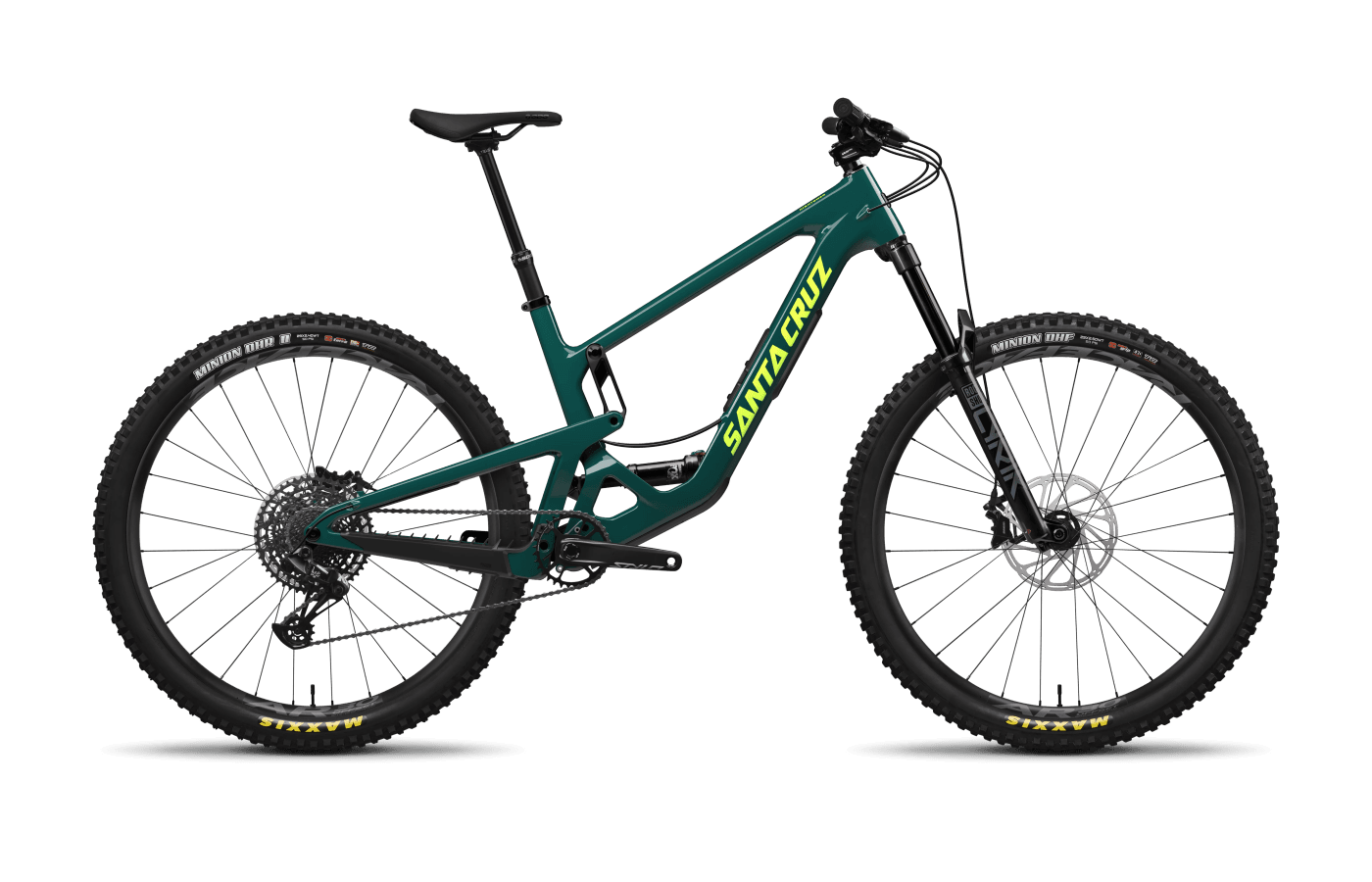
The Hightower lineup spans nine builds, split between Santa Cruz’s C and CC carbon frames. The premium CC frames save weight but eliminate internal cable routing for the drivetrain, restricting those builds to wireless electronic shifting. Riders who prefer mechanical drivetrains must opt for the slightly heavier C frame, which retains traditional cable ports. All frames feature a threaded bottom bracket and the brand's Glovebox internal downtube storage.
Suspension duties are handled by Fox on the majority of the line, with RockShox appearing only on the entry-level models. Most builds feature SRAM Maven brakes, though several reviewers noted that the stock 180-millimeter rotors felt undersized for a bike with this much descending capability, suggesting aggressive riders might need an immediate upgrade to larger rotors.
Similarly, the stock Maxxis tires pair an EXO casing up front with an EXO+ in the rear. While this keeps the complete bike weight reasonable, testers frequently recommended swapping to heavier casings to match the frame's enduro-adjacent limits. Value is bolstered by a lifetime warranty on the frame, pivot bearings, and the Reserve carbon wheels included on higher-end builds.
From the press.
15 reviews from the cycling press.
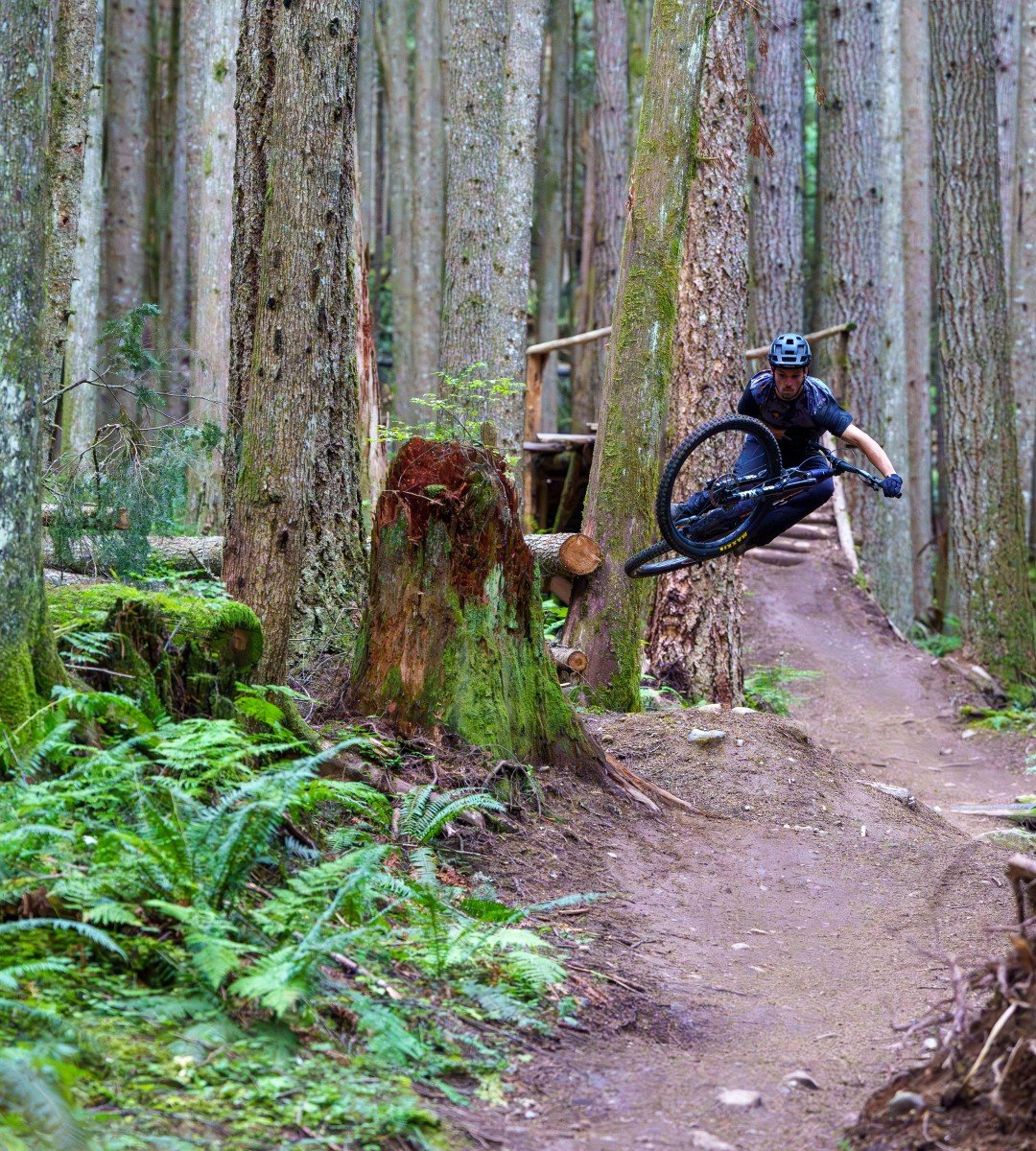
Reviewers largely agree that the Hightower has traded some of its former agility for outright descending speed. At velocity, the bike is highly composed, with testers noting it acts as a "full-throttle bruiser for the rough stuff" (Bike-test). The revised suspension kinematics successfully isolate the rider from trail feedback, making the new frame "noticeably smoother than V3 in terms of foot feel" (Bike Perfect). Multiple reviewers praised its ability to carry momentum through chunky rock gardens and root beds.
That stability comes with a clear tradeoff in tight terrain. At slower speeds, the lengthened wheelbase requires deliberate rider input, forcing pilots to "manhandle the bike" (Flow Mountain Bike) through tight switchbacks. A few testers also found the suspension tune to be quite firm, requiring an aggressive riding style to fully utilize the travel.
On climbs, the Hightower prioritizes traction over efficiency. While it carries a slight weight penalty compared to its predecessor, the active rear end keeps the tire glued to the trail on technical ascents. It lacks the immediate acceleration of lighter trail bikes, but it reliably grinds up steep, loose grades without excessive pedal bob.
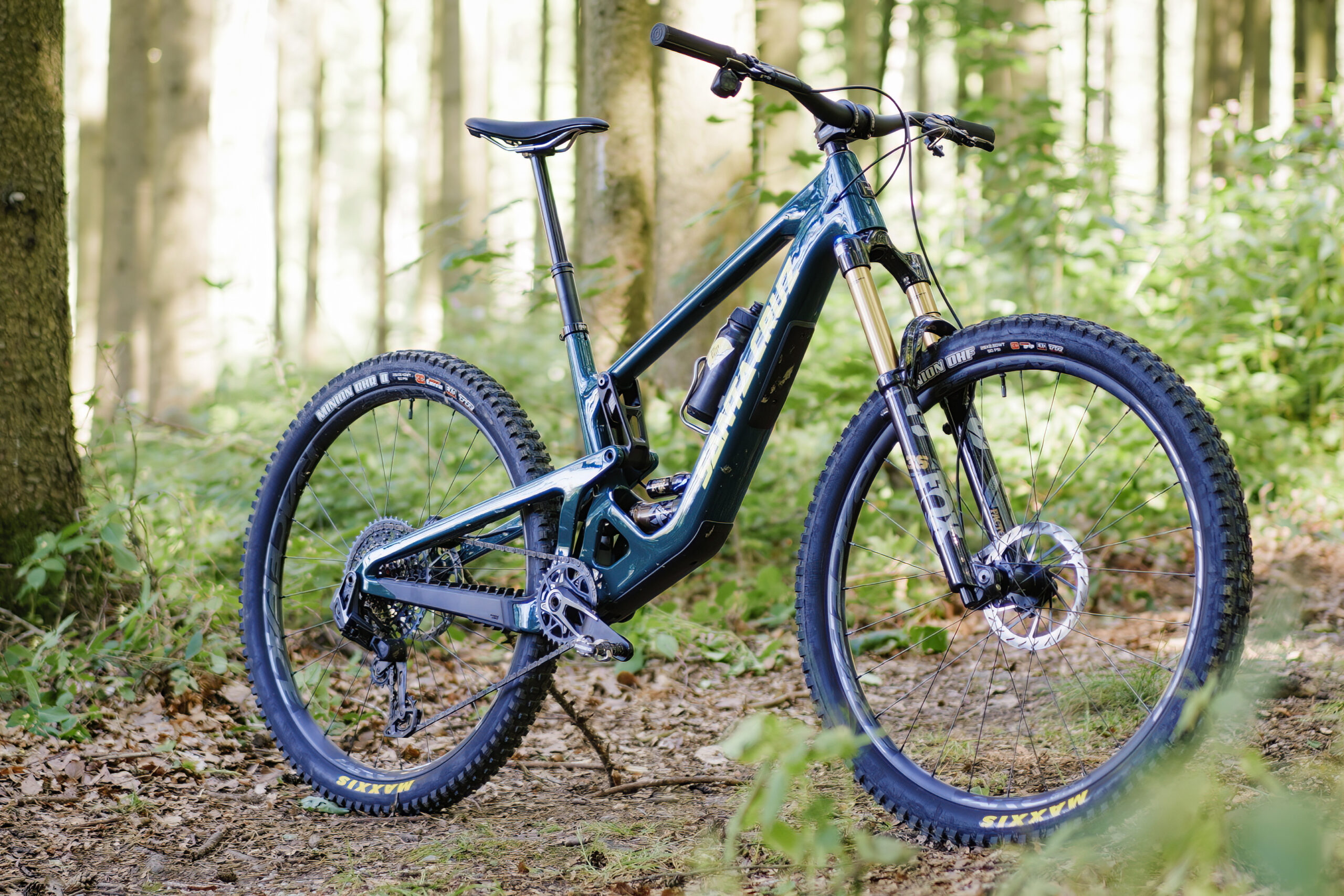
Santa Cruz Hightower 4 Review
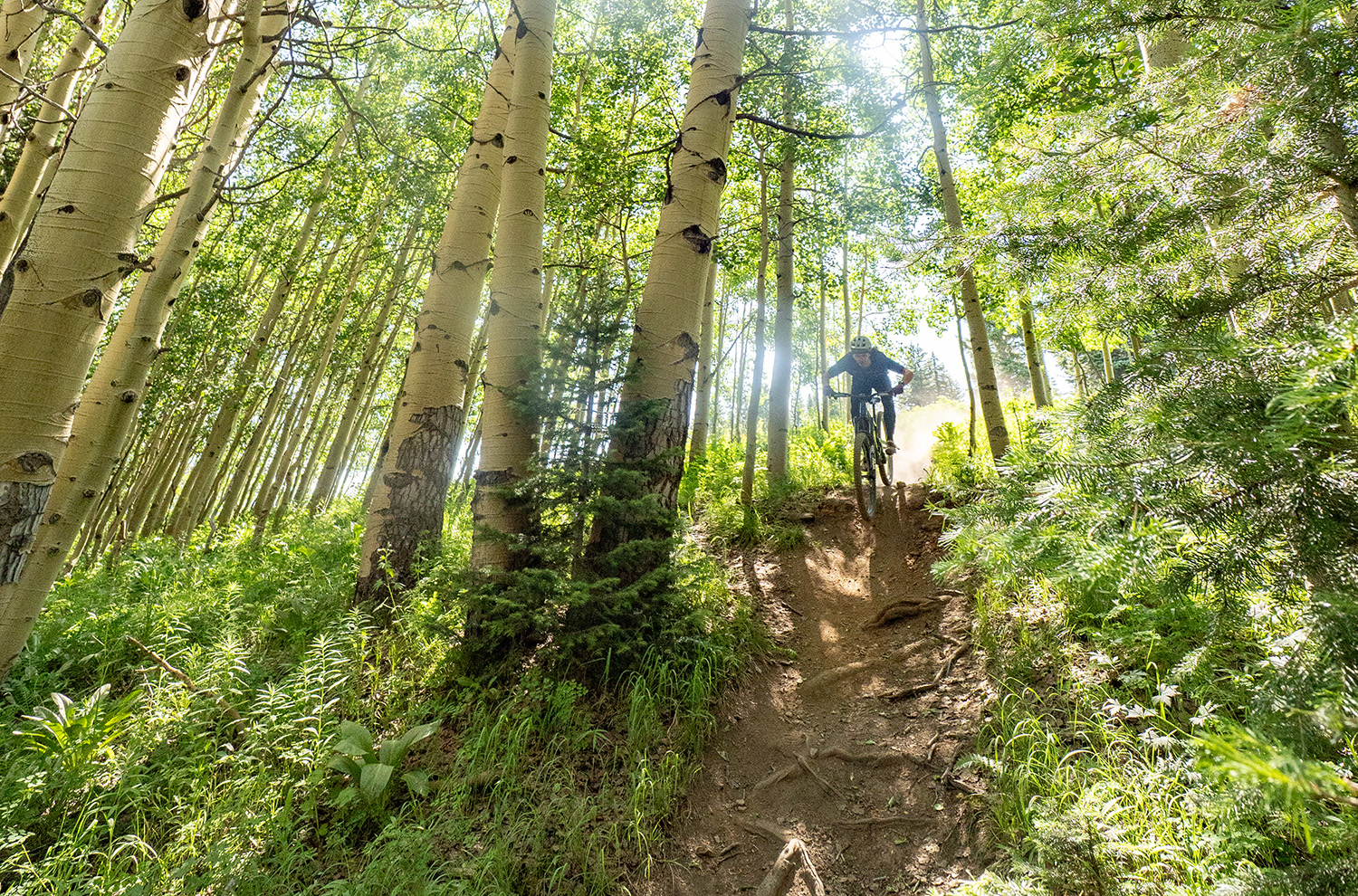
Deep Dive: Santa Cruz Hightower 4
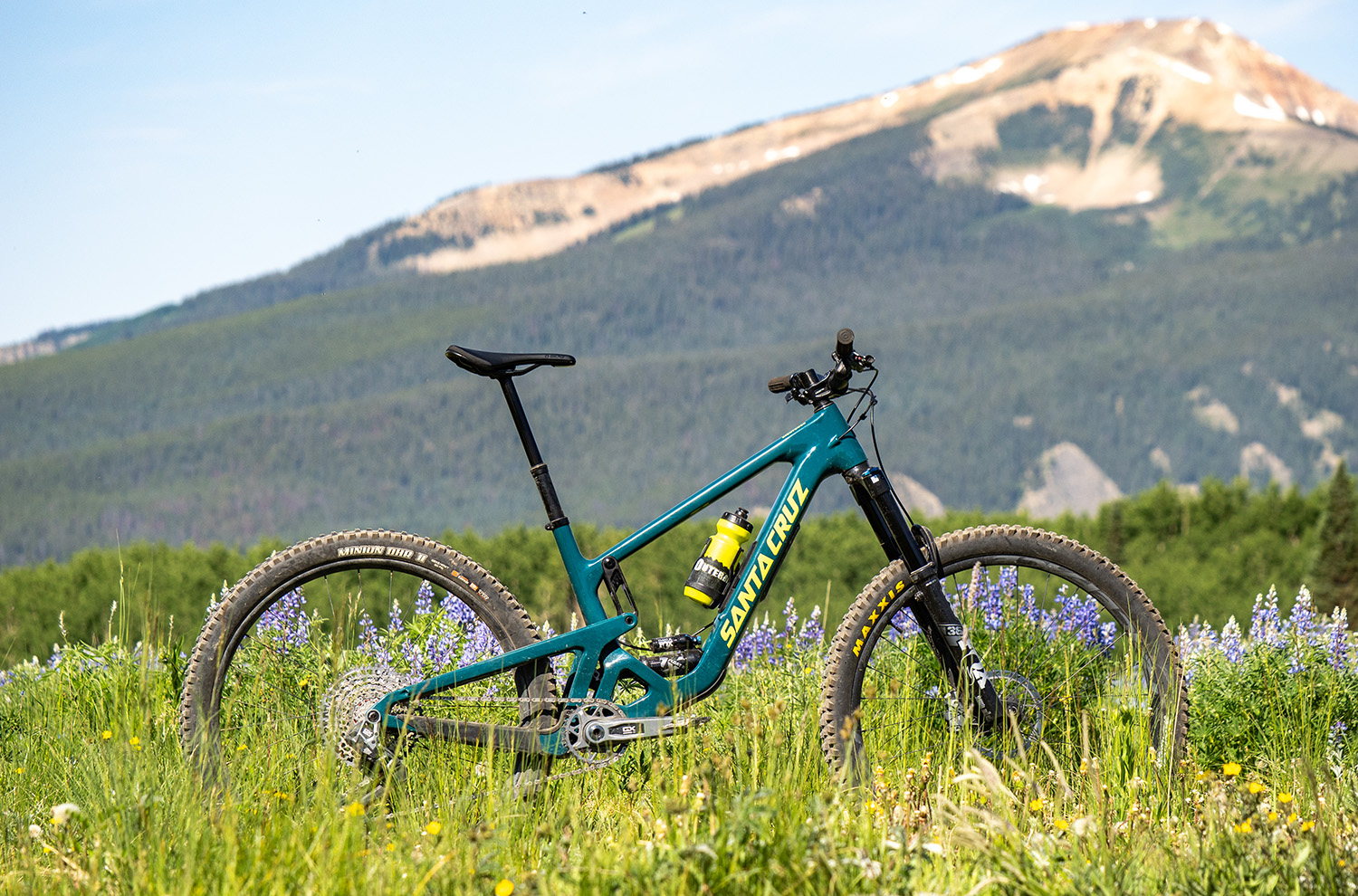
Santa Cruz Hightower 4 - Blister Review
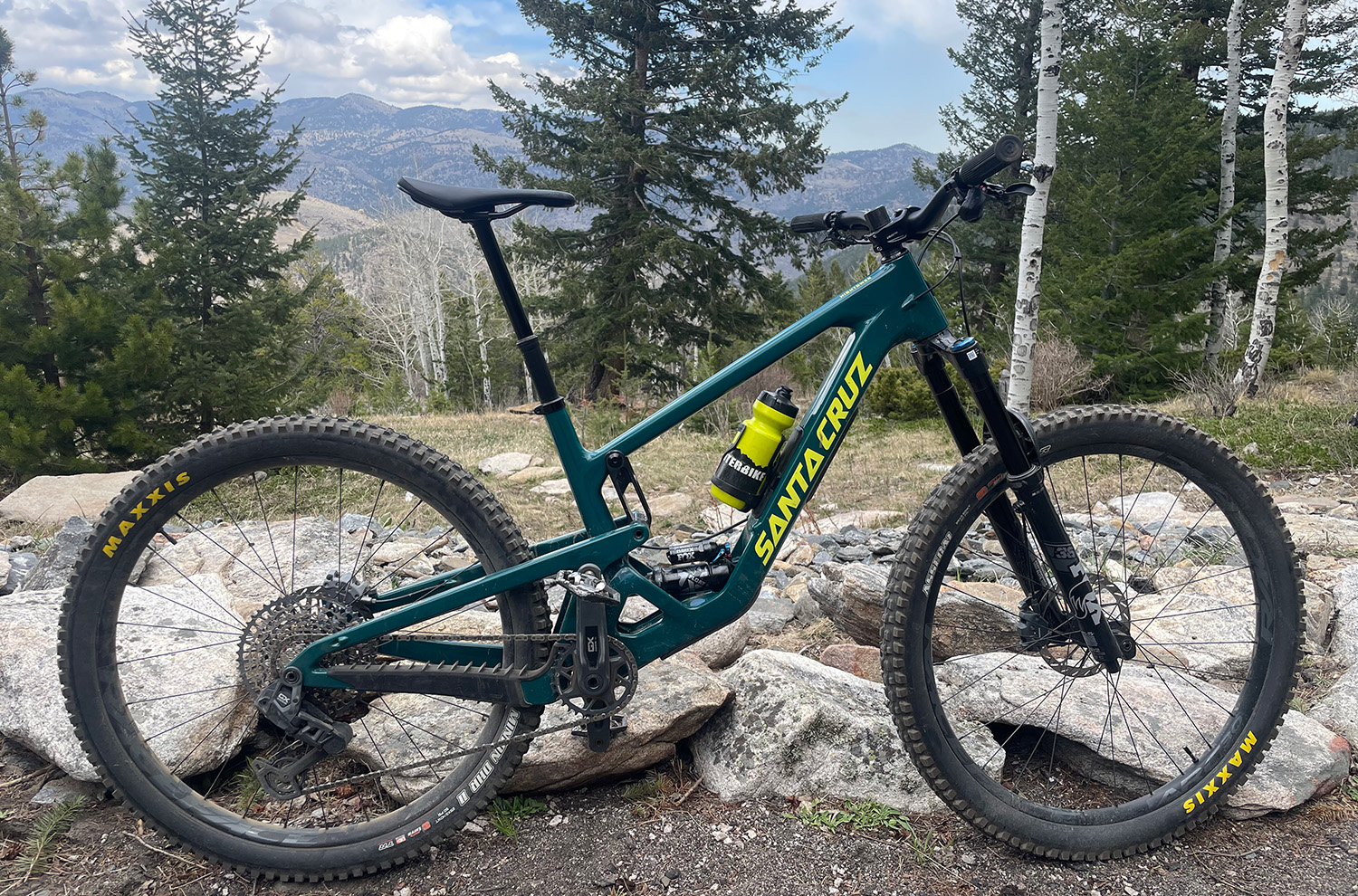
Flash Review: Santa Cruz Hightower 4
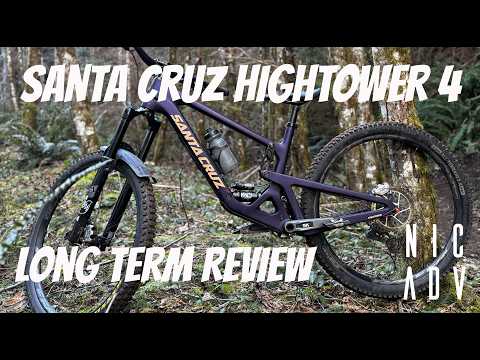
Santa Cruz Hightower 4 Long Term Review | Full Suspension ...
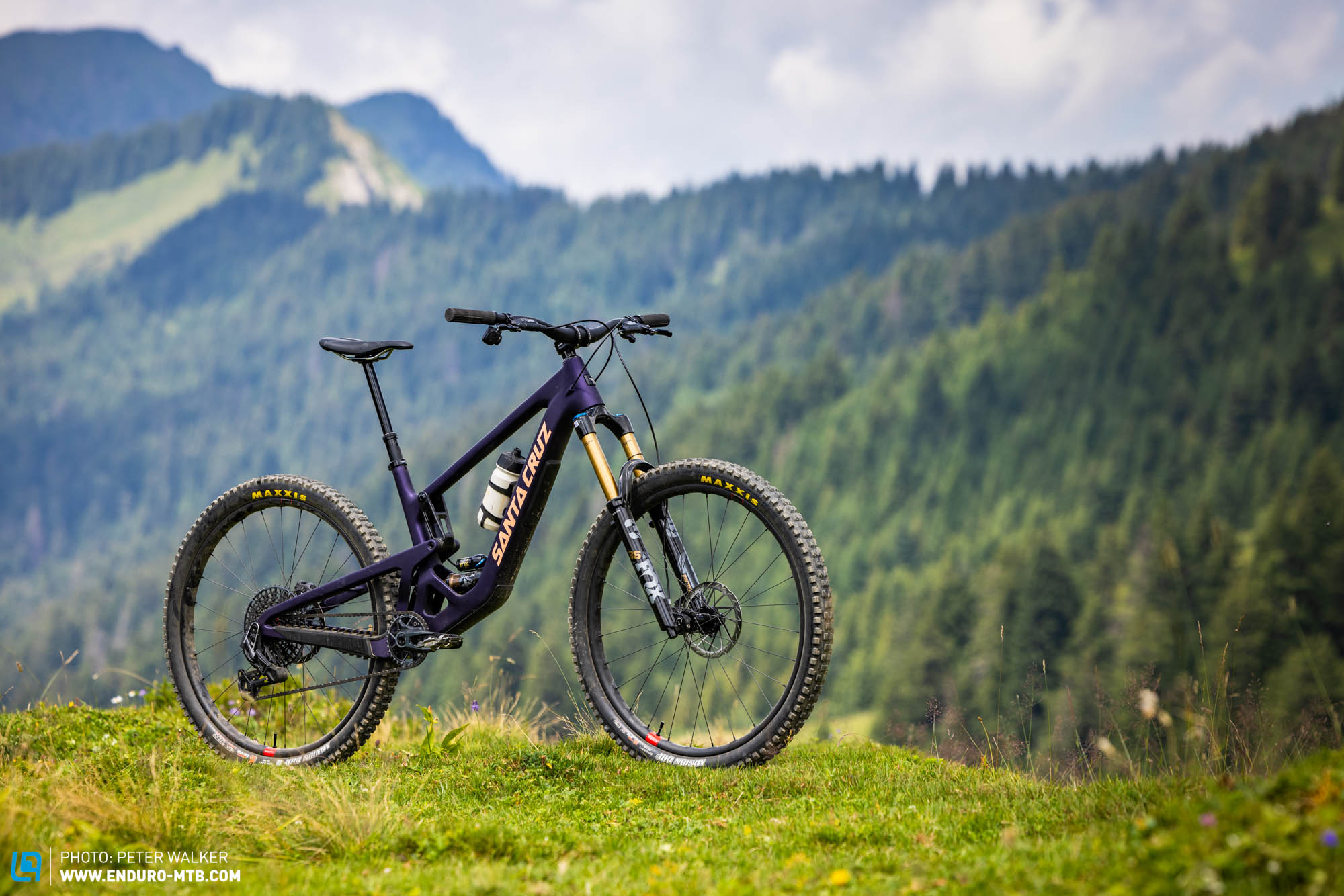
Santa Cruz Hightower CC X0 AXS RSV – In our big 2025 ...
They said trail, I saw enduro: 2025 Hightower review

2025 Santa Cruz Hightower Review | Trail bike or mini enduro ...
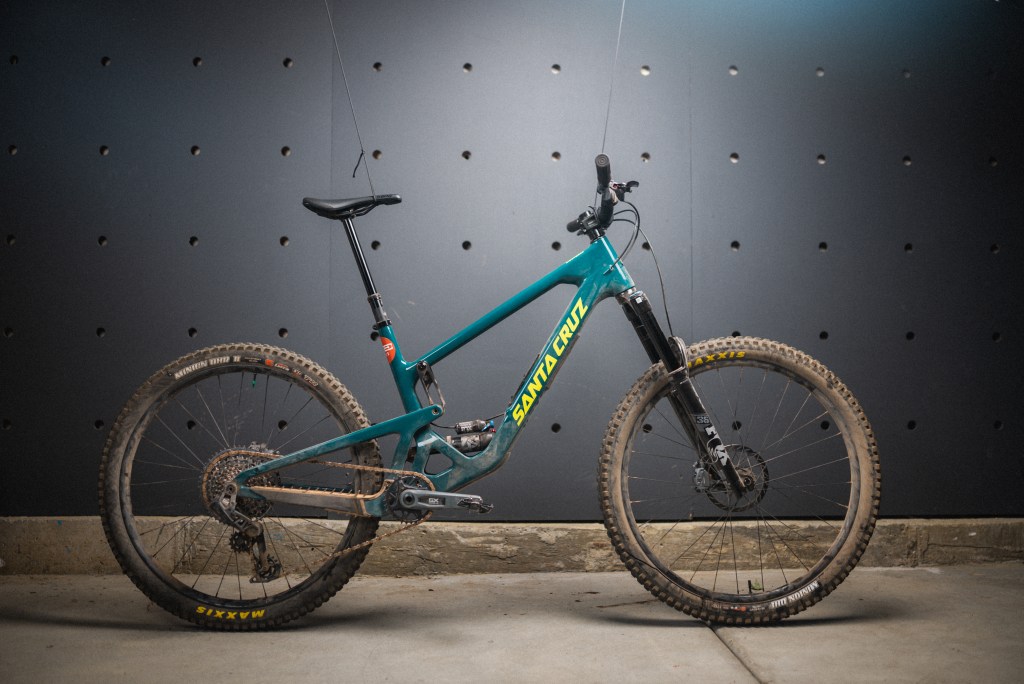
Santa Cruz Hightower 4 Review: The Descender's MTB
2025 Santa Cruz Hightower 4 Review
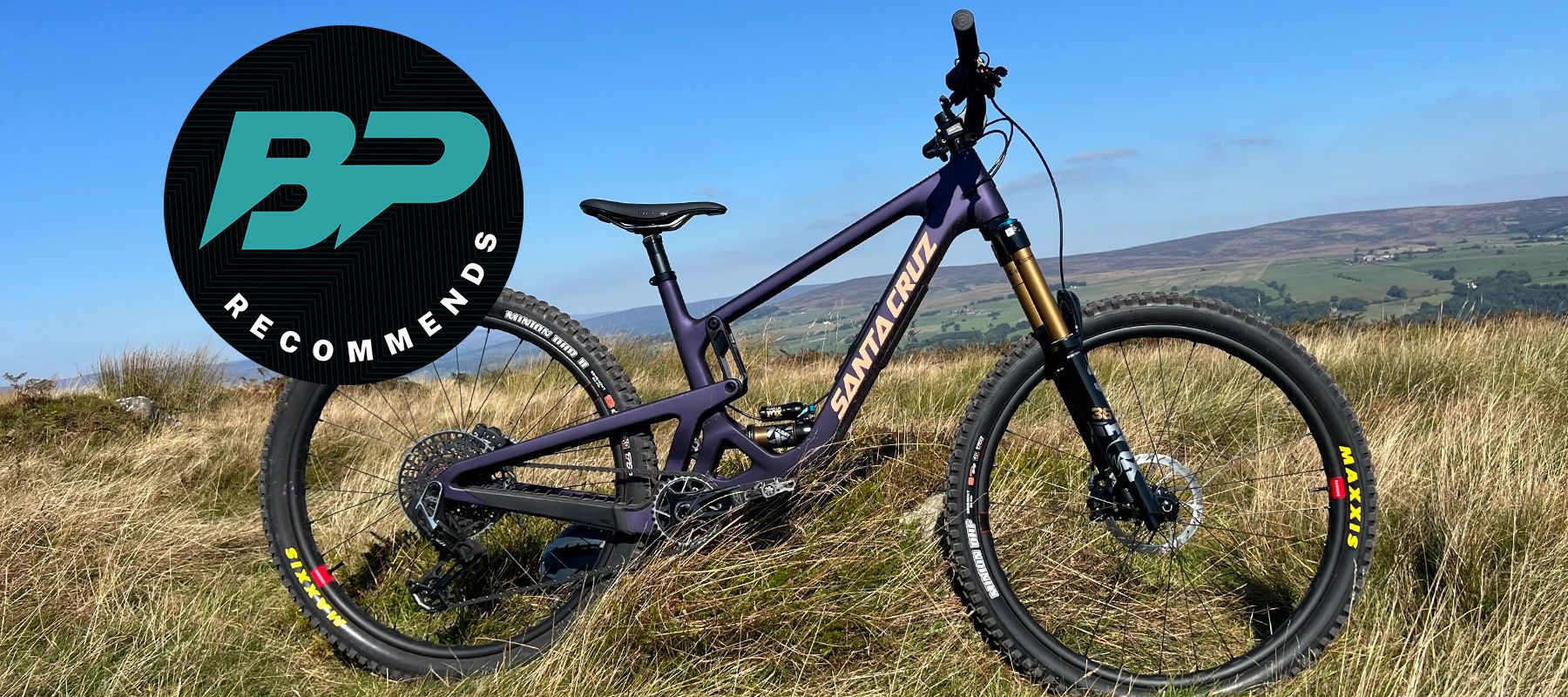
Santa Cruz’s awesome new Hightower is basically an enduro bike that can still do epic day rides
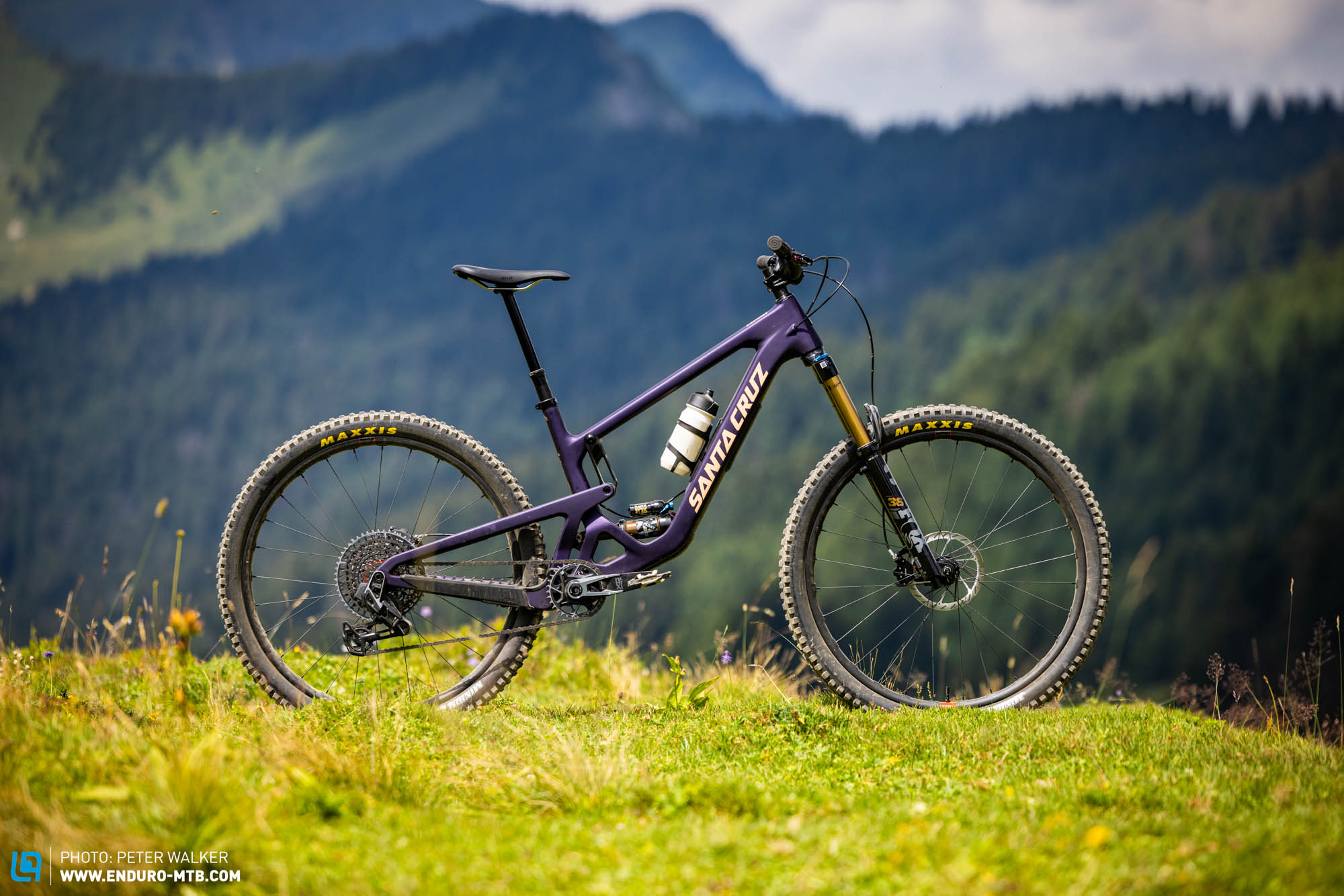
Santa Cruz Hightower 2025 first ride review
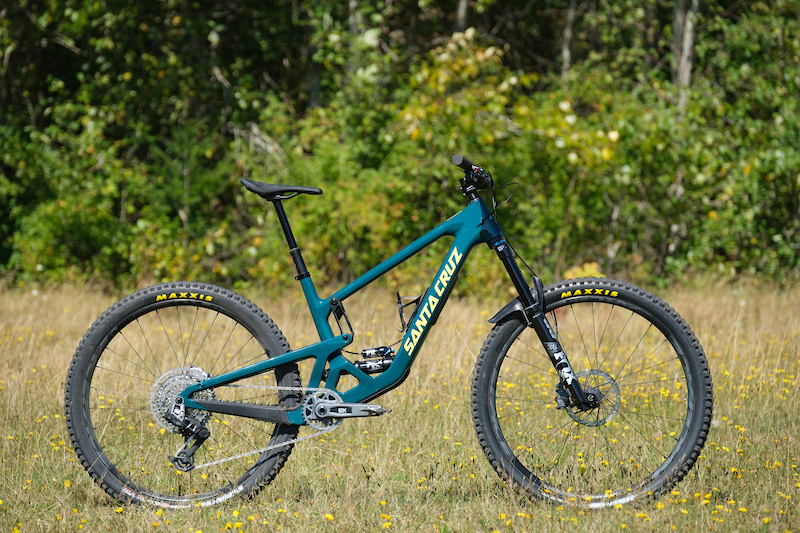
First Ride: 2025 Santa Cruz Hightower - The Big Wheeled ...
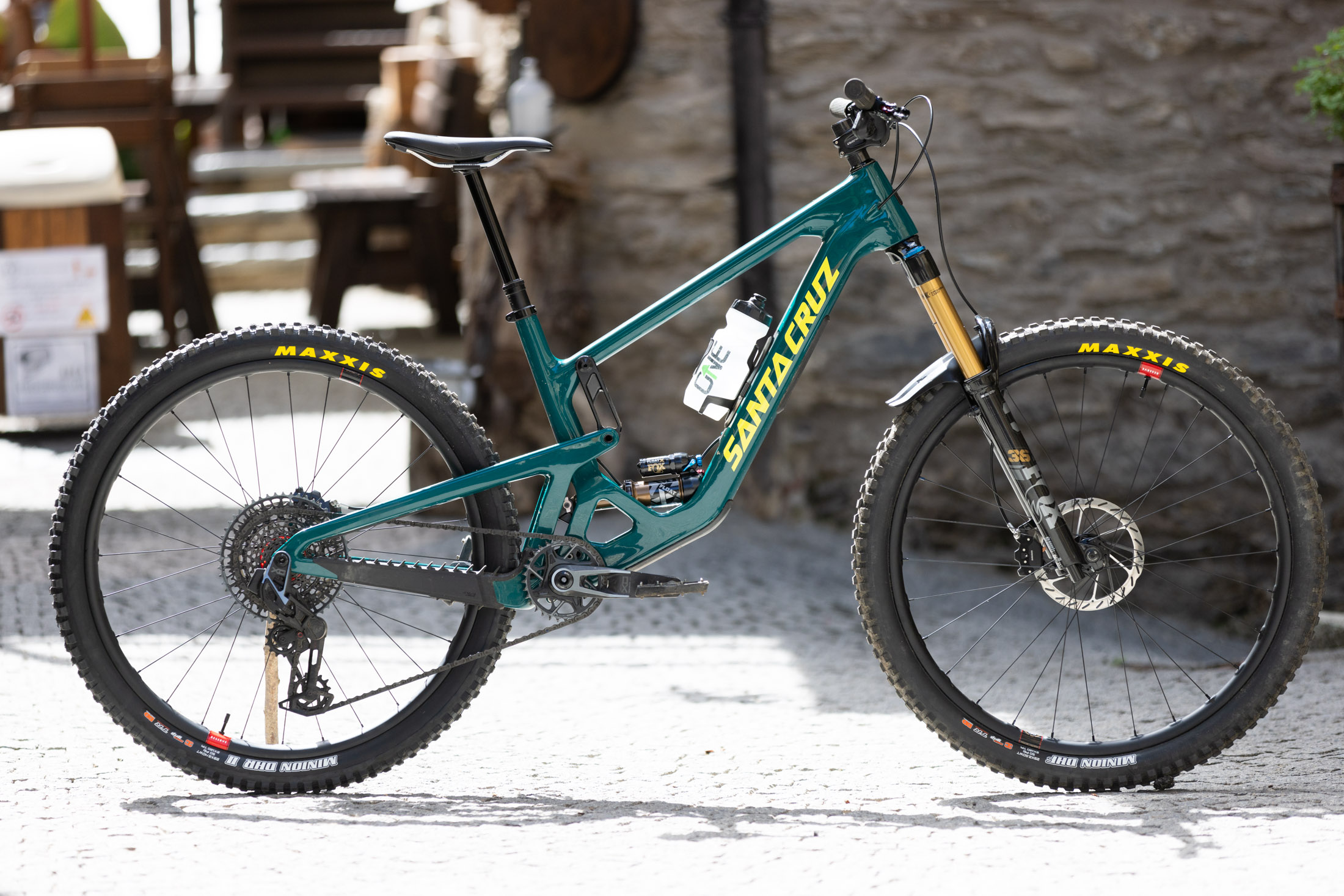
2025 Santa Cruz Hightower Review | Trail bike or mini ...
Compared to.
Most-viewed comparisons.
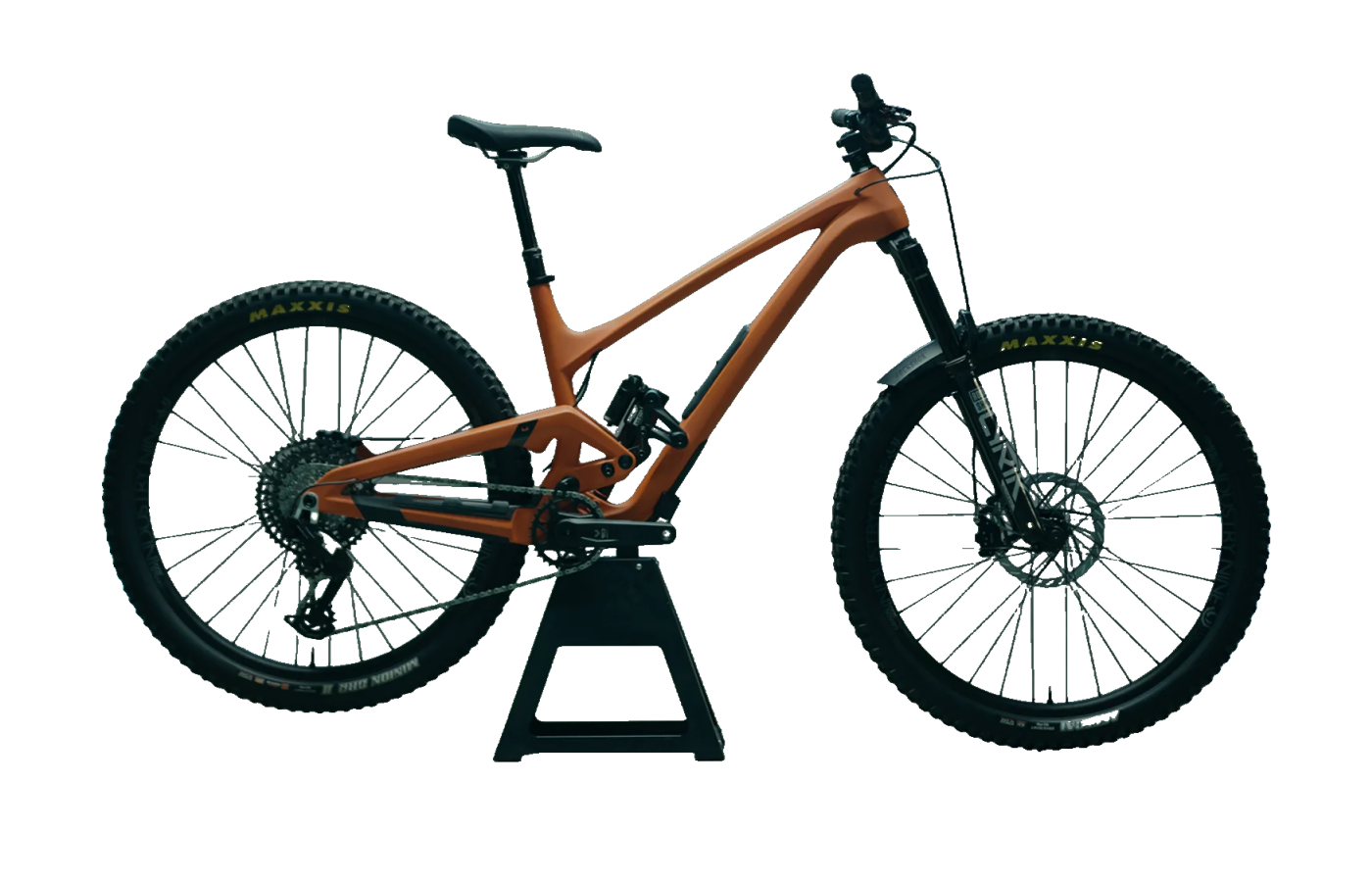
Evil Offering vs Santa Cruz Hightower
Read comparison→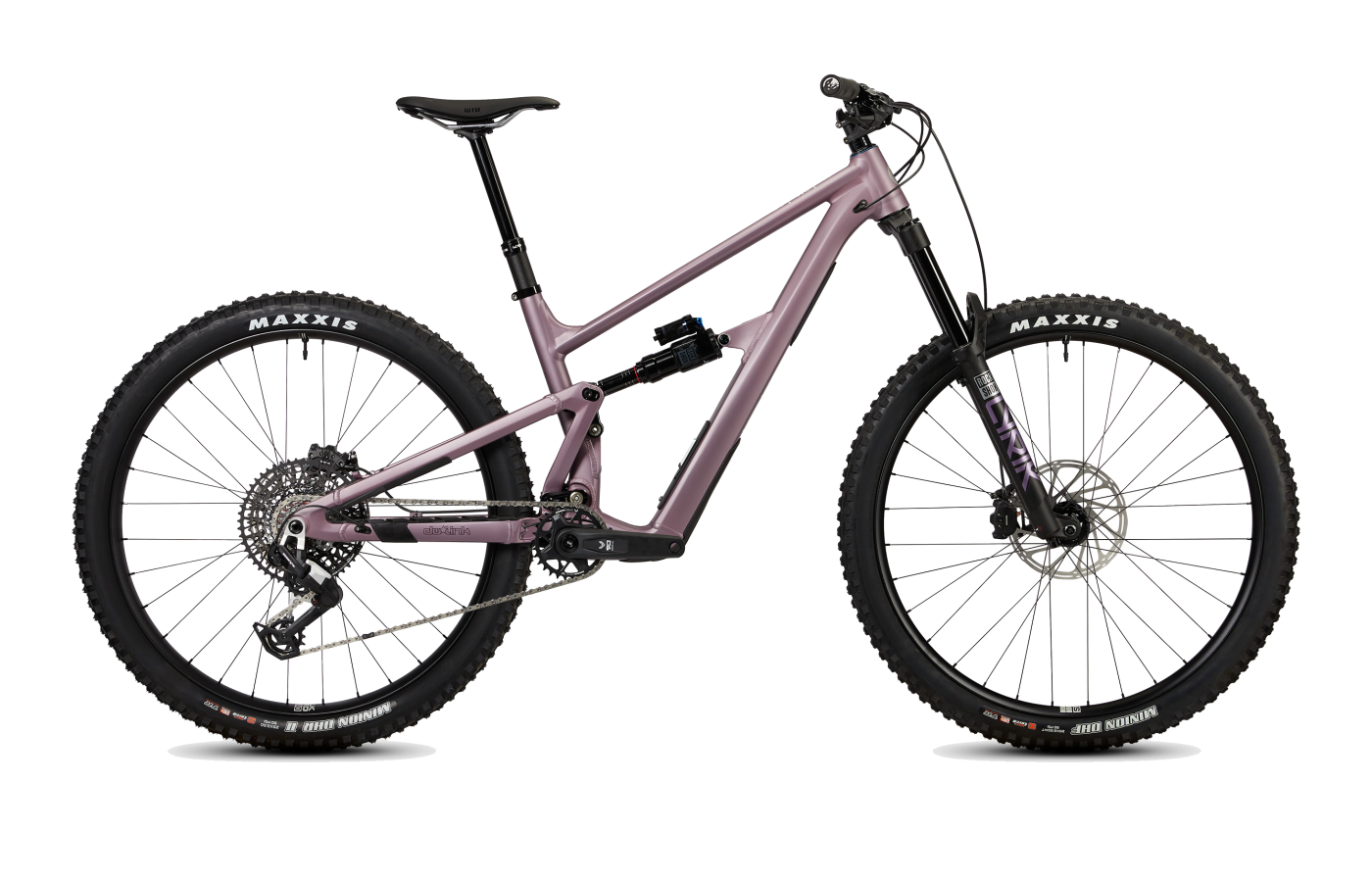
Ibis Ripmo AF vs Santa Cruz Hightower
Read comparison→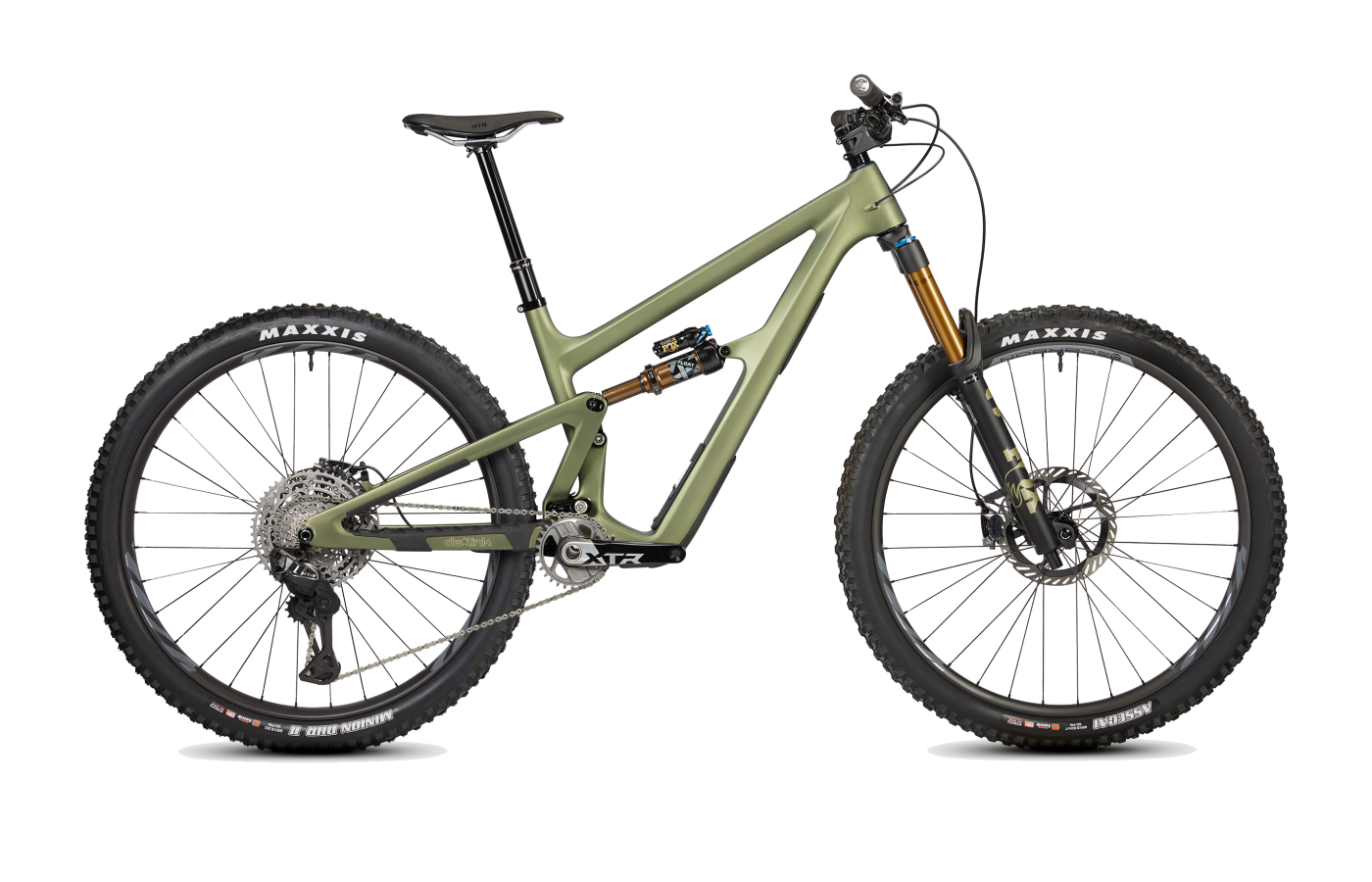
Ibis Ripmo vs Santa Cruz Hightower
Read comparison→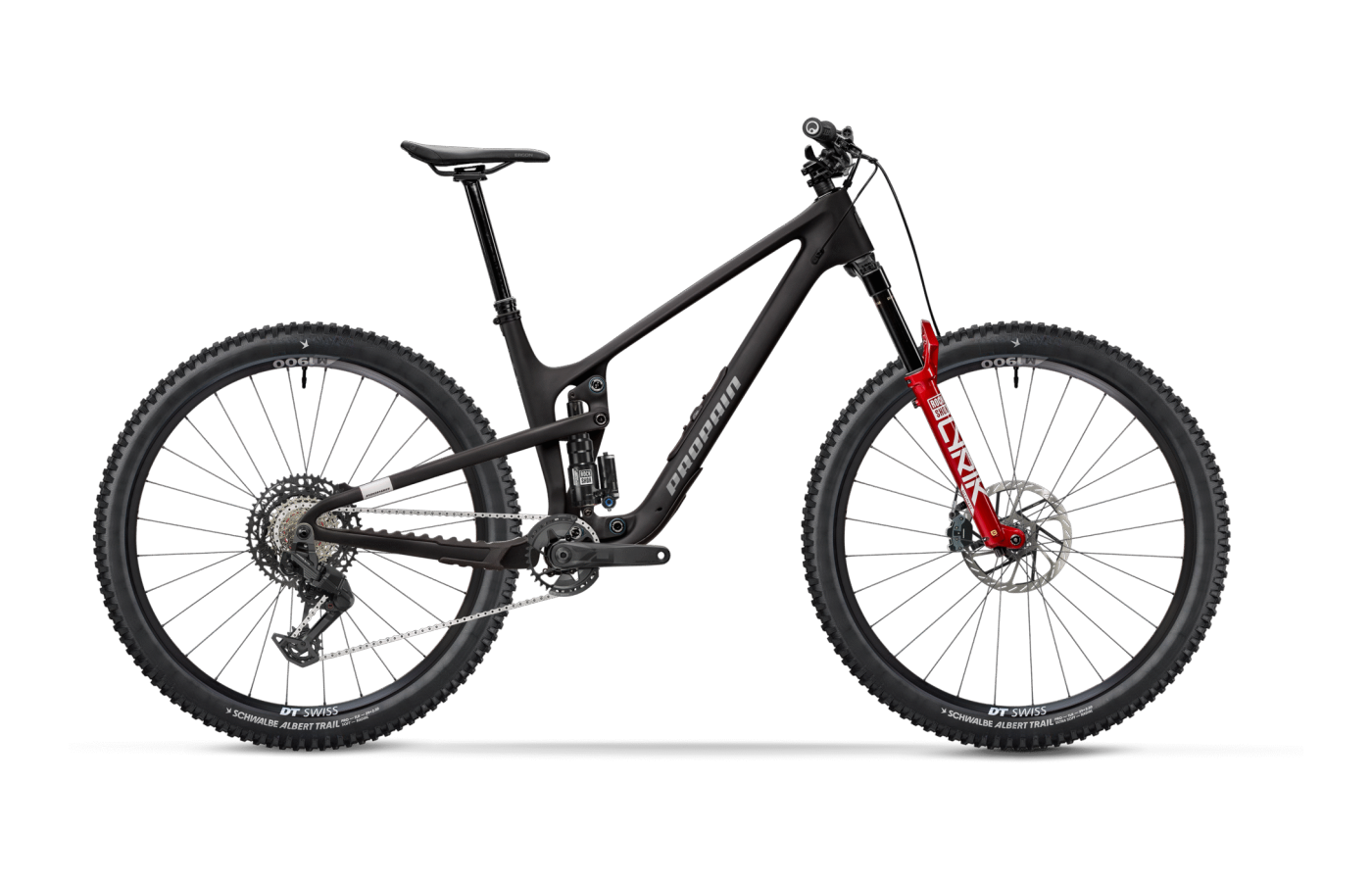
Propain Hugene vs Santa Cruz Hightower
Read comparison→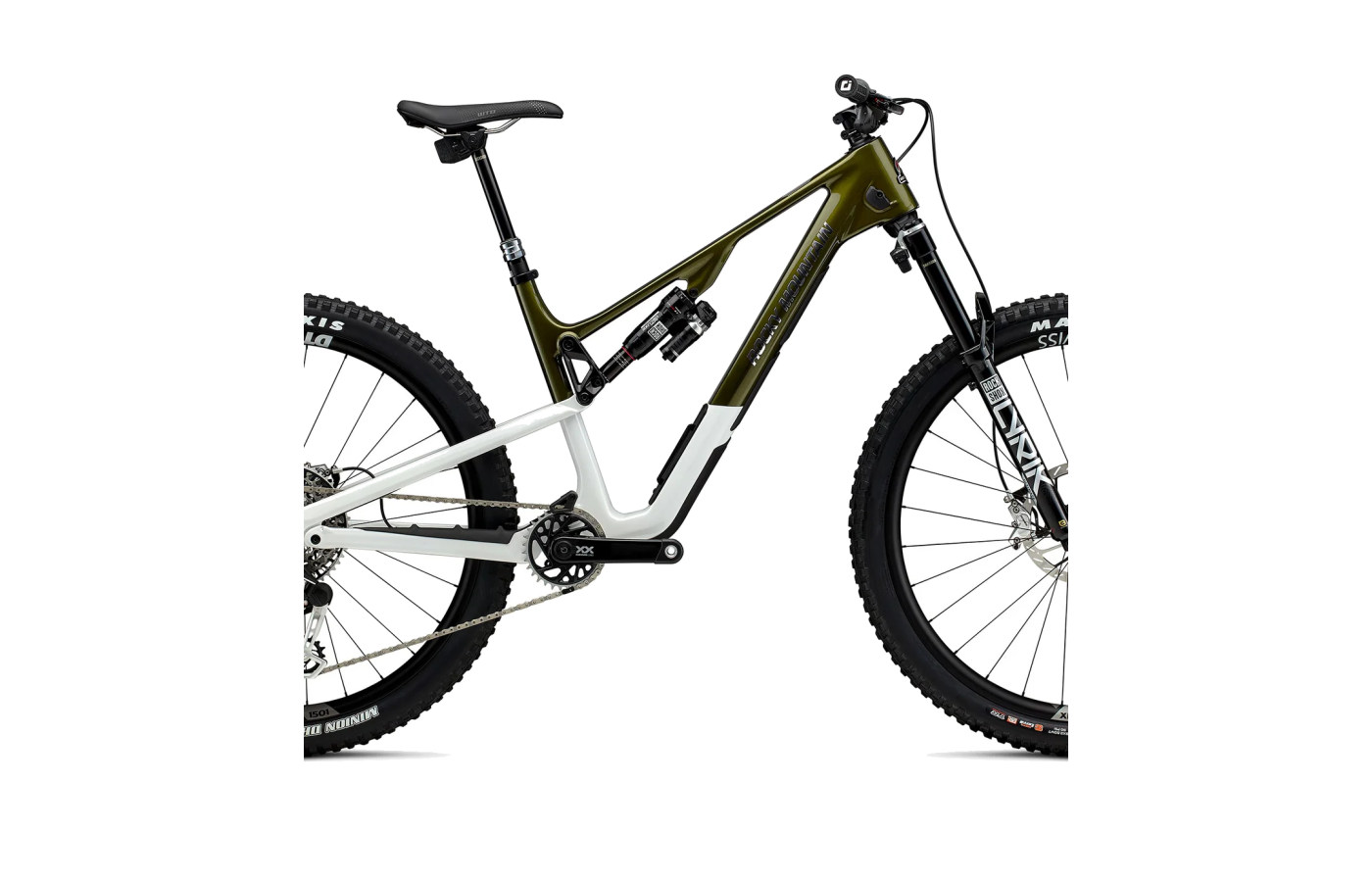
Rocky Mountain Instinct vs Santa Cruz Hightower
Read comparison→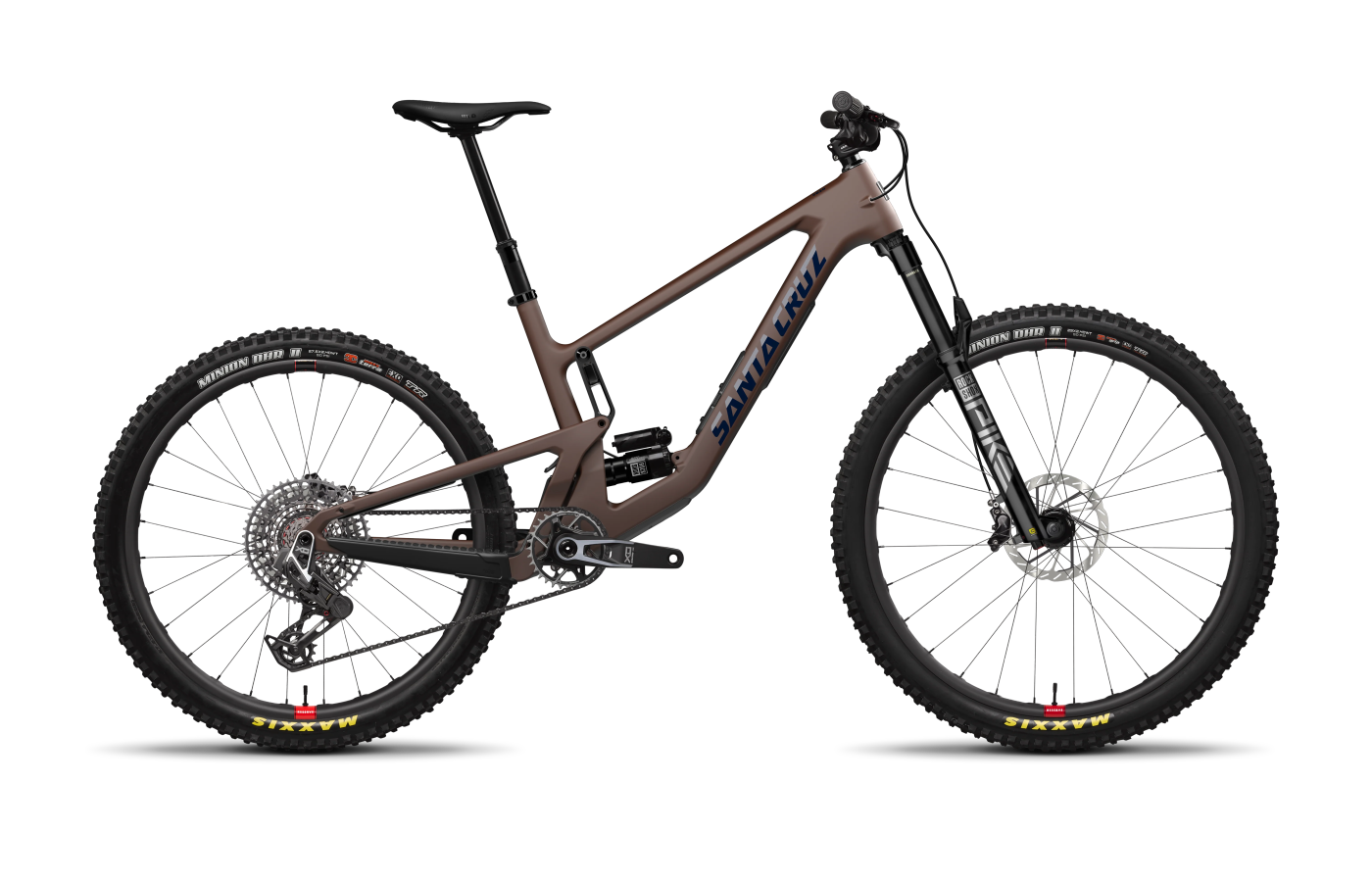
Santa Cruz 5010 vs Hightower
Read comparison→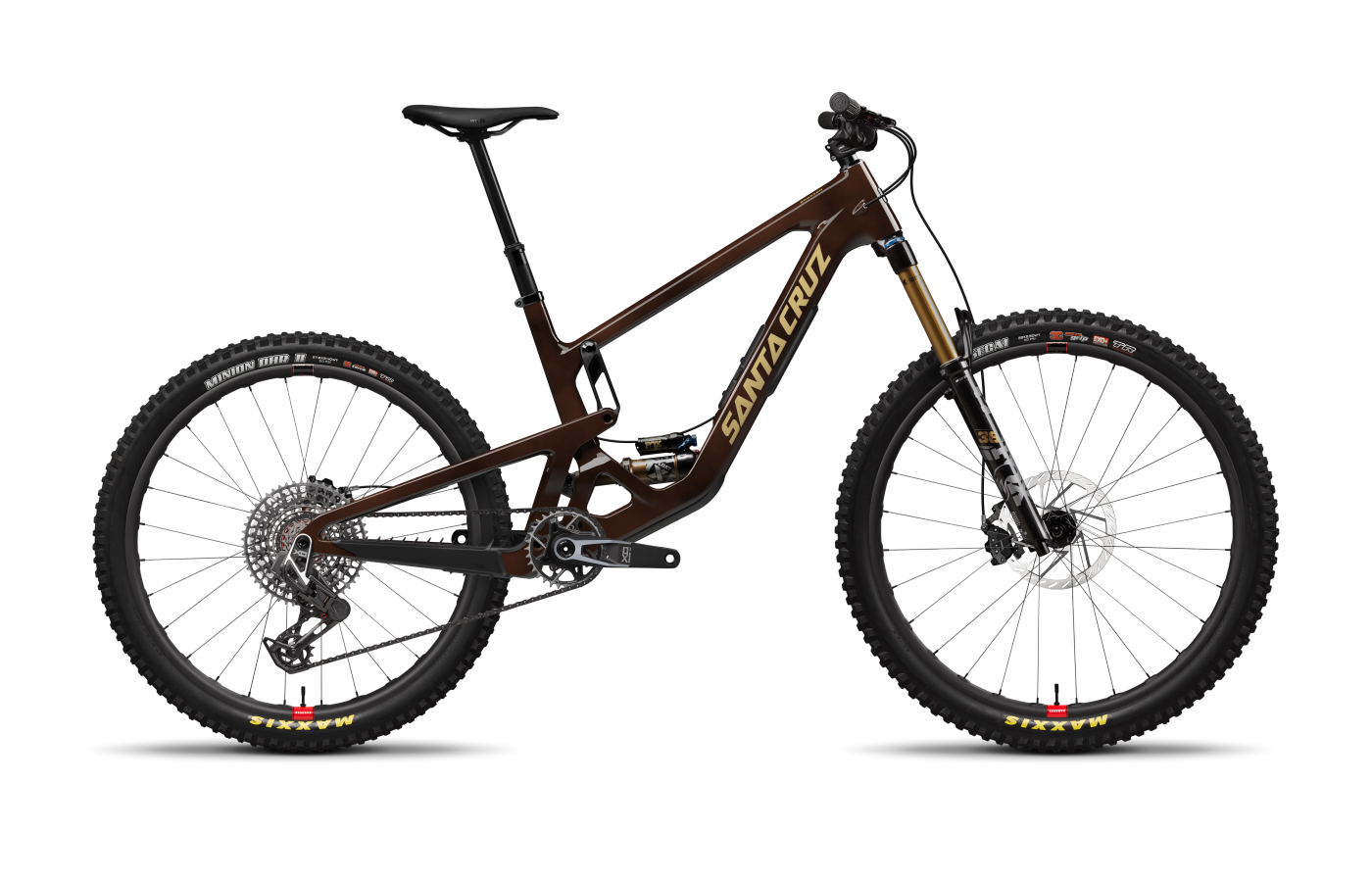
Santa Cruz Bronson vs Hightower
Read comparison→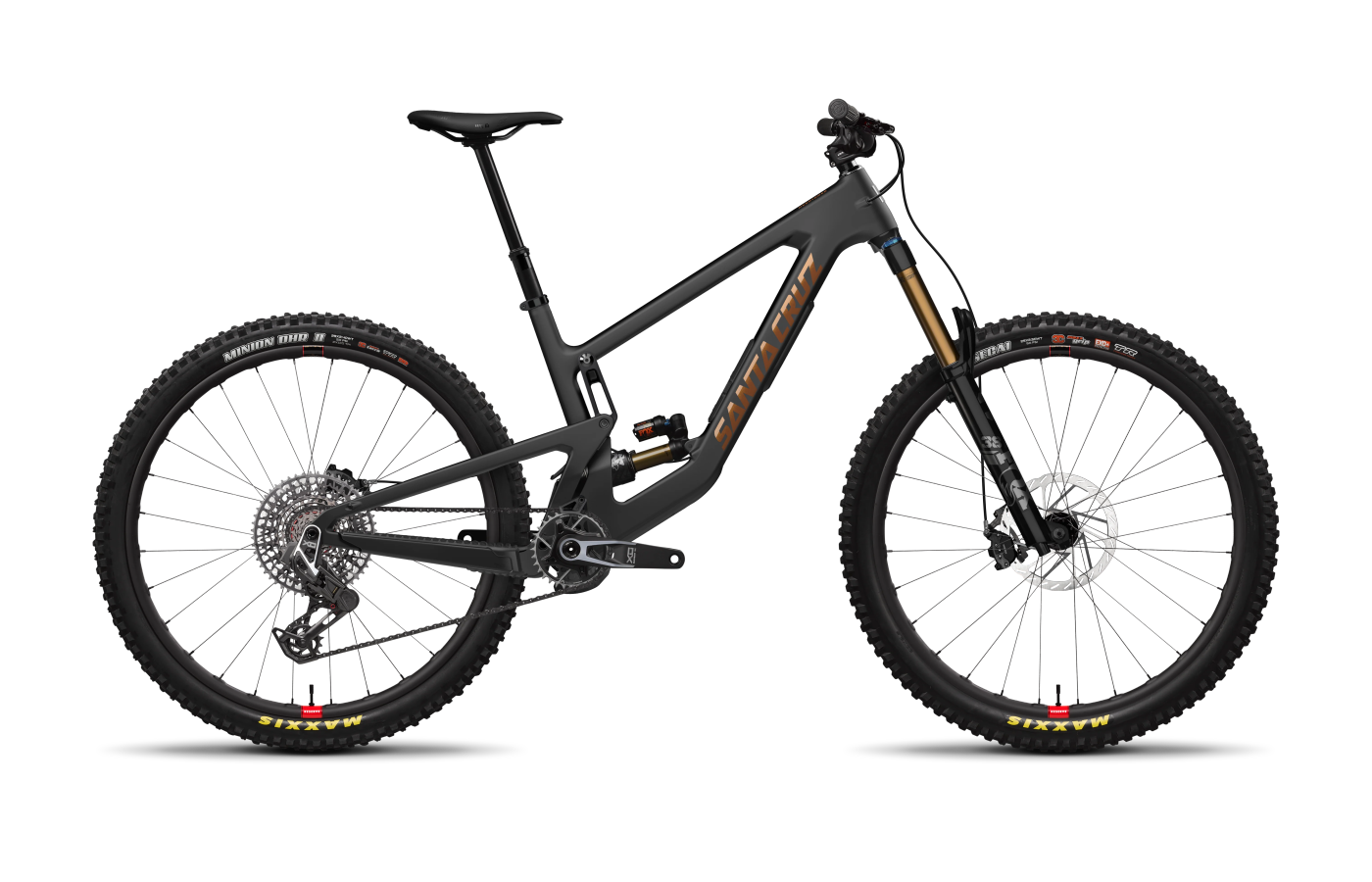
Santa Cruz Hightower vs Megatower
Read comparison→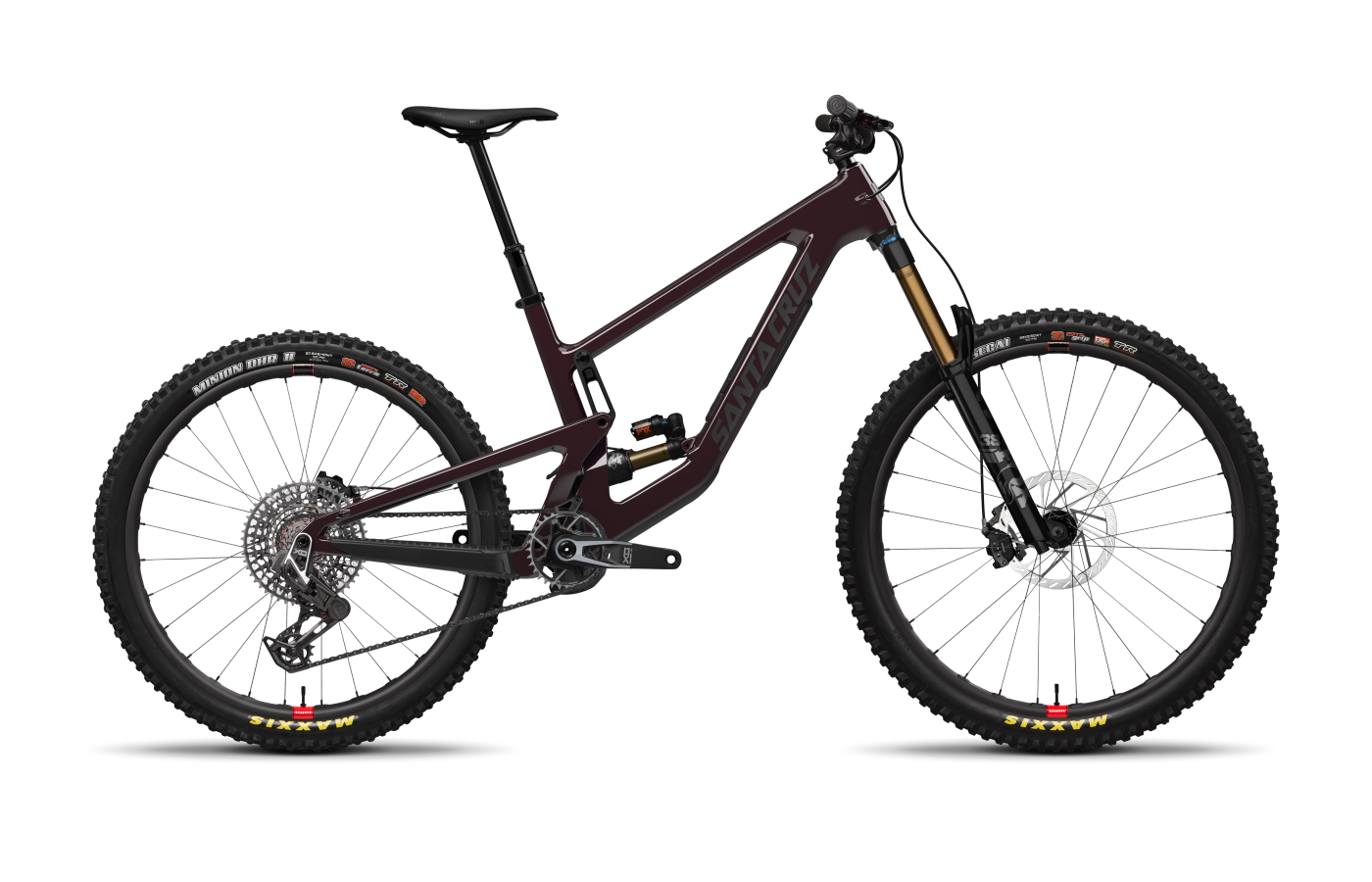
Santa Cruz Hightower vs Nomad
Read comparison→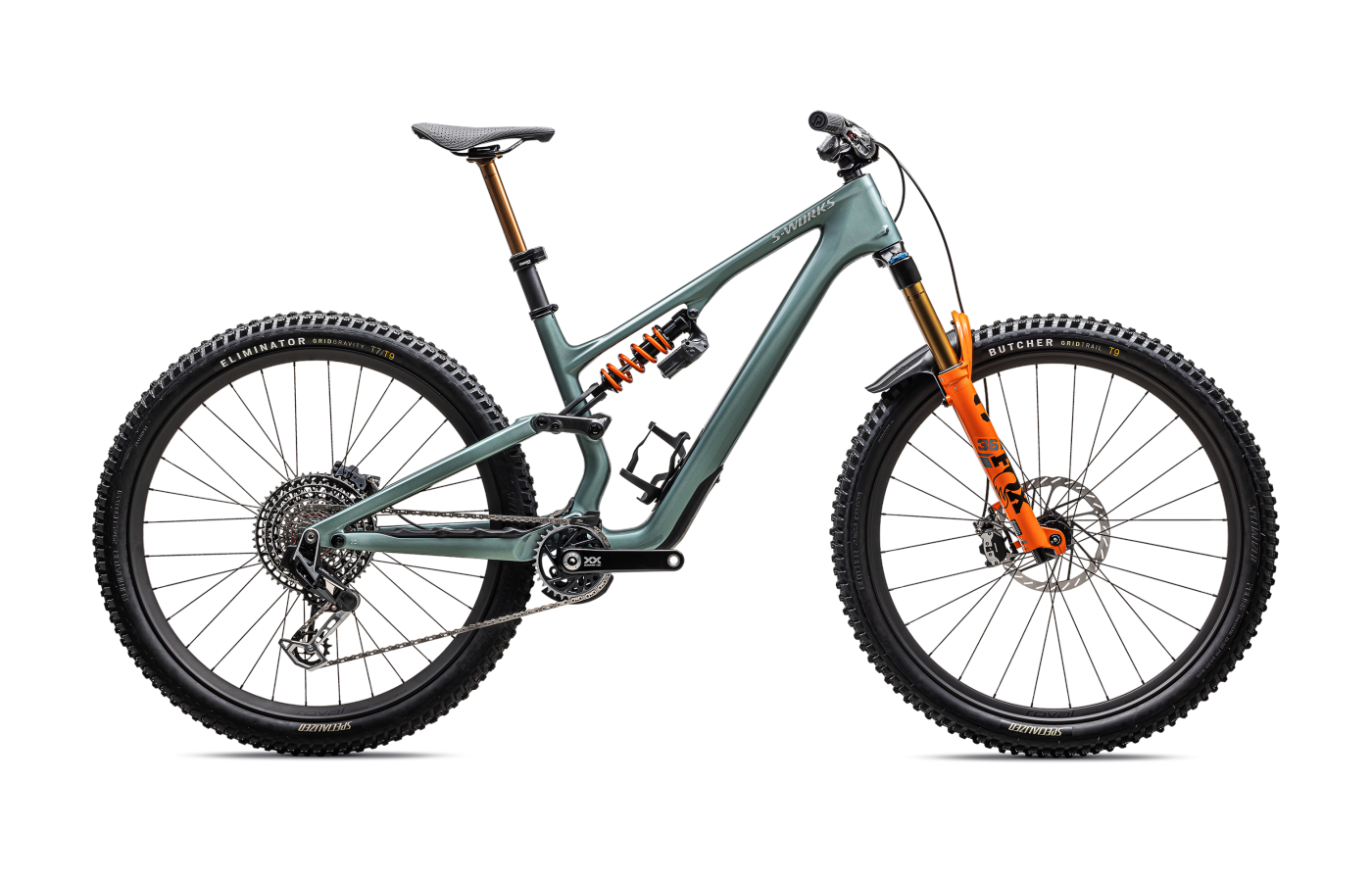
Santa Cruz Hightower vs Specialized Stumpjumper
Read comparison→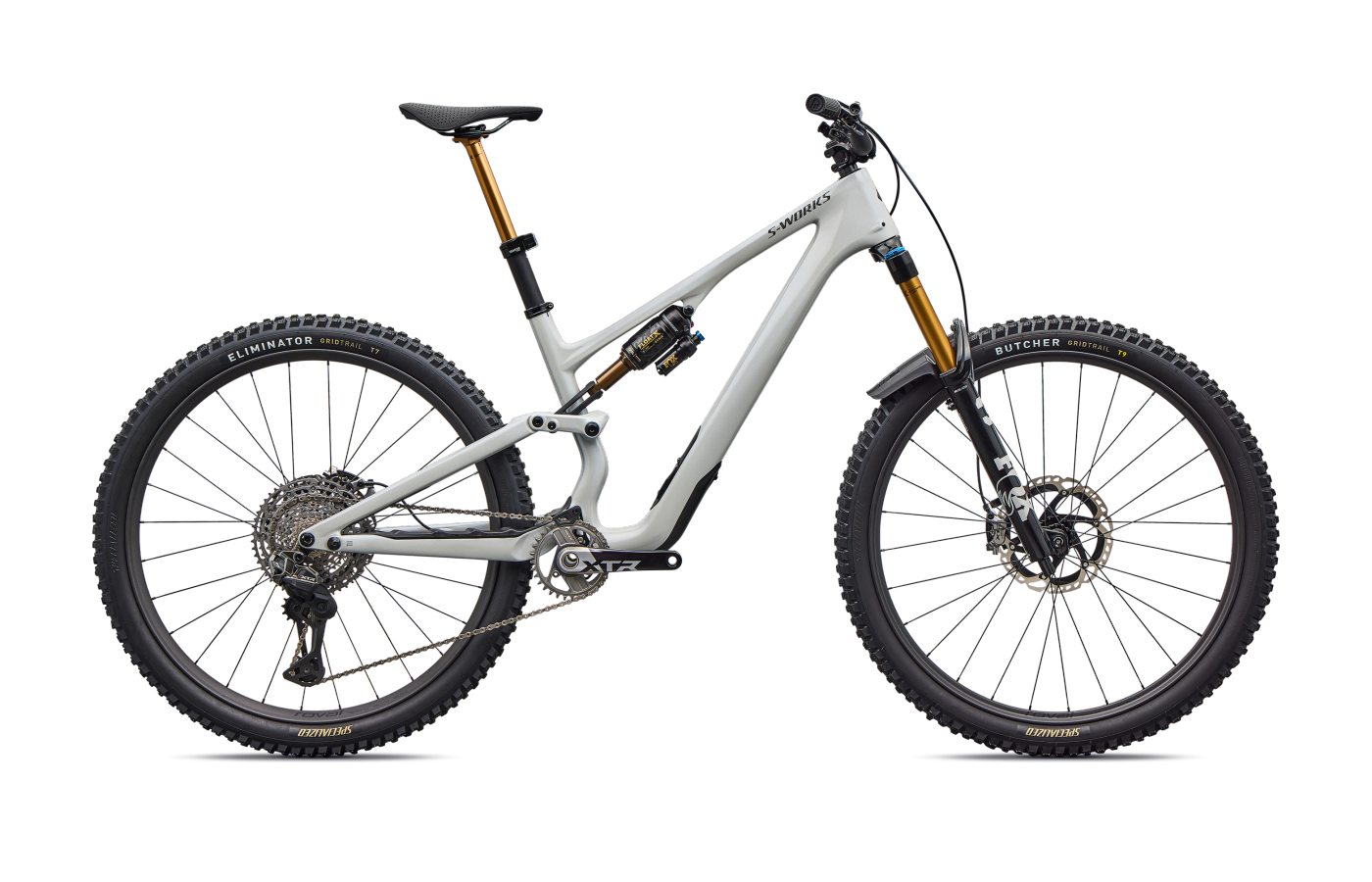
Santa Cruz Hightower vs Specialized Stumpjumper Evo
Read comparison→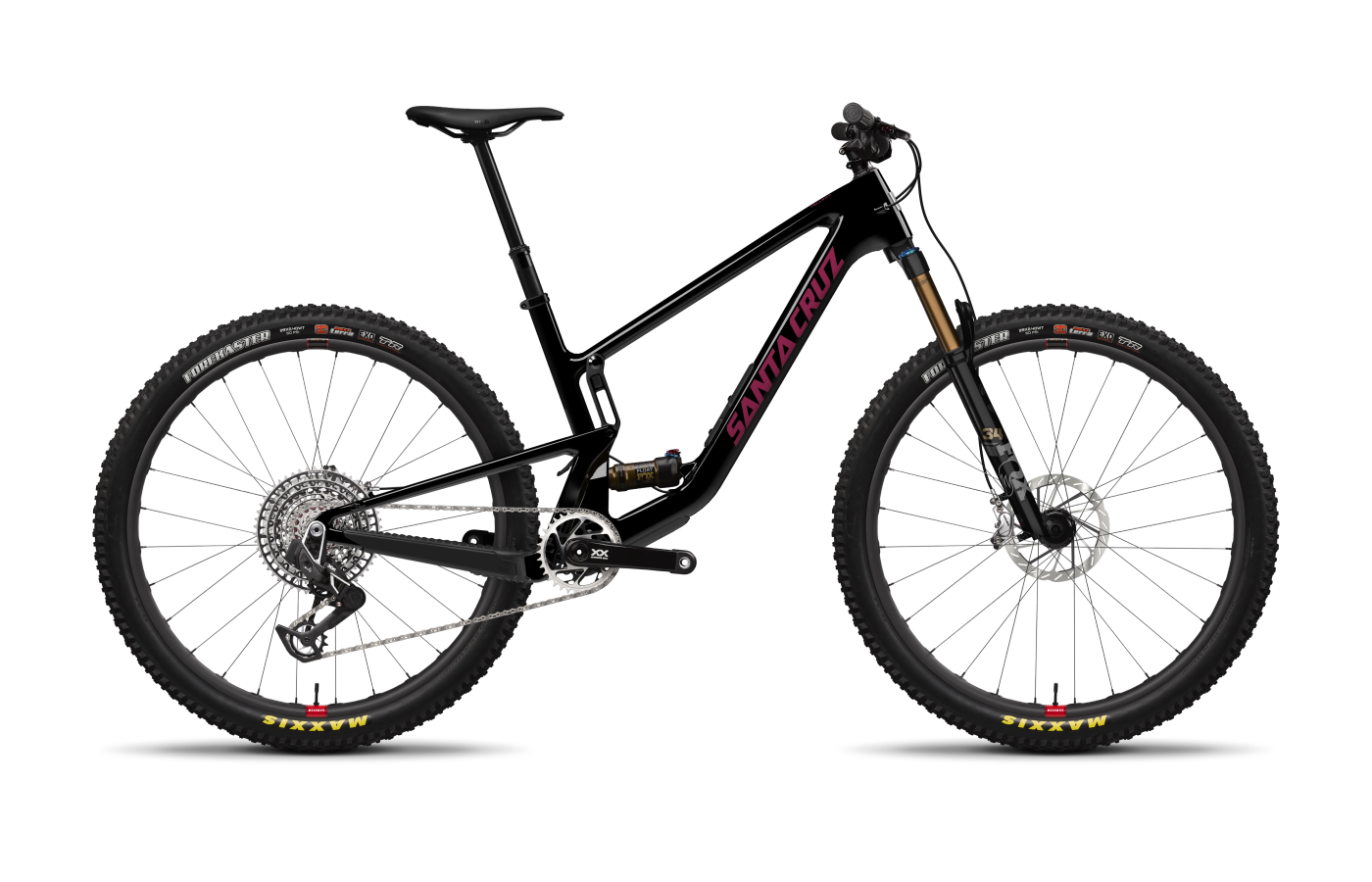
Santa Cruz Hightower vs Tallboy
Read comparison→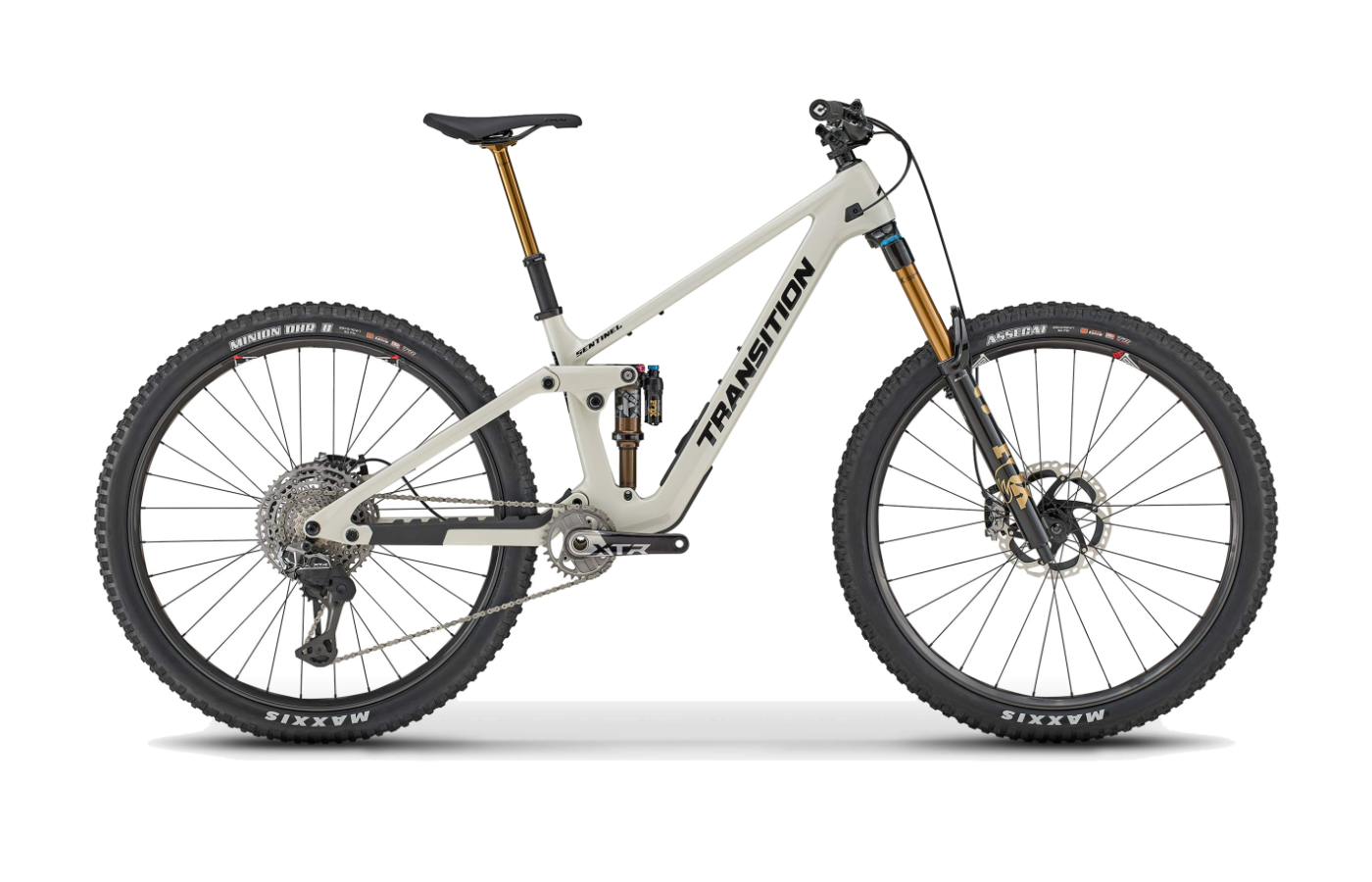
Santa Cruz Hightower vs Transition Sentinel
Read comparison→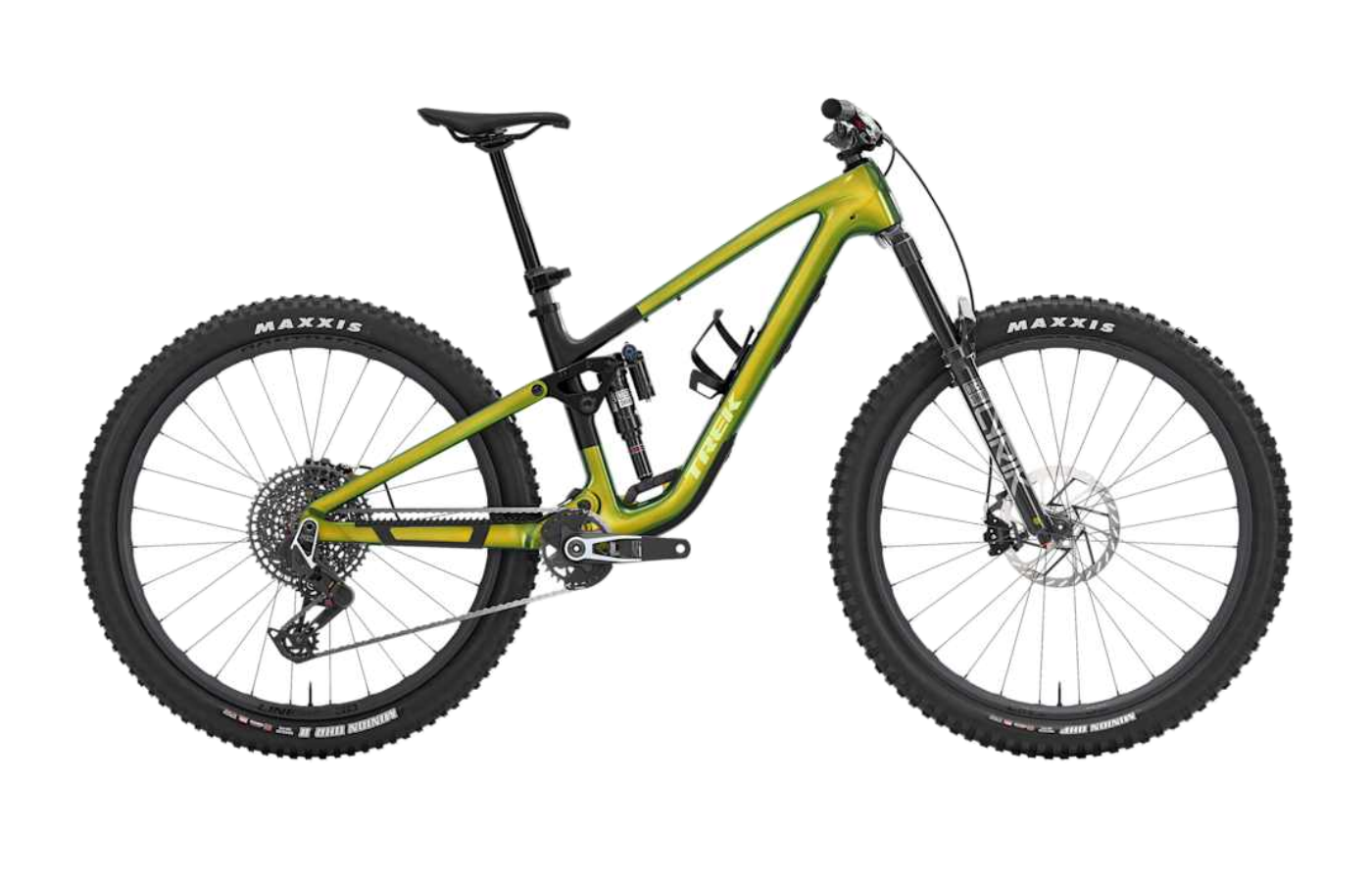
Santa Cruz Hightower vs Trek Fuel EX
Read comparison→