Instinct
vsHightower
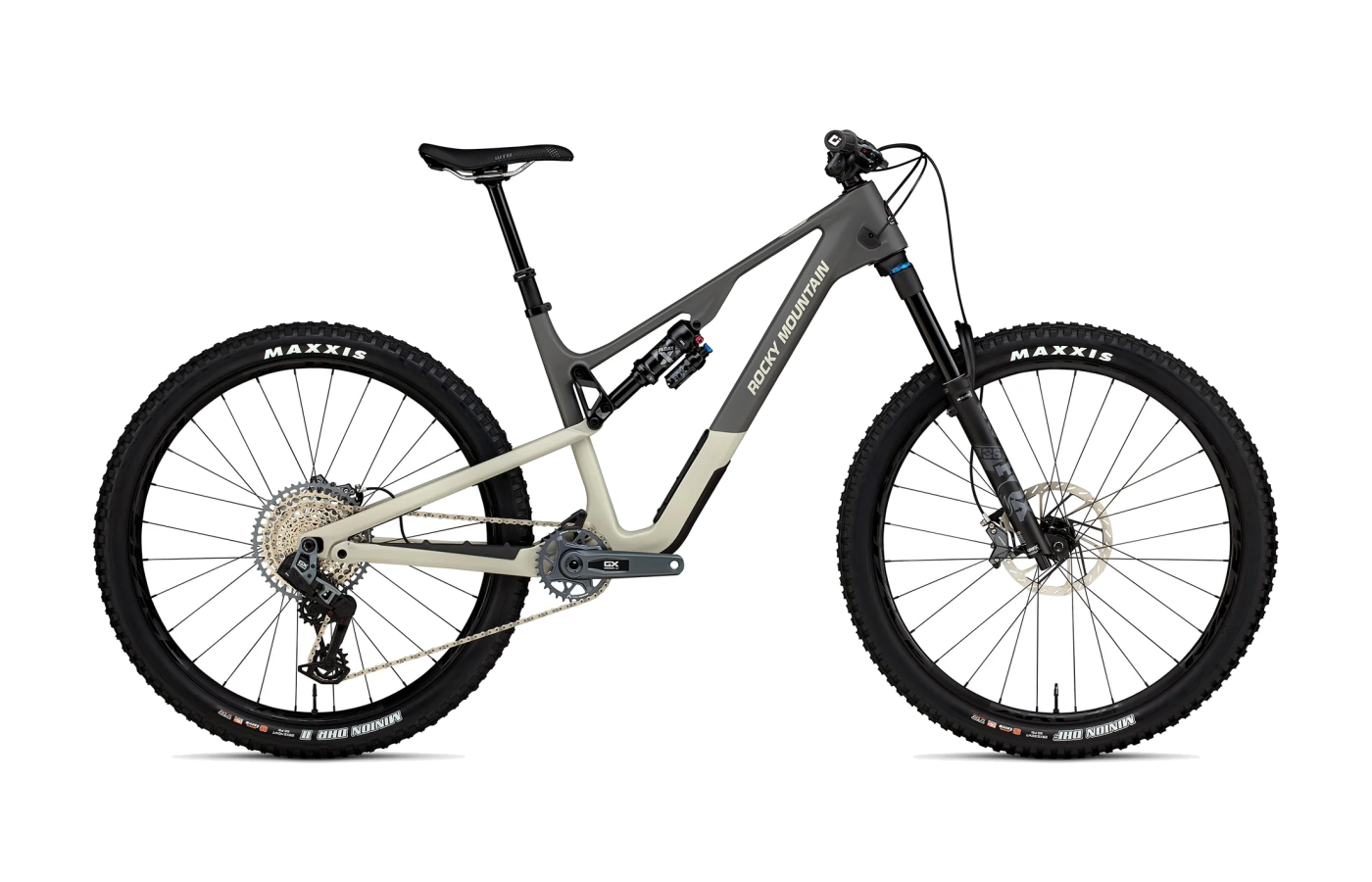
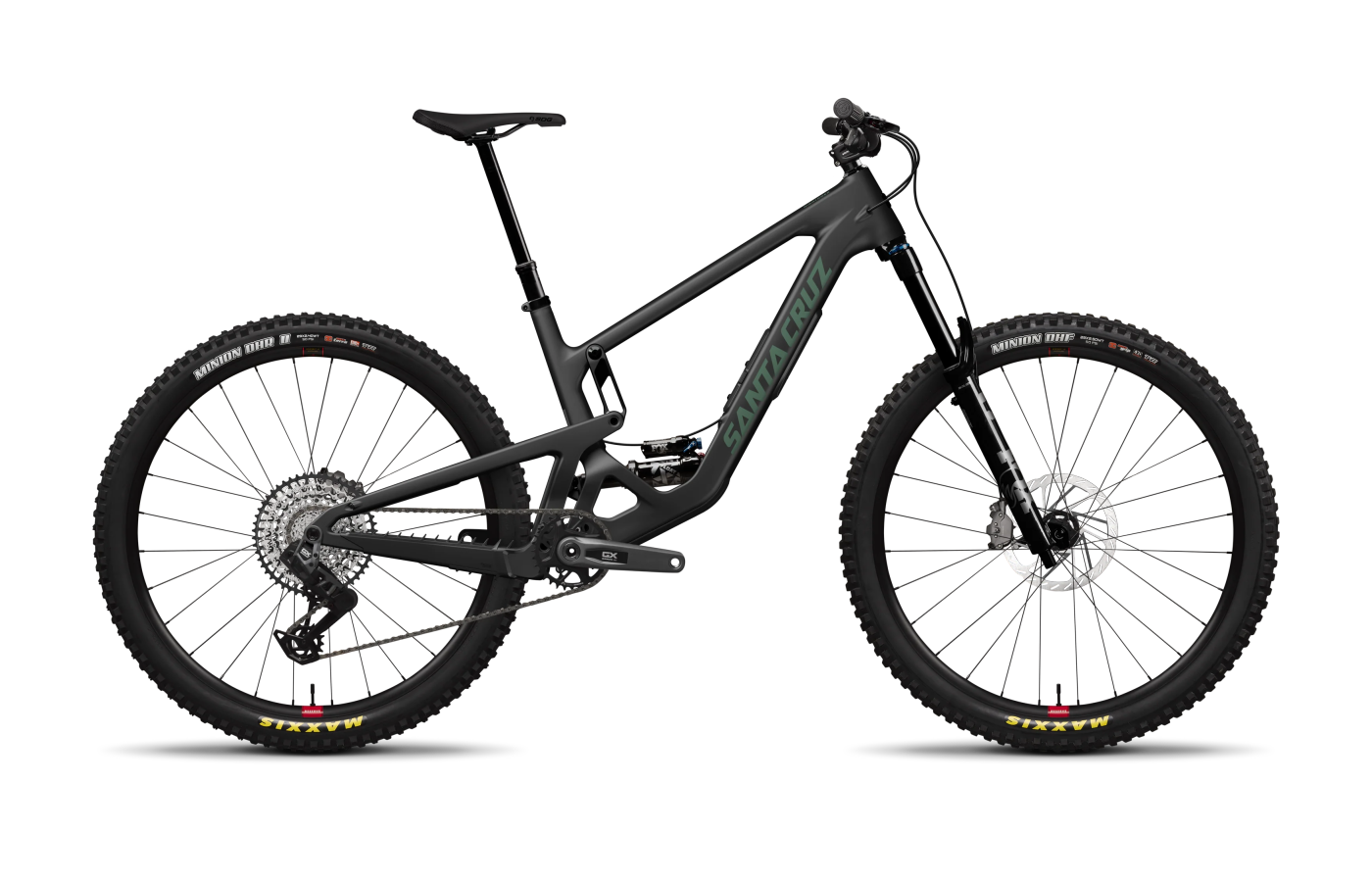
A tunable trail fox meets a mini-enduro bruiser.
Both run carbon, similar travel numbers, and premium pedigree — but the Instinct is an adjustability playground while the Hightower V4 has picked its lane and sharpened it.
Instinct
- Unmatched adjustability — RIDE-4 shock mount, chainstay flip chip (437-447 mm), and +/-5 mm reach-adjust headset cover 48 geometry combinations.
- Lower, slacker front end at the fit-picked size — 63.5-degree HTA and a deeper BB drop than the Hightower.
- Cheaper entry point — Alloy 30 starts at $3,399; the Hightower R starts at $4,999.
- Stock Fox Float X tune polarizes reviewers — aggressive riders often want a re-valve or a coil.
- Low BB plus active rear end means more pedal strikes on technical climbs.
Hightower
- Best-in-class descending composure — 150/160 mm travel, slacker HTA, and a longer wheelbase make it the 'planted' sled in the category.
- Steeper, more efficient climbing posture — 77.9-78.2-degree effective seat tube keeps the front wheel glued on technical ascents.
- Lifetime warranty on frame, pivot bearings, and Reserve rims — one of the strongest long-term ownership packages in the segment.
- Feels 'long' and cumbersome in tight, slow-speed switchbacks — demands aggressive input to initiate.
- No alloy option, and CC frames are wireless-drivetrain-only.
Editor’s analysis
On paper these are both ~150 mm 29ers in the same trail bracket — but the philosophies behind the geometry couldn't be further apart.
The Rocky Mountain Instinct is a trail bike that refuses to sit still. RIDE-4 at the shock linkage gives four geometry settings, a flip chip at the rear axle swings chainstay length between 437 and 447 mm, and a reach-adjust headset slides another +/-5 mm into play — NSMB counted 48 possible combinations. Reviewers universally land on words like 'playful', 'nimble', and 'sneaky fast fox' (Jeff Kendall-Weed's line, not ours). It rewards active input: hop it, pump it, jib it, and it generates speed.
The Santa Cruz Hightower V4 went the other direction. Travel jumped to 150 mm rear / 160 mm front, the head tube slackened to 63.9-64.2 degrees, and the wheelbase grew — it's now what Flow Mountain Bike calls a 'full-throttle bruiser for the rough stuff'. Santa Cruz reduced anti-squat in the new VPP layout on purpose: less pedal kickback, more traction, a suspension feel that stays active under load. At speed it's 'unphased' and 'planted' (Bebikes). At slow speeds it feels long, and reviewers agree you have to manhandle it through tight switchbacks.
The geometry numbers tell the story more cleanly than the marketing does. At fit-picked sizes (Instinct md, Hightower m), the Instinct sits 33 mm lower at the stack with an 11 mm shorter reach, 0.7 degrees slacker at the head tube, and on a 10 mm shorter wheelbase. The Rocky has the slacker seat tube too (76.5 vs 77.9 degrees). Translation: the Instinct is the more compact, lower, slacker-up-front cockpit. The Hightower is taller, longer, and steeper in the saddle — built to point-and-shoot.
One honest caveat on the Rocky Mountain Instinct: the stock Fox Float X Performance Elite tune is divisive. Pinkbike's field test called it 'underdamped' and 'wallowy' at speed; Jeff Kendall-Weed found it composed once dialed in, and GearJunkie (on a Carbon 70 AXS with a RockShox Super Deluxe Ultimate instead) called the suspension 'settled and plush'. Aggressive riders on the Instinct should budget for a re-valve or a coil shock if they want to chase the Santa Cruz Hightower downhill.
Where the builds differ.
Comparing our editor's-pick builds side-by-side. Winners highlighted row-by-row — lower price and weight, and the better-spec component, each mark a point.
Build variants & pricing
Instinct spans $3,399-$9,449 with alloy entry points; Hightower is carbon-only, $4,999 to $11,399.
Prices are current US MSRP. Rocky Mountain is the only side with alloy builds here — if sub-$4.5k matters, it's the only option. Santa Cruz's CC frames are wireless-only; mechanical shifters require the heavier C-grade frame.
How they fit, how they steer.
Instinct md sits 33 mm lower at the stack with 11 mm less reach than the Hightower m. Head tube is 0.7 degrees slacker (63.5 vs 64.2), seat tube 1.4 degrees slacker (76.5 vs 77.9), wheelbase 10 mm shorter. The Rocky is the smaller, lower, more compact cockpit; the Santa Cruz is taller and longer everywhere.
Which size should I buy?
Size recommendations are based on stack, reach, and effective top tube. Both ranges overlap in the middle, but the Hightower skews larger — an m here has more reach than an Instinct md.
→These are starting points. Flexibility, riding style, and preferred position all shift the answer — if you’re between sizes, a professional fit beats a chart.
What the magazines said.
Published reviews from trusted cycling outlets. Click through for the full write-up.
Which one should you buy?
If you want a tunable, playful trail bike that rewards active input, get the Instinct. If you want a planted, composed descender that carries speed through chunk, get the Hightower.
Instinct
If your ideal ride mixes flowy singletrack, technical descents, and the occasional all-day epic — and you enjoy fiddling with geometry settings, flip chips, and shock tunes — the Instinct is the canvas. Lighter, cheaper at the floor, and genuinely fun when hopped and pumped.
Hightower
If your local trails lean steep, chunky, and fast — and you'd rather set up once, pin it, and let the bike do the work — the Hightower V4 is the more composed tool. Heavier and less flickable, but 'unphased' at speed in a way the Instinct needs aftermarket help to match.
Questions buyers actually ask.
Short answers to the things we get emailed about most often.
01Which has more travel?
The Santa Cruz Hightower V4, by a clear margin. It runs 150 mm rear / 160 mm front, up from the V3's 145/150 — squarely in mini-enduro territory.
The Rocky Mountain Instinct runs 140 mm rear / 150 mm front across every carbon and alloy build, with one exception: the flagship Carbon 99 pairs the 140 mm rear with a 160 mm Lyrik Ultimate Flight Attendant. Ten millimeters less at each end isn't huge, but the bigger difference is intent — the Instinct is a trail bike, the Hightower is the descender's MTB.
02Which climbs better?
It depends on the climb. The Hightower has the more efficient seated geometry — a 77.9-78.2-degree effective seat tube angle keeps you forward and centered on steep grades, and Flow Mountain Bike noted minimal pedal bob even with the shock wide open.
The Instinct is lighter (around 13.4 kg for a Carbon 90 large vs ~15.3 kg for a Hightower GX AXS large) and feels snappier on punchy efforts. Its steeper RIDE-4 positions take the seat tube to 77.3 degrees. Most reviewers call the Instinct the better 'efficient' climber; the Hightower wins on gnarly, traction-limited tech.
03How different is the geometry at the fit-picked sizes?
Meaningfully. At Instinct md and Hightower m (both fit-picked for a 173 cm rider), the Instinct has a 449 mm reach and 599 mm stack; the Hightower has a 460 mm reach and 632 mm stack.
That's 33 mm taller at the front on the Santa Cruz and 11 mm longer in reach. Head tube angles are 63.5 vs 64.2 degrees, seat tube 76.5 vs 77.9, wheelbase 1227 vs 1237 mm. Same category, very different cockpits — the Instinct is the shorter, lower, slacker-up-front bike; the Hightower is taller and longer.
04How adjustable is each bike?
The Instinct is in a class of its own. RIDE-4 gives four shock-mount positions that change both geometry and kinematics, a rear-axle flip chip swings chainstay length between 437 and 447 mm, and a reach-adjust headset slides +/-5 mm at the front. NSMB counted 48 possible combinations.
The Hightower V4 has a single flip chip at the lower link — High and Low settings, roughly 0.3 degrees of head angle and a few mm of BB height. Santa Cruz's philosophy is simpler: pick a setting, ride it. If you like tinkering, the Instinct is the toy; if you want set-and-forget, the Hightower.
05Is the stock shock really a problem on the Instinct?
It's the most divisive spec on the bike. Pinkbike called the Fox Float X Performance Elite's compression tune 'too light' and the bike 'unstable' and 'wallowy' when pushed hard. GearJunkie (testing a Carbon 70 AXS with a RockShox Super Deluxe Ultimate instead) called the suspension 'settled and plush'. Jeff Kendall-Weed split the difference — 'fine once dialed in'.
The short version: if you're a heavier or more aggressive rider, budget for a custom compression tune or a coil shock. Lighter or more trail-focused riders report no issues with the stock tune.
06Which frame storage is better?
Both are genuinely well-executed. Rocky Mountain's Penalty Box 2.0 (carbon Instinct only) is large, has an excellent latch, and includes a custom tool wrap. Some builds include a concealed AirTag/Tile compartment.
Santa Cruz's Glovebox is on every Hightower, with lined internal pouches to prevent rattles. Bebikes did note one quirk: small unsecured items can slip past the shock bolts into a 'limbo zone' near the BB and become a retrieval headache. Both beat most bolt-on alternatives — neither is a reason to pick one bike over the other.
07What about long-term warranty and support?
Santa Cruz offers a lifetime warranty on the frame, pivot bearings, and Reserve carbon rims — one of the strongest in the industry, and a real factor in resale value.
Rocky Mountain offers a lifetime frame warranty to the original owner and has a strong dealer network (riders note responsive parts-replacement service). Bearings and components follow standard manufacturer warranties. Both brands handle crash replacement; Santa Cruz's bearing-for-life program is the more unusual offering.
08Are both carbon frames wireless-drivetrain-only?
No — this is a Santa Cruz-specific restriction. The Hightower CC (the higher-end carbon grade) is wireless-only; it has no cable ports for mechanical derailleurs. The heavier Hightower C retains cable routing.
The Rocky Mountain Instinct carbon frames keep full mechanical-and-wireless compatibility across the range. If long-term drivetrain flexibility matters — or you're planning to run mechanical XT forever — this is a real point of difference.
Similar bikes
If your priorities don’t map cleanly onto either of these, one of these adjacent bikes probably fits better.
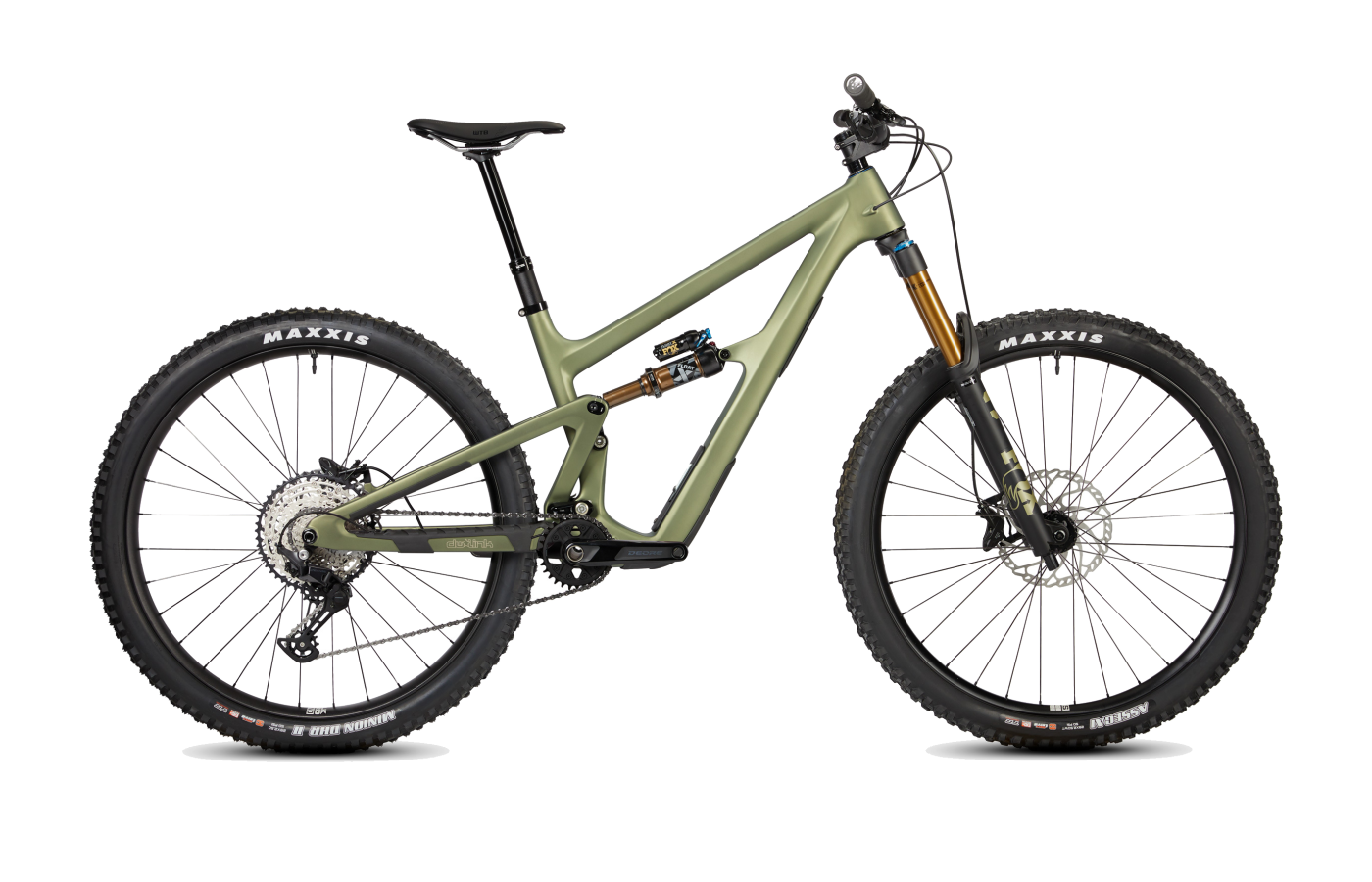
Ripmo
The Ibis Ripmo is the classic balanced all-rounder in this travel bracket — DW-Link suspension that climbs and descends equally well. If neither the Instinct's tinkerability nor the Hightower's mini-enduro focus sounds right, the Ripmo is the bike that tries to do both without picking a lane.
Compare →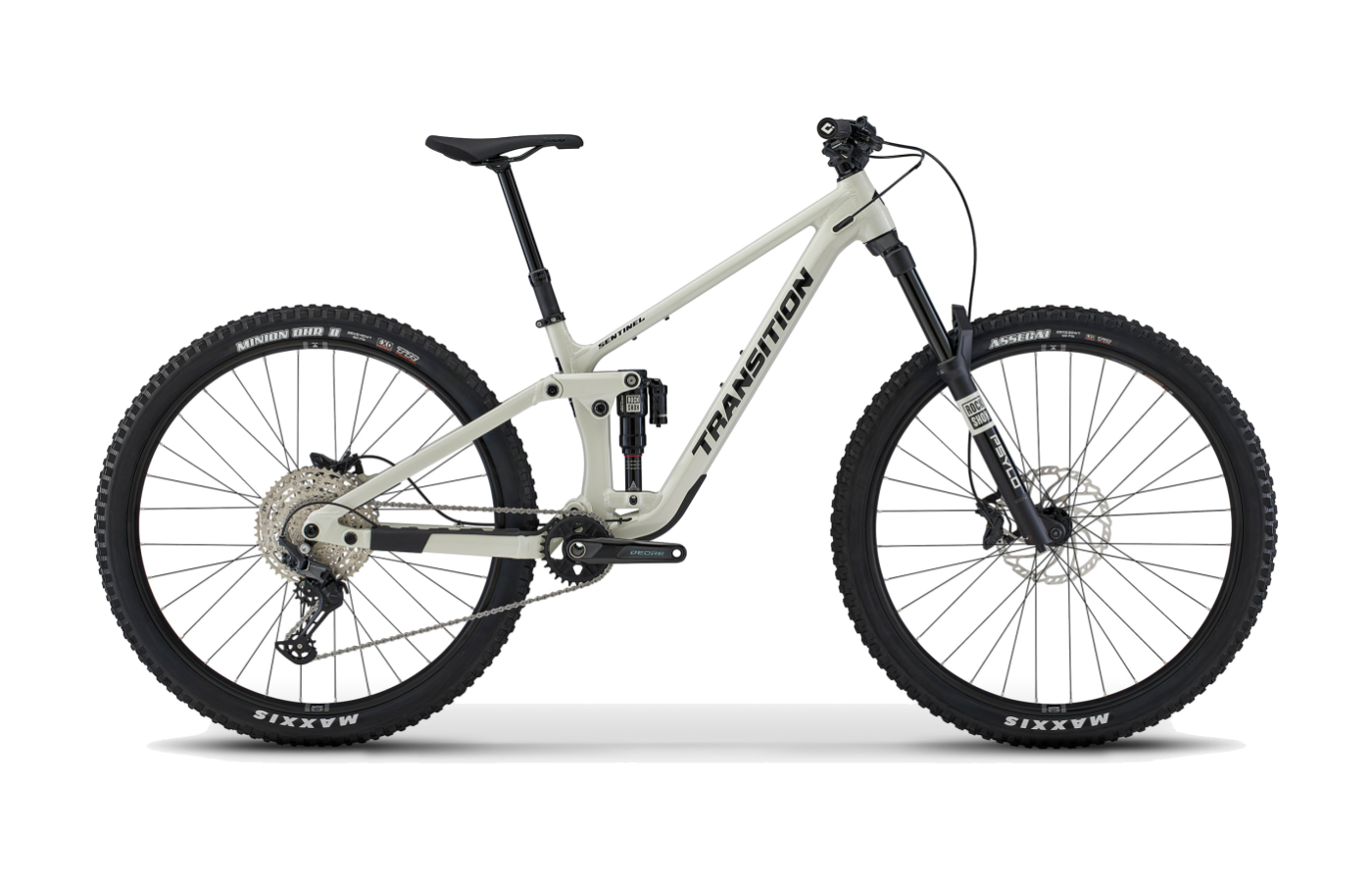
Sentinel
Transition's Sentinel is the Hightower's closest spiritual rival — burly trail bike, unapologetically descending-biased, SBG geometry. Worth a look if you like the Hightower's attitude but want a different brand's flavor.
Compare →
Fuel EX
Trek's Fuel EX is the Instinct's direct peer on adjustability — Mino Link flip chip, headset reach cups, and a versatile 140/150 mm platform. The dealer network is deeper and the price floor is lower, though you give up some of the Rocky's geometry range.
Compare →