Rocky Mountain
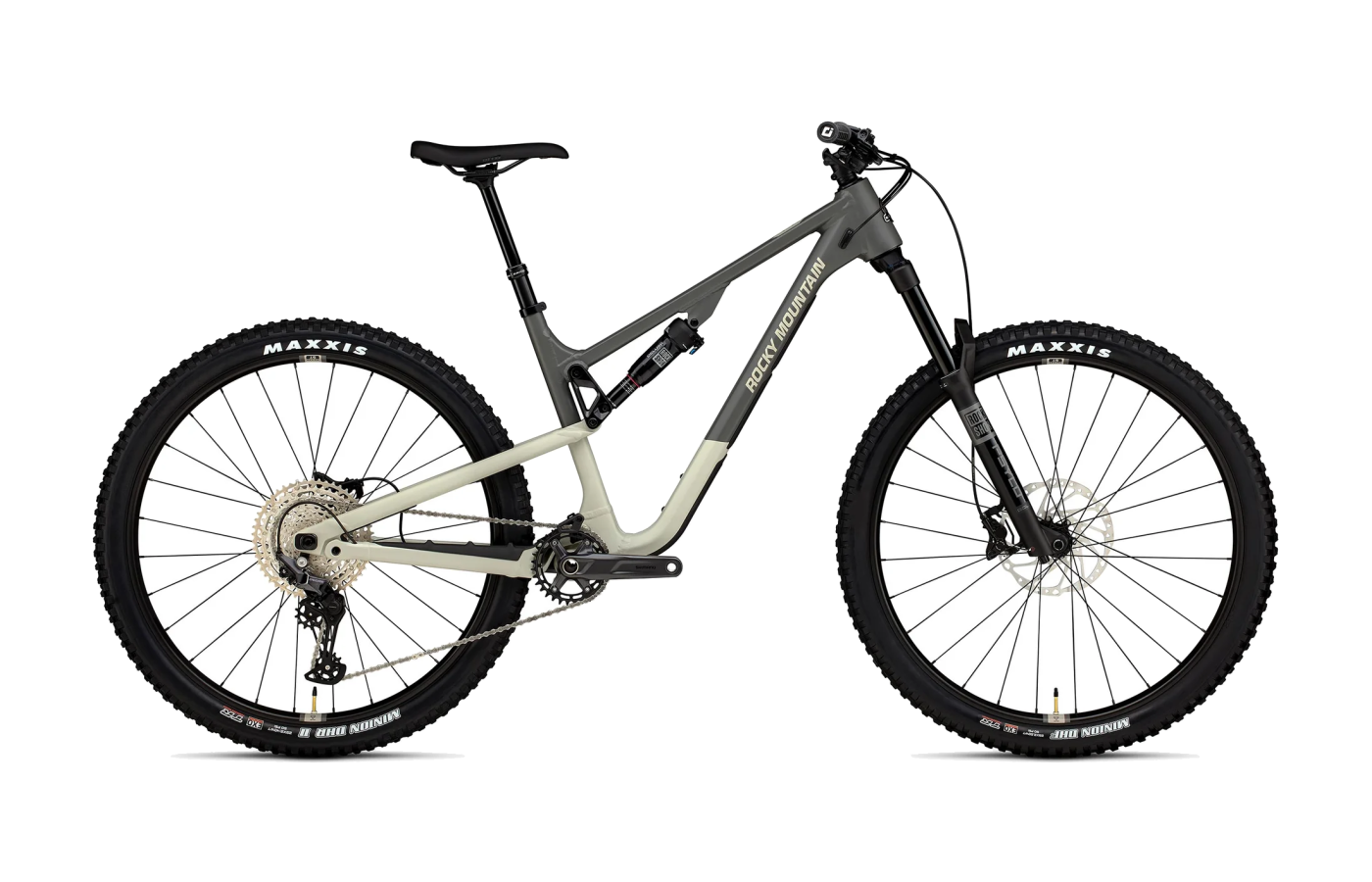
InstinctAlloy 30
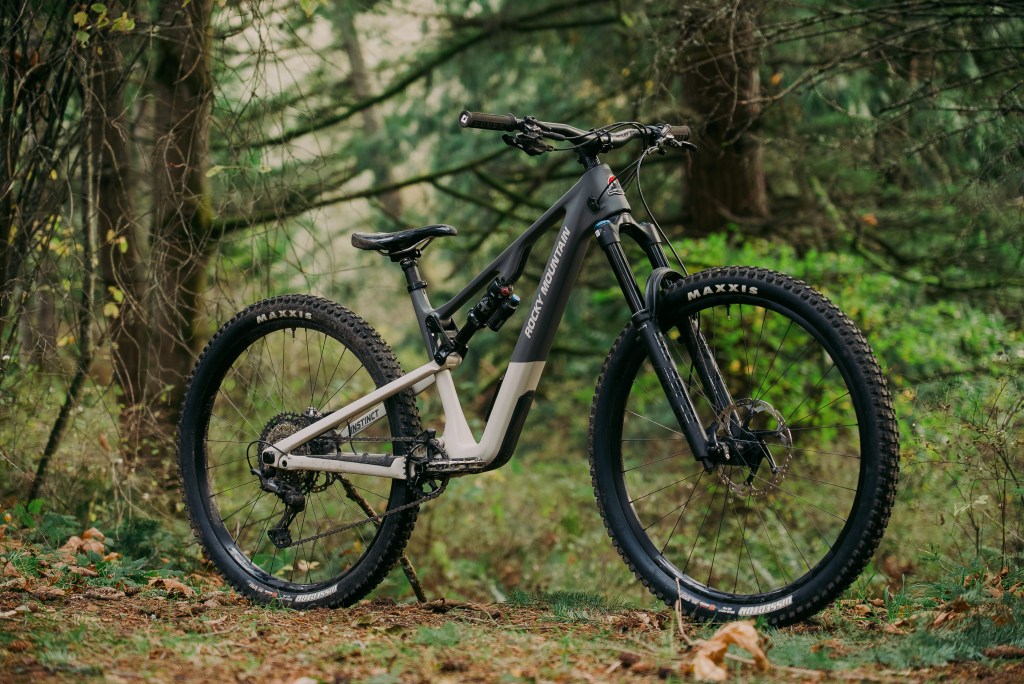
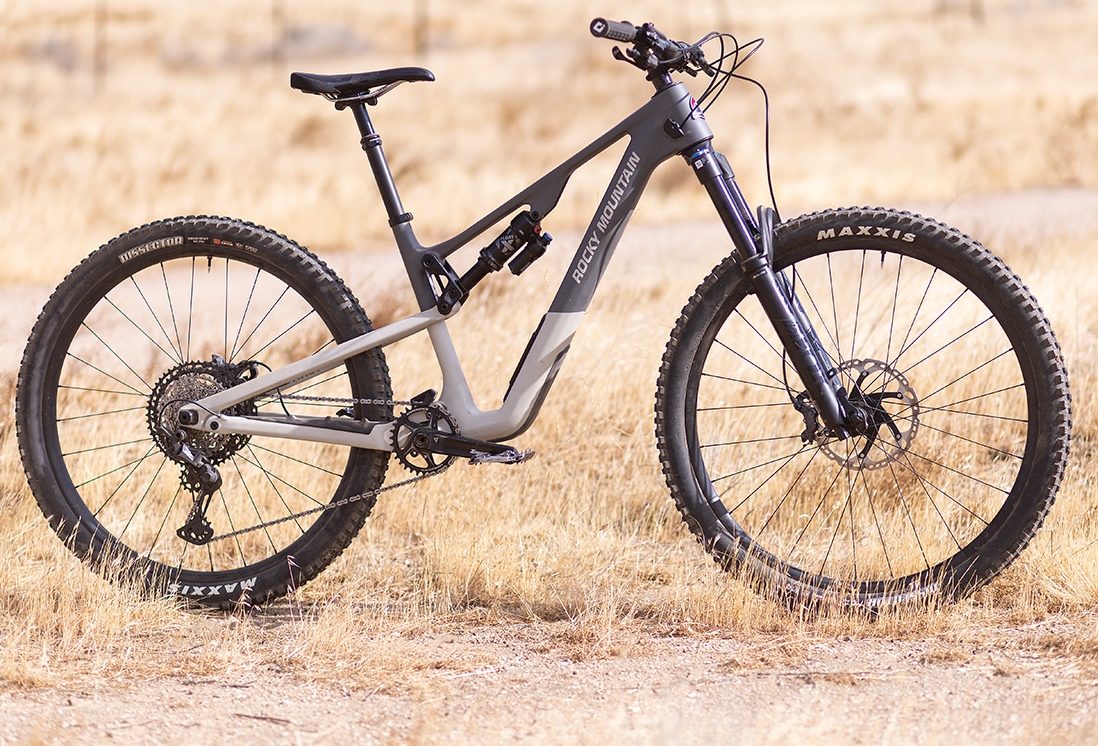
The Rocky Mountain Instinct is a mid-travel trail bike designed to handle a wide variety of terrain without leaning too far into enduro racing territory. With 140mm of rear travel paired with a 150mm fork, it sits squarely in the versatile all-mountain category. Redesigned for 2024, the current generation moves away from sharing a frame with the longer-travel Altitude, gaining its own dedicated chassis. This update brings a simplified Ride-4 geometry adjustment system, reach-adjust headset cups, and integrated downtube storage on carbon models. The Instinct is built for riders who want an adaptable platform that rewards an active, engaging riding style rather than simply plowing through obstacles. It suits those who value the ability to fine-tune their setup for local trails, offering a highly configurable foundation that can shift from a snappy, responsive climber to a stable descender depending on how the frame is configured.
Spec sheet.
Every component shipped with this build.
Geometry & fit.
4 sizes published.
The Instinct’s geometry is defined by its massive range of adjustability, allowing riders to dramatically alter the bike’s handling and fit. In its neutral setting, the frame features a moderately slack head tube angle and a steep seat tube angle that positions the rider comfortably over the bottom bracket for efficient seated climbing. From there, the Ride-4 flip chip at the shock linkage alters the head angle, bottom bracket height, and suspension progression.
Riders can further tune the fit using drop-in headset cups that shift the reach forward or backward by five millimeters. A two-position rear axle also allows for a ten-millimeter change in chainstay length, letting owners choose between a shorter, more maneuverable rear center or a longer, more stable wheelbase. This modular approach means the bike can feel like a quick, upright trail machine in its steeper, shorter settings, or stretch out into a low, slack descender that requires a more forward, aggressive riding posture to keep the front wheel weighted.
Where the handlebar sits relative to the bottom bracket — the single most important fit pair.
01Fit geometry6 values
02Component geometry5 values
03Handling geometry5 values
Which size should I buy?
Slide your height to see the recommended size. GearWise's fit algorithm works from the published stack, reach, and ETT — the brand's own recommendation may differ.
→Calculated from GearWise's own stack / reach / ETT algorithm — the brand's size chart may recommend a different size, and a proper bike fit beats any calculator.
The lineup.
5 builds, ranging $3,399 – $9,449.
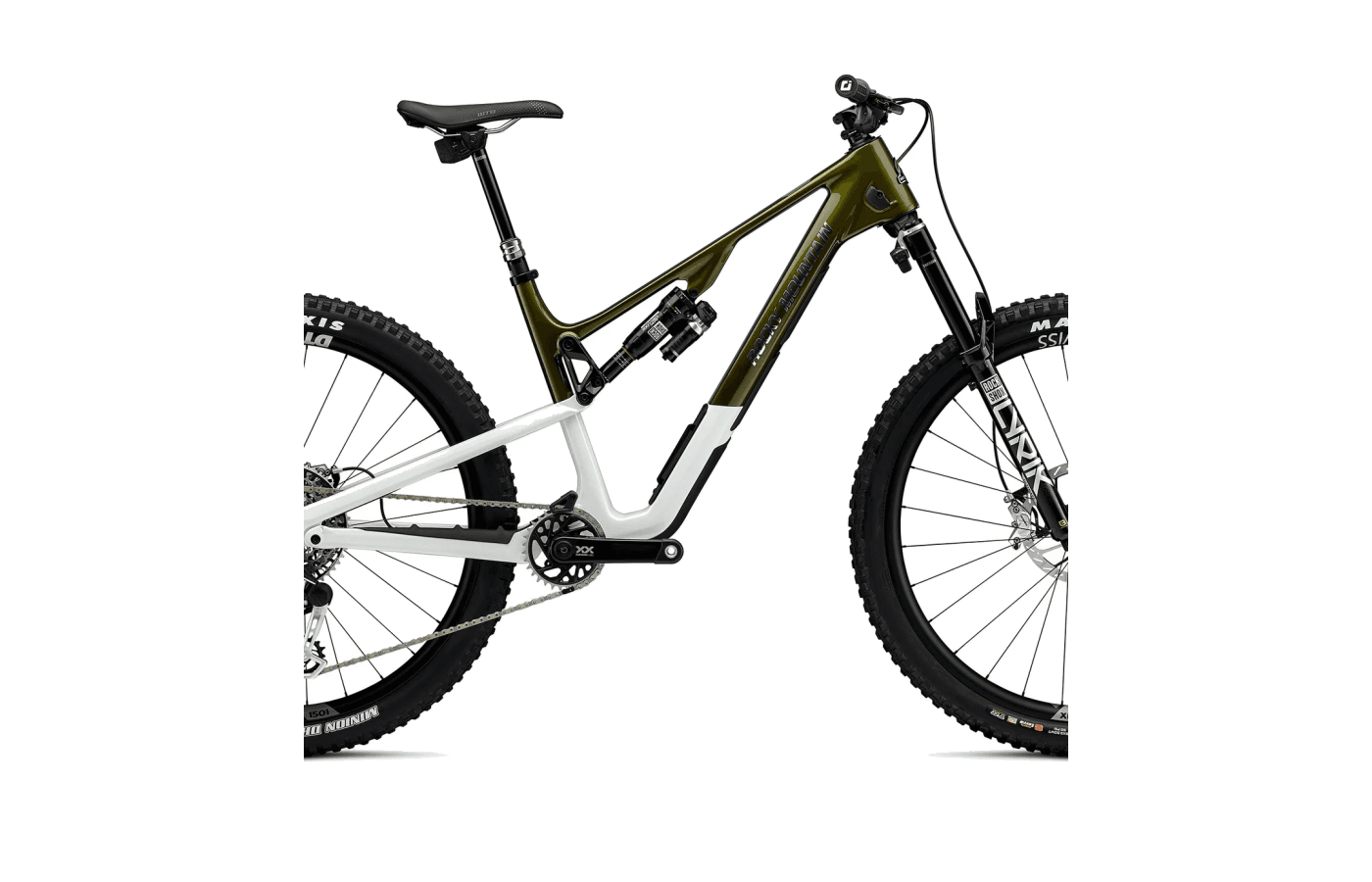
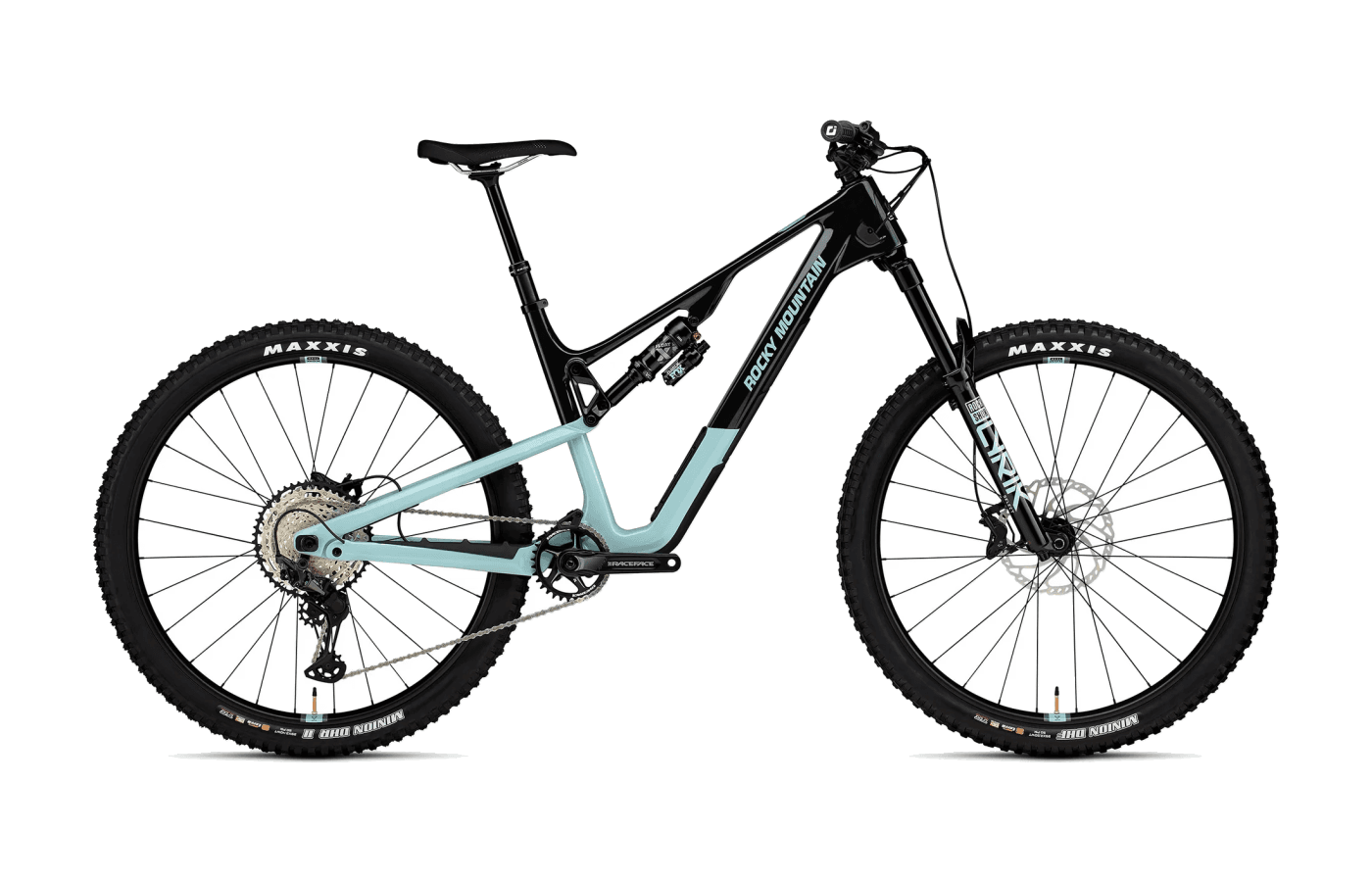
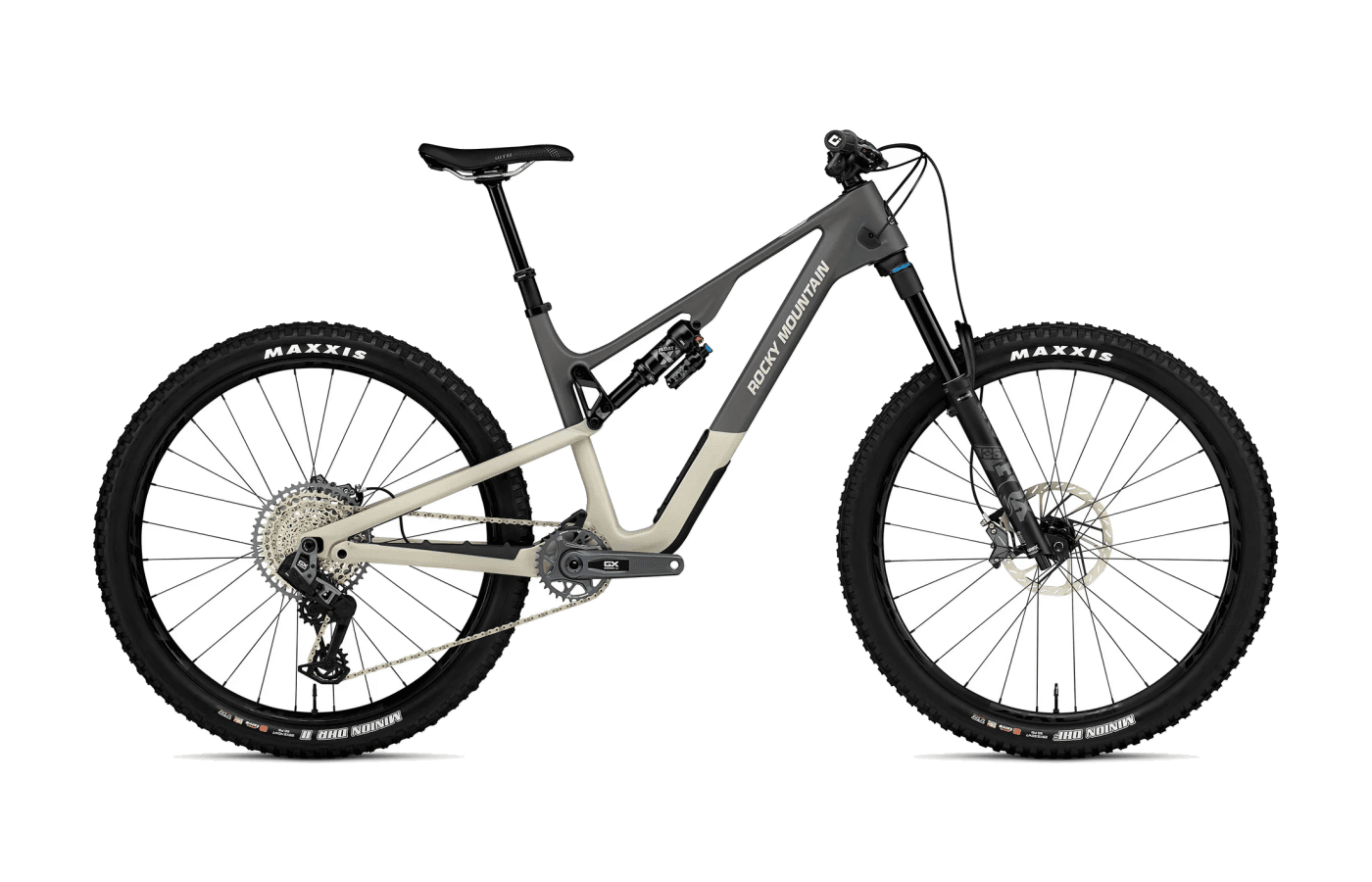
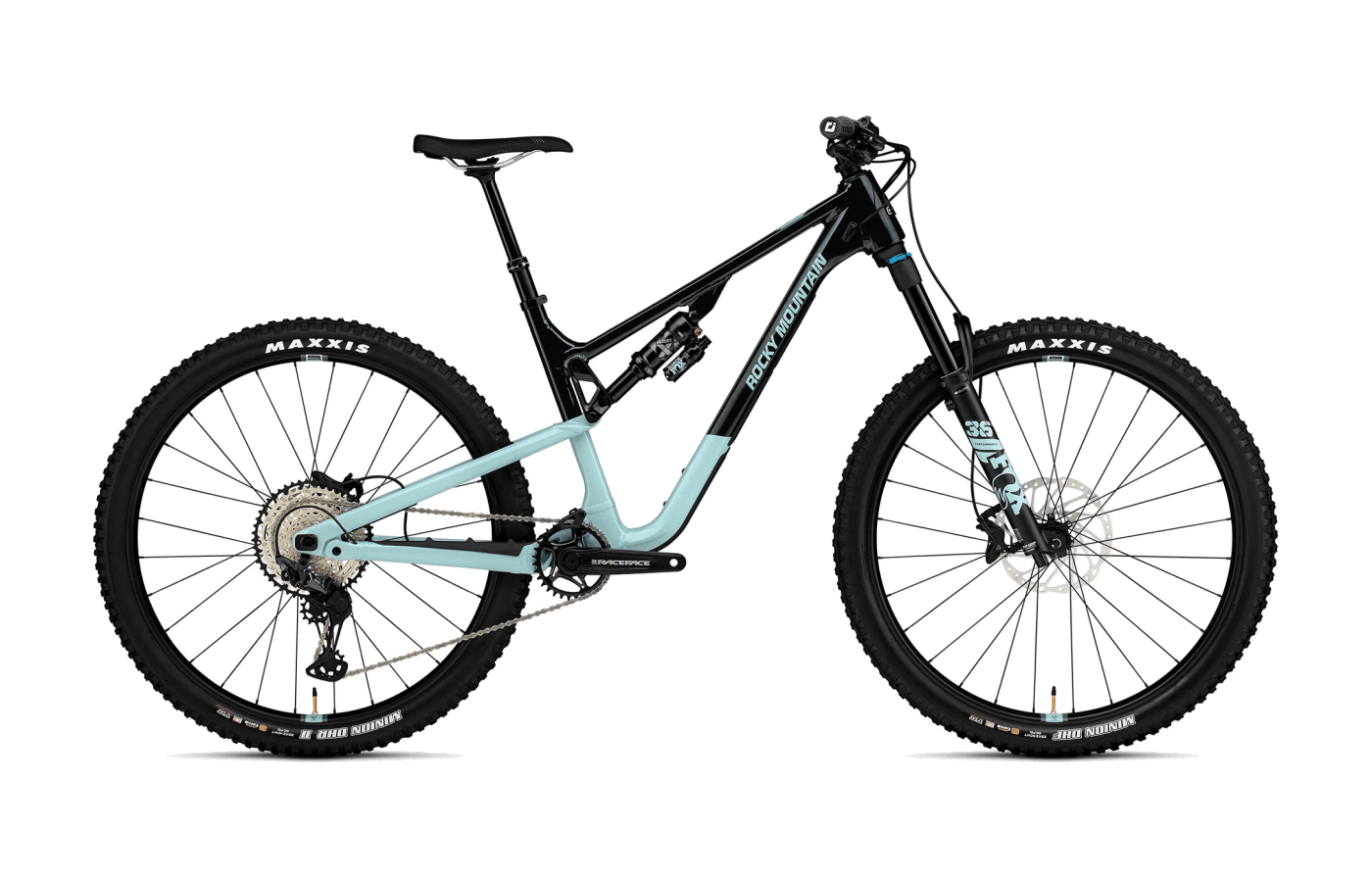
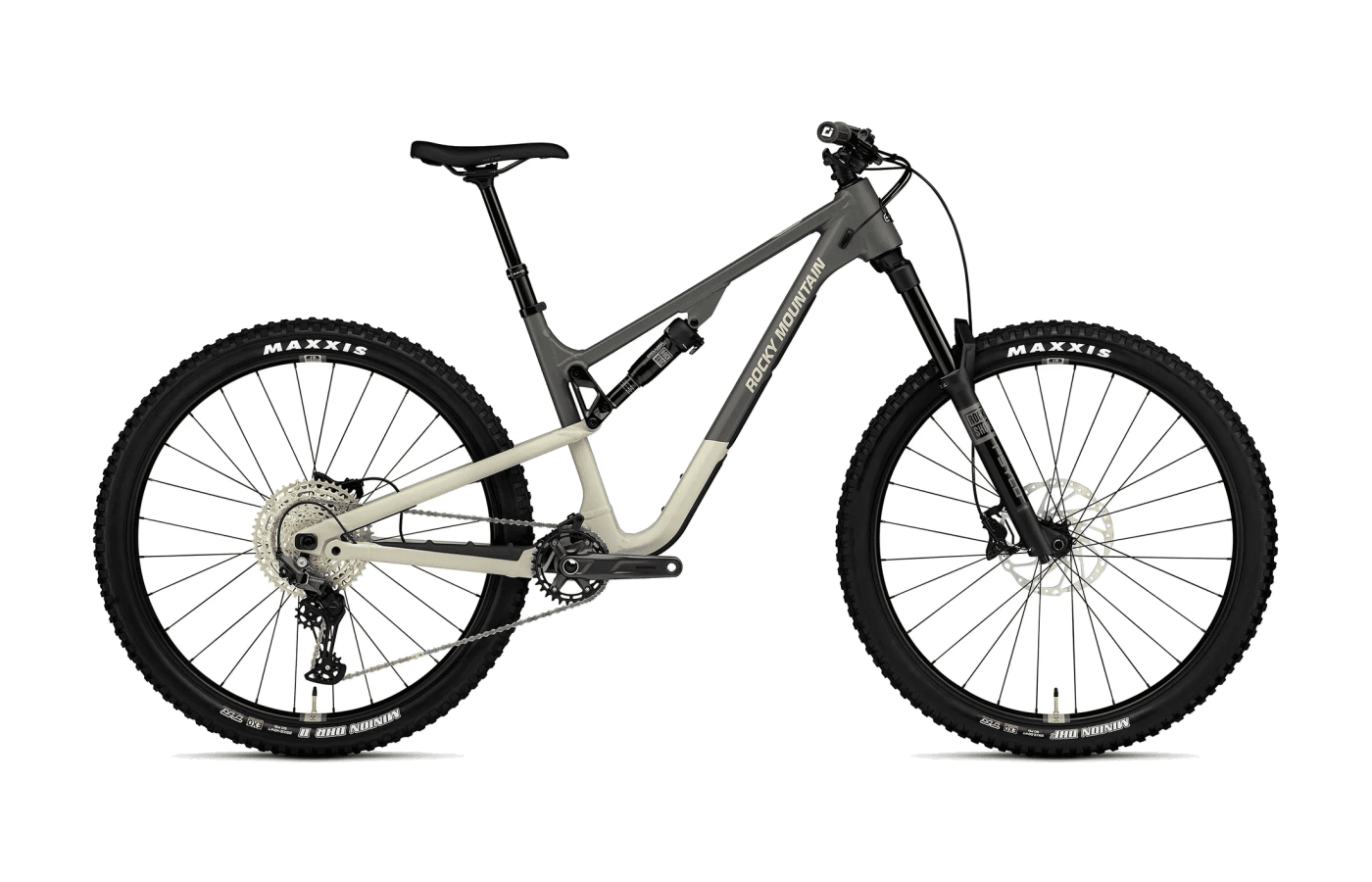
Rocky Mountain splits the Instinct lineup across aluminum and carbon frames, with wheel sizes scaled by frame size. Extra-small and small frames use 27.5-inch wheels, while larger sizes roll on 29ers. The entry-level Alloy models offer an accessible starting point, though reviewers note the base Alloy 10 pushes the limits of its budget-focused fork and brakes. Moving up the ladder, the Carbon 50 and Carbon 70 builds represent the sweet spot for value. The Carbon 70, in particular, equips the bike with highly adjustable Fox Performance Elite suspension and a reliable Shimano XT drivetrain, leaving little need for immediate upgrades beyond personal tire preferences.
Only the carbon frames include the PenaltyBox 2.0 downtube storage system. At the top of the range, the Carbon 99 build shifts to a slightly longer 160mm fork and features RockShox Flight Attendant electronic suspension, carbon wheels, and a SRAM XX Transmission drivetrain complete with a power meter. Across most mid-tier builds, the stock Maxxis Dissector tires prioritize fast rolling speeds, though aggressive riders frequently swap them for heavier-casing alternatives to match the frame's descending capabilities.
From the press.
16 reviews from the cycling press.
Reviewers consistently characterize the Instinct as an agile, energetic trail bike that thrives on rider input. Rather than muting the trail, the suspension and chassis encourage hopping, pumping, and precise line choices. One tester described its character as a "playful, responsive, and sneaky fast fox" (Jeffkendallweed) that excels when ridden dynamically. Cornering is a frequent highlight, aided by a carbon frame that intentionally incorporates a degree of lateral flex. This compliance allows the bike to "bend around turn apexes" (GearJunkie), creating a smooth, carving sensation at speed.
While climbing traction is widely praised, opinions diverge sharply on the factory shock tune. Several testers found the suspension supportive and calm, but others felt the stock compression damping was too light for aggressive riding. One review noted the rear end had a "wallowy mid-stroke" (Pinkbike) that could feel unstable when pushed hard through rough terrain. This active suspension feel also leads to occasional pedal strikes on technical climbs. Additionally, multiple reviewers pointed out that the frame can be noisy over chatter due to internal cable rattle. Despite these critiques, the consensus points to a highly capable descender that climbs competently, provided the rider takes the time to dial in the extensive geometry and suspension settings.
2024 Rocky Mountain Instinct Review: The Fox of the Trail ...
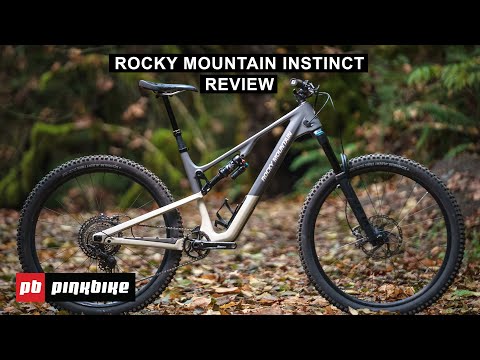
Rocky Mountain Instinct Review: Trail Versatility Refined
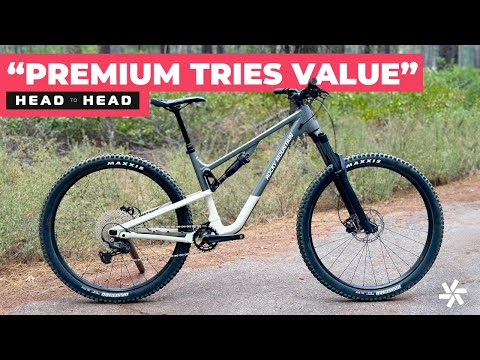
Rocky Mountain Instinct A10 | 2024 Value Trail Bike Group Test
This Bike Looks Perfect On Paper | Rocky Mountain Instinct ...
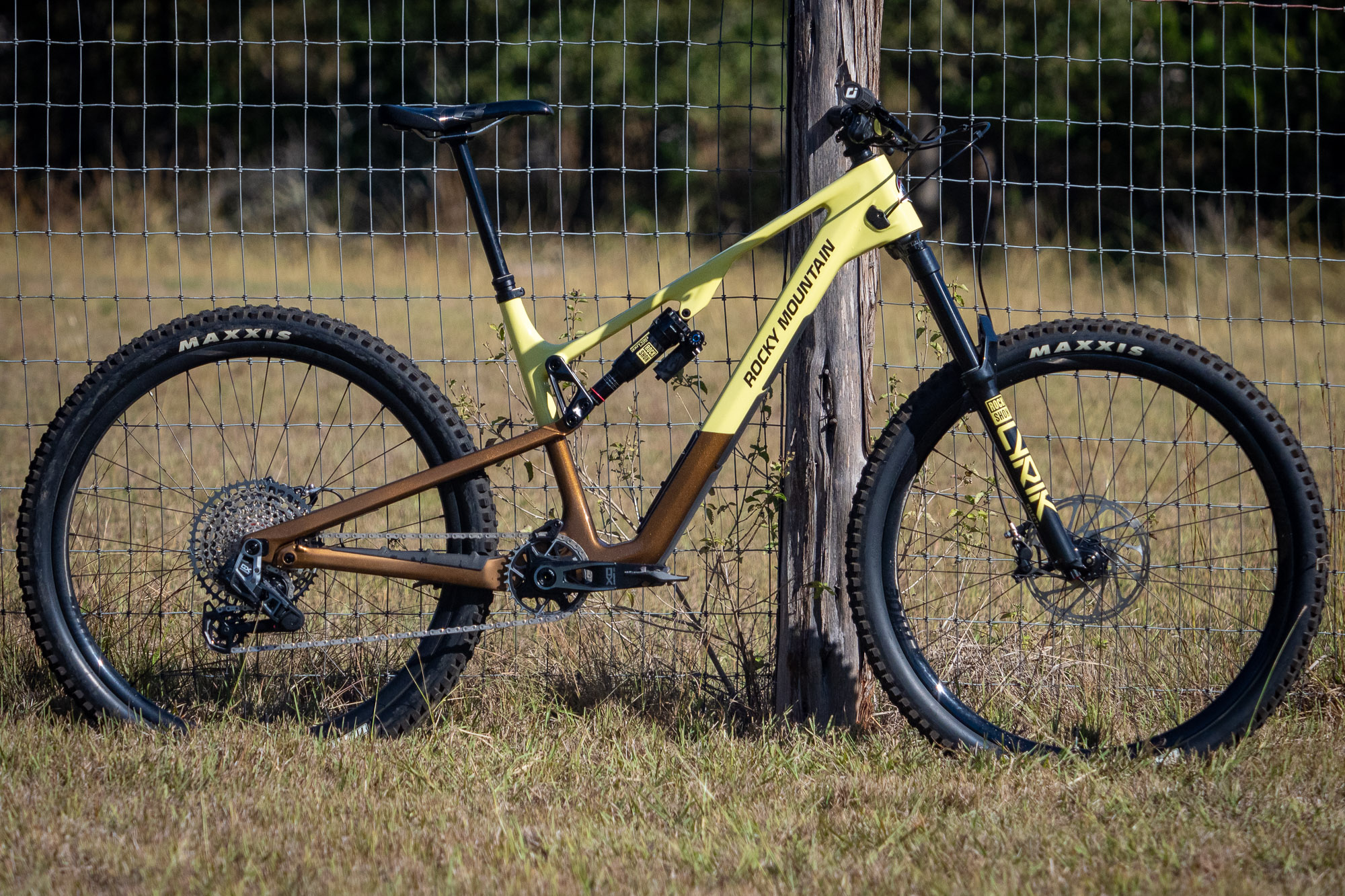
Mountain Bike Bends Around Turns, Literally: Rocky Mountain Instinct Carbon 70 AXS Review
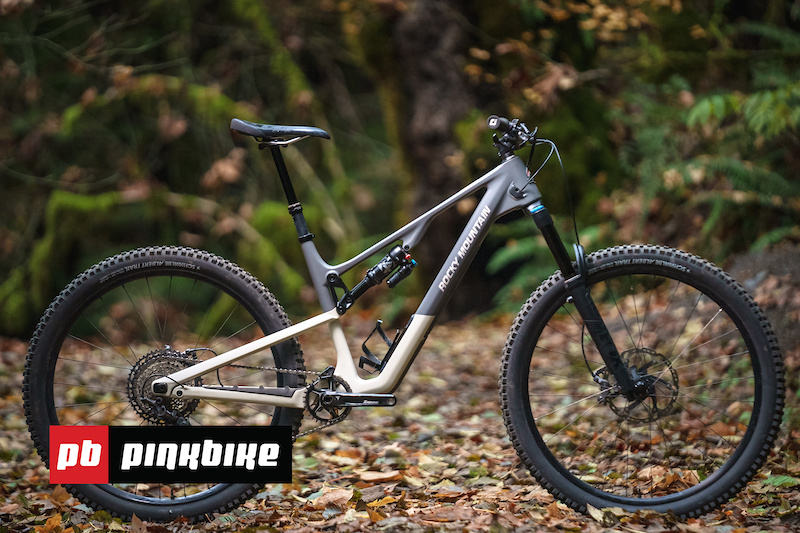
Field Test: Rocky Mountain Instinct - Geometry Vs. ...
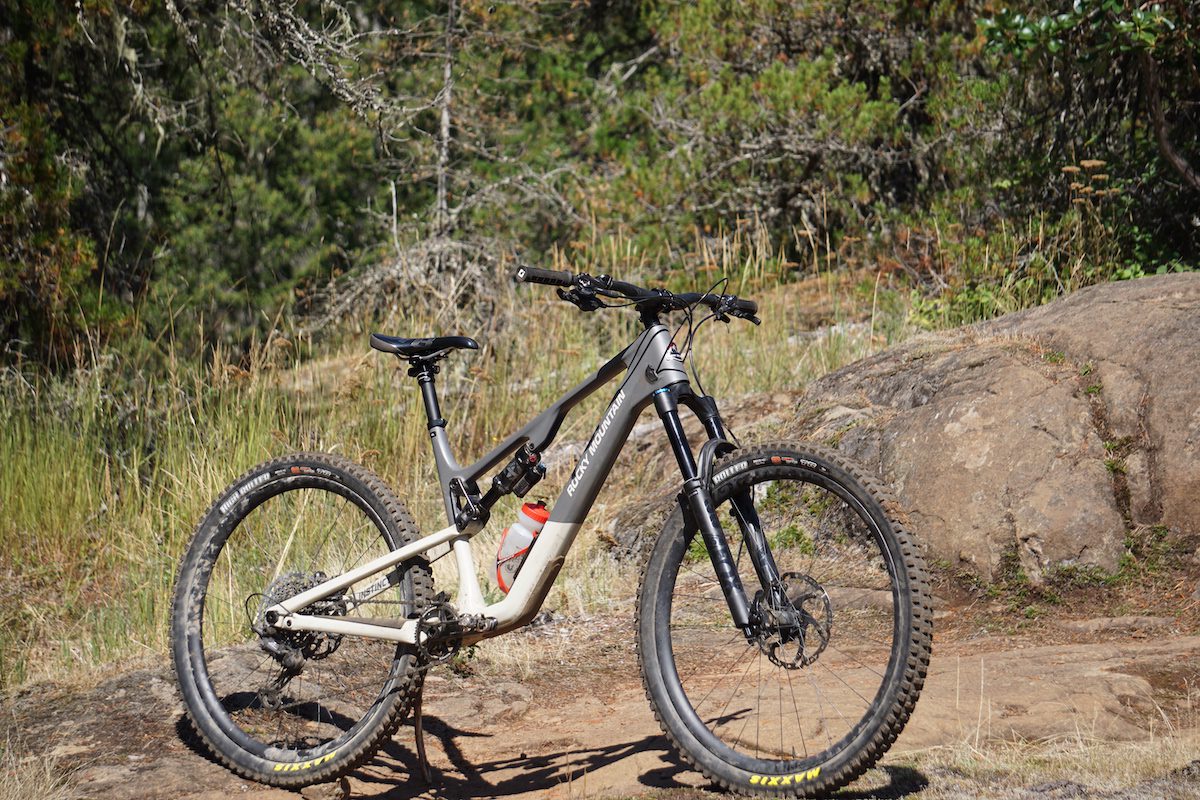
Long-term review: Rocky Mountain Instinct C70

Deep Dive: 2024 Rocky Mountain Instinct
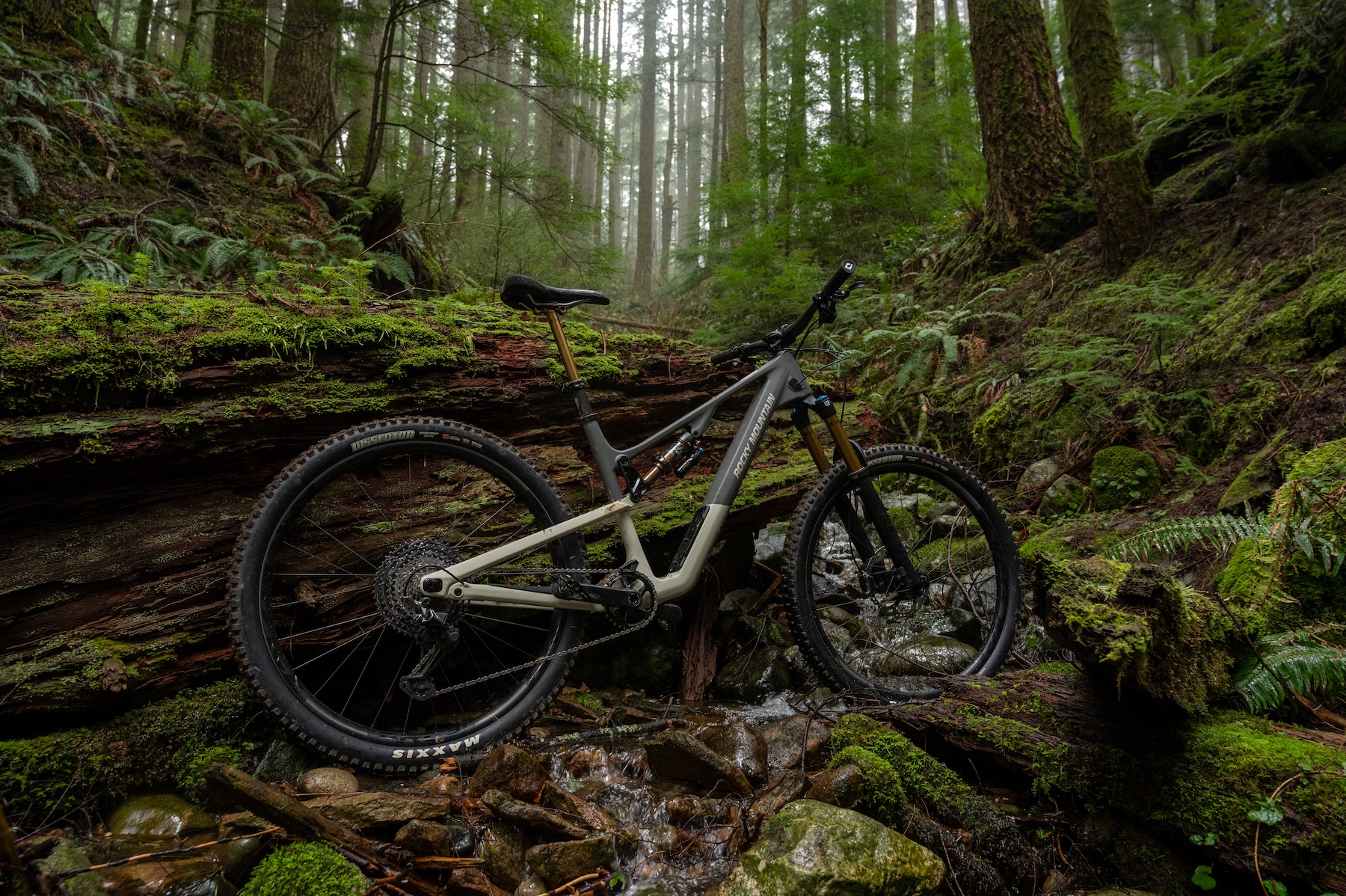
2024 Rocky Mountain Instinct - Blister Review

2024 Rocky Mountain Instinct Review: A Cosmic Trigger

Rocky Mountain Instinct C70: First Ride Review
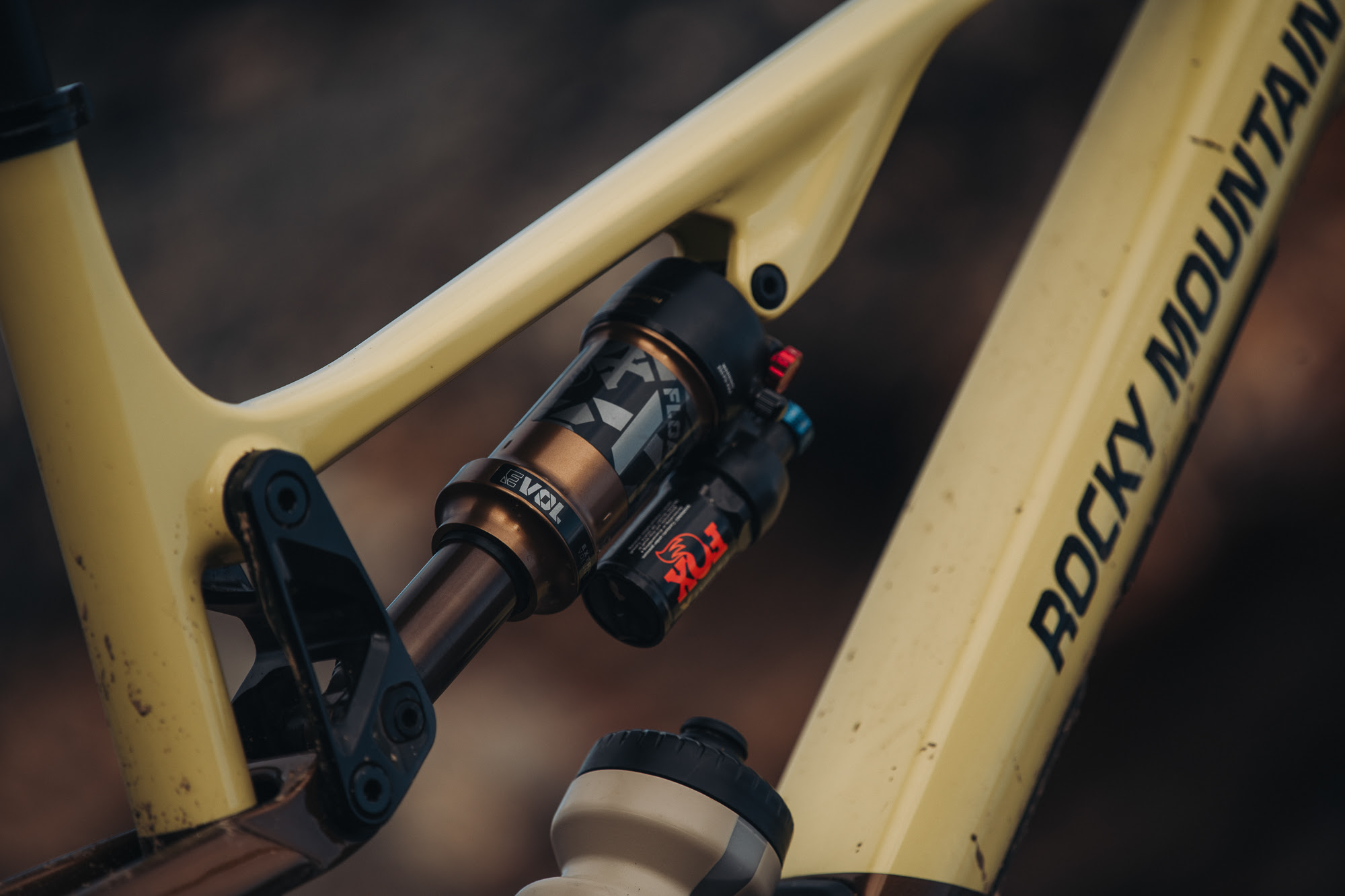
Flash Review — 2024 Rocky Mountain Instinct
![The 2024 Rocky Mountain Instinct Adds Frame Storage, Adjustability, and Aggressive Geo [Review]](https://paklmrfyhygqlkyhjcnf.supabase.co/storage/v1/object/public/storage/review-images/rocky-mountain/instinct/2024/review-bd3e63252f57.jpg)
The 2024 Rocky Mountain Instinct Adds Frame Storage, Adjustability, and Aggressive Geo [Review]
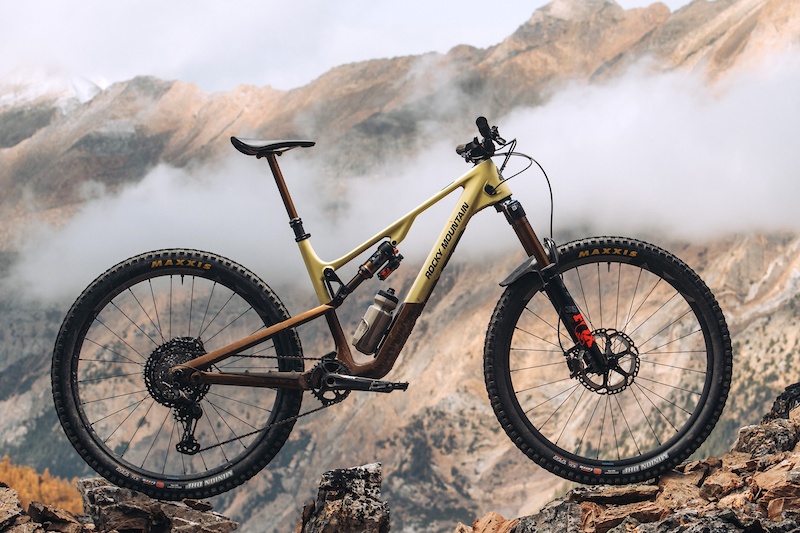
First Ride: The 2024 Rocky Mountain Instinct Gets Updated Geometry & In-Frame Storage - Pinkbike
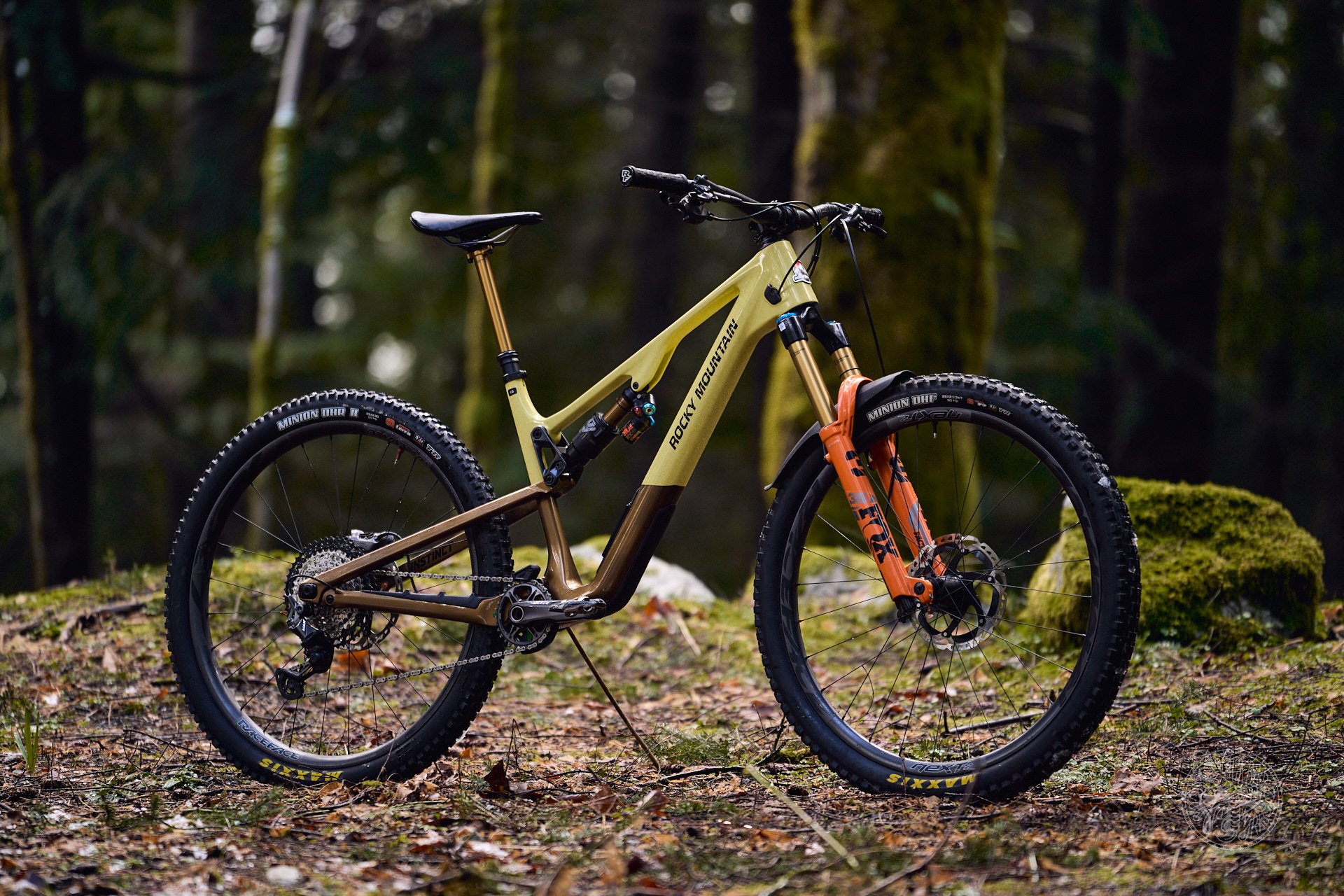
2024 Rocky Mountain Instinct
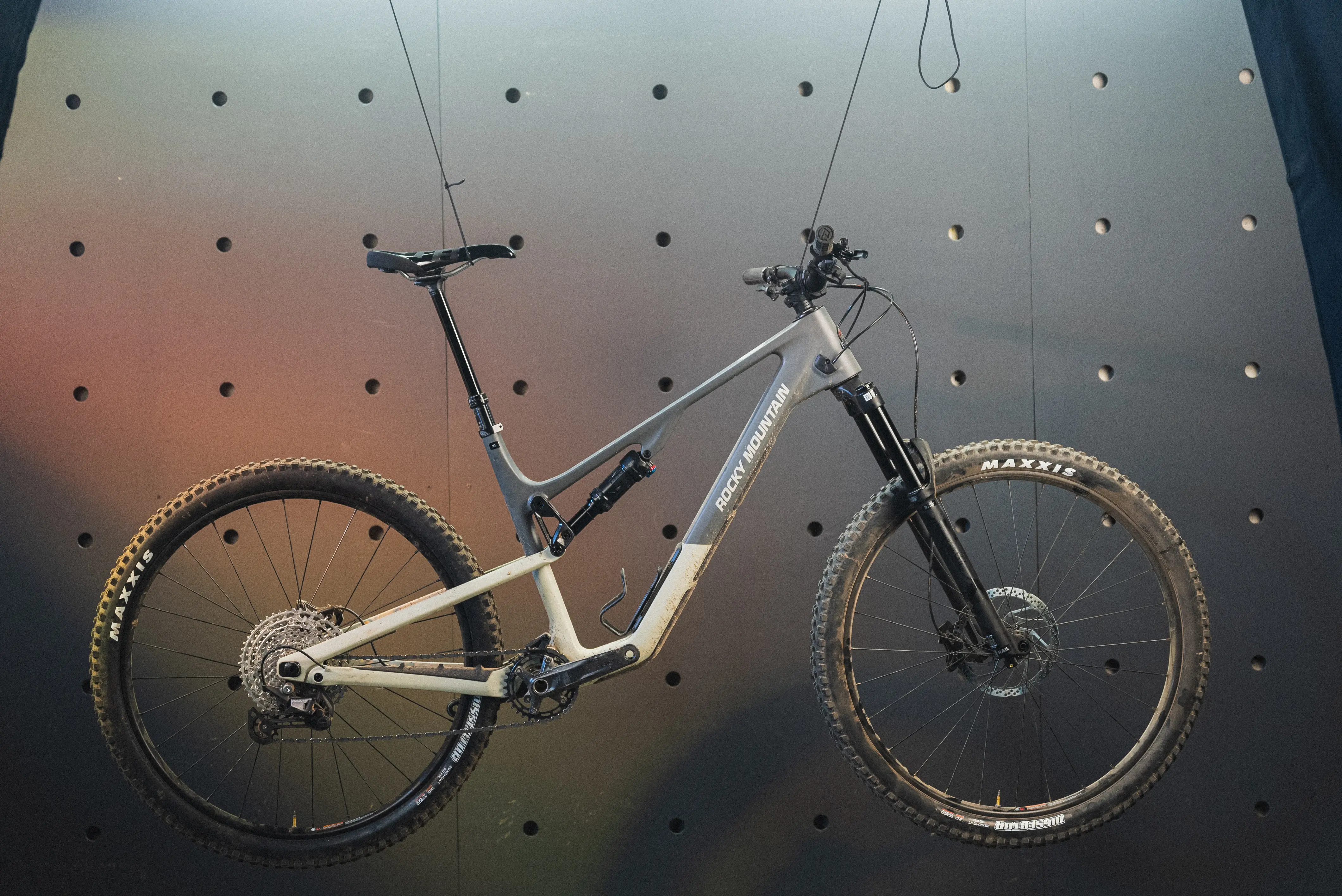
2024 Rocky Mountain Instinct Review: Better than ever?
Compared to.
Most-viewed comparisons.
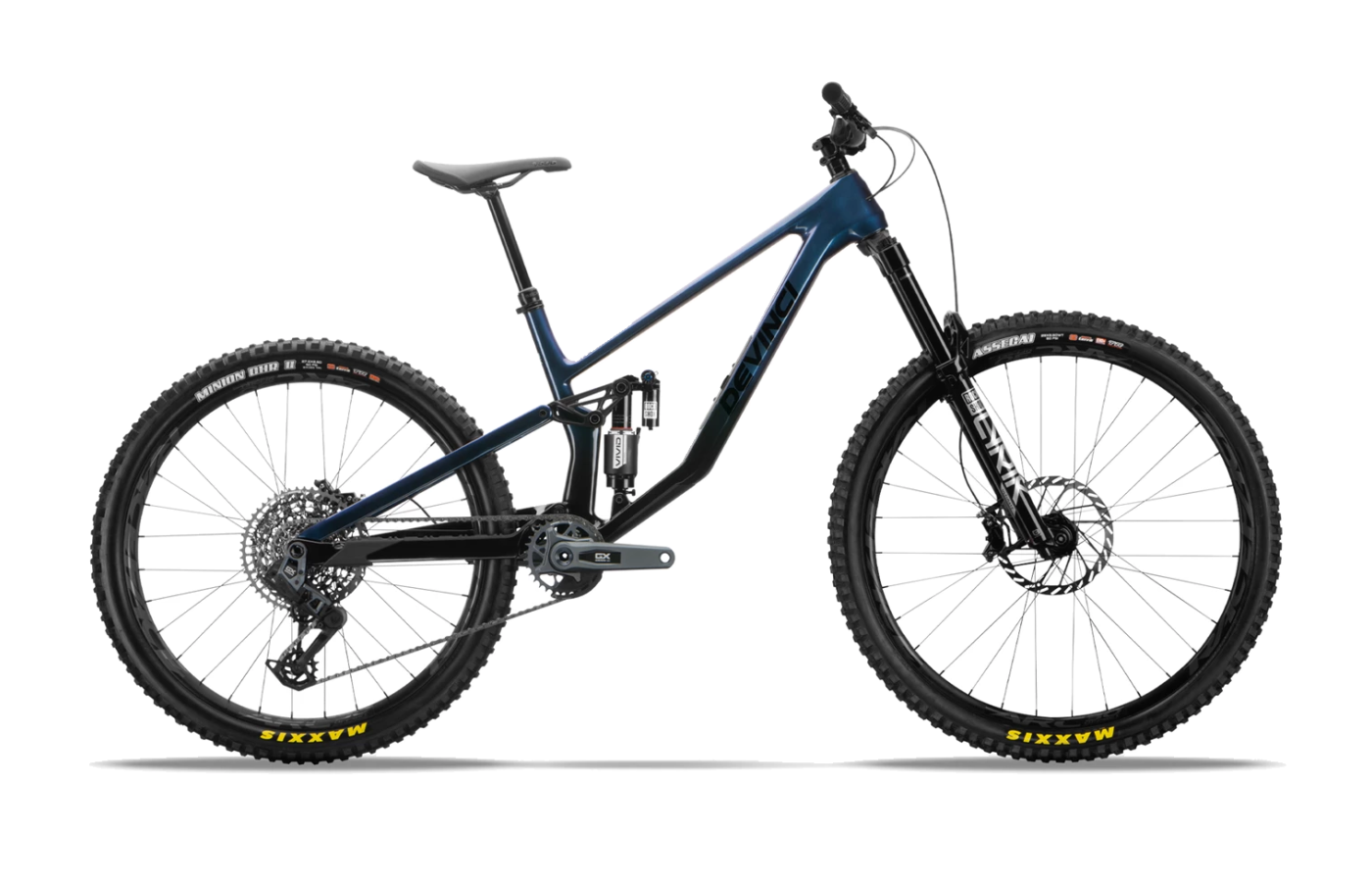
Devinci Troy vs Rocky Mountain Instinct
Read comparison→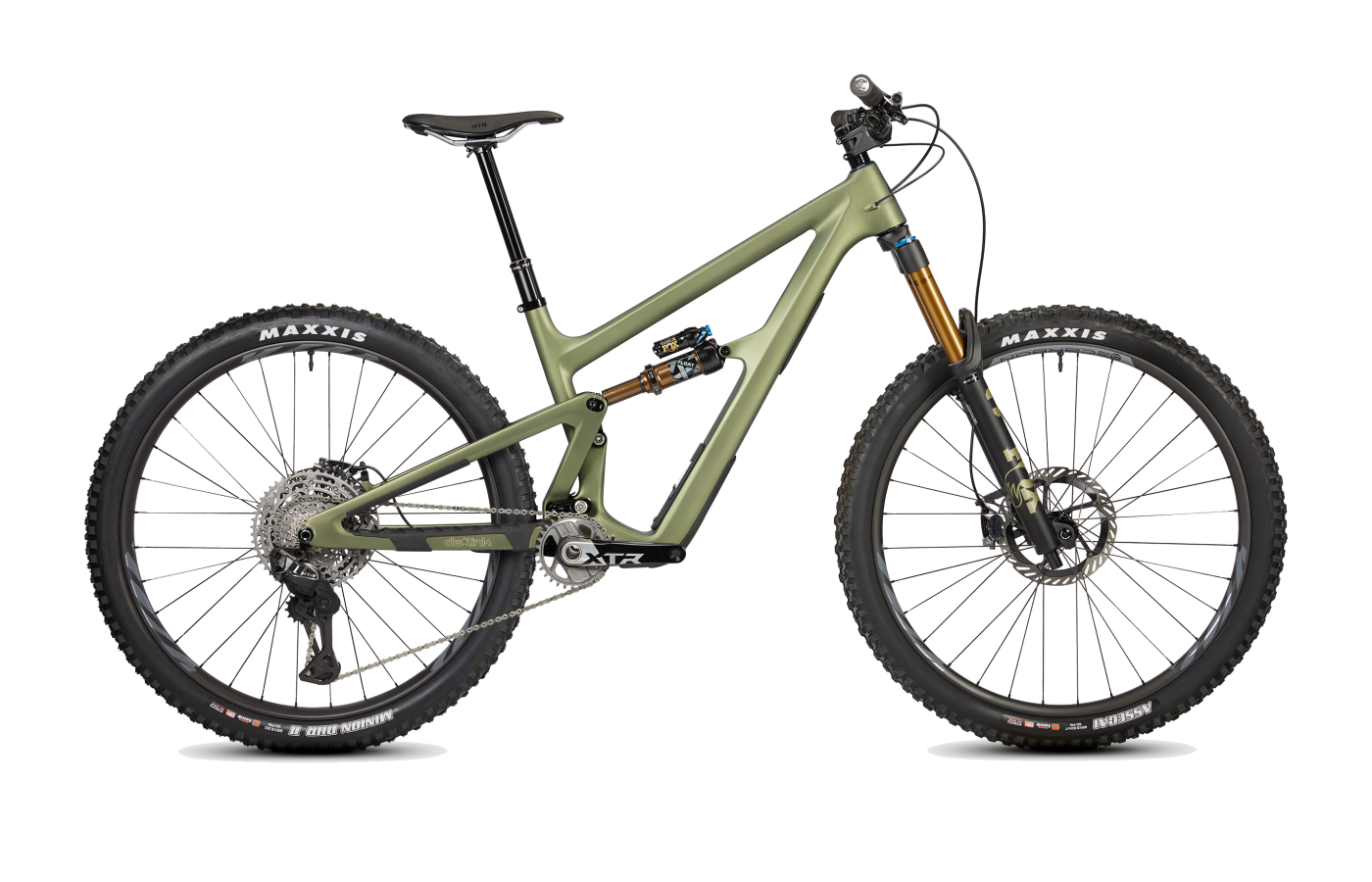
Ibis Ripmo vs Rocky Mountain Instinct
Read comparison→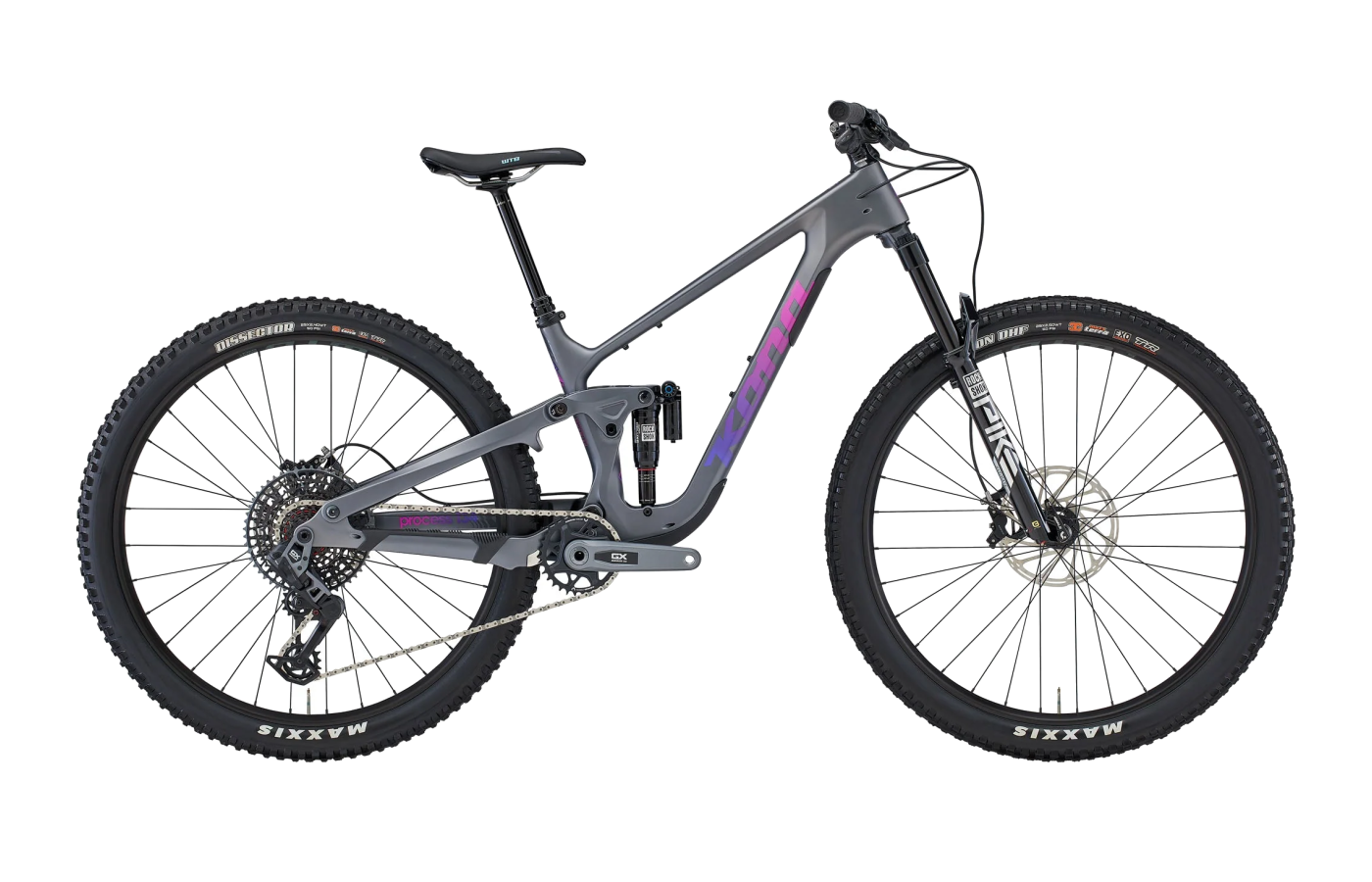
Kona Process 134 vs Rocky Mountain Instinct
Read comparison→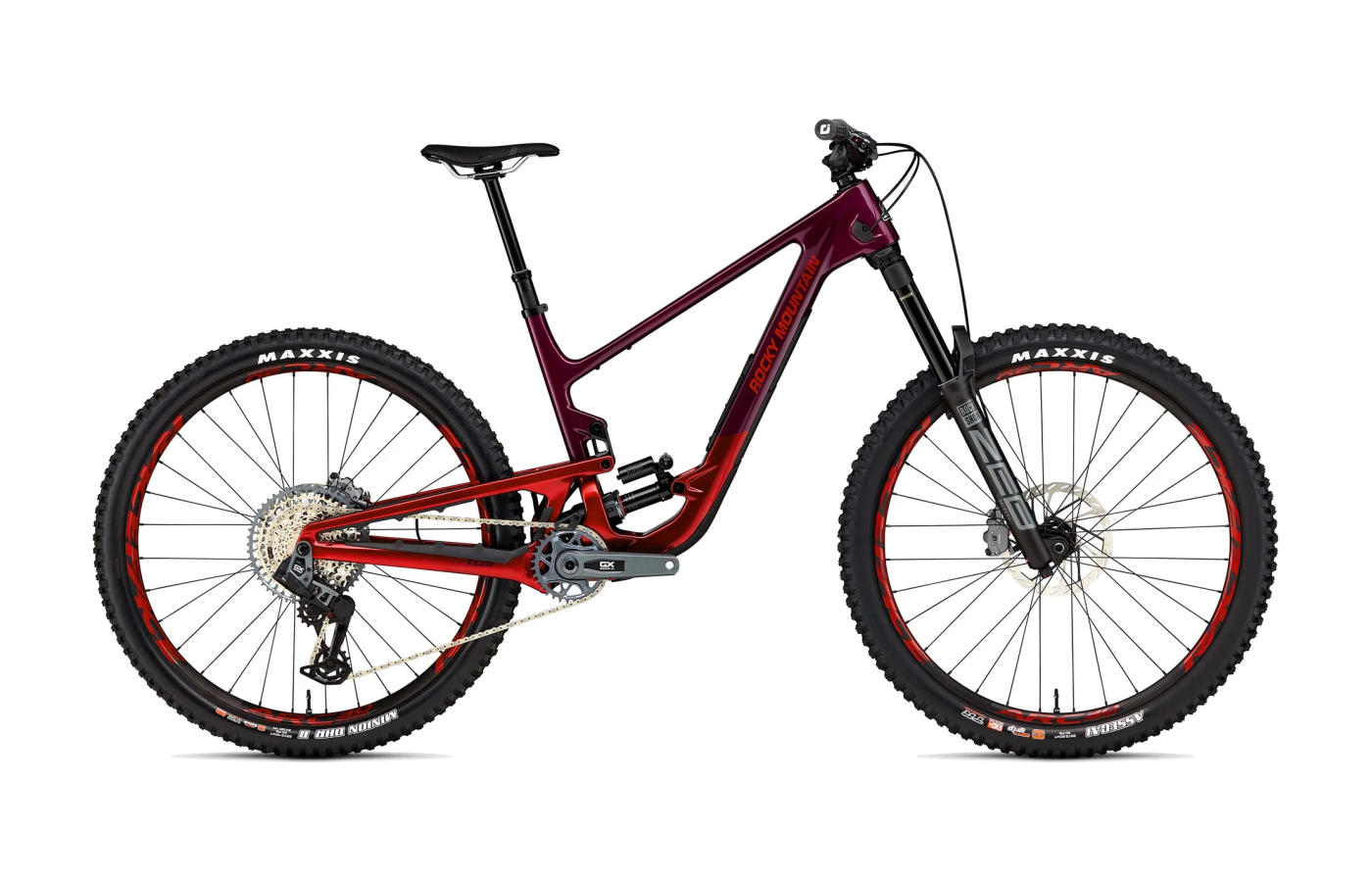
Rocky Mountain Altitude vs Instinct
Read comparison→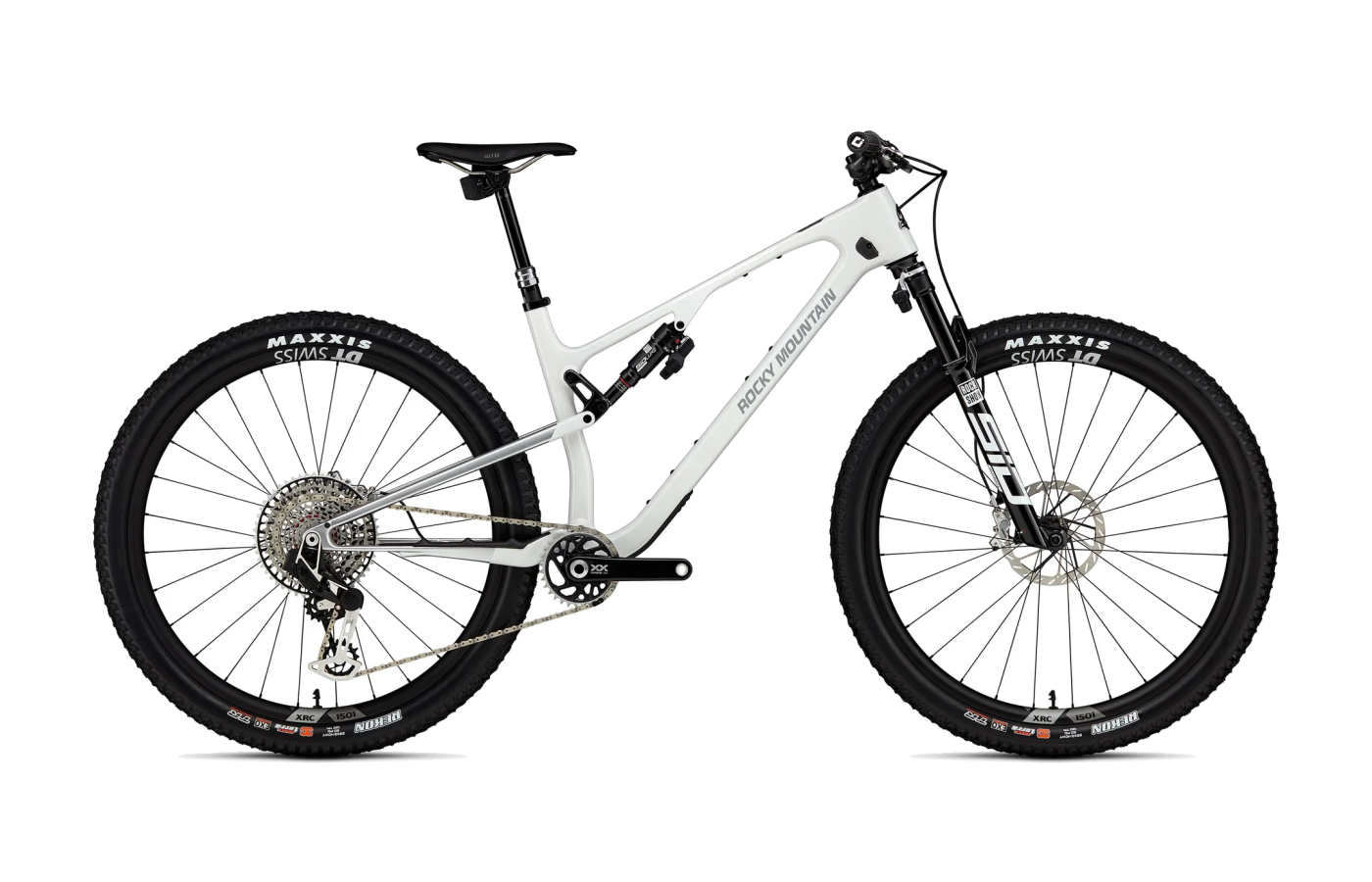
Rocky Mountain Element vs Instinct
Read comparison→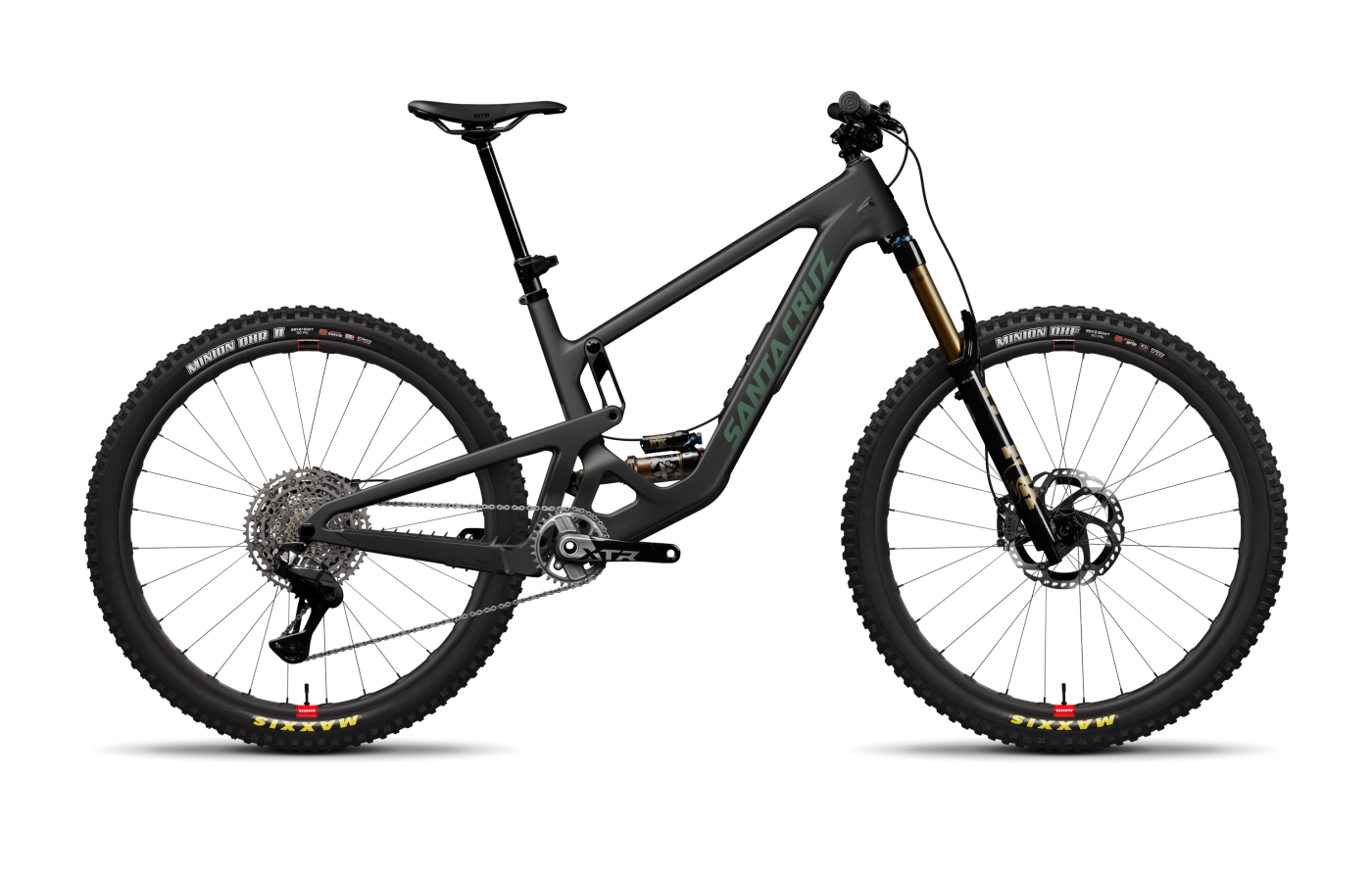
Rocky Mountain Instinct vs Santa Cruz Hightower
Read comparison→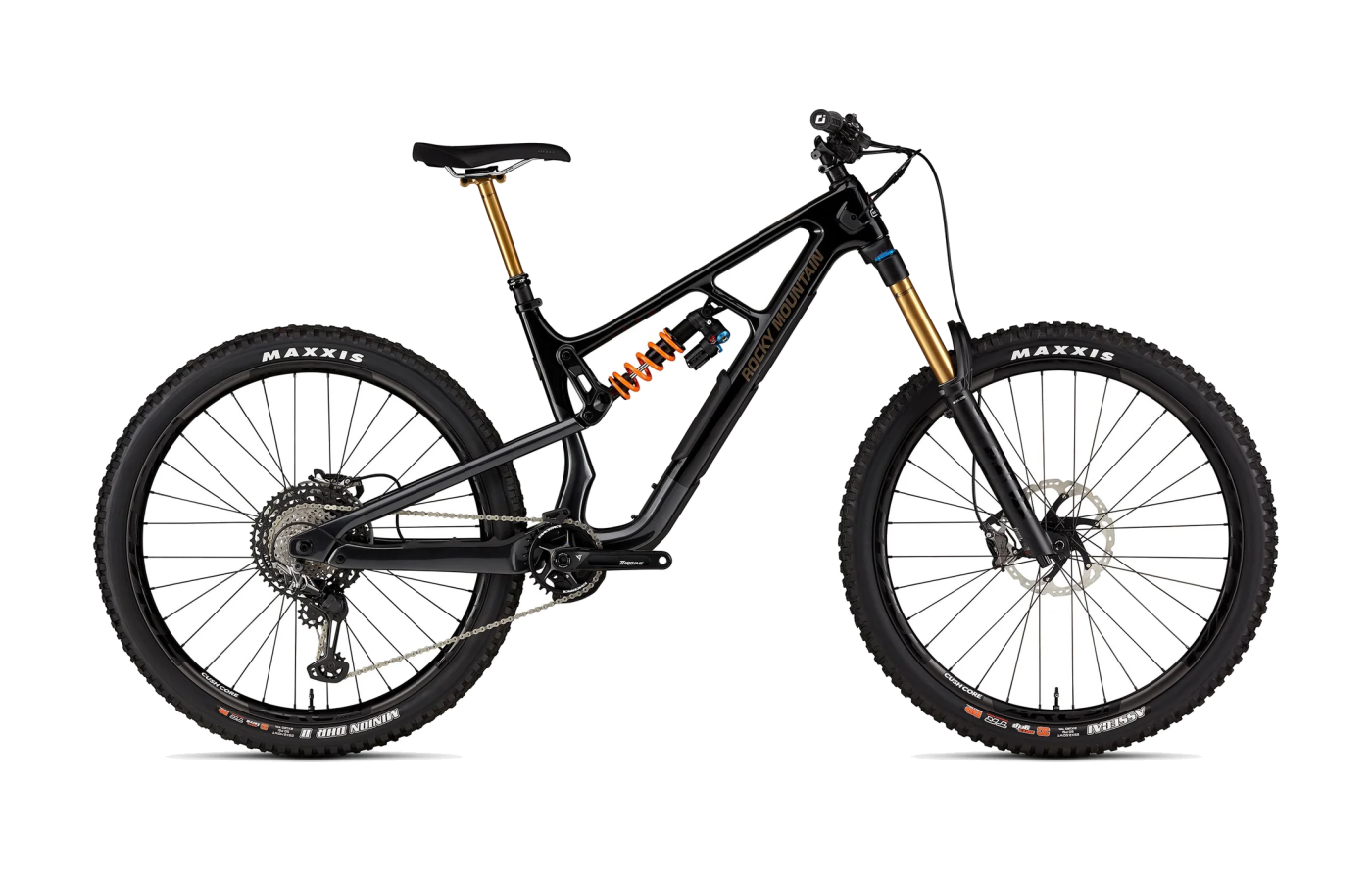
Rocky Mountain Instinct vs Slayer
Read comparison→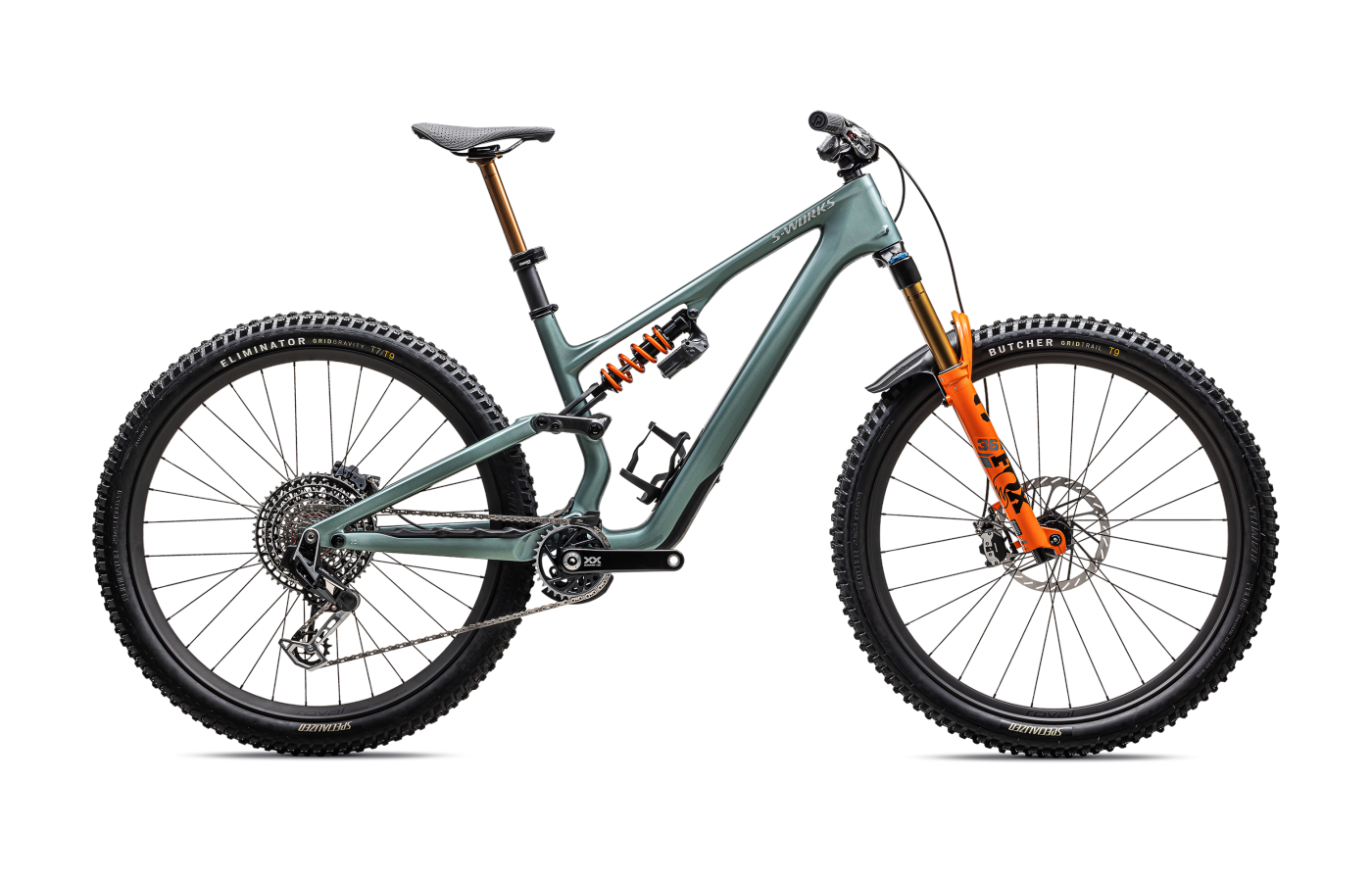
Rocky Mountain Instinct vs Specialized Stumpjumper
Read comparison→