Element
vsInstinct
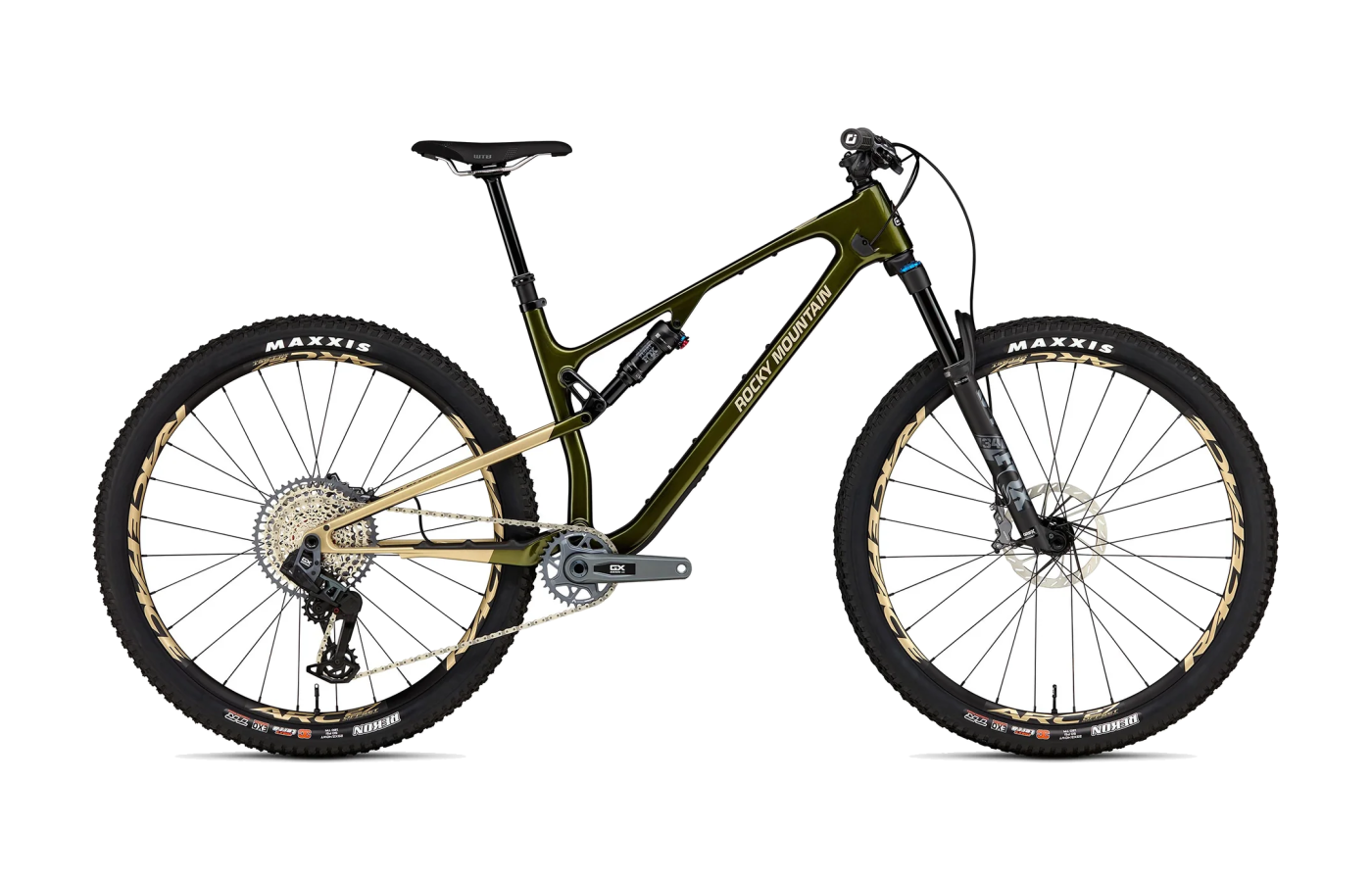
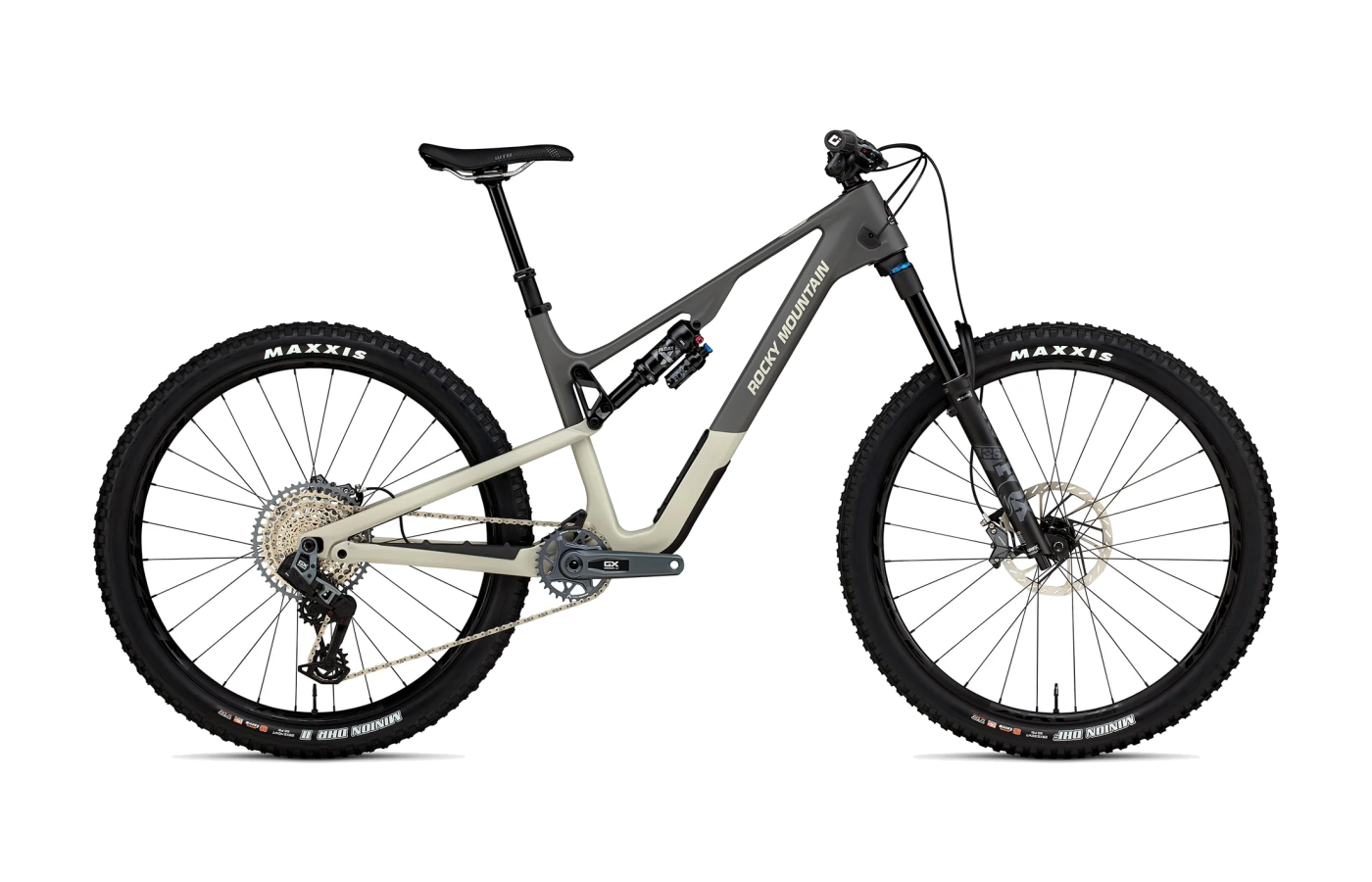
Same brand, two different days on the trail.
The Element is the lightweight downcountry slayer. The Instinct is the do-it-all trail bike with 48 ways to set up the geometry.
Element
- Lighter and livelier — the new flex-stay rear end shed ~350 g and stiffened the back triangle.
- Climbs like an XC bike with a 65° HTA and steep 76.5° seat tube — efficient seated, snappy out of the saddle.
- Punches above its travel — reviewers across NSMB, Singletracks, and Enduro MTB call it a credible trail bike on descents.
- Carbon-only — no alloy build, so the entry price is $4,499.
- Stock Maxxis Rekon tires are widely flagged as undergunned for the bike's descending capability.
Instinct
- Far more adjustable — RIDE-4 plus chainstay flip-chip plus reach-adjust headset gives 48 geometry combos.
- Burlier descending kit — Fox 36, Minion DHF/DHR II, and 4-piston brakes mean it shows up ready for rough trails.
- Wider price ladder — alloy builds start at $3,399, well below the Element's carbon-only floor.
- Heavier and slower up smooth climbs than the Element.
- Pinkbike's Field Test found the stock Fox Float X tune underdamped and 'wallowy' for aggressive riders — likely needs a tune or shock swap to match its geometry's intent.
Editor’s analysis
These bikes share a maple leaf and a frame finish — and almost nothing else about how they want to be ridden.
On paper the Element and Instinct sit in adjacent boxes: short-travel and mid-travel full-suspension 29ers, both built around Rocky Mountain's SMOOTHWALL carbon and the RIDE-4 adjustable geometry chip. In practice they're aimed at very different riders. The Element runs 120 mm rear / 130 mm front and a steep-for-modern 65° head angle. The Instinct runs 140 mm rear / 150 mm front and slacks out to 63.5°. That 1.5° of head angle and 20 mm of front travel changes the entire conversation.
The Element is the bike Rocky Mountain wants you to take to a marathon XC race or a stage event — Enduro MTB called it a 120 mm bike that 'feels more capable than you'd expect,' and the new Smoothlink SL flex-stay rear end shaves roughly 350 g from the previous frame while stiffening the rear triangle. NSMB's Cooper Quinn was blunt: 'on almost anything on the map, it's often splitting hairs on whether a bigger bike is faster.' The catch is that the margin for error shrinks. When trails get steep and chunky, the Element asks for precision.
The Instinct doesn't ask for precision — it absorbs your sloppiness. A slacker head tube, longer wheelbase (1,227 mm at size M vs the Element's 1,208 mm), Fox 36 fork, and Maxxis Minion DHF/DHR II rubber stock mean it's happy to plow lines the Element wants you to thread. It also opens up adjustability the Element doesn't have: a chainstay flip-chip (437–447 mm) and a +/-5 mm reach-adjust headset stack on top of RIDE-4 to give you 48 documented geometry combinations. It's a tinkerer's bike.
Put another way: the Element is the bike you grab when the climb is the hardest part of the ride. The Instinct is the bike you grab when the descent is the hardest part — or when you don't know which it'll be and want one bike that doesn't care.
Where the builds differ.
Comparing our editor's-pick builds side-by-side. Winners highlighted row-by-row — lower price and weight, and the better-spec component, each mark a point.
Build variants & pricing
Element starts at $4,499 (carbon only). Instinct starts at $3,399 (alloy) and tops out close to the Element's flagship price.
Editor's picks are both Carbon 70 builds with SRAM GX AXS Transmission for an apples-to-apples comparison. The Element C70 runs $1,500 more than the Instinct C70 ($6,999 vs $5,499) — the Element pairs that price with a Fox 34/SIDLuxe shock combo, while the Instinct C70 ships with the burlier Fox 36 and Float X. Prices are current US MSRP.
How they fit, how they steer.
Both at size MD — the fit-picked size for a 5'8" rider on each bike. Reach is essentially identical (450 vs 449 mm), but the Instinct sits 23 mm lower in stack, runs 1.5° slacker at the head tube, and stretches the wheelbase 19 mm longer. That's the difference between a steep, snappy XC stance and a slacker, more planted trail stance.
Which size should I buy?
Sizing is consistent across the Rocky Mountain MTB range — XS through XL — with the Instinct having more wheelbase growth between sizes.
→These are starting points. Flexibility, riding style, and preferred position all shift the answer — if you’re between sizes, a professional fit beats a chart.
What the magazines said.
Published reviews from trusted cycling outlets. Click through for the full write-up.
Which one should you buy?
If you spend most of your time climbing and want a fast, light bike that descends better than its travel suggests, get the Element. If you spend most of your time pointed downhill, get the Instinct.
Element
If your typical ride is a long climb followed by flowy or moderately technical descent — and your fitness, not your bike, is the limiter — the Element is the sharper tool. It's also the right call for stage-race riders or marathon XC events where every gram matters and you still want capable suspension.
Instinct
If your trails are steep, chunky, or unpredictable — and you want one bike that can handle local laps, bike park days, and the occasional backcountry epic — the Instinct is built for it. It rewards the rider who likes to tinker; with 48 geometry combinations, you can dial it for nearly any preference.
Questions buyers actually ask.
Short answers to the things we get emailed about most often.
01Which bike climbs better?
The Rocky Mountain Element, comfortably. With 120 mm of rear travel, a 65° head angle, a 76.5° seat tube angle, and roughly 350 g less frame weight than the previous generation thanks to the new Smoothlink SL flex-stay design, it's set up to pedal efficiently. Reviewers describe it as 'sporty,' 'snappy,' and capable of being pedaled all day.
The Instinct still climbs well for a 140 mm bike with a 63.5° head angle, but it's heavier, longer in the wheelbase, and its more active suspension means many riders flip the climb switch on smooth ascents.
02Which bike descends better?
The Instinct, by a wider margin. It's slacker (63.5° HTA vs 65°), has 20 mm more travel front and rear, runs a Fox 36 instead of a Fox 34 on the equivalent build, and ships with grippy Minion DHF/DHR II tires instead of fast-rolling Rekons.
The Element punches above its travel on descents — Cooper Quinn at NSMB famously called it close to a bigger bike on most trails — but the 'margin for error is small.' Steep, chunky, technical: the Instinct is the right tool.
03How much do they actually weigh?
Pinkbike weighed a Carbon 70 Element at 26 lb 14 oz (roughly 12.2 kg) without pedals. Enduro MTB measured the flagship Carbon 99 Element at 11.88 kg in size L.
The Instinct is heavier across the lineup. NSMB's tested Carbon 70 came in at about 28.25 lb (12.8 kg), and Pinkbike's field-test Instinct hit 14.2 kg as tested with a 150 mm fork. So you're looking at roughly a kilo or more between equivalent carbon builds — meaningful on long climbs.
04What's the deal with RIDE-4 and the Instinct's extra adjustments?
Both bikes have Rocky Mountain's RIDE-4 chip at the shock linkage, which gives four geometry positions (head angle, seat tube angle, BB height, suspension progression).
The Instinct adds two more axes: a two-position chainstay flip-chip (437 mm or 447 mm at size M) and a reach-adjust headset with -5/0/+5 mm cups. Combined, NSMB counts 48 distinct geometry permutations on the Instinct — making it one of the most tunable trail bikes on the market.
The Element only has RIDE-4. Simpler, but less to dial in if you want to fine-tune the bike to local terrain.
05Can I run the Element as a more aggressive trail bike?
Within limits. Reviewers (and Rocky Mountain themselves) note the Element's frame can take a 140 mm fork and beefier tires to push it more toward trail use — many longtime owners do exactly this. But the rear end is locked at 120 mm, the head angle still sits at 65°, and the Maxxis Rekons must go.
If you find yourself doing this from day one, the Instinct is what you actually want — buying it from the start saves you a fork swap, a tire swap, and probably a brake swap.
06Why does the Instinct C70 cost less than the Element C70?
Mostly because the Instinct has a much wider build ladder ($3,399 alloy through $9,449 flagship), so the C70 sits further down the carbon range. Both editor's-pick C70 builds get SRAM GX Eagle Transmission, but the Instinct C70 is listed at $5,499 while the Element C70 is $6,999.
The Element C70 includes a Fox 34 Performance Elite fork and a higher-spec Fox SIDLuxe rear shock matched to its XC intent, while the Instinct C70 ships with the burlier Fox 36 Performance Elite GRIP X and a Float X rear shock. Different price, different bike.
07Are there known durability or QC concerns?
Both frames use a press-fit bottom bracket, which several reviewers flag as a long-term creak risk.
The previous Element generation had a documented issue with seat-stay pivot bearings ovalizing the carbon frame — Rocky Mountain confirmed in NSMB comments that the 2025 Element's new flex-stay design eliminates that pivot entirely, and the remaining bearings are now pressed into bonded alloy sleeves. A real fix.
For the Instinct, the most consistent complaint across reviews isn't structural — it's frame noise from cable rattle. Both bikes use the DT Swiss 370 rear hub on the C70 builds, which has slow engagement and is the most common upgrade target.
08Does Rocky Mountain's bankruptcy affect either bike?
Yes — worth knowing. Rocky Mountain entered bankruptcy protection and restructuring in late 2024, which has been flagged in NSMB and Singletracks reviews as a real consideration around long-term parts availability and warranty support.
Both bikes carry Rocky Mountain's standard 5-year frame warranty. The brand's staff have publicly reassured customers, but the situation is fluid. If long-term support and resale matter to you, factor it in — and consider buying through a strong local dealer rather than online.
Similar bikes
If your priorities don’t map cleanly onto either of these, one of these adjacent bikes probably fits better.
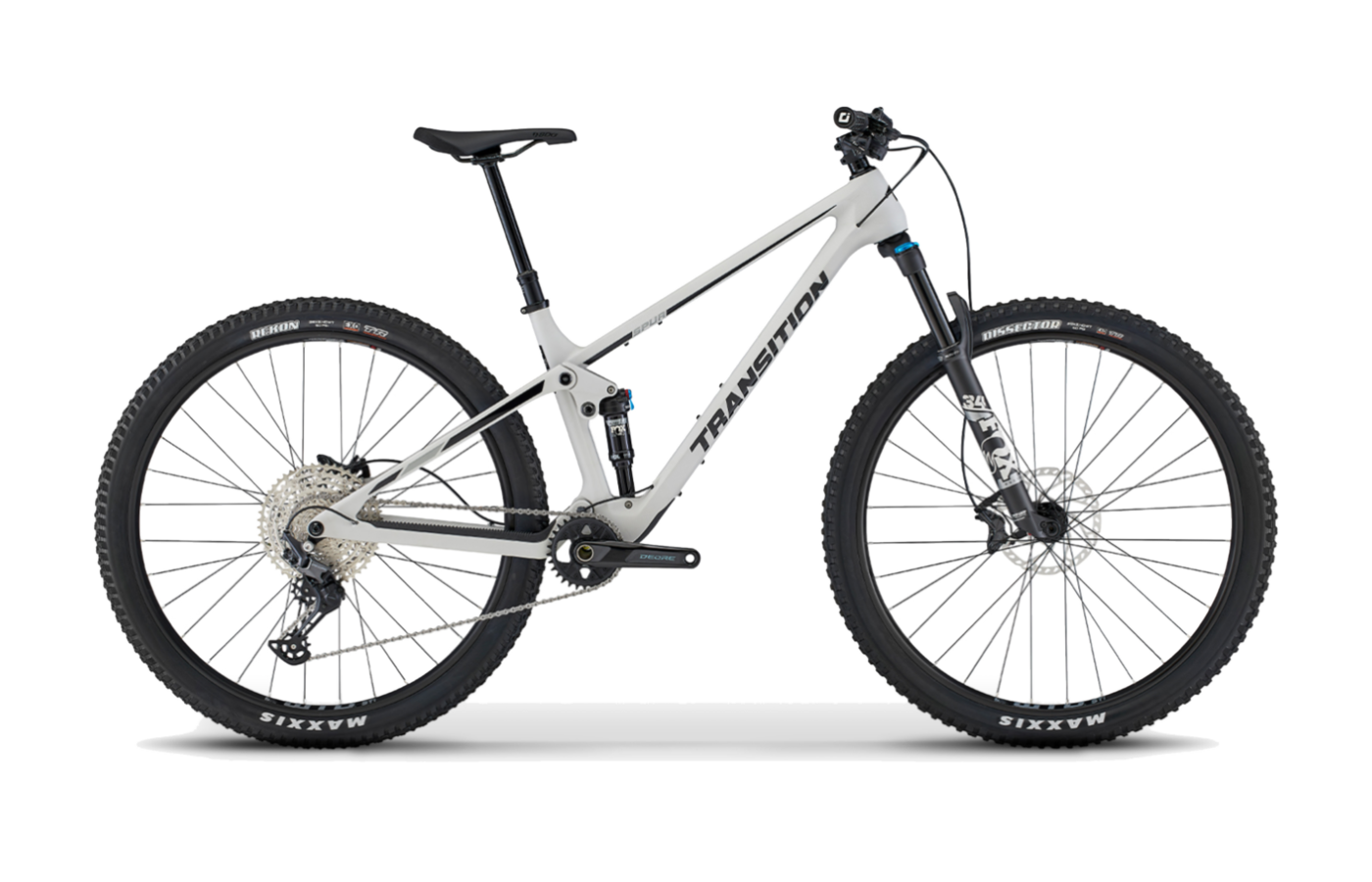
Spur
Transition's downcountry play and a true Element rival — lightweight, playful, and built for fast singletrack with capable suspension that punches above its travel.
Compare →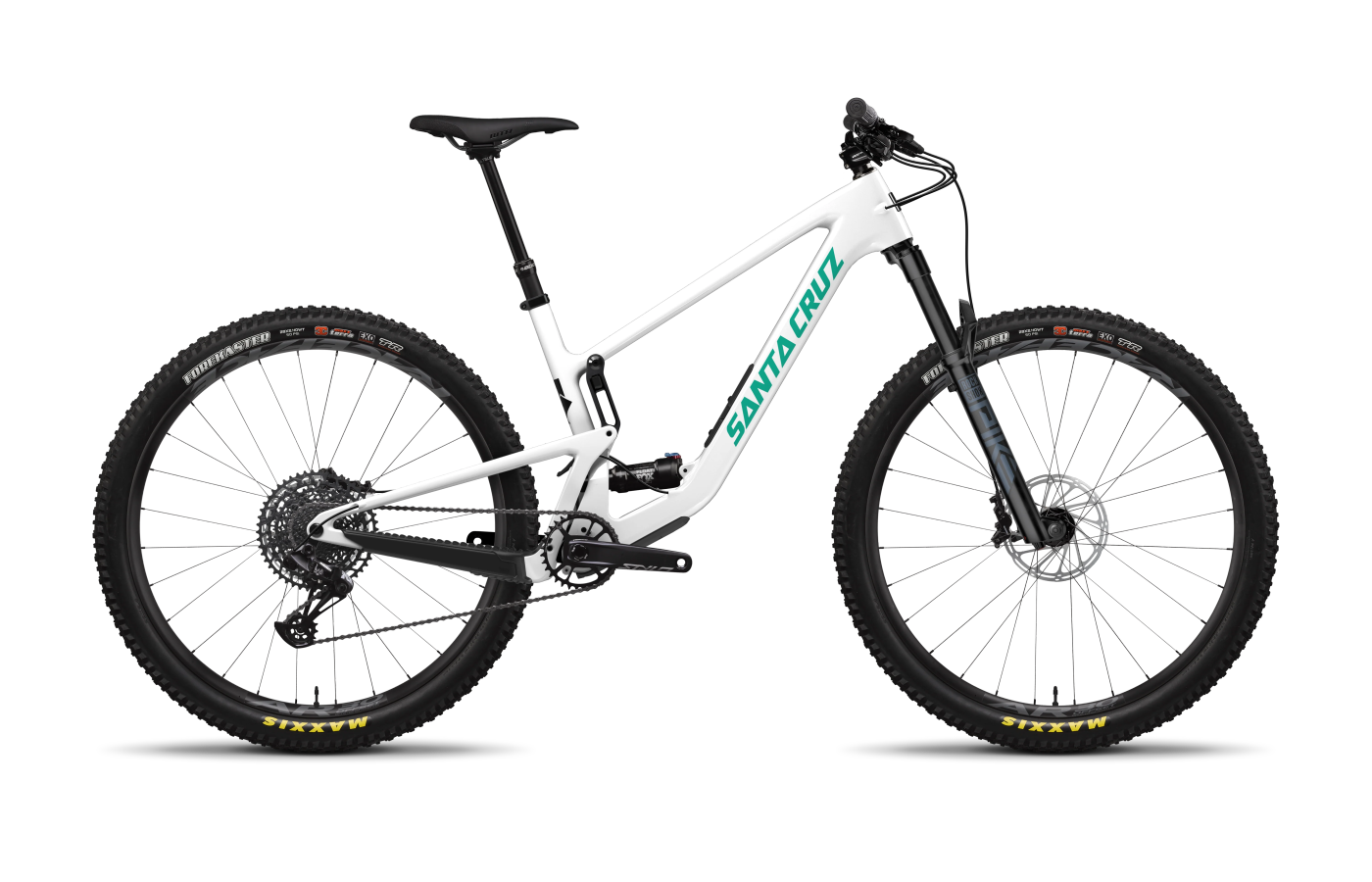
Tallboy
Santa Cruz's short-travel 29er with VPP suspension — splits the difference between Element and Instinct with more travel than the former and more pep than the latter.
Compare →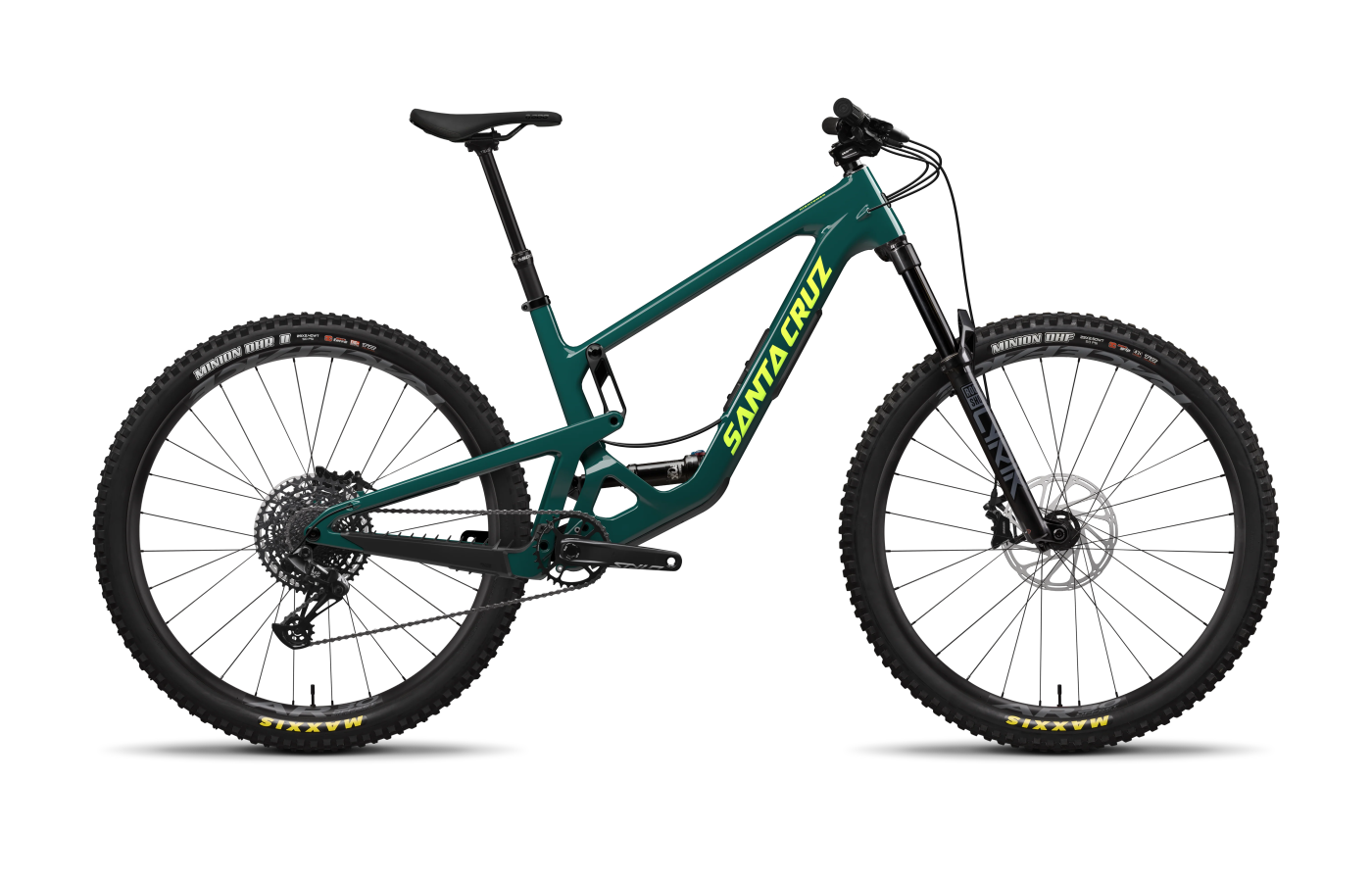
Hightower
Santa Cruz's mid-travel trail bike and the most direct Instinct cross-shop — similar travel, similar geometry intent, with VPP's signature planted feel and a more conventional adjustability story.
Compare →