Process 134
vsInstinct
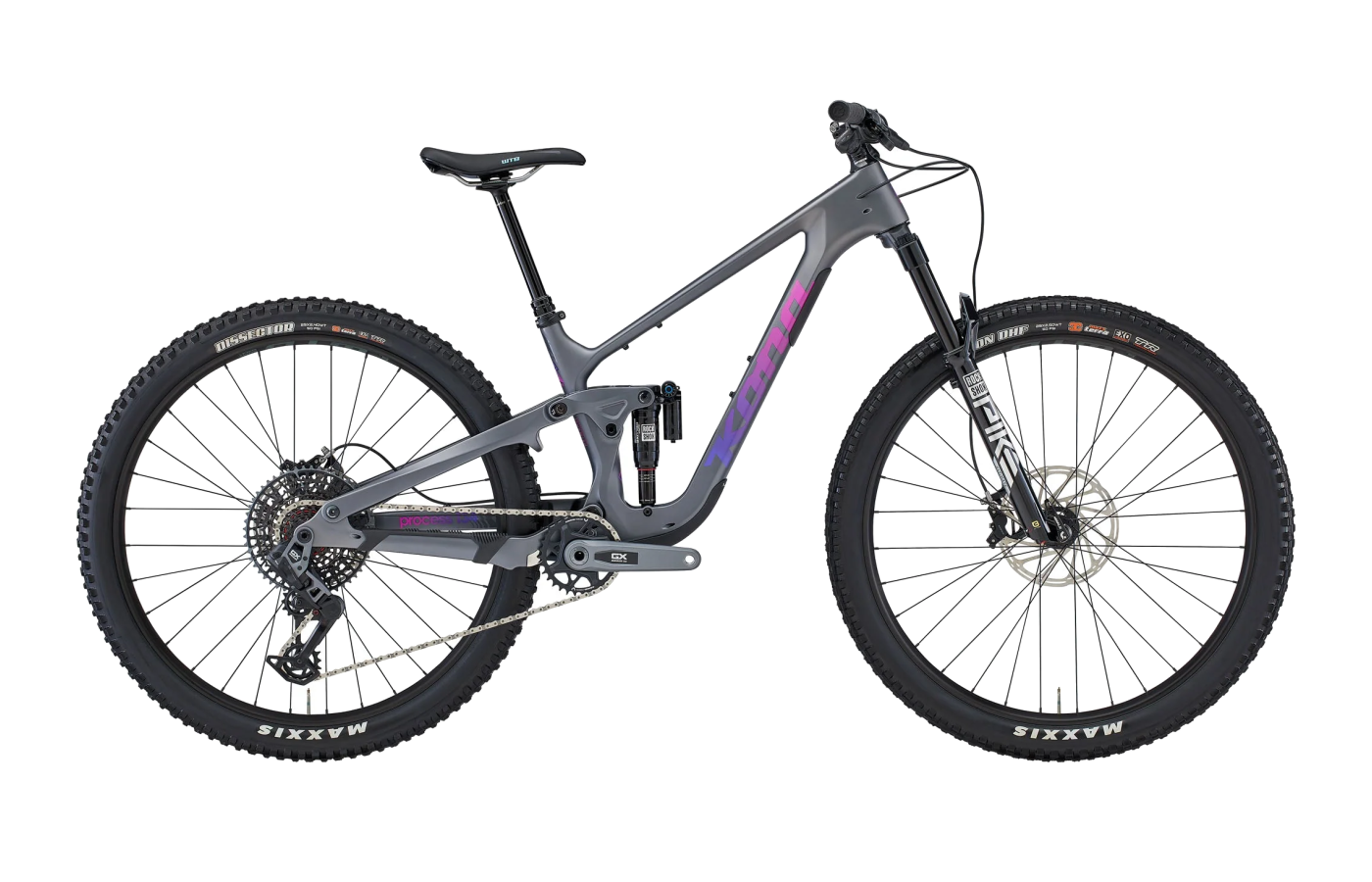
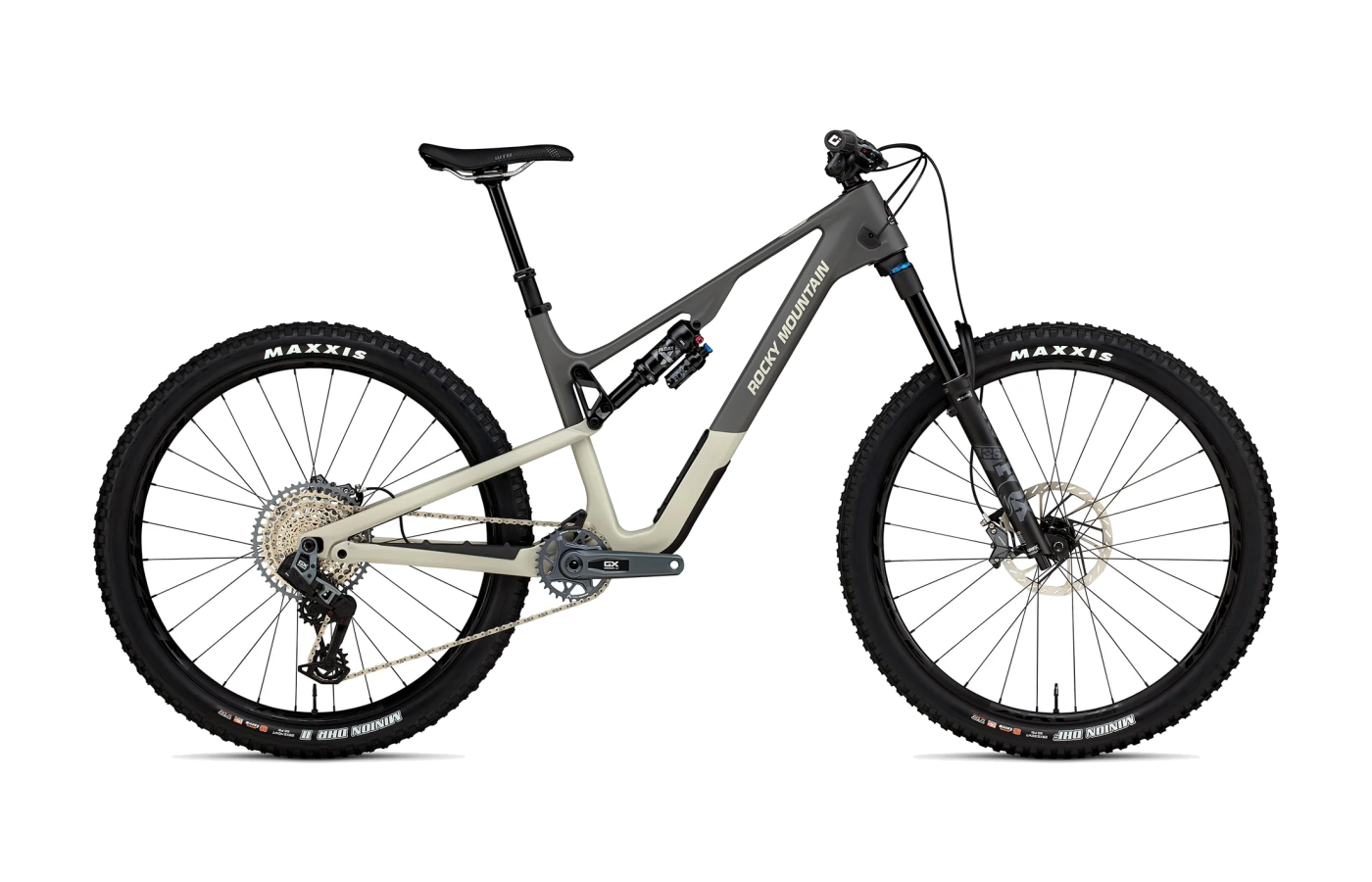
Two trail bikes, two design philosophies.
The Kona Process 134 is a simple, sturdy popper built around one fixed geometry. The Rocky Mountain Instinct is a tunable shape-shifter with 48 possible setups.
Process 134
- Cheaper across the range — builds start at $1,999 and the carbon CR/DL tops out at $4,899, well below the Instinct's carbon entry.
- Simple, mechanic-friendly platform — one geometry, one chainstay length, no flip chips or headset cups to lose.
- Supportive, poppy suspension — the linkage-driven single pivot rewards an aggressive, pumping riding style on flow trails and jumps.
- Suspension stiffens under braking — takes adaptation on loose, steep descents.
- Seat tube angle (76.6–76.9°) feels off the back on very steep climbs.
Instinct
- Genuinely adjustable geometry — RIDE-4 link, flip chip, and reach-adjust headset combine for 48 setups, per NSMB.
- Slacker, longer, more descent-capable — 63.5° head angle and a 1,227 mm wheelbase (size md) hold a line in steep, fast terrain.
- Big in-frame storage — the Penalty Box 2.0 swallows tools, a tube, and a snack with room to spare.
- Stock Fox Float X tune is polarizing — Pinkbike found it underdamped; aggressive riders may want a re-valve.
- Cheapest build is $3,399 — no sub-$2k entry like the Kona.
Editor’s analysis
This isn't really a travel-class fight — it's a question of how much tinkering you want between you and the trail.
The Kona Process 134 and Rocky Mountain Instinct land in adjacent corners of the trail-bike map. Kona runs 134 mm rear / 140 mm fork on a single fixed geometry — 65.5-degree head angle, 435 mm chainstays across every size, no flip chips, no reach-adjust headset. Rocky Mountain runs 140 mm rear / 150 mm fork (160 mm on the Carbon 99) and stacks the bike with adjustability: a four-position RIDE-4 link, a chainstay flip chip (437–447 mm), and a +/- 5 mm reach-adjust headset. NSMB pegged the combinations at 48.
The Kona Process 134 is the bike for riders who want to ride, not tune. The linkage-driven single pivot is shared with the Process X enduro, and it shows on descents — Blister called the Process 134 a 'Trail bike that thinks of itself as a longer travel bruiser.' Reviewers consistently flag the suspension as firm off the top, supportive in the mid-stroke, and happy to be popped and pumped through berms. The trade-off: under heavy braking the rear stiffens up noticeably, and the 76.6–76.9-degree seat tube angle feels a touch behind modern norms on steep climbs.
The Rocky Mountain Instinct goes the other way — slacker (63.5° in the slackest RIDE-4 setting), longer wheelbase, and a Horst Link suspension that reviewers call plush off the top with active braking. Most testers love the cornering: the carbon chassis has a deliberate lateral flex that GearJunkie compared to 'skiing big arcs.' The catch is the stock Fox Float X tune. Pinkbike's field test called it underdamped and wallowy in the mid-stroke; Jeff Kendall-Weed and Theradavist found it fine once dialed. Heavier or more aggressive riders are likely to want a re-valve or a coil swap.
Put another way: the Kona Process 134 is the bike you buy when you want one trail bike that just works. The Rocky Mountain Instinct is the bike you buy when you want one trail bike that can become four different bikes.
Where the builds differ.
Comparing our editor's-pick builds side-by-side. Winners highlighted row-by-row — lower price and weight, and the better-spec component, each mark a point.
Build variants & pricing
The Kona spans $1,999 to $4,899 — alloy and carbon. The Rocky Mountain spans $3,399 to $9,449 with two carbon tiers and two alloy.
Prices are current US MSRP. Both editor's picks run SRAM GX Eagle Transmission and SMOOTHWALL/Kona carbon frames, putting the comparison on roughly equivalent footing — though the Rocky still costs $600 more and runs slightly burlier suspension.
How they fit, how they steer.
Kona M and Rocky Mountain md are the fit-picked sizes for a 5'8" rider. The Kona sits 16 mm taller in the stack with 6 mm more reach, but the Rocky's 2-degree slacker head angle and 27 mm longer wheelbase change the descending character entirely.
Which size should I buy?
Size recommendations are based on stack, reach, and effective top tube length. Both ranges overlap closely in the middle; the Rocky's adjustable reach headset adds +/- 5 mm of fine-tuning at any size.
→These are starting points. Flexibility, riding style, and preferred position all shift the answer — if you’re between sizes, a professional fit beats a chart.
What the magazines said.
Published reviews from trusted cycling outlets. Click through for the full write-up.
Which one should you buy?
If you want a simple, sturdy bike that pops off everything in sight, get the Kona. If you want one frame that can be tuned into four different bikes, get the Rocky.
Process 134
If your local loops are flowy singletrack, jump lines, and the occasional bike park lap — and you'd rather ride than fiddle — the Kona is the smarter buy. The frame is tough, the suspension is supportive, and the cheapest build is half the price of the Rocky's entry point.
Instinct
If you live for tuning a bike to terrain, want serious descending capability from a 140 mm trail bike, and don't mind occasionally swapping a shock to get the suspension you want, the Instinct rewards the effort. RIDE-4, reach-adjust headset, and chainstay flip chip — it's genuinely four bikes in one frame.
Questions buyers actually ask.
Short answers to the things we get emailed about most often.
01Which descends better?
The Rocky Mountain Instinct, in most conditions. With a 63.5-degree head tube angle (in its slackest RIDE-4 setting), a 1,227 mm wheelbase in size md, and 140 mm of rear travel paired with a 150 mm fork, it's geometrically closer to a short-travel enduro than a traditional trail bike. Reviewers consistently call it stable and planted at speed.
The Kona Process 134 descends well above its 134 mm of travel — Blister explicitly called it a 'Trail bike that thinks of itself as a longer travel bruiser' — but its 65.5-degree head angle and shorter 1,200 mm wheelbase (size M) make it sharper and more demanding when speeds get high in loose, steep terrain. Pinkbike noted the rider can 'feel a little vulnerable' on the steepest descents.
02Which climbs better?
The Kona Process 134, marginally — its steeper 65.5-degree head angle and shorter wheelbase make it feel more efficient on rolling singletrack, and Pinkbike found the suspension neutral enough on smooth fire roads to skip the climb switch entirely.
That said, both bikes have caveats. The Kona's 76.6–76.9-degree seat tube angle felt 'too far off the back' to Pinkbike's reviewer on very steep climbs, requiring saddle adjustment. The Rocky has steeper effective seat angles (up to 77.3° in some RIDE-4 settings) but Pinkbike criticized the open-mode shock as wallowy under power. Most riders will reach for the Rocky's climb switch more often than the Kona's.
03How much does the geometry adjustability on the Rocky actually matter?
More than you'd guess. The RIDE-4 link changes both the head and seat angles plus the suspension kinematics. The chainstay flip chip moves the rear axle between 437 mm and 447 mm. The +/- 5 mm reach-adjust headset shifts your fit. NSMB counted 48 possible combinations.
In practice, most riders pick a setting and leave it. But the option to slacken the bike for a bike-park weekend, or steepen it for a long climb-heavy day, is a genuine feature — not just a marketing list. The Kona has none of this; it's one geometry, take it or leave it.
04How does the suspension feel on each bike?
Different philosophies. The Kona Process 134 runs a linkage-driven single pivot shared with the Process X enduro. Reviewers consistently describe it as firm off the top, supportive in the mid-stroke, and rewarding an active, poppy riding style. Pinkbike noted the suspension 'noticeably stiffens up under braking' — a quirk to adapt to.
The Rocky Mountain Instinct runs a Horst Link with size-specific shock tunes. Most reviewers found it plush off the top with active braking. The catch is the stock Fox Float X Performance Elite tune on builds like the Carbon 70 — Pinkbike called it underdamped and wallowy under hard riding, while Jeff Kendall-Weed found it fine after setup. Heavier or more aggressive riders may want a re-valve or a coil shock.
05What's the price gap, and what do you get for it?
The Kona Process 134 runs $1,999 to $4,899. The Rocky Mountain Instinct runs $3,399 to $9,449 — its cheapest build is more expensive than two of the four Konas.
At comparable specs (both bikes with SRAM GX Eagle Transmission AXS and a carbon frame), the Kona CR/DL is $4,899 and the Rocky Carbon 70 is $5,499 — a $600 premium for the Rocky. You're paying for adjustable geometry, in-frame storage, a slightly burlier 150 mm fork, and Rocky's dealer network. Whether that's worth it depends on how much you'd actually use the adjustments.
06Are these bikes good for bike-park days?
The Rocky Mountain Instinct is the more natural park bike of the two — slacker geometry, more travel up front (150 mm vs 140 mm), and a wheelbase that holds a line through chunder. Reviewers explicitly use it for bike-park laps in its slacker settings.
The Kona Process 134 can absolutely do park days — its frame is tough, the linkage shares parts with the Process X enduro, and Blister praised it on flow trails — but you'll feel the limits of 134 mm of rear travel sooner on bigger drops and rougher terrain. For occasional park use it's fine; for a steady diet of it, the Instinct is the safer pick.
07What's the warranty?
Kona offers a 25-year frame warranty per Bike-test's reporting on the carbon and aluminum models, though Pinkbike's CR/DL review specifically lists a 3-year warranty on the carbon model and lifetime on aluminum. Confirm with your dealer before buying — this is a real discrepancy in the published reviews.
Rocky Mountain's stock warranty is a lifetime-to-original-owner frame warranty (subject to their published terms), and reviewers consistently praise the brand's responsive customer service and parts availability. Both brands have proper dealer networks, which matters more for a 140 mm trail bike than it does for a road race bike.
08Which has better stock components for the money?
Roughly even at the editor's-pick price points, with different choices. The Kona CR/DL ($4,899) gets a RockShox Pike Ultimate fork, Super Deluxe Ultimate RCT shock, GX Eagle Transmission AXS, and DT Swiss 350 hubs — the 350 has noticeably faster engagement than the 370.
The Rocky Mountain Carbon 70 ($5,499) gets a Fox 36 Performance Elite GRIP X fork, Float X Performance Elite shock, GX Eagle Transmission AXS, and DT Swiss 370 hubs — multiple reviewers flagged the slow 18T 370 engagement as the build's weak link. Both bikes were criticized for SRAM G2 brakes feeling underpowered for the descending capability of the frames; budget for a brake upgrade if you ride hard.
Similar bikes
If your priorities don’t map cleanly onto either of these, one of these adjacent bikes probably fits better.
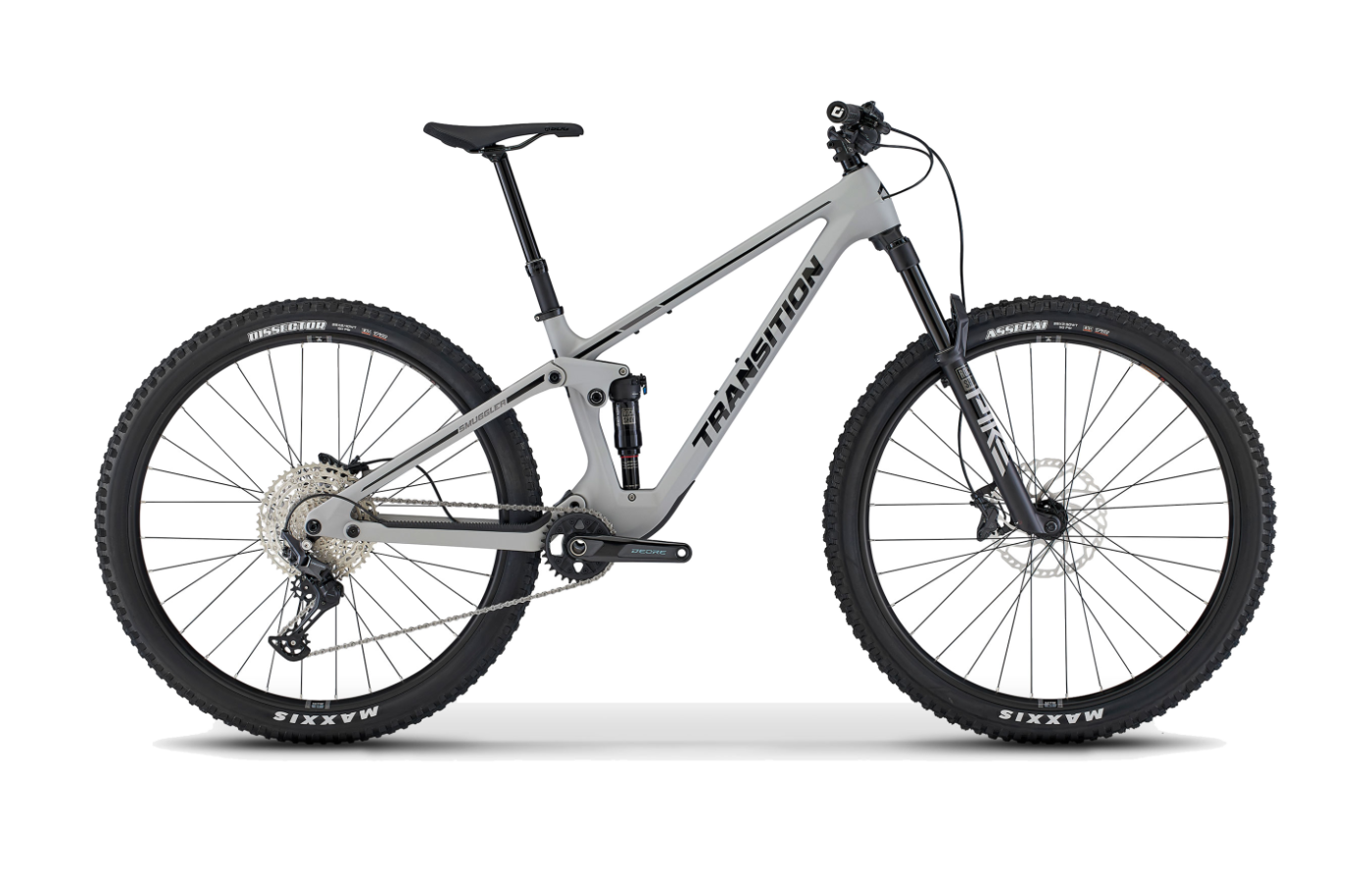
Smuggler
The Transition Smuggler splits the difference — a balanced mid-travel trail bike that sits between the Kona's firmness and the Rocky's plushness, with cleaner modern lines than either.
Compare →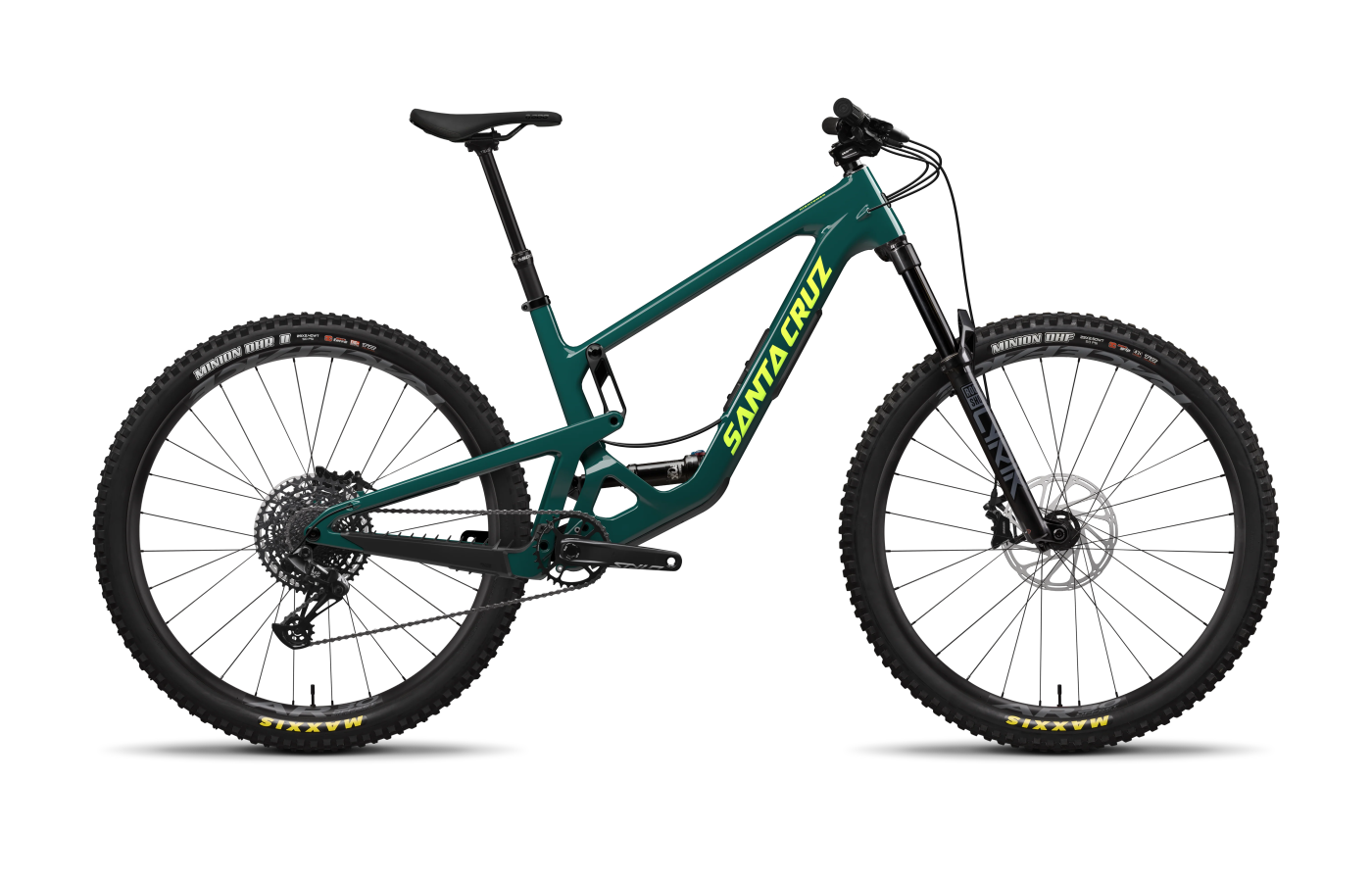
Hightower
The Santa Cruz Hightower brings VPP suspension to the do-it-all trail bracket — a glued-to-the-ground feel on technical climbs that neither the single-pivot Kona nor the Horst-link Rocky quite matches.
Compare →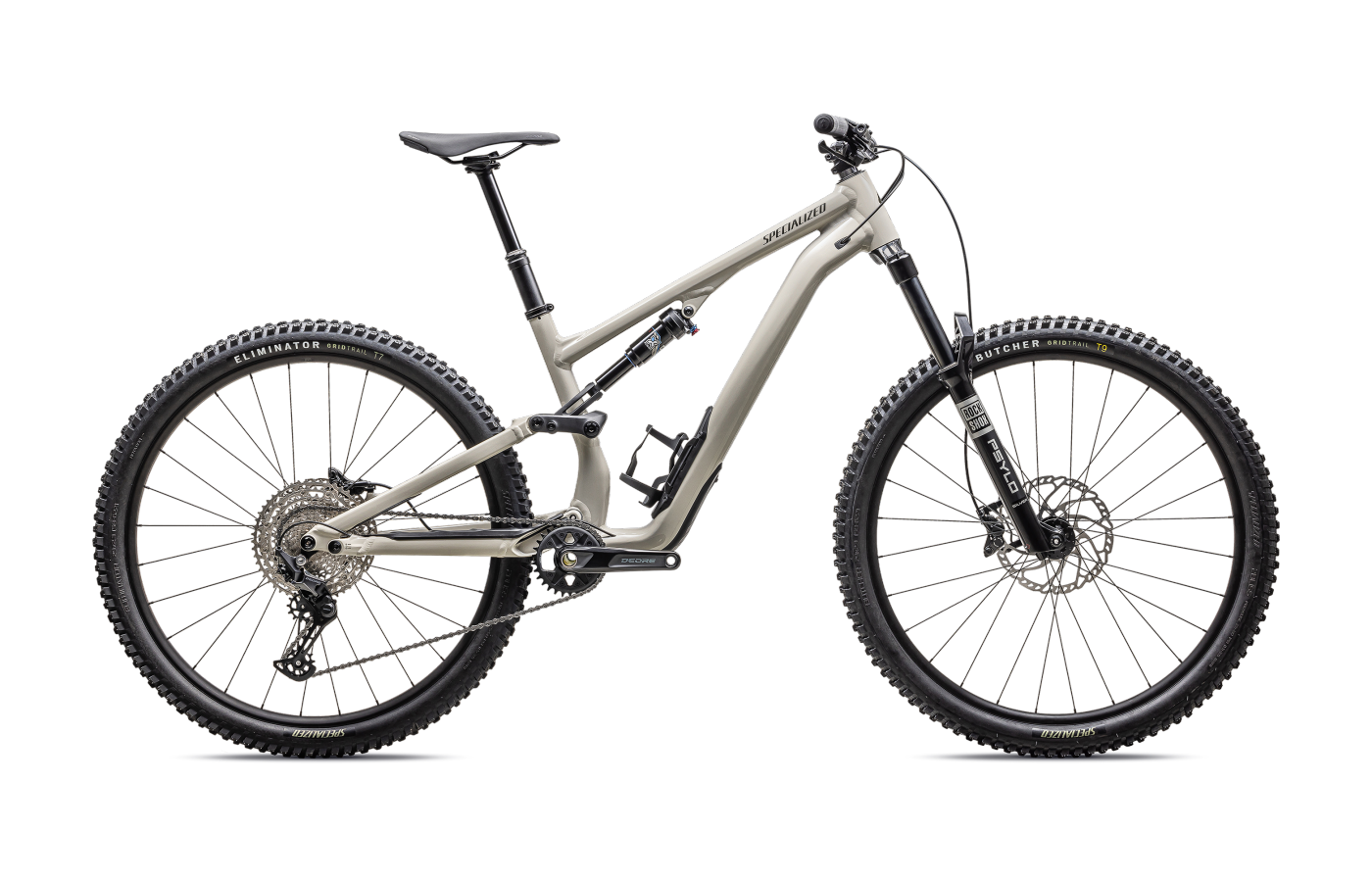
Stumpjumper
The Specialized Stumpjumper is the conventional alternative — lighter than the Kona and simpler than the Rocky, with a polished frame and broad dealer network for riders who want trail-bike basics done right.
Compare →