Bronson
vsHightower
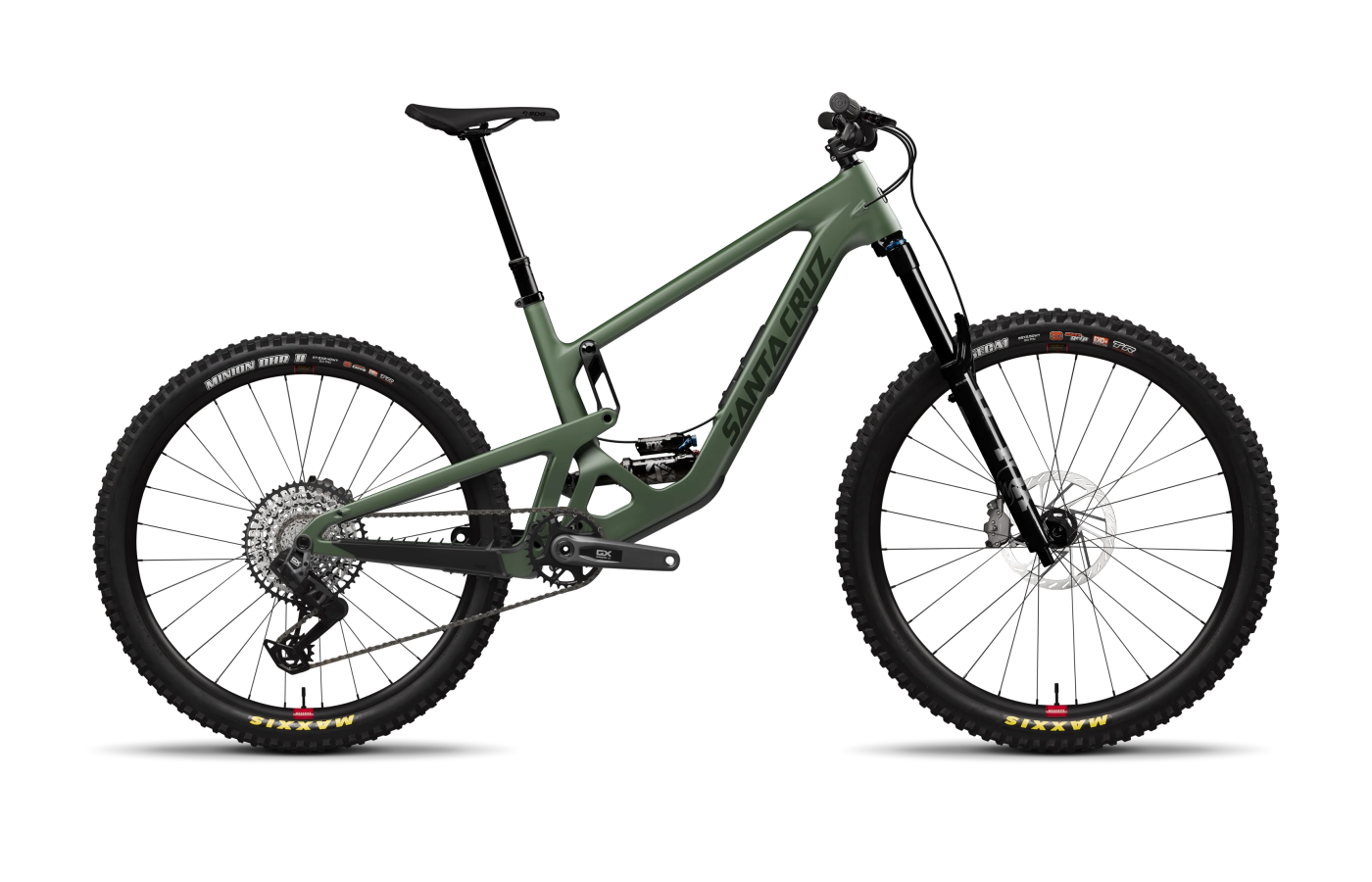
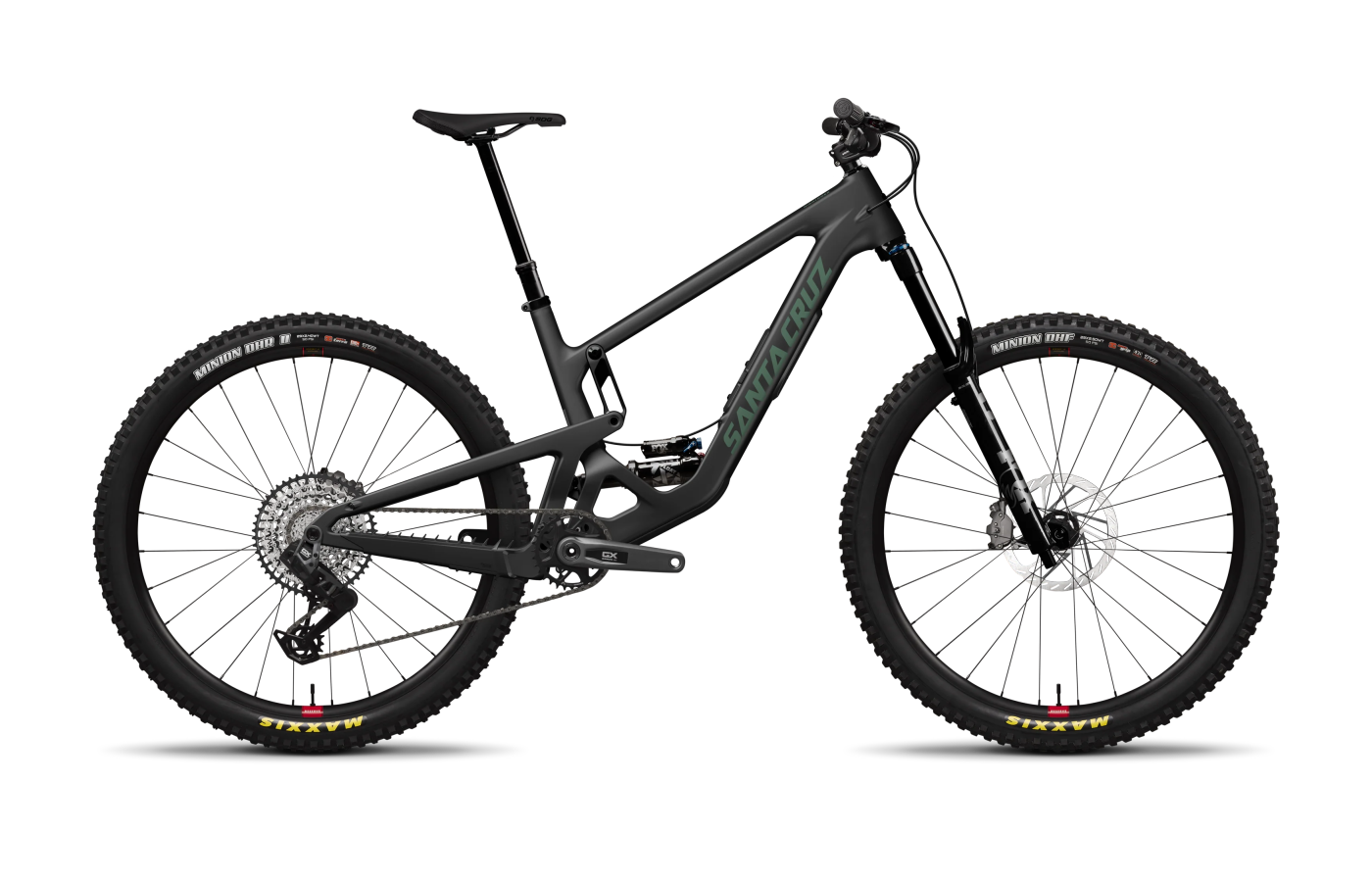
Same frame, different rear wheel, different bike.
The Bronson runs a 27.5" rear wheel for hooligan flickability. The Hightower keeps both 29ers and chases stable, mini-enduro speed.
Bronson
- Mixed-wheel agility — the 27.5" rear pivots, manuals, and slashes corners with noticeably less effort than a dual-29er.
- Size-specific chainstays (437–448 mm) keep weight distribution balanced across S through XXL — no "loop-out" feel on smaller frames.
- Genuinely playful at trail speeds — Vital MTB and The Loam Wolf both call it a "party meets performance" trail bike.
- 27.5" rear can hang up on square-edge hits where a 29er would roll through.
- Less composed on sustained, high-speed double-black descents — the 150 mm travel can feel "overwhelmed."
Hightower
- Best-in-class descending composure — Bebikes calls it the "descender's MTB"; the dual 29ers carry momentum through chunder the Bronson can't match.
- More active suspension tune — Santa Cruz lowered anti-squat on the V4, and reviewers note a plusher, more grippy rear end on rooty technical climbs.
- Stable at speed — the 1237 mm size-M wheelbase plus 29" rear stays calm where the Bronson gets busy.
- Less playful and harder to flick — needs to be manhandled through tight low-speed switchbacks.
- Heavier and slower to accelerate than the Bronson, especially out of corners.
Editor’s analysis
These two share a front triangle and 150/160 mm of travel — then split personalities the moment the back wheel goes on.
Santa Cruz built these bikes from the same starting block. Identical front triangle, identical 150 mm rear / 160 mm fork travel, identical 64.2 degree head tube angle in the High setting, even identical reach (460 mm at size M, 480 mm at L). Same VPP layout, same Glovebox storage, same lifetime warranty. On a spec sheet they're nearly indistinguishable.
Then the rear wheel changes everything. The Santa Cruz Bronson runs a 27.5" rear paired to a 29" front — the mullet setup. Reviewers across Vital MTB, Pinkbike, and BikeRadar describe it as "poppy," "hooligan," and exceptionally easy to manual or pivot through tight switchbacks. The trade-off shows up in fast rock gardens, where Singletrack World noted the smaller rear wheel "cannot cash the cheques that the 29in front wheel writes."
The Santa Cruz Hightower keeps both wheels at 29" and uses the extra rollover for composure. Flow Mountain Bike and Bebikes both call out a "planted" feel that erases small mistakes, especially at speed. The cost is low-speed agility — the Hightower needs more rider input to wrestle through tight, slow switchbacks where the Bronson would just dance.
The chainstays tell the same story in millimeters. At size M, the Bronson runs 439 mm to keep the mullet balanced; the Hightower trims that to 436 mm. Wheelbase comes out within 3 mm. So this isn't a geometry war — it's a wheel-size choice masquerading as one. Pick the Bronson if you ride for line creativity and side-hits. Pick the Hightower if you ride for raw speed through chunder.
Where the builds differ.
Comparing our editor's-pick builds side-by-side. Winners highlighted row-by-row — lower price and weight, and the better-spec component, each mark a point.
Build variants & pricing
Identical price ladders from $4,999 (R) to $9,349 (X0 AXS RSV). The Hightower adds two flagship $11,399 options the Bronson doesn't offer.
Prices are current US MSRP. Both lineups skip aluminum entirely — the cheapest entry is the Carbon C "R" build at $4,999. The Hightower CC frames are wireless-only; if you want mechanical shifting, you're locked into the heavier C carbon either way.
How they fit, how they steer.
Both at size M — fit-picked for a 5'8" rider on each bike. Stack and reach match within a millimeter (632 / 460); the only meaningful delta is the Hightower's 3 mm shorter chainstays (436 vs 439 mm) and its dual 29" wheels.
Which size should I buy?
Five sizes (S–XXL) on both bikes with virtually identical reach and stack at every size — your fit will land on the same letter on either platform.
→These are starting points. Flexibility, riding style, and preferred position all shift the answer — if you’re between sizes, a professional fit beats a chart.
What the magazines said.
Published reviews from trusted cycling outlets. Click through for the full write-up.
Which one should you buy?
If you ride for playfulness and creative line choice, get the Bronson. If you ride for stability and speed through rough terrain, get the Hightower.
Bronson
If your home trails are full of jumps, berms, and tight switchbacks — and you'd rather slash a corner than carry maximum speed through it — the Bronson's mixed-wheel setup pays you back every ride. It's the bike for riders who treat the trail like a skatepark.
Hightower
If you live for rough, high-speed descents and want a 150 mm bike that feels closer to a mini-enduro than a trail bike, the Hightower is the more composed tool. It's also the better choice for taller riders or anyone whose trails reward straight-line speed over agility.
Questions buyers actually ask.
Short answers to the things we get emailed about most often.
01What's the actual difference between the Bronson and Hightower?
Wheel size at the rear, plus a small chainstay difference. Both bikes share the same front triangle, the same 150 mm rear / 160 mm fork travel, the same VPP suspension layout, the same 64.2 degree head tube angle, and the same reach and stack at every size.
The Bronson runs a 27.5" rear wheel paired to a 29" front — Santa Cruz's MX/mullet configuration — with size-specific chainstays from 437 to 448 mm.
The Hightower runs both wheels at 29" with chainstays from 434 to 445 mm. That's it. Everything else you feel on the trail traces back to those two choices.
02Which one climbs better?
Both climb well, but they reward different inputs. Both share a steep 77.9 degree effective seat tube angle at size M and the same active VPP rear end, so seated traction on technical climbs is excellent on either bike — Vital MTB famously said the Bronson's climb switch is "for decorative purposes."
The Bronson accelerates more snappily out of corners thanks to the smaller, lighter rear wheel. The Hightower holds traction better on long, rooty grinds and rolls more efficiently on fire-road approaches — but reviewers note it's slower from a standstill.
On the steepest pitches, both bikes share a tall front end (632 mm stack at M) that can wander; testers commonly drop a stem spacer to weight the front.
03Which descends better?
The Hightower, at high speed. Reviewers including Bebikes, Flow Mountain Bike, and Evo consistently describe it as "planted," "calm," and capable of straight-lining sections that would otherwise demand careful line choice. The dual 29" wheels carry momentum through square-edge hits the Bronson's smaller rear wheel can hang up on.
The Bronson is the better tool on slower, twistier descents where you're constantly changing direction, popping off side-hits, or slashing corners. It tops out earlier on the truly fast stuff — The Loam Wolf noted the 150 mm travel could become "overwhelmed" on double-black braking-bump terrain.
04How is the spec at the same price point?
Effectively identical. Both bikes share Santa Cruz's exact same price ladder from the entry-level R at $4,999 up through the X0 AXS RSV at $9,349. At every shared price tier — R, 70, S, 90, GX AXS, X0 AXS, X0 AXS RSV — you get the same fork, shock, drivetrain, brakes, wheels, and cockpit.
The Hightower adds two flagship options at $11,399 (XTR Di2 RSV and XX AXS RSV) that the Bronson doesn't offer. Beyond that, the spec choice is just whether you want a 27.5" or 29" rear wheel.
05Are tires and rotors okay out of the box?
This is the most-cited spec gripe on both bikes. Both ship with Maxxis EXO casing tires, which BikeRadar, Vital MTB, Enduro MTB, and Pinkbike all flagged as too light for a bike with 160 mm of front travel and aggressive geometry. Reviewers reported slashed beads on relatively normal trails and recommended an immediate swap to EXO+ or DoubleDown casings.
The 180 mm rear rotor spec also drew criticism on both platforms. Riders in steep terrain (PNW, Colorado, Squamish) typically upgrade to a 200 mm rear for heat management. Budget another $150–250 if your local trails are long and steep.
06What's the deal with the C vs. CC carbon frames?
Santa Cruz offers two carbon tiers on each bike. The CC is the higher-end layup, weighing roughly 200–300 g less than the C at the same stiffness. Builds at $7,249 (GX AXS) and up use the CC frame; builds below that use the C.
The catch: CC frames are wireless-only — no internal cable routing for mechanical drivetrains. If you want a future-proofed mechanical option (or just hate batteries), you're locked into the heavier C carbon regardless of price.
07Which one for a smaller rider?
The Bronson, slightly. The geometry numbers are virtually identical at every size, but the Bronson's smaller 27.5" rear wheel makes the bike easier to throw around for shorter or lighter riders — less wheel inertia, lower standover at the rear, and easier to manual.
Both bikes start at size S (435 mm reach, 623 mm stack), and Santa Cruz's size-specific chainstays mean the small frames don't feel cramped or weight-biased. There's no "smaller riders should look elsewhere" caveat on either platform.
08What about the warranty and long-term ownership?
Identical and class-leading. Both bikes get Santa Cruz's lifetime warranty on the frame, lifetime free pivot bearing replacement, and lifetime warranty on Reserve carbon rims (when fitted). Both use a threaded BSA 73 mm bottom bracket and fully tubed internal cable routing — actually friendly to home mechanics.
Santa Cruz's "No Missed Rides" parts-stocking program covers both. This is a big part of what reviewers call the "Santa Cruz tax" — you pay more upfront in exchange for an ownership experience that holds up over many seasons.
Similar bikes
If your priorities don’t map cleanly onto either of these, one of these adjacent bikes probably fits better.
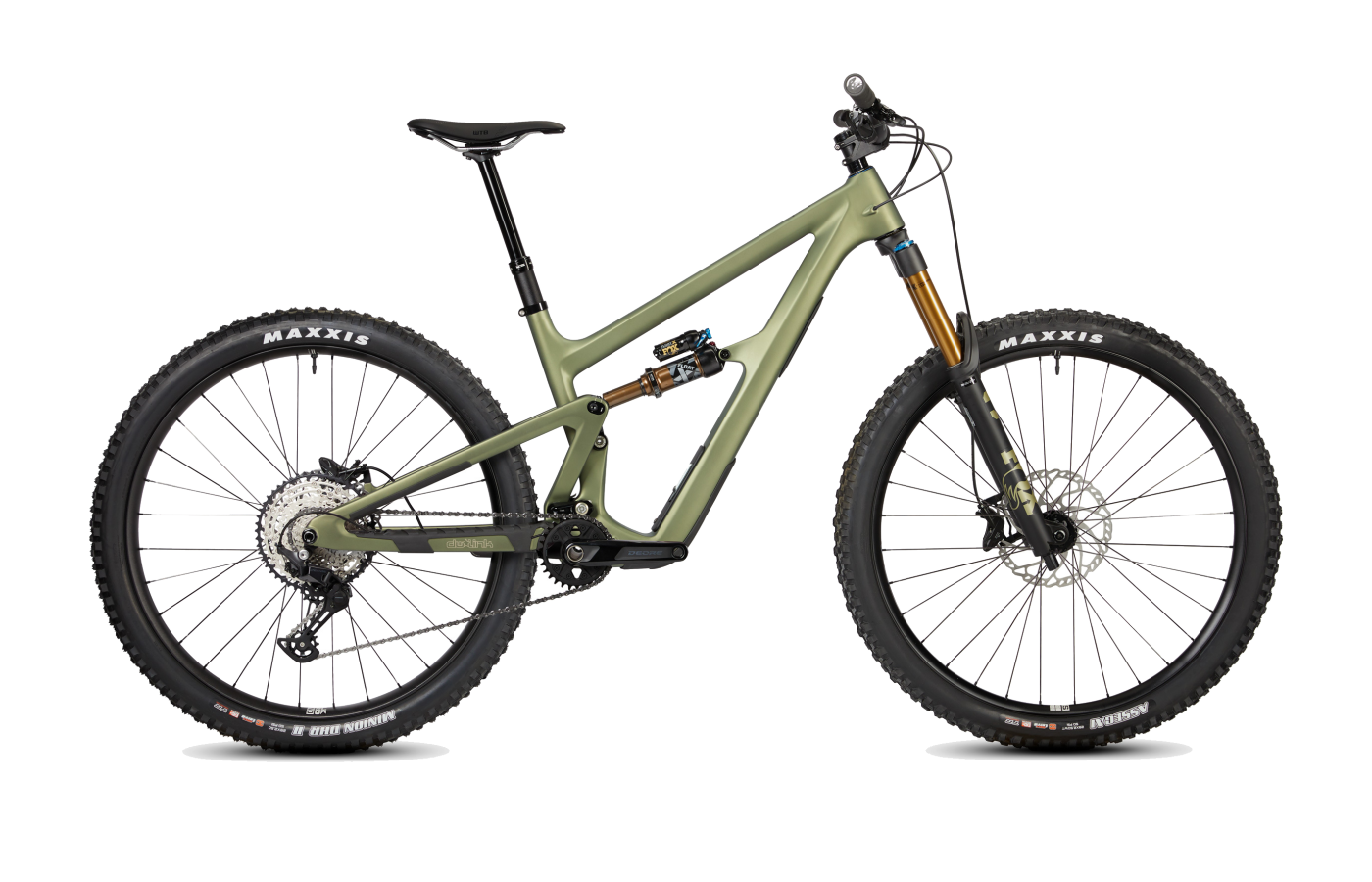
Ripmo
The classic dual-29er rival to the Hightower — known for sharper technical-climbing efficiency and a more balanced cornering feel that handles tight switchbacks better than the Santa Cruz.
Compare →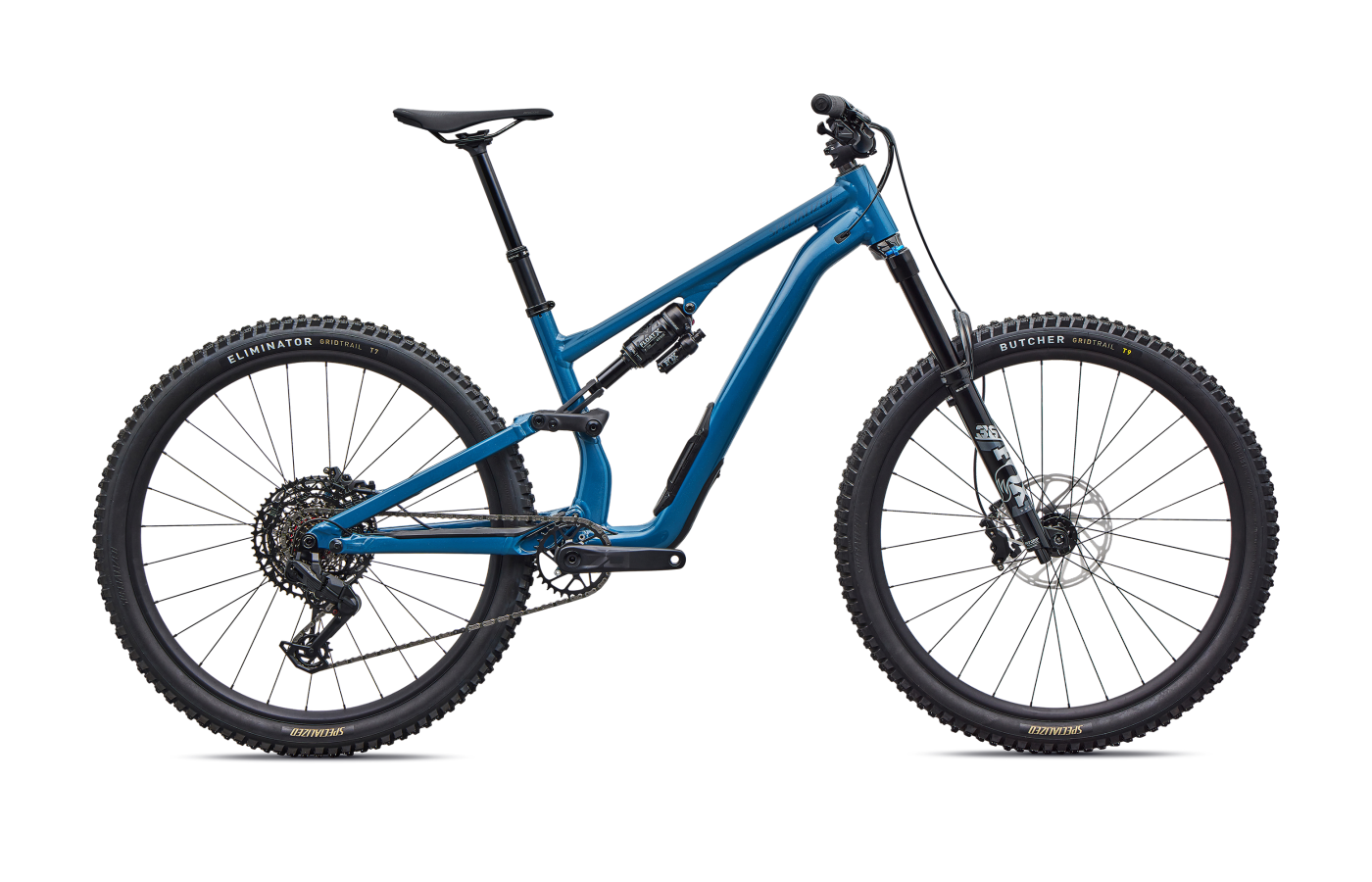
Stumpjumper Evo
The most direct mixed-wheel competitor to the Bronson, with significantly more geometry adjustability via Specialized's six-position flip-chip — and a noticeably lighter frame feel.
Compare →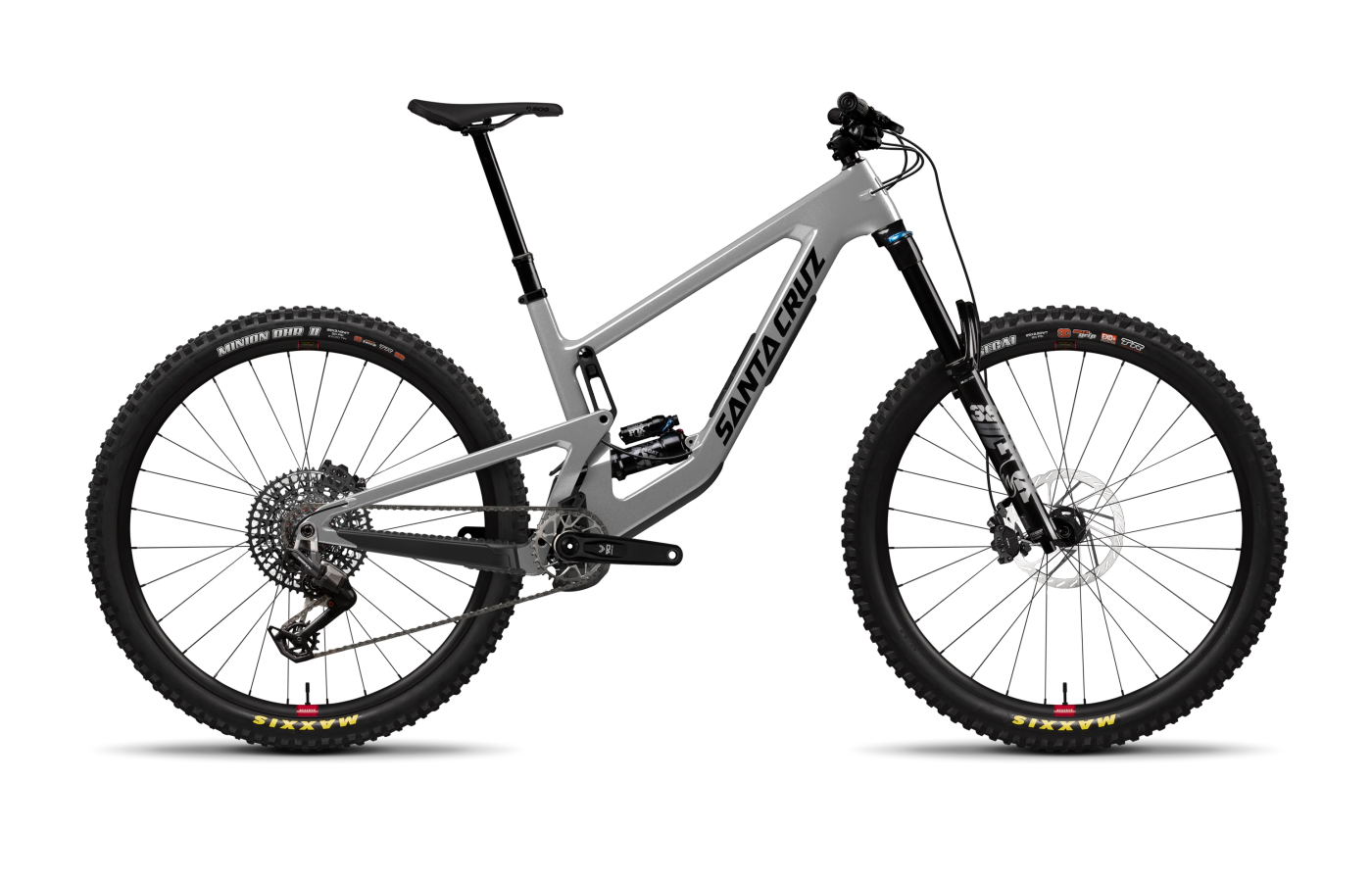
Megatower
The bigger sibling. If 150 mm of travel isn't enough for the chunky, blown-out enduro tracks you ride, the 165 mm Megatower is the natural step up — same VPP DNA, more bike.
Compare →