Ripmo AF
vsHightower
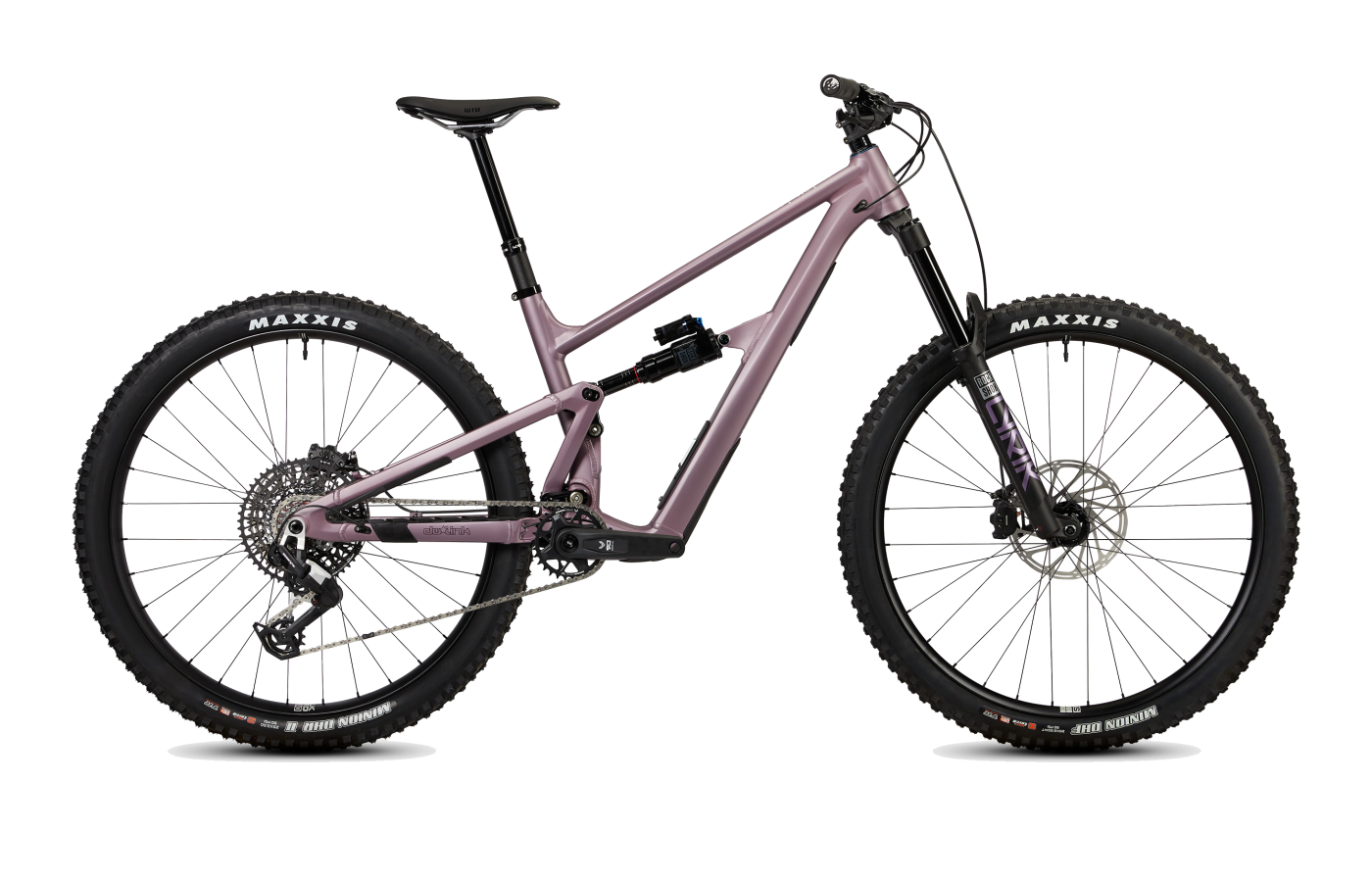
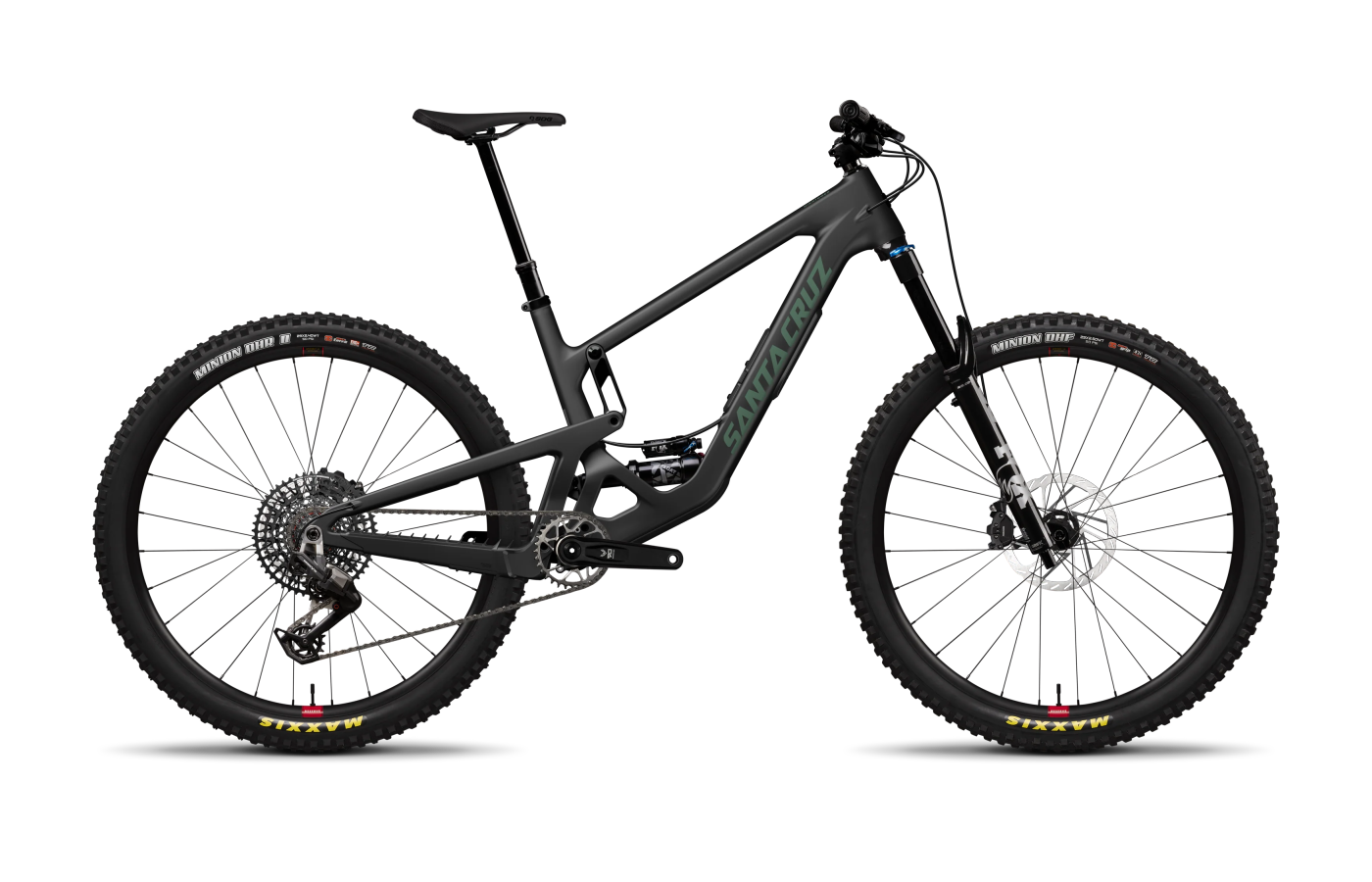
Same travel, two different bikes.
150 mm rear, 160 mm fork — but the Ripmo AF is a playful all-rounder in alloy, and the Hightower is a carbon mini-enduro sled.
Ripmo AF
- Best-in-class value — the entire $3,749 Deore build costs less than the carbon Ripmo's frame and shock alone.
- Playful, lively character from the V5 DW-Link — easy to lean, pop, and flick through tight singletrack.
- Internal frame storage in an alloy frame is rare; full carbon-Ripmo geometry and kinematics carry over.
- Heavier alloy frame is noticeably less snappy on smooth or rolling climbs.
- Rear end can feel twitchy in wide-open, high-speed chunder where dedicated enduro bikes plow.
Hightower
- Planted at speed — 1264 mm wheelbase (size m) and 63.9° HTA mute the chatter better than anything in the 150 mm class.
- Lifetime warranty on frame, pivot bearings, and Reserve carbon rims is the strongest support package in the segment.
- Premium frame execution — Glovebox storage, threaded BB, tube-in-tube routing, grease ports on every pivot.
- Floor price is $1,250 above the Ripmo AF's ceiling; no alloy or sub-$5k option exists.
- Long wheelbase and tall front end demand rider input in tight, slow corners — not a flickable bike.
Editor’s analysis
On paper they're twins; on the trail they're not even cousins — one wants to pop and play, the other wants to plow.
The Ibis Ripmo AF and the Santa Cruz Hightower share the spec sheet that defines a modern all-mountain 29er — 150 mm rear, 160 mm fork, dual 29-inch wheels (with an MX option on the smaller AF sizes), and a slack-ish head tube. From there they could not be more different in mission. The Ripmo AF is the do-it-all generalist's bike that happens to be aluminum and starts at $3,749. The Hightower V4 is a carbon-only mini-enduro that starts at $4,999 and runs to $11,399.
The Ripmo AF's character is set by Ibis's V5 DW-Link suspension — plush off the top, supportive in the mid-stroke, and famously playful. Reviewers describe it as one of the liveliest bikes in the category, easy to lean into corners, easy to pop off rollers. The trade-off shows up only when you point it down truly chunky high-speed terrain: the back end can snag on rocks and feel a bit twitchy. It's a generalist that climbs technical pitches with traction-first DW-Link composure, weighing more than a carbon Ripmo but matching it on geometry.
The Hightower V4 took a deliberate step toward enduro this generation. Travel grew 5 mm rear and 10 mm fork, the head tube slackened to 63.9 / 64.2 degrees (flip-chip), the wheelbase stretched, and Santa Cruz lowered the VPP shock position to drop anti-squat — making the bike more active and "plush" but slightly less snappy under power. The result is a bike reviewers consistently call "planted," "composed," and a "descender's MTB" — but one that needs to be manhandled in tight switchbacks and feels long at low speed.
Put simply: the Ripmo AF is the bike for the rider who wants one capable bike for everything and resents paying for carbon. The Hightower V4 is the bike for the rider who already knows their local trails are steep, fast, and rough — and wants the most composure they can get out of 150 mm of travel.
Where the builds differ.
Comparing our editor's-pick builds side-by-side. Winners highlighted row-by-row — lower price and weight, and the better-spec component, each mark a point.
Build variants & pricing
The Ripmo AF lineup is two alloy builds under $4,300. The Hightower lineup is nine carbon builds from $4,999 to $11,399 — no alloy option, period.
Prices are current US MSRP. The platforms barely overlap on price: the Ripmo AF's ceiling ($4,299) sits below the Hightower's floor ($4,999). If your budget tops out under $5k, the Ripmo AF is the only one of these two on the table.
How they fit, how they steer.
Ripmo AF in MD vs Hightower in m. The Hightower runs a longer reach (460 vs 456 mm), longer wheelbase (1237 vs 1219 mm), slightly slacker head tube (64.2 vs 64.5°), and a meaningfully steeper seat tube (77.9 vs 76.5°). Translation: the Hightower puts you taller, longer, and more centered for descending; the Ripmo AF is shorter and snappier.
Which size should I buy?
Both bikes follow modern reach-driven sizing. The Ripmo AF uses a five-step ladder (SM/MD/XM/LG/XL); the Hightower uses S/M/L/XL/XXL with the longest top-end reach (525 mm in XXL).
→These are starting points. Flexibility, riding style, and preferred position all shift the answer — if you’re between sizes, a professional fit beats a chart.
What the magazines said.
Published reviews from trusted cycling outlets. Click through for the full write-up.
Which one should you buy?
If you want one playful, capable trail bike under $4,500, get the Ripmo AF. If you live for steep, fast, rough descents and want the most composed 150 mm 29er you can buy, get the Hightower.
Ripmo AF
If you want a single bike that climbs technical pitches with traction, descends most things confidently, and pops happily off every roller — and you'd rather spend the saved money on tires, suspension service, or another trip — the Ripmo AF is hard to argue with. Carbon skeptics, riders on a budget, and anyone who values playfulness over outright stability will be at home here.
Hightower
If your local riding is steep, chunky, and fast — and you'd rather have a bike that erases mistakes in rock gardens than one that pops off every lip — the Hightower V4 is the more capable tool. Aggressive pilots who push the bike will love the composure; less assertive riders may find it long and demanding at slower speeds.
Questions buyers actually ask.
Short answers to the things we get emailed about most often.
01Which one descends better?
The Santa Cruz Hightower, by a meaningful margin in rough, high-speed terrain. The longer wheelbase (1237 mm in size m vs 1219 mm on the Ripmo AF in MD), slacker 63.9° head tube angle in the Low setting, and lower-anti-squat VPP layout combine to deliver what reviewers consistently describe as a "planted," "composed" feel that mutes chatter "better than all of the bikes in the category."
The Ripmo AF is no slouch on descents — it's confidently capable on most trails — but reviewers note the rear wheel can snag on rocks and feel "a bit twitchy" in wide-open, high-speed chunder. If most of your riding involves outright plowing through chaos, the Hightower is the better tool.
02Which climbs better?
It depends on what kind of climb. On technical, steep, rooty climbs, the two are very close — both have steep effective seat tube angles (76.5–77.5° on the Ripmo AF, 77.9–78.2° on the Hightower) that keep the rider centered, and both have suspension platforms that maintain rear-wheel traction over obstacles.
On smooth, rolling, or fire-road climbs, the Ripmo AF feels noticeably heavier and less snappy than a carbon trail bike, but it's still a competent climber. The Hightower V4 is also not a sprinter — it gained roughly 170–200 g in the frame over the V3 and several reviewers explicitly noted it feels "slower to accelerate" than its predecessor. Neither is a featherweight; both prioritize traction over urgency.
03How much do they actually cost to buy?
Ripmo AF: $3,749 (Deore) or $4,299 (90 build with SRAM Eagle 90 Transmission). Two alloy builds, no carbon option.
Hightower V4: $4,999 (R, SRAM NX) up to $11,399 (XTR Di2 RSV or XX AXS RSV). Nine carbon builds total, with the C-grade frames (R, 70, S, 90) covering $4,999–$6,099 and the lighter CC-grade frames (GX AXS and up) covering $7,249–$11,399.
There is no price overlap between the two platforms — the Ripmo AF tops out $700 below where the Hightower starts.
04Are both available in mixed-wheel (MX) configurations?
Ripmo AF: Yes, on the SM and MD sizes. There's a flip chip that lets you run those frames as either full 29" or MX (29" front / 27.5" rear). XM, LG, and XL ship as full 29ers.
Hightower V4: No. Santa Cruz committed the Hightower to dedicated 29" wheels for this generation and pushes mixed-wheel buyers toward its sibling, the Bronson, which uses the same front triangle but a 27.5" rear. Their stated reason: they'd rather optimize each wheel size in a dedicated chassis than compromise both with a flip chip.
05How does the suspension differ between them?
Both run 150 mm of rear travel and a 160 mm fork, but the kinematics are different platforms. The Ripmo AF uses Ibis's V5 DW-Link — a dual-short-link design tuned to be plush off the top, supportive in the mid-stroke, and ramped at the end. Reviewers describe it as "plush, gooey, soft" while still pedaling well.
The Hightower V4 uses Santa Cruz's revised lower-link VPP layout, with the shock moved lower and forward to deliberately reduce anti-squat. The result is more active suspension with less pedal kickback — reviewers note it feels noticeably plusher than the V3, at the cost of a small amount of pedal-bob efficiency under power. The Hightower is also coil-shock compatible; the Ripmo AF is air-only as stocked.
06Which has better internal storage?
Both have it, and both are well-executed. The Ripmo AF's storage is genuinely impressive given it's an aluminum frame — a feature that's still rare on alloy and adds real practical value.
The Hightower's Glovebox is widely regarded as one of the best-executed in the industry, with high-quality latches and dedicated internal pouches. One quirk worth knowing: reviewers report that small unsecured items can slip past the upper shock bolts into a dead zone near the bottom bracket, where they rattle and become hard to retrieve. Use the included pouches.
07What's the warranty situation?
Ibis: Standard frame warranty against manufacturing defects (7 years on the frame, per Ibis's published policy at the time of writing).
Santa Cruz: Lifetime warranty on the frame, on every pivot bearing, and on Reserve carbon rims — to the original owner. This is one of the strongest support packages in mountain biking and is consistently cited by reviewers as a meaningful chunk of the Hightower's value proposition over its multi-year ownership horizon.
08If I'm coming off a typical trail bike, which will feel more familiar?
The Ripmo AF. It's the more conventional all-mountain bike of the two — playful, balanced, and willing to be pushed or coasted. It rewards active riding but doesn't punish you for being neutral on the bike.
The Hightower V4 has explicitly moved toward enduro this generation. It demands a more committed riding style: it's at its best when you're charging hard and using the long wheelbase and slack front end to hold lines through chunk. Less aggressive riders may find it feels long, vague, and "like too much bike" in mellower terrain. If you're not sure which kind of rider you are, the Ripmo AF is the safer first guess.
Similar bikes
If your priorities don’t map cleanly onto either of these, one of these adjacent bikes probably fits better.
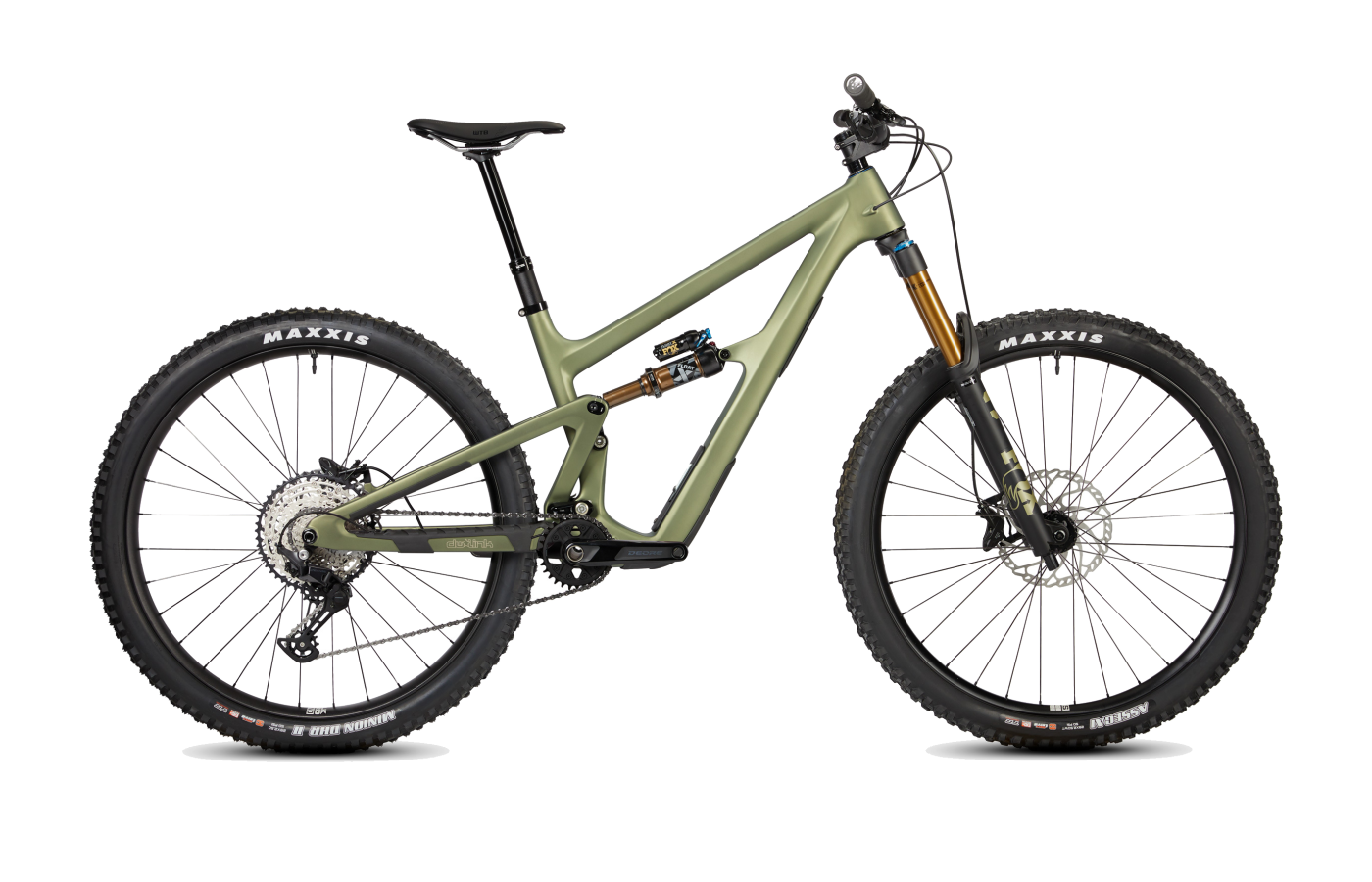
Ripmo
The carbon Ripmo — same V5 DW-Link kinematics and geometry as the AF, just lighter and stiffer. Worth the price jump only if you ride enough to feel the weight savings, or you want a livelier feel from the rear triangle.
Compare →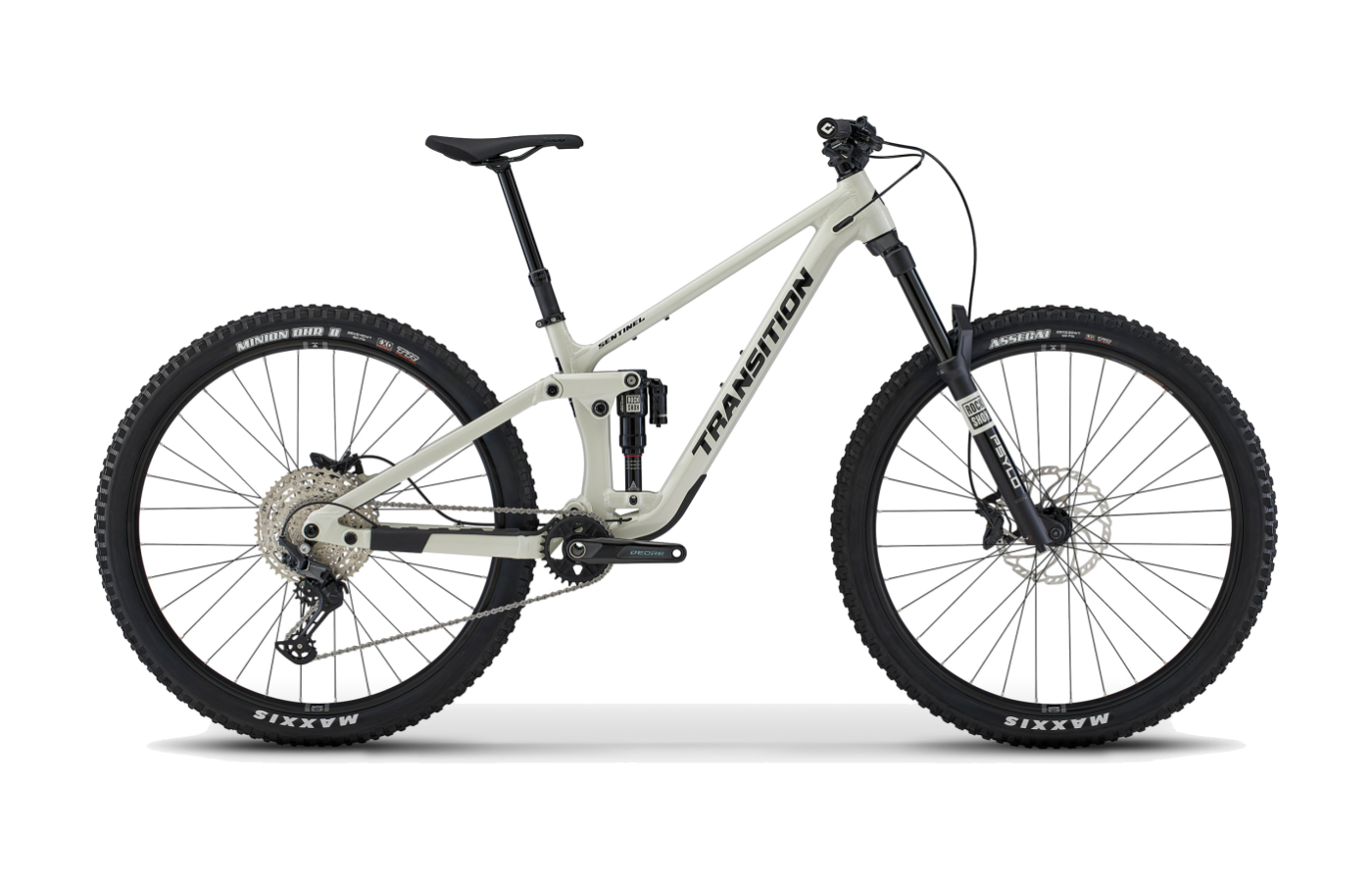
Sentinel
Transition's Sentinel is the natural cross-shop for the Hightower — long, planted, composed, and built to plow. If you want even more enduro lean than the Hightower V4 in the same 150 mm class, this is the bike.
Compare →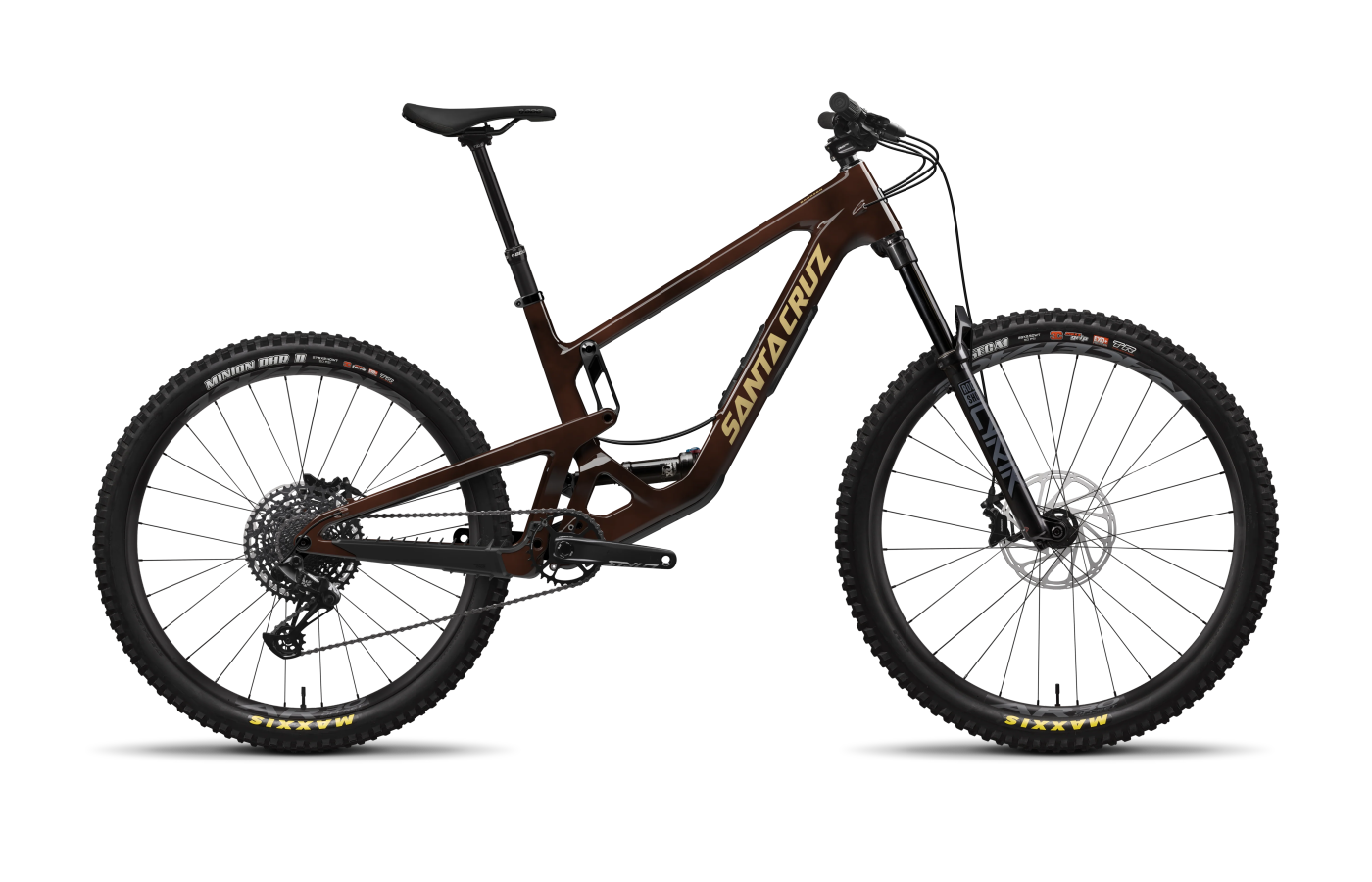
Bronson
Santa Cruz's Bronson shares the Hightower's front triangle but runs a 27.5" rear wheel — making it noticeably snappier and more playful in tight terrain. Pick it if you like the Santa Cruz frame package but want some of the Ripmo AF's flickability.
Compare →