Hightower
vsNomad
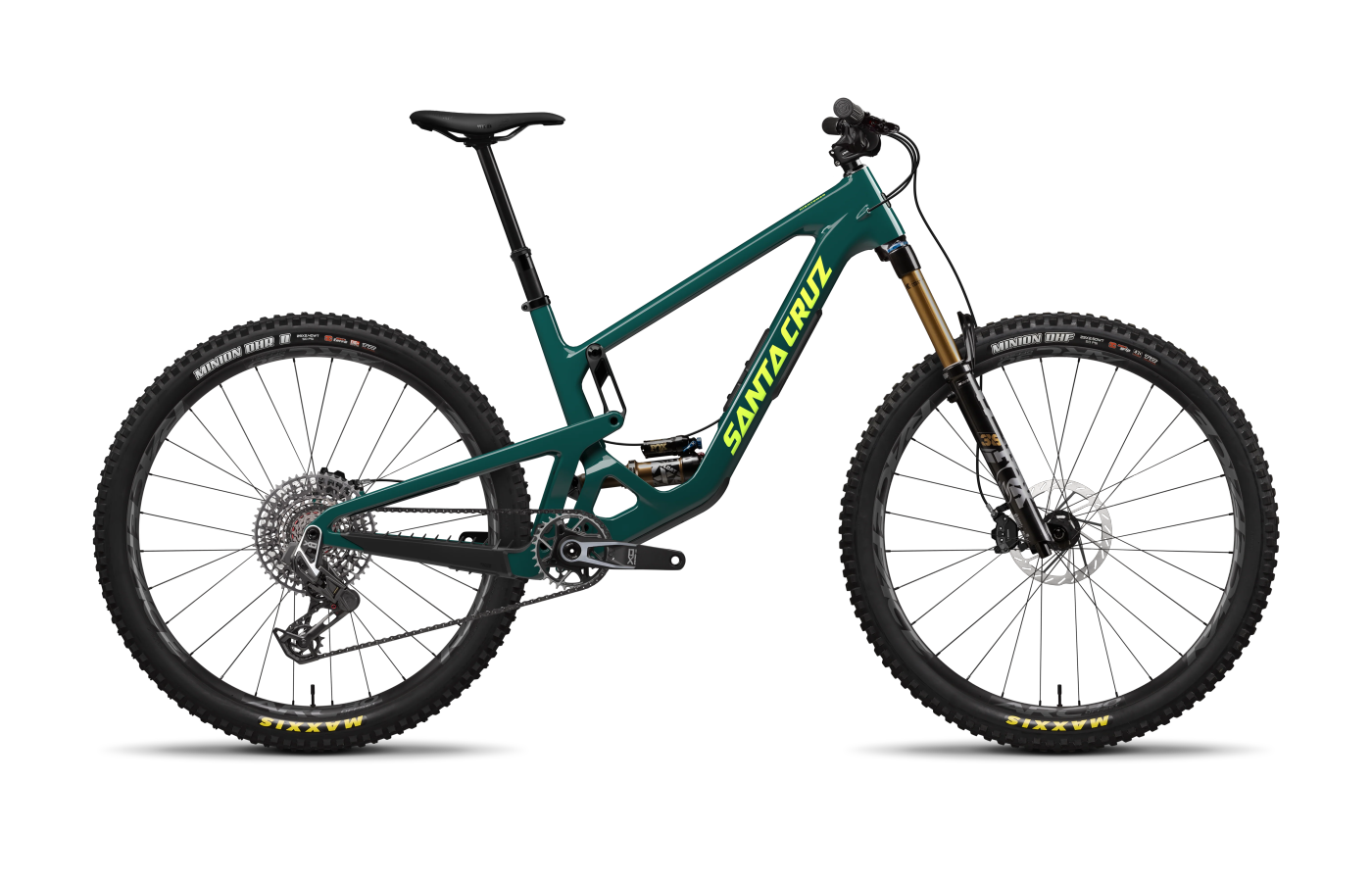
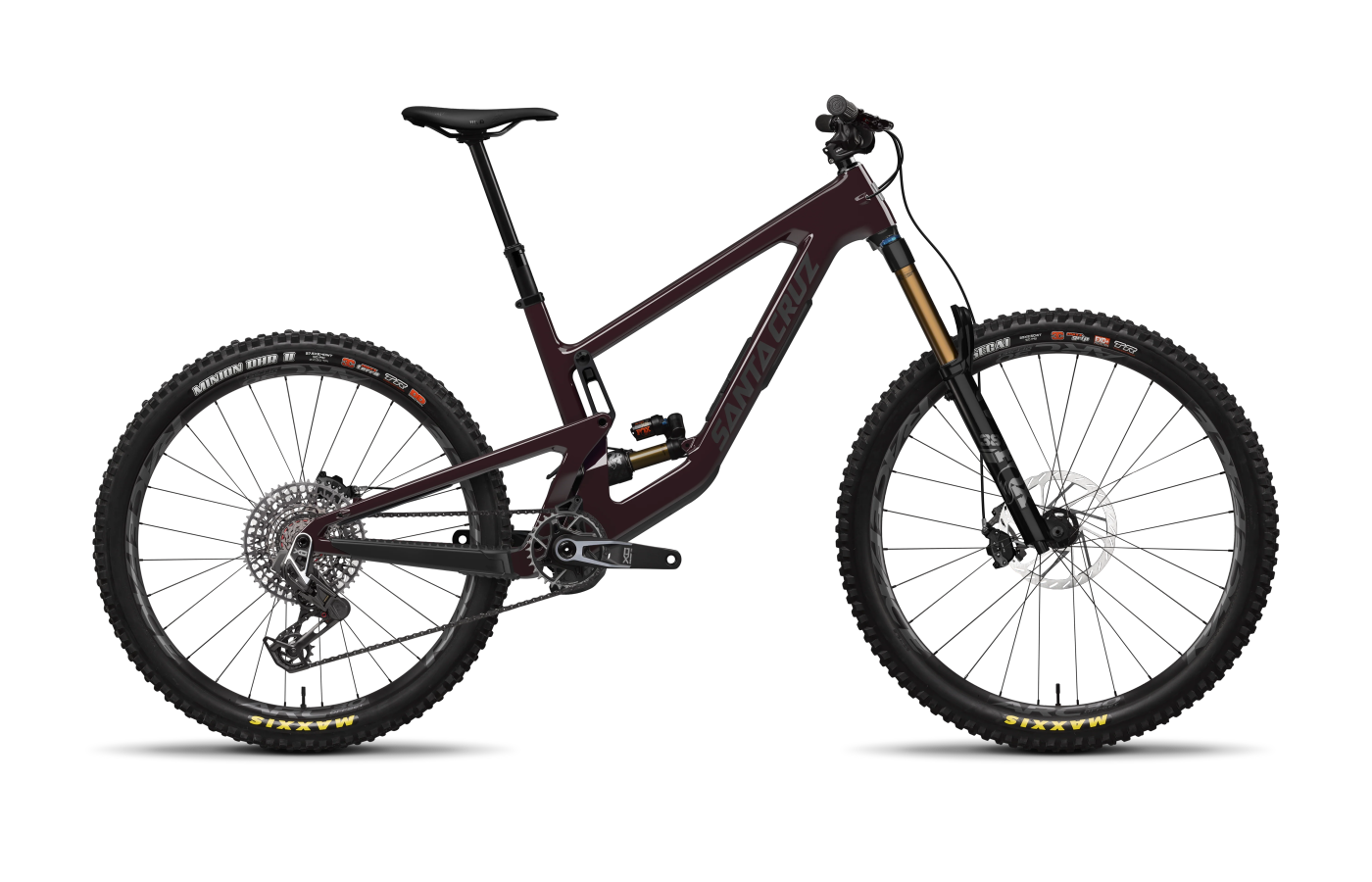
Two Santa Cruzes, 20 mm of travel, two very different jobs.
The Hightower V4 is the full-29 trail-plus that now thinks it's a mini-enduro. The Nomad V6 is the mixed-wheel park rat that still has to pedal home.
Hightower
- Lighter for the terrain — 32.31 lb on the X0 AXS build vs. 34.65 lb on the equivalent Nomad. Noticeable on long alpine climbs.
- Dual 29" rollover — Bike Perfect and Evo both credit the rear 29er with carrying momentum through chunk a mullet hangs up in.
- Cheaper entry point — the R build starts at $4,999 vs. $5,149 for the Nomad, and the Carbon C build list runs deeper at the bottom.
- Long wheelbase and tall 632 mm stack (Medium) make it feel "vague" in tight, slow switchbacks.
- Suspension is active but firm — less forgiving if you're not actively pressuring the bike.
Nomad
- "Shifter-kart" cornering — the 27.5" rear wheel plus long stays lets it initiate leans with almost no rider input.
- 20 mm more travel front and rear — 170/170 is a genuine bike-park and winch-and-plummet platform, not a trail bike with an attitude.
- DoubleDown-ready spec — coil builds ship with DoubleDown casings, matching the terrain the bike actually lives in.
- Heavier — 34.65 lb on the X0 AXS vs. 32.31 lb for the Hightower equivalent — climbing tax is real.
- Low 343 mm BB in the Low setting draws persistent pedal-strike complaints from Vital, NSMB, and others.
Editor’s analysis
Same VPP linkage, same Glovebox, same lifetime-bearings warranty — and yet these two ride almost nothing alike once the trail tips over.
On paper these bikes look closer than the spec sheets admit. The Santa Cruz Hightower runs 150 mm rear / 160 mm front and dual 29" wheels. The Santa Cruz Nomad runs 170 mm front and rear on a 29/27.5 mullet setup. Both sit on a lower-link-driven VPP, both ship with the same Glovebox internal storage, and both are Carbon CC or Carbon C only — no alloy option on either.
The Hightower is the one that moved. The V4 grew 5 mm of rear travel, slackened to a 63.9° head angle in the Low setting, and stretched the wheelbase — reviewers from Flow, Bebikes, and Evo all describe it as a "mini-enduro" now. It rolls over chunk better than almost anything in the 150 mm class, but Enduro MTB flagged that the suspension is still "sporty and firm" — you have to ride it aggressively to unlock it. It's a high-speed, fall-line descender that happens to climb well.
The Nomad is the opposite animal: more travel, but more playful. The mullet rear wheel plus size-specific chainstays (440 mm on the Medium, 443 mm on the Large) give it what Vital MTB called "shifter-kart" handling — it flicks into corners the Hightower has to be leveraged through. It's also heavier (roughly 1 kg on equivalent X0 AXS builds) and the 63.8° head angle is barely slacker than the Hightower's. The edge it owns is cornering and pop, not raw stability.
Put another way: the Santa Cruz Hightower is the bike you buy if your trails are fast, chunky, and mostly pointed downhill on wide-open lines. The Santa Cruz Nomad is the bike you buy if you spend weekends shuttling bike parks, like pumping jumps, and don't mind carrying an extra kilo up the climb to get them.
Where the builds differ.
Comparing our editor's-pick builds side-by-side. Winners highlighted row-by-row — lower price and weight, and the better-spec component, each mark a point.
Build variants & pricing
Both platforms span roughly $5k–$11k across Carbon C and Carbon CC frames. The Hightower's build list runs two rungs deeper at the top and one rung cheaper at the bottom.
Prices are current US MSRP. The Carbon CC frames on both bikes are wireless-only — SRAM AXS or Shimano Di2. If you want mechanical shifting you're locked to the slightly heavier Carbon C frames.
How they fit, how they steer.
Both at size Medium. The Nomad sits 7 mm lower in stack (625 vs. 632 mm) with a 5 mm shorter reach, and runs 4 mm longer chainstays (440 vs. 436 mm) — geometry for flicking corners, not for straight-lining them.
Which size should I buy?
Size recommendations based on stack, reach, and effective top tube. The Medium fits closely on both; the Hightower runs a touch longer in reach at every size.
→These are starting points. Flexibility, riding style, and preferred position all shift the answer — if you’re between sizes, a professional fit beats a chart.
What the magazines said.
Published reviews from trusted cycling outlets. Click through for the full write-up.
Which one should you buy?
If you ride a lot of fast, chunky, pedal-heavy trail, get the Hightower. If you live for bike-park laps and steep shuttle days, get the Nomad.
Hightower
If your local loops are long, rocky, and rolling — with enough climbing that you feel every kilo — the Hightower is the one. It rolls through chunk a mullet bogs down in, climbs better than anything with this much descending composure has a right to, and costs a few hundred less than the Nomad at every matched tier.
Nomad
If most of your good days start with a chairlift or a truck ride, the Nomad earns its extra weight back on the way down. The mullet-plus-long-chainstay combination corners like nothing in the category, the 170 mm of travel covers genuine enduro consequences, and the coil builds ship with the heavy-casing tires the bike actually wants.
Questions buyers actually ask.
Short answers to the things we get emailed about most often.
01Which has more travel?
The Santa Cruz Nomad — 170 mm front and rear. The Hightower runs 150 mm rear and 160 mm front. That's a 20 mm rear and 10 mm front delta, which is a real gap in context: the Nomad is rated for bike-park and enduro-race use, the Hightower for aggressive trail.
The travel difference shows up most in big repeated hits — jump-line compressions, braking bumps on steep descents — where the Nomad's extra stroke keeps the suspension from packing down.
02Why does the Nomad run a mixed-wheel setup?
Santa Cruz chose the 29"/27.5" mullet configuration for the Nomad V6 specifically to make a 170 mm bike feel playful in corners. The smaller rear wheel shortens the effective rear-center, which lets the bike initiate leans faster — Vital MTB called its handling "shifter-kart-like."
To keep that small rear wheel from feeling twitchy at speed, Santa Cruz uses uncharacteristically long, size-specific chainstays (440 mm on Medium, 443 mm on Large). The Hightower stays full 29" because its job is rollover and straight-line composure, not corner agility.
03Which is slacker?
They're within 0.4° of each other. The Nomad is 63.8°, the Hightower is 63.9° in Low / 64.2° in High. That's almost identical on paper — the Hightower V4 is actually only a hair steeper than the 170 mm Nomad, which is unusual for a 150 mm bike.
The more meaningful difference is stack: on a Medium the Nomad sits 7 mm lower (625 vs. 632 mm), which noticeably changes how the front end weights on steep terrain.
04Which climbs better?
The Hightower, clearly — and not by a small margin. The X0 AXS build comes in at 32.31 lb vs. 34.65 lb for the Nomad X0 AXS. That 2.3 lb difference, plus the faster-rolling dual 29" setup, makes it the better choice for long pedaling days.
Both have steep effective seat tube angles (77.9° Hightower Medium, 77.4° Nomad Medium) and both use VPP with intentionally lowered anti-squat, so neither one is a pure XC sprinter. If you stand up and hammer, both will bob a little.
05What about pedal strikes?
The Nomad has a documented pedal-strike issue — Vital MTB and NSMB both reported frequent strikes on the 343 mm BB (Low setting), and one tester resorted to 160 mm cranks. If you ride a lot of technical, ledgy climbs, this is worth knowing.
The Hightower sits higher and pedal strikes aren't flagged as a recurring complaint in reviews. Both bikes have a flip-chip that raises the BB and steepens angles by roughly 0.3° if you want to trade some descending composure for more clearance.
06Are the frames wireless-only?
The Carbon CC frames on both bikes are wireless-only — no cable ports for mechanical derailleurs. If you want mechanical Shimano or a cable-actuated dropper, you're forced to the Carbon C frame, which is roughly 200 g heavier but otherwise functionally identical.
Practically speaking, everything above the mid-tier builds on both bikes is SRAM AXS T-Type anyway, so the restriction only matters if you specifically want to build up a frame with mechanical shifting.
07Which has the better build value?
Both lineups draw the same criticism: a "Santa Cruz tax" relative to Canyon or Specialized at equivalent spec. Reviewers generally identify the GX AXS build on each bike as the sweet spot — $7,249 on both — balancing SRAM GX T-Type with Fox Performance Elite suspension and alloy Reserve wheels.
One persistent gripe on both: some builds ship with Maxxis EXO or EXO+ casings that reviewers (Blister, Enduro MTB, PinkBike) found under-gunned for the bikes' descending ambitions. Budget an immediate tire upgrade to EXO+ or DoubleDown.
08What warranty coverage do they come with?
Both bikes include a lifetime frame warranty to the original owner and — notably — lifetime free bearing replacement on the pivot bearings. Reserve carbon rims (on the RSV builds) also carry a lifetime warranty.
Reviewers across the board cite this support package as a meaningful part of the value equation on bikes this expensive. Combined with the grease-port pivots and threaded BBs, both bikes are designed to be easy to live with over several seasons.
Similar bikes
If your priorities don’t map cleanly onto either of these, one of these adjacent bikes probably fits better.
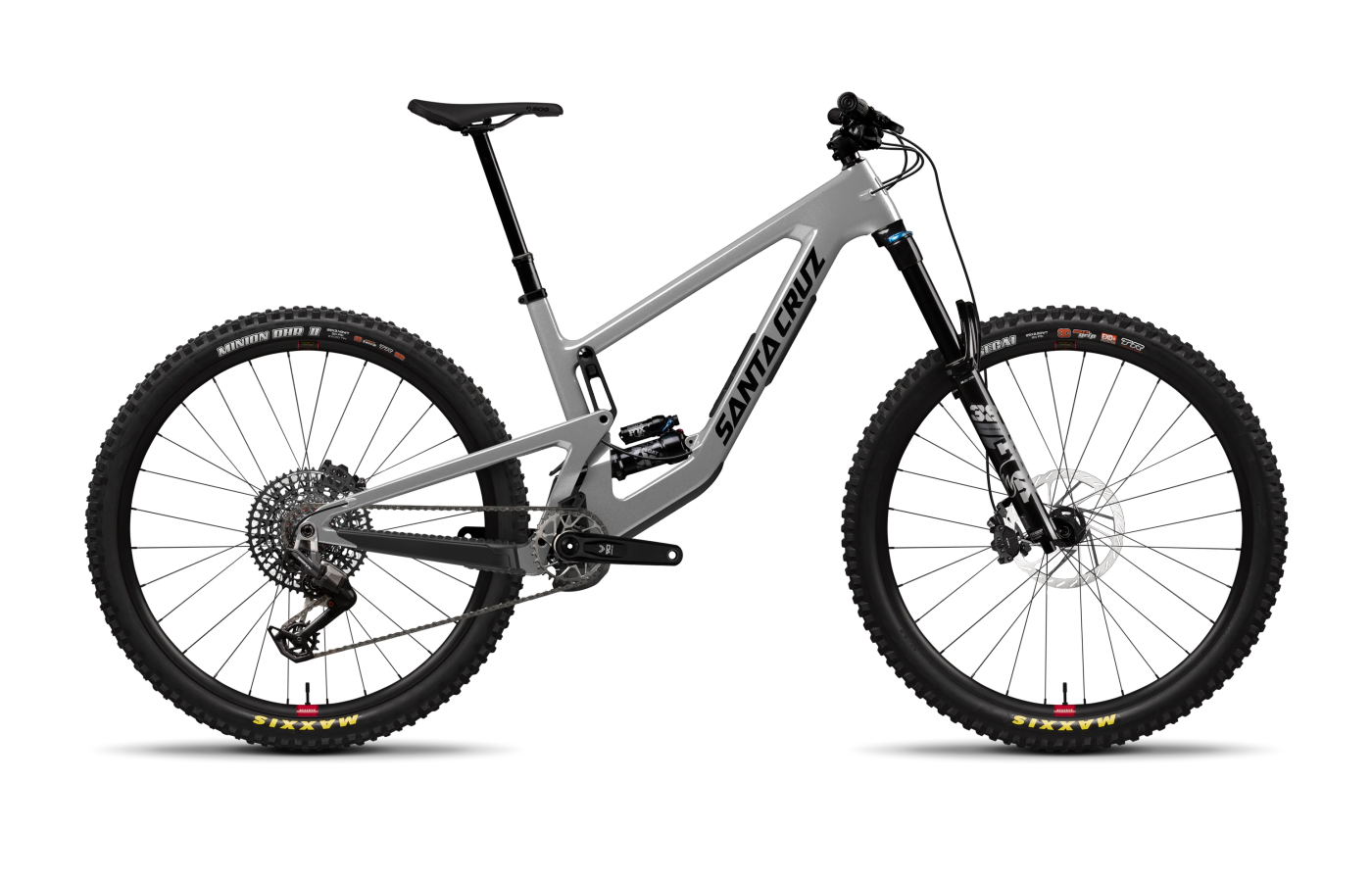
Megatower
The full-29 enduro sibling — more stable than either of these at flat-out speed, without the mullet compromise. If the Nomad's 27.5 rear wheel doesn't sell you, the Megatower is the race-sled version of the same idea.
Compare →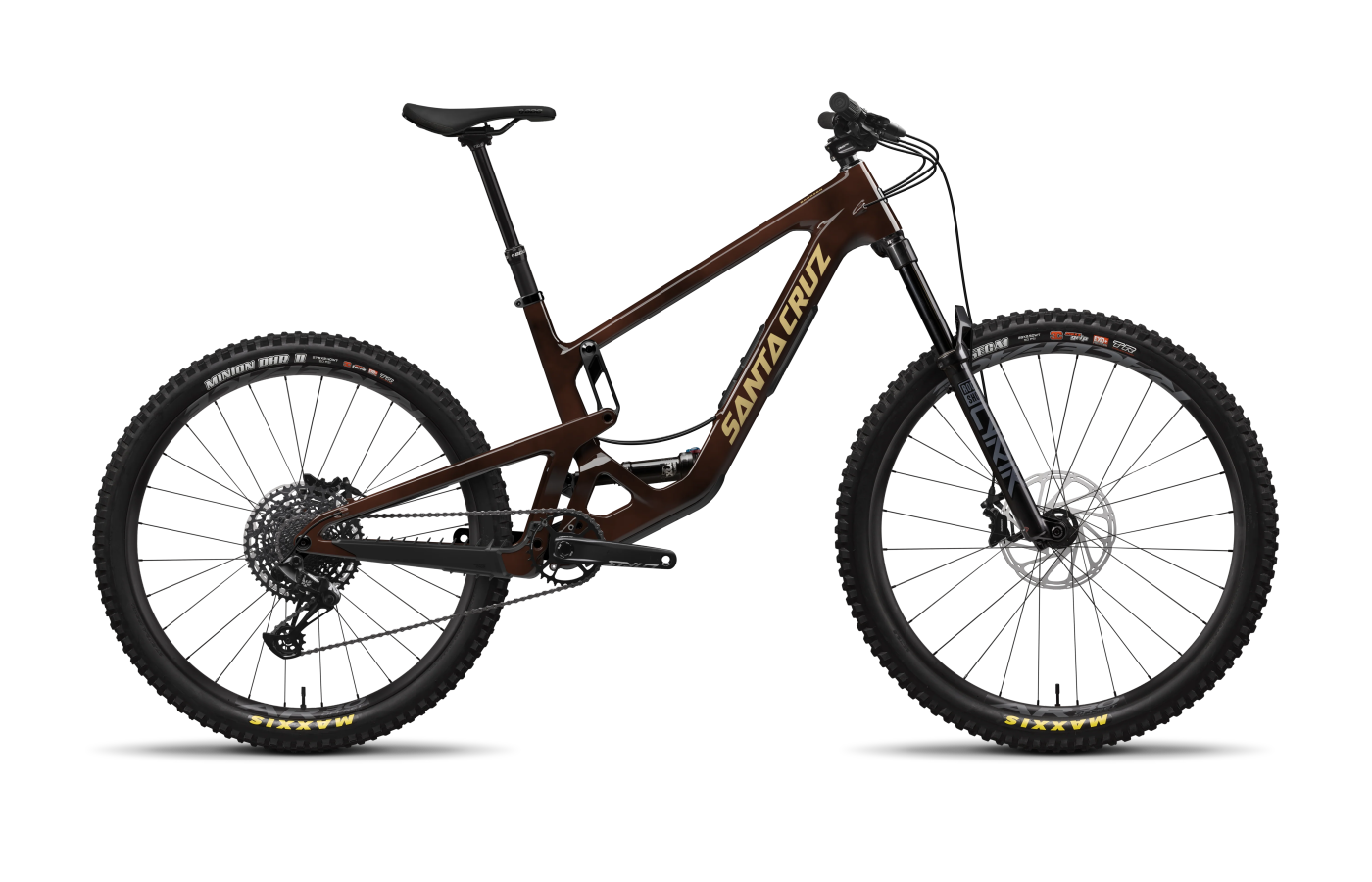
Bronson
Same front triangle as the Hightower, mullet rear end like the Nomad, 150/160 travel. The Bronson is the lighter, flickier middle option — worth a look if the Hightower feels too planted and the Nomad feels like too much bike.
Compare →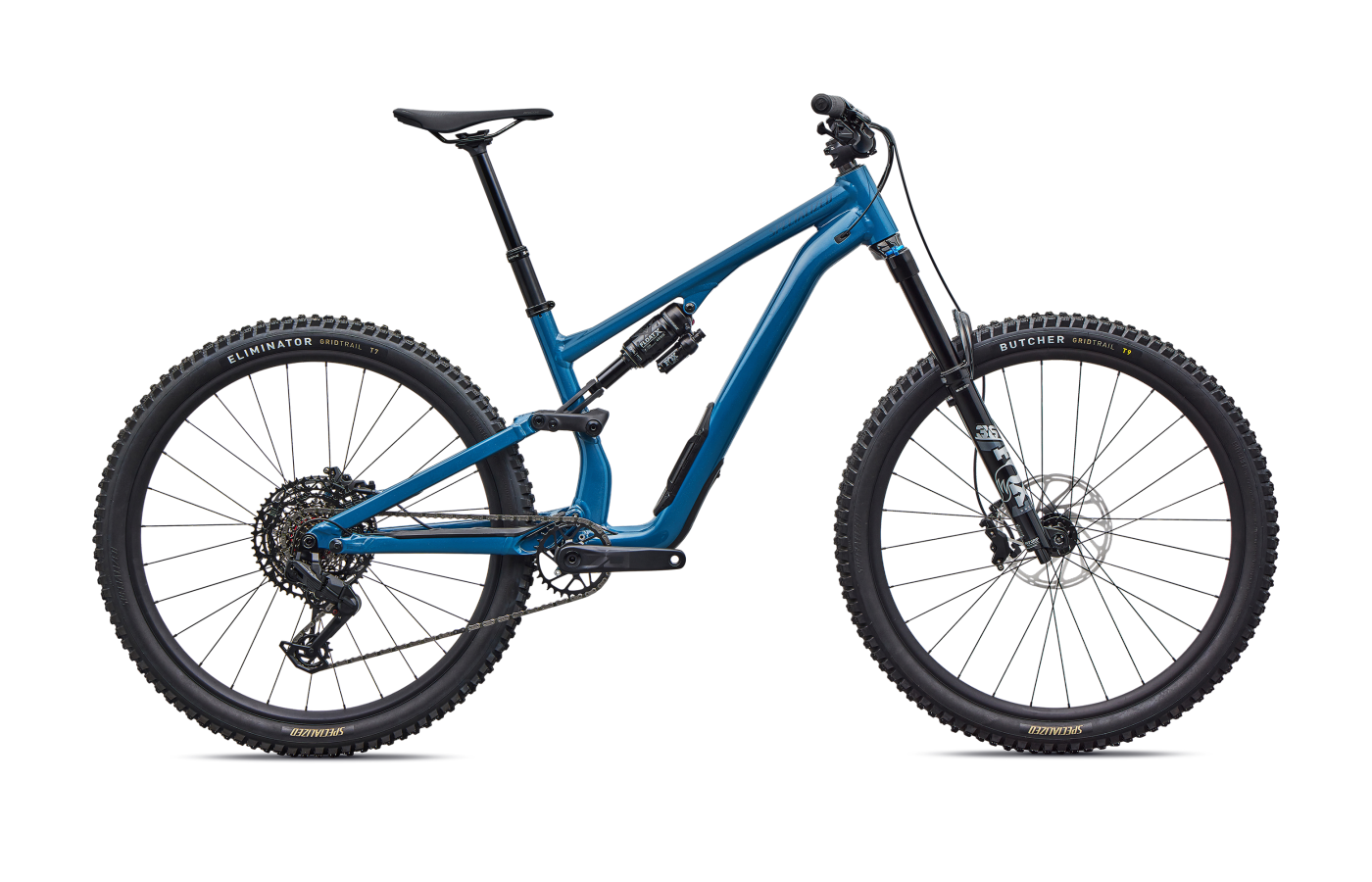
Stumpjumper Evo
Specialized's most adjustable trail platform — headset cups, flip-chips, and a longer travel range let one frame cover the ground between the Hightower and the Nomad. The catch is setup complexity; get it right and it's remarkable.
Compare →