Hightower
vsFuel EX
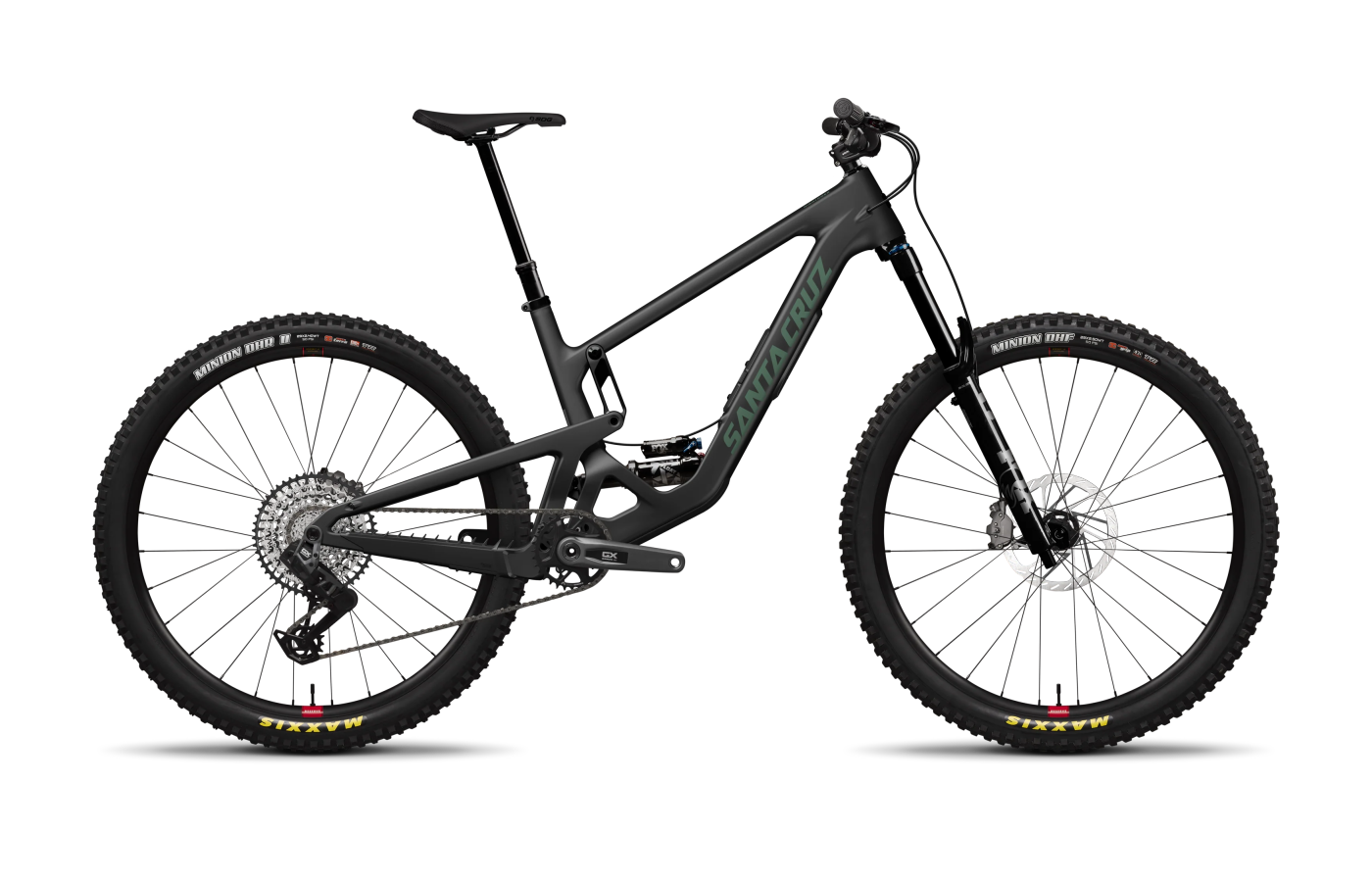
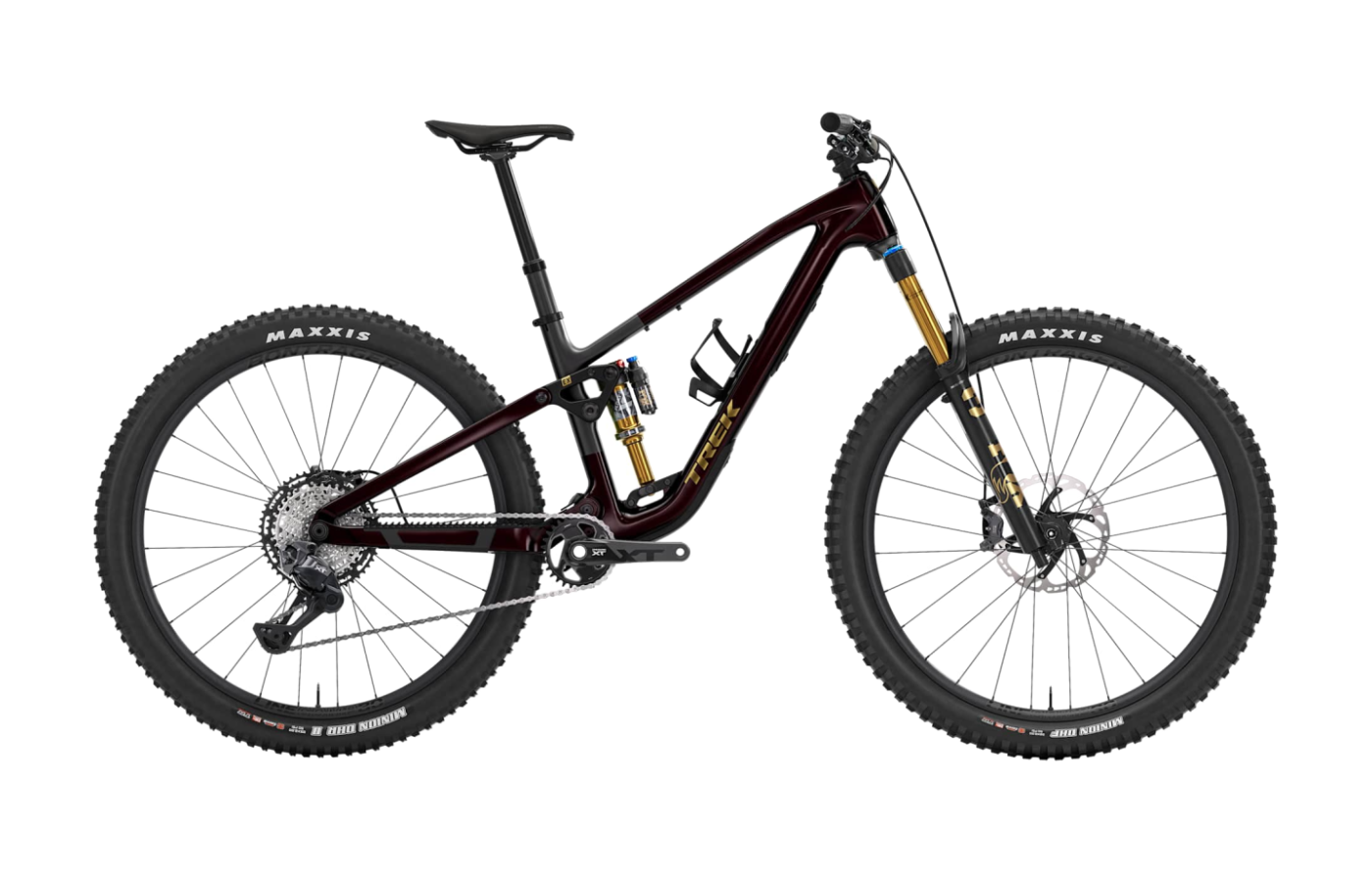
Two 150 mm trail bikes, two opposite recipes.
The Hightower is Santa Cruz's refined carbon mini-enduro. The Fuel EX is Trek's modular alloy-or-carbon platform that morphs into three bikes.
Hightower
- Plusher revised VPP — lower anti-squat keeps the rear wheel glued to chunder and erases small mistakes.
- Lighter at the top end — top builds land 14.4–14.8 kg, roughly 1–2 kg below the Trek's alloy options.
- Steepest effective seat angle in the comparison at 77.9° — a top-tier technical climber.
- Carbon-only — entry price floor is $4,999, with no alloy pathway.
- Several builds spec only 180 mm rotors despite enduro-leaning geometry; expect to upgrade.
- Ride is "sporty" and demanding — feels nervous if you're not pushing it.
Fuel EX
- Modular travel — the same frame swaps to a 150 mm MX (mullet) or 160 mm LX (enduro) via new linkages.
- Aggressive pricing — starts at $2,299 (Gen 6 5) and the Gen 7 alloy 8 lands at $3,999 with SRAM Eagle 70 Transmission.
- Anchored, brake-neutral feel — Trek's ABP keeps the chassis level under heavy braking on rowdy descents.
- Heavy — alloy builds run 16.6–17 kg; even the carbon 9.9 X0 still 14.1 kg.
- Travel/wheel conversions aren't a flip-chip — they require buying separate hardware.
- Stock Bontrager Brevard tires are widely flagged as the weak link on rocky terrain.
Editor’s analysis
Same 29er trail bracket, same 150 mm of rear travel, same 160 mm-capable fork — and almost nothing else in common.
The Santa Cruz Hightower V4 and Trek Fuel EX (Gen 7) both sit in the 150 mm trail-to-enduro zone with dual 29-inch wheels and a 160 mm-capable fork. On paper they're sparring partners. In practice they answer two different questions: how to make a refined carbon descender that mutes the trail, versus how to make one frame behave like three bikes at once.
Santa Cruz's pitch is precision. The Hightower runs Carbon C or CC frames only — no alloy option — with a revised VPP layout that drops anti-squat for a noticeably plusher initial stroke. Reviewers from Bebikes and Flow Mountain Bike call it the new "descender's MTB": a 14.5–15.5 kg bike that goes from "snappy trail" to "stable sled," rewards an aggressive pilot, and lets you grind technical climbs on a 77.9° seat angle without the rear wheel breaking traction. Lifetime warranty on frame, pivot bearings, and Reserve rims is the long-term sweetener.
Trek's pitch is versatility. The Fuel EX ships in alloy or OCLV carbon with adaptable 145–160 mm rear travel — swap the rocker link and shock mount and the frame becomes a 150 mm Fuel MX (mullet) or a 160 mm Fuel LX (enduro). The trade-off is mass: the alloy 8 build comes in around 16.6–17 kg, which Mountain Bike Rider compared to "strapping two kilos of roofing lead" to a DH bike. The flip side is an unshakeably anchored feel at speed and one of the best stock front-end positions in the segment thanks to a 624 mm stack and 40 mm-rise bars.
The cleanest way to think about it: the Hightower is the bike you buy when you've decided trail riding means "big descents on real terrain" and you want a refined chassis to do it on for ten years. The Fuel EX is the bike you buy when you want one frame to cover everything from local laps to bike-park weekends, and you'd rather adjust the bike than buy a new one.
Where the builds differ.
Comparing our editor's-pick builds side-by-side. Winners highlighted row-by-row — lower price and weight, and the better-spec component, each mark a point.
Build variants & pricing
Santa Cruz runs nine carbon-only builds from $4,999 to $11,399. Trek runs fifteen builds (Gen 6 alloy carryovers + Gen 7 carbon and alloy) from $2,299 to $8,499 — by far the wider range.
Prices are current US MSRP. Trek's lineup intentionally overlaps Gen 6 (140 mm) carryover builds at the low end with Gen 7 (145–160 mm adaptable) at the top — verify which generation you're buying. Santa Cruz CC frames are wireless-only; the heavier C frames retain mechanical-shifting cable ports.
How they fit, how they steer.
Both at size M — the fit-picked size for a 5'8" rider on each. Reach is identical at 460 mm, but the Santa Cruz sits 8 mm taller in stack, has a 0.3° slacker head angle, and runs a markedly steeper 77.9° effective seat tube angle versus Trek's ~78° effective (72.6° actual). Wheelbases are within 12 mm.
Which size should I buy?
Size recommendations based on stack, reach, and effective top tube. Both ranges run S–XXL and overlap closely through the middle.
→These are starting points. Flexibility, riding style, and preferred position all shift the answer — if you’re between sizes, a professional fit beats a chart.
What the magazines said.
Published reviews from trusted cycling outlets. Click through for the full write-up.
Which one should you buy?
If you want a refined carbon descender that rewards an aggressive pilot, get the Hightower. If you want one frame that can be three bikes — at a wider price range — get the Fuel EX.
Hightower
If your local trails are steep, technical, and rocky, and you'd rather have one carbon bike that mutes chatter and grinds rooty climbs than three configurations of a heavier chassis — the Hightower V4 is the pick. Lifetime warranty on the frame, bearings, and Reserve rims is real long-term value if you keep bikes for years.
Fuel EX
If you want one frame that can morph from 145 mm trail bike to 160 mm enduro rig as your riding evolves, and you don't care about chasing grams, the Fuel EX is unmatched. The alloy builds are aggressively priced and the ABP-equipped suspension punches well above its mid-tier component spec.
Questions buyers actually ask.
Short answers to the things we get emailed about most often.
01Which descends better at speed?
Both are very capable, but they get there differently. The Hightower V4 uses a refined VPP layout with reduced anti-squat — Bebikes called it "unrivaled in the category" for high-speed composure, and reviewers consistently flag the plush-but-supportive feel as its standout trait.
The Fuel EX leans on raw mass and Trek's ABP pivot to feel "unshakeably anchored," with reviewers comparing the alloy build to a Sherman tank on flowy singletrack. If you ride bike-park or chunky enduro terrain often, both work — the Hightower is the lighter, more refined option; the Trek is the more forgiving, brawler one.
02How much do they actually weigh?
Hightower: top-tier XX AXS RSV is 14.38 kg (31.7 lb); the GX AXS sweet-spot build is 14.8 kg (32.64 lb); the entry R alloy-component build is 15.62 kg (34.44 lb). All carbon frames.
Fuel EX: flagship 9.9 X0 AXS Gen 7 (carbon) is 14.08 kg (31.05 lb); the alloy 9 X0 AXS is 17.08 kg (37.66 lb); the 8 Gen 7 alloy is 16.89 kg (37.24 lb). Mountain Bike Rider's verdict on the alloy 8 was blunt: "at 17 kg it weighs nearly as much as some e-bikes."
03What's the travel and how adjustable is each?
Hightower V4: fixed at 150 mm rear / 160 mm front, with a flip-chip that toggles head angle between 64.2° (High) and 63.9° (Low) and shifts BB height a few millimetres.
Fuel EX (Gen 7): ships as a 145 mm rear / 150 mm fork "EX," but the same frame can be reconfigured to a 150 mm/160 mm mullet MX or a 160 mm/170 mm enduro LX — by swapping the rocker link, lower shock mount, and (for LX) the shock and fork. It's not a flip-chip; it's a paid hardware swap, but no other trail platform offers this range from one frame.
04Which climbs better?
Both are strong technical climbers, with different strengths. The Hightower has the steepest effective seat tube angle in the comparison — 77.9°–78.2° depending on flip-chip — which puts the rider in an upright, centered position. The active rear end provides "auto-traction" on rooty, loose ascents but sacrifices some snap.
The Fuel EX runs a similarly steep effective STA (~77.4° at L per Blister) but carries 1.5–2.5 kg more weight on alloy builds, so on long fire-road grinds the Trek taxes your legs more. Trek's ABP keeps the rear active without bogging down; Santa Cruz's revised VPP does the same. Edge to the Hightower for pure climbing efficiency on the lighter builds; edge to neither for technical traction.
05What's the maximum tire clearance?
Both frames clear roughly 2.5" tires on a 29" wheel — every build of both bikes ships with a 2.5" Maxxis Minion DHF up front. Santa Cruz pairs that with a 2.4" DHR II rear; Trek runs 2.5" DHR II rear on every Gen 7 build.
Neither is designed around 2.6" or plus tires. If you want extra clearance for mud or gnarlier rear casings, both have enough room for an EXO+ or DoubleDown 2.5" — and reviewers from Enduro MTB and Flow Mountain Bike specifically recommend bumping tire casings on both bikes for the kind of terrain they're built for.
06Carbon or alloy — which should I get?
On the Hightower, you don't get a choice: every build is carbon (CC for top builds, slightly heavier C for mid). The cheapest entry is the $4,999 R build on a Carbon C frame.
On the Fuel EX, you can pick. Gen 7 OCLV carbon builds run $5,999–$8,499 with internal storage, refined cable routing, and a ~200 g frame weight saving. Alloy Gen 7 builds run $2,899–$5,999 with the same Alpha NEXT Platinum frame that reviewers praise for being "stoically solid" — heavier, but mechanically identical and with the same modular travel platform. For most riders, the alloy 8 Gen 7 at $3,999 is the value pick.
07Which has the better warranty and long-term ownership?
Santa Cruz offers an industry-leading lifetime warranty on frame, pivot bearings, and Reserve carbon rims — pivot bearings get free replacement under the program, which is unusual.
Trek offers a lifetime frame warranty that's partly transferable to a second owner, which Flow Mountain Bike specifically called out as a resale-value advantage. Trek wheels and components fall under standard component warranties.
Both use threaded BBs and standardized headsets (Trek moved to ZS49/ZS56 in Gen 7) to keep long-term service simple. Santa Cruz's bearing-replacement program is the bigger differentiator if you keep bikes 5+ years.
08Which builds offer the best value?
Hightower: reviewers consistently flag the GX AXS at $7,249 as the sweet spot — Carbon CC frame, Fox Performance Elite suspension, wireless GX AXS T-Type, and Reserve 30|SL alloy wheels. Below that, the $5,899 S build on the C frame gets you the same frame architecture with mechanical GX Eagle.
Fuel EX: the alloy 8 Gen 7 at $3,999 is the consensus value pick — Mountain Bike Rider called it "stonking value," with SRAM Eagle 70 Transmission and the same modular frame as the $8,499 flagship. If you want carbon, the 9.8 XT Di2 Gen 7 at $6,499 is the comparable one-down electronic build.
Similar bikes
If your priorities don’t map cleanly onto either of these, one of these adjacent bikes probably fits better.
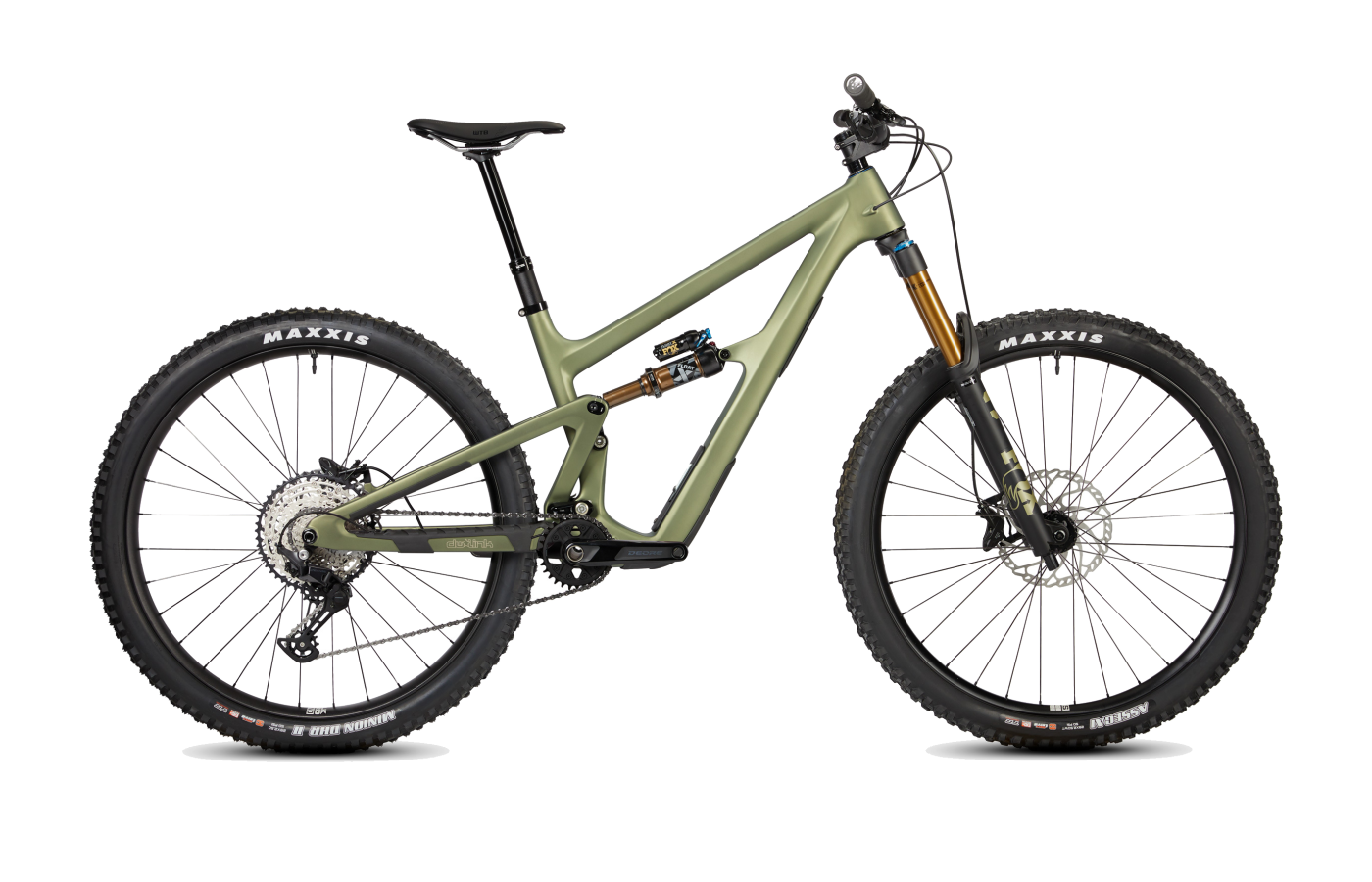
Ripmo
The Ripmo is the bike to look at if you want the Hightower's technical capability with more snap and pedaling efficiency — DW-link suspension that climbs more crisply than VPP, with a slightly less serious descending demeanor.
Compare →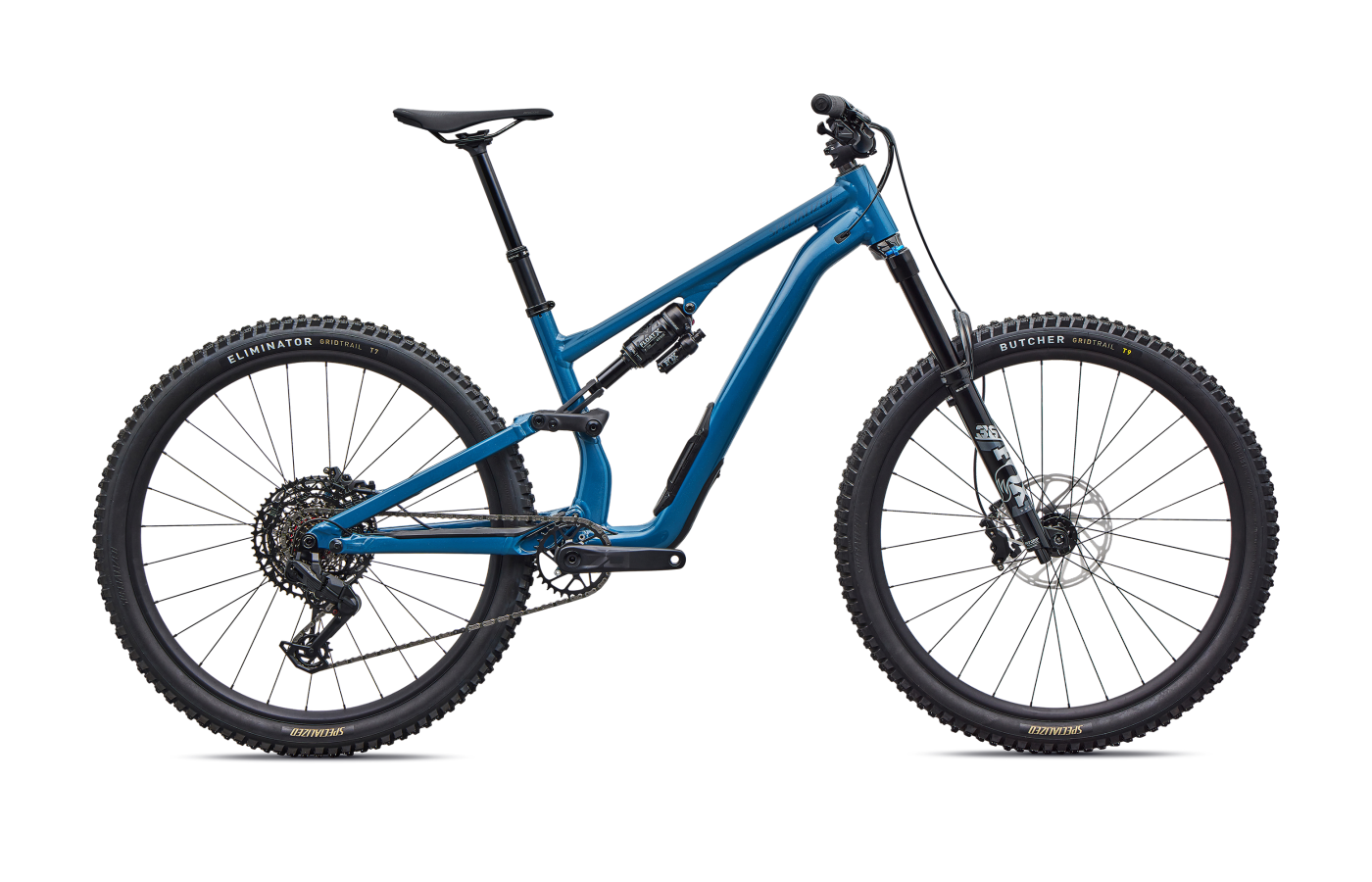
Stumpjumper Evo
The Stumpjumper Evo is the direct rival to the Fuel EX's adjustability play — six-position geometry flip-chips, an even more active suspension feel, and a wider range of stock builds from alloy to S-Works.
Compare →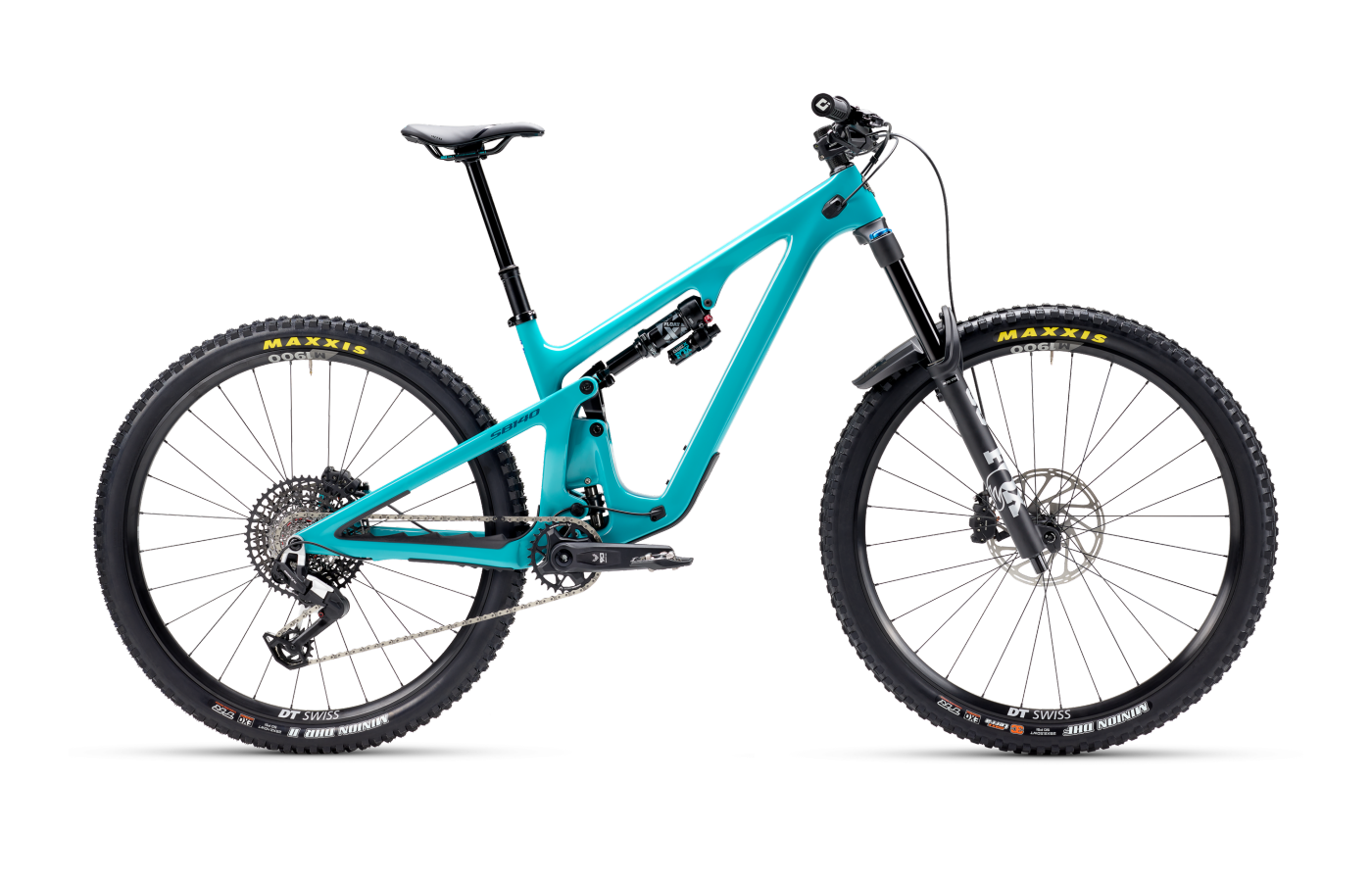
SB140
The SB140 is the lighter, sportier alternative — a premium trail bike that prioritizes flickability and snap over the mini-enduro composure of the Hightower or the anchored mass of the Fuel EX.
Compare →