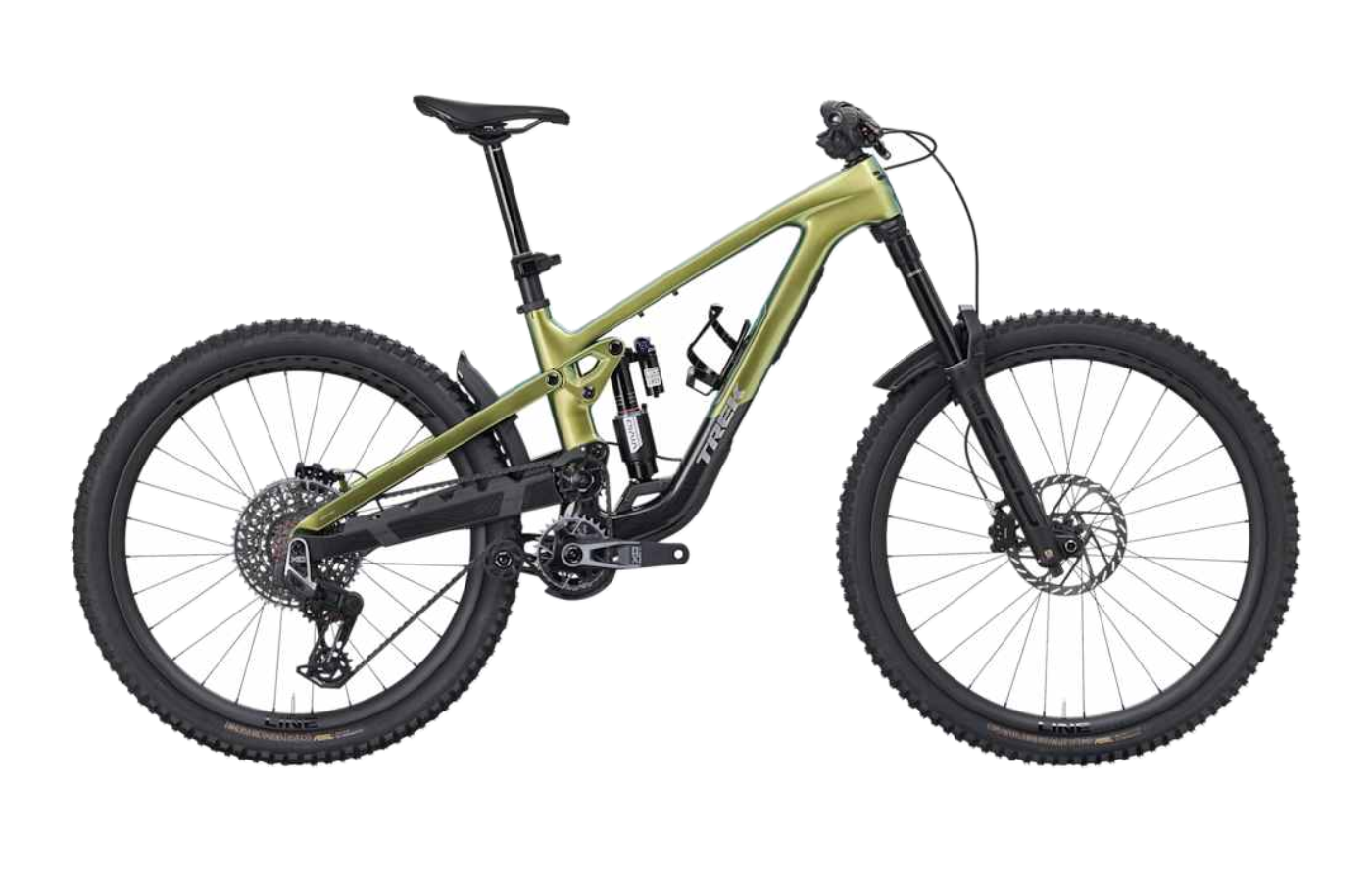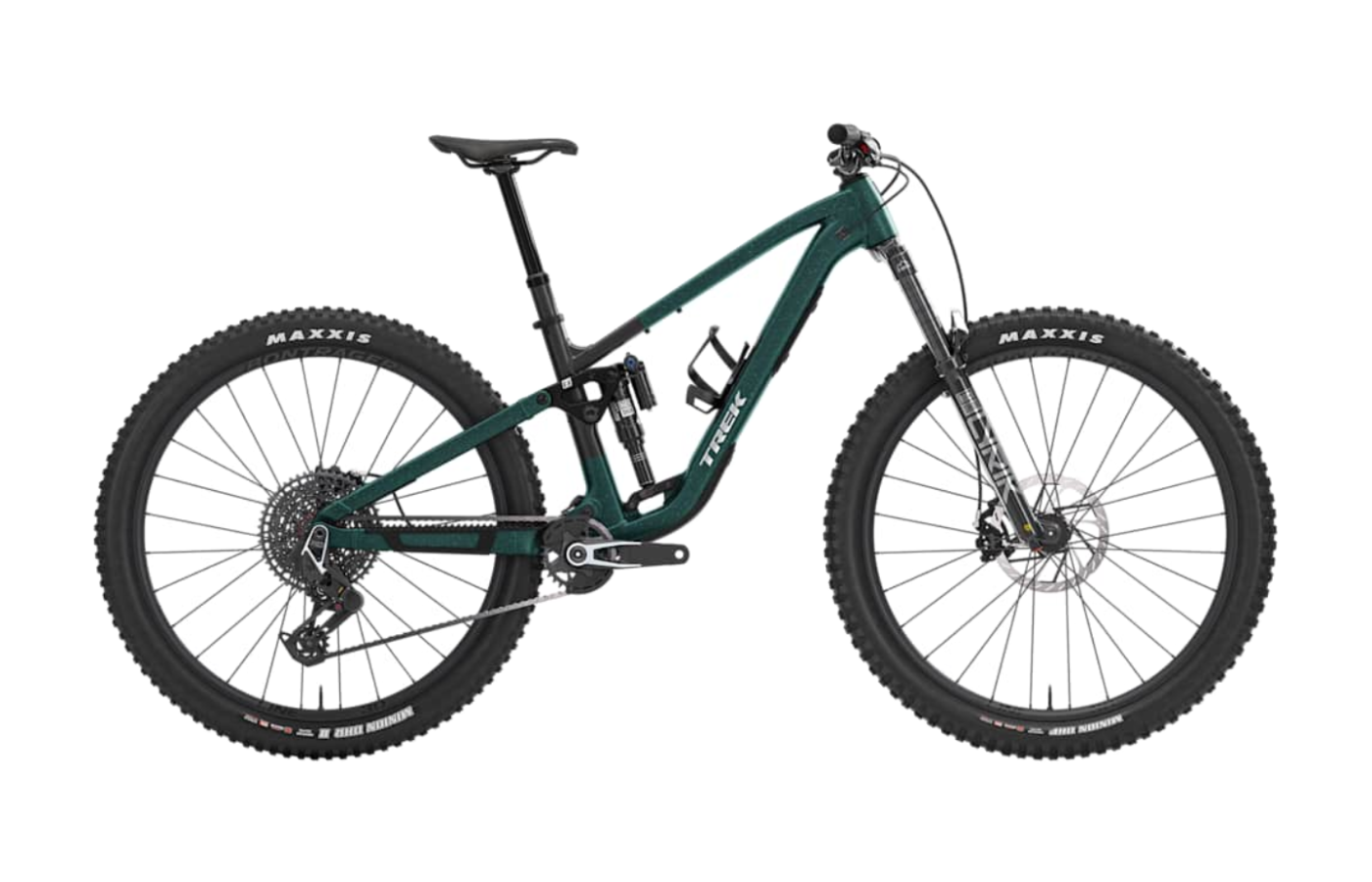
The seventh-generation Trek Fuel EX shifts away from its cross-country origins to become a decidedly aggressive, descending-biased trail bike. In its standard configuration, it pairs 145mm of rear suspension with a 150mm fork on dual 29-inch wheels. However, the defining characteristic of the Gen 7 platform is its modularity. By swapping rocker links and lower shock mounts, riders can reconfigure the chassis into a mixed-wheel MX setup or a long-travel LX enduro machine. This adaptability makes it highly versatile, but the core EX model is built for riders who prioritize downhill composure and technical traction over lightweight sprinting. Trek also updated the frame with a standard ZS headset, refined internal storage, and a straighter seat tube to accommodate longer dropper posts. It is a substantial, heavily built trail bike designed to survive rough terrain rather than dance lightly over it.
Where to get it.
1 retailer · size M.
Spec sheet.
Every component shipped with this build.
Geometry & fit.
5 sizes published.
The Gen 7 geometry places the rider in a highly centralized, upright posture that heavily influences both climbing efficiency and descending control. Trek steepened the effective seat tube angle to nearly 78 degrees on some sizes, which prevents the rider's weight from cantilevering over the rear axle on steep pitches. This keeps the front wheel weighted and minimizes unwanted suspension sag during seated efforts.
At the front, a significantly taller stack height pairs with stock 40mm high-rise handlebars to create a commanding stance. This tall front end prevents riders from feeling pitched forward on steep roll-ins, encouraging an assertive, centered riding style.
A major structural update is the move to a straight, uninterrupted seat tube. This allows for massive dropper post insertion, with large and extra-large frames easily accommodating 200mm posts. The combination of the low bottom bracket, compact standover, and deep dropper insertion gives riders ample room to lean the bike aggressively through corners, offsetting some of the sluggishness that might otherwise come from its heavy chassis.
Where the handlebar sits relative to the bottom bracket — the single most important fit pair.
01Fit geometry6 values
02Component geometry5 values
03Handling geometry8 values
Which size should I buy?
Slide your height to see the recommended size. GearWise's fit algorithm works from the published stack, reach, and ETT — the brand's own recommendation may differ.
→Calculated from GearWise's own stack / reach / ETT algorithm — the brand's size chart may recommend a different size, and a proper bike fit beats any calculator.
The lineup.
15 builds, ranging $2,300 – $8,500.
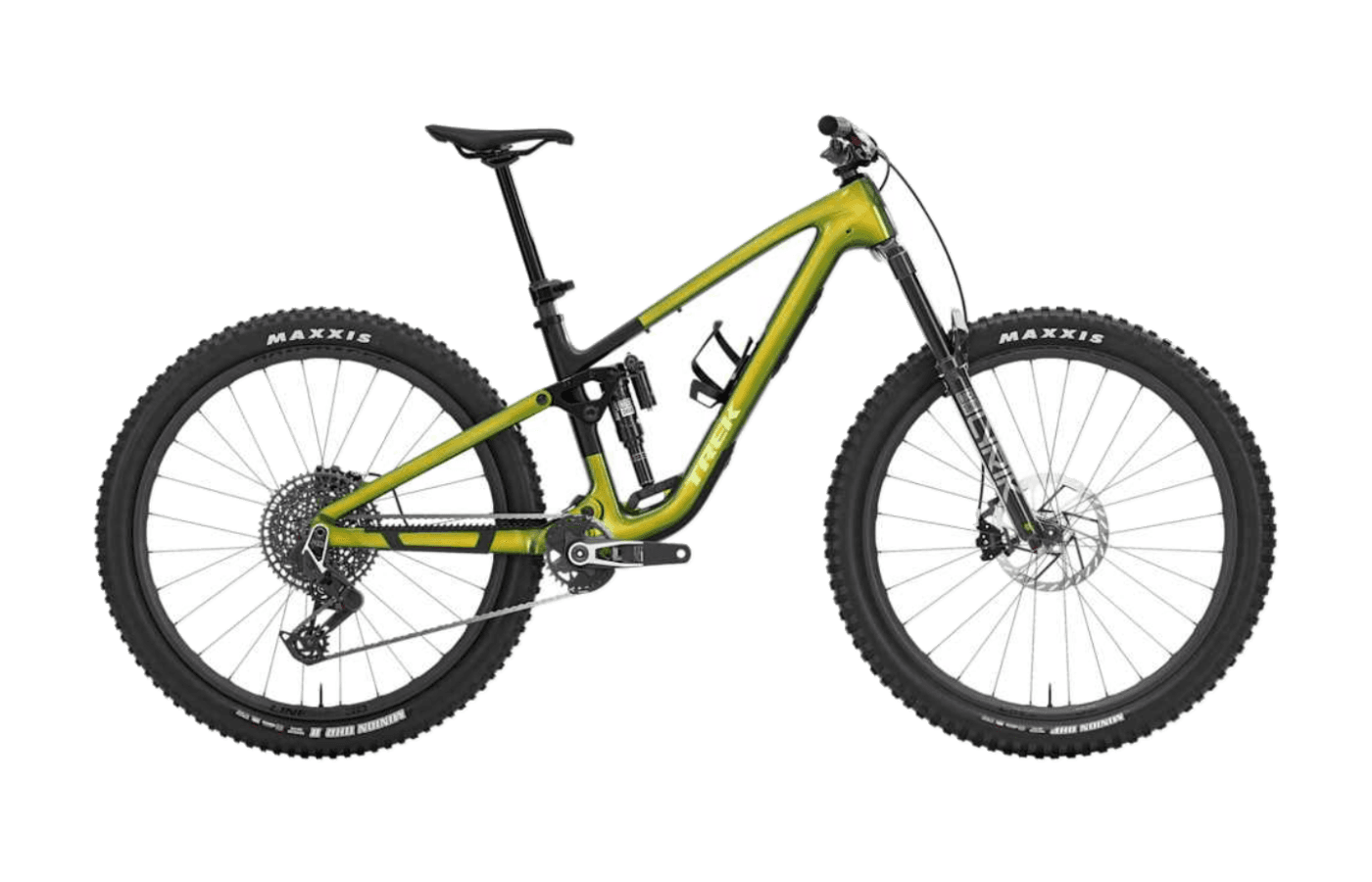
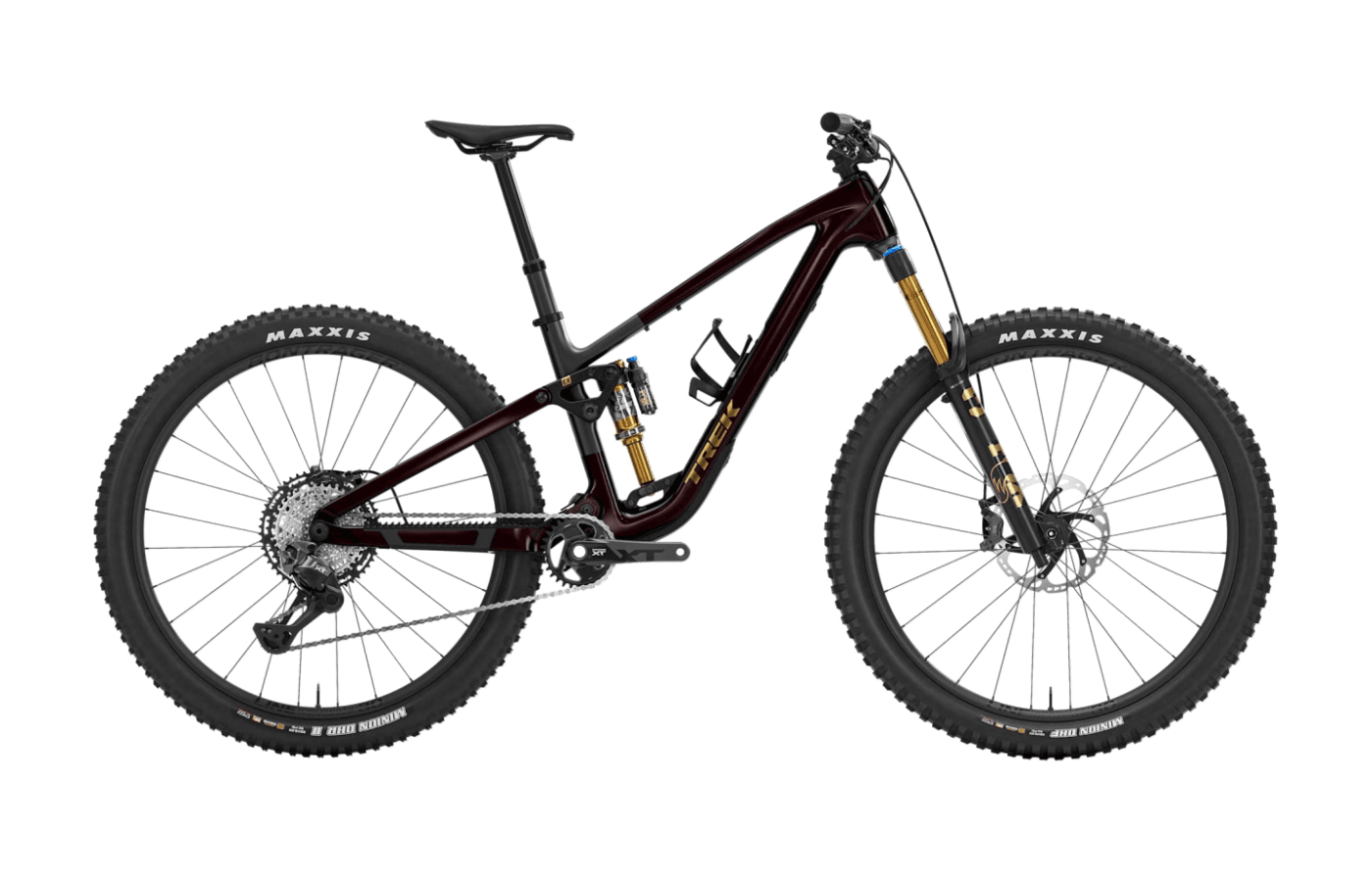
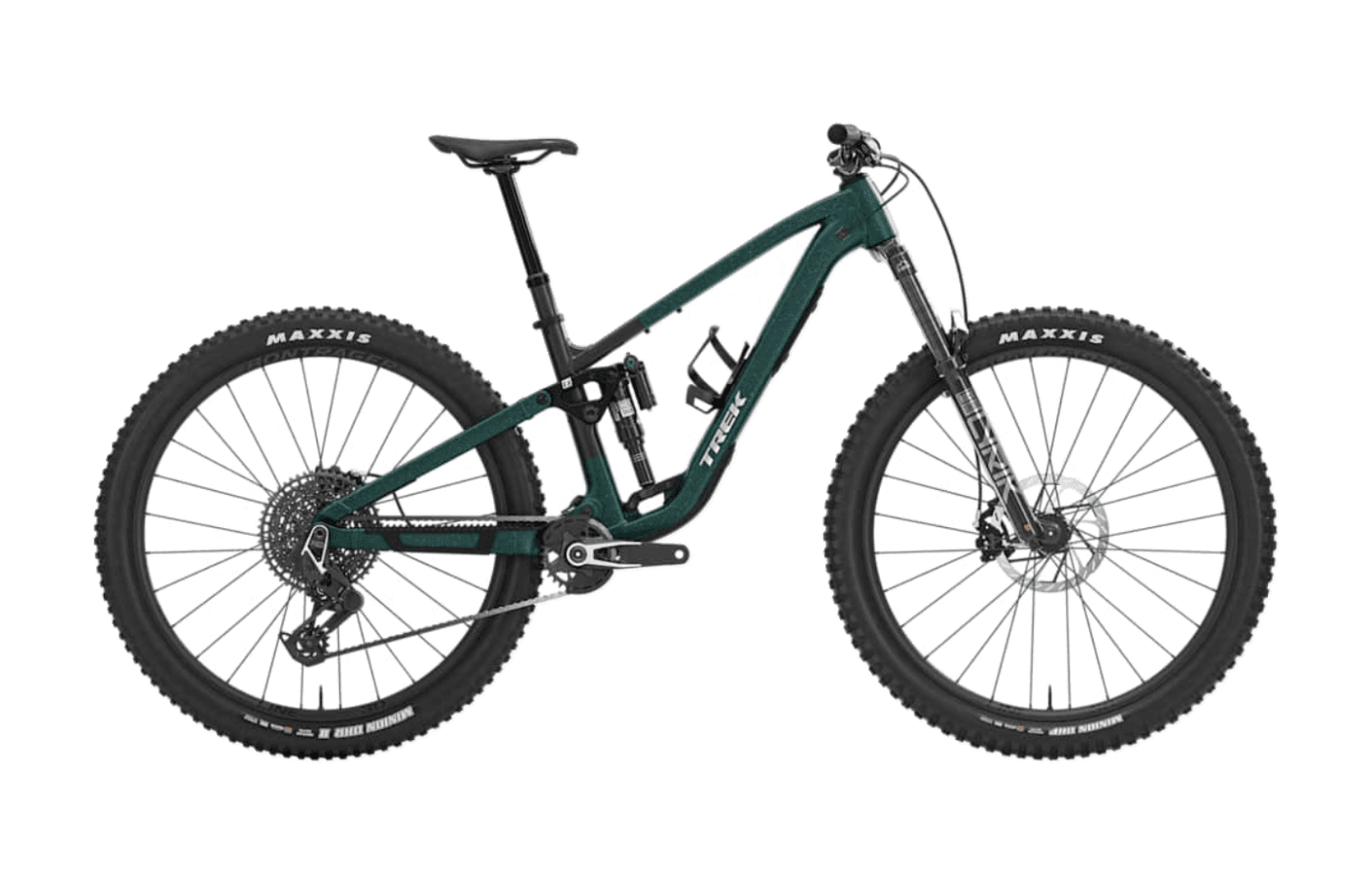
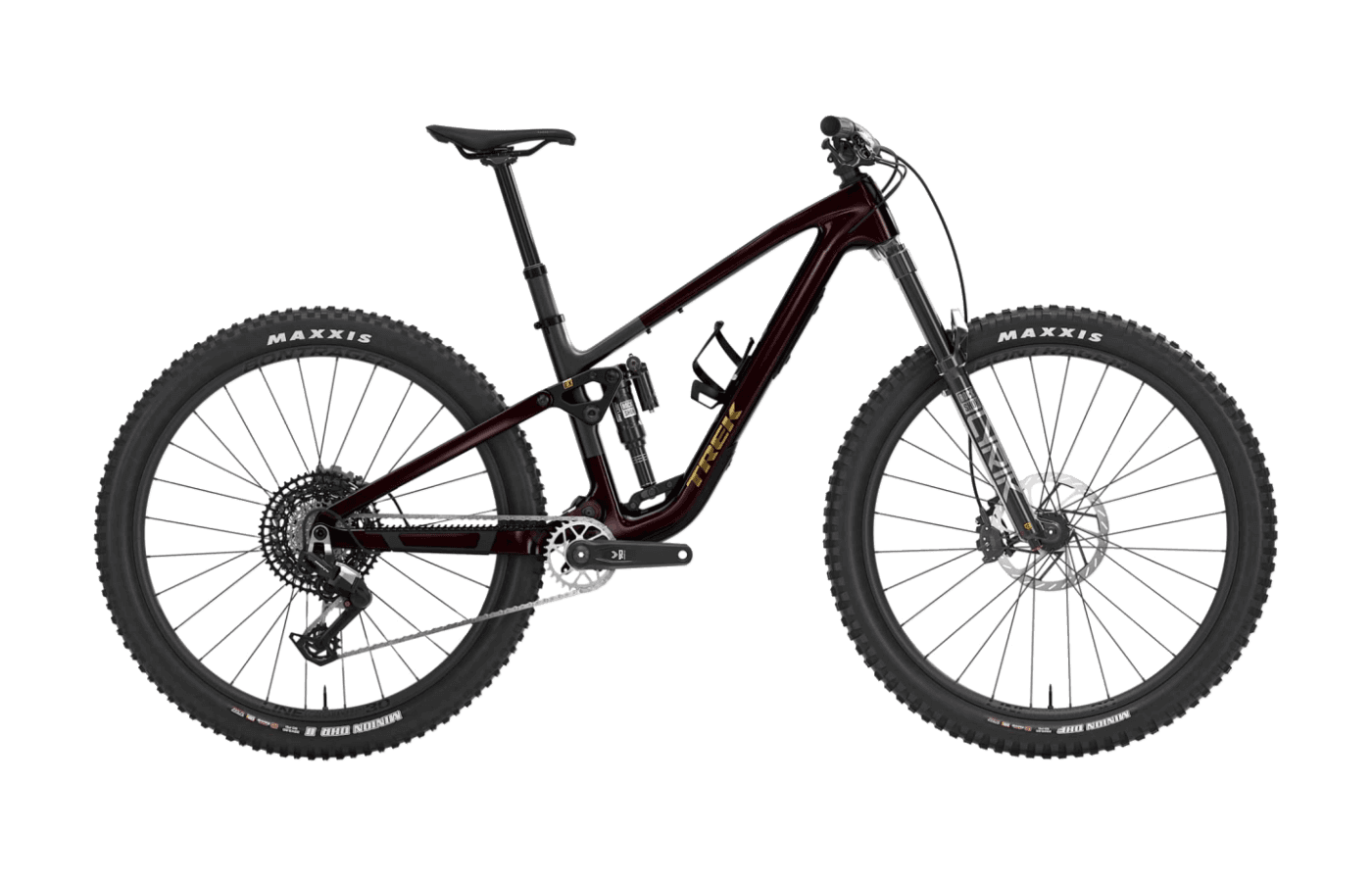
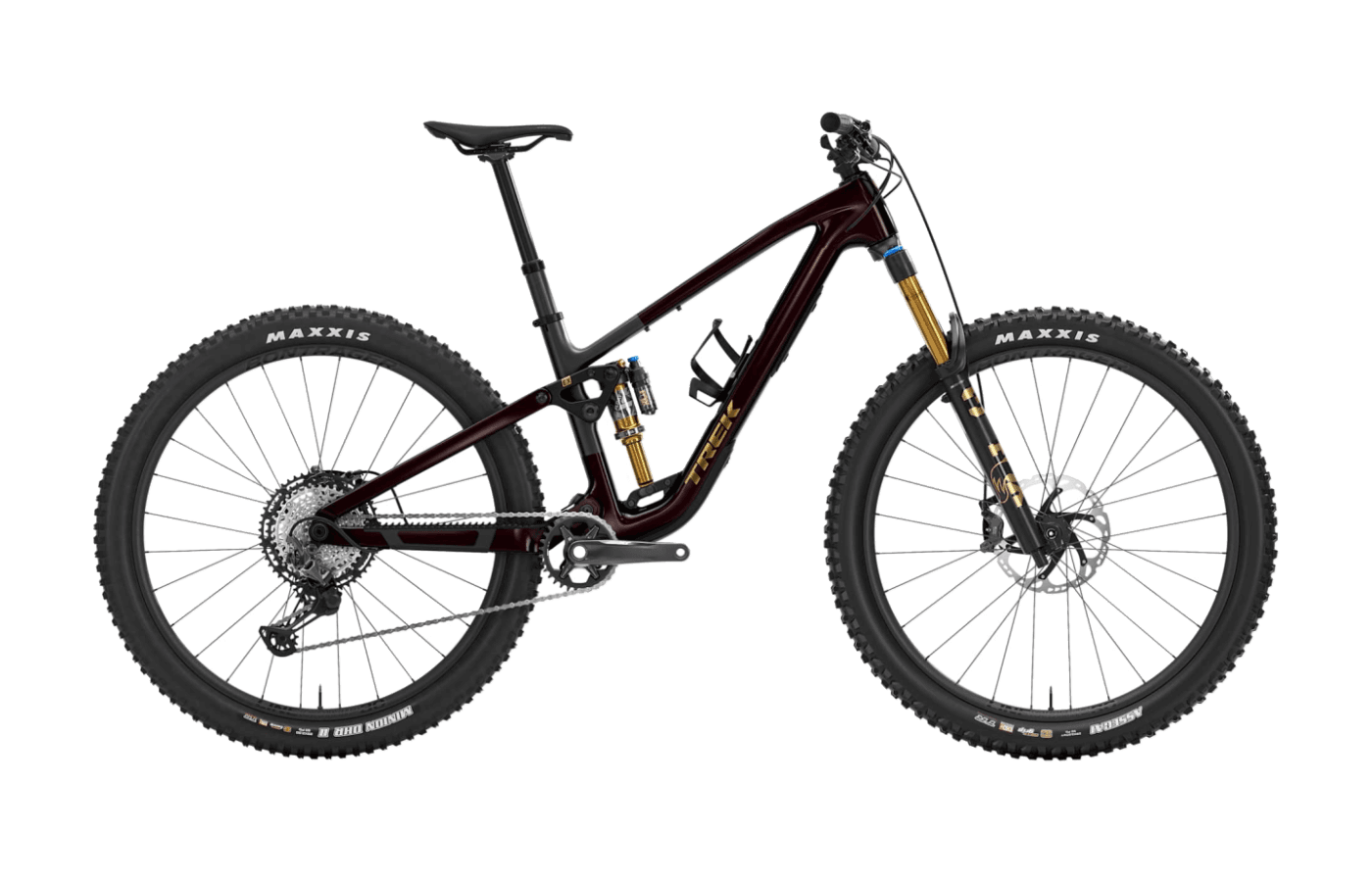
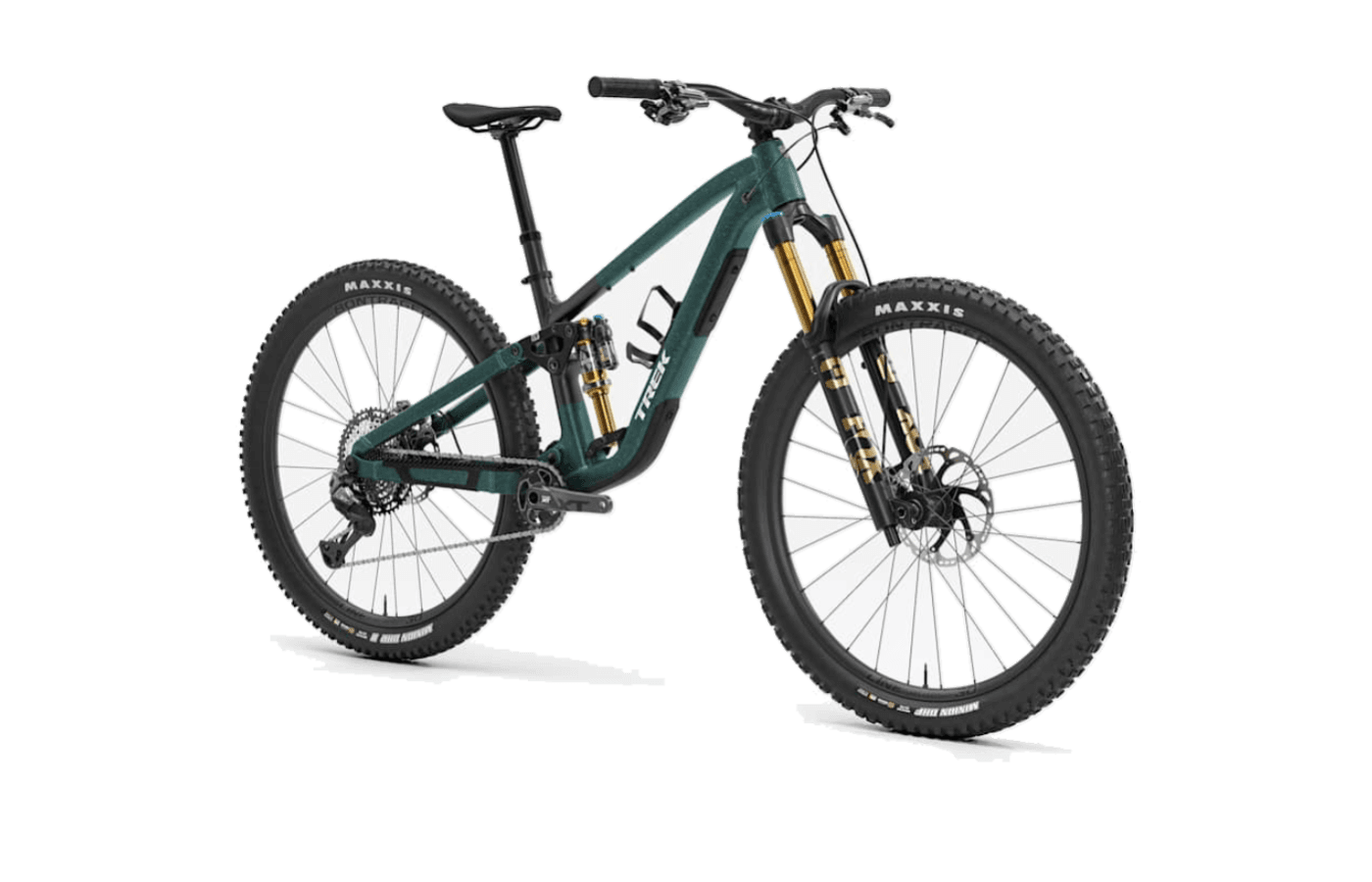
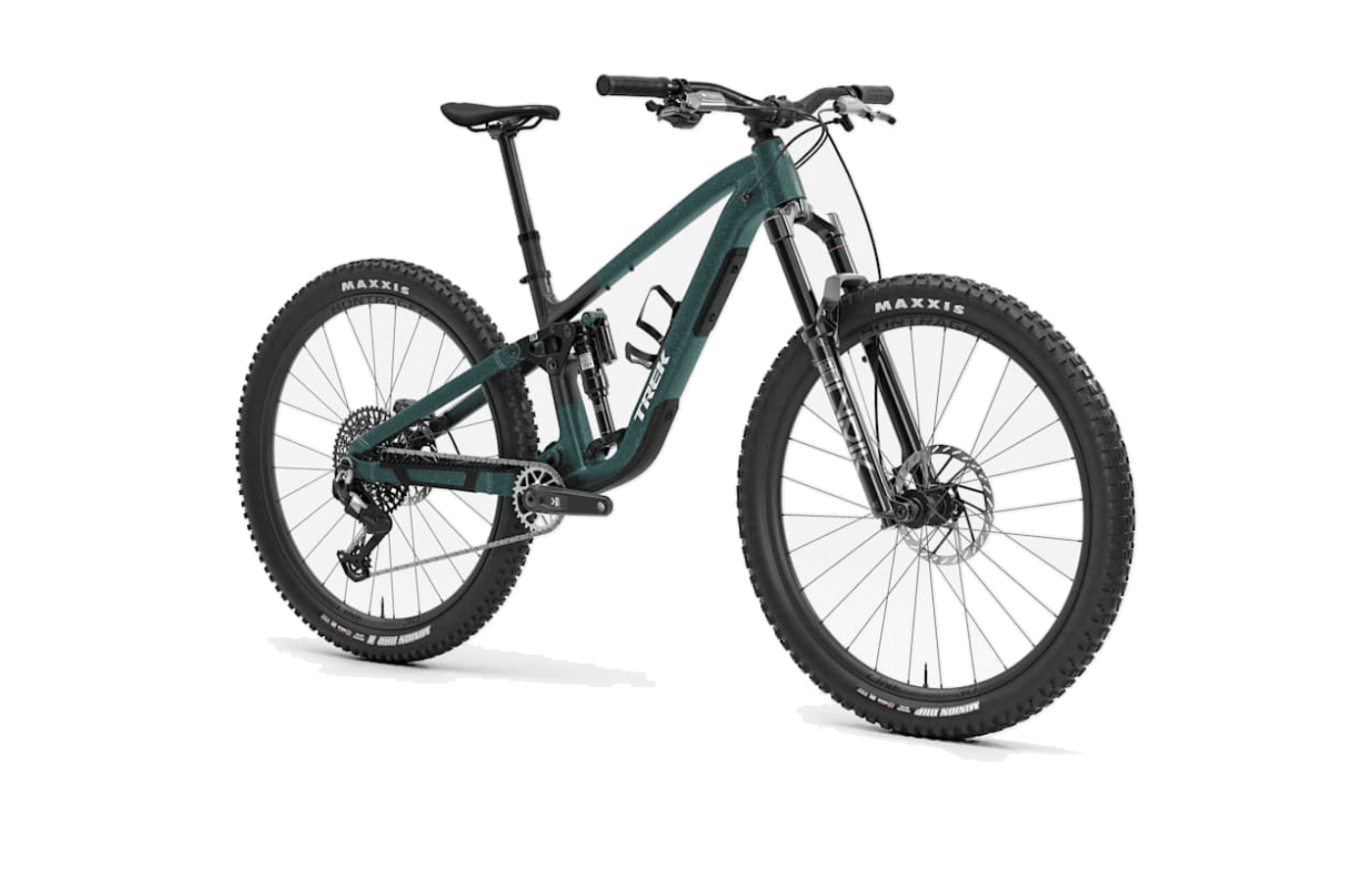
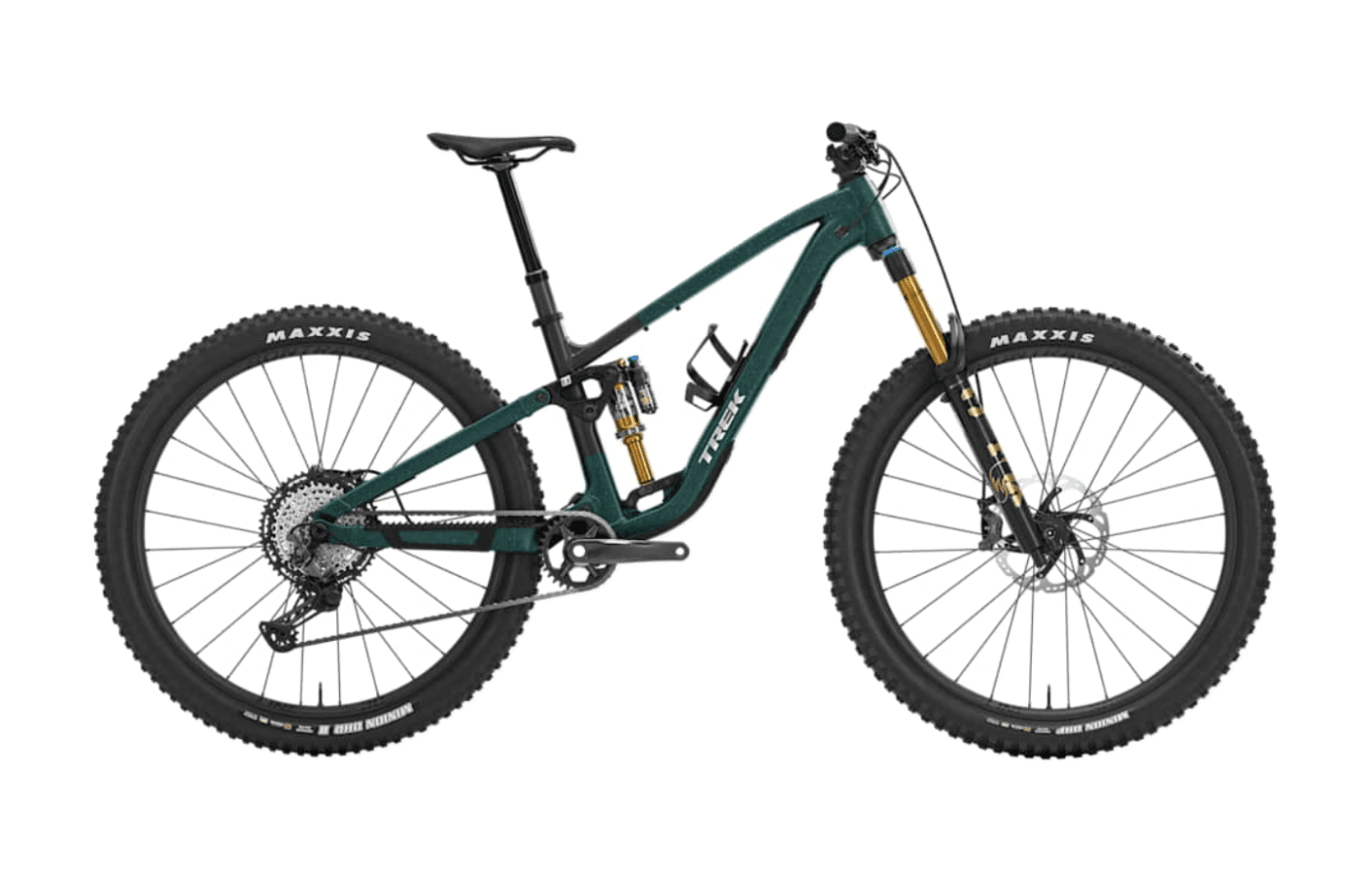
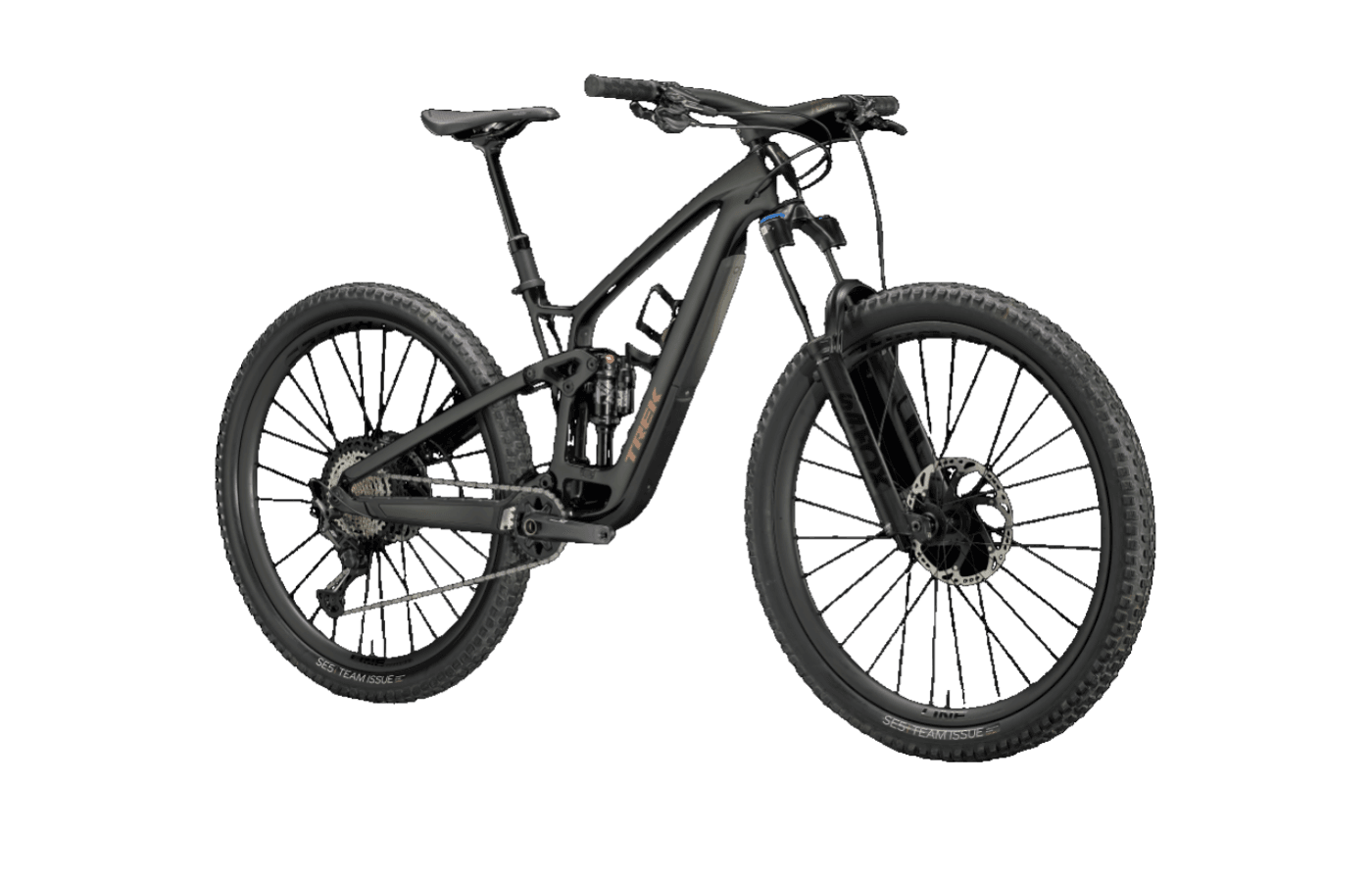
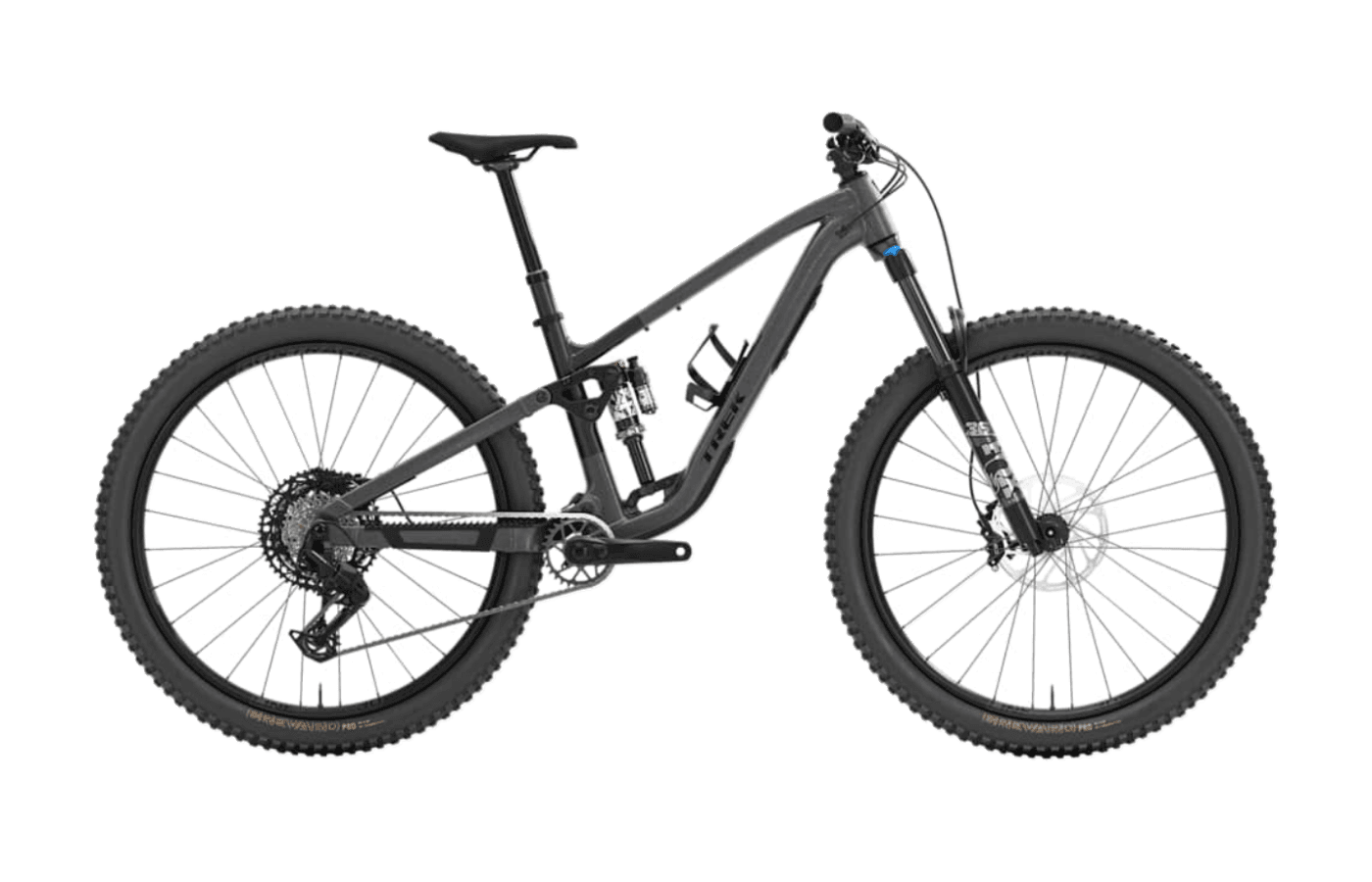
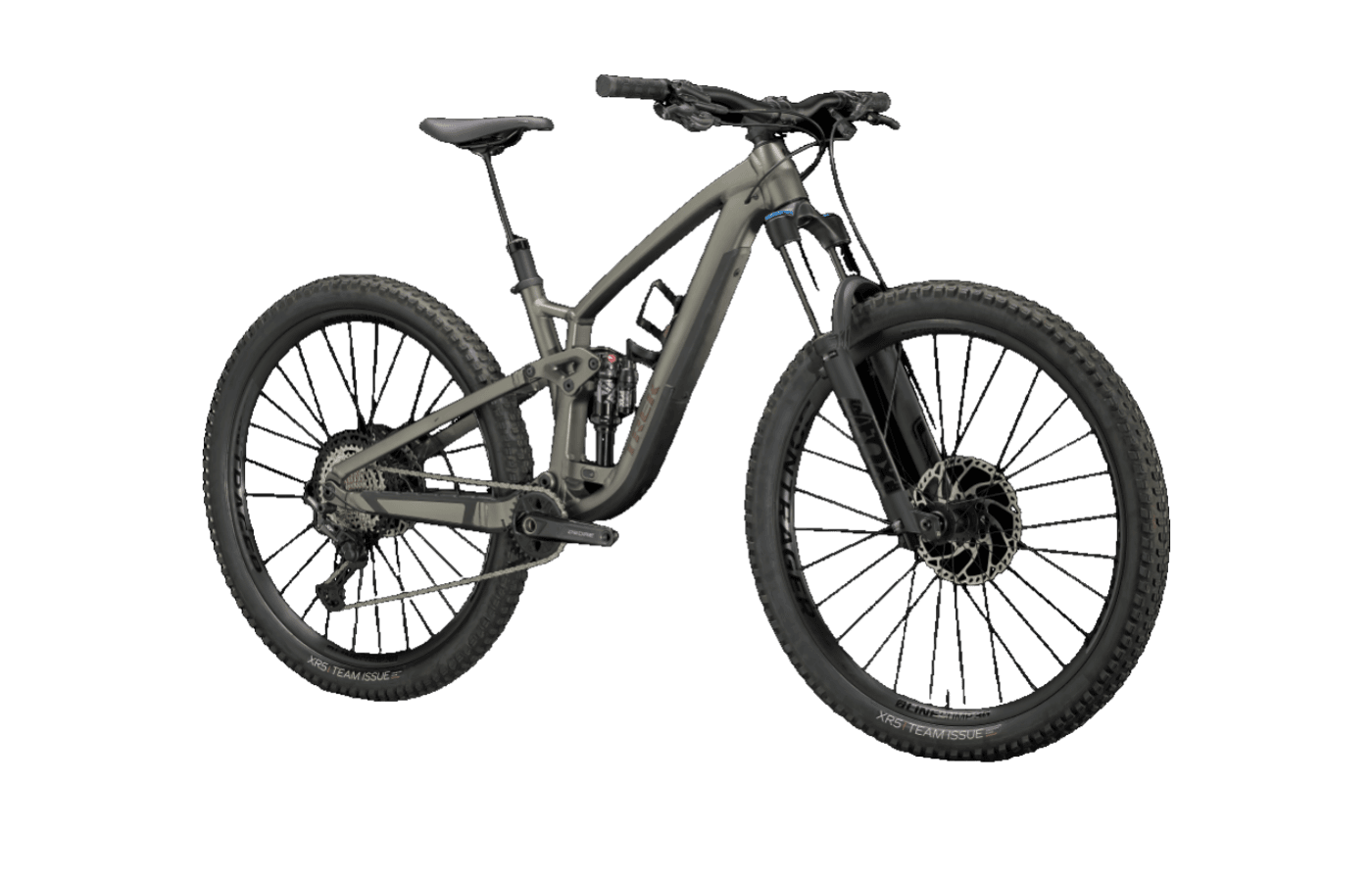
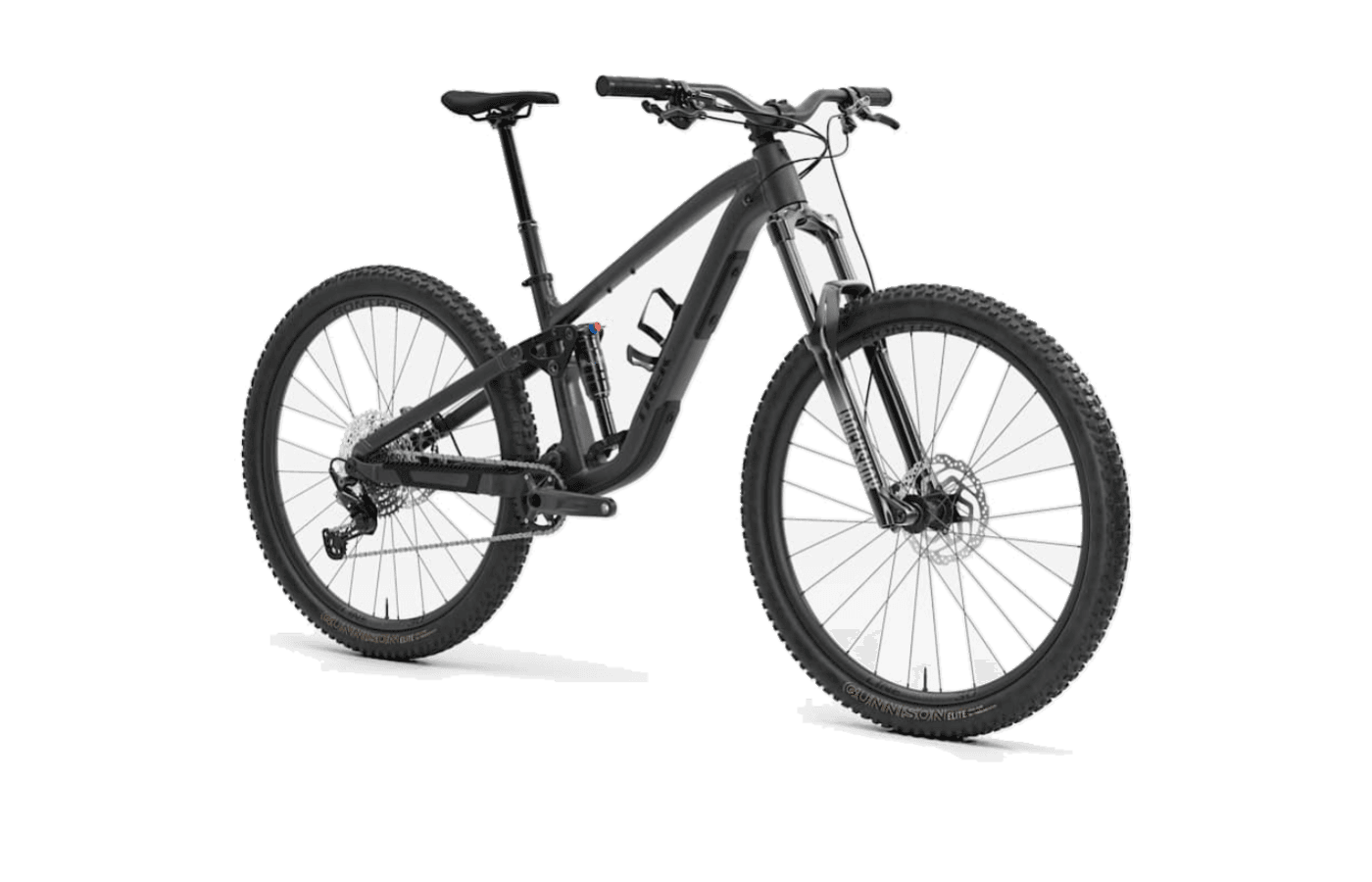
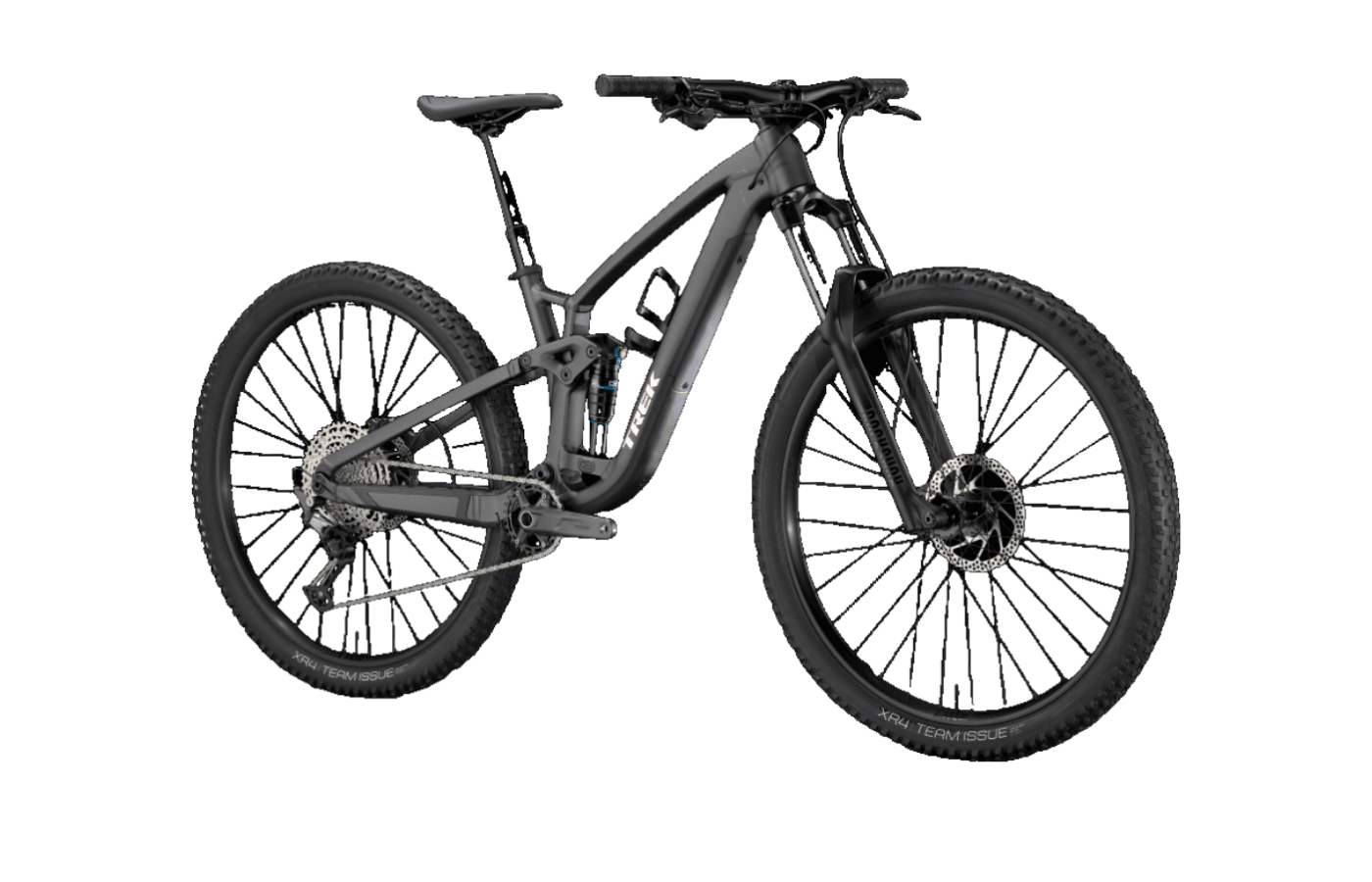
The Gen 7 Fuel EX lineup spans a wide price range, split between Alpha Platinum aluminum frames and OCLV Mountain Carbon options. The entry-level EX 5 provides a basic RockShox Recon fork and Shimano Deore drivetrain, but the alloy EX 8 is widely considered the value sweet spot. It pairs a Fox 36 Rhythm fork and Float X shock with SRAM's wireless Eagle 70 Transmission and DB8 four-piston brakes, offering high-end shifting reliability at a mid-tier price.
Moving into the carbon models, the 9.8 and 9.9 tiers introduce premium suspension, including Fox Factory Grip X2 or RockShox Lyrik Ultimate forks, alongside carbon wheels and handlebars. Drivetrain options at the upper end split between Shimano XT (mechanical or Di2) and SRAM's higher-tier Eagle 90 and X0 Transmissions. Braking also upgrades to SRAM Maven or Shimano XT four-piston calipers for increased stopping power. While the modular frame design allows riders to convert any EX build into an MX or LX configuration, doing so requires purchasing separate rocker links, lower shock mounts, and potentially new suspension components.


From the press.
6 reviews from the cycling press.
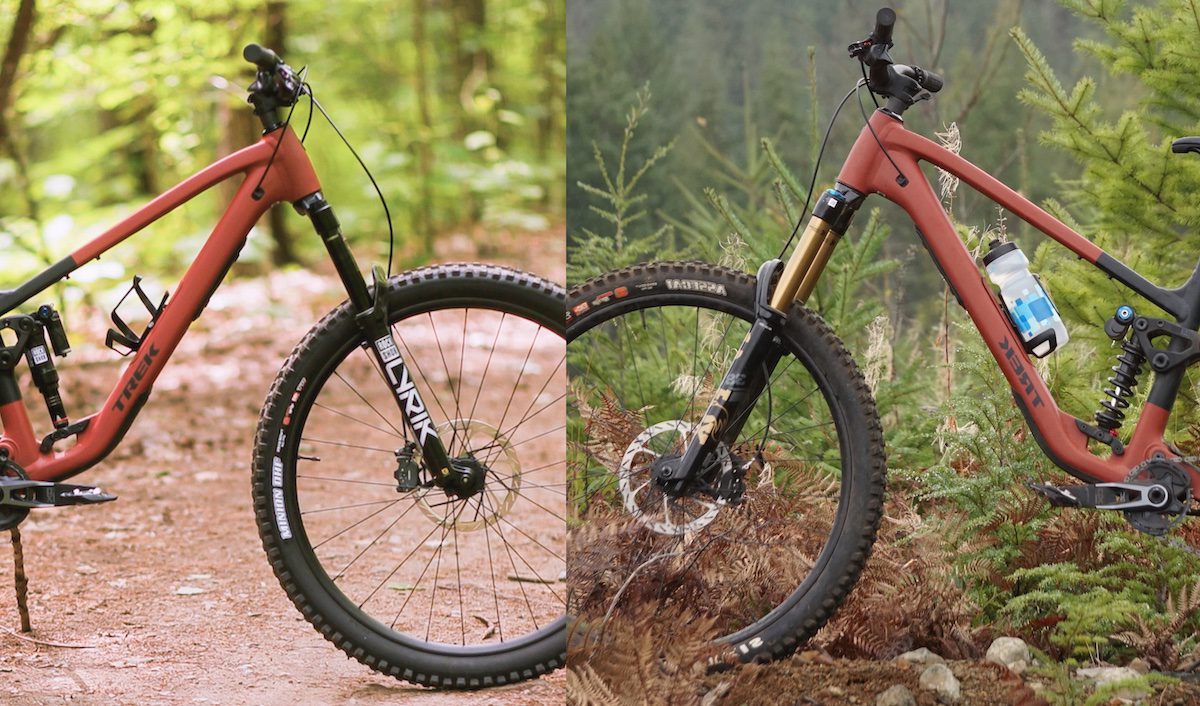
Reviewers consistently characterize the Gen 7 Fuel EX as a highly composed descender that masks its substantial weight with sophisticated suspension. The revised kinematics and Active Braking Pivot design provide excellent traction, keeping the rear wheel "glued to the ground" (Flow Mountain Bike) over rapid-fire hits and heavy braking. Testers found the initial suspension stroke offers a "useful, helpful, comfortable bit of ease" (Singletrackworld) that prevents the bike from feeling skittish on technical trails.
When pointed downhill, the bike's mass becomes an asset. The heavy frame delivers an "unshakeably anchored" (Mountain Bike Rider) sensation that mimics much larger gravity bikes, making it a "rocket on steep descents" (Cycling Magazine). However, that same weight creates noticeable inertia on flat terrain and out of slow corners. While it excels at technical, traction-limited climbing, testers noted it requires more effort to accelerate than lighter trail competitors.
The primary criticism across reviews centers on the stock Bontrager Brevard tires, which testers found too flimsy for the bike's aggressive capabilities, frequently suffering punctures. Additionally, some reviewers experienced cable rattle on the alloy frames and an internal rattle on the Fox 36 Rhythm fork equipped on the EX 8 build.
Review: Can Trek’s Fuel(s) platform be most things to most people?
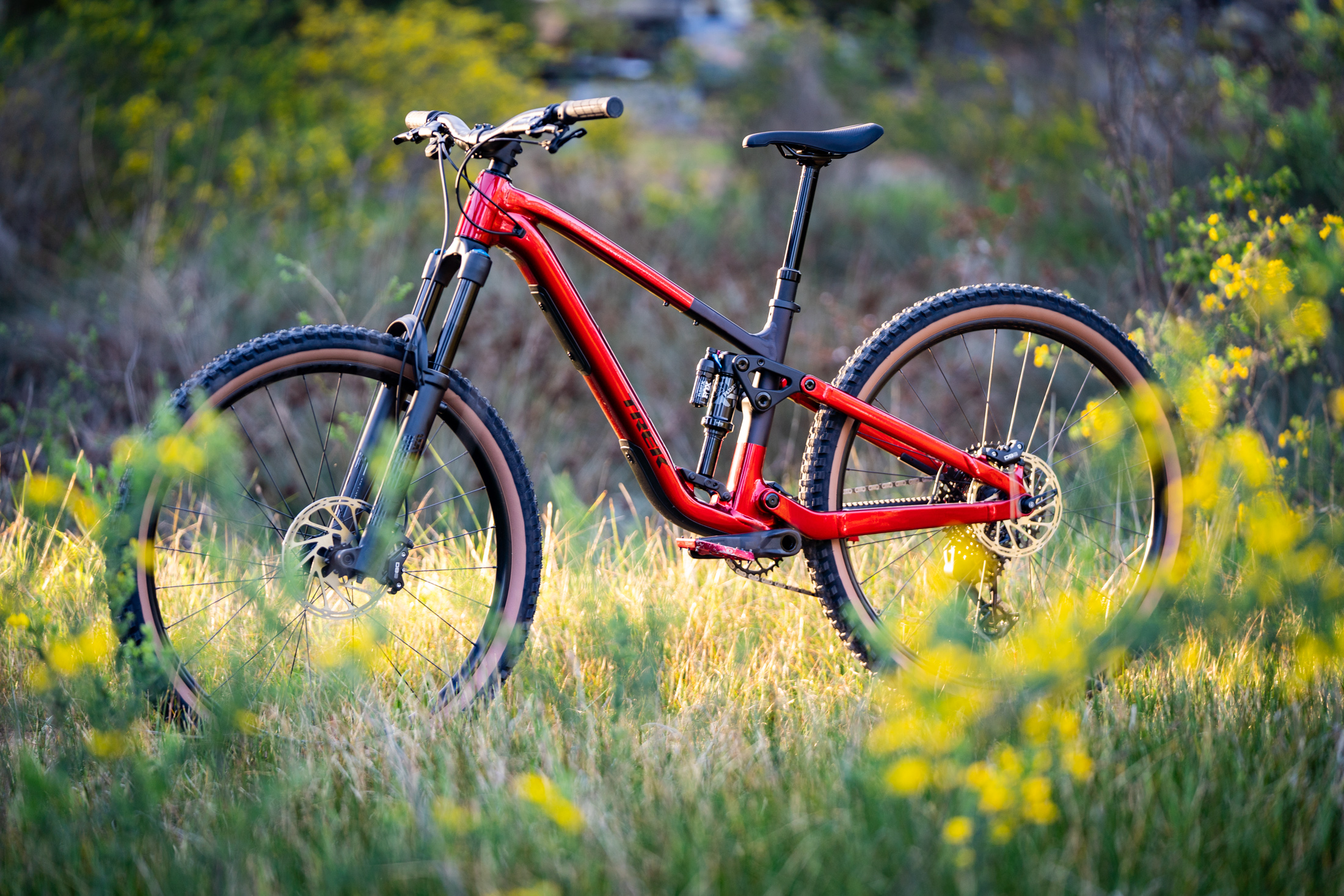
2026 Trek Fuel EX 8 Review | Redefining the modern trail ...
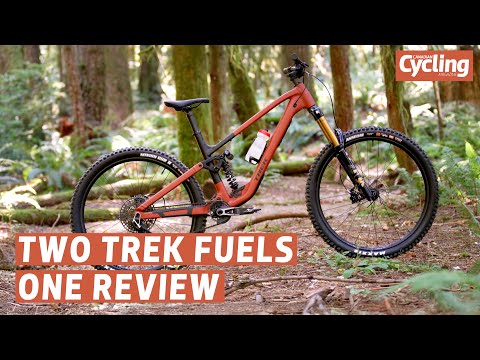
First impressions: Gen. 7 Trek Fuel EX and Fuel LX
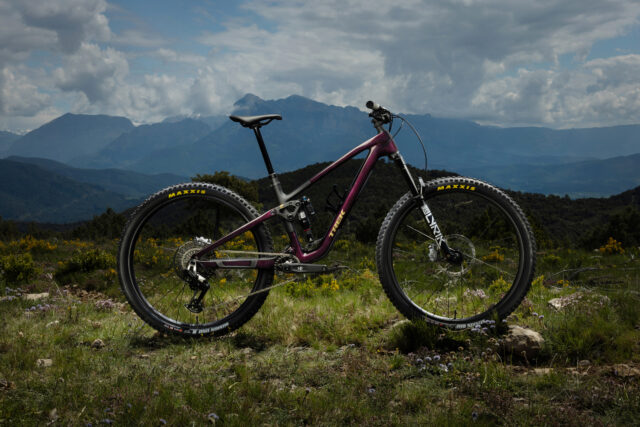
Trek Fuel EX, MX, & LX
Trek Fuel EX 8 first ride review
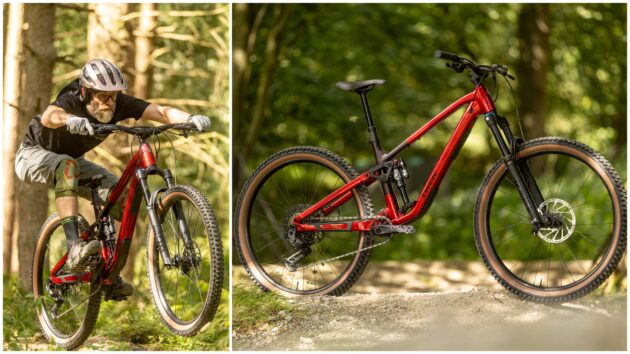
Trek’s new alloy-framed Fuel 8 is over £1,000 cheaper than the outgoing model, and small changes help it rip even harder on the trails: but at 17kg it weighs nearly as much as some e-bikes - MBR
Compared to.
Most-viewed comparisons.
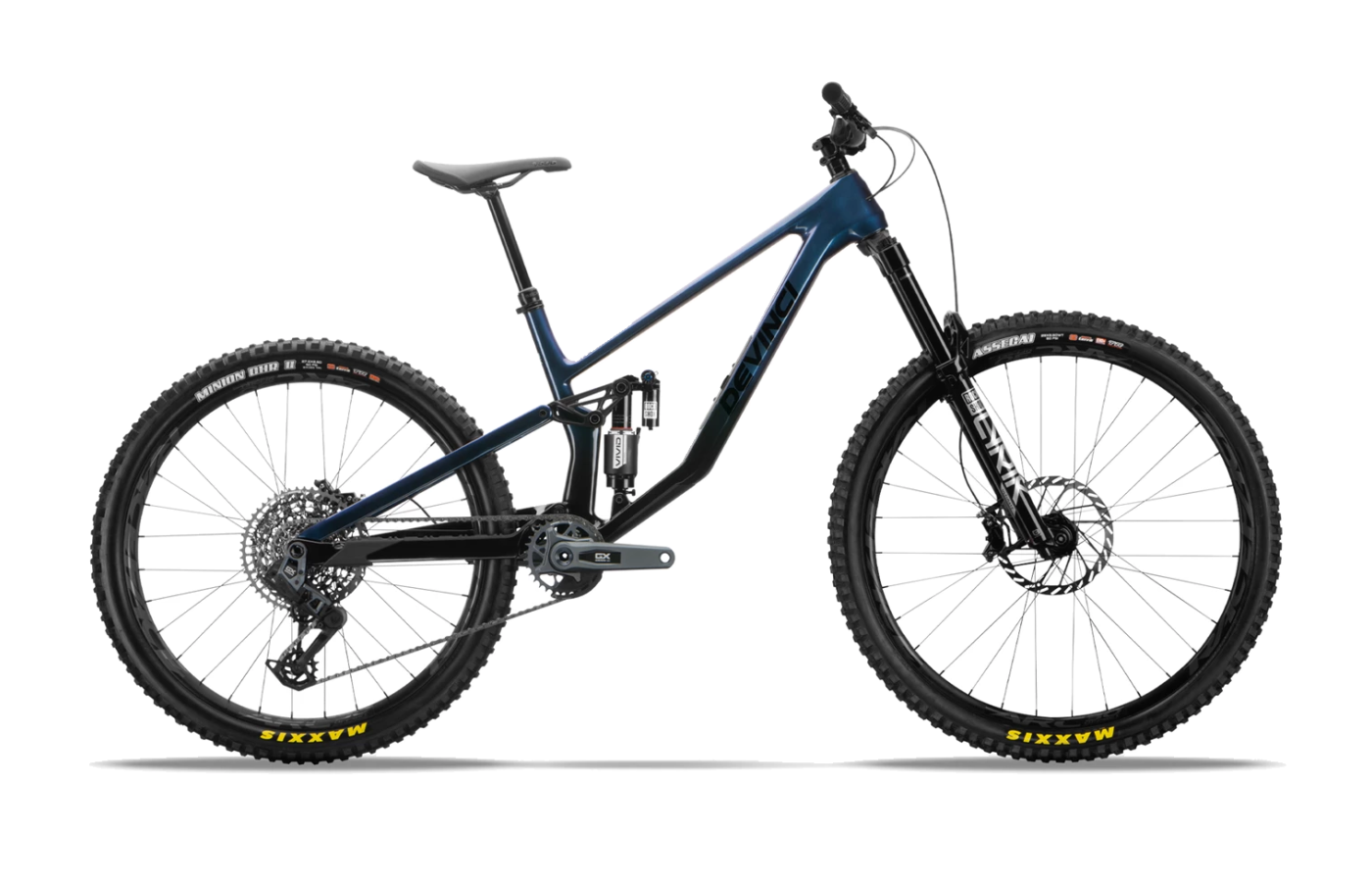
Devinci Troy vs Trek Fuel EX
Read comparison→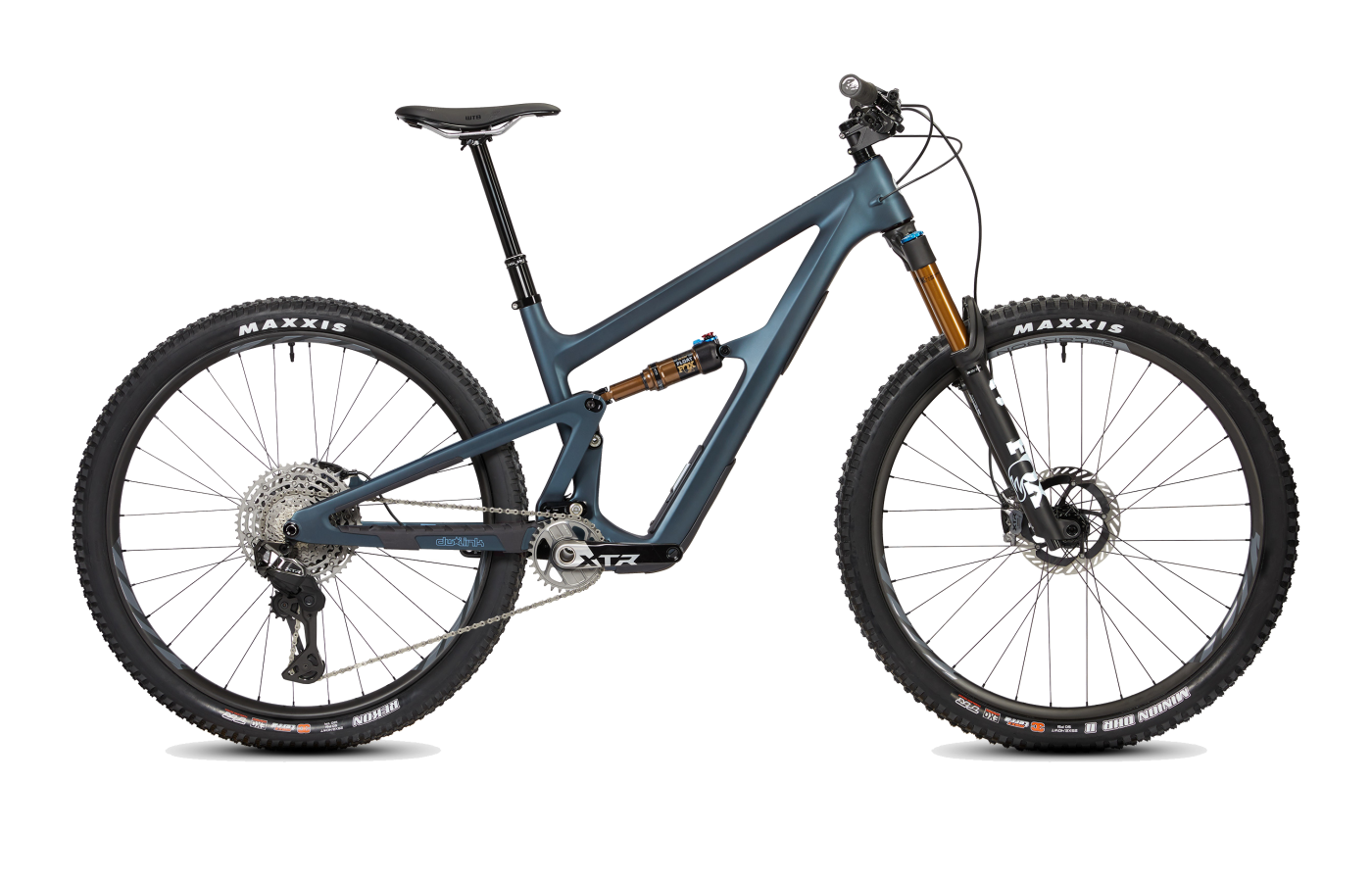
Ibis Ripley vs Trek Fuel EX
Read comparison→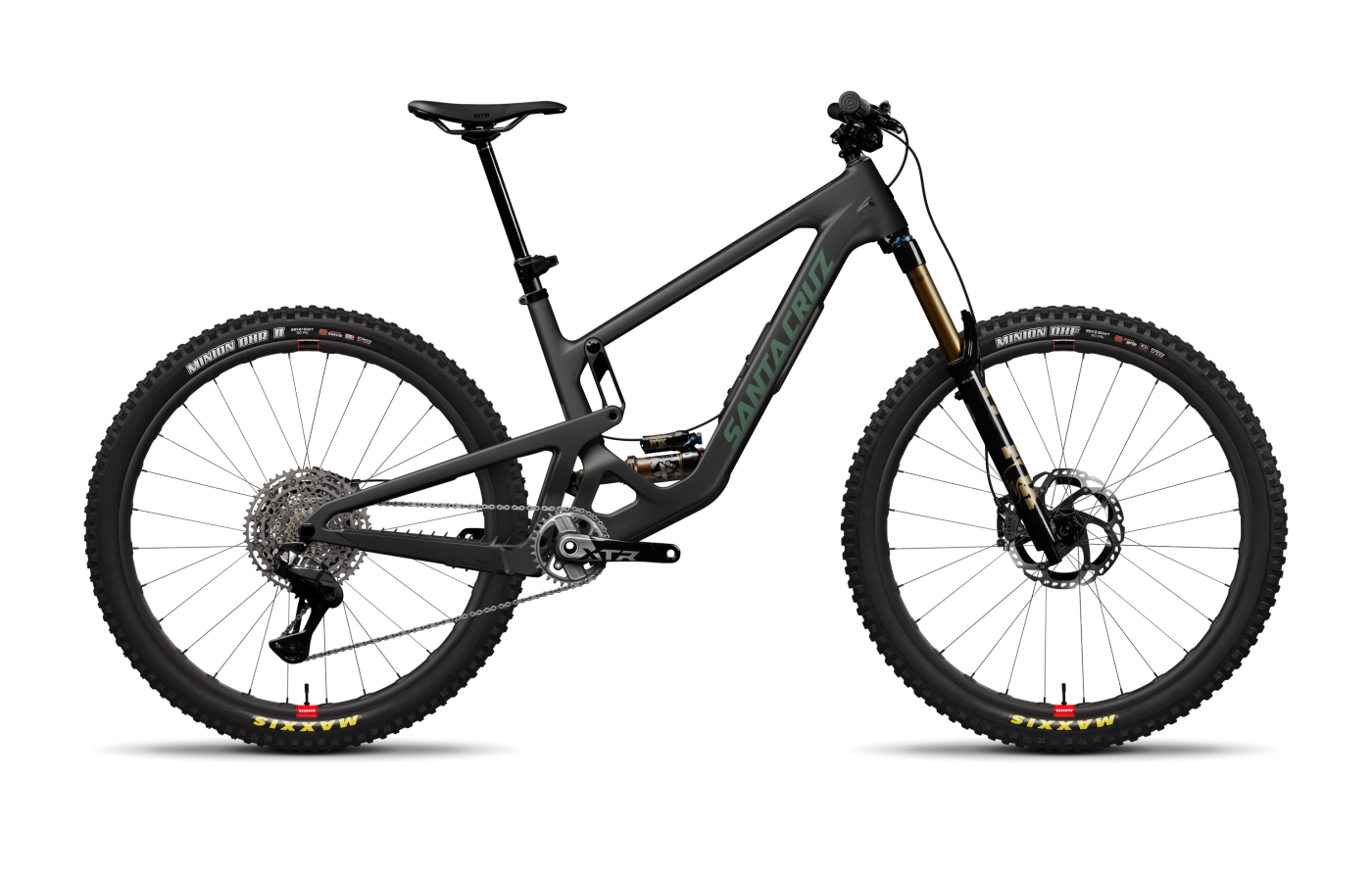
Santa Cruz Hightower vs Trek Fuel EX
Read comparison→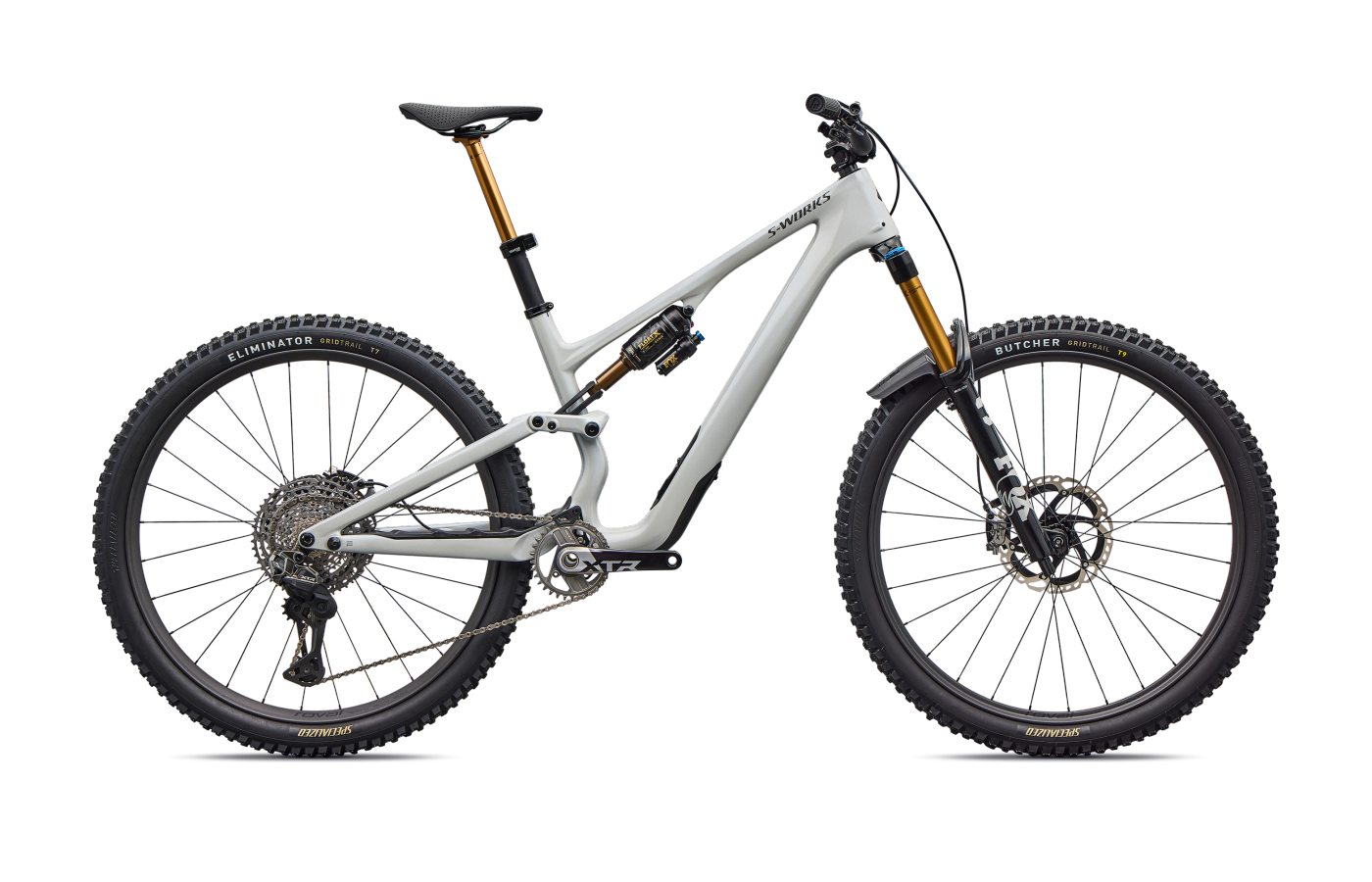
Specialized Stumpjumper Evo vs Trek Fuel EX
Read comparison→
Specialized Stumpjumper vs Trek Fuel EX
Read comparison→Trek Fuel EX vs Remedy
Read comparison→