Fuel EX
vsSlash
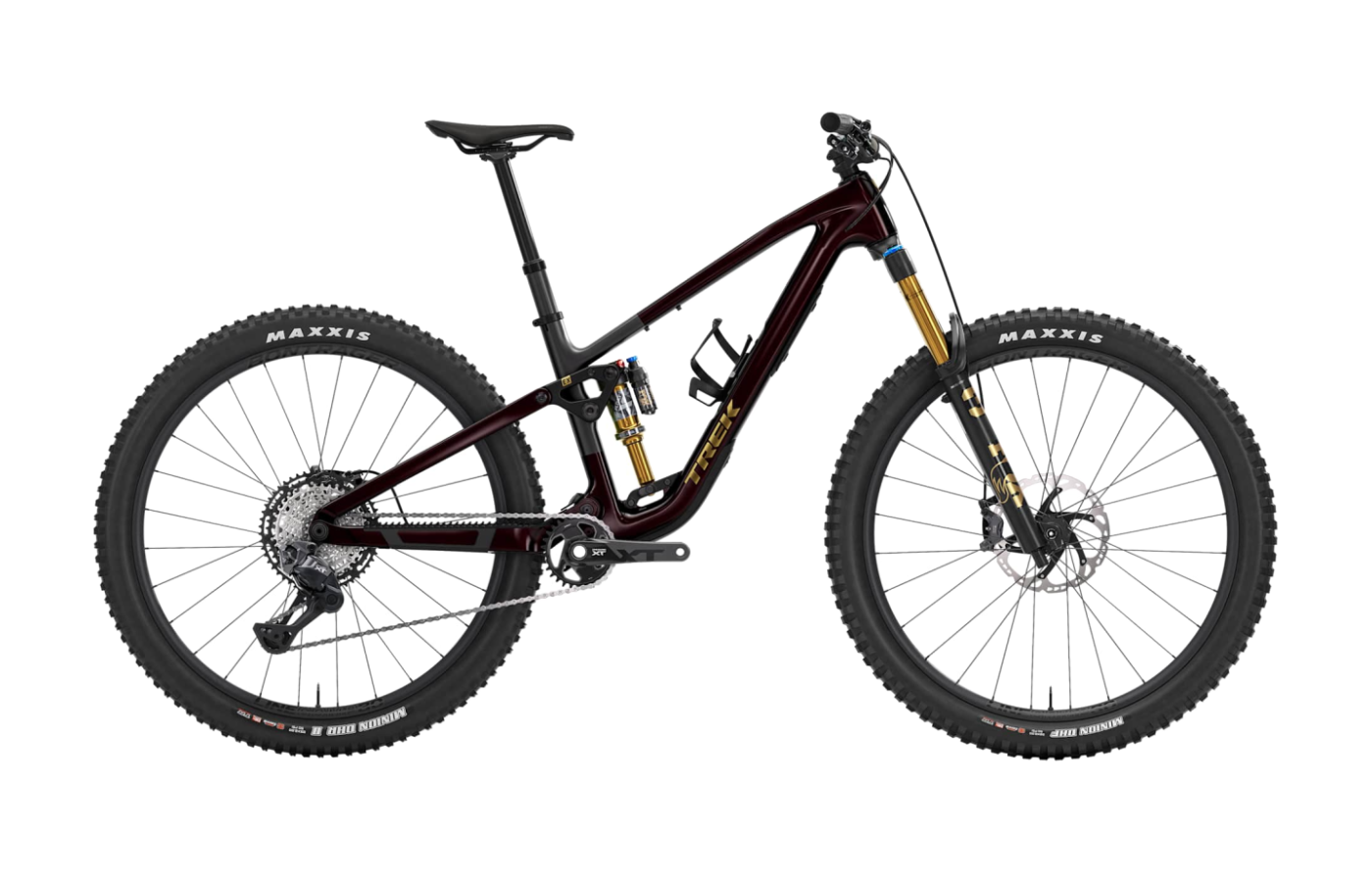
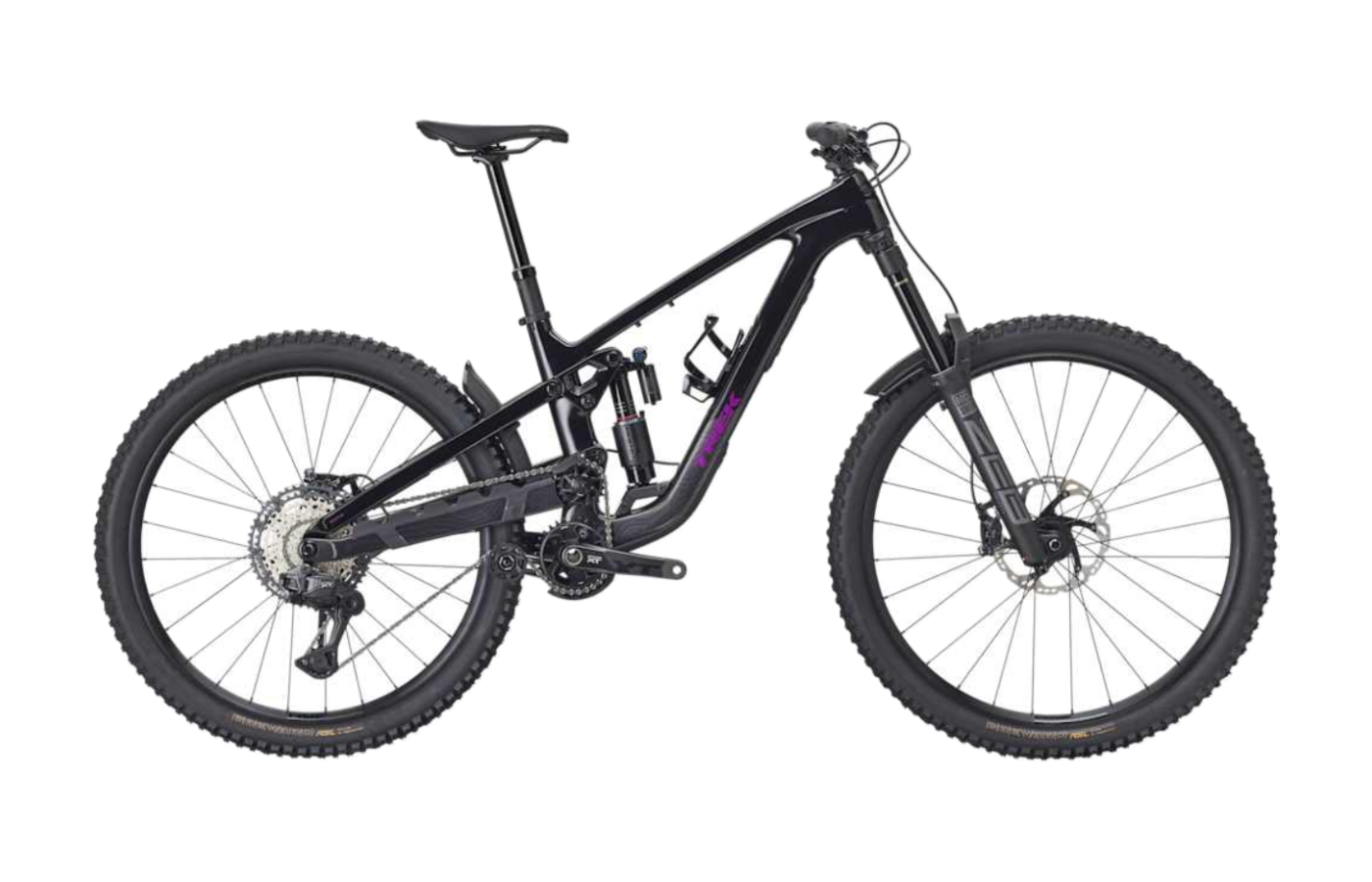
One frame, three personalities — or one bike, all gravity.
The Fuel EX Gen 7 is a modular trail platform that morphs from 145 mm to 160 mm. The Slash Gen 6 is a 170 mm high-pivot specialist that only knows how to descend.
Fuel EX
- Modular travel — same frame becomes 145 mm trail, 150 mm mullet, or 160 mm enduro via swappable rocker links and shock mounts.
- Strong technical climber — ~77.4° effective seat angle and active anti-squat keep the rider centered without idler drag.
- Wider price ladder — enters at $2,299 and tops out at $8,499, with carbon options from the mid-builds up.
- Heavy for a 145 mm trail bike — alloy builds tip 16.6–17 kg, more than some e-bikes per MBR.
- Modular conversions aren't flip-chip cheap; new linkages and shock mounts are a parts purchase, not a quick swap.
Slash
- High-pivot composure — rearward axle path and 170 mm of travel devour square-edged hits at speed.
- Coil-like rear feel — the RockShox Vivid shock on most builds delivers suppleness reviewers say rivals a coil.
- Aggressive race geo — 63.3° HTA, 351 mm BB, stock mullet setup, sized chainstays for balanced cornering.
- Idler drivetrain adds drag, noise, and maintenance — Trek issued a service bulletin for early chain-drop issues.
- Low BB punishes pedaling on undulating terrain with frequent pedal and bash-guard strikes.
Editor’s analysis
The Fuel EX wants to be three bikes; the Slash wants to be the one bike, on the steepest day of the year.
The Trek Fuel EX and Trek Slash now share the trail-bike conversation in a way they never used to. The Fuel EX Gen 7 grew up — 145 mm rear travel, 150 mm fork, a 64.5-degree head tube angle, and a swappable rocker link that lets owners reconfigure it as a 150 mm mullet (MX) or a 160 mm enduro rig (LX). The Slash, in turn, was pushed further down the mountain: a high-pivot suspension layout with a 19-tooth idler pulley, 170 mm at both ends, a 63.3-degree HTA, and a stock mullet wheel setup.
On the climbs, the Trek Fuel EX is the smarter pick. Reviewers consistently call it a 'technical climbing master' — the steep ~77.4-degree effective seat angle keeps you centered, the suspension stays planted without bobbing, and there's no idler drag eating watts. Even at ~17 kg in alloy trim it's the lighter and quieter bike going up. The Slash will winch up anything if you're patient, but the idler audibly drags when it's not freshly cleaned, and the rearward axle path can stall the rear wheel against square-edged ledges at low speed.
Pointed downhill, the Trek Slash is the more capable tool by a clear margin. The high-pivot rearward axle path lets the rear wheel move out of the way of square-edged hits, which translates to a 'coil-like' suppleness from the RockShox Vivid shock and a calmness through chunder that 145 mm bikes simply can't match. Reviewers call it a 'cheat code' on rough, fast terrain. The Fuel EX punches well above its 145 mm — 'glued to the ground' is the phrase that keeps coming up — but it asks the rider to pick lines the Slash plows through.
The right answer comes down to what fraction of your riding is descending. If your local mountain has long, fast, chunky descents and you don't mind sitting and spinning to the top, the Slash will reward you every lap. If your trails mix punchy climbs with descents you actually want to ride uphill back to, or if you want a single bike that can flex from trail to enduro via a parts kit, the Fuel EX is the more honest choice — and starts $2,100 cheaper.
Where the builds differ.
Comparing our editor's-pick builds side-by-side. Winners highlighted row-by-row — lower price and weight, and the better-spec component, each mark a point.
Build variants & pricing
Both span ~$4k of range. The Fuel EX starts $2,100 cheaper and has a much deeper alloy bench; the Slash skips the entry tier entirely.
Prices are current US MSRP. Editor's picks land on the matched 9.8 XT Di2 builds — same drivetrain tier, same OCLV Mountain Carbon front triangle, $200 apart. Cheaper alloy builds exist on both platforms if Di2 isn't the priority.
How they fit, how they steer.
Compared at Fuel EX size M (460 mm reach, 624 mm stack) vs. Slash size ML (468 mm reach, 632 mm stack) — the fit-picked sizes for a default rider on each bike. The Slash sits 1.2 degrees slacker, with 14 mm more trail and 3 mm shorter chainstays at this comparison.
Which size should I buy?
Sizing recommendations use stack, reach, and effective top tube. The Slash's S-M-ML-L-XL ladder is denser through the middle than the Fuel EX's S-M-L-XL-XXL run.
→These are starting points. Flexibility, riding style, and preferred position all shift the answer — if you’re between sizes, a professional fit beats a chart.
What the magazines said.
Published reviews from trusted cycling outlets. Click through for the full write-up.
Which one should you buy?
If your day is mostly climbing and technical trail, get the Fuel EX. If your day is mostly descending and you don't mind a winch-and-plummet rhythm, get the Slash.
Fuel EX
If you want one bike for technical climbs, mixed-terrain trail days, and the occasional bike-park lap — and you'd rather pay extra later for a 160 mm rocker than carry a second bike — the Fuel EX is the smarter long-term buy. The starting price is also genuinely friendly.
Slash
If most of your riding is steep, fast, and chunky — bike park, shuttle days, true enduro terrain — the Slash's high-pivot composure is the difference between surviving a section and ripping it. The climbing penalty is real but predictable.
Questions buyers actually ask.
Short answers to the things we get emailed about most often.
01Which descends better?
The Trek Slash, clearly. With 170 mm of travel front and rear, a 63.3° head tube angle, and a high-pivot rearward axle path, it's built specifically to maintain momentum through square-edged hits that would hang up a shorter-travel bike. Reviewers across Bike Perfect, Flow MTB, and The Loam Wolf describe it as 'insanely composed' and a 'cheat code' on chunky terrain.
The Fuel EX punches well above its 145 mm — calm, glued-to-the-ground feel — but it can't match the Slash when the trail gets genuinely rowdy.
02Which climbs better?
The Trek Fuel EX. The ~77.4° effective seat angle puts you in a centered, locked-in climbing position, and there's no idler drivetrain dragging on every pedal stroke. Reviewers consistently call it a 'technical climbing master' — the suspension stays active enough to track over roots without bobbing, and the bike rewards a high-cadence, seated approach.
The Slash will climb anything if you're patient — its anti-squat is tuned to stay near 100% — but the idler adds audible drag and the rearward axle path can stall the rear wheel against square-edged ledges at low speed.
03How much travel does each bike have?
Fuel EX (Gen 7): 145 mm rear, 150 mm fork — in stock 'EX' configuration. Swap the rocker link and shock mount and the same frame becomes the 150 mm mullet 'MX' or the 160 mm 'LX' enduro version (separate parts purchase, not a flip chip).
Slash (Gen 6): 170 mm rear, 170 mm fork — fixed. The Slash is the higher-travel bike and isn't reconfigurable for less.
04What's the deal with the Slash's idler pulley?
The Slash uses a high-pivot suspension layout, which routes the chain over a 19-tooth idler pulley above the main pivot. This lets the rear axle travel rearward as it compresses — great for absorbing square-edged hits — but the extra chain wrap costs a few percent in pedaling efficiency and the idler needs regular cleaning to stay quiet. Trek has shipped an updated idler with a longer tooth profile to address early chain-drop issues; owners should verify their spacer setup against the service bulletin.
The Fuel EX has no idler — it's a conventional ABP four-bar with no pedaling penalty.
05How heavy are they really?
Both are heavy for their categories. The alloy Fuel EX 8 measures around 16.6–17 kg per Flow MTB and MBR, with mid-tier carbon builds around 15.1–15.4 kg. The carbon Slash 9.8 XT Di2 is listed at 16.6 kg (size M); the alloy Slash 8 is around 16.7 kg. MBR famously called the alloy Fuel EX 8 'overweight for a trail bike.'
If grams matter and you ride mostly XC-trail, look at the Trek Top Fuel instead.
06Can I run a coil shock on either?
Both frames work with coil shocks, but the Fuel EX's leverage rate flip chip is the more accommodating setup — toggling between 16.4% and 21.3% progression lets you tune for either an air or coil shock specifically. Reviewers note the 'more progressive' setting is well-suited to coil.
The Slash already has a coil-feeling air shock (Vivid Ultimate / Select+) on most builds; a coil swap is possible but rarely necessary.
07Which is the better value?
It depends on the use case. The Fuel EX 8 alloy build at $3,999 is a stonking-value trail bike with the SRAM Eagle 70 T-Type drivetrain — MBR called it 'over £1,000 cheaper' than the outgoing model with comparable performance.
The Slash 8 at $4,399 brings the high-pivot platform to a sub-$5k price point, which is genuinely uncommon — most direct competitors at 170 mm with this geometry start at $5,500+.
The weak point on both is tires: nearly every reviewer recommends an immediate upgrade from the stock Bontrager casings, adding ~$150 to either purchase.
08Will the new Fuel LX (160 mm) make the Slash redundant?
Singletrackworld and others have flagged this question directly. The Fuel LX uses the same Fuel EX frame with a different rocker link and shock mount to deliver 160 mm rear / 170 mm fork — close to the Slash's travel numbers, without the idler complexity. For mixed enduro/trail riders, the LX may indeed eat into the Slash's territory.
The Slash retains an advantage where the high-pivot kinematics specifically matter: very steep, very chunky terrain where the rearward axle path is doing real work. For everything else, the modular Fuel platform is increasingly a credible alternative.
Similar bikes
If your priorities don’t map cleanly onto either of these, one of these adjacent bikes probably fits better.
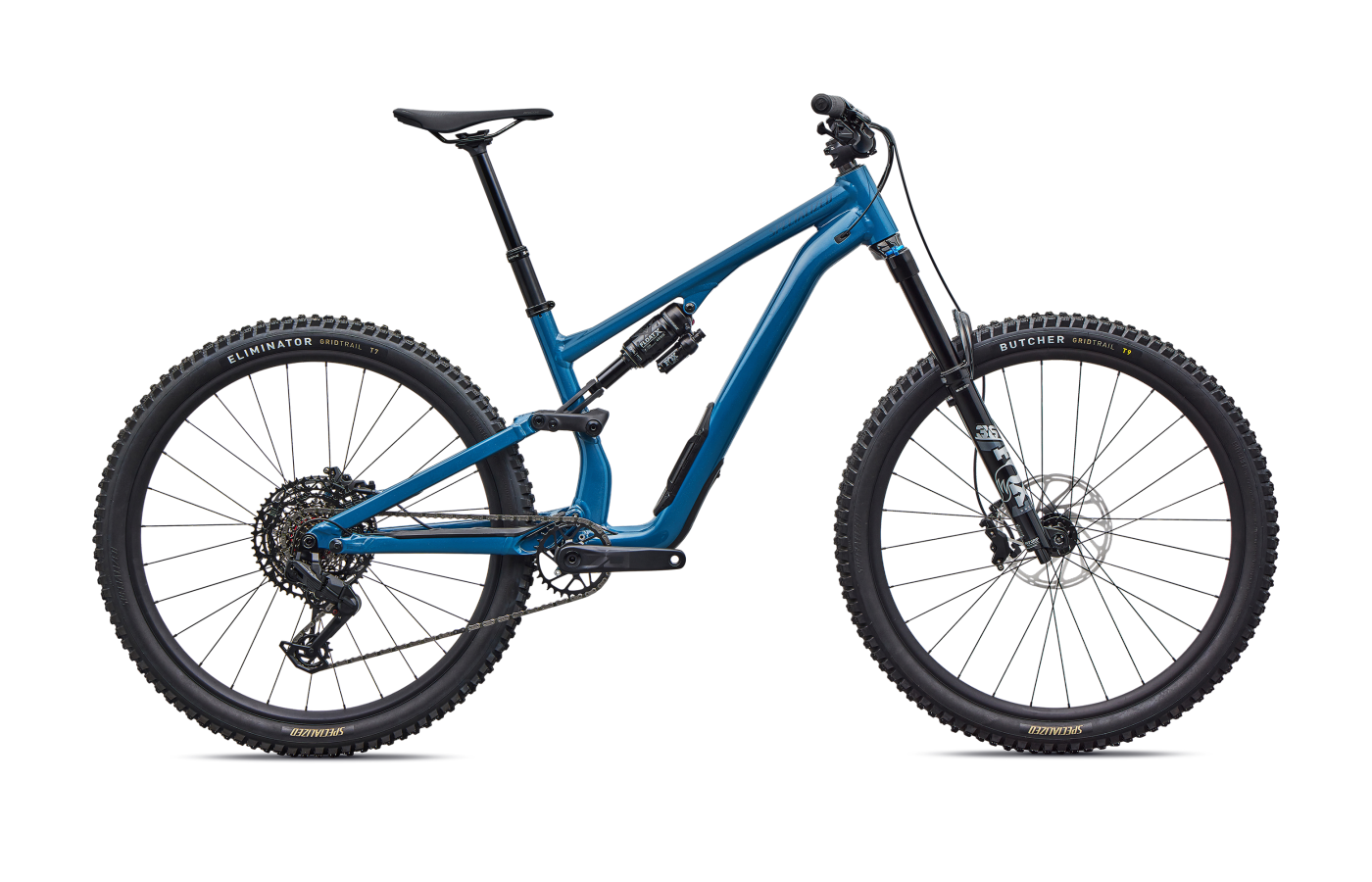
Stumpjumper Evo
The Specialized Stumpjumper Evo brings similar geometry adjustability to the Fuel EX with a more compliant carbon frame feel and a lighter overall build. Worth a look if the Fuel EX's modular ethos appeals but the alloy weight doesn't.
Compare →Spire
The Transition Spire is a direct rival to the Slash — 170 mm of descending prowess without the idler pulley's drag, noise, or maintenance overhead. The straightforward enduro answer if the high-pivot complexity isn't earning its keep on your terrain.
Compare →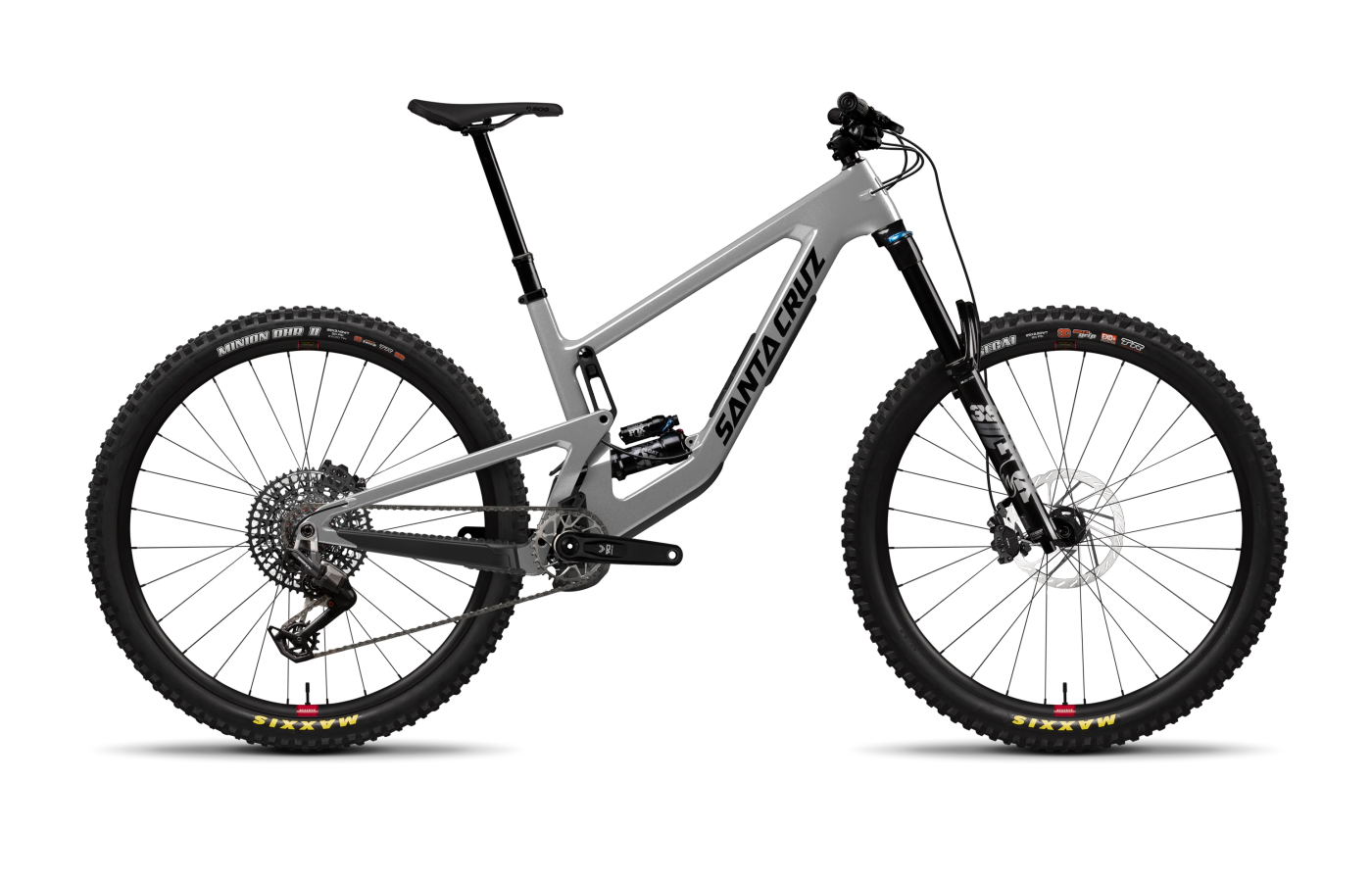
Megatower
The Santa Cruz Megatower is the race-focused enduro the Slash moved away from being. Less plow, more finesse — the right pick if you actually pin numbers and want a bike that rewards an active rider over a passive plow.
Compare →