Ripmo
vsSentinel
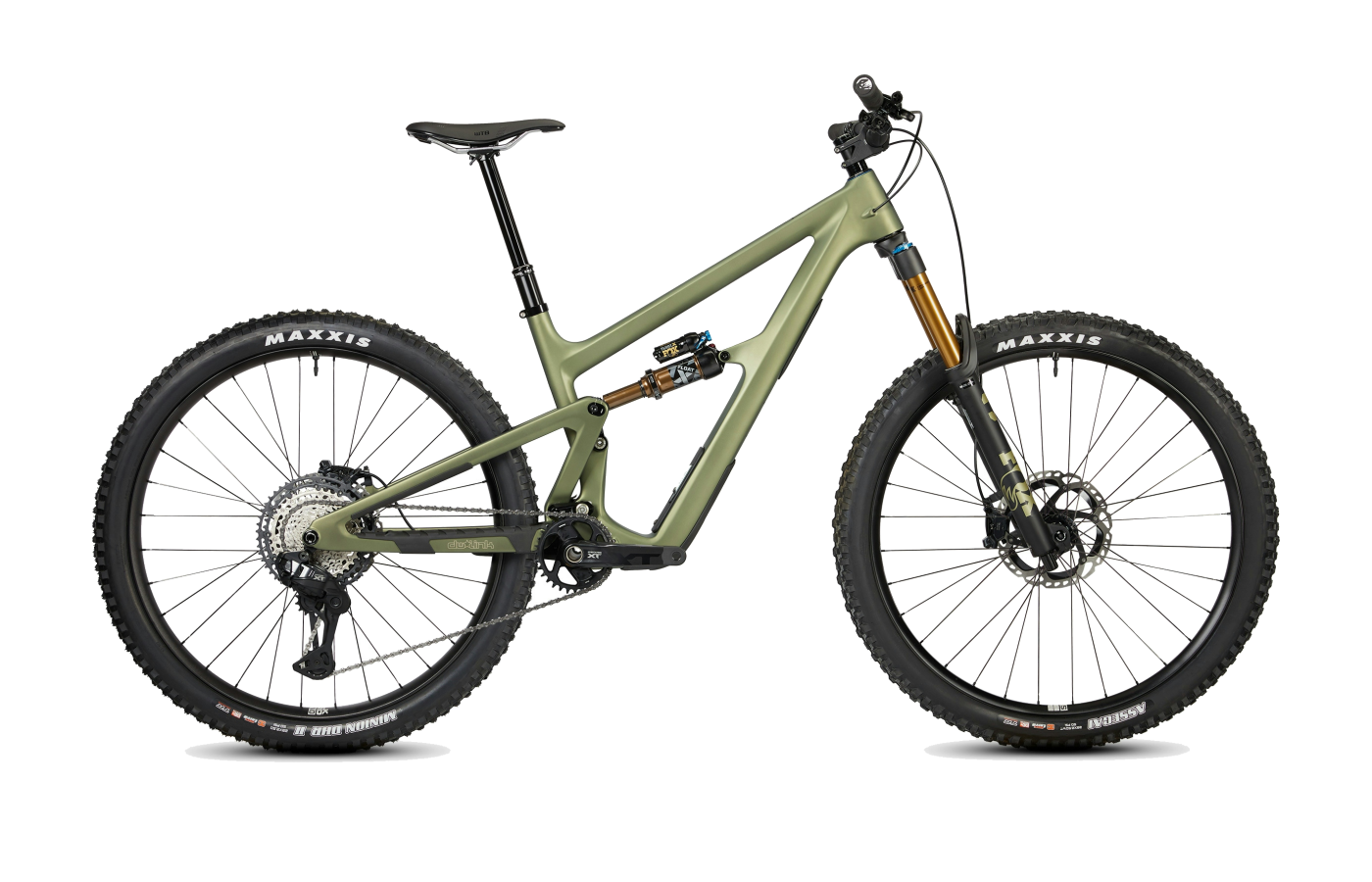
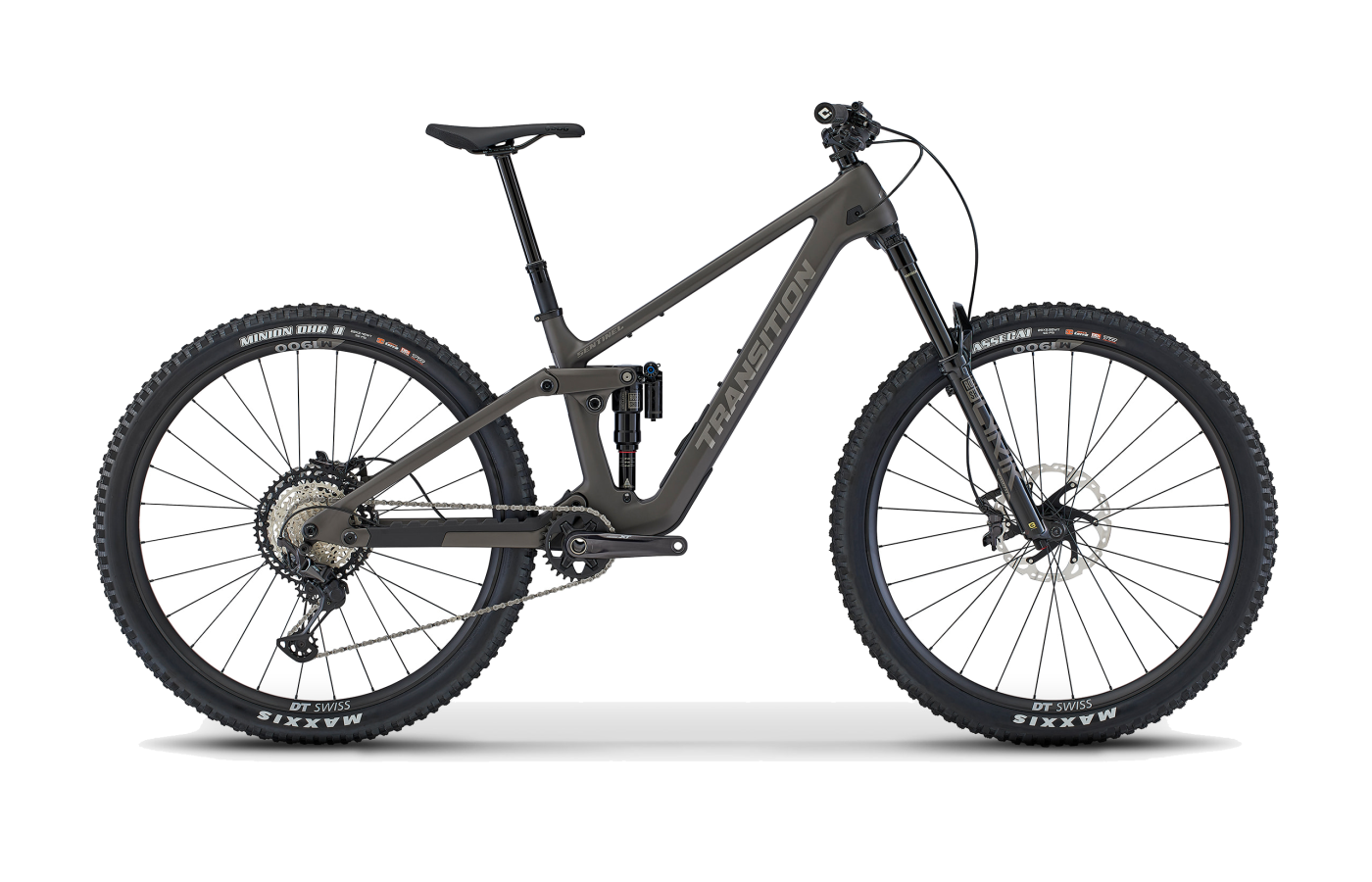
Two 150 mm trail bikes, two personalities.
The Ripmo is the lively DW-Link popper. The Sentinel is the firm, stable freight-train that wants you riding it hard.
Ripmo
- Energetic DW-Link climber — widely praised as one of the best climbers in the 150 mm travel class, with traction-rich pedal response.
- Playful, poppy descender — shorter chainstays (435 mm at MD) and an active mid-stroke reward manuals, gaps, and side hits.
- Lifetime IGUS lower-link bushings — Ibis warranties the lower link bushings forever, a rare ownership win.
- Higher entry price — even the Deore build starts at $5,199, and there's no alloy carbon-priced option.
- Some reviewers find the V3 less composed than longer-travel enduro rigs at the absolute top end.
Sentinel
- Stable at speed — a longer 442 mm MD chainstay, 64 degree HTA, and stiffened one-piece rocker make it nigh-unflappable on rough descents.
- Steepest seat angle in the comparison (78.9 degrees at MD) — keeps you centered over the BB on long, technical climbs.
- Best price ladder in the segment — Alloy Deore from $3,499, carbon from $4,999, scaling up to $9,999.
- Stock Super Deluxe Ultimate compression tune is consistently flagged as too light — many testers recommend a re-tune.
- Higher 350 mm BB (25 mm drop) feels less locked-in in fast, leaned berms unless you mullet it.
Editor’s analysis
Same travel, same fork, same wheel-size flexibility — but ride them back-to-back and they feel like they came from different planets.
On paper the Ibis Ripmo and Transition Sentinel are nearly twins: 150 mm rear, 160 mm front, 29" with mullet-via-flip-chip, carbon main triangle, in-frame storage, lifetime warranty. Both ship with Fox 36 GRIP X2 forks at the upper builds, both run a Maxxis Assegai/DHR II combo. If you spec-sheet shopped, you might pick a coin.
On the trail they pull apart fast. The Ripmo runs Ibis's DW-Link suspension with a deliberately active initial stroke — reviewers describe a "hoverbike" feel on chunky climbs and a poppy, energetic descender that wants to gap and whip. Geometry backs the personality: a 64.5 degree head angle, a relatively short 435 mm chainstay at size MD, and a noticeably lower bottom bracket. It's the bike that rewards you for shifting weight, manualing, and finding side hits.
The Sentinel V3 plays the opposite hand. Transition reworked GiddyUp for more mid-stroke support, then stiffened the chassis with a one-piece rocker link. The result is firmer, sharper, and — at 64 degrees with a 442 mm MD chainstay — built to carry speed in a straight line. Reviewers consistently call it "a freight train with style" pointed downhill. The catch is the well-documented stock Super Deluxe Ultimate tune: nearly every tester found the compression damping too light and recommended a re-tune to unlock the chassis.
Put another way: the Ripmo is the bike for the rider who turns flat trail into a playground. The Sentinel is the bike for the rider whose home loop has steep, rocky descents and who wants the chassis to disappear underneath them when things get fast.
Where the builds differ.
Comparing our editor's-pick builds side-by-side. Winners highlighted row-by-row — lower price and weight, and the better-spec component, each mark a point.
Build variants & pricing
The Sentinel starts $1,700 cheaper and offers an alloy frame option; the Ripmo is carbon-only and tops out a few hundred lower at the flagship.
Prices are current US MSRP. Editor's picks here are tier-matched on Shimano XT Di2 — Ibis's $7,799 XT build (which ships XT Di2 despite the short name) and Transition's $7,699 Carbon XT Di2. The Sentinel runs Fox Performance Elite suspension at this trim while the Ripmo gets Factory-level damping.
How they fit, how they steer.
Both at MD — the fit-picked size for a 5'8" rider on each. Stacks are essentially identical (622 vs 621 mm) and reaches within 1 mm. The story is in the rear and the seat tube: the Sentinel sits on a 442 mm chainstay and a 78.9 degree STA; the Ripmo on 435 mm and 76.5. One is built to plant you and carry speed; the other to whip and pop.
Which size should I buy?
Size recommendations based on stack, reach, and effective top tube. The Sentinel offers an XS at the small end and an XXL at the top; the Ripmo runs five sizes with a unique "Extra Medium" between MD and LG.
→These are starting points. Flexibility, riding style, and preferred position all shift the answer — if you’re between sizes, a professional fit beats a chart.
What the magazines said.
Published reviews from trusted cycling outlets. Click through for the full write-up.
Which one should you buy?
If you want a poppy, lively trail bike that climbs like it's on a mission, get the Ripmo. If your trails are steep, rough, and fast and you want the chassis to vanish, get the Sentinel.
Ripmo
If you ride mixed terrain and your reward for a long climb is finding every side hit, manual line, and gap on the way down, the Ripmo is the benchmark. The DW-Link climbs like a shorter-travel bike and the rear end actively encourages you to play with the trail.
Sentinel
If your home trails involve sustained rock gardens, steep chutes, and high-speed chop — and you don't mind setting up suspension carefully — the Sentinel rewards you with a stable, planted chassis that just keeps tracking. Bonus: an alloy build at $3,499 if budget is tight.
Questions buyers actually ask.
Short answers to the things we get emailed about most often.
01Which is the better climber?
The Ibis Ripmo, comfortably. Reviewers across the board call its DW-Link suspension one of the best in the 150 mm travel class for pedal efficiency — the platform stays composed under power and the V3's slightly more active initial stroke adds traction on technical climbs without giving up much firmness.
The Sentinel climbs respectably, especially because its 78.9 degree seat tube angle (size MD) keeps you centered over the bottom bracket on steep grades. But its rear is busier under power, and many testers reach for the climb switch on long fire roads.
02Which descends harder?
The Transition Sentinel, once the suspension is dialed. Reviewers consistently describe it as "a freight train with style" — a stiff, stable chassis that tracks cleanly through rough, fast terrain. The 442 mm MD chainstay and 64 degree head angle plant you between the wheels.
The Ripmo descends extremely well too, especially on engaging, varied terrain. But its character is poppy and active rather than ground-hugging — at the absolute top end, multiple reviewers found it slightly less composed than burlier enduro rigs.
03What's going on with the Sentinel's stock shock?
It's the most consistent critique in V3 reviews. Both Blister and Pinkbike flagged the stock RockShox Super Deluxe Ultimate as having unusually light compression damping — the bike can blow through its mid-stroke on square-edged hits and feel unsettled in chop. Several testers found a custom re-tune or a swap to a Manitou Mara Pro "transformative."
If you're a heavier or more aggressive rider, plan to budget a re-tune into the purchase. The frame is more capable than the stock damper makes it feel.
04Can I run either of these as a mullet?
Yes — both have flip-chip mixed-wheel compatibility. On the Sentinel, multiple reviewers actually preferred the mullet "High" setting, which lowers the BB by 6 mm and slacks the head angle to 63.6 degrees, addressing the high-BB stand-up-out-of-corners feel some noticed in full 29er trim.
Ibis's smaller Ripmo sizes (S–M) ship with a 27.5 rear by default; the larger sizes (XM–XL) ship 29er but can flip to MX via the chip.
05How do the geometries compare at the size I'd ride?
At size MD on both — the fit-picked size for a 5'8" rider — they're closer than you'd think up front and very different out back.
Stack: Ripmo 622 mm, Sentinel 621 mm — essentially identical.
Reach: Ripmo 456 mm, Sentinel 455 mm — within a hair.
Head angle: Ripmo 64.5 degrees, Sentinel 64 degrees — Sentinel a half-degree slacker.
Chainstay: Ripmo 435 mm, Sentinel 442 mm — Sentinel 7 mm longer.
Seat tube angle: Ripmo 76.5 degrees, Sentinel 78.9 degrees — Sentinel 2.4 degrees steeper.
Wheelbase: Ripmo 1,219 mm, Sentinel 1,237 mm — Sentinel 18 mm longer.
The rear-center and seat-angle gaps explain almost all of the on-trail personality difference.
06How does the price ladder compare?
Different shapes. The Sentinel runs $3,499–$9,999 across nine builds with both alloy and carbon frames — the alloy Deore at $3,499 is the cheapest way into either platform by a wide margin.
The Ripmo is carbon-only across five builds, $5,199–$9,999. The entry-level Deore at $5,199 is the floor — there's no alloy version of the V3 (Ibis still sells the older Ripmo AF separately). If your budget is under $5k, the Sentinel is effectively your only option here.
07Which has better in-frame storage?
Both have it on carbon models, both are well-executed. Ibis's compartment ships with two Cotopaxi-designed pouches and gets called "flawlessly executed" by Enduro-MTB.
The Sentinel's "BOOM Box" is decoupled from the bottle mount so the hatch doesn't rattle under bottle weight. Bicycling called the V3 the quietest mountain bike they'd ever tested. Note: alloy Sentinels do not get the BOOM Box.
08What's the warranty situation?
Both come with a lifetime frame warranty. Ibis adds a notable extra: a lifetime replacement on the lower-link IGUS bushings, which several reviewers called out as a meaningful long-term ownership win. Transition's warranty also extends crash-replacement pricing to second-hand owners, which Ibis does not match.
Similar bikes
If your priorities don’t map cleanly onto either of these, one of these adjacent bikes probably fits better.
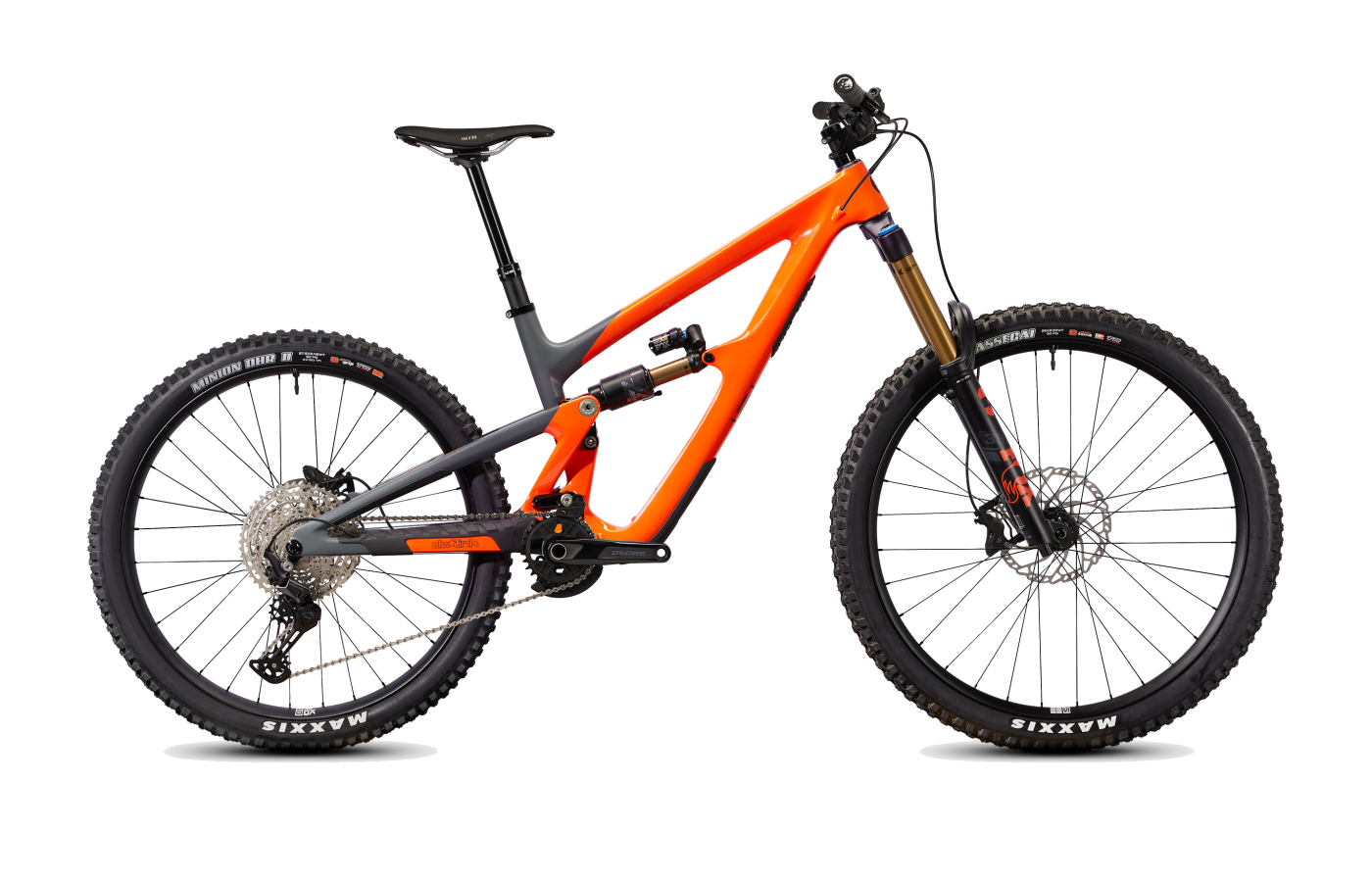
HD6
Ibis's bigger sibling to the Ripmo — same DW-Link DNA but with more travel and a burlier setup tuned for enduro racing and bike park days. Pick this if you love the Ripmo's feel but your local trails punch harder.
Compare →Spire
Transition's 170 mm enduro sled — the Sentinel's longer-travel cousin for riders who already know they want the Transition character but on steeper, gnarlier terrain. The bike for repeat bike-park sessions and proper enduro tracks.
Compare →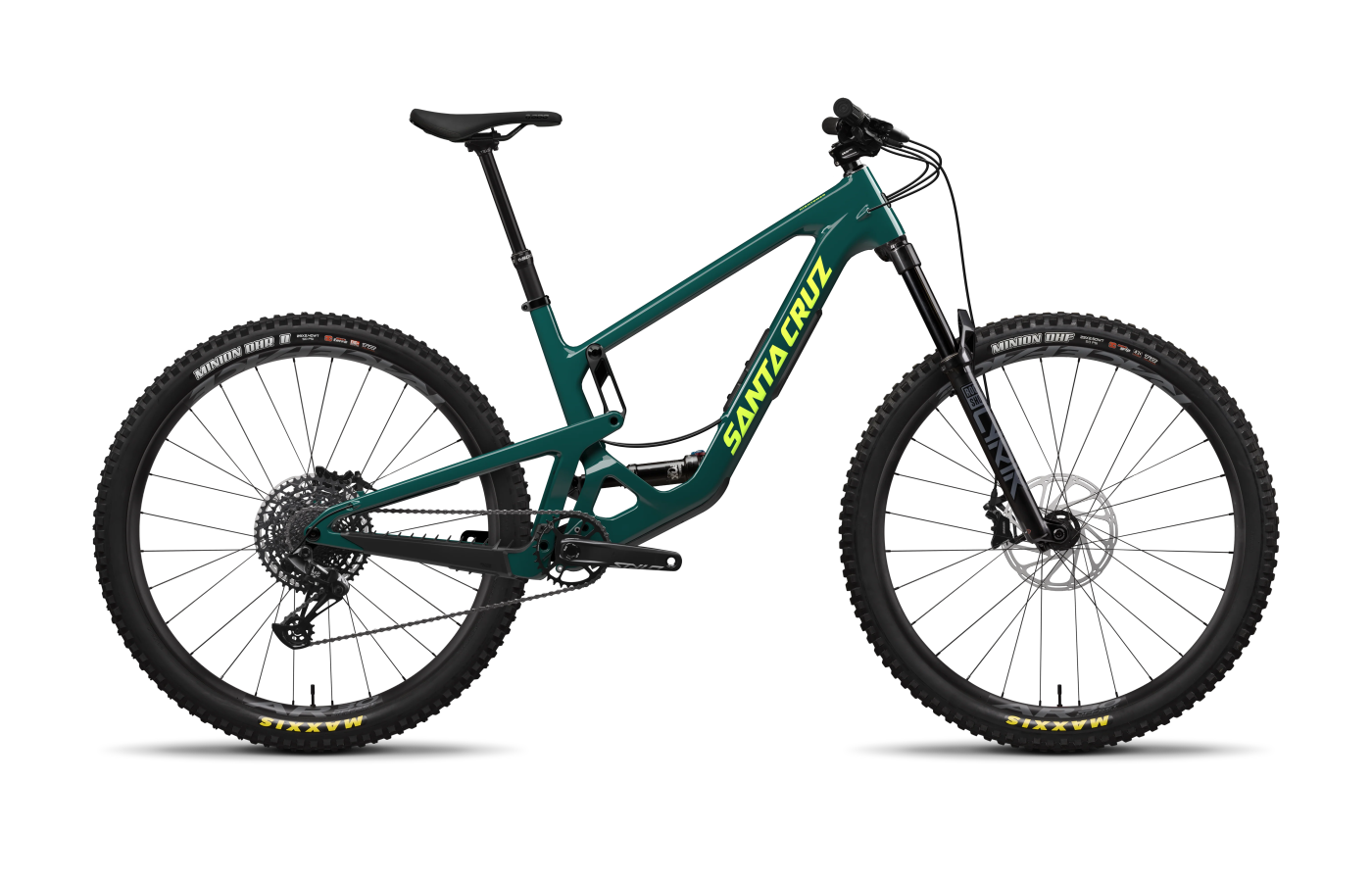
Hightower
Santa Cruz's 150 mm VPP take on the same brief — a balanced, do-it-all 29er that splits the difference between the Ripmo's playfulness and the Sentinel's stability. A natural cross-shop if you like the segment but want a third opinion.
Compare →