Altitude
vsMegatower
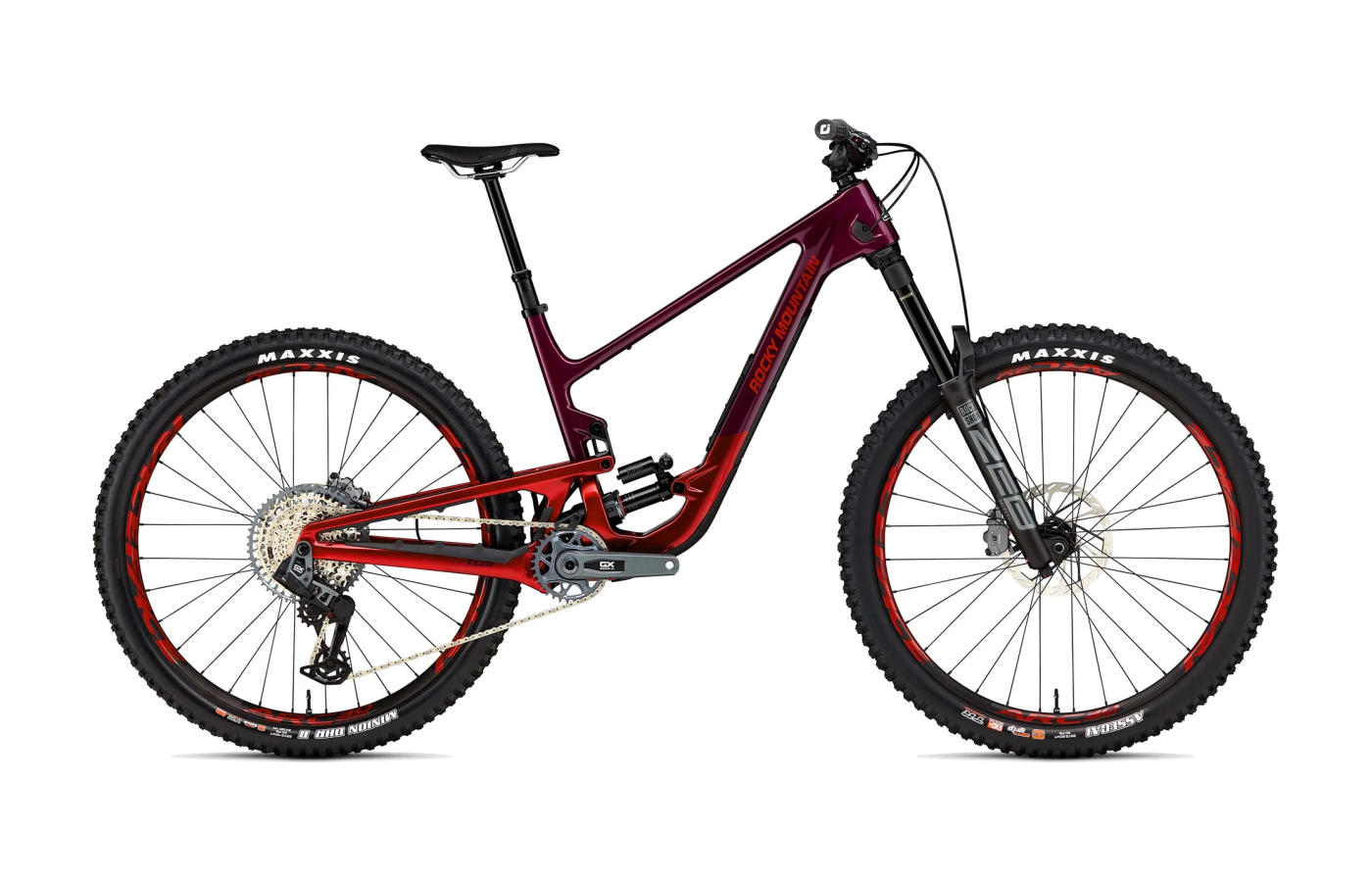
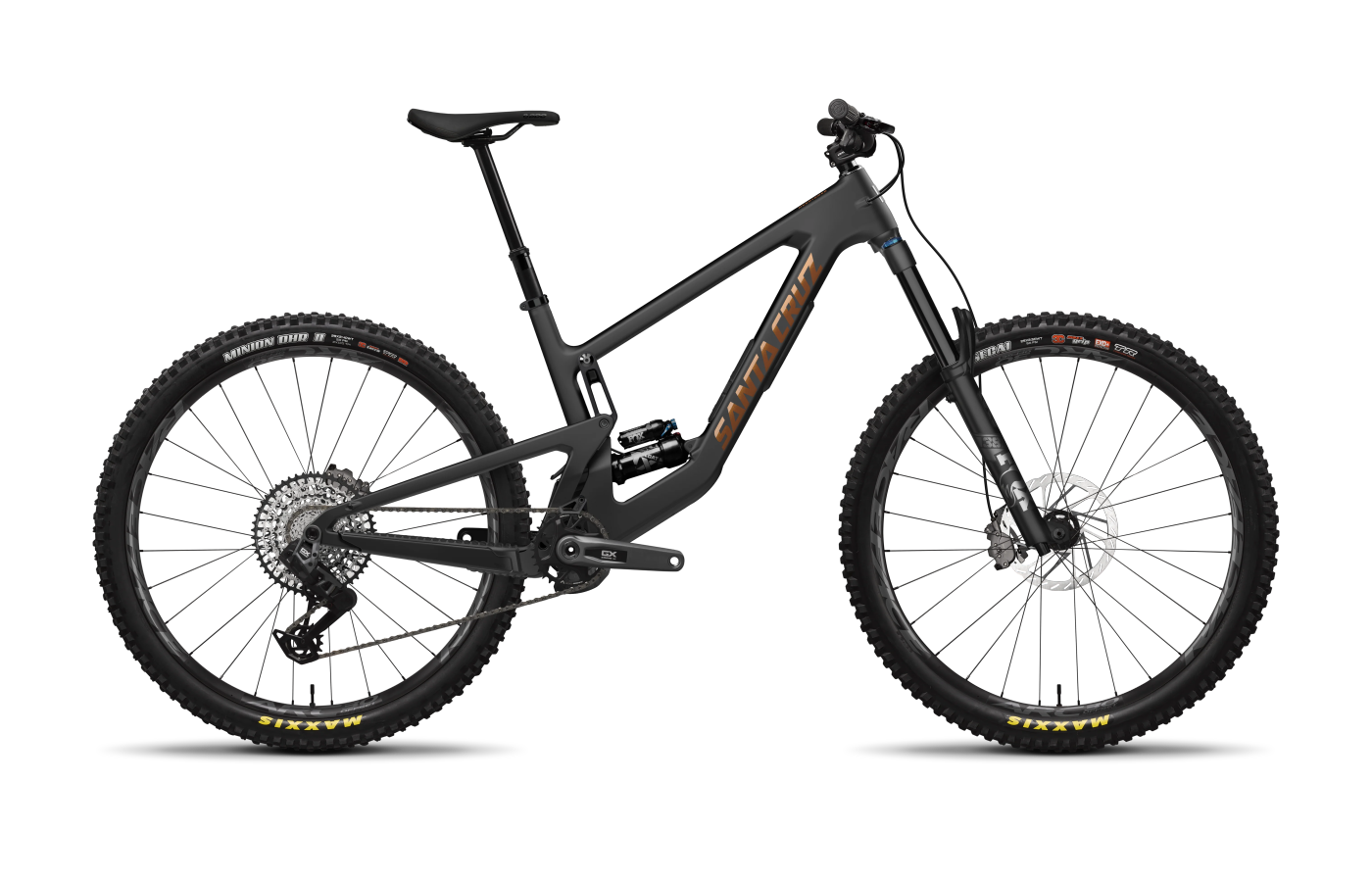
Two enduro sleds, two suspension philosophies.
The Altitude is a low-pivot LC2R magic-eraser tuned for raw descending speed. The Megatower is a refined VPP charger that still feels alive on flow trails.
Altitude
- Magic-eraser descending — LC2R's low CG and 36% progression flatten high-speed chunder better than almost anything in class.
- Race-ready out of the box — mid-tier carbon and alloy builds ship with CushCore Trail inserts and DD-casing rear tires.
- Deeply tunable geometry — Ride-4 flip chip plus a +/-5 mm reach-adjust headset gives 24 usable settings.
- Less playful at low speed and on mellow trails than the previous Altitude.
- Main-pivot bolt and dropper-rattle issues in early production runs — addressable but worth knowing.
Megatower
- More balanced character — size-specific chainstays and a steeper 63.8-degree front end keep it lively when the gradient mellows.
- Best-in-class frame finish — Glovebox storage, threaded BB, grease ports on the lower link, lifetime bearing warranty.
- Carries speed on flow — VPP pops off lips and pumps through rollers in a way 165 mm bikes usually don't.
- Carbon-only — no alloy frame option, so no real budget entry point.
- Stiff chassis can feel chattery on high-frequency bumps, especially with Reserve carbon wheels.
Editor’s analysis
Both bikes will eat the same descents. The fight is over what they ask of you to get there — and what they give back when the trail stops pointing down.
On paper these two land in the same enduro-race box: 170 mm forks, in-frame storage, geometry slacker than 64 degrees, sub-1300 mm wheelbases on a medium. But Rocky Mountain and Santa Cruz arrived from opposite sides of the suspension argument. The Rocky Mountain Altitude got a ground-up redesign for 2024 around the new LC2R low-counter-rotating linkage — shock and links tucked near the BB, center of gravity dropped through the floor. The Santa Cruz Megatower V2 is a refinement of a known-good VPP chassis: longer-stroke shock, straighter leverage curve, size-specific chainstays.
The Altitude is the magic-eraser. Reviewers across the board describe it as planted, composed, and faster the rougher it gets — a 62.9-degree head angle on the medium, a 1243 mm wheelbase, and an LC2R curve that delivers fluttery small-bump compliance with 36% progression to keep it from wallowing. The trade comes at low speed: more than one tester called it a handful in tight switchbacks, and it gives up the poppy character the previous Altitude was loved for. There's also a known early-production niggle around the main pivot bolt loosening (Rocky has since addressed it with proper Loctite at 25 Nm).
The Santa Cruz Megatower picks a different lane. It's steeper at the front (63.8 degrees), slightly shorter at the back (437 mm chainstays on a medium), with a stiffer Carbon C/CC chassis that reviewers describe as chargey and skim-y rather than gooey. Where the Altitude floats, the Megatower tracks. The VPP platform pops harder off lips and carries speed better on rolling ground, but it transmits more high-frequency chatter — especially with Reserve carbon hoops — and asks the rider to commit to weight the front wheel into corners.
Put another way: the Rocky Mountain Altitude is the bike you reach for when the trail is steep, ugly, and the win condition is 'survive at speed.' The Santa Cruz Megatower is the bike you reach for when the trail still has flow in it — when you want enduro-level travel that doesn't go to sleep when the gradient mellows out.
Where the builds differ.
Comparing our editor's-pick builds side-by-side. Winners highlighted row-by-row — lower price and weight, and the better-spec component, each mark a point.
Build variants & pricing
The Altitude lineup spans alloy and carbon from $4,000 to $5,800. The Megatower is carbon-only and starts at $6,099.
Prices are current US MSRP. Santa Cruz does not offer an alloy Megatower — the cheapest way into the platform is the $6,099 Megatower 90, roughly $2,000 above the alloy Altitude 30. If your budget caps below $5k, the Altitude is your only pick of the two.
How they fit, how they steer.
Altitude medium vs Megatower medium — the fit-picked size on each for a 5'8" rider. The Altitude is the slacker, longer-wheelbase sled (62.9 deg HTA, 1243 mm wheelbase). The Megatower sits 0.9 deg steeper at the head, 5 mm lower at the stack, with 3 mm shorter chainstays — the more agile of the two.
Which size should I buy?
Size recommendations based on stack, reach, and effective top tube. The Megatower runs an extra size at the top (XXL); the Altitude only goes to XL.
→These are starting points. Flexibility, riding style, and preferred position all shift the answer — if you’re between sizes, a professional fit beats a chart.
What the magazines said.
Published reviews from trusted cycling outlets. Click through for the full write-up.
Which one should you buy?
If your trails are steep, fast, and ugly, get the Altitude. If you want enduro travel that still feels alive on flow, get the Megatower.
Altitude
If your weekends are spent at the bike park or on shuttled double-blacks and you want a bike that makes mistakes disappear at speed, the Altitude is the sharper tool. The Ride-4 chip and reach-adjust headset let you fine-tune it for everything from EWS race pace to slow-zone tech.
Megatower
If your rides involve a 3,000-foot climb to access a 20-minute descent, the Megatower's spritely VPP and centered cockpit will reward the effort. It's the better all-day enduro bike — and the better choice if you still want pop on flow days.
Questions buyers actually ask.
Short answers to the things we get emailed about most often.
01Which descends faster on rough, high-speed terrain?
The Rocky Mountain Altitude, in most reviewer hands. The LC2R linkage drops the center of gravity near the bottom bracket, the 62.9-degree head angle is nearly a full degree slacker than the Megatower's, and the 1243 mm wheelbase on the medium is 7 mm longer. Reviewers consistently describe it as a 'magic eraser' at speed — it 'makes terrain almost completely disappear' and rewards committed riders with composure where other bikes get bucked.
The Megatower is no slouch — it's frequently described as a 'mini-DH bike' itself — but it tracks rather than floats. On the gnarliest, ugliest descents the Altitude has the edge.
02Which is the better all-day pedaler?
The Santa Cruz Megatower, comfortably. Its VPP suspension was tuned with slightly less anti-squat to prioritize traction, but the steeper 77.4-degree seat tube angle on the medium and the more compact 1236 mm wheelbase make it noticeably more eager when the trail mellows out. Reviewers from Backcountry and Enduro-MTB called 2,000-foot climbing days 'surprisingly manageable' on it.
The Altitude climbs better than its category suggests — exceptional traction, comfortable 77-degree STA — but it 'feels its weight' on long fire-road grinds and the active LC2R asks for the climb switch on smoother gradients.
03How much rear travel does each have?
Altitude: 160 mm rear / 170 mm fork.
Megatower V2: 170 mm fork. Santa Cruz lists frame travel as 170 mm in build specs, though several reviewers and Santa Cruz's own marketing materials describe it as 165 mm — the difference comes from the longer-stroke 230x65 shock. Either way, it's a true big-bike, with a longer rear stroke than the Altitude.
04Carbon, alloy, or both?
The Altitude comes in both — Smoothwall carbon (Carbon 50 / Carbon 70) and a FORM alloy frame (Alloy 30 / Alloy 50 / Alloy 70 Coil). The alloy frame is the same geometry, slightly heavier, and shares the LC2R linkage. Carbon adds the Penalty Box 2.0 in-frame storage.
The Megatower is carbon-only, in two layups: the heavier 'C' and the higher-end 'CC' (300–400 g lighter). The two cheapest builds (90, GX AXS) use the C frame; the X0 AXS RSV uses CC. There is no alloy Megatower.
05Are the in-frame storage compartments any good?
Both are excellent and class-leading. Rocky's Penalty Box 2.0 is described by Pinkbike and Vital MTB as 'huge' and includes a clever AirTag holder. Santa Cruz's Glovebox is praised for its high-quality bundled tool wallet and tube purse — Evo called the bags 'worth their weight in gold.'
A minor edge to Santa Cruz on latch security and a minor edge to Rocky on raw volume. Both let you ditch a hip pack on most rides.
06How serviceable are these frames?
The Megatower is the easier home-mechanic bike. Threaded BB, tube-in-tube internal cable routing, a grease port on the lower VPP link, and Santa Cruz's lifetime bearing warranty (free pivot bearings to the original owner, forever) all stack the deck.
The Altitude is also threaded BB and UDH, but the proprietary main pivot bolt requires removing the drive-side crank and BB cup with an included special tool — a few reviewers found this frustrating, and early production units shipped without enough thread-locker, leading to a recurring loosening complaint Rocky has since fixed.
07Mixed wheels (mullet) on either?
Yes on both. The Altitude supports a mullet setup on M / L / XL frames (size S is mullet-only). Reviewers found the smaller rear wheel made the bike noticeably 'snappier and more playful.'
The Megatower V2 ships full 29" stock and is officially a 29-inch chassis, but Santa Cruz sells link kits to mullet most frame sizes. The Altitude is the more out-of-the-box mullet-friendly of the two.
08What about warranty?
Rocky Mountain: 5-year transferable warranty on the frame — longer than most competitors and notably transferable to a second owner.
Santa Cruz: Lifetime warranty on the frame and lifetime free replacement of pivot bearings to the original owner. Reserve-equipped builds also carry a lifetime warranty on the rims. The Santa Cruz support package is widely cited as one of the strongest in the industry.
Similar bikes
If your priorities don’t map cleanly onto either of these, one of these adjacent bikes probably fits better.
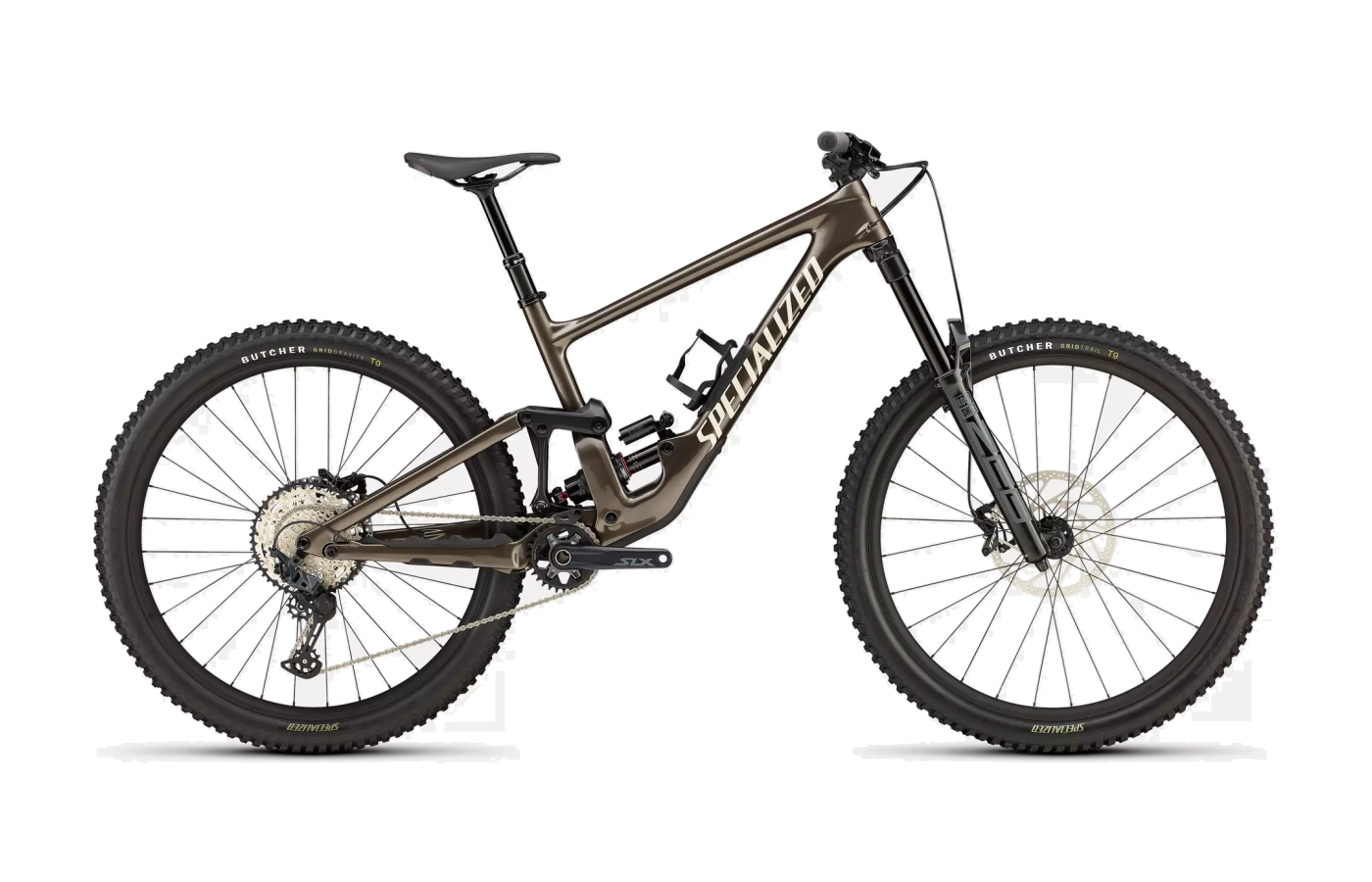
Enduro
The Specialized Enduro is the closest direct rival to the Megatower's mini-DH character — full 29, big travel, and a similar 'in the bike' centered feel. Worth a look if you like the Megatower's character but want more retail/dealer support.
Compare →Spire
The Transition Spire takes the Altitude's long-and-slack philosophy further still — even more wheelbase, even more stability at warp speed. Best if the Altitude's sled-like demeanor sounds undersized rather than overkill.
Compare →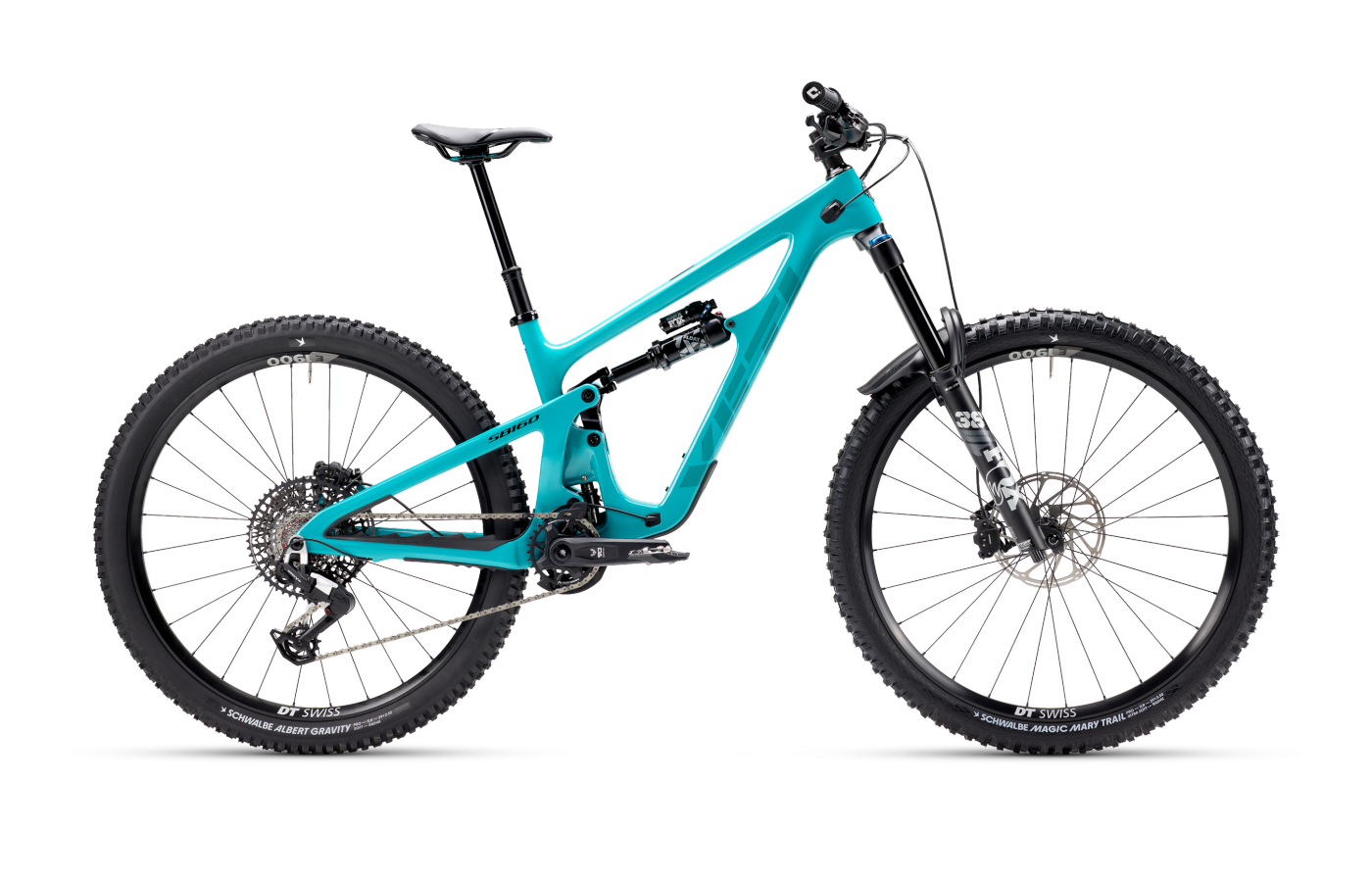
SB160
The Yeti SB160 is the precise, race-focused alternative for riders who want big enduro travel without the Altitude's coil-shock 'gooey' character. Switch Infinity suspension feels firmer and more reactive under hard pedaling.
Compare →