Megatower
vsSB160
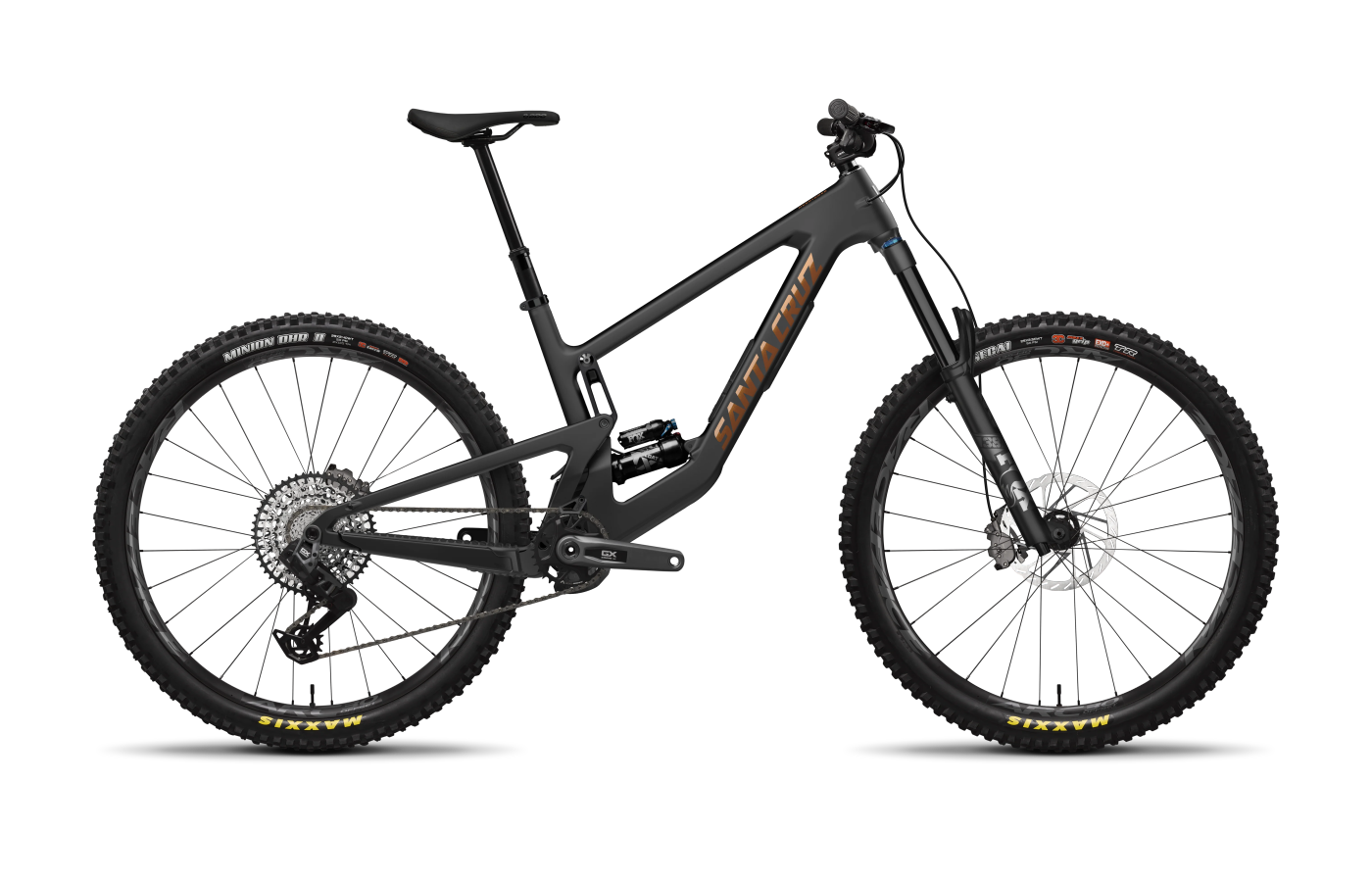
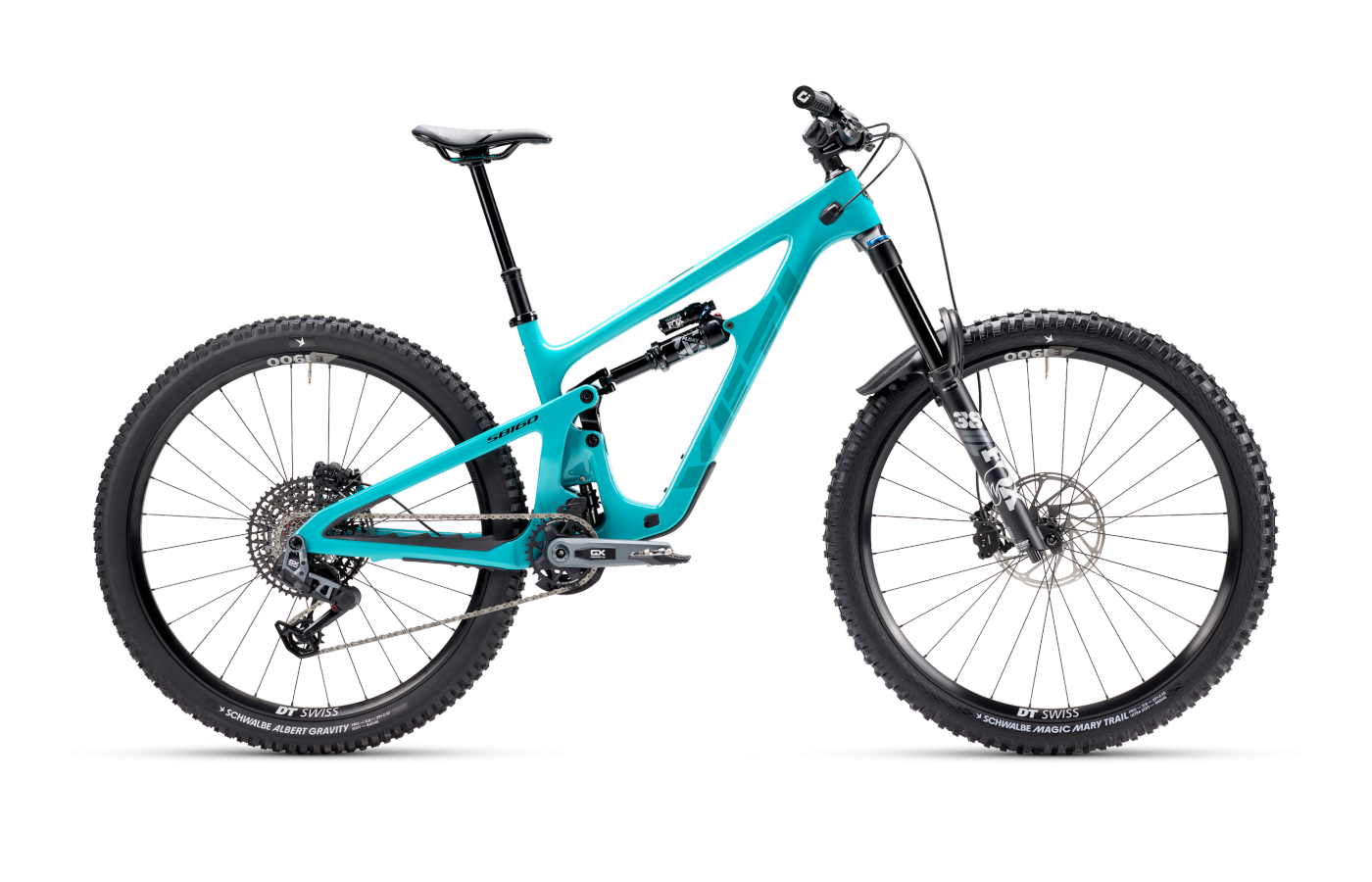
Two enduro bruisers, two riding styles.
The Megatower is the plow-it-flat, ride-it-anywhere charger. The SB160 is the surgical race weapon that needs an aggressive pilot to come alive.
Megatower
- More forgiving suspension — 165 mm of VPP travel with a low leverage ratio that reviewers call 'plush' and 'bottomless' on big hits.
- Glovebox in-frame storage — a tool wallet and tube purse live in the down tube, no hip pack required.
- Slacker 63.8° head angle — and a flip chip that drops the BB further for 'in-the-bike' steep-trail confidence.
- Carbon-only — no alloy entry point keeps the floor at $6,099.
- Stiff CC carbon chassis can feel chattery on high-frequency trail noise.
SB160
- Best-in-class pedaling efficiency — Switch Infinity V2 with high anti-squat 'climbs as well or better than any 160 mm bike I've ridden' (NSMB).
- Sharper, more communicative handling — a 64° head angle and 619.8 mm stack put the rider over the front wheel for surgical line choice.
- Refined frame engineering — co-molded threaded BB, bolt-on cable clamps, and DH-certified chassis stiffness.
- No internal frame storage — Yeti is one of the last holdouts in this category.
- Cheaper C-Series builds get the older V1 Switch Infinity link, not V2.
Editor’s analysis
Both run a 170 mm fork on a carbon-only chassis with size-specific chainstays — and both want very different things from the rider on top.
On paper these two enduro flagships overlap heavily: 29-inch wheels, 170 mm Fox 38 forks, ~34–35 lb claimed weights, threaded BBs, UDH derailleur hangers, and lifetime warranties on the frame and the suspension link. Both are carbon-only, both come from brands that have raced their bikes to EWS podiums, and both use proprietary suspension layouts (VPP for the Megatower, Switch Infinity V2 for the SB160). Set them next to each other in a parking lot and the spec sheet looks almost interchangeable.
Spend any real time on them and the philosophies diverge. The Santa Cruz Megatower is the heavier-feeling, more forgiving of the two — a 'mini-DH' charger with a 63.8° head angle, a longer-stroke shock, a lower leverage ratio, and 165 mm of supple rear travel that reviewers call 'a cloud with wheels' once the trail tilts down. It rewards momentum, flattens chunder, and tolerates a rider who occasionally gets lazy in the back seat. The Glovebox down-tube storage is the headline ergonomic perk.
The Yeti SB160 is the scalpel. With 160 mm of rear travel, a 64° head angle, a notably low 619.8 mm stack on size M, and a 17%-progression Switch Infinity tune that prioritizes support over plush, the SB160 demands a forward-weighted attack stance. Reviewers consistently note it can feel 'sluggish' or 'ponderous' at low speed and 'unflappable' once you push it past 25 mph. There's no internal storage. The reward is a bike that holds speed on rolling enduro tracks better than almost anything else with this much travel.
Put another way: the Megatower is the bike for the rider who wants to point it down the steepest line on the mountain and survive on suspension. The SB160 is the bike for the rider who wants to win the timed segment by riding it harder than everyone else.
Where the builds differ.
Comparing our editor's-pick builds side-by-side. Winners highlighted row-by-row — lower price and weight, and the better-spec component, each mark a point.
Build variants & pricing
Both span roughly $6.1k to $13.5k. Santa Cruz starts cheaper and tops out lower; Yeti runs deeper into the high-end with an XTR Di2 flagship.
Prices are current US MSRP. Note that Yeti's cheaper C-Series frames ship with the older V1 Switch Infinity link — only the TURQ-Series builds (T1 and up) get the refined V2 hardware.
How they fit, how they steer.
Both at size M — fit-picked for a 5'8" rider on each bike. The SB160 sits 5.2 mm lower in stack with 9.8 mm more reach, and runs a 0.2° steeper head angle. Chainstays are within 2.4 mm. The Yeti is the more stretched, lower-slung cockpit; the Megatower is the more upright, slacker one.
Which size should I buy?
Size recommendations weight stack, reach, and effective top tube. Both run S–XXL with very similar overall ranges; the Megatower's small is a touch shorter in reach.
→These are starting points. Flexibility, riding style, and preferred position all shift the answer — if you’re between sizes, a professional fit beats a chart.
What the magazines said.
Published reviews from trusted cycling outlets. Click through for the full write-up.
Which one should you buy?
If you want a do-everything plow that flatters a wider range of riding, get the Megatower. If you race enduro and live in the attack position, get the SB160.
Megatower
If most of your riding is steep, technical, and gravity-fed — and you'd rather lean on suspension than on perfect technique — the Megatower is the more forgiving, more comfortable place to be. It also wins for anyone who wants in-frame storage and a flip chip to dial the bike for their local terrain.
SB160
If you race against the clock, ride aggressively from the front wheel, and value pedaling efficiency on long backcountry stages — the SB160 is the sharper tool. The reward for staying forward and committed is a bike that holds speed and rewards precise line choice in ways the Megatower won't.
Questions buyers actually ask.
Short answers to the things we get emailed about most often.
01Which is better for descending steep, technical terrain?
The Santa Cruz Megatower is the more forgiving descender. With 5 mm more rear travel (165 mm vs 160 mm), a slacker 63.8° head angle, and a flip chip that drops the bottom bracket further for an 'in-the-bike' feel, it's the bike reviewers most often call a 'mini-DH bike' and 'cloud with wheels.'
The SB160 is plenty capable on steeps — multiple reviewers tested it on the North Shore's hardest legal trails — but it's a 'scalpel rather than a mallet,' rewarding precise input over absorbing rider mistakes.
02Which climbs better?
The Yeti SB160, by a clear margin. Reviewers from NSMB, Freehub, and GearJunkie all single out the Switch Infinity V2 as one of the best-pedaling 160 mm platforms on the market, with high anti-squat that 'props the rear end up' on steep grinds. NSMB went so far as to call it the best-climbing 160 mm bike they've ridden.
The Megatower is no slouch — its 77.4° seat tube angle keeps you centered and the VPP gives 'gobs of traction' on technical climbs — but on smooth fire-road grinds the SB160 is the more efficient tool.
03Which has more rear travel?
The Megatower, with 165 mm of rear travel. The SB160 runs 160 mm. Both pair this with a 170 mm fork (Fox 38 on most builds), so the front-to-rear travel split is similar, but the Santa Cruz has a 5 mm cushion that — combined with its more linear leverage curve — translates to a noticeably plusher feel on big hits.
04Does the SB160 have in-frame storage like the Megatower?
No. The Megatower has Santa Cruz's 'Glovebox' down-tube compartment that ships with a tool wallet and tube purse — reviewers consistently call this one of the best-executed in-frame storage systems in the segment. The Yeti SB160 has no internal storage; Yeti made a deliberate call to skip it on this generation. If you ride without a hip pack, the Megatower is the obvious choice.
05What's the difference between Yeti's TURQ and C-Series frames?
The TURQ-Series is Yeti's premium carbon layup — about 225 g lighter, with the refined V2 Switch Infinity link (improved seals, bearings, and hardware for longer service life).
The C-Series uses a heavier carbon layup AND keeps the older V1 Switch Infinity hardware. So the cheaper C2 ($6,400) and C3 ($6,900) builds aren't just heavier — they're running last-generation suspension internals. NSMB and Singletrack World both flagged this as a value frustration. If long-term suspension durability matters, the T1 XT Di2 ($8,900) is the cheapest TURQ-frame entry point.
06Are both bikes similarly serviceable at home?
Both have made big strides. Both use threaded bottom brackets, UDH derailleur hangers, and tube-in-tube internal cable routing that makes hose swaps painless.
The Megatower adds a grease port on the lower VPP link that lets you flush bearings without a full teardown — a real long-term ownership win. The SB160 has clamped, bolt-on cable ports that eliminate the rattle and frame-rubbing that plagued the older SB150. Yeti's Switch Infinity does have a quirk: only the forward grease port is accessible without removing the cranks, so a full SI service still takes 20–30 minutes of disassembly.
07What's the warranty situation on both?
Both come with a lifetime frame warranty to the original owner. Santa Cruz also includes a lifetime warranty on frame pivot bearings (free replacement bearings for life) — a rare and genuinely valuable benefit. Yeti includes a lifetime warranty on the Switch Infinity link itself, which is meaningful given how proprietary and expensive that mechanism is.
RSV-spec Megatowers also carry Reserve's lifetime carbon rim warranty.
08Should I upgrade the stock tires?
Yes, on both. The Megatower's lower-tier builds ship with Maxxis EXO+ casings, which reviewers across the board flag as 'not beefy enough' for a 165 mm bike capable of 'no-regard-for-human-life speeds.' Plan to upgrade to DoubleDown casings on the rear at minimum — budget another $150–$200.
The SB160's stock Schwalbe Magic Mary / Albert tires are reasonable but reviewers similarly recommend going to gravity-casing rubber for serious enduro use.
Similar bikes
If your priorities don’t map cleanly onto either of these, one of these adjacent bikes probably fits better.
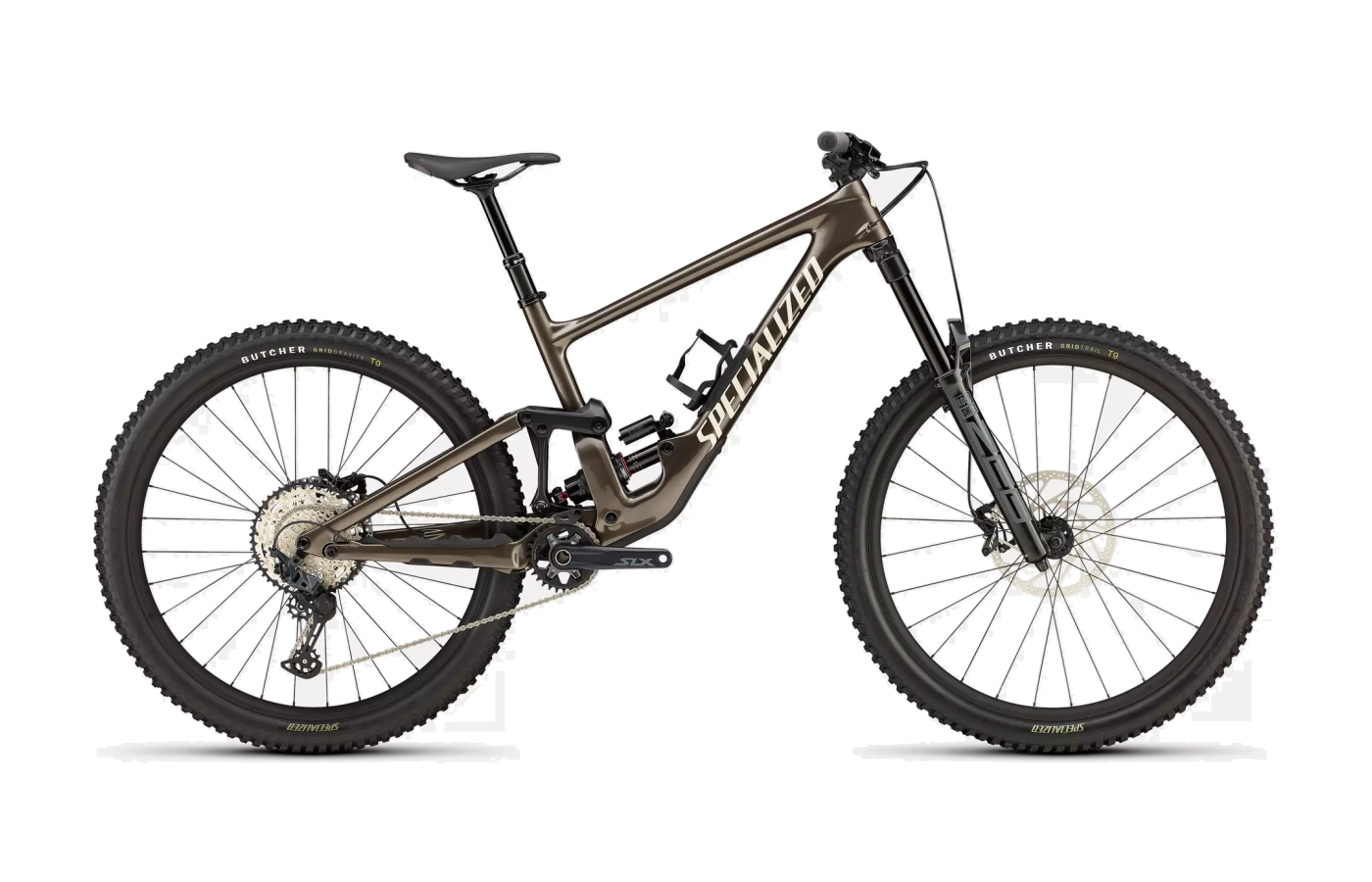
Enduro
The Specialized Enduro is the genre's most plush 'sit-in' bike — even softer over high-frequency chatter than the Megatower's stiff CC chassis. Pick it if you want maximum comfort over absolute pedaling efficiency.
Compare →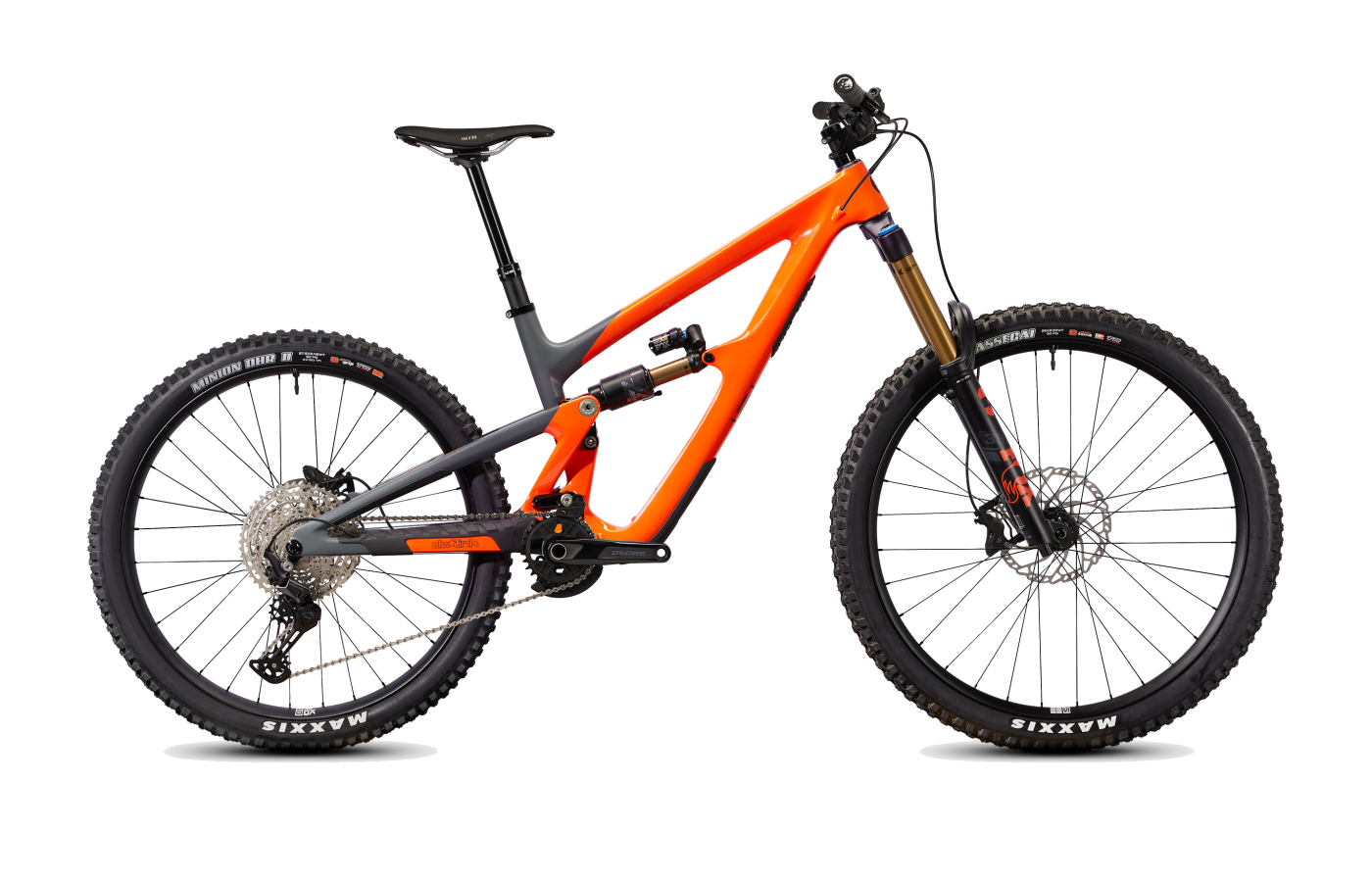
HD6
The Ibis HD6 runs 165 mm of DW-link travel that's legendary for climbing efficiency. Lighter and more 'trail-bike' feeling than either of these — the right call if you spend more time pedaling up than bombing down.
Compare →Spire
The Transition Spire is a long, slack 'mountain-mower' with descending stability that rivals the Megatower, but built around a simpler four-bar suspension that's easier to live with long-term.
Compare →