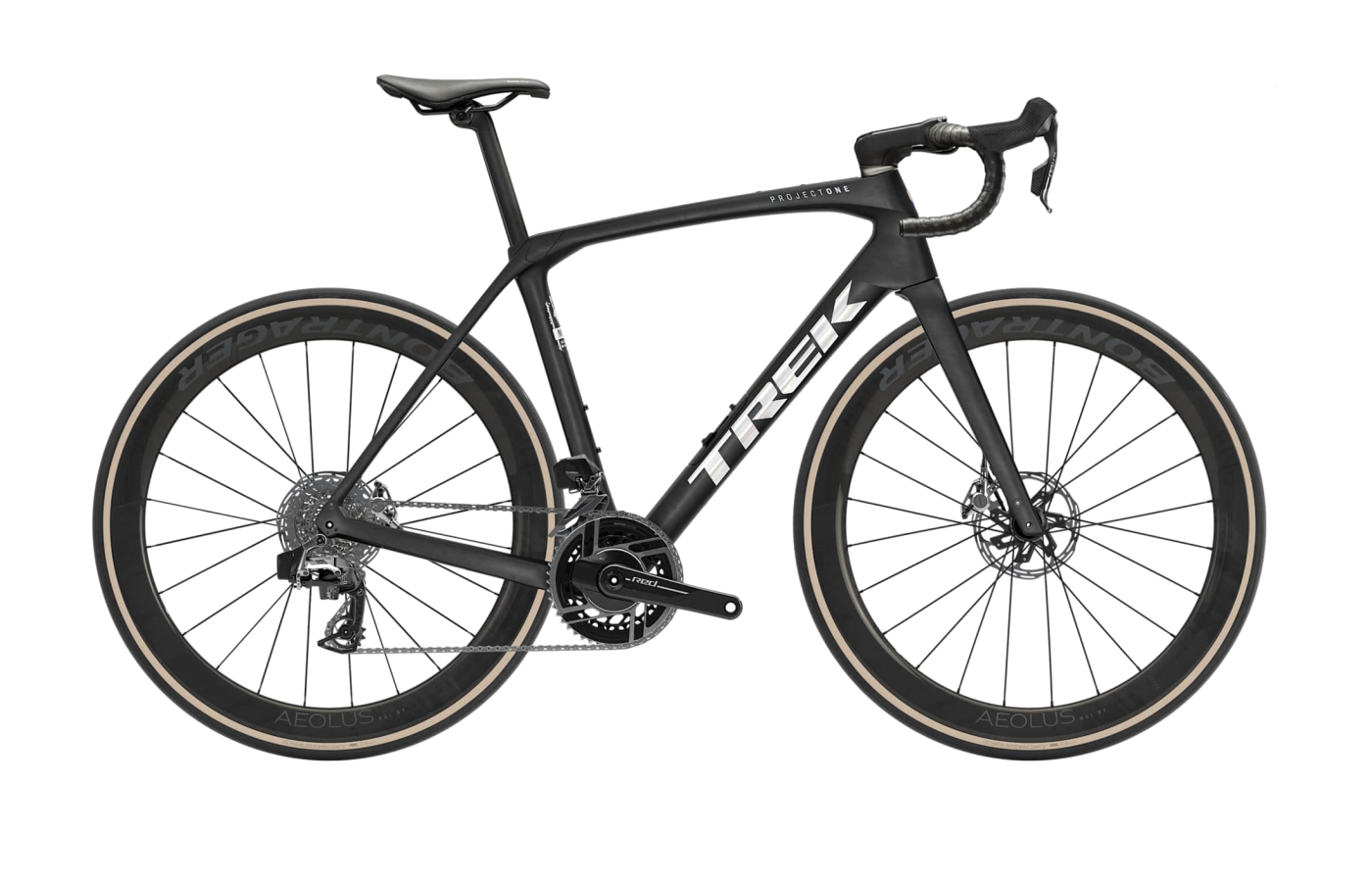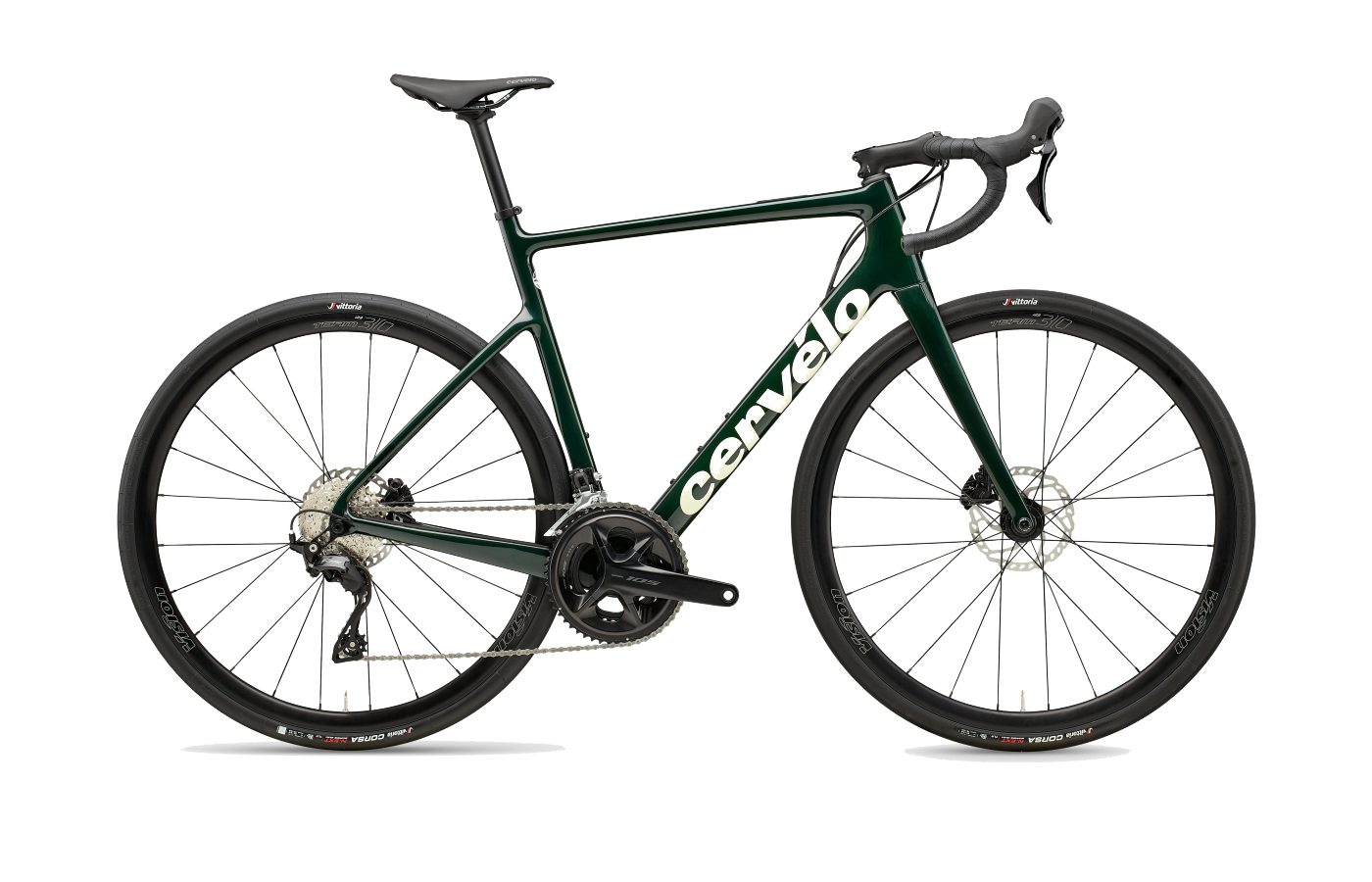
The Cervelo Caledonia is a modern endurance road bike designed to bridge the gap between dedicated race machines and capable gravel bikes. Introduced as a practical, fast-rolling platform, it borrows aerodynamic tube shapes from Cervelo’s S-Series and structural cues from the Aspero gravel line. The result is a bike built for long days on imperfect pavement, offering generous tire clearance and hidden fender mounts without resorting to complex suspension systems. This standard Caledonia model differs from the premium Caledonia-5 by utilizing a conventional front end with semi-external cable routing, a standard round seatpost, and top-tube bento box mounts. It suits riders who want the efficiency and aggressive silhouette of a performance road bike, but require the stability and multi-season utility needed to tackle rough tarmac, light dirt roads, and winter training miles.
Where to get it.
3 retailers · size 54.
Spec sheet.
Every component shipped with this build.
Geometry & fit.
6 sizes published.
The Caledonia’s geometry is intentionally relaxed compared to Cervelo’s pure race bikes, prioritizing stability and endurance comfort. Across the size range, the frame features a slightly taller stack and shorter reach, allowing riders to achieve a sustainable, moderately aggressive posture without relying on a stack of headset spacers.
Handling is dictated by a slackened head tube angle paired with a longer fork offset, yielding a trail figure that slows down steering inputs just enough to keep the bike tracking straight on rough surfaces. Cervelo also extended the chainstays and overall wheelbase, which further calms the ride at high speeds and eliminates toe overlap even when running wide tires.
Unlike the fully integrated Caledonia-5, this standard model uses a conventional two-piece alloy cockpit. Brake hoses and shift housing run externally from the handlebars before entering the down tube. This traditional setup simplifies maintenance, travel, and fit adjustments, allowing riders to easily swap stems or handlebars to dial in their preferred reach and drop.
Where the handlebar sits relative to the bottom bracket — the single most important fit pair.
01Fit geometry5 values
02Component geometry4 values
03Handling geometry8 values
Which size should I buy?
Slide your height to see the recommended size. GearWise's fit algorithm works from the published stack, reach, and ETT — the brand's own recommendation may differ.
→Calculated from GearWise's own stack / reach / ETT algorithm — the brand's size chart may recommend a different size, and a proper bike fit beats any calculator.
The lineup.
4 builds, ranging $3,300 – $6,500.
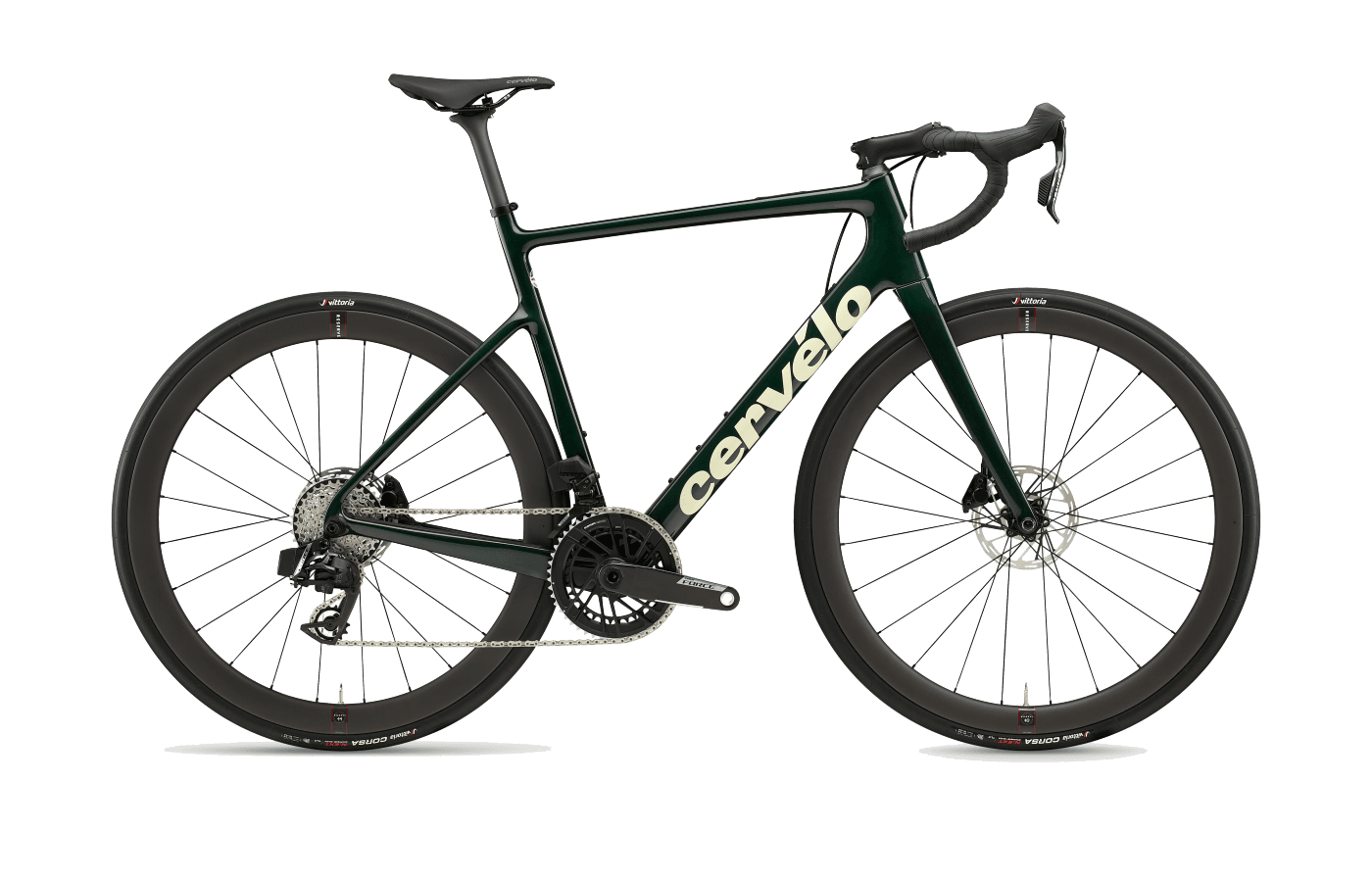
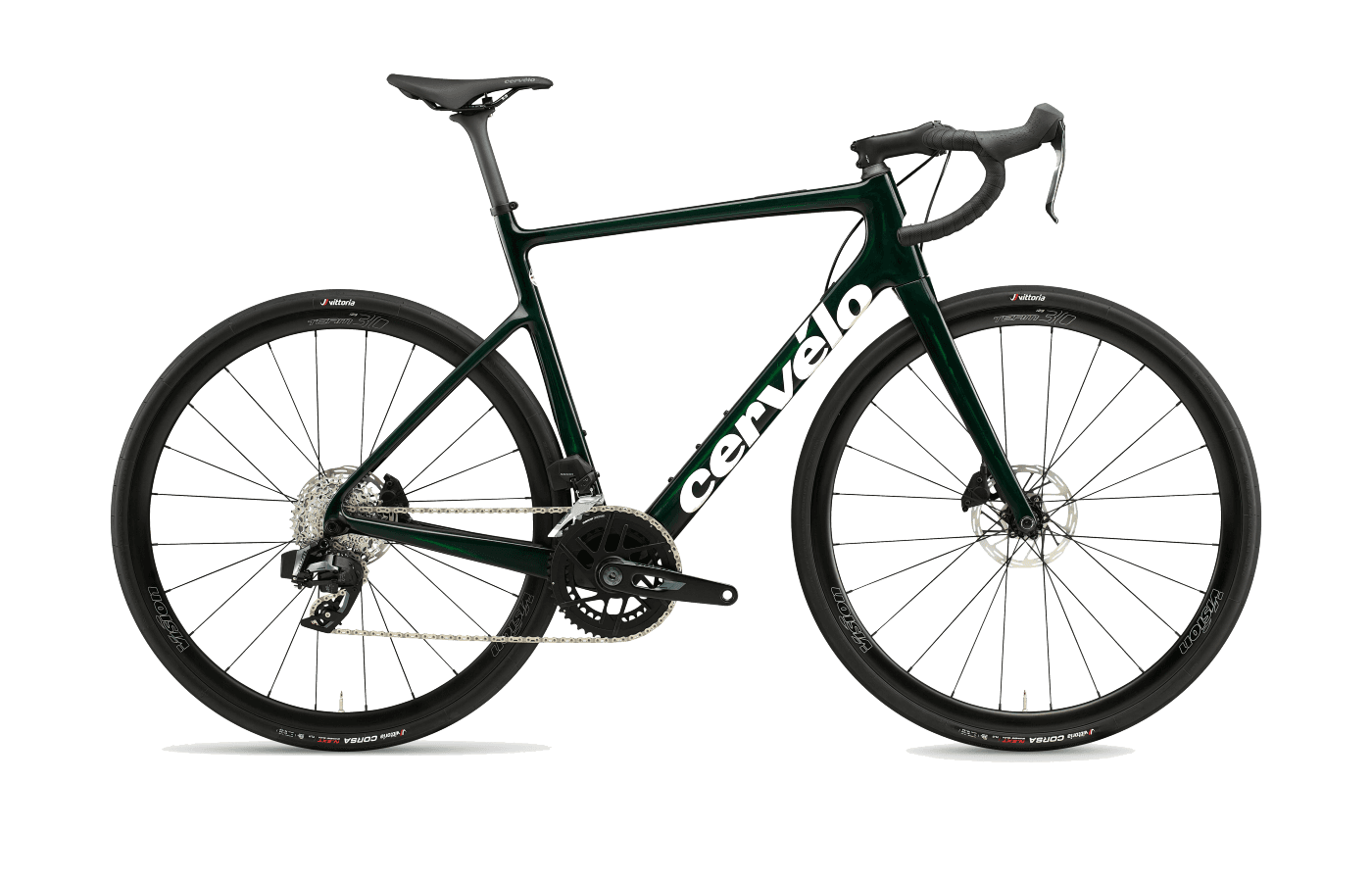
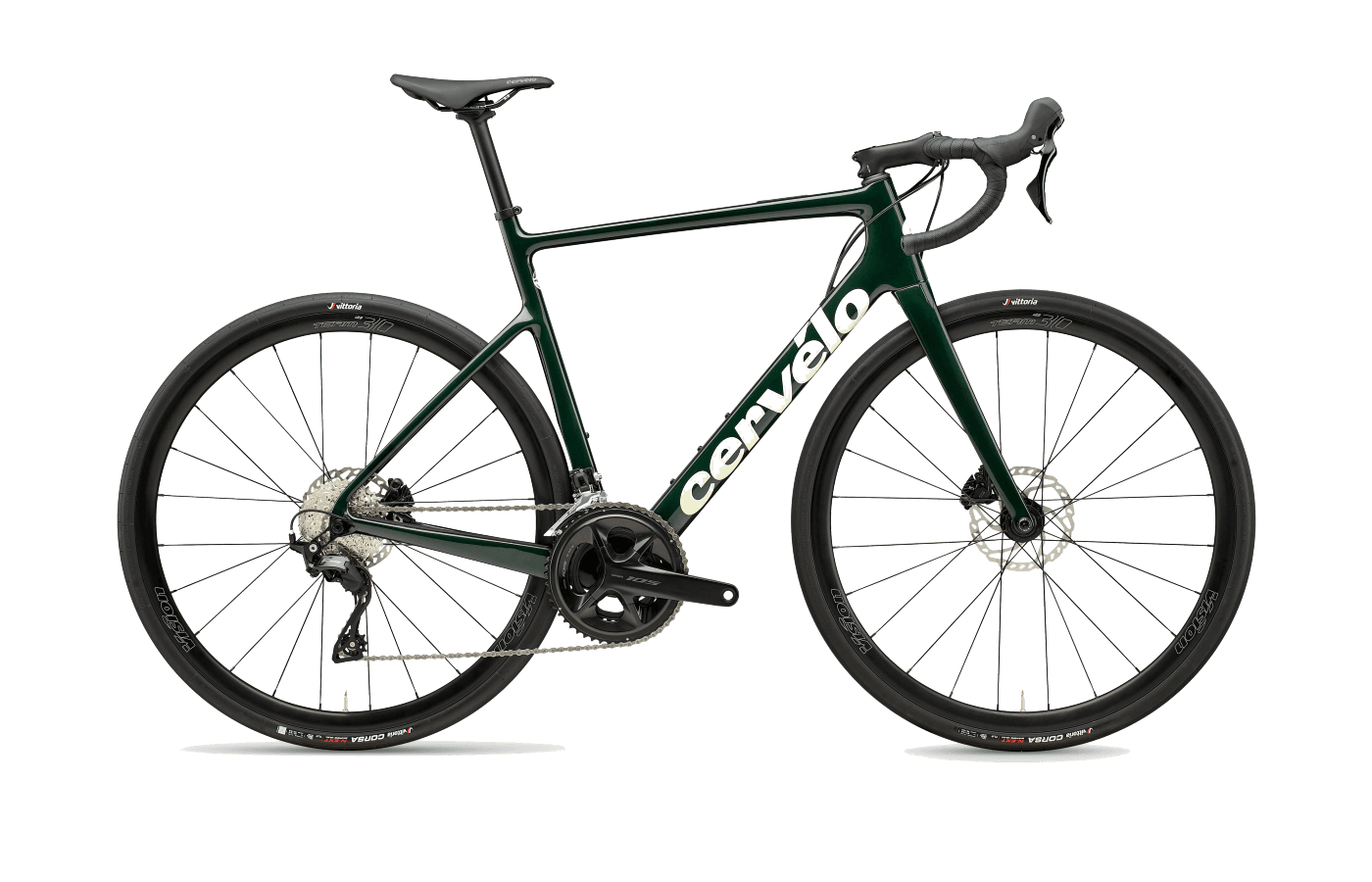
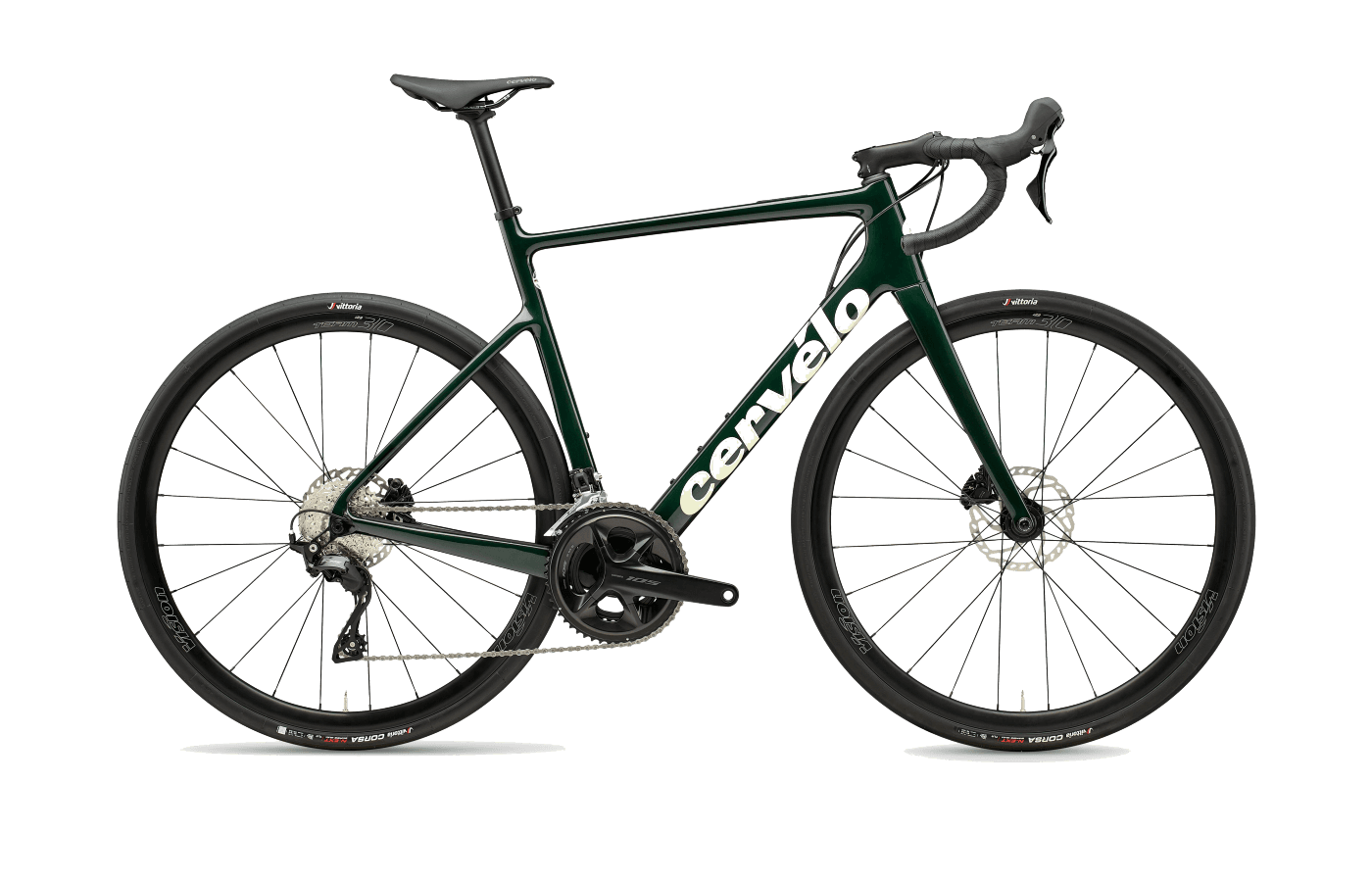
The Caledonia lineup spans four builds, ranging from entry-level mechanical shifting to premium wireless electronic groupsets. The frame and carbon fork remain identical across the board, featuring clearance for 34mm tires, or 31mm when utilizing the hidden fender mounts. All models also include a removable front derailleur mount for riders interested in a clean single-chainring setup.
The ladder begins with the mechanical Shimano 105 build, which keeps the entry price accessible but relies on a basic alloy seatpost and heavy Vision Team i23 aluminum wheels. Stepping up to the 105 Di2 or SRAM Rival AXS models introduces electronic shifting and upgrades the seatpost to Cervelo’s SP19 carbon model, which helps mitigate road vibration at the saddle. However, these mid-tier options still utilize the same entry-level Vision alloy wheelsets.
The flagship Force AXS build represents a significant jump in both price and performance. It is the only model in the standard Caledonia range to include carbon wheels, rolling on a Reserve 40/44 wheelset that materially reduces rotational weight and improves aerodynamic efficiency. Across all builds, the drivetrain gearing is tailored for endurance riding, pairing semi-compact cranksets with wide-range cassettes to handle steep, sustained climbs.
From the press.
7 reviews from the cycling press.
Reviewers consistently praise the Caledonia for its balanced ride quality, noting that it successfully merges aerodynamic efficiency with long-distance composure. On the road, the frame feels stiff and responsive under power, yet the overall handling leans toward predictability rather than nervous agility. Testing the bike on varied terrain, one reviewer noted it delivers a "smooth-gliding feel" (BikeRadar) that effectively mutes road buzz, largely thanks to the high-volume tires.
When pointed downhill or pushed on flat stretches, the bike maintains momentum easily. The geometry choices create a sense of "straight-line stability" (Velo), making it highly capable on fast descents. However, this longer wheelbase and relaxed front end mean it is not a pure criterium racer. In tight corners, the steering can feel slightly muted, with one tester observing "somewhat sluggish handling" (Velomotion) during highly technical maneuvers.
The primary critique across reviews centers on the stock touchpoints and rolling weight. While the carbon frame itself is highly regarded, the standard aluminum handlebars and heavy stock wheelsets on lower-tier builds are frequently cited as performance bottlenecks. Additionally, the standard round seatpost does not offer the same vibration damping as the proprietary carbon post found on the Caledonia-5. Despite these component compromises, the consensus frames the Caledonia as an exceptionally versatile platform, serving well as a "roadie’s exploration machine" (Velo) for riders who value durability and multi-surface capability over absolute low weight.
Bike Review: The Caledonia From Cervelo
Cervelo Caledonia Road Bike | Long-Term Review
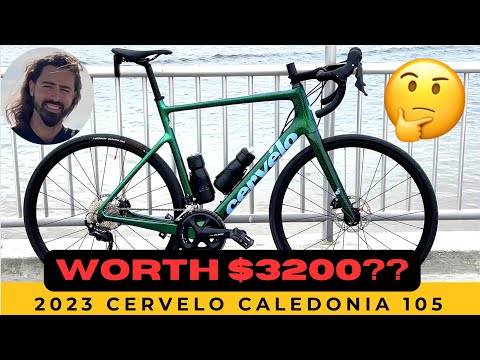
2023 Cervelo Caledonia 105 QUICK LOOK
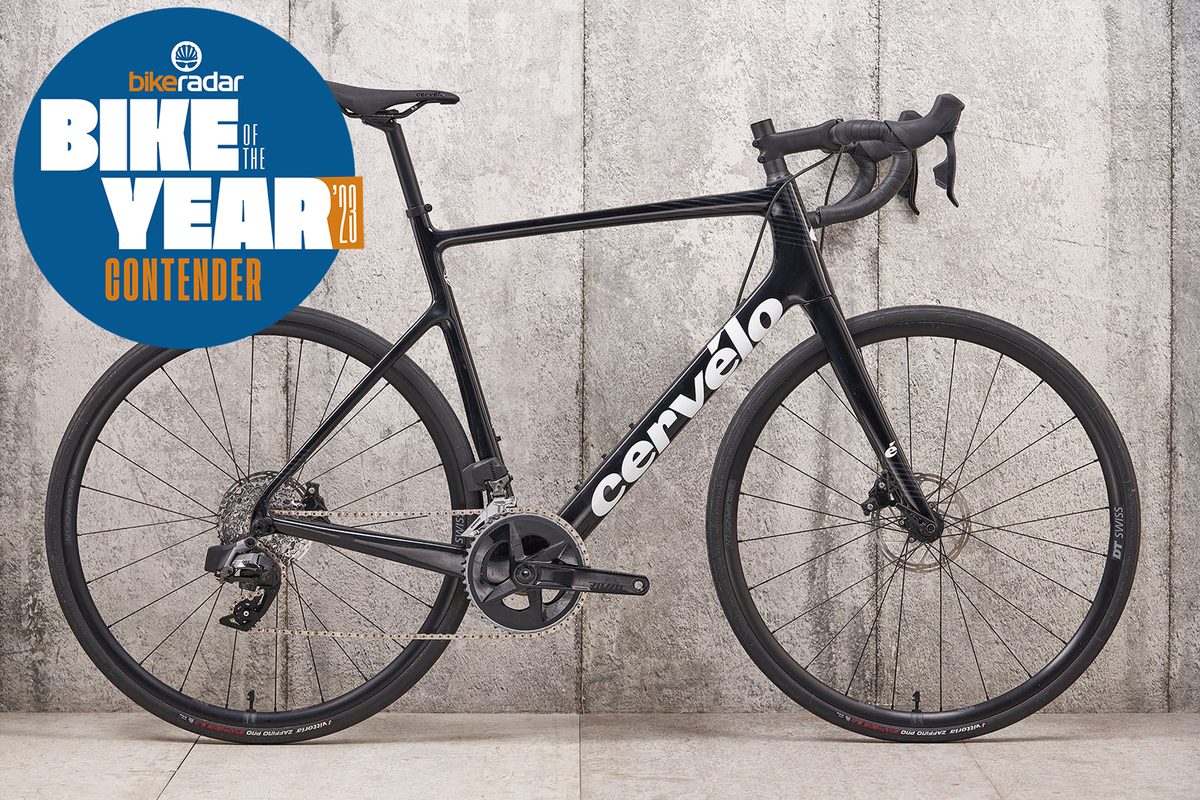
Cervélo Caledonia Rival eTap AXS review - Road Bikes
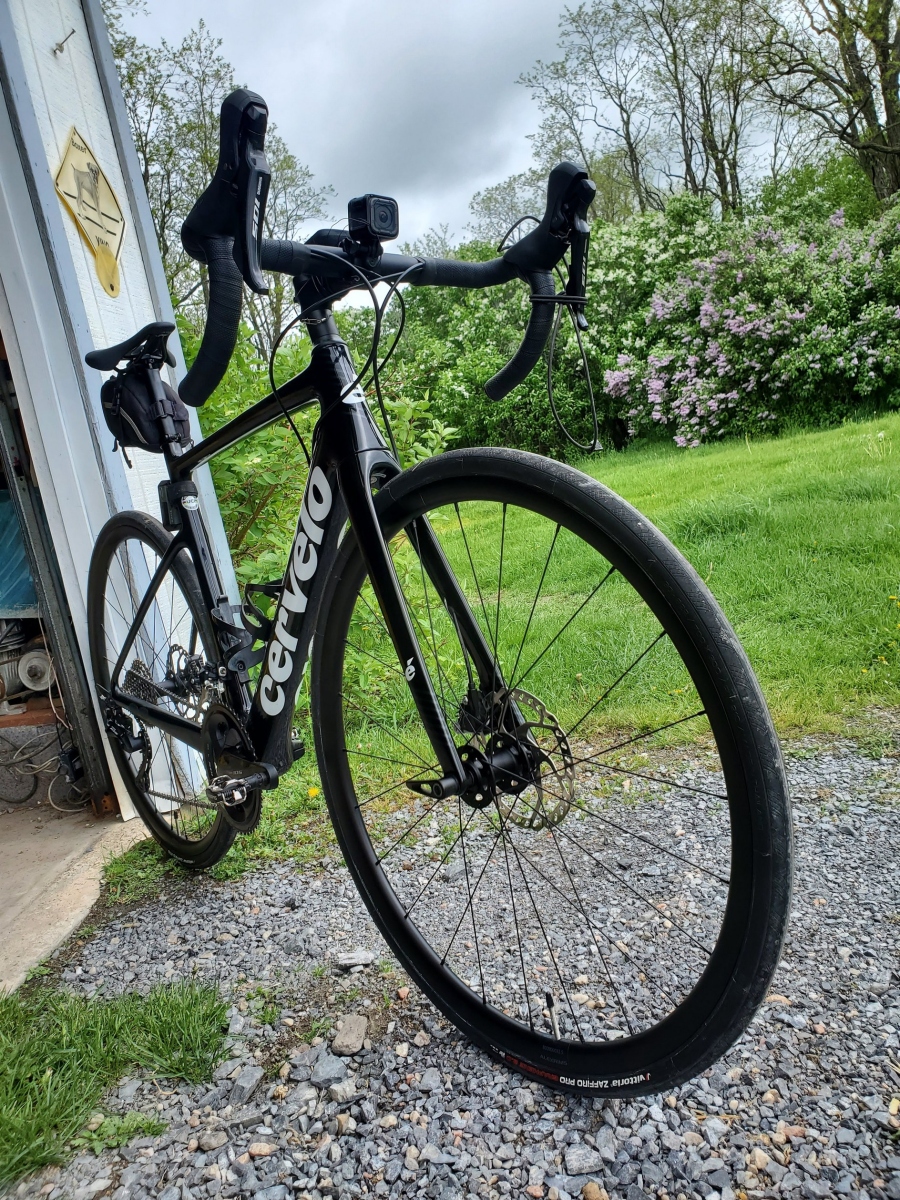
Cervelo (Cervélo) Caledonia Endurance Road Bike
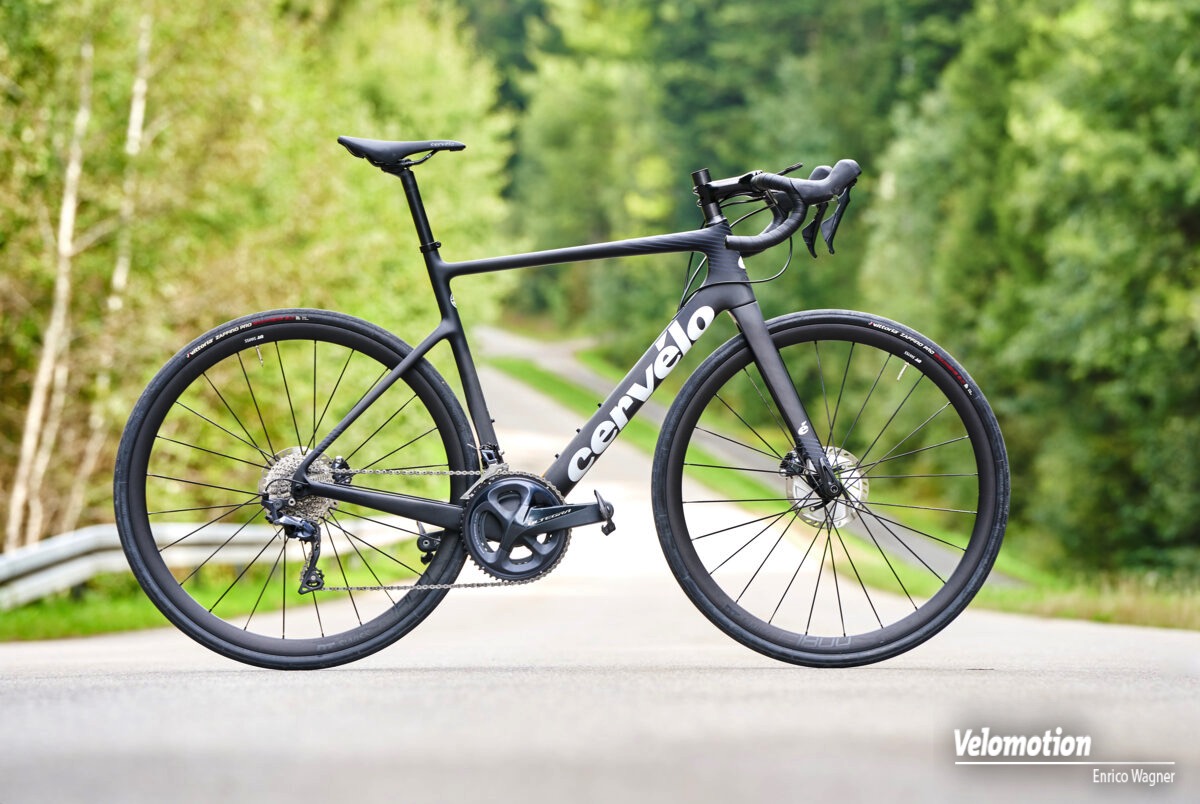
Everything is possible, nothing is neccesary!
2021 Cervelo Caledonia Ultegra Di2 review: the true all- ...
Compared to.
Most-viewed comparisons.
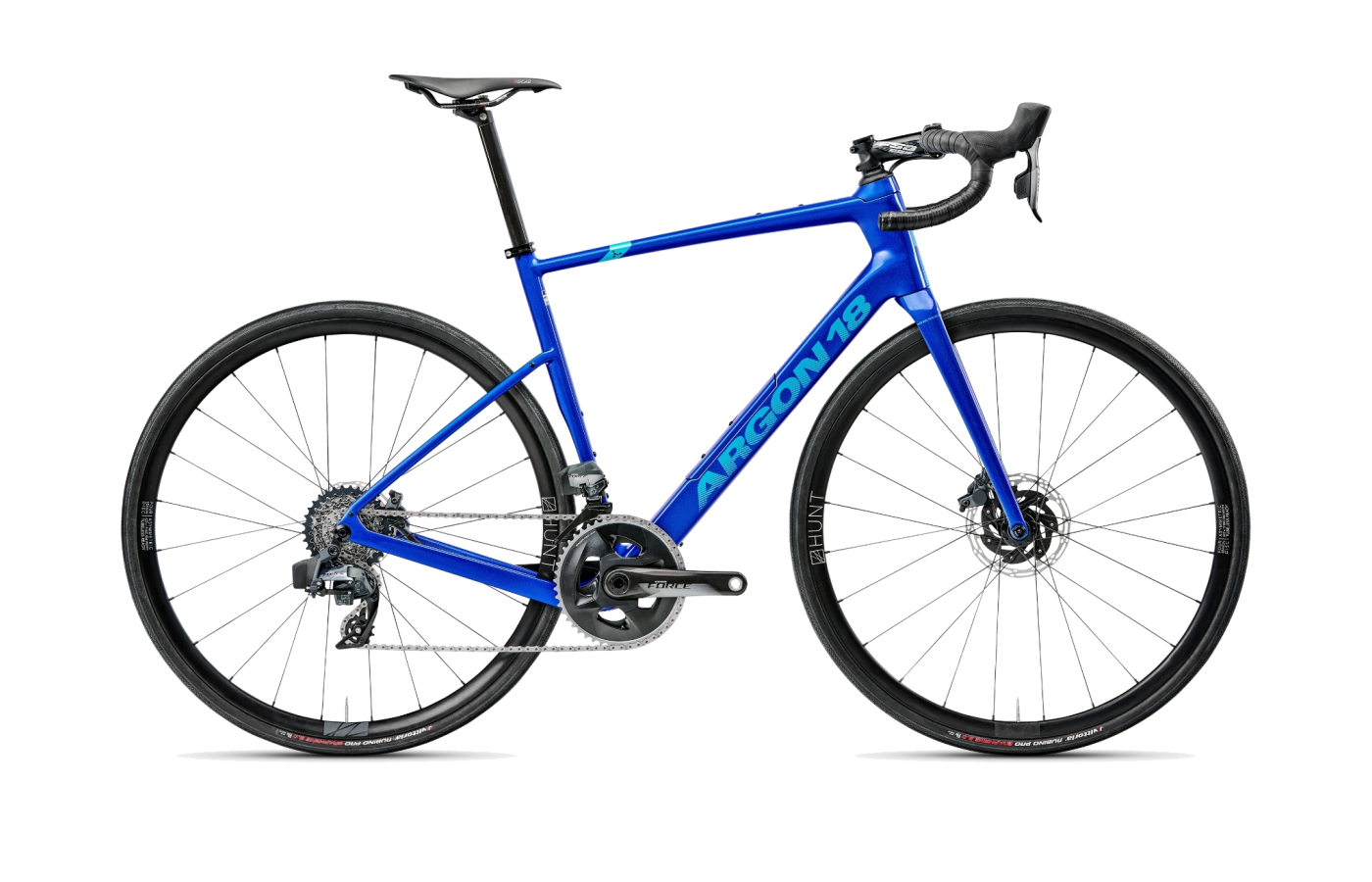
Argon 18 Krypton vs Cervelo Caledonia
Read comparison→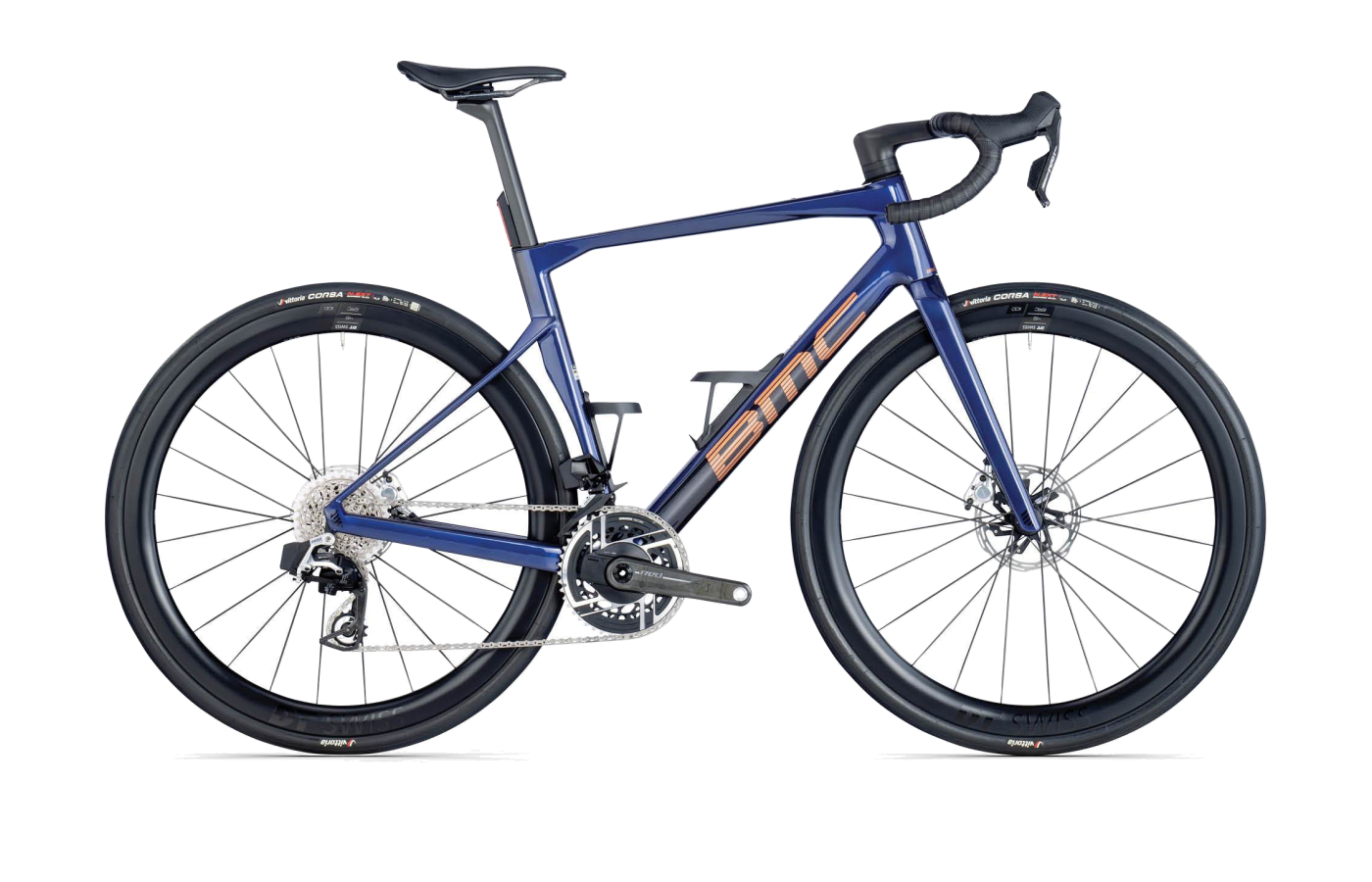
BMC Roadmachine vs Cervelo Caledonia
Read comparison→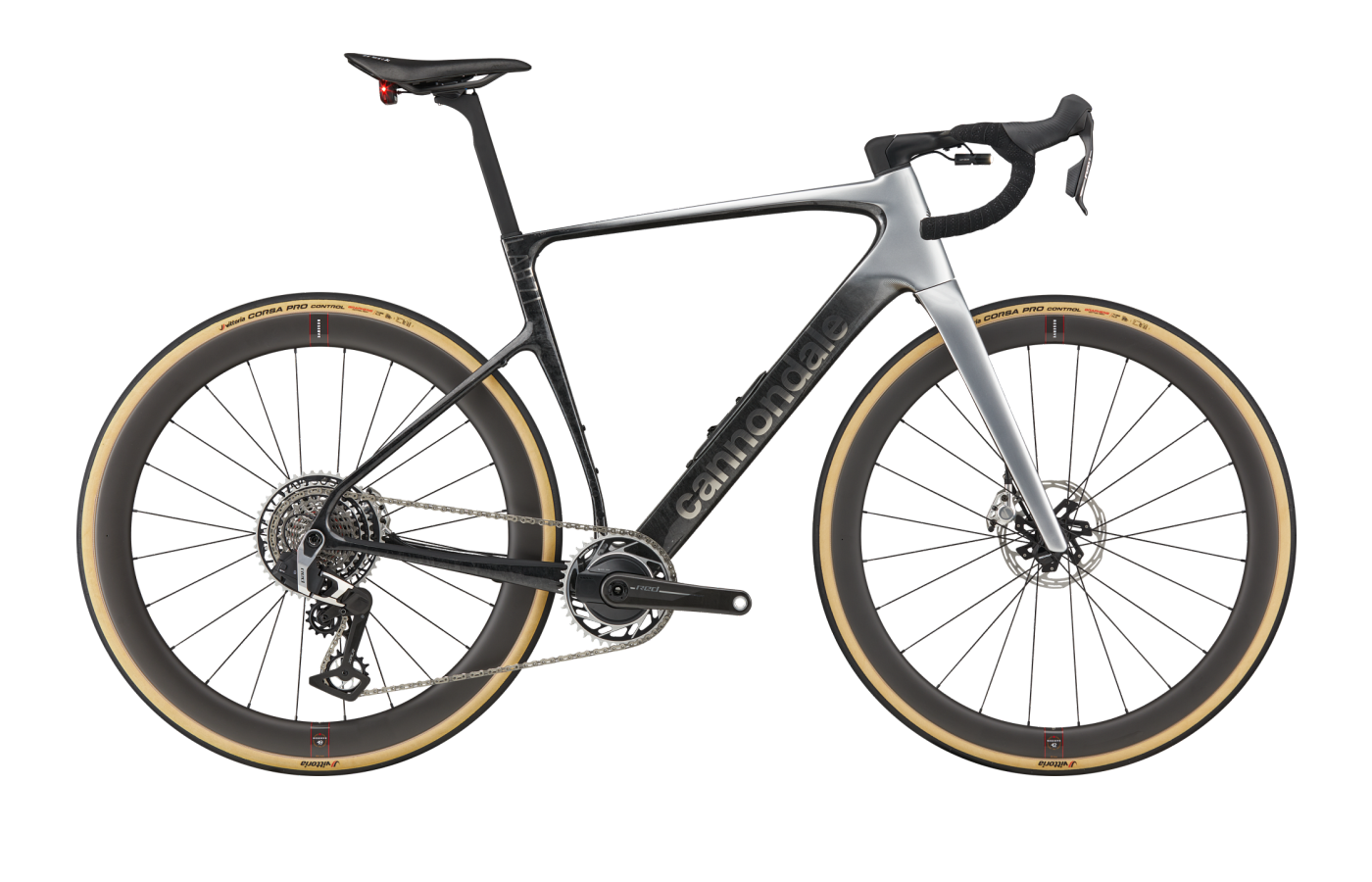
Cannondale Synapse vs Cervelo Caledonia
Read comparison→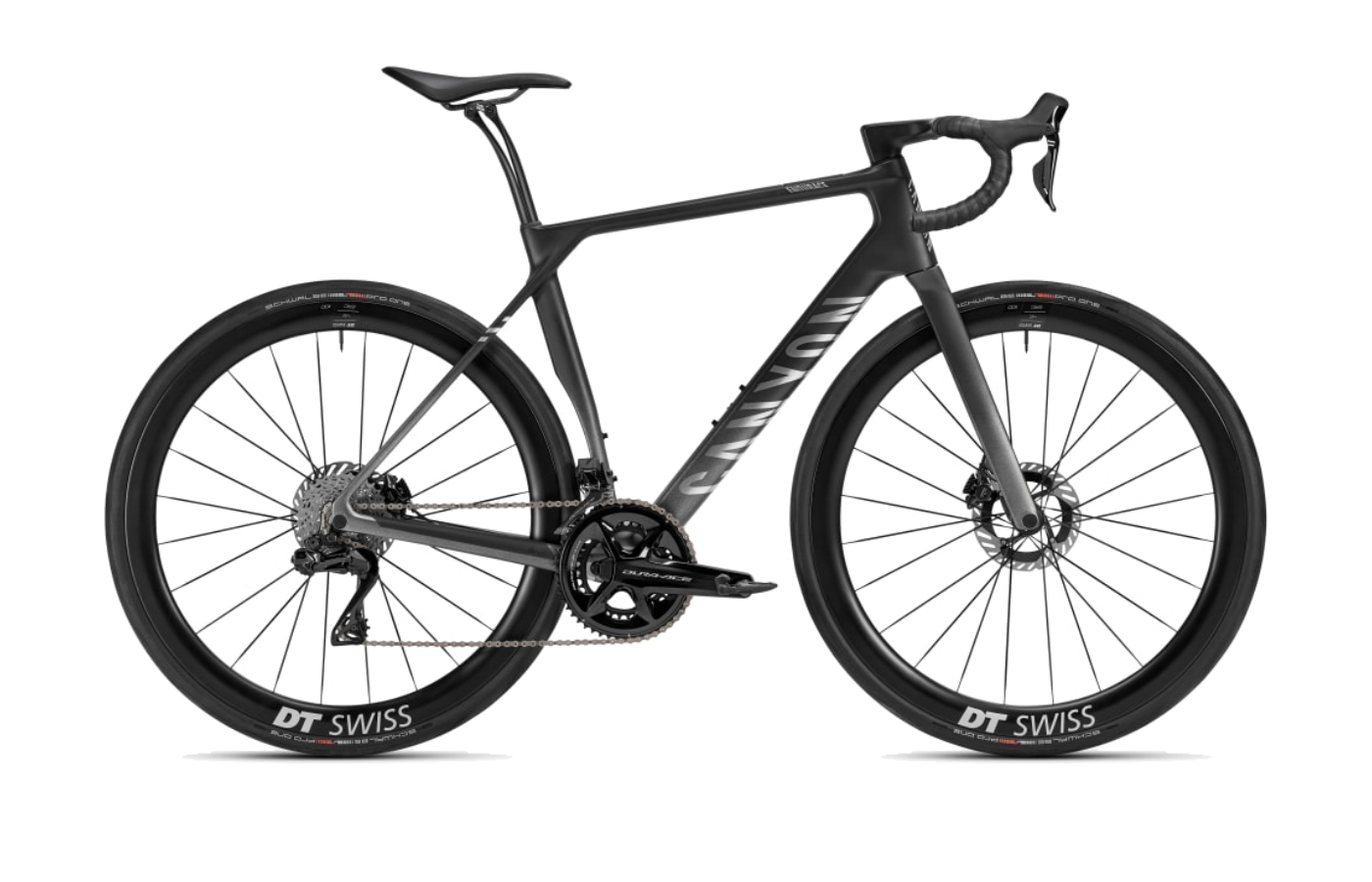
Canyon Endurace vs Cervelo Caledonia
Read comparison→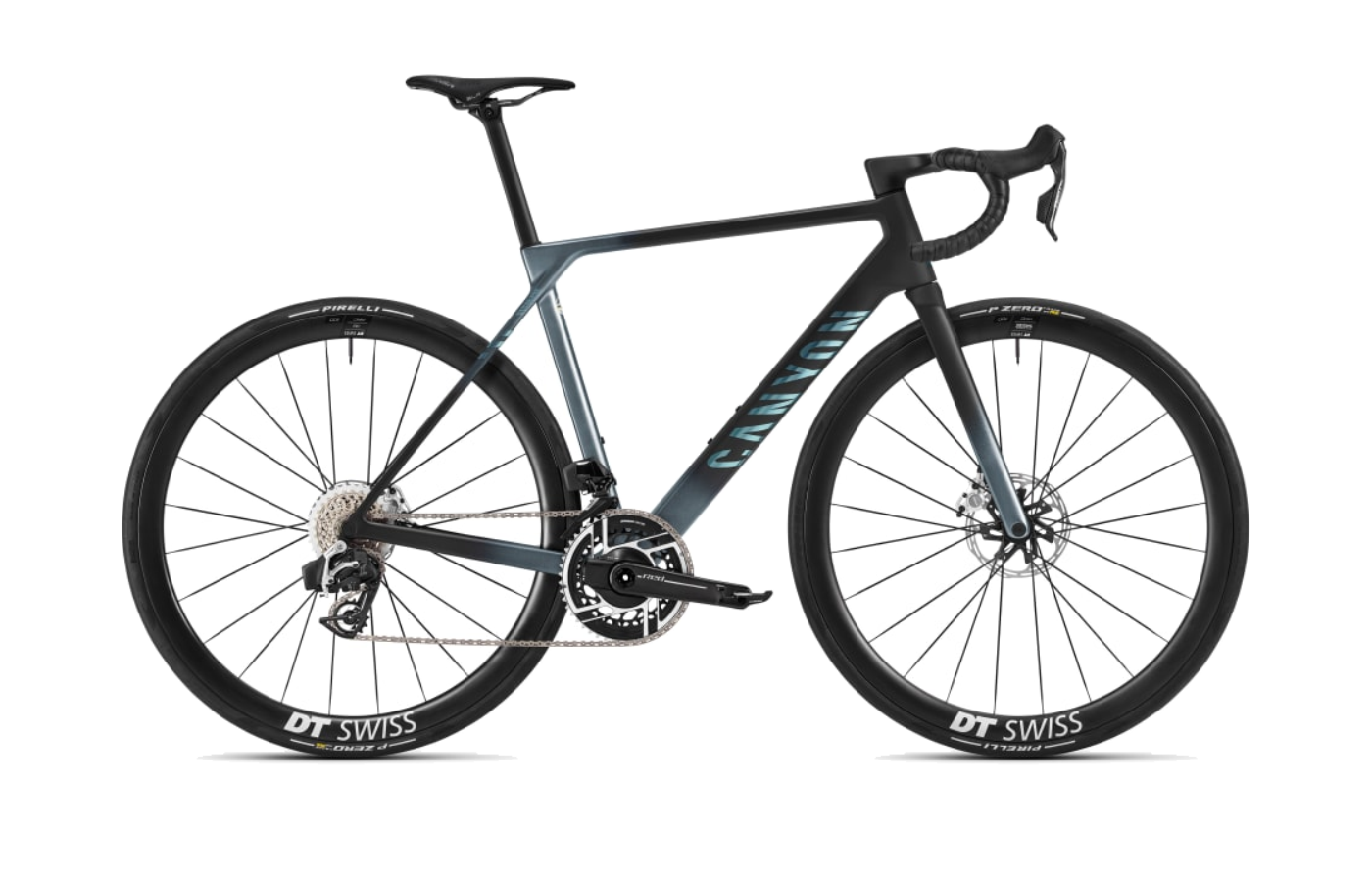
Canyon Ultimate vs Cervelo Caledonia
Read comparison→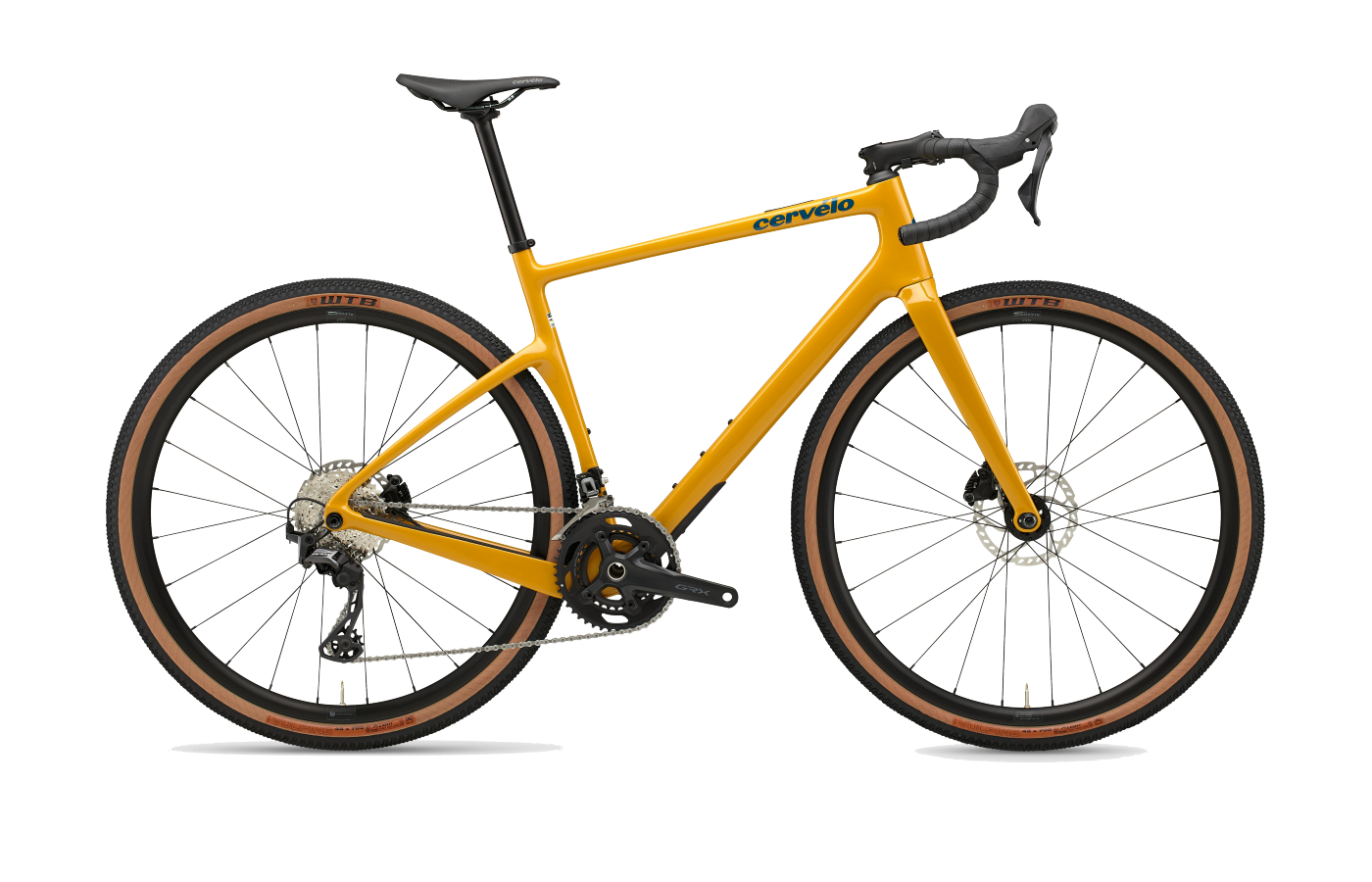
Cervelo Aspero vs Caledonia
Read comparison→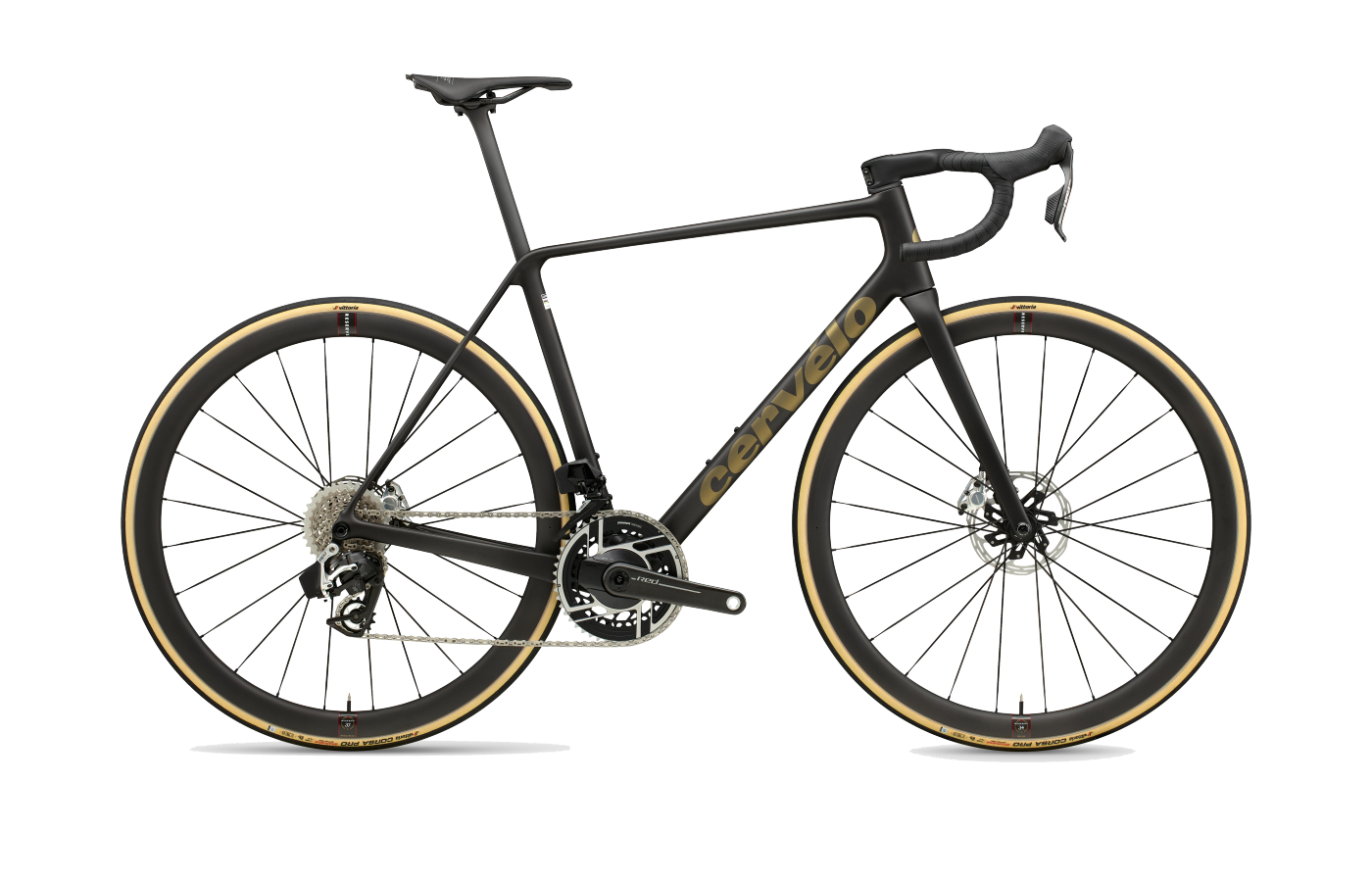
Cervelo Caledonia vs R5
Read comparison→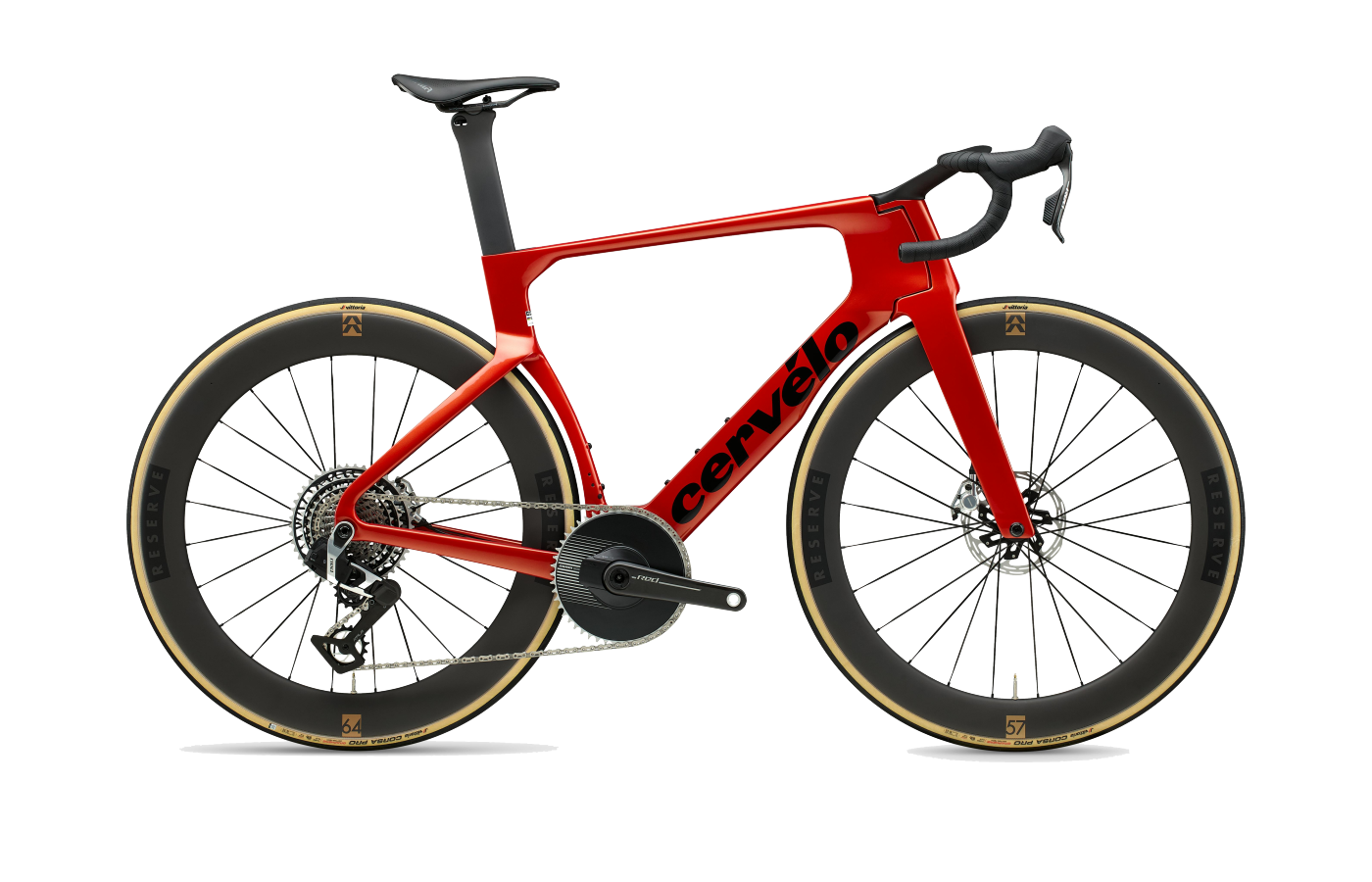
Cervelo Caledonia vs S5
Read comparison→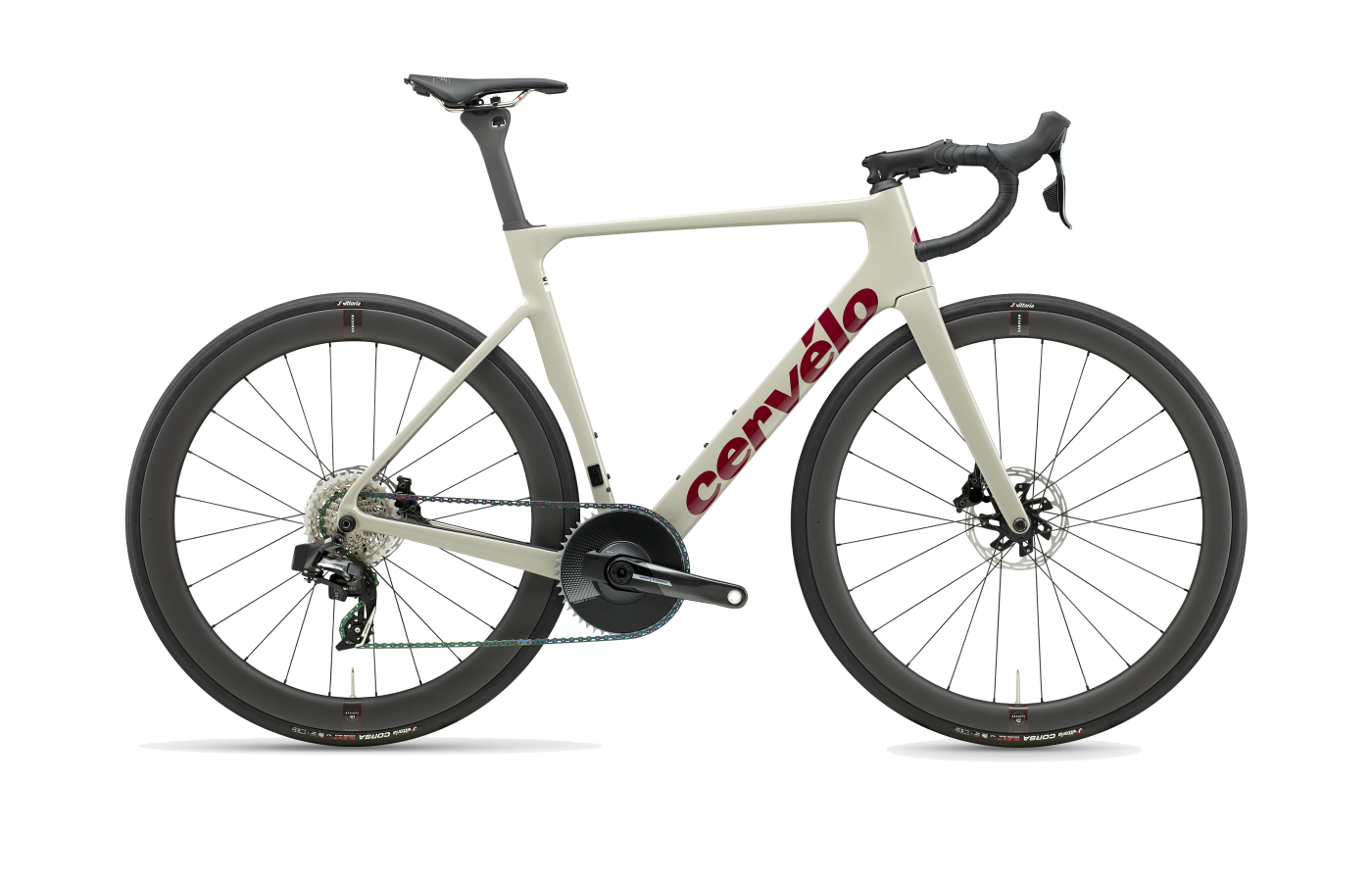
Cervelo Caledonia vs Soloist
Read comparison→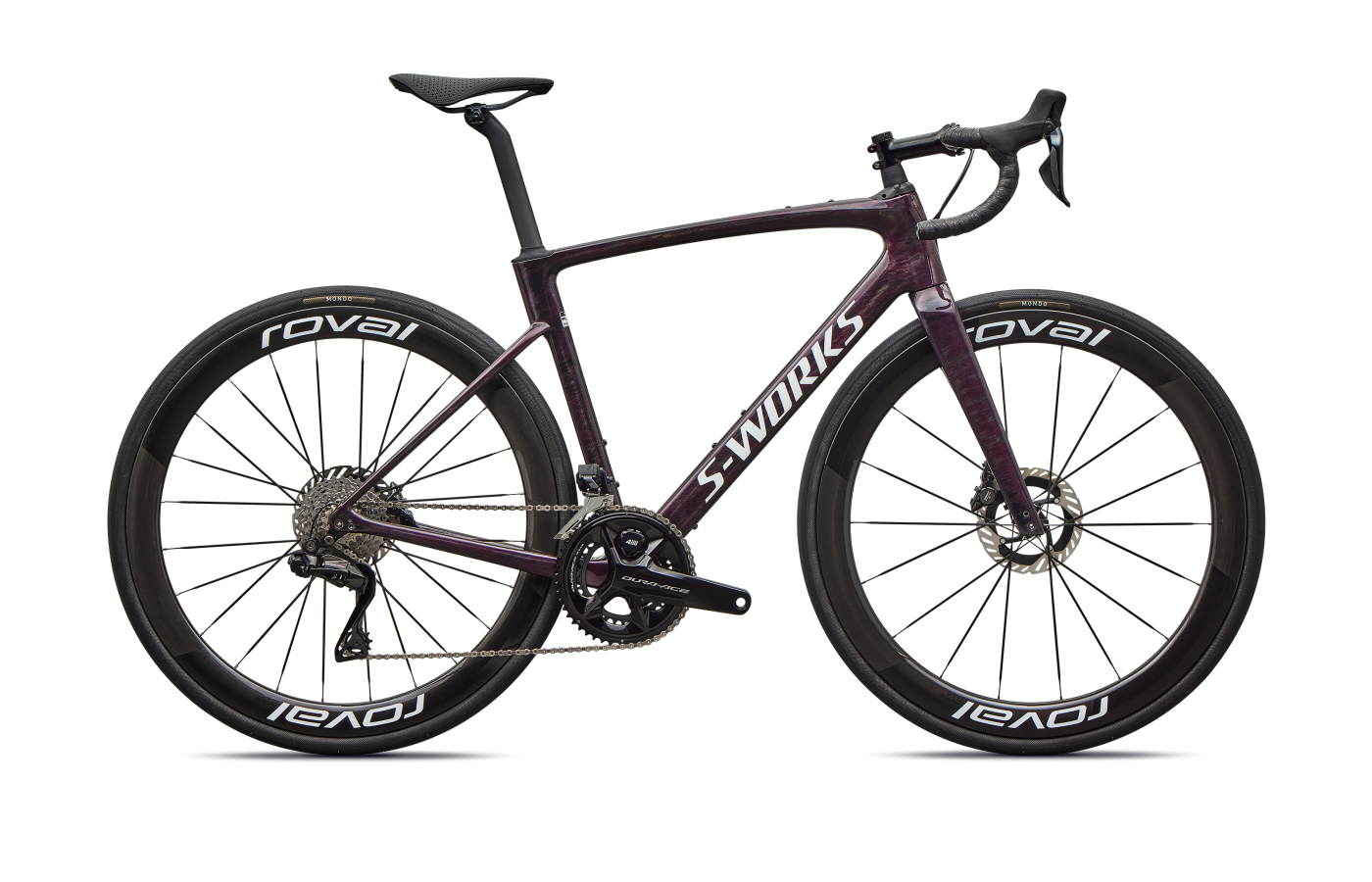
Cervelo Caledonia vs Specialized Roubaix
Read comparison→