Synapse
vsCaledonia
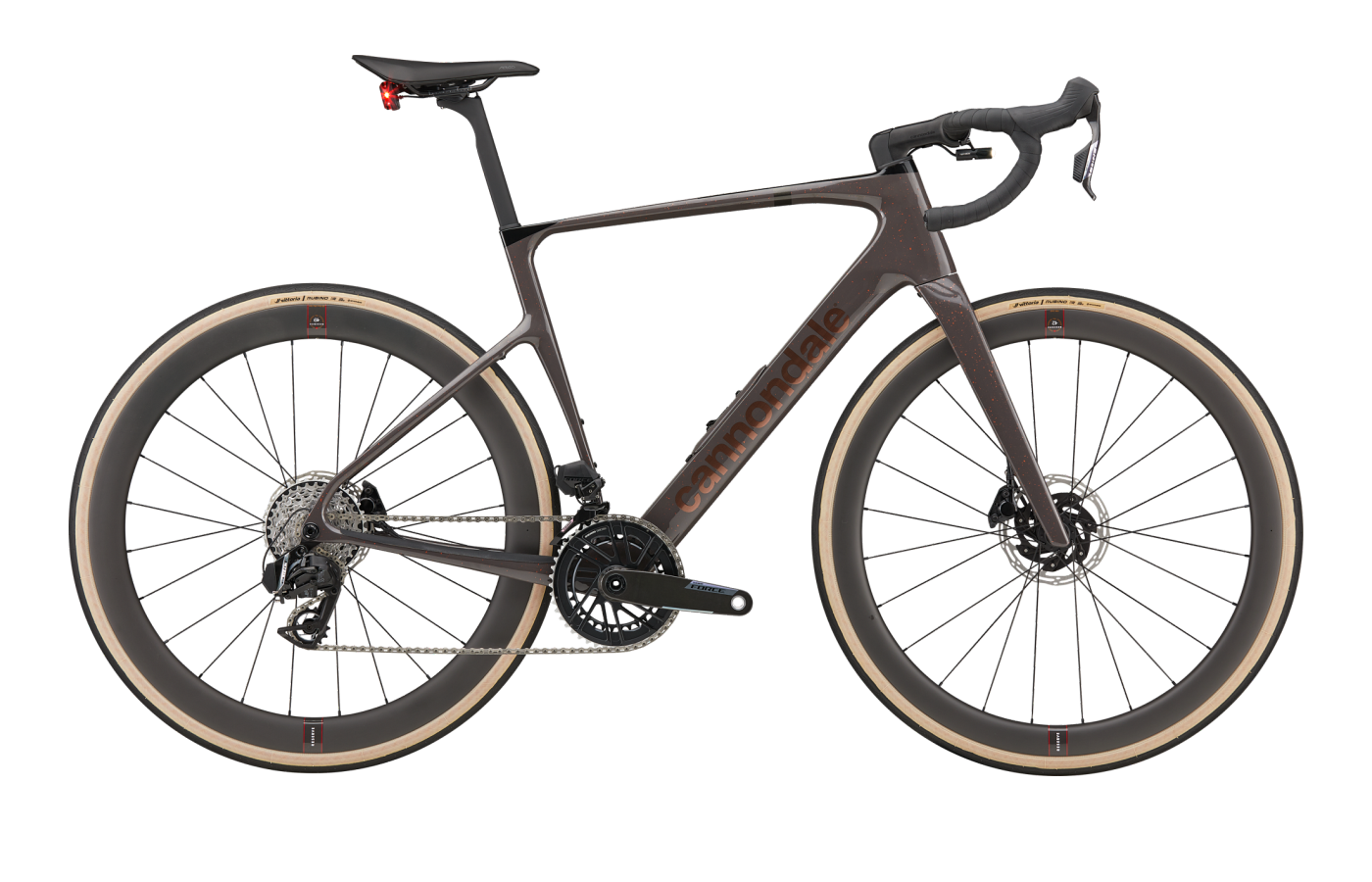
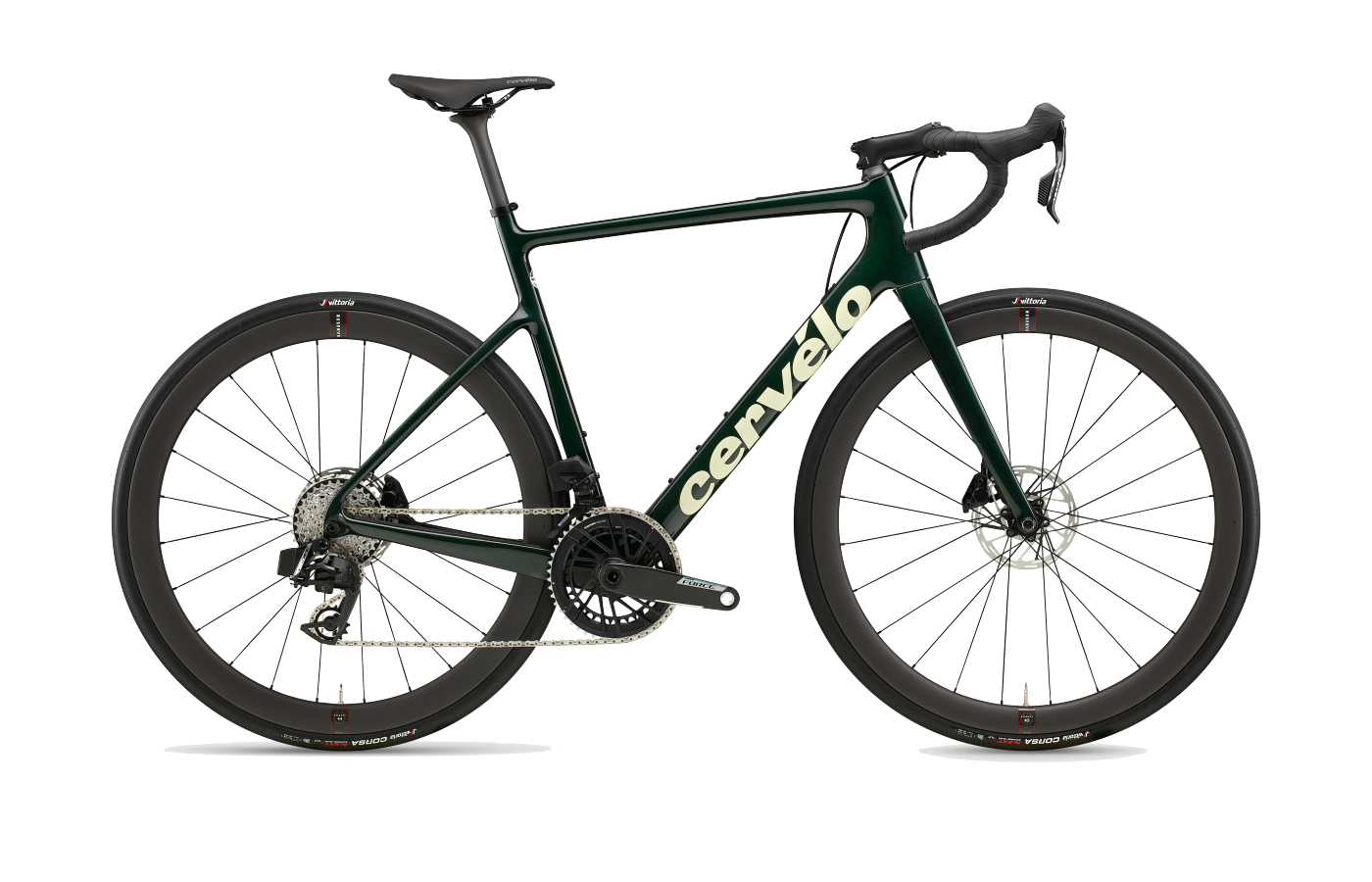
Two endurance bikes — one a tech-forward all-rounder, one a stripped-back classicist.
The Synapse Gen 6 piles on tire clearance, integrated lights, and downtube storage. The Caledonia keeps it simple: aero frame, external cables, room for a 34 mm tire.
Synapse
- Class-leading tire clearance at 42 mm in the rear, 48 mm in the fork — light gravel and chip-seal both go in the toolkit.
- SmartSense Gen 2.0 integration — front light, rear radar, and AXS shifting all run off one downtube battery with USB-C charging.
- Genuine range from a $1,299 alloy entry to a $16,499 Lab71 flagship — the Caledonia can't match either end.
- Long 1013 mm wheelbase (size 51) trades some agility for stability — one reviewer called the ride "sedate".
- SmartSense system adds about 460 g, contributing to a flagship Lab71 that's heavier than the spec sheet suggests.
Caledonia
- Sharper handling — shorter chainstays (415 mm vs 425 mm) and a steeper 72-degree head tube make it more eager into corners.
- Mechanic-friendly design — external cable routing, round 27.2 mm seatpost, and a standard front end make service and travel painless.
- Removable fender mounts and 34 mm tire clearance set it up as a credible year-round bike without compromising the lines.
- Build kit is conservative for the price — alloy bar, alloy seatpost, and basic Vision wheels persist into the $6,500 Force AXS spec.
- No flagship and no entry-level option — the lineup tops out where the Synapse is just hitting its mid-range.
Editor’s analysis
Both call themselves endurance bikes. Only one of them treats endurance as a tech problem.
The Cannondale Synapse Gen 6 and Cervelo Caledonia overlap on the page — same category, similar geometry, both built for long days at not-quite-race intensity. The execution diverges almost everywhere else. Cannondale rebuilt the Synapse around features: 42 mm tire clearance, SmartSense lights and rear radar wired into a single downtube battery, a StashPort cargo door with rubber-grommet sealing, plus a 20 percent bump in claimed compliance over the prior generation.
The Caledonia is the older, lighter-touch idea. Aero tube shapes borrowed from the S-Series, geometry split between the R5 race bike and the Aspero gravel bike, 34 mm of tire room, and — pointedly — external cable routing, a round 27.2 mm seatpost, and a standard front end. It's the bike for the rider who wants to do their own headset service in a basement and travel with a small bag of hex keys.
Geometry tells the same story in numbers. At fit-picked sizes (Synapse 51, Caledonia 54), stack and reach are within 5 mm. But the Synapse runs a 71.3 degree head tube versus the Caledonia's 72, with 10 mm more chainstay and an 18 mm longer wheelbase — it's the more planted bike, the one BikeRadar called "oblivious" on broken tarmac. The Caledonia is shorter, sharper, and according to long-term reviewers, a lot more willing to be thrown into a corner.
Then there's the lineup. The Synapse spans $1,299 to $16,499 across thirteen builds, from a 9-speed Sora alloy bike to a 1x13 Red XPLR Lab71. The Caledonia ships in four builds, all carbon, all $3,300 to $6,500. If you need a budget entry or a flagship halo, the Cervelo doesn't have one for you.
Where the builds differ.
Comparing our editor's-pick builds side-by-side. Winners highlighted row-by-row — lower price and weight, and the better-spec component, each mark a point.
Build variants & pricing
Both editor's picks land on SRAM Force AXS — apples-to-apples on drivetrain. The platforms diverge sharply on range.
Prices are current US MSRP. The Synapse spans $1,299 to $16,499 across 13 builds; the Caledonia covers $3,300 to $6,500 across 4. Cervélo doesn't sell a Lab71-tier flagship or a sub-$3k alloy build of this frame — if you need either, look at the Caledonia 5 or shop the Synapse range.
How they fit, how they steer.
Different size labels, same fit-picked rider position. Stack and reach are within 5 mm; the Synapse runs 10 mm more chainstay, an 18 mm longer wheelbase, and a half-degree slacker head tube — the more planted of the two.
Which size should I buy?
Size recommendations based on stack, reach, and effective top tube. The Synapse offers the wider range — from a 44 cm extra-small up to a 61 — while the Caledonia starts at 48.
→These are starting points. Flexibility, riding style, and preferred position all shift the answer — if you’re between sizes, a professional fit beats a chart.
What the magazines said.
Published reviews from trusted cycling outlets. Click through for the full write-up.
Which one should you buy?
If you want comfort, tech, and tire room for long all-road days, get the Synapse. If you want a sharper, simpler bike that's faster to wrench on and more eager in corners, get the Caledonia.
Synapse
If you ride 100-mile days, mix in chip-seal and the occasional dirt connector, and want integrated lights and radar without strap-on brackets, this is the bike. The 42 mm tire clearance and StashPort genuinely change how you pack and ride.
Caledonia
If you want a fast endurance bike that handles like a slightly-relaxed race bike, services like one too, and doesn't need a battery to charge — this is the cleaner answer. Particularly strong as a year-round bike with the removable fender mounts.
Questions buyers actually ask.
Short answers to the things we get emailed about most often.
01Which has more tire clearance?
The Cannondale Synapse, by a wide margin: 42 mm in the frame and 48 mm in the fork. The Cervélo Caledonia tops out at 34 mm (31 mm with fenders fitted).
In practice that means the Synapse can handle light gravel and chip-seal on the same tires it runs for tarmac, while the Caledonia stays firmly on the road side of the line. Both ship 30–32 mm tires stock.
02Which is more comfortable on rough roads?
The Synapse, on most evidence. Cannondale claims a 20 percent compliance gain over the previous generation, and reviewers consistently describe the ride as "sublime" on broken tarmac and chip-seal — one BikeRadar tester said it stayed composed on roads that would knock a SuperSix Evo off line.
The Caledonia's frame is comfortable, but the standard build's alloy seatpost and bar transfer more high-frequency buzz than the Synapse's integrated carbon cockpit (on higher trims) or D-shaped seatpost setup. A carbon post upgrade closes most of the gap.
03Which handles better in tight corners?
The Caledonia, generally. Its 415 mm chainstays, 995 mm wheelbase (size 54), and 72-degree head tube make it the more eager bike to throw into a turn. Reviewers describe it as "calm and collected" but with a "familiar agility" that keeps it engaging.
The Synapse trades some of that agility for stability — its 1013 mm wheelbase (size 51) and 71.3 degree head tube mean it tracks straight beautifully but doesn't dive into corners with the same enthusiasm. One reviewer called it "sedate" in technical sections.
04What is SmartSense and is it worth it?
SmartSense Gen 2.0 is Cannondale's integrated lighting and safety system on Synapse Carbon and Lab71 builds. A single battery housed in the downtube powers an 800-lumen front light, a Garmin Varia rear radar/light, and the SRAM AXS drivetrain — all charged via one USB-C port.
Reviewers are nearly unanimous that the second-generation system "gets everything right" and is a meaningful safety upgrade. The cost: roughly 460 g of added weight, and one more battery to monitor. If you ride in traffic or low light regularly, it's worth it.
05Is one easier to service or travel with?
The Caledonia, clearly. It uses external cable routing from the bar to the frame, a round 27.2 mm seatpost, a standard non-integrated front end, and removable fender mounts. Reviewers specifically call out that it's "an easier bike to work on and to travel with."
The Synapse runs fully integrated cabling through a one-piece SystemBar R-One on its top builds — clean, but more involved for hose bleeds, stem swaps, and packing into a travel case.
06Which has a wider price range?
The Synapse, by a lot. It runs from $1,299 (Synapse 3, alloy frame, Shimano Sora) up to $16,499 (Lab71 SmartSense with SRAM Red XPLR AXS) — thirteen builds across alloy, carbon, and Hi-MOD carbon.
The Caledonia is a simpler four-build lineup, all on the same standard carbon frame, from $3,300 (Shimano 105 mechanical) to $6,500 (SRAM Force AXS). For a flagship-level Caledonia experience, you have to step up to the Caledonia 5.
07Which is better suited for a winter or year-round bike?
Both are credible. The Caledonia has stealthy removable fender mounts and external routing that survives wet-weather service, and reviewers explicitly recommend it as a "dedicated winter bike."
The Synapse also has fender mounts plus the SmartSense lights baked in, which is a real advantage for short winter days. The trade-off is one more battery to keep charged through the cold months — and integrated cockpit service is more involved when components corrode.
08Are these direct competitors, or do they target different riders?
They overlap on paper but separate on intent. The Synapse Gen 6 is a tech-forward all-roader optimized for comfort and versatility — tire clearance, integration, storage. The Caledonia is a leaner, race-DNA endurance bike that prioritizes handling sharpness and serviceability over feature count.
BikeRadar's own Bike of the Year coverage put the Synapse Carbon 2 SmartSense up against the Boardman SLR — not the Caledonia — because the Caledonia is closer in spirit to a fast-endurance bike like the Giant Defy than to the Synapse's tech-loaded approach.
Similar bikes
If your priorities don’t map cleanly onto either of these, one of these adjacent bikes probably fits better.
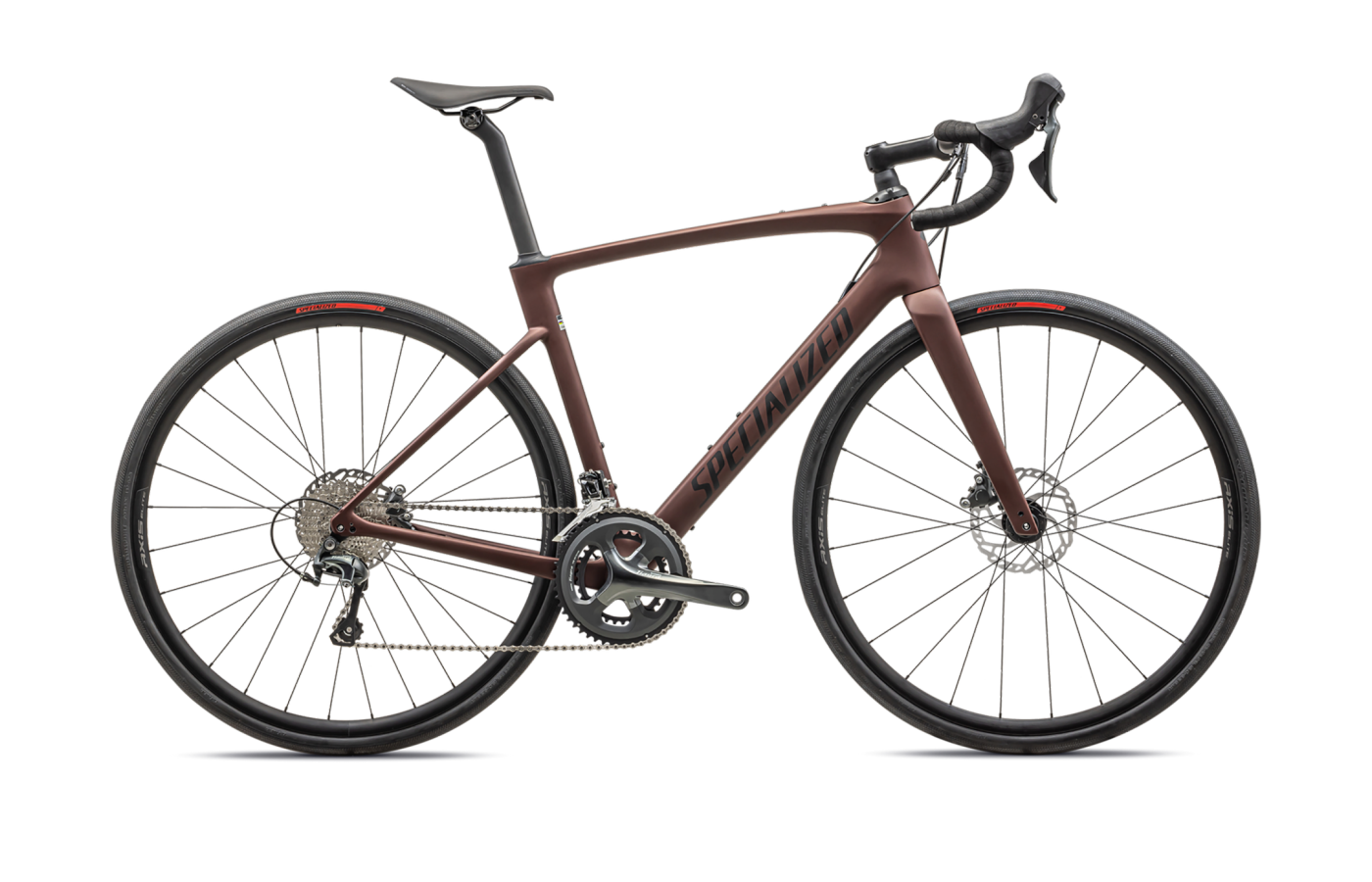
Roubaix
The only endurance bike that genuinely beats the Synapse for front-end comfort, thanks to the Future Shock cartridge in the steerer. Heavier and pricier per spec, but unmatched for hand and shoulder fatigue on long days.
Compare →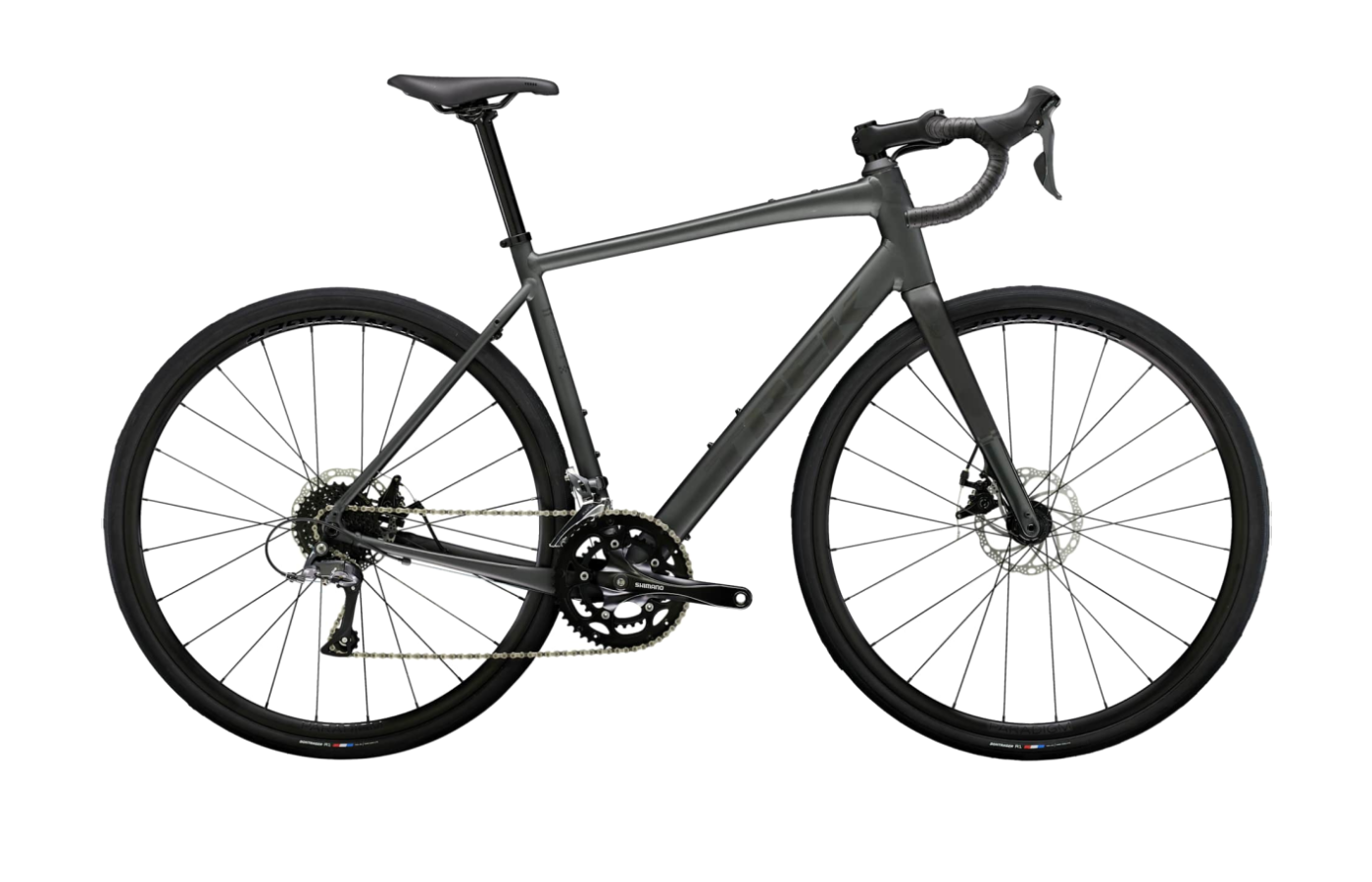
Domane
Trek's most direct Synapse rival — IsoSpeed decoupler for compliance, internal storage, and the same 42 mm tire clearance. The closest apples-to-apples comparison if SmartSense isn't a deal-maker.
Compare →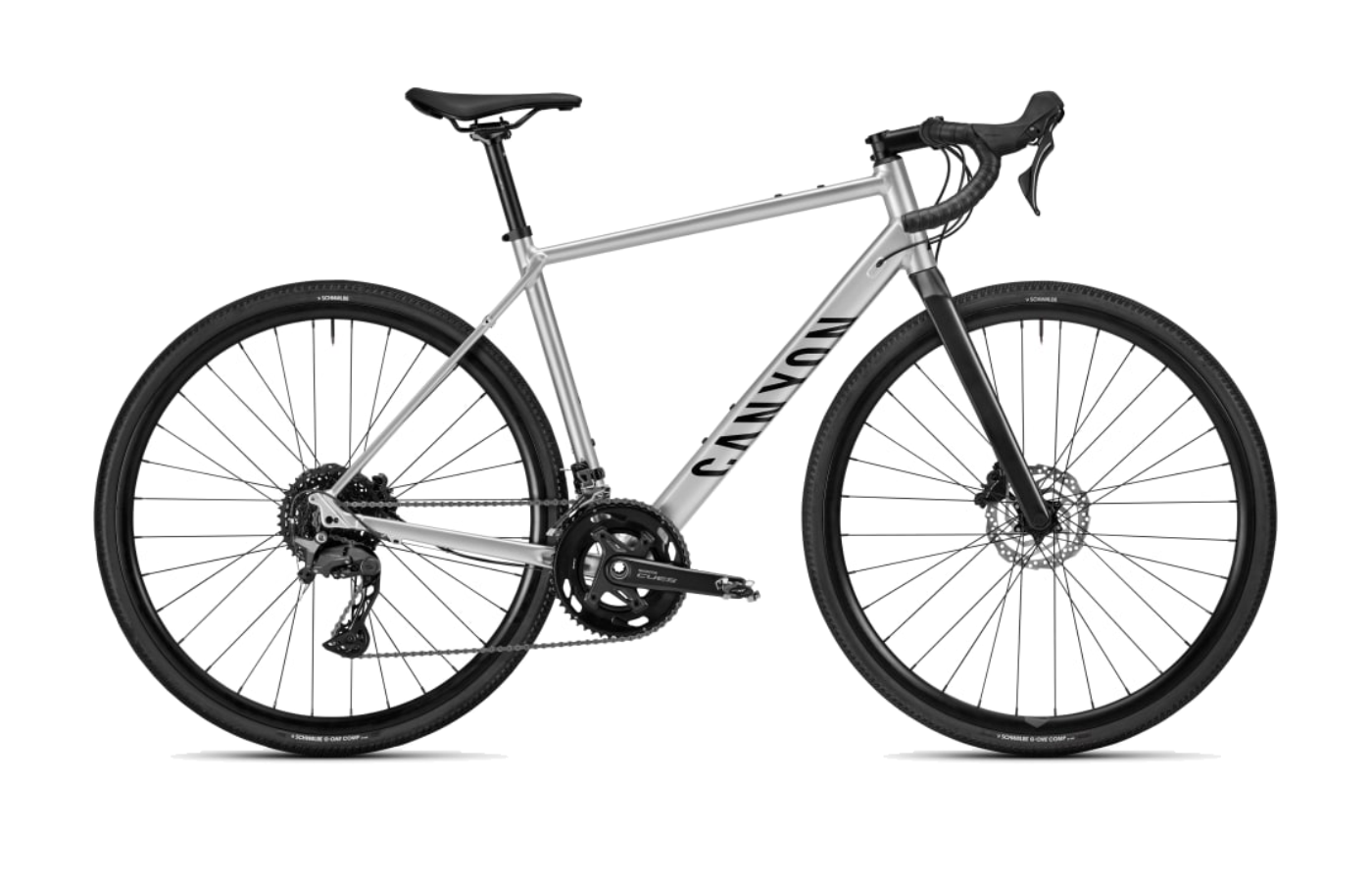
Endurace
Direct-to-consumer pricing puts the Endurace at notably better component-for-dollar than the Caledonia, with a similar relaxed-race fit. Tire clearance is tighter at 35 mm, and there's no local dealer if you need a fit session.
Compare →