Endurace
vsCaledonia
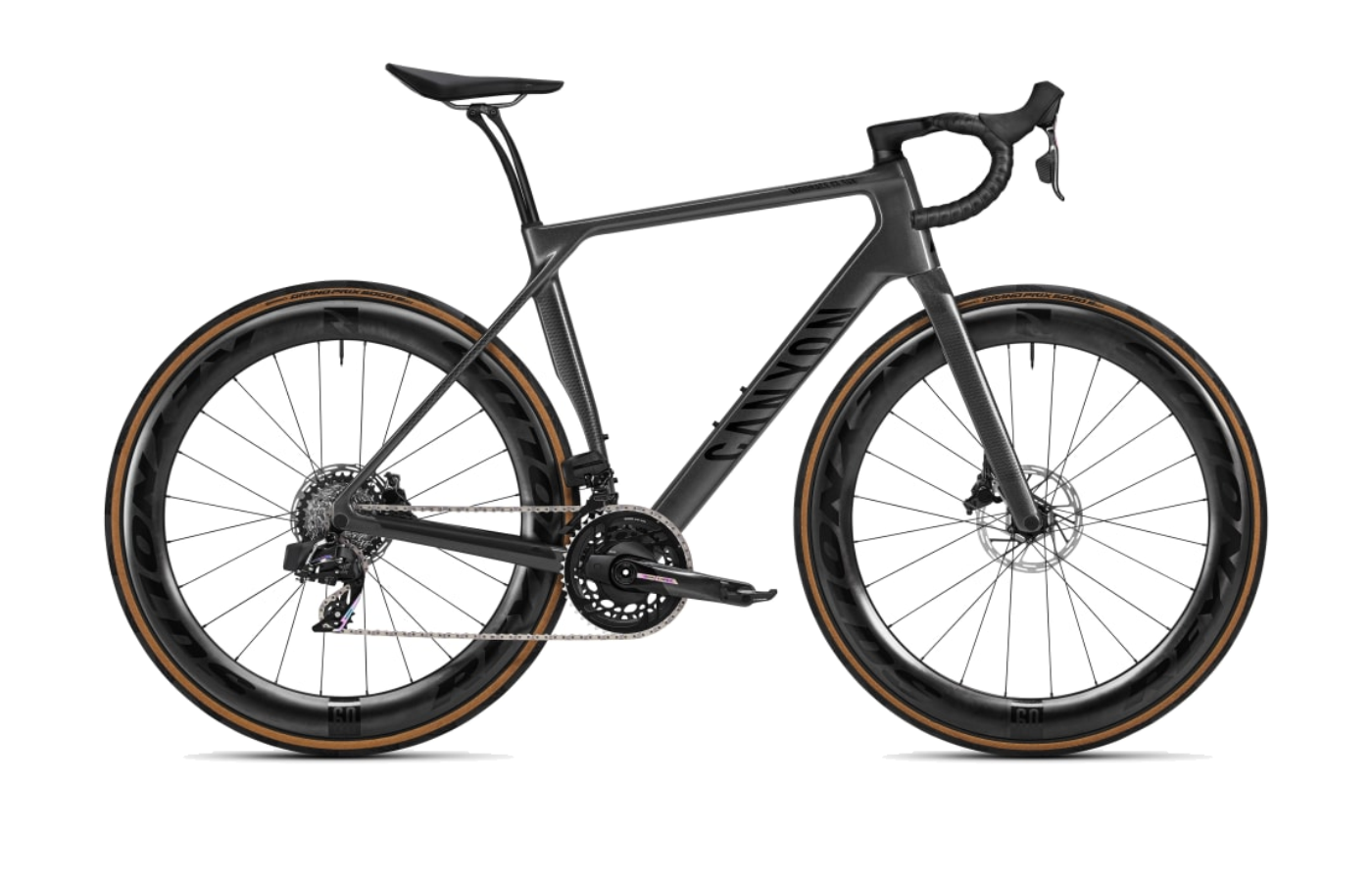
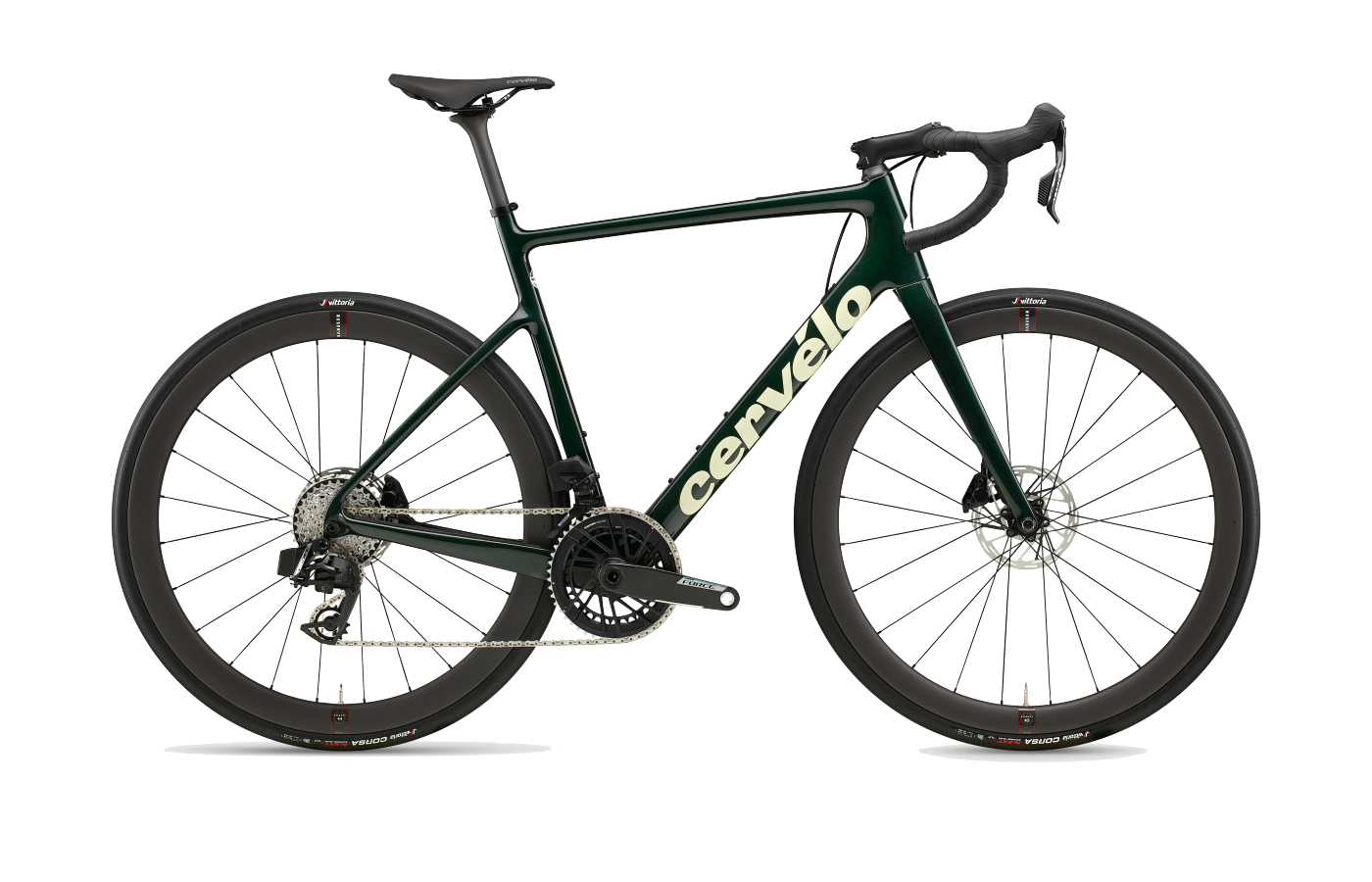
Two endurance bikes, two attitudes toward fuss.
The Canyon Endurace is the integrated, gadget-loaded fast endurance bike. The Cervelo Caledonia is the simple, fender-friendly all-rounder you can travel with.
Endurace
- Wider build range — $1,499 alloy CUES up to $9,099 Dura-Ace Di2, all in one lineup. Cervelo starts at $3,300.
- Power meter on every carbon build — even the $2,899 CF 7 AXS ships with a Rival spider meter.
- Integrated top-tube storage with a clever Canyon-designed multi-tool, Dynaplug, and CO2 — no top-tube bag needed.
- Aerocockpit is one-piece, integrated carbon — swapping bar width or stem length means a new $450+ unit.
- No fender mounts on the carbon frames; Canyon designed these around storage, not winter use.
Caledonia
- Easy to live with — external hose routing, standard 27.2 mm seatpost, alloy bar/stem — every part is swappable.
- Removable fender mounts — stealthy when not in use, fits full-coverage fenders for winter or wet commutes.
- Confidence on descents — 60 mm trail and a 995 mm wheelbase that testers happily took past 60 mph without drama.
- No build under $3,300 and no flagship above $6,500 — narrowest range in this segment.
- Stock alloy cockpit and basic Vision wheels feel underbuilt for the money; reviewers consistently call out the upgrade path.
Editor’s analysis
This isn't sport vs. comfort — both ride that line. It's integrated and clever vs. simple and serviceable.
The Canyon Endurace and Cervelo Caledonia overlap on the obvious things: 415 mm chainstays, room for ~34–35 mm tires, an aero-influenced carbon frame, an endurance fit that's racier than most reviewers expect. Both have done long days for testers without leaving them wrecked. The split shows up in how each bike handles the practical stuff around the ride — storage, cockpit choices, fender mounts, what you can swap.
The Canyon Endurace leans hard into integration. Top-tube LOAD storage with a tucked multi-tool, a width-adjustable CP0048 aero cockpit on the higher trims, power meters standard across the range, and direct-to-consumer pricing that lands a Dura-Ace Di2 build at $9,099 — $2,500 below most competitors at that tier. It's also where Canyon's range starts: a $1,499 alloy CUES build is in the same lineup as the carbon flagships, which no other endurance brand here matches.
The Cervelo Caledonia goes the other direction on purpose. Brake hoses route externally to the headtube, the cockpit is a normal alloy stem and bar, the seatpost is a standard 27.2 mm round, and there are removable fender mounts for winter. BikeRadar called it "an easier bike to work on (and to travel with)." The trade is that the alloy touchpoints feel basic for the money, and the price floor — $3,300 for 105 mechanical — is more than double Canyon's entry. Cervelo doesn't sell a Dura-Ace or Red build at all; the lineup tops out at Force AXS for $6,500.
Geometry-wise, at the fit-picked sizes for a typical rider — Canyon XS, Cervelo 54 — the Caledonia is 7 mm taller in stack, 8 mm longer in reach, and runs a 1.2-degree steeper head tube. The Cervelo will feel slightly stretched and quicker-steering; the Canyon will feel more upright and a touch slacker. Both run identical 415 mm chainstays, so neither has a meaningful advantage on traction or wheelbase response.
Where the builds differ.
Comparing our editor's-pick builds side-by-side. Winners highlighted row-by-row — lower price and weight, and the better-spec component, each mark a point.
Build variants & pricing
The Endurace covers $1,499 to $9,099 across alloy and two carbon grades. The Caledonia spans $3,300 to $6,500 in one carbon frame, four builds.
Editor's picks are the SRAM Force AXS builds on each side — a true apples-to-apples drivetrain match. Note the $1,000 price gap: Canyon's CF SLX 8 AXS at $5,499 includes a power meter and 60 mm Reynolds carbon wheels; Cervelo's Force AXS at $6,500 ships with shallower Reserve 40/44 carbon wheels and an alloy cockpit. Direct-to-consumer pricing is doing some of the work.
How they fit, how they steer.
Canyon XS vs Cervelo 54 are the fit-picked sizes for a typical rider. The Caledonia sits 7 mm taller in stack, 8 mm longer in reach, with a 1.2-degree steeper head tube — slightly stretched and quicker-steering. Both run 415 mm chainstays.
Which size should I buy?
Sizes are picked from stack, reach, and effective top tube. Both ranges overlap in the middle; the Endurace runs much smaller (down to a 3XS at 510 mm stack).
→These are starting points. Flexibility, riding style, and preferred position all shift the answer — if you’re between sizes, a professional fit beats a chart.
What the magazines said.
Published reviews from trusted cycling outlets. Click through for the full write-up.
Which one should you buy?
If you want gadgets, integration, and the best parts-per-dollar from a direct-to-consumer brand, get the Endurace. If you want a quiet, serviceable, fender-ready workhorse you can travel with, get the Caledonia.
Endurace
If you ride year-round on dry roads, want internal storage, an integrated cockpit, and a power meter that comes in the box — and you're comfortable not having a local dealer for warranty work — the Endurace gives you more bike for the money than anything else here.
Caledonia
If your routes drift onto light gravel, your winters need fenders, you fly with your bike, or you'd just rather work on it yourself — the Caledonia is the simpler, more honest tool. You'll pay more for less spec, but the platform earns it back in usability.
Questions buyers actually ask.
Short answers to the things we get emailed about most often.
01Which one is faster?
Roughly the same on the kind of roads either bike was designed for. Both have aero-shaped tube profiles, both run 415 mm chainstays, both can fit a fast 30–32 mm tire. Reviewers who tested them back-to-back tend to call the Canyon Endurace slightly snappier under acceleration thanks to the lighter CFR frame and shallower stack-to-reach ratio, while the Cervelo Caledonia holds a high cruising speed on rough surfaces a touch better thanks to its longer wheelbase.
Neither is a race bike. If you want speed above all, look at the Canyon Aeroad or Cervelo S5.
02What's the maximum tire clearance?
Canyon Endurace: 35 mm officially, with stock 32 mm Schwalbe Pro One Evo on most carbon builds. The alloy AllRoad build clears 40 mm and ships with 35 mm Schwalbe G-Ones.
Cervelo Caledonia: 34 mm officially, or 31 mm with full fenders fitted. Stock tire is a 30 mm Vittoria Corsa N.EXT on the Force AXS build.
Both handle light gravel happily but neither is a true gravel bike — for anything chunkier than well-kept dirt, look at the Canyon Grail or Cervelo Aspero.
03Can I fit fenders to either bike?
Not equivalently. The Cervelo Caledonia has dedicated removable fender mounts at the fork crown, dropouts, and seatstay bridge — they're stealthy when off and fit full-coverage fenders cleanly. Cervelo limits clearance to 31 mm with fenders mounted.
The carbon Canyon Endurace frames don't have proper fender mounts. Canyon's design priorities went to integrated storage and cockpit instead. Only the alloy AllRoad CUES build has bolt-on fender provisions. If a winter fender setup is non-negotiable, the Caledonia is the easier answer.
04How serviceable are the cockpits?
Very different stories. The Canyon CP0048 integrated aero carbon cockpit on the higher trims (CF SLX 8 and up) is a one-piece bar/stem with internal hose routing. It does have width and height adjustment built in (50 mm and 20 mm respectively), but a different bar shape or stem length means buying a new cockpit — typically $400–$500 — and routing a hose bleed.
The Cervelo Caledonia uses a conventional alloy ST36 stem and AB07 bar with a 31.8 mm clamp. Standard parts, standard tools, easy to swap for any carbon bar or third-party stem you like. It's also why the Caledonia frame travels so well — pulling the bar to fit a bike box is straightforward.
05Why does the Endurace come with a power meter and the Caledonia doesn't?
It's part of Canyon's direct-to-consumer pricing strategy. By skipping the dealer markup, Canyon can include a Shimano or SRAM spider-based power meter on essentially every carbon build — even the $2,899 CF 7 AXS ships with a Rival D1 power meter. Cervelo sells through dealers, and a power meter would push the spec or the price out of bracket.
If you want a power meter on the Caledonia, plan on $300–$700 aftermarket for a 4iiii, Stages, or Quarq spider — still adds up to less than the price gap to the equivalent Canyon.
06Which fits more upright?
The Canyon Endurace, marginally. At fit-picked sizes — Canyon XS (stack 548, reach 370) vs Cervelo 54 (stack 555, reach 378) — the Caledonia is actually 7 mm taller in stack, but the 8 mm longer reach means the effective ride position is more stretched out.
Both bikes use a relatively tall stack-to-reach ratio compared to pure race bikes (the Canyon Aeroad and Cervelo S5 are both noticeably more aggressive). Neither will leave you staring at your front hub. If a taller, shorter cockpit matters, the Canyon's broader size range — down to a 3XS at 510 mm stack — gives you more room to size up than the Cervelo does.
07How does the warranty and service experience compare?
Both come with a lifetime frame warranty to the original owner against manufacturing defects, plus crash-replacement pricing.
The practical difference is the channel. Cervelo sells through bike shops — when a hose needs bleeding or a frame needs a warranty inspection, you walk it into the shop you bought it from. Canyon ships direct; warranty work goes through Canyon's US service center via shipping, and you handle most simple service yourself or pay a local shop hourly. If you don't enjoy bike-shop labor and you're not handy, that's a real cost to weigh against Canyon's lower sticker price.
08Are both compatible with electronic-only drivetrains?
Both frames are wireless or wired-electronic compatible across their carbon builds — Shimano Di2 (Dura-Ace, Ultegra, 105) on the Canyon and Cervelo, SRAM AXS (Force, Rival) on both. Cervelo also offers a fully mechanical Shimano 105 R7120 build at $3,300 — the only mechanical-shifting option in this comparison. Canyon's carbon Endurace builds are all electronic; only the alloy AllRoad with Shimano CUES is mechanical.
Similar bikes
If your priorities don’t map cleanly onto either of these, one of these adjacent bikes probably fits better.
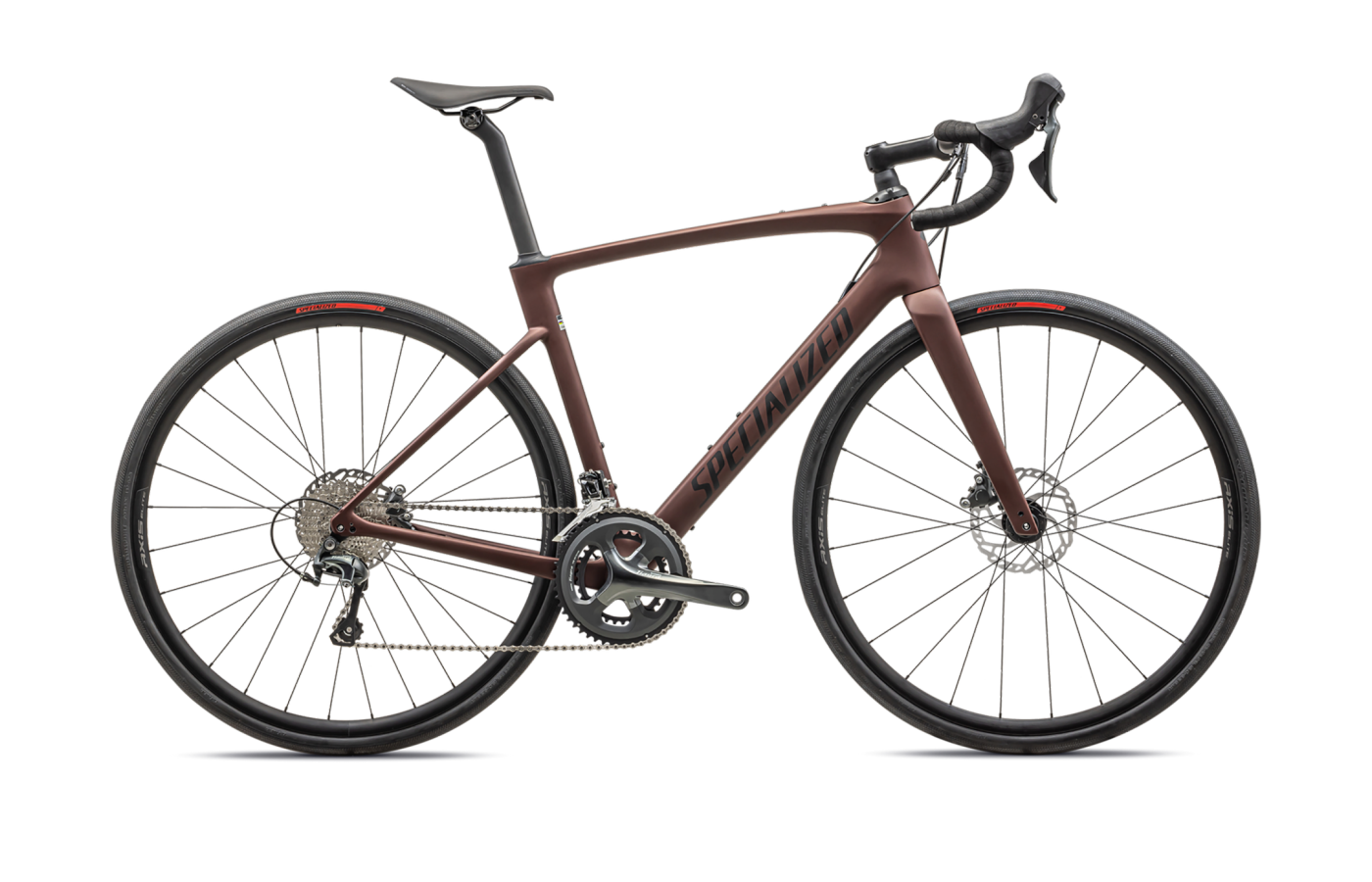
Roubaix
Specialized's endurance flagship uses the Future Shock cartridge in the head tube to add ~20 mm of front-end suspension travel — a more technologically aggressive answer to chip-seal than either bike here, with a price to match.
Compare →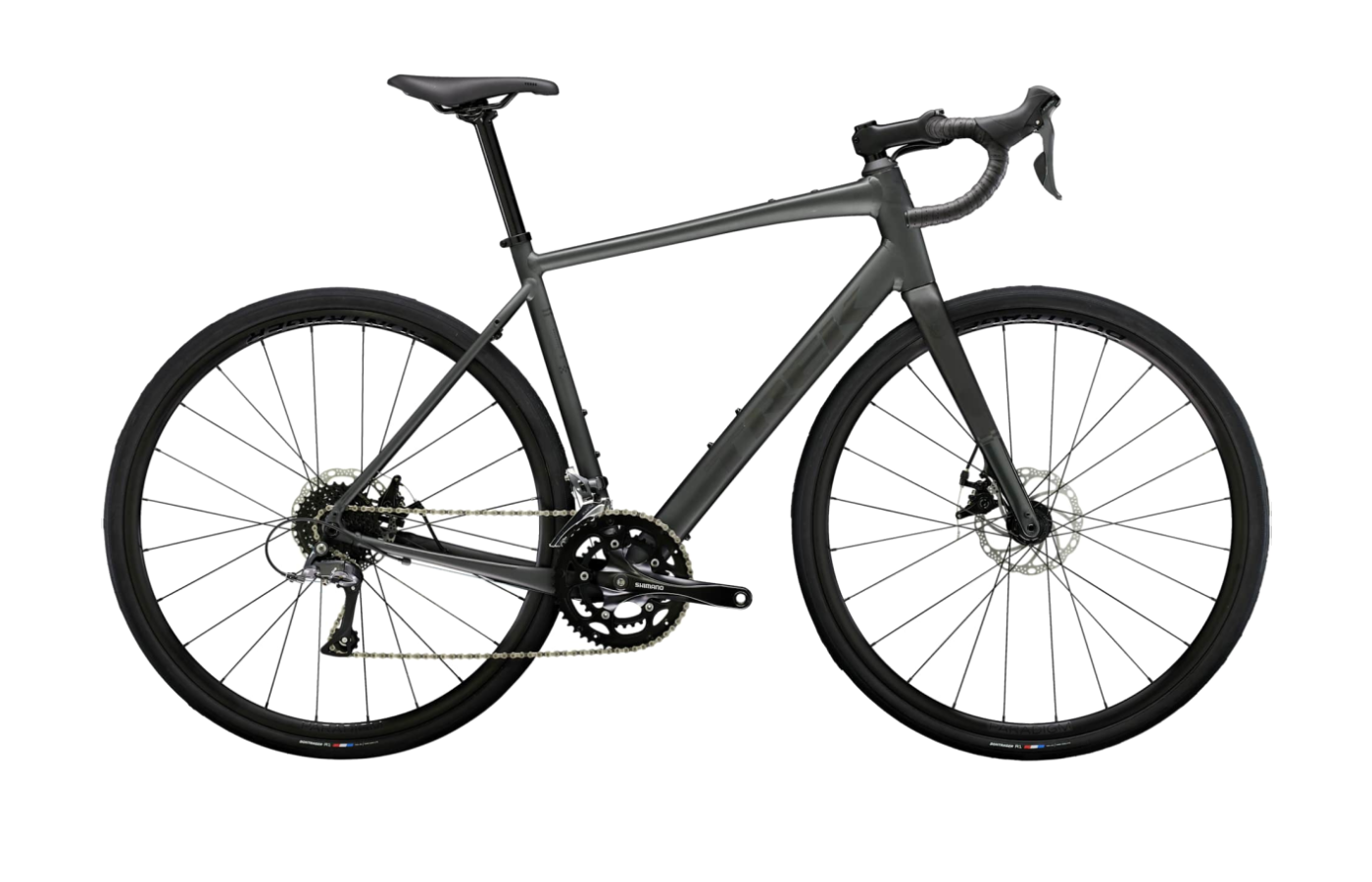
Domane
Trek Domane runs the IsoSpeed decoupler at the seat tube and tucks storage in the down tube rather than the top tube — quieter, larger, and out of the way. Geometry is the most relaxed of the four.
Compare →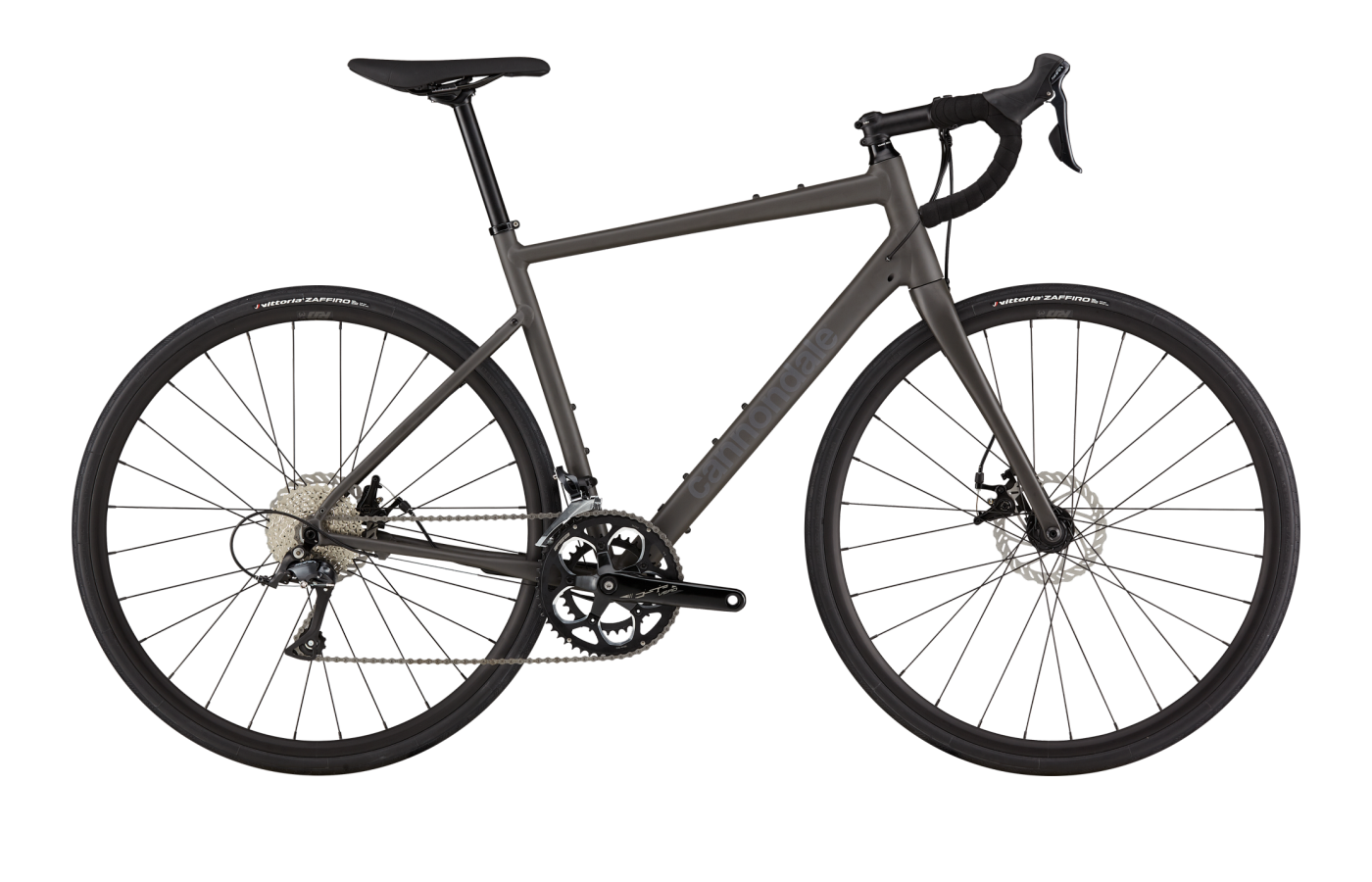
Synapse
Cannondale Synapse builds in SmartSense — integrated lights, radar, and a USB battery hub. The pick if visibility and being seen matters as much as the ride itself.
Compare →