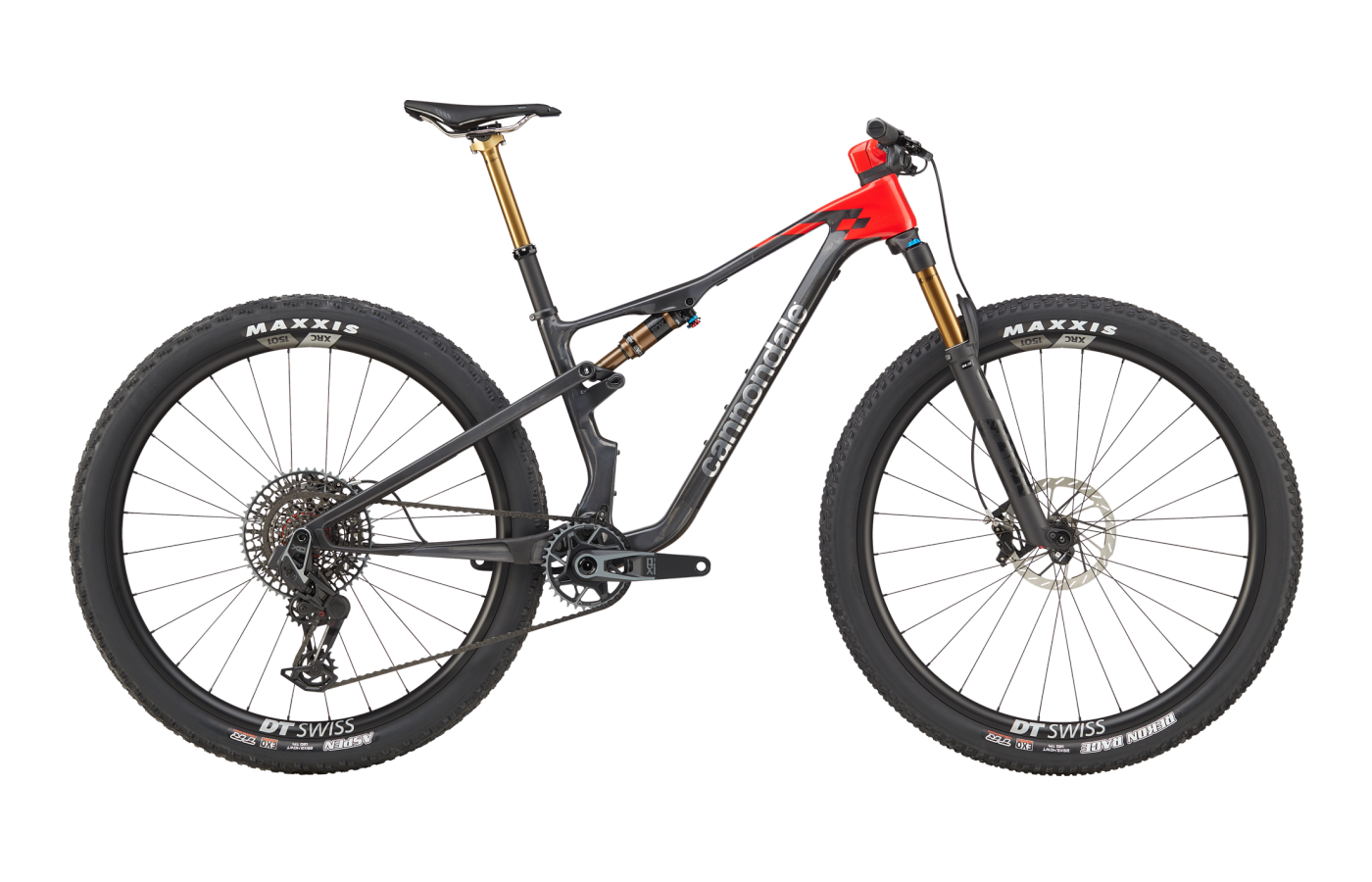
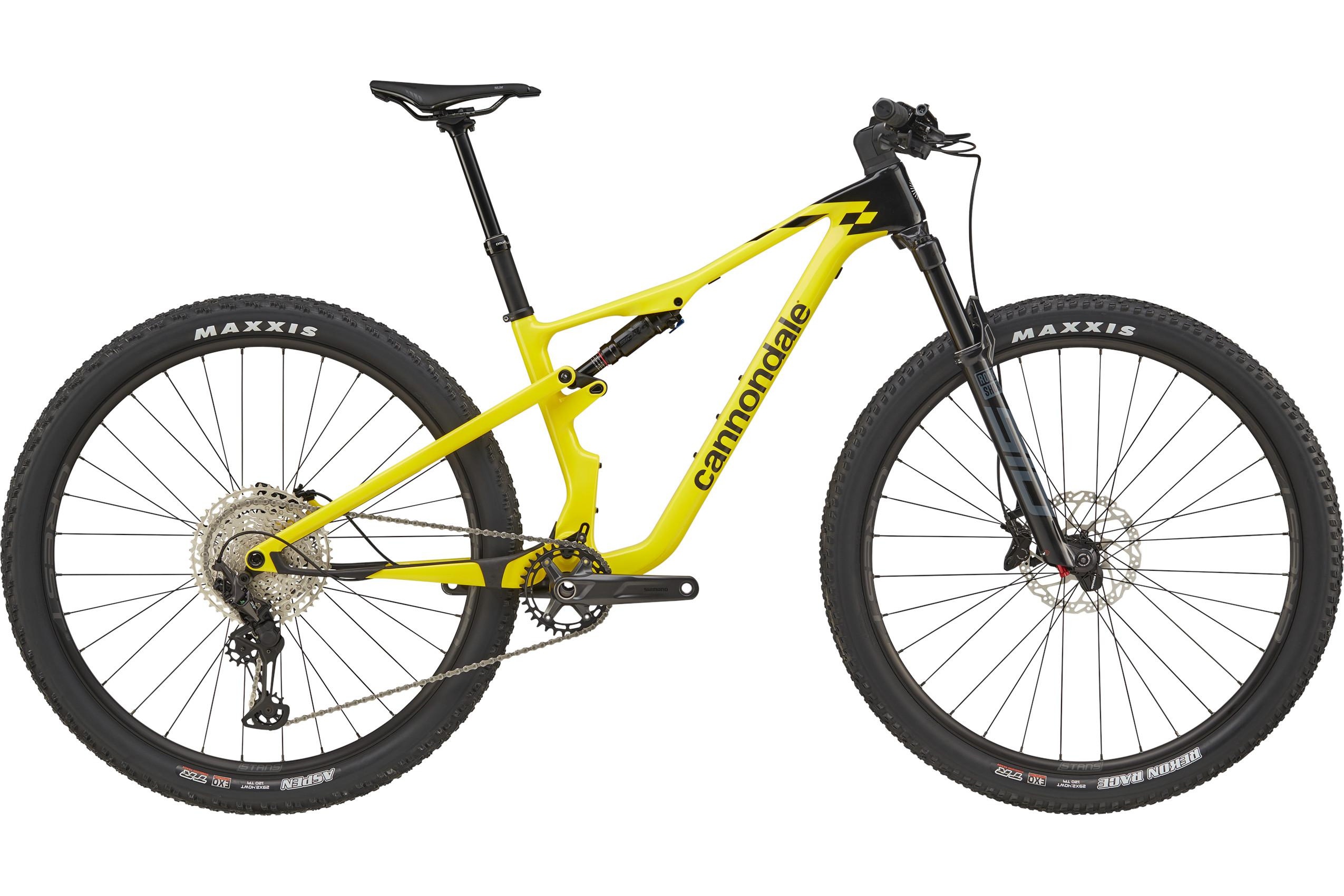
The 2024 Cannondale Scalpel marks a significant shift for the storied cross-country platform. Moving away from the previous split between a dedicated short-travel race bike and a longer-travel variant, the current generation unifies the lineup around 120mm of suspension front and rear. It retains Cannondale's signature FlexPivot carbon chainstays to deliver a lightweight, four-bar suspension feel, but modernizes the chassis to handle increasingly technical race courses and aggressive trail riding.
Crucially, Cannondale has abandoned several of its proprietary standards. The frame now utilizes a threaded BSA bottom bracket, a standard 55mm chainline, and a Universal Derailleur Hanger, making it far easier to live with and service. Aimed squarely at competitive racers and fast-paced trail riders, the Scalpel balances its World Cup pedigree with a newfound appetite for rougher terrain.
Where to get it.
1 retailer · size M.
Spec sheet.
Every component shipped with this build.
Geometry & fit.
5 sizes published.
The Scalpel’s geometry reflects the demands of modern cross-country riding without tipping fully into trail bike territory. A 66.6-degree head tube angle provides stability at speed, while the 75.5-degree seat tube angle keeps the rider positioned efficiently over the pedals. To ensure consistent handling across the size run, Cannondale employs size-specific chainstays, which grow incrementally from the small to the extra-large frames. This approach helps maintain a balanced weight distribution between the wheels regardless of rider height.
Rider posture is decidedly aggressive and forward-biased, characterized by a low stack height and a relatively long reach. This setup naturally weights the front wheel, aiding traction on steep, technical ascents. Cockpit integration varies by build; higher-end models feature a one-piece carbon bar and stem that dictates a fixed roll and stem angle, while lower-tier models use a traditional two-piece setup that allows for easier fit adjustments. Across all sizes, the frame design accommodates longer-travel dropper posts and provides ample room for two water bottles inside the front triangle.
Where the handlebar sits relative to the bottom bracket — the single most important fit pair.
01Fit geometry6 values
03Handling geometry9 values
Which size should I buy?
Slide your height to see the recommended size. GearWise's fit algorithm works from the published stack, reach, and ETT — the brand's own recommendation may differ.
→Calculated from GearWise's own stack / reach / ETT algorithm — the brand's size chart may recommend a different size, and a proper bike fit beats any calculator.
The lineup.
4 builds, ranging $3,349 – $8,499.
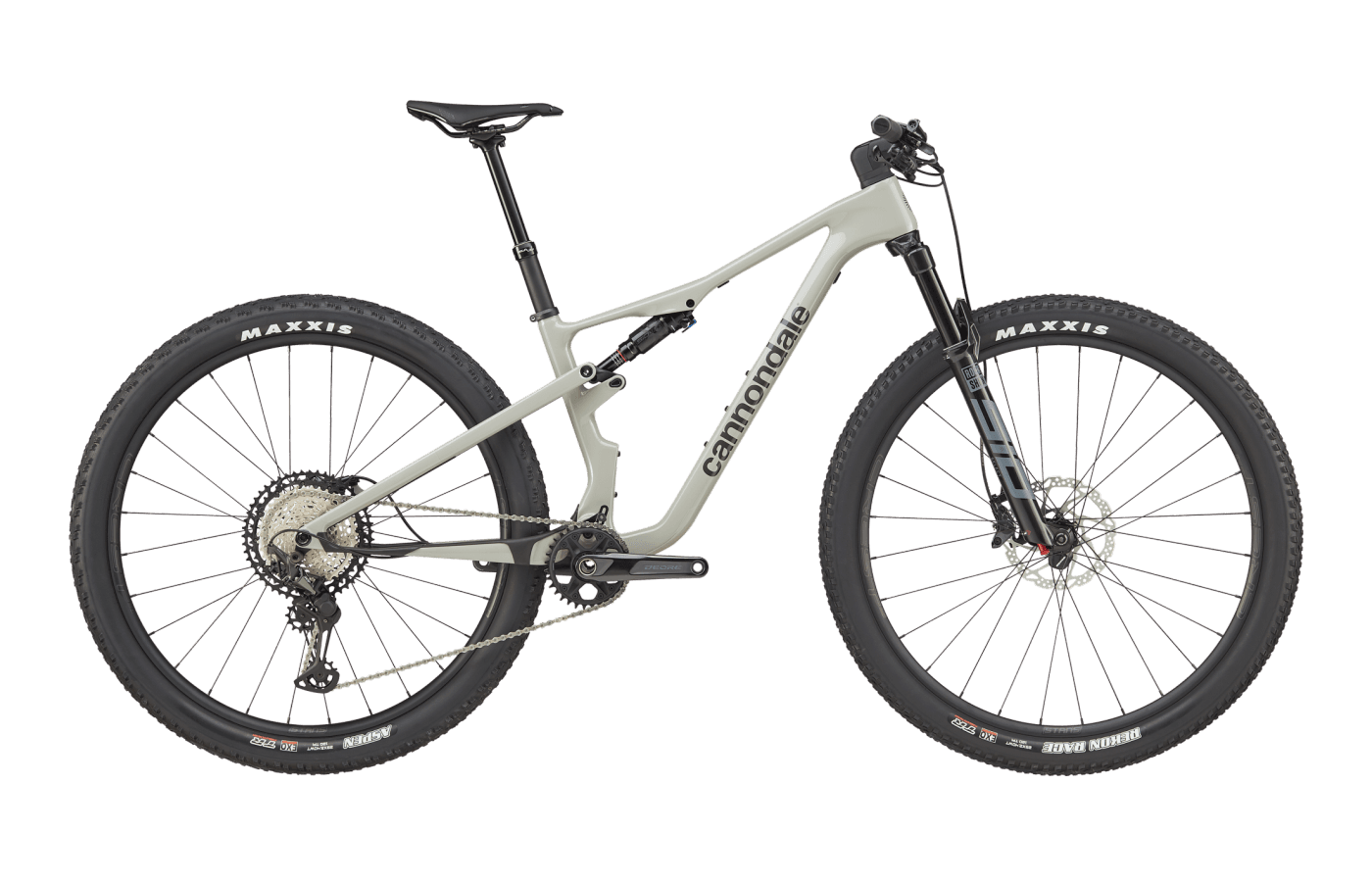
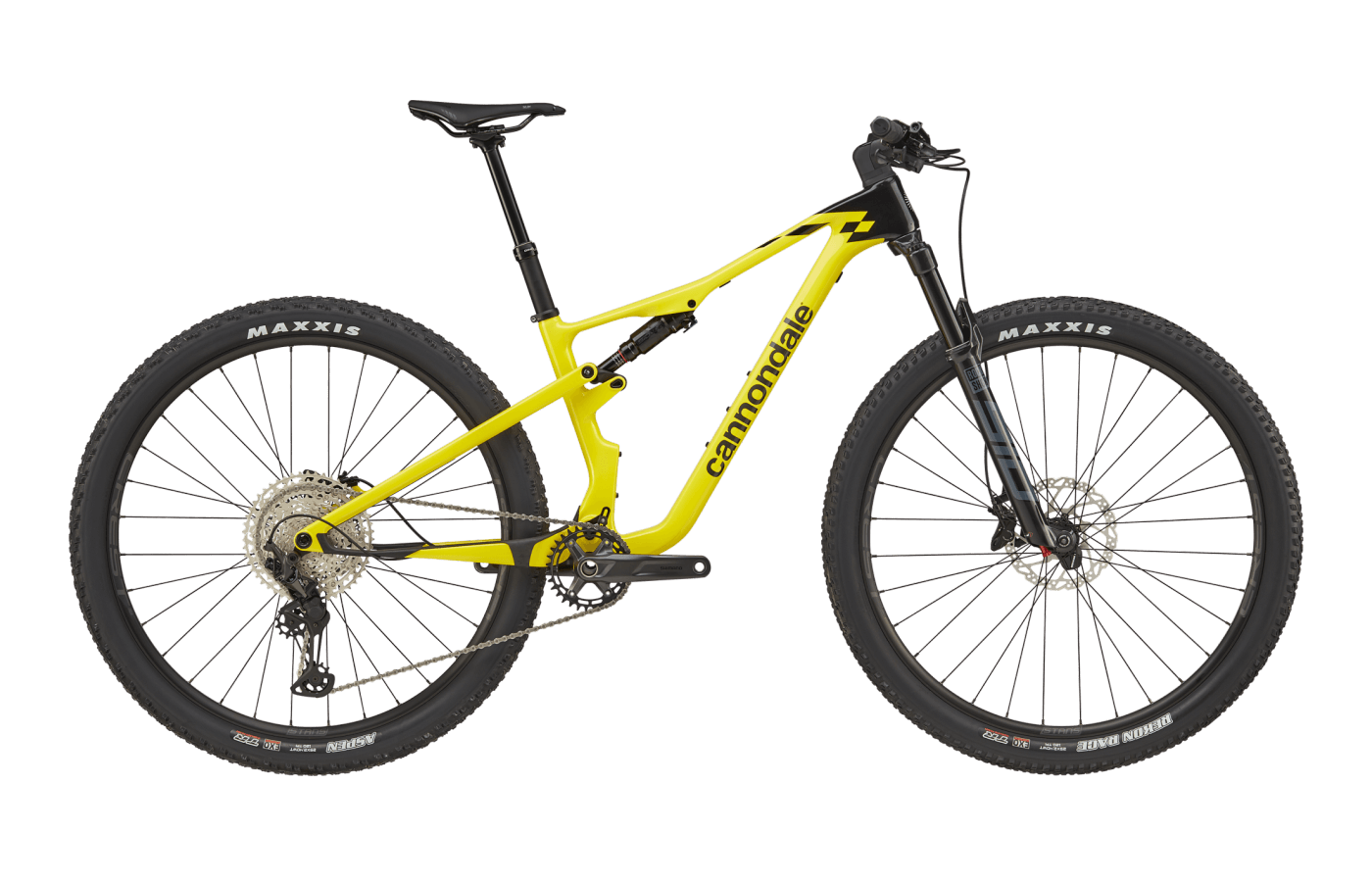
The Scalpel lineup is built around Cannondale’s Series 1 carbon frame, meaning riders get the exact same chassis whether they choose the entry-level Scalpel 4 or the high-end Scalpel 1. The primary differences lie in the drivetrain, suspension, and wheel specifications. It is worth noting that North American models feature standard forks from Fox or RockShox and omit remote lockouts, whereas European builds often include Cannondale’s single-sided Lefty fork and handlebar-mounted suspension remotes.
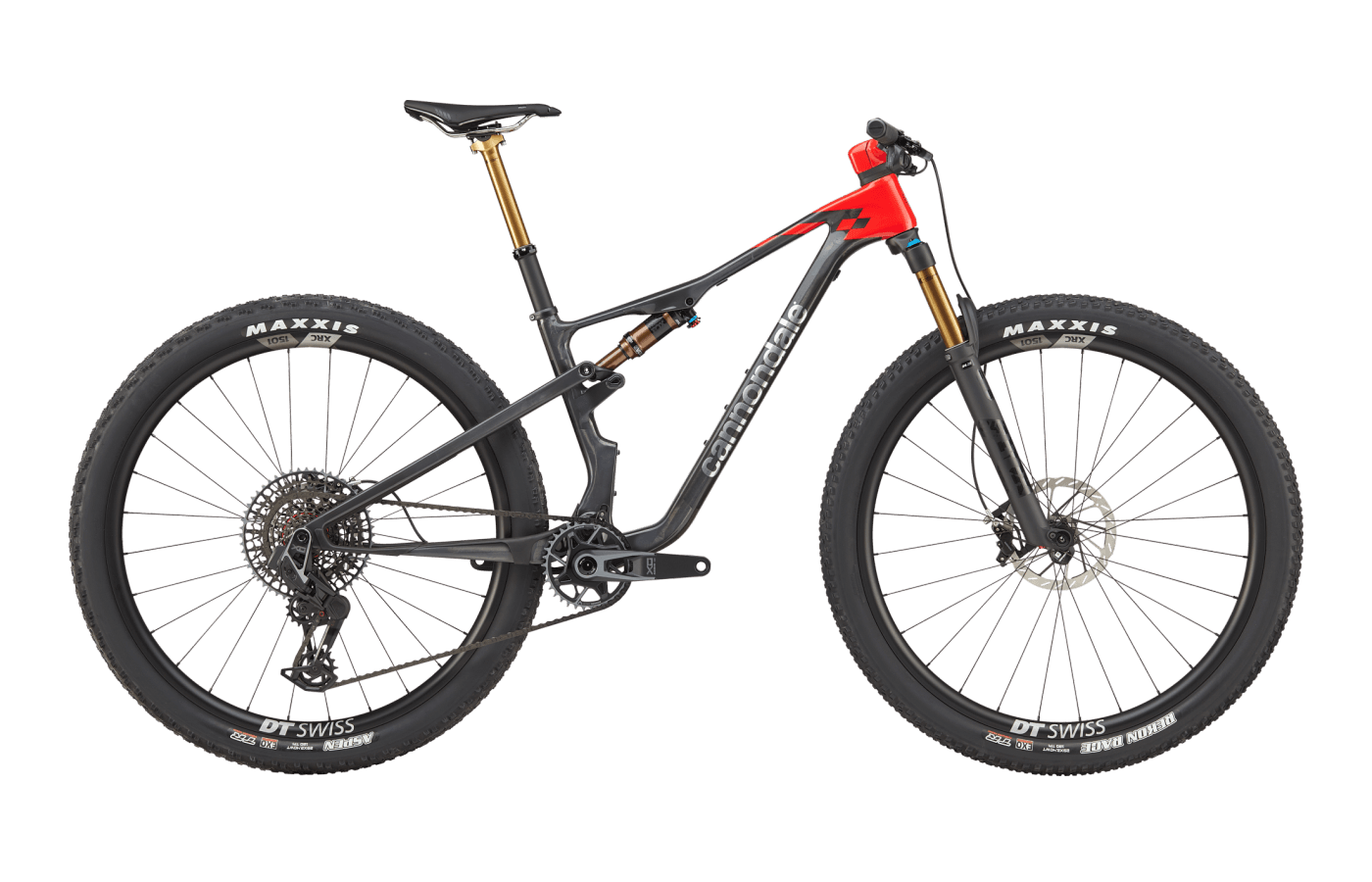
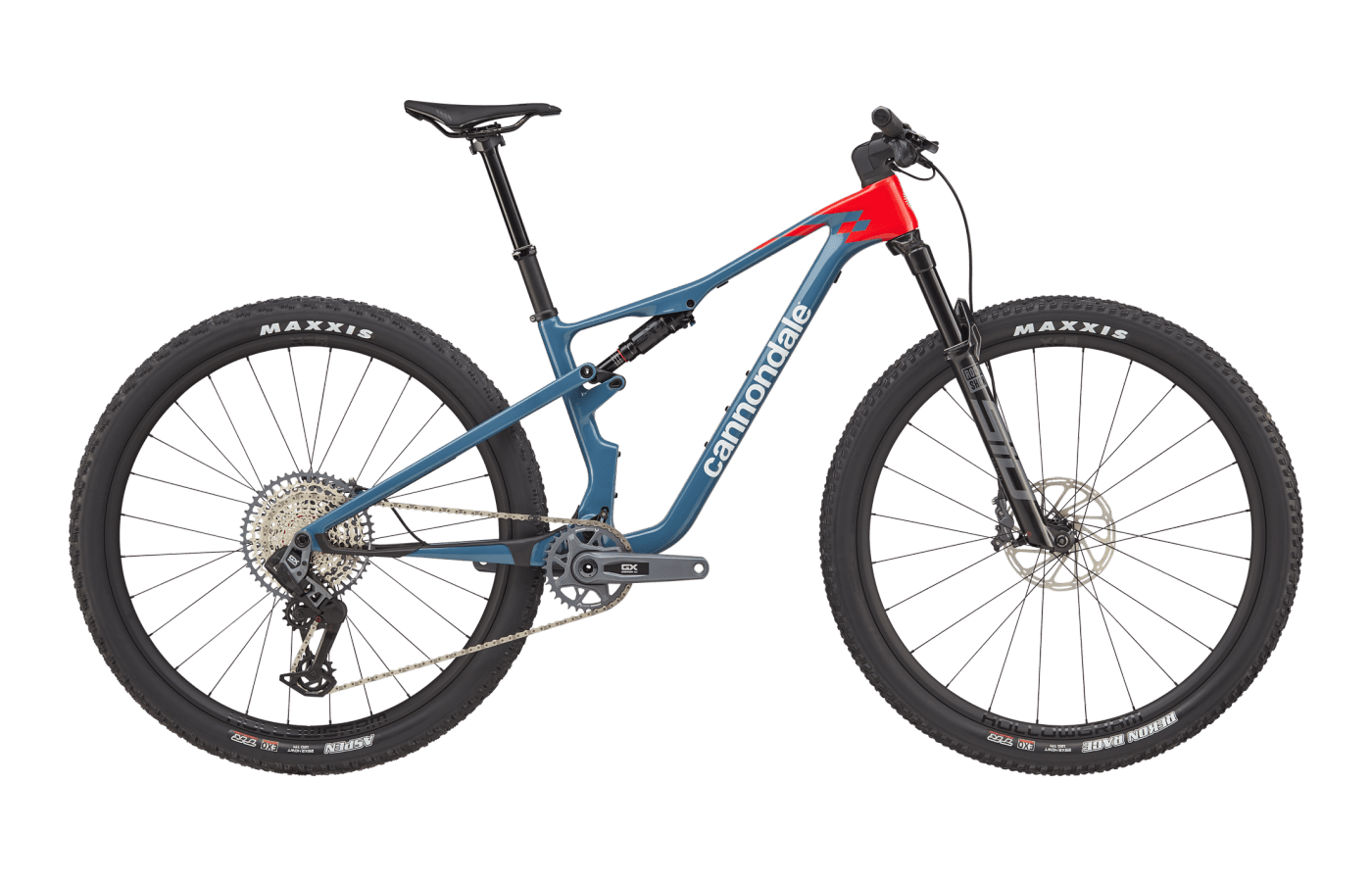
The Scalpel 1 tops this specific range with a SRAM X0 AXS Transmission, Fox Factory suspension, and DT Swiss carbon wheels. Stepping down to the Scalpel 2 yields what many consider the sweet spot for value. It utilizes a SRAM GX AXS Transmission, RockShox SID Select+ suspension, and Cannondale’s own HollowGram carbon wheels, delivering high-end electronic shifting and carbon hoops at a more accessible price. The Scalpel 3 and 4 move to mechanical Shimano drivetrains and alloy Stan's NoTubes rims. The Scalpel 3 features a mix of XT and Deore components with a RockShox SID Select fork, while the Scalpel 4 relies on a full Deore group and a base-level SID, offering a solid entry point for privateer racers.
From the press.
18 reviews from the cycling press.
Reviewers consistently praise the Scalpel for maintaining its elite climbing efficiency while vastly improving its descending manners. The suspension platform is highly supportive under power, yet active enough to track the ground effectively. Out on the trail, the bike feels like a "rocket ship on the climbs" (Pinkbike), rewarding hard efforts with immediate acceleration. When the trail points down, the increased travel and revised kinematics make it "noticeably more pleasant to ride in rocky and bumpy terrain" (Bicycling) compared to older, steeper cross-country machines.
However, the bike is not without its polarizing elements. The move to through-headset cable routing drew widespread criticism from mechanics and testers alike, with one noting the system is "vastly more complicated for questionable benefit" (Escape Collective). Additionally, while the stock Maxxis Aspen rear tire rolls exceptionally fast, multiple reviewers found it broke traction easily under braking or in loose conditions. The two-position Fox Transfer SL dropper post equipped on upper-tier builds also frustrated some riders who missed having infinite height adjustment. Despite these spec quirks, the consensus points to a highly capable chassis that excels both between the tape and on fast backcountry loops.


Cannondale Scalpel 2024 Review
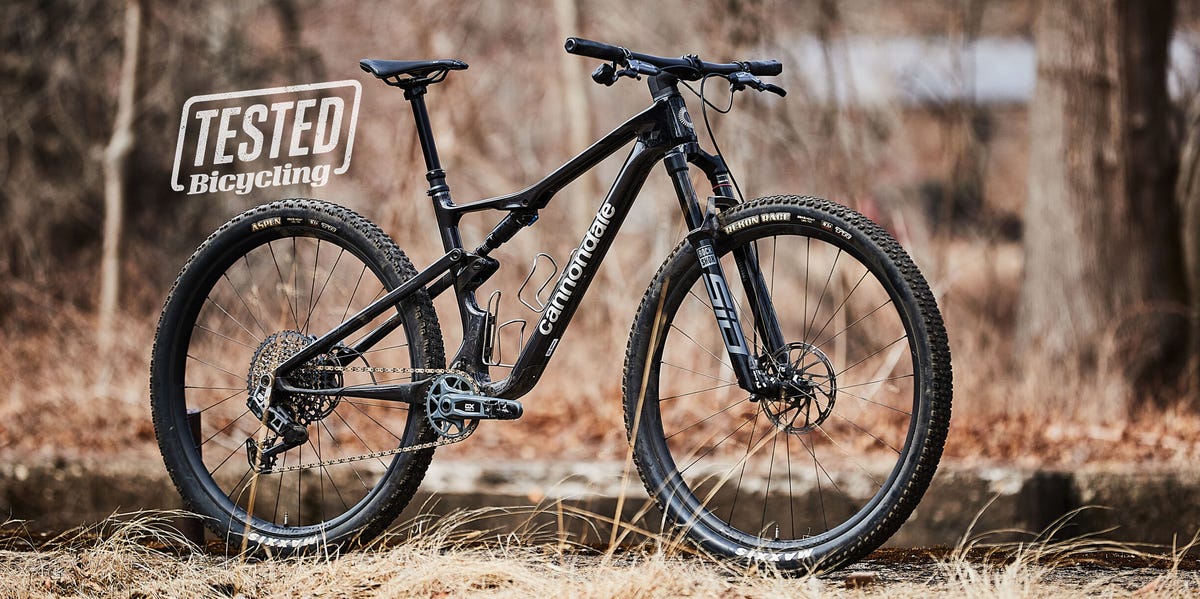
The Cannondale Scalpel Is as Capable as a Trail Bike While Being Lighter, Faster, and More Fun to Ride, Even If You’re Not Racing.

Cannondale Scalpel 2 cross-country bike review: Rapid fun

Cannondale Scalpel 1 Lefty: First Ride Review

Cannondale Scalpel Review! (The Most Affordable Bike in the ...

2024 Cannondale Scalpel Test Ride & Review

2024 Cannondale Scalpel Lefty Review - Is It Worth It?
Review: Cannondale's 2025 Scalpel 1 is a Capable, Modern XC Bike - Pinkbike
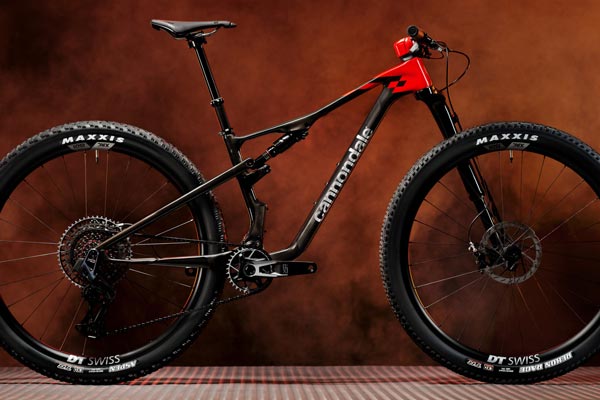
First Ride & Release: 2024 Cannondale Scalpel

Cannondale Scalpel - Blister Review

Cannondale Scalpel 2024: we test the MTB that has won 3 ...

The Cannondale Scalpel
Cannondale Scalpel 4 2024 Review

Cannondale Scalpel 1 Lefty review
Cannondale Scalpel 2 Review, Tested - BIKE Magazine

Cannondale Scalpel 1 first ride review | BikeRadar
First Ride: 2024 Cannondale Scalpel - The XC ... - Pinkbike
Compared to.
Most-viewed comparisons.
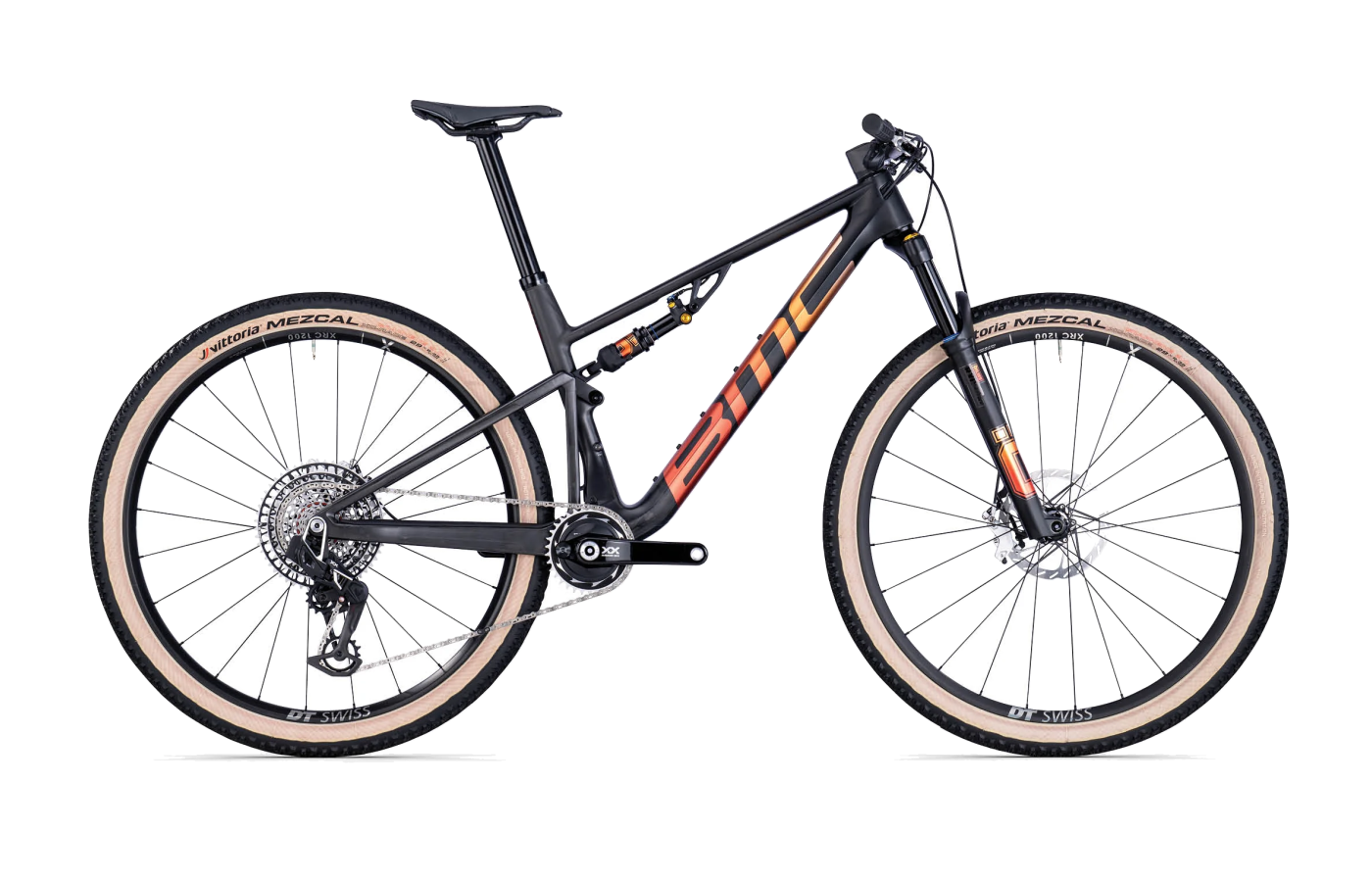
BMC Fourstroke vs Cannondale Scalpel
Read comparison→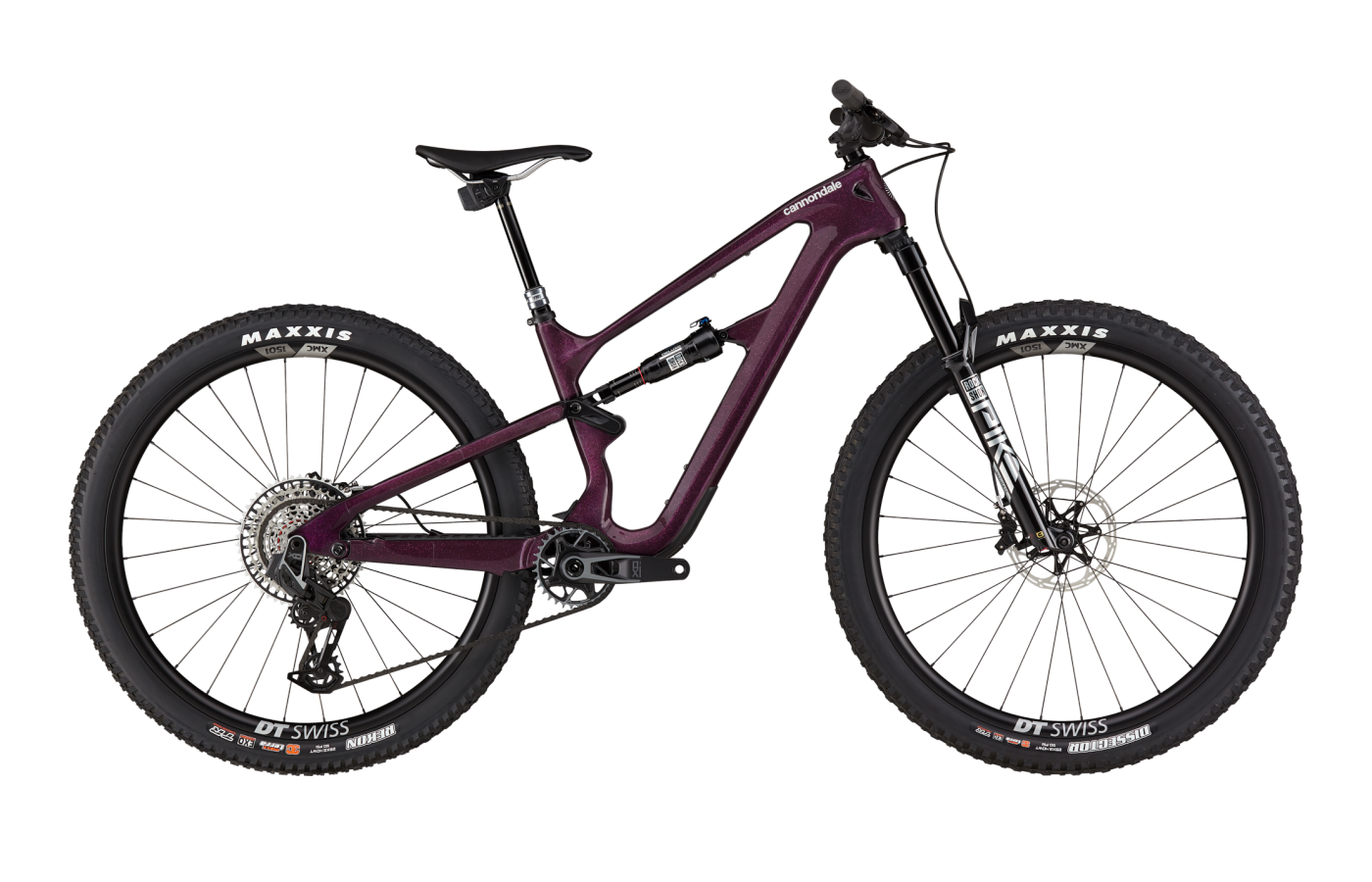
Cannondale Habit vs Scalpel
Read comparison→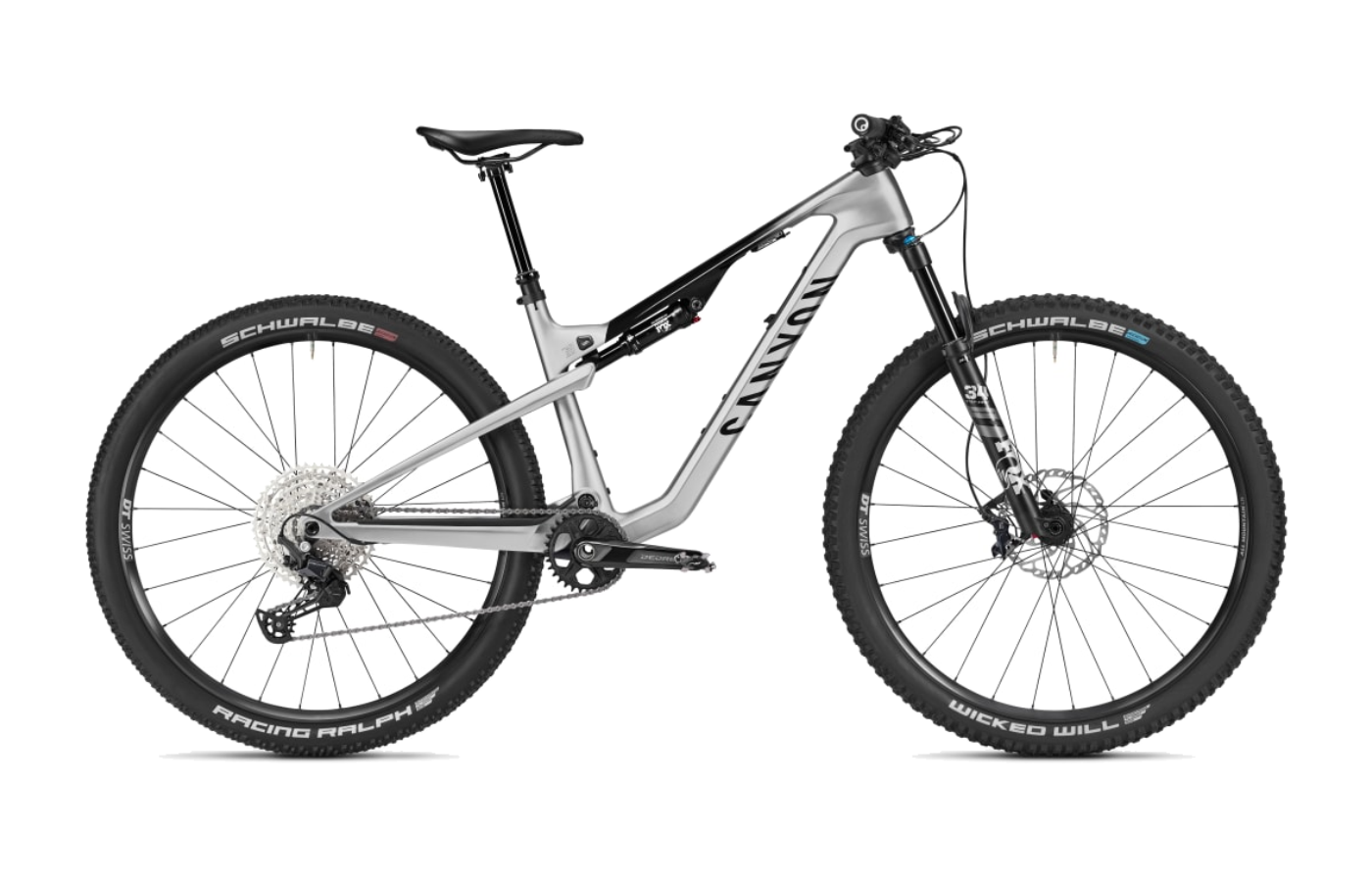
Cannondale Scalpel vs Canyon Lux Trail
Read comparison→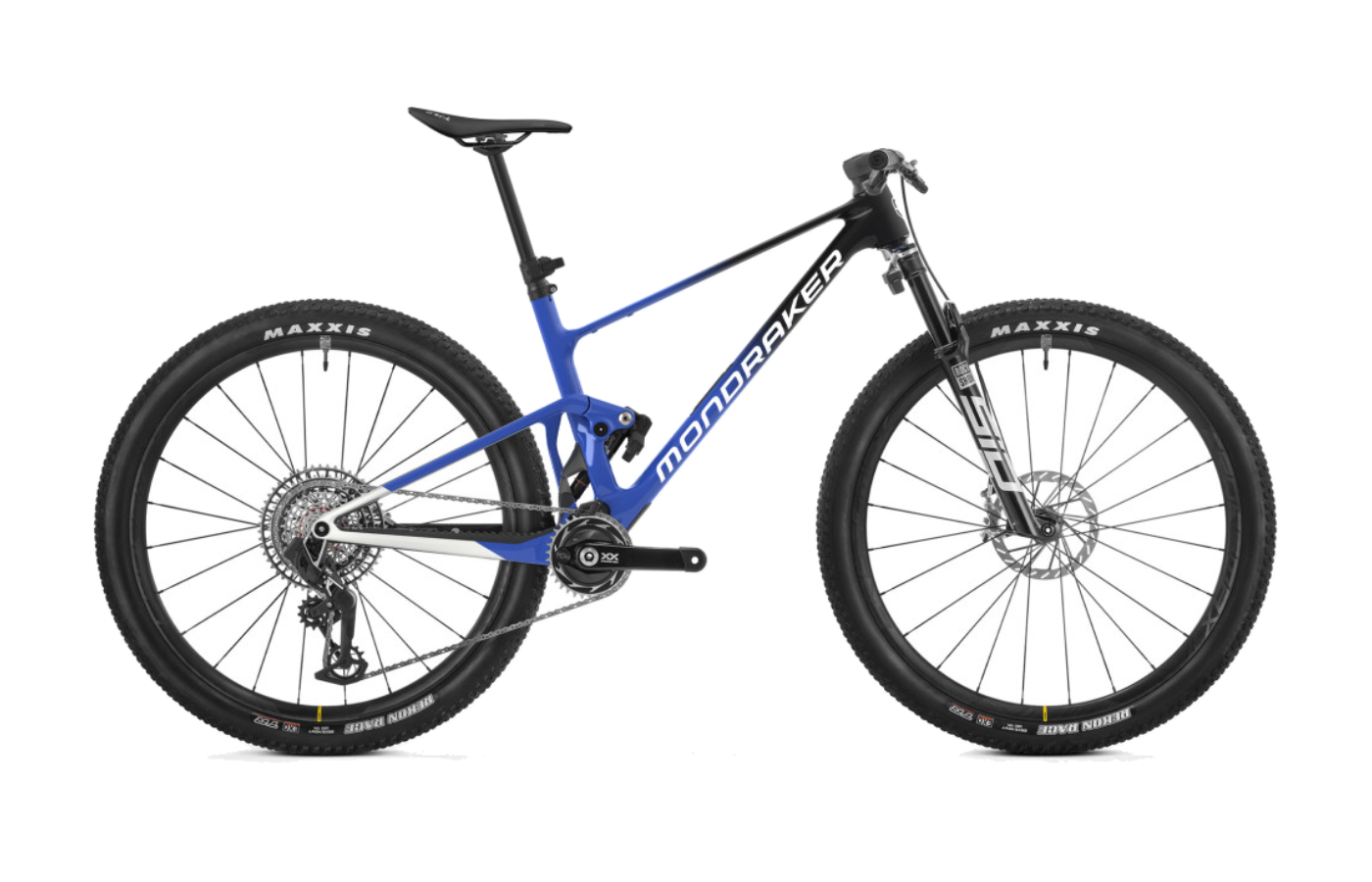
Cannondale Scalpel vs Mondraker F-Podium
Read comparison→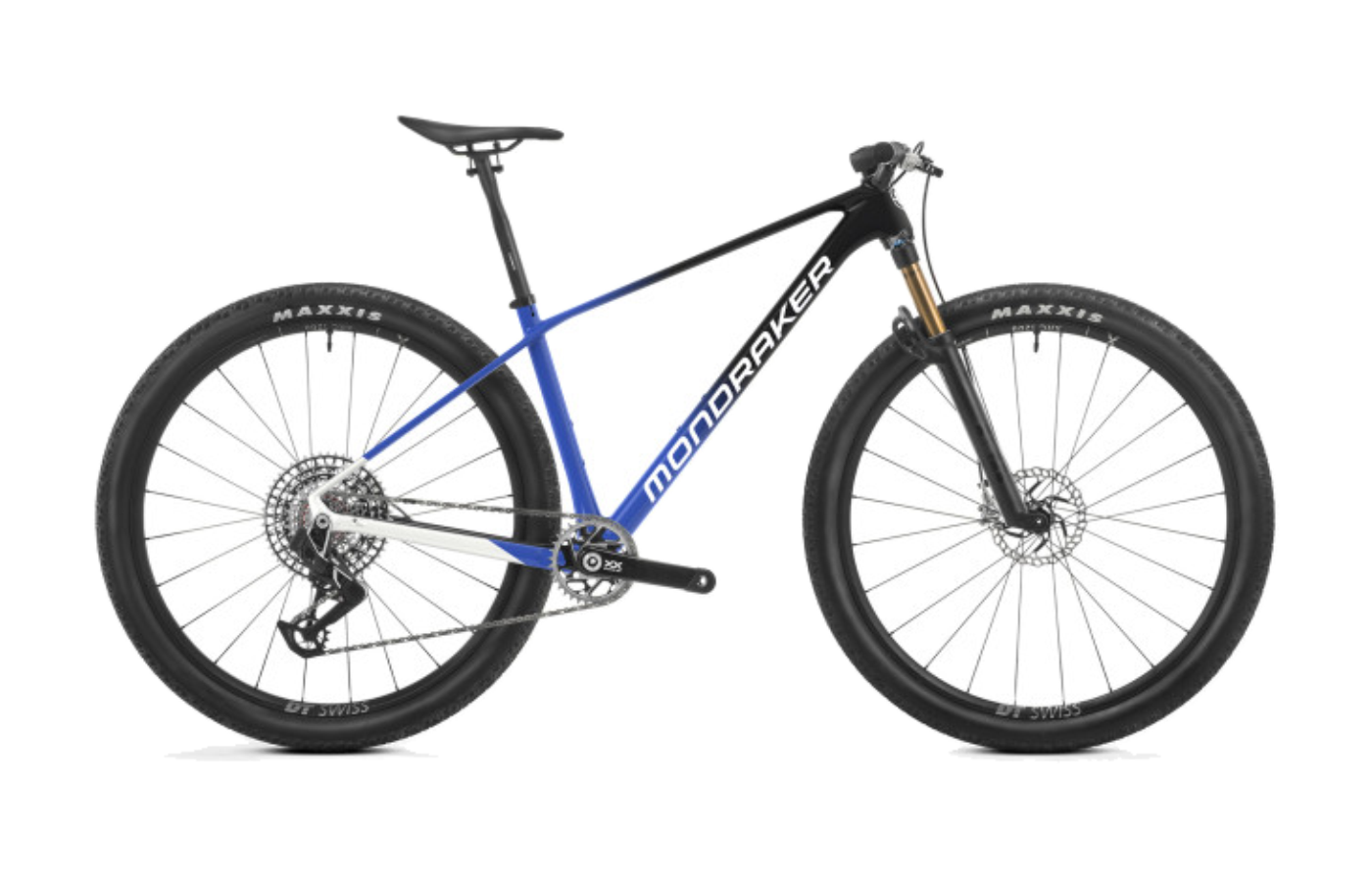
Cannondale Scalpel vs Mondraker Podium
Read comparison→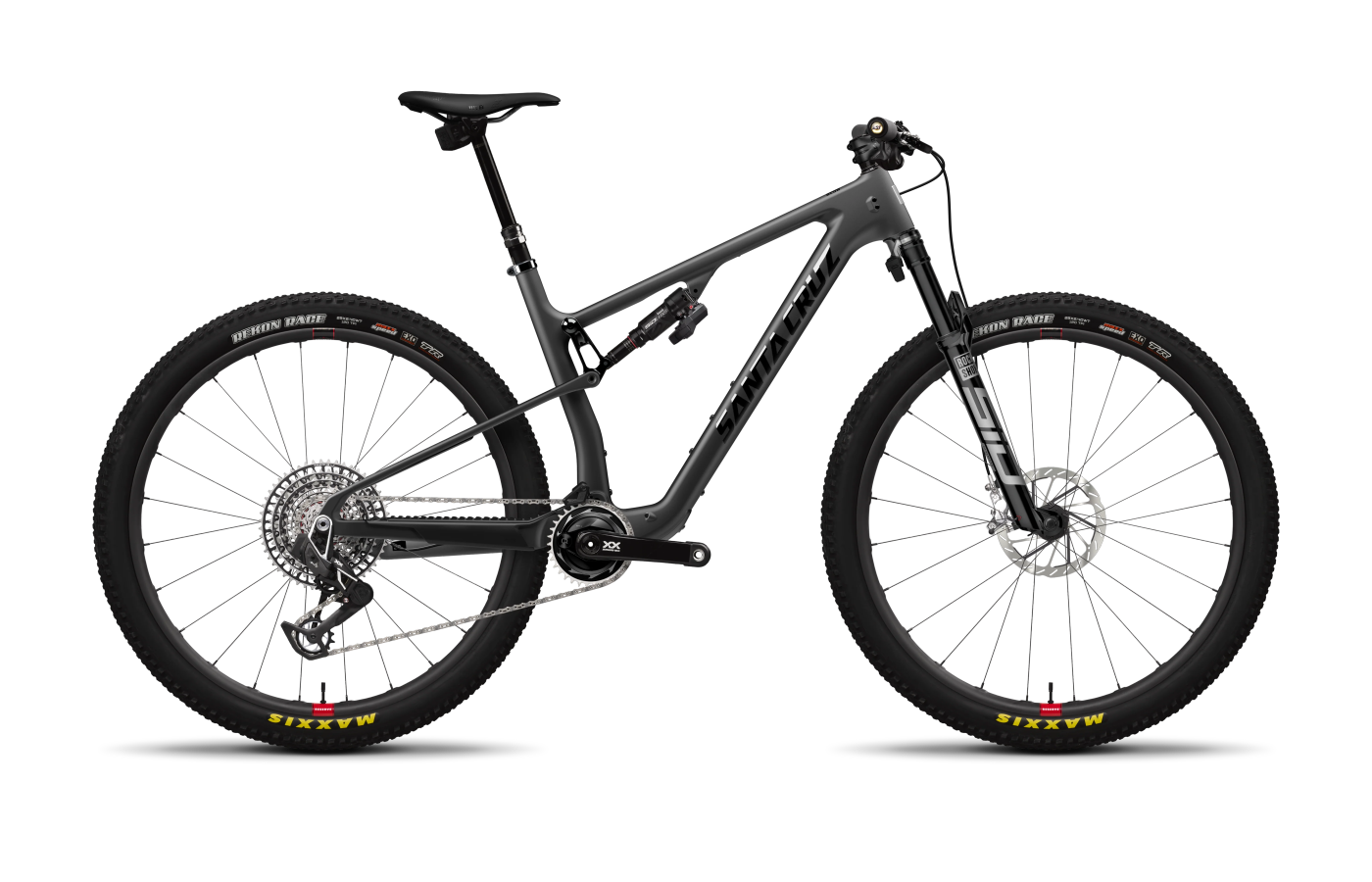
Cannondale Scalpel vs Santa Cruz Blur
Read comparison→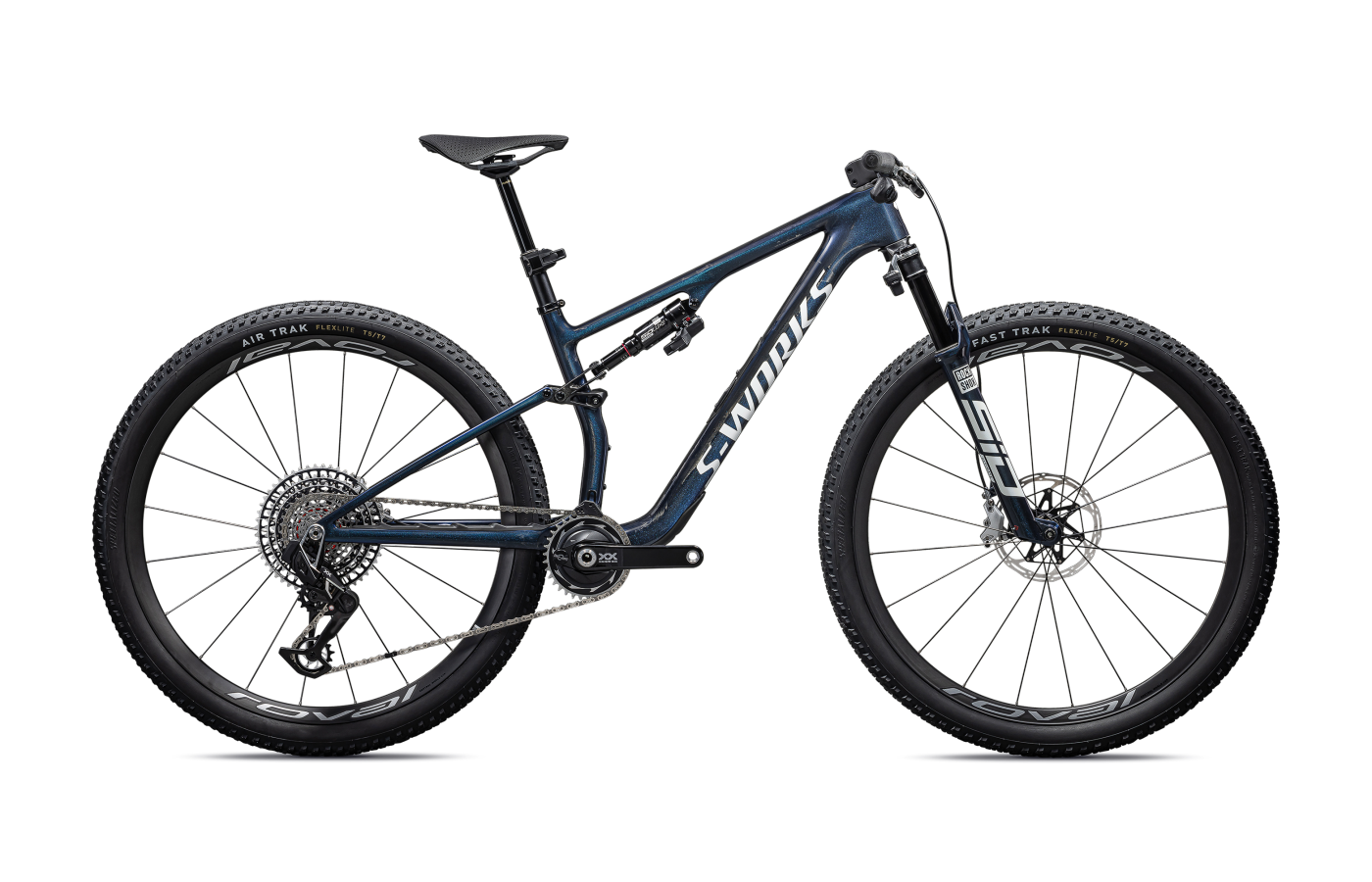
Cannondale Scalpel vs Specialized Epic
Read comparison→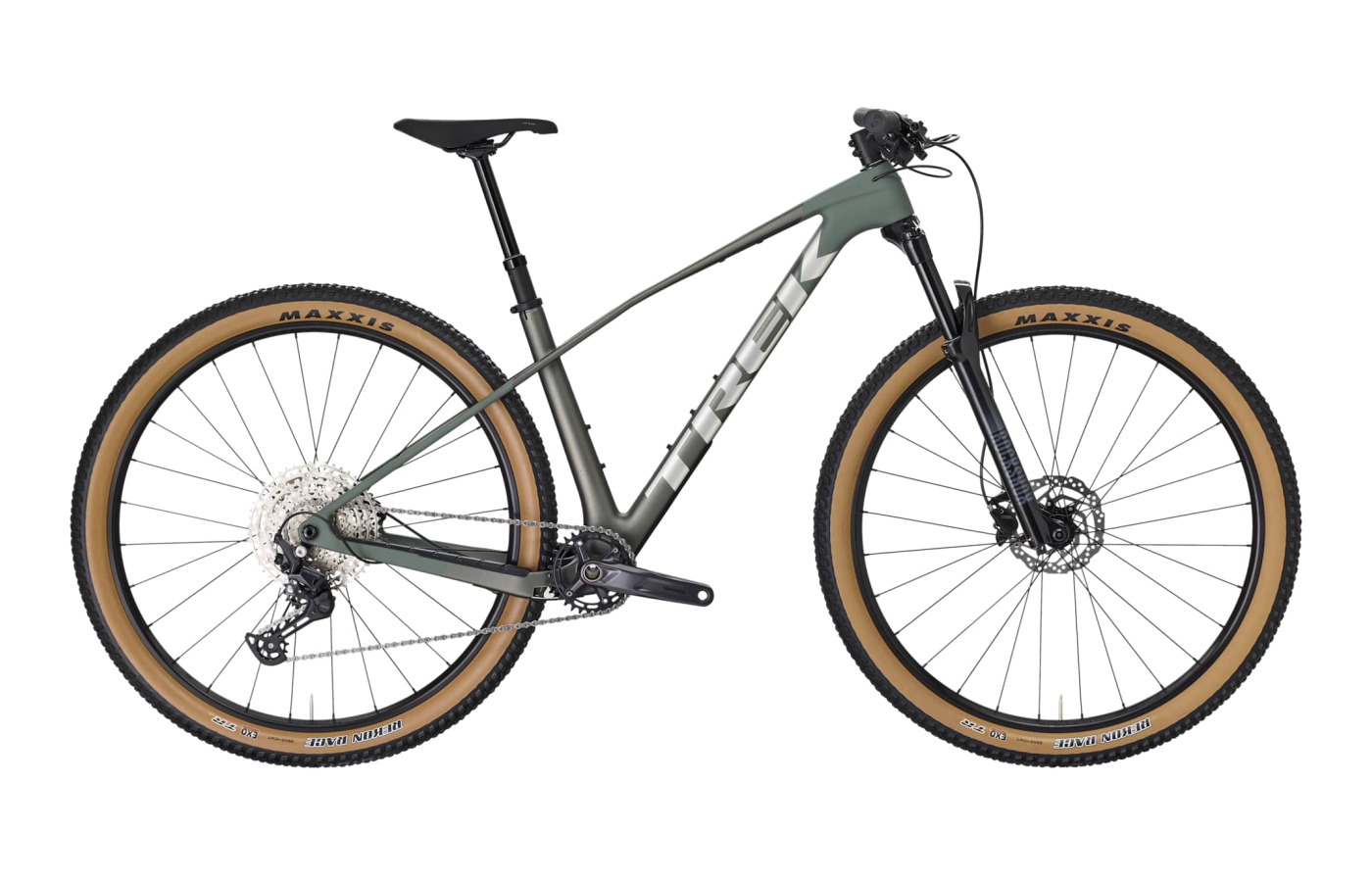
Cannondale Scalpel vs Trek Procaliber
Read comparison→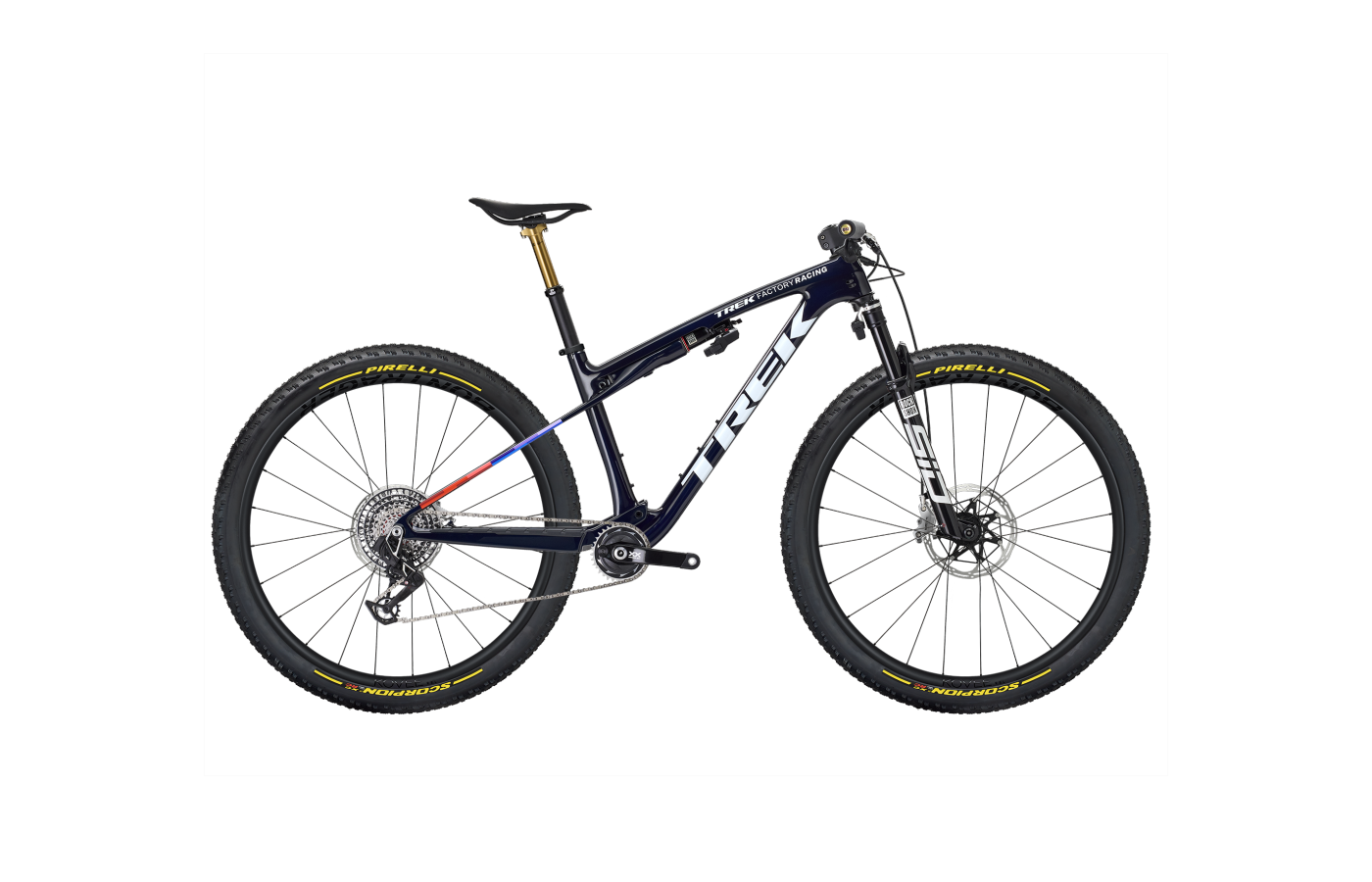
Cannondale Scalpel vs Trek Supercaliber
Read comparison→