Fourstroke
vsScalpel
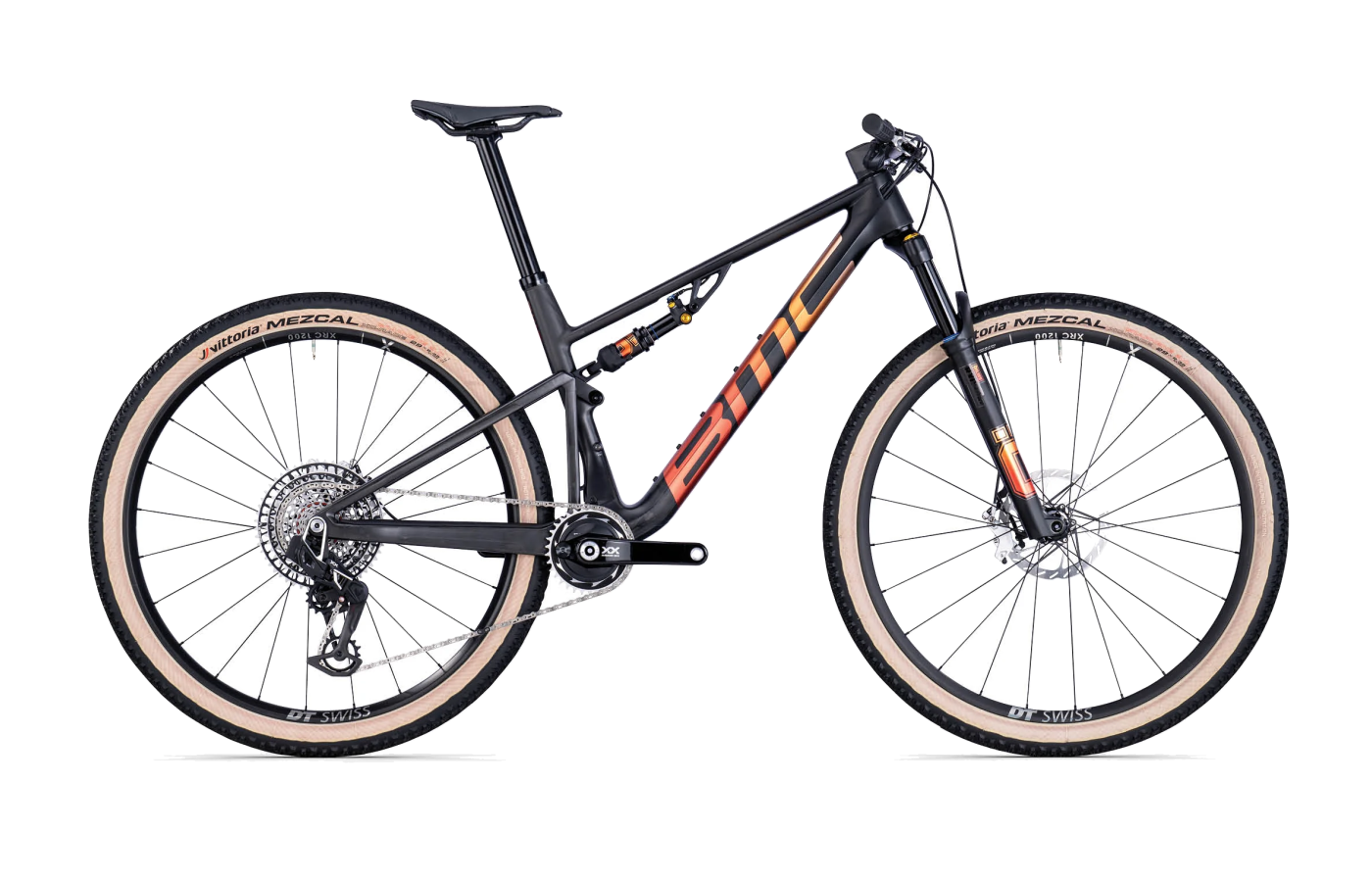
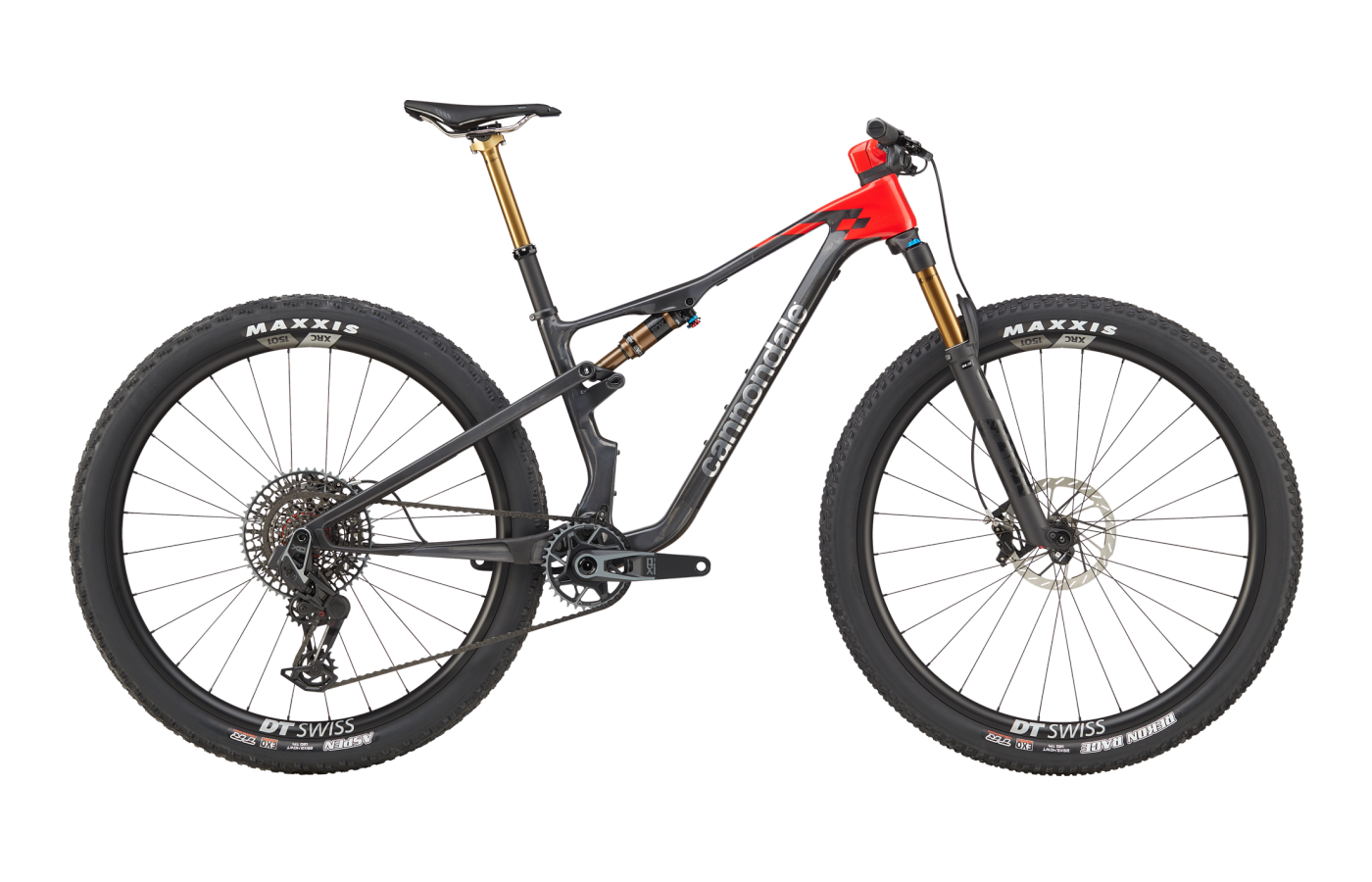
Two XC race weapons, two engineering philosophies.
The Fourstroke is a Swiss-precision dual-link with a self-dropping post. The Scalpel is a flex-stay four-bar that gets out of its own way.
Fourstroke
- Dual-link APS suspension — anti-squat tapers from 160% to 90%, delivering the most efficient pedaling in the segment without killing small-bump compliance.
- Autodrop post on 01 builds drops without rider weight — a real time-saver when you're already gassed in a race.
- Snappier handling — 431 mm chainstays and 115 mm trail make it the more agile, hardtail-like bike of the pair.
- Lineup is thin — only two builds in the DB, with a $4,699-to-$13,499 chasm between them.
- Autodrop is two-position only and demands regular re-pressurization; aftermarket dropper options are blocked by the proprietary oval seat tube.
Scalpel
- FlexPivot rear end — a true four-bar feel without Horst-link pivots to service. Active under braking, surprisingly planted.
- Size-specific chainstays (434–446 mm) keep the weight balance consistent for tall and short riders.
- Standards-friendly frame — threaded BSA, UDH, no more proprietary Ai spacing. Easier to live with for the next decade.
- Through-headset cable routing is a documented mechanic's nightmare; bearing service is recommended every 6 months.
- Stock Maxxis Aspen rear tire breaks loose easily in loose or wet — most riders swap it within a season.
Editor’s analysis
Both bikes earn World Cup wins. The fight is over how they get there — agility and gadgetry versus stability and serviceability.
On the surface these look like the same bike: 120 mm of travel front and rear, slack 66-and-change head angles, steep 75-plus seat tubes, full carbon, 29-inch wheels. Both have stood on the top step of the World Cup XCO box in the last two seasons. The headline numbers tell you nothing about which one to buy.
The BMC Fourstroke is the more engineered, more idiosyncratic bike. Its APS dual-link suspension is consistently described as 'wickedly efficient' — anti-squat starts at 160% and tapers to 90% through the travel. The 01 line gets the proprietary Autodrop post, a two-position dropper that sucks itself down without rider weight; reviewers call it a 'revelation' for racers and 'frustrating' for everyone else. The R 01 ONE flagship runs Öhlins suspension front and rear with a DT Swiss remote lockout, plus an ICS one-piece carbon cockpit. It's a Swiss watch.
The Cannondale Scalpel takes the opposite tack. Its FlexPivot rear end uses engineered carbon flex zones instead of a Horst-link pivot — fewer bearings, less maintenance, and a suspension reviewers describe as 'active and sensitive' even under braking. Cannondale finally killed PF30 and Ai spacing for this generation, going threaded BSA and UDH across the range. Combine that with size-specific chainstays (434/438/442/446 mm S to XL) and you get a bike that's easier to live with and balances better for tall and short riders alike — at the cost of a through-headset cable routing scheme that mechanics universally hate.
Geometry-wise the two are within a hair: at size M, the Fourstroke is 7 mm longer in reach (457 vs 450), 5 mm shorter in stack (592 vs 597), and a tenth of a degree steeper at the head tube. The BMC's chainstays are 7 mm shorter (431 vs 438) and trail is 3 mm longer (115 vs 112). Translation: the Fourstroke is the slightly snappier, more reactive bike; the Scalpel is the slightly more planted, more forgiving one. Both will smoke a hardtail on a modern XCO course.
Where the builds differ.
Comparing our editor's-pick builds side-by-side. Winners highlighted row-by-row — lower price and weight, and the better-spec component, each mark a point.
Build variants & pricing
BMC's lineup is thin — flagship or entry, not much in between. The Scalpel ladder is broader and hits a sharper price-per-spec at every rung.
Prices are current US MSRP. The Fourstroke skips the mid-tier SRAM GX AXS Transmission build that defines the Scalpel 2 ($5,799) — if you want wireless electronic shifting on a Fourstroke, the only option is the $13,499 R 01 ONE flagship. That's a real platform price gap, not a quirk of our pick.
How they fit, how they steer.
Both at size M — the fit-picked size for a 5'8" rider on each bike. The Fourstroke is 7 mm longer in reach with a 5 mm lower stack; chainstays are 7 mm shorter (431 vs 438), trail 3 mm longer. The Scalpel sits a touch taller and more planted; the Fourstroke is the snappier hand.
Which size should I buy?
Stack, reach, and effective top tube drive the recommendation. BMC offers S/M/L/XL; the Scalpel matches it size-for-size.
→These are starting points. Flexibility, riding style, and preferred position all shift the answer — if you’re between sizes, a professional fit beats a chart.
What the magazines said.
Published reviews from trusted cycling outlets. Click through for the full write-up.
Which one should you buy?
If you want the snappiest, most engineered XC race tool and don't mind the price or the proprietary parts, get the Fourstroke. If you want a more forgiving, more serviceable bike that descends like a mini trail bike, get the Scalpel.
Fourstroke
If your weekends are spent pinning a number plate and you want every second the suspension can give you, the Fourstroke's APS efficiency and Autodrop are real race tools. The R 01 ONE is one of the most refined XC bikes money can buy — but it costs more than two Scalpel 2s.
Scalpel
If you race occasionally but mostly ride your XC bike for its own sake — long days, mixed terrain, the occasional dropper-down descent — the Scalpel's FlexPivot rear and standards-friendly frame are easier to own. It's the broader, more sensible platform.
Questions buyers actually ask.
Short answers to the things we get emailed about most often.
01Which is the better climber?
Both climb exceptionally well — this is XC, after all. The Fourstroke has a slight edge on smooth, hard-effort climbs thanks to the APS suspension's anti-squat profile (160% tapering to 90%) and the optional remote lockout on the R 01 ONE. Reviewers describe it as climbing 'like an e-bike.'
The Scalpel is no slouch — the FlexPivot is so naturally stable that most North American builds skip the lockout entirely. On loose or technical climbs, the Scalpel's slightly longer chainstays (438 vs 431 mm at size M) keep the front wheel more planted.
02Which descends better?
The Scalpel, slightly. Both run 120 mm of travel and similar geometry, but the Scalpel's FlexPivot stays more active under braking — a consistent point reviewers raise. Multiple testers describe it as feeling 'like a mini trail bike.'
The Fourstroke is the more agile, twitchier descender. Its 431 mm chainstays and 115 mm trail make it quicker to change line, but several reviewers note the front end can feel 'nervous and reactive at high speeds' — it rewards experienced, focused riders.
03What's the deal with the BMC Autodrop post?
Exclusive to the Fourstroke 01 line (so the R 01 ONE has it; the 01 THREE does not). It's a two-position dropper that automatically sucks itself down without rider weight — a real energy saver when you're racing.
The trade-offs are real: it lacks infinite adjustment (it's all up or all down), the internal air tank needs regular re-pressurization at up to 200 psi, the Schrader valve needs a different pump head than your tires, and the proprietary oval seat tube blocks aftermarket droppers. Reviewers split on whether it's a 'revelation' or 'frustrating' — depends on whether you're racing or just riding.
04Is the Cannondale headset cable routing really that bad?
It's a real concern. All 2024+ Scalpels route cables through the headset, and higher-end builds (including the Scalpel 1) route them through the integrated SystemBar XC-One handlebar first. Cannondale recommends professional headset bearing inspection every six months.
Mechanics quoted in reviews call it 'pointless and annoying' and a 'mechanic's nightmare.' Cannondale has tried to mitigate with enlarged bearings and internal clamps, but routine service costs more time and money than on a conventionally routed bike. The BMC's routing is guided and stays out of the headset — far friendlier for home maintenance.
05What's the maximum tire clearance?
BMC Fourstroke: 62 mm (~2.45"). Both stock builds ship with 2.35" Vittoria Mezcals.
Cannondale Scalpel: 61 mm (~2.4"). Stock tires are Maxxis Rekon Race front / Aspen rear in 2.4".
Functionally identical. Both will fit 2.4" race tires comfortably; neither is a trail-bike platform — don't try to cram 2.6" rubber in there.
06How do the suspension systems differ?
The Fourstroke uses BMC's APS — a true dual-link design with two pivots driving a vertical shock. Reviewers credit it with 'impeccable traction and power transmission' and a finely-tuned anti-squat curve.
The Scalpel uses FlexPivot — a four-bar layout that replaces the Horst-link chainstay pivot with engineered flex in the carbon itself. Fewer bearings to service, lower weight, and (per Cannondale) the same kinematic benefits as a true four-bar. Reviewers consistently confirm it feels active and well-controlled.
Different philosophies, similar end results: both pedal exceptionally well in the open position.
07Which gives me more lineup choice?
The Cannondale Scalpel by a wide margin. Cannondale offers four builds spanning $3,349 to $8,499 — Shimano Deore at the bottom, SRAM XO Transmission at the top, all on the same Series 1 carbon frame.
BMC sells just two builds in the US: the 01 THREE at $4,699 (Shimano SLX, 100 mm fork) and the R 01 ONE at $13,499 (SRAM XX SL, Öhlins suspension, full flagship). There's nothing in between. If you want a wireless-electronic Fourstroke, the only option is the $13,499 flagship.
08Which holds up better long-term?
Both come with lifetime frame warranties in the US. BMC's frame quality is universally praised — 'super noble optics,' tight construction tolerances, and integrated protection like a fork stopper and chainstay guard.
The Scalpel has had one documented frame failure (a 220 lb rider dropping a 5-foot ledge — well outside XC remit), but otherwise its reputation is strong. The Scalpel's bigger long-term concern is the headset routing increasing service intervals and bearing wear. The BMC's bigger long-term concern is the proprietary Autodrop post — if it fails out of warranty, you're stuck with their service network.
Similar bikes
If your priorities don’t map cleanly onto either of these, one of these adjacent bikes probably fits better.
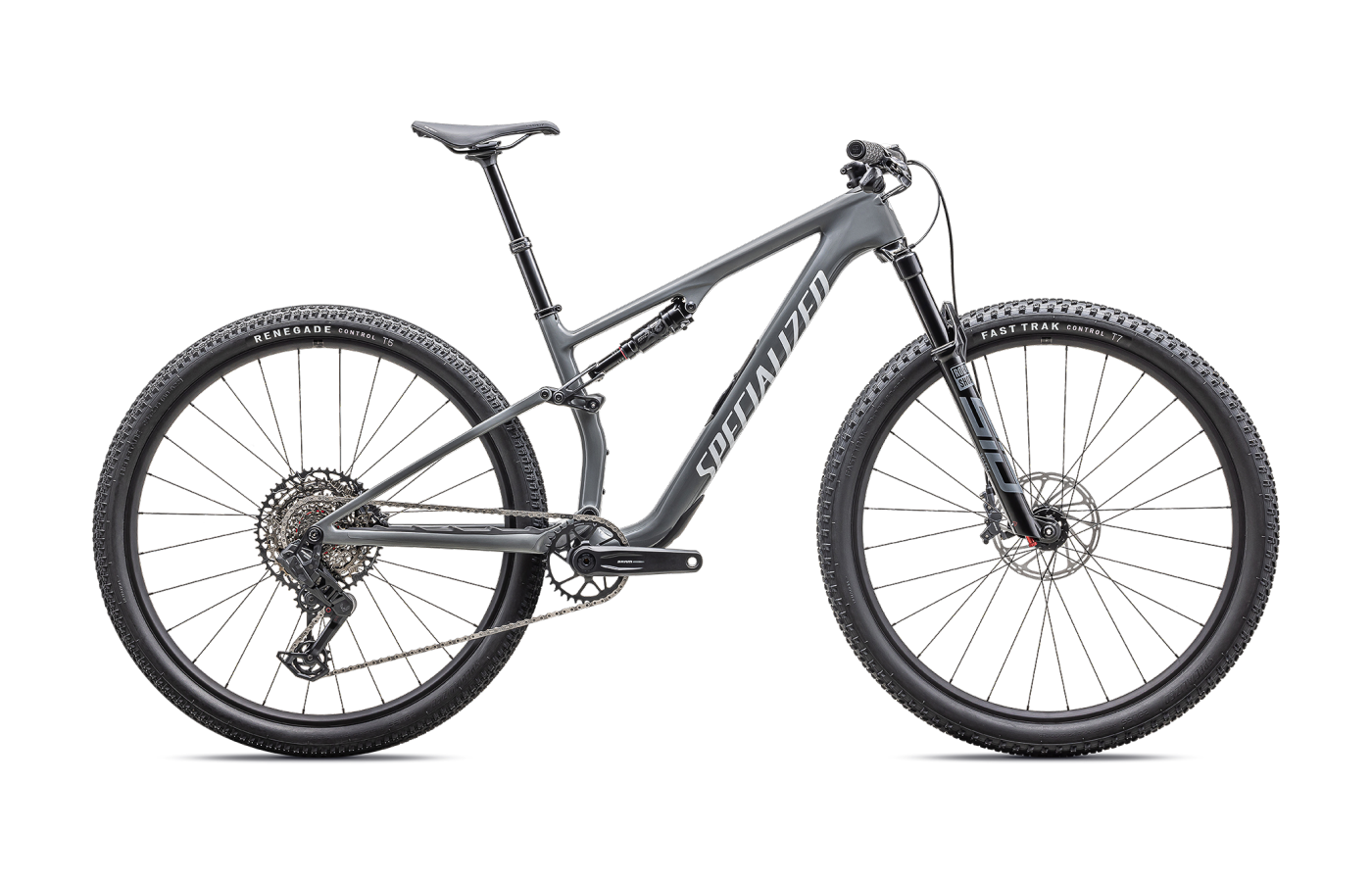
Epic
The Specialized Epic is the obvious cross-shop — 120 mm of travel, race pedigree, and the unique Brain/SmartControl 'Magic Middle' shock that automates between firm and open. If you want lockout-free efficiency without thinking about it, this is the bike.
Compare →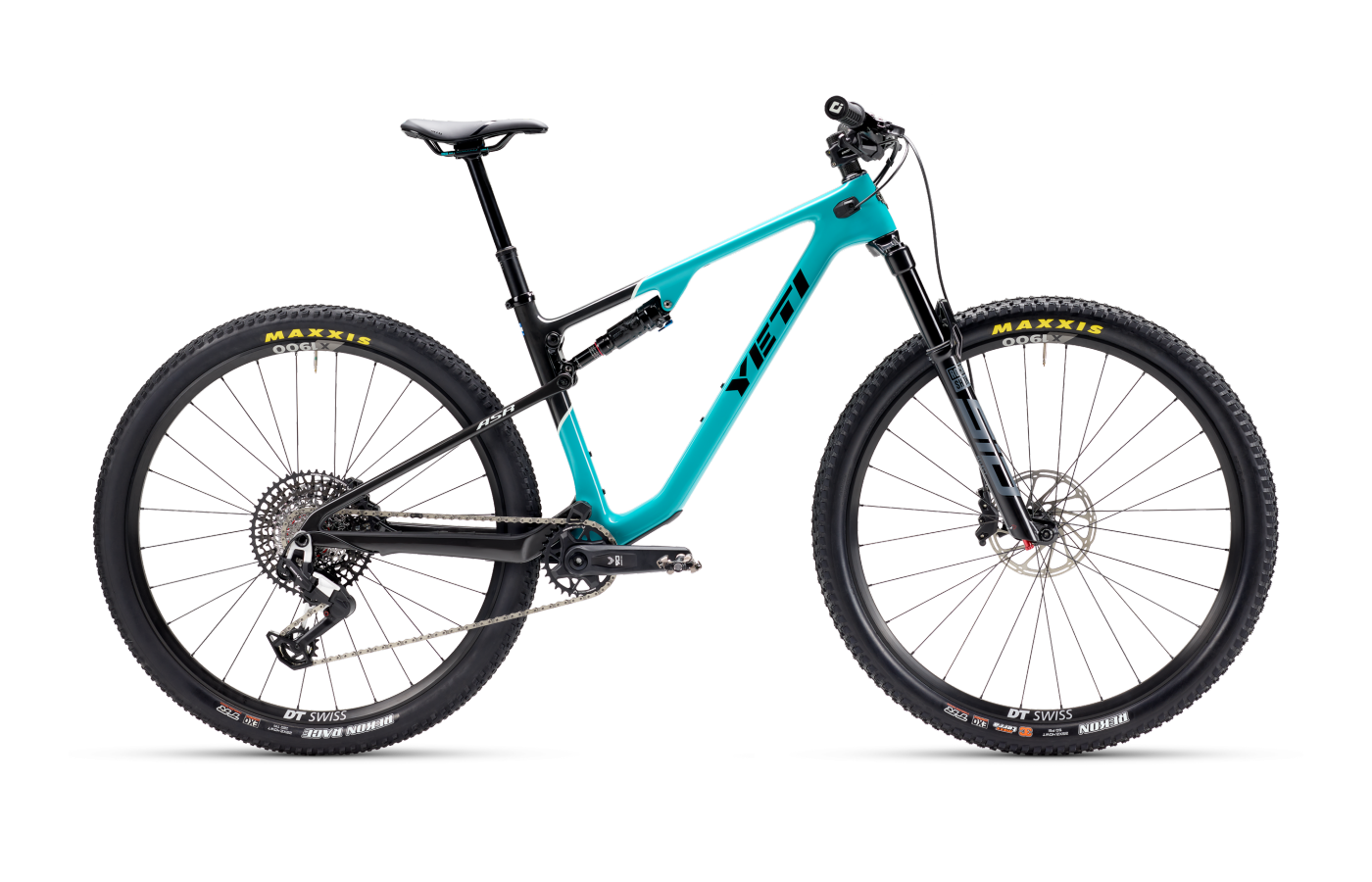
ASR
The Yeti ASR is a single-pivot purist's take on the same brief — 120 mm travel, Switch Infinity-free simplicity, and one of the lightest production XC frames going. If serviceability and outright weight are your priorities, it's the cleanest pick of the bunch.
Compare →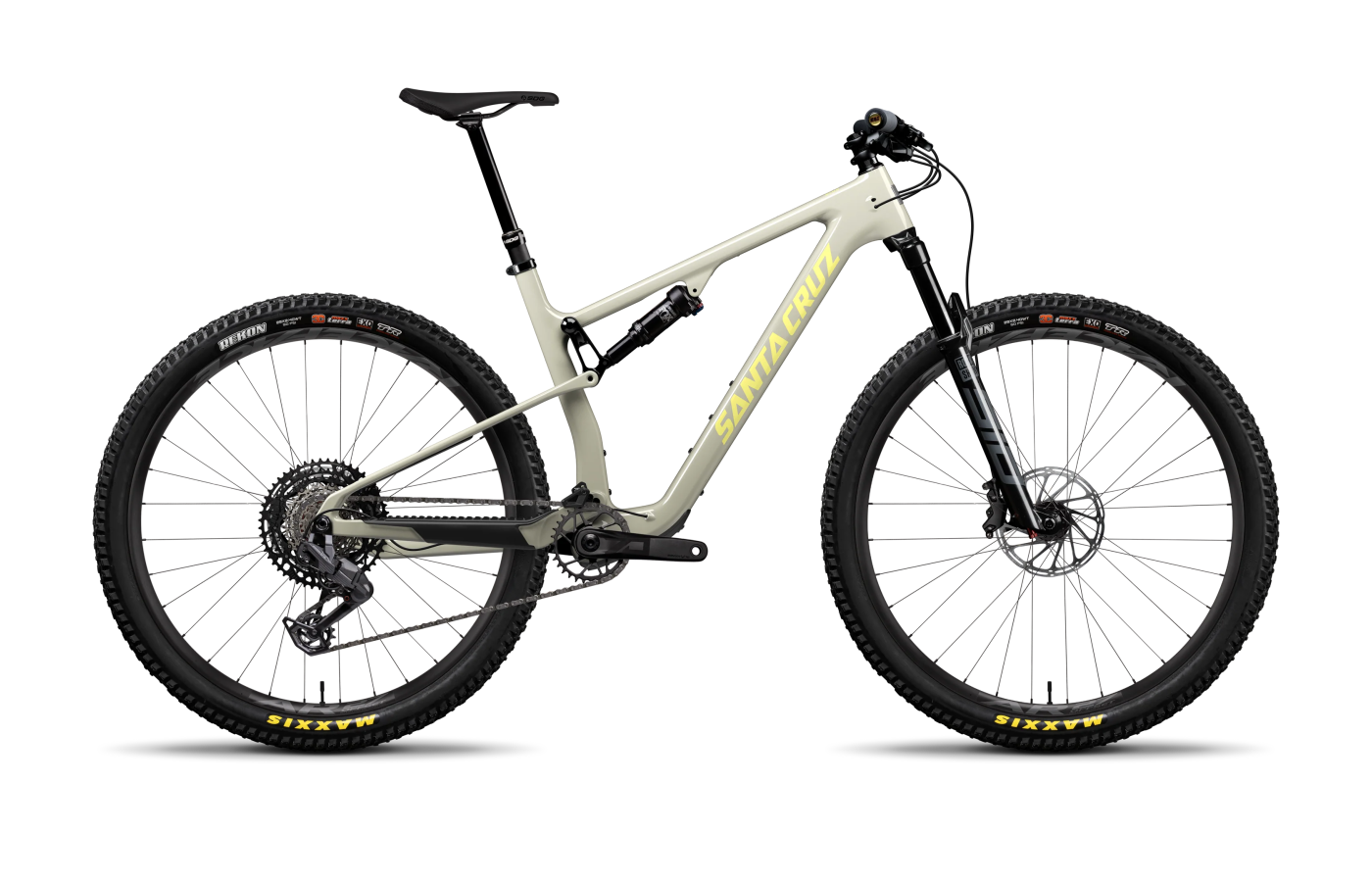
Blur
The Santa Cruz Blur runs a similar flex-stay rear to the Scalpel but pairs it with Santa Cruz's lifetime bearing replacement and famously good warranty support. If you're wary of integrated headsets and want a brand that backs the bike for its full life, the Blur is the answer.
Compare →