Fourstroke
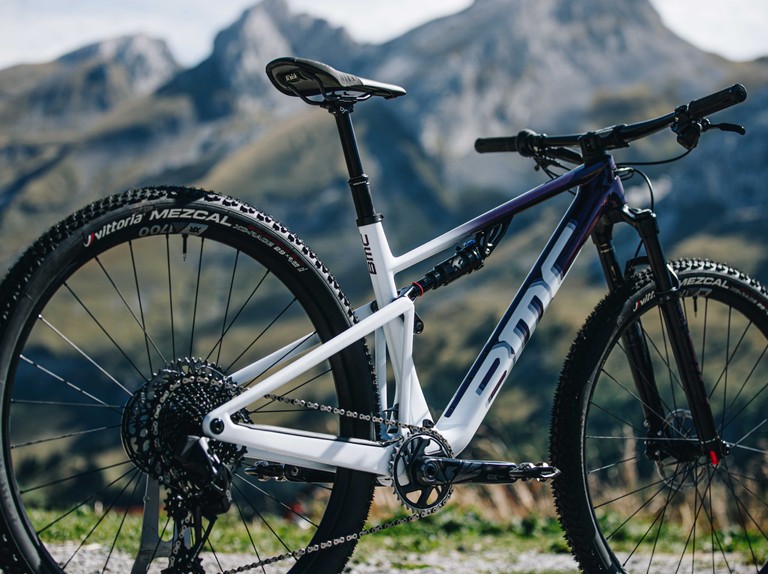
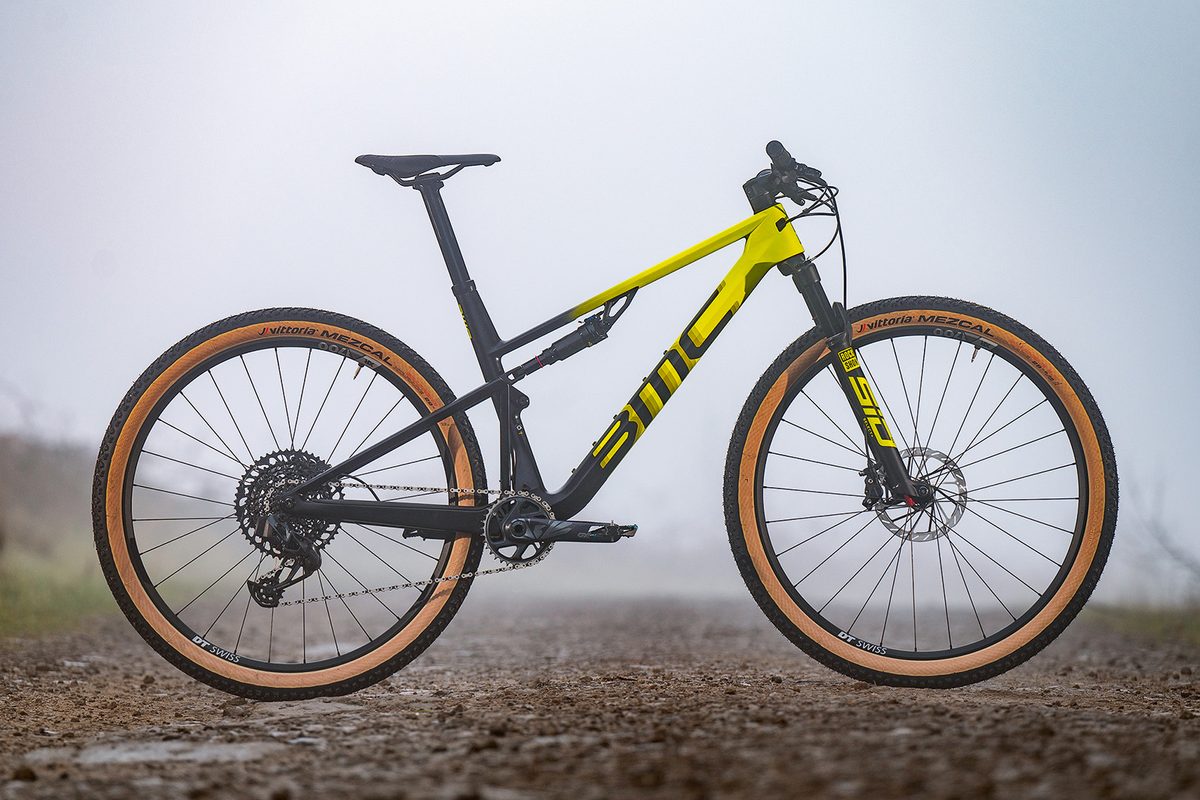
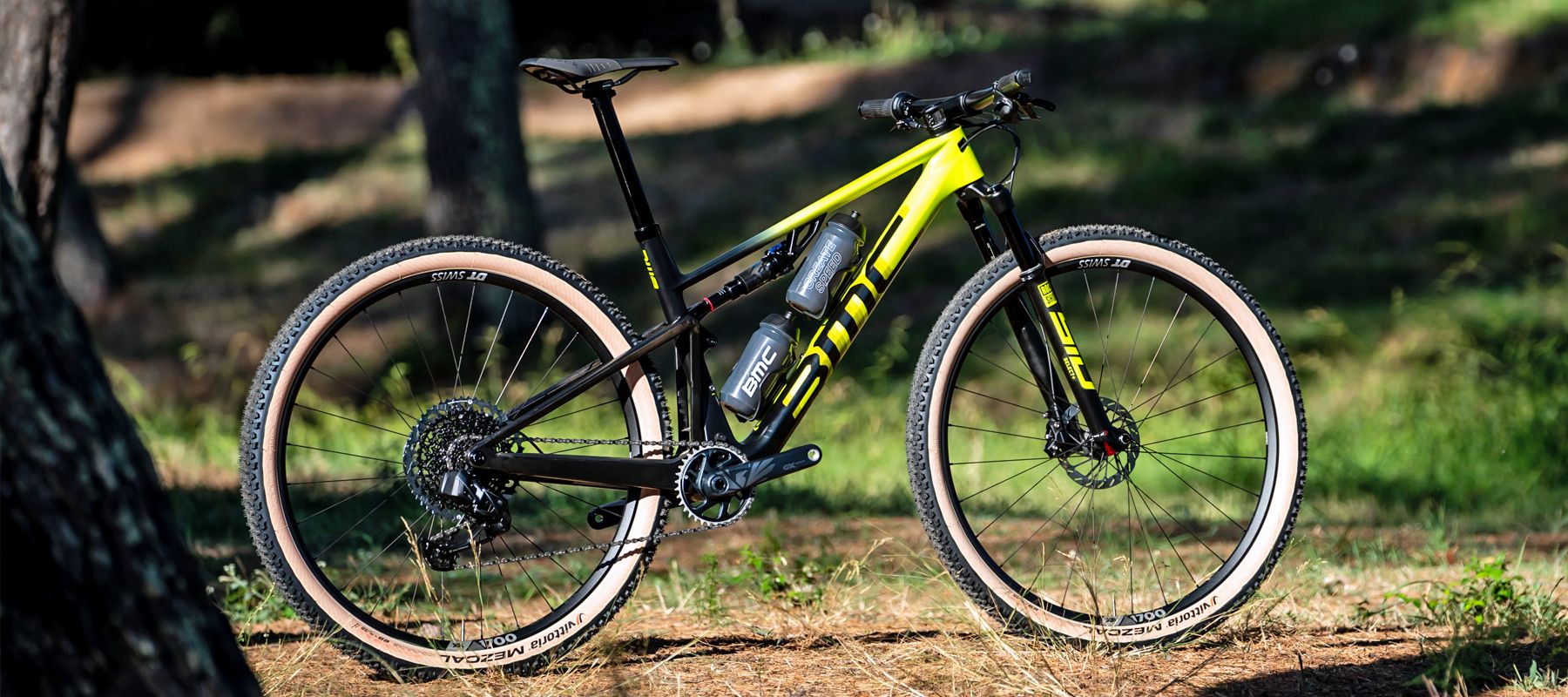
BMC redesigned the Fourstroke platform from the ground up for the 2023 model year, positioning it as a dedicated cross-country and marathon race family. The chassis is built around an updated dual-link suspension layout and a heavily revised frame silhouette that prioritizes real-world racing practicality. Notable updates include guided internal routing that enters through an integrated fork stopper, alongside room for two water bottles inside the front triangle.
The generation splits its intent across two distinct travel brackets. Traditional configurations offer 100mm of front and rear travel for pure XCO racing, while the LT and R variants bump the travel to 120mm for aggressive marathon and light trail use. On the top-tier 01 frames, BMC integrates its proprietary Autodrop system, an automatic dropper post powered by a concealed air tank that lowers the saddle without requiring the rider to sit on it.
Geometry & fit.
4 sizes published.
The Fourstroke utilizes a highly progressive geometry for a cross-country platform, shaping a ride that is stable at speed but demands an active, forward-biased posture. A steep 76.7-degree seat tube angle places the rider directly over the bottom bracket, optimizing power transfer for steep climbs. This aggressive seated position is highly efficient but may feel abrupt to riders accustomed to more relaxed, rearward trail bike fits.
At the front, a slack 66.5-degree head tube angle provides crucial stability on steep descents. When paired with short 432mm chainstays, the bike maintains quick, responsive steering through tight switchbacks without feeling nervous at high speeds. The defining handling characteristic, however, stems from the bottom bracket drop. At 53mm on the 100mm frames, the exceptionally low center of gravity allows riders to aggressively lean into corners. The tradeoff for this cornering prowess is reduced ground clearance, requiring deliberate line choices and ratcheting techniques to navigate deep ruts and tall roots.
Where the handlebar sits relative to the bottom bracket — the single most important fit pair.
01Fit geometry6 values
03Handling geometry8 values
Which size should I buy?
Slide your height to see the recommended size. GearWise's fit algorithm works from the published stack, reach, and ETT — the brand's own recommendation may differ.
→Calculated from GearWise's own stack / reach / ETT algorithm — the brand's size chart may recommend a different size, and a proper bike fit beats any calculator.
The lineup.
2 builds, ranging $4,699 – $13,499.
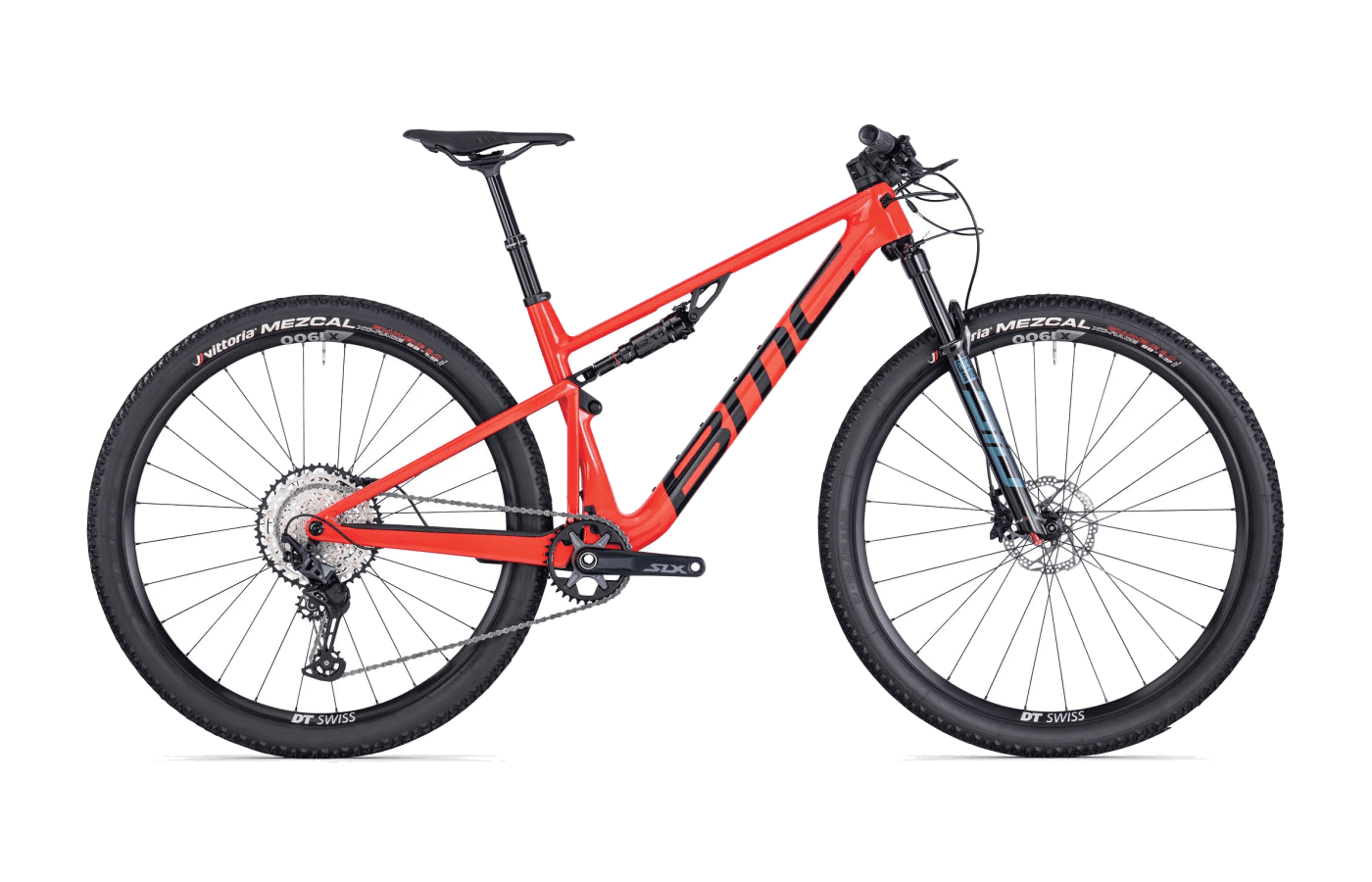
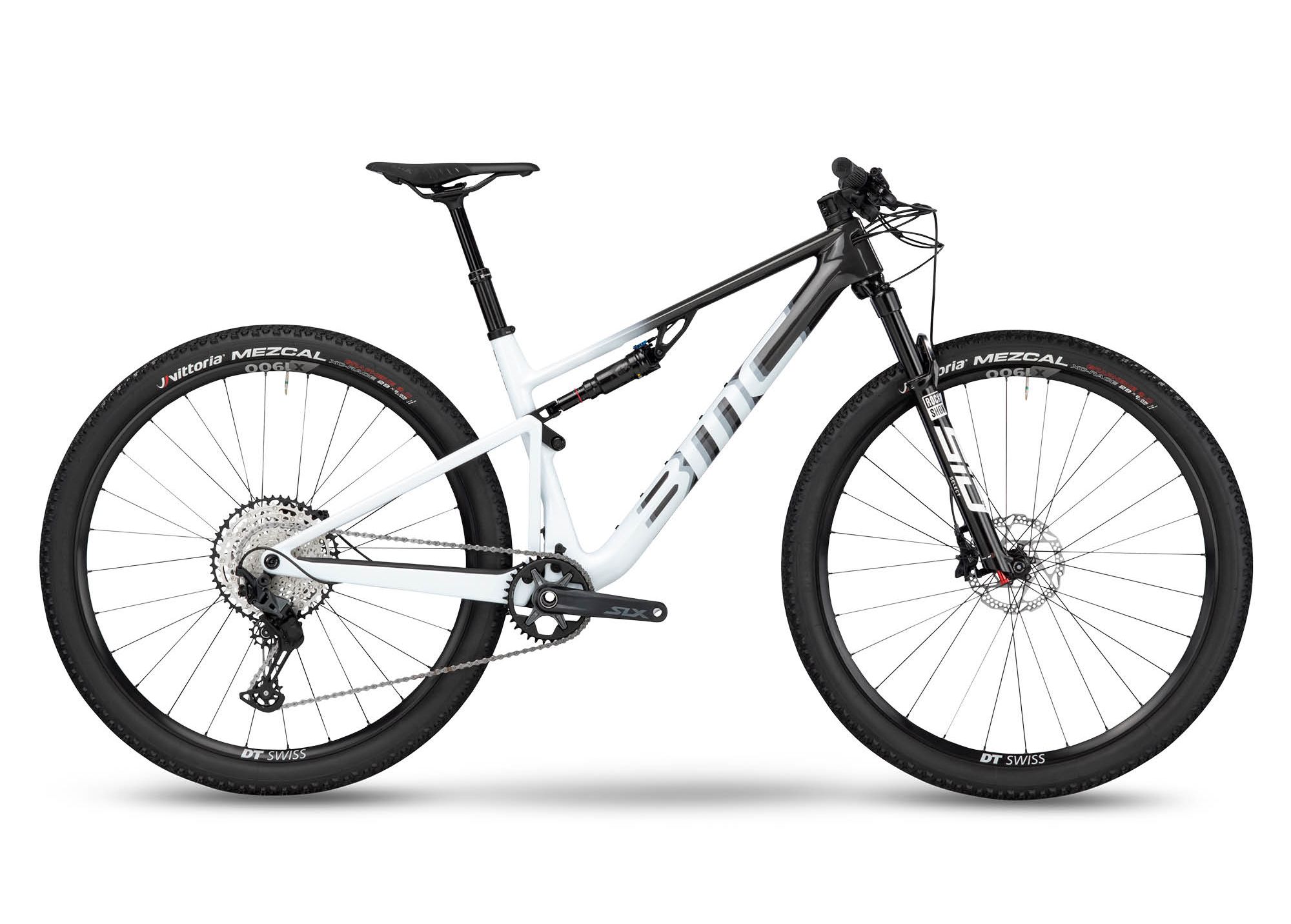
The Fourstroke lineup spans a massive price range, reflected in the stark contrast between the available builds. The entry point to the premium frame is the 01 THREE, which pairs the 100mm chassis with a RockShox SID SL Select fork and SIDLuxe Select+ shock. It relies on a dependable Shimano SLX mechanical drivetrain, SLX two-piston brakes, and DT Swiss X 1900 alloy wheels. Notably, this build skips the proprietary Autodrop system in favor of a standard X-Fusion Manic dropper post and a conventional alloy cockpit, keeping the price accessible while retaining the core frame kinematics.
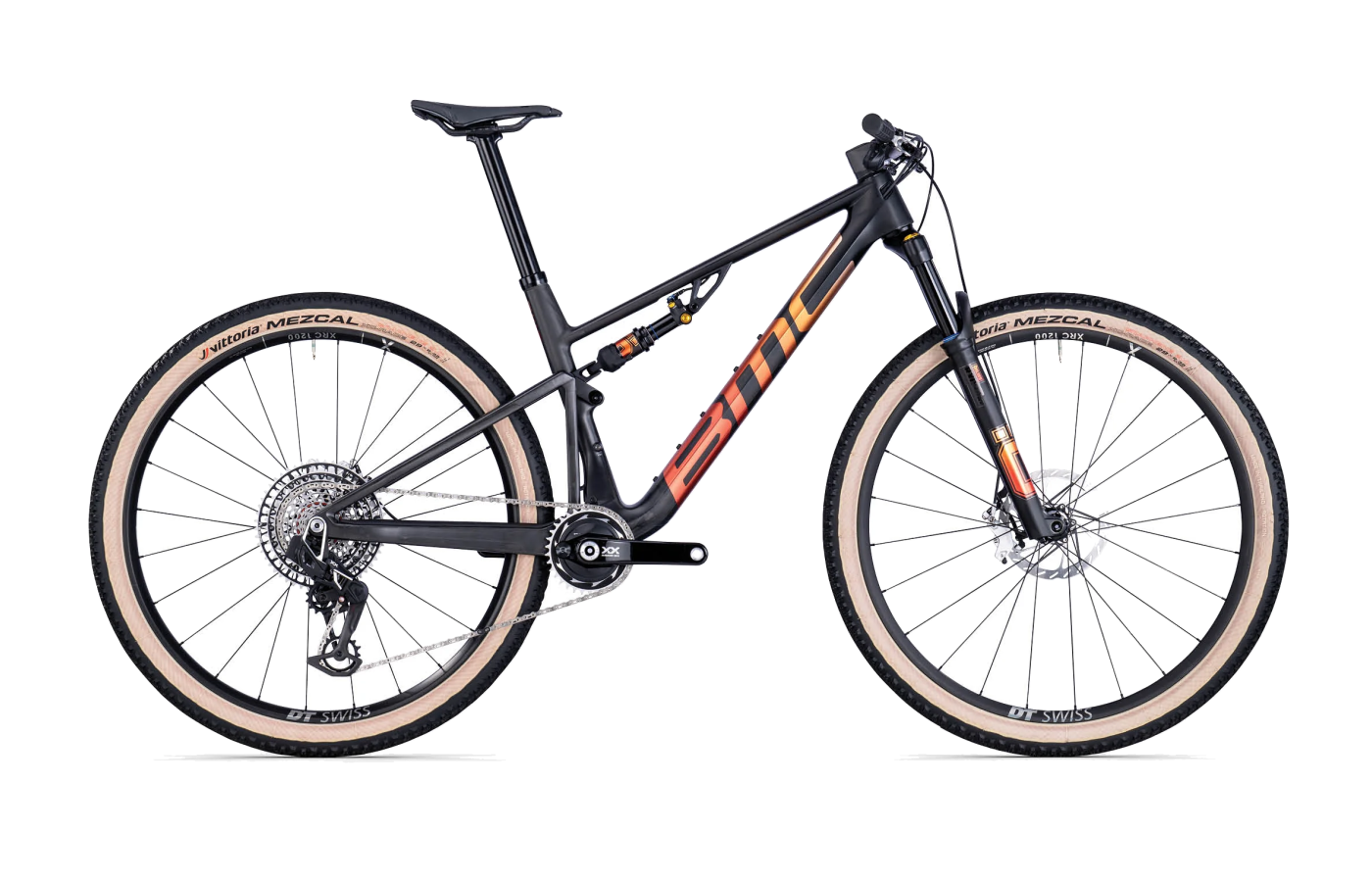
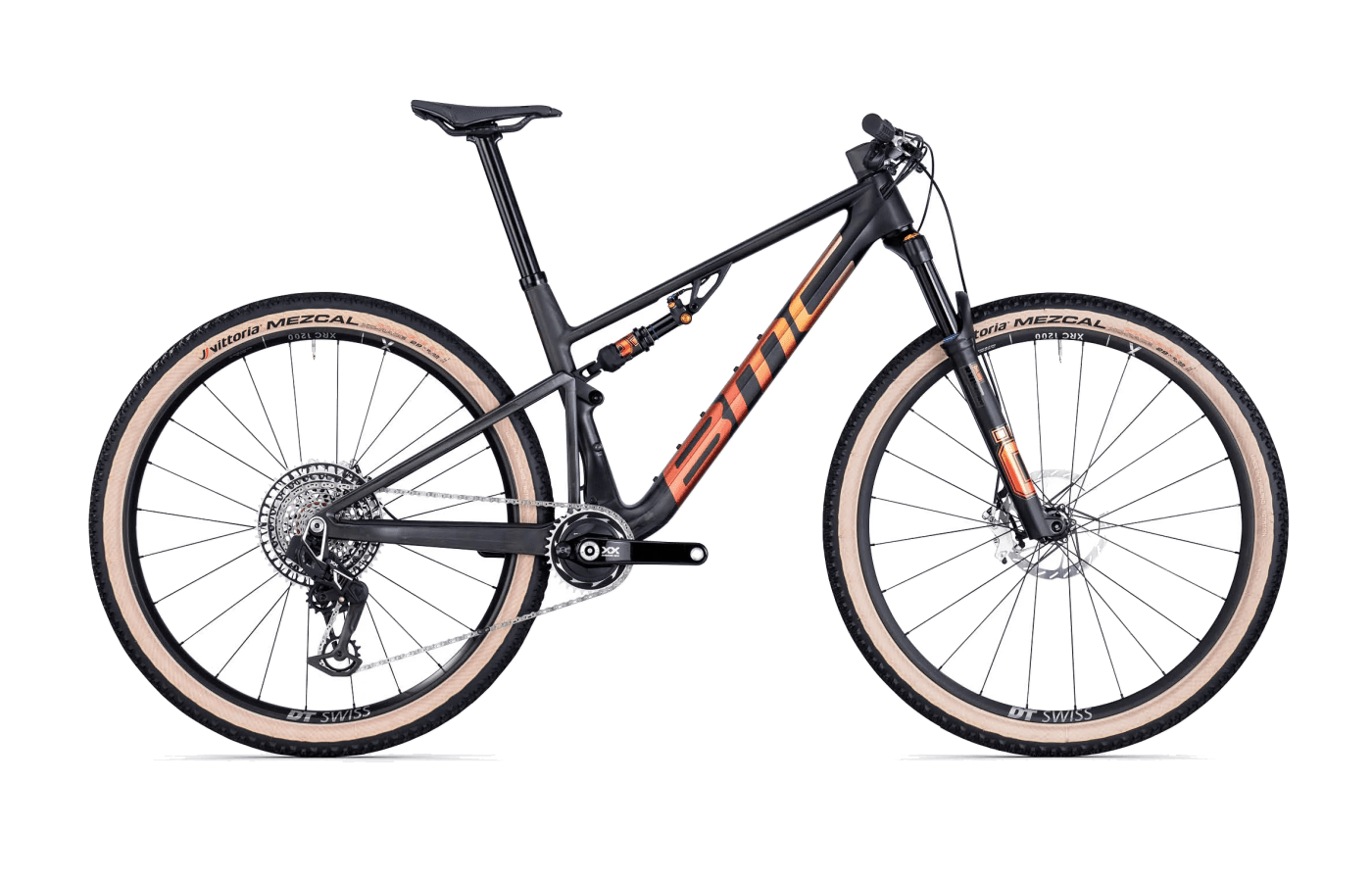
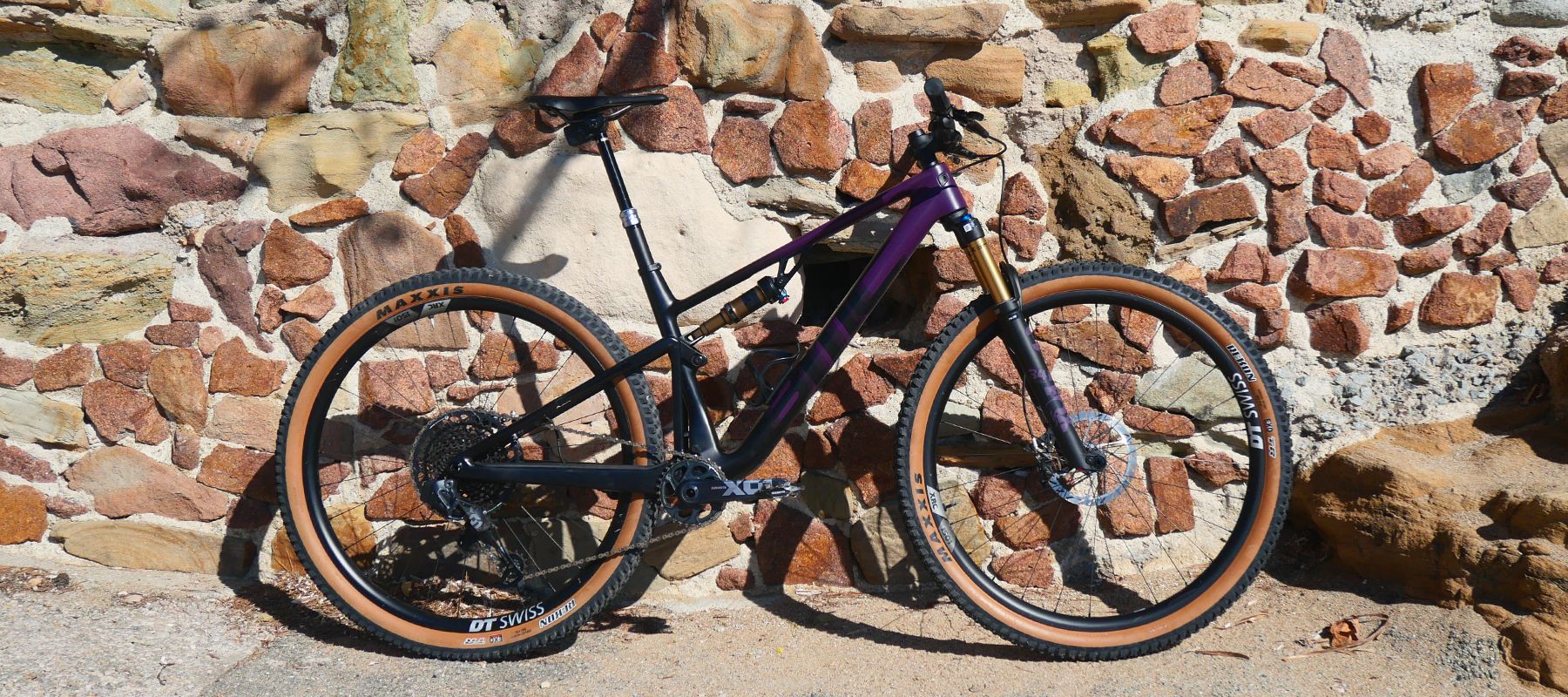
At the opposite end of the spectrum, the R 01 ONE is an elite, 120mm-travel configuration built for uncompromising race performance. It features Ohlins RXC34 and TXC2 suspension, a SRAM XX SL Eagle Transmission wireless drivetrain, and SRAM Level Ultimate brakes. Rolling on DT Swiss XRC 1200 carbon wheels, this build fully integrates BMC's Autodrop seatpost and a one-piece carbon cockpit. The R 01 ONE represents the absolute ceiling of the platform's technology, demanding a premium price for electronic shifting, carbon components, and the automatic dropper system.
From the press.
14 reviews from the cycling press.
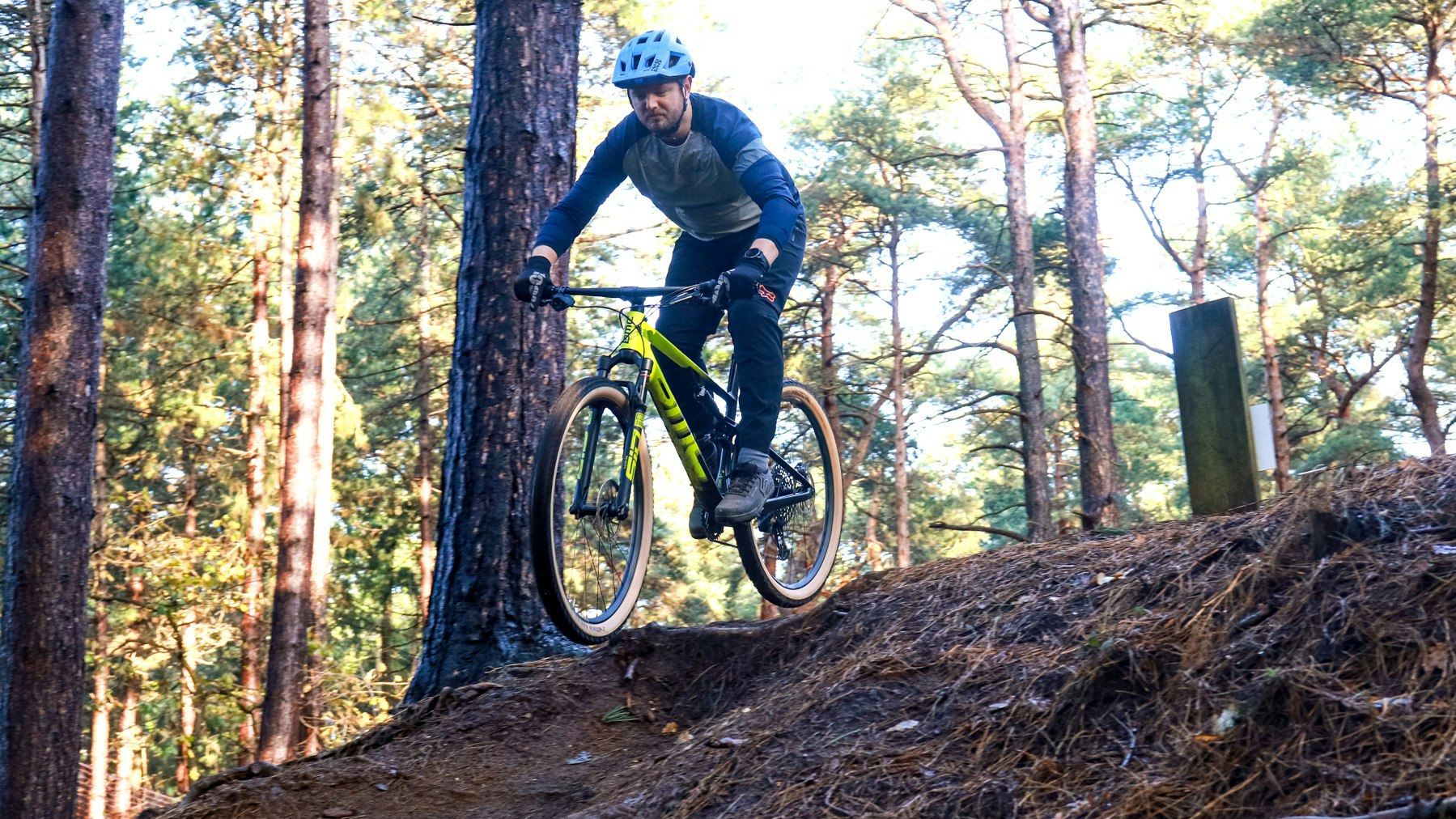
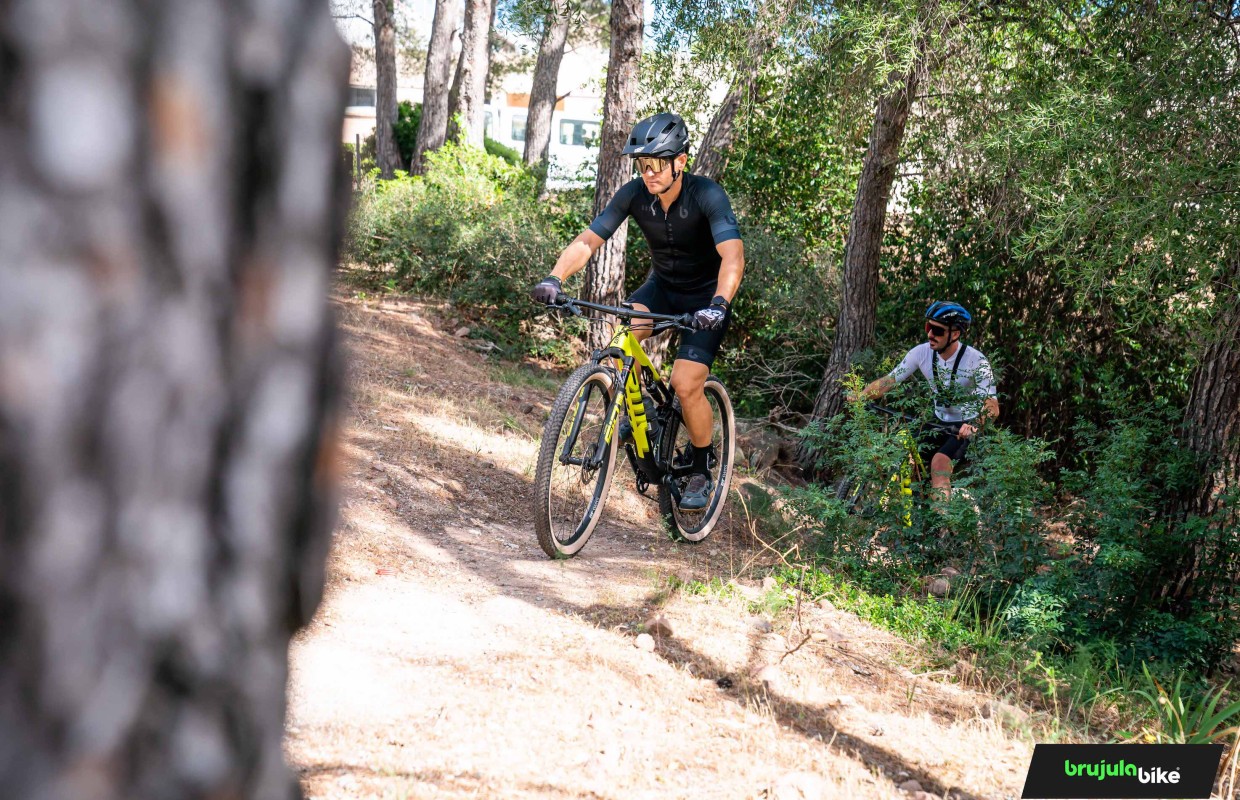
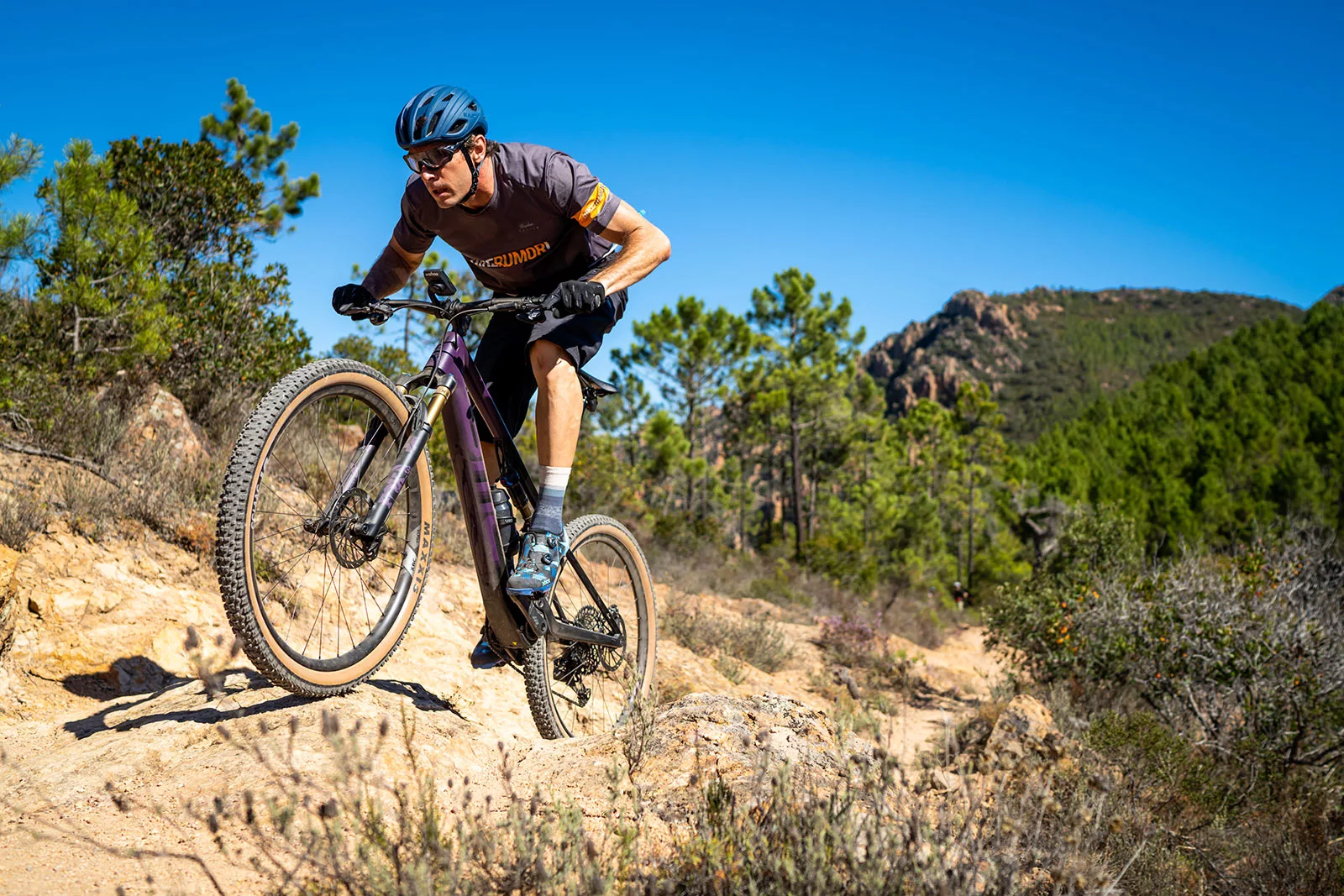
Reviewers consistently praise the Fourstroke for its exceptional pedaling dynamics and descending capability. The dual-link suspension is frequently highlighted for its traction on technical climbs, with one tester noting it is "wickedly efficient and grabs the ground under power" (Bike Rumor). On descents, the chassis feels remarkably stable for a short-travel bike, proving "unbelievably fast on rough terrain" (Whatsthebest).
However, this aggressive capability introduces a few distinct tradeoffs. On the 100mm models, multiple reviewers observed that the stock RockShox SID SL fork is "easily outridden by the frame" (Bike Perfect), suggesting aggressive riders might quickly find the limits of the front suspension before the rear end feels overwhelmed. The 120mm LT versions largely resolve this imbalance by pairing the frame with stouter forks.
The proprietary Autodrop seatpost on the 01 models also draws mixed reactions. While racers appreciate the energy saved by not having to squat to lower the saddle, the system requires regular pressurization with a high-pressure pump. Furthermore, its two-position design lacks the infinite adjustment of a standard dropper, which some riders found frustrating on undulating trails. Finally, testers frequently mentioned that the bike's low bottom bracket demands careful pedal timing to avoid strikes on rocky ascents.
RoadTrailRide: BMC Fourstroke 01 ONE In Depth Review
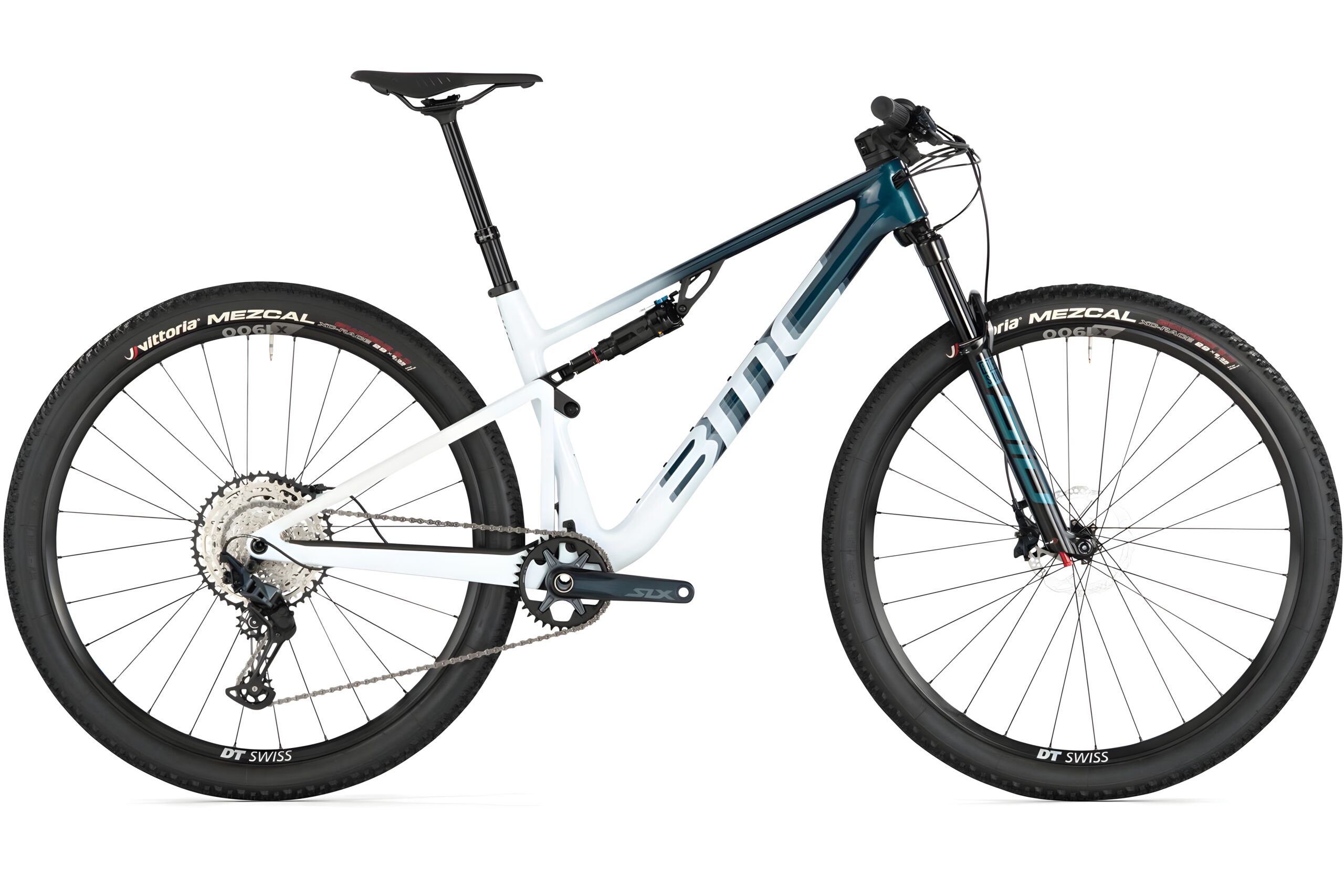
BMC Fourstroke THREE 2024 Review
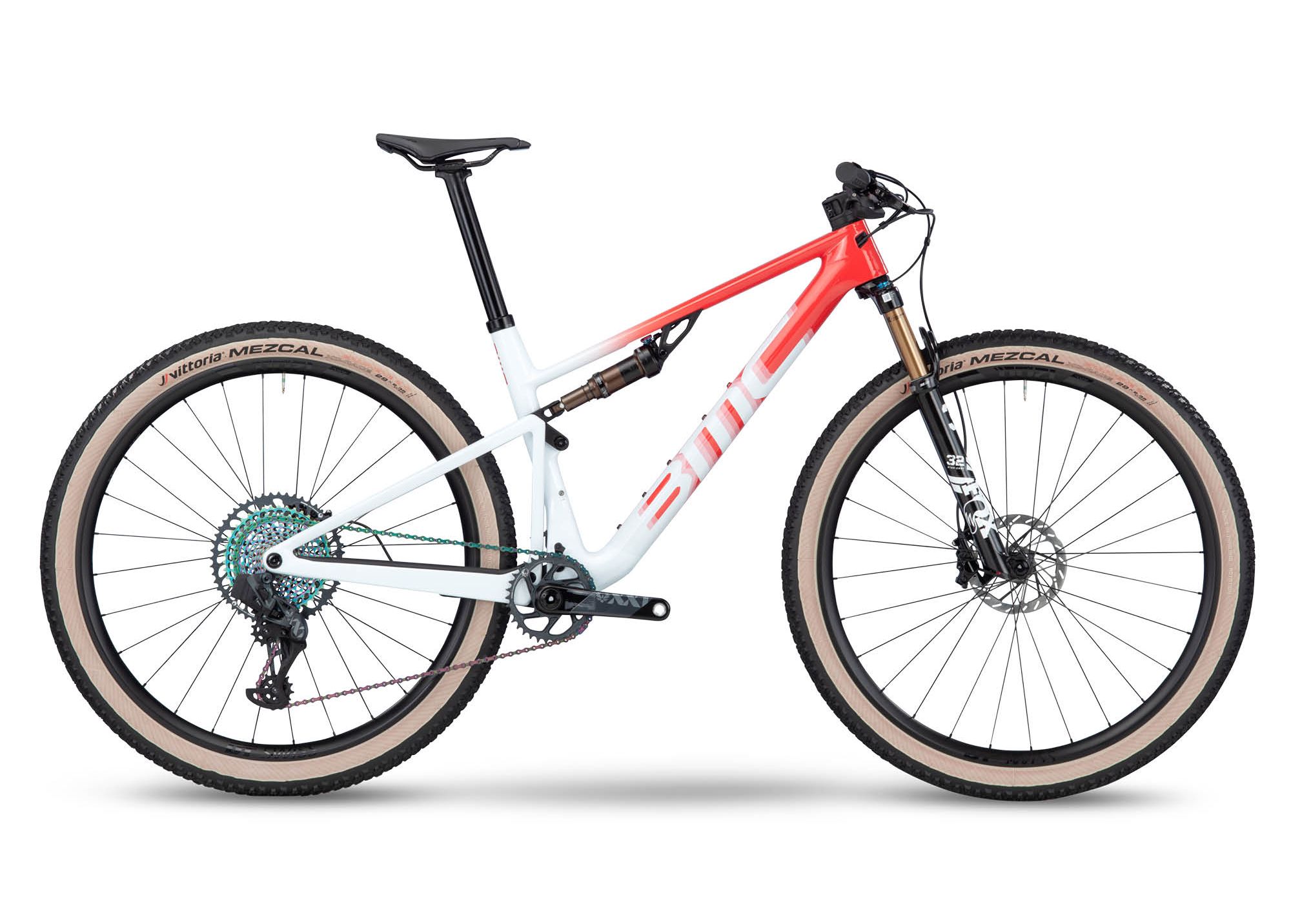
BMC Fourstroke 01 LTD 2023 Review
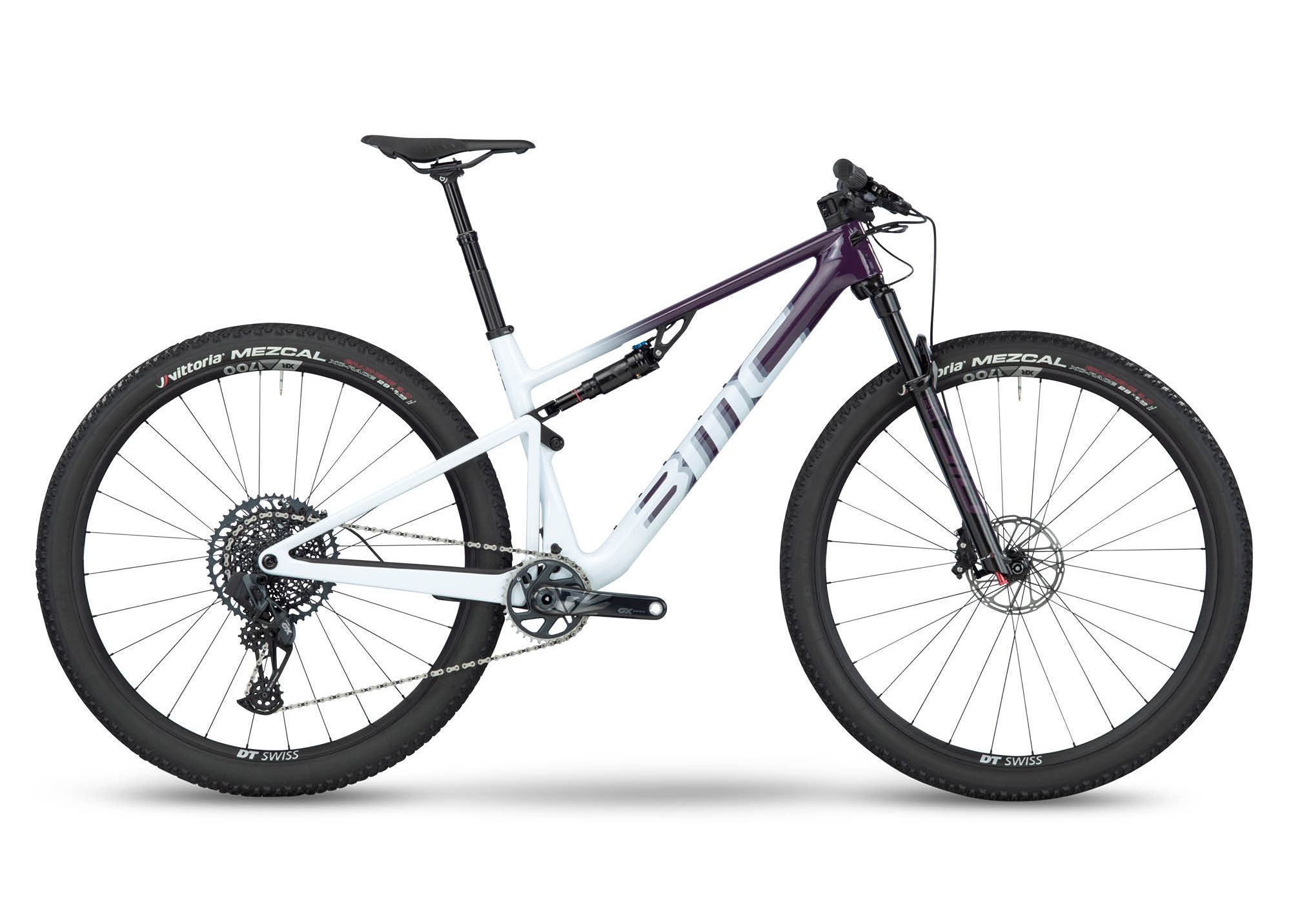
BMC Fourstroke ONE 2023 Review
BMC Fourstroke FOUR 2024 Review
BMC Fourstroke LT Review - XC and Trail in One Bike
2024 BMC FourStroke One test review pros and cons everything you need to know (really)
BMC Fourstroke 01 TWO first ride review
BMC Fourstroke 01 Two review
Testing the new BMC Foustroke 2023
BMC Fourstroke THREE Review
Review: BMC Fourstroke 01 -vs - Bikerumor
BMC Fourstroke LT first ride review – a proper rowdy cross-country bike
BMC Fourstroke 01 TWO first ride review
Compared to.
Most-viewed comparisons.