Scalpel
vsProcaliber
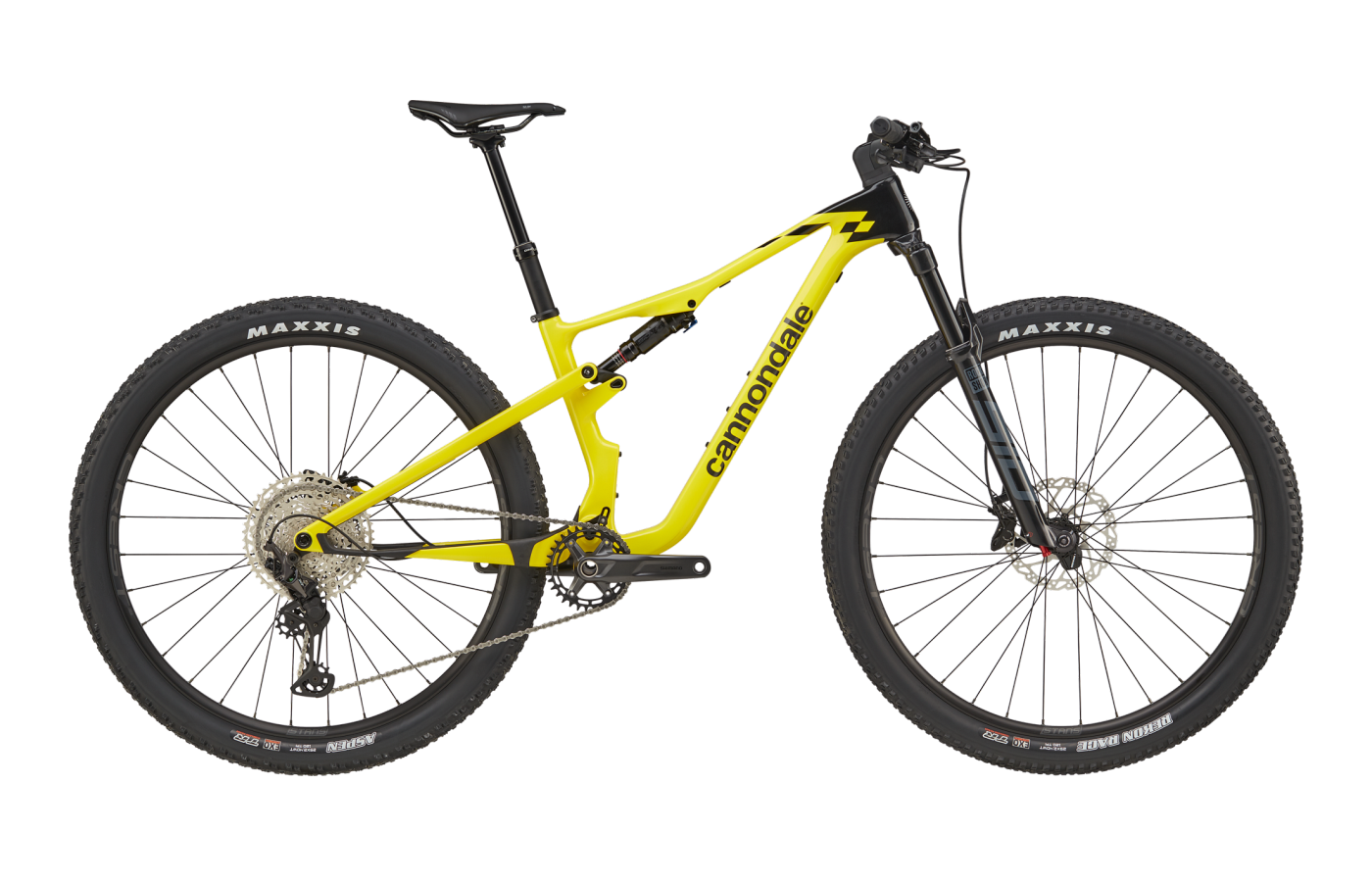
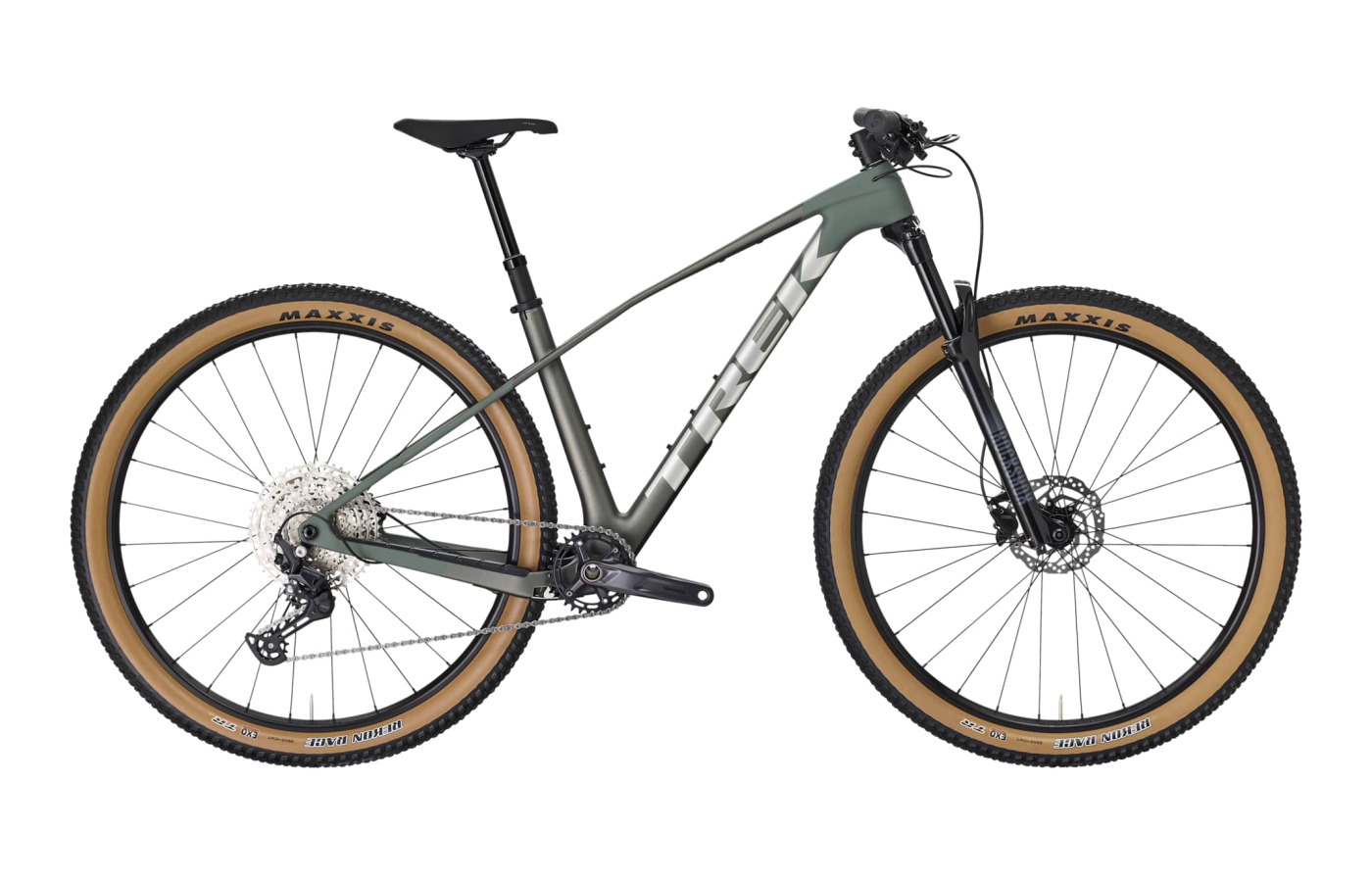
Two takes on a 120mm XC race bike.
The Scalpel is a full-suspension marathon weapon. The Procaliber is a carbon hardtail with a structural flex zone — same travel up front, half the suspension.
Scalpel
- 120mm of real rear suspension — FlexPivot four-bar stays active under braking, with no trapdoor feel deep in the travel.
- Modern, descent-friendly geometry — 66.6-degree head angle and size-specific chainstays (434–446mm) for stability without losing snap.
- Full build range from $3,349 Deore to $8,499 SRAM XO AXS, all on the same Series 1 carbon frame.
- Even the entry-level Scalpel costs more than any Procaliber build.
- Through-headset cable routing is a recurring maintenance complaint across reviews.
Procaliber
- Single OCLV carbon frame across the lineup — the $2,699 9.5 gets the same chassis as the flagship 9.7.
- Snappy, hardtail-direct power transfer — reviewers call it "zingy" out of the saddle and through punchy climbs.
- Side-entry cable ports — Trek skipped headset routing, so home-mechanic service stays straightforward.
- Hardtail rear end limits composure on the rough technical courses the Scalpel handles in stride.
- Top build tops out at $2,699 — no flagship XTR/XX SL trim available on this generation.
Editor’s analysis
Same wheel size, same fork travel, same XC race intent — but one has a rear shock and the other has a hole in the top tube.
On paper both bikes accept the modern XC brief: 120mm front travel, 29" wheels, ~67-degree head angles, dropper-ready geometry, room for 2.4" rubber. The Cannondale Scalpel runs 120mm out back through Cannondale's FlexPivot four-bar layout, which uses engineered carbon flex instead of a Horst pivot. The Trek Procaliber Gen 3 is a hardtail — its IsoBow frame routes the seatstays through a structural cutout in the top tube to add a sliver of vertical compliance without the weight or bearings of the old IsoSpeed decoupler.
The price gap tells most of the story. The Procaliber tops out at $2,699 for the carbon 9.5 Gen 3; the Scalpel starts at $3,349 and climbs to $8,499 for the SRAM XO AXS-equipped Scalpel 1. Roughly speaking, the cheapest Scalpel costs more than the most expensive Procaliber. Trek built a single OCLV carbon frame and prices it as the value entry into a top-shelf chassis. Cannondale built a multi-build full-suspension lineup and prices it accordingly.
On the trail the personalities diverge as much as the spec sheets. Reviewers describe the Scalpel as a "rocket ship" that climbs hard but "feels like a mini trail bike" on descents — the FlexPivot rear stays active under braking, the 66.6-degree head angle keeps the front planted, and the 120mm of rear travel buys a margin of error on rough courses. The Procaliber is the "snappy" hardtail: stiff under power, eager out of corners, and reliant on its 2.4" tires to soak up what the IsoBow can't. Both reviewers we read agreed the IsoBow's compliance is real but subtle.
Put another way: the Procaliber is the bike for the hardtail purist or the privateer racer who wants a world-class carbon frame they can upgrade into. The Scalpel is the bike for the marathon racer who's stopped pretending modern XC courses are smooth, and is willing to pay full-suspension money to ride one fast all day.
Where the builds differ.
Comparing our editor's-pick builds side-by-side. Winners highlighted row-by-row — lower price and weight, and the better-spec component, each mark a point.
Build variants & pricing
The Scalpel spans $3.3k to $8.5k across four builds; the Procaliber Gen 3 has just two, topping out at $2,699.
These two ranges barely overlap on price. Our editor's picks pair the Scalpel 4 against the Procaliber 9.5 Gen 3 because both run Shimano Deore 12-speed on a carbon frame — the closest apples-to-apples match available. If your budget is firm at $2,500, the Procaliber is your only choice here; if you want a full-suspension Scalpel, the floor is $3,349.
How they fit, how they steer.
The Scalpel M and Procaliber ML are the fit-picked sizes. The Procaliber sits 17mm taller in stack, 5mm shorter in reach, and runs a 3mm shorter chainstay — but its 72-degree effective seat angle is 3.5 degrees slacker than the Scalpel's 75.5, a gap that mostly disappears once the Scalpel's rear shock sags.
Which size should I buy?
Both bikes use four (Scalpel) or five (Procaliber) sizes; the Procaliber's extra ML splits the gap between Medium and Large for in-between riders.
→These are starting points. Flexibility, riding style, and preferred position all shift the answer — if you’re between sizes, a professional fit beats a chart.
What the magazines said.
Published reviews from trusted cycling outlets. Click through for the full write-up.
Which one should you buy?
If you want one XC bike that descends like a trail bike, get the Scalpel. If you want a top-shelf carbon hardtail at less than half the price, get the Procaliber.
Scalpel
If your weekend rides include rocky descents and four-hour loops, the Scalpel's 120mm of rear travel and modern geometry let you recover on the way down instead of fighting for line. It climbs like a true XC bike and descends like a downcountry one — the closest thing to a do-everything race bike in the segment.
Procaliber
If you love the immediate snap of a rigid rear end and want a world-class carbon frame as a long-term platform, the Procaliber 9.5 Gen 3 is one of the best values in XC. Light, simple, and upgrade-friendly — the same OCLV frame supports the flagship build whenever you're ready.
Questions buyers actually ask.
Short answers to the things we get emailed about most often.
01Why pair the Scalpel 4 against the Procaliber 9.5?
Component parity. Both run Shimano Deore 12-speed on a carbon frame, with RockShox forks (SID on the Scalpel, Judy GOLD on the Procaliber). It's the only pairing where neither bike wins or loses a row purely because of drivetrain tier.
The Scalpel 4 lists at $3,349 and the Procaliber 9.5 at $2,699 — the Cannondale's $650 premium is mostly the cost of a rear shock and the FlexPivot linkage.
02Is the Procaliber faster than the Scalpel on smooth courses?
Probably yes on truly smooth ground. Reviewers call the Procaliber "zingy" and "snappy" under power, and a hardtail with a lockout-equipped fork transfers more of each pedal stroke into forward motion than even an efficient four-bar full-suspension.
On anything rougher than buffed singletrack, the Scalpel claws back the gap fast — its FlexPivot rear suspension lets you hold a higher line speed through chatter without losing traction or composure.
03How real is Trek's IsoBow compliance?
Subtle. The IsoBow is a structural cutout in the top tube that lets the seatstays flex vertically without a mechanical pivot — Trek's replacement for the old IsoSpeed decoupler. Reviewers we read describe the effect as a "slight dulling of hard impacts" rather than a transformative ride feel. One BikeRadar tester said it took several days to feel it working at all.
Most of the rear-end comfort still comes from the 2.4" tires.
04What's the maximum tire clearance?
Both frames clear up to about 61 mm (2.4") at the rear, which matches the stock tire spec on every build of both bikes.
That's the modern XC norm — wide enough for fast-rolling 2.4" race rubber like the Maxxis Aspen or Pirelli Scorpion XC, with a little room for mud.
05How serviceable are the cable routing setups?
Procaliber: side-entry ports on the head tube, no headset routing. Reviewers explicitly call this out as a maintenance win — bearing service and cable swaps are straightforward.
Scalpel: through-headset cable routing across the entire range, with the higher-end builds adding through-handlebar routing via the SystemBar XC-One. Multiple reviews flag this as a recurring frustration; Cannondale recommends professional headset bearing inspection every six months.
06Which climbs better?
Both climb well; they get there differently. The Procaliber rewards out-of-the-saddle efforts with immediate snap — no rear suspension to compress, plus a firm fork lockout when you want a fully rigid platform.
The Scalpel is more efficient than its 120mm of travel suggests. Reviewers consistently note the FlexPivot system has near-100% anti-squat near sag, so seated climbing barely loses anything to bob even with the shock open. Its 75.5-degree effective seat angle also keeps the rider weight forward on steep pitches.
07What's the catch with the Scalpel's headset routing?
Cables and hoses run through the upper headset bearing. That means a brake bleed, derailleur cable swap, or even a stem-spacer change can require partial cockpit disassembly — and bearing replacement intervals can shorten if the routing wears the seals.
Cannondale has mitigated some of this with enlarged headset bearings and an internal clamp to prevent rattles, but reviewers across PinkBike, Bicycling, and Escape Collective consistently flag it as the bike's biggest long-term ownership downside.
08Are these the right XC bikes for me if I race?
Both are race-capable. The Procaliber Gen 3 was designed around modern XC race courses with a 67-degree head angle and dropper-ready geometry; the Scalpel is the bike Alan Hatherly took to a 2024 XCO World Championship.
If your races are short, punchy, and tilt smooth, the Procaliber's lower weight and snappier feel are an advantage. If they're long, technical, and rough — the modern XC marathon norm — the Scalpel's rear suspension is worth the weight and the price.
Similar bikes
If your priorities don’t map cleanly onto either of these, one of these adjacent bikes probably fits better.
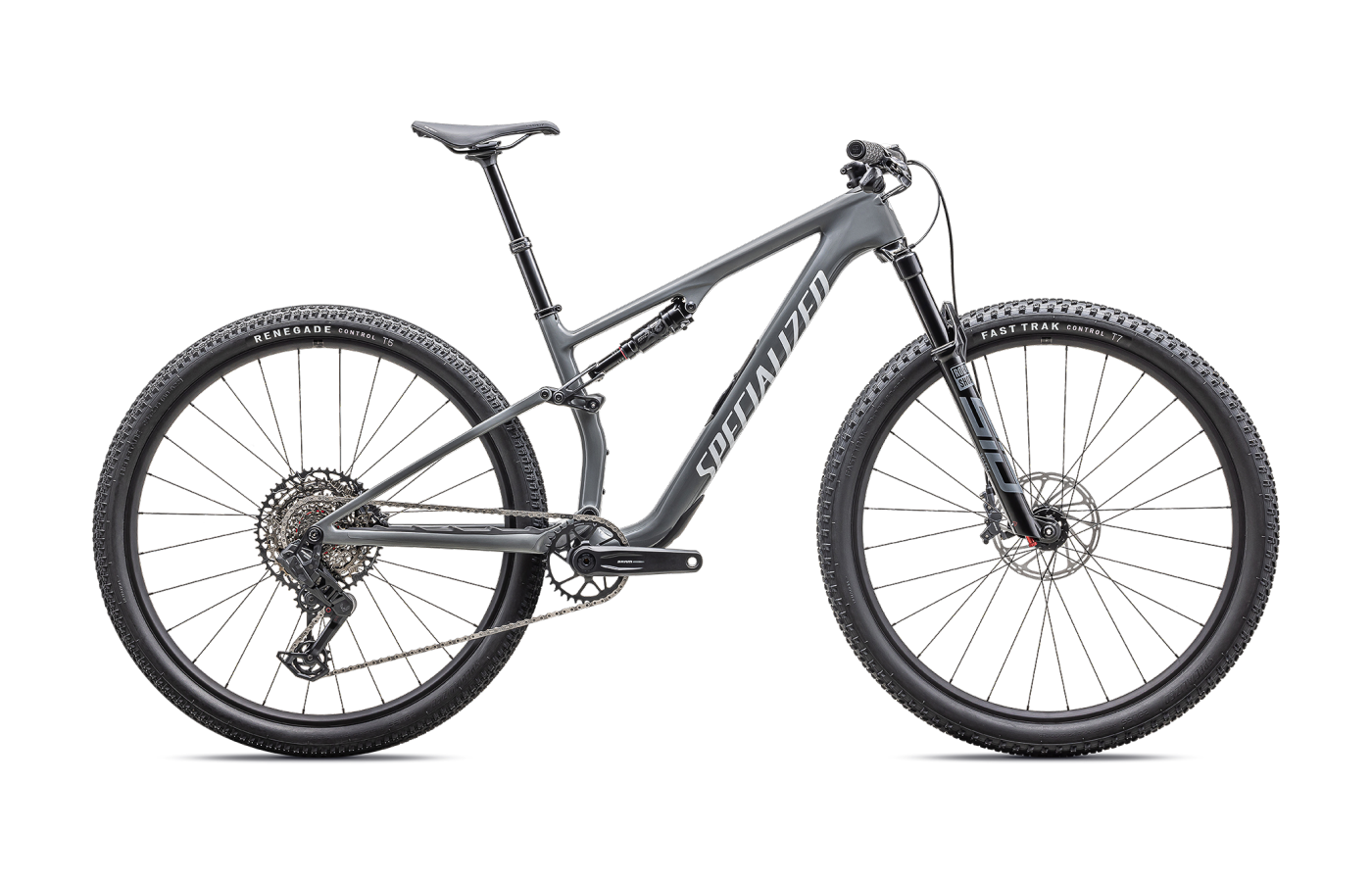
Epic
The Scalpel's most direct competitor — another 120mm carbon XC race bike with comparable geometry, plus Specialized's SWAT in-frame storage that neither the Scalpel nor the Procaliber offers.
Compare →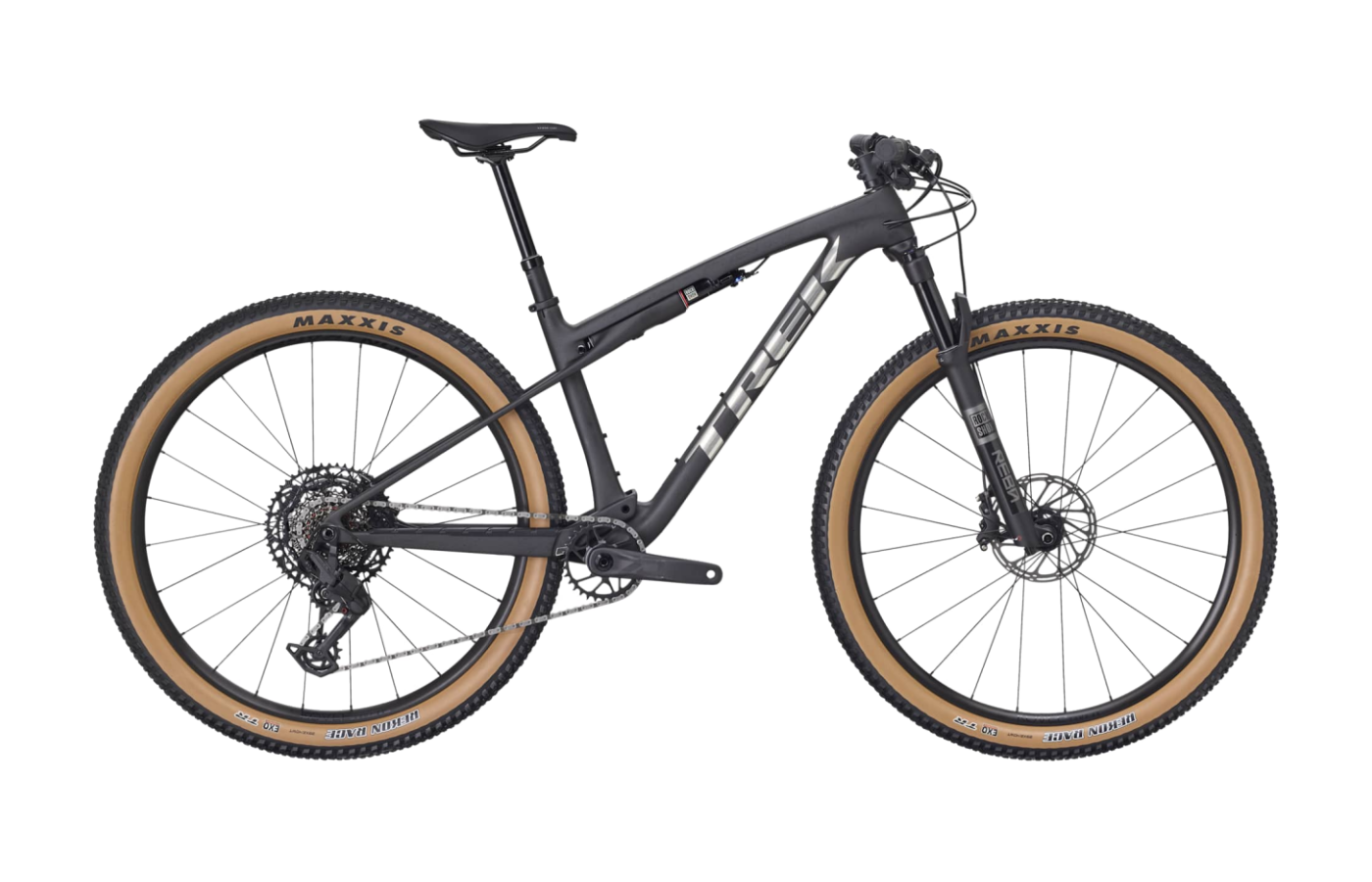
Supercaliber
Trek's middle-ground play — 80mm of rear travel via the IsoStrut, a hardtail-light feel with a touch of full-suspension forgiveness. The bike to consider if the Procaliber feels too rigid and the Scalpel feels like overkill.
Compare →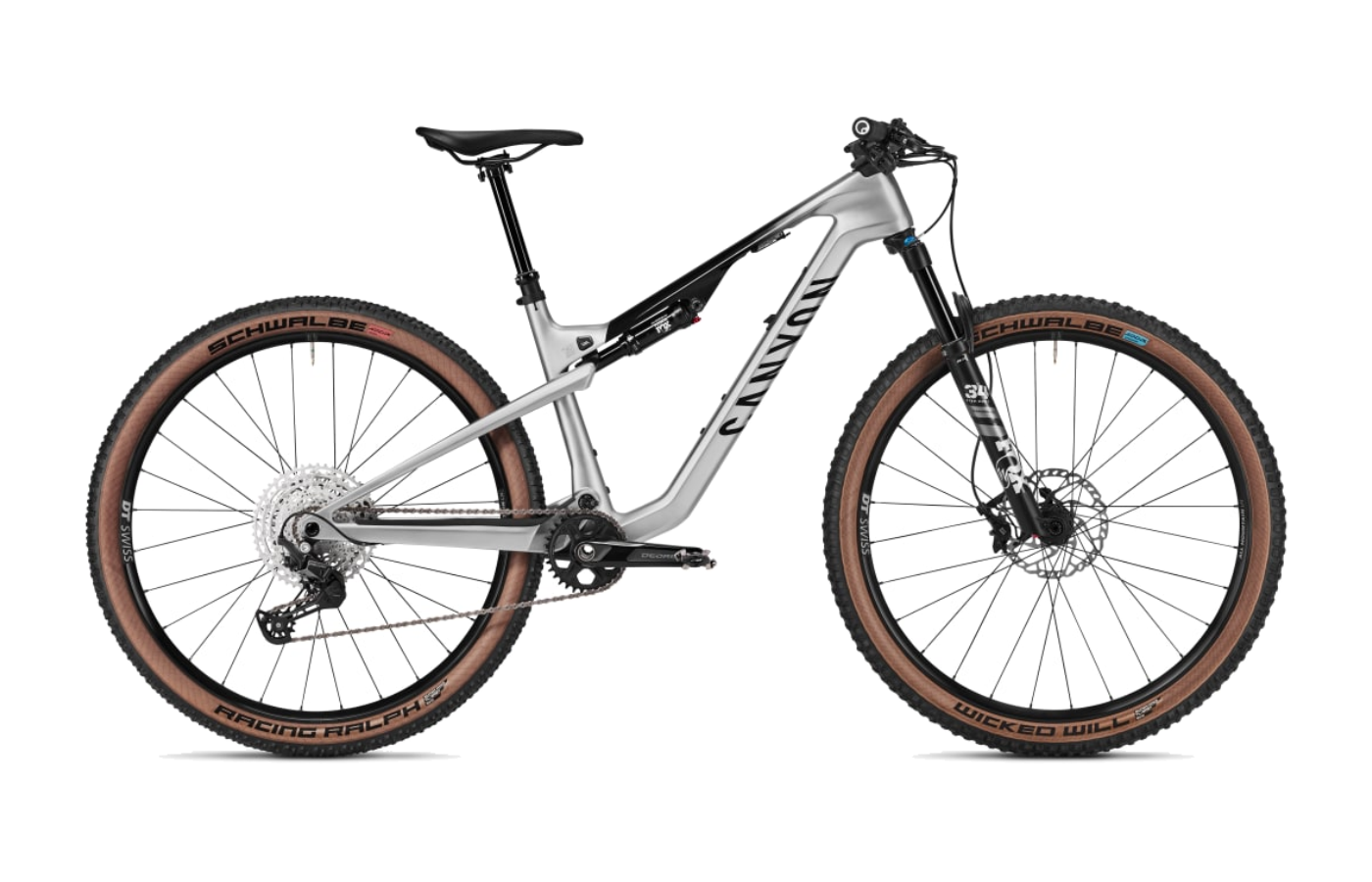
Lux Trail
Direct-to-consumer 120mm full-suspension XC at a meaningful discount to the Scalpel — the trade-off is no local dealer support and a more trail-leaning geometry than a pure race brief.
Compare →