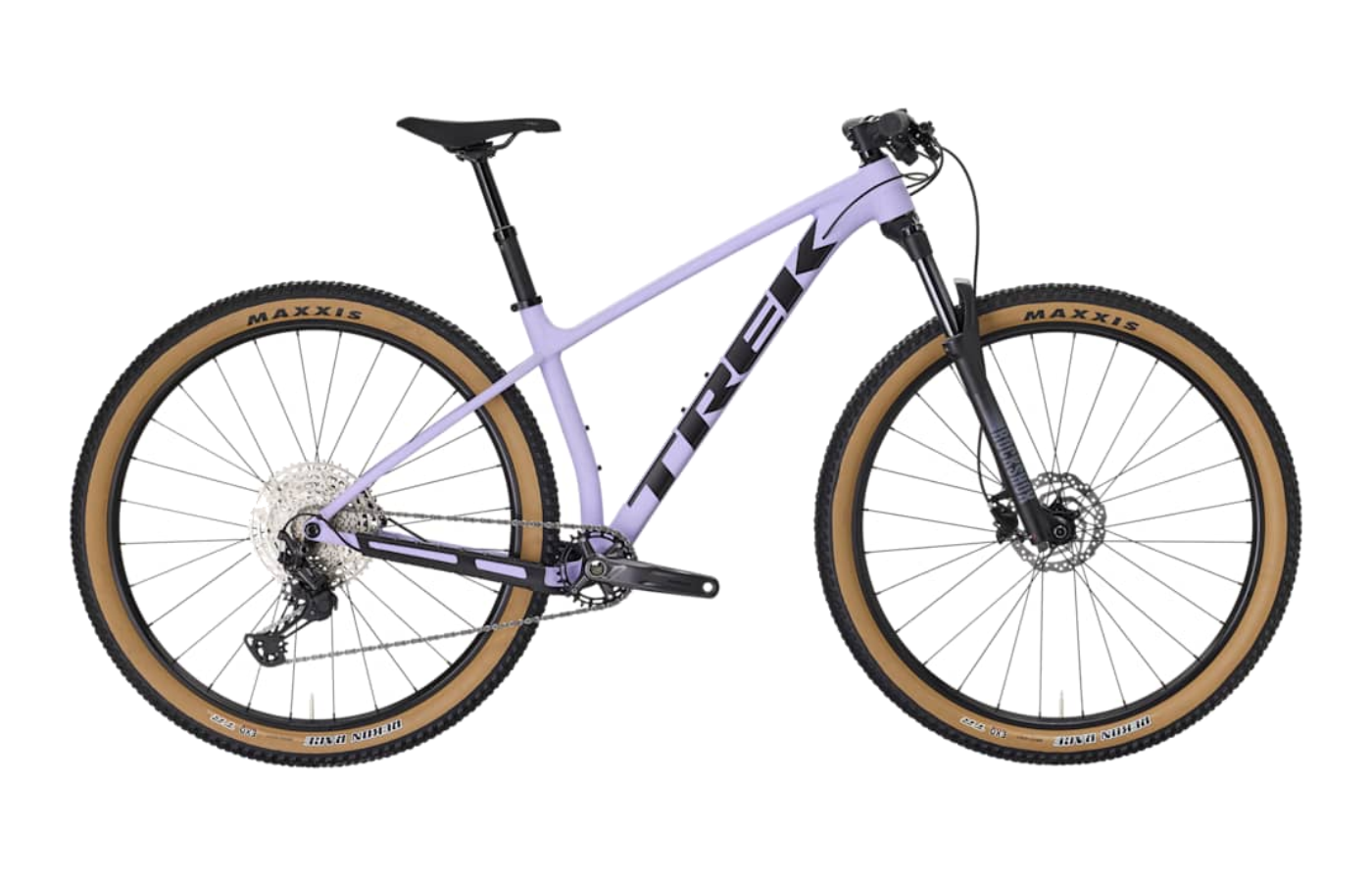
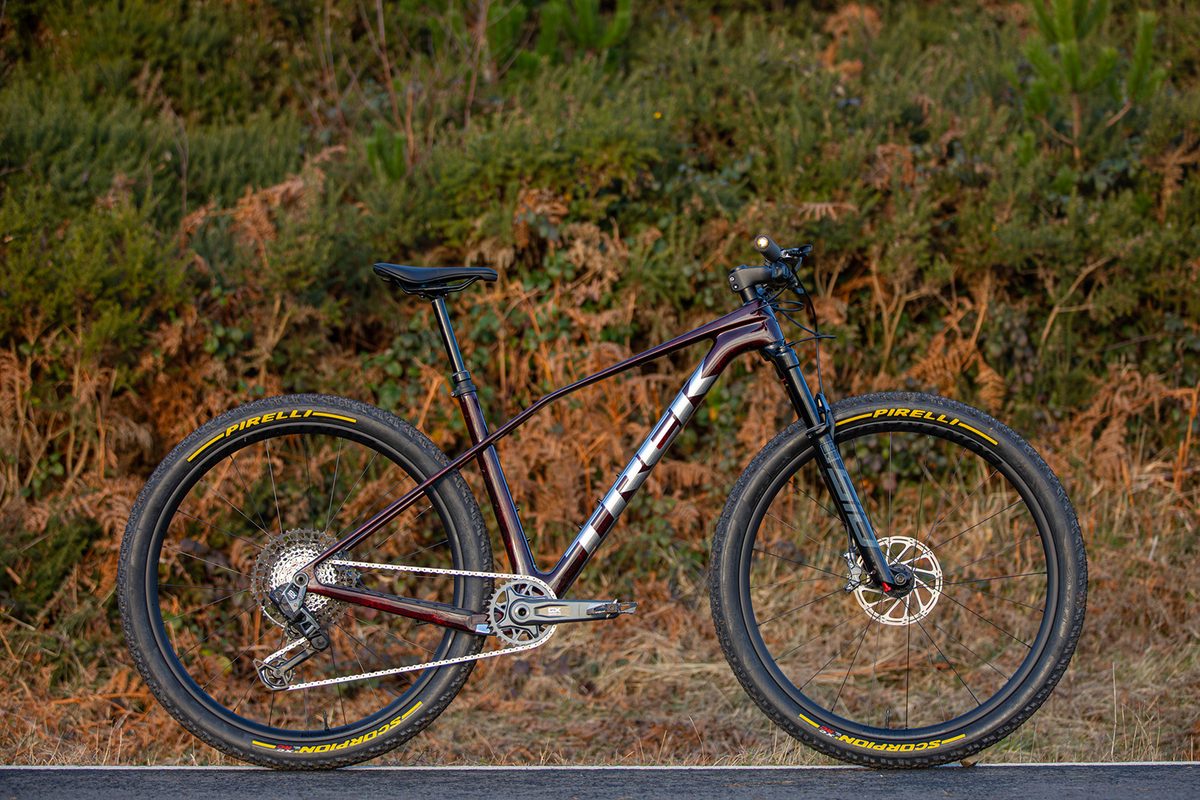
The third-generation Trek Procaliber is a modern cross-country hardtail designed to balance raw pedaling efficiency with the demands of increasingly technical race courses. Trek’s major update for this generation is the shift to a 120mm fork and a noticeably slacker front end, moving the platform away from traditional steep-angled XC geometry. The defining visual and structural change is the IsoBow frame design, which replaces the previous mechanical decoupler with a large cutout at the seat tube junction. This relies on tuned carbon flex to add seated comfort while keeping the chassis light and mechanically simple. Positioned for privateer racers and riders who prioritize climbing speed over full-suspension compliance, the Procaliber remains a dedicated hardtail at its core. It suits aggressive riders looking for a fast, responsive platform that can handle rougher tracks and longer marathon efforts without losing its sharp, race-focused character.
Where to get it.
1 retailer · size M.
Spec sheet.
Every component shipped with this build.
Geometry & fit.
5 sizes published.
The Gen 3 geometry marks a calculated shift toward modern trail capability without abandoning an aggressive cross-country posture. Trek slackened the head tube angle to 67 degrees, pushing the front wheel further ahead of the rider to improve stability on steep descents. To keep the handling quick and offset the longer front center, the chainstays are kept short, measuring 430mm on smaller sizes and growing slightly on the XL. This combination allows the rider to maintain a forward, attack-ready position while still being able to easily lift the front wheel over obstacles.
A defining element of the fit is the exceptionally low 309mm bottom bracket height. This drops the rider's center of gravity, creating a secure feel through fast, sweeping corners, though it requires careful pedal timing on uneven terrain. The cockpit setup leans heavily into racing efficiency, utilizing flat or low-rise handlebars and relatively short stems across the size run. Additionally, Trek has removed the Knock Block steering limiter, allowing for unrestricted bar rotation, and includes dropper posts across the lineup to give riders more room to maneuver over the frame on descents.
Where the handlebar sits relative to the bottom bracket — the single most important fit pair.
01Fit geometry6 values
02Component geometry5 values
03Handling geometry7 values
Which size should I buy?
Slide your height to see the recommended size. GearWise's fit algorithm works from the published stack, reach, and ETT — the brand's own recommendation may differ.
→Calculated from GearWise's own stack / reach / ETT algorithm — the brand's size chart may recommend a different size, and a proper bike fit beats any calculator.
The lineup.
2 builds, ranging $1,800 – $2,700.
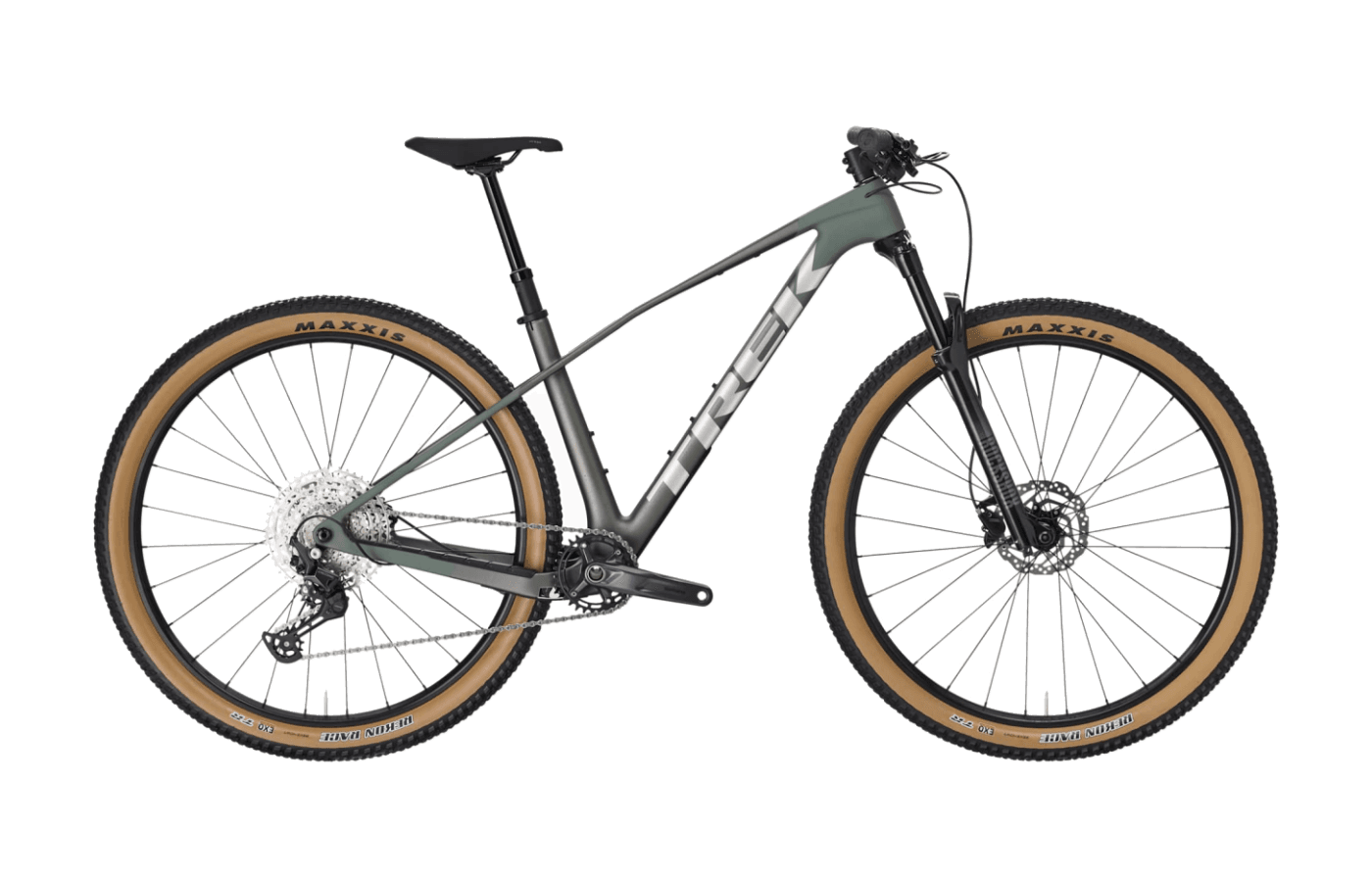
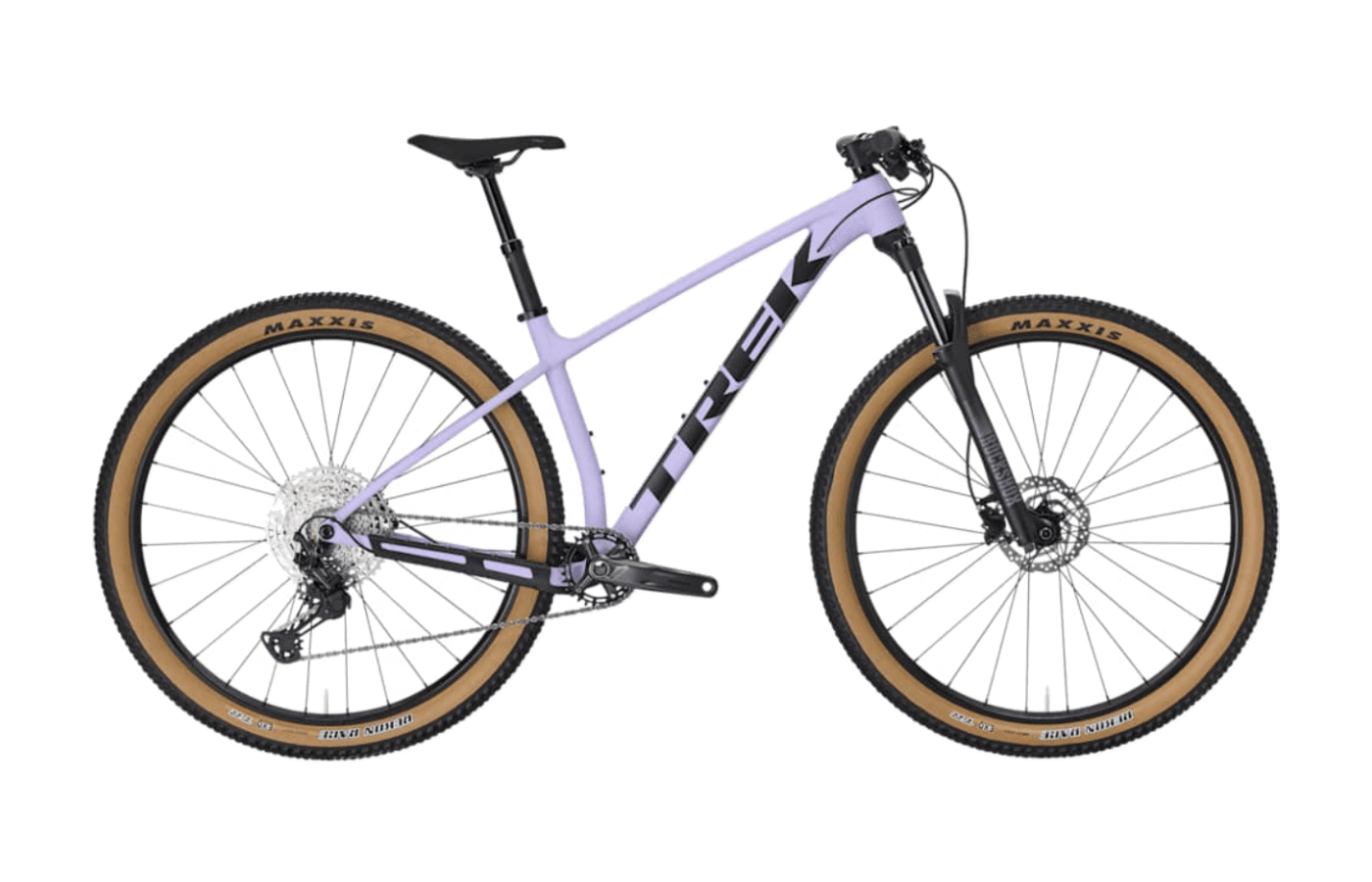
The Procaliber lineup splits into two distinct frame materials, creating a clear divide in the build ladder. The entry-level 6 model utilizes an Alpha Platinum Aluminum frame, offering a budget-friendly entry point with a RockShox Judy Silver fork and a mixed Shimano Deore and XT 12-speed drivetrain. Moving up to the 9.5 Gen 3 introduces the OCLV Mountain Carbon frame featuring the signature IsoBow design and floating brake mount. This carbon model upgrades the suspension to a RockShox Judy Gold fork while utilizing a full Shimano Deore 12-speed drivetrain.
Both builds share several foundational components, including Shimano MT200 hydraulic disc brakes and Bontrager Kovee tubeless-ready wheels. They also both feature Bontrager Line dropper posts, with travel scaling from 100mm on small frames up to 170mm on the XL. The value in the carbon 9.5 model lies primarily in the frame itself. Because Trek uses the same carbon chassis across its higher-end builds, the 9.5 serves as a premium foundation that privateer racers can upgrade over time, rather than a compromise in structural quality.
From the press.
3 reviews from the cycling press.
Reviewers agree that despite the move to a longer 120mm fork, the Procaliber retains its sharp cross-country character. Testers praise the bike's immediate acceleration and stiff pedaling platform, noting an "energetic snap" (BikeRadar) when sprinting out of the saddle. The handling is frequently highlighted as a standout trait, with the shortened rear end helping the bike feel highly maneuverable through tight uphill switchbacks. One tester described the resulting agility as the "quintessence of nimbleness" (YouTube), rewarding riders who actively muscle the bike through corners.
The new IsoBow frame design generates mixed feedback regarding its impact on comfort. While the structural flex is intended to smooth out trail chatter, some testers "struggled to feel masses of difference" (BikeRadar) compared to a standard rigid frame, suggesting that the high-volume tires do most of the heavy lifting. The most consistent criticism centers on the bike's low bottom bracket. While this low center of gravity aids high-speed cornering stability, multiple reviewers warned that it makes "hitting the cranks" (YouTube) a frequent issue when navigating technical climbs littered with rocks and stumps.

Compared to.
Most-viewed comparisons.
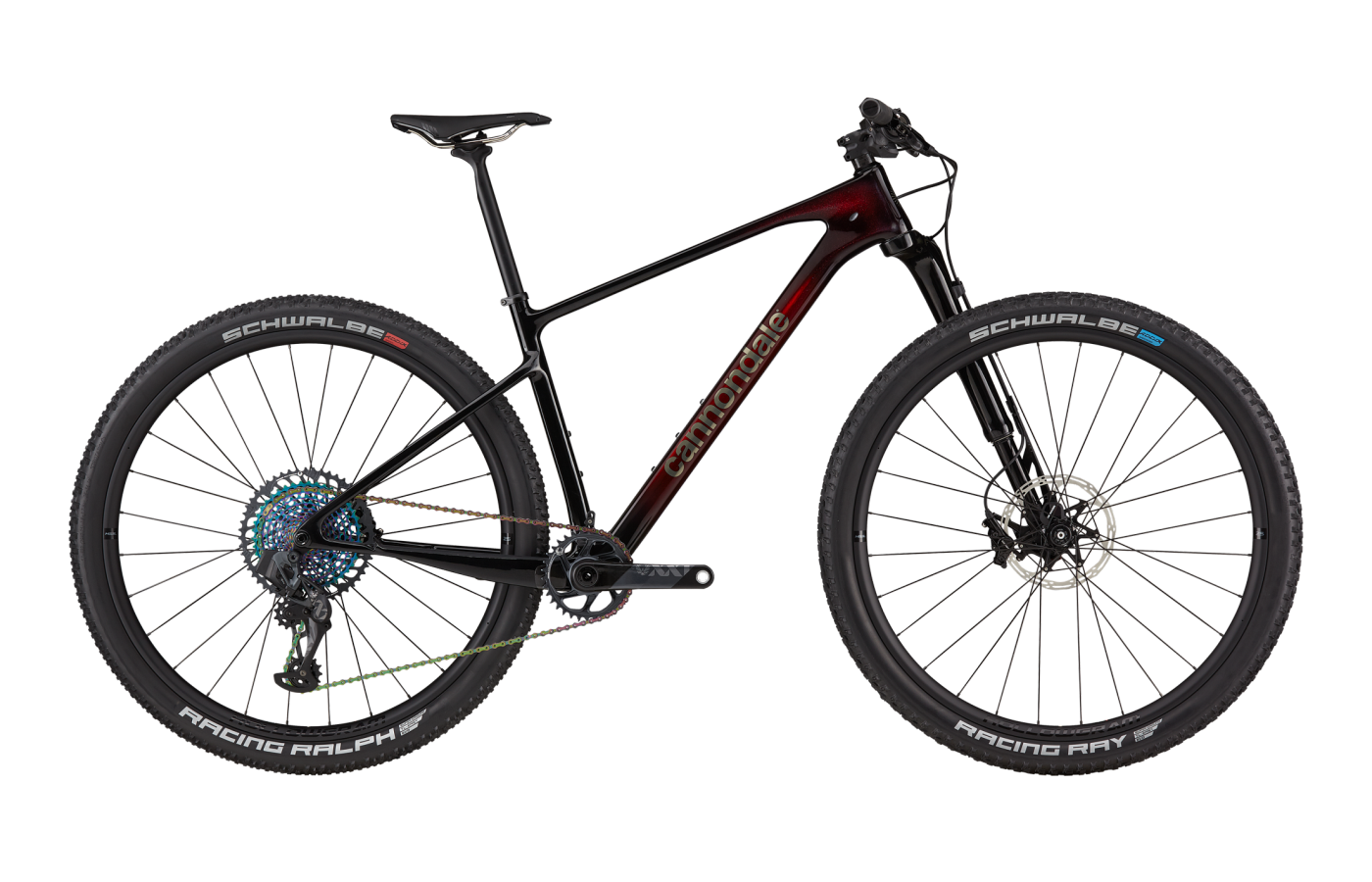
Cannondale Scalpel HT vs Trek Procaliber
Read comparison→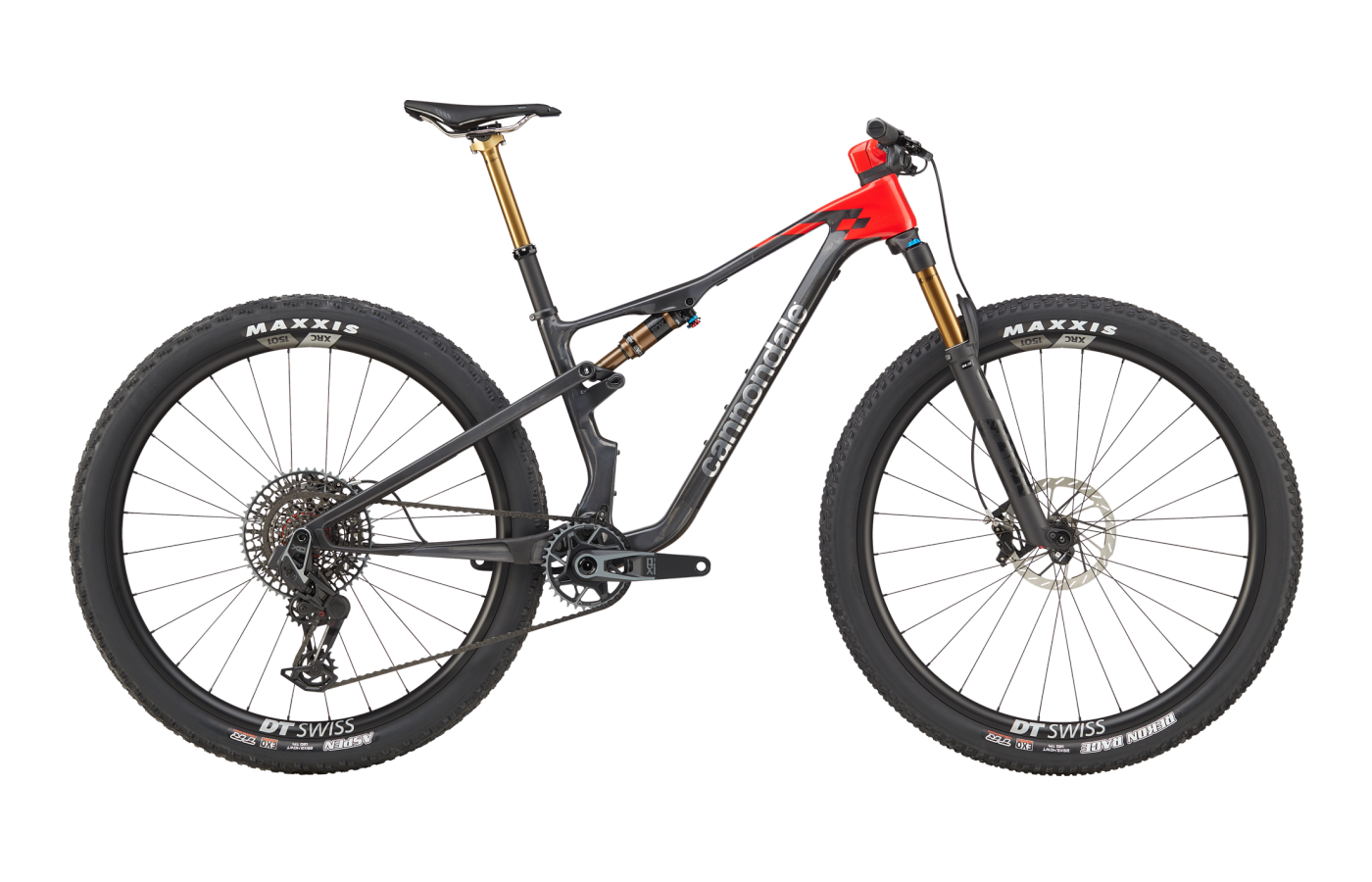
Cannondale Scalpel vs Trek Procaliber
Read comparison→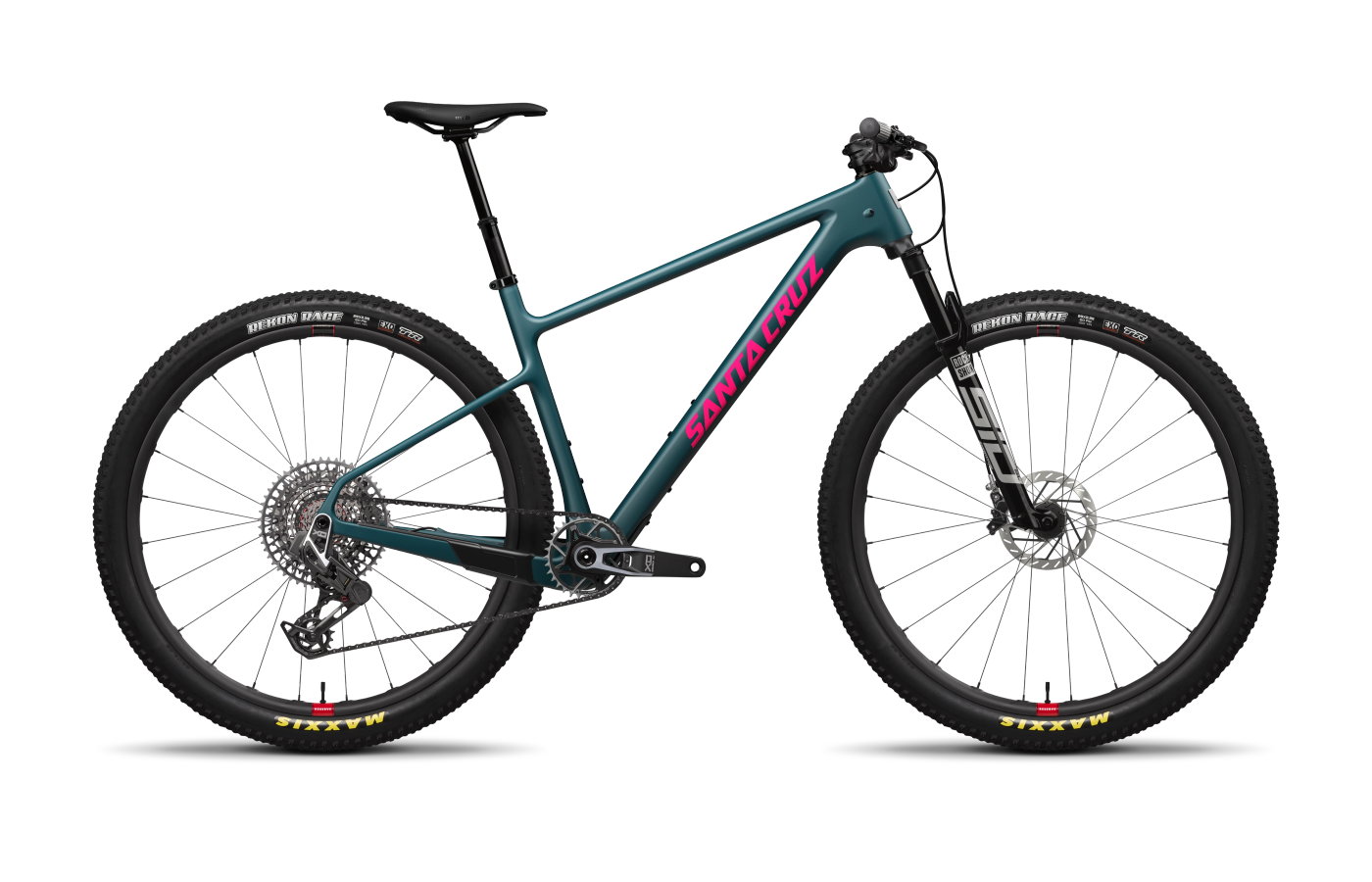
Santa Cruz Highball vs Trek Procaliber
Read comparison→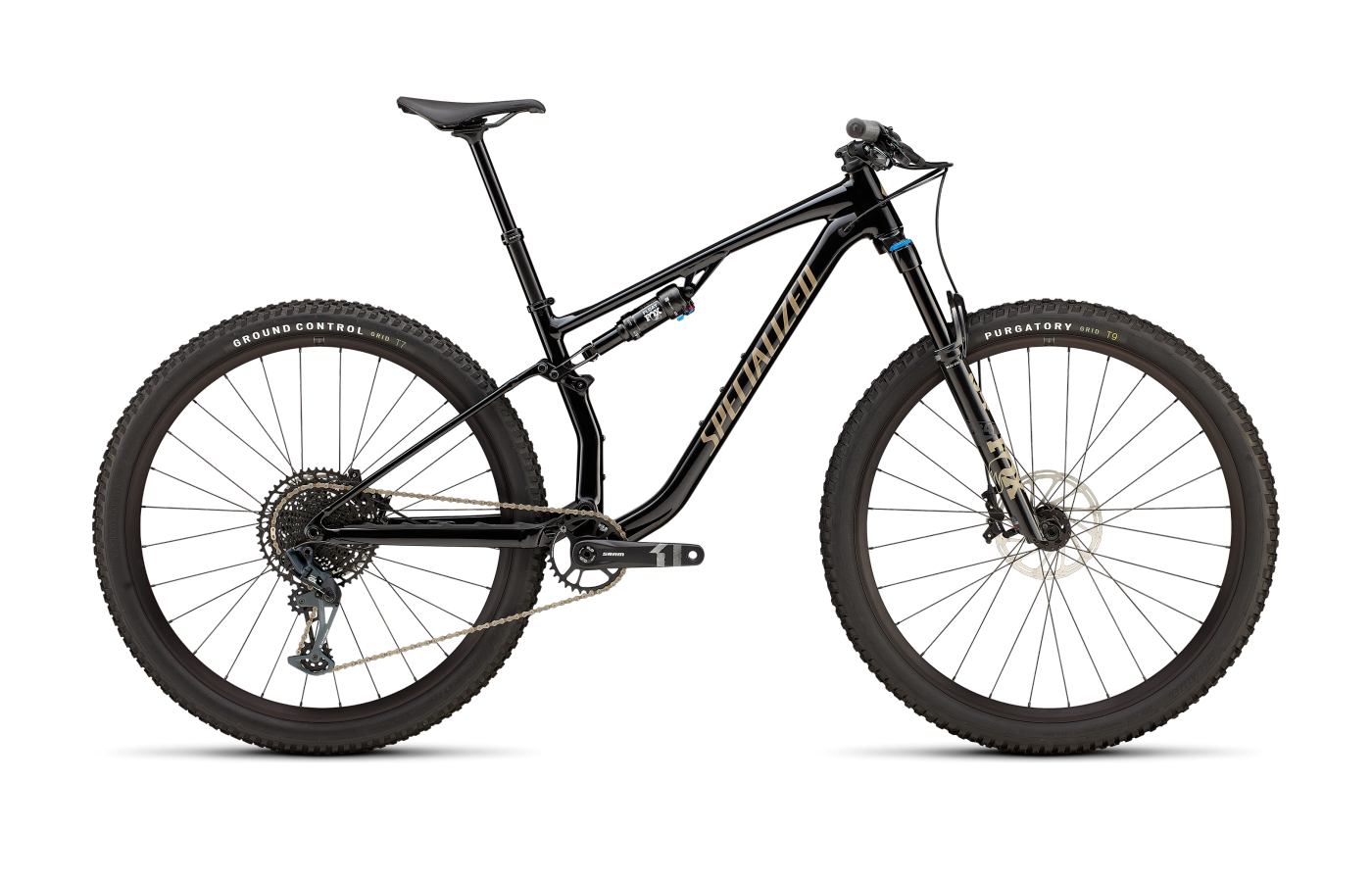
Specialized Chisel vs Trek Procaliber
Read comparison→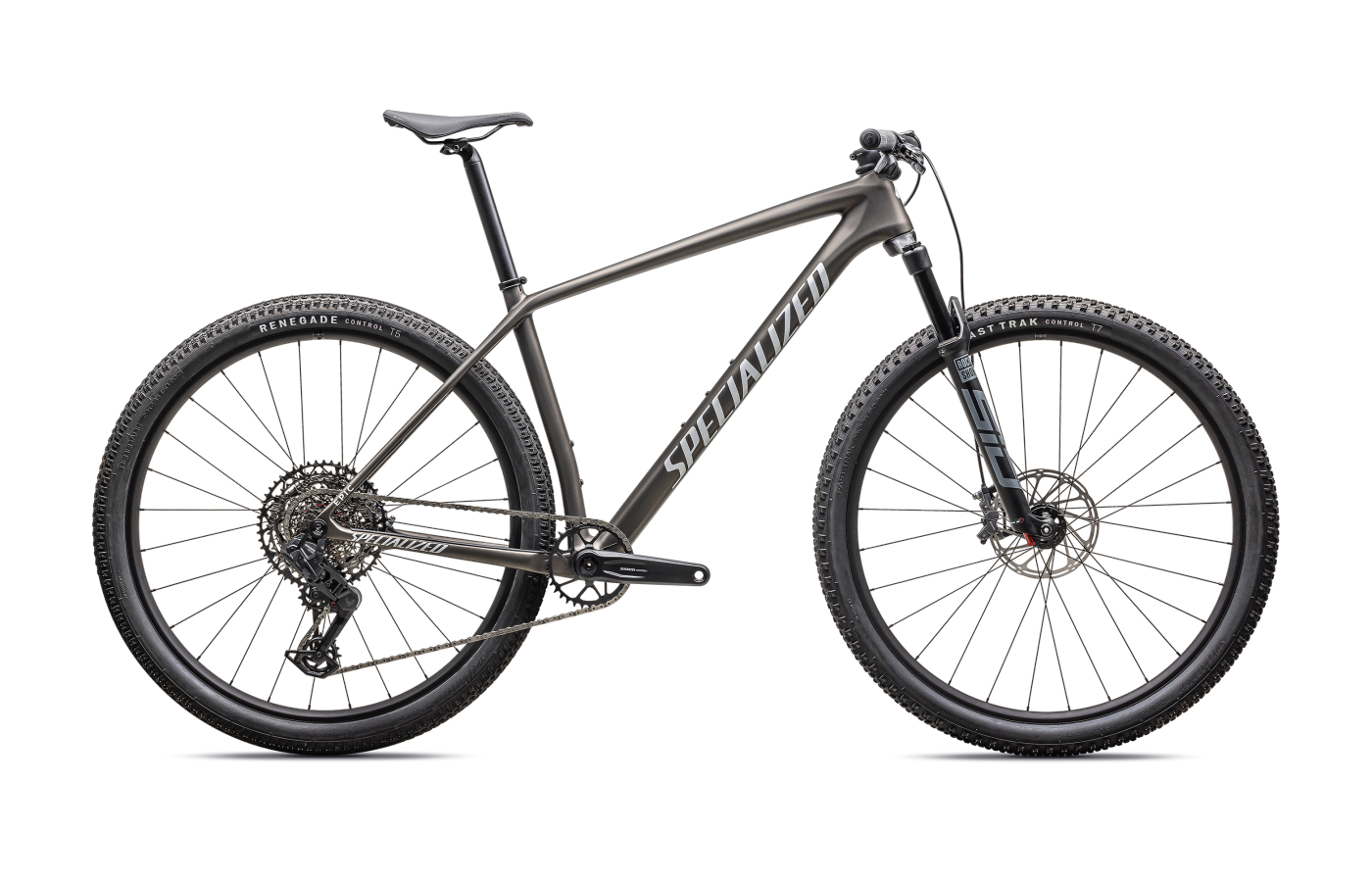
Specialized Epic Hardtail vs Trek Procaliber
Read comparison→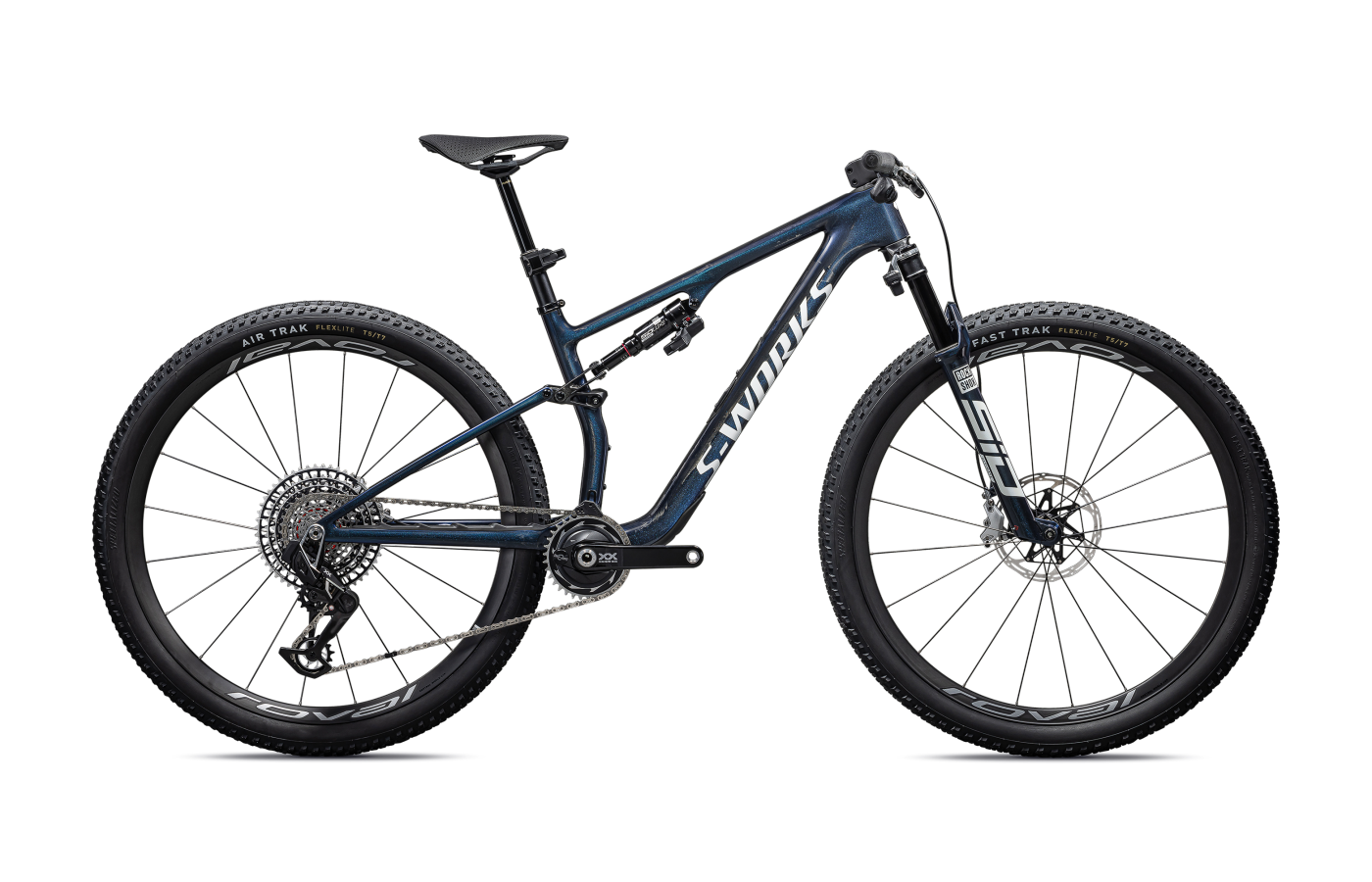
Specialized Epic vs Trek Procaliber
Read comparison→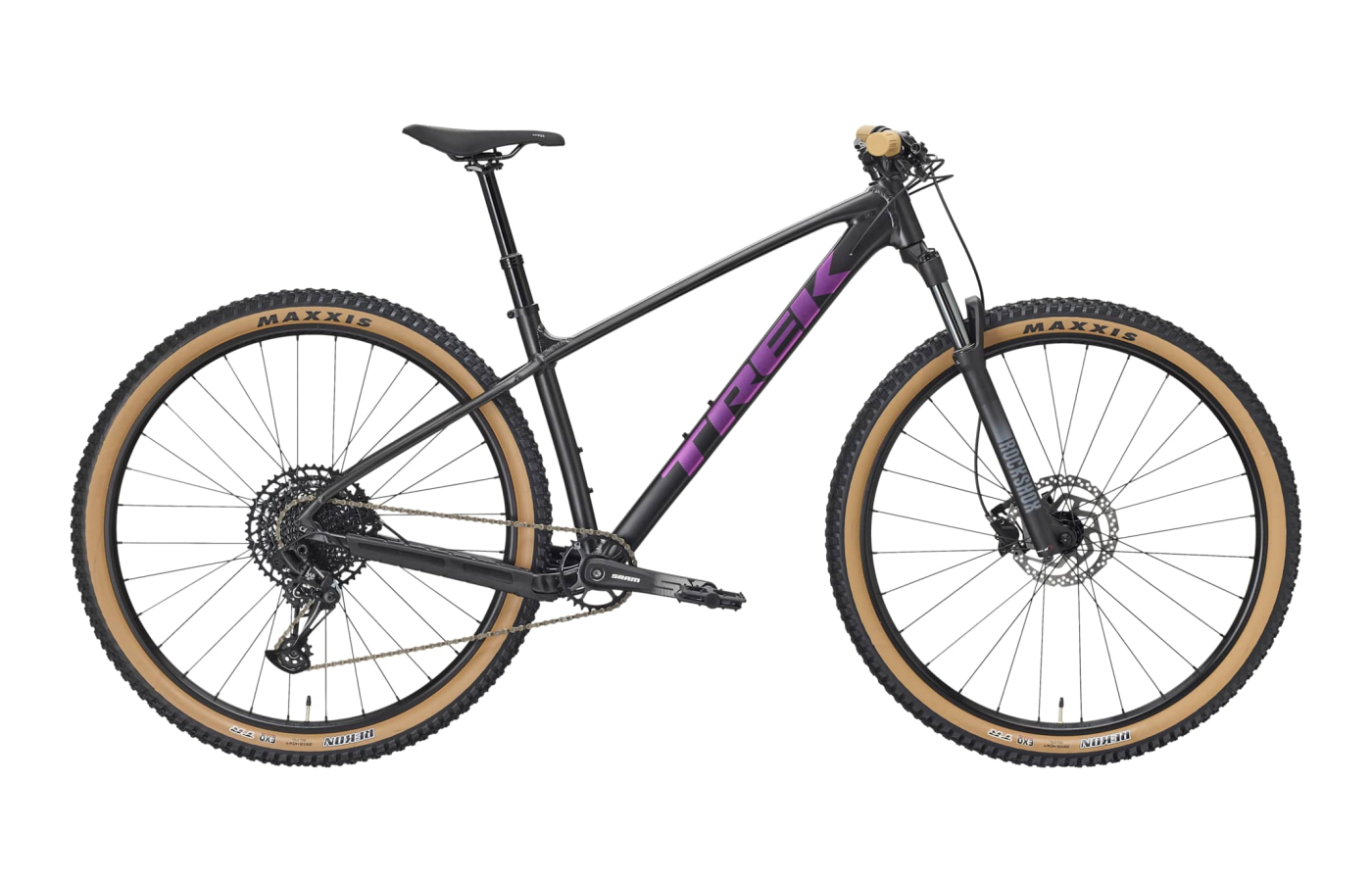
Trek Marlin vs Procaliber
Read comparison→Trek Procaliber vs Roscoe
Read comparison→Trek Procaliber vs Stache
Read comparison→